
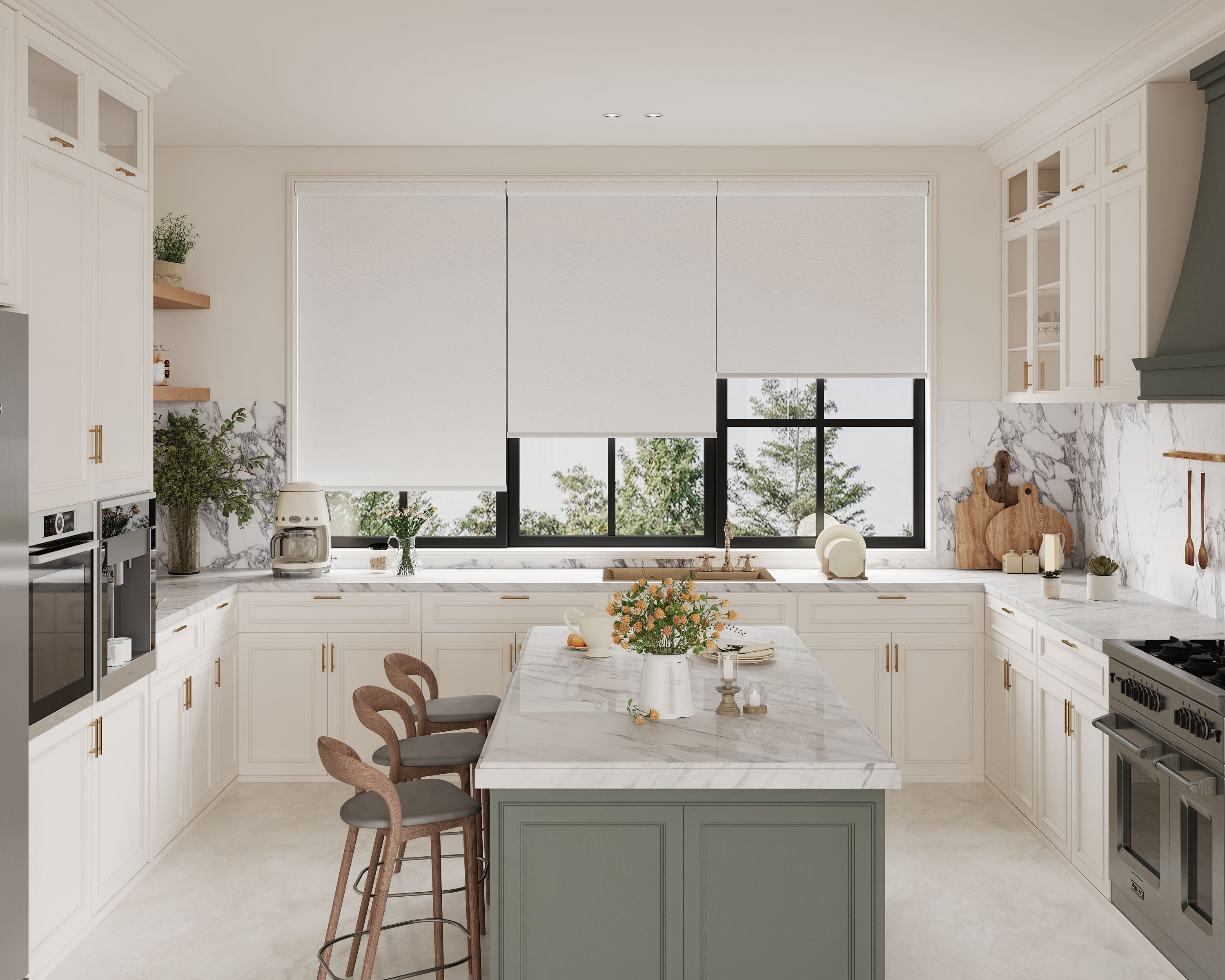
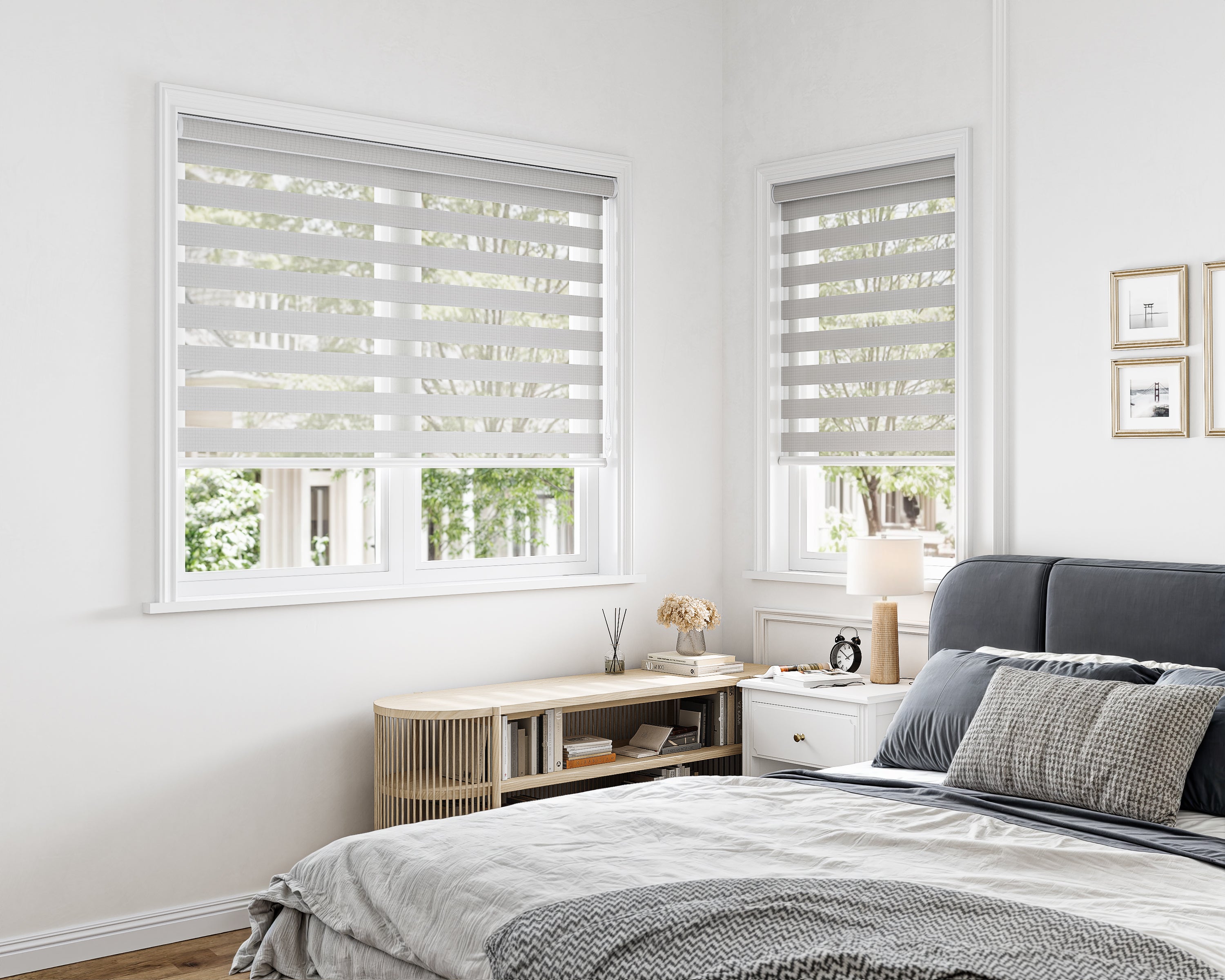
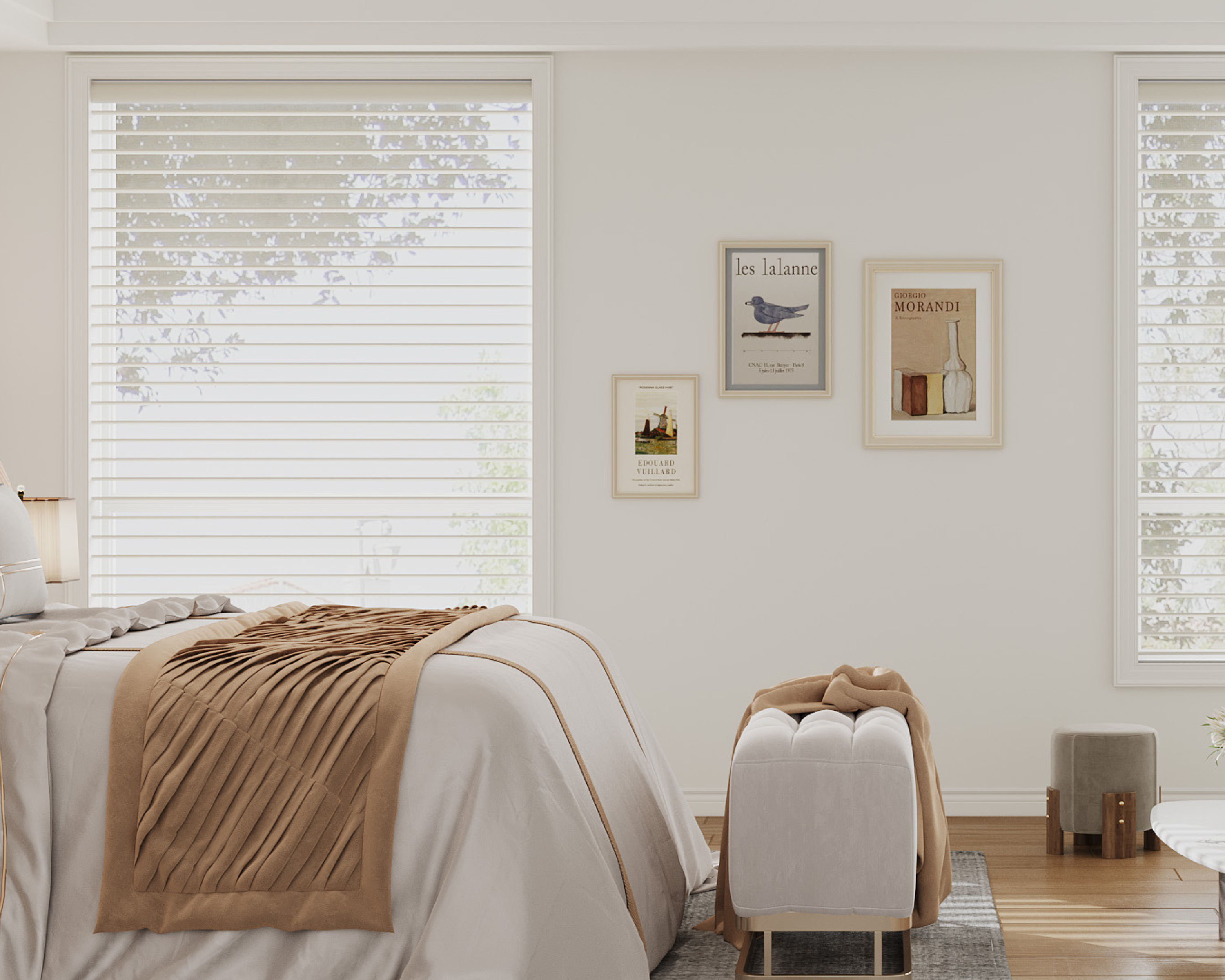
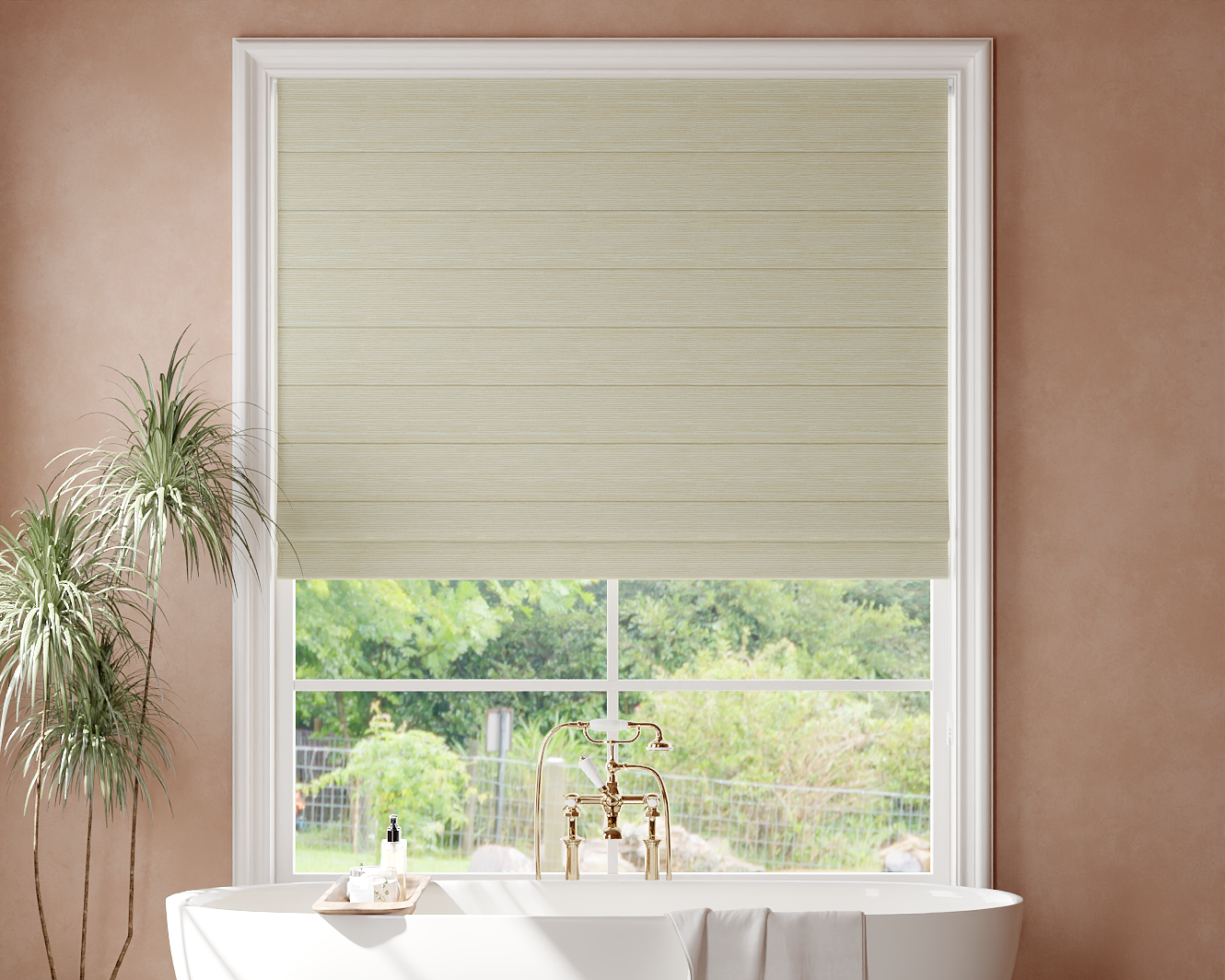
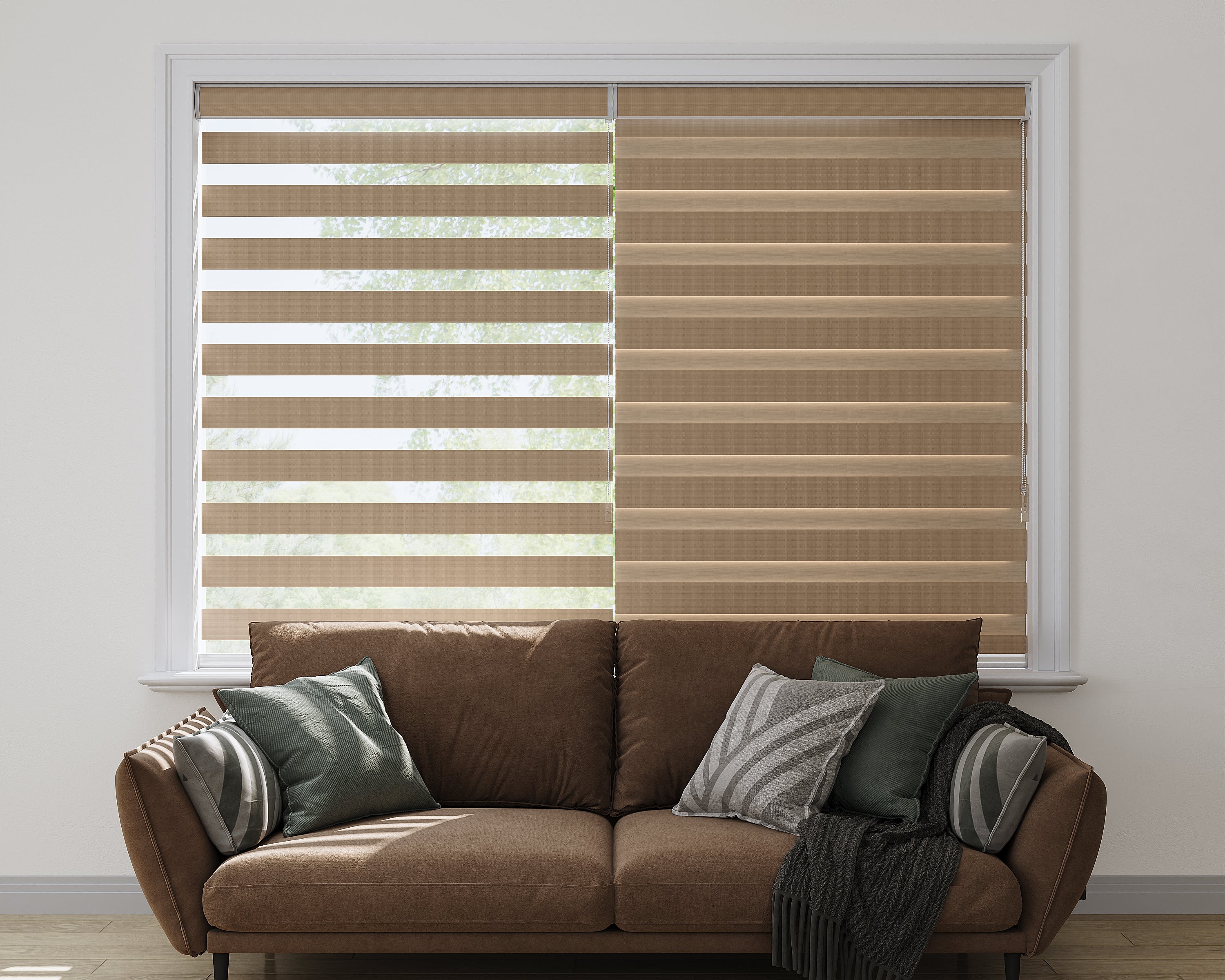
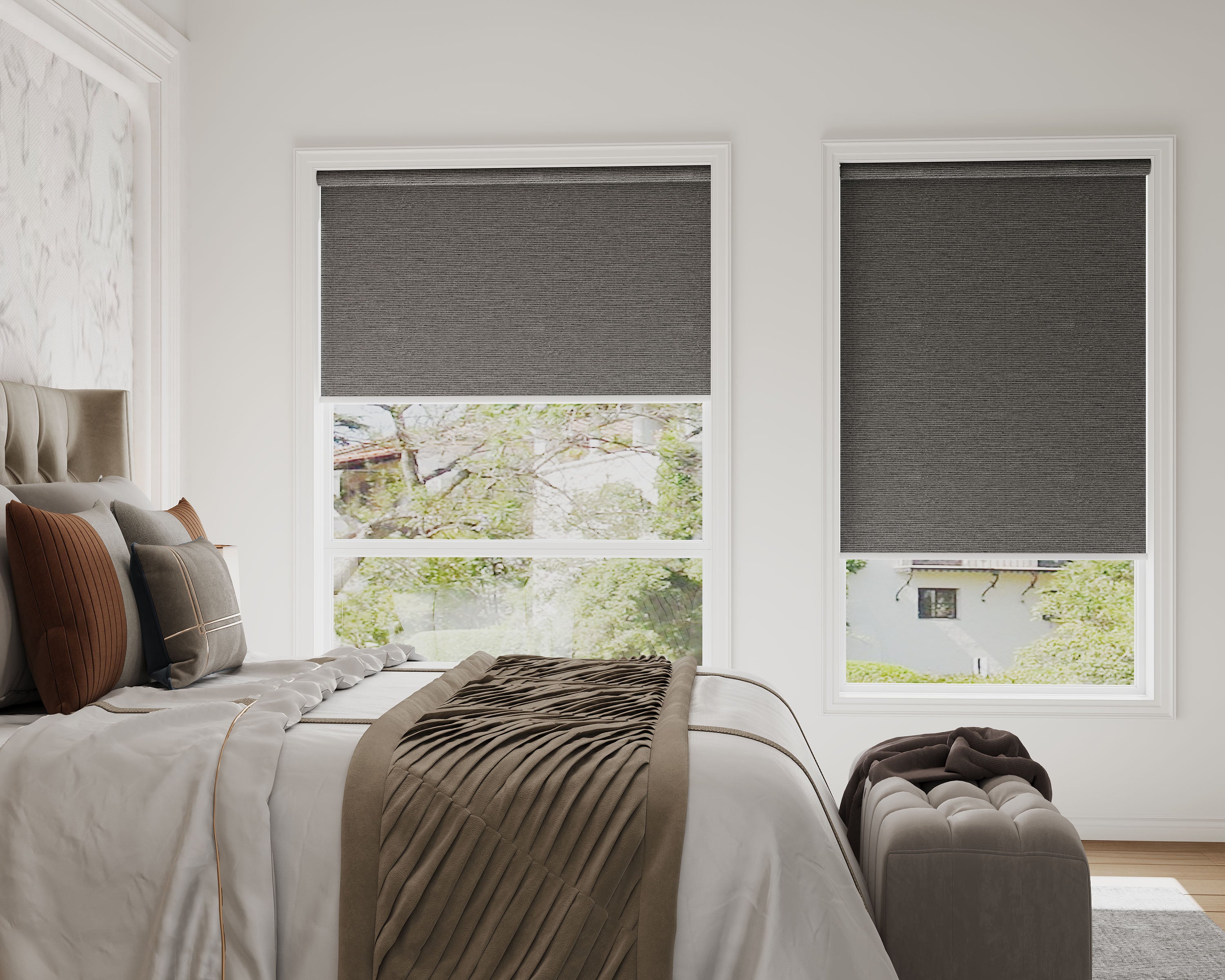
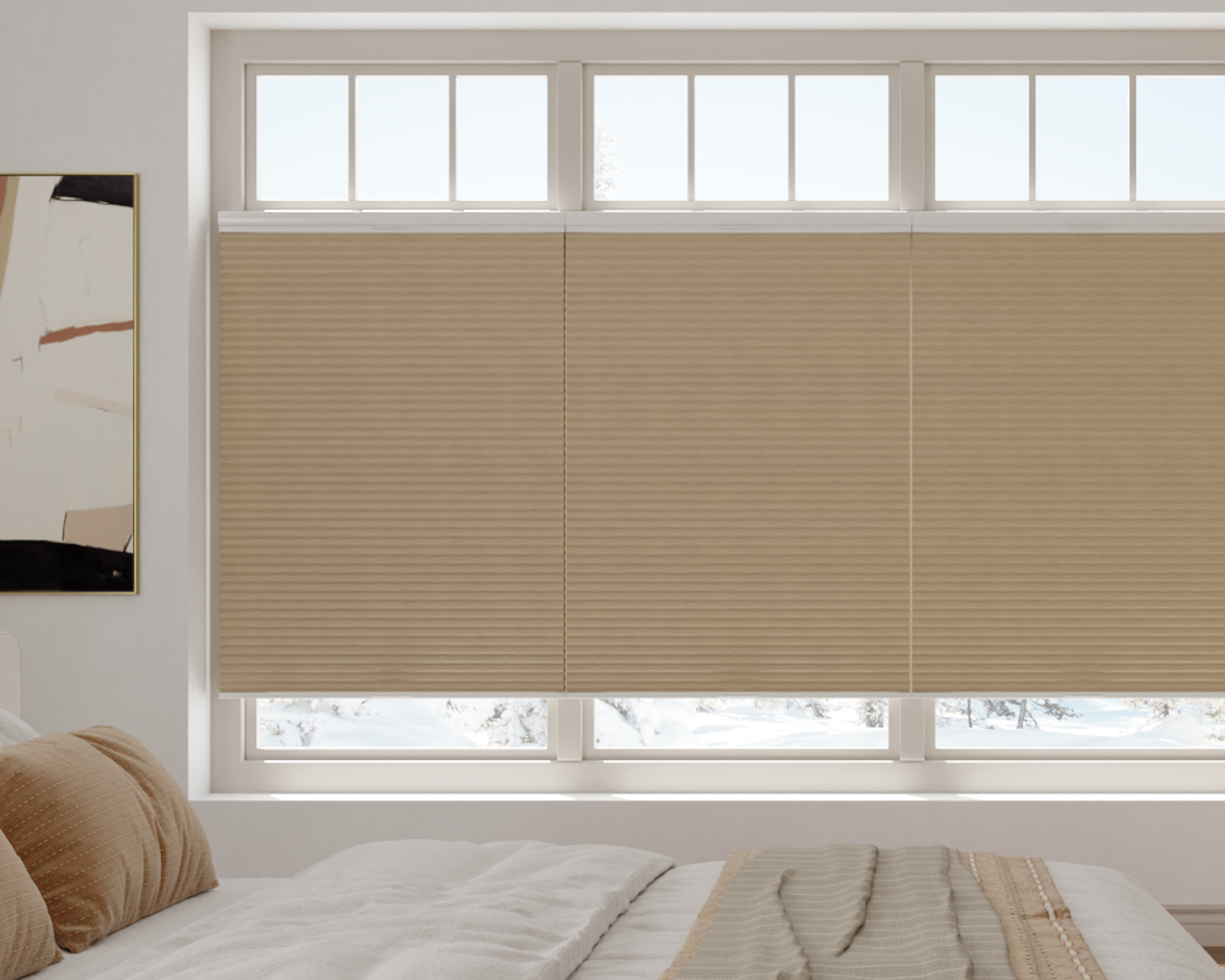
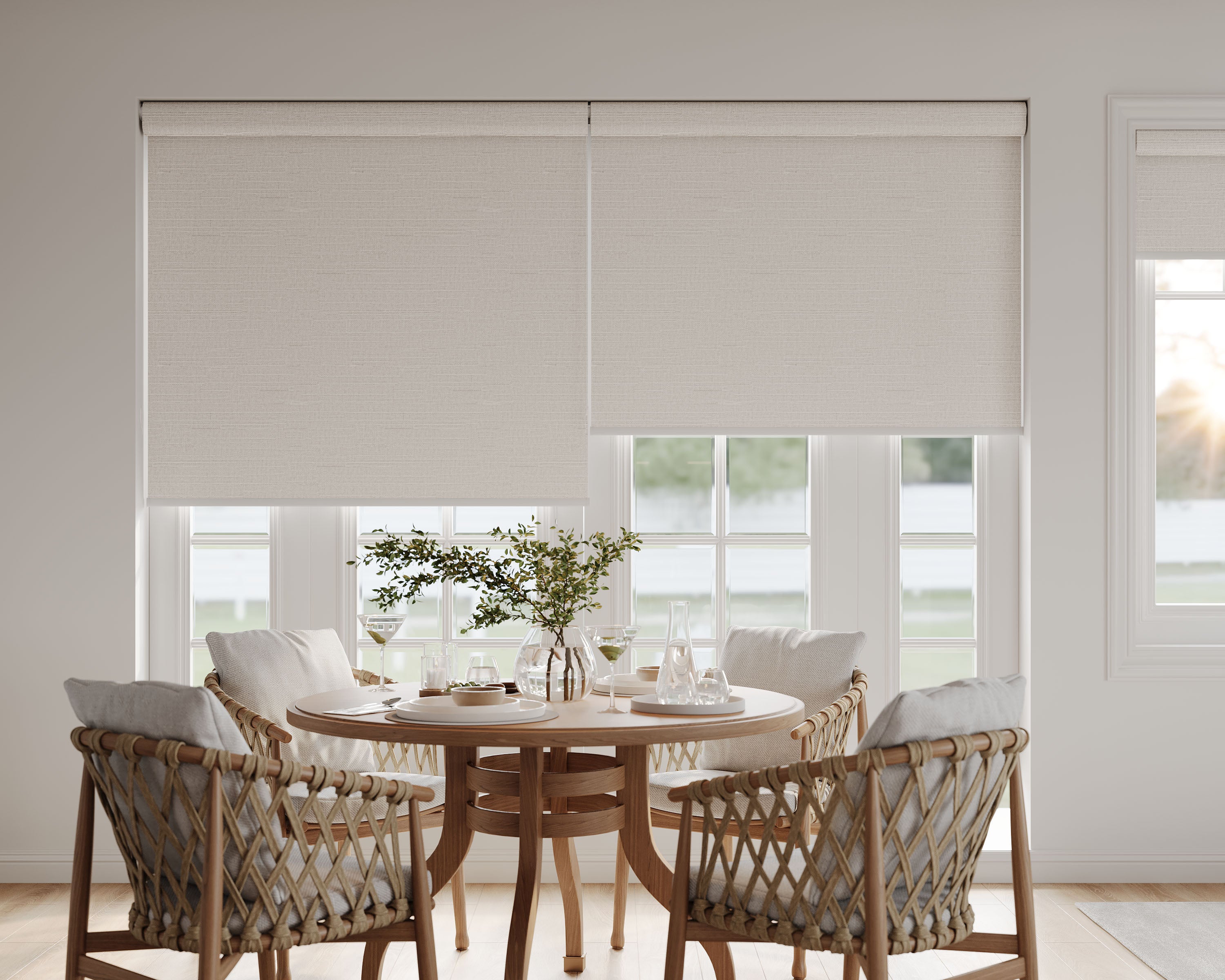




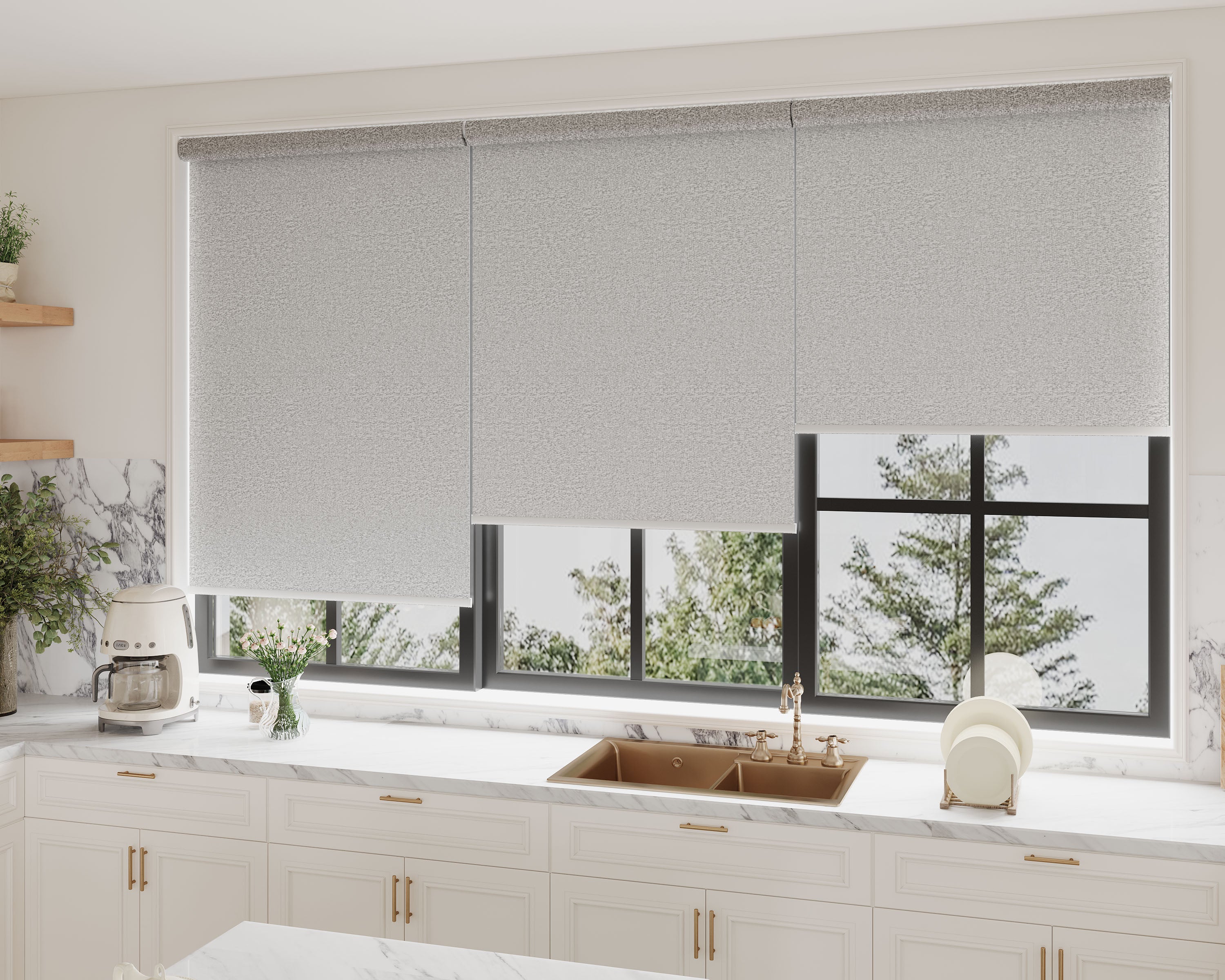



Coastal living is defined by abundant light, soft colors, and a relaxed connection to the outdoors—but also by harsh sun, salt air, and humidity. Roman shades, with their soft fabric folds, can perfectly capture the breezy elegance of coastal style while being engineered to withstand the environment. This guide will help you select Roman shades that enhance the light and views of your coastal home while offering durability, easy care, and timeless style.
Here’s what you’ll learn:
-
How to choose fade-resistant and moisture-tolerant fabrics for longevity.
-
The best colors, textures, and styles to create a light, airy coastal ambiance.
-
Practical considerations for operation and installation in humid, salty climates.
-
How to balance privacy with the desire for panoramic water views.
-
Room-specific recommendations from sun-drenched living areas to humid bathrooms.
To explore a range of durable, sun-safe fabrics perfect for coastal interiors, begin with our collection of custom Roman shades designed for light-filled spaces.
Core Principles: Coastal Style Meets Practical Demands
Coastal design isn't just nautical themes; it's a feeling of relaxed, sun-bleached ease. Your window treatments should support these key principles while standing up to the elements:
-
Maximized Natural Light: Treatments should diffuse and soften light, not block it out entirely.
-
A Light, Neutral Palette: Inspired by sand, surf, shell, and sky.
-
Durability Against Elements: Fabrics and hardware must resist UV fading, moisture, and salt corrosion.
-
Easy, Breezy Textures: Fabrics should feel natural, light, and casual.
Roman shades are ideal because they offer a tailored look that can be made from performance-driven textiles, providing both style and substance.
Selecting Coastal-Approved Fabrics and Colors
The fabric must be as hardy as it is beautiful. This is where performance fabrics shine.
Performance Fabrics for Sun & Salt
-
Solution-Dyed Acrylics & Polyesters: These are top-tier for coastal homes. The color is baked into the fiber, not just printed on, making them exceptionally resistant to UV fading. They are also often moisture-resistant and easy to clean.
-
Fade-Resistant Linens & Cottons: Look for natural fibers treated for UV protection. A textured, light-colored linen is a classic choice but ensure it has a fade-resistant finish. The differences between material performance are detailed in our deep dive on fabric longevity.
-
Woven Woods (Bamboo, Grasses): These natural materials bring organic texture and are inherently resilient. They filter light beautifully, creating dappled shadows. Ensure they are constructed for durability.
-
Moisture-Resistant Options: For spaces like bathrooms or rooms with direct ocean spray, consider fabrics specifically designed for high humidity and moisture-prone areas.
The Coastal Color Palette
Think of a sun-bleached, weathered palette:
-
Whites & Off-Whites: Crisp white, oyster, cream, and ivory.
-
Soft Neutrals: Sand, taupe, putty, and warm gray.
-
Subtle Hues: Pale sky blue, seafoam green, and soft navy (used as an accent).
-
Natural Tones: The raw color of natural jute, bamboo, or unbleached cotton.
Choosing the Perfect Roman Shade Style for a Breezy Look
The fold style contributes to the overall feel, from crisp to casually relaxed.
Relaxed Roman Shades: Effortless Beach House Vibes
Relaxed Roman shades are a quintessential coastal choice. Their soft, curved bottom and gentle folds emulate the effortless drape of a linen curtain, feeling casual and organic. They look perfect in living rooms and bedrooms when made from a flowy fabric.
Flat Fold Roman Shades: Crisp, Nautical-Inspired Lines
Flat fold Roman shades offer a cleaner, more tailored silhouette that pairs well with a more architectural or "nautical modern" coastal home. Their smooth planes are excellent for showcasing striped fabrics or providing a crisp contrast to textured walls.
Top-Down/Bottom-Up Functionality
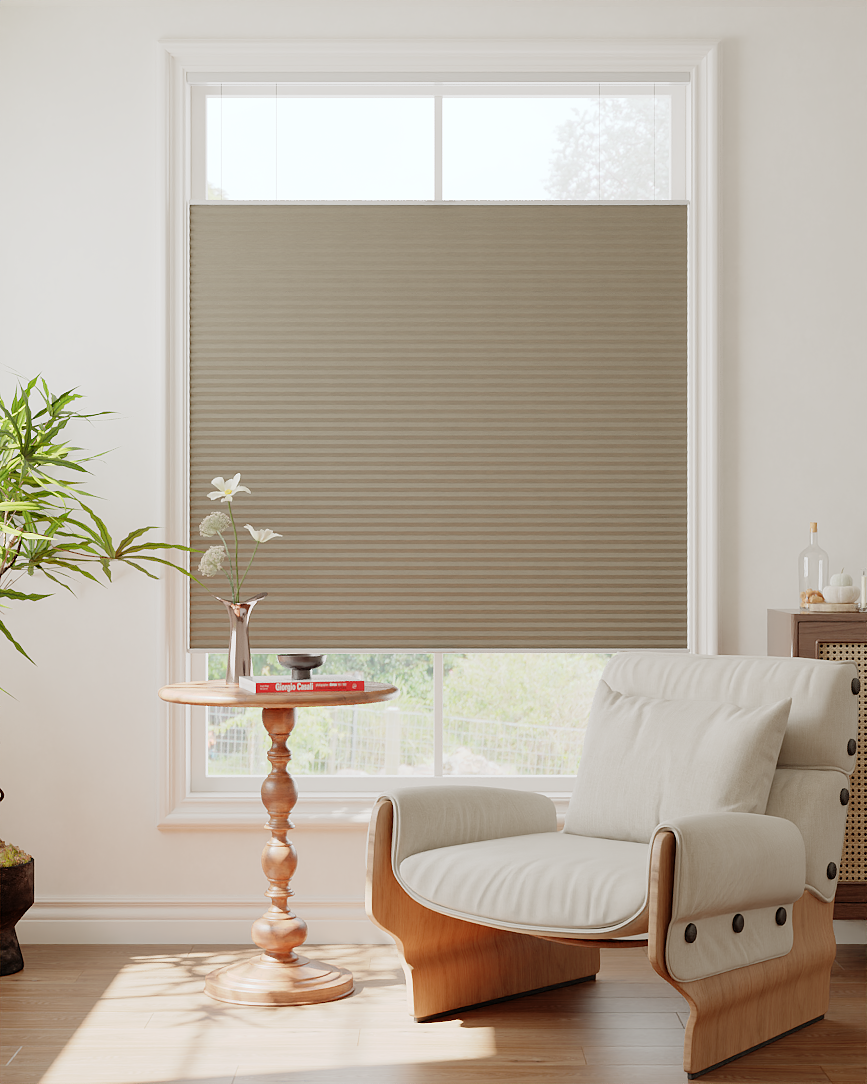
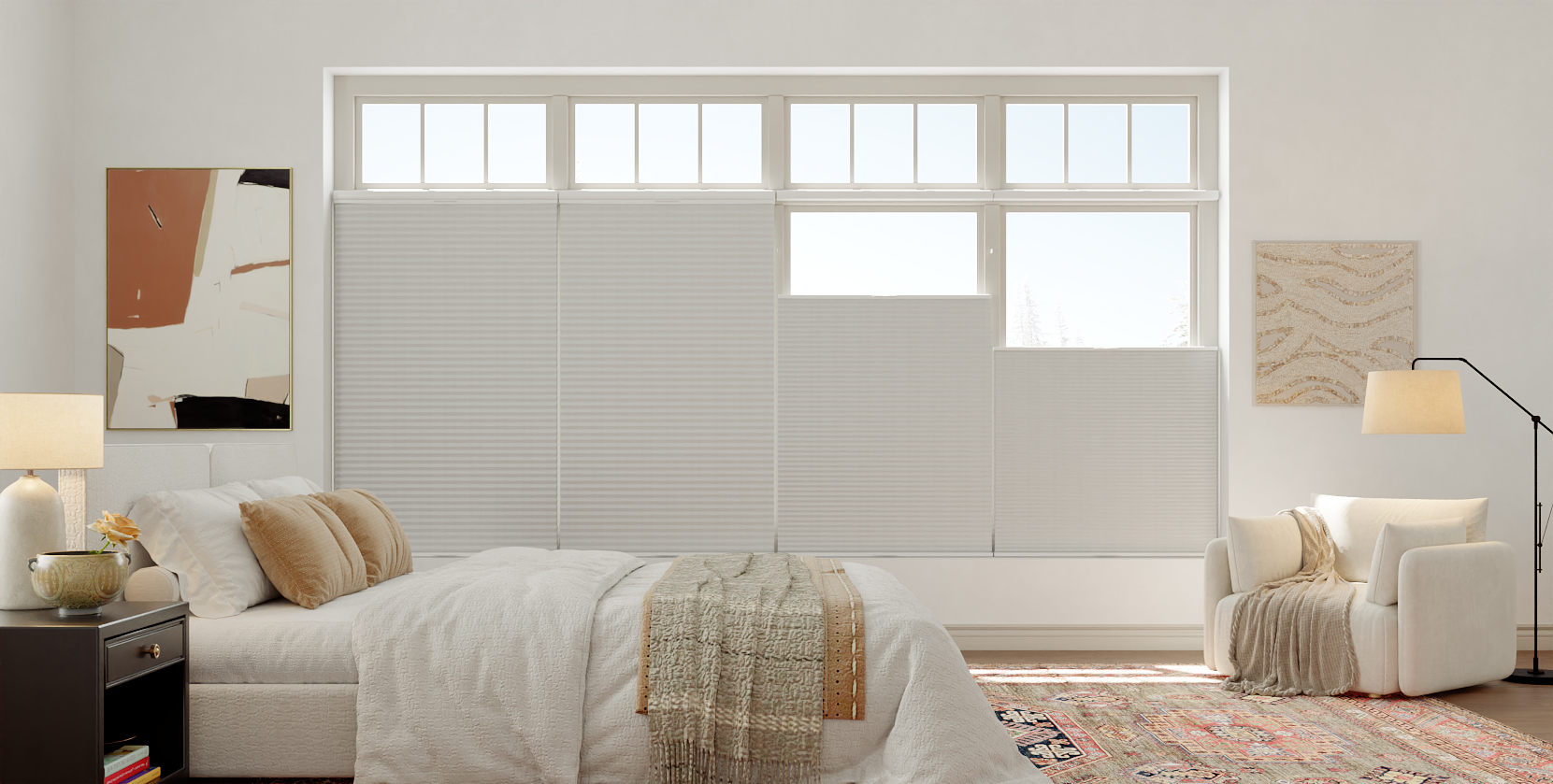
For coastal homes where views are paramount, a Roman shade with top-down/bottom-up operation is invaluable. It allows you to lower the top of the shade to block glare from the high sun while keeping the lower portion up to preserve your view of the water—a perfect blend of function and scenery.
Designing for Coastal Rooms and Challenges
Living & Dining Areas: Light Control with a View
The goal is to manage glare without sacrificing light. Light-filtering Roman shades in a neutral hue are ideal. Consider motorization for easy adjustment as the sun moves; you can learn more about the benefits in our guide to motorized Roman shade systems. For large panoramic windows, ensure proper support and scale, as covered in our guide for Roman shades on large windows.
Bedrooms: Serene Retreats
Create a peaceful, cave-like retreat for sleeping in, even if the sun rises over the water. A Roman shade with a room-darkening or blackout lining is key. Choose a calming fabric, like a textured cotton or linen, to maintain the soft coastal feel even when darkening the room.
Bathrooms & Moisture-Prone Areas
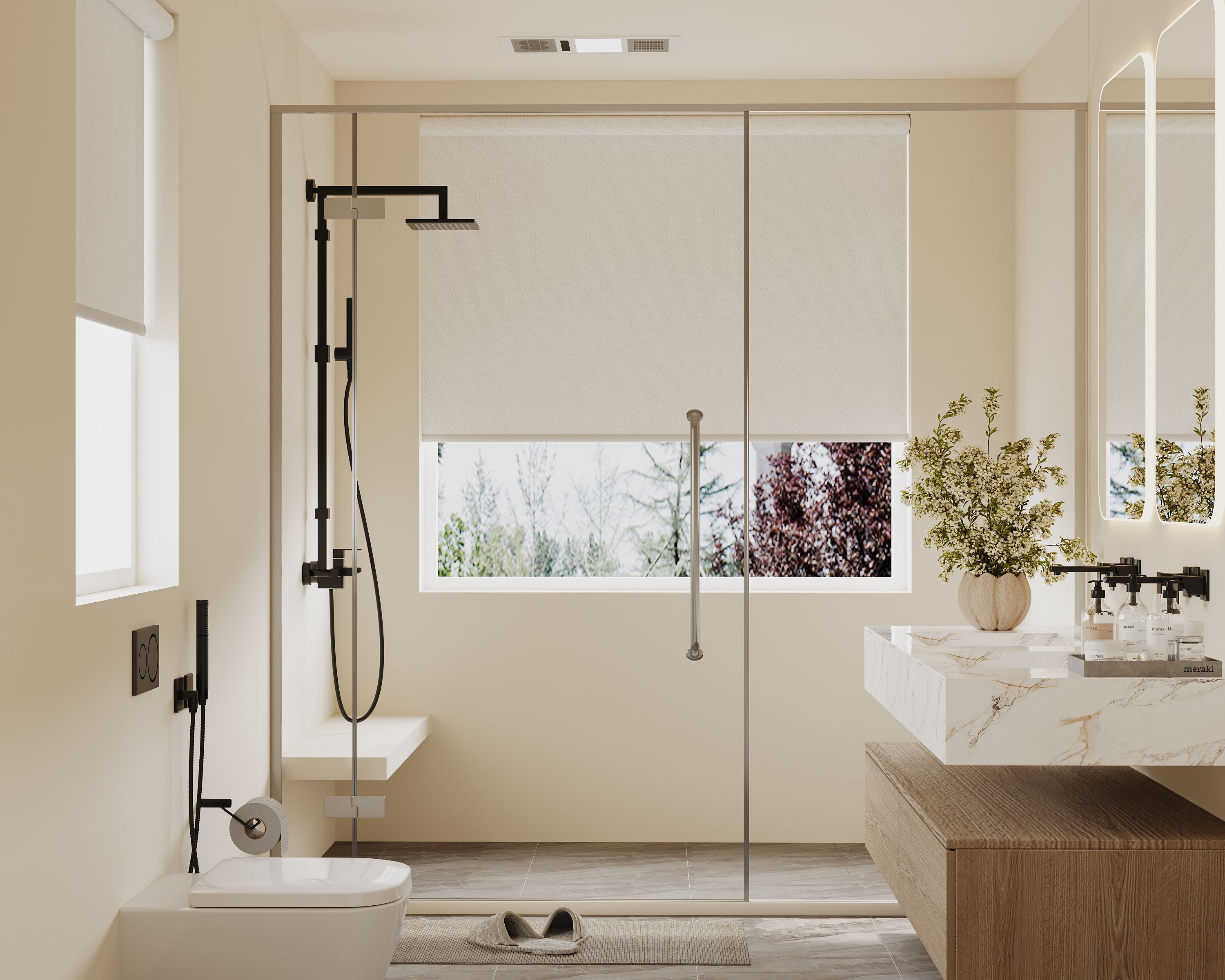
Humidity is a fact of life. Here, choose moisture-resistant or synthetic fabrics and ensure any metal components (like lift rings or screws) are stainless steel or have a corrosion-resistant finish. Proper ventilation is also crucial.
Practical Considerations for Coastal Climates
-
Hardware & Mechanism Care: Salt air can corrode metal. Opt for shades with plastic or coated metal components internally. Cordless or motorized systems reduce points of potential corrosion compared to metal cord loops.
-
Installation & Maintenance: For a secure hold in often breezy locations, ensure shades, especially large ones, are mounted into studs or with proper anchors. Regular dusting or gentle vacuuming prevents salt and sand buildup in the fabric folds. A detailed guide on measuring for a perfect fit is your first step to success.
-
Balancing Privacy & Light: Sheer or light-filtering shades provide daytime privacy while glowing beautifully at night. For true nighttime privacy, a dual layer with a sheer and a blackout shade may be needed, a concept explored in strategies for balancing privacy and natural light.
Conclusion and Key Recommendations
Coastal Roman shades should feel as easy and natural as the setting itself, but be built to last.
Prioritize Performance Fabrics: Invest in UV-resistant and moisture-tolerant materials from the start.
Embrace a Light, Airy Palette: Stick to neutrals inspired by the beachscape to keep spaces feeling open and serene.
Choose for View and Light: Consider top-down/bottom-up functionality to preserve views while controlling glare.
Plan for the Elements: Select corrosion-resistant hardware and easy-care operation methods like cordless or motorized lifts.
Keep it Casual: Relaxed or simple flat fold styles best embody the laid-back coastal ethos.
Key Highlights:
-
Fade Resistance is Non-Negotiable: The intense coastal sun will destroy untreated fabrics quickly. Solution-dyed synthetics are your most durable choice.
-
Function Follows View: Your shade operation should enhance, not hinder, your connection to the water and sky.
-
Texture Over Pattern: Let the texture of linen, weave of bamboo, or color of the sea provide interest, avoiding busy prints for a more serene, authentic coastal feel.
Shop Roman Shades by Light Control


Frequently Asked Questions (FAQ)
What is the best lining for coastal Roman shades?
A light-filtering or UV-protective lining is ideal for most coastal rooms to protect interior furnishings from sun damage while maintaining a bright feel. For bedrooms, a room-darkening lining is preferable to a full blackout, as it allows a soft morning glow—more in keeping with the coastal vibe—while still providing sleep support. Explore more in our guide to selecting the right lining.
Can I use real woven wood shades in a humid coastal climate?
Yes, but with consideration. Natural materials like bamboo and grasses can be used in coastal homes, especially in living areas. However, in areas of consistently high humidity (like directly on the beach), they may be prone to warping or mold over time. For such locations, high-quality synthetic woven alternatives that mimic the look may be more durable.
How do I prevent my white Roman shades from looking dingy?
Choose fabrics with a tight weave or performance finish that resists soil. Regular, gentle vacuuming is key to preventing a buildup of salt and sand in the air from settling into the fabric. For spot cleaning, use a mild detergent. The inherent "lived-in" look of coastal style is forgiving, but starting with a durable, cleanable fabric is essential.
Are motorized shades worth it in a coastal vacation home?
Absolutely. Motorization offers significant convenience and security for a home you may not occupy daily. You can program shades to raise and lower on a schedule to simulate occupancy, protect furnishings from prolonged sun exposure, and control them remotely upon arrival. It also eliminates cords that can degrade in the salt air.
What if I want a striped Roman shade?
Stripes are a classic coastal pattern. To keep the look modern and sophisticated, choose a subtle tone-on-tone stripe (e.g., navy on slate blue, or sand on cream) rather than a high-contrast one. A flat fold style is the best choice for showcasing a stripe cleanly, as hobbled folds will break the line of the pattern.
