
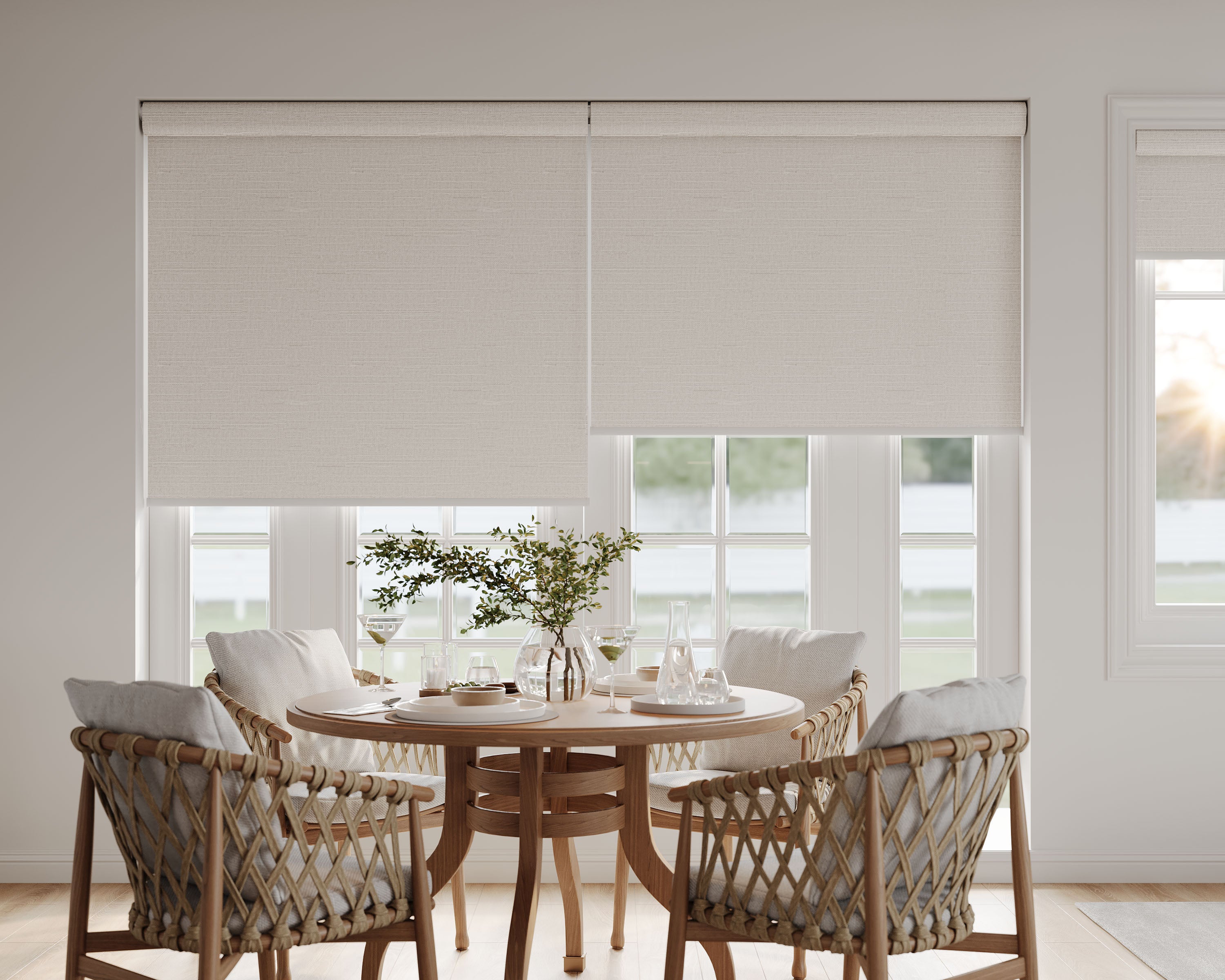


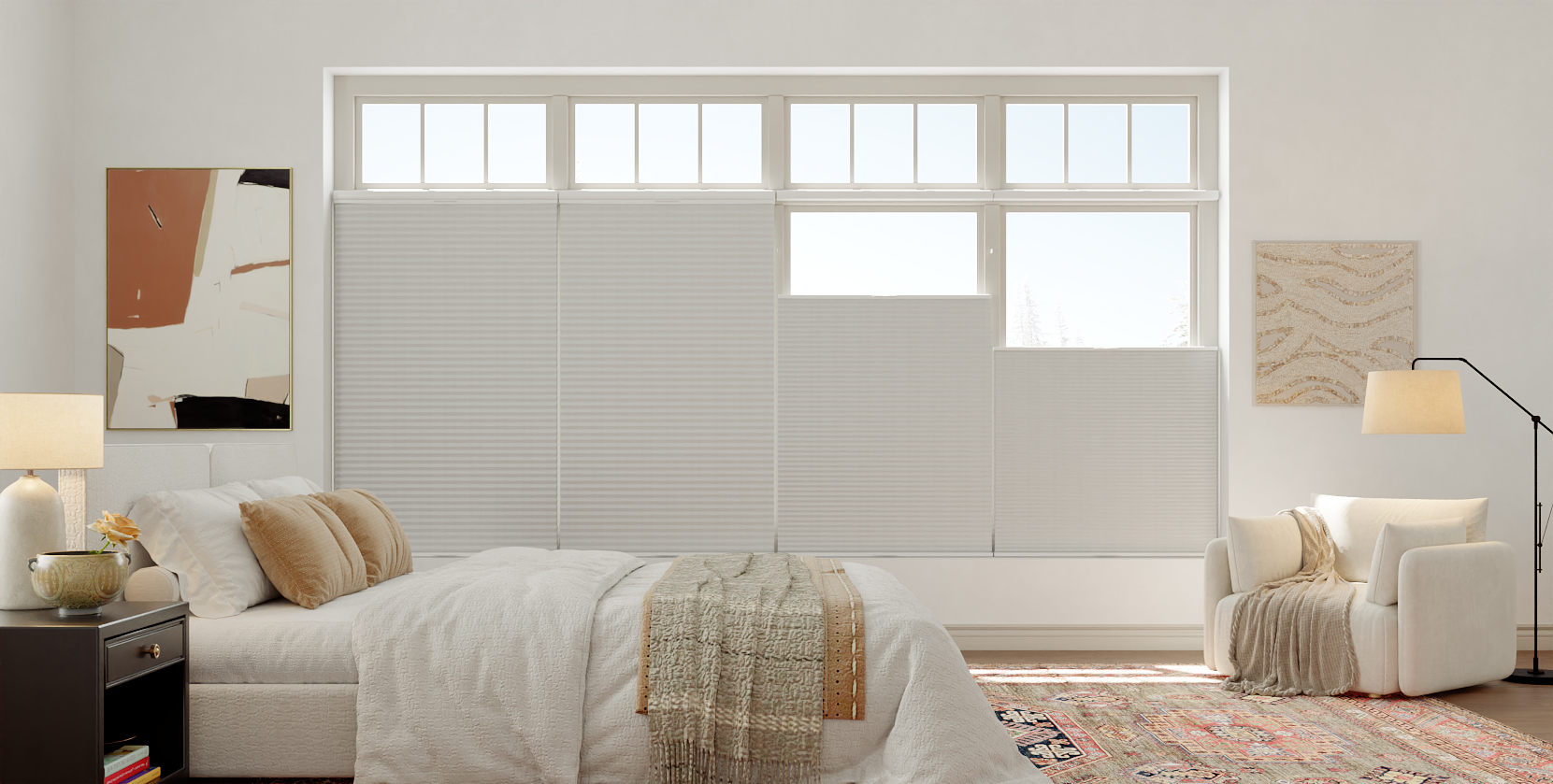


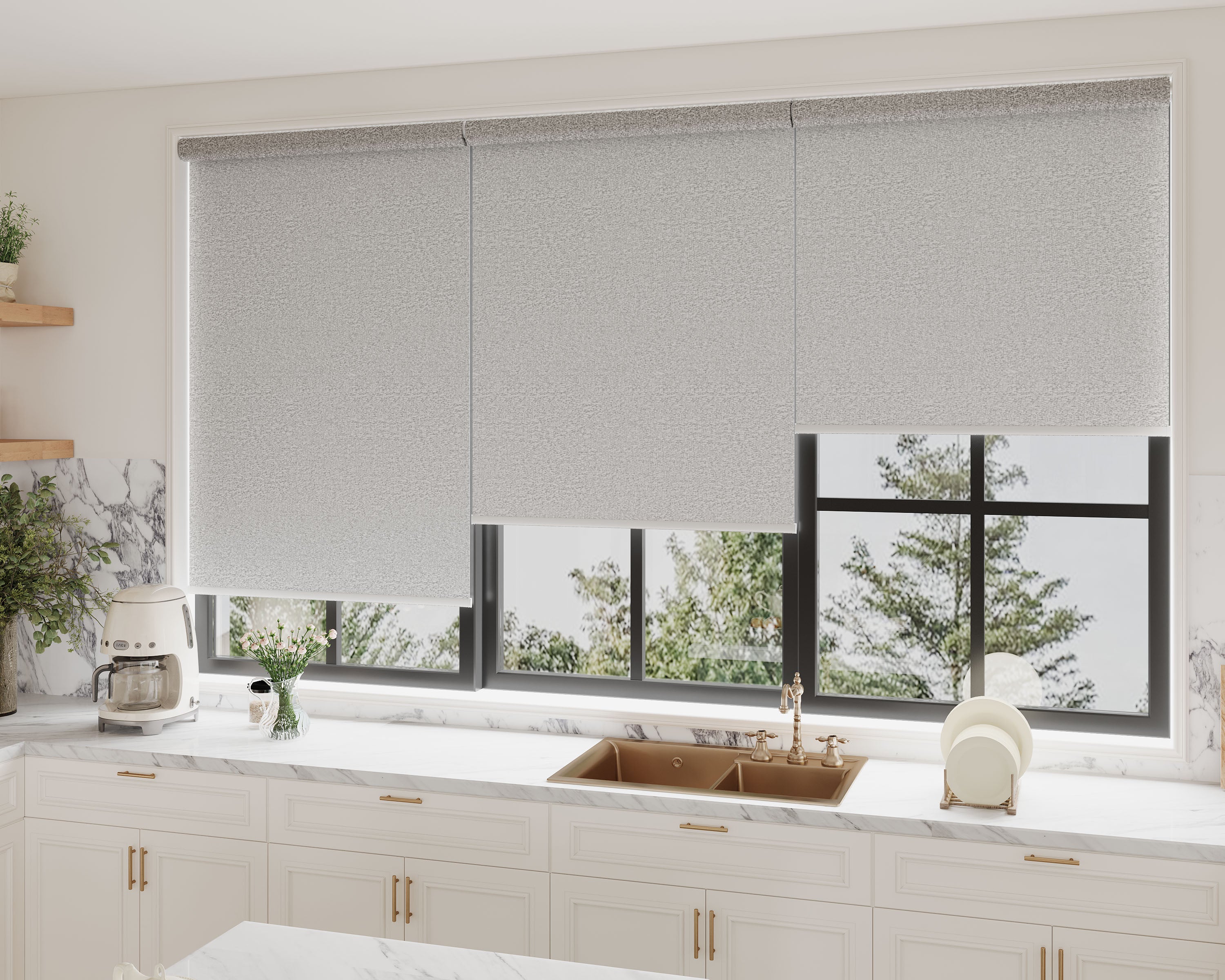

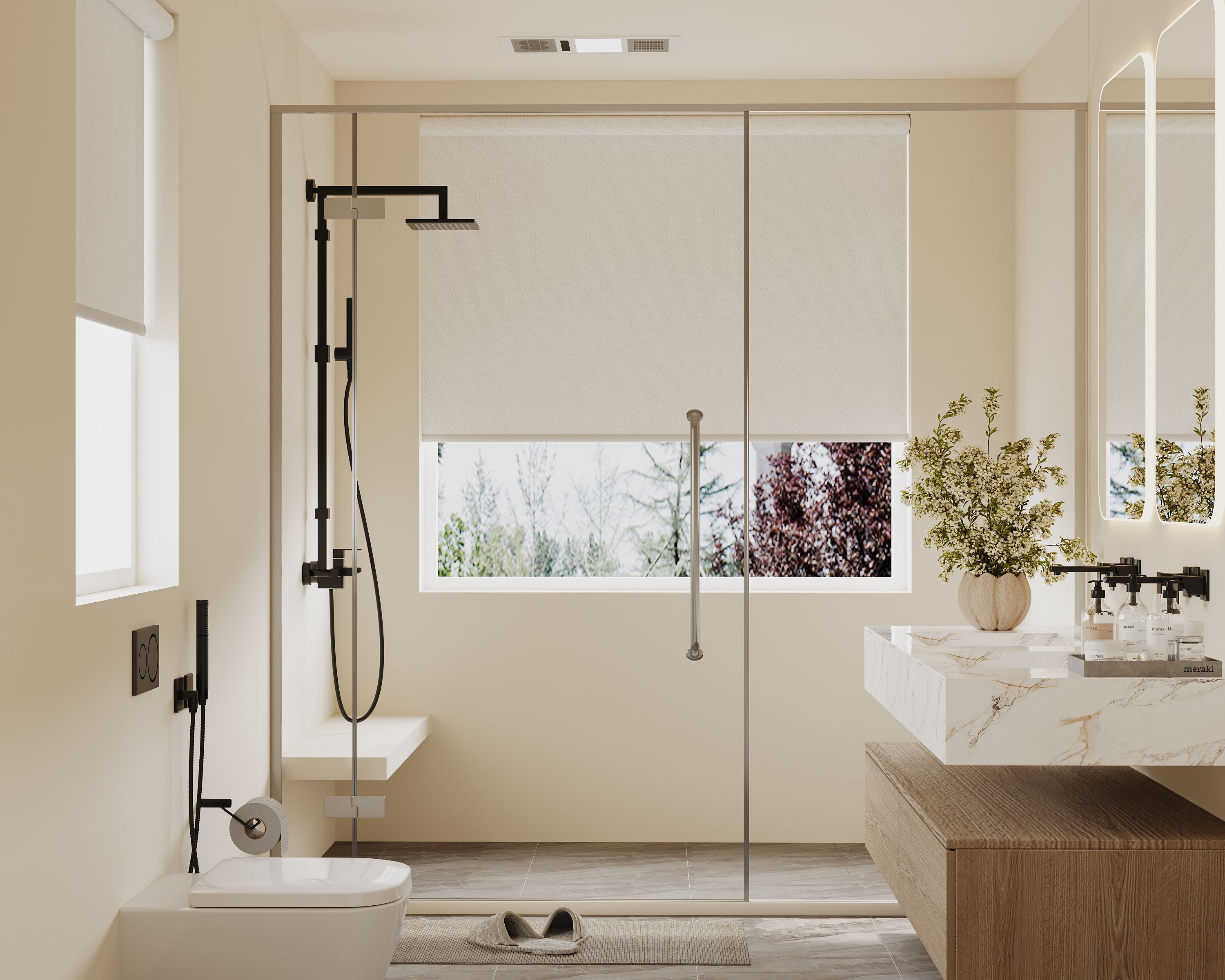


Sheer shades represent a sophisticated evolution in window treatments, masterfully combining the airy feel of sheer curtains with the precise, streamlined control of modern blinds. But what exactly are they, and how do they function so effectively? This guide demystifies sheer shades, explaining their unique construction, operational mechanics, and the distinct advantages they offer for creating beautifully illuminated, comfortable spaces.
Here’s what you’ll learn:
-
The precise definition and construction of sheer shades, distinguishing them from other window treatments.
-
The innovative vanes-within-a-shade system and how it allows for dual-layer light control.
-
The key benefits that make sheer shades ideal for managing glare, preserving views, and enhancing privacy.
-
How to choose the right openness factor and fabric for your specific light and privacy needs.
-
A clear comparison with other popular window treatments like blinds, shades, and curtains.
To experience the perfect blend of light and privacy, explore our curated collection of custom sheer shades designed for modern living.
Understanding Sheer Shades: Definition and Construction
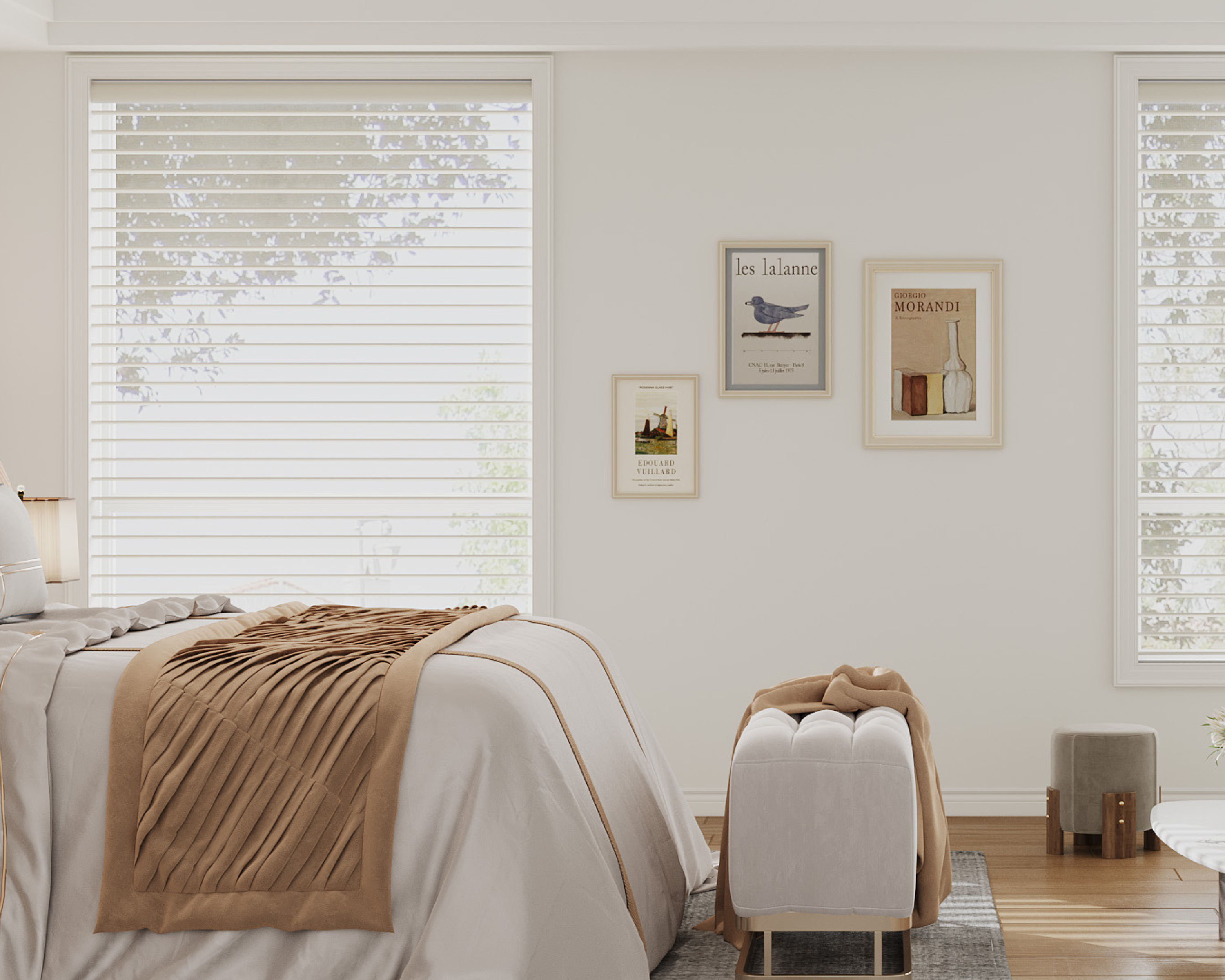
Sheer shades are a hybrid window treatment consisting of a single panel of durable, translucent fabric suspended between two sheets of sheer material. The defining feature is the integration of adjustable horizontal fabric vanes (or louvres) within this layered system.
Imagine a classic horizontal blind, but instead of metal or plastic slats, the vanes are made of soft fabric, and the entire system is encased within a flush, streamlined panel of sheer front and back layers. This creates a unified, soft look rather than the separate slats of a traditional blind.
The core components are:
-
Front & Back Sheer Layers: These are thin, durable polyester or similar fabric that provides a diffused, filtered view and basic UV protection.
-
Adjustable Fabric Vanes: Sandwiched between the sheer layers, these vanes can be rotated in unison using a control wand or cord, just like a blind.
-
Lift Mechanism: The entire panel can be raised and lowered like a shade, typically using a cordless, continuous loop, or motorized system.
How Sheer Shades Actually Work: A Two-Tiered System
The genius of sheer shades lies in their two independent methods of light control, offering unparalleled flexibility.
1. Vane Adjustment for Light and Privacy
This is the primary daily control. By rotating the fabric vanes, you can:
-
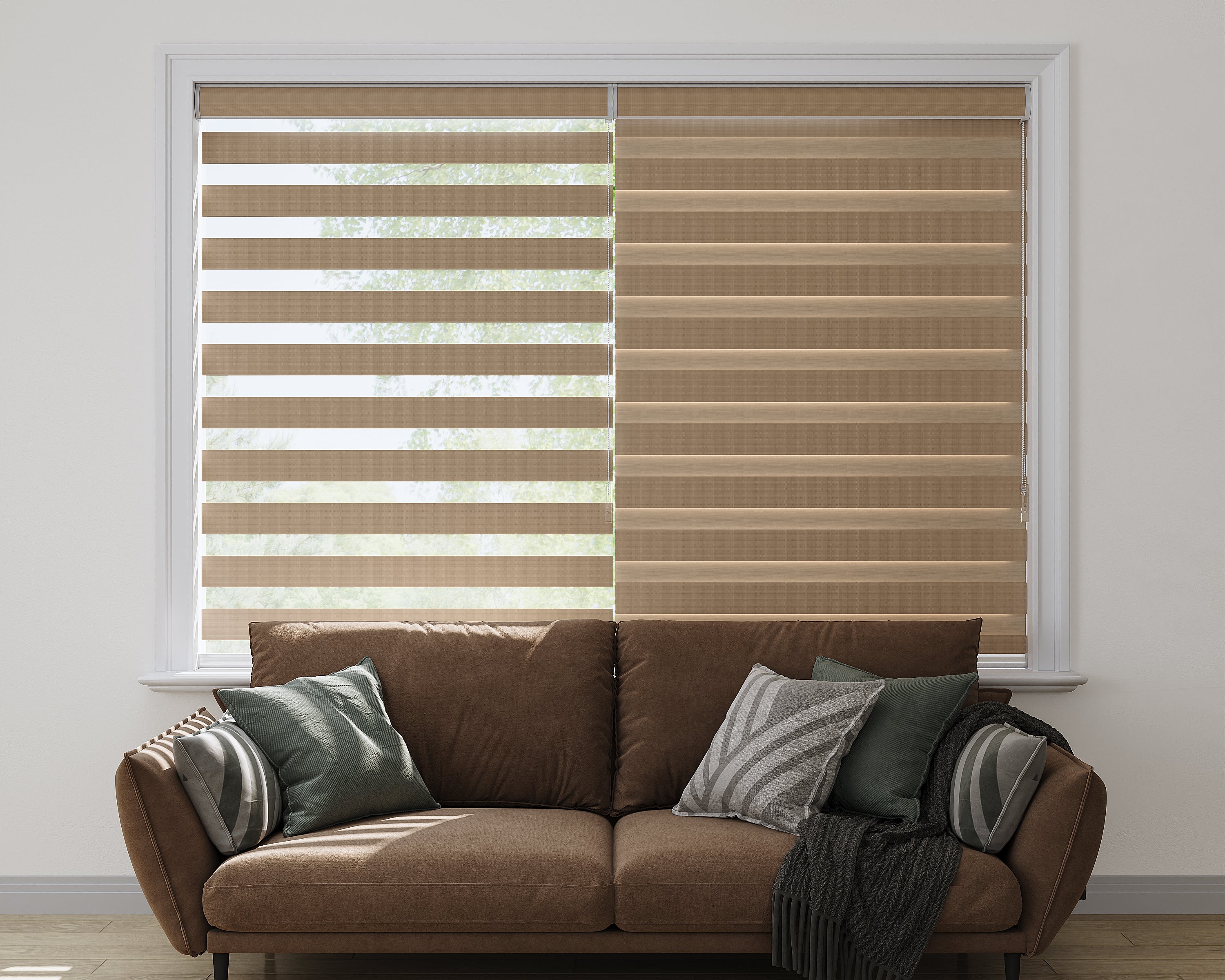
Open Vanes: Align the vanes horizontally to open a "view-through" window between the sheer layers, maximizing outward visibility and allowing in the most light.
-
Closed Vanes: Rotate the vanes to a fully closed, overlapping position. In this state, the vanes themselves become a soft, semi-opaque barrier. They diffuse light into a gentle glow and provide a high degree of privacy while still illuminating the room.
-
Angled Vanes: Set them at any angle in between to precisely tune the amount of light and privacy, directing sunlight upward toward the ceiling to create soft, indirect illumination.
2. Panel Lift for Full View or Coverage
Regardless of the vane position, you can raise the entire shade panel to the top of the window to completely clear the glass and enjoy an unobstructed view. Lower it for full coverage when needed.
Sheer Shades Operation & Light Control Guide
| Control Method | Position | Primary Function | Light Effect | Privacy Level |
|---|---|---|---|---|
| Vane Adjustment | Open (Horizontal) | Maximize view & light intake. | Bright, direct light; clear outdoor view. | Low (Daytime) |
| Vane Adjustment | Closed (Vertical) | Diffuse light & enhance privacy. | Soft, filtered glow; no harsh glare. | High (Day & Night) |
| Panel Lift | Raised | Clear the window entirely. | Unobstructed natural light. | None |
| Panel Lift | Lowered | Deploy the shade for coverage. | Controlled by vane position. | Controlled by vane position. |
Key Benefits and Advantages of Sheer Shades
This unique design delivers a combination of benefits that single-layer treatments can't match.
-
Superior Glare Reduction: They are arguably the best solution for home offices or media rooms. The closed vanes soften harsh sunlight, eliminating screen glare and hot spots while keeping the room naturally lit. For more on office solutions, see our guide to window treatments for home offices.
-
View-Through Privacy: Unlike blinds that block views when closed, the sheer layers allow you to see out (and light to come in) even with the vanes closed, while obscuring clear vision into your home. This maintains a connection to the outdoors.
-
Clean, Unified Aesthetic: The encased design means no visible slats or cords from the outside, offering a neat, contemporary look. Dust is also trapped between the layers, making them easier to maintain than traditional blinds.
-
Gentle Light Diffusion: They bathe rooms in a soft, even light that is flattering and warm, eliminating harsh shadows.
How to Choose the Right Sheer Shade: Openness and Fabric
The most important technical specification is the Openness Factor.
Understanding Openness Percentage
This measures the density of the weave in the sheer layers. It is expressed as a percentage (e.g., 1%, 3%, 5%, 10%).
-
Lower Openness (1-3%): A tighter weave. Provides greater privacy and better UV protection for furnishings, but reduces the clarity of the outward view.
-
Higher Openness (5-10%): A more open weave. Offers a clearer, brighter view to the outside but provides slightly less daytime privacy and UV blockage.
Your choice depends on priority: for a street-facing window, a 1-3% openness is better. For a window with a beautiful garden view, a 5-10% openness preserves that connection.
How Sheer Shades Compare to Other Treatments
It's helpful to position sheer shades within the broader landscape of window coverings.
| Treatment Type | Light Control | Privacy | View Preservation | Key Differentiator |
|---|---|---|---|---|
| Sheer Shades | Excellent, adjustable diffusion. | Very Good, even with light. | Excellent with vanes open; good with vanes closed. | Two-tier control: Adjustable vanes within a sheer panel. |
| Horizontal Blinds | Good, direct blocking. | Good when closed. | Poor when closed; clear when open. | Hard slats offer sharp light control but less softness. |
| Sheer Curtains | Basic diffusion only. | Poor at night. | Excellent. | Softens light but offers no adjustable light or privacy control. |
| Solar/Roller Shades | Good, static diffusion. | Varies by material. | Varies by opacity. | Single-layer material; no adjustable interior vanes. |
Conclusion: The Versatile Modern Solution
Sheer shades are the intelligent choice for anyone seeking to balance abundant natural light with visual comfort and privacy. They work by offering two distinct layers of control—adjustable inner vanes and a liftable outer panel—giving you unparalleled command over your environment.
Choose Sheer Shades If:
-
Your top priority is eliminating glare without darkening a room.
-
You want to maintain a view and connection to the outdoors even when privacy is needed.
-
You prefer a clean, modern, and low-maintenance aesthetic.
-
You need flexible light control for a home office, living room, or bedroom where mood and function change throughout the day.
By understanding the openness factor and the dual-operation mechanics, you can select the perfect sheer shade to enhance any room with soft, beautiful light.
Key Highlights:
-
Hybrid Design: Sheer shades combine the softness of fabric with the precise control of blinds in one unified panel.
-
Dual-Layer Operation: Independently adjust the inner vanes for light angle and raise/lower the entire panel for view.
-
Openness is Key: The openness percentage (1%, 5%, 10%) dictates the balance between outward view clarity and privacy/UV protection.
-
Glare’s Natural Enemy: Their exceptional light-diffusing quality makes them ideal for rooms with TVs, computers, or just a desire for gentle illumination.
Shop Sheer Shades by Light Control


Frequently Asked Questions (FAQ)
Can sheer shades provide real room darkening or blackout?
No, sheer shades are not designed for blackout conditions. Their purpose is light filtering and diffusion. Even with vanes closed and a low openness factor, a soft glow will permeate the room. For true darkness, you would need a dedicated blackout roller shade behind them or a different treatment altogether.
Are sheer shades good for night-time privacy?
With the vanes closed, sheer shades provide good privacy during the day because it's brighter outside than inside. At night, when interior lights are on, the sheer fabric can become translucent, potentially revealing silhouettes. For full night-time privacy in bedrooms, closing the vanes and pairing them with a separate opaque drapery panel is effective.
How do you clean sheer shades?
Their encased design is a maintenance advantage. Dust is largely trapped between the layers. Regular light vacuuming with a brush attachment is usually sufficient. For deeper cleaning, they can often be gently wiped with a damp cloth, but always check the manufacturer's instructions. Avoid harsh chemicals or soaking.
Do sheer shades come in cordless or motorized options?
Yes, modern sheer shades are widely available with cordless lift mechanisms for a clean, child-safe look. Motorization is also a popular and highly convenient upgrade, allowing you to adjust both the height of the panel and the angle of the vanes with a remote, smartphone app, or voice command.
Can sheer shades help with energy efficiency?
Yes, they provide a degree of solar heat gain reduction. The fabric vanes and sheer layers reflect a portion of the sun's heat before it enters the room, helping to keep spaces cooler in summer. However, they are not insulators like cellular shades. Their primary energy benefit is reducing the need for artificial lighting during the day.
