
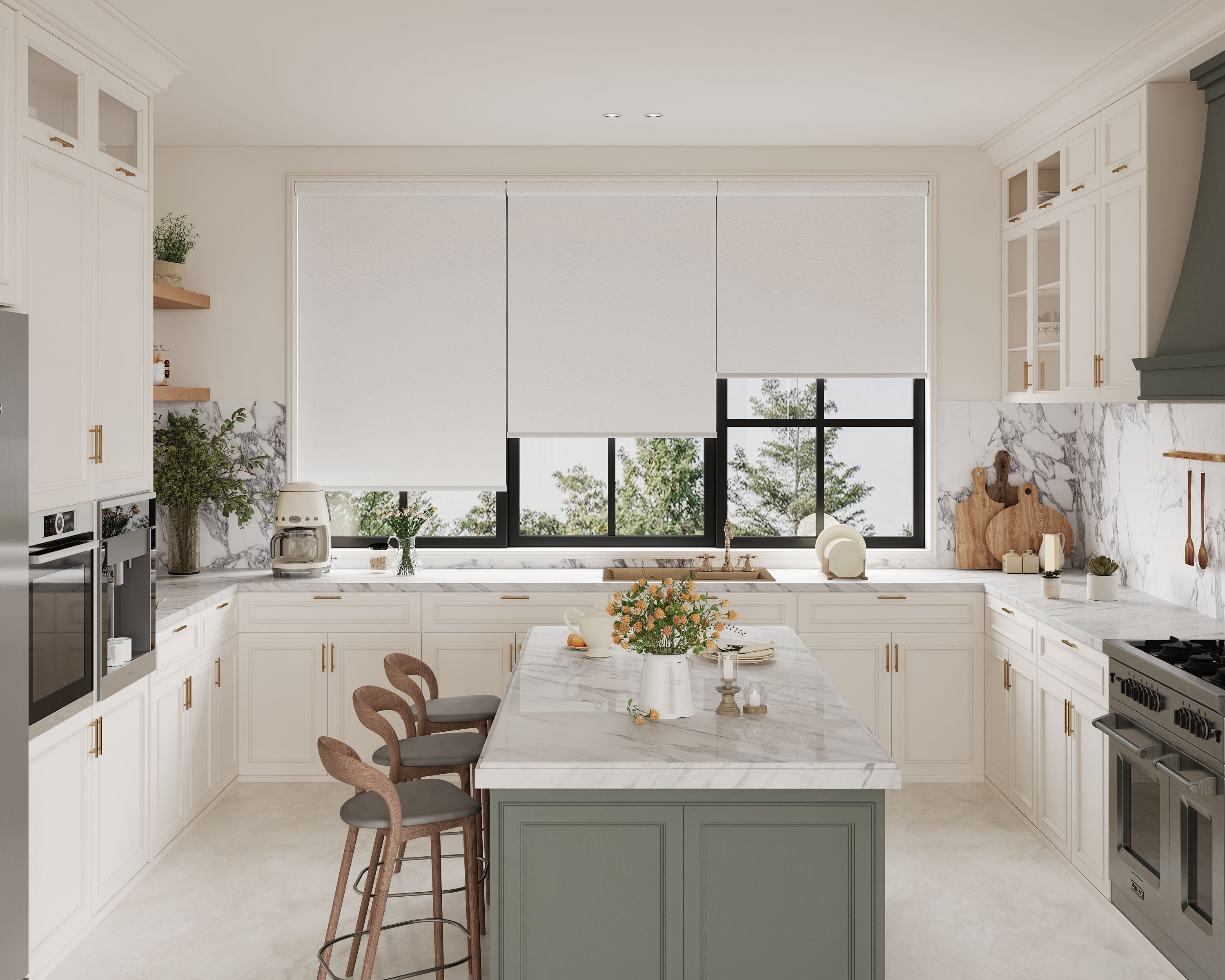
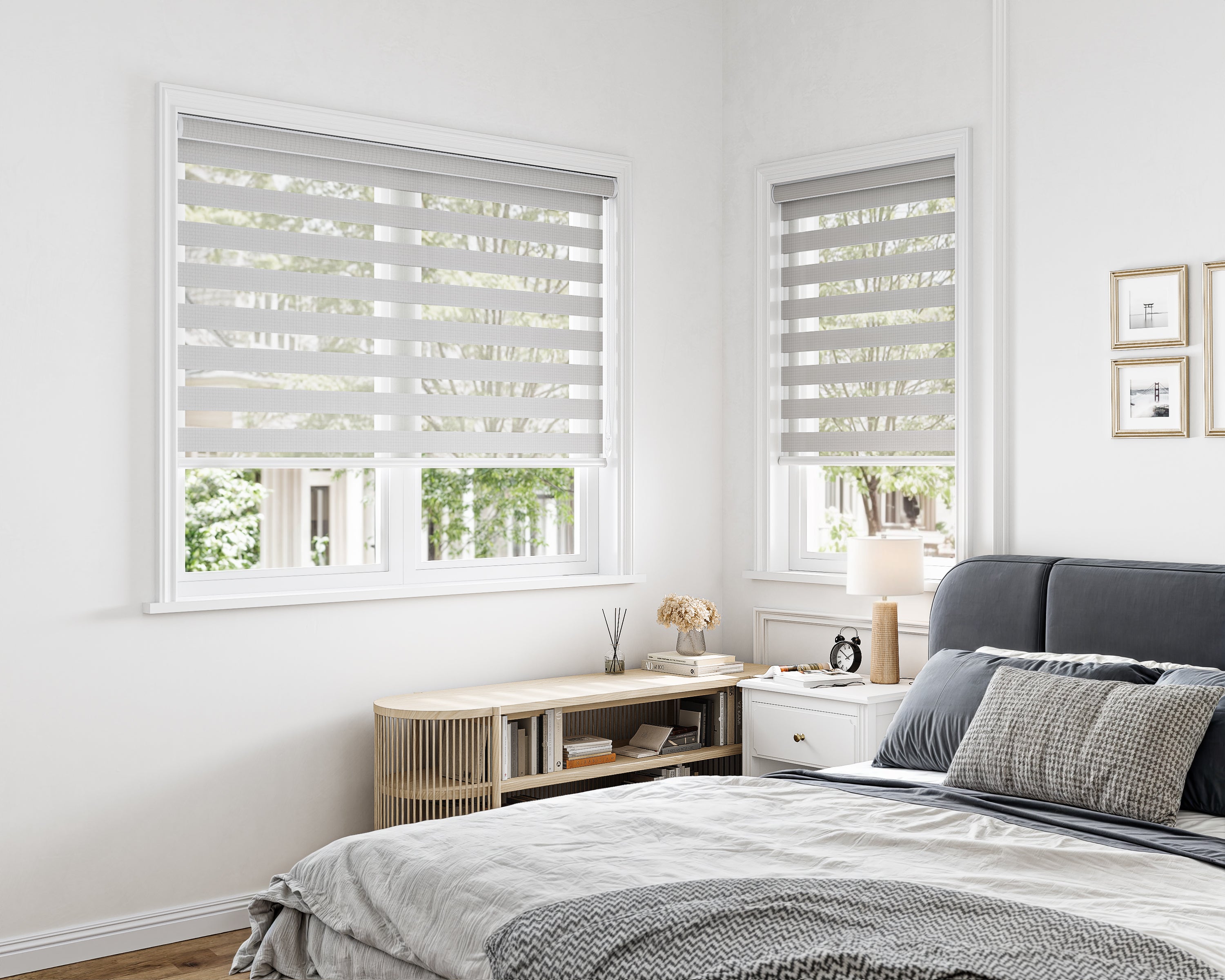
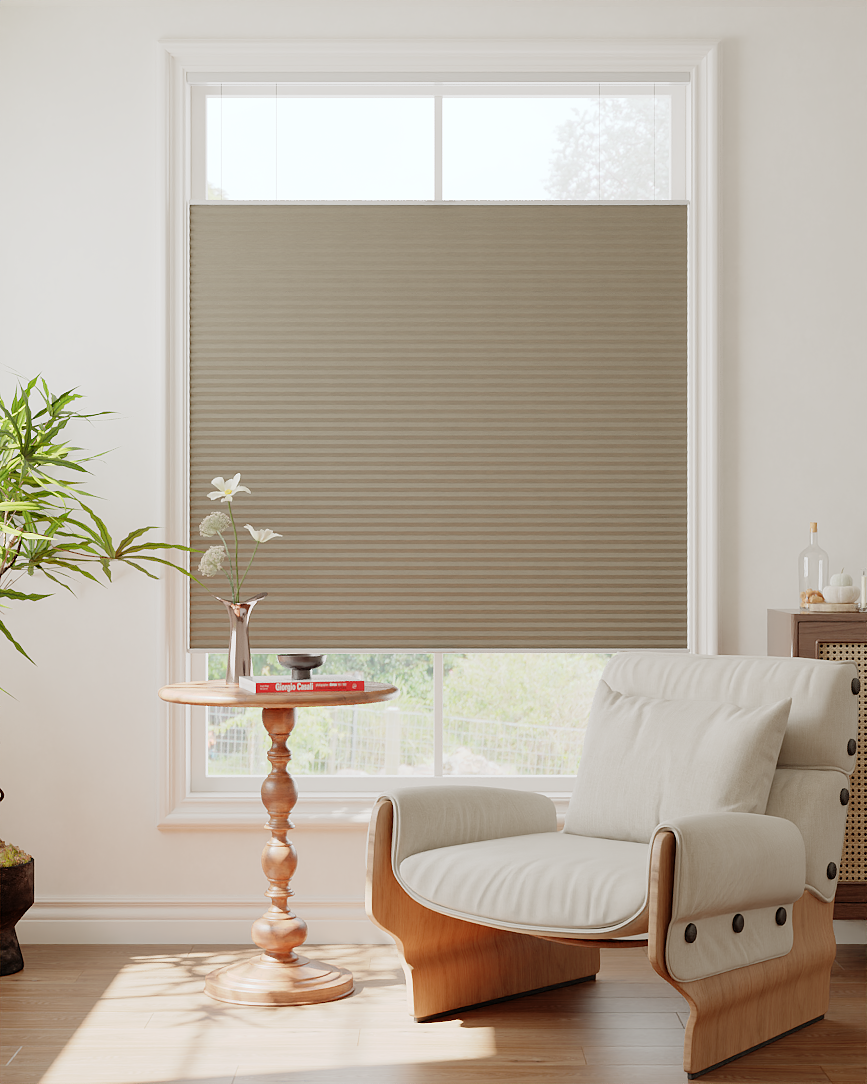
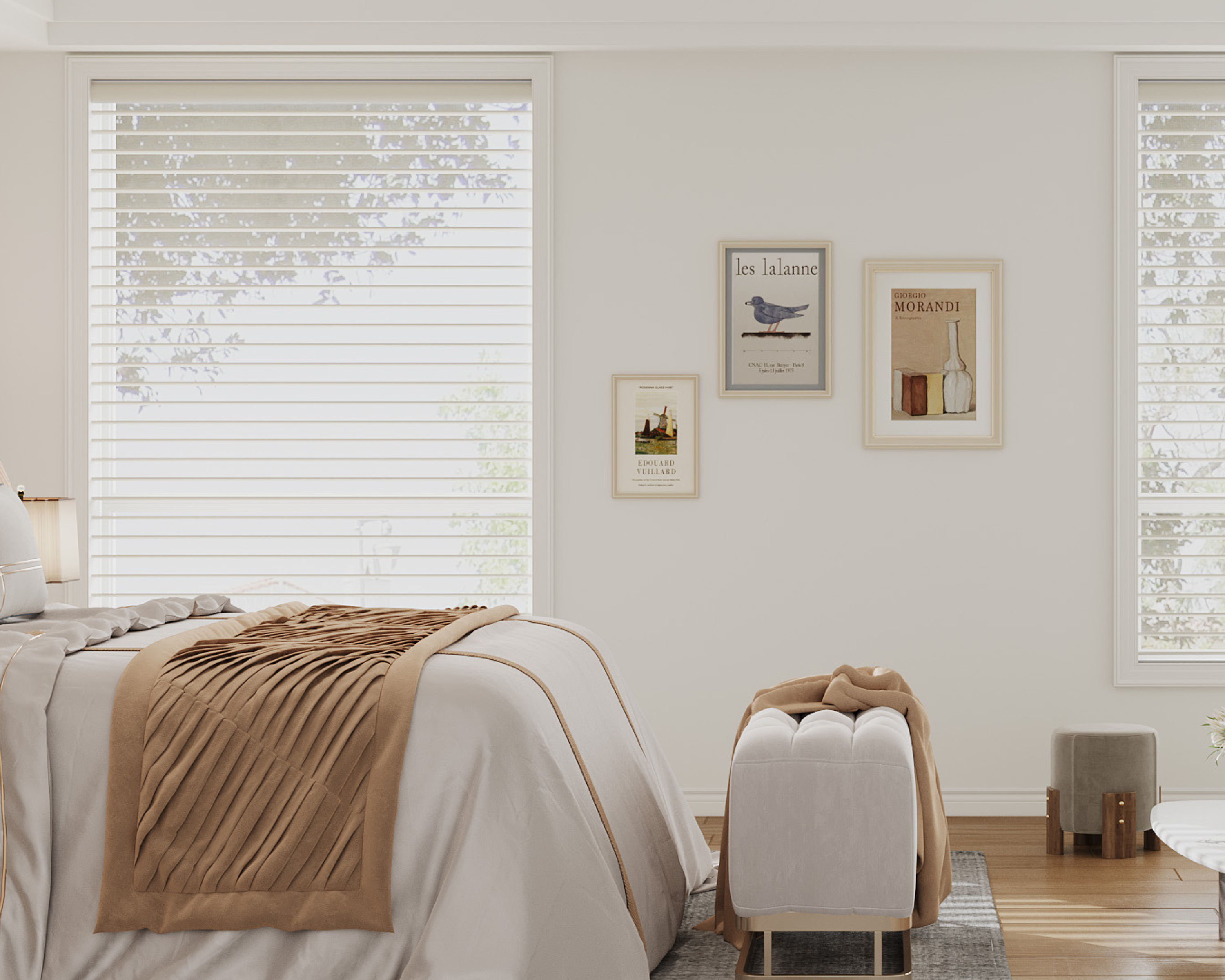
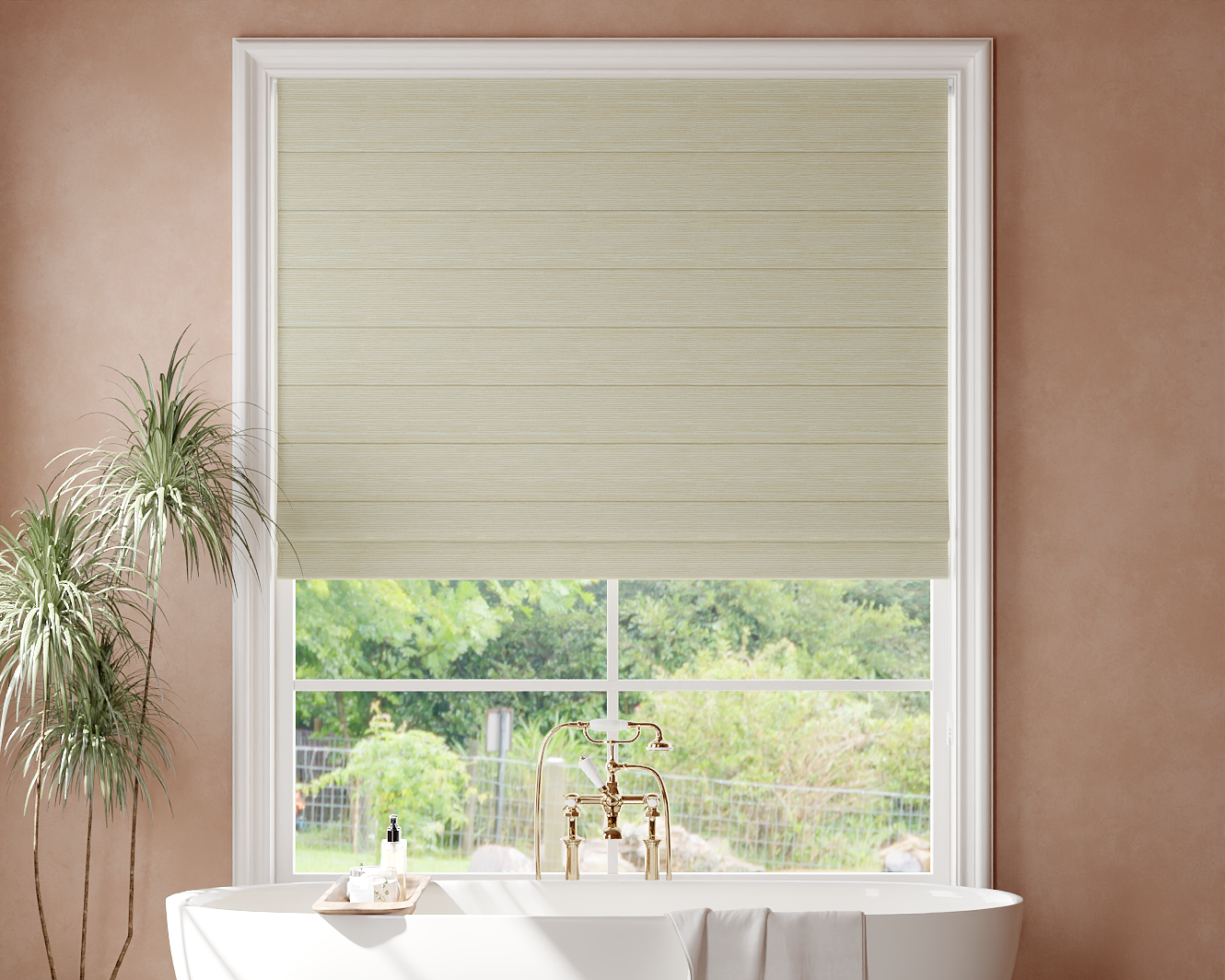
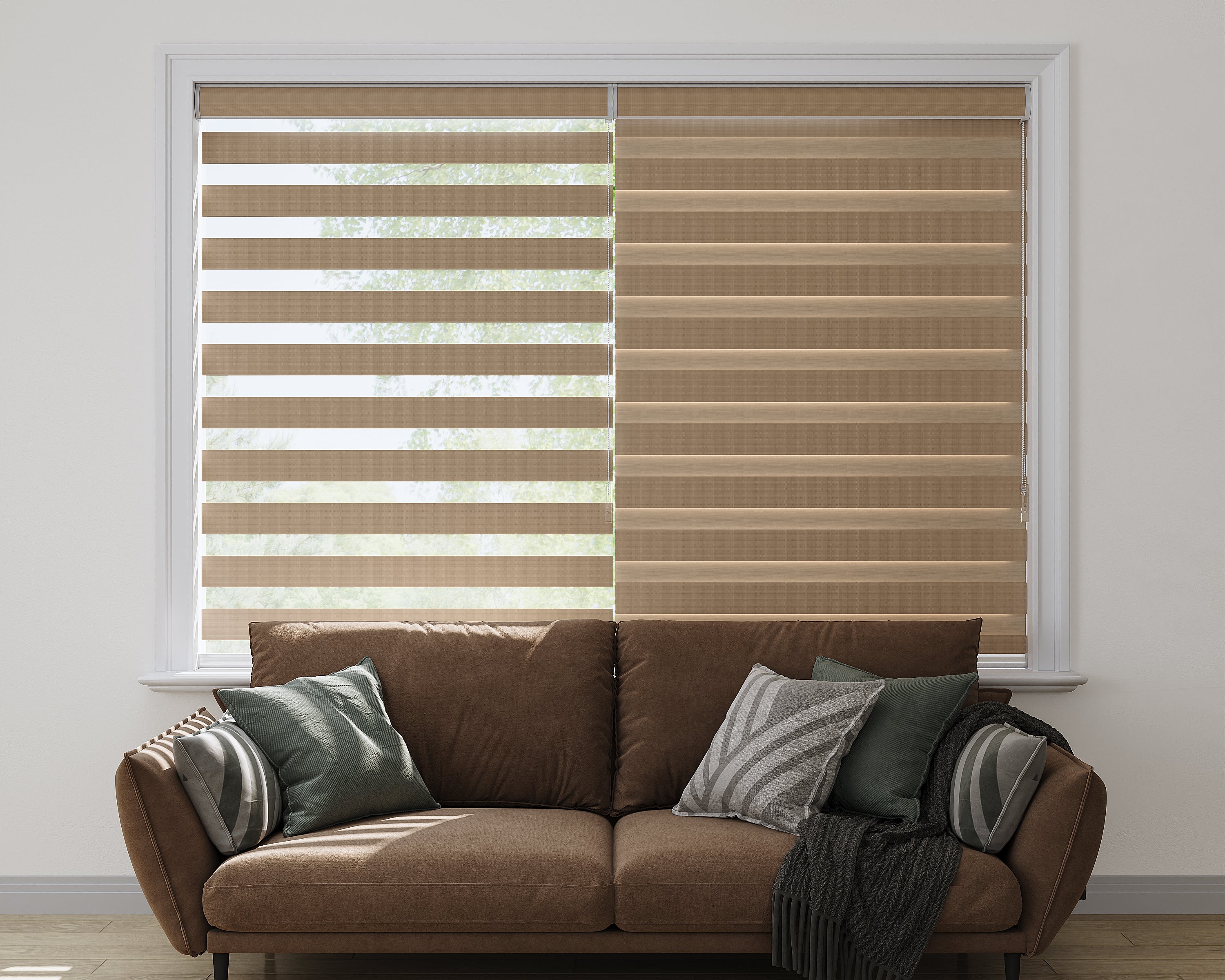
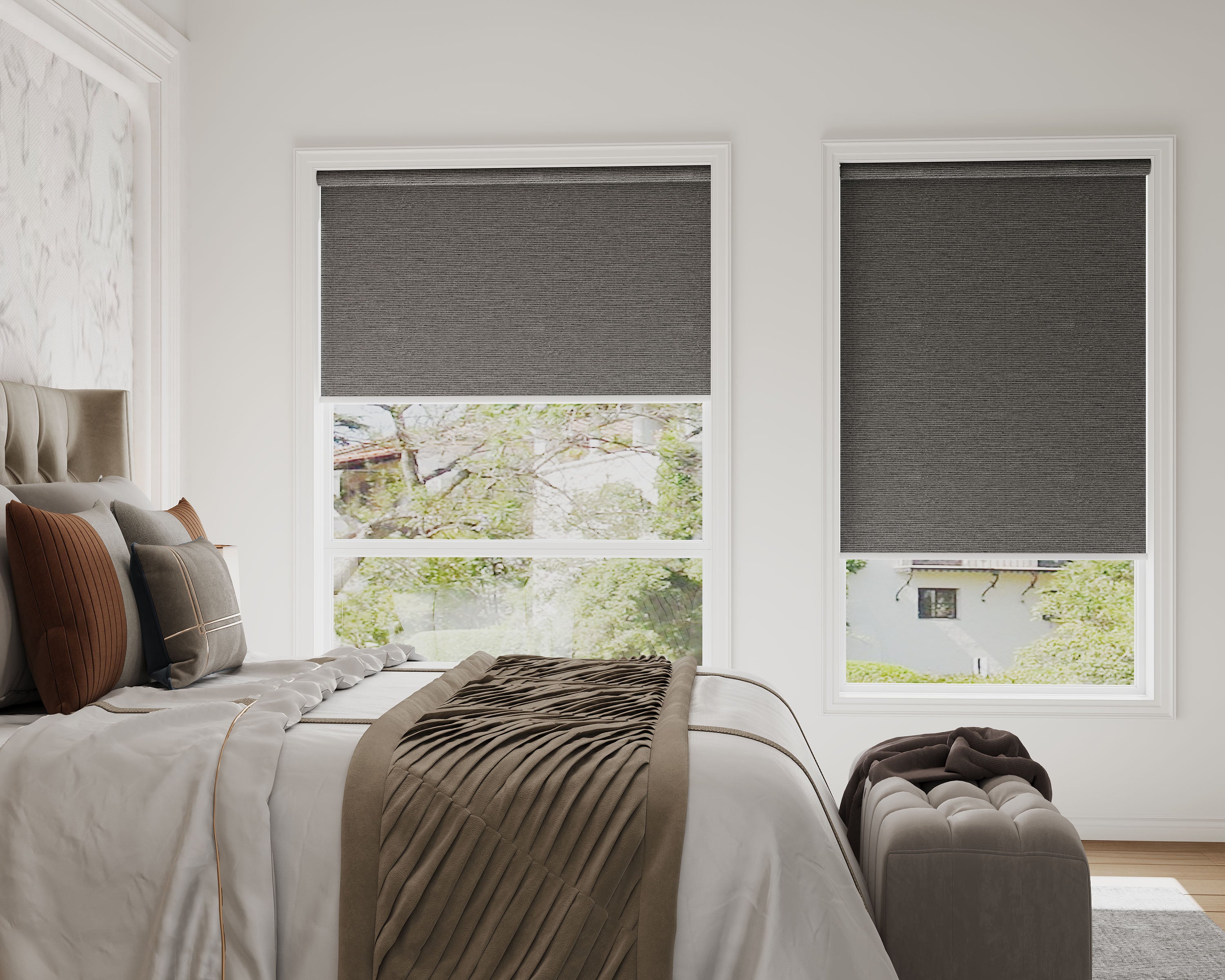
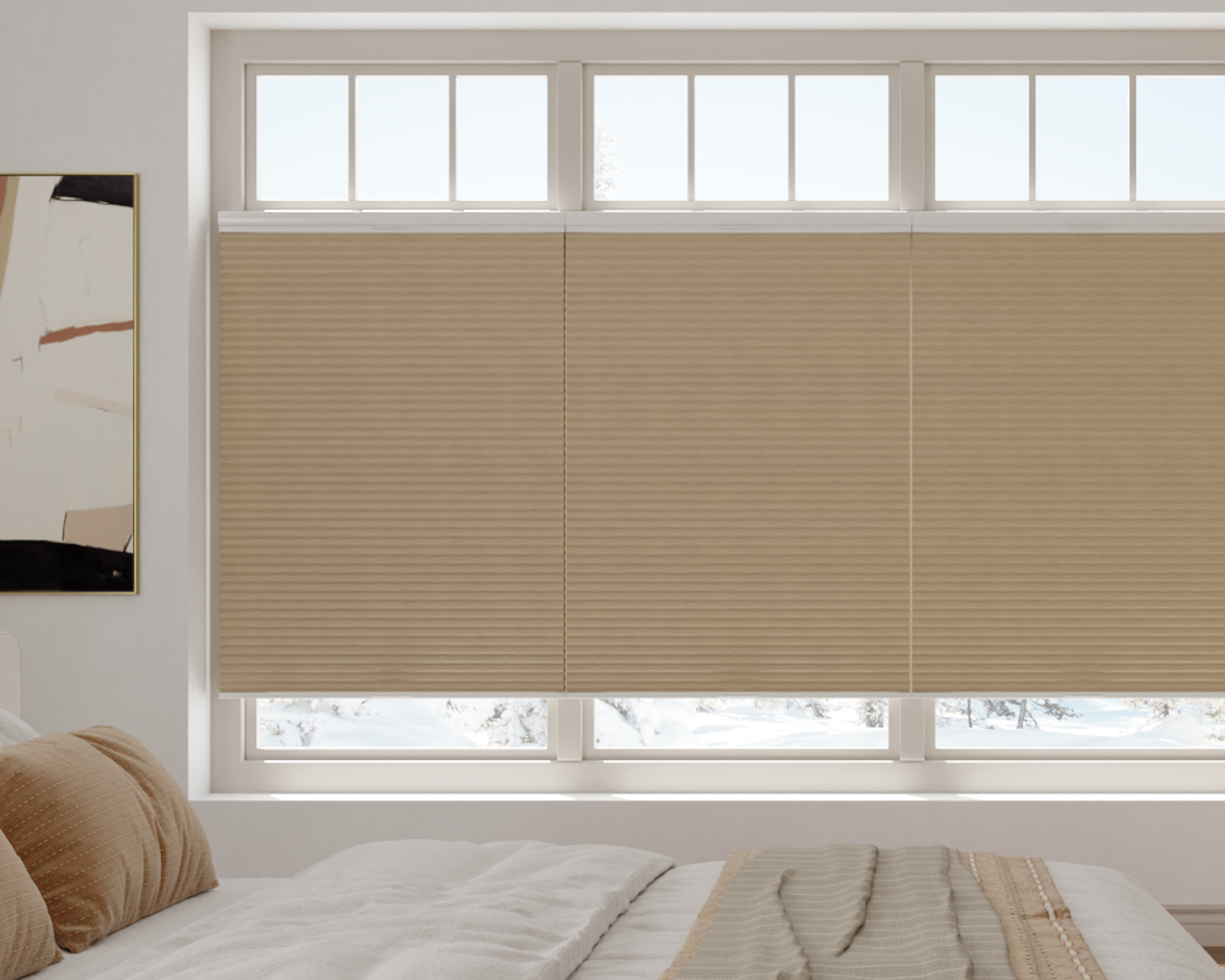
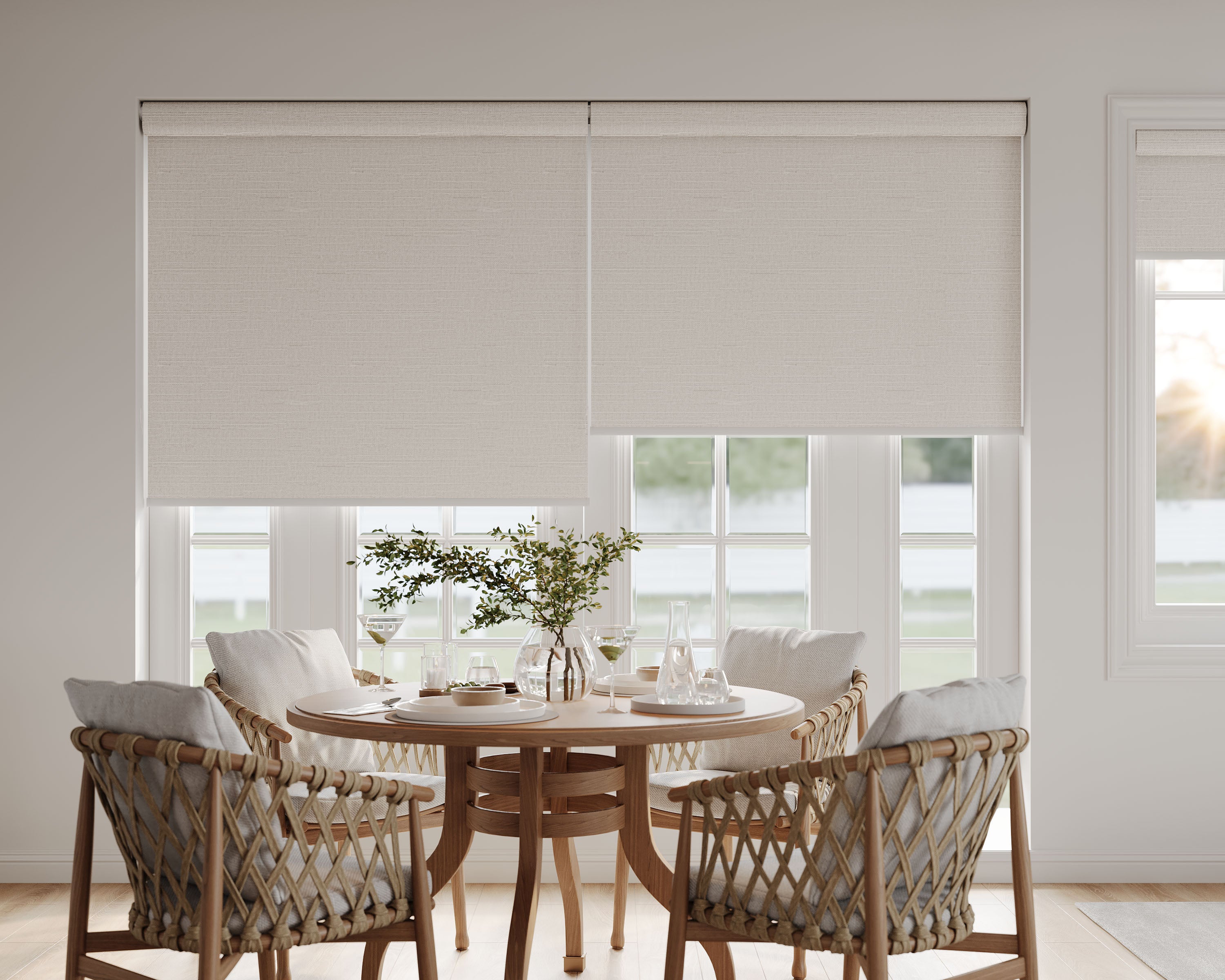


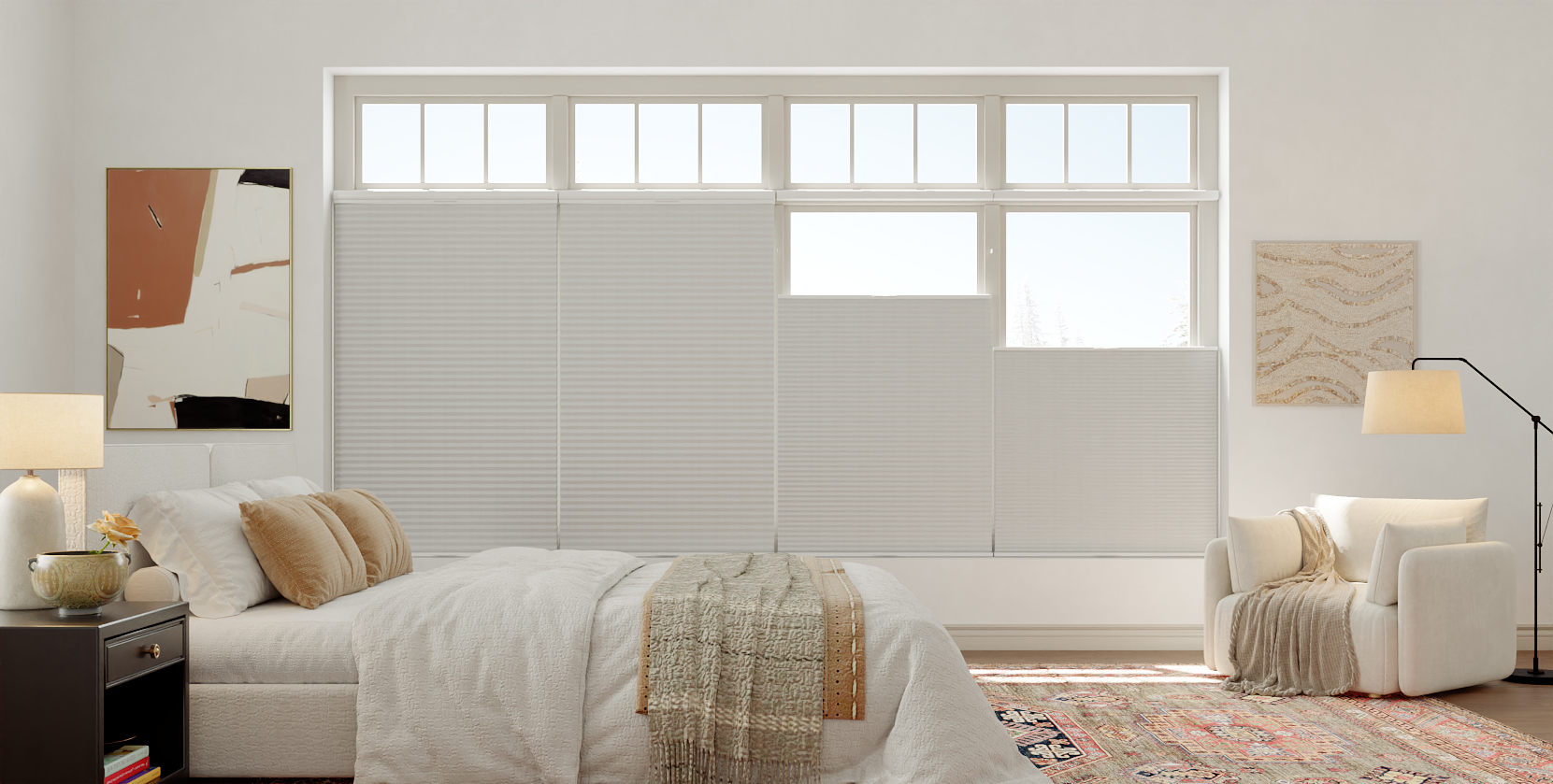


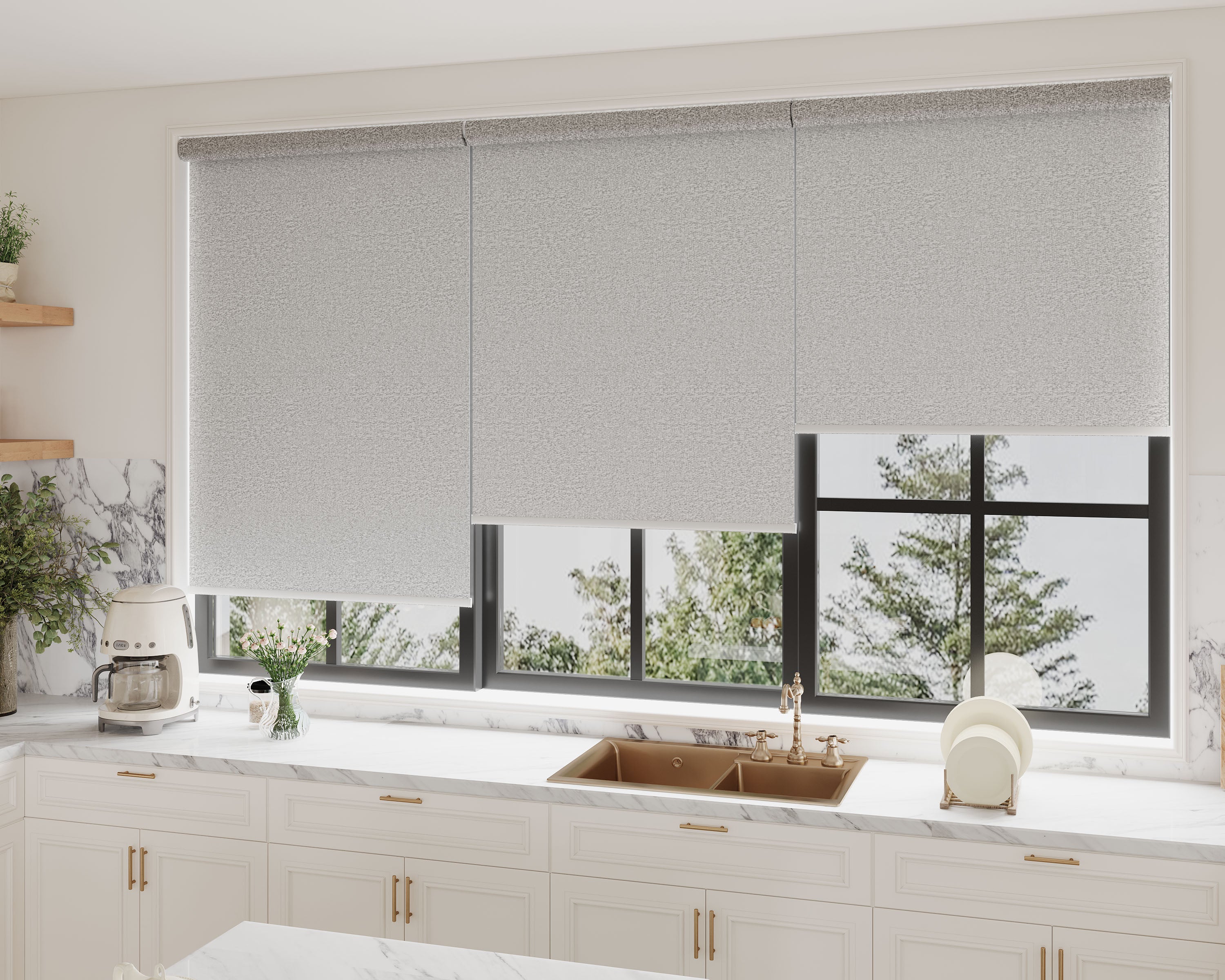

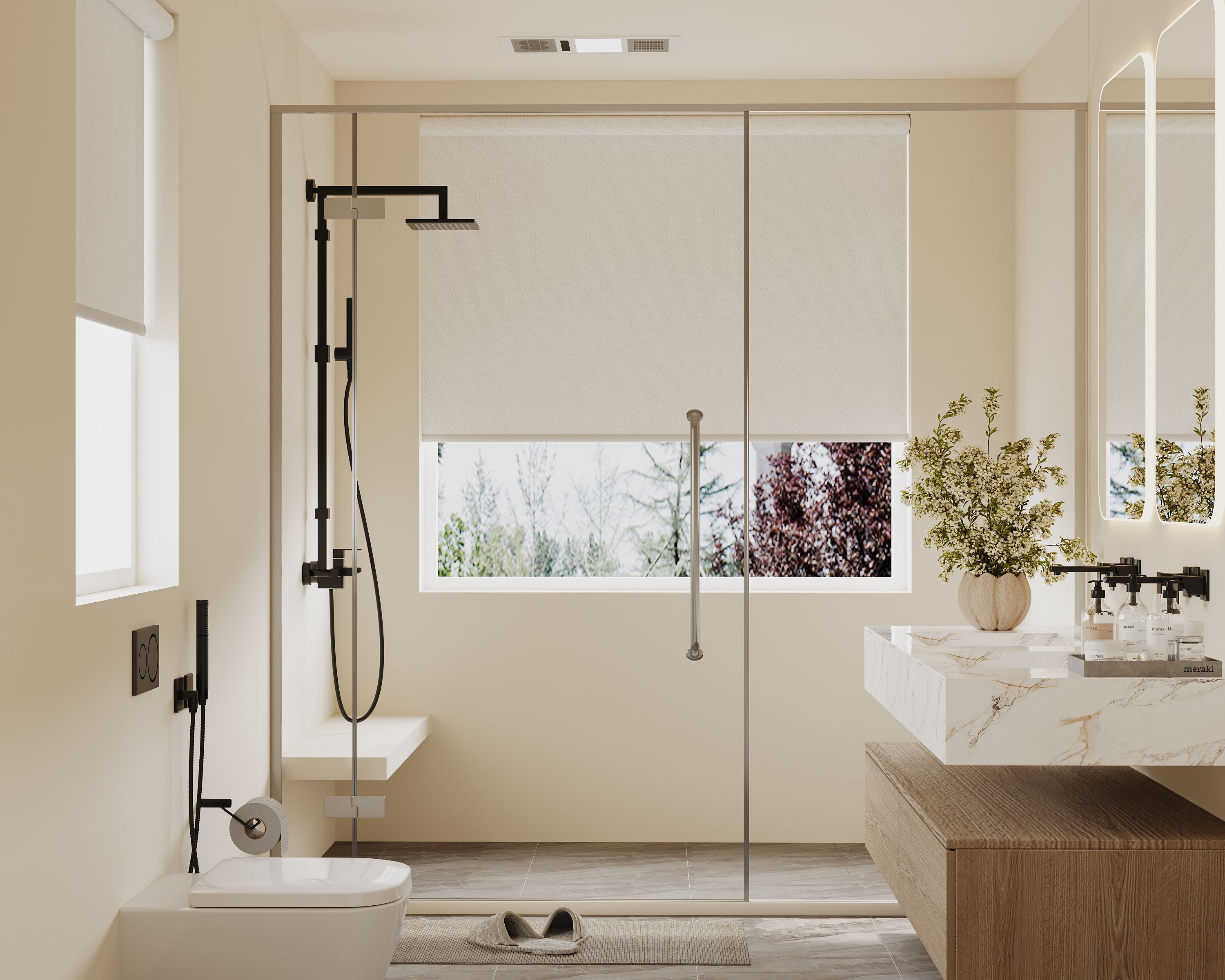


Choosing the right roller shade involves more than color and style; it's about controlling the very quality of light in your room. The industry uses specific terms—Sheer, Light Filtering, Room Darkening, and Blackout—to describe a fabric's opacity, or its ability to block light. But what do these terms actually mean for your daily life? This guide moves beyond the labels to explain the tangible experience each opacity level creates, from the airy glow of a sheer shade to the total immersion of a blackout room. We'll clarify the privacy trade-offs, dispel common confusions, and give you a straightforward method to select the perfect light control for every window in your home.
We’ll clarify:
-
The Four Levels of Light Control: Defining the ambiance each creates.
-
Privacy, Day vs. Night: A crucial distinction often overlooked.
-
Room-by-Room Recommendations: Matching opacity to function.
-
The Selection Strategy: How to prioritize your needs and choose with confidence.
The Four Levels of Opacity: From Sunlight to Darkness
Think of opacity as a spectrum. This table defines the standard levels, from the most open to the most closed.
| Opacity Level | Other Common Names | Light & Ambiance Effect | Best Descriptive Phrase |
|---|---|---|---|
| Sheer | Translucent, Solar Screen (high openness) | Allows most light to pass through. Reduces glare but maintains a bright, sunny, open feel. | "Bright & Open" |
| Light Filtering | Semi-Sheer, Light-Diffusing | Softens and diffuses sunlight significantly. Eliminates harsh glare while filling the room with a gentle, calming, natural glow. | "Soft & Calm" |
| Room Darkening | Dim-Out, Privacy | Blocks a majority of light, creating a noticeable dimming effect. Makes a room feel cozy, private, and media-ready during the day. | "Cozy & Private" |
| Blackout | Total Light Blockout, 100% Opacity | Blocks 99-100% of visible light. Can create near-total darkness, similar to an interior room with no windows. | "Pitch Black" |
Detailed Breakdown: Experience, Privacy, and Use
Let's explore what it's really like to live with each level.
1. Sheer: Maximum Light, Minimum Barrier
-
The Experience: The room remains brightly daylit. Sheer fabrics, often with a loose weave or mesh-like structure, are designed to cut glare and UV rays while preserving your connection to the outside world and view.
-
Privacy Reality: Daytime: Provides "veiled" privacy—shapes are blurred but visible. Nighttime: With lights on inside, it offers almost no privacy; the room is fully visible from the outside.
-
Ideal For: Sunrooms, rooms with beautiful views, spaces where maximum natural light is desired, or as a layer under drapery. It's a key tool for balancing light and privacy in open homes.
2. Light Filtering: The Balanced, Everyday Choice
-
The Experience: This is the most popular compromise. It transforms harsh direct sunlight into a soft, pleasant radiance that illuminates a room without the associated heat and glare. You can read or work comfortably near the window.
-
Privacy Reality: Daytime: Good privacy; outdoor viewers see only soft light, not shapes or details. Nighttime: Low privacy; lit interiors will be visible as a soft glow.
-
Ideal For: Living rooms, family rooms, home offices, and kitchens—essentially any space where you want a comfortable, livable light level throughout the day.
3. Room Darkening: For Cozy Spaces and Media
-
The Experience: As the name implies, it darkens the room considerably. It creates a dim, cozy atmosphere suitable for watching TV, presenting on a projector, or taking a nap during the day. It does not, however, create sleep-suitable darkness in most cases.
-
Privacy Reality: Daytime: Excellent privacy. Nighttime: Fair to good privacy; bright lights directly against the shade may reveal faint silhouettes.
-
The "Room Darkening vs. Blackout" Confusion: This is the most common point of confusion. For a detailed, lab-tested breakdown, see our guide comparing room darkening and blackout fabrics. The key takeaway: room darkening dims, blackout eliminates.
4. Blackout: The Ultimate Light Control
-
The Experience: True blackout fabrics, often with a thick, layered construction and sometimes a rubberized backing, are designed to achieve near-total darkness. This is essential for creating an optimal sleep environment, protecting media equipment from light, or in shift-work situations.
-
Privacy Reality: Day & Night: Maximum privacy. No light passes through, so no shapes or details are visible from either side.
-
Ideal For: Bedrooms (especially for children, light sleepers, or shift workers), home theaters, and media rooms. The benefits for sleep science are well-documented.
How to Choose: A Practical Decision Framework
Follow this step-by-step logic to find your required opacity level.
Step 1: Identify the Room's PRIMARY Function.
Ask: "What is the single most important activity that happens in this room?"
-
Sleeping/Media Viewing in Darkness → Start with BLACKOUT.
-
TV Watching or Daytime Napping → Start with ROOM DARKENING.
-
Comfortable Living, Reading, Working → Start with LIGHT FILTERING.
-
Enjoying a View & Maximum Sunlight → Start with SHEER.
Step 2: Consider Your Privacy Needs.
-
Do you need privacy both day and night (e.g., a ground-floor bedroom)? This pushes you toward Room Darkening or Blackout.
-
Is privacy only a daytime concern (e.g., a top-floor home office)? Light Filtering or Sheer may suffice.
Step 3: Factor in Sun Exposure and Climate.
-
For intense, hot, south/west-facing windows, a Sheer or Light Filtering Solar Fabric can manage glare and heat gain effectively, which can be automated for energy savings.
-
For bedrooms with morning sun, Blackout is often non-negotiable.
Room-by-Room Opacity Recommendations
Use this table as a quick-reference guide. Remember, these are strong starting points, not absolute rules.
| Room | Recommended Opacity Level(s) | Primary Reasoning |
|---|---|---|
| Bedroom | Blackout (primary), Room Darkening (secondary) | Promotes healthy sleep cycles and allows for complete darkness at any hour. |
| Nursery/Kids' Room | Blackout | Essential for naps and early bedtimes while it's still light outside. |
| Living Room | Light Filtering, Room Darkening (for media walls) | Creates a comfortable, inviting ambiance for daily living and socializing. |
| Home Office | Light Filtering or Sheer (Solar) | Reduces screen glare while maintaining a bright, alert, and productive atmosphere. |
| Kitchen | Light Filtering or Sheer | Maintains a cheerful, well-lit workspace for cooking and tasks. |
| Bathroom | Room Darkening or Blackout | Provides essential privacy at all times; moisture-resistant fabrics are key. |
| Home Theater/Media Room | Blackout | Eliminates all ambient light for the best viewing experience. |
Key Considerations Beyond Opacity
Your fabric choice involves more than just light blockage. Our complete guide to roller shade fabrics covers this in detail, but remember:
-
Material Matters: A blackout shade can be made from polyester, vinyl, or even a natural fiber with a liner. The face fabric determines aesthetics and cleanability.
-
Layering for Versatility: You can combine a sheer or light-filtering roller shade with heavier drapes. This gives you the option for soft light during the day and blackout-level darkness/privacy at night.
-
Installation Impacts Performance: An inside-mount shade will have light gaps on the sides. For the fullest light block with any opacity, an outside mount that covers the window frame is more effective.
Final Selection Checklist
Before you finalize your choice, run through these quick questions.
| Decision Factor | If Your Answer is... | Your Opacity is Likely... |
|---|---|---|
| "I need the room to be dark enough to sleep during the day." | Yes | BLACKOUT (No compromise). |
| "I want to watch TV without daytime glare on the screen." | Yes | ROOM DARKENING or BLACKOUT. |
| "I want the room to feel bright and airy, but without harsh sun." | Yes | LIGHT FILTERING or SHEER. |
| "Nighttime privacy from the street is absolutely necessary." | Yes | ROOM DARKENING or BLACKOUT. |
| "I have a beautiful garden view I don't want to obscure." | Yes | SHEER or very open LIGHT FILTERING. |
Your Next Steps:
-
Define the Primary Room Function: Use the Step 1 framework above. This is your most important filter.
-
Clarify the Blackout vs. Room Darkening Choice: Read our detailed lab-tested comparison if you're between these two.
-
Explore Fabric Options: See how different materials achieve these opacities in the roller shades collection.
-
Consider Automation: Think about how smart scheduling can maximize the benefits of your chosen opacity throughout the day.
Explore Custom Roller Shades


Frequently Asked Questions
Can a shade be both light filtering and blackout?
Not in a single panel, but this is achieved through layering. A popular and highly effective design solution is to install two separate shades on the same window: a light filtering or sheer shade for daytime use, and a blackout shade that lowers behind or in front of it for sleep time. Some dual-layer shades, like zebra shades, can adjust between filtered and private, but they are not true blackout.
Do blackout shades also block heat and UV rays?
Yes, effectively. Because of their dense, often multi-layered construction, blackout fabrics are excellent at blocking solar heat gain (helping keep rooms cool) and blocking over 99% of UV rays (protecting furniture and floors from fading). Light filtering and room darkening fabrics also provide significant UV protection.
Is there a standard percentage of light blocked for each level?
While not universally standardized, general ranges are:
-
Sheer: Blocks 0-50% of visible light (varies widely with openness).
-
Light Filtering: Blocks 50-85% of visible light.
-
Room Darkening: Blocks 85-99% of visible light.
-
Blackout: Blocks 99-100% of visible light.
These are estimates; always review specific product specifications.
Can I get a sample to test the opacity?
Absolutely, and you should. Opacity perception can be subjective and is affected by your room's specific light conditions. Always order physical fabric samples from your provider. Tape the sample to your window and observe it at different times of day and night to see the exact light and privacy effect before you order the full shade.
