






News

Cellular Shades and UV Protection: Reduce Furniture Exposure
Lowered cellular shades can reduce the light reaching furniture behind the covered glass. Their actual UV transmission depends on the selected fabric, so ask for product-specific information when UV reduction...

Cellular Shades for Very Hot or Cold Rooms: What to Specify
For very hot or cold rooms, compare cellular shades as one part of the window-and-building system. Their air-pocket construction is relevant to insulation, while solar properties and coverage matter for...
Cellular Shade Opacity: Light Filtering, Room Darkening or Blackout?
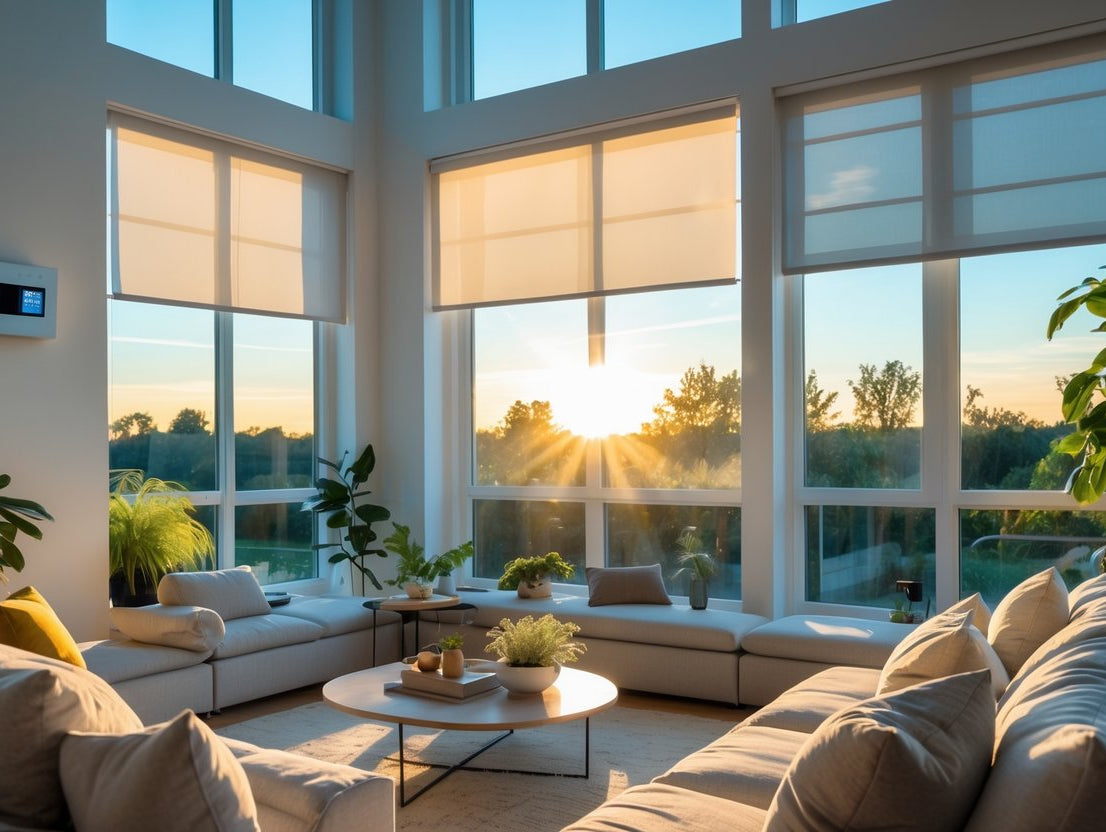
Light-filtering cellular fabric softens daylight, room-darkening fabric dims it more strongly and blackout material blocks light through the fabric. These labels do not create universal transmission percentages or describe all...
Cellular Shade Lifts: Corded, Manual Cordless and Motorized
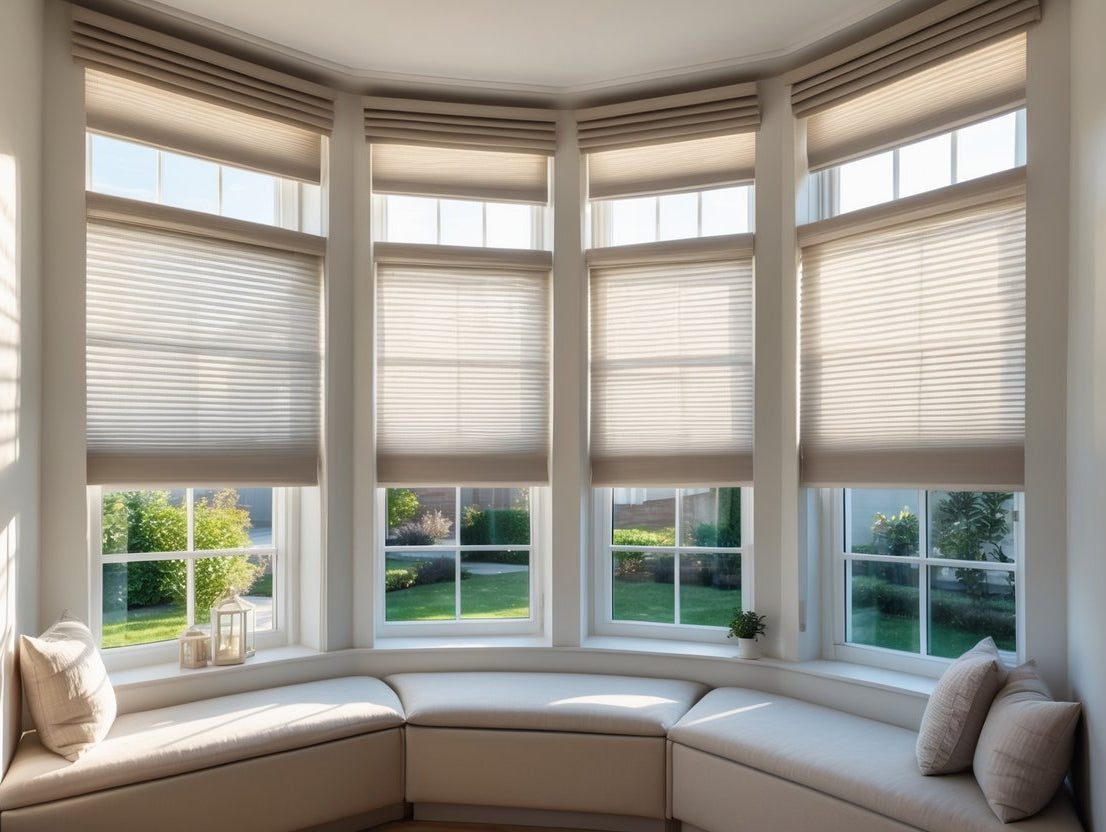
Begin a cellular shade lift decision with household cord safety, then compare reach and the movements you need. Manual cordless and motorized are different operating configurations; neither label alone identifies...
Cellular Shade Colors and Energy Efficiency: Look Beyond the Face
Choose cellular shade color after identifying the fabric construction and window-facing surface. A light-looking room face is not a complete measure of solar reflectance, and a dark color is not...
Single, Double or Triple Cell Shades? Build a Useful Shortlist
Choose the cellular configuration that meets your fabric, fit, operating and documented performance needs; do not select by cell count alone. Single, double and triple describe construction arrangements, not universal...
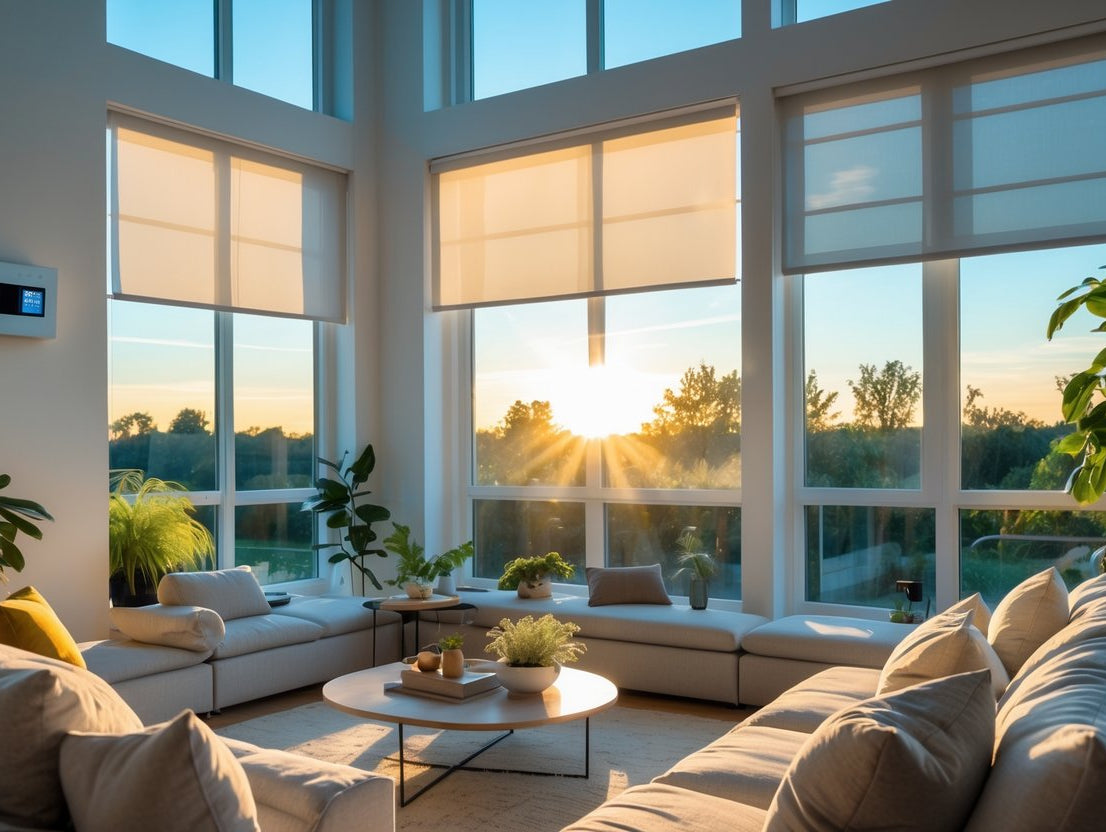
Can Cellular Shades Reduce Outside Noise? Set Realistic Expectations
Cellular shades may change how a room sounds, but they should not be bought as a guaranteed way to block traffic or neighbor noise. Sound absorption inside a room and...
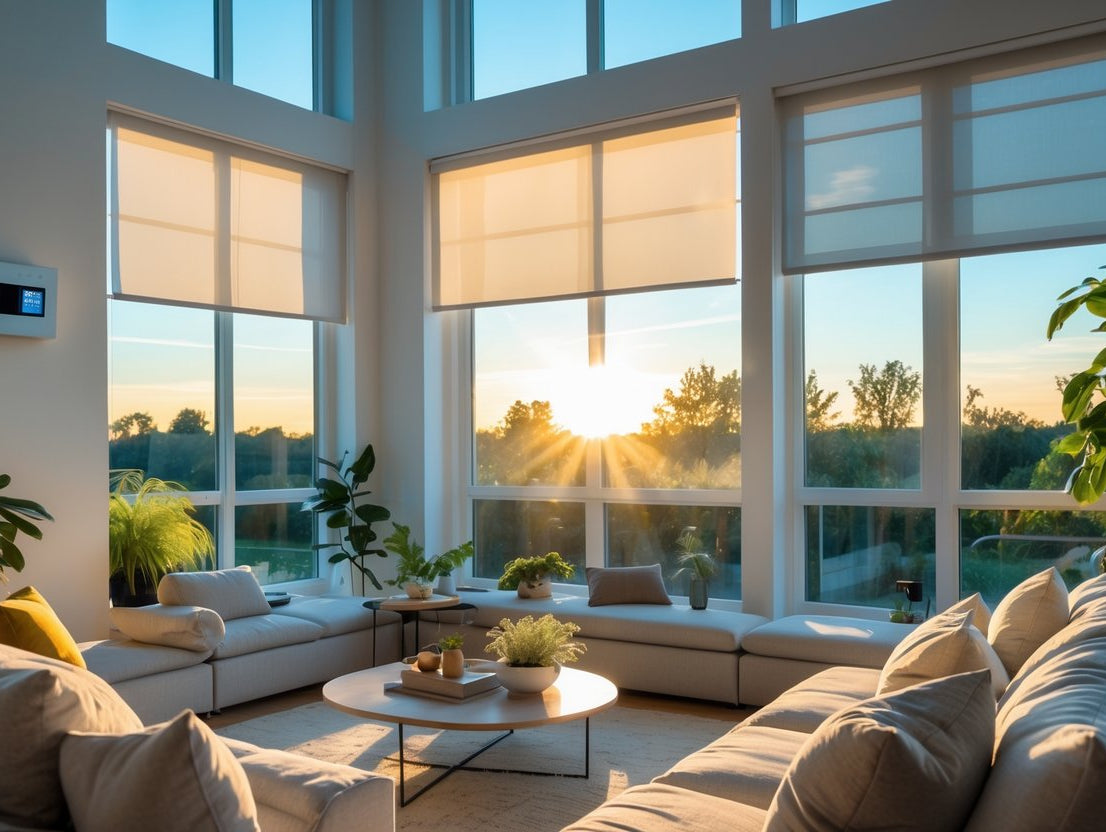
Cellular Shades for Shift Workers: Plan Daytime Darkness
Blackout cellular fabric can be a useful starting point for a shift-work bedroom, but daytime darkness depends on the complete installation. Choose an opaque material and plan the sides, top...
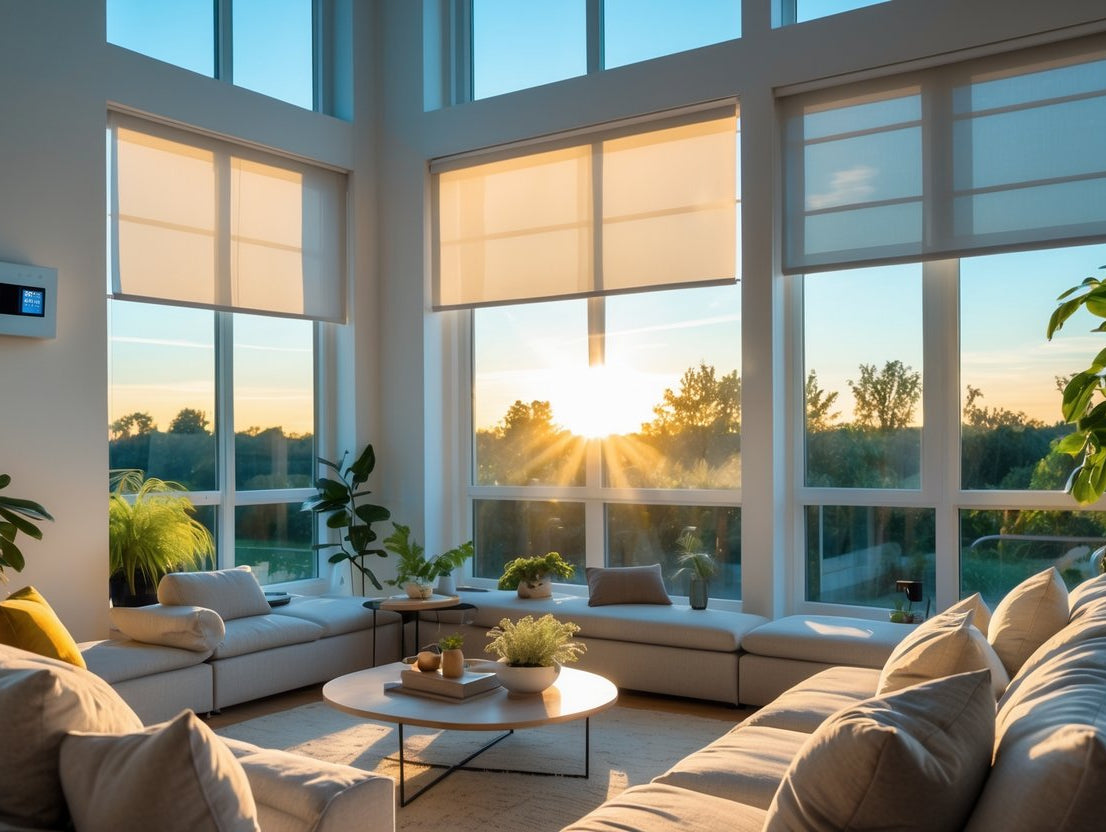
How Cellular Shades Improve Comfort: Light, Privacy and Fit
Cellular shades can make a room more comfortable by changing light, privacy and heat transfer at the window. The best configuration starts with the particular problem: a bright screen, an...
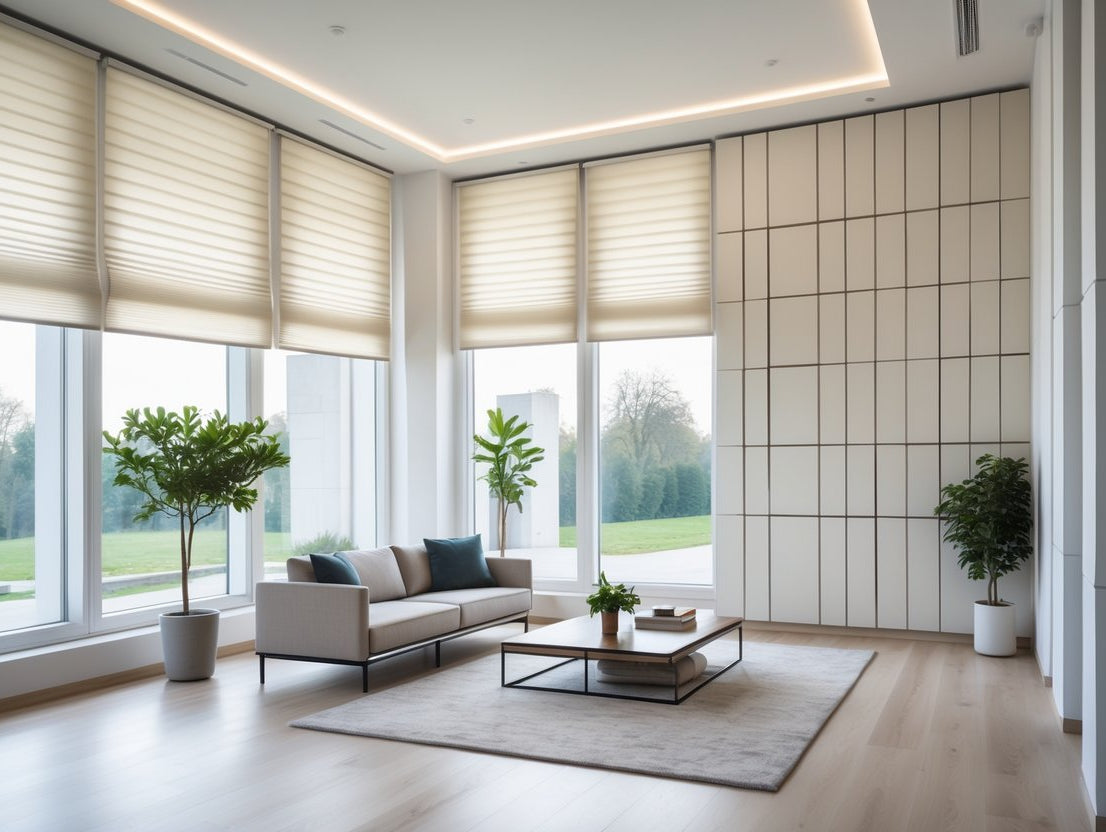
Do Cellular Shades Save Energy? What Determines Your Bills
Cellular shades can reduce heating or cooling demand when the selected covering, installation and operation suit the window. They add an air-containing layer at the glass and can help manage...
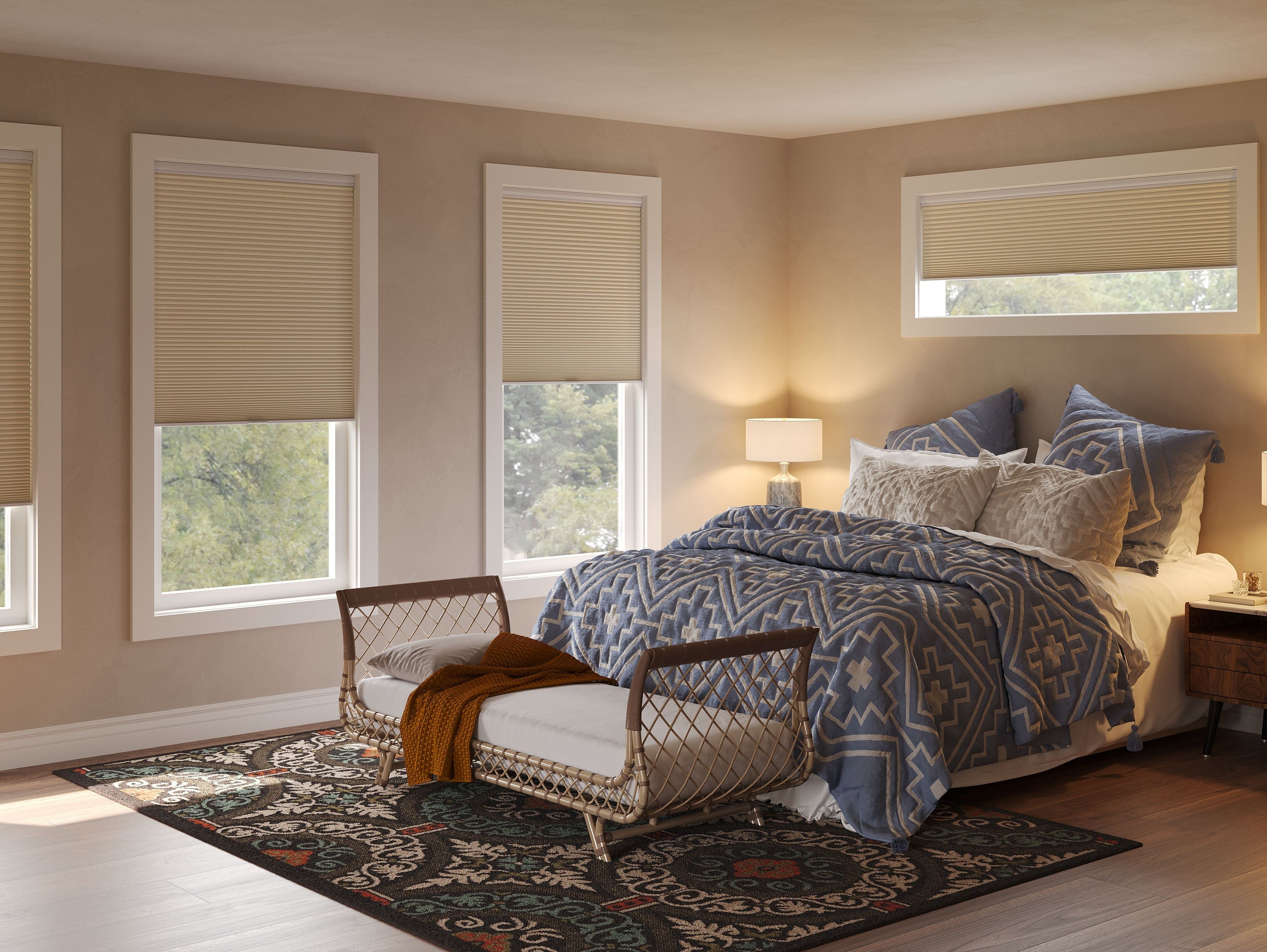
What Are Cellular Honeycomb Shades? Structure and Options
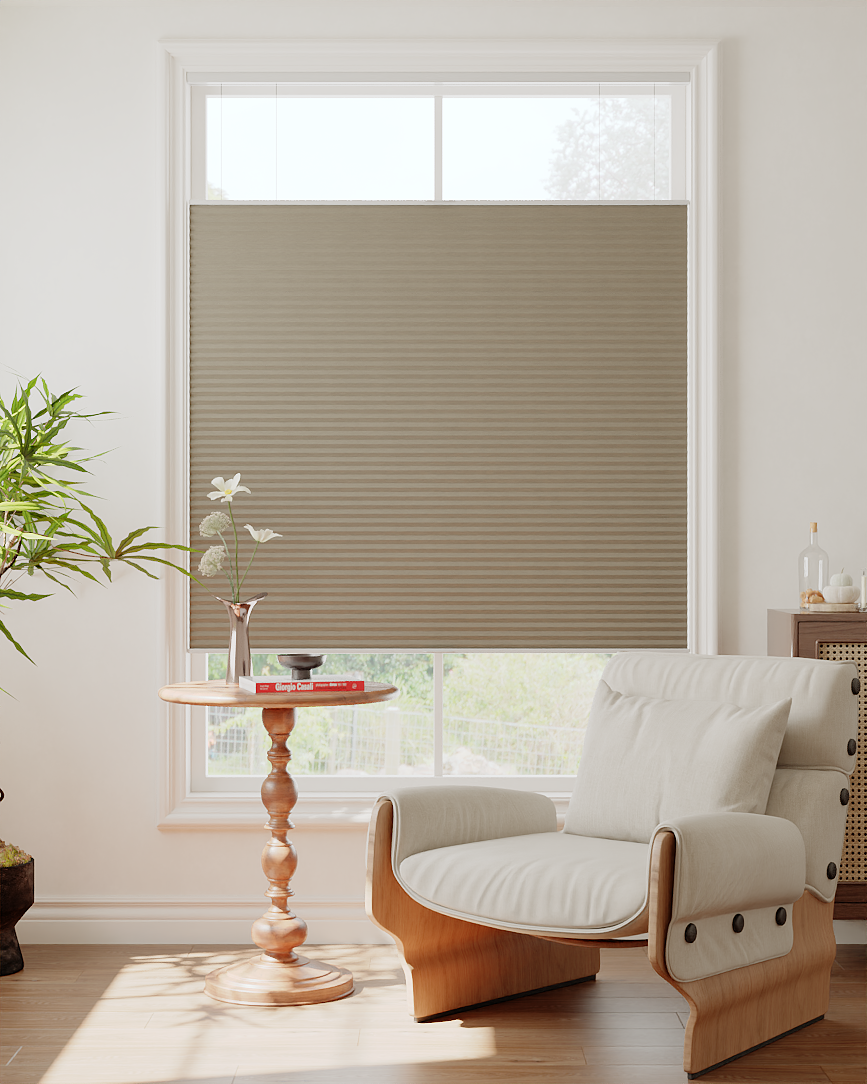
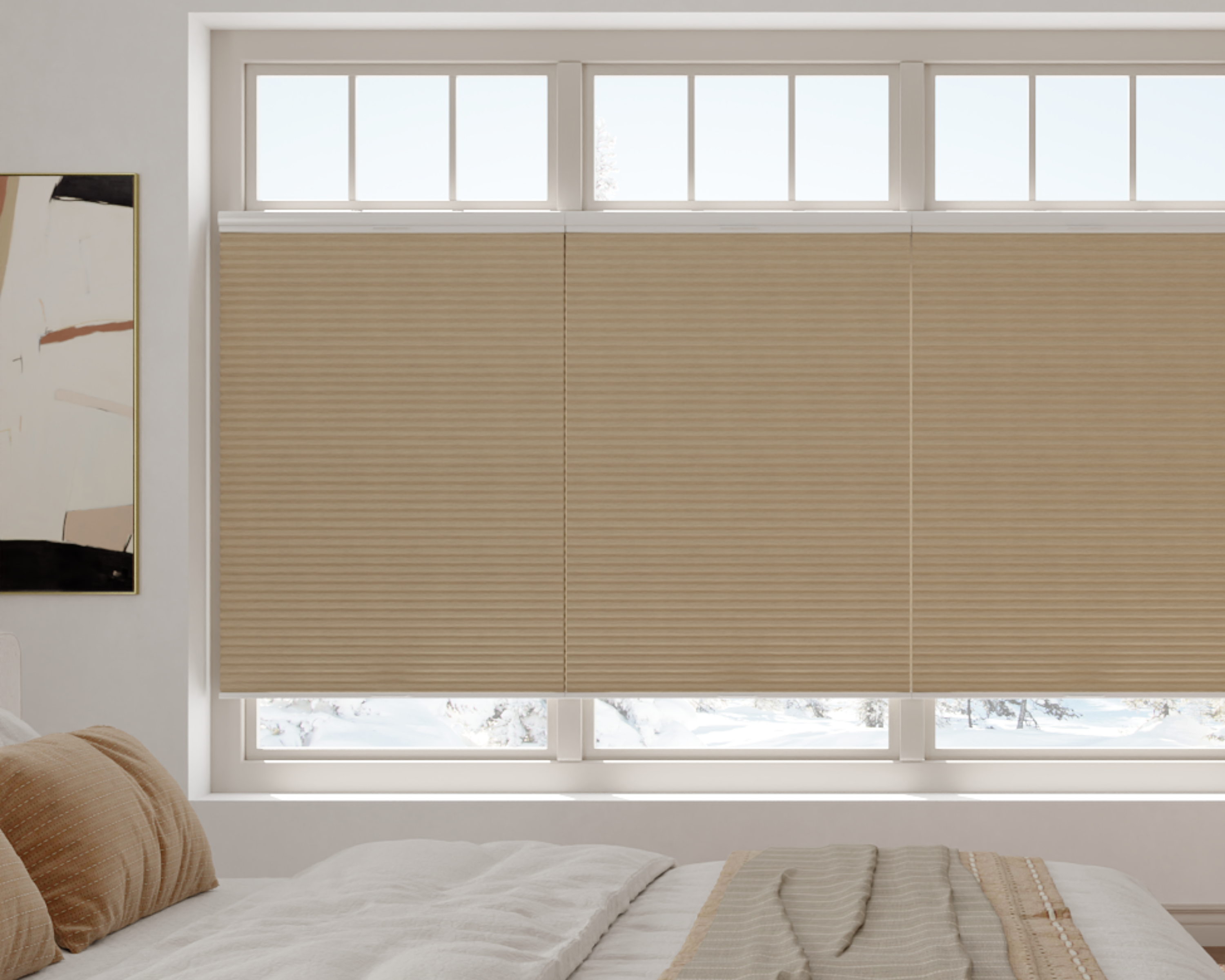
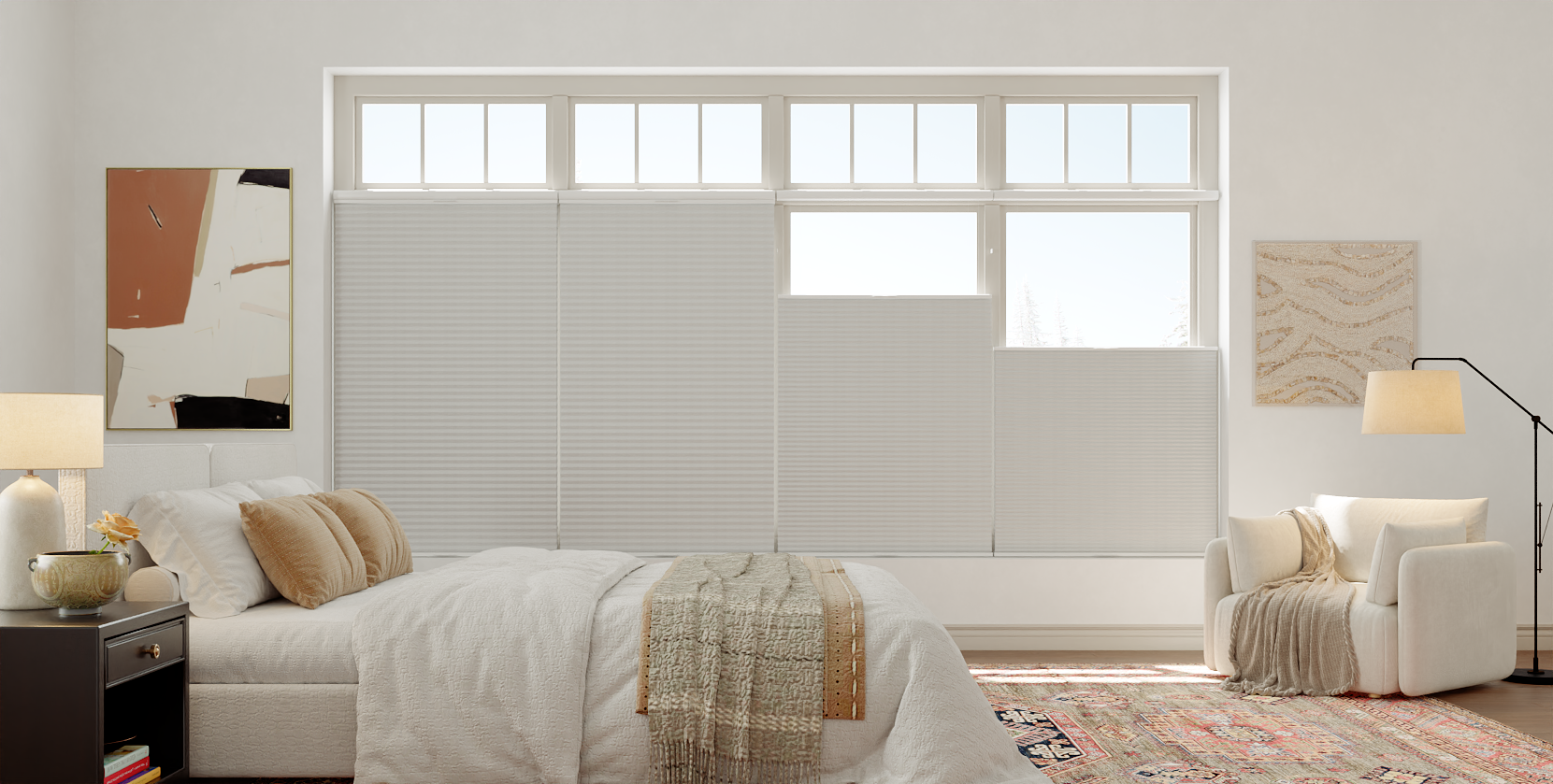
Cellular honeycomb shades are pleated fabric coverings with hollow air pockets visible from the side. As a conventional shade lowers, the pleats open; as it rises, they gather into a...

Smart-Home Sheer Shades: Verify the Complete Configuration
Sheer shades can work with a smart home when the offered motorized configuration and controls support your specific platform and required actions. No sheer fabric or motorized label guarantees compatibility...
