








News
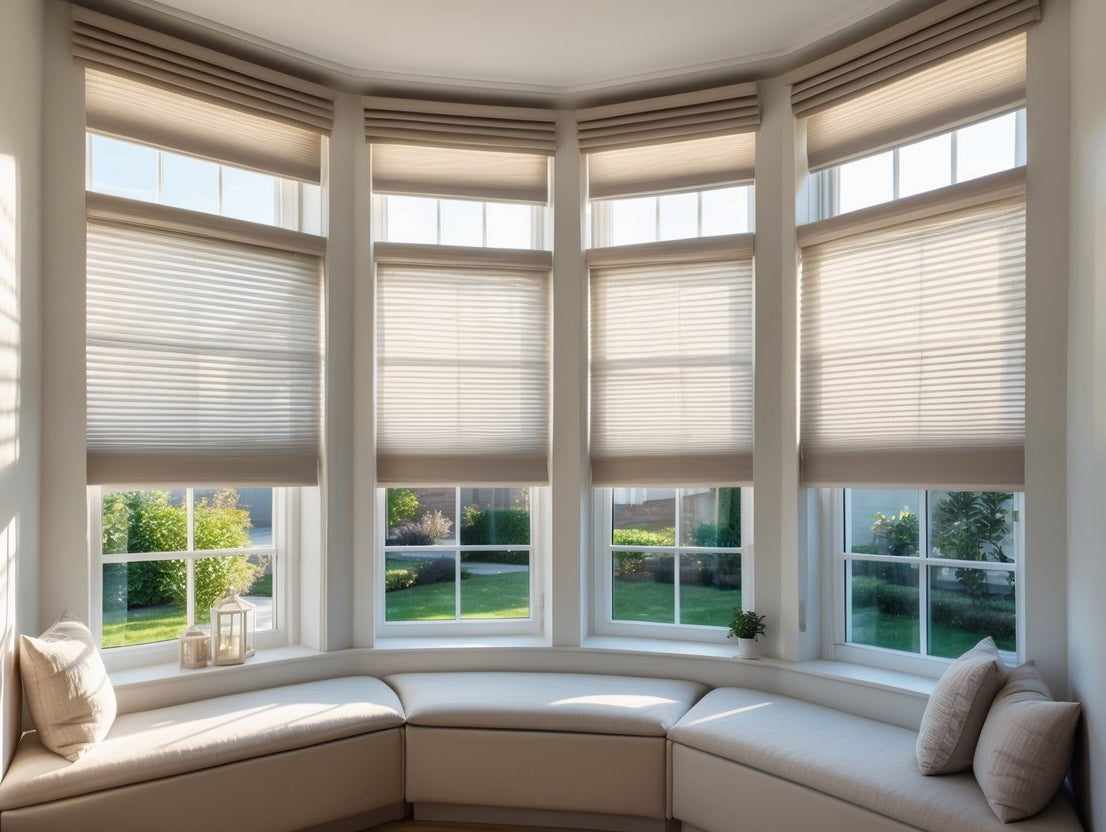
Cellular Shade Setup and Daily Use: A Practical Guide
Using cellular shades well starts with identifying the exact lift and mounting system you have. Keep its instructions with the order, verify the fit before installation and learn the intended...
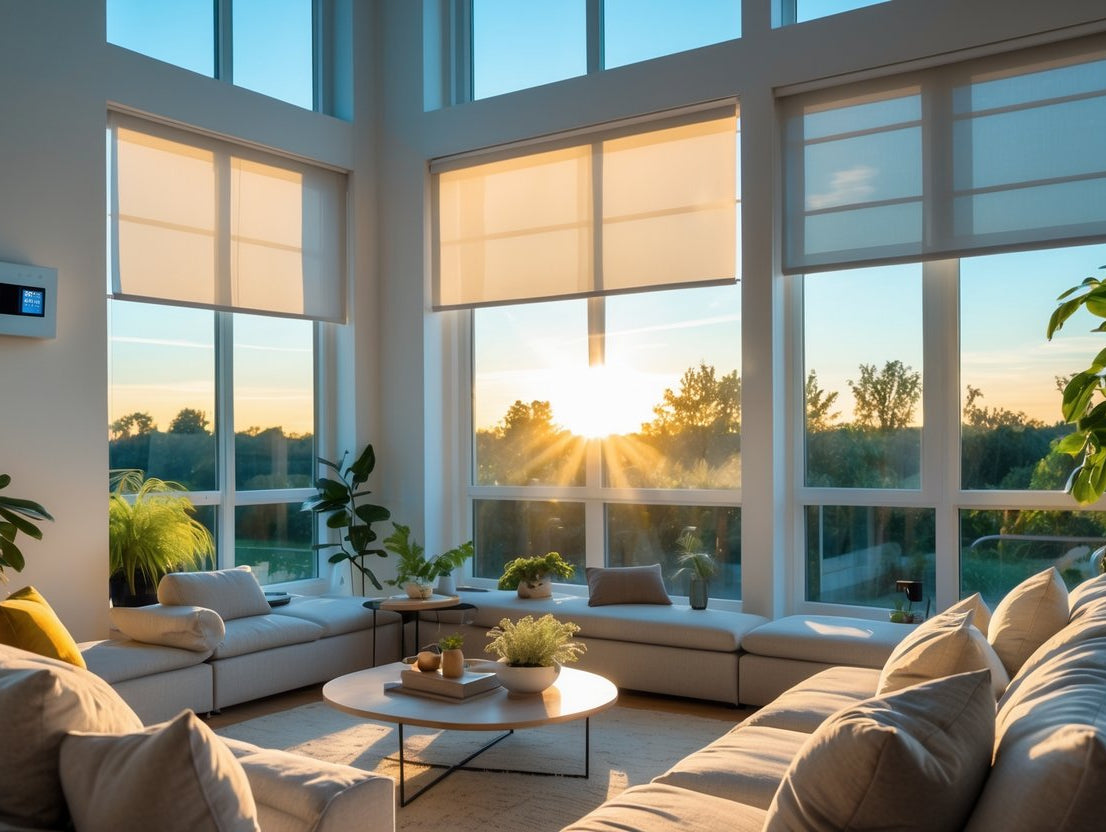
How Cellular Shades Improve Comfort: Light, Privacy and Fit
Cellular shades can make a room more comfortable by changing light, privacy and heat transfer at the window. The best configuration starts with the particular problem: a bright screen, an...
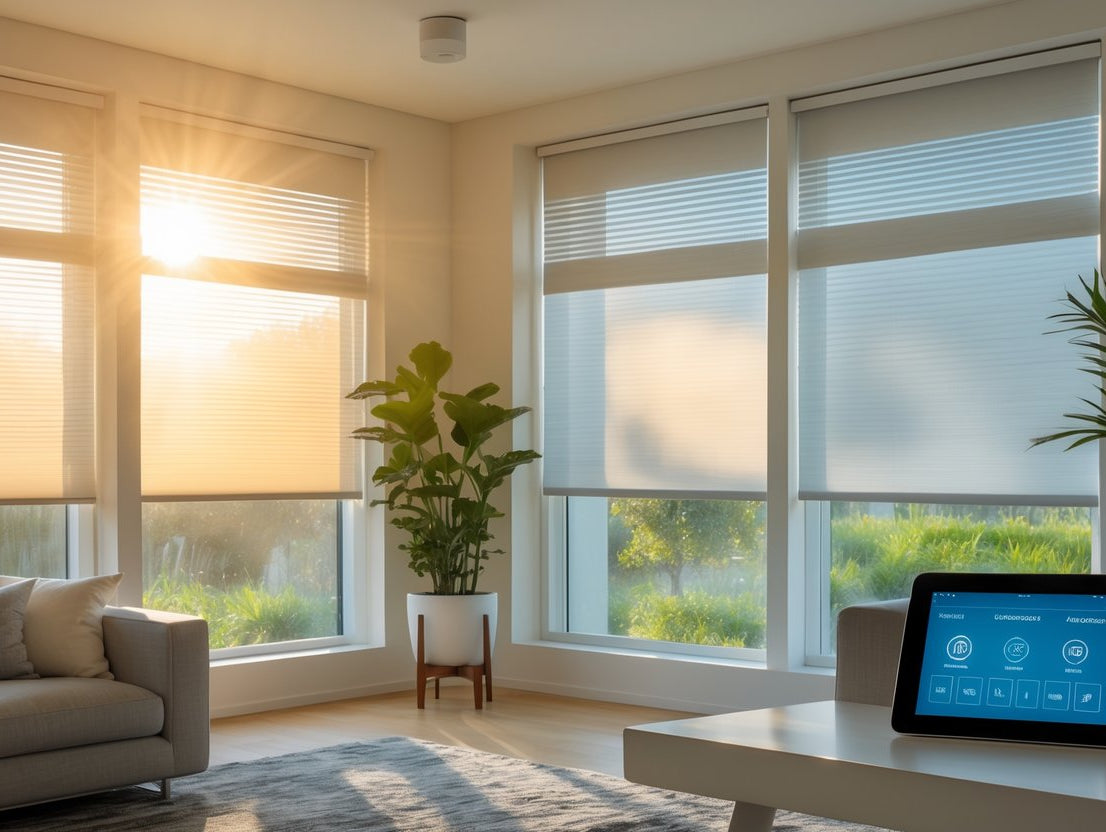
Are Honeycomb Shades Worth It? Compare Benefits with Your Actual Cost
Honeycomb shades can be worth the investment when their combination of light control, cellular construction and available operation matches your room's needs. The value is specific to the product, installation...

Cellular vs Roller Shades: Choose for Winter Comfort or Summer Sun
Cellular shades are useful candidates when insulation is the priority; a solar roller fabric may suit a sunny window where glare control and outward view matter. The better energy choice...
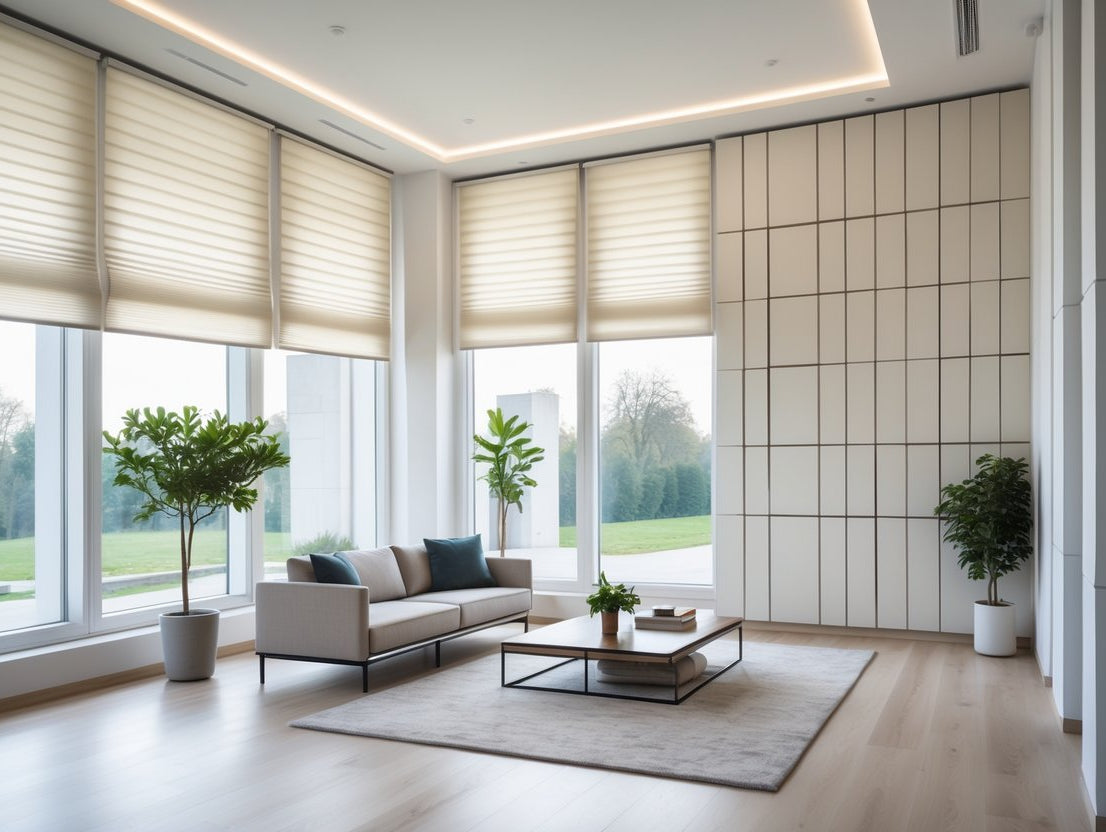
Do Cellular Shades Save Energy? What Determines Your Bills
Cellular shades can reduce heating or cooling demand when the selected covering, installation and operation suit the window. They add an air-containing layer at the glass and can help manage...
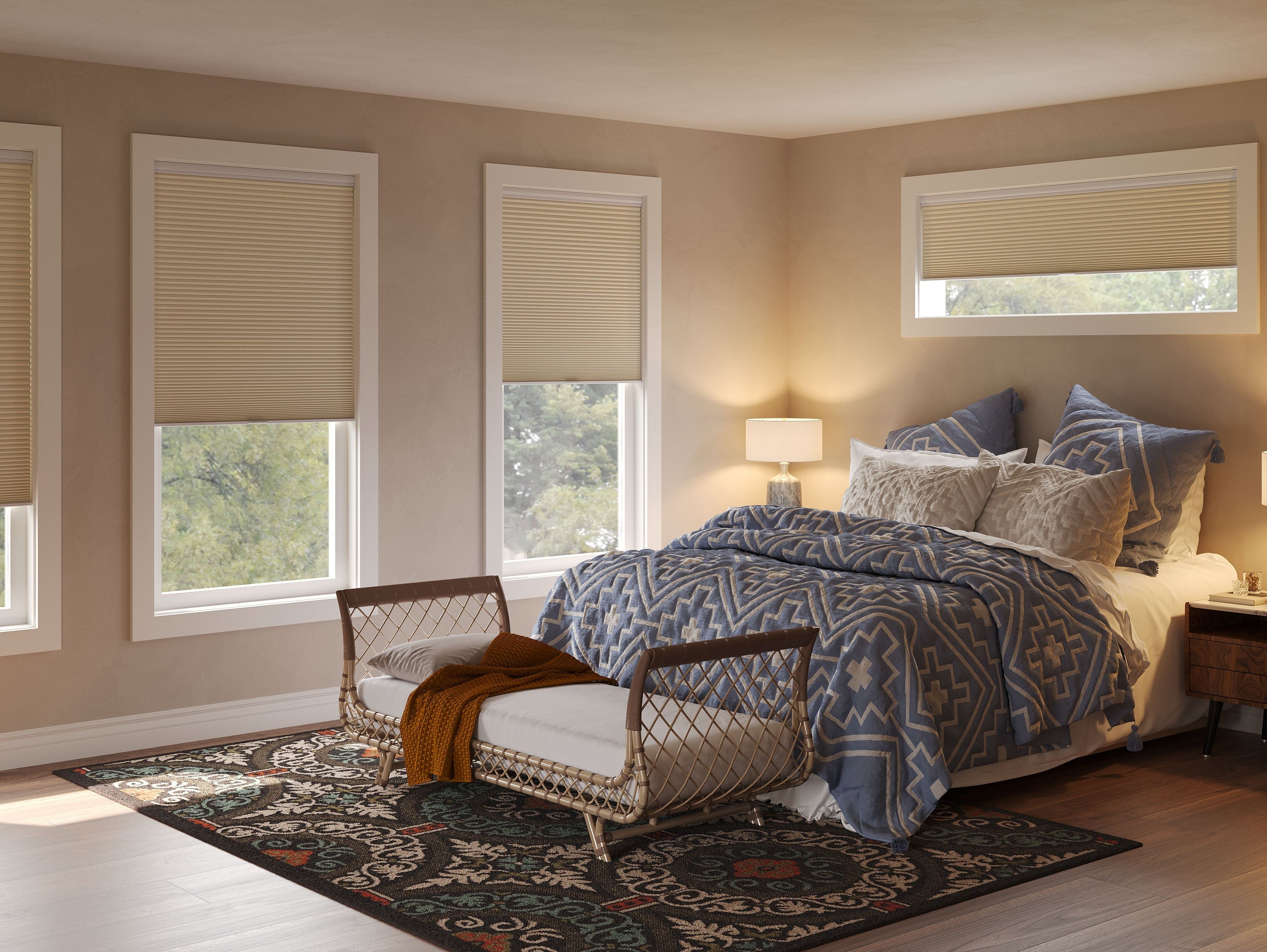
What Are Cellular Honeycomb Shades? Structure and Options
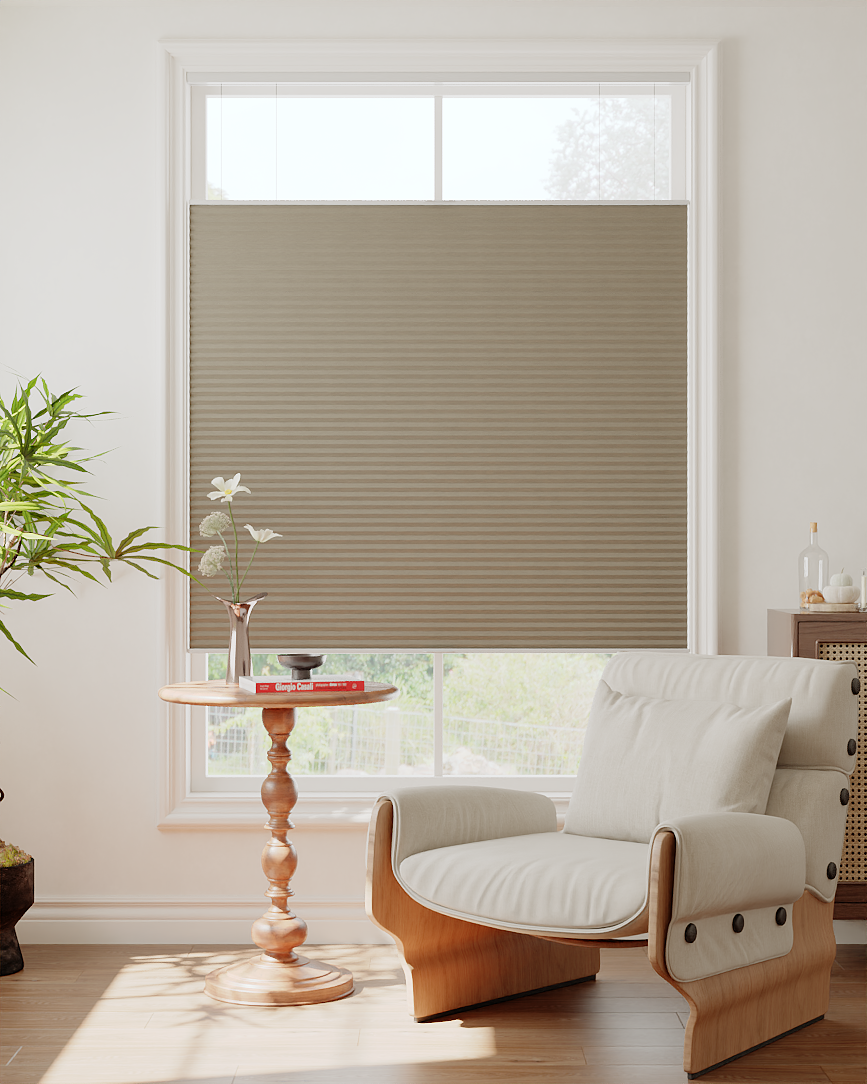
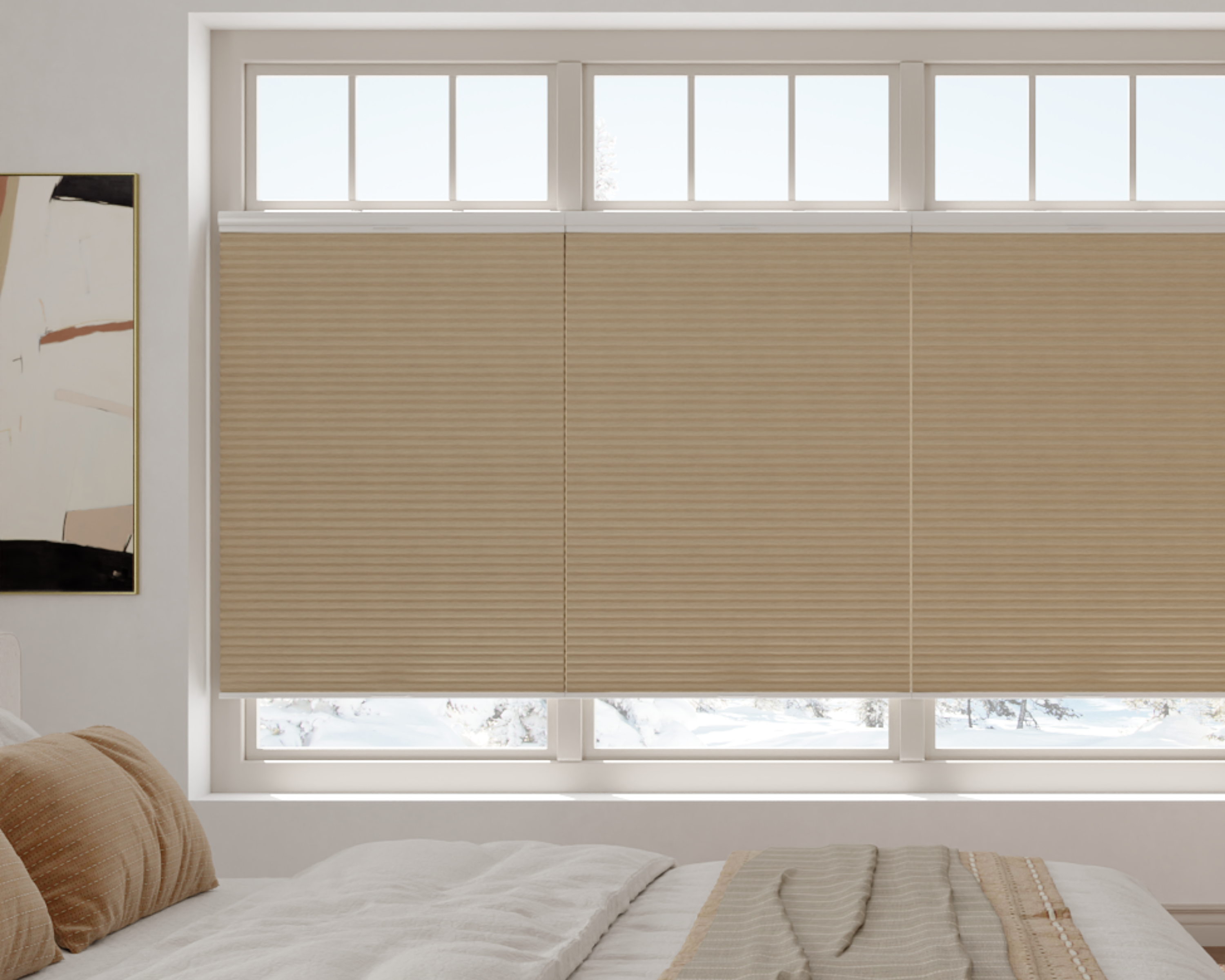
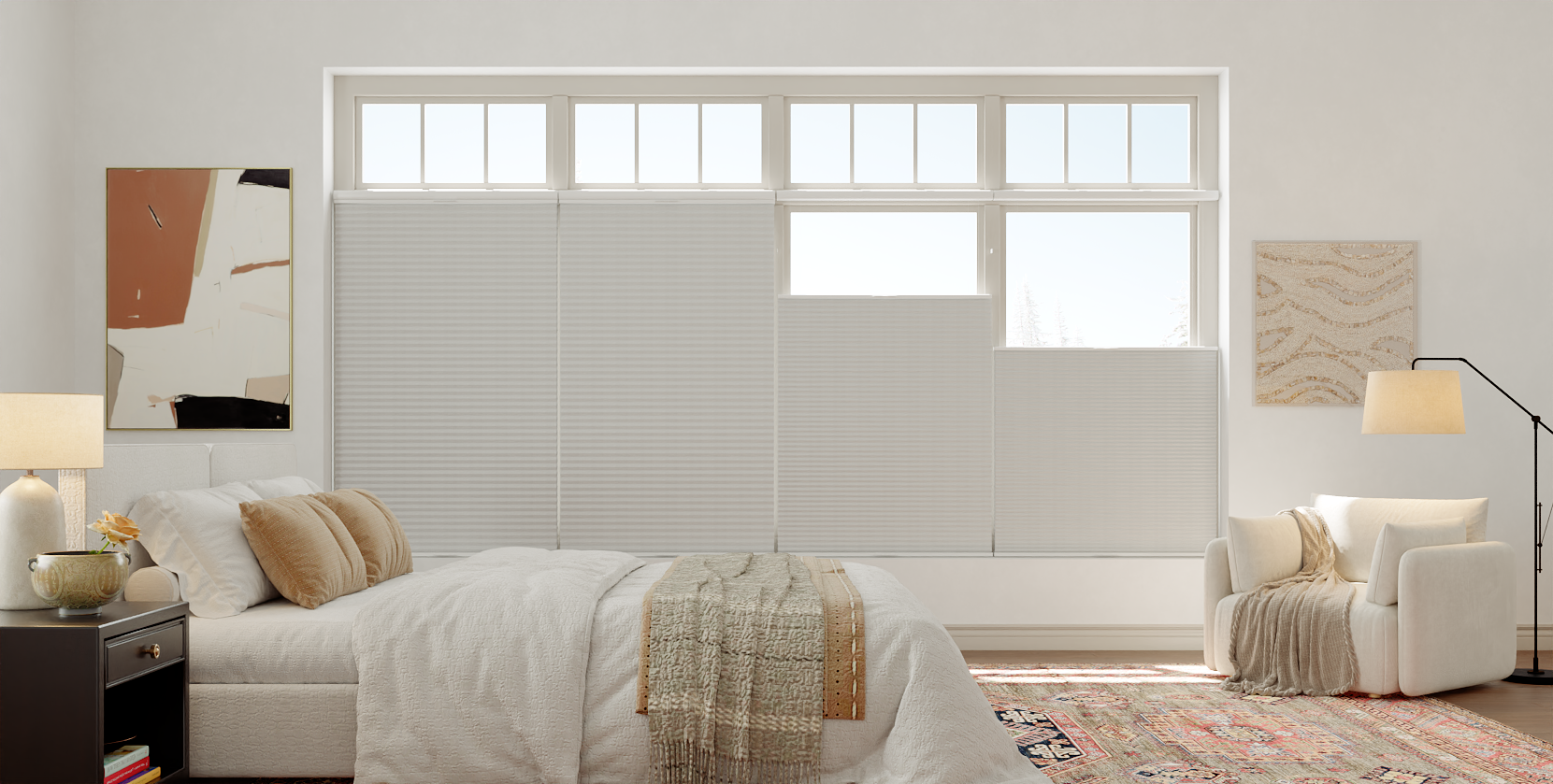
Cellular honeycomb shades are pleated fabric coverings with hollow air pockets visible from the side. As a conventional shade lowers, the pleats open; as it rises, they gather into a...

Top-Down Bottom-Up Sheer Shades: Separate Fabric from Movement
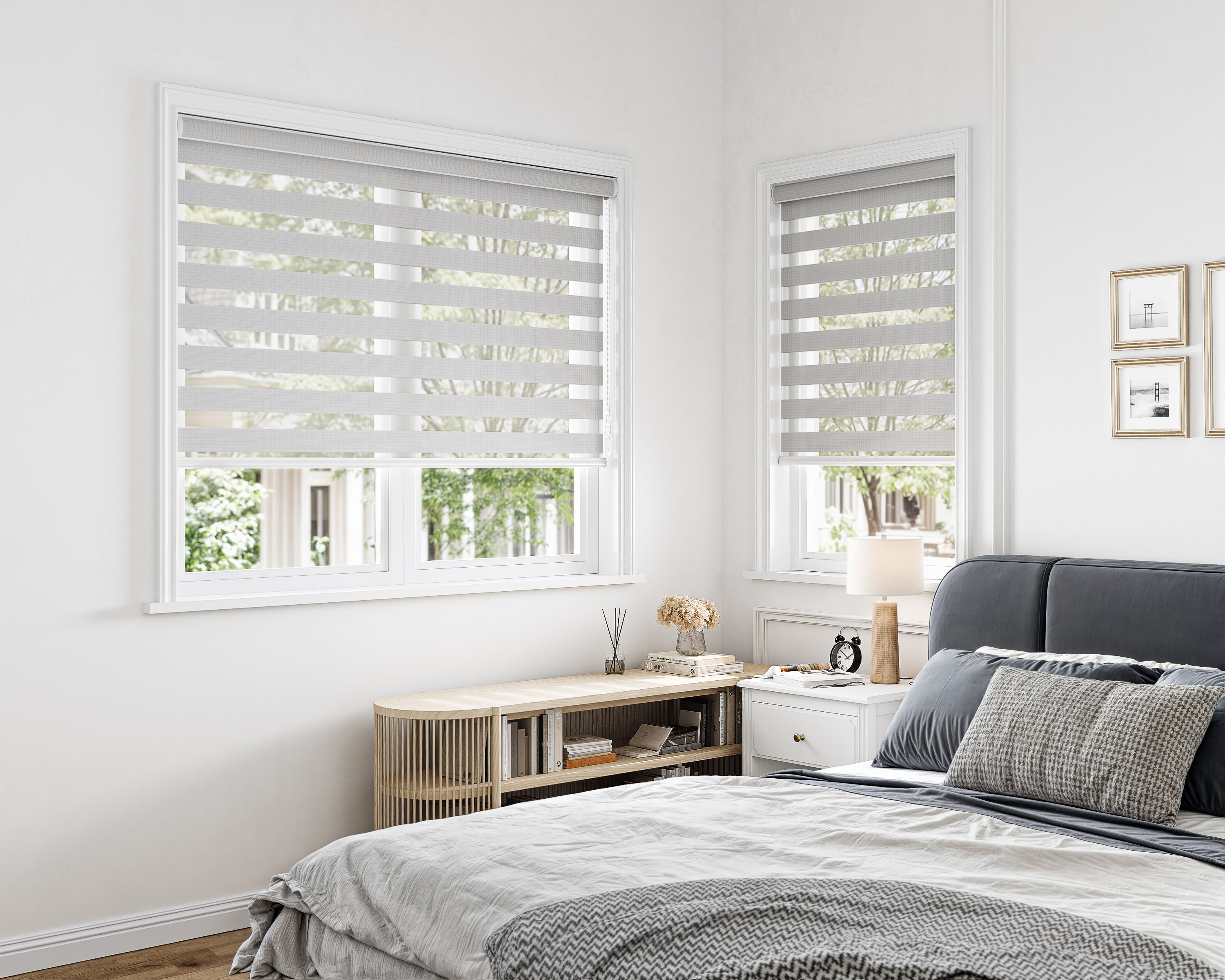
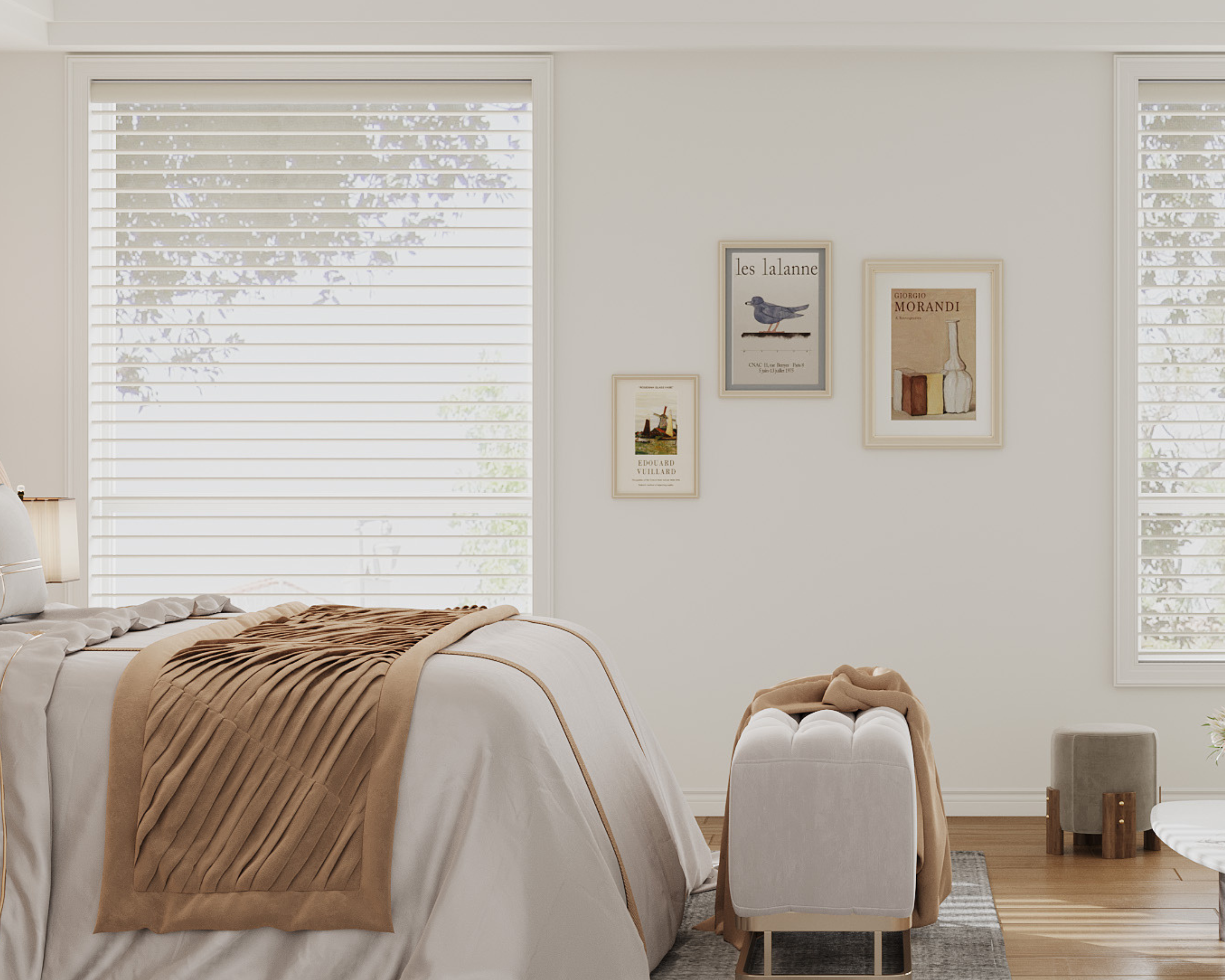
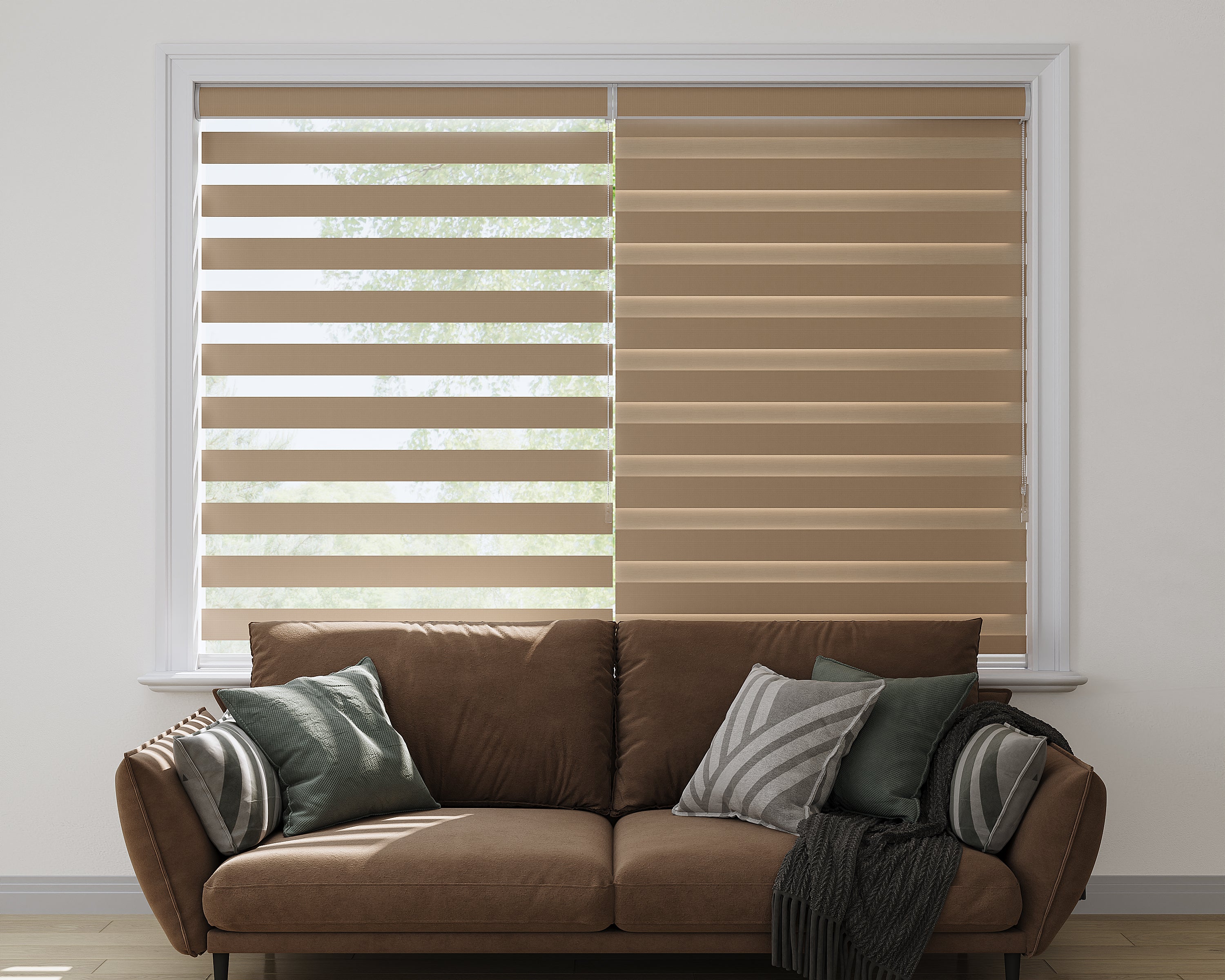
Top-down/bottom-up describes how the fabric's upper and lower boundaries move; sheer describes a light-transmitting material or a different shading construction. The combined phrase does not establish that every vane-style sheer...

Roller Shades vs. Cellular Shades: Which Fits Your Room?
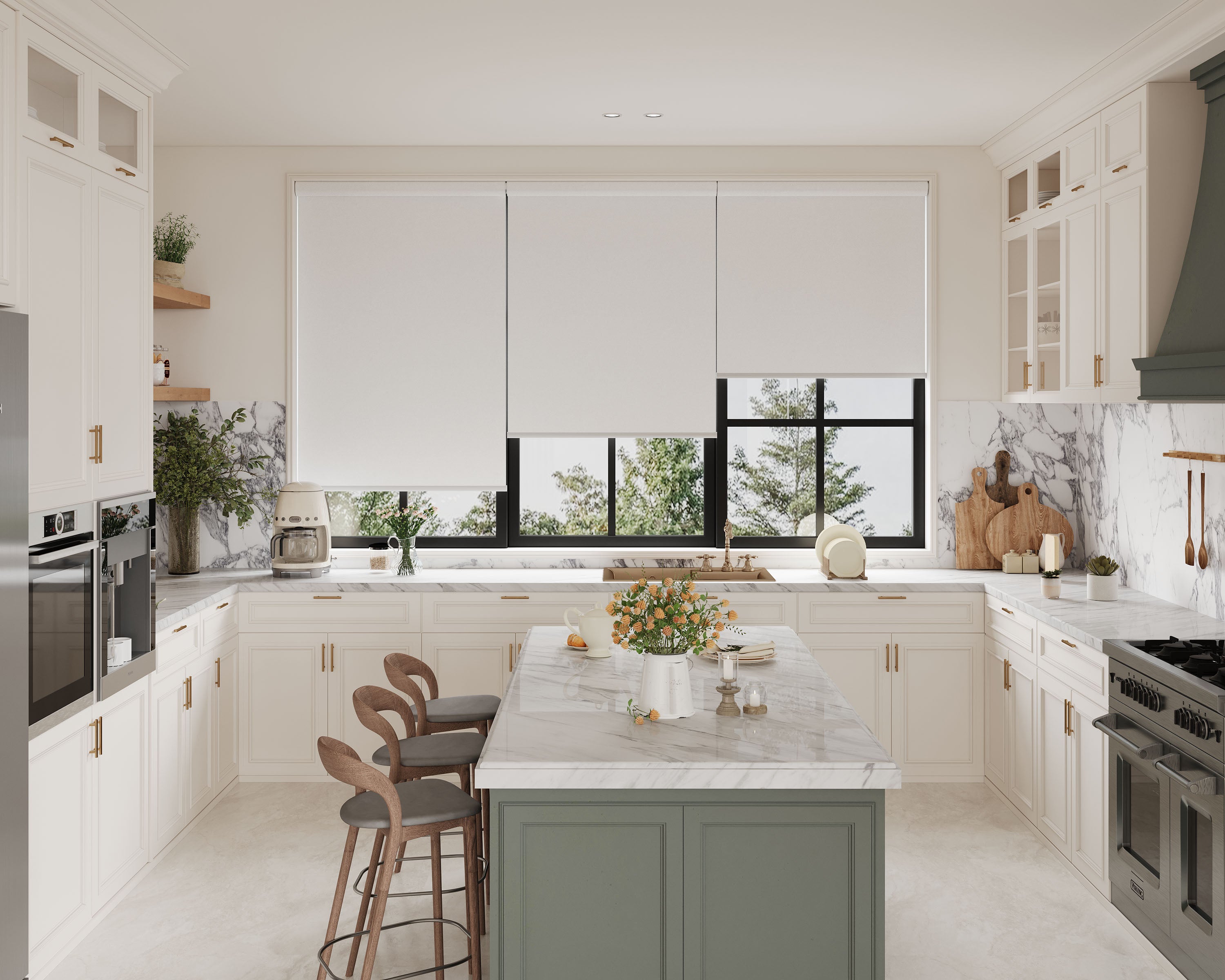
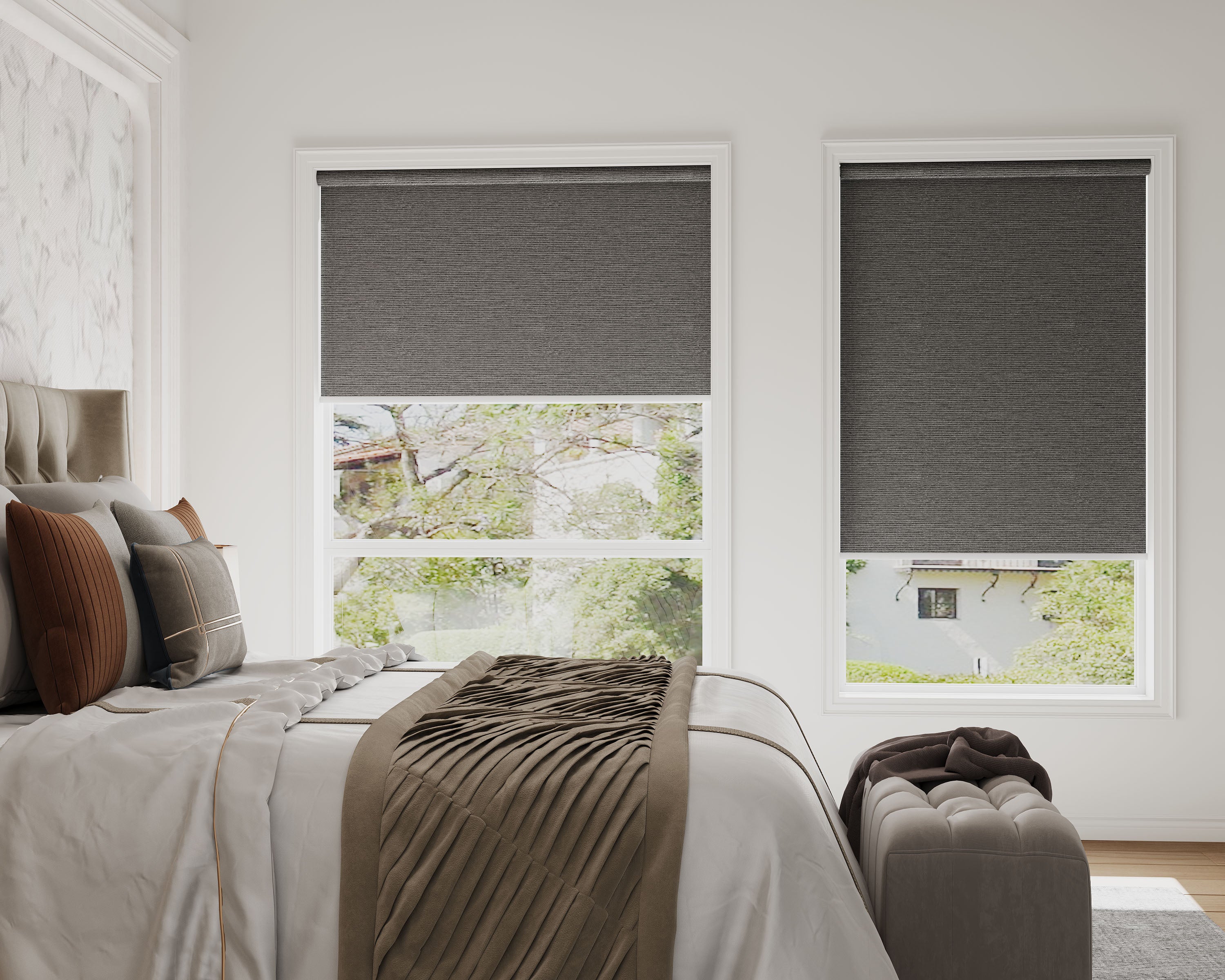
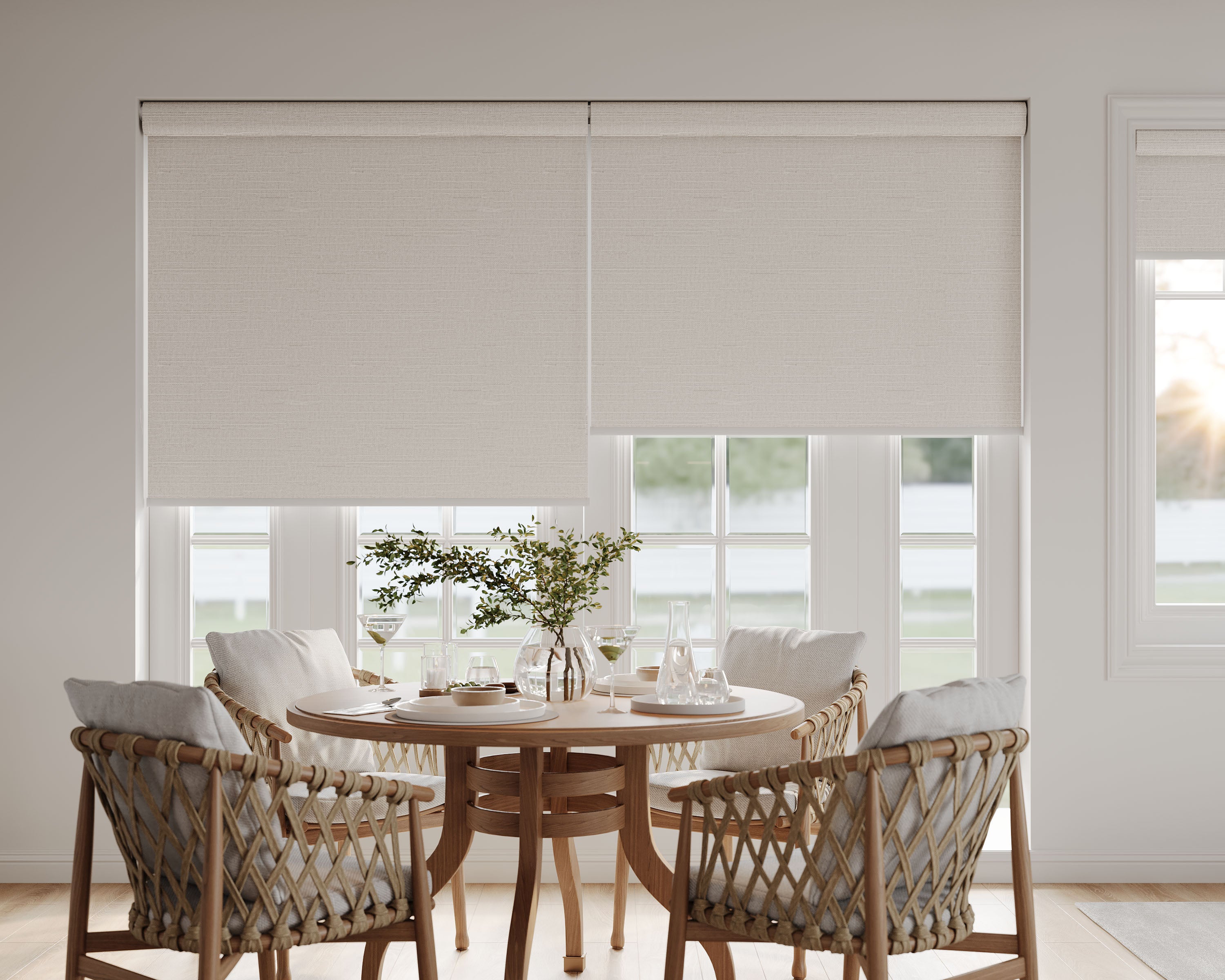
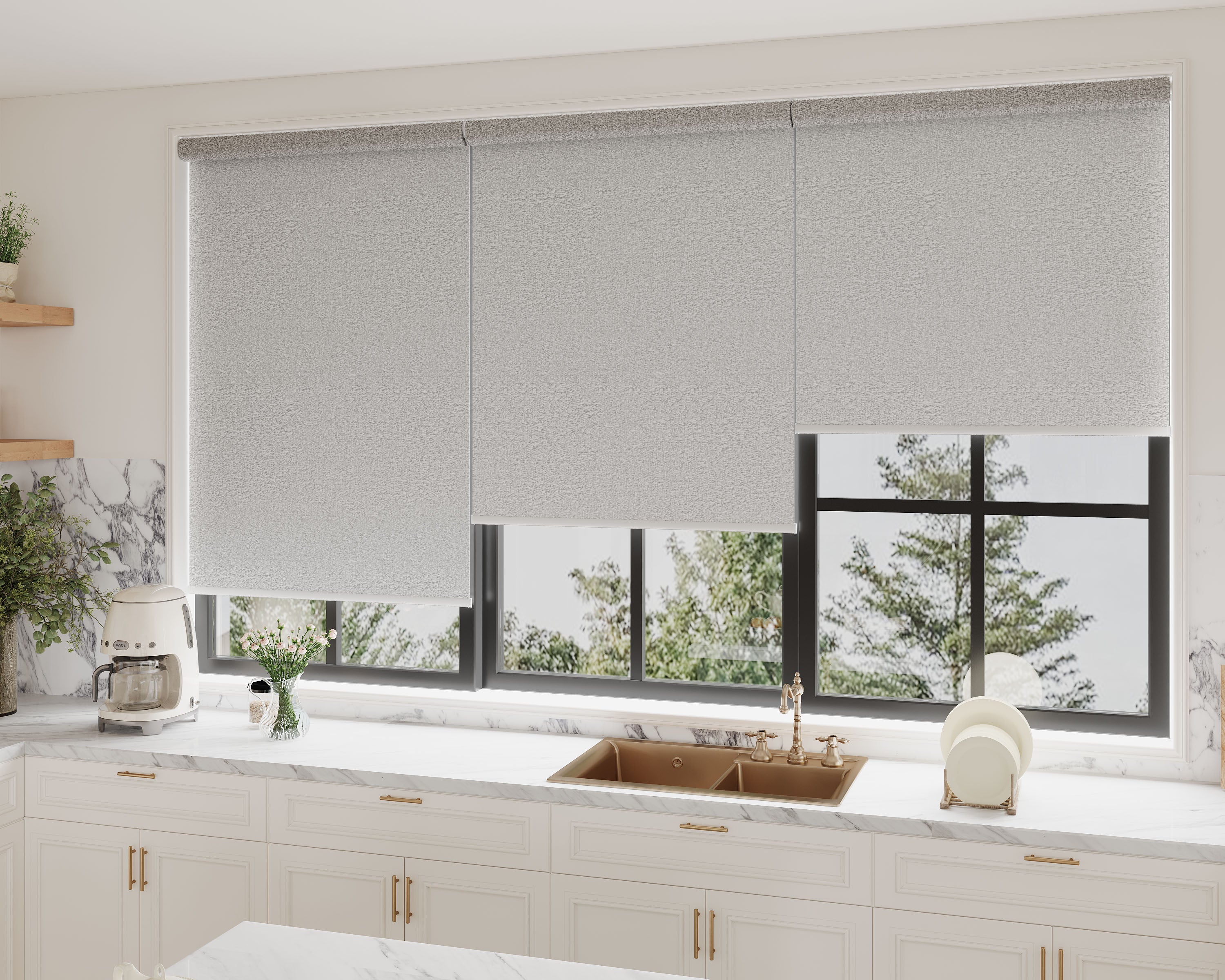
Choose roller shades for a smooth fabric panel that rolls onto a tube; choose cellular shades for a pleated, air-cell construction. Both families offer different fabrics and operating options, so...
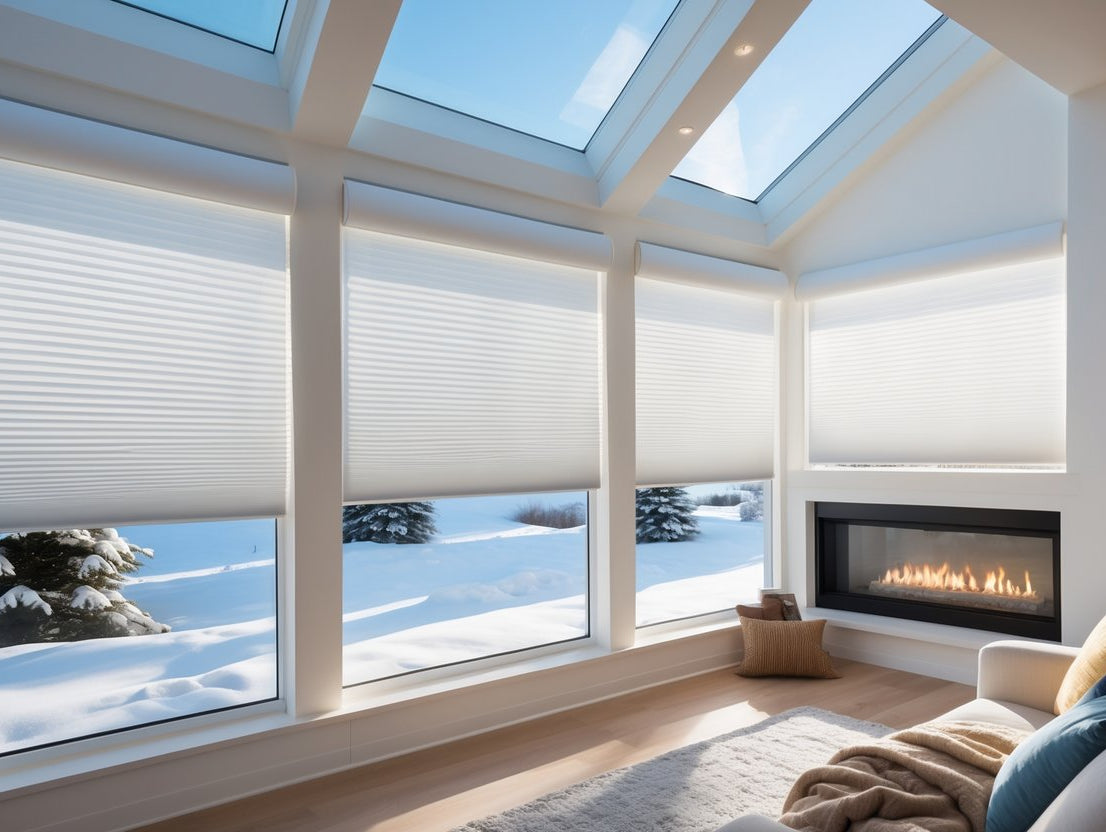
Cellular Shades for Skylights: Winter Comfort and System Suitability
A cellular shade can add an insulating air-space construction to a window, but a skylight needs a system approved for its actual angle and opening. An ordinary vertical cellular shade...

Cellular Shade Side Tracks: How to Compare Insulation Claims
Compatible side tracks can change how air and light move around a cellular shade's edges, but the extra insulation must be assessed for the actual system. There is no universal...
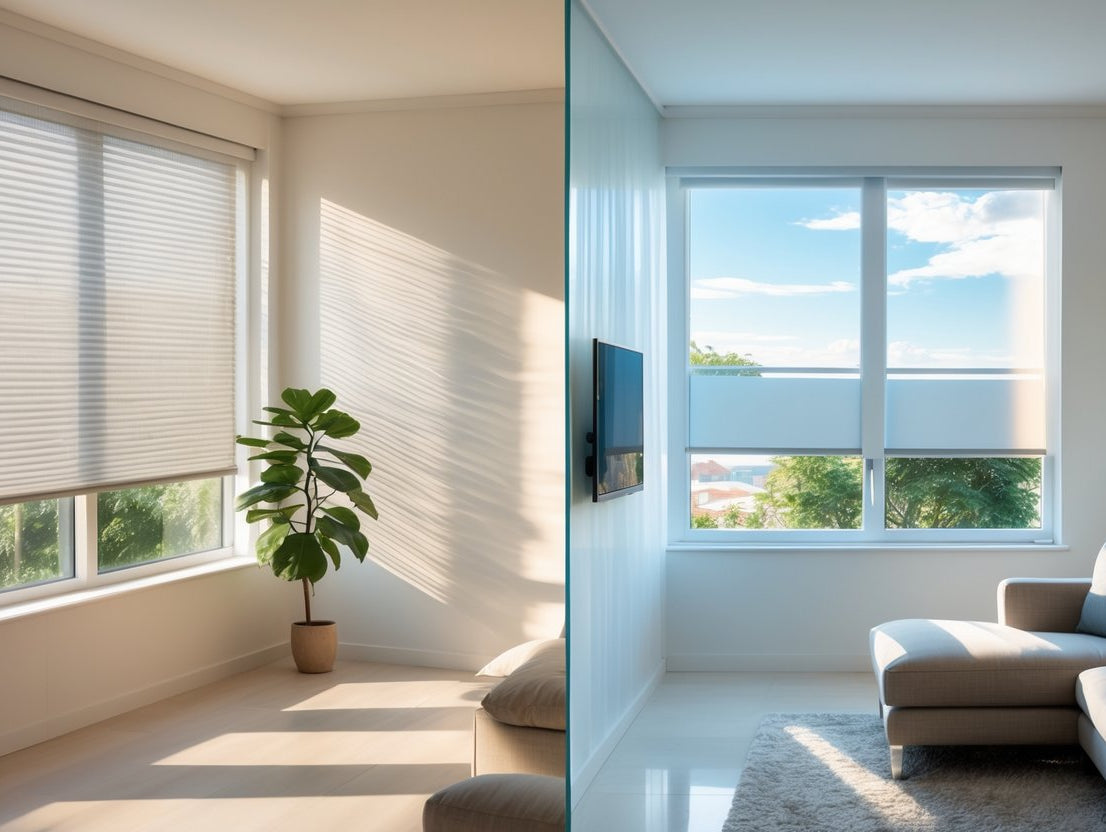
Closing Shades at Dusk: A Practical Winter Comfort Routine
Closing a suitable insulating shade during cold evening hours can help manage heat loss at the window. Dusk is a useful household reminder, rather than a universal best time or...
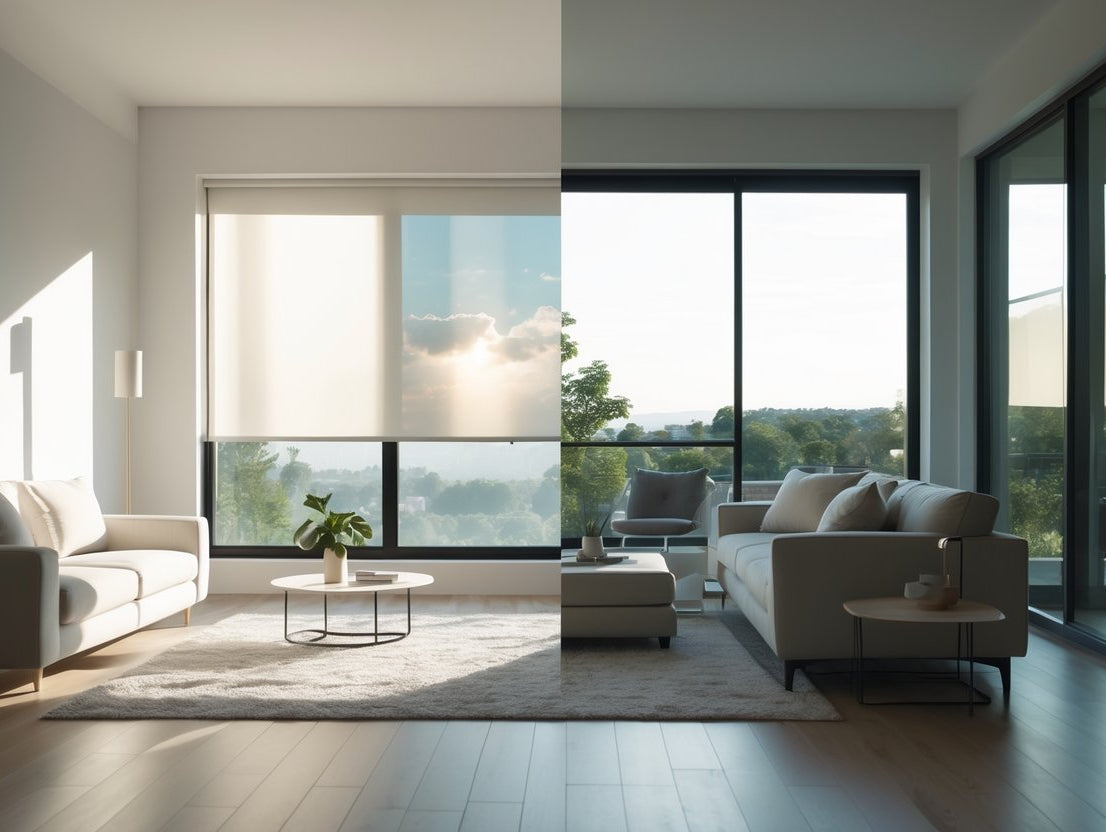
Window Shades vs. Window Film: Compare Heat, Light and Privacy
Window film changes how a particular glazing assembly handles light or heat continuously. An operable shade lets you change coverage during the day. The better choice depends on whether the...
