








News

Drafty Windows Before New Shades: Inspect, Seal and Recheck Fit
Address a window's air leaks and repair needs before asking a new shade to improve comfort. Air sealing and an insulating covering do different jobs. Completing suitable window work first...

U-Value vs R-Value: Compare Window Shade Performance Correctly
Lower U-value means less heat transfer; higher R-value means more resistance to heat flow. Compare either number only when the units, tested system and conditions match. A fabric-only figure cannot...

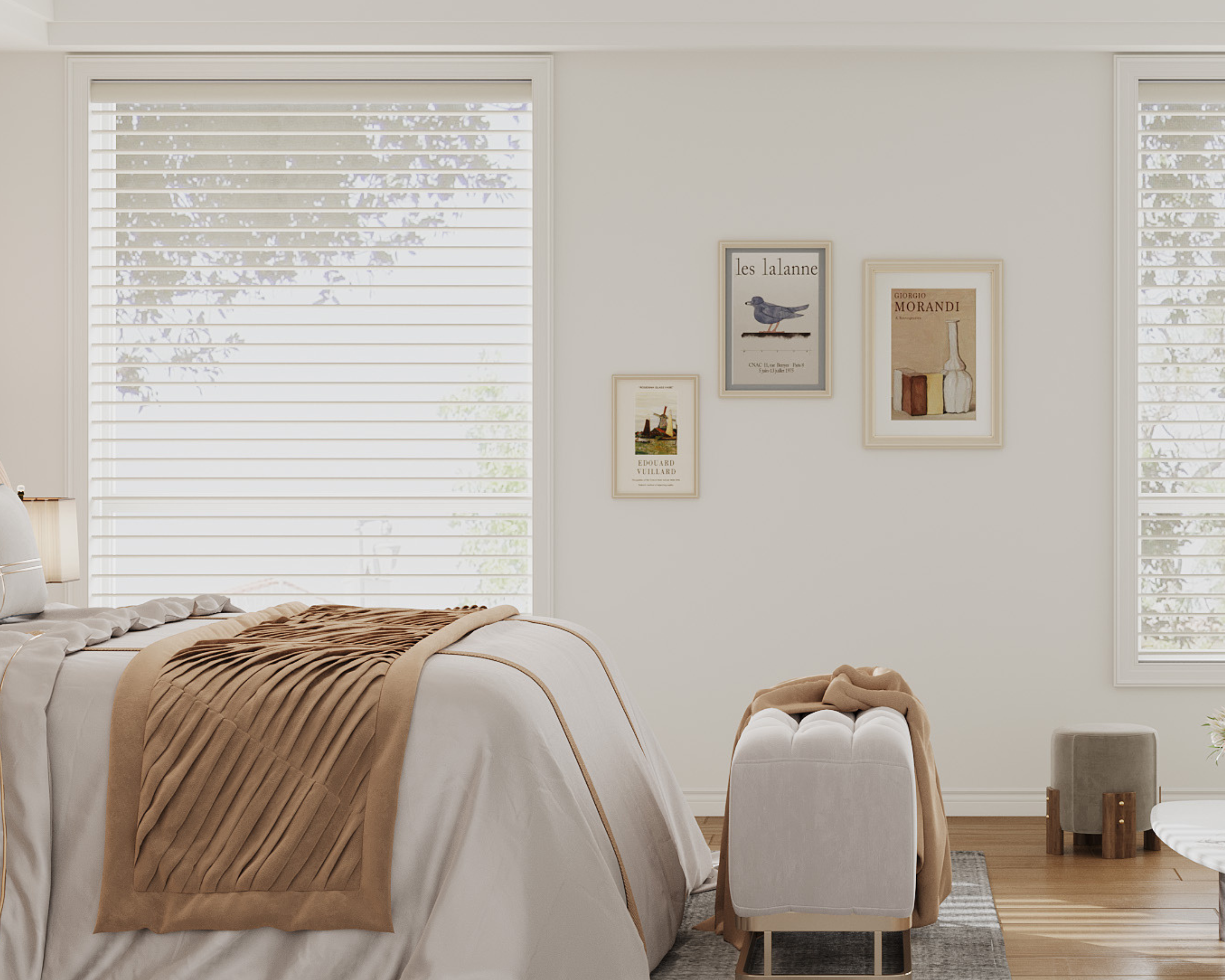
Layering Shades and Curtains for Thermal Comfort
Layering a shade and curtains can combine different light-control and coverage functions, and the installed arrangement may contribute to thermal comfort. More layers do not guarantee a fixed energy saving;...

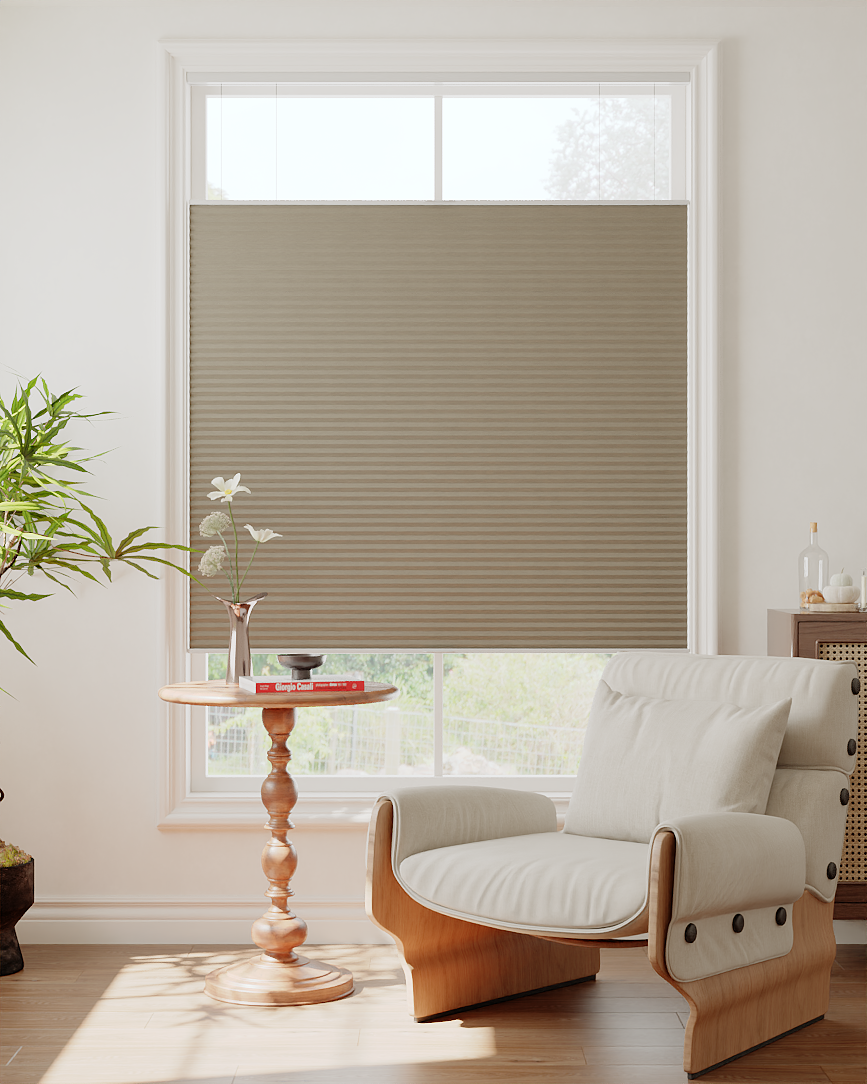
How Cellular Shades Trap Air: A Winter Window Routine
Cellular shades hold air within their honeycomb fabric structure. Lowered over a window, that structure adds resistance to heat flow and can help reduce winter heating demand. The practical result...

Cellular Shade Payback: Calculate Costs and Savings Scenarios
To estimate cellular shade payback, divide the relevant project cost by a supported estimate of annual net energy savings. The formula is simple; the difficult part is obtaining a savings...

How Top-Down/Bottom-Up Shades Work and When to Choose Them
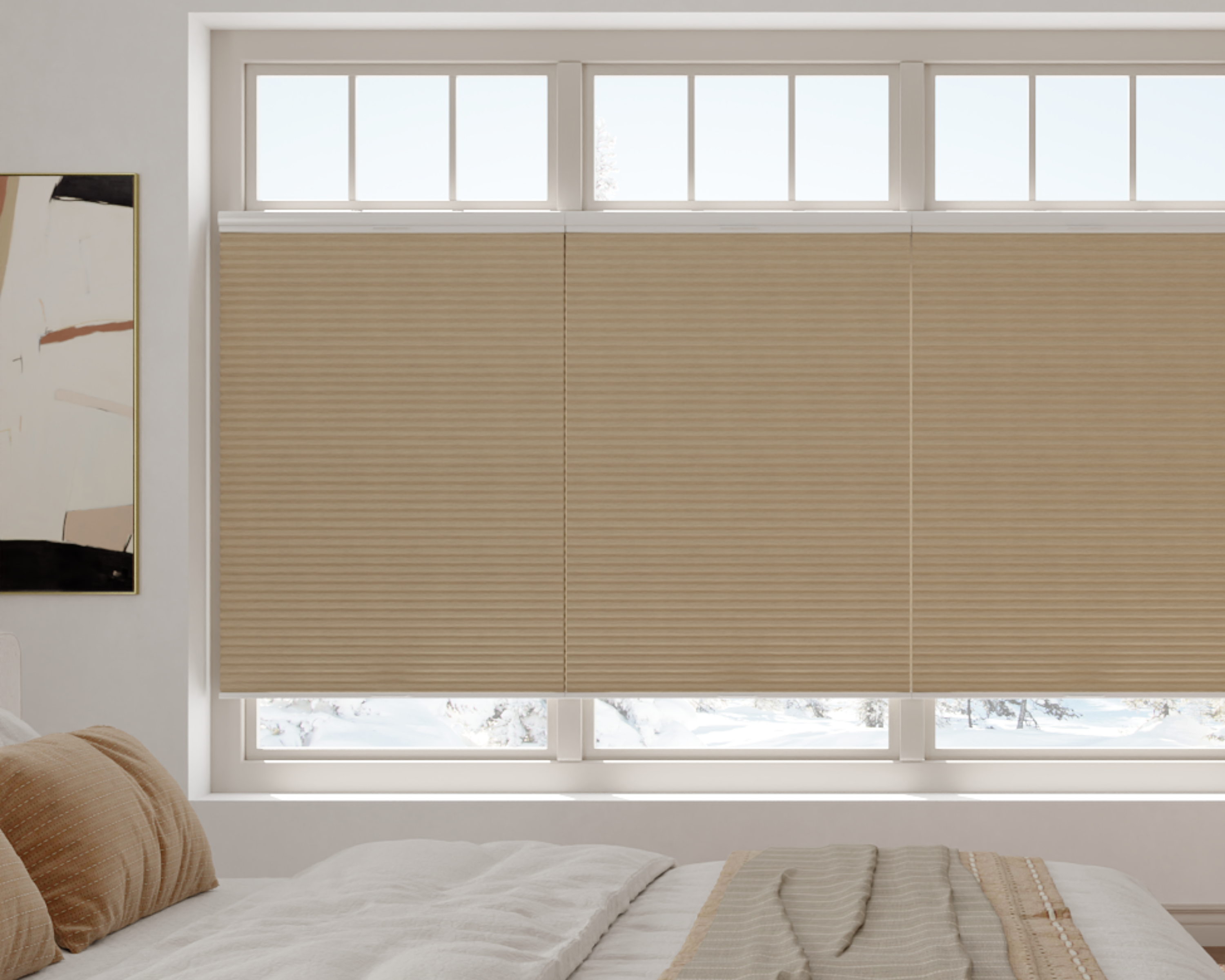
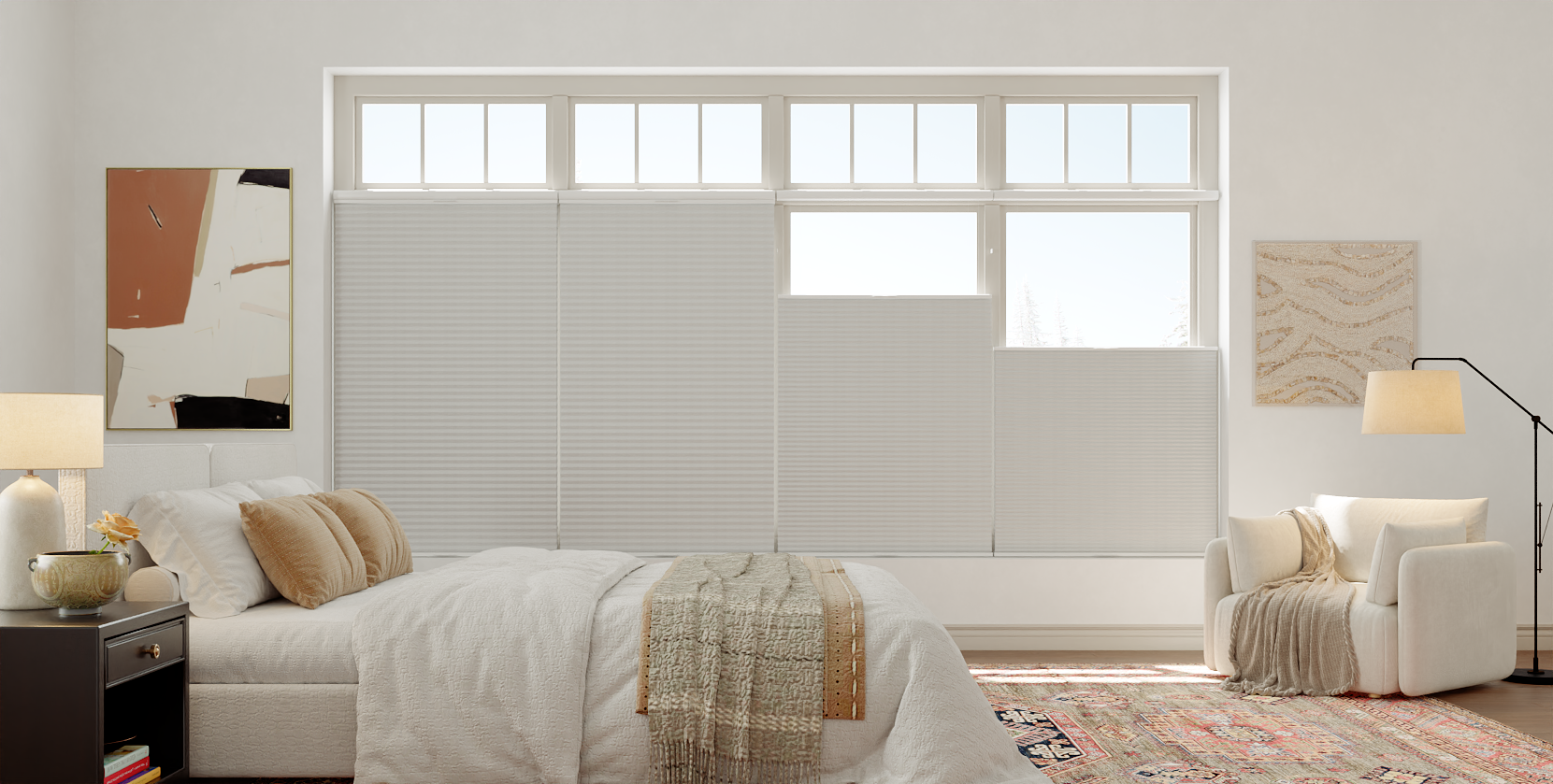
Top-down/bottom-up shades let you cover the lower part of a window while leaving an opening above, or raise the lower edge to uncover glass below. That makes them useful when...

Cordless Shade Mechanisms: How They Work and What to Compare
A manual cordless shade moves without an exposed operating pull cord: you use the rail, handle or control specified for the model, while its internal mechanism manages the covering. The...

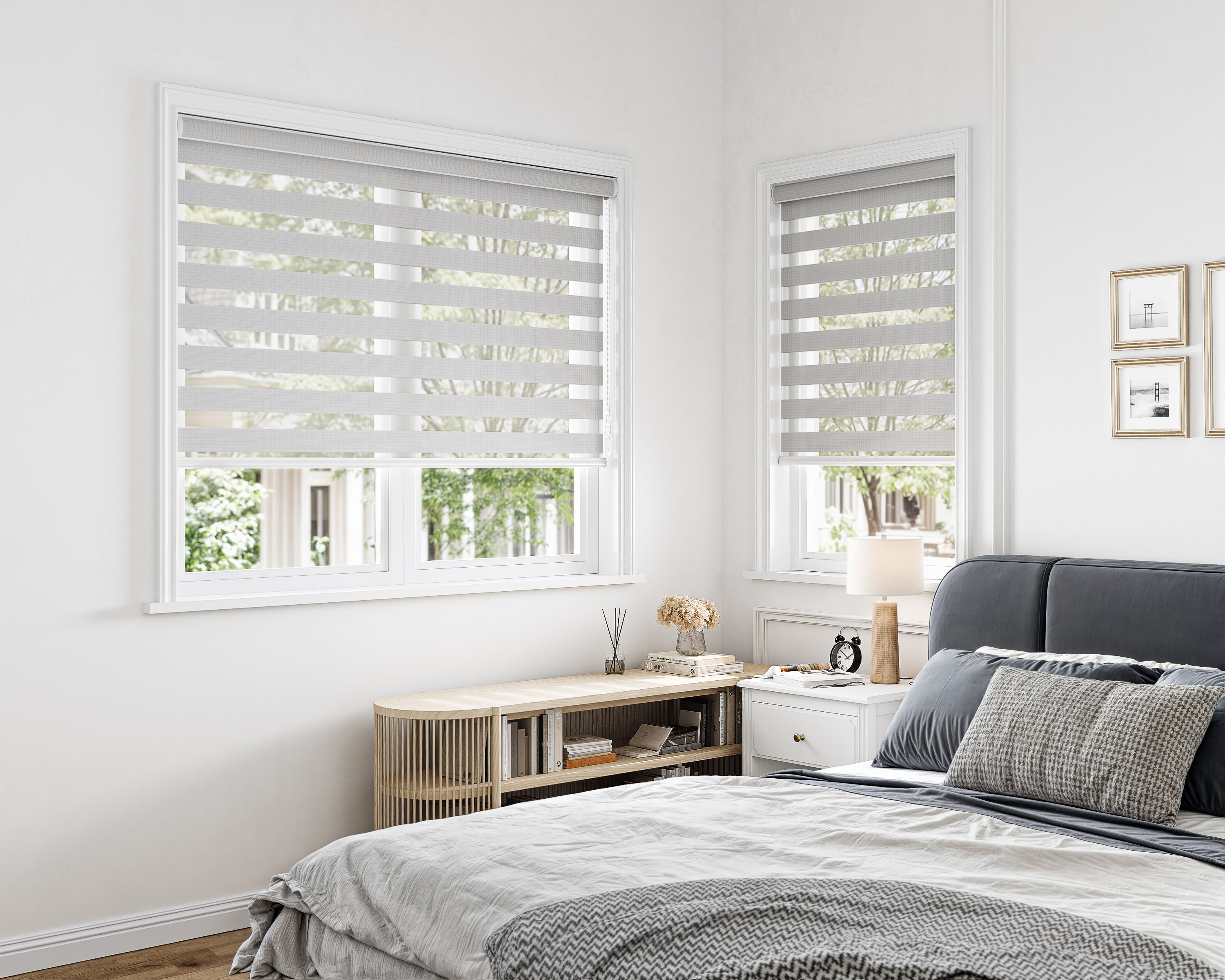
Room Darkening vs. Blackout: Fabric, Light Gaps and Real-Window Results
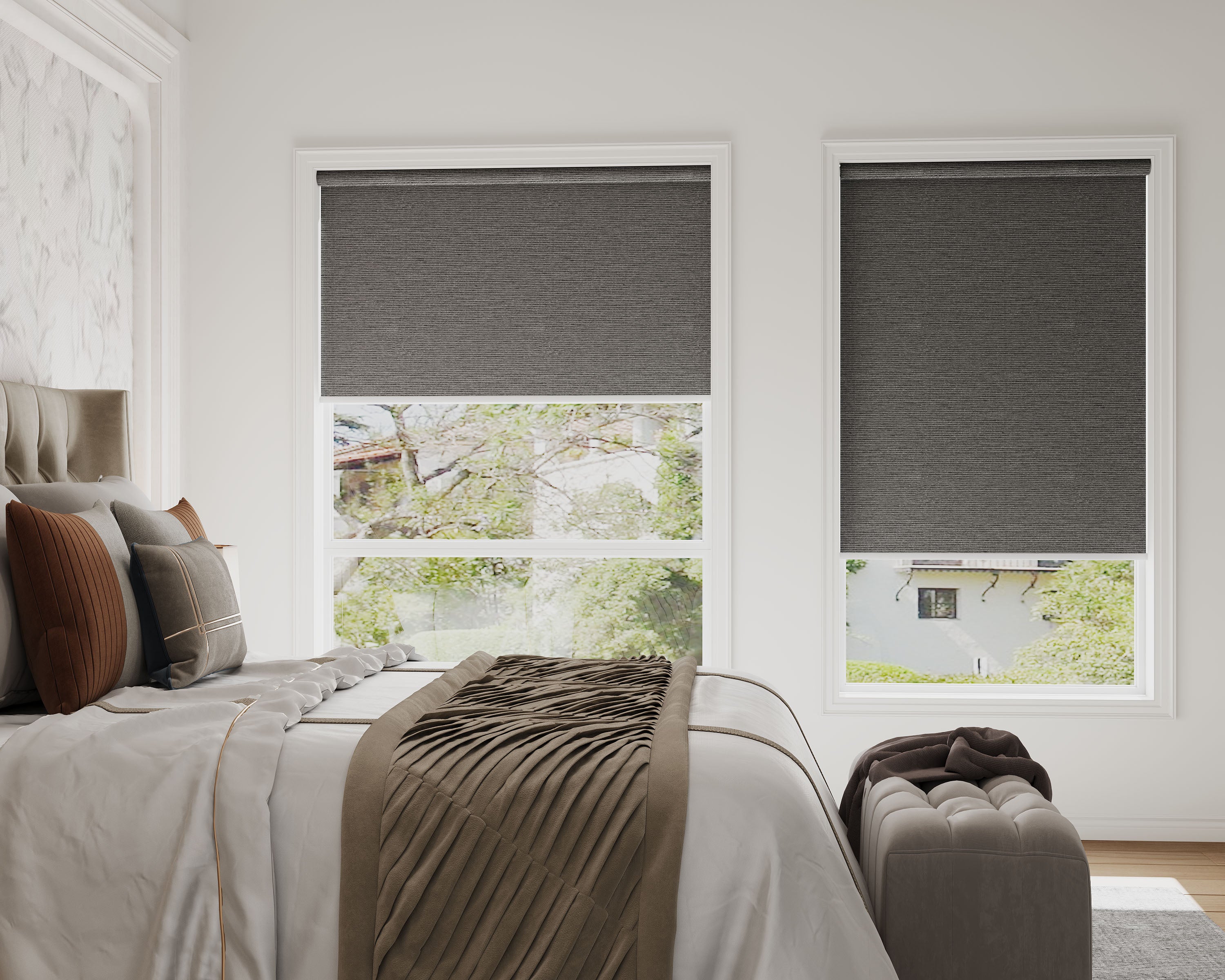
Room-darkening fabrics reduce incoming light; blackout fabrics are intended to block light through the material more completely. The names alone do not tell you how dark the installed room will...

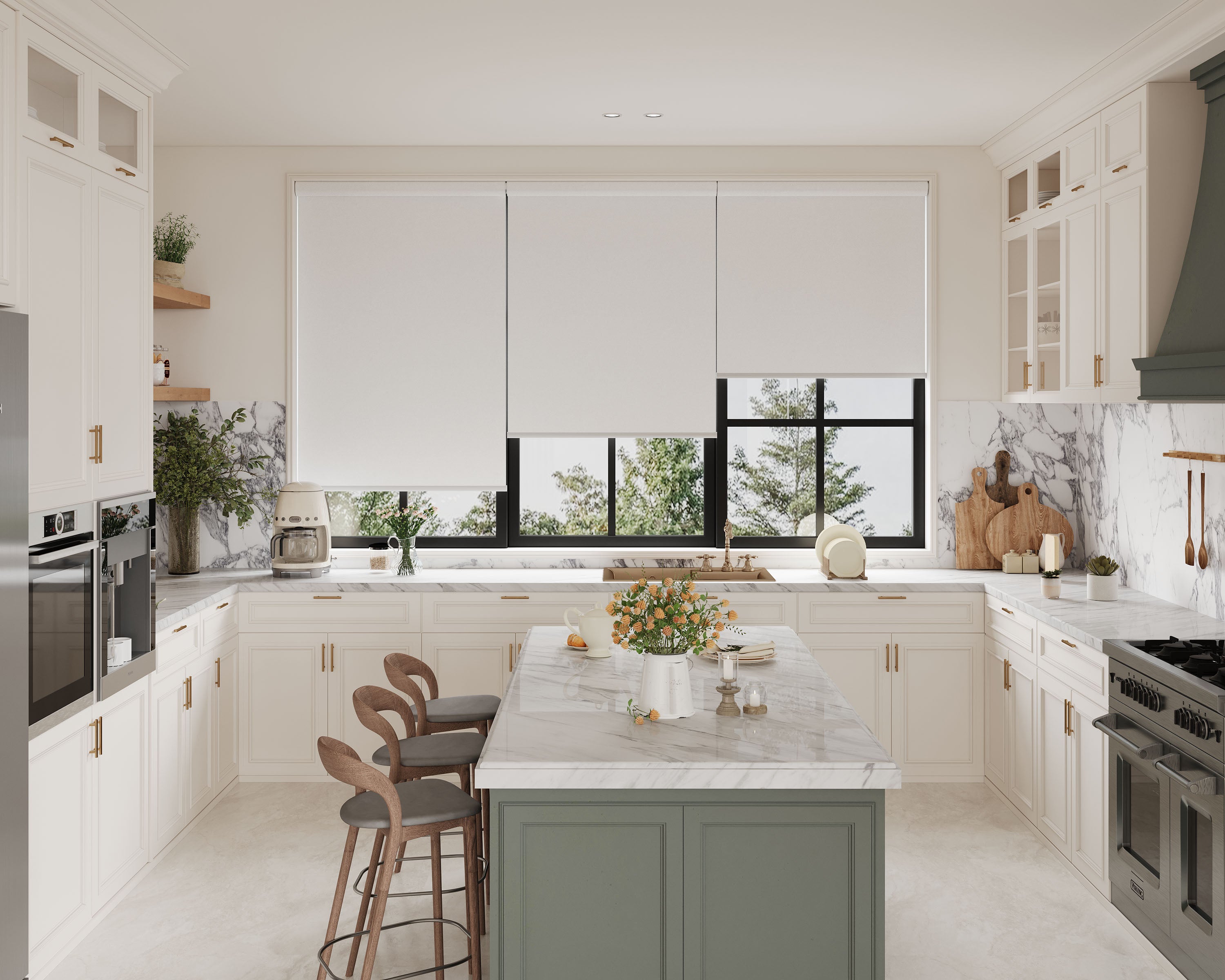
Cellular vs. Roller Shades: How Structure Affects Insulation
Cellular shades are a strong starting point when insulation is the main priority: their honeycomb cells hold air and add resistance to heat flow at the window. Roller shades use...

Cellular Shade Frame Depth: Measure Usable Space, Not Just the Sill
Cellular shades need enough usable space for their actual headrail, brackets and movement—not one standard depth for the whole category. Check the selected model's minimum mounting requirement and any separate...
