
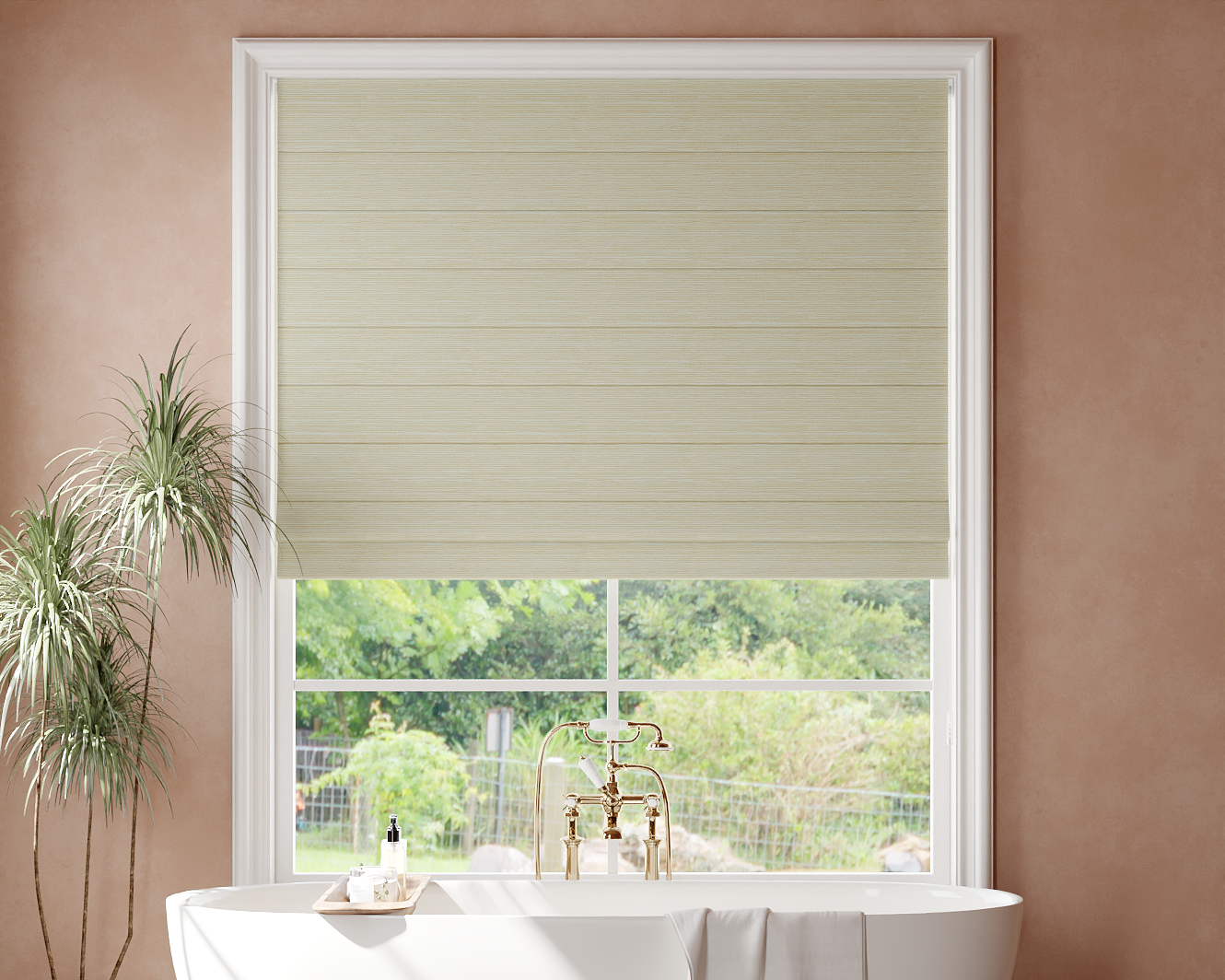
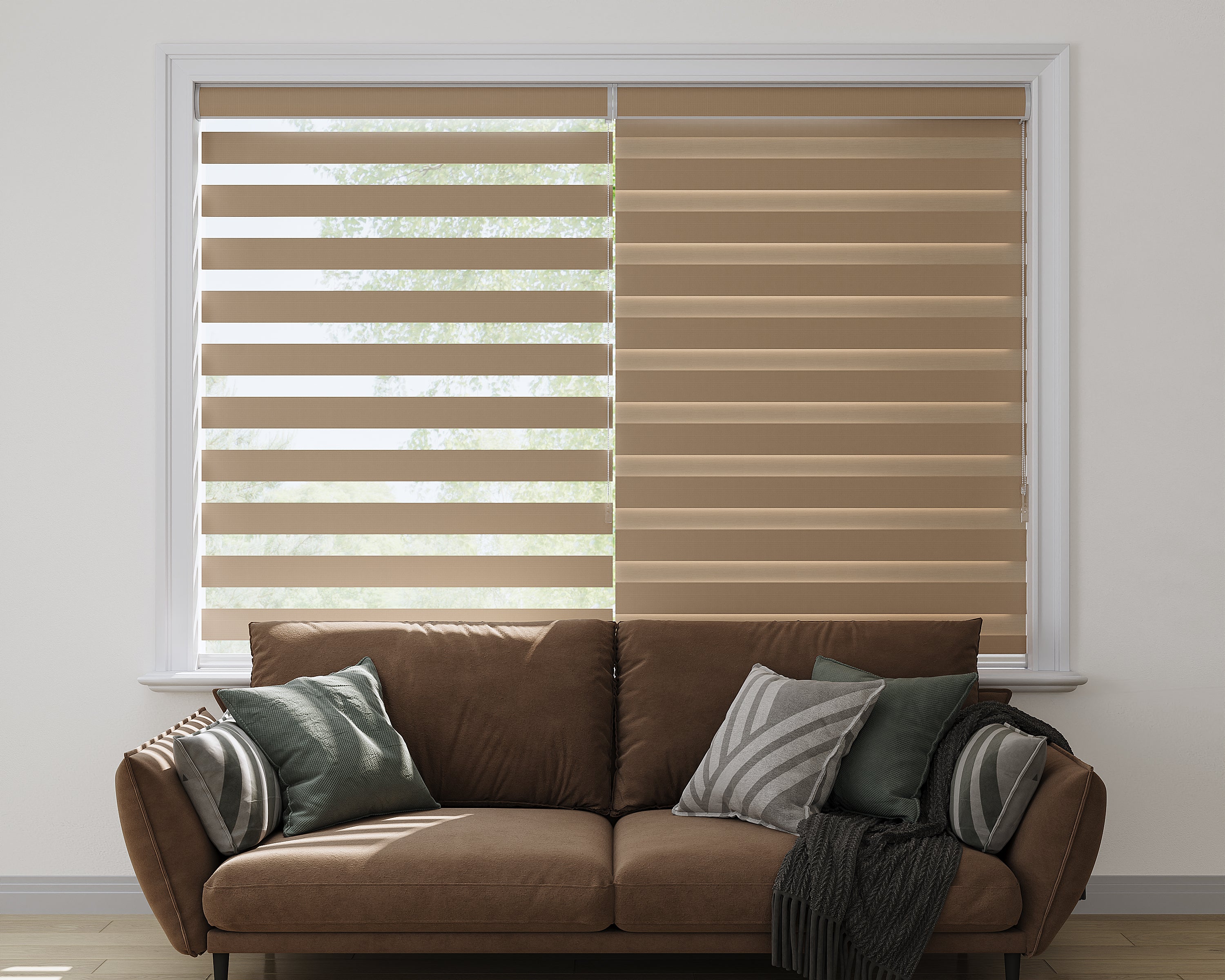
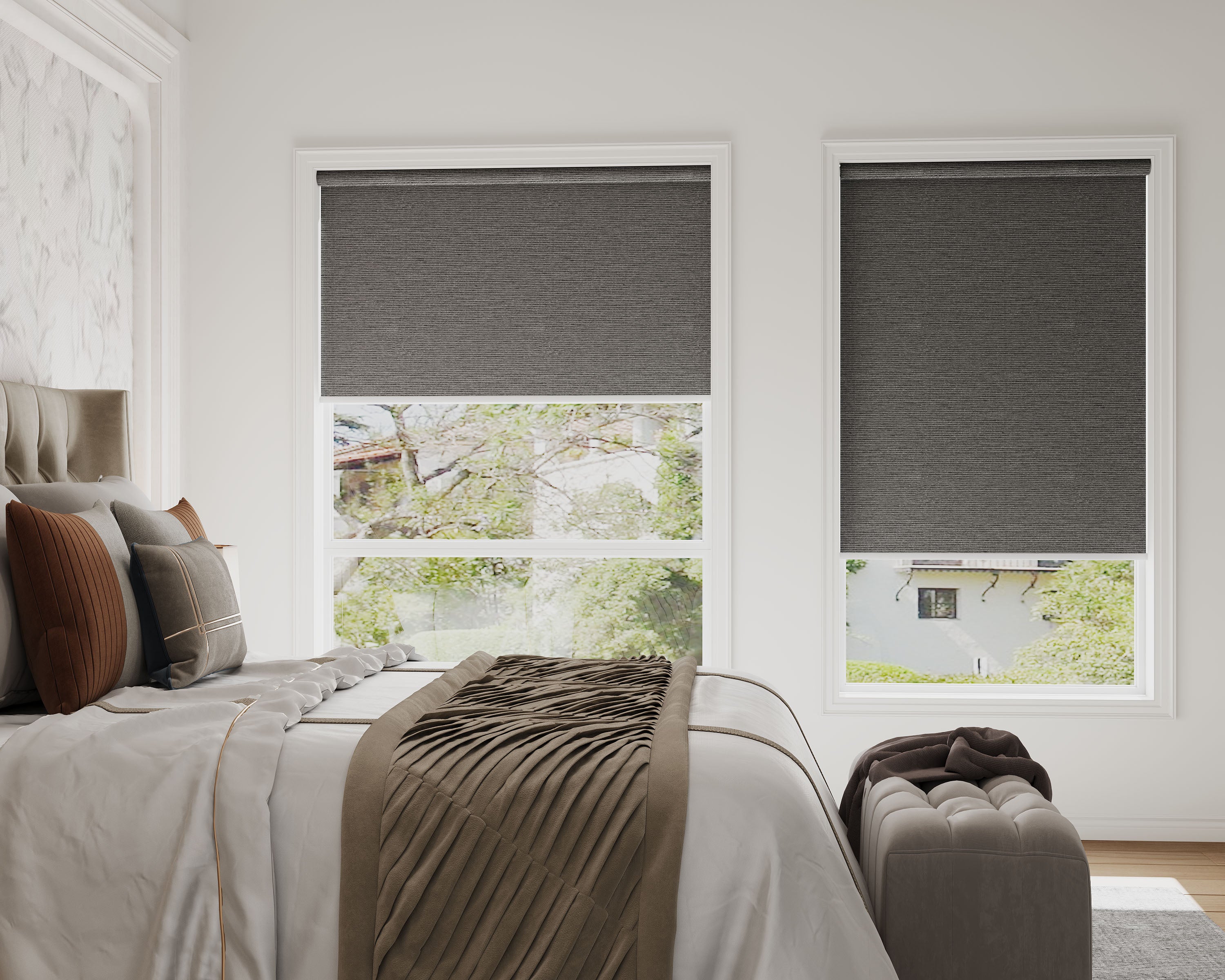
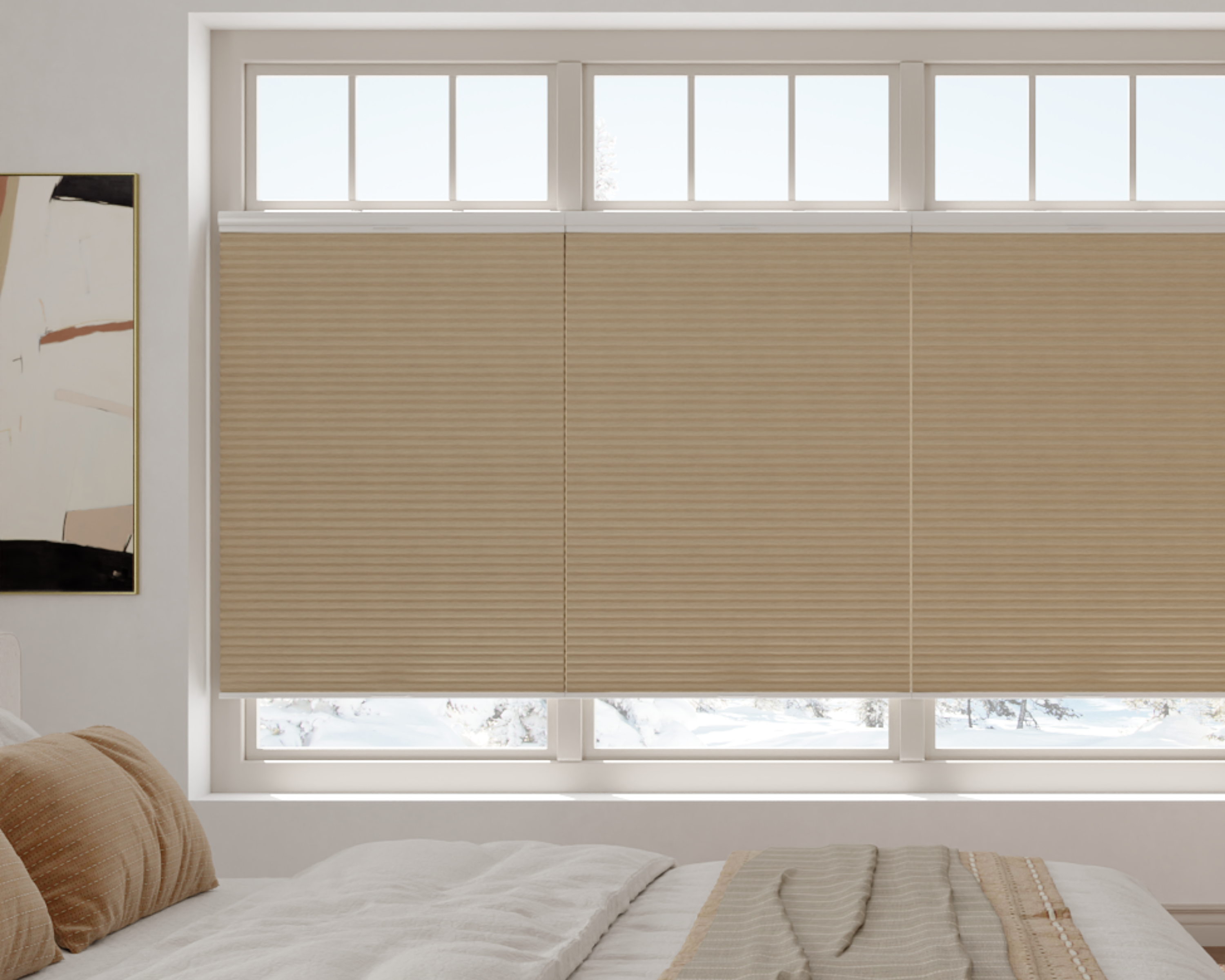







Luxury and standard Roman shades are sales descriptions, not consistent performance grades. The useful comparison is what each shade actually includes: the face fabric, fold construction, lining, operating system, customization and service. A higher price may buy a detail you value, but it does not establish a longer life or better insulation by itself.
Explore custom Roman shades with those details in mind. Both a straightforward shade and a more elaborate design can work well when their size, opacity and operation suit the room.
What are you paying to change?
| Detail | Compare in the two proposals | When the upgrade may matter |
|---|---|---|
| Face fabric | Composition, texture, pattern and care instructions | A visible focal window or a specific design scheme |
| Folds and finishing | Fold style, pattern placement, seams and visible stitching | Repeated windows or a prominent patterned fabric |
| Lining | Exact material, opacity, attachment and any interlining | The desired appearance and light control |
| Operating system | Exact mechanism, controls and power arrangement | Reach, frequency of use and grouped operation |
| Dimensions and layout | Finished size, stack, supports and adjacent openings | Deep folds, doors and difficult window arrangements |
| Services and support | Measurement, installation, alterations and written warranty | Complex access or work you want another person to handle |
Ask for these details in writing. “Hand finished,” “designer” or a named motor does not tell you everything about the completed installation. Nor should you assume a standard shade lacks careful construction.
Judge the fabric in the room
A textured linen, smooth cotton or synthetic blend can each support a different look. Natural fibers are not automatically more suitable for every window; sun exposure, moisture, handling and care all matter. Look at a sample in daylight and under the lamps you use at night.
For patterned fabric, discuss the placement you want to see when the shade is lowered and folded. Across adjacent windows, determine whether matching or alignment is offered and included. These visible details can be a more useful reason to spend extra than an unspecified promise of premium quality.
For design context, see Roman shades in a modern farmhouse room. For demanding locations, compare the specific priorities in coastal homes and home offices before selecting fabric solely for appearance.
Separate lining benefits from performance promises
Lining changes the shade's appearance, light transmission and weight. An interlining can add body, but the resulting thermal or acoustic performance cannot be ranked from its presence alone. If those outcomes drive the purchase, look for documentation for the actual product and relevant test conditions.
Compare the current room-darkening Roman model and blackout Roman shades by their actual fabric and light-control specification. Even an opaque fabric needs a suitable mounting layout to address perimeter light. Neither a luxury label nor custom sizing guarantees a completely dark room.
Evaluate the mechanism separately
Motorization may be useful for an inaccessible window or a daily routine, regardless of whether the fabric is considered standard or luxury. Compare the actual motor, power access, controls and supported connections. Do not assume a premium package includes silent operation, a particular smart-home platform or decades of service.
The hardware must suit the finished shade's dimensions and weight. For a large or unusual opening, ask how it will be supported and whether the proposed product is available in that configuration. Additional expense does not turn every irregular window into a suitable application.
Decide where the upgrade will be noticed
Choose the simpler proposal when it meets the room's light-control and operating needs and you like the available fabric. Pay more when the proposal identifies a meaningful difference: a desired textile, particular pattern placement, a finishing detail or a service you need.
It is reasonable to use different specifications in different rooms. Keep an overall palette consistent while allocating more of the budget to frequently used or highly visible windows. The whole-home window-treatment budget guide and budget-conscious Roman shade guide help organize that decision.
Before comparing totals, use the same dimensions and desired features. See custom Roman shade cost factors for a quote checklist, and settle the inside versus outside mount before ordering. A more expensive fabric cannot correct an unsuitable mounting plan.
Questions to settle before paying more
Does luxury mean a better warranty?
Read both warranties. Compare covered components, exclusions, service procedure and any labor or shipping responsibilities. The sales tier alone does not establish coverage or require professional installation.
How much more should a luxury Roman shade cost?
There is no dependable universal multiplier. Request an itemized comparison showing exactly which fabric, hardware and services change. Judge the difference against what you will use or see every day.
Will the extra spending increase resale value?
Choose it for the room and your use of the home. A coordinated finish may appeal to a buyer, but a higher resale price or longer service life cannot be assumed.
Bring the two specifications to the Roman shade collection, and choose the configuration whose concrete details justify its cost to you.
