
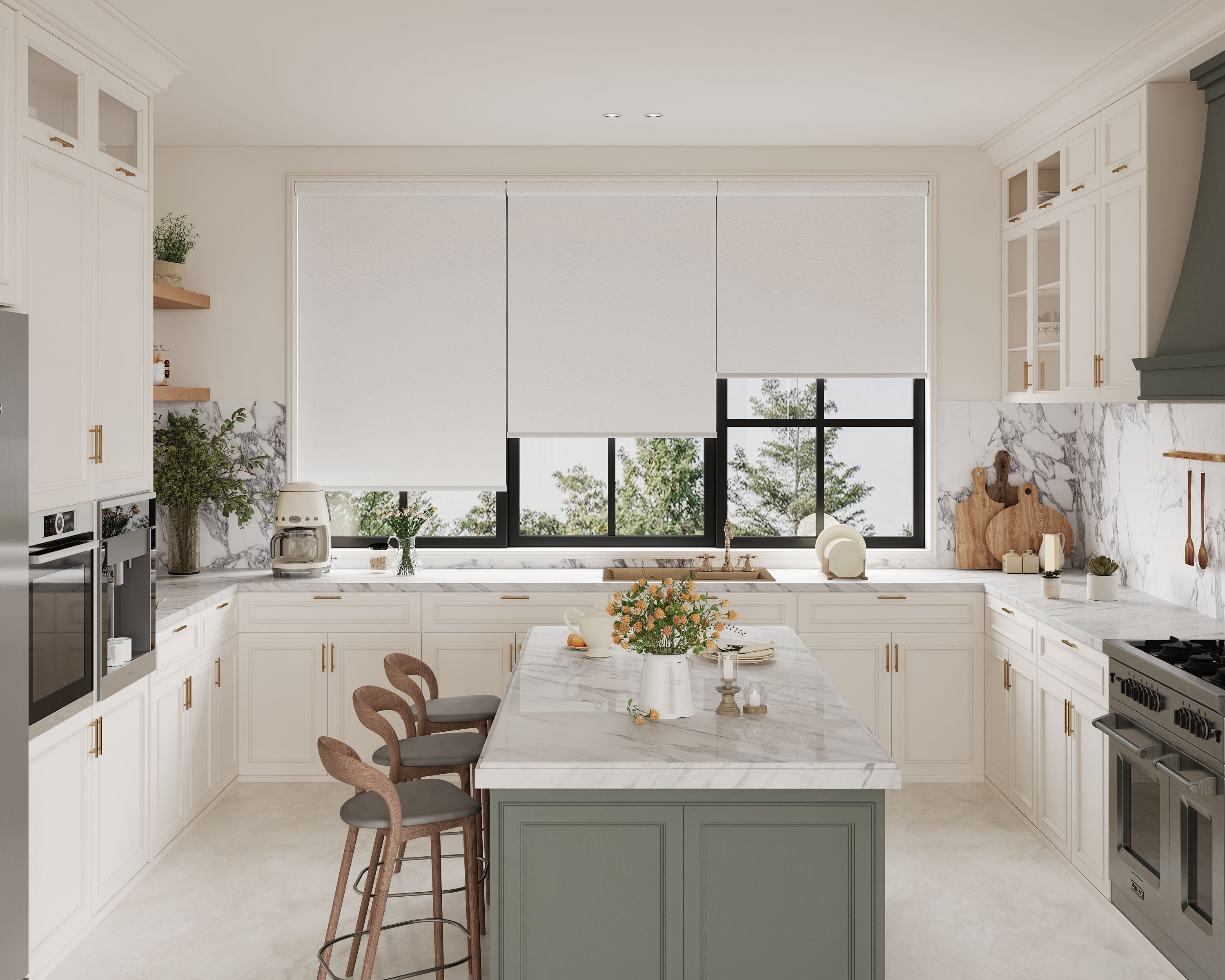
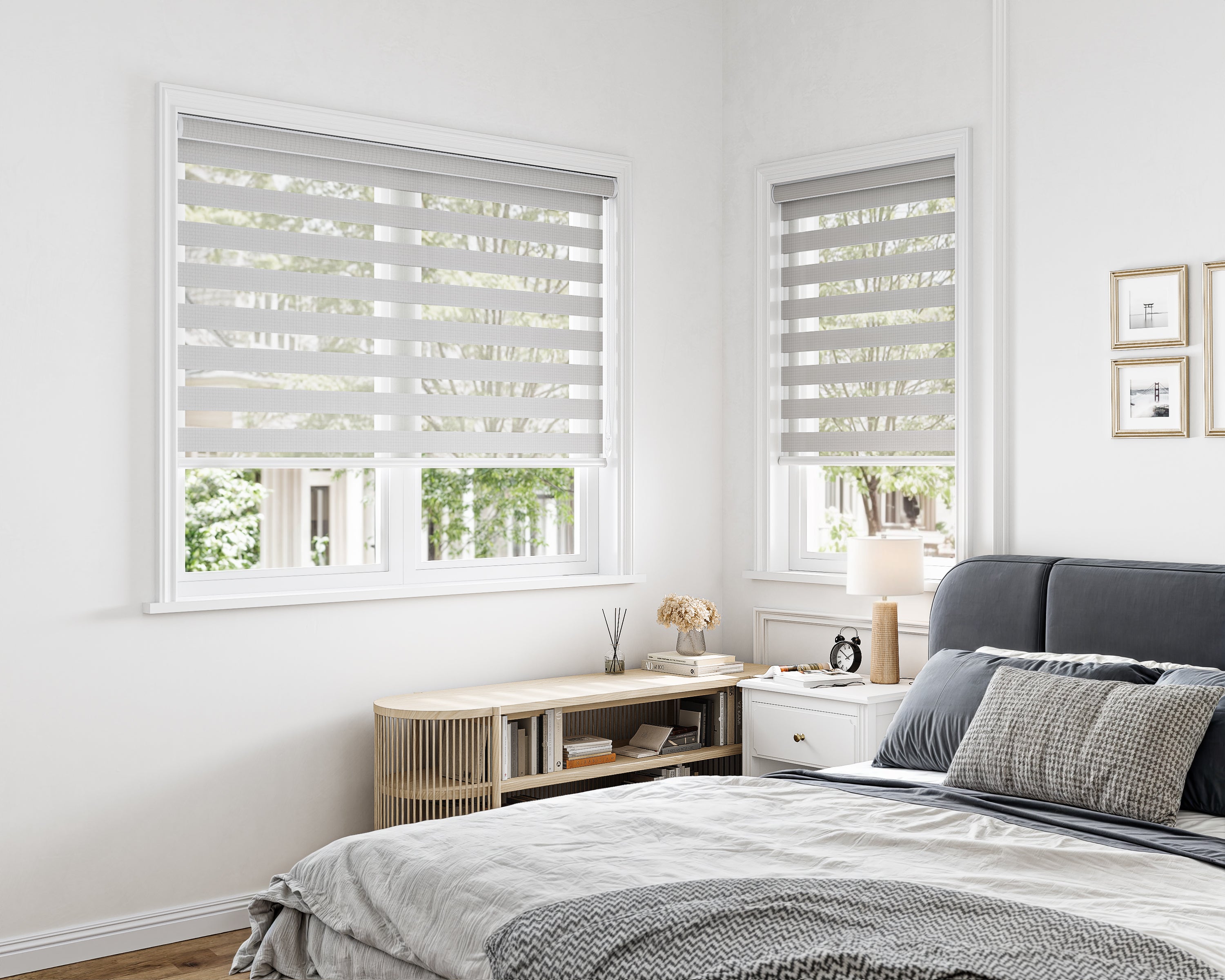
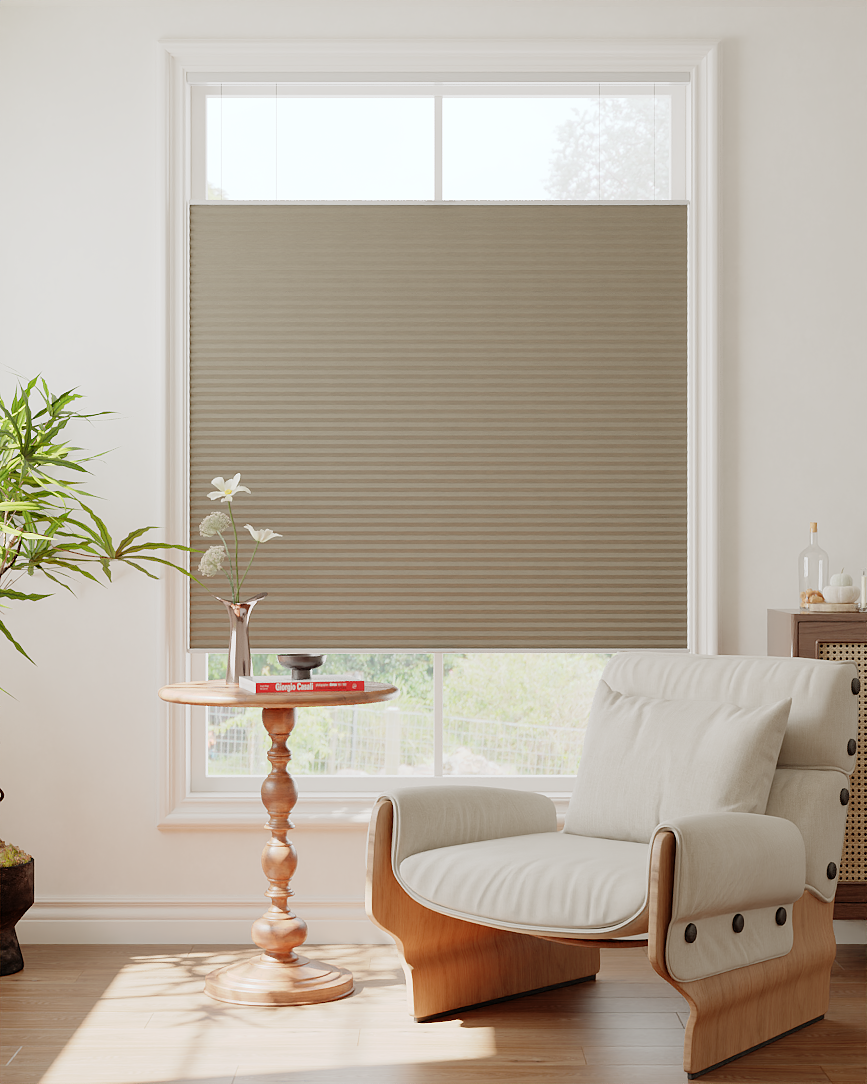
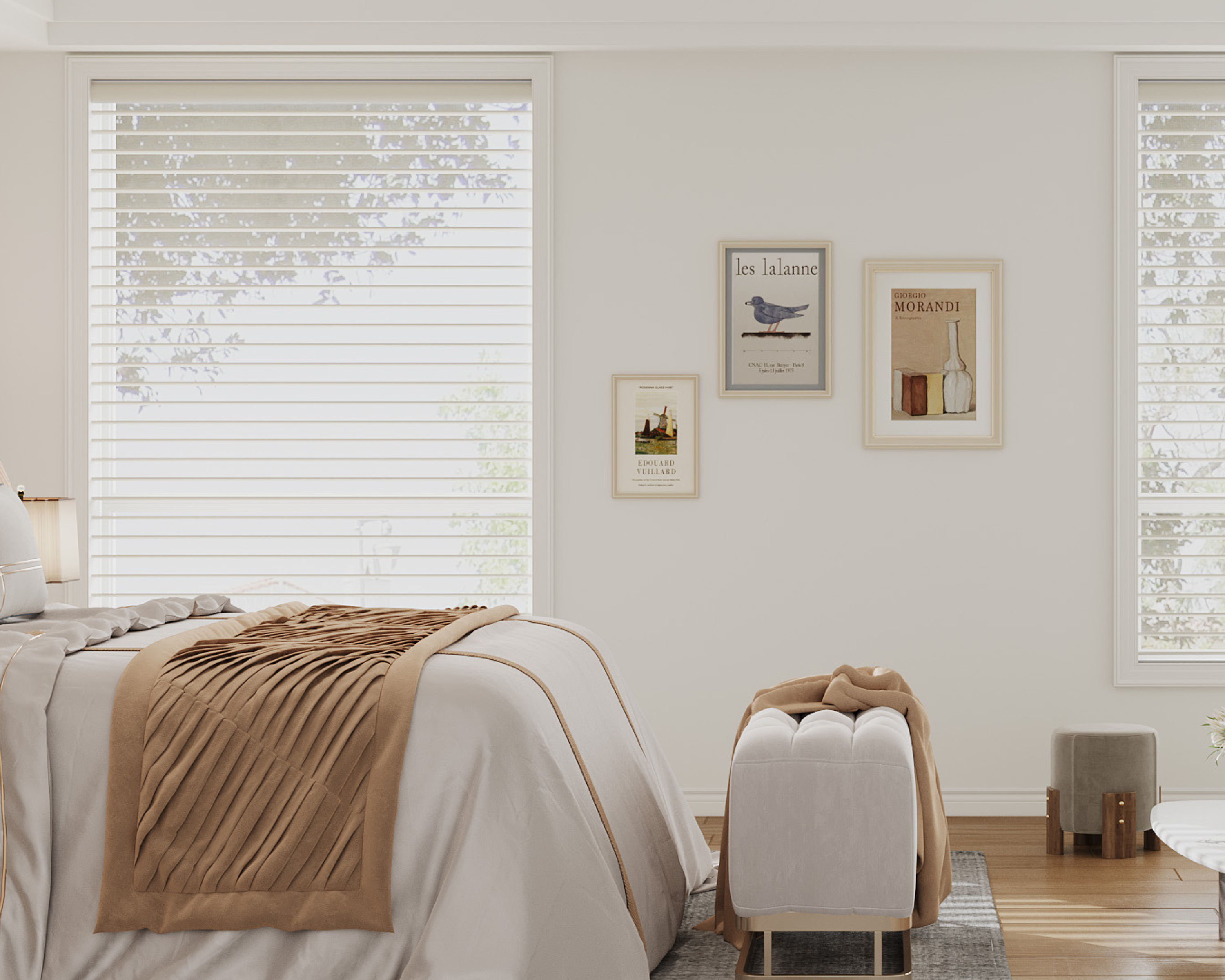
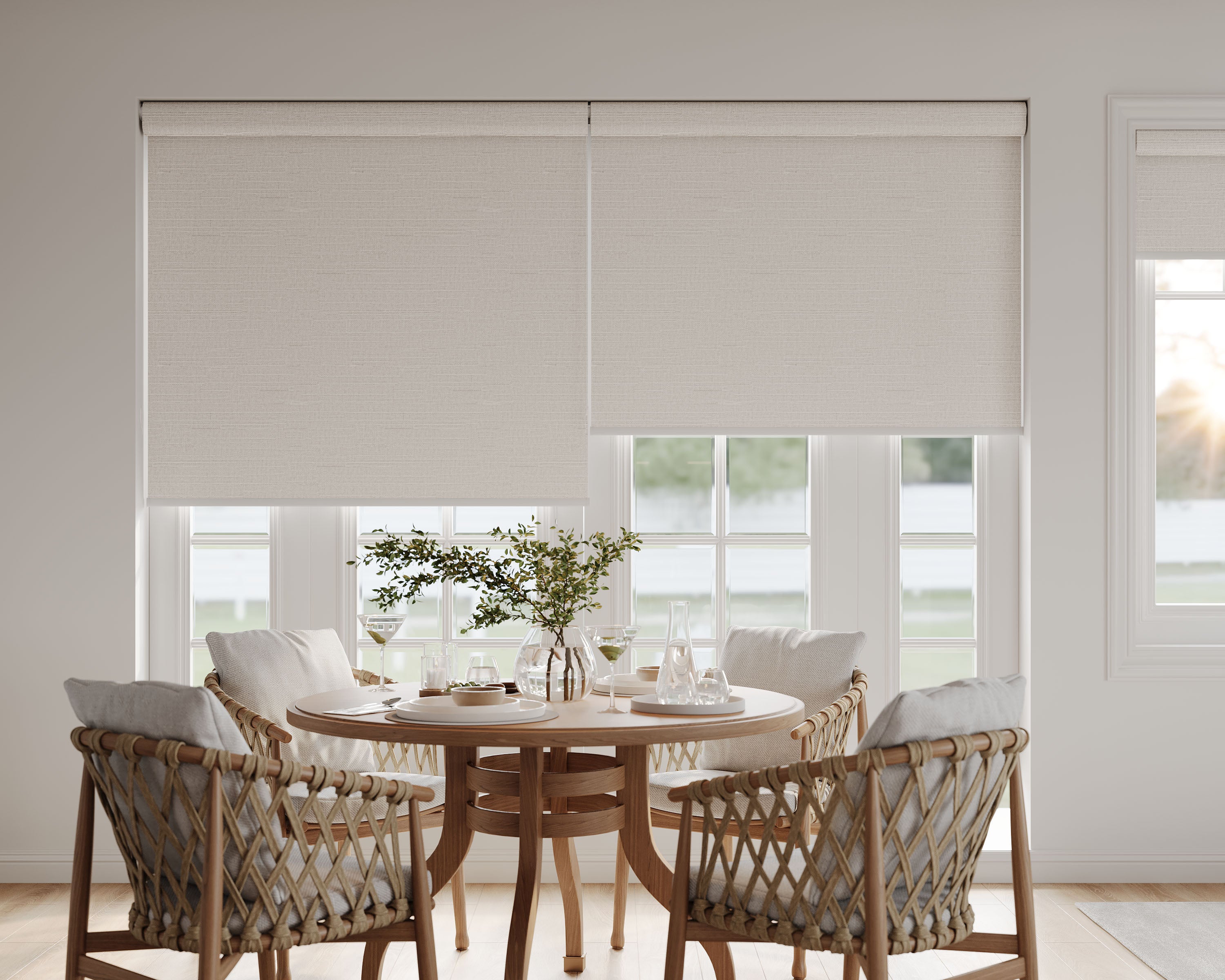


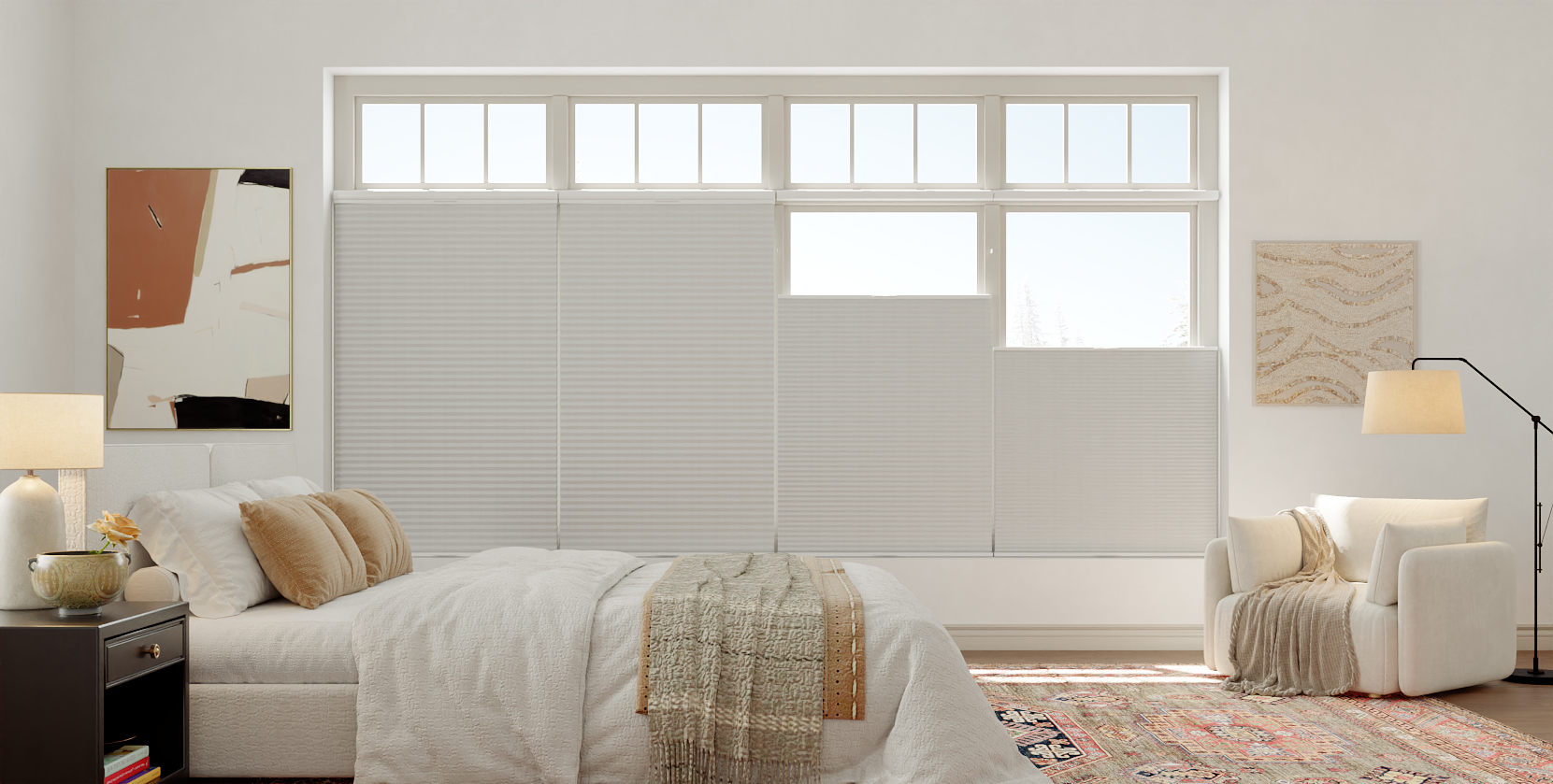


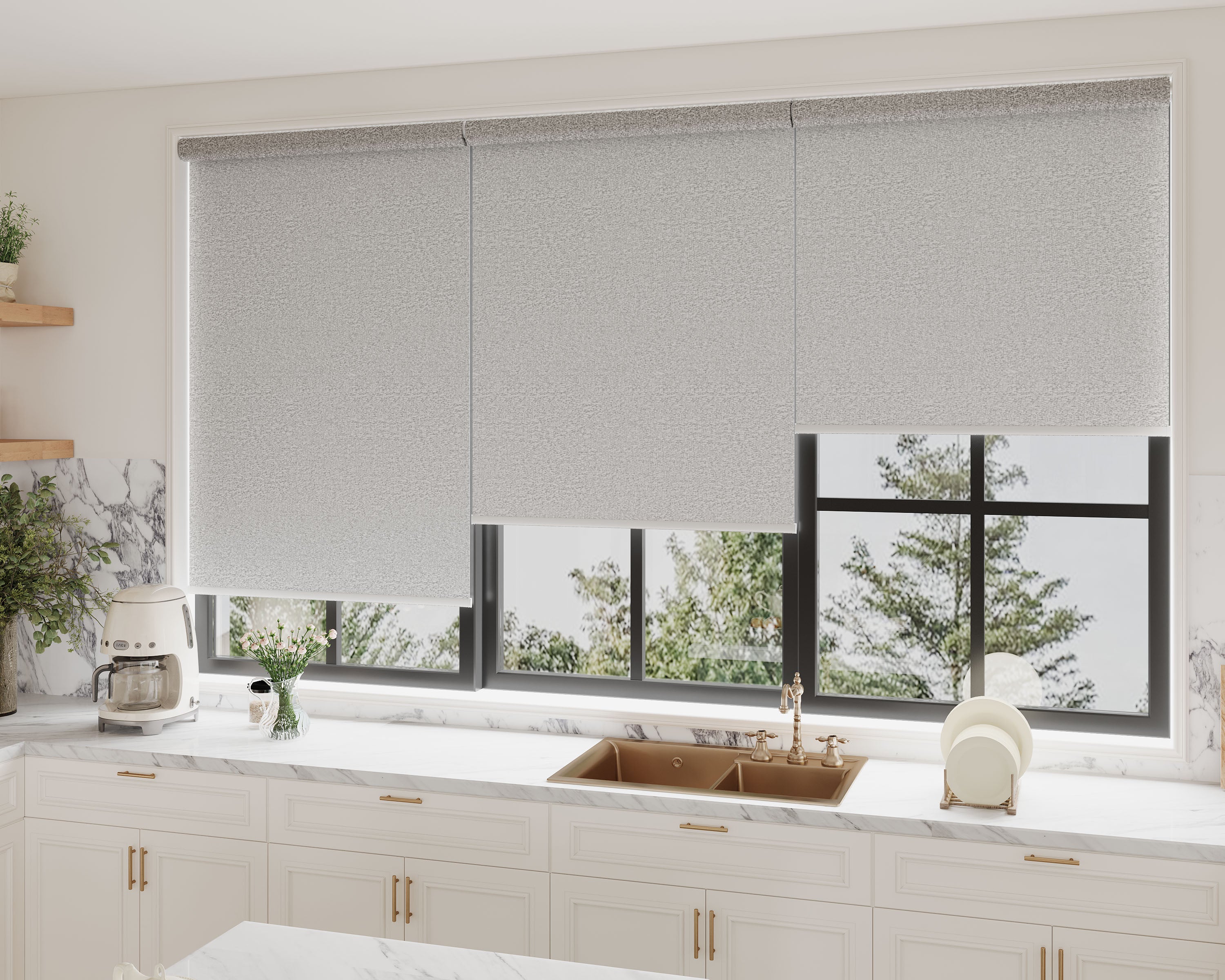

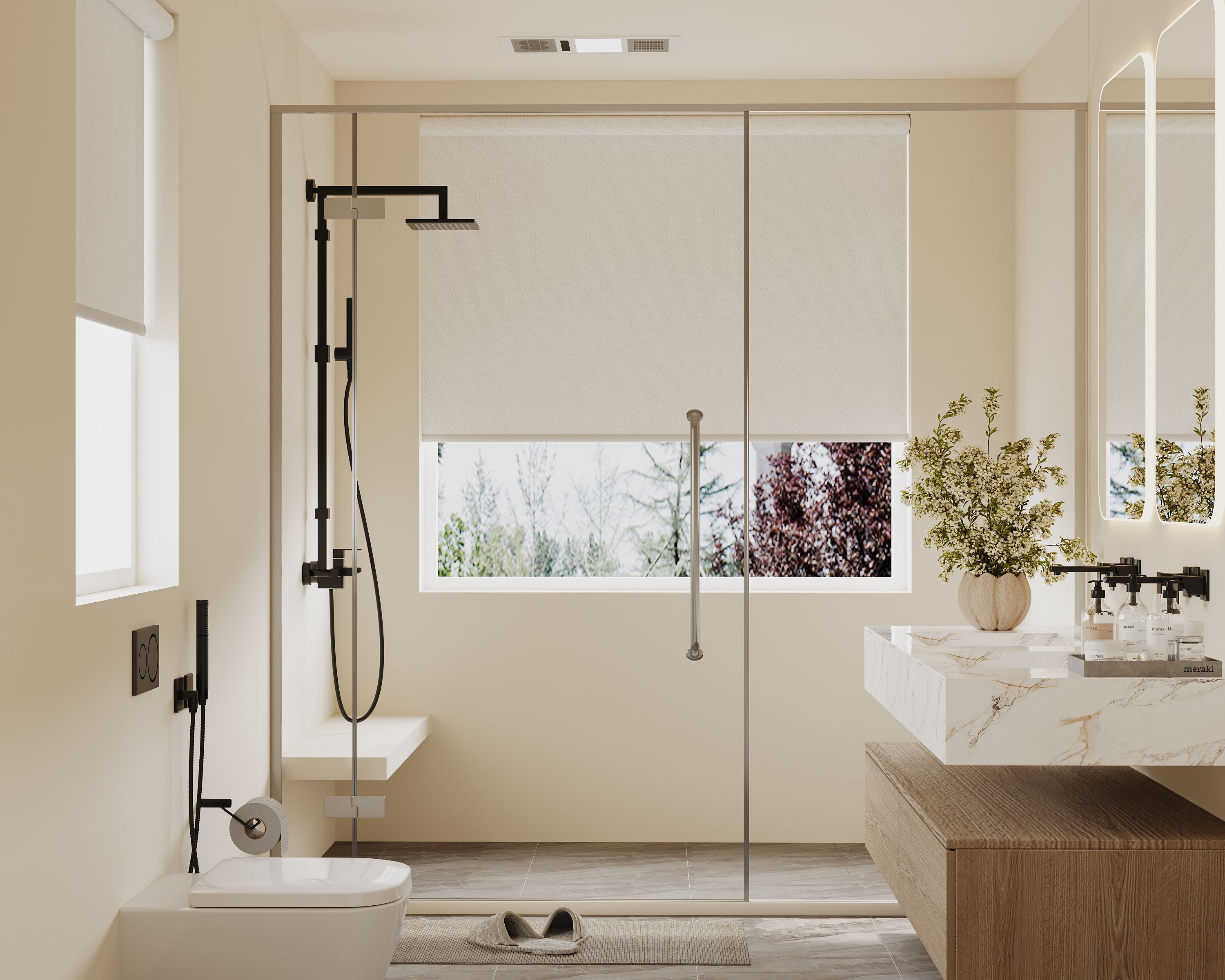


Loving the elegant, tailored look of Roman shades but worried about the price tag? You can absolutely achieve this classic style on a sensible budget. The key is strategic decision-making—knowing where you can save without regretting it later and where a small investment delivers outsized value. This guide is designed for the savvy shopper, providing clear pathways to affordable Roman shades that look custom and perform well.
Here’s what you’ll learn:
-
How to set a realistic budget and understand the true cost drivers.
-
Where to save money on materials and features without compromising too much on look or function.
-
Where a little extra spending makes a big difference in durability and satisfaction.
-
Smart shopping strategies, including ready-made alternatives and DIY approaches.
-
How to avoid common pitfalls that lead to wasted money on ill-fitting or poor-quality shades.
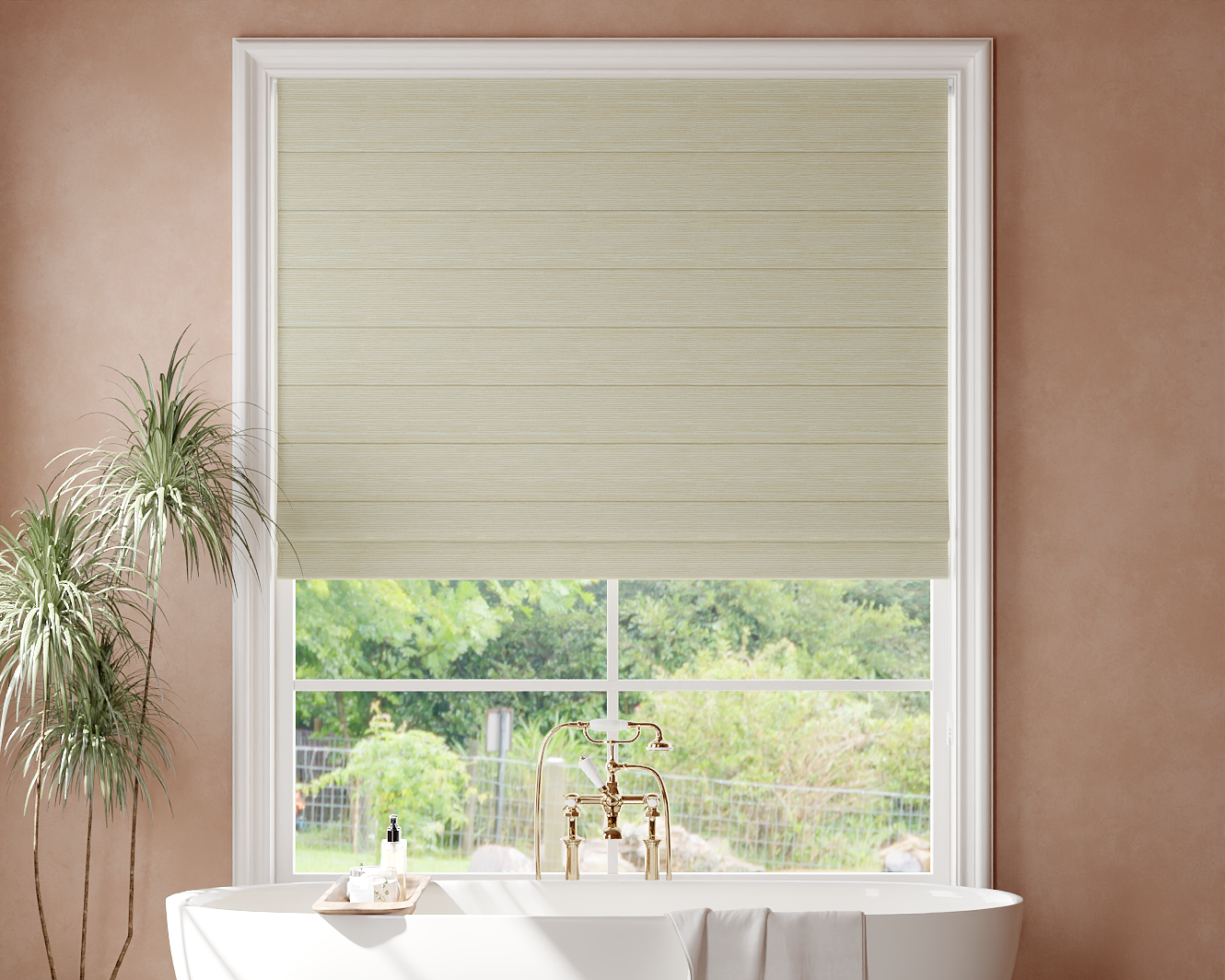
Achieving affordable style starts with exploring options. Browse our versatile collection of Roman shades that offer great value at multiple price points.
Setting Realistic Expectations and a Smart Budget
First, understand that "budget" for custom window treatments is relative. While you can find very cheap, stock options, true custom Roman shades built to your window's exact size are an investment in fit and longevity.
-
Realistic Price Range: For a quality custom shade in a standard size, expect a starting point of $250-$400 per window. This typically includes a durable in-stock fabric, a cordless lift, and standard lining.
-
Cost Drivers: The biggest factors are size (square footage), fabric (designer vs. in-stock), and motorization. Our detailed breakdown of custom shade costs explains this further.
Your goal is to control these drivers intelligently.
Where to Save: Smart Trade-Offs for Your Budget
1. Choose Value-Focused Fabrics
You don't need designer textiles for beautiful results.
-
Opt for In-Stock Fabric Collections: Manufacturers offer curated in-stock fabrics that are cost-effective, durable, and stylish. These are your best value.
-
Consider Poly-Blends: High-quality polyester or poly-cotton blends often mimic the look of linen or cotton at a lower price and offer excellent fade resistance and easy cleaning.
-
Skip Elaborate Patterns: Solid colors and simple textures are typically less expensive than large, intricate patterns.
2. Select a Simple, Functional Style
-
Go Flat: A flat fold Roman shade requires less fabric and simpler construction than a hobbled style, making it the most cost-effective custom option. It also looks modern and clean.
-
Stick to Standard Linings: A standard white lining is usually included. Upgrading to blackout or thermal adds cost. If total darkness isn't critical, the standard lining protects your fabric and provides basic privacy.
3. Opt for Manual Operation
Motorization is a significant upgrade in convenience but also in price. For standard, easily accessible windows, a cordless manual lift is a safe, clean, and budget-friendly choice. Reserve motorization for truly hard-to-reach windows if needed.
4. Consider Ready-Made or Semi-Custom
-
Ready-Made ("Off-the-Shelf"): Sold in set sizes (e.g., 36"x36"). You must choose the size closest to your window. The fit won't be perfect, leading to light gaps, but it's the most affordable upfront option.
-
Semi-Custom (Trim-to-Width): Some companies sell shades at set heights but allow you to trim the width to fit. This offers a better fit than ready-made for a moderate price increase.
Where to Invest: Spend a Little More for Lasting Value
Some corners aren't worth cutting. Strategic spending here prevents future regret.
1. Professional Measuring (Or Meticulous DIY)
An ill-fitting shade is a wasted purchase. If you are not 100% confident, paying for professional measuring is a wise investment. For DIY, follow our foolproof measuring guide meticulously. Perfect fit is the foundation of a high-end look, even on a budget.
2. Quality Hardware and Mechanism
The lift system is what you interact with daily. A cheap mechanism will feel flimsy, may not hold the shade's position, and could fail quickly. Investing in a reliable cordless clutch from a reputable brand ensures smooth operation and longevity.
3. DIY Installation (If You're Handy)
You can save the labor cost (often $50-$150 per window) by installing the shades yourself. This is a great budget option if you are comfortable with a drill, level, and basic instructions. Assess your skills honestly against our guide to DIY vs. professional installation risks.
Smart Shopping Strategy and Timeline
-
Get Multiple Quotes: Provide the same window measurements and fabric style to 2-3 reputable companies to compare pricing structures.
-
Ask About Promotions: Inquire about seasonal sales, first-time buyer discounts, or promotions on in-stock fabrics.
-
Plan Ahead: Rushed orders often incur fees. Planning your project in advance allows you to wait for standard production times and potential sales.
-
Prioritize Your Windows: Don't feel you must do every window at once. Start with the most important rooms (e.g., street-facing bedrooms for privacy, living room for style). Phase your project over time.
Comparison: Budget Pathways for Roman Shades
| Pathway | Description | Pros | Cons | Best For |
|---|---|---|---|---|
| Custom on a Budget | Custom-made with value fabrics, flat fold, manual lift. | Perfect fit, durable, looks high-end. | Higher cost than ready-made. | Those who value fit & longevity and have a moderate budget. |
| Semi-Custom | Trim-to-width shades in limited sizes. | Better fit than ready-made; moderate price. | Limited size/design options; not truly custom. | Standard-sized windows where a near-fit is acceptable. |
| Ready-Made | Pre-sized panels from big-box stores. | Lowest upfront cost; immediate availability. | Poor fit (light gaps); limited durability/style. | Temporary solutions, rentals, or low-priority windows. |
Conclusion: Maximizing Your Budget Wisely
Getting Roman shades on a budget is about being a smart, informed shopper—not just finding the cheapest option.
Your Budget-Friendly Action Plan:
-
Choose in-stock, poly-blend fabrics in a solid color.
-
Select a flat fold style with a standard lining.
-
Opt for a reliable cordless manual lift system.
-
Invest in perfect measurements (professional or ultra-careful DIY).
-
Consider DIY installation to save on labor.
-
Shop around, ask about promotions, and phase your project.
Remember: A well-made, properly fitted Roman shade in a simple, elegant fabric will look and feel more expensive than a poorly fitting "bargain" shade in a flashy pattern. Quality construction and perfect fit are the ultimate indicators of style, even on a budget.
Shop Roman Shades by Light Control


Frequently Asked Questions (FAQ)
What's the most common regret when buying budget Roman shades?
The top regret is prioritizing low cost over proper fit. Buying a ready-made shade that's "close enough" in size often results in unattractive light gaps on the sides, making the window look unfinished and cheapening the entire room's appearance. Perfect fit is paramount.
Can I buy the fabric myself to save money?
It's possible but often not recommended for beginners. This is called "COM" (Customer's Own Material). While you might find a bargain fabric, you must ensure it has the correct weight, durability, and treatment for Roman shade construction. The manufacturer may also charge a premium to work with unvetted fabric, and mistakes can be costly.
How long should affordable Roman shades last?
Even budget-friendly custom shades, with quality mechanisms and fabrics, should last 7-10 years with proper care. Cheap ready-made shades may last only 3-5 years before showing wear or operational failure. The slightly higher initial investment in custom pays off in longevity.
Are there any hidden costs I should watch out for?
Yes. When getting quotes, confirm what is included. Ask about: shipping fees, hardware/installation brackets, return policies/restocking fees (especially on custom orders), and installation labor costs. A transparent quote should have no surprises.
Is it worth waiting for a sale?
Absolutely. Reputable window treatment companies often have sales around major holidays (Memorial Day, Black Friday, New Year's). Sign up for newsletters or inquire about upcoming promotions. Planning your project timing around a sale can result in significant savings on quality custom shades.
