
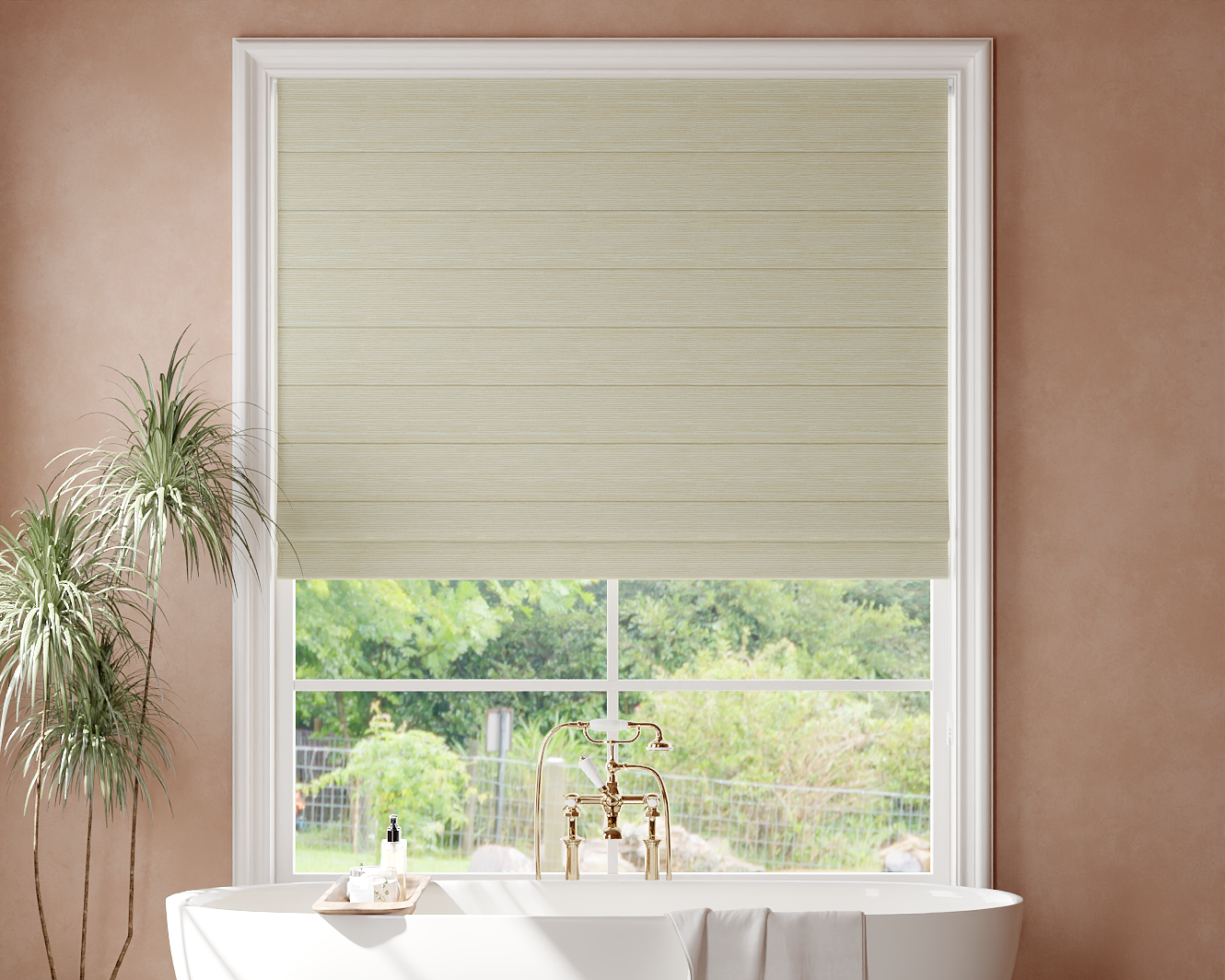
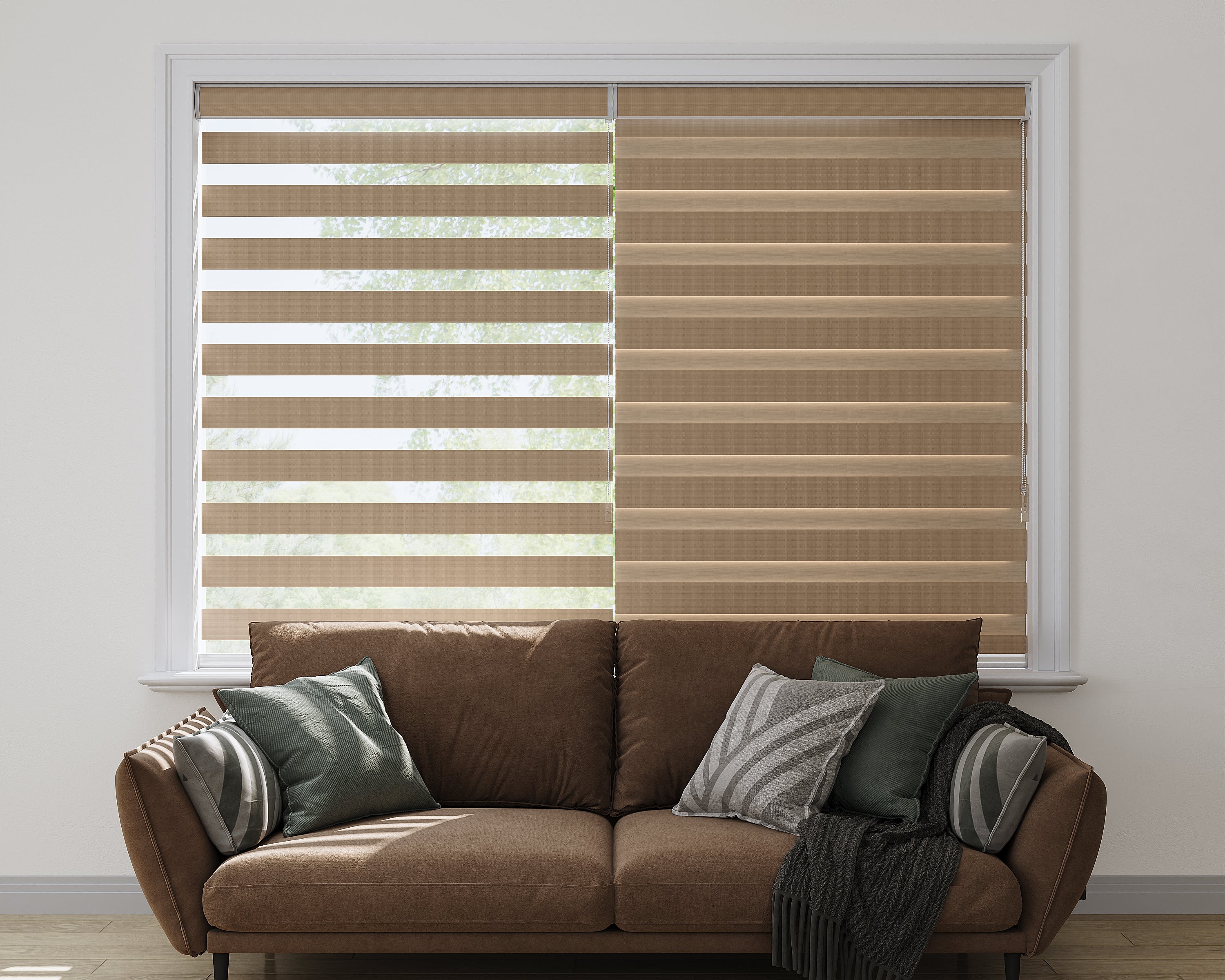
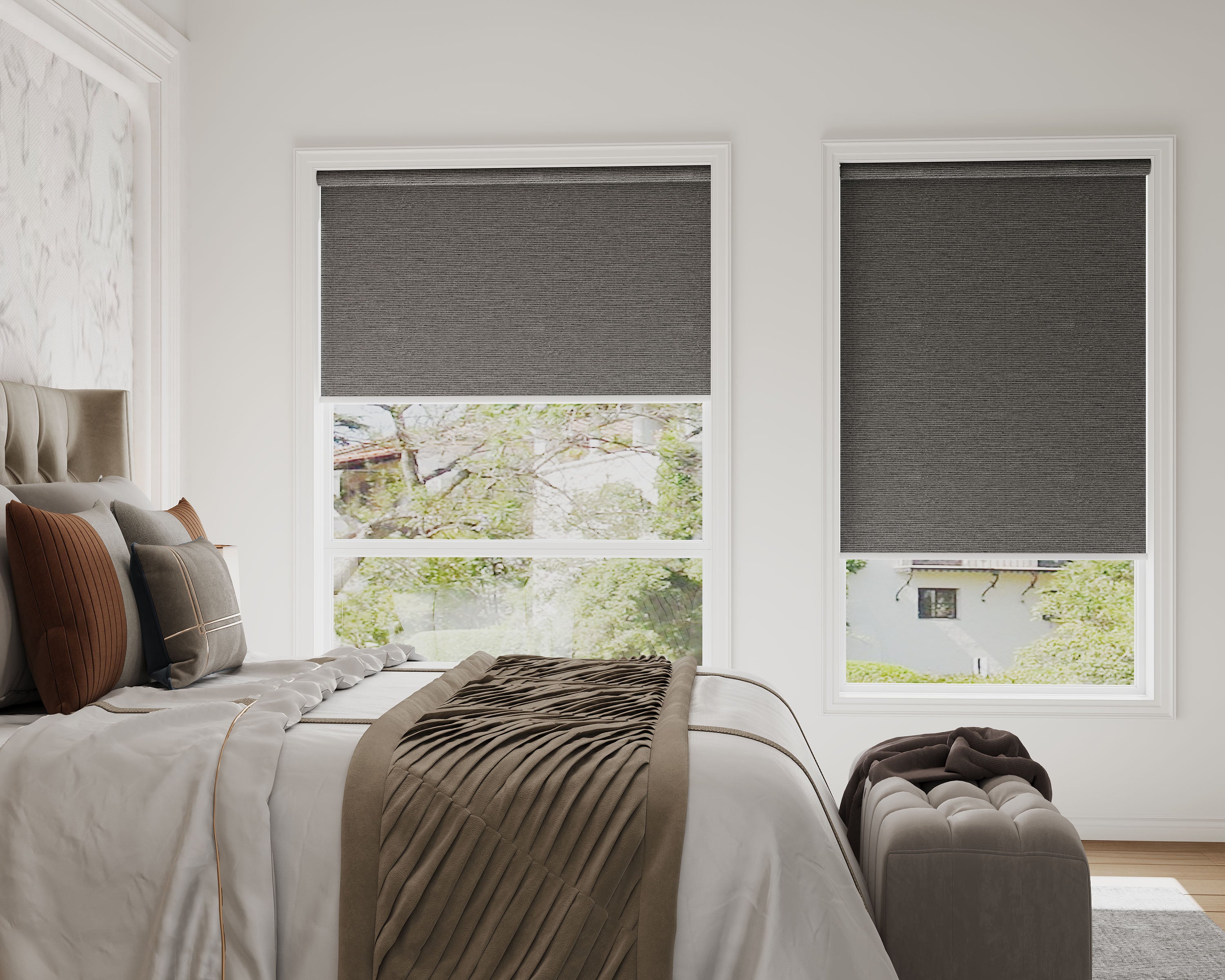
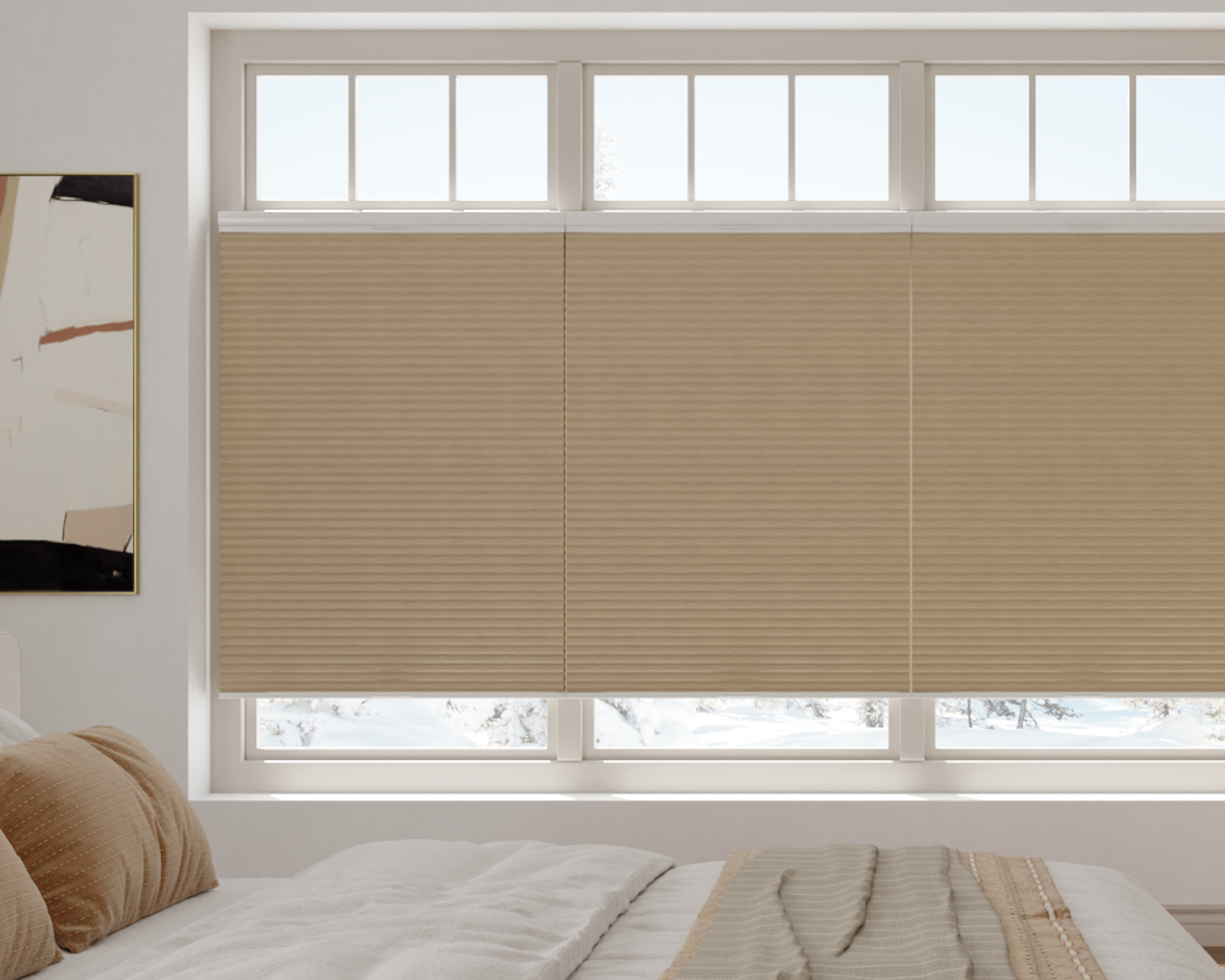







Finding quality Roman shades involves more than a simple purchase—it's about selecting the right source that matches your needs for service, customization, and value. With options ranging from big-box stores to bespoke design studios, knowing where to shop is half the battle. This comprehensive guide breaks down every major buying channel, explaining what to expect in terms of selection, service, and quality to help you find the perfect source for your window treatment project.
Here’s what you’ll learn:
-
A detailed comparison of the four main purchasing channels: designers, specialty stores, online retailers, and manufacturers.
-
The key differences in service, customization, and pricing you'll encounter at each type of retailer.
-
How to assess true quality, from fabric samples to hardware, before you buy.
-
Essential questions to ask any retailer to ensure a smooth project.
-
How to match your specific project needs (budget, complexity, desired service) to the right type of seller.
The journey to beautiful windows starts with a reputable source. Explore our full-service collection of custom Roman shades, offering direct manufacturer quality and design support.
Your Buying Options: A Channel Comparison
Quality Roman shades are sold through distinct channels, each with its own advantages, service model, and price point. Understanding these pathways is the first step to a successful purchase.
1. Buying Through an Interior Designer or Decorator
This is a full-service, white-glove approach. The designer acts as your curator and project manager.
-
Process: They assess your space, present curated fabric and style options, handle all measurements, place the order with a workroom, and manage installation.
-
Pros: Access to exclusive "to-the-trade" fabrics and workrooms; expert advice on style and proportionality; saves you time and manages all details.
-
Cons: Highest cost due to design fees and retail markup on products; process can be lengthy.
-
Best For: Complex whole-home projects, clients who want full creative guidance, and those with a flexible budget seeking a truly custom, designer look.
2. Buying from a Specialty Window Treatment Retailer
These are stores (often local or regional chains) dedicated solely to window coverings, like budget Blinds, 3 Day Blends, or local showrooms.
-
Process: In-store or in-home consultation with a specialist. They guide you through their product lines, provide measuring service, and coordinate installation.
-
Pros: Specialist knowledge; strong service model; ability to see and touch many samples; professional measuring/installation included.
-
Cons: Prices are marked up to cover showroom and service overhead; selection may be limited to their partnered brands.
-
Best For: Homeowners who value in-person service and want professional handling but don't require a full interior designer.
3. Buying Directly from an Online Manufacturer/Retailer
Companies that design, fabricate, and sell directly to consumers online, like SenseBlinds.
-
Process: You browse online, order free swatches, use online tools or guides to self-measure, place your order, and install yourself or hire a local installer.
-
Pros: Excellent value by cutting out middleman markups; vast selection of styles and fabrics; convenient online tools; often the best price for true custom products.
-
Cons: Requires more research and legwork from you; self-measuring carries risk (though professional measuring services are often available); less hand-holding.
-
Best For: Savvy shoppers comfortable with online buying, those with a clear vision, and anyone seeking the best balance of custom quality and price. Understanding the true cost breakdown of custom shades is easier in this model.
4. Buying from Big-Box Retailers & Ready-Made Sources
This includes home improvement stores (Home Depot, Lowe's) and online marketplaces (Amazon, Wayfair) selling ready-made or semi-custom options.
-
Process: Purchase standard-sized shades off the shelf or online with limited size customization.
-
Pros: Lowest upfront cost and immediate availability; easy to purchase.
-
Cons: Limited to no customization; poorer fit (leading to light gaps); generally lower-quality materials and mechanisms; minimal service or expertise.
-
Best For: Temporary housing, rentals, low-priority windows, or very tight budgets where immediate cost is the primary driver. For more permanent solutions, see our guide on finding quality within a budget.
How to Assess Quality, No Matter Where You Shop
Regardless of the channel, you must evaluate the product's inherent quality. Don't just rely on a brand name or a salesperson's assurance.
Step 1: Examine the Fabric
-
Request Physical Swatches: Never rely on screen images. Order swatches to see color, texture, and density in your home's light.
-
Check the "Hand": Feel the fabric. Quality materials have substance and drape. Read about how material choice defines quality and cost.
-
Ask for Specifications: Inquire about fade resistance (a high UV rating), durability (double-rub count for fabrics), and cleaning instructions.
Step 2: Investigate Construction & Hardware
-
Ask About the Lining: Is it attached? What are the options? A quality lining is integral, not an afterthought. Our guide on lining options explains the differences.
-
Inquire About the Lift System: For manual shades, ask for the brand of the cordless mechanism. For motorized, ask about the motor brand (e.g., Somfy, Silent Gliss) and warranty. A robust mechanism is critical for daily operation.
-
Understand the Warranty: A reputable seller will offer clear warranties on fabric (against fading), workmanship, and motorized components. This signals confidence in their product.
Step 3: Gauge the Service Model
-
Measuring: Do they offer or require professional measuring, or is it DIY? For a significant investment, professional measuring is a safeguard. Review our essential measuring guide to understand what's involved.
-
Installation: Is it included, available for an add-on fee, or DIY? Complex installations (for large windows, bay windows, or motorized systems) should be handled by professionals.
-
Communication: Is there a clear point of contact and process for questions? A transparent process with good communication is a hallmark of a quality retailer.
Key Questions to Ask Before You Buy
Arm yourself with these questions during any consultation:
-
"Is this a truly custom shade made to my exact measurements, or a semi-custom/ready-made size?"
-
"Can I see and take home physical fabric samples?"
-
"What is your policy if I measure incorrectly? Do you offer professional measuring?"
-
"What brand of motor/lift mechanism do you use, and what is the warranty on it?"
-
"Can you provide a detailed, line-item quote that includes fabric, lining, hardware, shipping, and installation?"
-
"What is the expected lead time from final approval to installation?"
Conclusion: Finding Your Best Fit
The "best" place to buy is the one that aligns with your project's complexity, budget, and desired level of service.
-
For Full-Service Luxury: Work with an Interior Designer.
-
** For In-Person Expertise & Support:** Visit a Specialty Window Treatment Retailer.
-
For the Best Value on Custom Quality: Choose a reputable Online Manufacturer/Retailer.
-
For a Basic, Immediate Solution: Consider Big-Box Retailers for ready-made options.
Prioritize vendors who are transparent about their process, encourage you to review samples, and stand behind their product with strong warranties. Investing time in selecting the right source is just as important as selecting the right fabric.
Shop Roman Shades by Light Control


Frequently Asked Questions (FAQ)
Is it safe to buy expensive custom Roman shades online?
Yes, provided you do your due diligence. Buy from established, reputable online manufacturers with strong customer reviews, clear warranties, and excellent customer service. The key is to always order fabric swatches first and thoroughly review their measuring guides and policies. The value can be exceptional, as explored in our luxury versus standard comparison.
What's the average lead time for custom Roman shades?
Expect 4 to 8 weeks from final order approval to delivery or installation. True custom craftsmanship takes time. Luxury or highly complex orders may take longer. "Quick-ship" programs (2-3 weeks) often use pre-made components and offer limited fabric choices.
Can I buy the shades from one place and install them myself?
Yes, especially when buying online or from some retailers. This can save on cost. However, be honest about your DIY skills. Installing large, heavy, or motorized shades requires precision and can be challenging. An improper installation can void warranties. Weigh the pros and cons of DIY installation carefully.
How do I handle issues with windows that aren't standard?
For bay windows, angles, arches, or extra-large spans, it's crucial to work with a source that specializes in custom work. Avoid big-box retailers for these. An online custom manufacturer, specialty retailer, or designer will have the expertise to create solutions for complex window shapes and installations.
Are there "hidden costs" I should watch for?
Always ask for an all-inclusive quote. Potential add-ons include: professional measuring fees, shipping/white-glove delivery fees, old shade removal/disposal, installation labor, and costs for extra-long brackets, specialty mounts, or extended warranties. A trustworthy seller will outline these upfront.
