
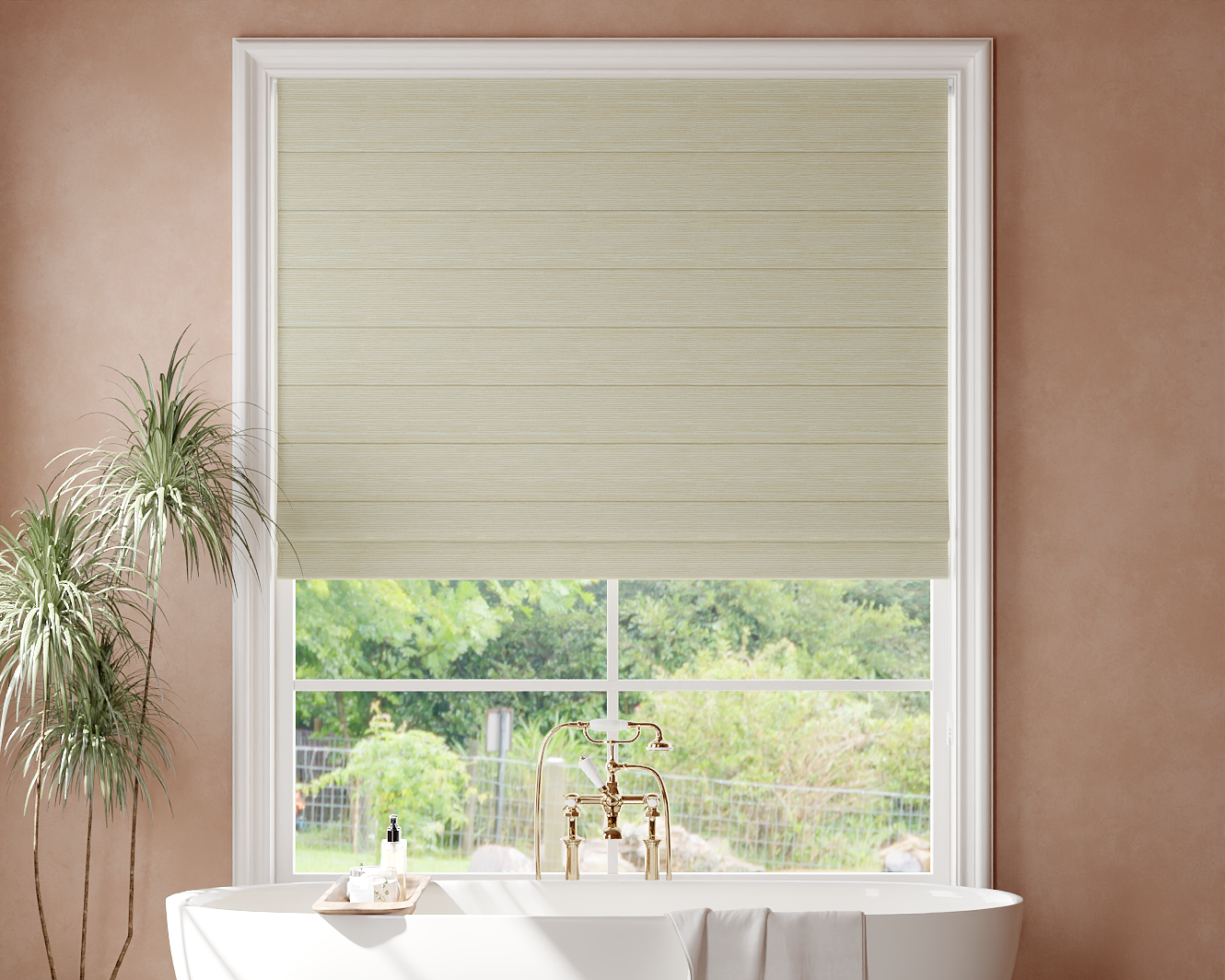
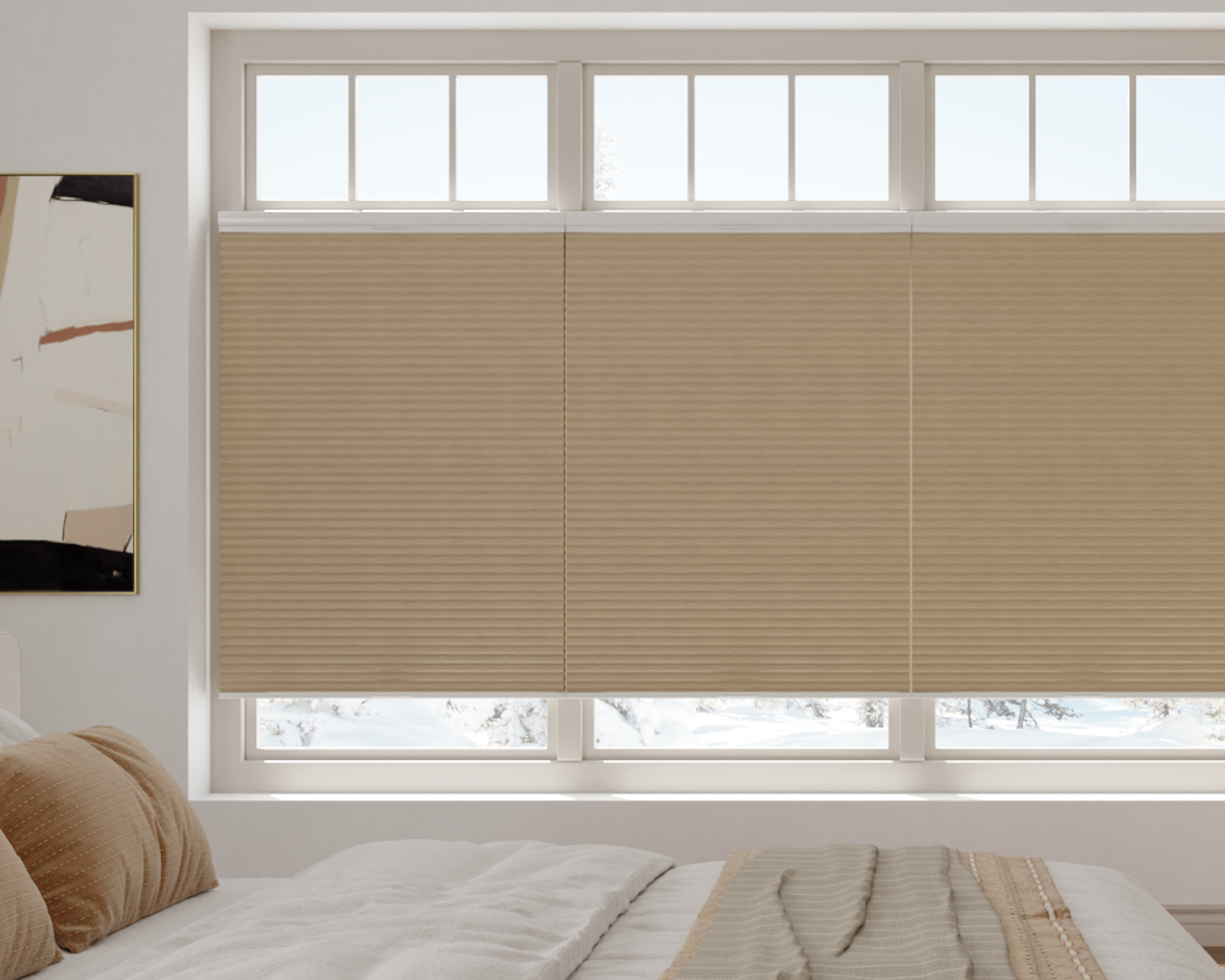

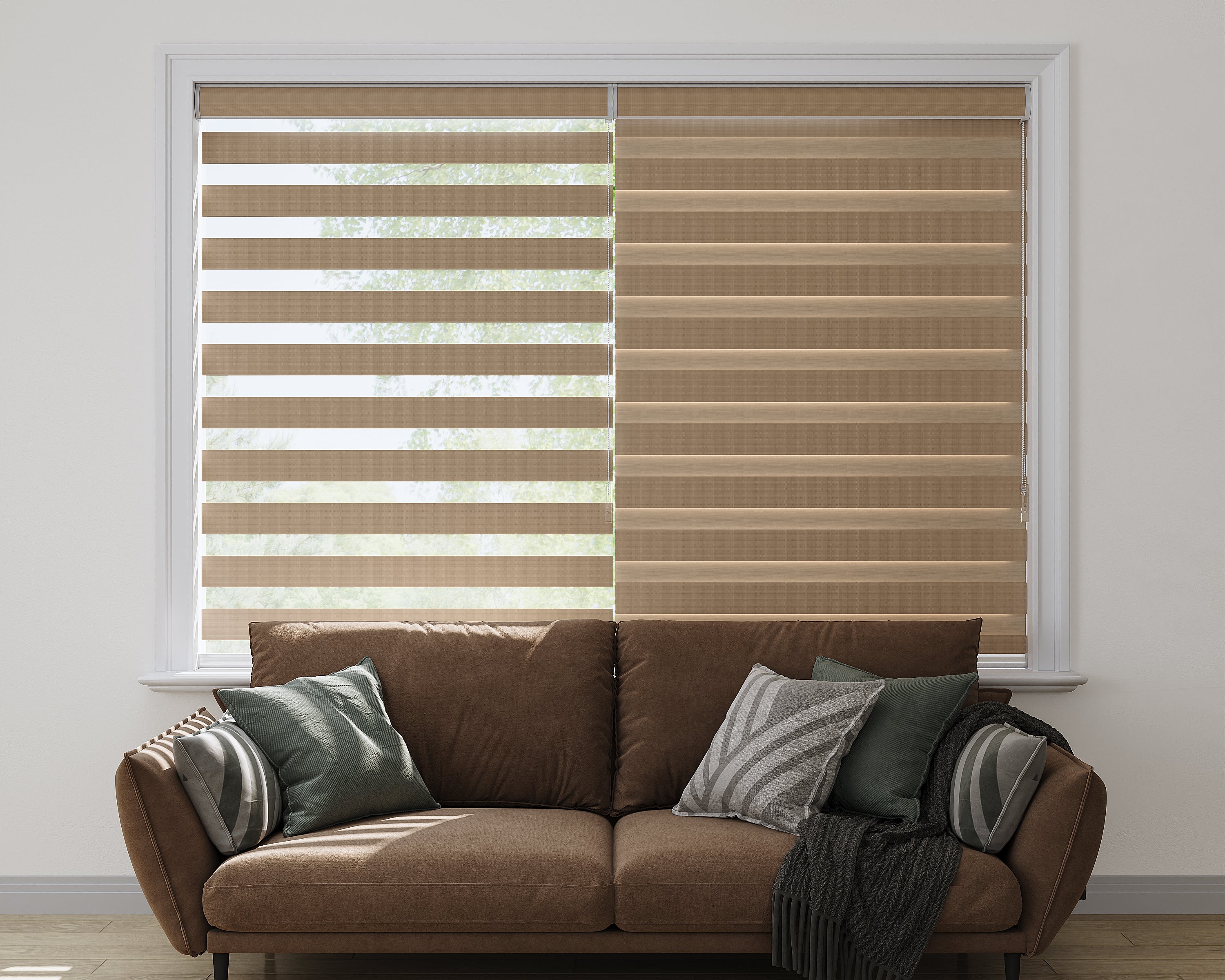
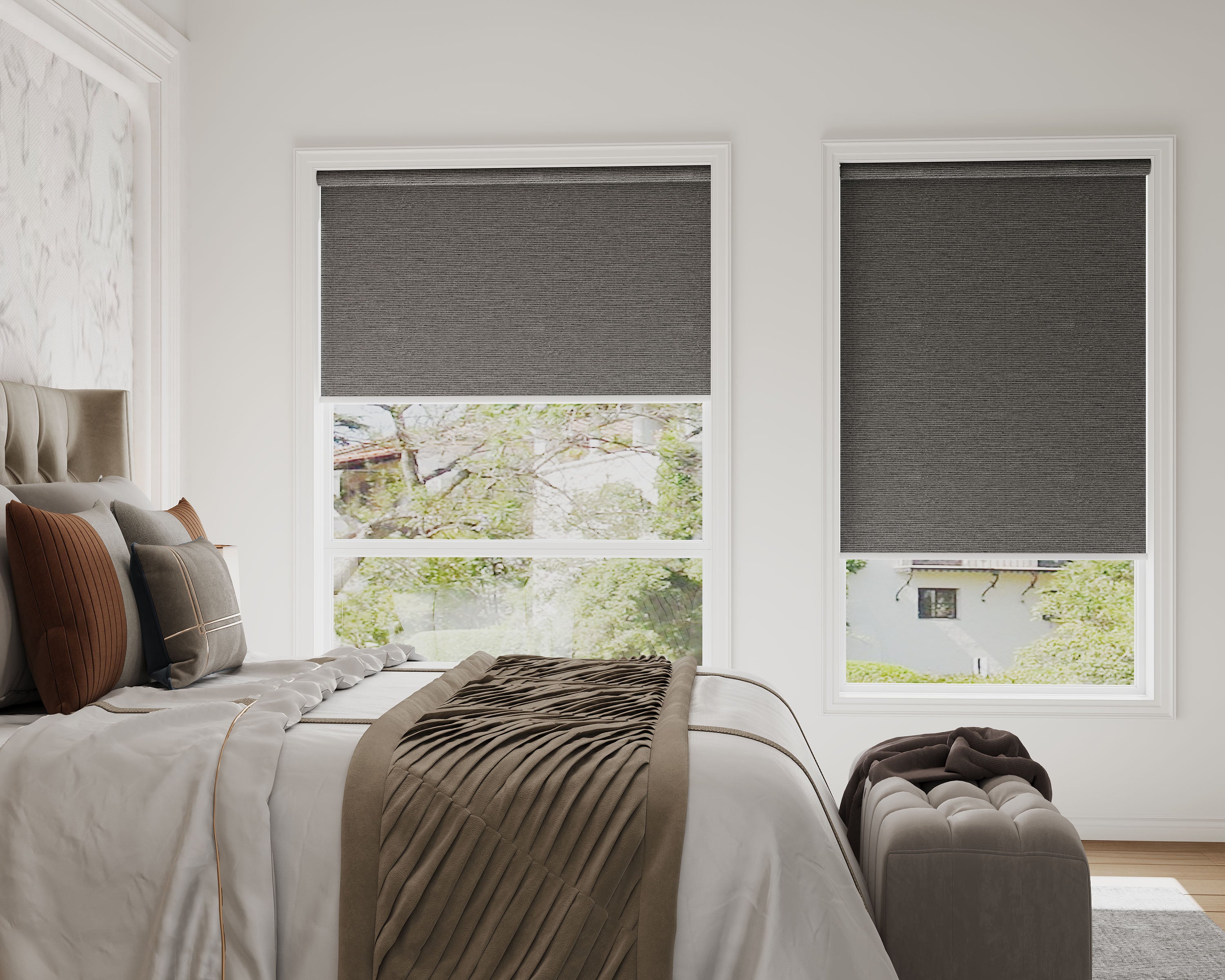
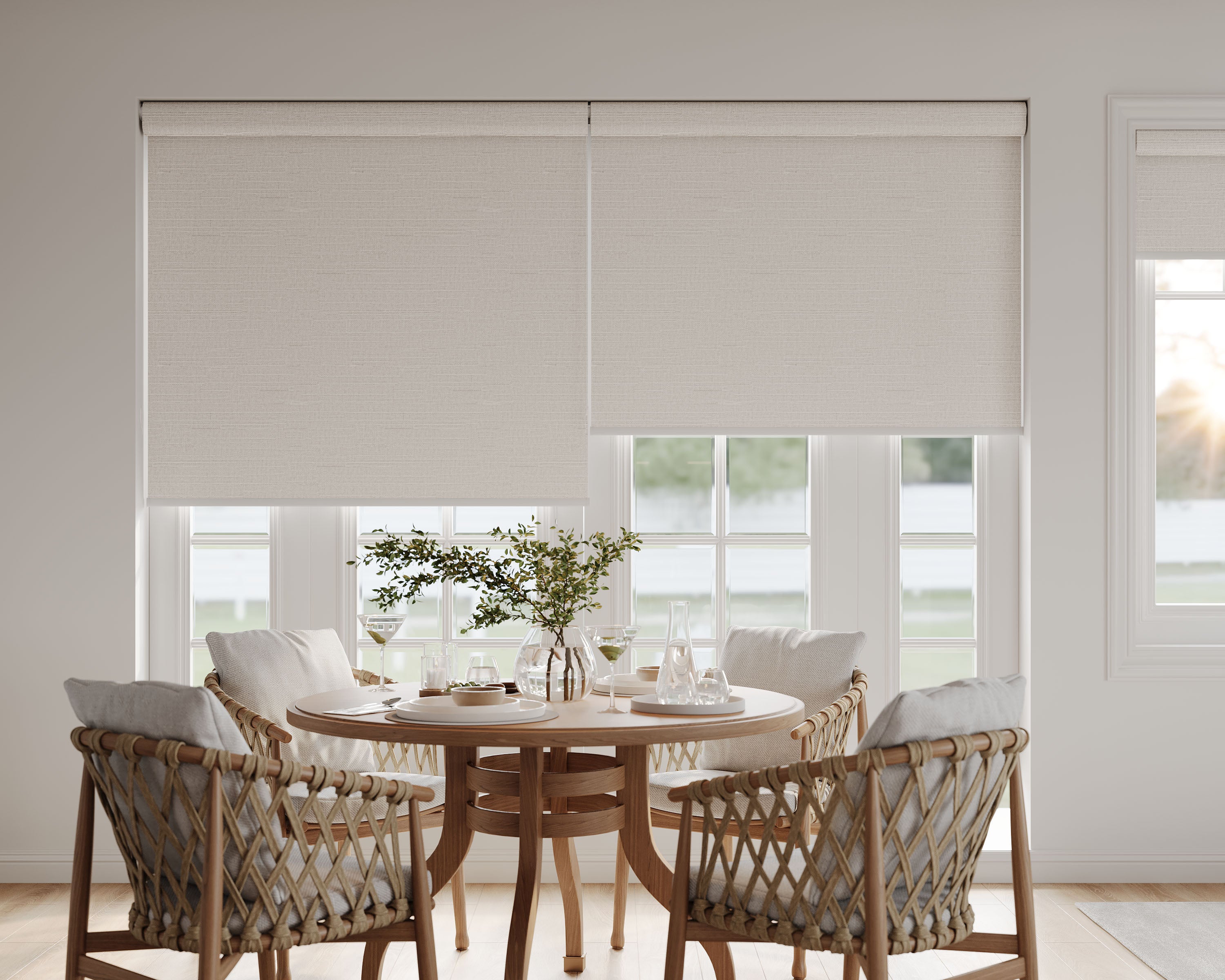
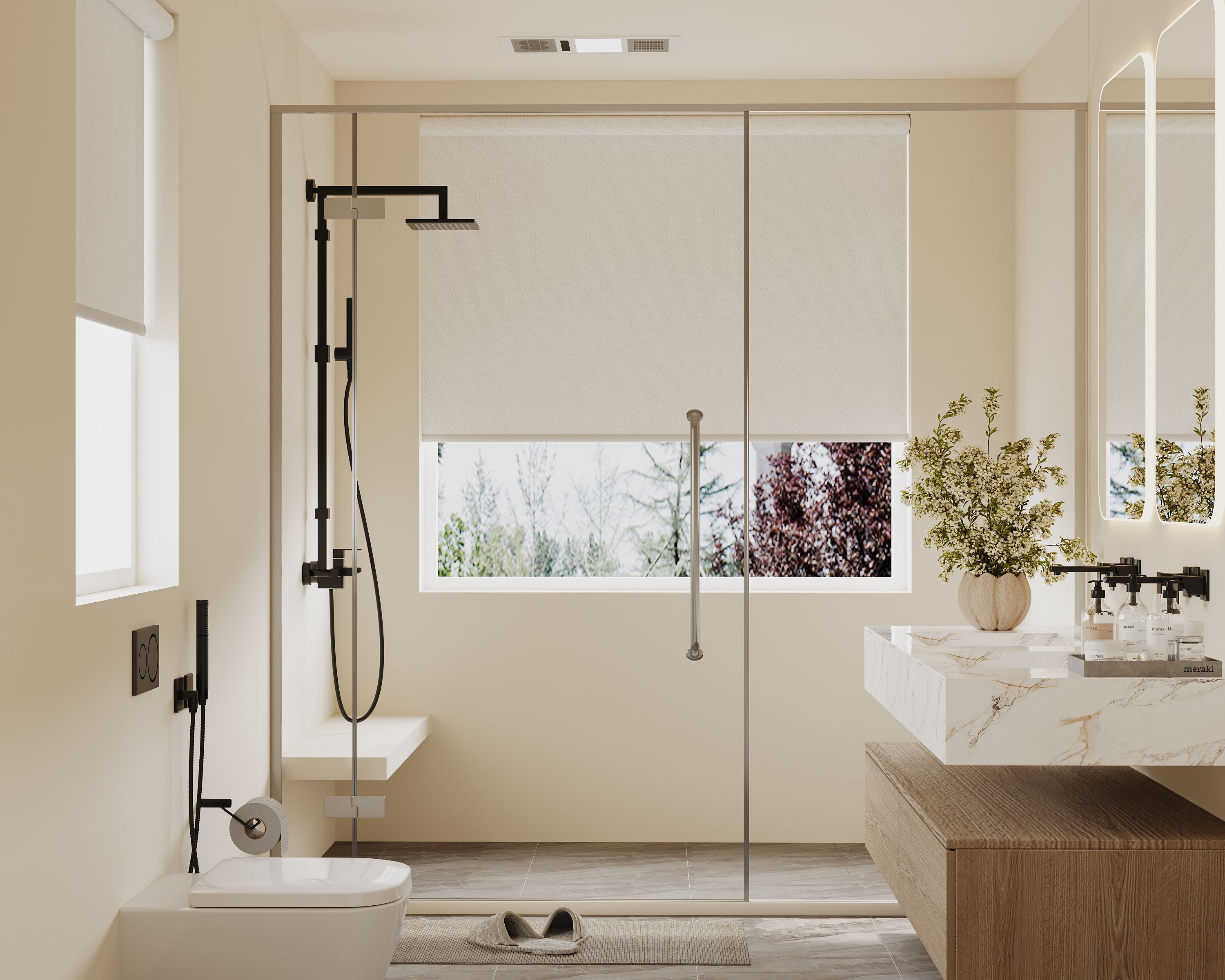

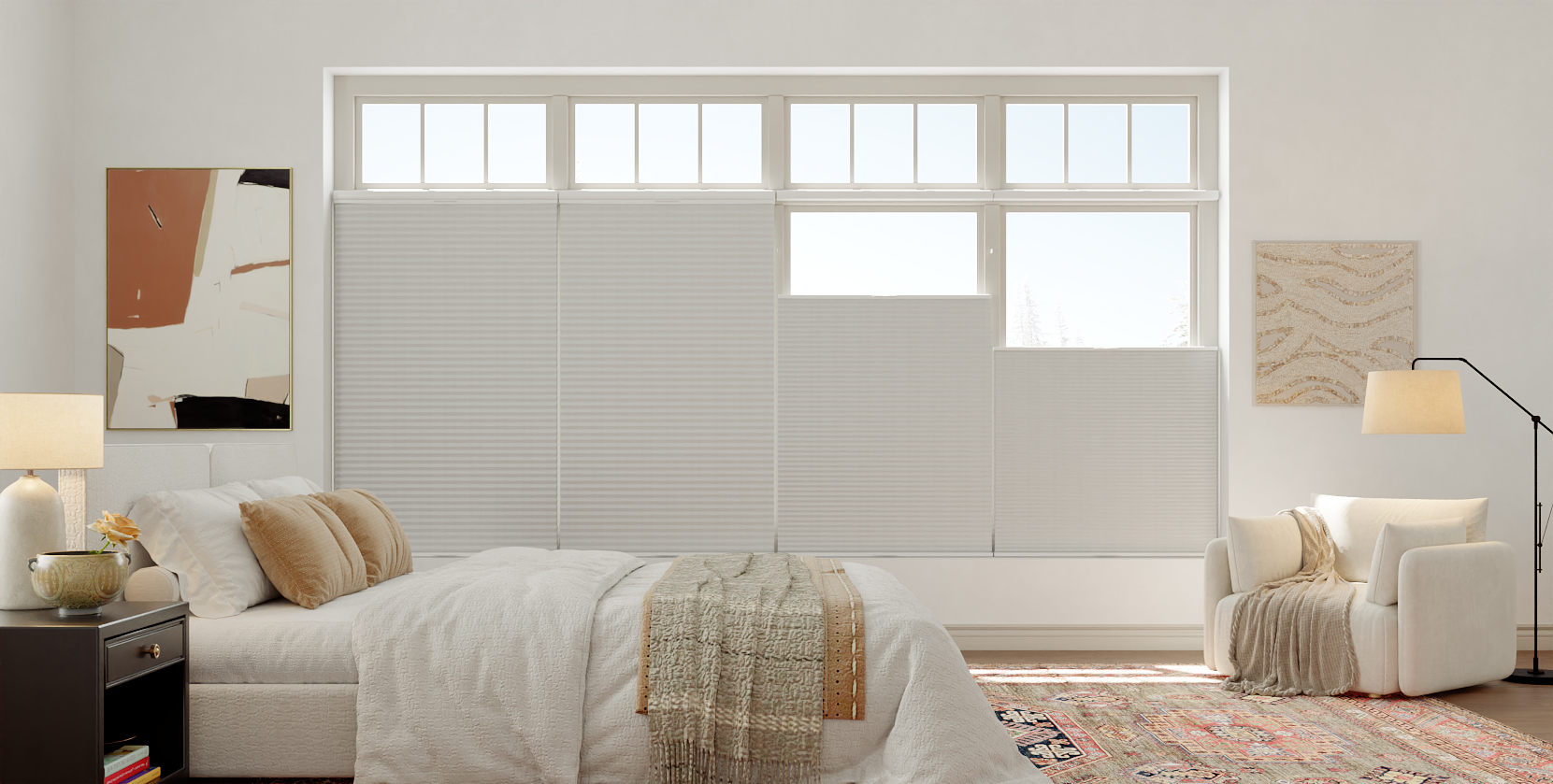


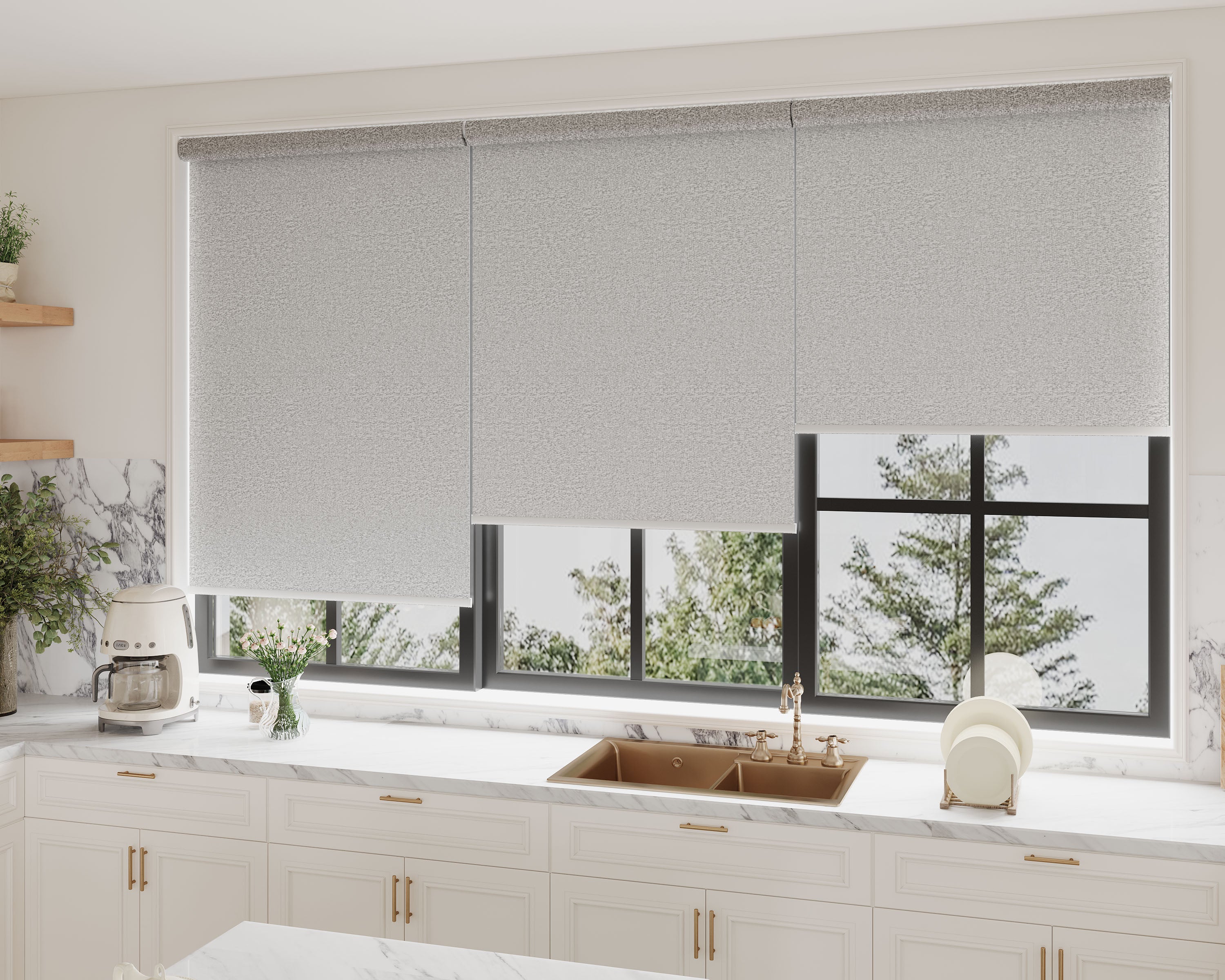


Bringing the calming essence of nature indoors, woven wood roller shades are a timeless choice for adding warmth and texture. But the category "woven wood" encompasses distinct personalities, from the clean lines of bamboo to the rustic charm of jute and the soft elegance of grasses. Choosing between them isn't just about picking a natural material—it's about selecting the specific texture and character that will define your room's ambiance. This guide delves into the unique qualities of bamboo, jute, and grass shades, comparing their looks, feels, and practicalities to help you find the perfect organic element for your windows.
We’ll explore:
-
Material Personalities: The defining visual and tactile traits of each.
-
Durability & Practicalities: How they handle sunlight, humidity, and daily life.
-
Light & Privacy: The beautiful, dappled light effects each creates.
-
Style Synergy: Which material naturally aligns with your decor theme.
The Material Showdown: Personality & Practicality
This comparison table outlines the core differences to help you narrow your focus.
| Characteristic | Bamboo Shades | Jute Shades | Grass Shades (e.g., Roman, Rush) |
|---|---|---|---|
| Primary Texture | Linear & Structured. Flat, uniform slats or round reeds. | Chunky & Textured. Thick, nubby, irregular fibers. | Soft & Fine. Smooth, tightly woven strands; a fabric-like feel. |
| Visual Vibe | Clean, modern, Zen-like. Asian or contemporary influence. | Rustic, earthy, casual. Farmhouse or global eclectic vibe. | Refined, organic, serene. Coastal, cottage, or relaxed elegance. |
| Durability | Very Durable. Hard, wood-like material. Resists splitting. | Moderate. Strong but fibers can loosen or snag if pulled. | Delicate. Fine strands can be fragile and prone to breaking. |
| Light Filtering | Creates strong linear shadows and light stripes. | Diffuses light softly; creates a warm, glowy effect. | Provides a gentle, even glow; minimal shadow lines. |
| Privacy Level | Low when open; gaps between slats allow clear view-through. | Moderate when open; dense weave obscures more. | High when open; tight weave offers more obscurity. |
| Humidity Response | Good. Naturally resistant to moisture and warping. | Poor. Absorbs moisture, which can cause sagging or mildew. | Poor. Very sensitive to humidity; can swell or distort. |
| Typical Cost | $$ - $$$ | $$ | $$$ |
Deep Dive: Understanding Each Natural Material
Let's explore what it's like to live with each of these distinctive materials.
Bamboo Shades: The Structured Natural
Bamboo is a fast-growing grass processed into rigid slats or round reeds.
-
The Look & Feel: It offers the most "architectural" look of the three. Shades can be made with flat slats for a clean, modern appearance or with round matchstick reeds for more texture. The result is structured, linear, and harmonious. It's an excellent example of how texture serves as a powerful design tool.
-
Performance & Care: Bamboo is the most robust and moisture-resistant option, making it suitable for a wider range of rooms (though still not recommended for bathrooms). It dusts easily and is less prone to damage from gentle handling.
Jute Shades: The Rustic Earthy Element
Jute is a fibrous vegetable plant spun into thick, strong threads.
-
The Look & Feel: Jute shades are all about rustic, tactile appeal. The weave is often looser and the fibers are thick and uneven, creating a wonderfully chunky, homespun texture that adds instant warmth and casual character to a space.
-
Performance & Care: The open, fibrous weave is susceptible to dust accumulation and can snag if caught by pets or sharp objects. It is highly absorbent and should be kept away from humidity. Its care requires a gentle touch, aligning with principles for cleaning delicate natural materials.
Grass Shades: The Soft Woven Fabric
"Grass" shades are typically made from finer materials like sea grass, rush, or hemp.
-
The Look & Feel: These shades have a remarkably soft, almost cloth-like appearance. The strands are finely woven into a smooth, uniform sheet with a subtle, elegant sheen. They offer the most refined and seamless look of the three, acting more like a textured fabric panel than a collection of slats.
-
Performance & Care: They are the most delicate. The fine strands can be brittle and break if bent sharply. They are also the most sensitive to humidity and direct sunlight, which can cause fading and brittleness over time. They represent a premium, eco-friendly textile choice that requires a dedicated environment.
Light, Privacy, and the Nature of Natural Weaves
All woven woods filter light beautifully, but the effect varies.
-
The "Dappled Light" Effect: Unlike solid fabrics, light passes through the tiny gaps in the weave, creating patterns of light and shadow in the room. Bamboo creates sharp lines, jute creates a soft speckle, and grass creates a delicate, overall glow.
-
Privacy Considerations: It's crucial to understand that even when closed, most woven woods are not completely private at night if interior lights are on. The small gaps will allow silhouettes and shapes to be seen from outside. For true privacy, they must be paired with a separate lining or layered with drapery.
Matching Material to Your Room and Style
Your decor theme and room conditions are the ultimate guides. This follows the logic of selecting styles for different decor themes.
| Your Design Goal | The Best Material Match | Why It Works |
|---|---|---|
| Modern, Zen, Asian-Inspired, or Minimalist | Bamboo | Its clean lines and structured feel complement sleek, uncluttered spaces. |
| Farmhouse, Rustic, Bohemian, or Global Eclectic | Jute | Its raw, earthy texture enhances cozy, collected, and casual vibes. |
| Coastal, Cottage, Scandinavian, or Relaxed Elegance | Grass | Its soft, fine weave evokes calm, serenity, and understated luxury. |
| A Room with High or Variable Humidity | Bamboo (or avoid woven woods) | Bamboo handles moisture best. For bathrooms, vinyl is the only safe choice. |
| A High-Traffic Area or Home with Pets/Kids | Bamboo | Its durability stands up best to occasional contact and dusting. |
| A Low-Traffic, Formal Living or Dining Room | Grass or Jute | Where beauty is paramount and risk is low, these materials can shine. |
Care and Maintenance for Longevity
Natural materials require specific care to preserve their beauty.
-
Dusting is Key: Use a soft brush attachment on a low-suction vacuum or a feather duster. Always hold the back of the shade to prevent pulling.
-
Avoid Moisture & Direct Sun: Never use water or cleaners. Protect shades from prolonged direct sun exposure to prevent fading and drying out, which is a consideration for all natural material longevity.
-
Handle with Care: Always grasp the sturdy bottom rail, not the fragile woven material, when raising or lowering.
Decision Checklist: Find Your Woven Wood Match
Answer these questions to guide your choice toward the ideal material.
| Priority Question | If YES, lean toward... | Because... |
|---|---|---|
| 1. Do you prefer a clean, linear, modern texture? | Bamboo | It provides the most structured and contemporary look. |
| 2. Is a chunky, rustic, highly tactile texture your goal? | Jute | It delivers maximum earthy, organic character. |
| 3. Do you want a soft, refined, almost fabric-like texture? | Grass | It offers the smoothest and most elegant finish. |
| 4. Is the room prone to humidity or do you need a durable option? | Bamboo | It is the most robust and moisture-resistant. |
| 5. Is the room in a sunny, coastal, or beach-style home? | Grass or Bamboo | Grass fits the coastal vibe; bamboo handles the sun better. |
| 6. Is budget a primary concern? | Jute or Bamboo | These often come in at a more accessible price point than fine grass weaves. |
Your Next Steps:
-
Define Your Desired Texture: Use the checklist above. Is your goal modern, rustic, or refined?
-
Assess Your Room's Conditions: Check for humidity, sun exposure, and traffic to rule out unsuitable materials.
-
Request Physical Samples: It's crucial to see and feel the texture of bamboo, jute, and grass shades in your own space.
-
Dive Deeper into Materials: Read our broader deep dive on materials like bamboo for more context.
-
Plan for Care: Understand the commitment by reviewing our guide to safe cleaning for all shade fabrics.
Explore Custom Roller Shades


Frequently Asked Questions
Can woven wood shades be room-darkening or blackout?
True woven wood shades cannot be blackout due to their inherent gaps. However, you can order them with a blackout liner attached to the back. This adds a solid fabric layer that blocks light, providing darkness and slightly improved insulation while preserving the natural look from inside the room.
Are these materials eco-friendly and sustainable?
Yes, this is a significant part of their appeal. Bamboo is a rapidly renewable resource. Jute and grasses are natural plant fibers. They are biodegradable and have a lower environmental footprint than synthetic fabrics. For more on this, see our article on eco-friendly textiles in window treatments.
What is the difference between "matchstick" bamboo and "woven" bamboo?
Matchstick refers to shades made from very thin, round bamboo reeds, often creating a more textured, flexible shade. Woven bamboo typically uses wider, flat slats, resulting in a smoother, flatter, and more structured panel. Both are bamboo, but the construction method changes the visual weight and texture.
Can I install woven wood shades in a bathroom?
It is strongly discouraged. The consistent humidity from showers will almost certainly cause jute and grass shades to warp, sag, or develop mildew. Even bamboo, while more resistant, is not recommended for full bathrooms. For a natural look in a bathroom, consider a vinyl shade with a woven wood pattern instead.
