
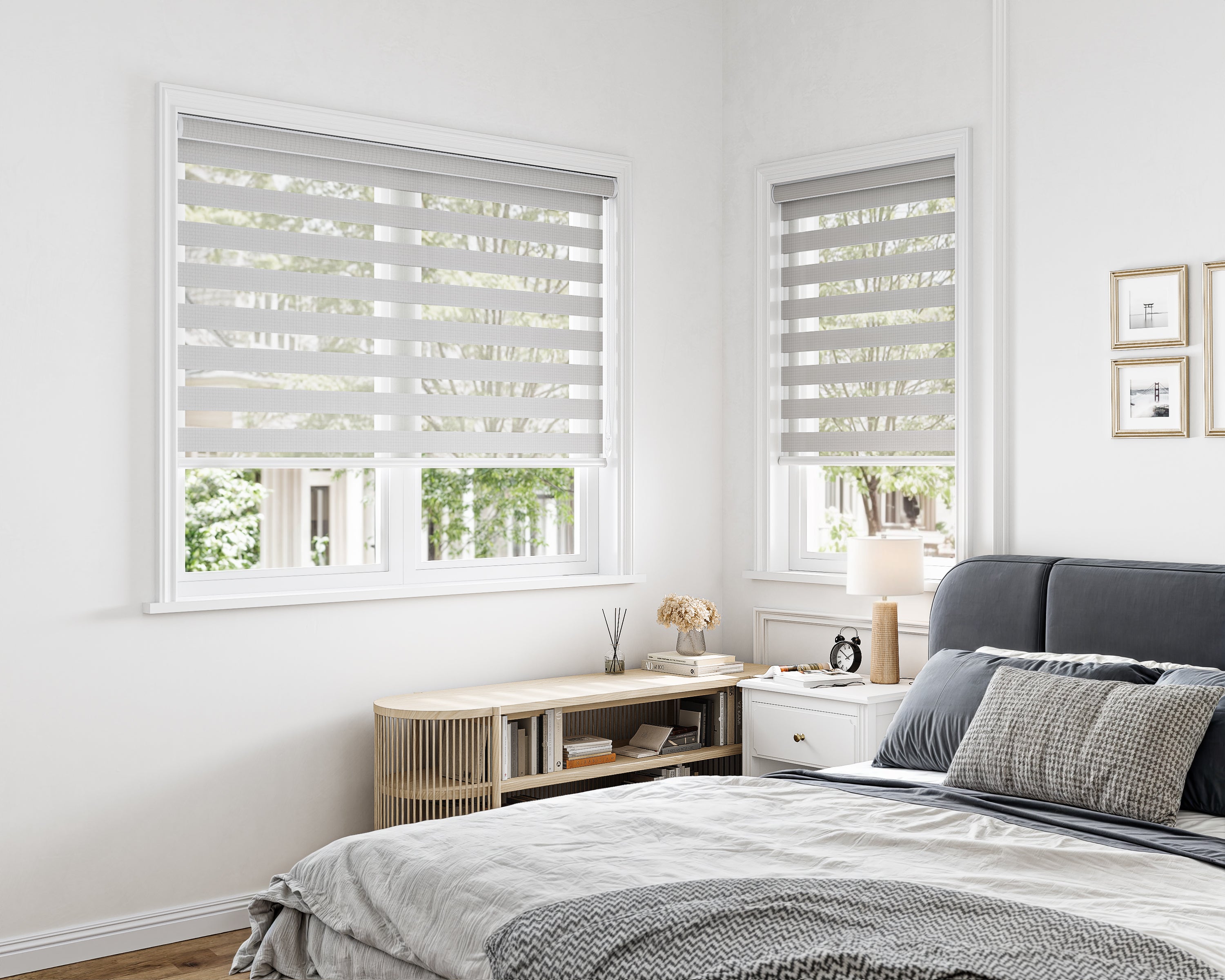
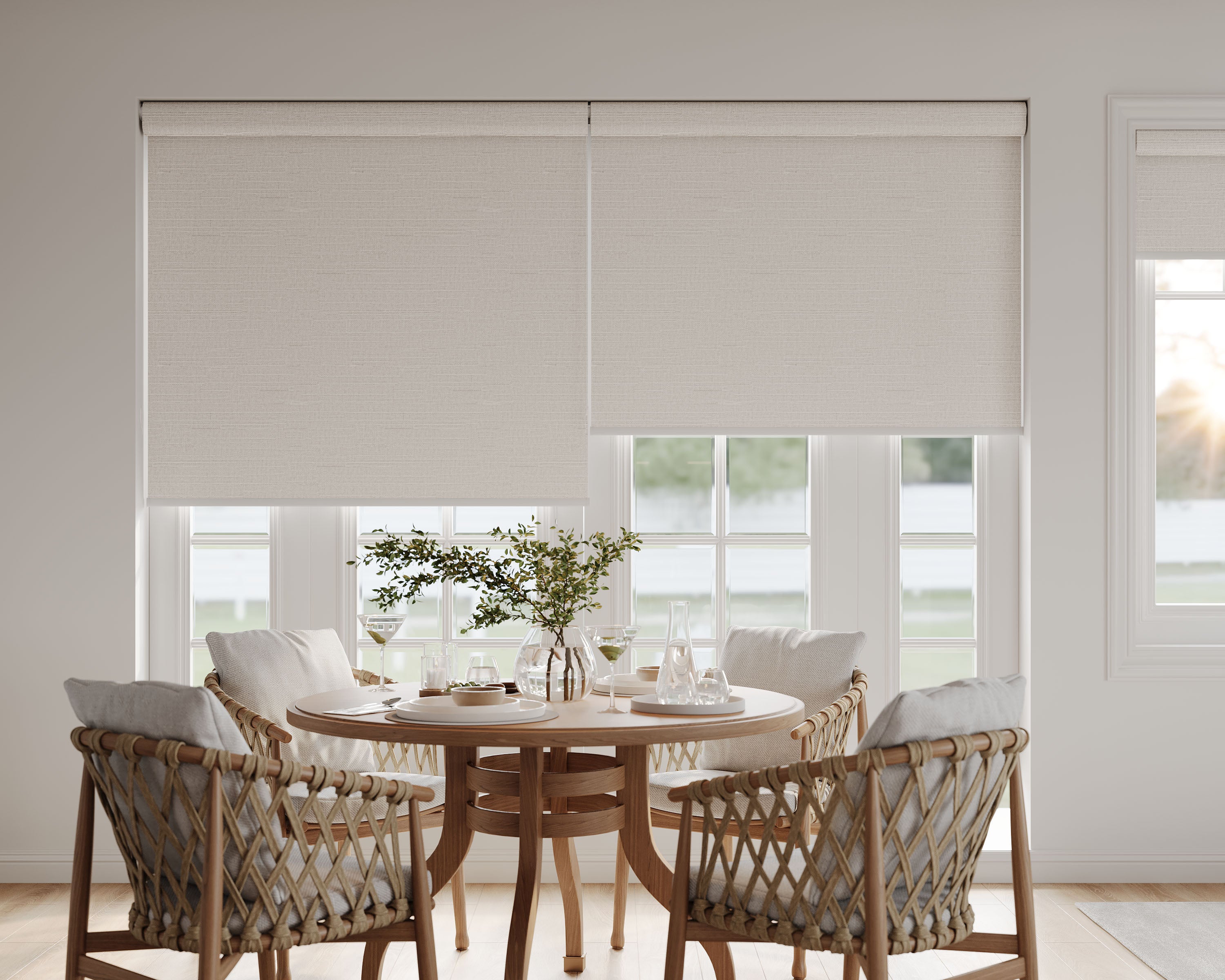


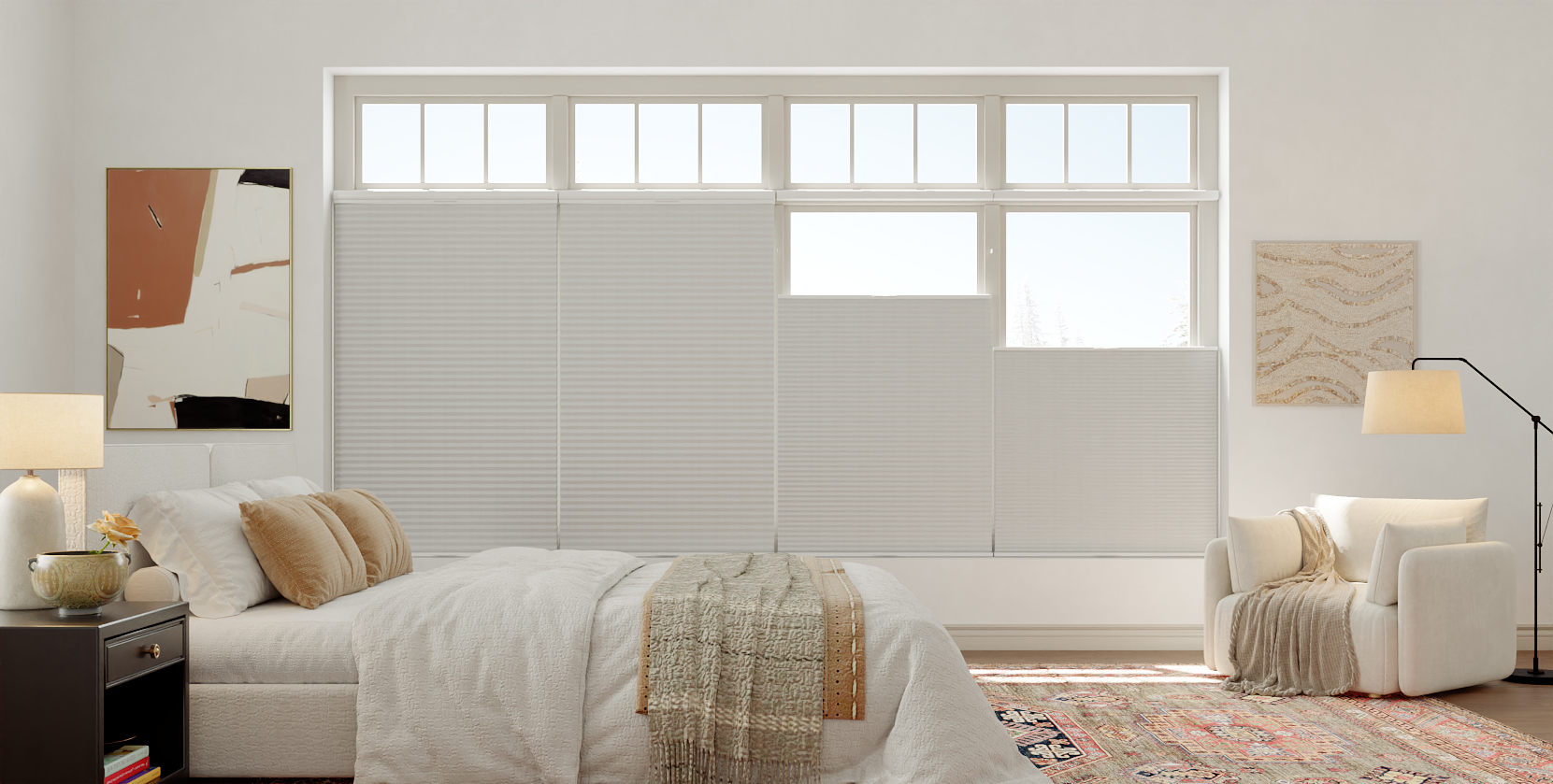


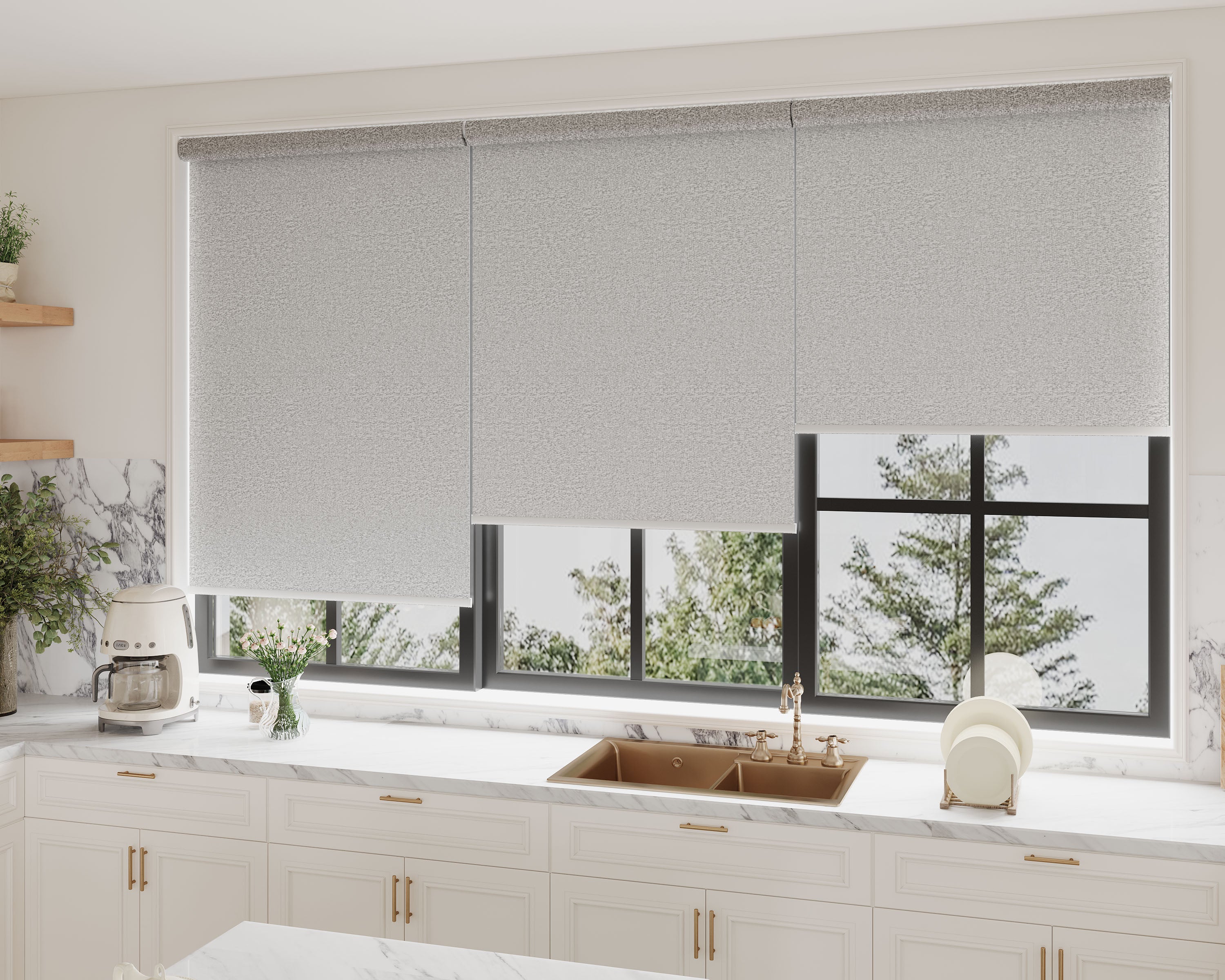

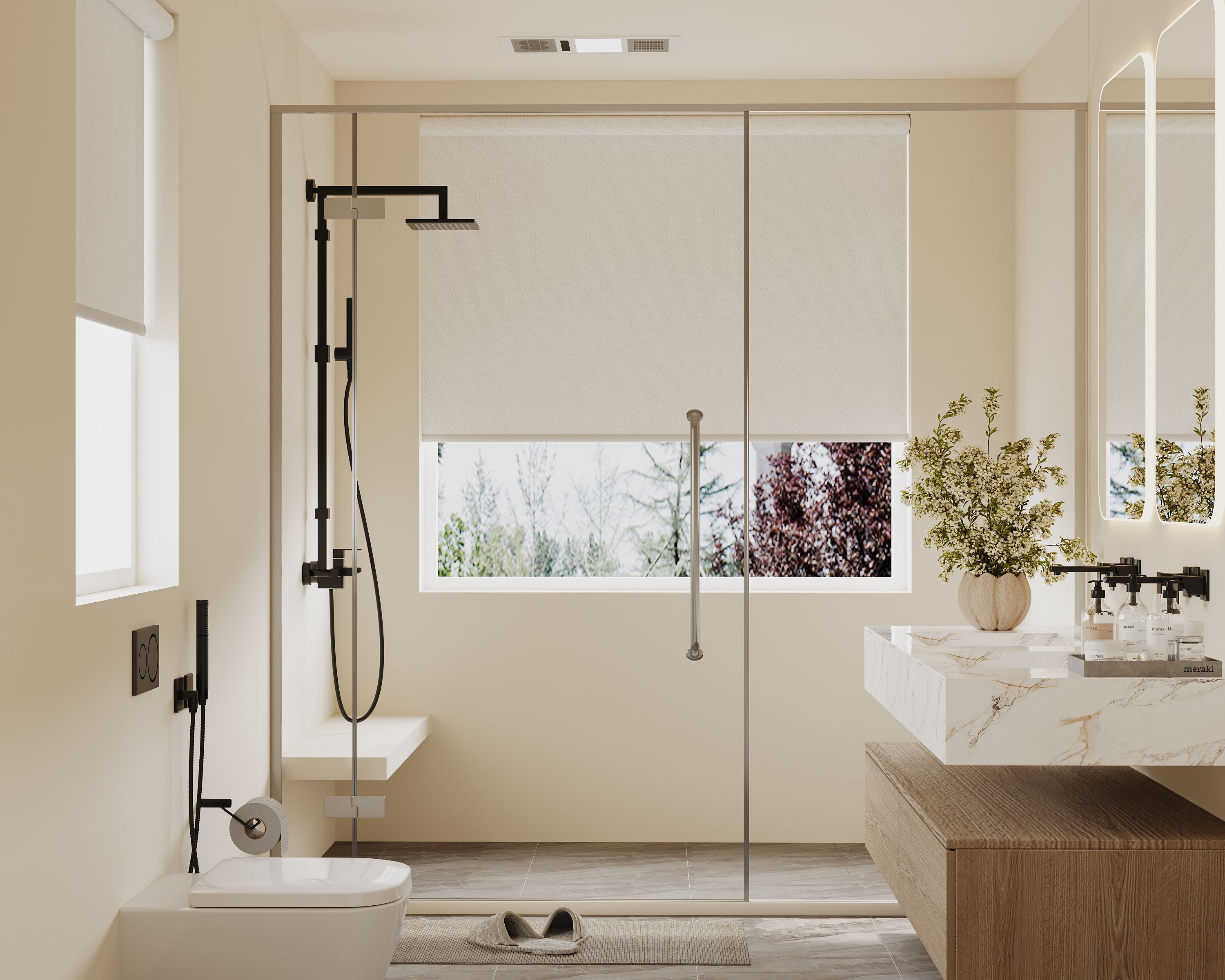


Imagine a window treatment that combines the clean, streamlined look of a roller shade with the precise, adjustable light control of blinds. This is the unique proposition of zebra roller shades (also called dual shades or transitional shades). At first glance, they appear as a modern, textured panel. But a closer look reveals their secret: two layers of fabric working in harmony. This guide demystifies the ingenious dual-layer system, showing you exactly how it operates, the unparalleled control it offers, and how to determine if these versatile shades are the perfect solution for your windows.
We’ll explain:
-
The Dual-Layer Design: A breakdown of the sheer and solid fabric bands.
-
The Adjustment Mechanism: How a simple slide creates four distinct light settings.
-
Benefits & Trade-offs: What you gain in control and what you might compromise.
-
Ideal Applications: The rooms and situations where zebra shades truly shine.
The Core Concept: Two Layers, Endless Control
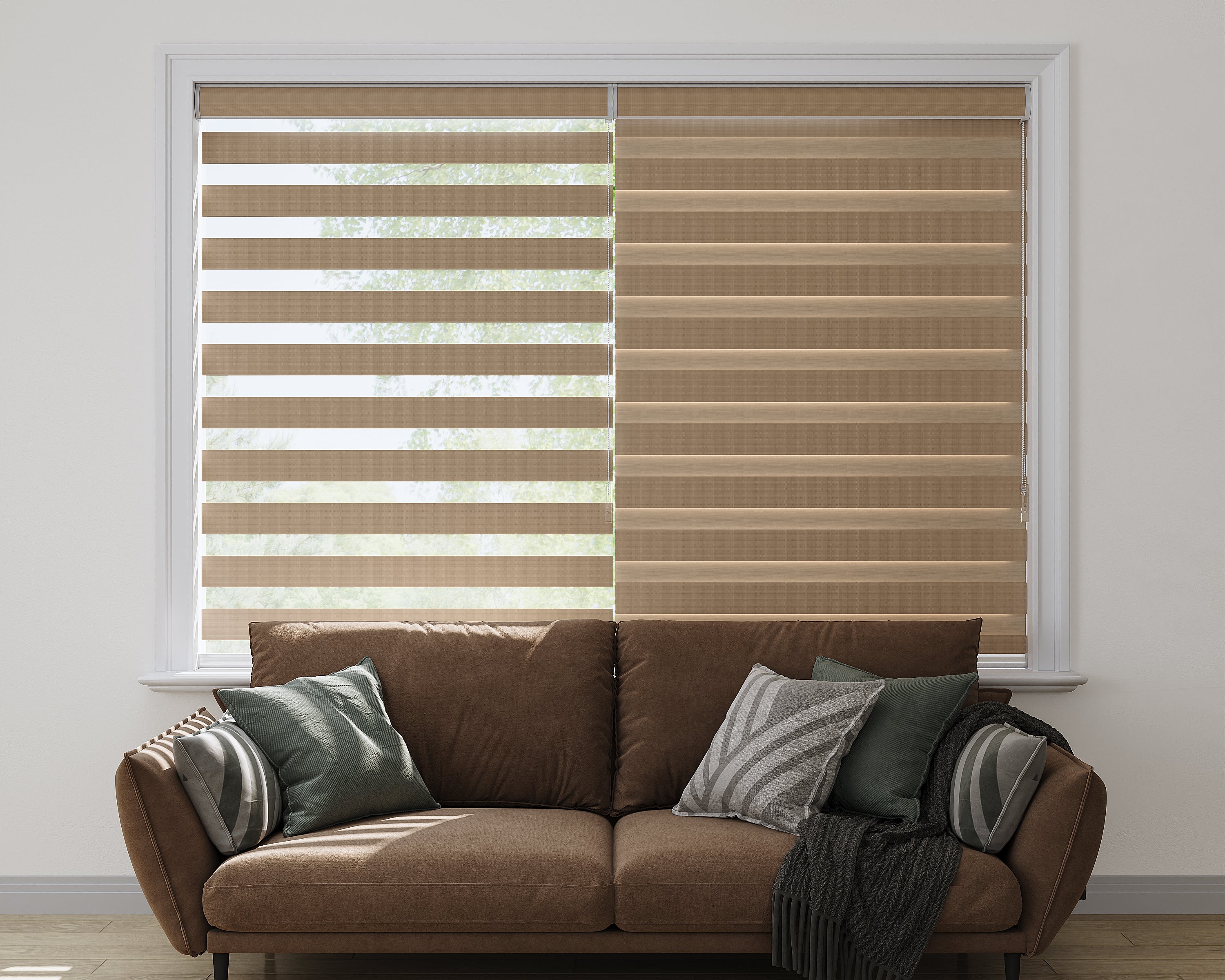
The fundamental innovation of a zebra shade is its construction from two alternating layers of fabric on a single roller.
Anatomy of a Zebra Shade
-
The Sheer Layer: Bands of semi-transparent, light-filtering fabric.
-
The Solid/Room-Darkening Layer: Bands of opaque fabric, often in a matching color.
-
The Single Roller: Both layers are attached to one roller tube. When you pull the shade down, both layers descend together.
-
The Adjustment Mechanism: A side mechanism (typically a cord, wand, or motor) allows you to shift the two layers laterally in relation to each other.
The Four Light Settings: How It Works
Unlike a standard roller shade that only moves up and down, a zebra shade adds a side-to-side adjustment. This creates four primary viewing modes:
| Setting | Layer Alignment | Light & Privacy Effect | Ideal For... |
|---|---|---|---|
| 1. Fully Open | Sheer bands aligned with sheer bands. | Maximum light & clear view-through. Similar to a sheer shade. | Daytime when you want an open, airy feel and a full outside view. |
| 2. Filtered Light | Sheer and solid bands partially overlapping. | Soft, diffused light with enhanced privacy. Light enters but views are obscured. | Most of the day in living areas; reduces glare while maintaining brightness. |
| 3. Fully Closed | Solid bands aligned with solid bands. | Maximum privacy & light blockage. Creates a solid-looking panel. | Nighttime privacy or when you want to darken a room significantly. |
| 4. Vanishing Act | Shade is fully raised into the headrail. | The shade disappears, offering a completely clear window. | When you want an unobstructed view and maximum sunlight. |
This granular control is what our guide on zebra shades demystified for day and night control explores in greater detail.
Zebra Shades vs. Other Window Treatments
To appreciate their value, it's helpful to see how they compare to common alternatives.
| Feature | Zebra Roller Shades | Standard Roller Shades | Horizontal Blinds |
|---|---|---|---|
| Light Control | Adjustable via alignment (Sheer to Solid). | Fixed by fabric choice (Sheer, Dim-Out, or Blackout). | Adjustable via slat tilt. |
| View-Through | Yes, when open. Adjustable for privacy. | Only if a sheer fabric is chosen. | Yes, when slats are open. |
| Visual Profile | Clean, textured panel when down. | Clean, solid panel when down. | Visible slats and hardware. |
| Dust Collection | Low (flat surface). | Very low (flat surface). | High (individual slats). |
| Primary Strength | Variable privacy & light filtering. | Sleek simplicity & total light blockage (if blackout). | Precise light direction. |
The Benefits: Why Choose a Zebra Shade?
This unique design offers several compelling advantages for modern living.
Unmatched Flexibility in Daily Living
The ability to fine-tune light and privacy without raising or lowering the entire shade is transformative. You can soften harsh afternoon glare on a TV screen while still enjoying ambient light, or gain privacy from street view without plunging a room into darkness. This makes them a premier tool for balancing privacy and natural light in open-concept homes.
Streamlined Aesthetic
They provide the functional benefits of blinds without the visual "busyness" of slats and ladders. When closed, they present a uniform, textured fabric panel that fits minimalist and contemporary decors beautifully.
Space Efficiency
Like all roller shades, they roll up compactly into a slim headrail, preserving window space and allowing for easy layering with curtains.
Important Considerations & Limitations
An honest evaluation includes understanding where they might not be the perfect fit.
-
Not True Blackout: Even in the "fully closed" alignment, a tiny amount of light may filter through the seams where the two fabric layers meet. For a bedroom requiring total darkness, a dedicated blackout roller shade is more reliable.
-
Cleaning the Dual Layer: Dust can settle between the two fabric layers, which can be slightly more challenging to clean than a single, flat panel. Careful vacuuming with a brush attachment is key.
-
Cost: The more complex manufacturing process typically makes zebra shades more expensive than basic single-layer roller shades.
Where Zebra Shades Work Best: A Room-by-Room Guide
Their adjustable nature makes them ideal for rooms where needs change throughout the day.
| Room | Why They Excel | Recommended Setting During Day |
|---|---|---|
| Living Room & Family Room | Perfect for managing glare on TVs and computers while maintaining a bright, social atmosphere. | Filtered Light (for glare reduction with brightness). |
| Home Office | Allows control over screen glare and video call background without feeling shut in. | Filtered Light or Fully Open depending on sun angle. |
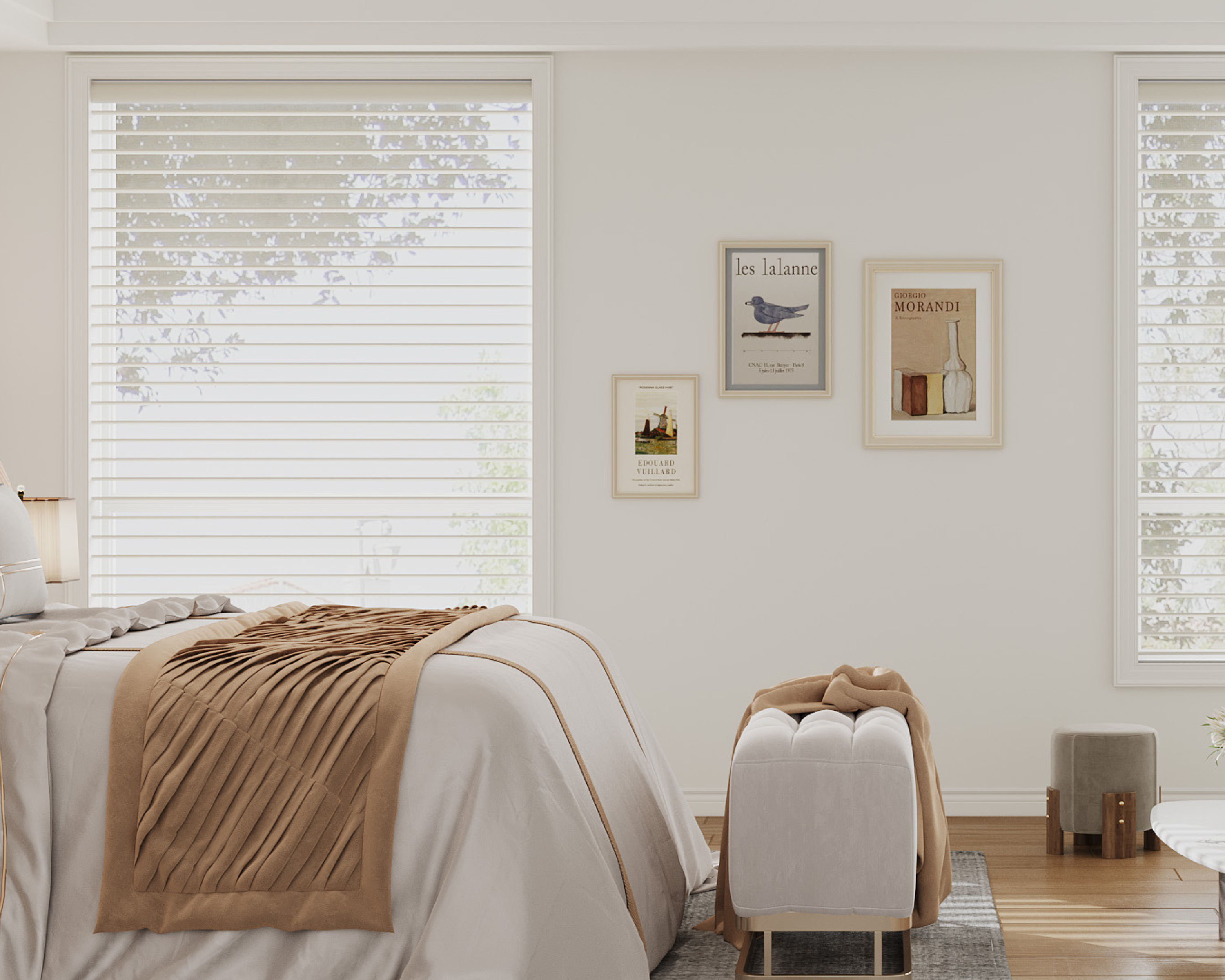
| Bedroom (for adults) | Great for sleeping in (use "closed" setting) and waking up to soft light ("filtered" setting). | Fully Open upon waking. |
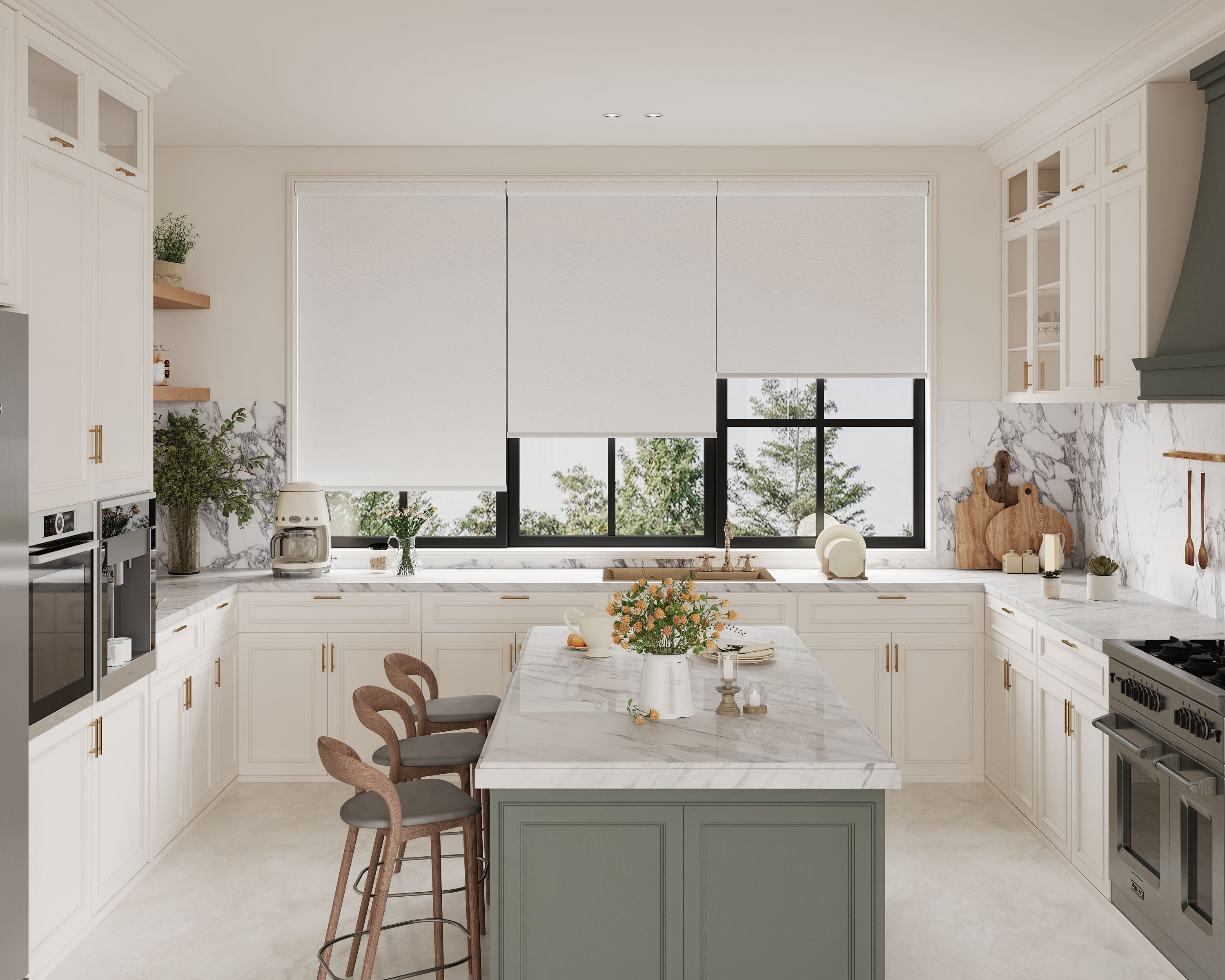
| Dining Room & Kitchen | Can provide privacy during evening meals while allowing daylight in during prep times. | Filtered Light to Fully Open. |
| Room with a View | The "fully open" setting essentially makes the shade disappear to showcase the vista. | Fully Open or Vanished. |
Decision Checklist: Are Zebra Shades Right For You?
Answer these questions to see if your needs align with what zebra shades do best.
| Your Need or Preference | If You Answer "Yes," Zebra Shades Are a Strong Fit | If "No," Consider a Standard Roller Shade |
|---|---|---|
| I want to adjust light levels without raising/lowering the shade constantly. | ✅ Yes, this is their core function. | You may be happy with a sheer or light-filtering shade you simply raise and lower. |
| My priority is balancing daytime privacy with a bright, open feel. | ✅ Yes, the "filtered" setting is designed for this. | A top-down/bottom-up shade or sheer curtains may work. |
| I dislike the look of traditional blinds with visible slats. | ✅ Yes, they offer a cleaner, modern panel look. | A standard roller shade is also a clean, slat-free option. |
| I need TOTAL, gap-free darkness for sleep (e.g., for shift work). | ❌ No, they are not true blackout. | A blackout roller shade is the necessary choice. |
| My window is in a high-humidity area (e.g., inside a shower). | ❌ No, fabric layers can trap moisture. | A waterproof vinyl roller shade is required. |
Your Next Steps:
-
Identify Your Primary Need: Is it glare control, variable privacy, or a clean look? Use the checklist above.
-
Explore the Mechanism: Read our detailed article fully demystifying zebra shade day and night control.
-
Compare with Alternatives: Understand how they stack up against solar and sheer shades for glare management.
-
See the Options: View the styles available within the broader roller shades collection.
Explore Custom Zebra Shades


Frequently Asked Questions
Can zebra shades be motorized?
Yes, absolutely. Motorization is an excellent upgrade for zebra shades. It allows you to program the perfect alignment (e.g., "filtered light at 2 PM") and adjust them from anywhere via remote or smartphone, enhancing both convenience and the "wow" factor.
What's the difference between zebra shades and sheer shades?
Both filter light, but sheer shades are a single layer of translucent fabric, often with internal vanes you can tilt. Zebra shades have two distinct layers (sheer and solid) that you slide to block or pass light. Zebra shades offer a clearer view when open and more precise privacy control when adjusted.
Are zebra shades child-safe?
As with any window treatment, safety depends on the operating system. Cordless zebra shades (operated by a wand or a push-pull mechanism on the bottom rail) are the safest choice for homes with children and pets, as they eliminate hazardous loops. Always specify cordless or motorized for kids' rooms.
How wide can a single zebra shade be?
Zebra shades, due to the mechanics of aligning two fabric layers, can have limitations on maximum width before the layers may begin to drift or not align perfectly. For very wide windows, it's often recommended to use two or more separate shades side-by-side. Consult with your shade provider for specific maximum width recommendations for their product.
