
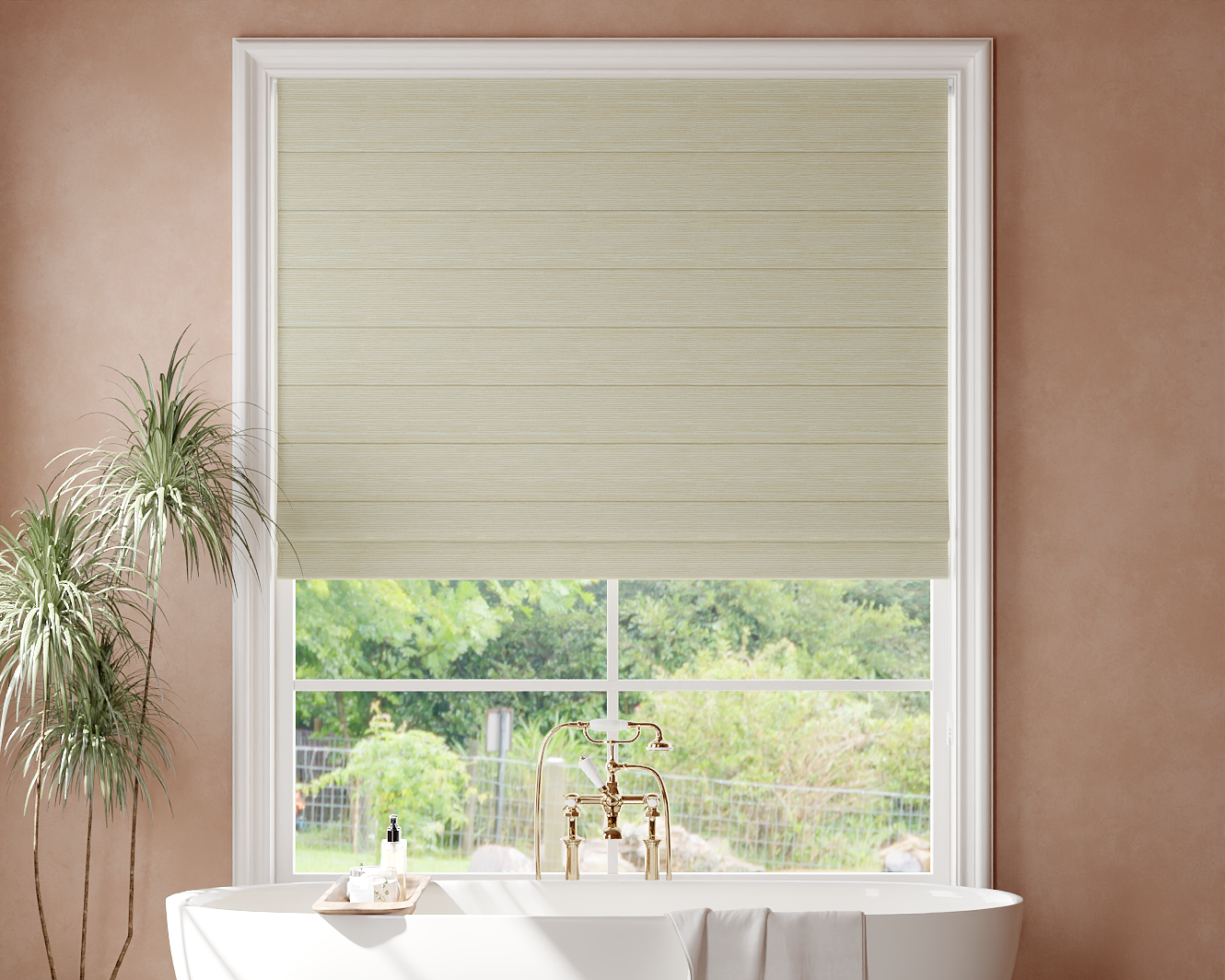
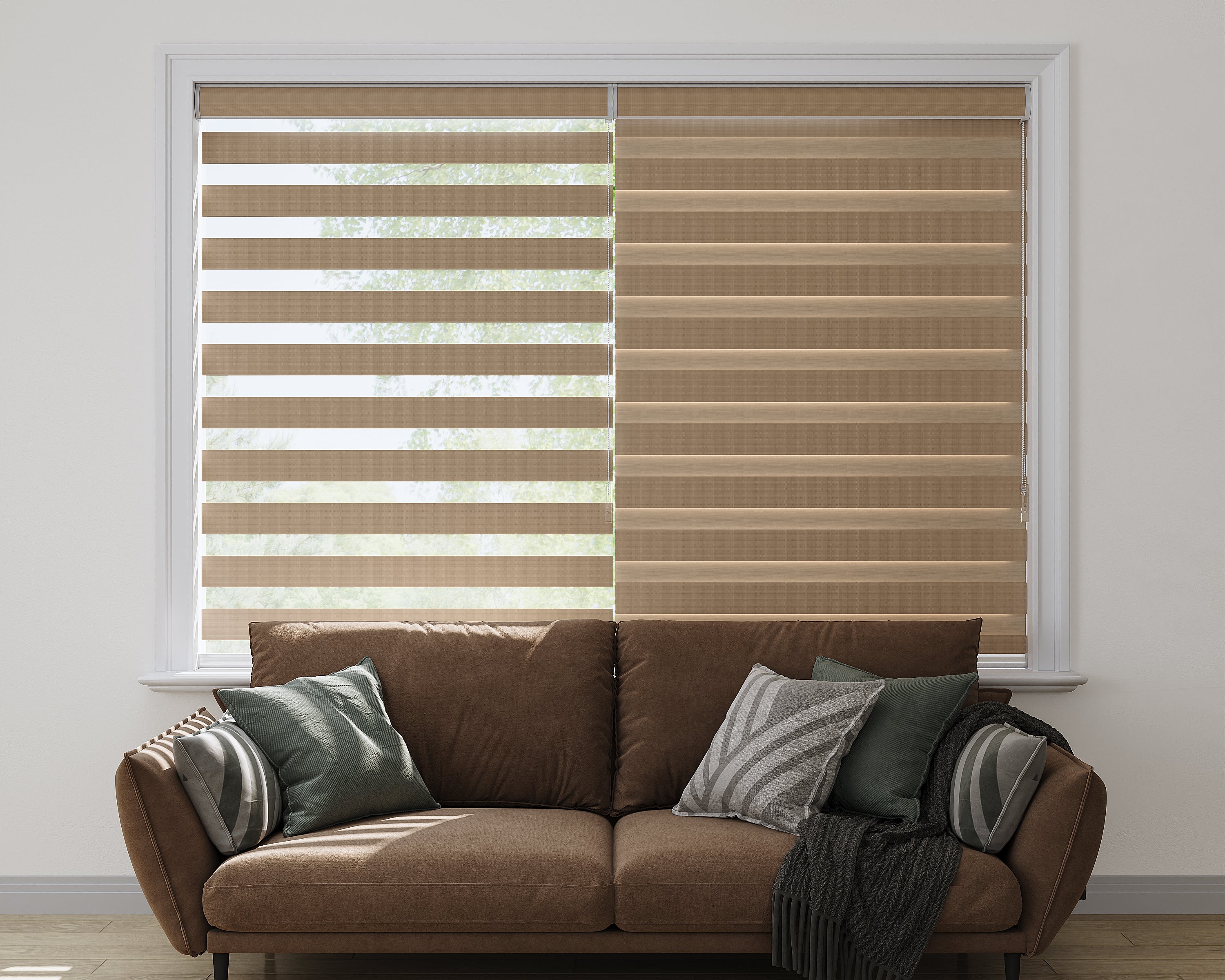
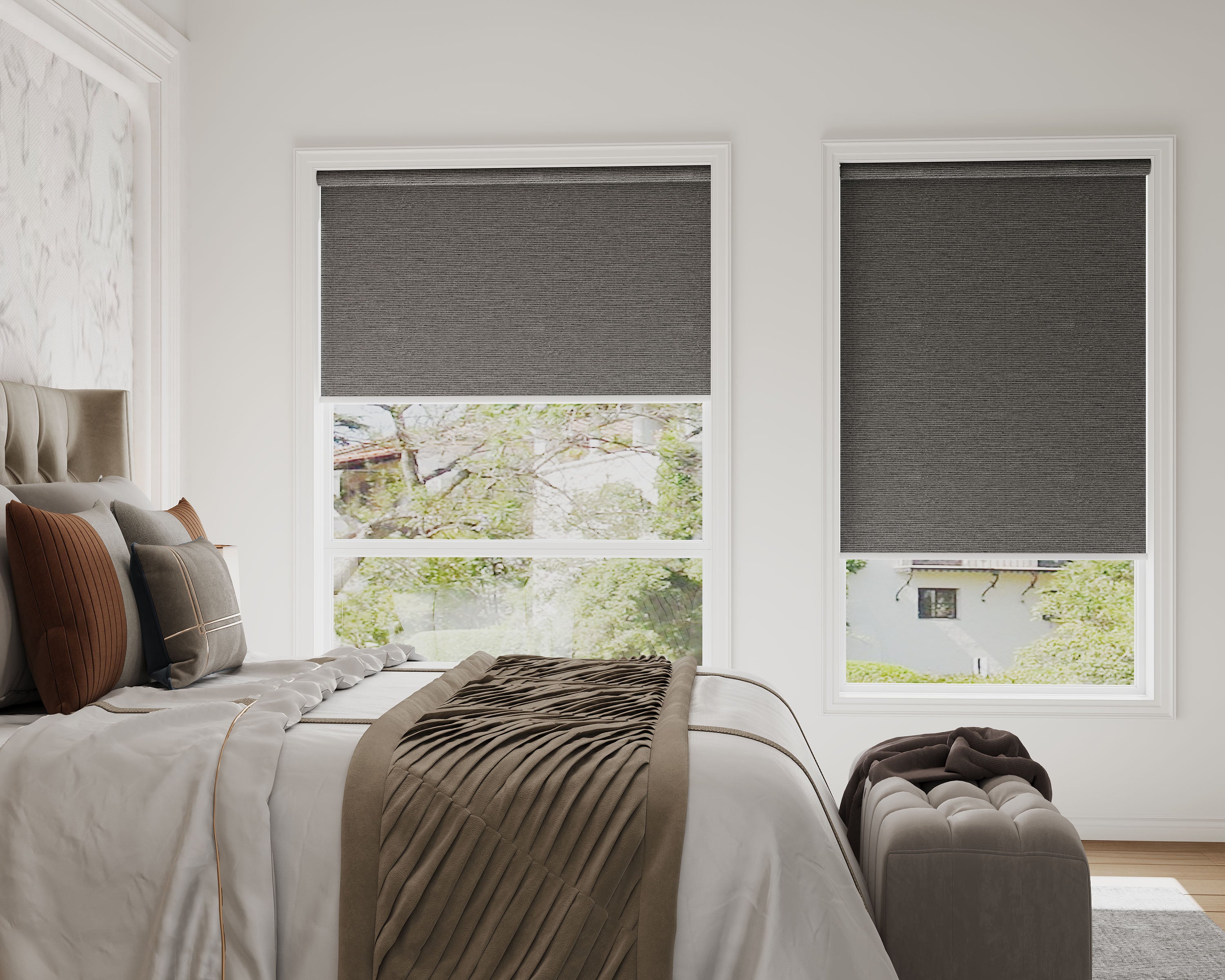
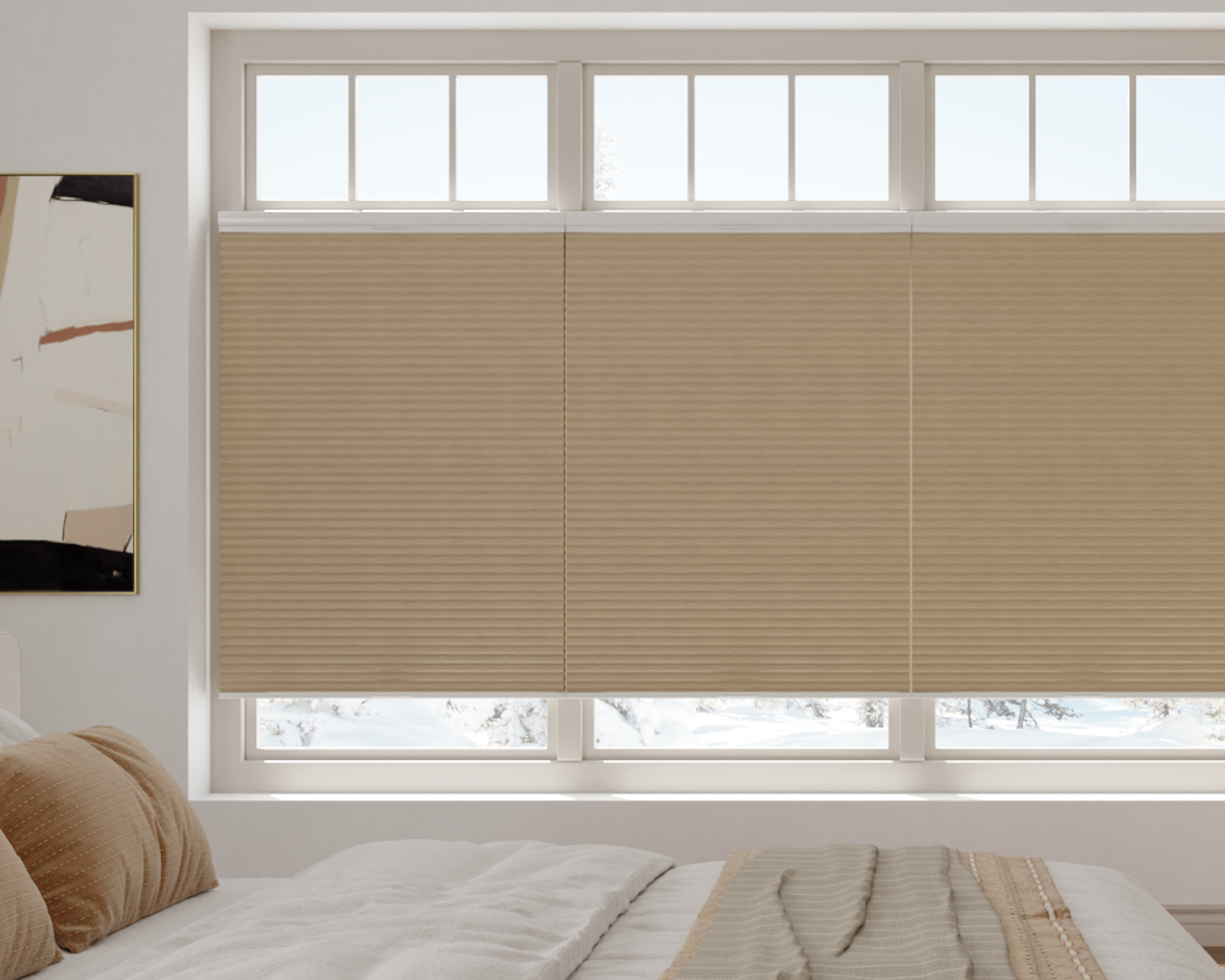
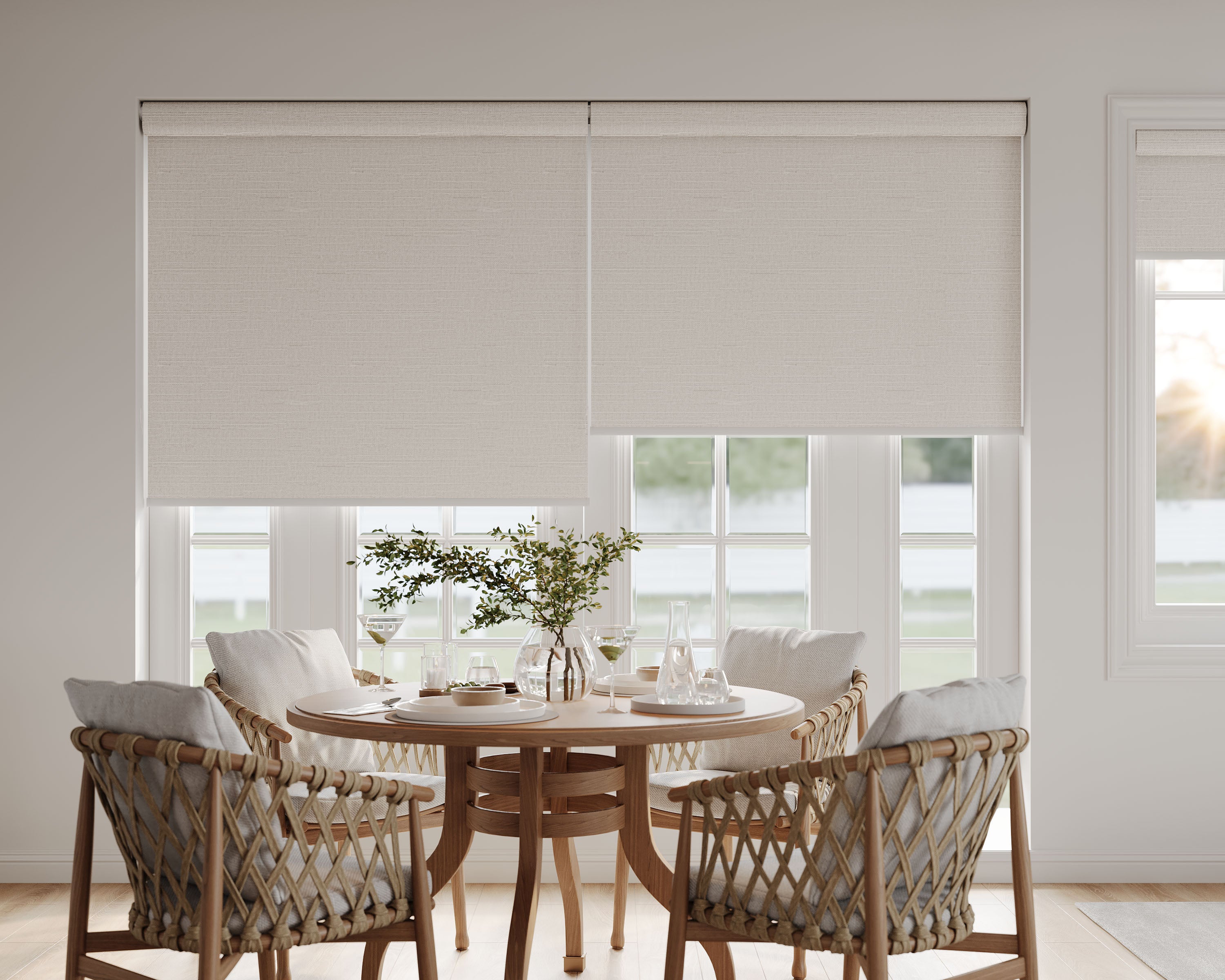


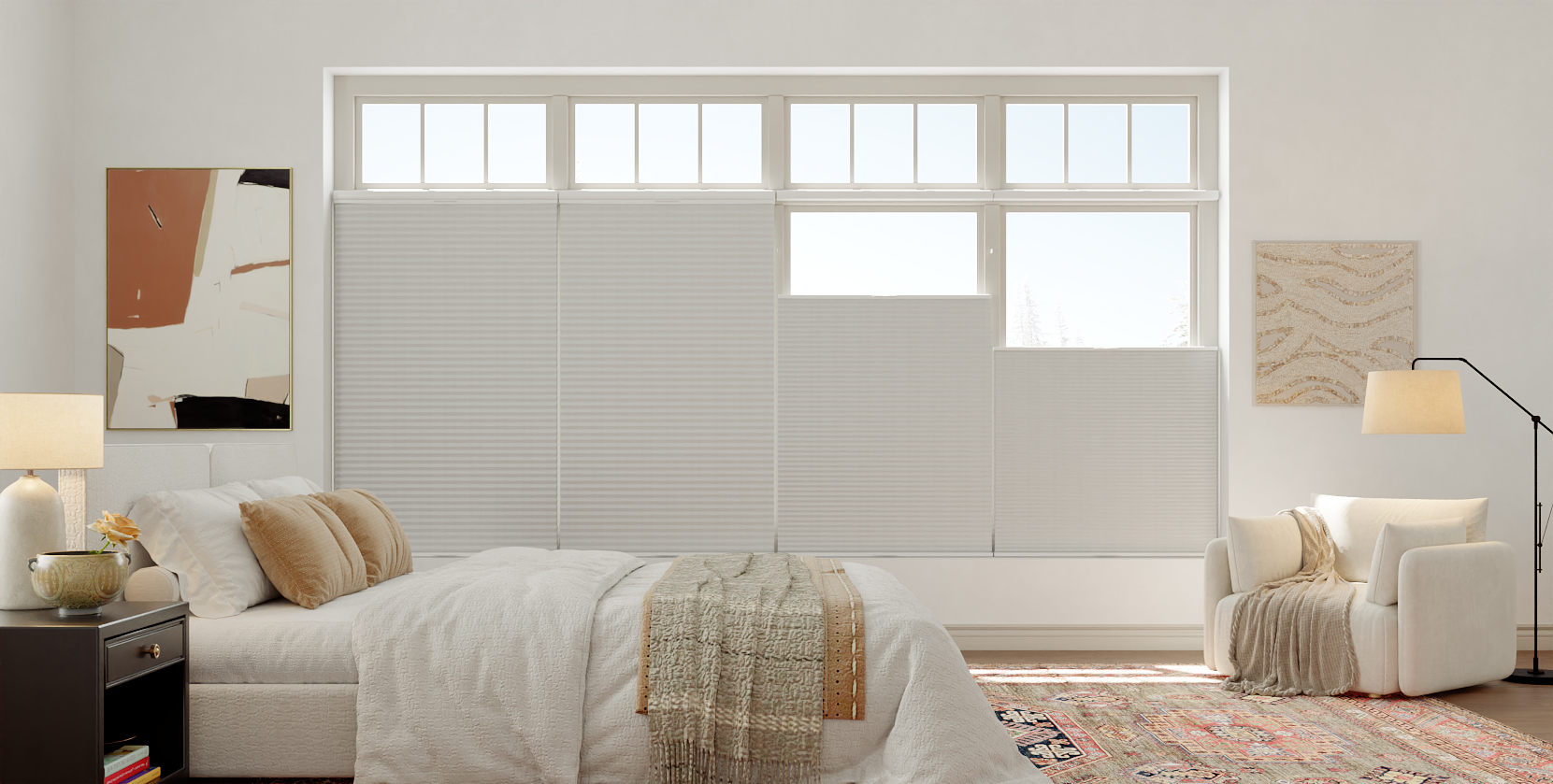


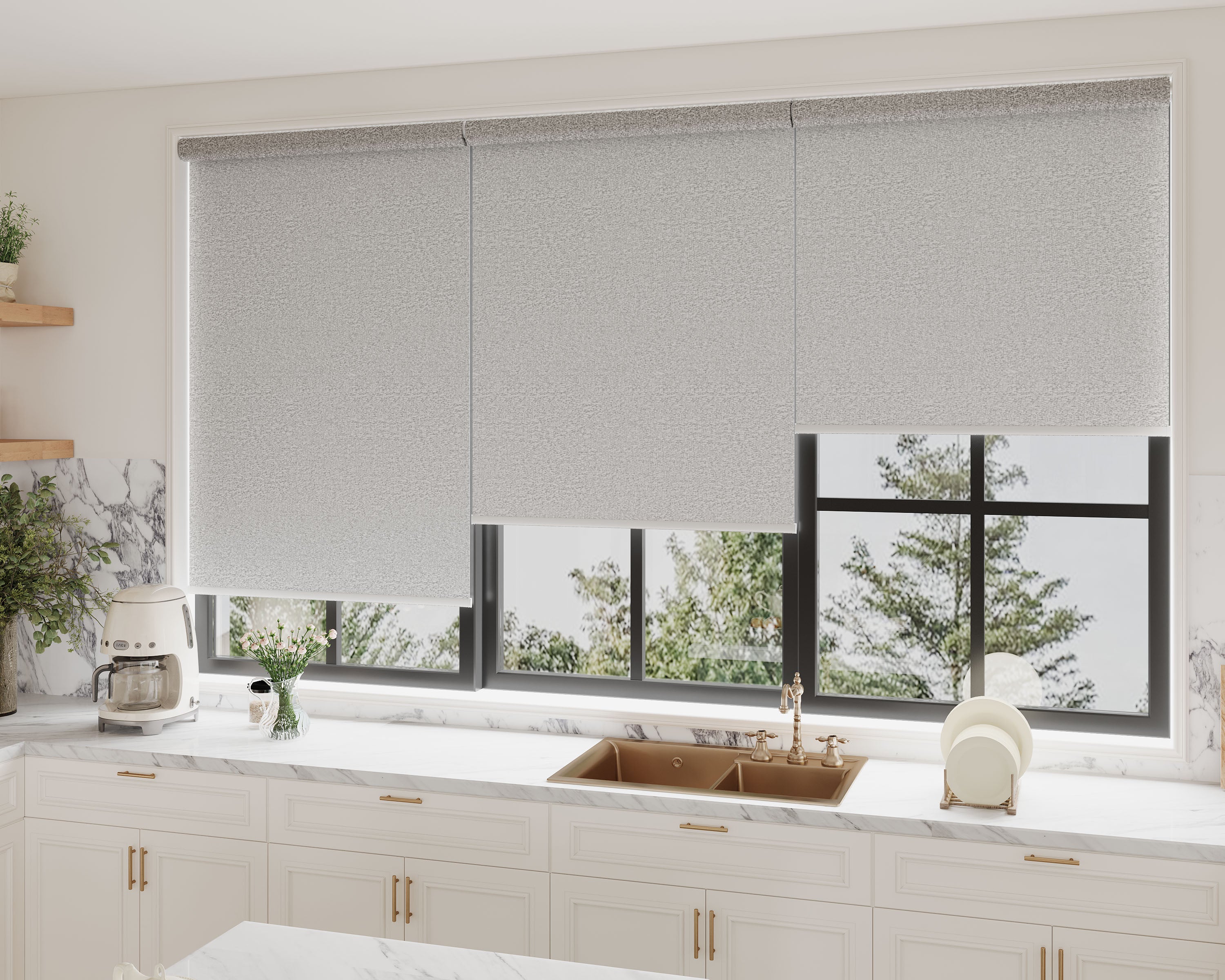

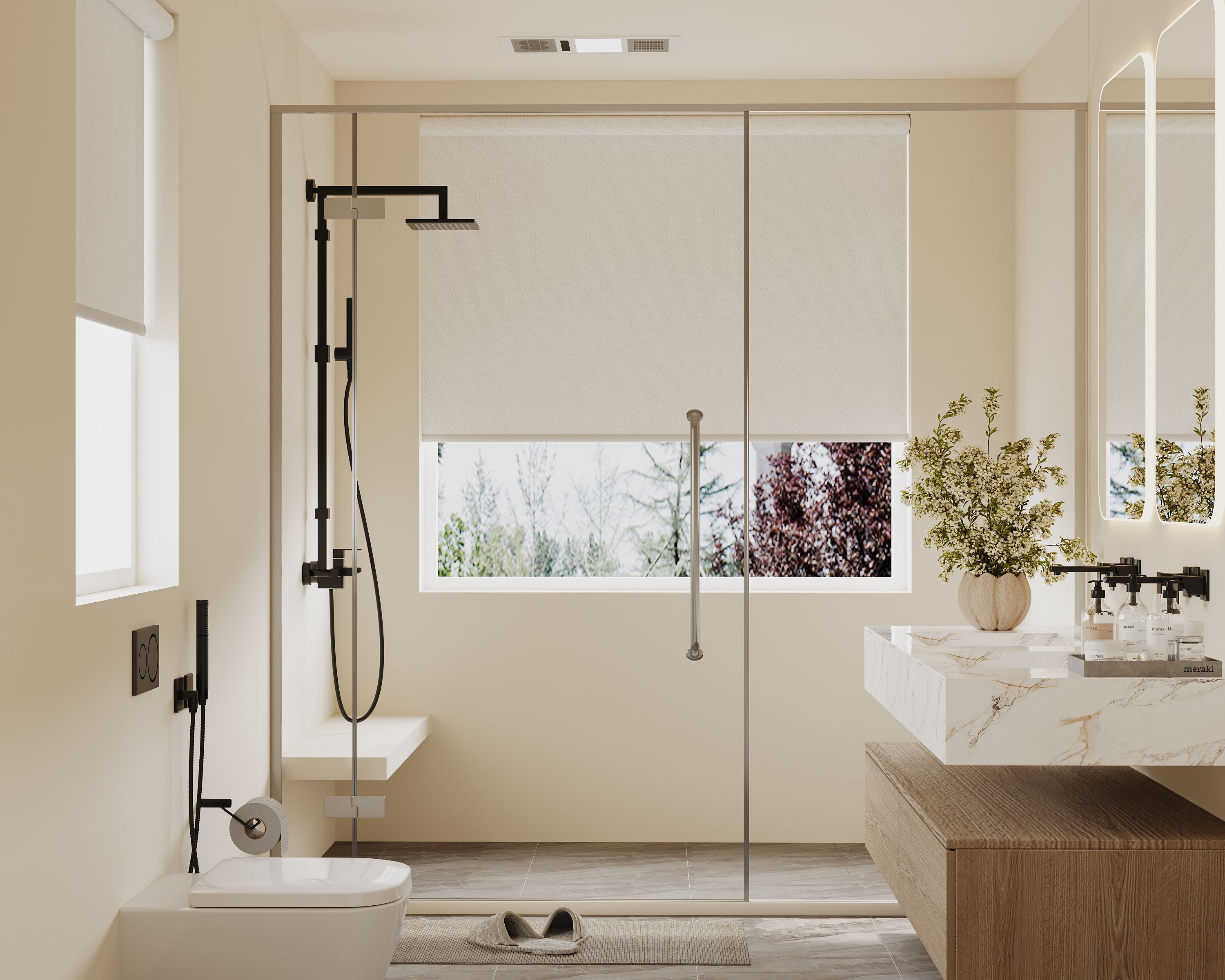


Absolutely, zebra shades are a sophisticated and highly functional choice for modern farmhouse style, acting as a perfect bridge between the aesthetic's clean lines and its rustic textures. The key to success lies in strategically selecting shades that emphasize natural materials, neutral and organic color palettes, and discreet hardware, thereby allowing their modern mechanism to recede while their texture and form enhance the space. When chosen correctly, they provide the uncluttered, light-filtering simplicity that modern farmhouse decor craves. To explore the foundational styles that work best, view our collection of versatile zebra blinds and shades.
This definitive design guide provides the detailed insight needed to make perfect stylistic choices. Here is everything you will learn:
-
A breakdown of the core modern farmhouse design principles and how the functional form of zebra shades aligns with them, moving beyond the misconception that they are too "modern."
-
A detailed guide to fabric selection, focusing on materials that mimic natural textures like linen, cotton, and woven wood, and how their visual weight affects the room's ambiance.
-
A curated color palette analysis for zebra shades, identifying the neutrals, warm whites, and earthy tones that anchor farmhouse spaces and how to pair them with wall colors and trim.
-
Hardware and installation strategies that enhance the style, from choosing the right finish for brackets to deciding between inside and outside mounts for a custom, built-in look.
-
Room-by-room application ideas demonstrating how zebra shades can solve specific light and privacy challenges in farmhouse kitchens, living rooms, and bedrooms while elevating the design.
By the end, you will be able to confidently select zebra shades that feel intrinsically suited to a modern farmhouse home, offering 21st-century convenience without sacrificing an ounce of rustic charm.
The Design Philosophy: Why Zebra Shades and Modern Farmhouse Work Together
Modern farmhouse style is a deliberate fusion of opposites: the rugged and the refined, the vintage and the new, the organic and the streamlined. Zebra shades, contrary to first impression, fit this dialectic beautifully.
-
Clean-Lined Simplicity vs. Ornate Clutter: The farmhouse aesthetic rejects fussiness in favor of purposeful design. Zebra shades offer a supremely clean, geometric profile—a simple roll of fabric—that aligns with this principle. They provide a visual rest against more textured elements like shiplap, reclaimed wood, or patterned tile.
-
Natural Light Management: Flooding spaces with soft, diffused natural light is a hallmark of the style. Zebra shades are unparalleled tools for this, allowing you to fine-tune the quality of light from bright and open to soft and intimate without the bulk of heavy drapes, preserving the airy feel essential to modern farmhouse.
-
The Balance of "Old" and "New": The charm comes from the contrast. A sleek, technologically advanced shading solution (especially when motorized) sitting within a window framed by vintage-inspired trim or against a barn door creates the compelling tension that defines the style. It’s about honoring tradition while embracing contemporary comfort.
Selecting the Right Fabric: The Illusion of Natural Texture
The fabric choice is the most critical factor in ensuring your zebra shades feel at home. The goal is to select materials that visually communicate warmth and tactility.
Top Material Choices for Farmhouse Style:
-
Linen-Look Polyester: The single best option. High-quality polyester is engineered to replicate the slubby, irregular weave of natural linen. It provides the desired organic texture and light-diffusing quality while offering superior durability, color consistency, and resistance to fading—addressing the practical needs of sun-filled farmhouse kitchens and living rooms. This approach to material selection is key for long-term satisfaction.
-
Cotton-Weave or Canvas-Style Textures: Fabrics that mimic the matte, substantial feel of cotton canvas or sailcloth bring a casual, grounded feel. These work exceptionally well in more casual spaces like sunrooms, covered porches (with appropriate materials), or rustic bedrooms.
-
Woven Wood or Bamboo Blends: For a direct connection to natural materials, some zebra shades incorporate textured weaves that simulate bamboo or slender woods. These add significant visual warmth and are perfect for spaces where you want to emphasize a connection to nature. It’s important to ensure the construction is durable, as these can be more susceptible to wear.
Opacity and Light Play:
-
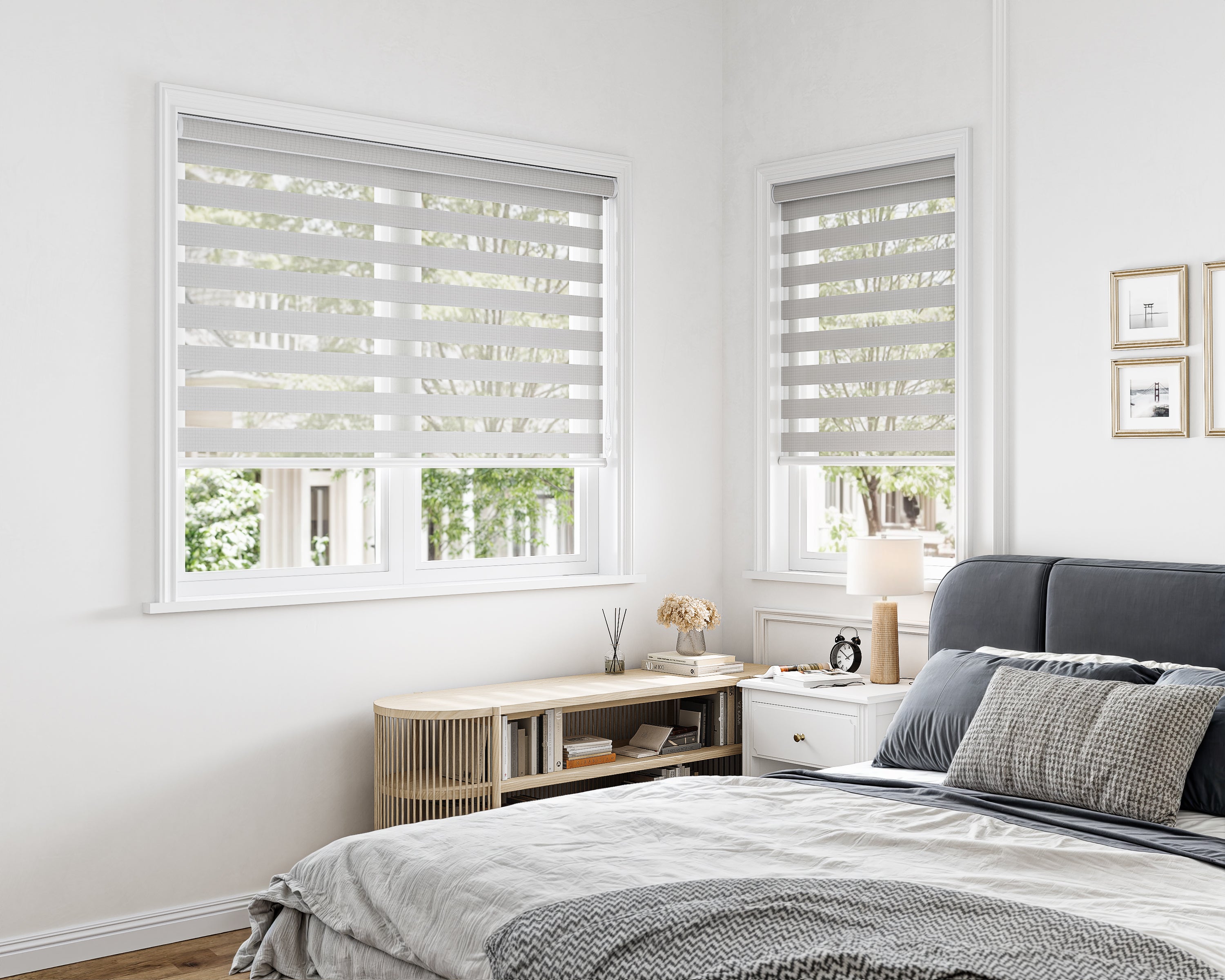
Light Filtering: Ideal for maintaining the bright, airy core of farmhouse style. Sheer bands allow a glowing haze of light, softening the space and highlighting textures.
-
Room Darkening: Choose this for bedrooms or media rooms within the farmhouse. The key is to ensure the opaque bands still have a natural, matte texture, not a shiny or synthetic appearance.
Curating the Perfect Color Palette
Color ties the shades to the broader design narrative. Modern farmhouse palettes are rooted in neutrals derived from nature.
-
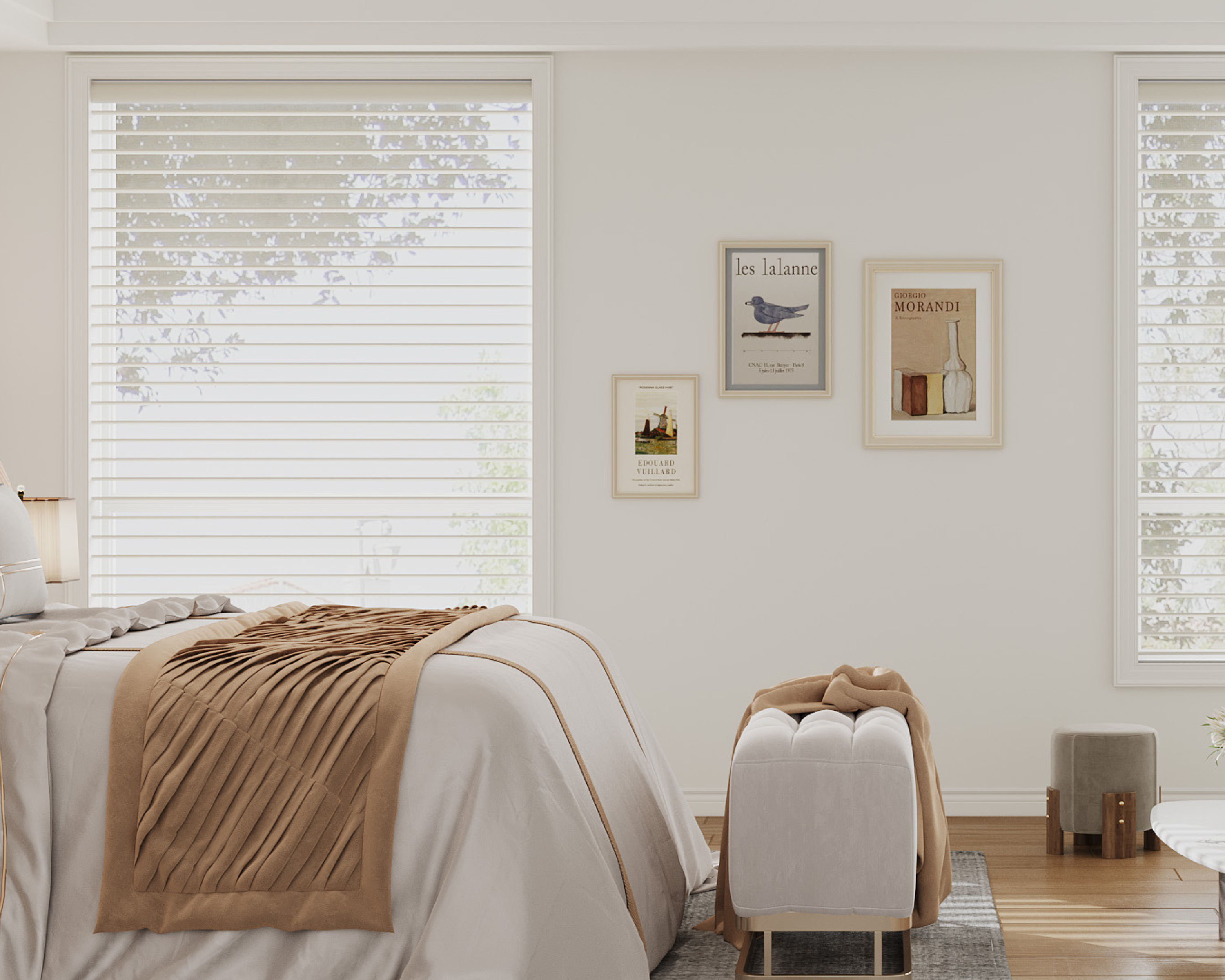
The Foundation: Warm Whites & Creams: Shades like linen, oyster, cream, and soft ivory are flawless choices. They brighten the space, blend seamlessly with white shiplap or trim, and act as a neutral backdrop for other textures. Avoid stark, cool whites which can feel too clinical.
-
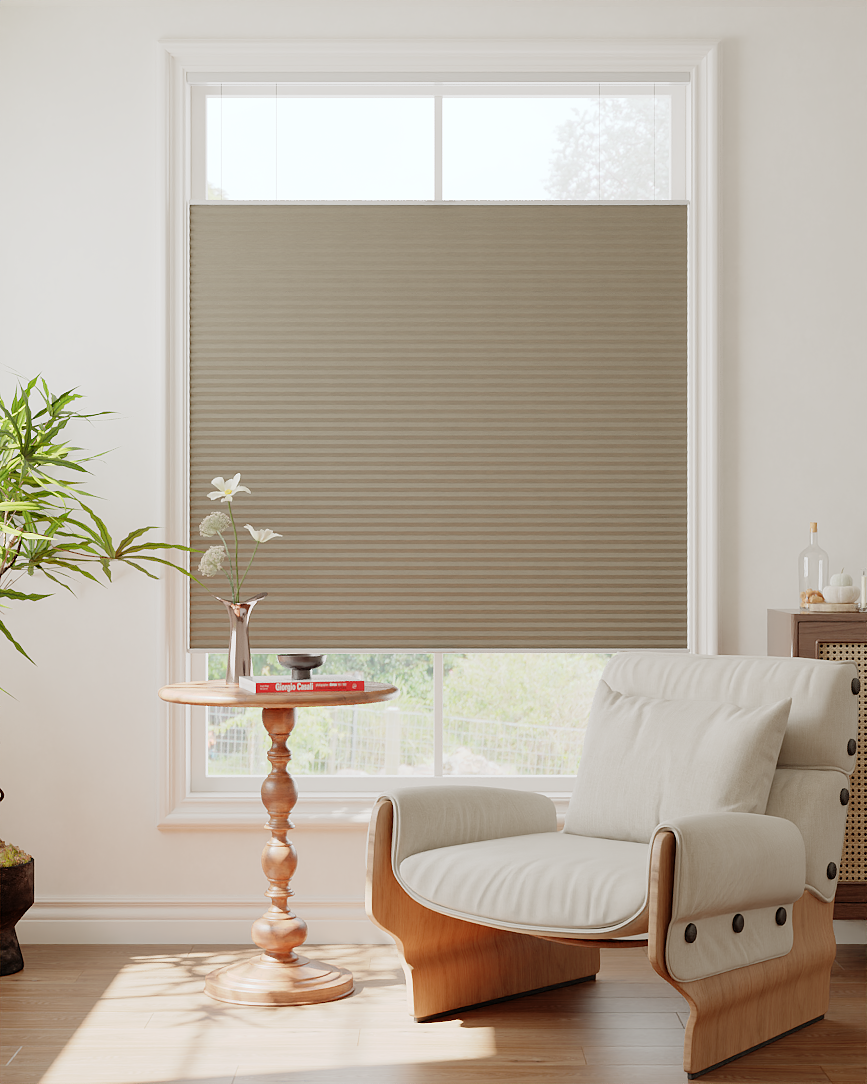
The Neutrals: Greige, Taupe, and Putty: These sophisticated, warm grays are the workhorses of modern farmhouse. They add depth and a contemporary edge without introducing coolness, pairing beautifully with wood tones, black hardware, and woven accents.
-
Earth Tones: Soft Sage, Misty Blue, and Clay: For a touch of muted color, select hues inspired by the landscape. A soft sage green zebra shade in a sunroom or a misty blue in a bedroom adds calm, organic interest. Keep these colors desaturated and soft.
-
The Anchor: Charcoal or Soft Black: In a space with strong white and wood contrast, a charcoal or soft black shade can be dramatic and grounding, especially on larger windows or in spaces with black window frames or lighting.
Hardware and Installation: The Finishing Touches
The installed look must feel intentional and cohesive, not like an afterthought.
-
Bracket and Headrail Finish: Opt for finishes that complement other hardware in the home.
-
Brushed Nickel or Satin Nickel: A versatile, slightly warm metal that works with most fixtures.
-
Matte Black: Excellent for creating definition and tying into black door hardware, lighting, or iron accents.
-
Oil-Rubbed Bronze: For a more traditional or rustic farmhouse feel, this darker, muted finish adds vintage character.
-
-
Mounting Strategy:
-
Inside Mount: The cleanest look for windows with substantial trim. It showcases the craftsmanship of the window casing and makes the shade feel like a built-in feature.
-
Outside Mount: Useful for windows with inadequate depth or to create a more substantial framed appearance. An outside mount in a warm white can help unify windows of slightly different sizes in an older farmhouse.
-
-
Operating Mechanism: A cordless, manual operation is the minimum for a clean, safe look. For ultimate convenience and to maintain the uncluttered aesthetic, motorization controlled by a discrete remote or integrated into a smart home system is ideal. This eliminates all physical intervention, keeping the lines pure. The choice between these systems is explored in our guide to cordless versus motorized operation.
Pairing Zebra Shades with Key Farmhouse Design Elements
| Farmhouse Element | Recommended Zebra Shade Characteristic | Design Effect Created |
|---|---|---|
| White Shiplap Walls | Light Filtering fabric in Linen White or Warm Greige. | Enhances brightness, adds subtle textural layer without competing. |
| Reclaimed Wood Accent Wall | Room Darkening fabric in Charcoal or Taupe. | Creates sophisticated contrast; allows wood to be the star texture. |
| Black Window Frames & Hardware | Any opacity in Soft Black or Heavy Linen texture. | Monochromatic, bold, and deeply cohesive. |
| Open Wooden Beams | Light Filtering Woven Wood-look or Linen fabric. | Complements natural overhead elements; enhances organic feel. |
| Subway Tile & Iron Accents | Light Filtering fabric in Putty or Cream. | Softens the hard surfaces; provides a neutral, textural backdrop. |
Room-by-Room Application and Styling
Zebra shades adapt to the specific demands of each farmhouse space.
-
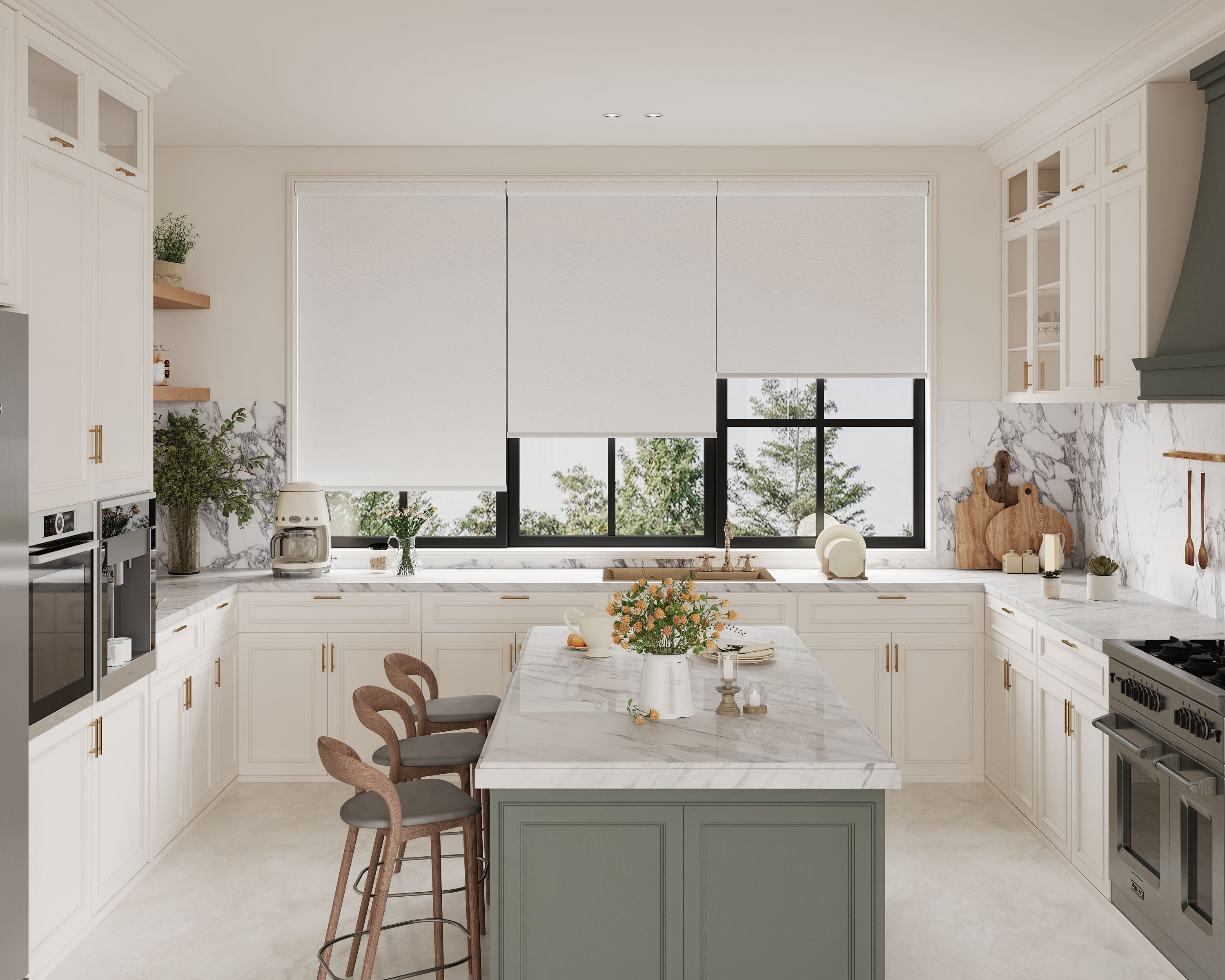
The Farmhouse Kitchen: The heart of the home demands function and beauty. Here, zebra shades in a durable, linen-look polyester are perfect. They control glare on surfaces and screens, provide privacy from the porch, and their easy-clean surface handles kitchen humidity and splatters. A warm white or greige aligns with classic cabinetry.
-
The Great Room/Living Area: This is where light control is most dynamic. Zebra shades allow you to adjust for movie night, bright family time, or soft evening ambiance. Choose a texture that complements your primary sofa fabric (e.g., linen with linen) for harmony. Motorization here is a luxury that feels essential for managing large or multiple windows.
-
The Farmhouse Primary Bedroom: The goal is serene retreat. Opt for a room-darkening fabric in a calming earth tone like sage or misty blue to support sleep. The clean lines of the shade contribute to a tranquil, uncluttered environment. For true darkness, remember the principle of layering, as detailed in our analysis of achieving blackout conditions.
-
The Farmhouse Bathroom: In a powder room or master bath with appropriate moisture-resistant fabrics, a zebra shade in a crisp white offers privacy without the heaviness of a shutter or the fuss of a curtain. It maintains the clean, spa-like feel that modern farmhouse bathrooms often seek.
Conclusion: A Thoughtful Synthesis of Eras
Zebra shades for modern farmhouse style are not about hiding their contemporary nature, but about leveraging it to create a compelling and functional design contrast. By consciously selecting shades that prioritize natural texture, a warm and neutral palette, and discreet hardware, you integrate a powerful tool for modern living into a style rooted in heritage.
The result is a space that feels both timeless and current, comfortable yet refined. It proves that the right modern element doesn't detract from rustic charm—it can define and elevate it, making your home as functional for daily life as it is beautiful to behold.
Key Highlights
-
Zebra shades are ideal for modern farmhouse, offering clean-lined simplicity that balances rustic textures.
-
Fabric is paramount: Choose linen-look polyester or other natural-texture mimics to provide the essential organic feel.
-
Stick to a warm, neutral palette of whites, greiges, and soft earth tones to ensure the shades feel integrated, not jarring or out of place.
-
Select hardware finishes (brushed nickel, matte black) that complement other metal accents in your home for a cohesive look.
-
Leverage their light-control strength to create the bright, airy spaces and soft, intimate evenings central to the farmhouse experience.
Explore Custom Zebra Shades


Frequently Asked Questions (FAQ)
Are zebra shades too "modern" or "commercial" for a cozy farmhouse?
Not when specified correctly. The perception of them being commercial comes from seeing them in sleek, minimalist settings or with shiny, synthetic fabrics. By choosing a shade with a pronounced linen texture, a warm putty color, and mounting them within charming window trim, you completely transform their context. They become a quiet, textural element that provides function without demanding stylistic attention.
What window treatments do I pair with zebra shades in a farmhouse setting?
Zebra shades often work best alone in modern farmhouse to maintain clean lines. However, for added warmth and softness, you can layer them with simple, natural fabric drapes in a similar color palette. Install a sturdy wood rod high above the window, and use drapery panels that can be fully pushed to the sides during the day, allowing the zebra shade to remain the primary functional layer.
Can I use zebra shades in a farmhouse with traditional double-hung windows?
Yes, they are excellent for this. Inside-mounted zebra shades on double-hung windows provide a clean, updated look while preserving the traditional window architecture. They simplify the window's appearance and offer far better light control than traditional blinds or shades that sit between the panes.
How do I choose between a light filtering and room darkening zebra shade for my farmhouse bedroom?
Prioritize room darkening for any sleeping space. The ability to achieve a dark, restful environment is crucial. You can still use the adjustable bands to create a soft, filtered light when you want it. For a true sanctuary, consider a room-darkening zebra shade as your day-to-day layer and have blackout curtains on a separate rod that can be drawn at night for absolute darkness, utilizing the two-layer light control strategy.
