
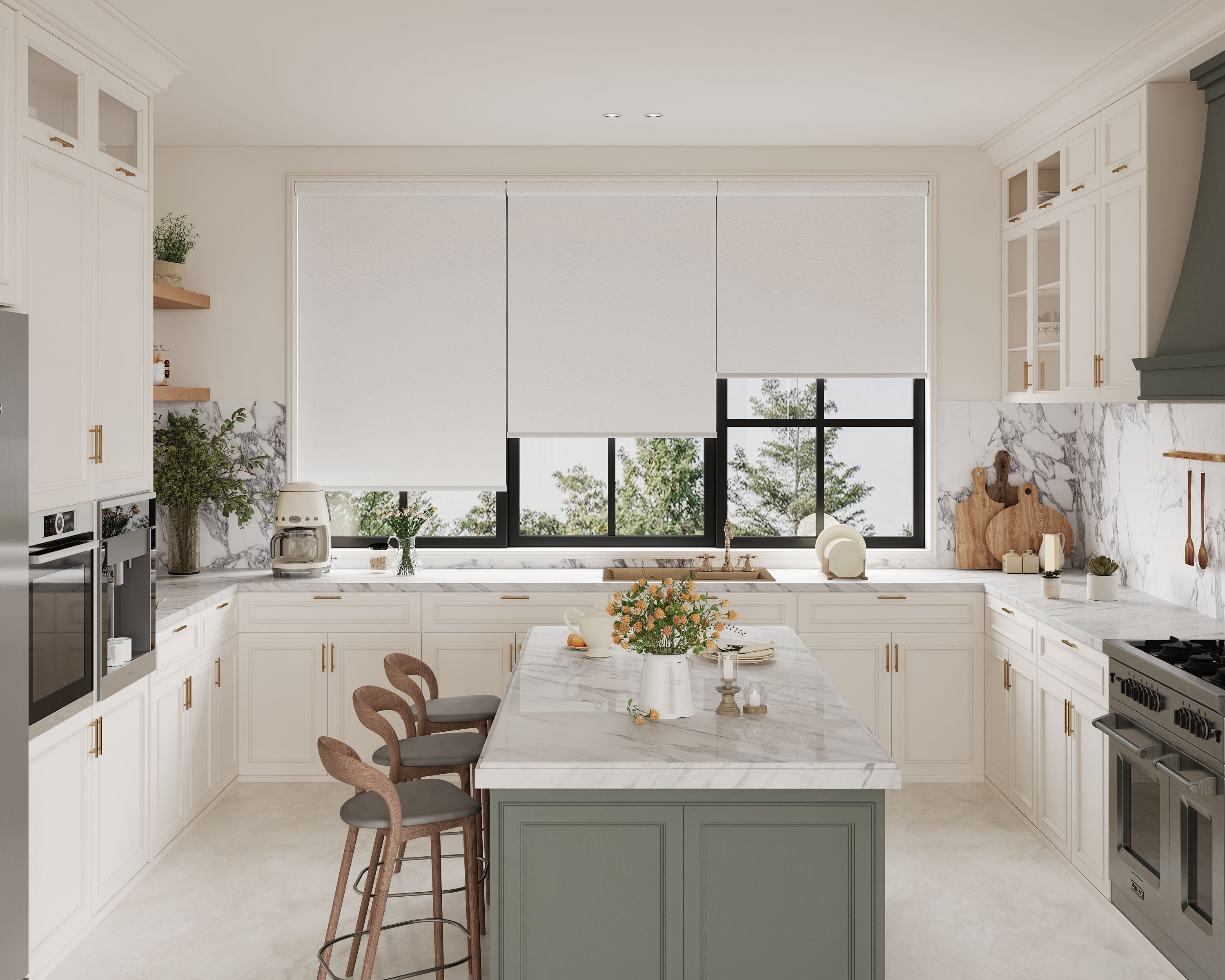
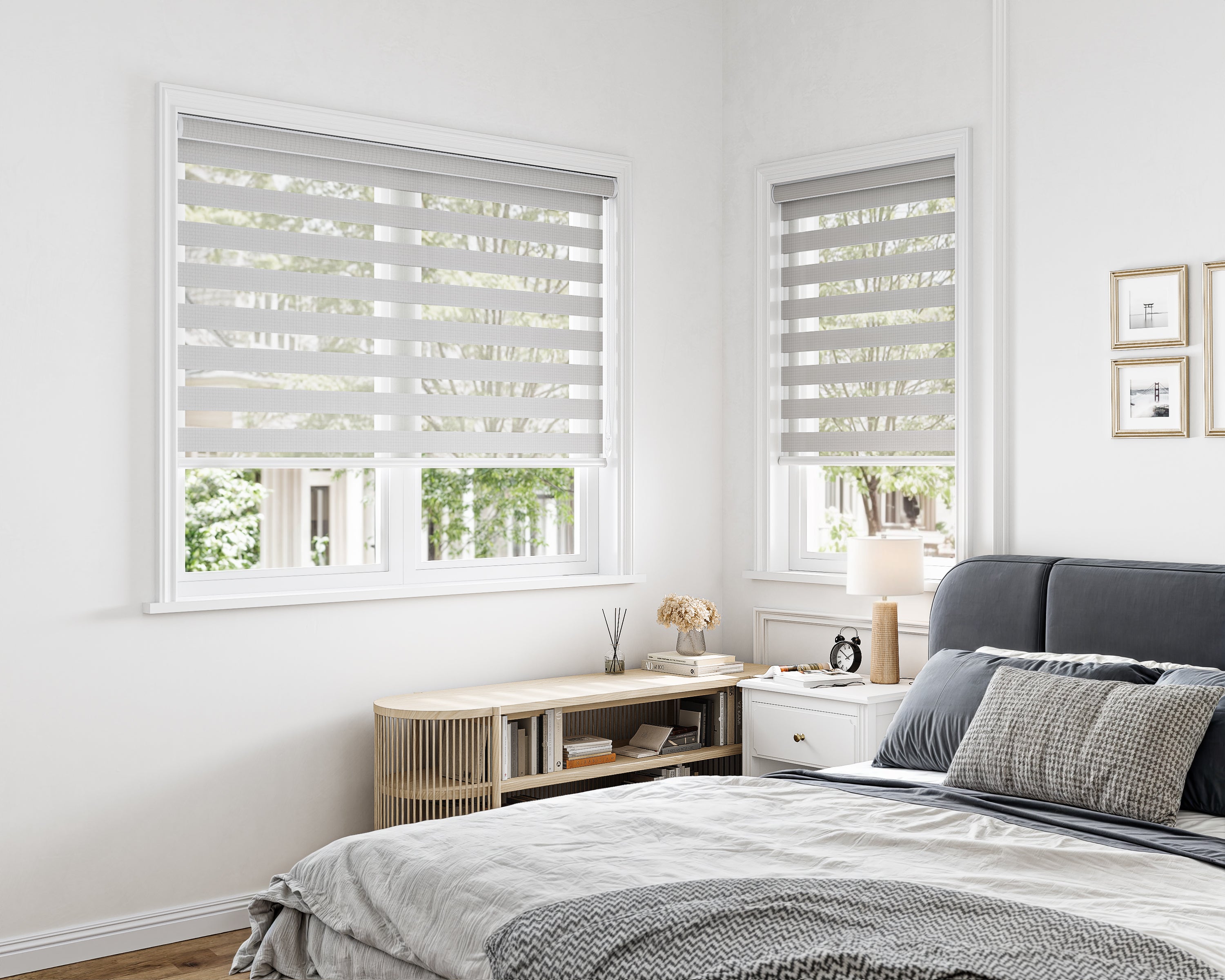
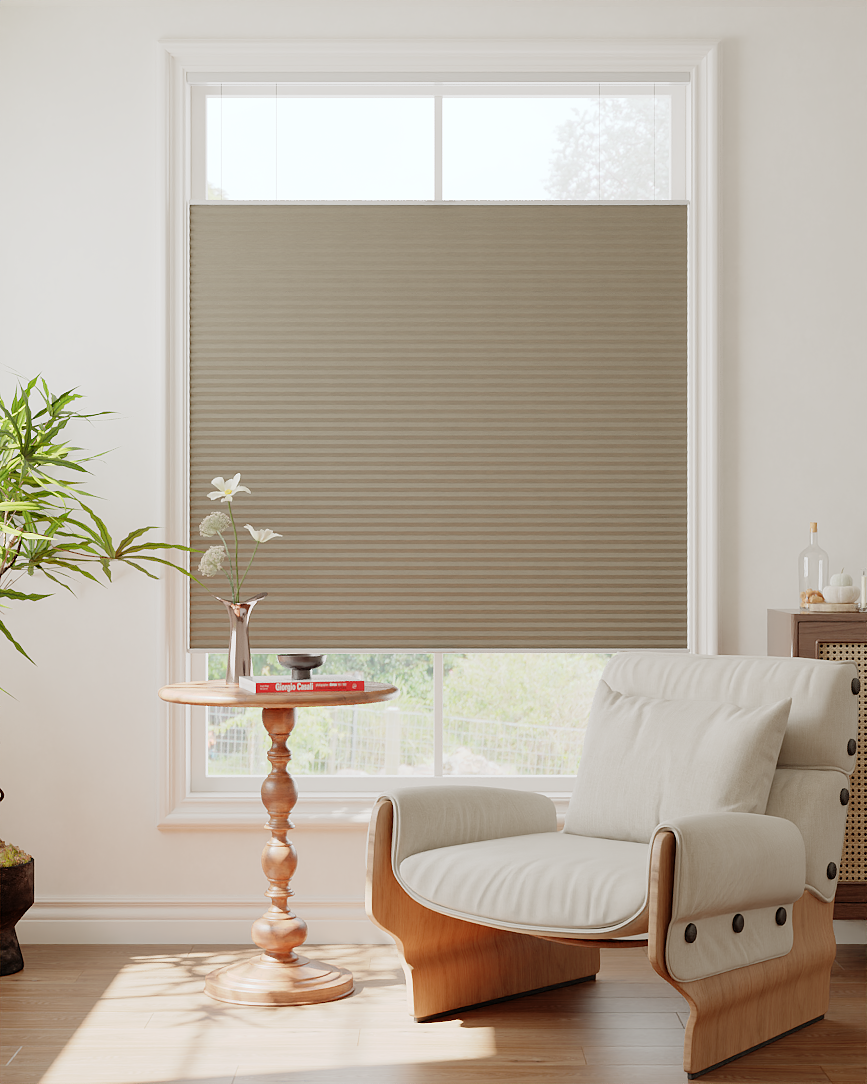
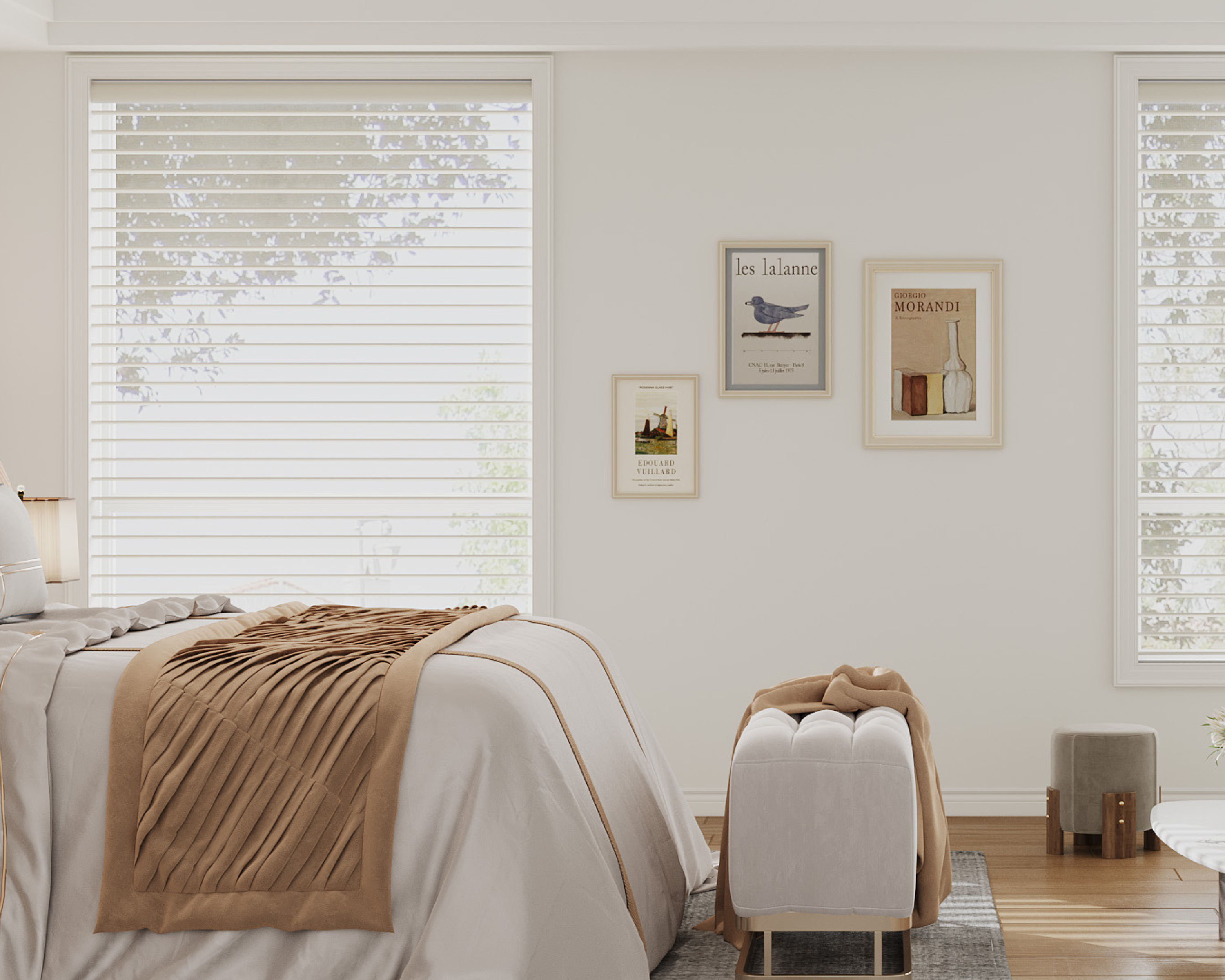
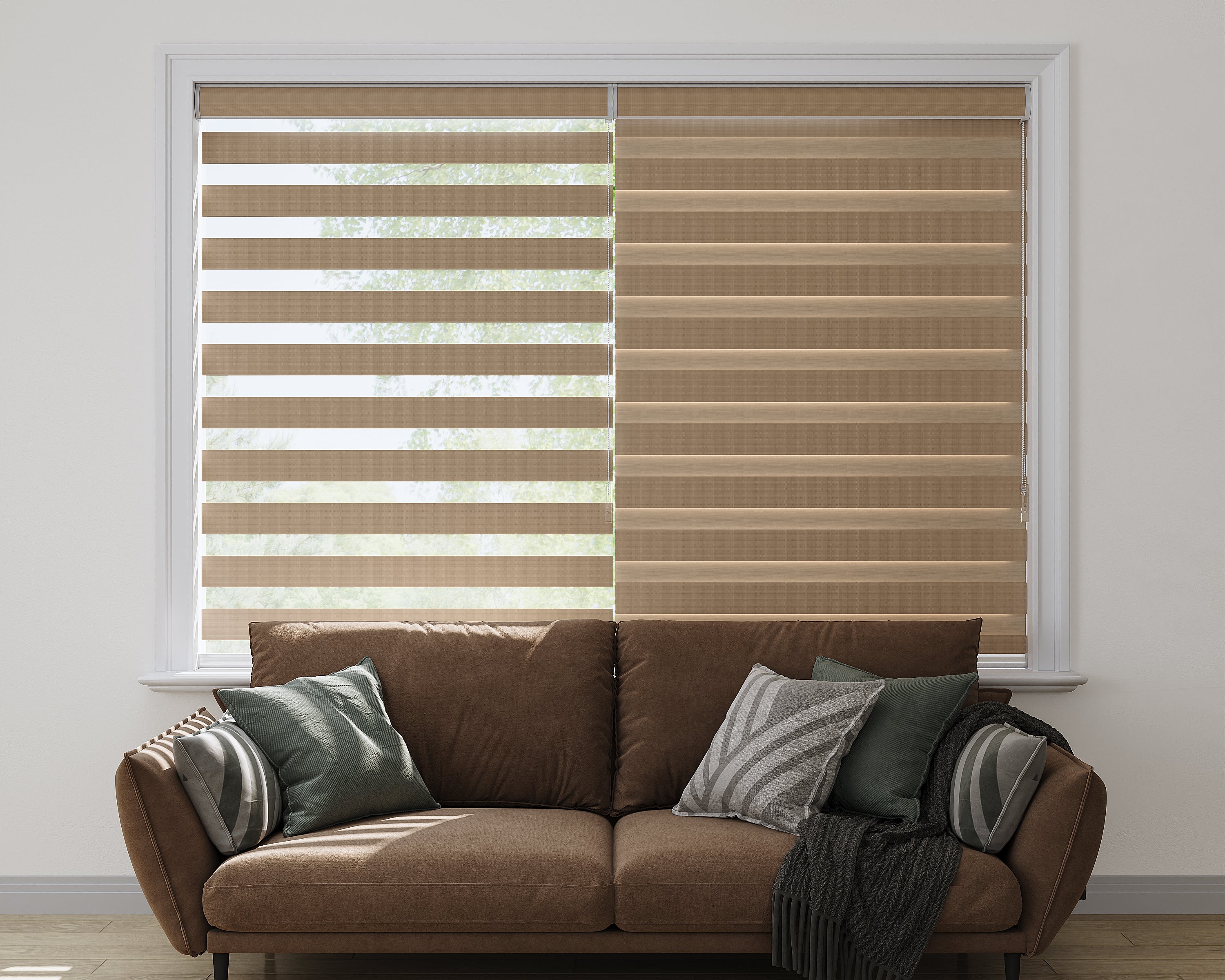
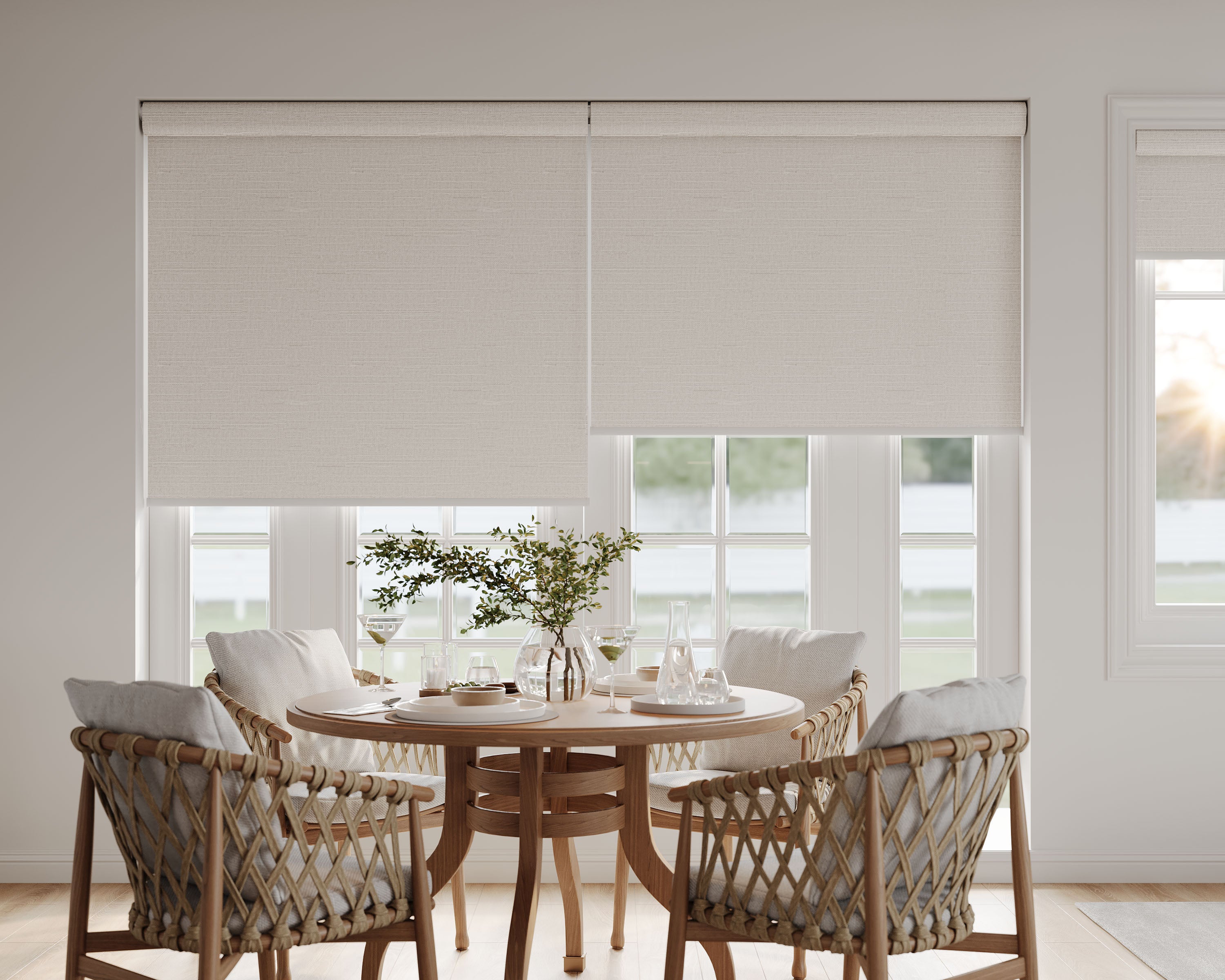


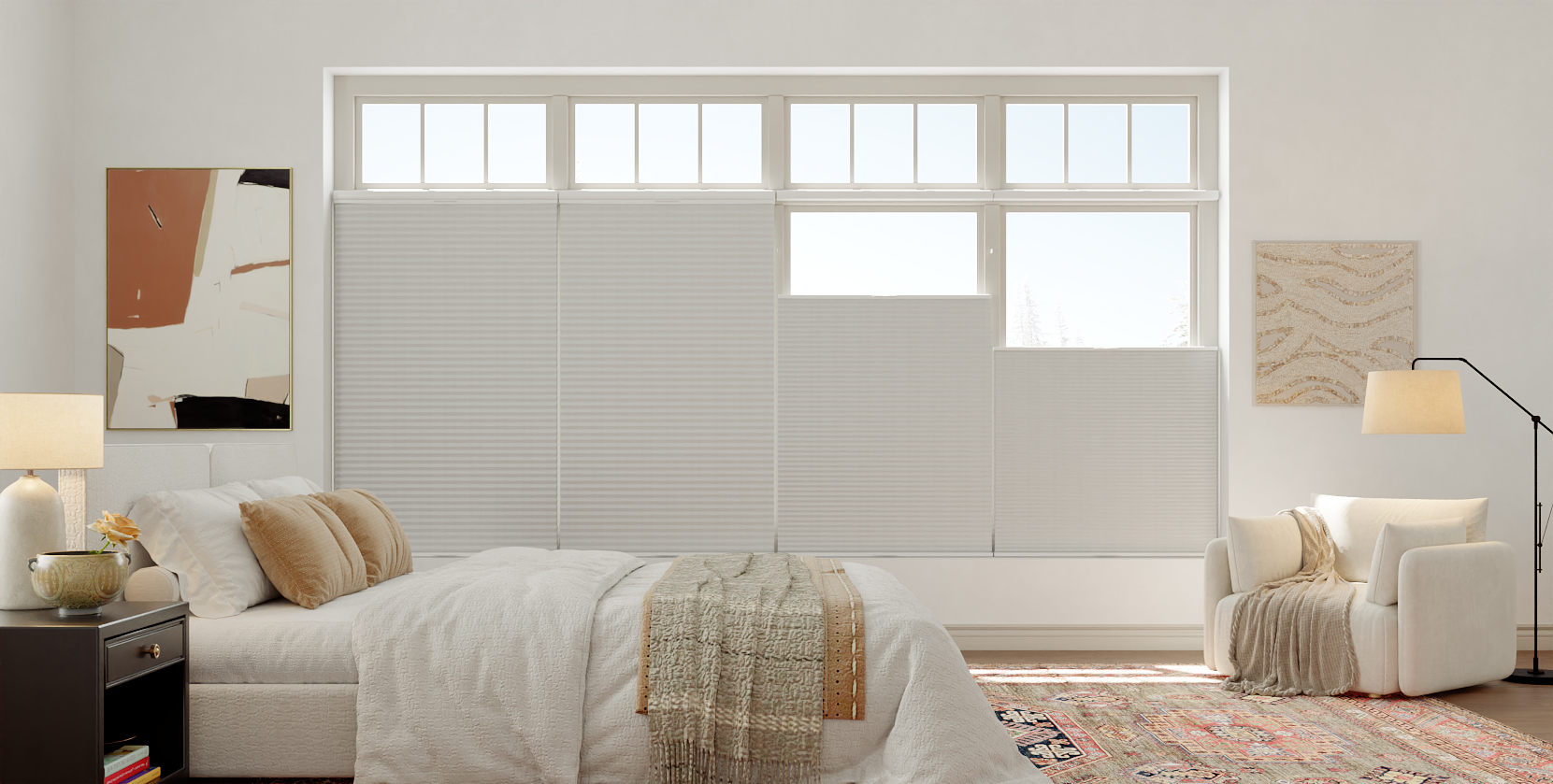


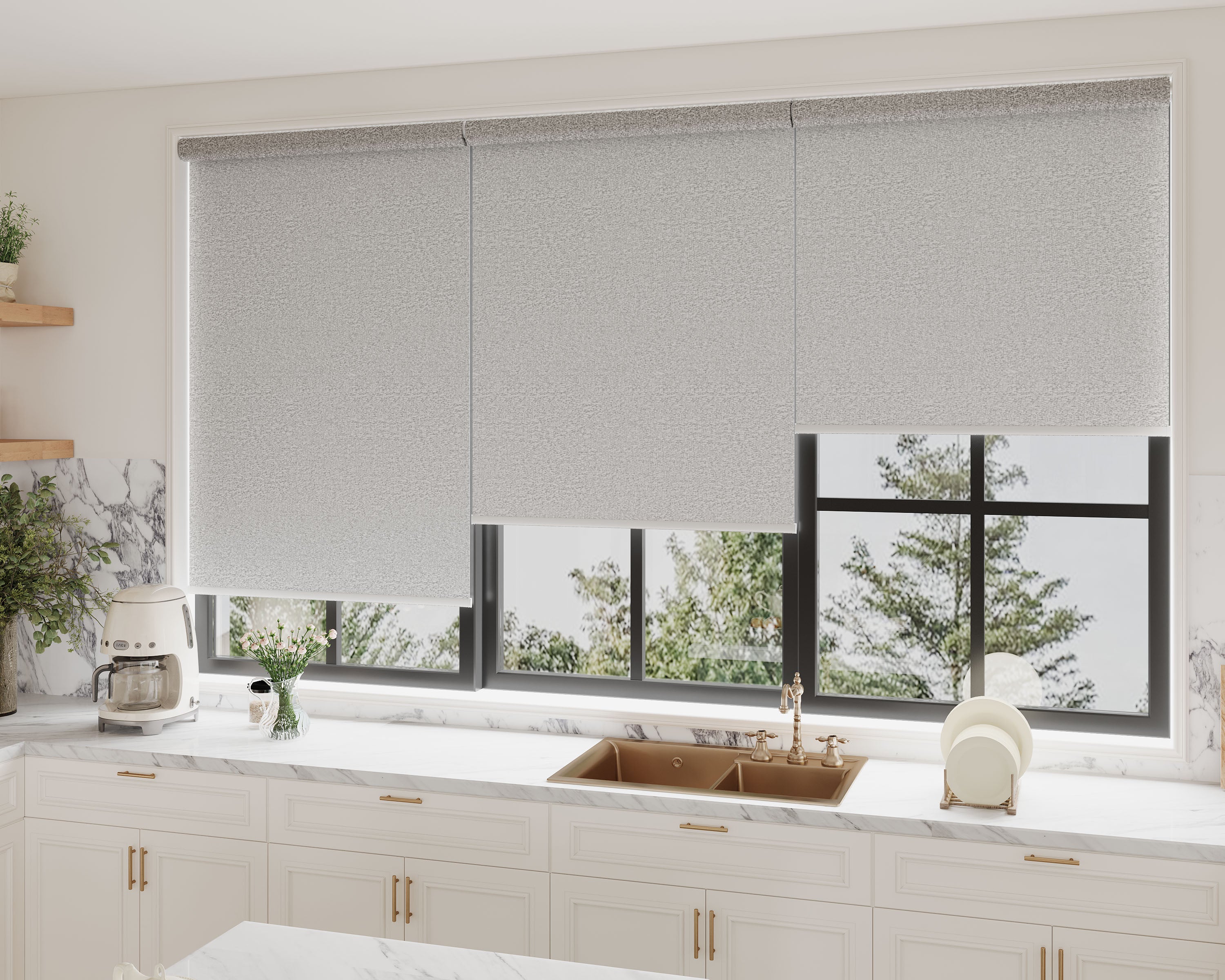

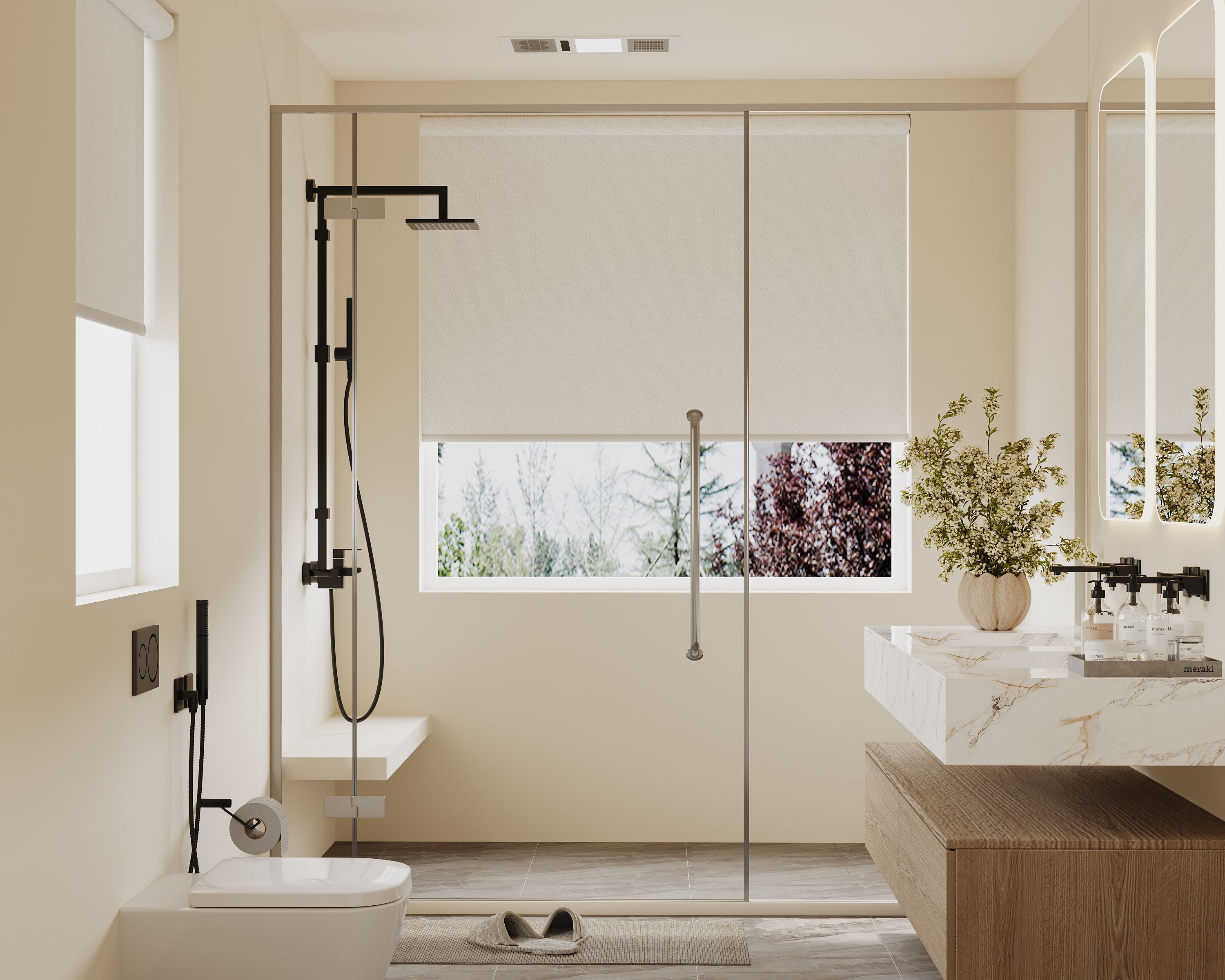


Based on a comprehensive analysis of the market and pricing factors, zebra shades typically cost between $100 and $500 per window for a quality, custom-made product. Premium options with high-end fabrics or smart motorization can reach $600 to $1,500 or more per window. This wide range exists because the final price is a custom calculation based on your specific windows, material choices, and desired features. This definitive guide will break down every cost factor, provide realistic price tiers, and offer actionable strategies to help you budget smartly for your project, ensuring you understand exactly what you are paying for.
Here’s what you’ll learn:
-
A clear breakdown of price tiers, from budget-friendly to premium custom designs.
-
The five key factors that have the biggest impact on your final cost.
-
How zebra shade costs compare to other popular window treatments like roller and cellular shades.
-
Practical tips and common considerations to watch for when ordering.
-
How to determine the best value for your specific needs and home.
Understanding the cost starts with exploring the features and materials available for modern window treatments offering adjustable light control.
Understanding Zebra Shade Price Tiers
Zebra shade prices are best understood in distinct tiers: Budget, Mid-Range, and Premium. Where your project falls depends largely on whether you choose ready-made or custom products, the quality of materials, and the level of convenience you desire.
Budget Tier: $30 - $150 per Window
This tier consists primarily of ready-made, standard-size shades from large retailers. They are often made from basic polyester fabrics and come with manual operation (cords or simple lift systems). While attractive for their low upfront cost—with some basic options starting around $30—they are best suited for temporary solutions or rentals. The "one-size-fits-most" approach can lead to light gaps, and the fabrics may be more prone to fading over time. This tier is purely about function over a perfect, custom fit.
Mid-Range Tier: $150 - $400 per Window
The mid-range is considered the sweet spot for most homeowners seeking quality and value. This tier introduces true custom sizing, where shades are made to your exact window measurements for a perfect fit. You gain access to better fabric quality, more color and texture options, and crucial upgrades like cordless operation for child safety. A quality custom zebra shade for a standard-sized window (e.g., 36 inches wide) often falls in the $200 to $350 range. This is also the tier where motorization becomes a feasible upgrade, adding to the cost but significantly enhancing convenience. Getting your window measurements precisely right with a tape measure is the most critical step in this tier to avoid expensive errors from incorrect sizing.
Premium Tier: $400 - $1,500+ per Window
The premium tier is defined by high-end materials and advanced integration. This includes designer fabrics like textured linens or silk blends, sophisticated motorization systems with smart home integration, professional measurement and installation services, and solutions for unusually large or shaped windows (like arched or floor-to-ceiling installations). Prices escalate quickly with size and complexity; a very large window or sliding glass door can easily cost $400 to $700 or more. This tier is for homeowners who view window treatments as a long-term investment in home automation, design, and performance, where the shades become an integral part of the home's functionality and aesthetic.
The 5 Major Factors That Determine Your Cost
Understanding what drives the price allows you to make informed trade-offs and allocate your budget effectively. The final number is rarely arbitrary; it's the sum of clear, definable choices.
| Factor | Impact on Cost | Details & Considerations |
|---|---|---|
| 1. Window Size & Quantity | High | The single biggest cost driver. Fabric and mechanisms are priced by width and height. A 72-inch wide window can cost nearly double a 36-inch window. Using one large shade for a multi-pane picture window is often more cost-effective than multiple smaller ones. |
| 2. Fabric Quality & Opacity | Medium-High | Basic polyester is standard; upgraded weaves, textures, and natural blends (linen, cotton) cost more. Room-darkening or blackout fabrics typically add a 15-30% premium compared to standard light-filtering options due to denser material. |
| 3. Operating System | Medium | Manual corded systems are the baseline. Cordless lift adds $20-$50 per shade. Motorization is a significant upgrade, adding $100 to $300+ per unit. The choice between battery-powered and hard-wired motor systems also affects both upfront and long-term operational costs. |
| 4. Customization & Installation | Variable | Professional installation typically adds $100 to $200 per project. Other add-ons include valances, special bottom hems, or side channels (for better light blocking). DIY installation can eliminate this cost but requires precision. The trade-offs between DIY and professional installation of window shades are worth careful consideration. |
| 5. Brand & Purchasing Channel | Variable | Direct-to-consumer online brands often offer better value by cutting out middlemen. Specialty showrooms may provide premium service and exclusive fabrics at a higher price point. Always compare what is included (e.g., shipping, hardware). |
How Zebra Shade Costs Compare to Other Window Treatments
When budgeting, it's helpful to see how zebra shades stack up against alternatives. They generally occupy a middle ground, offering more features than basic roller shades but at a different value proposition than high-end shutters or highly insulating options.
| Shade Type | Typical Price Range (Per Custom Window) | Pros | Cons |
|---|---|---|---|
| Roller Shades | $100 - $300 | Simple, sleek, easy to clean, vast fabric options. | Less precise light control, can look basic. |
| Zebra Shades | $150 - $500 | Excellent adjustable light & privacy, modern aesthetic, space-saving. | Not a true 100% blackout, more moving parts than a roller shade. |
| Cellular/Honeycomb Shades | $150 - $550 | Superior insulation (energy efficiency), clean look, noise dampening. | Bulkier profile, limited view when down. For a detailed analysis, see our comparison of the insulation properties of cellular and roller shades. |
| Roman Shades | $200 - $600+ | Elegant fabric folds, luxurious traditional look, soft light diffusion. | Can be high-maintenance, fabric stacks when raised, not ideal for humid rooms. |
| Plantation Shutters | $200 - $1,000+ | Permanent fixture, adds to home value, highly durable, precise louver control. | Most expensive, blocks window view when open, complex installation. |
Smart Shopping: How to Get the Best Value
You can achieve a high-quality look without overspending by shopping strategically and focusing your budget on what matters most for your space.
-
Time Your Purchase: The off-season for window treatments (typically late fall and winter) is when retailers most frequently offer sales. Planning ahead can secure discounts of 20-40% on custom orders.
-
Prioritize Custom Sizing Over Fancy Fabrics: A perfect-fit, mid-grade custom shade will look and function better than a poorly-fitting premium fabric. Focus your budget on getting the size right first, as this impacts performance and aesthetics more than a slight fabric upgrade.
-
Be Strategic with Upgrades: You likely don't need motorization in every room. Consider it for large or hard-to-reach windows (like above a staircase), and choose cordless lifts in others for safety and a clean look. This selective approach optimizes cost.
-
Order and Inspect Fabric Samples: Always order free fabric samples. Seeing and feeling the material in your home's actual light at different times of day is irreplaceable. It prevents the costly mistake of ordering a color or texture that doesn't work in your space.
-
Understand the Full Quote: When receiving a price, ensure it includes all components: fabric, hardware, lift mechanism, shipping, and taxes. Ask specifically about any potential extra charges for oversized windows, special shapes, or a professional measure service.
Conclusion
The cost of zebra shades is a direct reflection of customization and choice. While you can find basic options for under $100, most homeowners investing in a lasting solution should budget $200 to $400 per standard-sized window for a quality, custom-made shade with desirable features like a cordless lift. The key is to identify which factors—be it exact sizing, precise light control, or automated operation—are non-negotiable for your space and allocate your budget accordingly. By understanding the variables at play, from window width to fabric opacity, you can confidently navigate the purchasing process and select zebra shades that fit both your windows and your budget perfectly.
Key Highlights:
-
Window size is the top cost driver, making accurate measurement your first and most important step toward an accurate budget.
-
Investing in custom sizing in the mid-range tier offers the best balance of value, aesthetics, and function for most homes.
-
Motorization is a significant but transformative upgrade, typically adding $100-$300 per shade, but can be applied selectively.
-
Strategic shopping, like buying during sales and choosing upgrades based on room needs, leads to substantial savings without compromising on quality.
Explore Custom Zebra Shades


Frequently Asked Questions (FAQ)
How much does a zebra shade cost for a standard window?
For a standard window (36 to 48 inches wide), you can expect a quality custom zebra shade to cost between $200 and $350. This typically includes a mid-range fabric and a standard cordless lift system. The price can move higher with motorization, premium fabrics, or professional installation, and lower if you select a basic fabric or a simpler operating system.
What adds the most to the cost of zebra shades?
The width and height of your window is the single largest factor, as material and mechanism costs are directly tied to size. Following that, motorization is the most impactful upgrade, and high-end or specialty fabrics (like true blackout or textured natural materials) also substantially increase the price. Professional installation for an entire home can be a significant line item but ensures perfect operation.
Are zebra shades more expensive than roller shades?
Generally, yes, for a comparable level of customization. Zebra shades typically cost 20-50% more than a basic roller shade due to their more complex dual-layer fabric construction and mechanism that allows for adjustable light control. However, they offer a unique functionality that standard roller shades cannot, which justifies the price difference for many homeowners.
Is professional installation worth the extra cost?
This depends on your skill level, the complexity of your windows, and the value of your time. Professional installation guarantees correct mounting, level placement, and smooth operation, which is crucial for proper function and often required for warranty validation. For a straightforward, standard window, a confident DIYer can install them. For very large, heavy, or hard-to-reach windows, or for a whole-home project where consistency is key, professional help is usually a worthwhile investment that prevents costly mistakes.
