
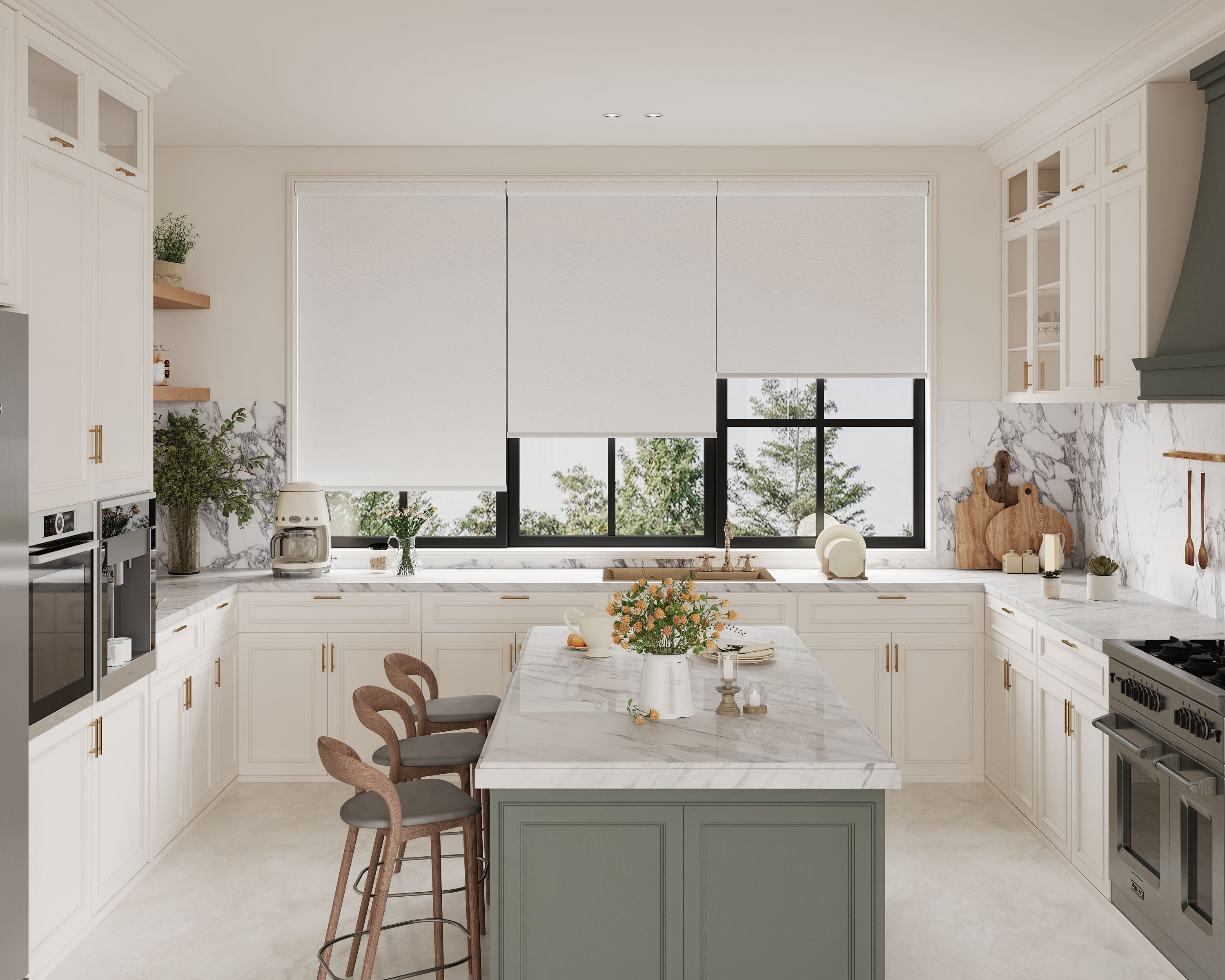
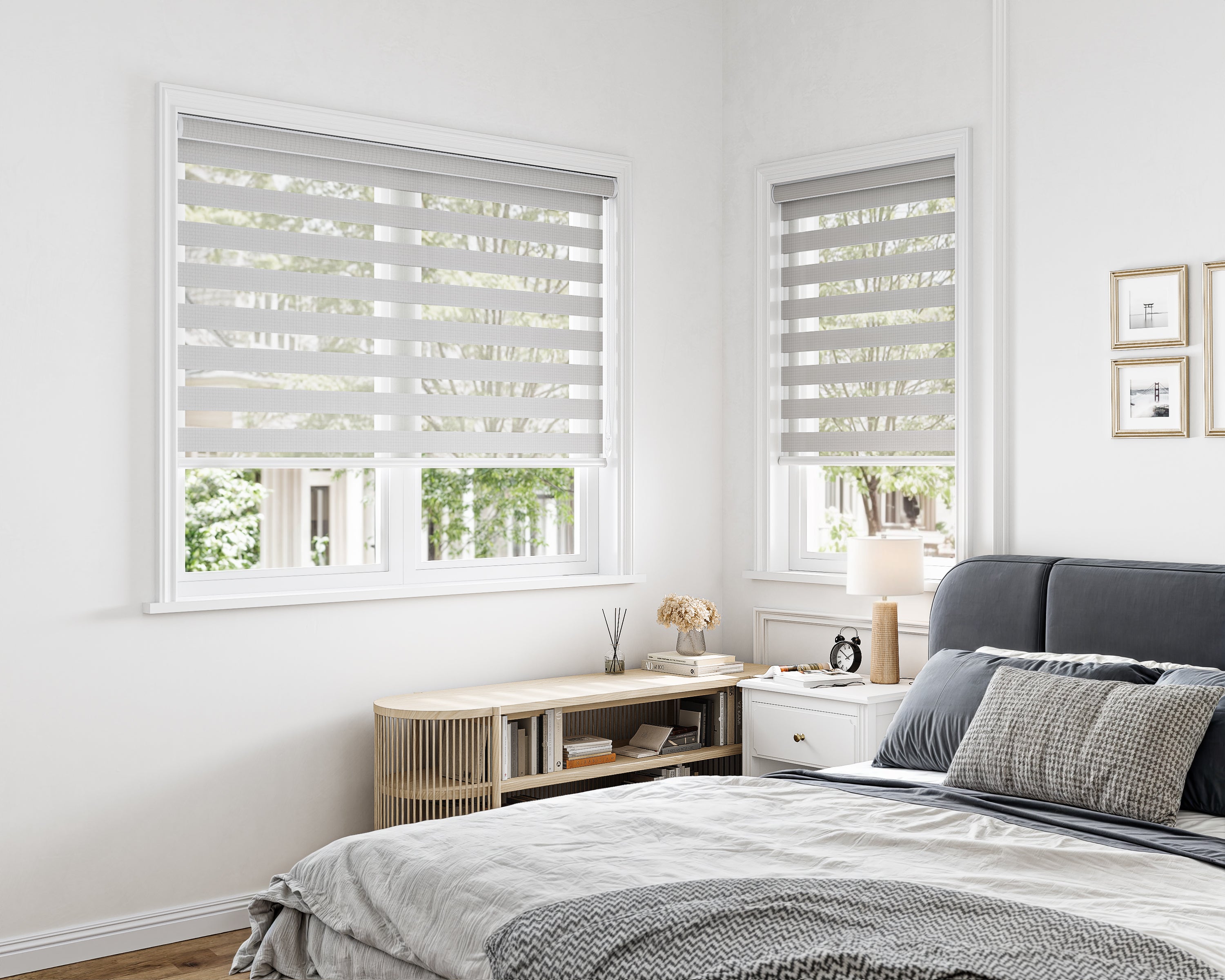
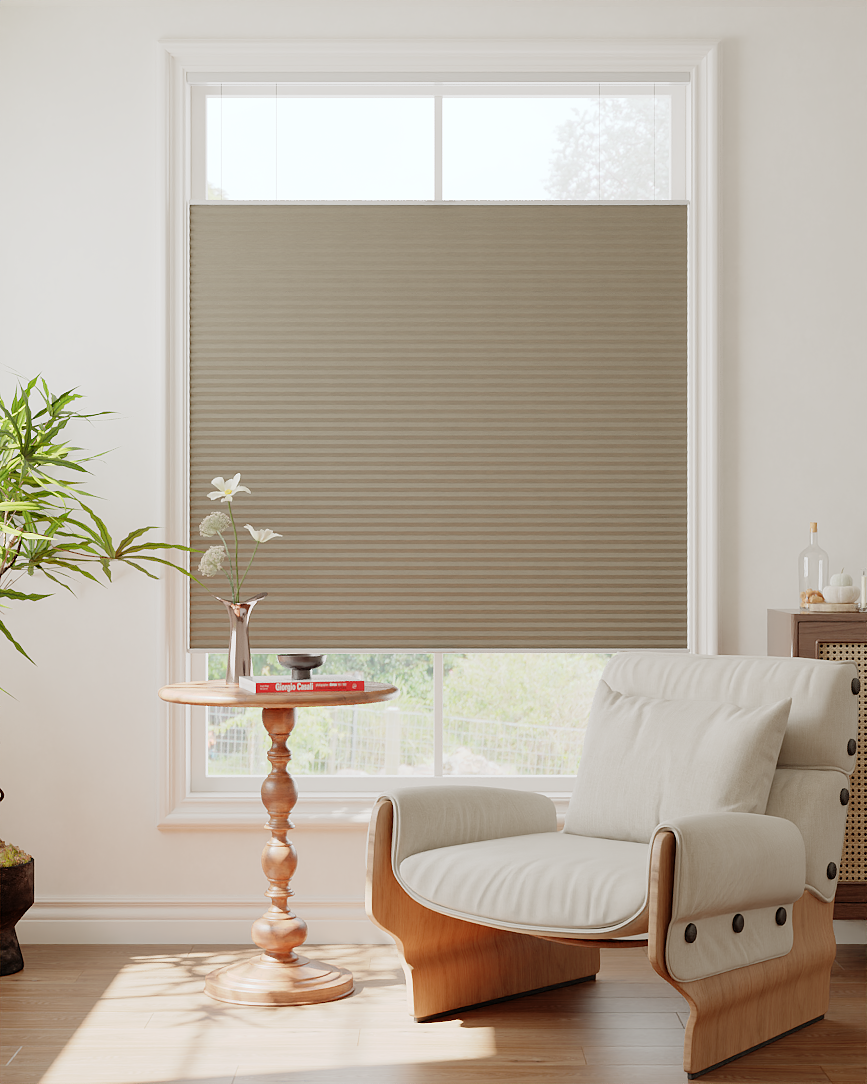
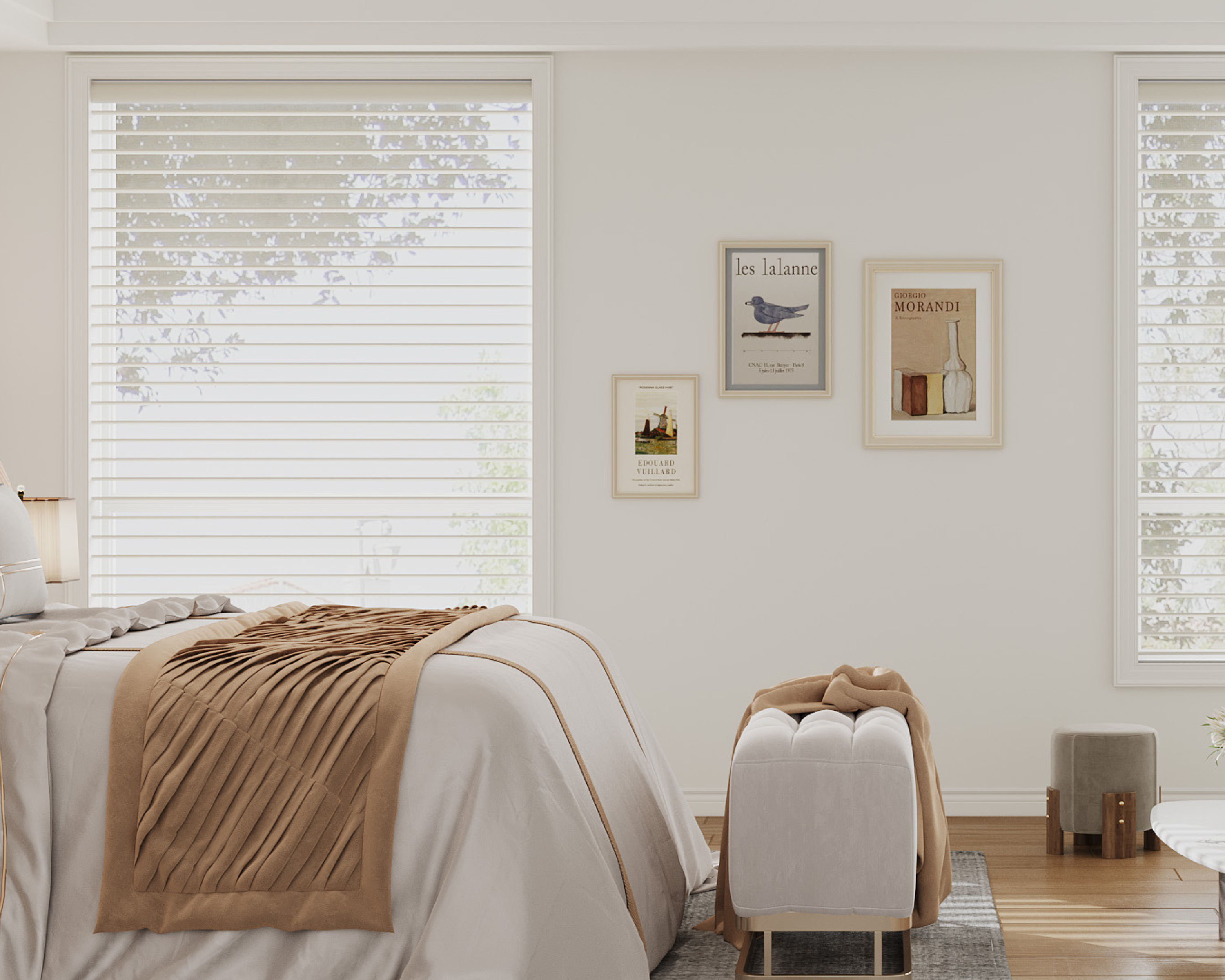
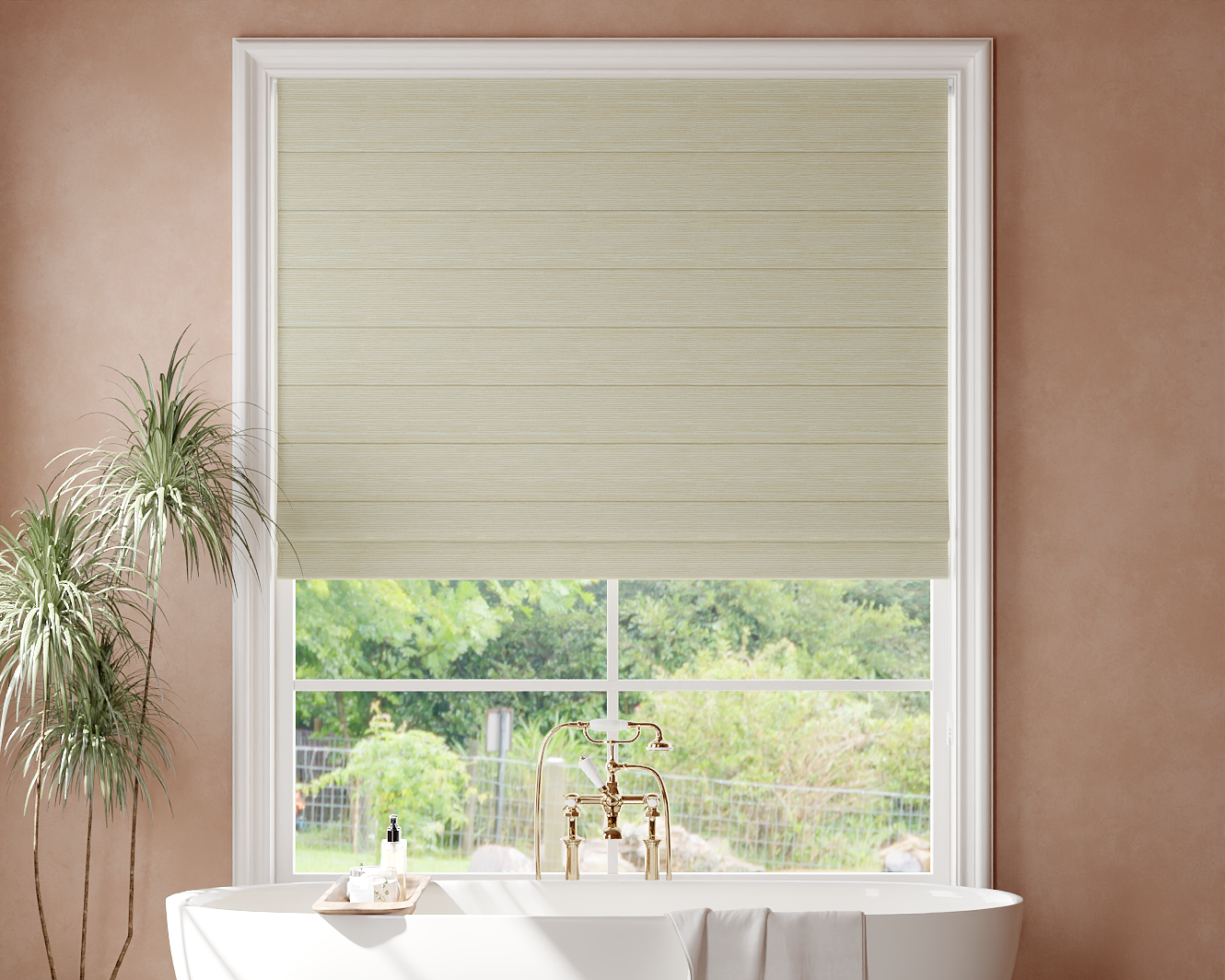
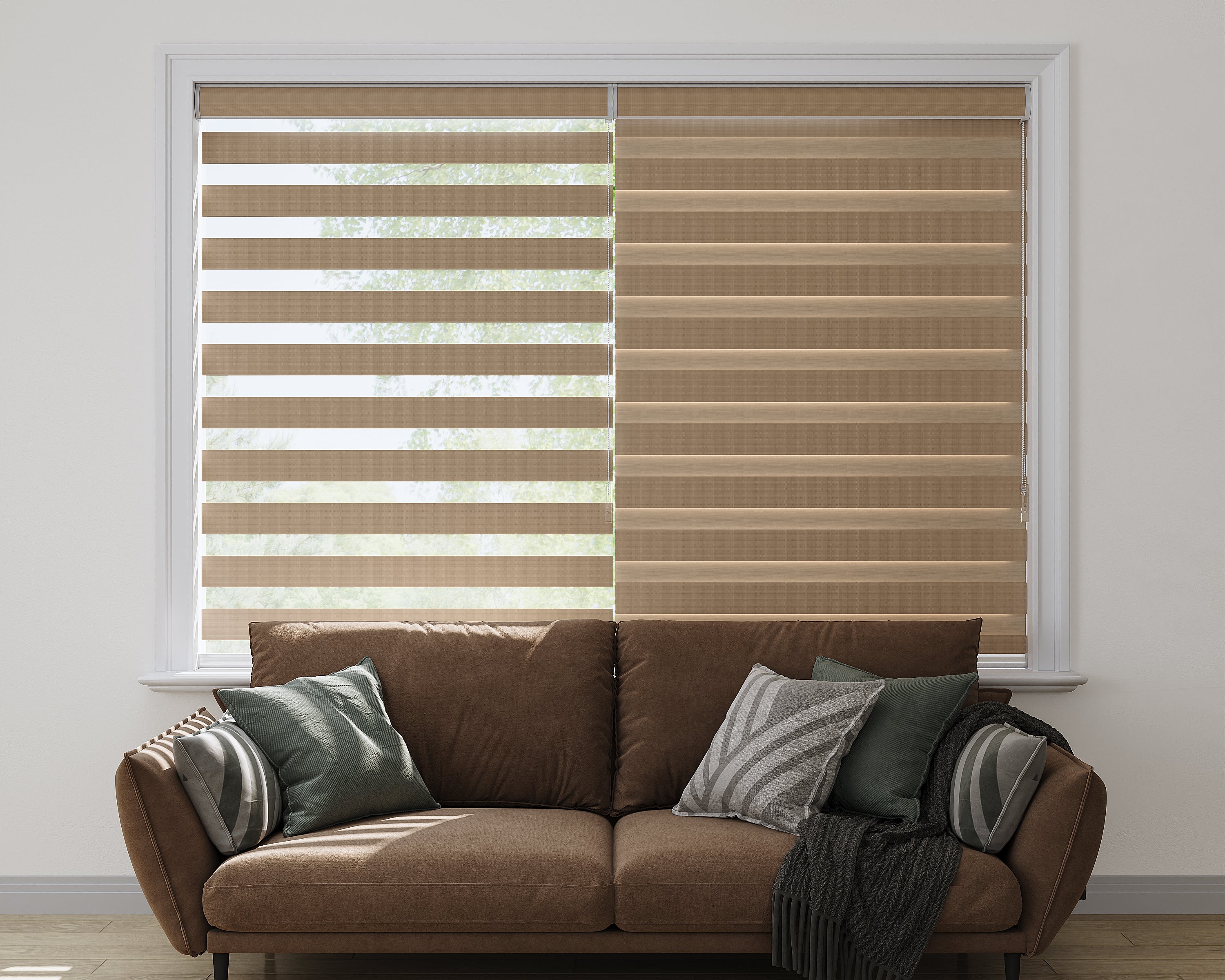
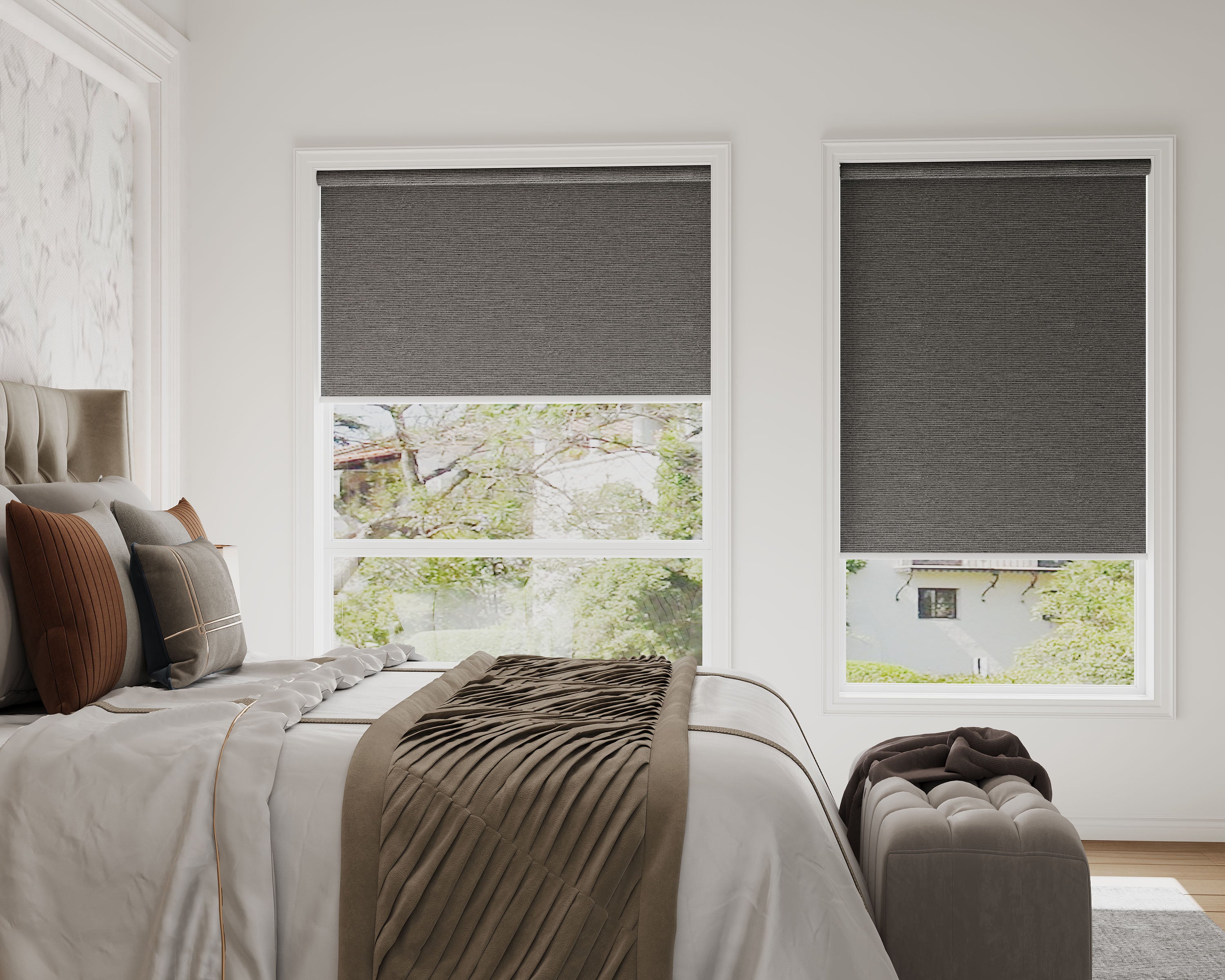
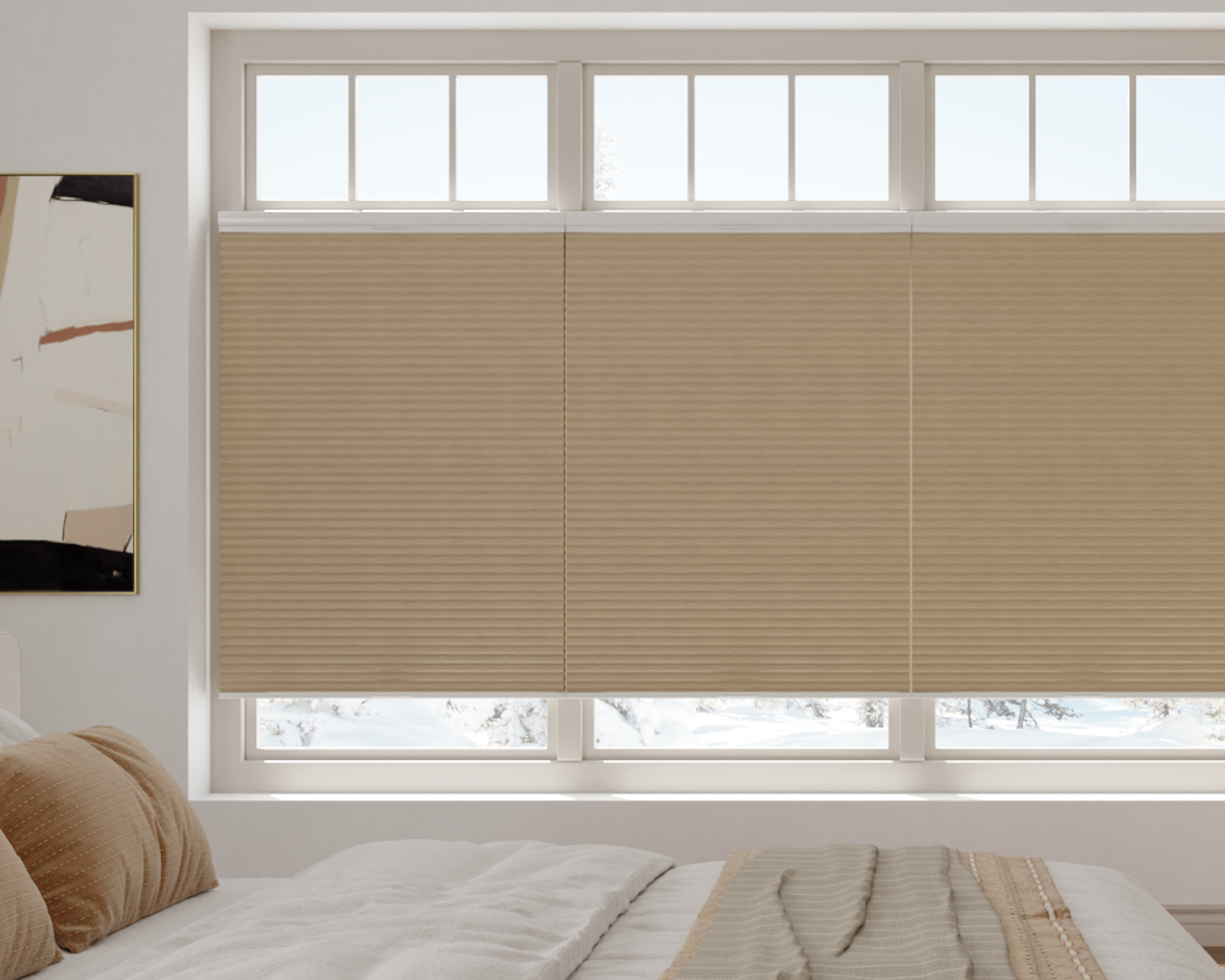
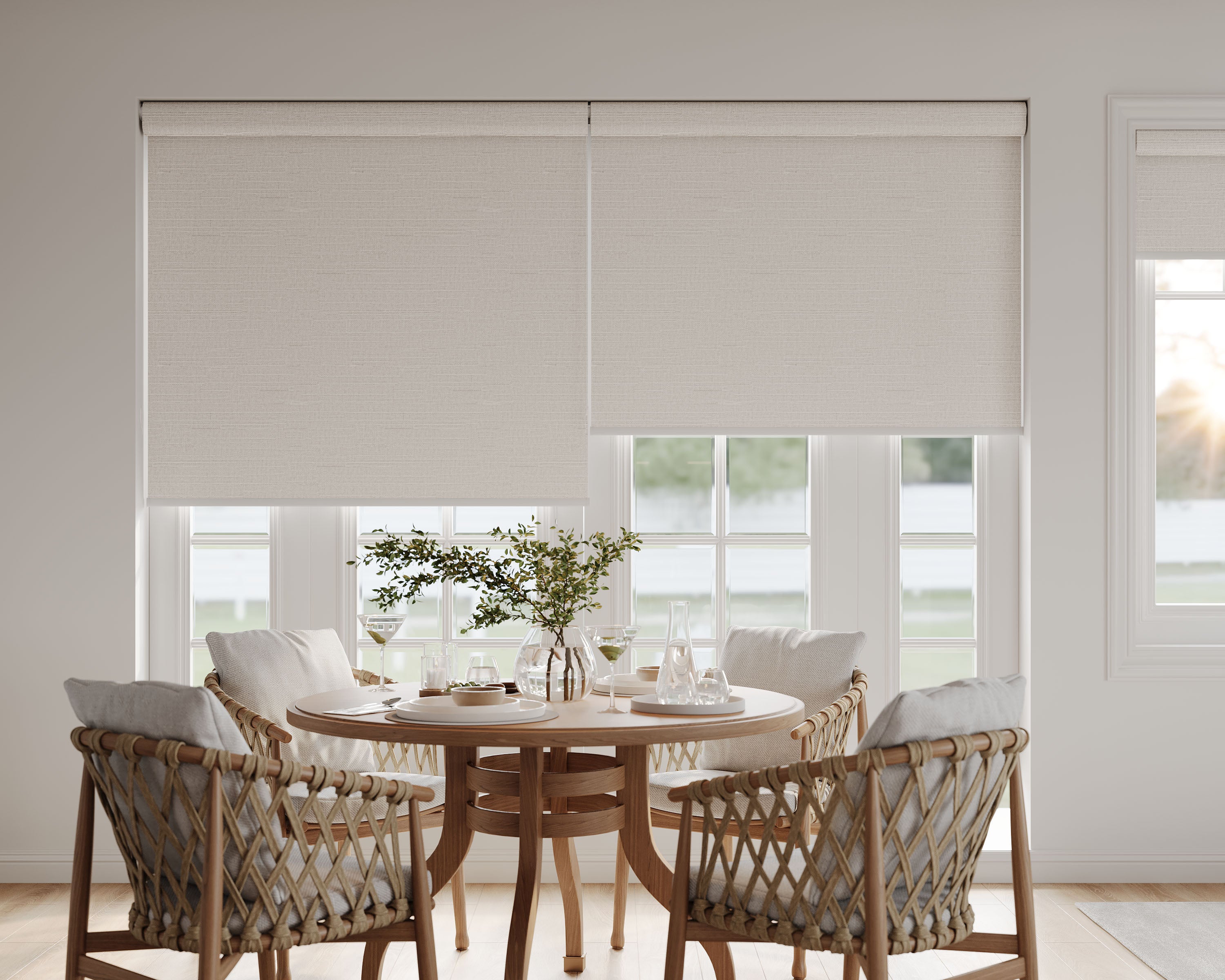
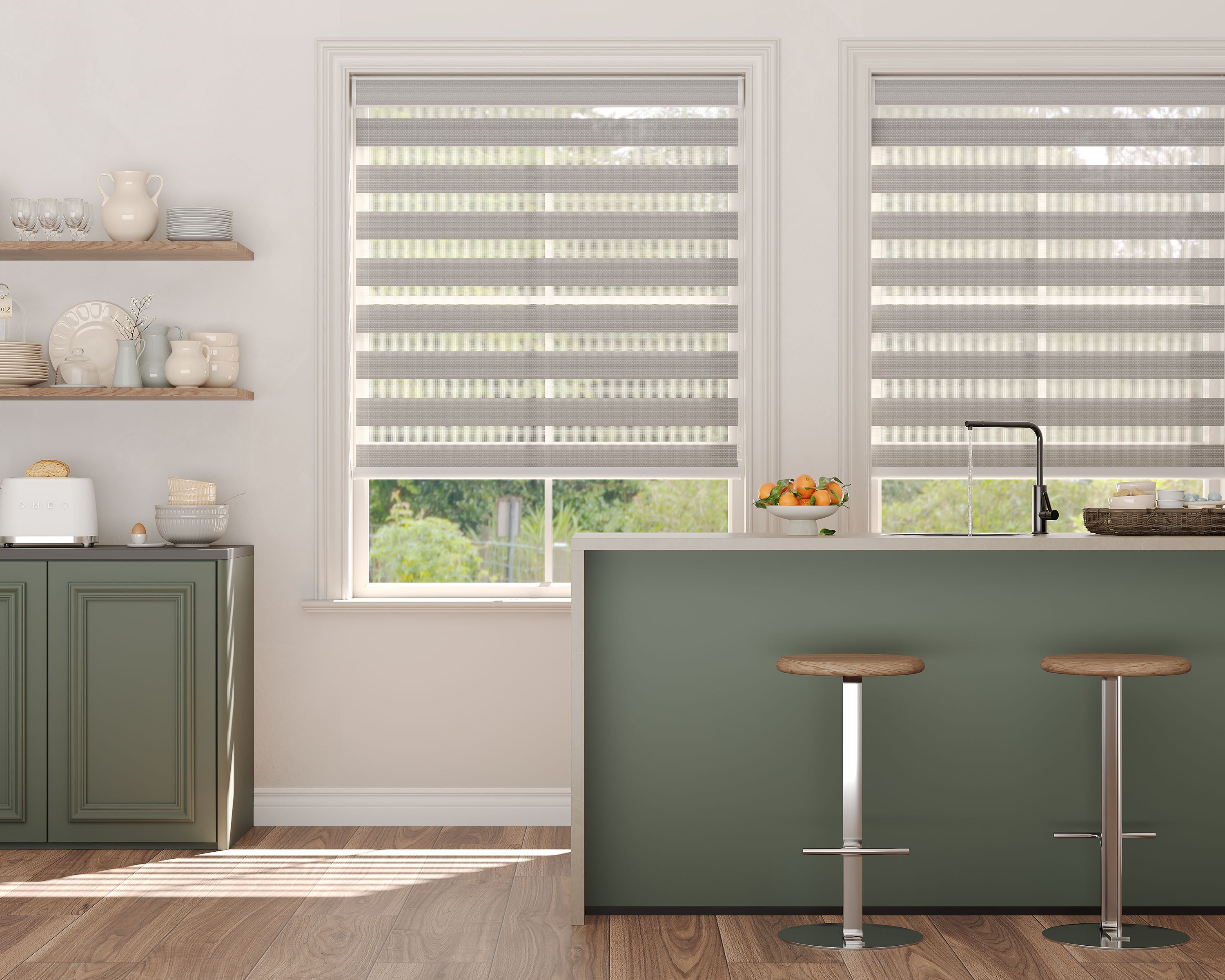
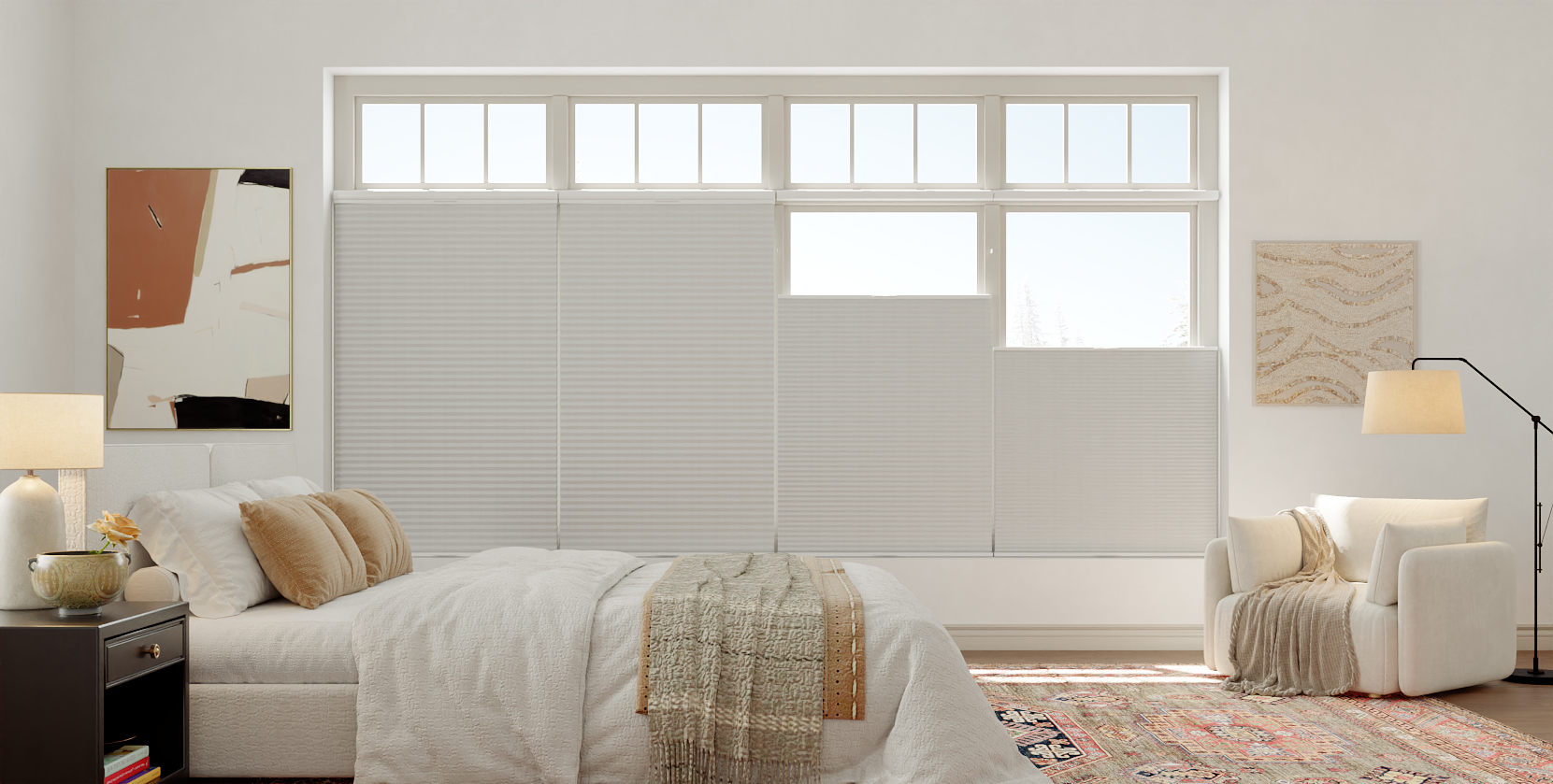
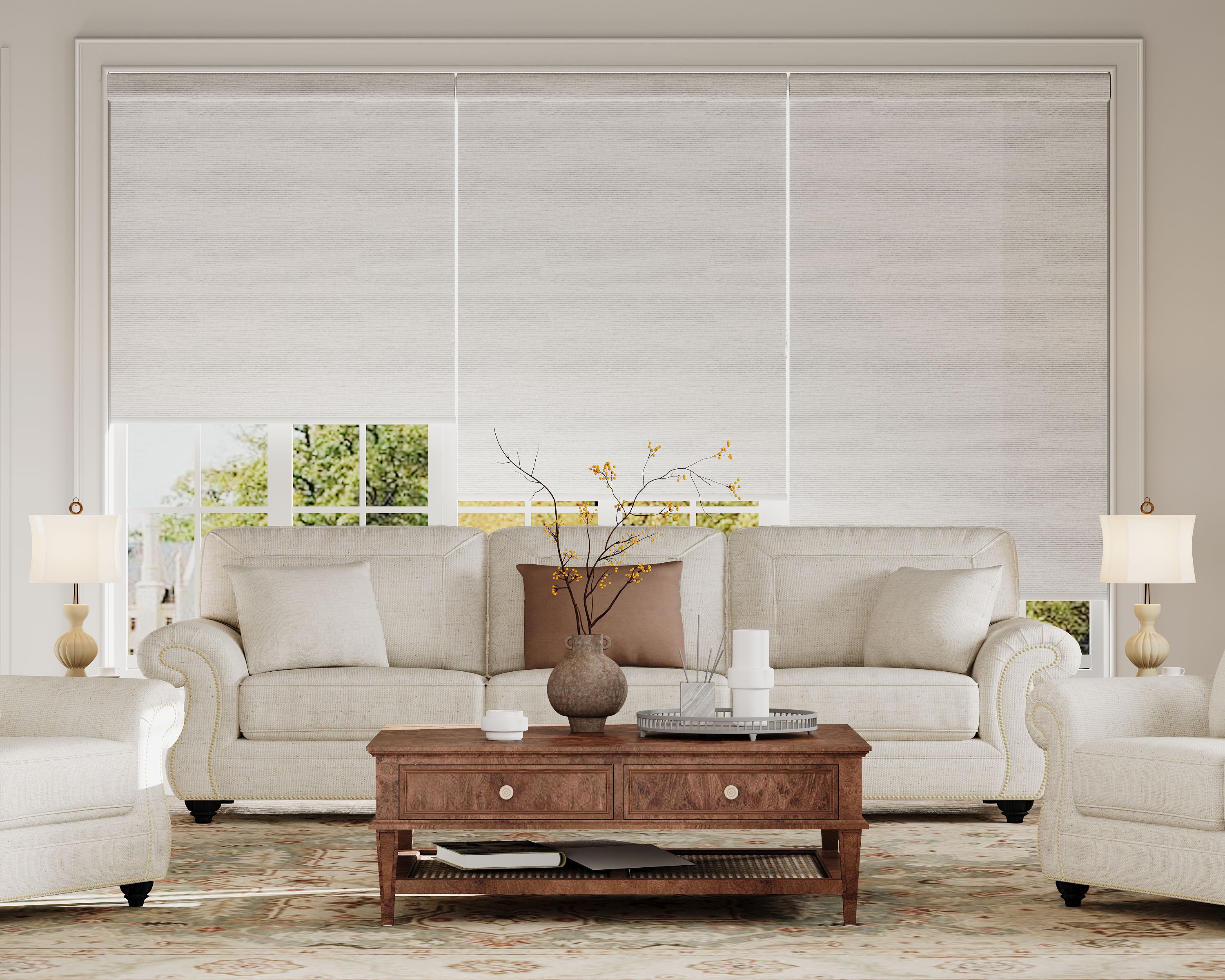

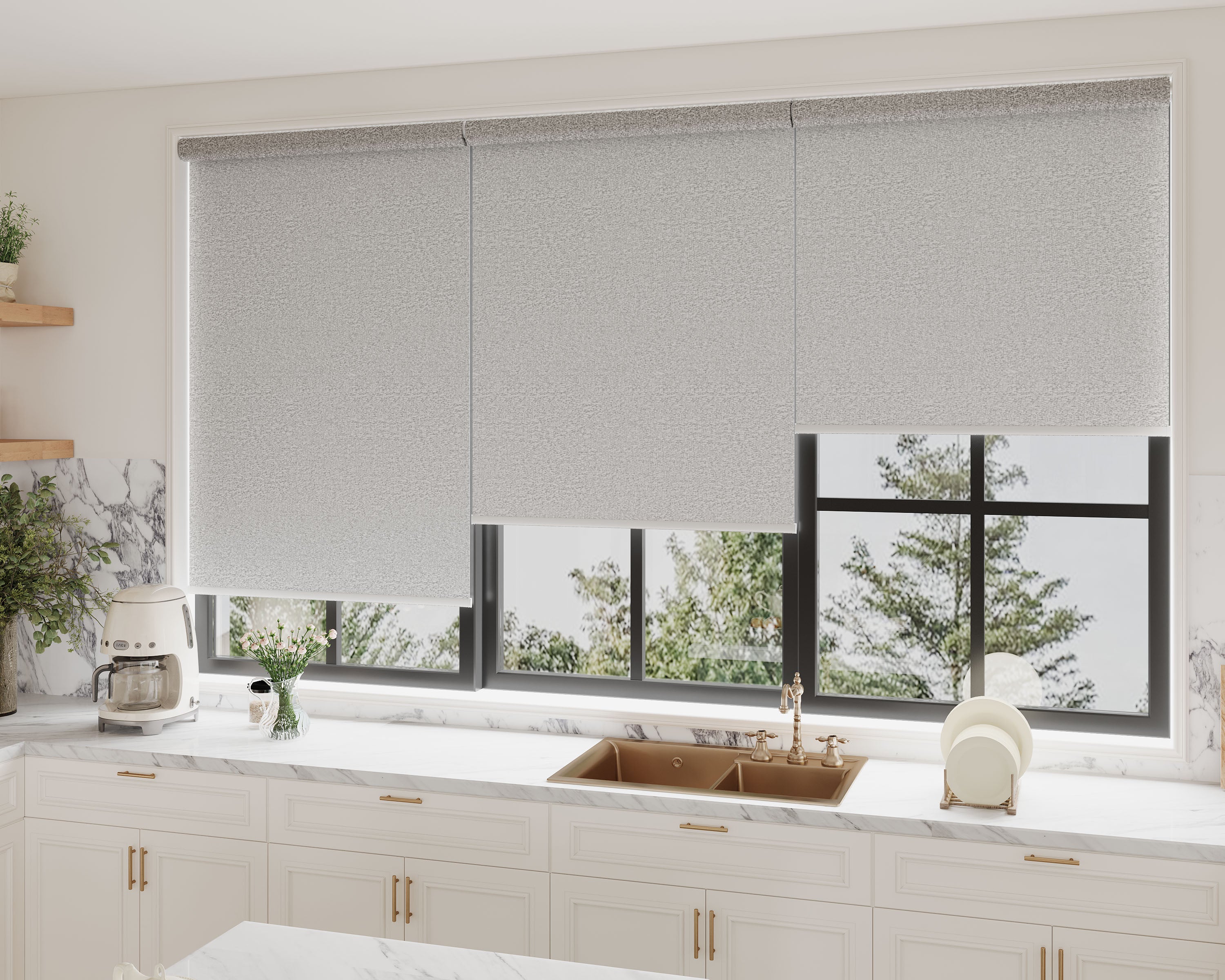
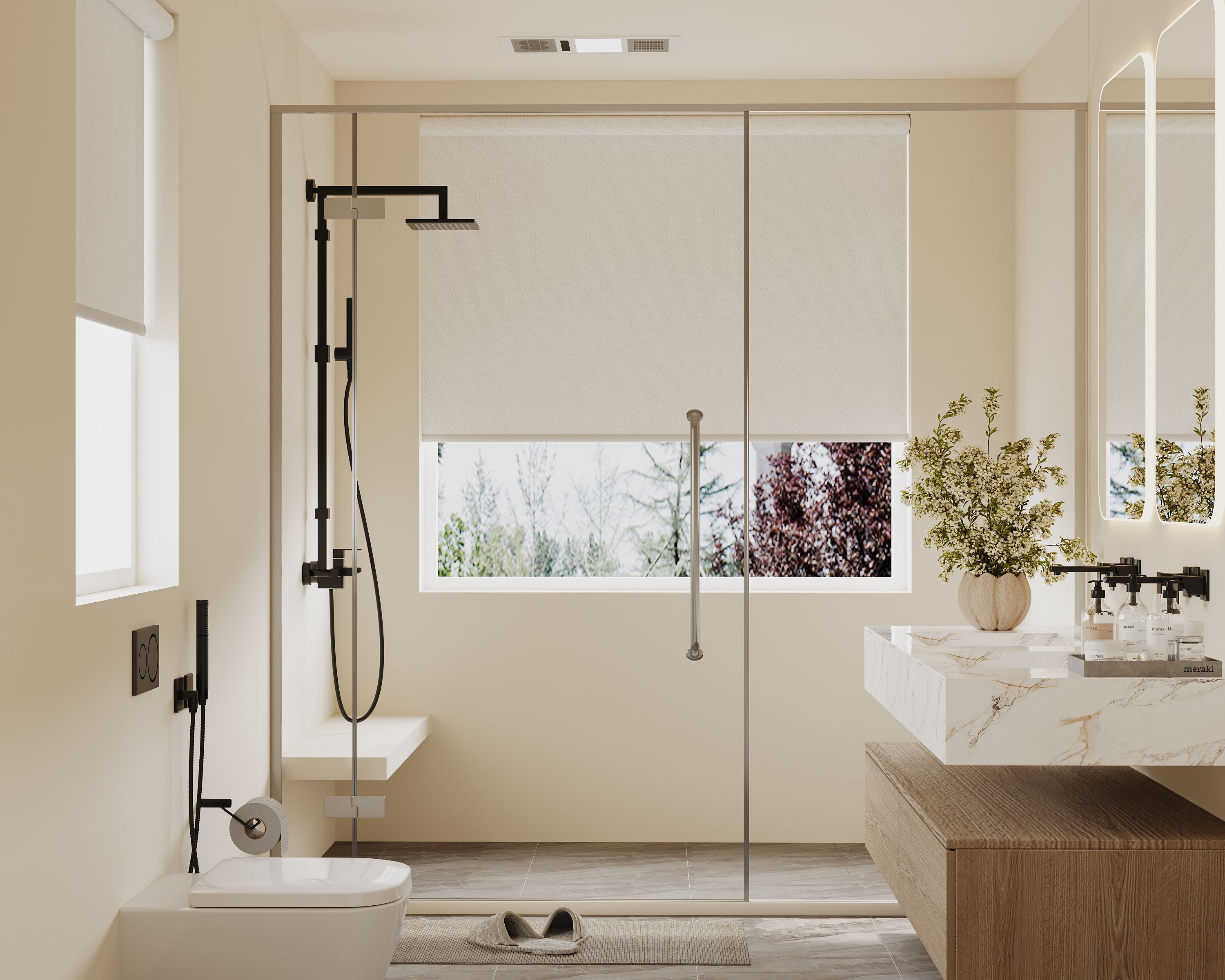

The best window shades for eliminating home office glare are those that can diffuse or reflect harsh direct sunlight while preserving beneficial ambient light, with top honors going to Solar Shades and Light-Filtering Sheer Shades. The optimal choice depends on your specific priorities: maximum glare elimination versus maintaining a clear outside view. For the ideal balance of glare control and a pleasant, open atmosphere, light-filtering sheer roller shades are an exceptional and popular starting point.
Selecting the right window treatment is a direct investment in your comfort and productivity. This guide provides a clear, technical breakdown to help you decide.
-
A detailed comparison of the top four shade types for glare reduction, ranked by performance and function.
-
Key technical specifications to look for, such as Openness Factor and opacity levels.
-
Strategic placement and automation tips to combat glare from different window directions.
-
How to integrate your shades with your smart home setup for hands-free glare management.
Understanding the Glare Challenge in a Home Office
Glare isn't just an annoyance; it causes eye strain, headaches, and reduced productivity. It occurs when intense, direct beam sunlight hits your screen or creates extreme brightness contrasts in your field of vision. The goal is not necessarily to create darkness, but to transform that harsh, direct light into soft, diffused ambient light.
Effective glare-control shades work through one or both of two methods:
-
Reflection: Using a screen-like material to reflect a portion of the solar energy (including blinding brightness) away from the room.
-
Diffusion: Using a translucent fabric to scatter incoming light, breaking up the direct beam and evenly softening its intensity.
Shade Showdown: Comparing the Top Contenders for Glare Reduction
This table evaluates the most effective shade types based on home-office-specific criteria.
| Feature | Solar Shades (The Glare Specialist) | Light-Filtering Sheer Shades (The Balanced Performer) | Cellular/Honeycomb Shades (The Insulating Diffuser) | Blackout Roller Shades (The Nuclear Option) |
|---|---|---|---|---|
| Primary Glare Mechanism | Reflection & Diffusion. Metallic yarns reflect heat and brightness. | Diffusion. Woven fabric scatters and softens incoming light. | Diffusion & Absorption. Fabric and honeycomb structure scatter light. | Complete Light Blockade. |
| View Through (When Closed) | Maintained, though tinted like sunglasses (1-10% openness). | Maintained, with a soft, dreamy blur. | Severely obscured to completely blocked, depending on opacity. | None. |
| Light Entry & Ambiance | Reduces brightness & heat while preserving connection to outside. | Creates a bright, softly lit room free of harsh beams. | Creates a gently, evenly lit room; can feel dim if not white/light. | Creates a dark, cave-like environment requiring artificial light. |
| Best For | South/West-facing windows, intense sun, those who need the view. | East-facing or moderately sunny windows, creative spaces, video calls. | Those who also want significant thermal insulation and noise reduction. | Presentations, ultra-sensitive screens, or shift work requiring daytime darkness. |
| Critical Spec to Check | Openness Factor (OF): 3-10% is ideal for glare control. | Opacity: "Light Filtering" (not "Room Darkening"). | Opacity: "Light Filtering" or "Translucent" dual-cell styles. | Light Gap Sealing: Look for side channels for total blackout. |
For a deeper dive into the functional choice between two leading light-managing options, our comparison of solar shades and sheer shades for glare management is essential reading.
Selecting the Right Specifications & Features
Beyond the shade type, these details will fine-tune your glare defense.
-
Color Matters: Lighter colors (white, cream, light gray) are superior for glare control. They reflect more light away from the interior, while darker colors absorb light and can create hot spots and re-radiate glare.
-
Openness Factor (for Solar Shades): This percentage indicates how much visible light passes through the fabric. A lower OF blocks more light and glare. For a home office, a range of 3% to 10% provides excellent glare and heat reduction while keeping the view.
-
Motorization & Smart Control: This is a game-changer for productivity. Automating shades to lower based on time of day or sun position means glare is managed before it disrupts your workflow. Explore strategies for automating shade positions based on the sun's path and learn how to program smart shades with voice assistants for ultimate convenience.
Strategic Application: A Guide by Window Direction
Your window's compass orientation dictates your glare strategy.
| Window Direction | Glare Character | Recommended Solution & Tips |
|---|---|---|
| South-Facing | Intense, overhead glare most of the day. | Solar Shades (3-5% OF) are the top technical choice. Automate to lower during peak sun hours (10am-4pm). |
| West-Facing | Powerful, blinding afternoon and evening glare. | Solar Shades (5-7% OF) or Dual-Sheer Zebra Shades. Automation is crucial for late-day coverage. |
| East-Facing | Strong morning glare that fades by midday. | Light-Filtering Sheer Shades. Perfect for softening morning light while maintaining a bright, inspiring atmosphere. |
| North-Facing | Indirect, consistent light with minimal direct glare. | Light-Filtering Sheer or Cellular Shades. Primarily for light softening and privacy, not aggressive glare fighting. |
Installation & Integration for Maximum Effectiveness
-
Inside vs. Outside Mount: For the best glare elimination, an outside mount that overlaps the window frame by 2-3 inches on each side will prevent light from leaking around the edges, which can be a surprising source of glare.
-
Layering for Flexibility: For maximum control, consider a layered approach. Install a sheer shade for daily glare diffusion and a second, blackout shade for times when you need to completely eliminate light for presentations or focused deep work. This embodies the principle of balancing multiple needs in a functional space.
-
The Human Factor: Position your desk parallel to windows (so light comes from the side) rather than directly facing or with windows behind you. Use your shades to create even, shadow-free lighting, which is also ideal for video conferencing.
Conclusion and Key Highlights
Choosing the best shade for home office glare is about matching a product's technical capabilities to the specific lighting challenges of your workspace. It's a decision that directly impacts your well-being and output.
Key Highlights:
-
Solar Shades are the technical champions for intense, direct glare (south/west windows), using a low Openness Factor (3-10%) to act like sunglasses for your window.
-
Light-Filtering Sheer Shades are the best all-around choice for moderate glare and ambiance, providing a soft, diffused light that reduces eye strain without darkening the room.
-
Color and technical specs are critical: Choose light-colored fabrics and pay close attention to Openness Factor (solar shades) or Opacity level (sheer/cellular).
-
Automation transforms shades from a manual tool into a proactive productivity system, scheduling them to lower before glare becomes a problem.
-
Consider your window's orientation to select the most strategic product and pair it with smart desk placement for a comprehensive anti-glare strategy.
By applying this strategic approach, you can create a home office environment that is visually comfortable, professionally functional, and conducive to sustained focus.
Shop Sheer Shades by Light Control


Frequently Asked Questions (FAQ)
Are anti-glare window films a good alternative to shades?
Window films can be effective at reducing glare and heat, but they are a permanent, static solution. Unlike shades, they cannot be adjusted or retracted. This means you lose the flexibility to enjoy full, unobstructed views or let in more light on cloudy days. Shades offer dynamic control, which is generally preferable for a home office where needs change throughout the day and seasons.
Can I use blackout shades in my home office?
You can, but they are often overkill for general glare reduction and counterproductive for mood. Total darkness requires you to use artificial lights full-time, which can be harsh and may not provide the wellness benefits of natural light. Reserve blackout shades for specific scenarios like video presentations or if you work night shifts and sleep during the day. For most, a light-filtering option is healthier and more pleasant.
What is the best way to handle glare from a window behind my monitor?
This is a worst-case scenario that causes severe screen washout. The immediate fix is to reposition your desk. If that's not possible, you need a shade that can completely block light in that specific zone. A top-down/bottom-up shade allows you to lower only the top portion to block the light behind your monitor while keeping the lower part open for ambient light. A standard shade would require closing entirely, darkening the whole room.
Do cellular shades help with glare?
Yes, light-filtering cellular shades are very effective at reducing glare through diffusion. Their honeycomb structure scatters incoming light, creating a soft, even glow in the room. They are a fantastic choice if you also value their superior insulation properties for temperature and sound control in your office. Avoid room-darkening or blackout cellular shades if you want to maintain a bright ambiance.
How much should I budget for motorized, glare-reducing shades?
Motorization adds a significant premium but is arguably most valuable in a home office for its "set-and-forget" convenience. You can expect to pay anywhere from 1.5 to 3 times the cost of a manual equivalent, depending on the brand, size, and smart features. Consider it an investment in daily productivity and comfort. For larger windows or difficult-to-reach places, the value of motorization increases substantially.
