


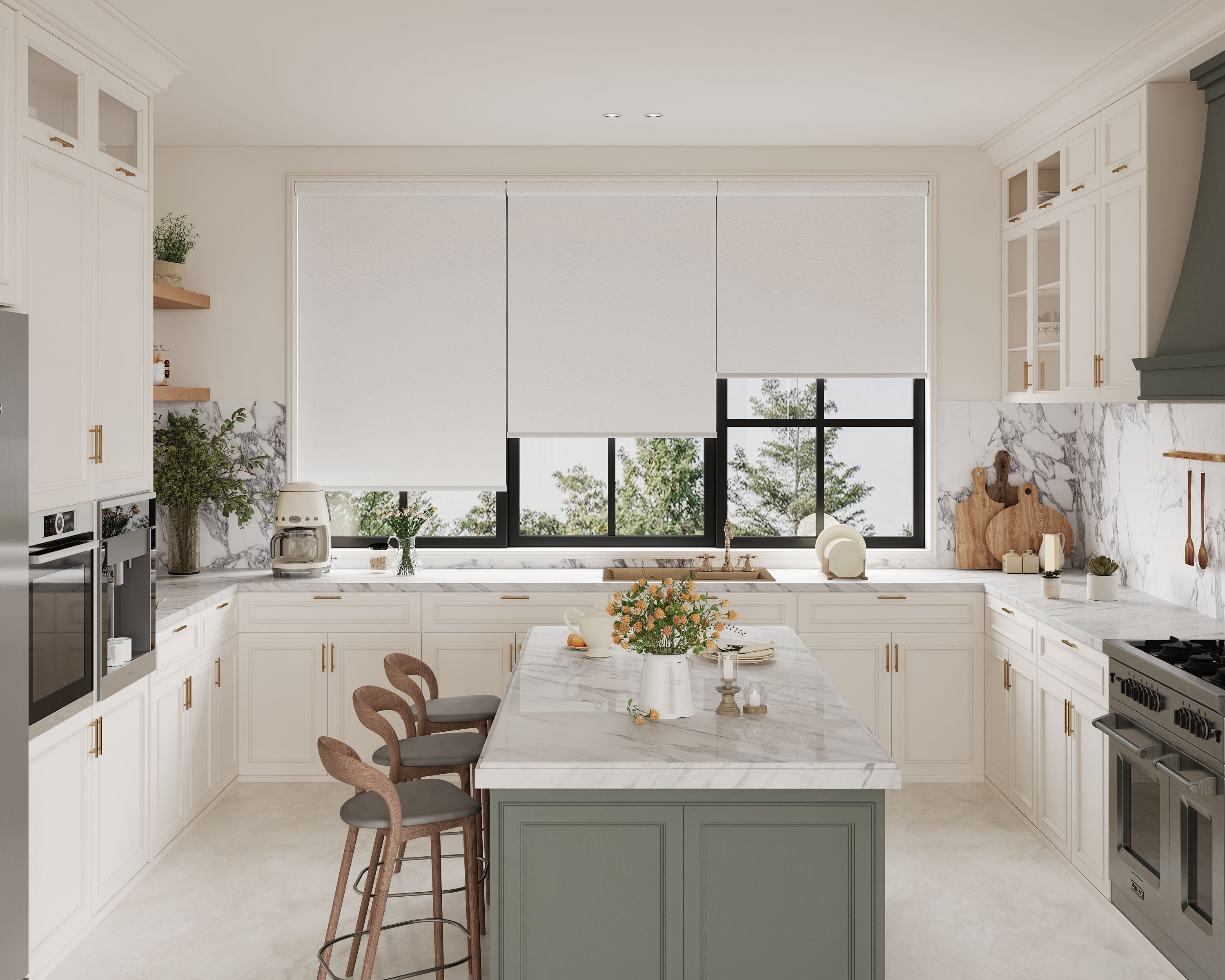
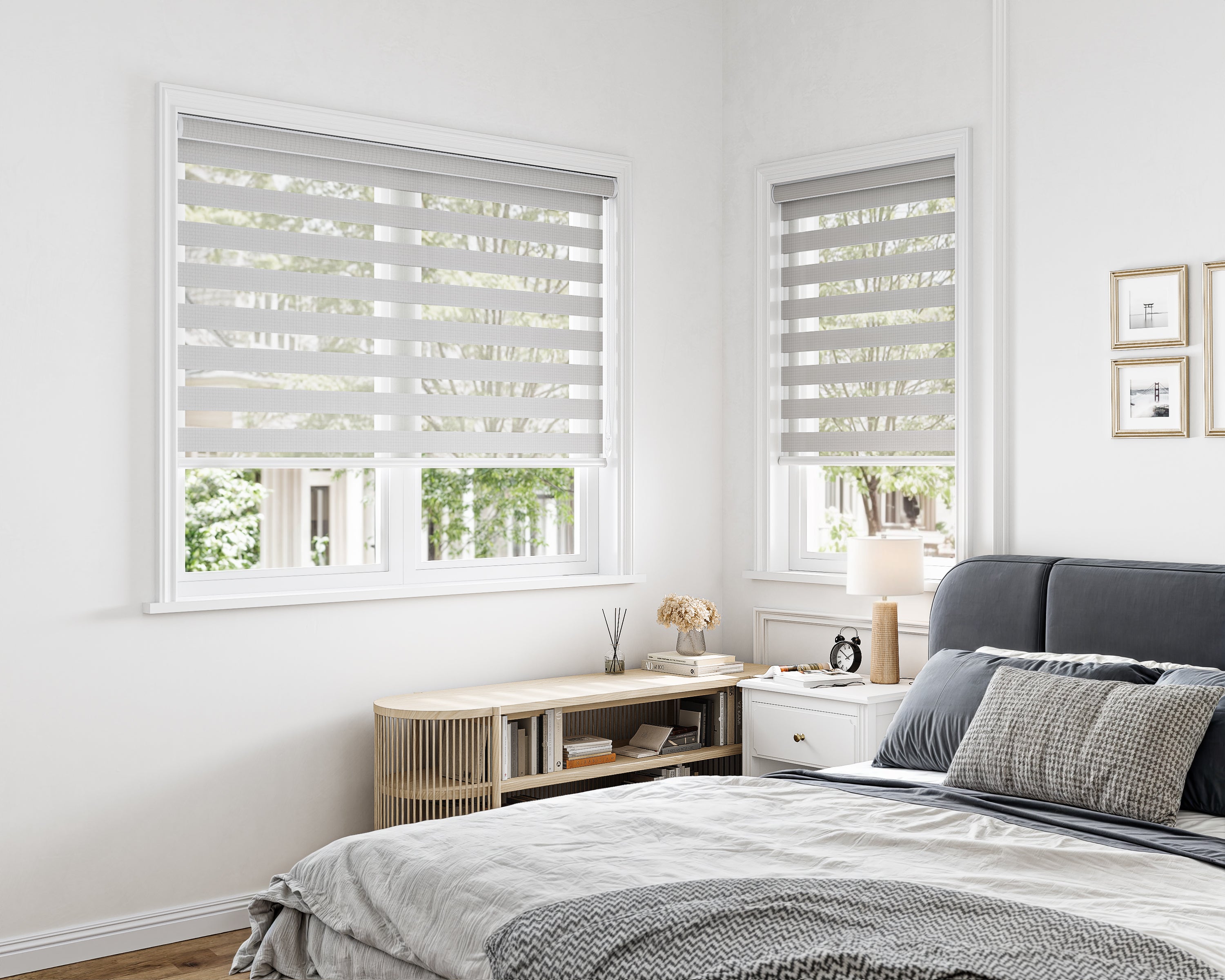
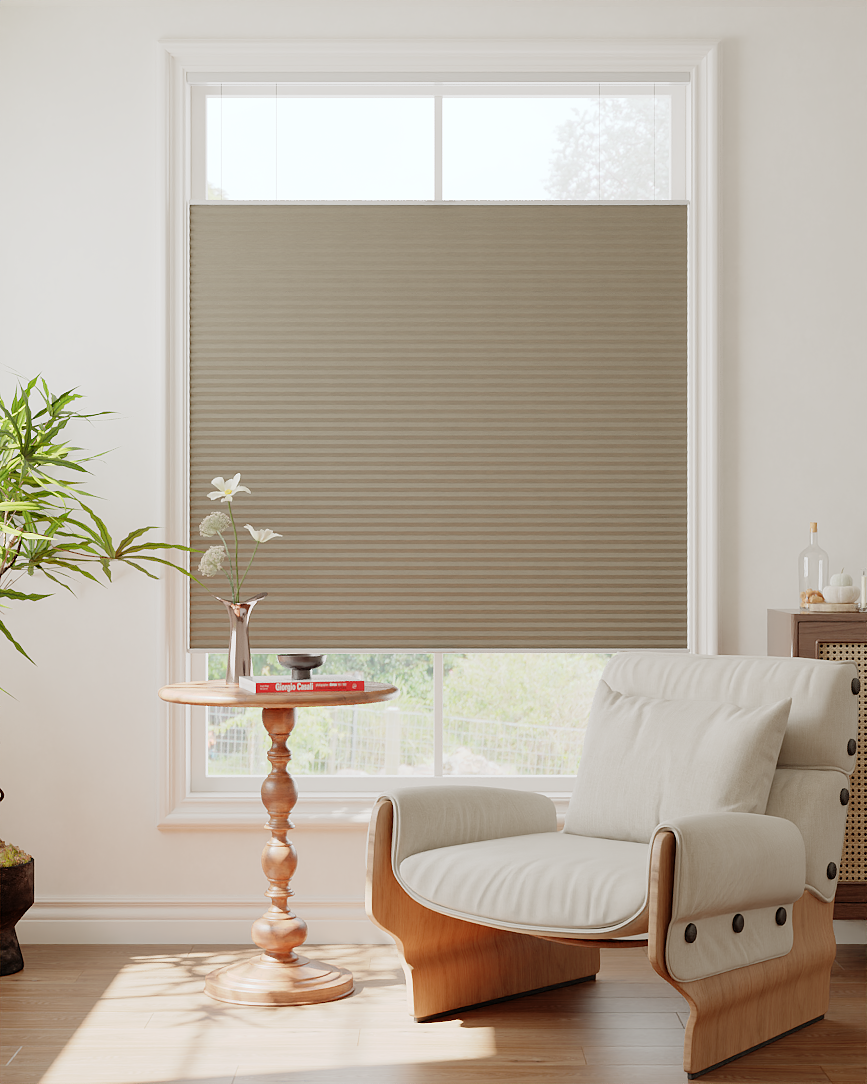
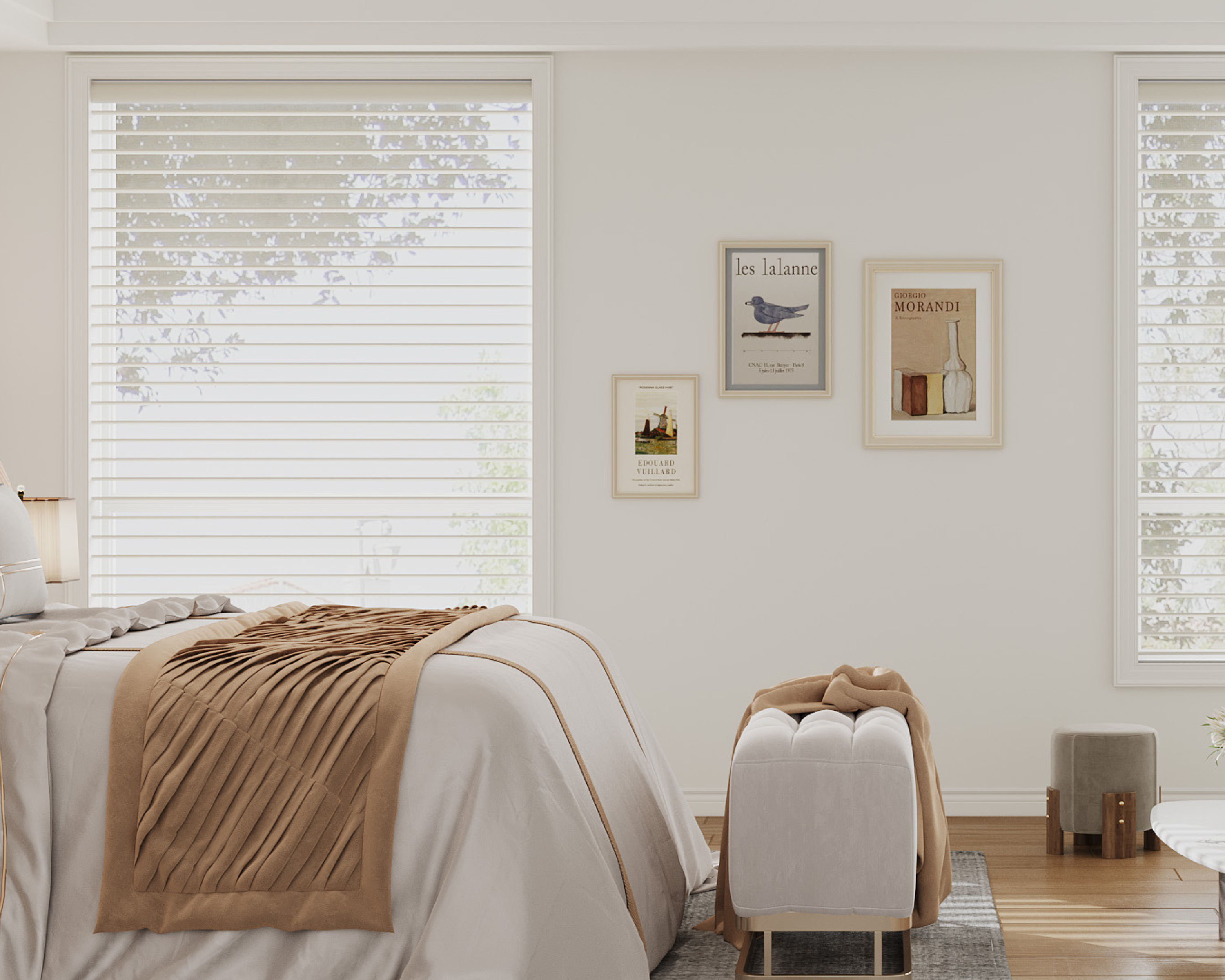
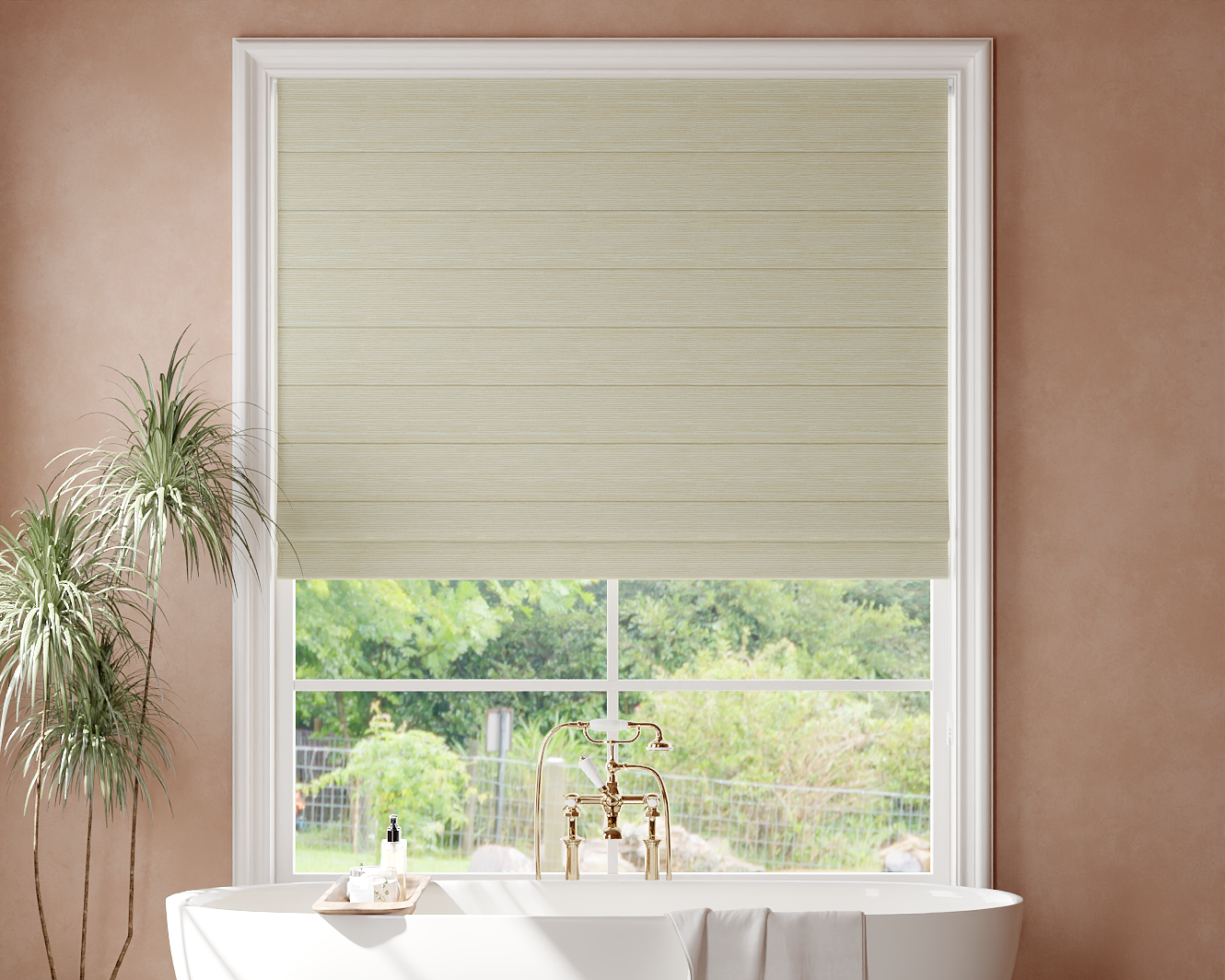
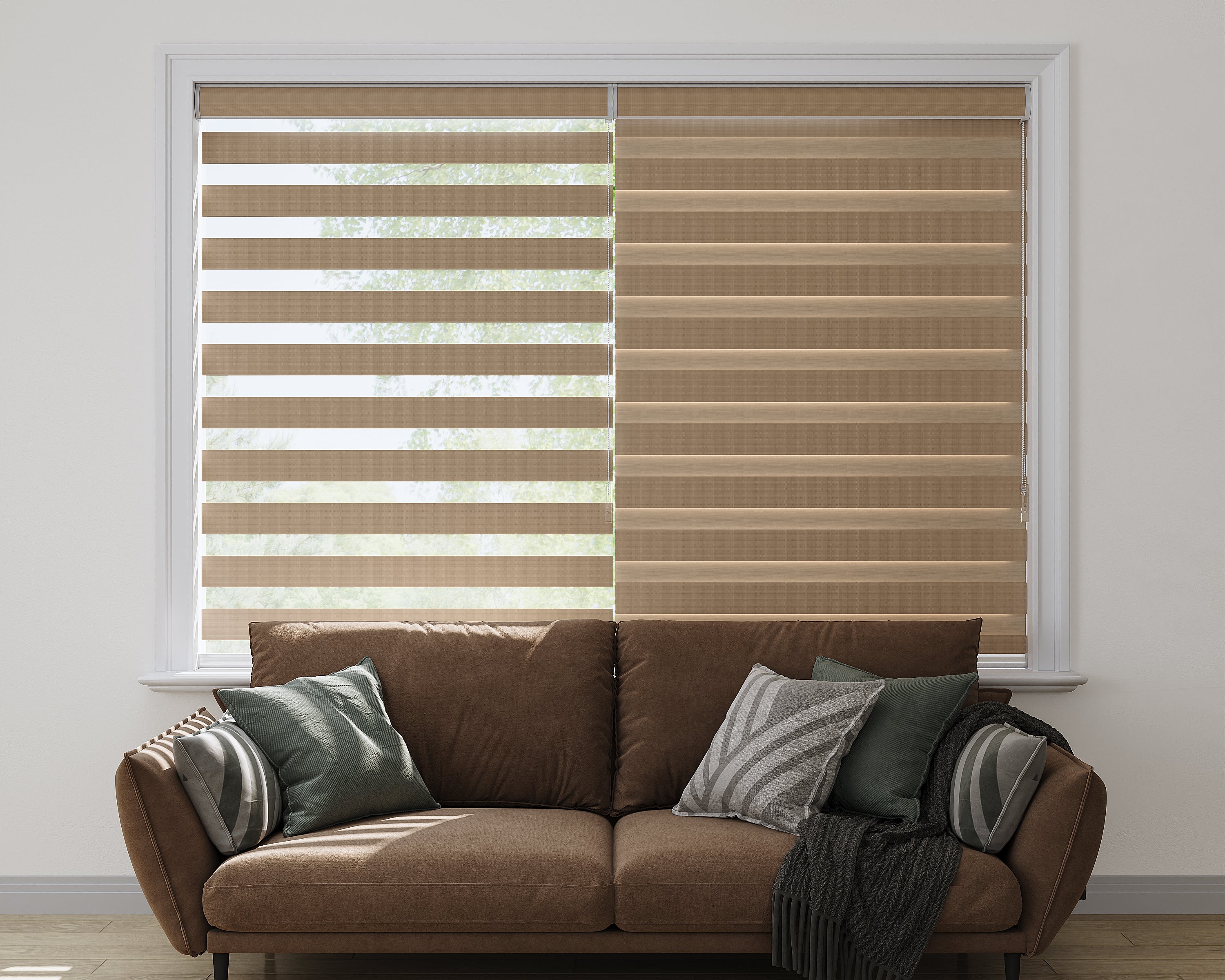
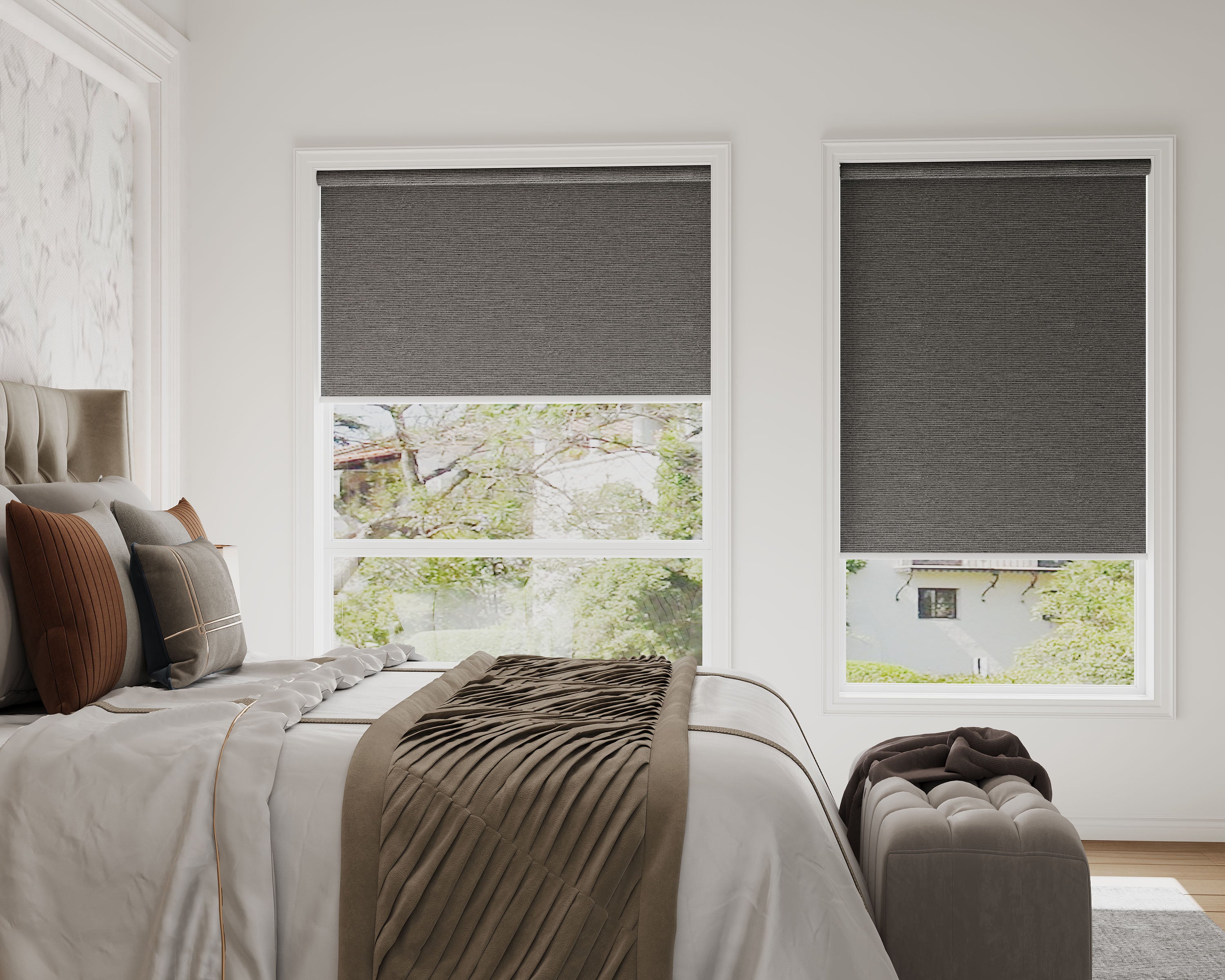
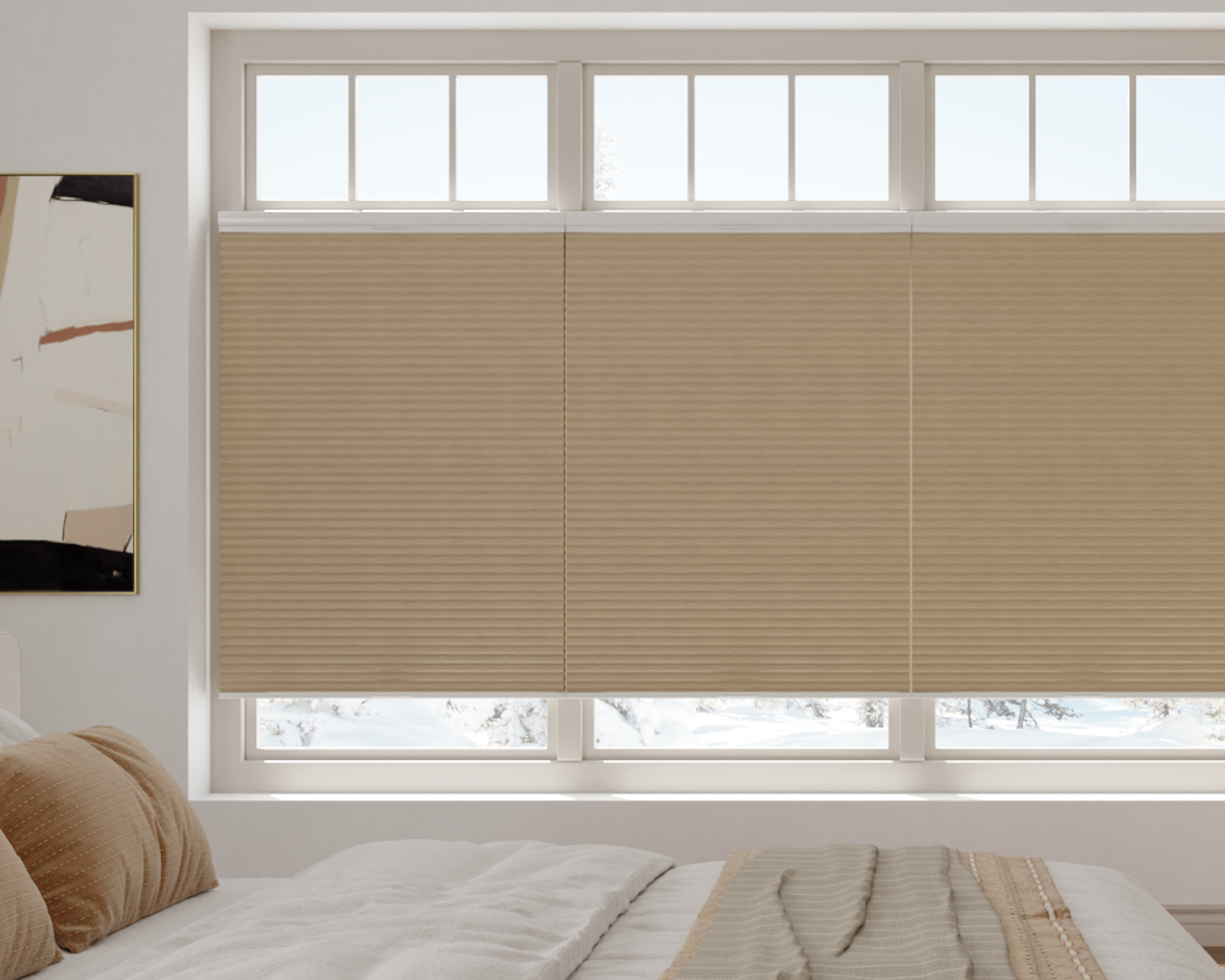
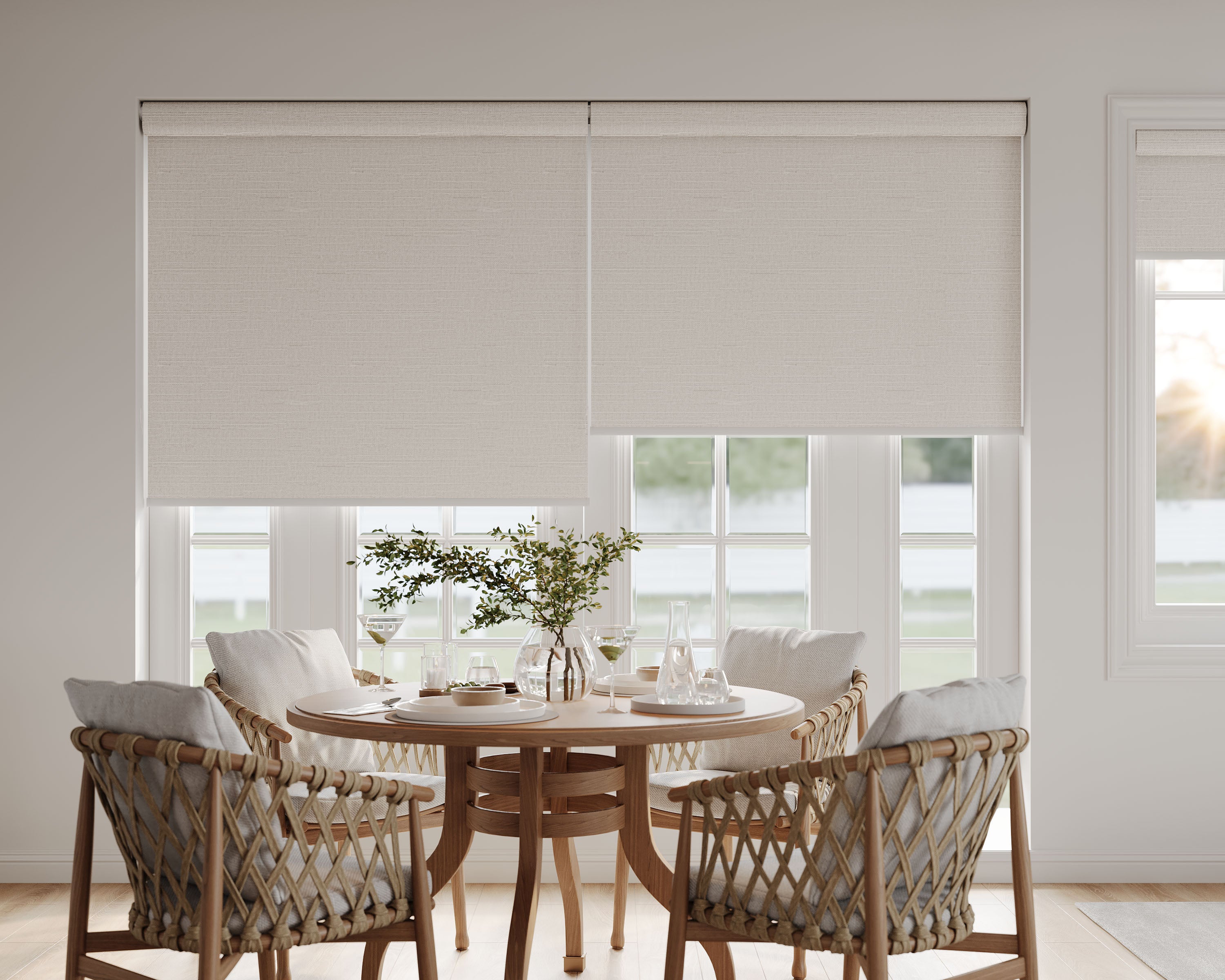
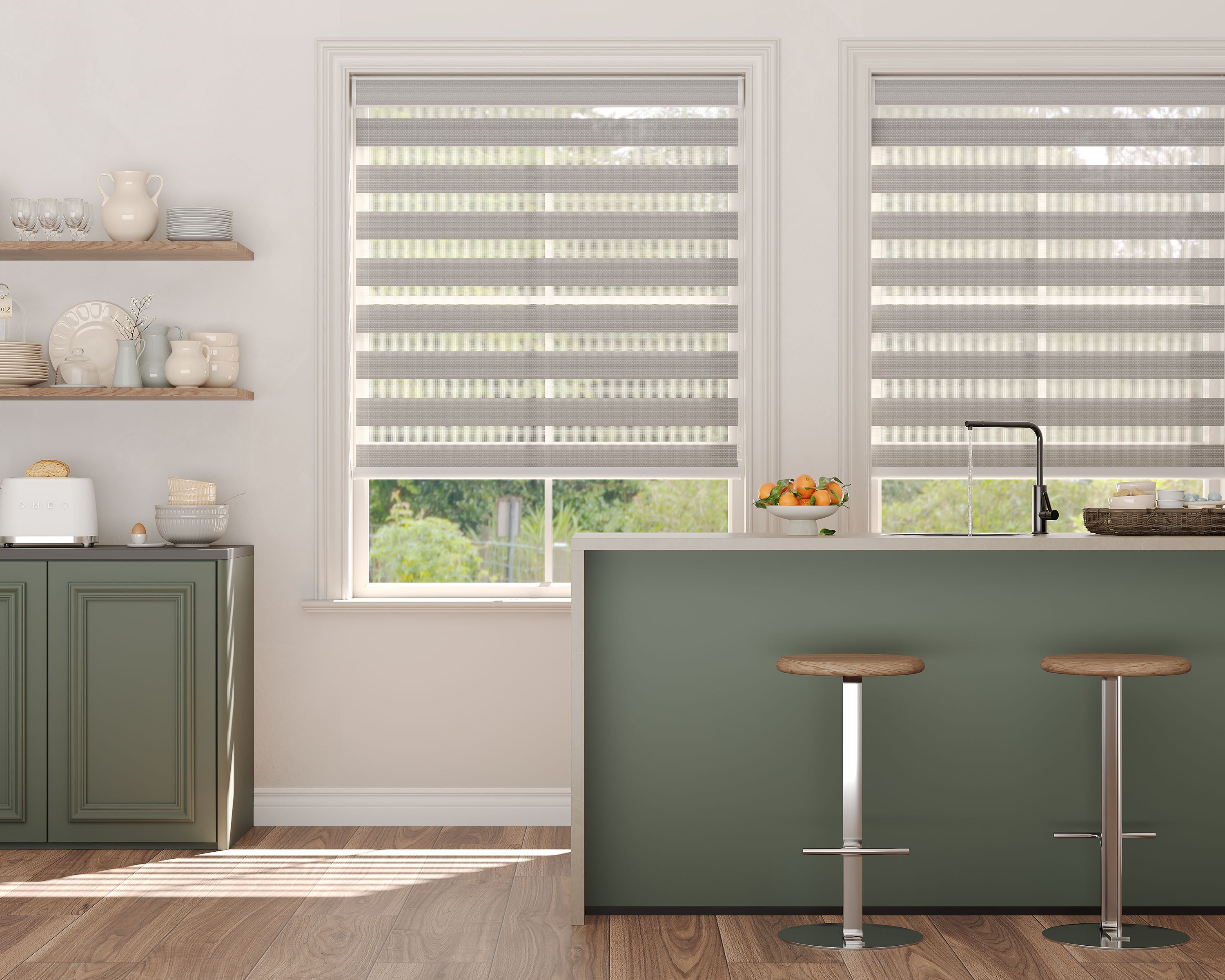
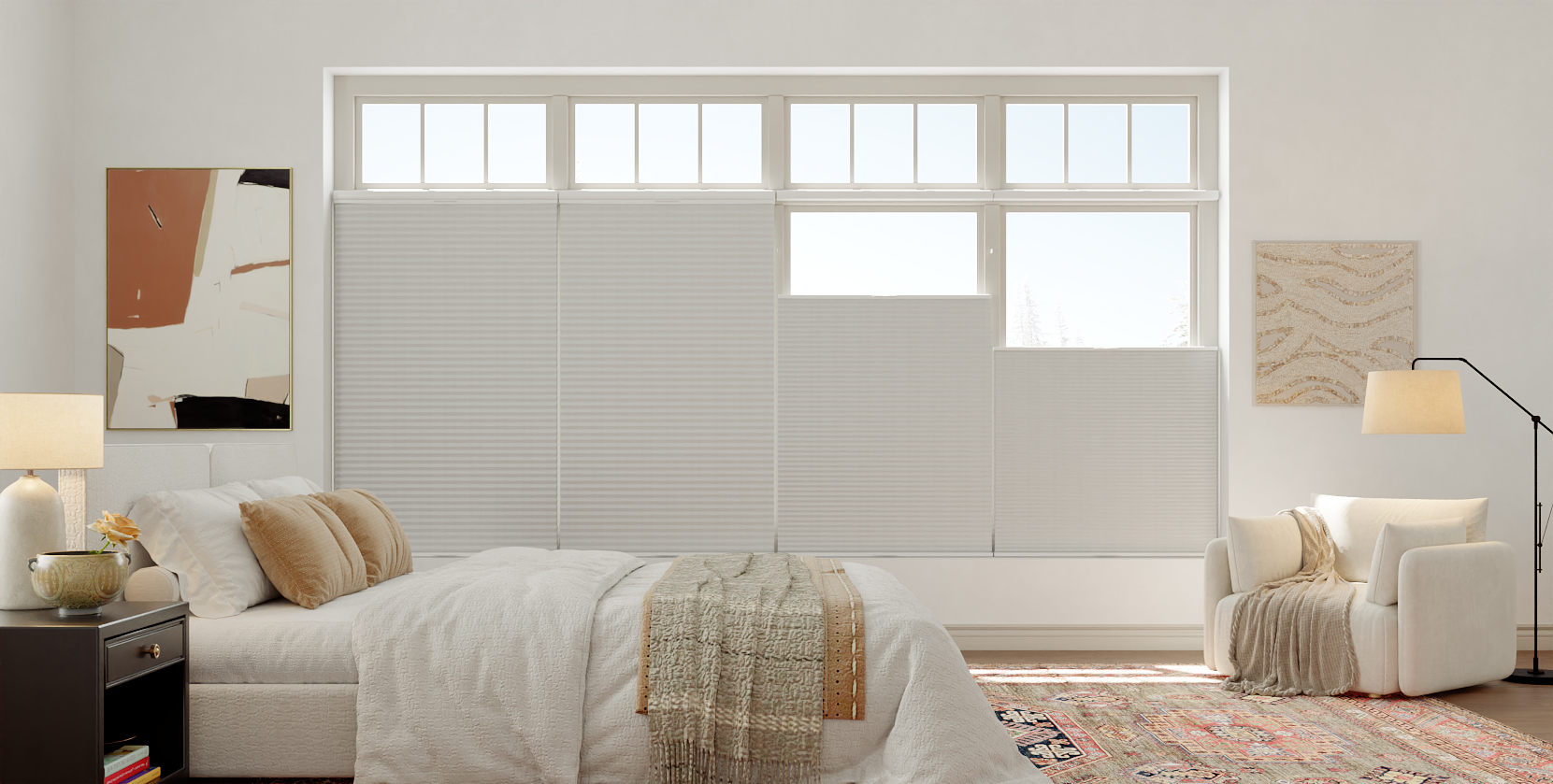
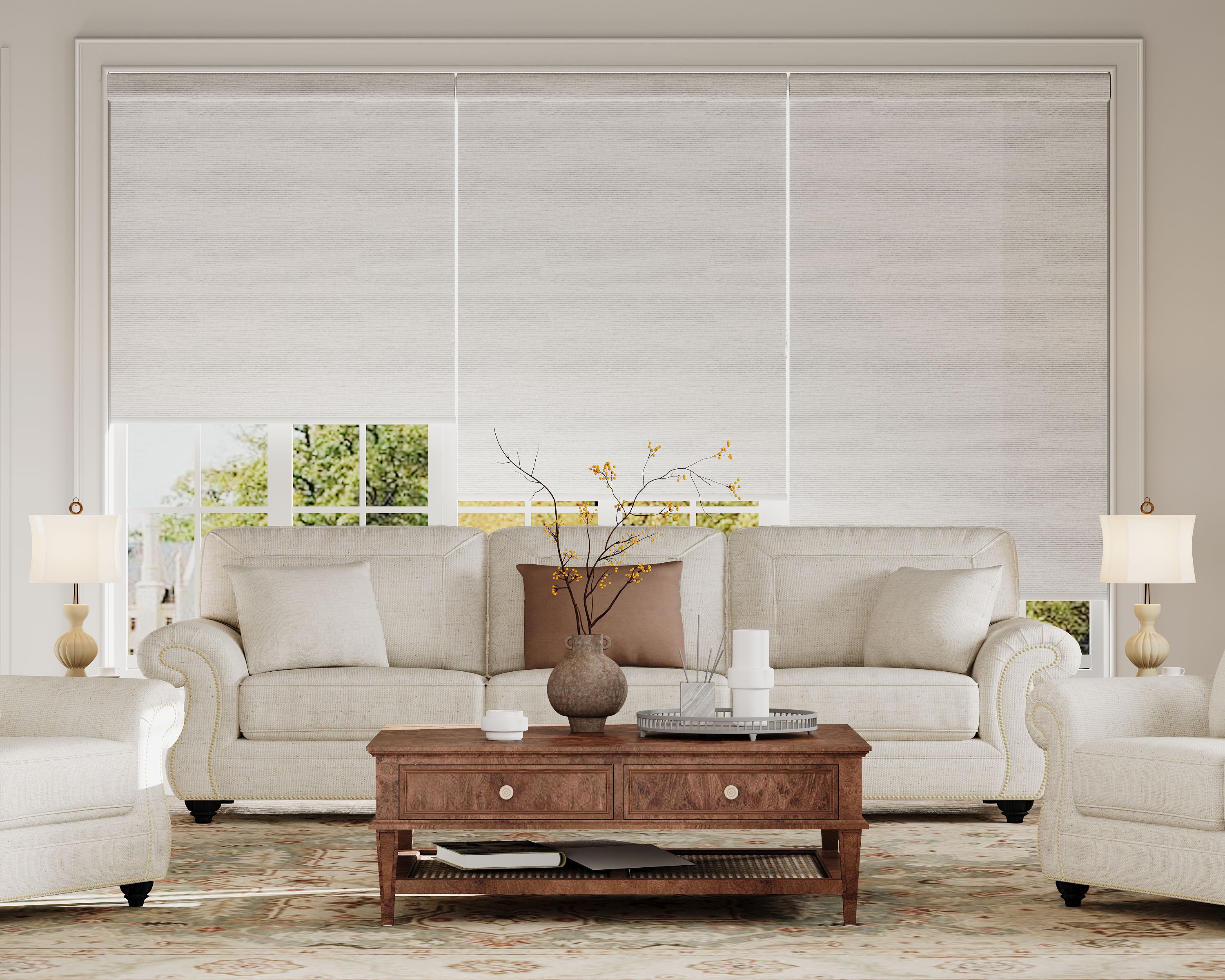

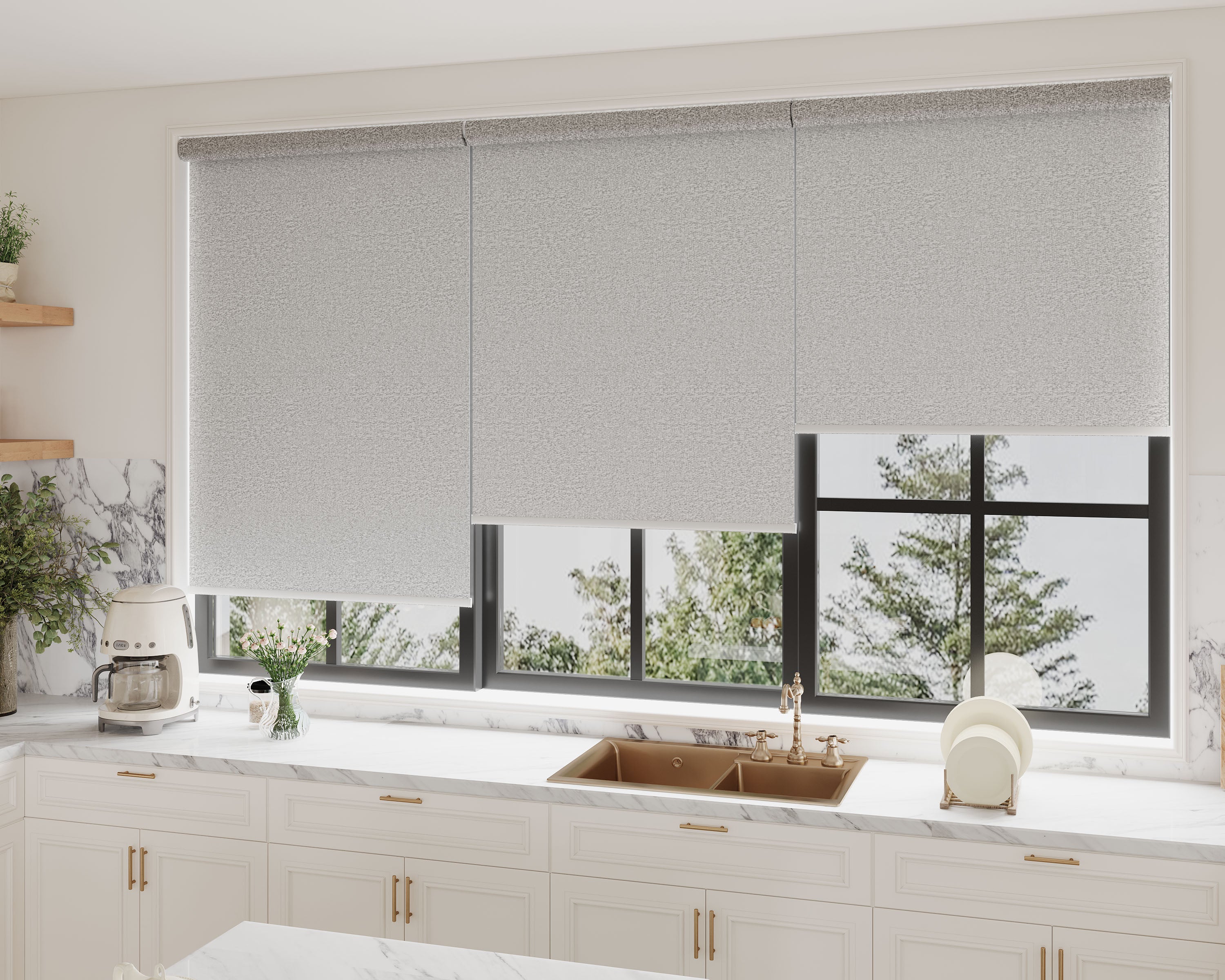
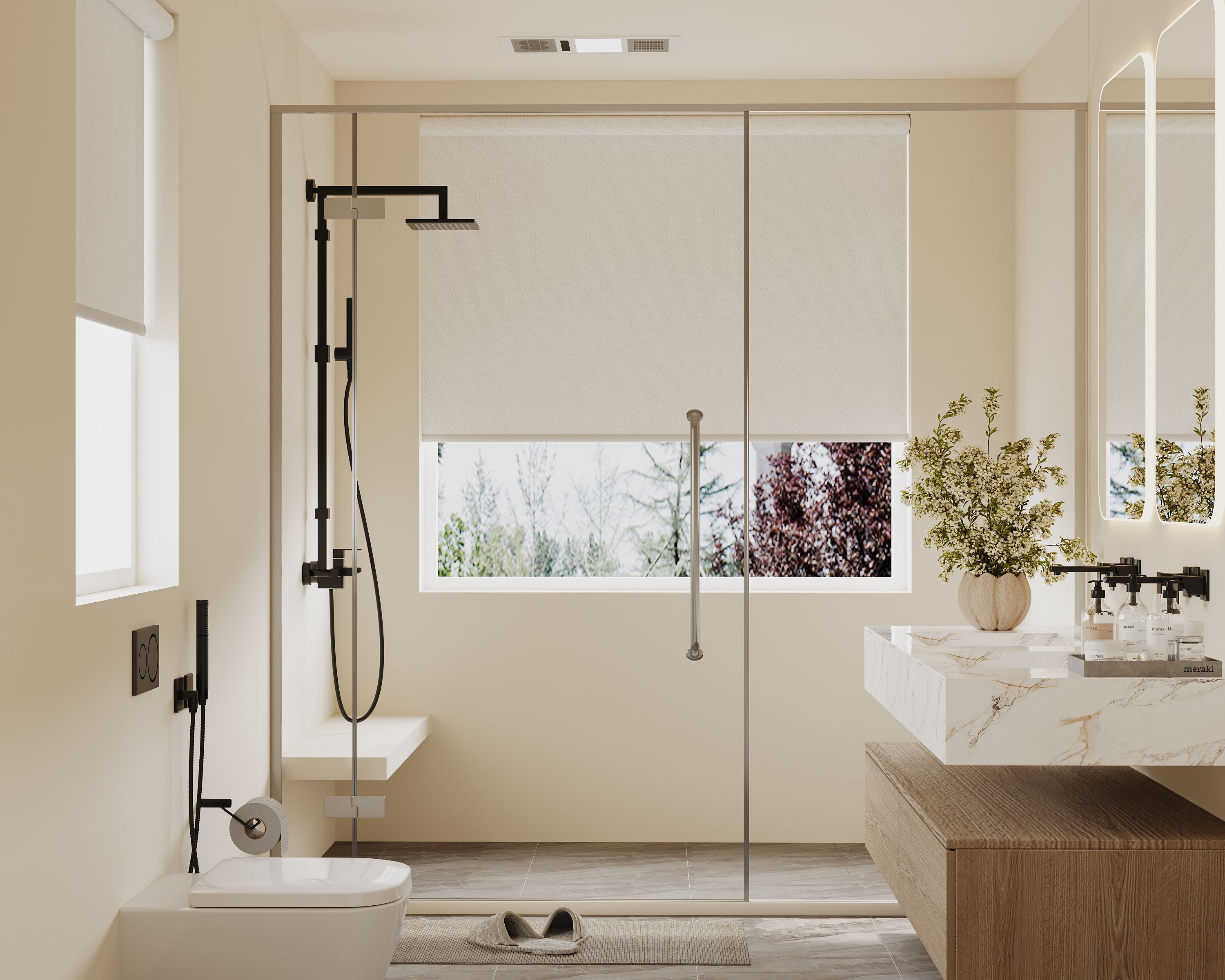

Purchasing Roman shades is an investment in your home's comfort, style, and functionality. With countless options in fabrics, folds, and features, the process can feel overwhelming. This comprehensive guide for 2026 is designed to be your trusted roadmap, walking you through every decision point—from initial measurements to final installation—to ensure you select beautiful, high-performing shades you'll love for years.
Here’s what you’ll learn:
-
The 5 essential questions to ask before you start shopping.
-
A step-by-step process for accurate measuring and choosing between inside or outside mount.
-
How to select the perfect fold style, fabric, and lining for your room’s needs.
-
A clear breakdown of operating mechanisms, including the smart home features of 2025.
-
How to navigate costs, understand quotes, and plan for professional installation.
Your journey begins with exploring the possibilities. Discover the full range of designs in our main collection of customizable Roman shades.
Step 1: Define Your Needs and Priorities
Before looking at fabrics, answer these five core questions to clarify your project's goals.
What is the Primary Function of the Room?
-
Bedroom: Prioritize sleep support with blackout capabilities.
-
Home Office: Require glare reduction on screens with light-filtering fabrics.
-
Living Room: Balance style, light diffusion, and energy efficiency.
-
Kitchen/Bath: Need moisture-resistant, easy-to-clean materials.
What Are Your Goals for Light and Privacy?
Determine your non-negotiables. Do you need total darkness, softened natural light, or preserved views with glare control? Your answer will directly guide your fabric and lining choices. For a detailed comparison, see our guide on blackout vs. light-filtering options.
What is Your Design Aesthetic?
Are your interiors modern, traditional, coastal, or farmhouse? The shade style should complement your existing decor. A clean flat fold suits contemporary spaces, while a hobbled fold adds traditional texture.
What is Your Budget Range?
Custom Roman shades are an investment. Having a realistic budget range upfront helps you make informed trade-offs between fabric tiers, motorization, and other upgrades. Our cost breakdown guide explains what influences the price.
Step 2: Precise Measuring and Mounting Decisions
Accuracy here is critical for a professional look and function.
How to Measure Like a Pro
You must decide on mounting first, as the method changes how you measure.
-
For an Inside Mount (Recessed): Measure the width and height inside the window frame at three different points. Use the smallest measurement of each to ensure a proper fit.
-
For an Outside Mount (On the Wall): Decide how much of the wall or trim you want to cover. Measure the exact width and height of that desired coverage area.
For foolproof steps, follow our dedicated guide on how to measure for Roman shades. For difficult windows (bay, arched), professional measurement is a wise investment.
Choosing Between Inside and Outside Mount
This choice affects aesthetics and light control.
-
Inside Mount: Looks built-in, showcases trim, requires a deep enough window recess.
-
Outside Mount: Makes windows appear larger, offers superior light blockage and privacy, works on shallow or uneven frames.
Weigh the pros and cons in our dedicated inside vs. outside mount comparison.
Step 3: Selecting Your Style, Fabric, and Lining
This is where your personal style meets practical performance.
Choosing the Right Fold Style
The fold defines the shade's character. This comparison highlights the key differences:
| Style | Best For Aesthetic | Light Control & Notes |
|---|---|---|
| Flat Fold | Modern, minimalist, clean-lined. | Excellent. Smooth surface ideal for blackout. |
| Hobbled Fold | Traditional, luxurious, textured. | Good. Deep folds may allow slight light gaps. |
| Relaxed Fold | Casual, soft, organic (coastal, farmhouse). | Good. Soft drape may allow light at sides. |
For a deeper dive into aesthetics and function, explore our complete style breakdown.
Selecting Fabric and Lining
-
Fabric: Consider weight, texture, and durability. Natural linens offer relaxed elegance, while performance synthetics provide fade and moisture resistance. For sunny rooms, prioritize UV-resistant fabrics.
-
Lining: This is your functional layer. A standard lining protects fabric; a room-darkening lining diffuses light; a blackout lining creates darkness; a thermal lining improves energy efficiency. Match the lining to your goals from Step 1, using our lining options guide for clarity.
Step 4: Deciding on Operation and Smart Features
Manual vs. Motorized Operation
-
Cordless Manual: The standard safe, clean option. Ideal for easily accessible windows.
-
Motorized: The 2025 standard for convenience and integration. Offers remote, schedule, and voice control. Essential for hard-to-reach windows, large shades, or whole-home automation. Evaluate the long-term value in our motorized vs. manual analysis.
Smart Home Integration
Modern motorized systems can connect to platforms like Apple Home, Google Assistant, or Amazon Alexa. This allows for scenes (e.g., "Good Morning" raises shades), geofencing, and integration with other smart devices for enhanced energy savings and security.
Step 5: Navigating Installation and Final Purchase
Professional vs. DIY Installation
For standard windows, confident DIYers can install shades. However, for motorized systems, large or heavy shades, or complex mounts (bay windows, French doors), professional installation is strongly recommended to ensure safety, proper function, and warranty validation. Understand the trade-offs with our DIY vs. professional installation guide.
Getting and Understanding Your Quote
A detailed quote should itemize costs for fabric, lining, hardware, motorization (if any), and installation. Ask about the warranty coverage for each component. Lead times for custom work can vary from a few weeks to a couple of months.
Your Buying Checklist and Final Tips
Before you finalize your order, use this checklist:
-
Needs Defined: Primary room function and light/privacy goals are clear.
-
Measurements Verified: Precise measurements taken for mount type chosen.
-
Selections Made: Style, fabric, lining, and operation method are finalized.
-
Quote Reviewed: Detailed quote received and understood, including installation.
-
Professional Help Scheduled: Measuring or installation services booked if needed.
Final Recommendations for 2026:
-
Think Long-Term: Choose quality materials and motorization for daily ease and longevity.
-
Prioritize Performance: Let the room's functional needs lead your choices on lining and opacity.
-
Embrace Expertise: Leverage professional design help, measuring services, and installation for a flawless result, especially for complex projects.
Shop Roman Shades by Light Control


Frequently Asked Questions (FAQ)
What's the biggest mistake people make when buying Roman shades?
The most common and costly mistake is incorrect measuring. Even a small error can result in shades that don't fit, operate poorly, or have unattractive light gaps. Always measure twice, follow guidelines meticulously, or invest in professional measurement.
Are Roman shades still in style for 2026?
Absolutely. Roman shades remain a timeless, versatile window treatment. Current trends emphasize natural, textured fabrics (like linen), clean flat folds for modern spaces, and the seamless integration of motorization for a smart home. Their tailored look offers a perfect balance of softness and structure.
How do I clean and maintain my Roman shades?
Regular light vacuuming with a brush attachment is best. Most fabrics are spot-clean only with a mild detergent; always check manufacturer instructions. Avoid harsh chemicals or soaking. Proper maintenance extends their life significantly.
Can I use Roman shades in a child's room?
Yes, but with specific considerations. Choose cordless or motorized operation only for safety. A durable, washable fabric is practical. For nap times, a blackout lining is beneficial. Ensure the installation is secure.
What should I do if my window is a non-standard shape or size?
This is the core strength of custom Roman shades. Reputable manufacturers specialize in creating shades for arched, angled, circular, and extra-large windows. Professional consultation and measurement are essential for these projects to address structural and mounting specifics.
