
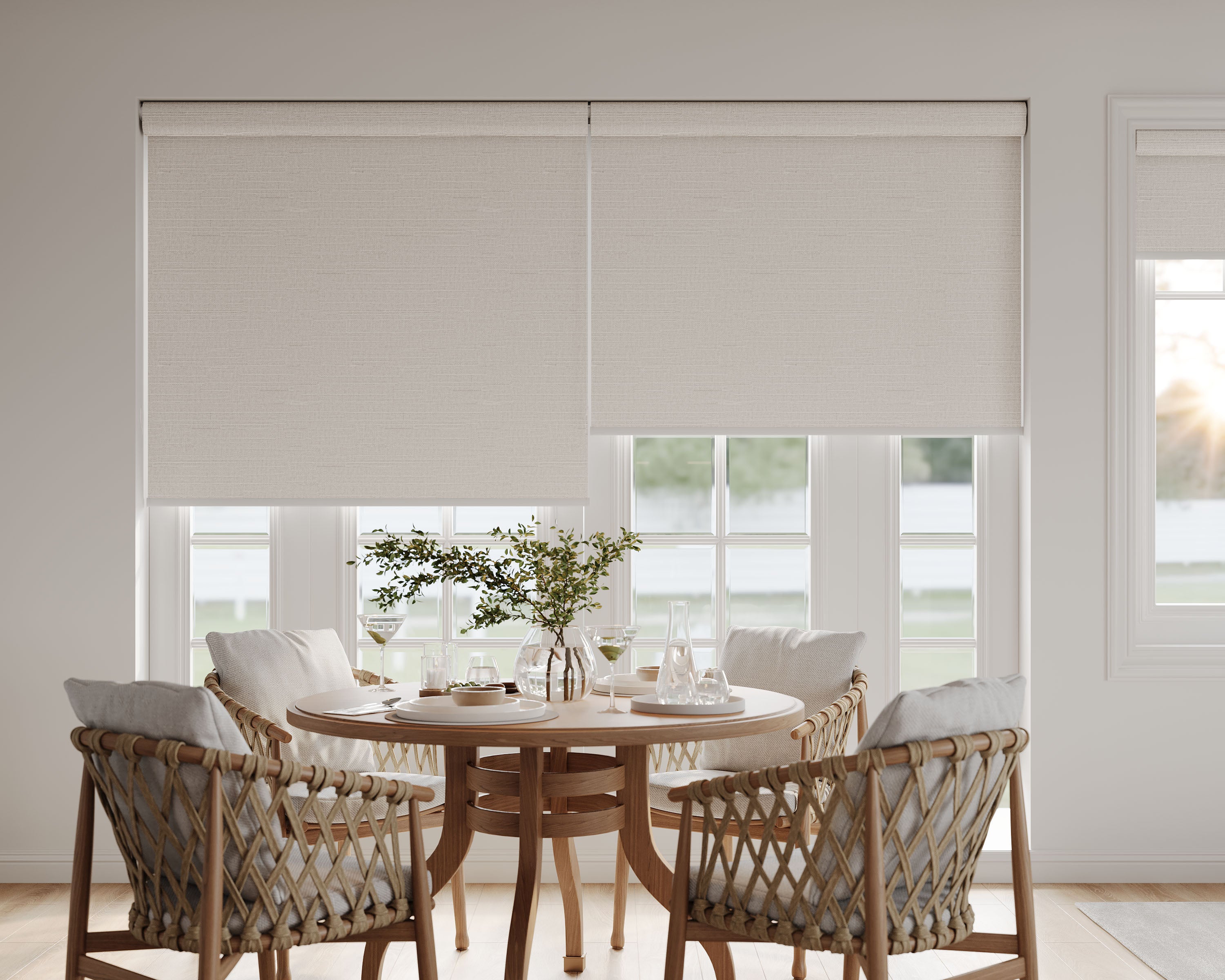


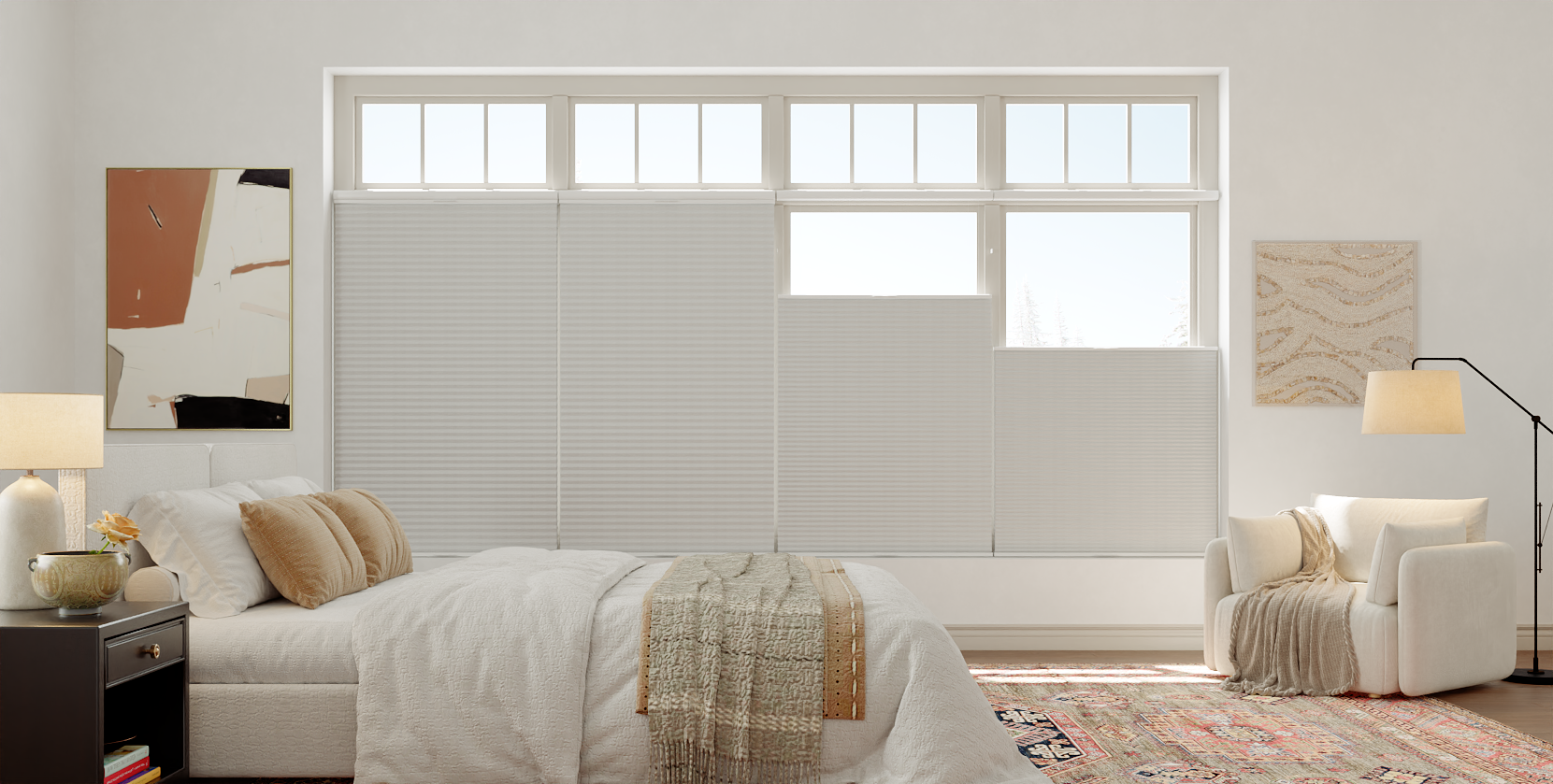


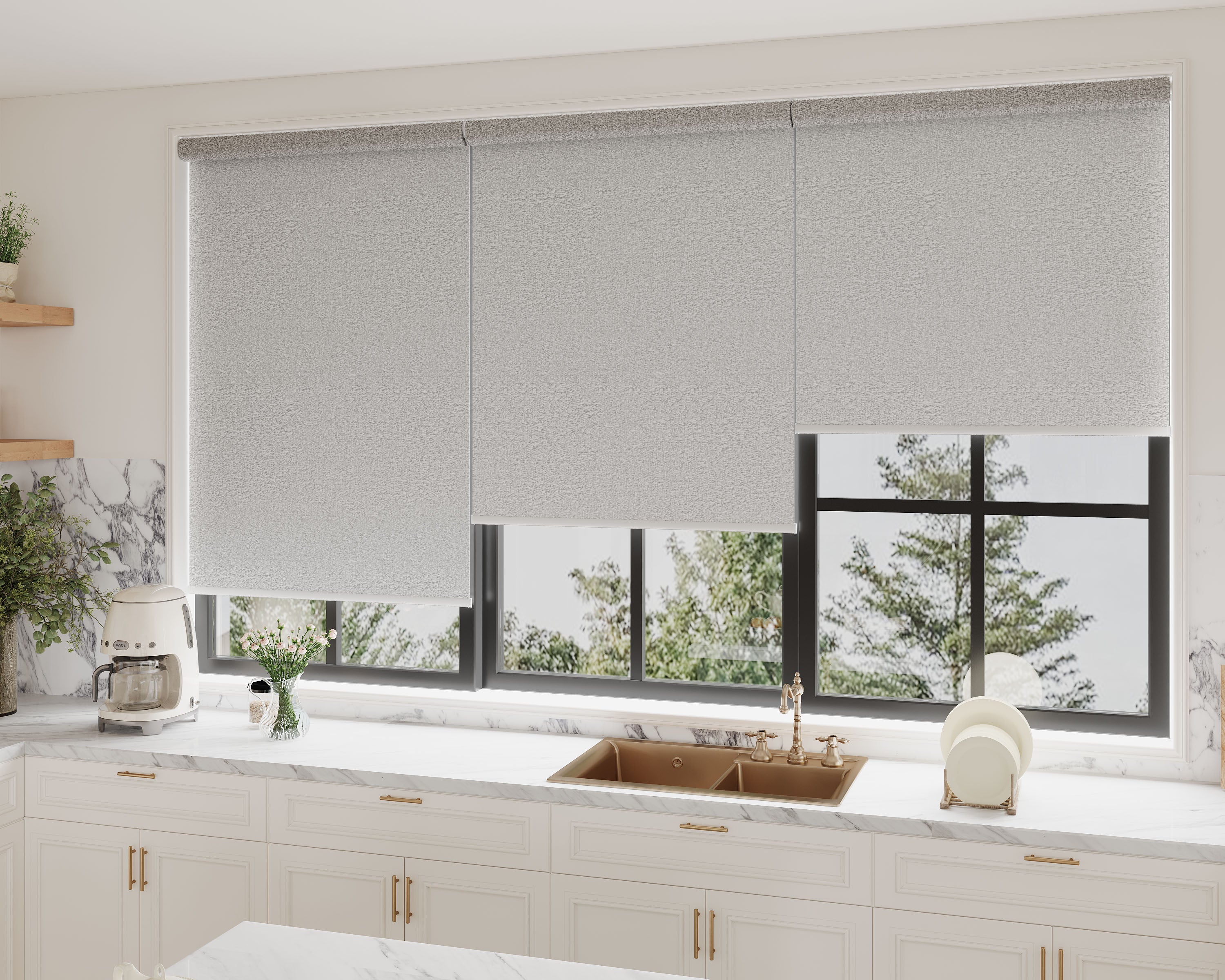

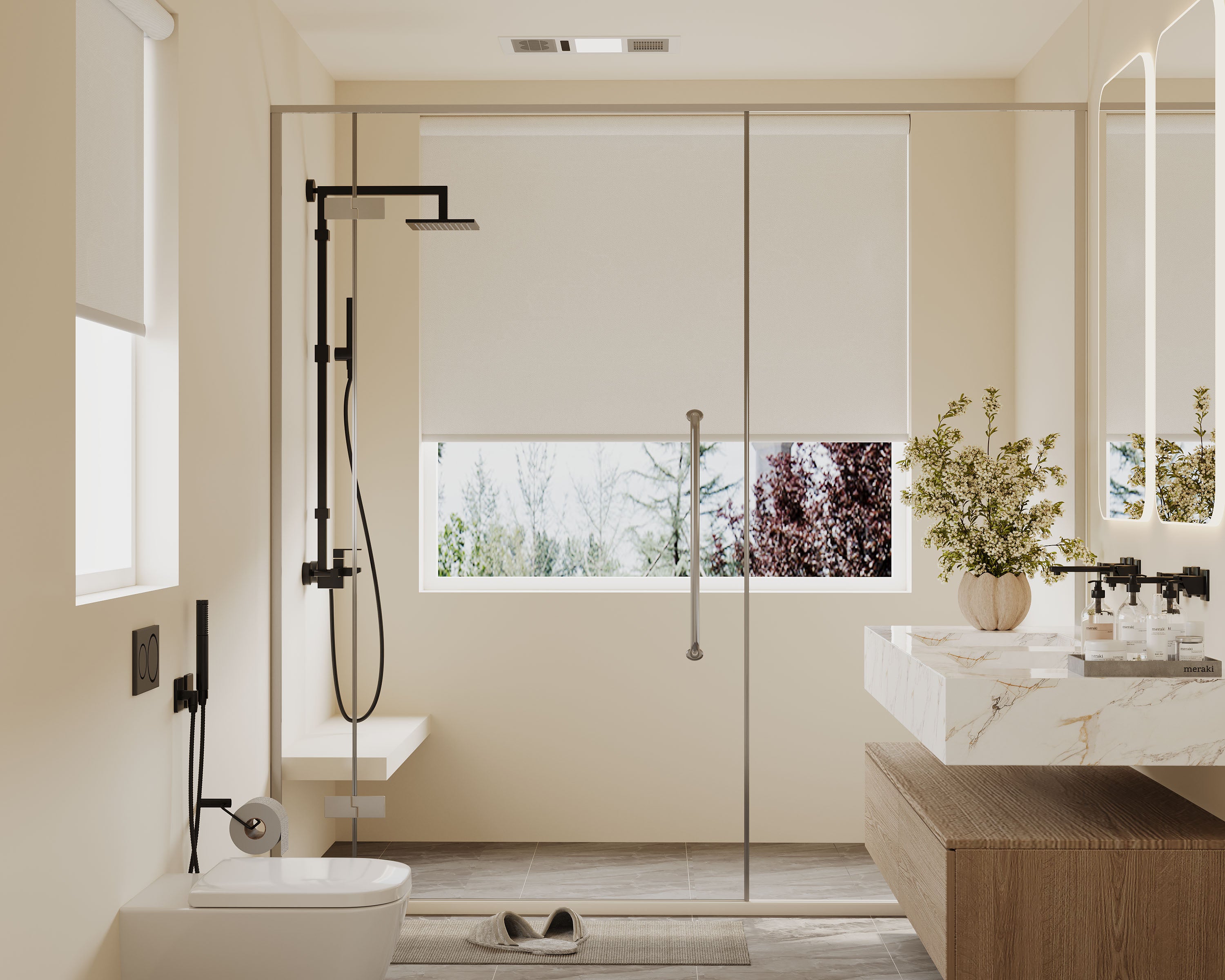


Ready-made cellular shades are worth considering when an available size and configuration suit the window. Custom cellular shades become useful when a supported made-to-measure size or a particular available fabric, lift or opacity solves a need that the standard option does not.
Measure and define the task before comparing the labels. Explore the custom cellular collection, then compare it with a ready-made product that meets the same brief.
Let the opening establish the fit question
Record width, height, usable depth, handles and the intended inside or outside mount. Use the measuring guide, then follow the actual product's ordering rules.
A standard-size product may fit a particular opening well. A custom size can address a mismatch, but it still needs operating clearance and correct measurements. Neither label guarantees a sealed edge or complete installed darkness.
Do not cut a standard cellular shade unless the identified product explicitly permits an appropriate cut-down procedure. Custom also does not mean every arched, angled or oversized opening is supported.
Compare the configurations you can actually buy
| Requirement | Compare in both options |
|---|---|
| Size | Finished dimensions and order-size convention |
| Opacity | Light-filtering or opaque result and edge coverage |
| Cell construction | Actual offered cell structure and system depth |
| Lift | Cordless, motorized or other supported configuration |
| Care | Instructions for the specific fabric |
| Support | Warranty terms, parts and service responsibilities |
Do not assume custom offers every cell count or fabric combination. Likewise, do not assume ready-made products are always corded or never motorized. The selected model supplies the answer.
Use opacity and lift as separate decisions
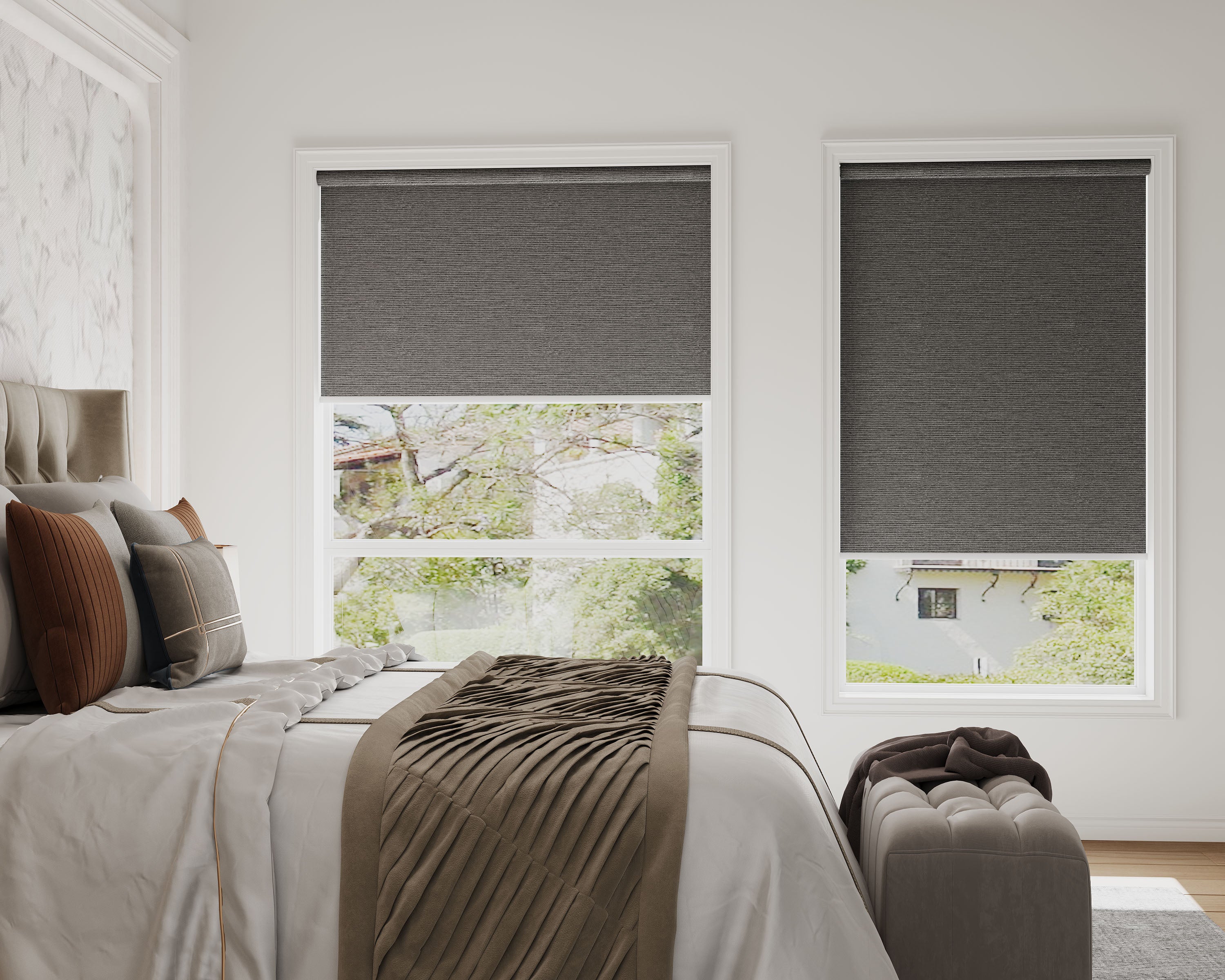
The cordless blackout cellular option provides one concrete starting point. The motorized light-filtering cellular option represents a different light and operation combination to inspect.
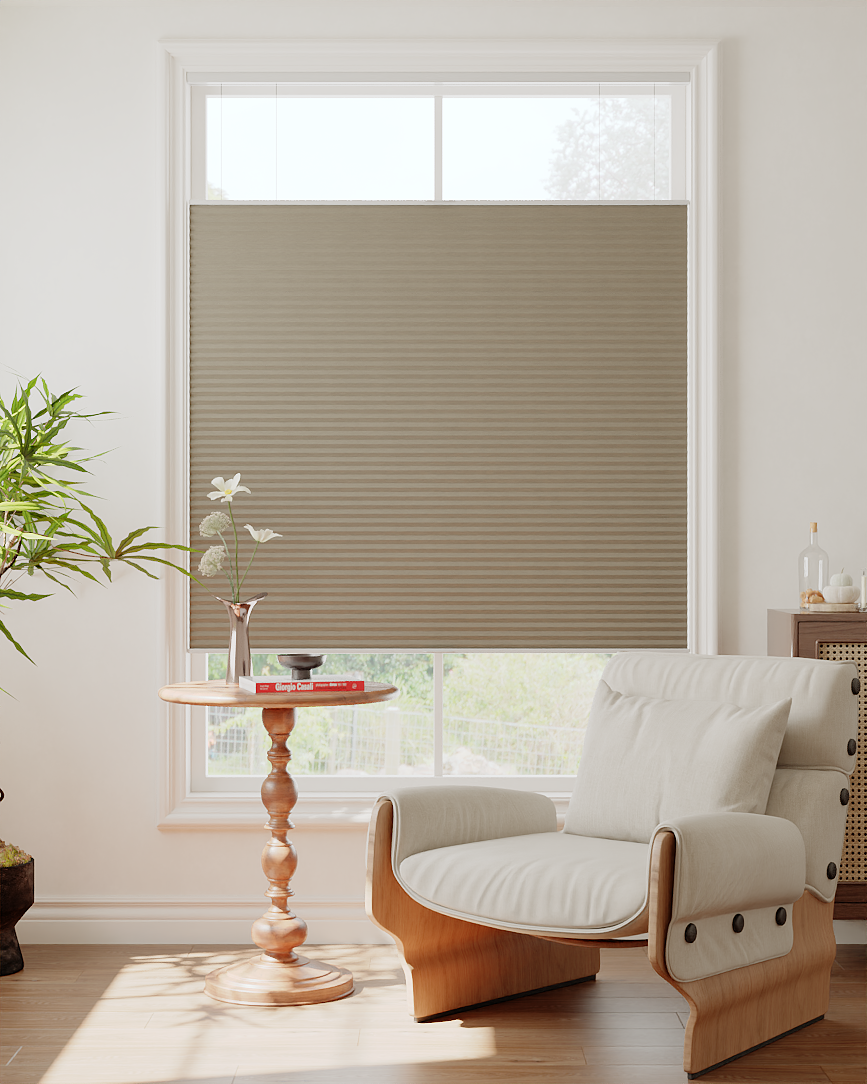
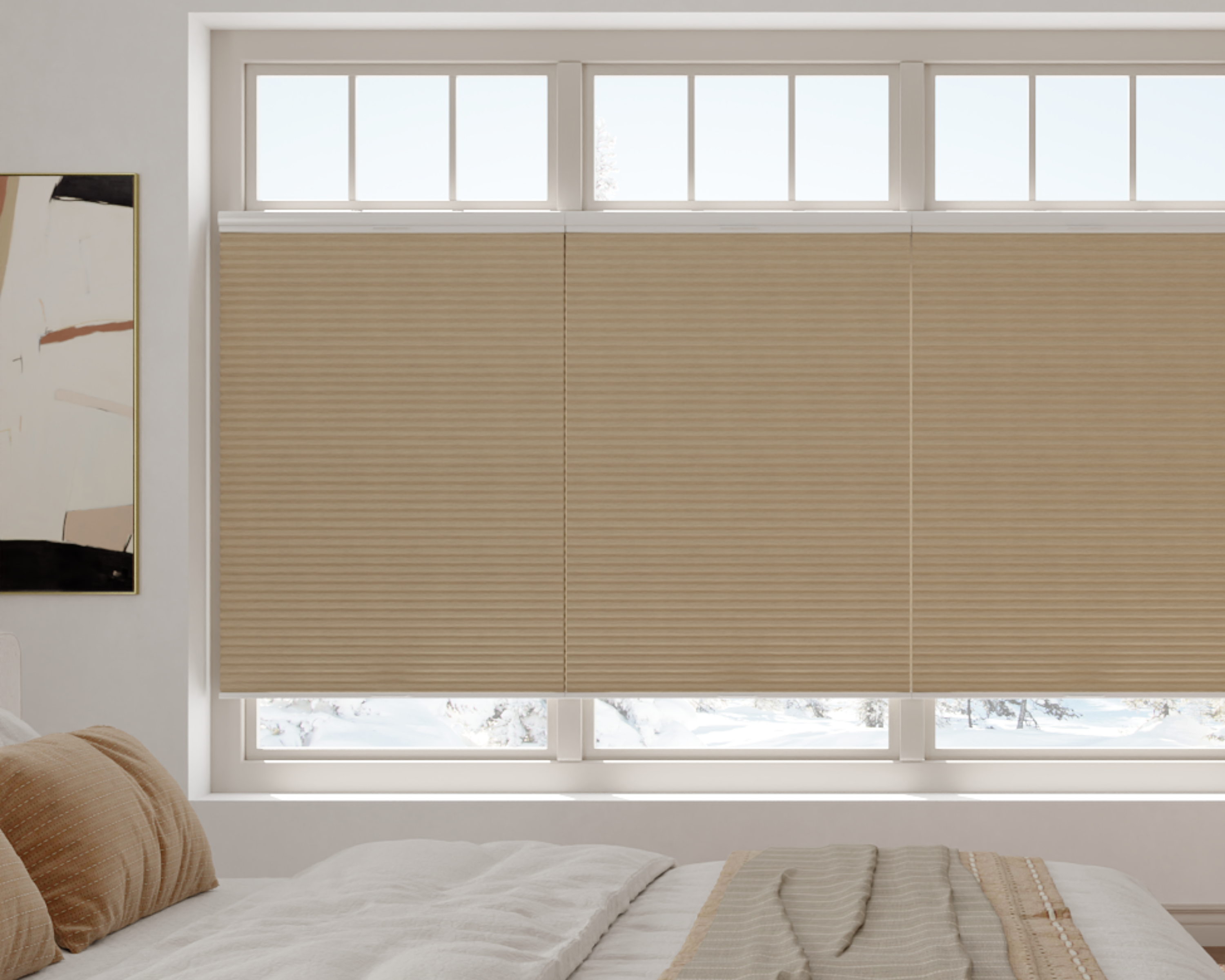
For lower-window coverage with an upper opening, compare the light-filtering top-down/bottom-up option and confirm its actual available size/lift. Do not infer TDBU operation from a day/night fabric description.
Where young children live or visit, prioritize a suitable covering without accessible hazardous cords in whichever buying category is chosen. Price and customization do not replace that assessment.
Do not use custom as an energy rating
The honeycomb construction contains air spaces, but installed energy performance depends on the complete system, fit, window, climate and use. A custom label does not establish a particular R-value or savings advantage over a well-specified standard product.
The cellular air-space guide explains the construction. Ask for actual applicable performance information when insulation is a major purchase reason.
Compare delivered or installed cost
Request current prices for the same size, opacity and operating brief. Include any measuring, fitting, hardware, power/control equipment and delivery costs. A low product-only price and a full-service quote are different scopes.
The custom cellular cost guide helps identify quote factors. Do not assume installation is included because a shade is made to measure, or that either route always requires DIY.
Check the current delivery estimate and the point at which changes or cancellations stop. Ready-made inventory can vary, and custom production estimates belong to the actual order.
Include support and future plans
Read the written warranty and ask about compatible parts, removal and reinstallation costs. Neither manufacturing category guarantees a longer service life or broader coverage.
If you expect to move, confirm whether the dimensions and mount could realistically transfer; do not assume alteration is possible. For resale considerations, the cellular home-value guide helps separate a finished appearance from an unverified financial return.
You can mix suitable ready-made and custom coverings across a home. Prioritize the actual problem at each window rather than assigning every bedroom or utility room the same category.
Choose custom cellular shades when their supported sizing or options add a benefit you need. A ready-made alternative is sensible when it meets the same functional and safety requirements.
