
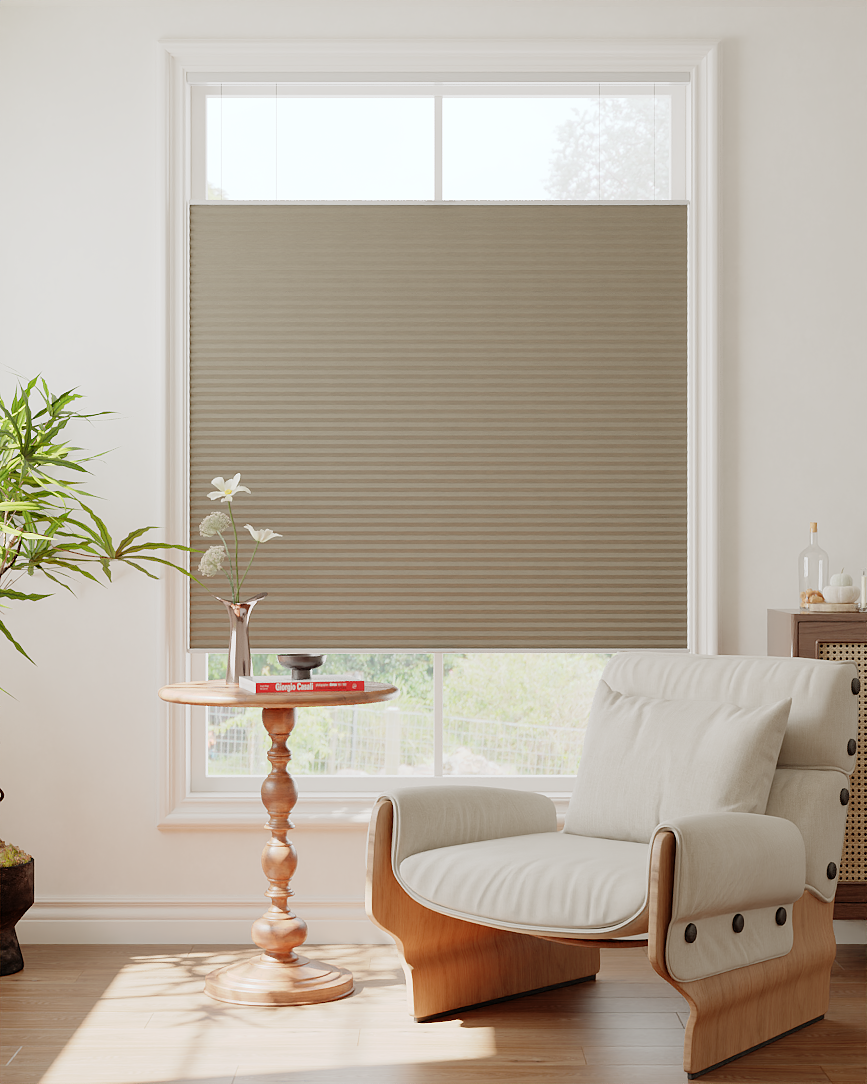
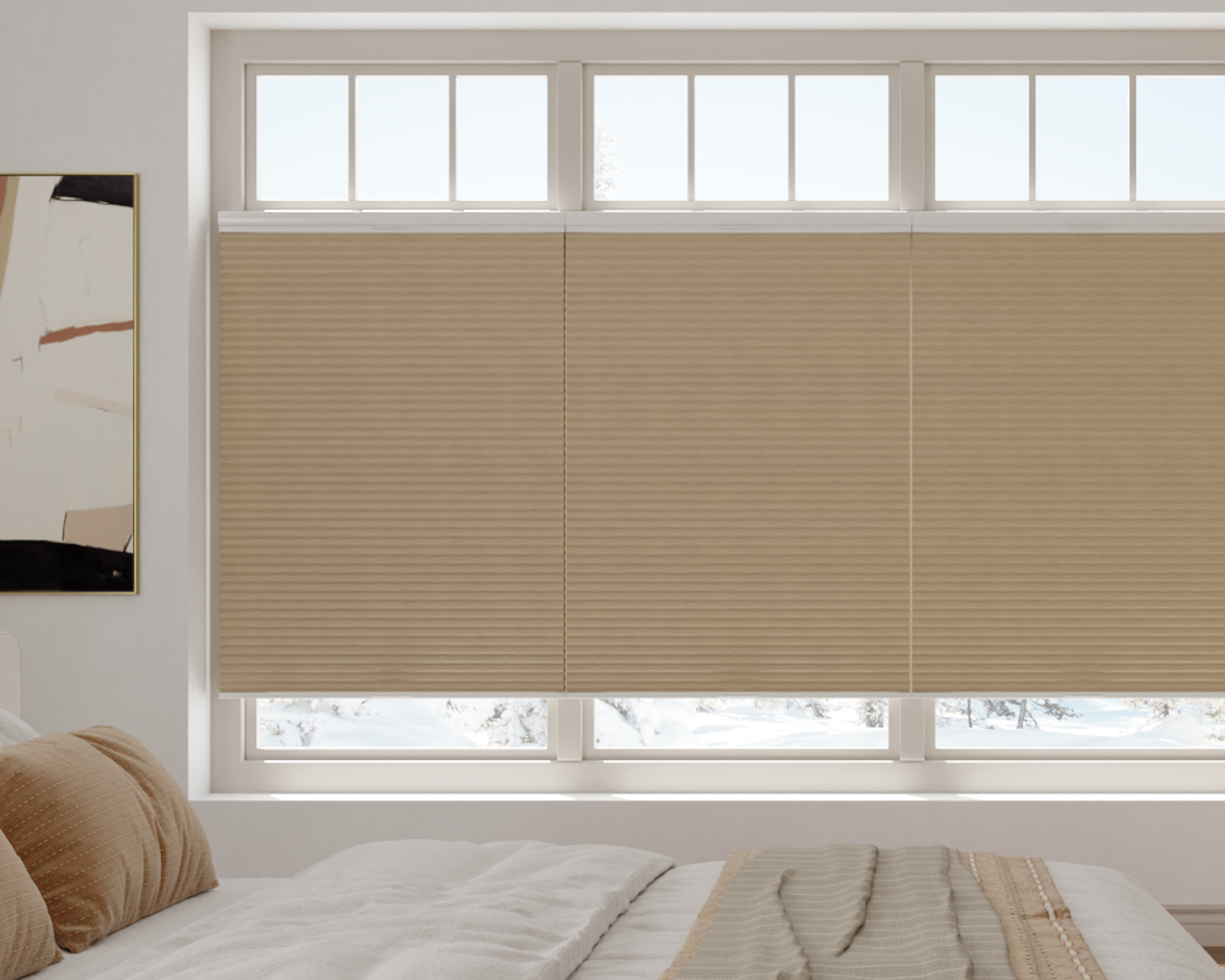







The typical cost for a single custom cellular shade in 2026 ranges from $35 to over $400, with most standard-sized, single-cell shades falling between $50 and $150. This wide variation reflects the highly customizable nature of the product, where choices in size, cell structure, fabric, and lift system directly determine the final price. Investing in a tailored fit means investing in the superior insulation and clean look of premium cellular honeycomb shades.
Here’s what you’ll learn in this article:
-
A detailed breakdown of the four primary factors that determine your final cost: size, cell structure, opacity, and operating system.
-
A clear price comparison table showing how costs scale from basic to fully upgraded shades.
-
How to budget for additional services like professional installation and measuring.
-
Effective strategies for planning and saving on a whole-home window treatment project.
-
Answers to common questions about warranties, price matching, and the true value of customization.
The Core Factors That Determine Your Custom Shade Cost
The price of a cellular shade is not a single number but the sum of several key choices. Understanding each one allows you to tailor the product—and your budget—to your exact needs.
1. Cell Structure: Single, Double, or Triple
The honeycomb design is the heart of the product, and more cells mean more material, insulation, and cost.
-
Single-Cell: The most affordable and lightweight option. Ideal for standard windows and milder climates. Example prices for light-filtering single-cell shades start around $35-$60.
-
Double-Cell: Features two layers of cells, offering significantly better insulation. This is a popular mid-range choice. Example prices often range from $65-$120.
-
Triple-Cell: Provides maximum insulation and a fuller, more substantial look. This premium option commands the highest base price, with examples starting around $70 and up.
2. Fabric Opacity and Specialty Materials
The fabric's ability to filter or block light is a major cost driver.
-
Light Filtering: The standard and most common option, offering soft diffused light and privacy. This is typically the base price fabric.
-
Room Darkening & Blackout: Fabrics with special linings or tighter weaves to block most or all light. These often come at a 10-25% premium over light-filtering options.
-
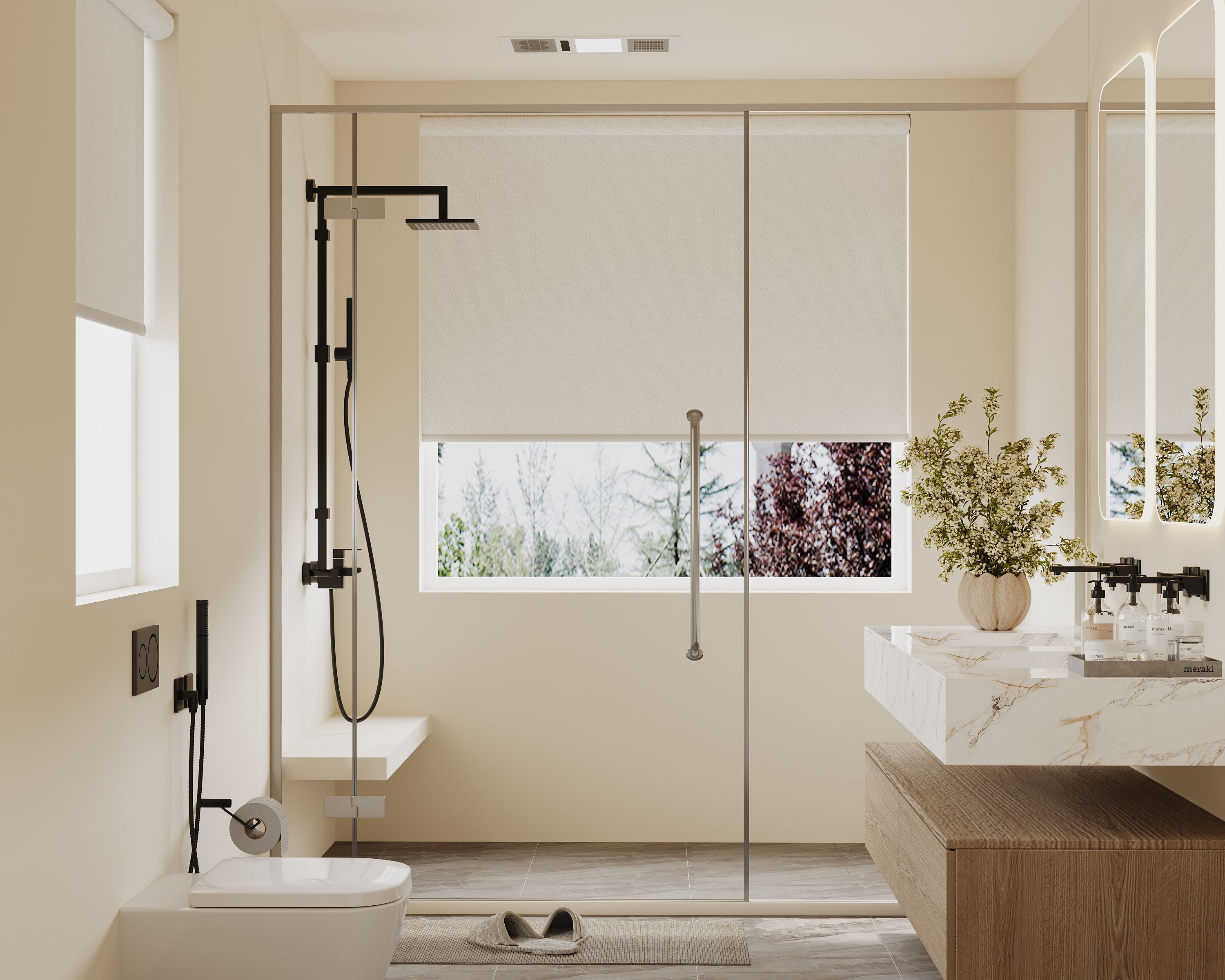
Specialty Fabrics: Moisture-resistant fabrics for bathrooms, textured weaves, or upgraded material blends (e.g., linen-look) will also increase cost. For spaces like kitchens and baths, choosing the right moisture-resistant fabric option is a functional upgrade that impacts price.
3. Lift System and Motorization
How you operate the shade is a critical functional and safety upgrade.
-
Standard Corded: The most basic and economical operating system.
-
Cordless: A popular, family-safe upgrade that eliminates dangling cords. This convenience typically adds a $10-$30 premium per shade.
-
Motorized: The ultimate in convenience, often controllable via remote, app, or smart home system. This is the most significant upgrade, adding $100 to $200 or more per shade to the base cost.
4. Size and Custom Dimensions
Cellular shades are made-to-order for your exact window. While many standard-sized windows will fall within an average cost range, exceptionally wide, tall, or non-standard shapes will increase the price due to more material and potentially reinforced hardware.
Custom Cellular Shade Cost Breakdown Table
This table illustrates how costs can scale based on your selections for a typical 36" x 48" window.
| Configuration | Typical Price Range (Per Shade) | Best For |
|---|---|---|
| Basic Single-Cell (Light Filtering, Corded) | $35 - $80 | Budget-conscious projects, low-priority windows, or mild climates. |
| Standard Double-Cell (Light Filtering, Cordless) | $100 - $200 | The value sweet spot: excellent insulation, modern cordless safety, and mid-range price. |
| Premium Blackout (Double/Triple-Cell, Cordless) | $150 - $300 | Bedrooms, media rooms, and spaces requiring total light control and maximum insulation. |
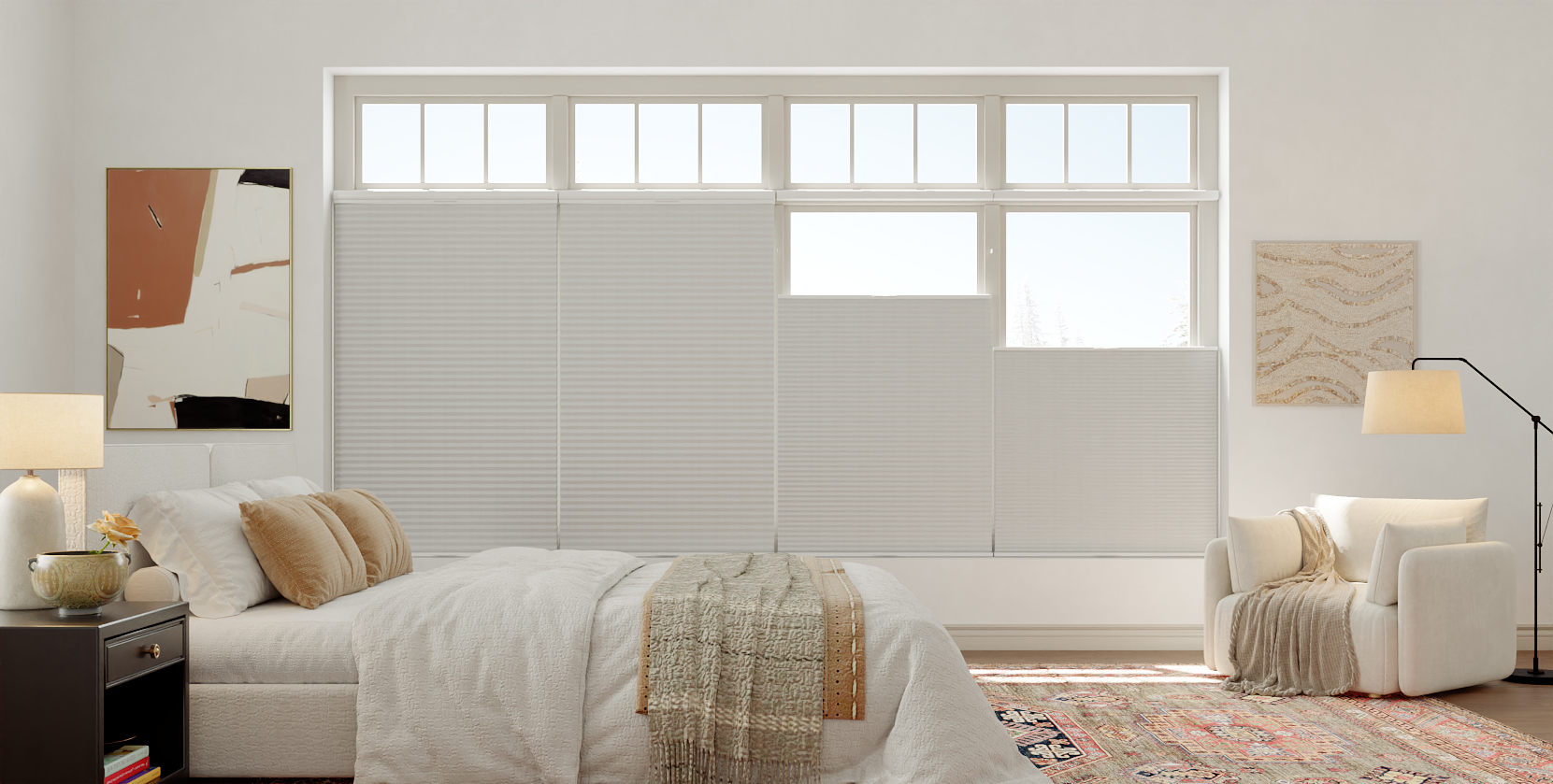
| Top-Down/Bottom-Up + Motorization | $250 - $400+ | High-use windows, hard-to-reach places, and integrated smart home convenience. |
Additional Costs to Factor Into Your Budget
Beyond the shade itself, consider these potential additional services for a complete project.
Professional Measuring and Installation
While a confident DIY project, professional services ensure perfection:
-
Professional Measuring: Some companies offer this for a fee (or free with a purchase minimum) to guarantee accuracy and assume liability for measurement errors.
-
Professional Installation: Costs vary by region and project complexity but can range from $100 to $250 per window for basic installation. For large or complex projects (e.g., multi-story homes, motorized systems), installers may charge a flat project fee. Ensuring a fool-proof measuring process is the most critical step, whether you do it yourself or hire a pro.
Shipping, Taxes, and Warranty
-
Shipping: Many online retailers offer free standard shipping on orders over a certain amount, which can be a significant saving for whole-home projects.
-
Extended Warranty: Consider the value of an extended warranty beyond the standard limited lifetime coverage, especially for motorized components.
Planning for a Whole-Home Project: Tips and Strategies
Covering multiple windows requires a strategic approach to budgeting.
-
Prioritize by Room: Allocate more of your budget to key rooms like bedrooms (for blackout) and living areas (for style and insulation). Use simpler shades in closets or laundry rooms.
-
Look for Package Deals: Many retailers offer "whole home" discounts or promotions when you order a minimum number of shades.
-
Phase Your Project: If the total cost is prohibitive, install shades room-by-room over several months.
-
Request Free Swatches: Always order physical fabric samples. Seeing color and texture in your home's lighting prevents costly dissatisfaction.
Conclusion and Key Takeaways
The cost of custom cellular shades is an investment in comfort, energy efficiency, and a tailored aesthetic for your home. By understanding the pricing tiers and making intentional choices about where to save and where to splurge, you can create a beautiful, functional window treatment plan that fits your budget.
Key Highlights:
-
Base Price is Flexible: Entry-level single-cell shades start around $35-$60, but most homeowners invest $100-$200 per shade for optimal balance.
-
Upgrades Add Value: Cordless operation and double-cell construction are two of the most worthwhile upgrades for everyday value.
-
Motorization is a Premium: Smart features offer convenience but significantly increase the per-window cost.
-
Installation Adds Cost: Factor in $100-$250 per window if you opt for professional installation.
-
Plan Holistically: Look for multi-shade discounts and phase your project to manage cash flow effectively.
By approaching your purchase with this detailed knowledge, you can confidently navigate the custom options and invest in window treatments that will deliver comfort and savings for years.
Explore Custom Cellular Shades


Frequently Asked Questions (FAQ)
Is it worth paying more for double or triple-cell shades?
If energy efficiency is a priority, yes. The additional air pockets in double and triple-cell shades provide significantly better insulation than single-cell, helping to regulate indoor temperatures year-round. This can lead to measurable savings on heating and cooling bills, offering a long-term return on the initial higher investment. Understanding how cellular shades trap air for insulation clarifies the value of this upgrade.
Do custom cellular shades come with a warranty, and what does it cover?
Most reputable manufacturers and retailers offer a limited lifetime warranty. This typically covers defects in materials and workmanship for as long as you own the product. It's crucial to read the fine print, as warranties usually do not cover fading from normal sun exposure, damage from accidents or improper cleaning, or issues with motorized components after a certain period (e.g., 2-5 years). Always review the specific warranty terms and coverage details before purchasing.
Can I find the same quality for less from different retailers?
Pricing is competitive, and similar products can have different price points. The key is to compare equivalent specifications: same cell structure, fabric opacity, lift system, and hardware quality. Be wary of prices that seem too good to be true, as they may indicate thinner fabrics, less durable mechanisms, or inferior customer service. Look for transparent pricing, positive reviews, and strong warranties.
How much should I budget for cellular shades on a large sliding glass door?
Large coverings like sliding doors require wide, often motorized shades, placing them at the top of the price range. For a quality double-cell, cordless or motorized shade covering a standard patio door, you should budget $300 to $600 or more. The width may necessitate a continuous cord loop or motorization, and the size alone requires more material and potentially a reinforced headrail.
Are there sales cycles or the best time of year to buy cellular shades for a discount?
Yes, the window treatment industry has traditional sale periods. Common times to find promotions include major holidays (President's Day, Memorial Day, Fourth of July, Labor Day, Black Friday) and the end of a season. Many retailers also offer first-time buyer discounts or seasonal promotions focused on energy-efficient products. Signing up for newsletters from trusted retailers can alert you to upcoming sales.
