
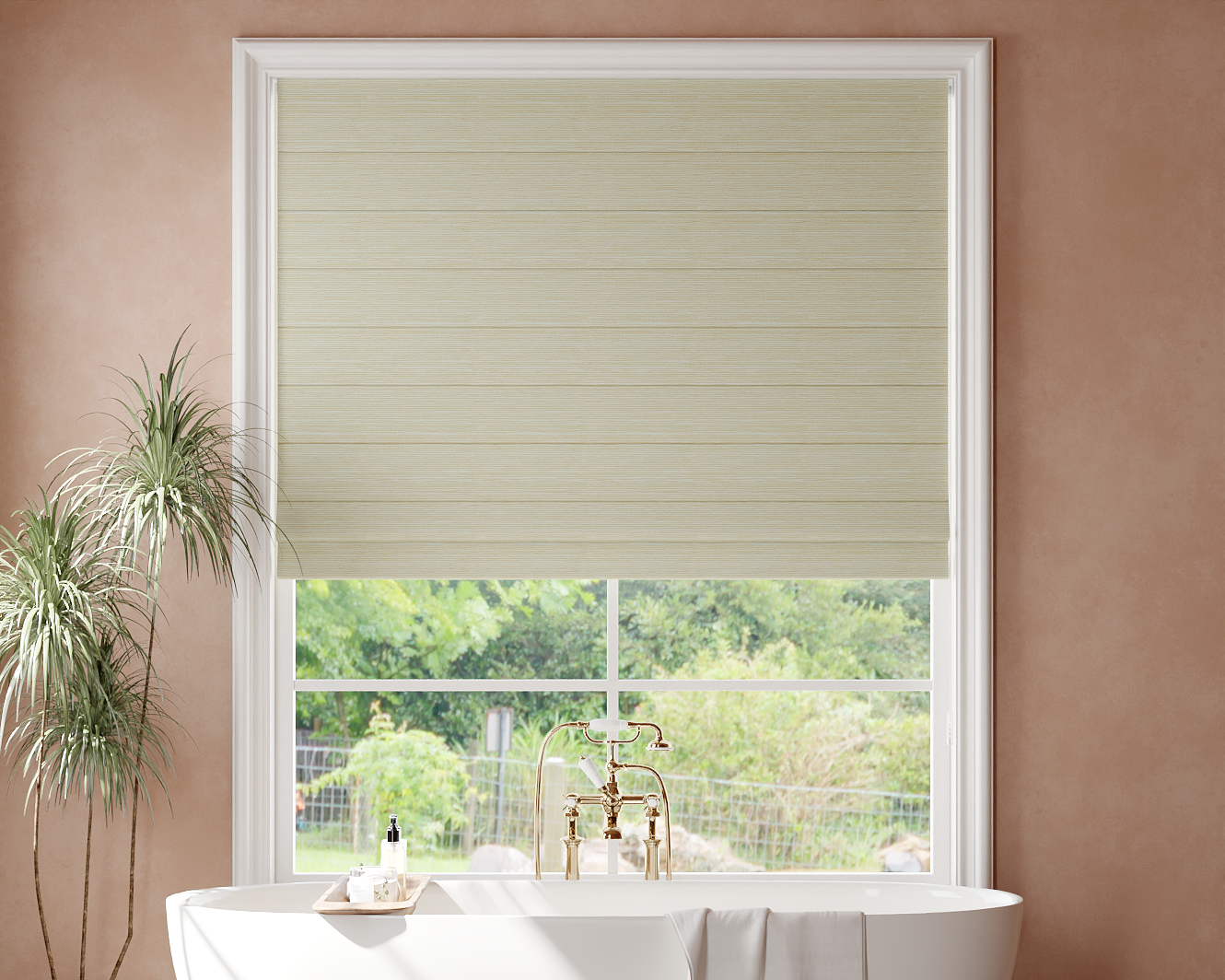
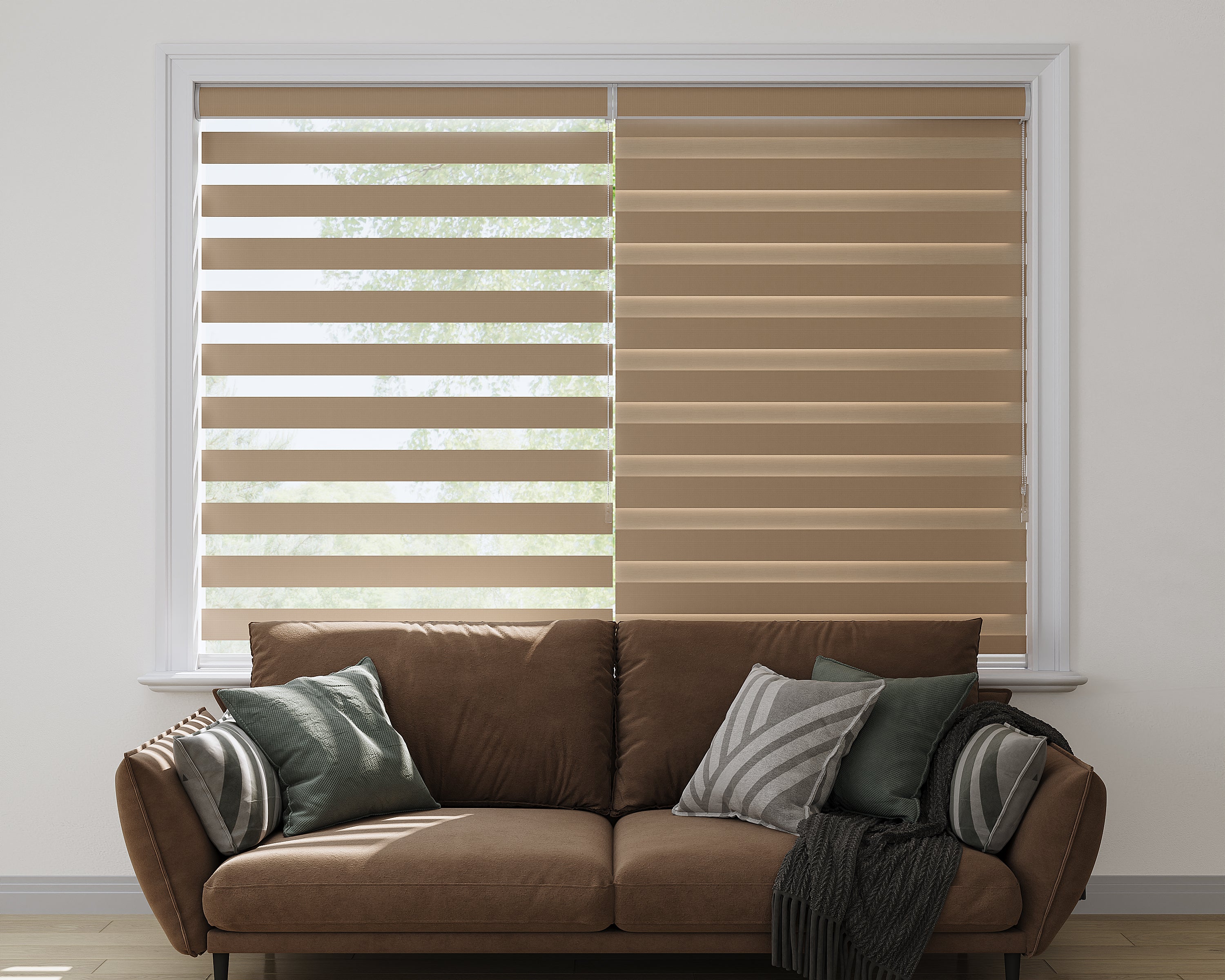
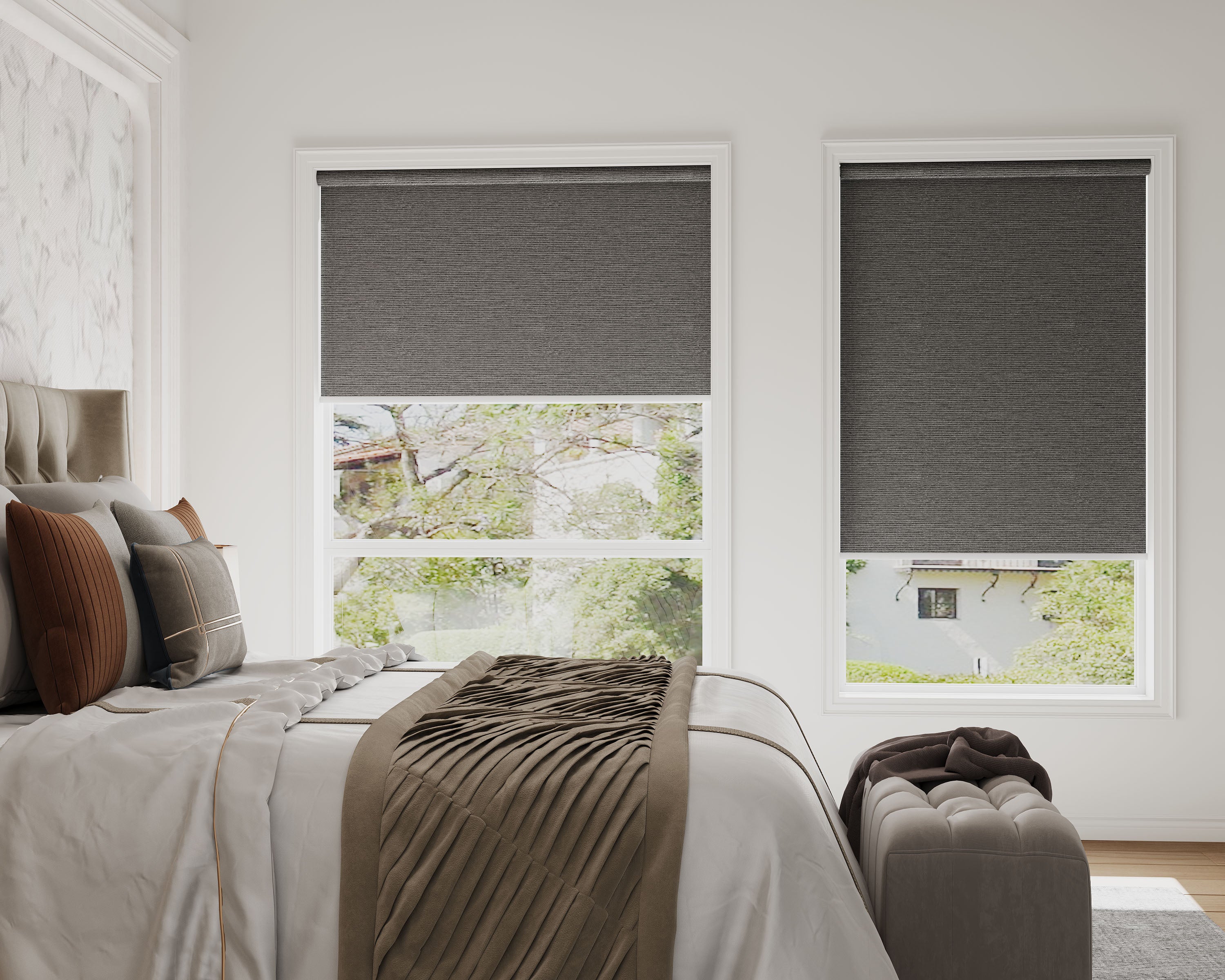
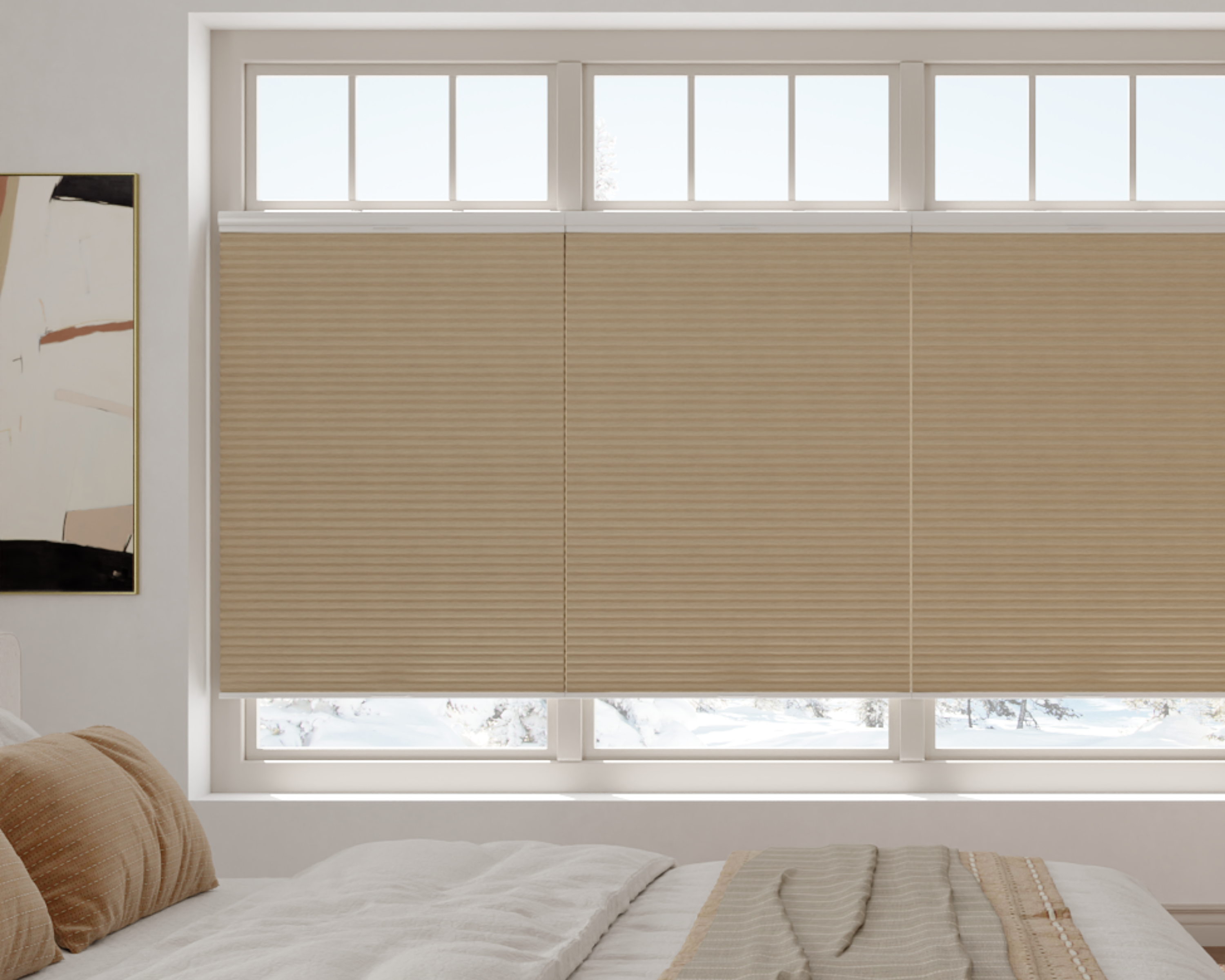
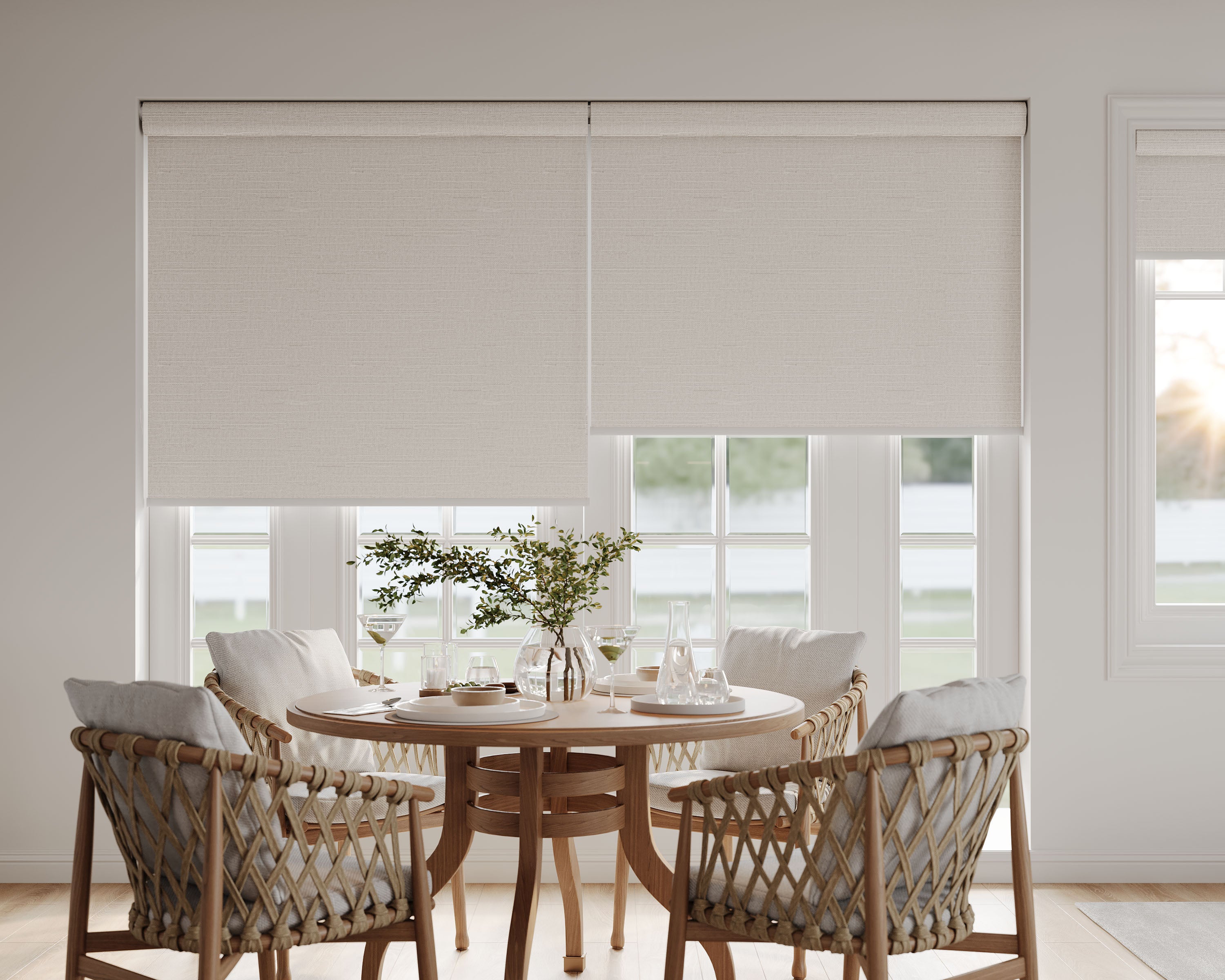




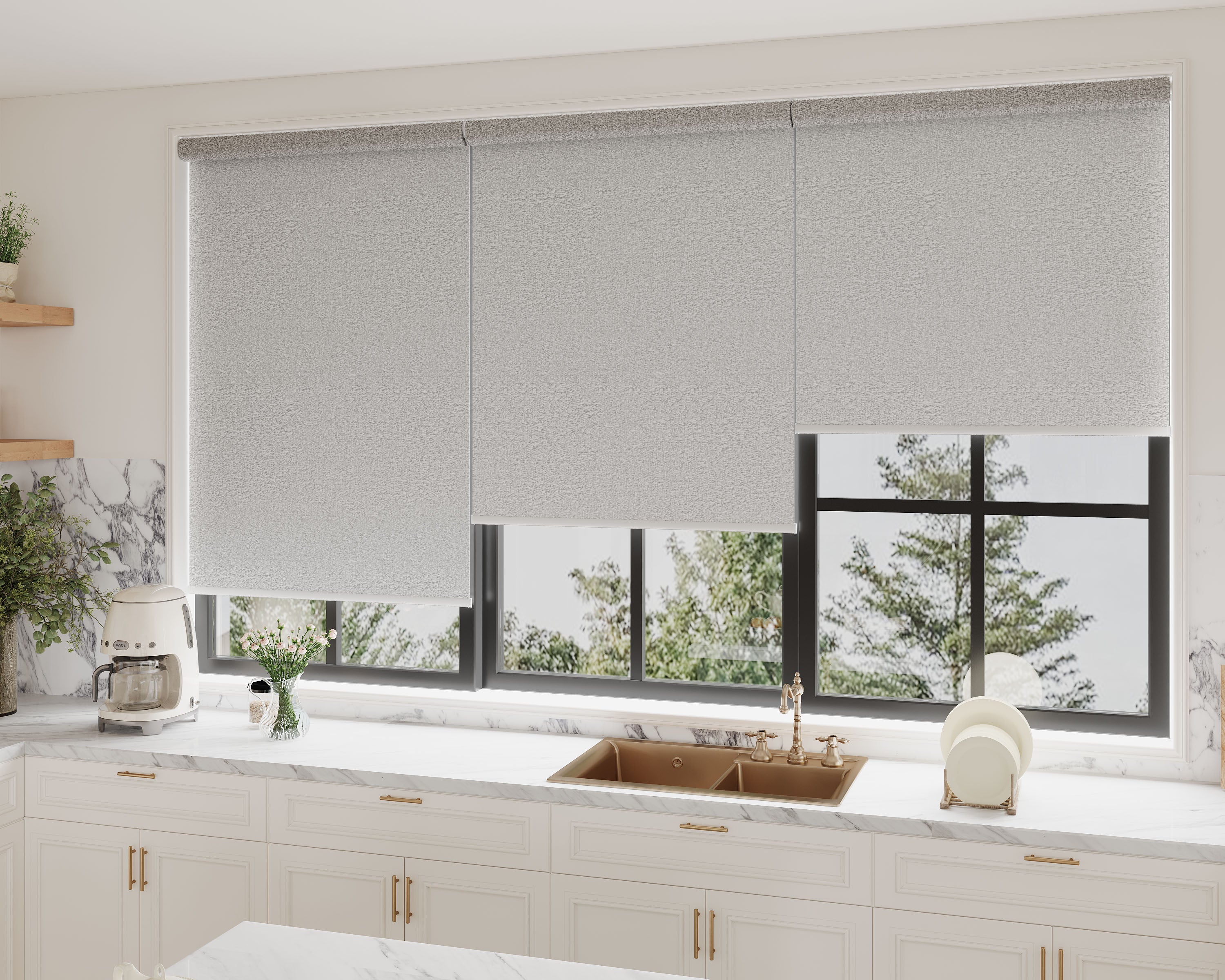

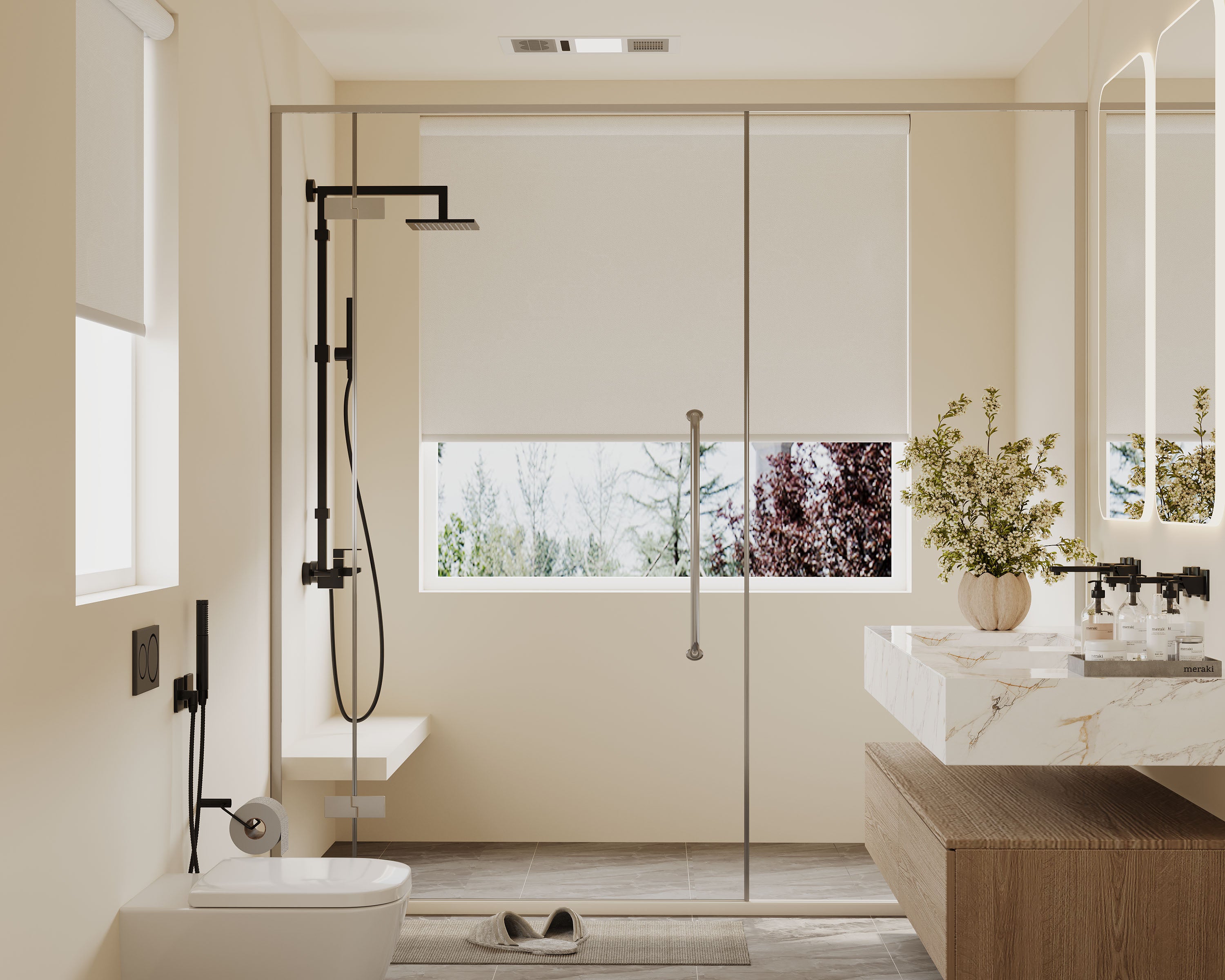


Cellular shades can improve a room's finished appearance and day-to-day function, but a higher resale price or faster sale should not be assumed. Their value to you may be clear even when there is no supported dollar return to put against the purchase.
Compare custom cellular and honeycomb shades for the actual window problems you want to solve. If selling is the main reason for the upgrade, discuss the property's presentation and spending priorities with a local real-estate professional before committing to a whole-home order.
Separate three different kinds of value
| Value question | What you can assess |
|---|---|
| Daily usefulness | Whether the covering provides the desired privacy, light level and operation |
| Room presentation | Whether it is clean, intact, coordinated and fitted appropriately |
| Resale or appraisal effect | The property's market context and relevant professional assessment |
A purchase price does not automatically become an equal increase in property value. Nor does a shade's energy-related description establish a documented home-energy improvement or a buyer's willingness to pay more.
Audit the existing coverings first
List the windows and inspect condition and function. Identify missing coverage, damaged fabric, loose hardware and controls that do not work normally. A repair or a suitable simpler replacement may be more useful than replacing every opening with the same premium specification.
Prioritize the actual needs: an exposed bathroom, a bedroom with unwanted light or a living area where the current covering cannot be used comfortably. Keep necessary repairs separate from purely decorative upgrades in the budget.
For rooms where young children live or visit, use CPSC cordless guidance. The cordless mechanism guide helps compare operation, but a clean appearance does not establish complete safety by itself.
Choose a configuration that suits the room
Compare fabric samples against paint and furnishings. A coordinated neutral scheme may suit your design goal, but there is no universally required resale color. Choose opacity around the room's daytime and evening use rather than selecting light filtering for every living area or blackout for every bedroom.
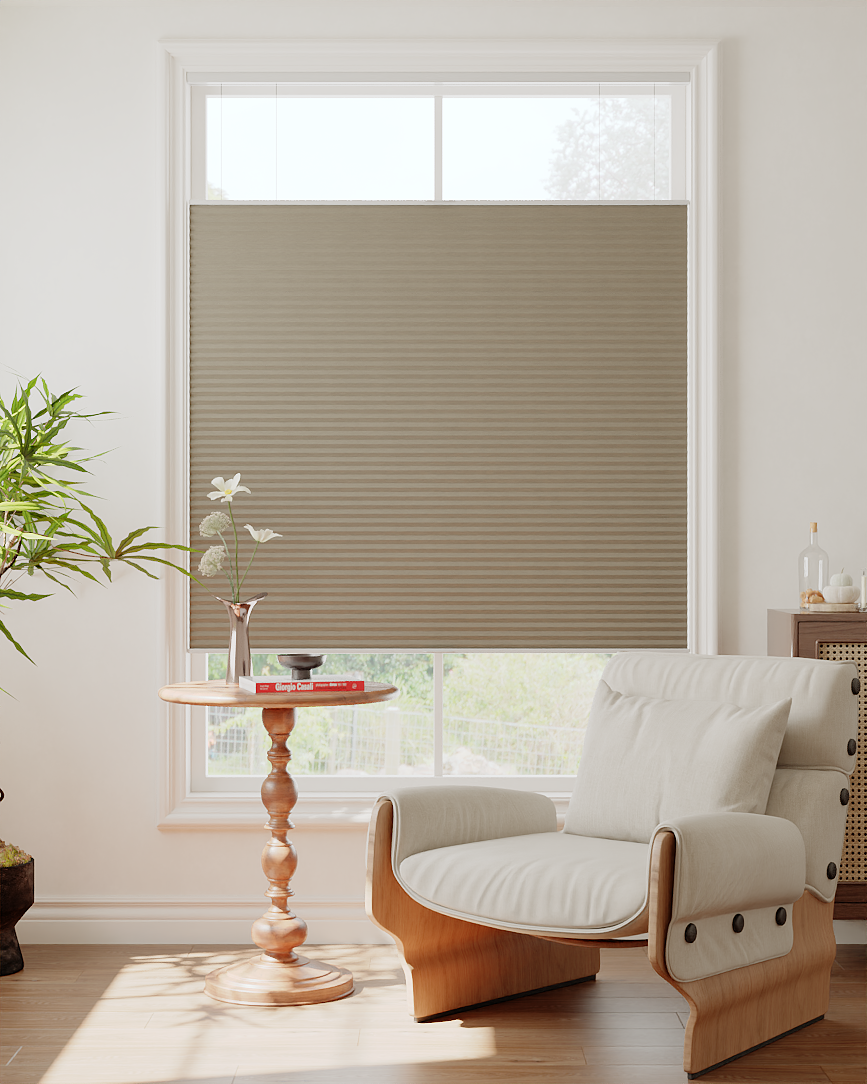
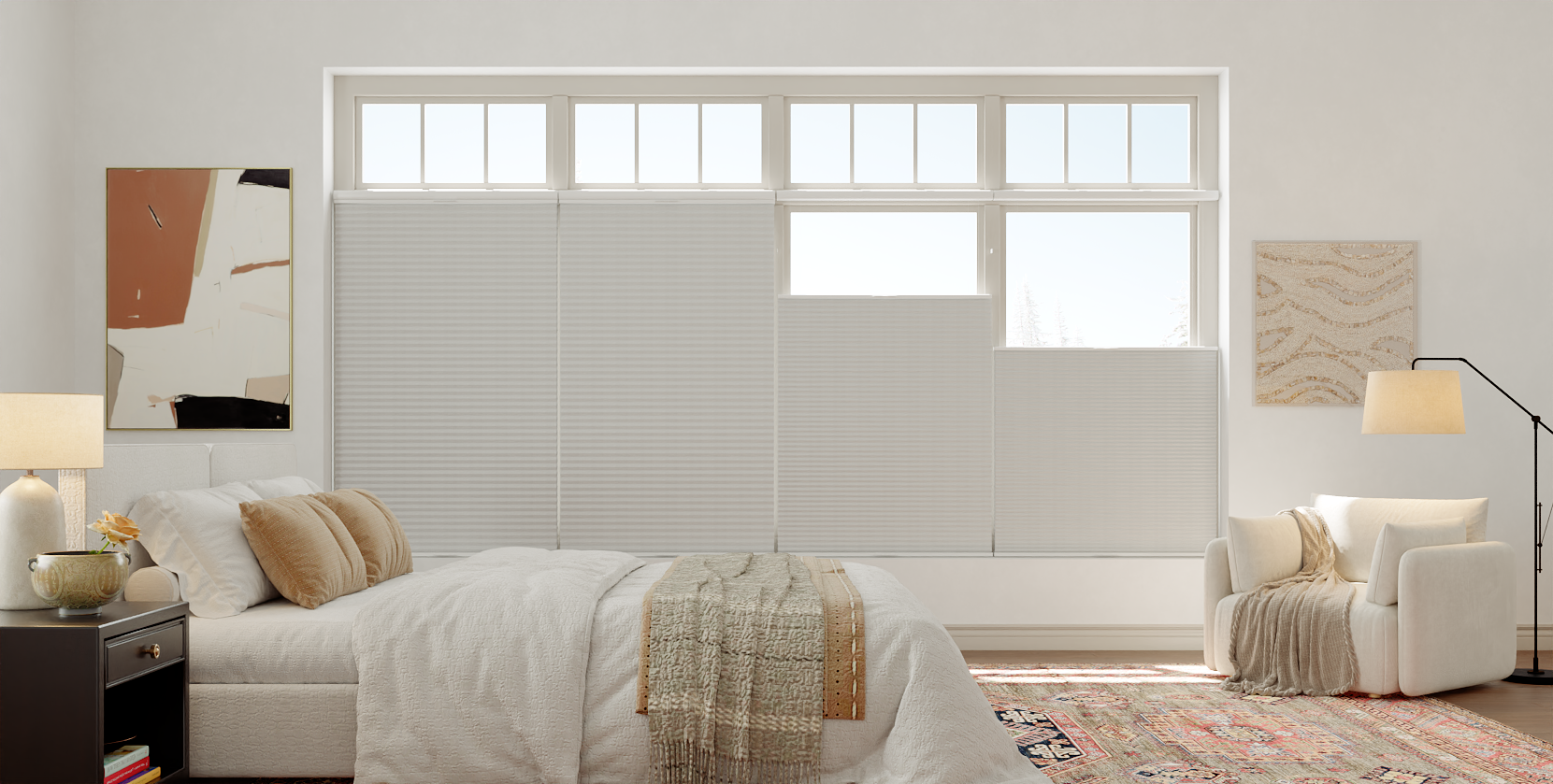
Cordless blackout cellular shades offer one light-control route. Motorized light-filtering cellular shades and light-filtering top-down/bottom-up shades provide other configurations to compare. Check the exact lift, fabric and installed privacy separately.
An inside mount can look contained within the recess where the product fits. An outside mount may provide suitable coverage elsewhere. Neither is inherently more valuable, and custom dimensions do not eliminate every operating clearance or perimeter light gap.
Describe only features you can support
Keep order details showing fabric, dimensions and operating system. If energy performance matters, ask for relevant information for the actual product and its conditions. The cellular air-space guide provides construction context, not a bill-saving figure for an individual home.
For example, an accurate record may identify a cordless lift, a particular fabric or an installed motor and remote. Do not convert a generic collection claim into a statement that the home saves a fixed amount, is soundproofed or has universal UV protection.
If you have tracked energy use, keep the period, conditions and other changes with the figures. Do not attribute a lower bill solely to the shade without a suitable analysis.
Keep service and sale information organized
Save instructions, supplier contacts and any controller or charging information needed for normal use. Read the shade warranty guide, then check the actual terms for transferability and service costs. A warranty should not be advertised as transferable unless its terms support that statement.
When discussing a sale, identify with the appropriate professional which coverings, controls and accessories are to remain and how they will be documented. Do not rely on a generic claim that all custom shades must stay or can always be removed.
Before a viewing, use the coverings in a way that shows their condition and suits the light. Uniform heights may look coordinated, but privacy, glare and safe access still govern the setting.
Make the spending decision around a concrete benefit
Compare a complete configured quote with the benefits you will actually use. A cellular shade may be worthwhile for privacy or convenient operation without a predictable resale return. An expensive whole-home upgrade is not automatically the best preparation for selling.
Choose from the cellular collection once the fit, opacity and operating requirements are clear. Keep the improvement and any marketing description specific to what has actually been installed.
