
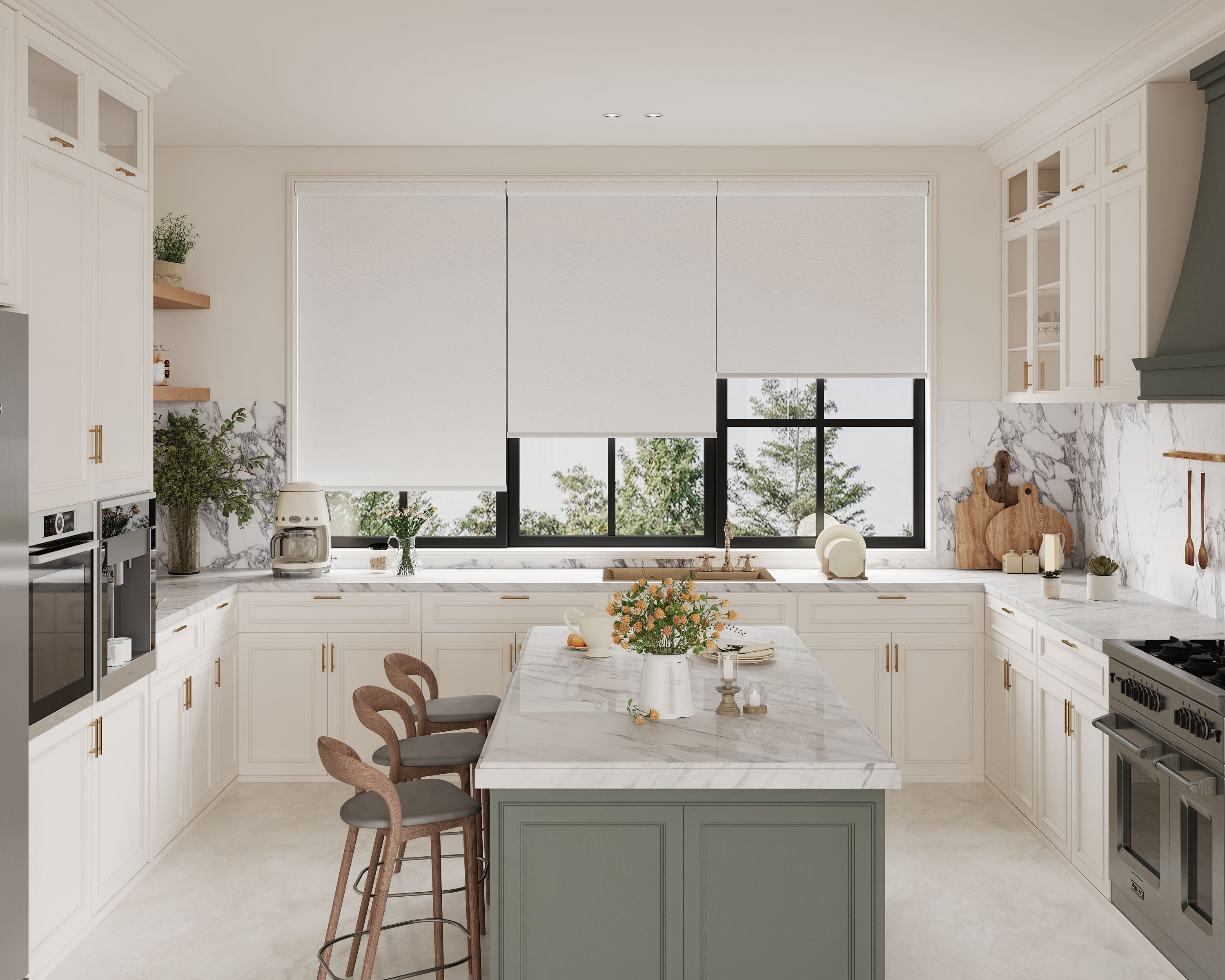
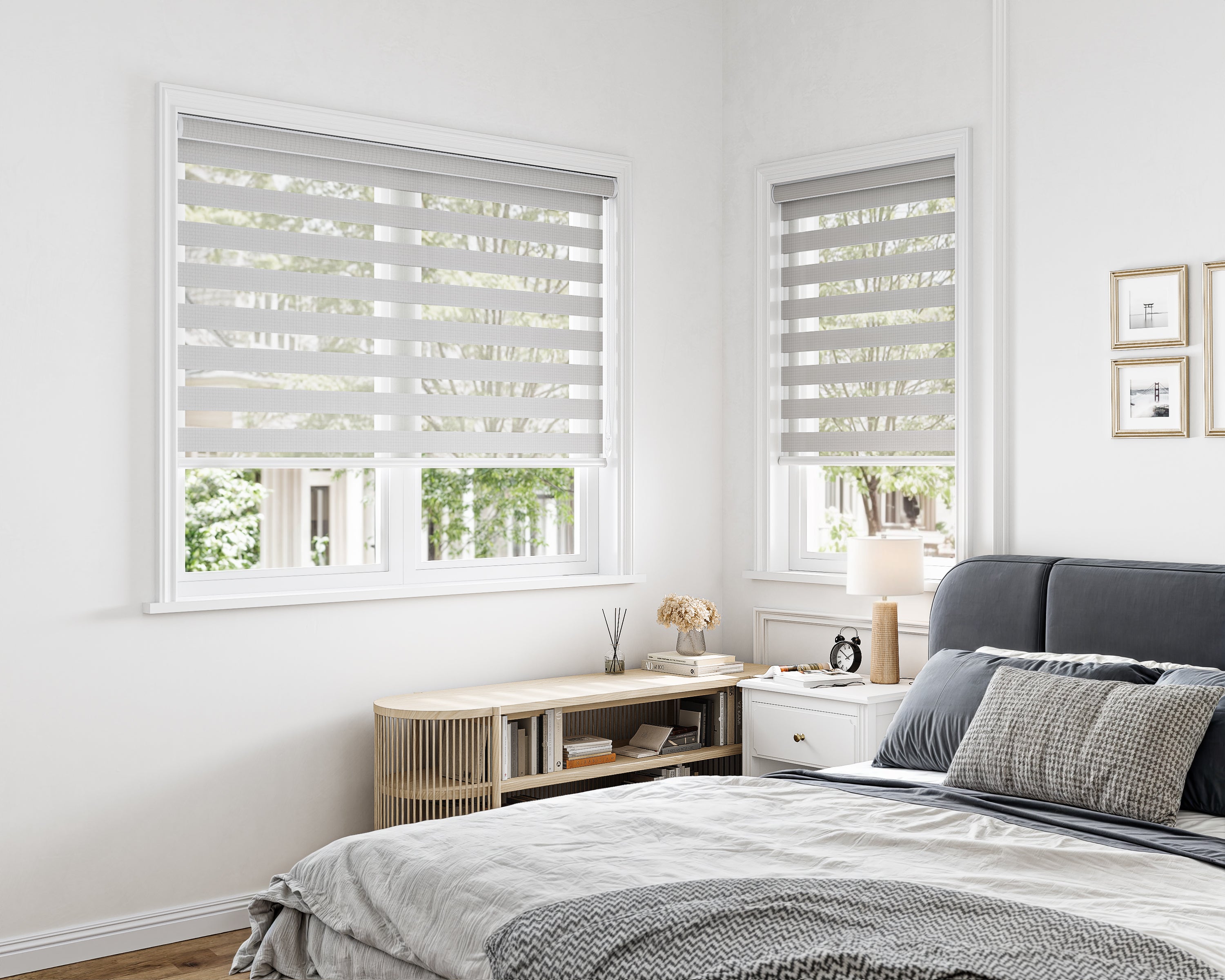
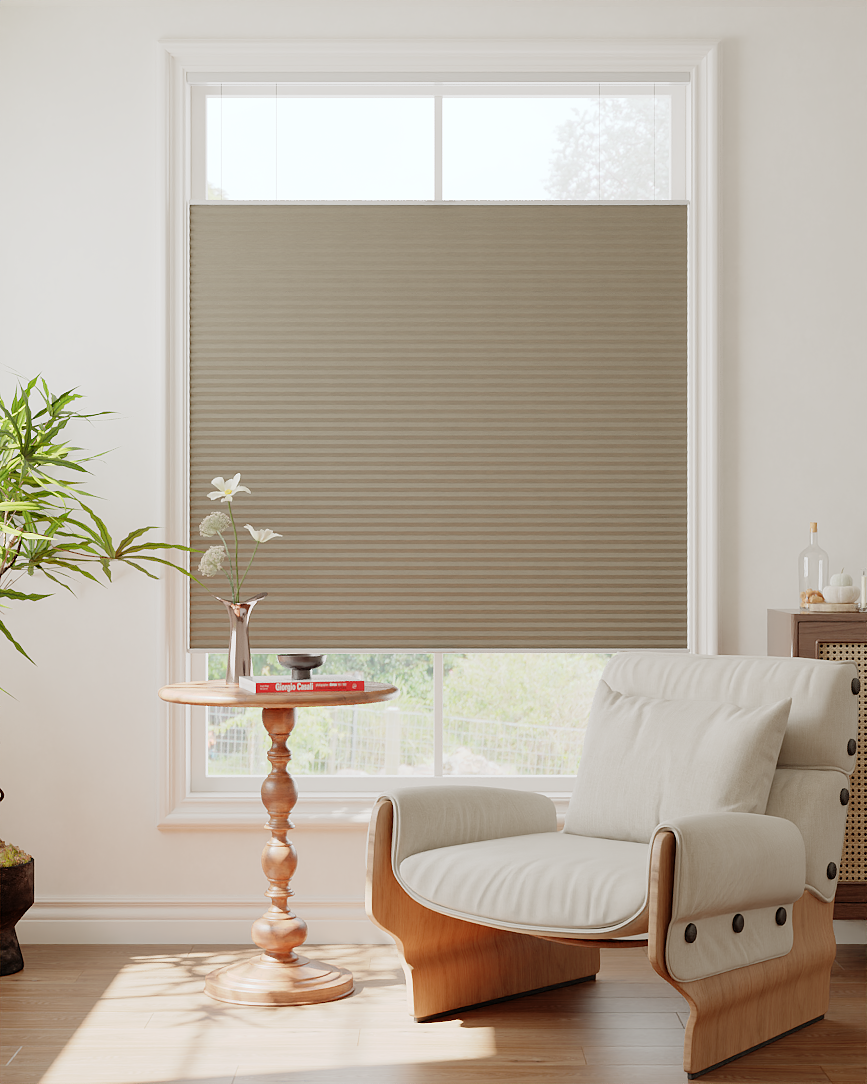
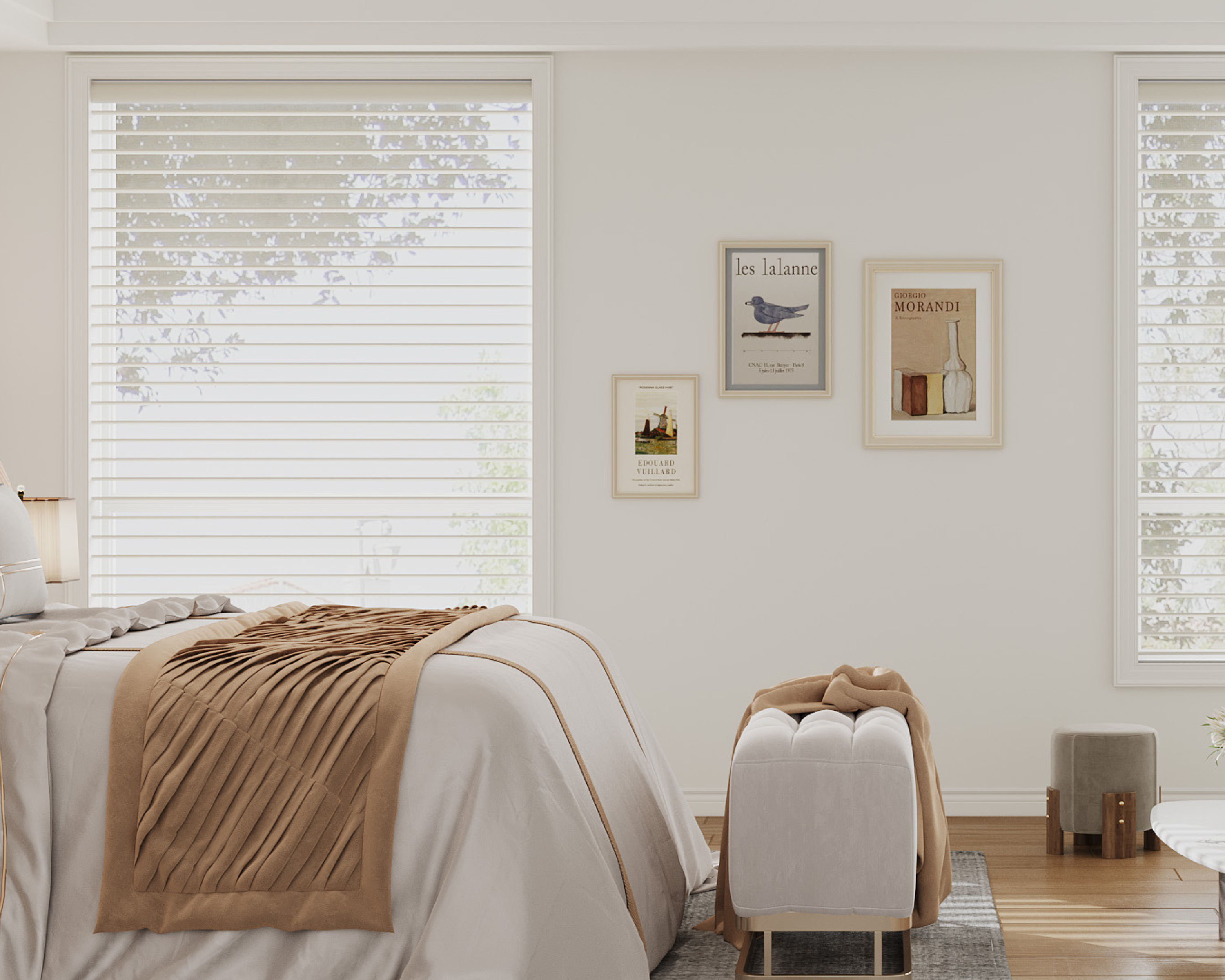
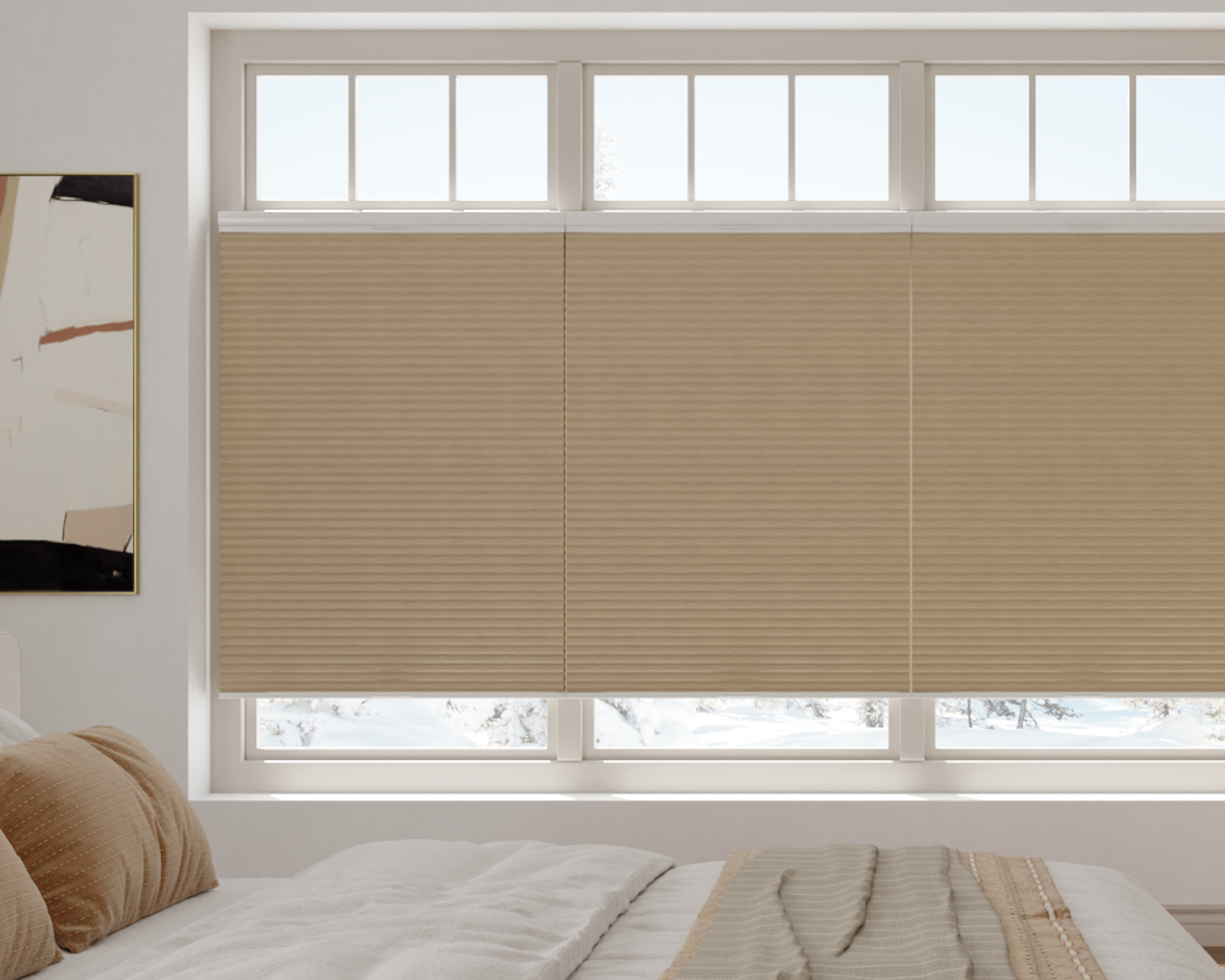







Yes, qualifying energy-efficient window shades can help you claim a federal tax credit in 2026, provided they meet specific federal performance standards and are installed in your primary residence. The benefit falls under the Energy Efficient Home Improvement Credit, which allows you to claim up to 30% of the cost of eligible upgrades. While tax code language focuses on "building envelope components," certified insulating shades that reduce heat transfer are recognized as a qualifying improvement when supported by proper manufacturer documentation. Planning your upgrade involves verifying product certifications and understanding the annual credit limits that apply to your insulating cellular honeycomb shades.
Here’s what you’ll learn in this article:
-
The specific federal tax credit program and its current deadlines for 2026 installations.
-
The precise energy performance certifications your shades must have to be eligible.
-
A step-by-step guide to collecting the correct documentation and filing IRS Form 5695.
-
How to maximize your benefit by combining shade upgrades with other energy-efficient home improvements.
-
Answers to common questions about eligibility for renters, new construction, and "smart" shades.
Understanding the Federal Tax Credit for Energy-Efficient Improvements
The primary incentive is the Energy Efficient Home Improvement Credit (25C), a federal tax credit designed to offset the cost of qualifying upgrades that improve your home's energy efficiency.
How the Credit Works: Rates, Limits, and Deadlines
The credit is calculated as 30% of the total cost of eligible products, with strict annual maximums. It's crucial to understand how these limits apply to different types of improvements.
| Improvement Category | Specific Limit | Notes & What's Covered |
|---|---|---|
| Building Envelope Components | Up to $1,200 total annually | This is the category for insulation, air sealing, windows, skylights, and doors. Qualifying shades would fall under this aggregate limit. |
| Windows & Skylights (Specific) | Maximum $600 credit | This is a sub-limit within the $1,200 "building envelope" cap. The credit for qualifying shades cannot exceed this $600 annual maximum for window-related improvements. |
| Residential Energy Property | Up to $600 per item | Covers high-efficiency HVAC equipment like central air conditioners and water heaters. |
| Heat Pumps & Biomass Systems | Up to $2,000 annually | A separate limit for qualifying heat pumps, heat pump water heaters, and biomass stoves/boilers. |
Critical Deadline: For 2026, this credit applies to products "placed in service" (installed) by December 31, 2026. The credit is non-refundable, meaning it can reduce your tax bill to zero, but you cannot receive the excess as a refund.
Eligibility Requirements for Window Shades
Not every window covering qualifies. The IRS requires products to meet established energy-efficiency standards and be properly documented.
1. Certification and Performance Standards
To be eligible, energy-efficient shades must have a certified performance rating. The most recognized pathways are:
-
ENERGY STAR Most Efficient Certification: This is the highest tier for windows and skylights. While shades are not windows, products marketed as "window attachments" that achieve this certification for their thermal performance may be presented as qualifying.
-
Manufacturer's Certification Statement: This is your most critical document. The product manufacturer must provide a signed statement attesting that the specific shade model meets the IRS energy-efficiency requirements. Always request this statement before purchasing.
2. Property and Installation Rules
-
Primary Residence: The shades must be installed in your main home within the United States. Second homes and rental properties do not qualify for this specific credit.
-
Existing Homes: The credit is for improvements to existing homes, not new construction.
-
Product Cost Only: The credit covers only the cost of the qualifying product itself. Labor costs for professional installation are not eligible.
How to Claim the Tax Credit: A Step-by-Step Guide
Successfully claiming the credit hinges on meticulous documentation and using the correct tax form.
Step 1: Secure Your Documentation Before Filing
Gather and safeguard these documents for at least three years after filing:
-
Detailed Receipt/Invoice: Must clearly show the product cost, separate from any installation labor.
-
Manufacturer's Certification Statement: The official document proving your specific shades are eligible.
-
Proof of Installation Date: Your invoice or a work order confirming installation was completed in the 2026 tax year.
Step 2: Complete IRS Form 5695
When filing your 2026 federal taxes (in early 2027), you must complete IRS Form 5695, Residential Energy Credits. Report your qualifying expenses in Part II of this form. The form will guide you in calculating 30% of your cost and applying the $600 annual limit for window-related improvements.
Step 3: Consult a Tax Professional
Given the specific requirements and documentation needs, consulting with a qualified tax advisor is highly recommended to ensure you file correctly and maximize your eligible benefits.
Maximizing Your Benefits and Strategic Planning
You can optimize the financial return from your energy-efficient upgrades with smart planning.
-
Combine with Other Eligible Improvements: The annual limits are per taxpayer, not per project. If you install qualifying shades, you could also claim credits for other eligible upgrades made in the same year—such as a new exterior door or insulation—up to the combined $1,200 limit.
-
Start with a Home Energy Audit: Consider a professional home energy audit, which itself qualifies for a tax credit of up to $150. The audit can identify the most cost-effective efficiency upgrades for your home, ensuring you prioritize the right projects.
-
Understand the Long-Term Value: Beyond the tax credit, investing in high-performance shades delivers ongoing savings. Our analysis of how cellular shades trap air to cut heating bills shows how they reduce energy costs year after year, enhancing your overall return on investment.
Conclusion and Key Takeaways
Leveraging federal tax credits for energy-efficient cellular shades is a strategic way to reduce the net cost of a premium home upgrade. The process requires careful attention to product certification, eligibility rules, and documentation, but the financial benefit is clear.
Key Highlights:
-
Eligibility is Certification-Driven: The key is obtaining the Manufacturer's Certification Statement for the specific shades you purchase.
-
Credit is for Product Cost Only: You can claim 30% of the product price, up to a $600 maximum for window-related improvements within a $1,200 annual cap.
-
Deadline is Imminent: Shades must be installed by December 31, 2026, to qualify for the credit on your 2026 tax return.
-
Documentation is Crucial: Keep your detailed receipt, certification statement, and proof of installation with your tax records.
-
Professional Guidance is Advisable: A tax professional can help ensure you navigate Form 5695 and the eligibility rules correctly.
By taking these informed steps, you can confidently invest in shades that improve your home's comfort, reduce energy bills, and provide a valuable tax benefit.
Explore Cellular Shades for Flexible Light Control


Frequently Asked Questions (FAQ)
Do motorized or "smart" cellular shades qualify for the tax credit?
The credit eligibility is based on the energy performance of the shade fabric and cell structure, not the operating system. If the underlying shade product (e.g., a double-cell honeycomb fabric) is certified as energy-efficient, adding motorization for convenience does not disqualify it. However, the credit only applies to the cost of the qualifying shade material, not the motor or smart hardware.
Can renters claim this tax credit for shades they install?
No. The Energy Efficient Home Improvement Credit is only available to homeowners for improvements to their primary residence. Renters are not eligible to claim this particular credit.
I'm building a new home. Do shades installed during construction qualify?
No. This tax credit is explicitly for improvements to existing homes. Products installed in newly constructed homes do not qualify.
Where can I find a list of pre-approved shade brands or models?
The IRS does not publish a standalone list for window coverings. Eligibility is determined by the Manufacturer's Certification Statement. Reputable manufacturers of high-performance cellular shades will provide this statement for products that meet the criteria. You can explore our overview of government incentives for qualifying shades for more on identifying eligible products.
What happens if my tax credit is more than the tax I owe?
The Energy Efficient Home Improvement Credit is non-refundable. It can reduce your tax liability to zero, but any excess credit amount will not be refunded to you and cannot be carried over to future tax years.
