
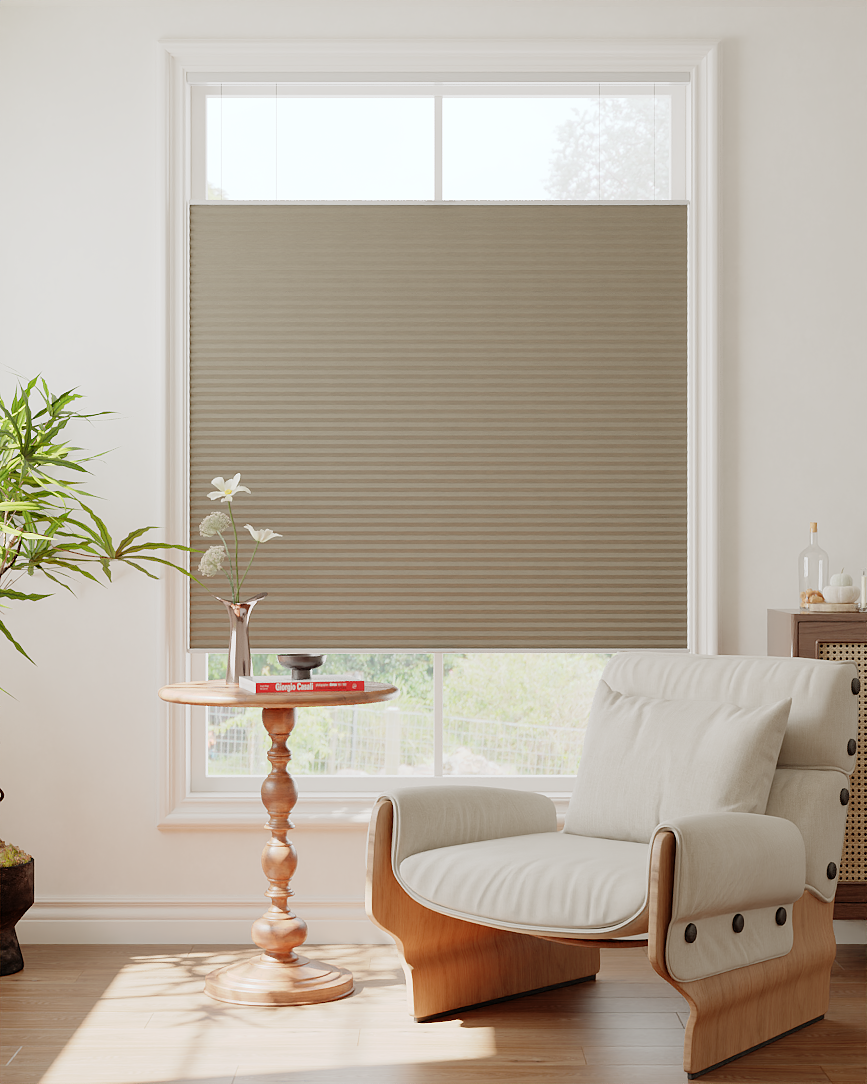
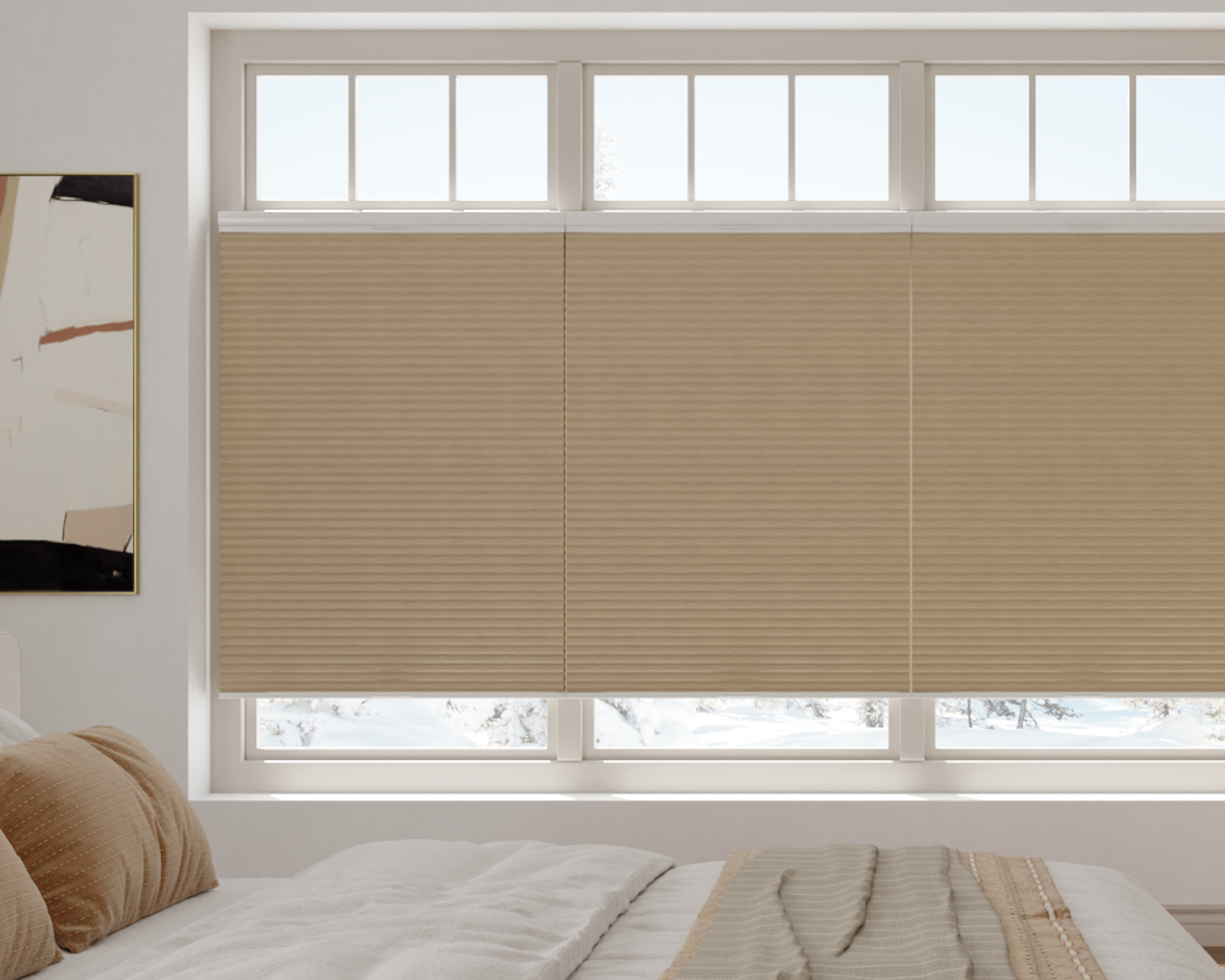


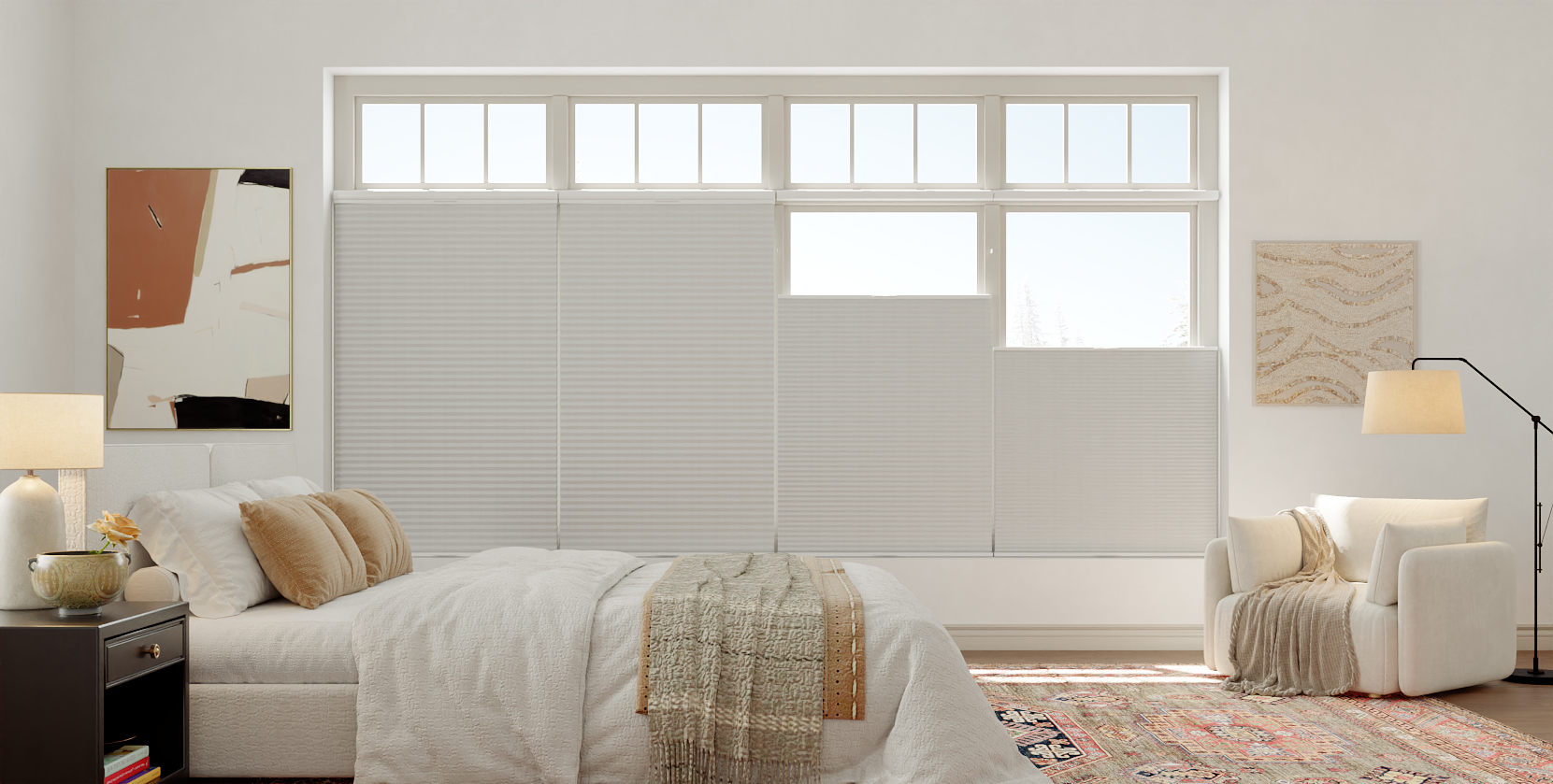





The ongoing maintenance cost for cellular shades is typically low, averaging $0 to $150 annually for diligent homeowners, but can rise to $300+ for professional repairs or neglect-related issues. These costs are not recurring yearly bills, but rather periodic investments in cleaning, minor repairs, and part replacements that proactively protect your initial investment in high-quality cellular honeycomb shades and prevent far more expensive premature replacement.
Here’s what you’ll learn in this article:
-
A year-by-year breakdown of expected maintenance tasks and their associated costs, from simple DIY to professional service.
-
How specific factors like fabric type, household environment, and sun exposure directly influence your long-term upkeep budget.
-
A clear comparison of DIY maintenance versus professional service call costs for common issues.
-
How a consistent maintenance routine directly impacts the lifespan and performance of your shades, maximizing your return on investment.
-
When to perform a simple repair yourself and when a professional intervention is more cost-effective.
The Annual Maintenance Spectrum: DIY Care vs. Professional Service
Maintenance costs exist on a spectrum, from essentially free DIY care to professional servicing. Your annual spend will depend on your chosen level of involvement and the specific needs of your shades.
Routine DIY Upkeep (Annual Cost: $0 - $50)
For the proactive homeowner, most annual maintenance requires only time and basic household supplies. This consistent care is the most effective way to minimize long-term costs.
-
Weekly/Monthly Dusting: Using a vacuum cleaner brush attachment or a microfiber duster. Cost: $0 (uses existing tools).
-
Seasonal Deep Cleaning: A more thorough process involving a vacuum and, for light soils, a gentle spot clean with a mild detergent. Cost: $0 - $20 (for a specialized fabric cleaner if needed).
-
Annual Hardware Check: Tightening loose screws in brackets and ensuring the headrail is secure. Cost: $0 (requires a screwdriver).
Intermittent Professional Services (Cost: $75 - $300+ per incident)
Some situations justify or require a professional touch. These are not annual events, but costs to budget for over the lifespan of your shades.
-
Professional Deep Cleaning: For extensive soil, allergies, or delicate specialty fabrics. Cost: $75 - $150 per shade.
-
Mechanical Repair: Fixing a stuck cordless mechanism, replacing lift cords, or addressing tilt issues. Cost: $100 - $250.
-
Motor Repair/Replacement: Troubleshooting and replacing a motor in an automated shade. Cost: $200 - $400+, including parts and labor.
What Drives Maintenance Costs? Key Factors to Consider
Your total cost of ownership is influenced by several controllable and environmental factors.
| Factor | Impact on Maintenance Cost & Frequency | Proactive Tip to Reduce Cost |
|---|---|---|
| Fabric Material & Color | Light-colored, smooth polyester fabrics show less dust and are easier to clean than textured, dark, or natural fiber fabrics (e.g., linen) which show dust and stains more readily. | When selecting, consider how different materials affect long-term care and longevity. |
| Household Environment | Homes with pets, young children, or high dust/pollen levels will require more frequent cleaning. Smoking or cooking grease can necessitate professional cleaning. | Increase dusting frequency to weekly. Address spills immediately with a clean, damp cloth. |
| Sun Exposure | Intense, direct UV light is the primary cause of fabric fading. While not a cleaning cost, it is a degradation factor that affects the shade's usable lifespan. | Use shades during peak sun hours to protect interiors, which also protects the shade fabric itself. |
| Quality of Initial Installation | A poorly installed shade will operate poorly, straining mechanisms and leading to early repairs. | Ensure a correct, stable installation from the start by following a guide for fool-proof measuring and mounting. |
The Long-Term Timeline: Anticipating Costs Over 10 Years
Viewing maintenance as a long-term plan helps budget effectively and set realistic expectations for your window treatments.
-
Years 0-3 (Minimal Cost Phase): Maintenance is almost exclusively DIY dusting and spot cleaning. Costs are near zero. This is the period where establishing good habits pays off.
-
Years 4-7 (Preventative Maintenance Phase): You might invest in a deeper DIY clean or a one-off professional service for a specific issue (e.g., a sticky mechanism). Potential cost: $0 - $200. This is also when extending the life of motorized shade batteries becomes relevant.
-
Years 8-12 (Assessment & Potential Repair Phase): More significant component wear may occur. You might face a mechanical repair or decide on a professional refresh cleaning. Potential cost: $150 - $300. This is also the phase to assess overall fabric fading and functional condition against the cost of replacement.
Repair vs. Replace: Making the Economical Decision
When a significant issue arises, use this framework to decide whether to repair or reinvest in new shades.
| Problem | Likely Repair & Cost | When Replacement is More Economical |
|---|---|---|
| Failed Cordless Mechanism | Replace internal clutch/spring. Cost: ~$100 - $200 (part + pro service). | If the shade fabric is also significantly faded or damaged, adding repair cost to old shades may not be worthwhile. |
| Torn or Stained Fabric Panel | Professional patching is often visible. Fabric-only replacement may be an option. | If damage is extensive or the shade is over 10 years old, a new custom shade often provides better value. |
| Motor Failure on Automated Shade | Motor unit replacement. Cost: $200 - $400+. | If the motor is obsolete, the fabric is faded, and other mechanisms are wearing, a new smart shade system may be a better upgrade. |
| General Wear & Fading | Not repairable. Professional cleaning can refresh but not reverse sun fade. | When fading is uneven or severe, and cleaning no longer restores a like-new appearance, replacement is the only option. |
Conclusion and Key Takeaways
Smart, consistent maintenance is the key to controlling the lifetime cost of your cellular shades. A small investment of time and occasional money in upkeep can add years of service, delaying a major replacement expense and ensuring your shades always look and function their best.
Key Highlights:
-
Proactive Care is Cheap: Annual DIY cleaning costs little but dramatically extends shade life and appearance.
-
Budget for Intermittent Services: Set aside a small fund for potential professional repairs or deep cleaning every 5-7 years.
-
Environment Dictates Effort: Homes with pets, kids, or high dust need more frequent attention to avoid costly deep cleaning.
-
Repair Has a Limit: Evaluate the cost of any repair against the age and overall condition of the shade; sometimes, replacement is the more economical long-term choice.
-
Quality Pays Off: Higher-quality fabrics and mechanisms, while a larger initial investment, often withstand wear better and have lower lifetime maintenance costs.
By adopting a mindful, preventative approach to care, you can ensure your cellular shades remain a beautiful and functional asset in your home for their full intended lifespan.
Explore Custom Cellular Shades


Frequently Asked Questions (FAQ)
Can I wash my cellular shades in the bathtub or washing machine?
It is strongly discouraged to fully submerge or machine wash cellular shades. Water can destroy the internal honeycomb structure, cause metal components to rust, and break down adhesives. The only safe method is gentle vacuuming and light, localized spot cleaning with a damp cloth. For a comprehensive guide on approved methods, see our article on safe cleaning techniques for cellular fabrics.
How often should I have my cellular shades professionally cleaned?
For the average home, a professional cleaning is rarely needed more than once every 5 to 8 years if regular DIY dusting is maintained. Homes in exceptionally dusty areas, with heavy smoker presence, or with significant pet dander may benefit from professional cleaning every 3-4 years to maintain air quality and fabric integrity.
Do maintenance costs void the warranty?
Proper, recommended maintenance does not void a warranty. In fact, following manufacturer care guidelines is often a condition of keeping the warranty valid. However, improper cleaning (e.g., using harsh chemicals, abrasive tools, or immersion in water) that causes damage would likely not be covered. Always reference your specific warranty terms for care instructions.
Are motorized cellular shades more expensive to maintain than manual ones?
Yes, they have slightly higher potential maintenance costs due to the added technology. While basic fabric care is identical, motorized shades have batteries to replace (every 2-5 years) and a motor that could eventually fail. However, the convenience and reduced physical handling can also mean less wear and tear on the lift mechanisms and fabric over time.
What is the single most important maintenance task to extend shade life?
Consistent, gentle dusting. Dust particles are abrasive and can work their way into the fabric weave and mechanical parts, causing gradual wear, discoloration, and operational grit. A quick weekly vacuum with a brush attachment prevents buildup that necessitates harsh cleaning methods later.
