


Choosing a Roman shade involves more than fabric; the fold style defines its character. Flat, hobbled, and relaxed are the three primary styles, each creating a distinct silhouette and affecting function. This guide details each option to help you select the perfect fold for your windows and decor.
Here’s what you’ll learn:
-
The defining visual and structural differences between flat, hobbled, and relaxed styles.
-
How each fold style impacts light control, fabric appearance, and room suitability.
-
The practical considerations for cleaning, motorization, and installation with each type.
-
How to match a specific fold to your existing decor, from modern to traditional.
-
Key questions to ask before ordering to ensure your choice aligns with your goals.
To view these elegant fold styles in person and explore the full range of fabrics, our main collection showcases a wide variety of bespoke Roman shade designs.
Understanding the Three Core Roman Shade Styles
The fundamental difference lies in how the fabric folds when the shade is raised and the silhouette it creates when lowered.
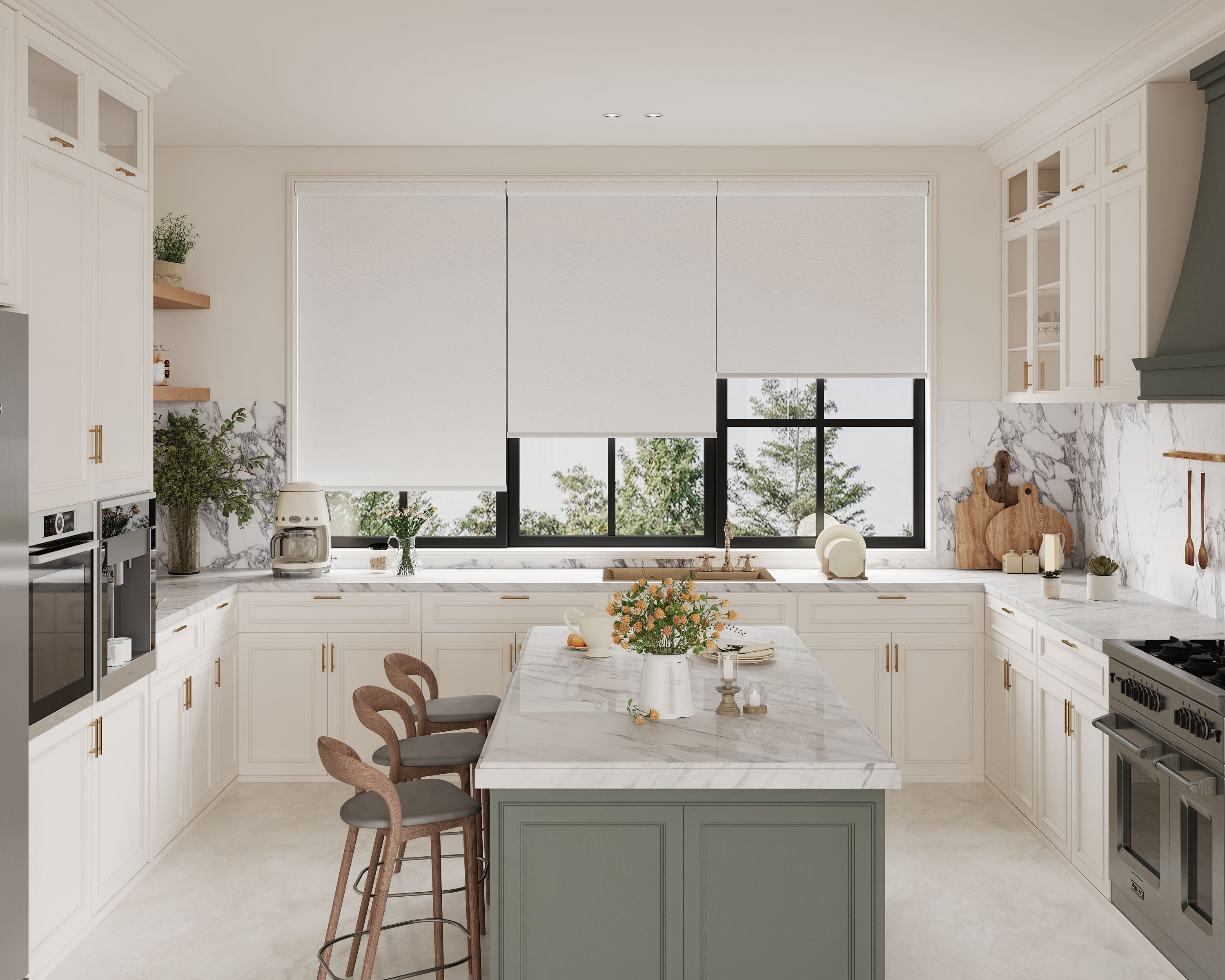
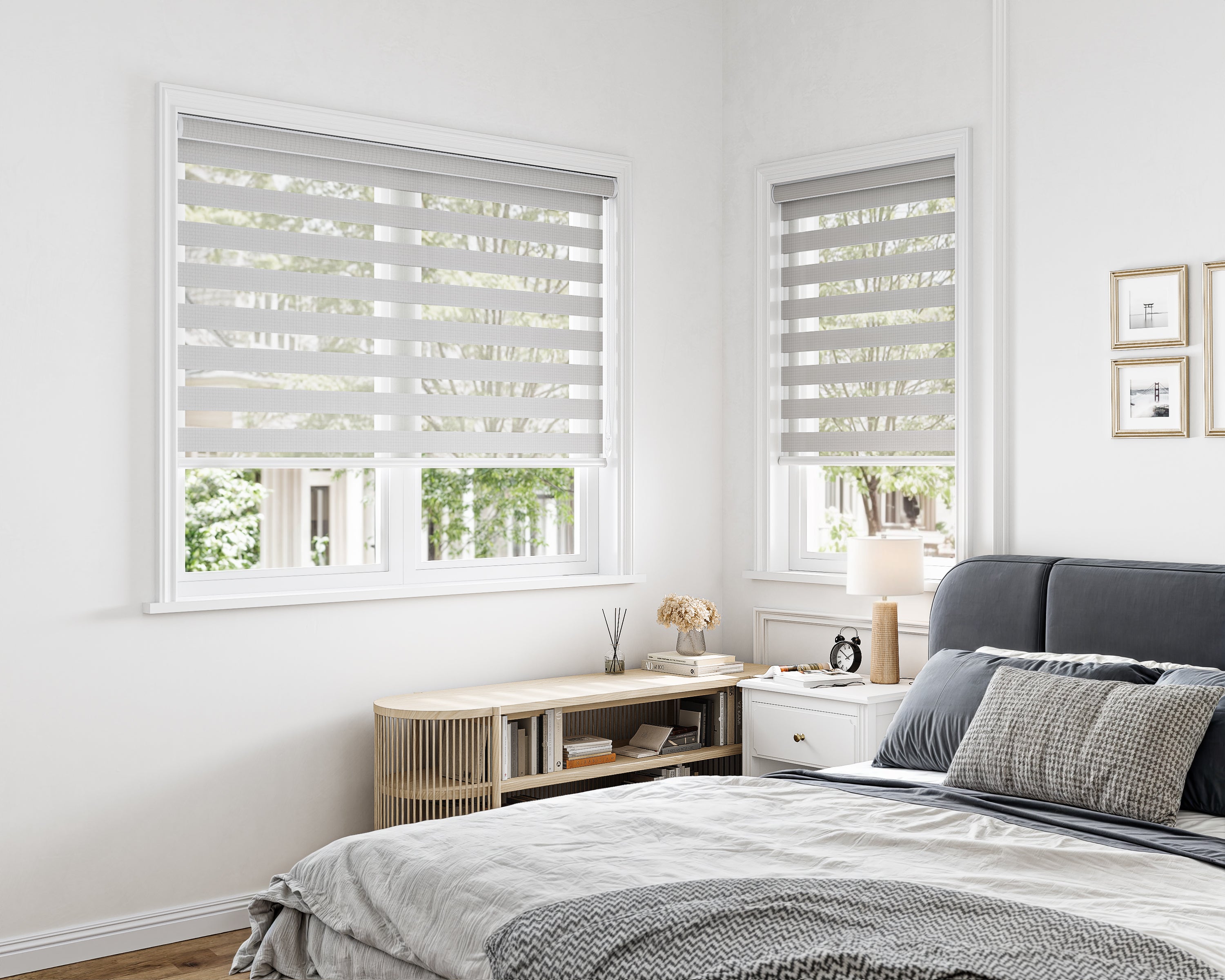
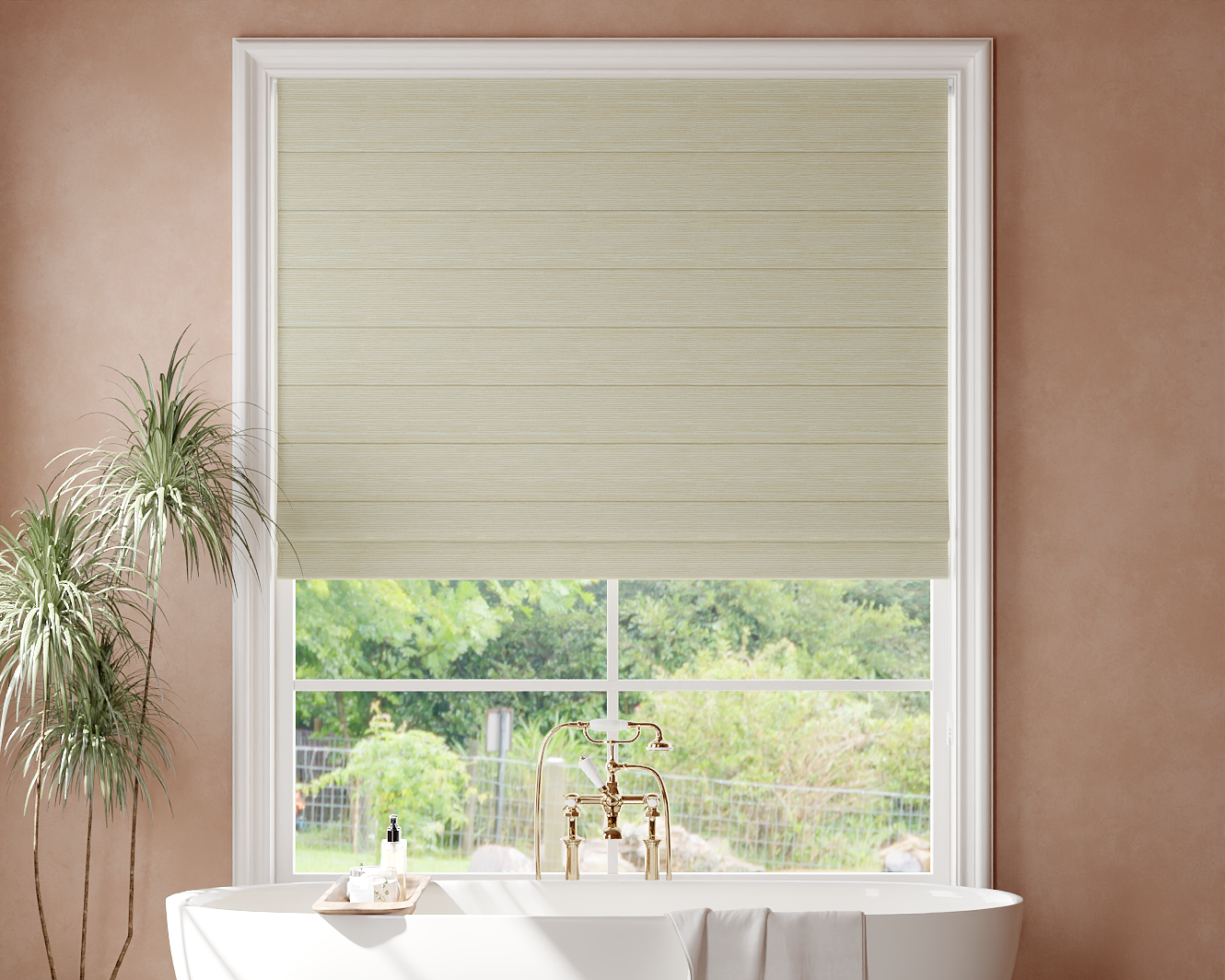
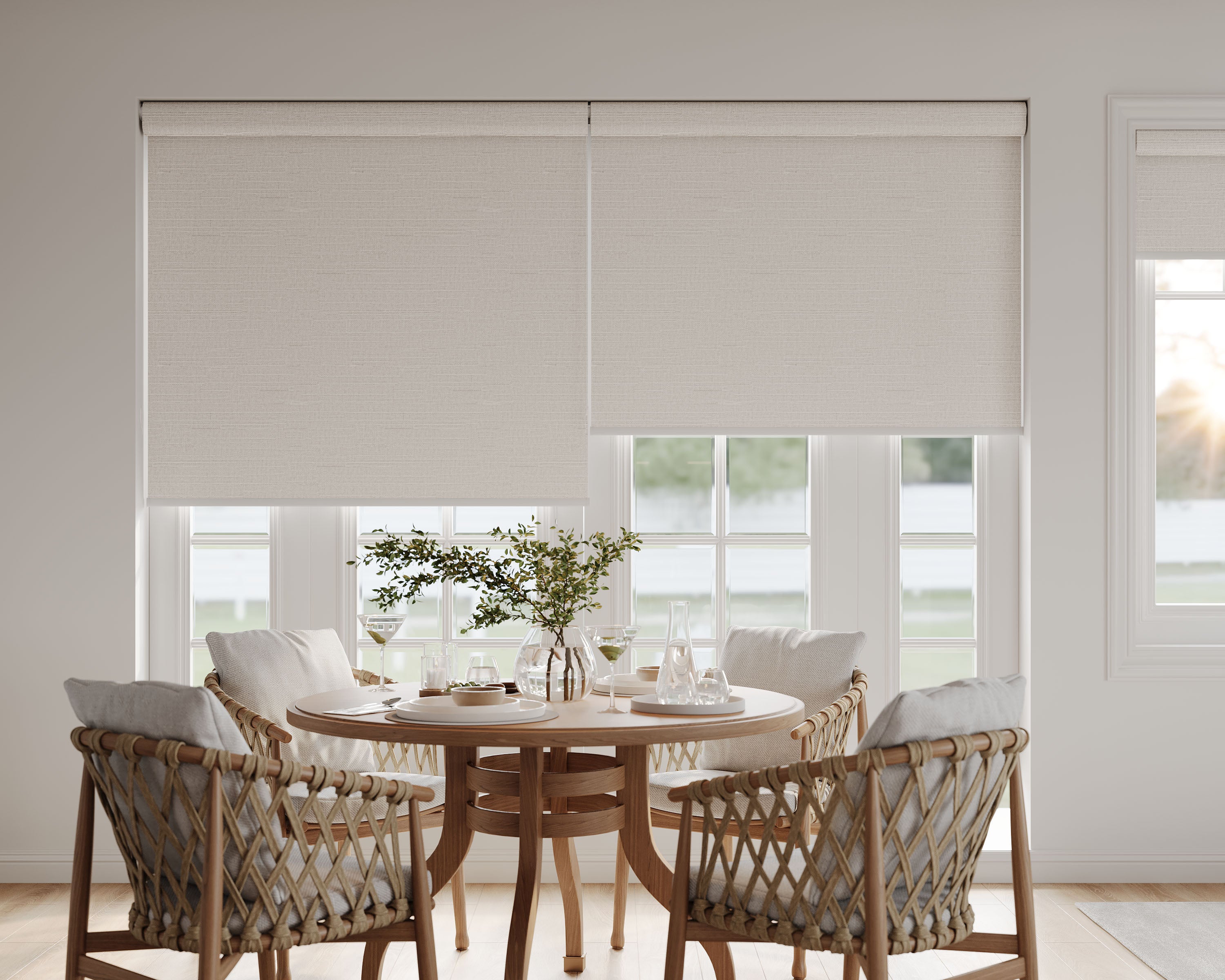
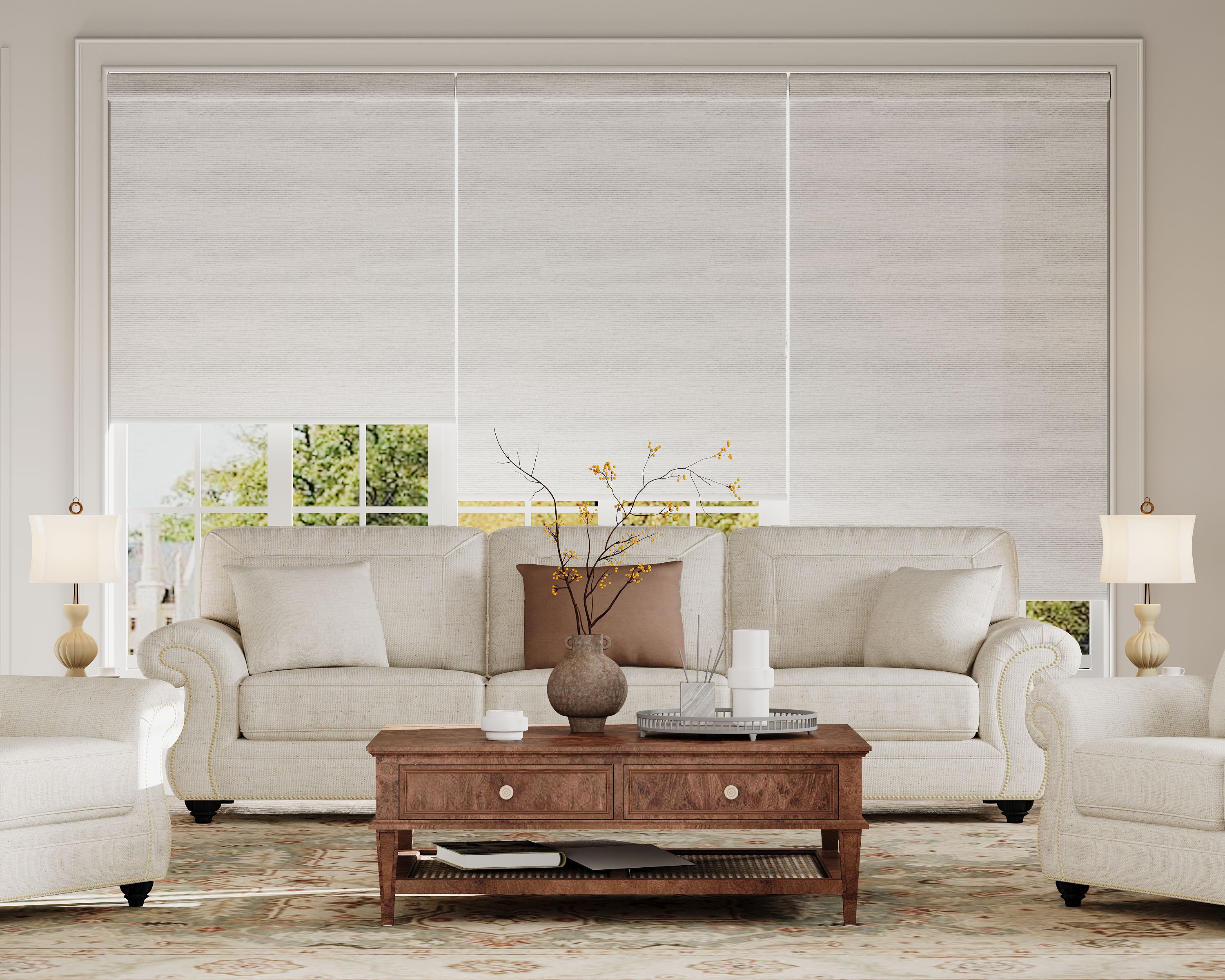
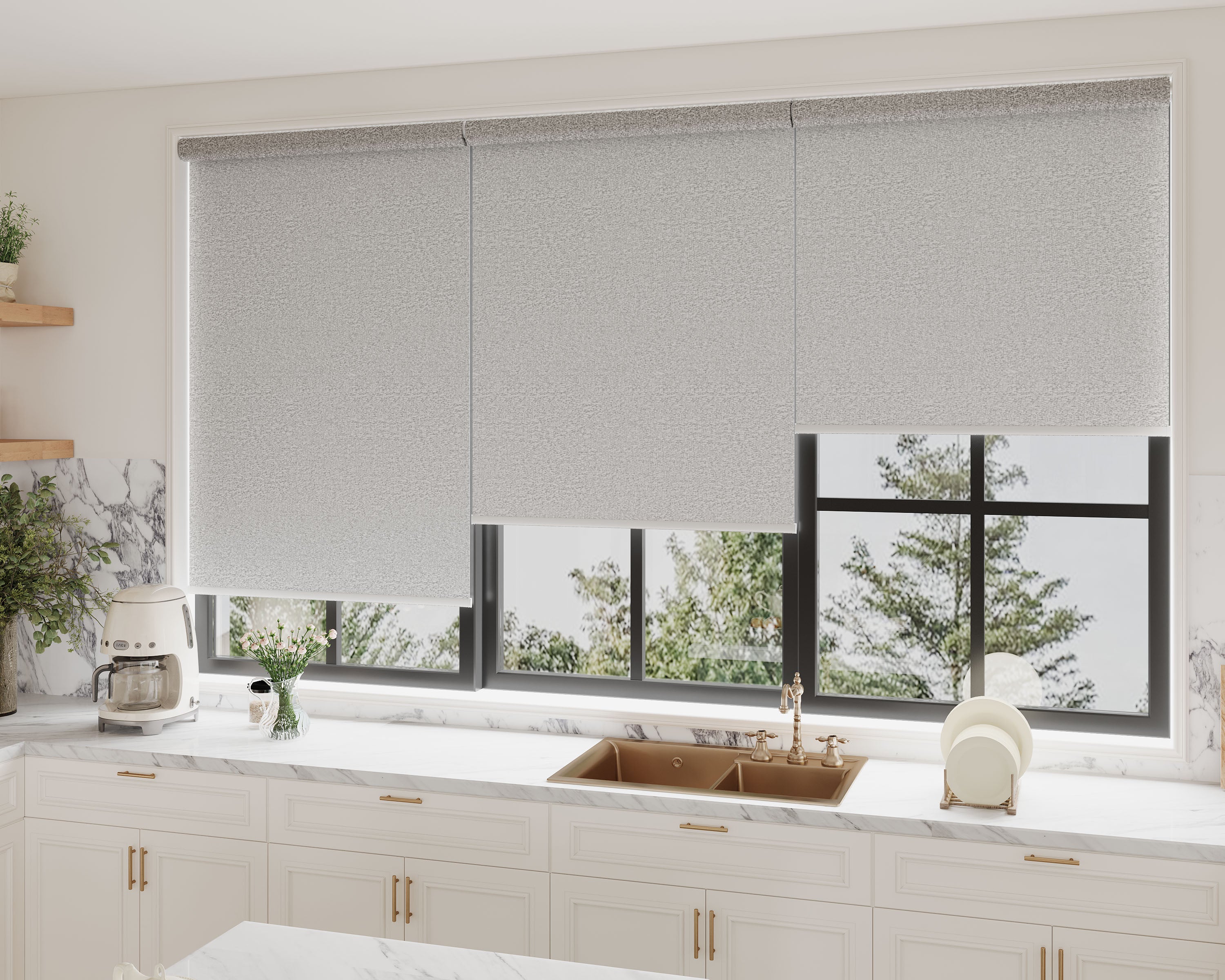
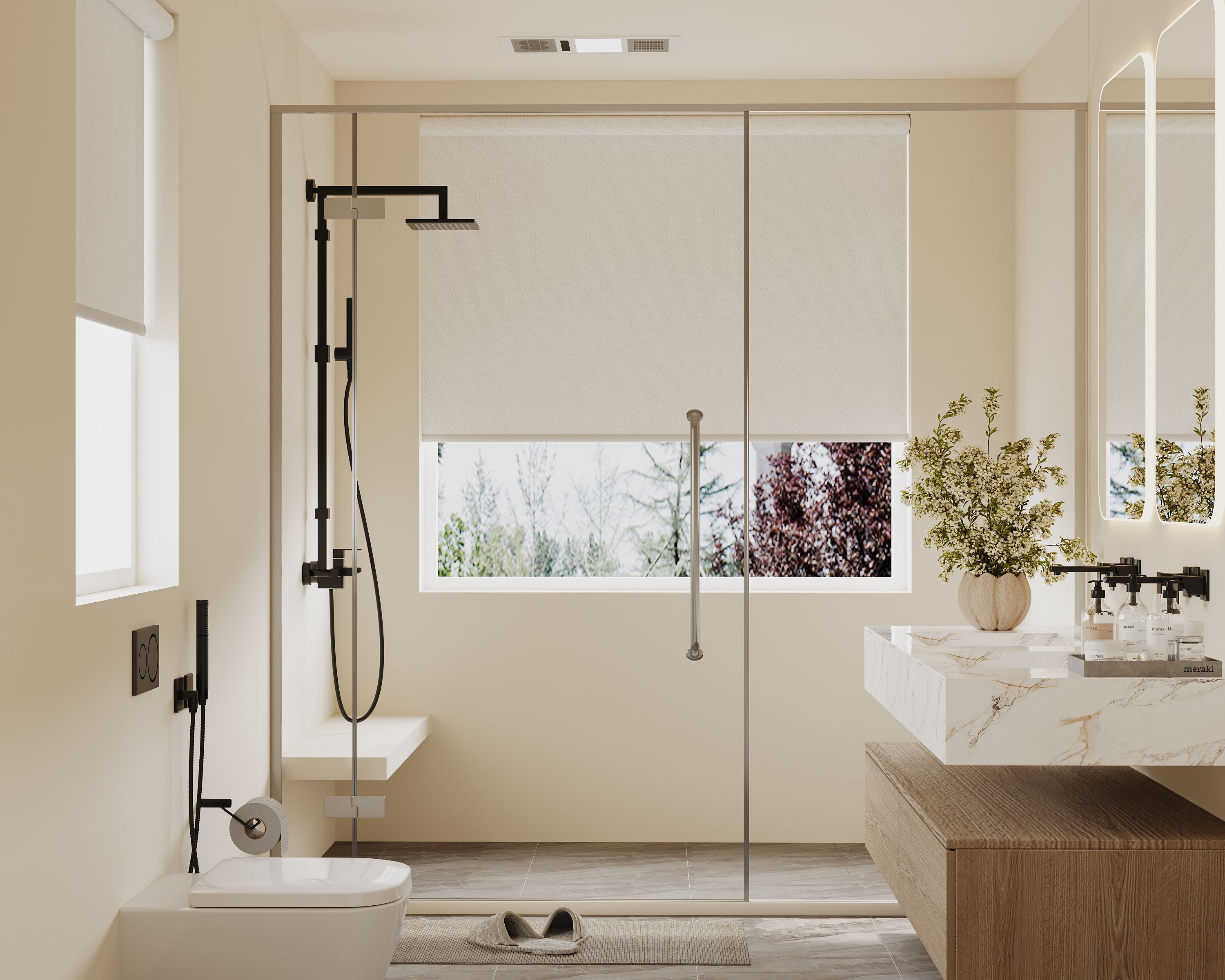
Flat Roman Shades offer a tailored, minimalist look. When lowered, they present a smooth, flat panel of fabric. When raised, the fabric folds into neat, stacked horizontal pleats that sit flush against the headrail. This style emphasizes clean lines and is ideal for showcasing patterned or solid fabrics without visual interruption.
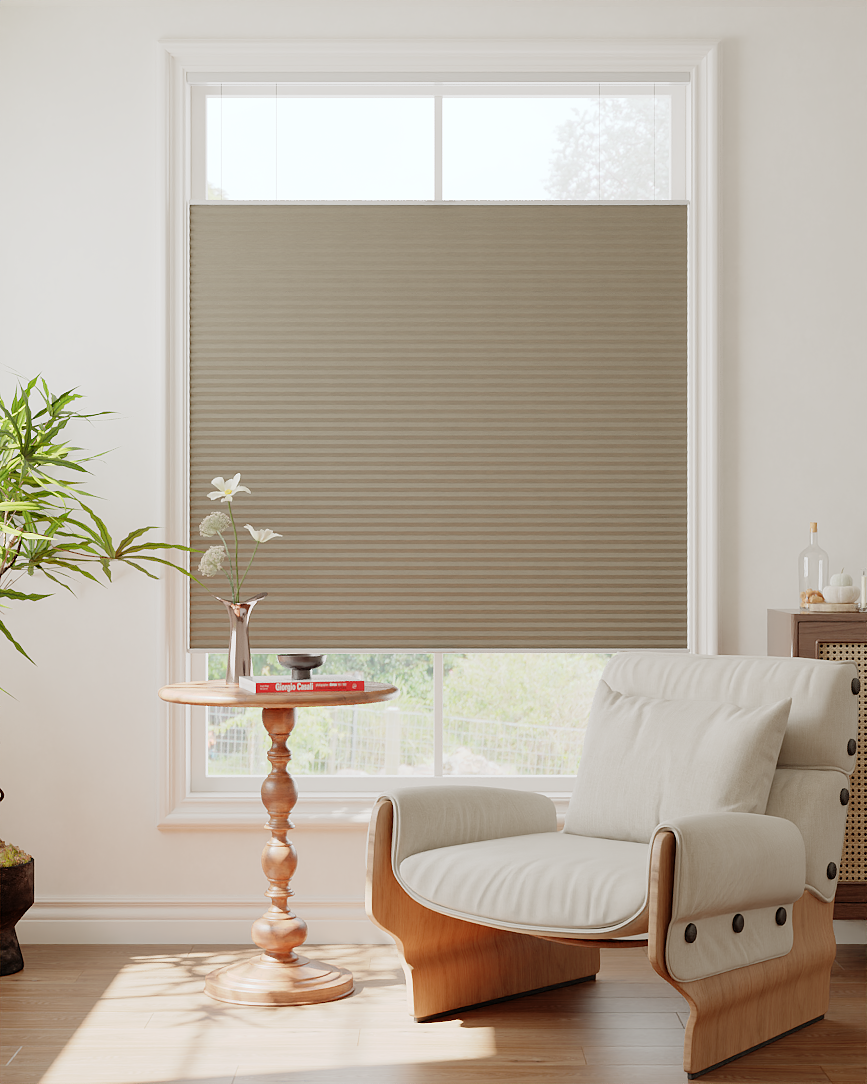
Hobbled Roman Shades (also called looped or teardrop) are the most classic and textured. The fabric is permanently sewn with vertical channels, creating soft, continuous loops whether the shade is up or down. When raised, it folds into deep, cascading folds. This style adds significant softness, depth, and traditional elegance to a window.
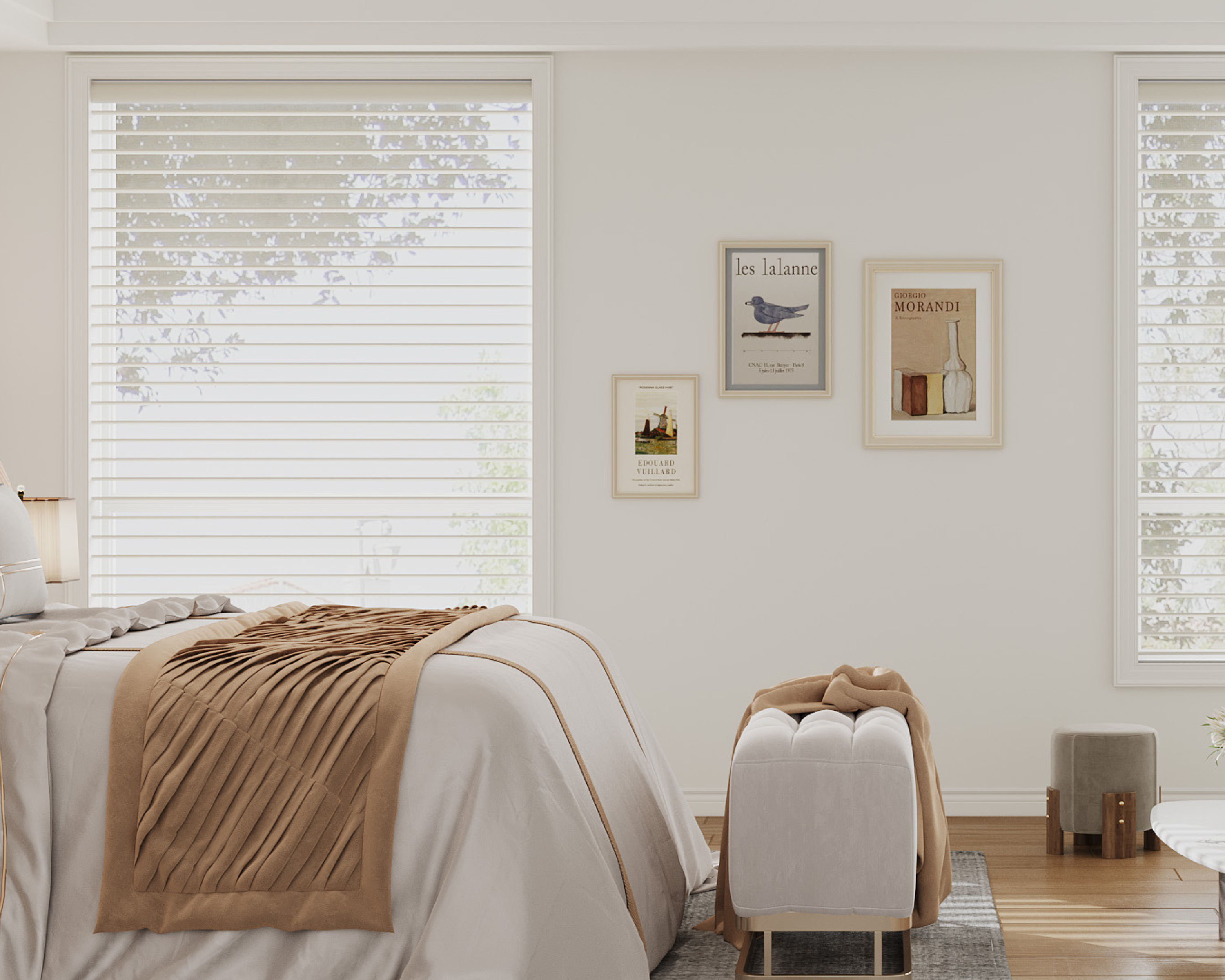
Relaxed Roman Shades embody a casual, unstructured elegance. They feature a single, soft curved fold at the bottom when lowered and lack the rigid horizontal rods of other styles, creating a looser drape. When raised, they gather softly. This style works beautifully in informal spaces and with flowing, lightweight fabrics.
Detailed Comparison: Aesthetics, Function, and Practicality
| Feature | Flat Roman Shades | Hobbled Roman Shades | Relaxed Roman Shades |
|---|---|---|---|
| Primary Aesthetic | Modern, crisp, architectural. | Traditional, luxurious, textured. | Casual, soft, organic. |
| Light & Privacy | Smooth surface minimizes gaps; excellent for blackout. | Deep folds can create slight light gaps; best with light-filtering. | Soft drape may allow light at sides; suited for light-diffusing fabrics. |
| Fabric Showcase | Ideal for bold patterns, stripes, and detailed prints. | Adds depth to solids, textures, and damasks; can break up large patterns. | Perfect for linens, casements, and solid colors seeking a breezy look. |
| Best Room Applications | Home offices, modern kitchens, minimalist bedrooms, media rooms. | Formal living/dining rooms, traditional bedrooms, classic decor. | Sunrooms, cottages, coastal homes, nurseries, casual living spaces. |
| Cleaning & Maintenance | Easiest to dust and clean due to flat surface. | Fabric folds can trap more dust; requires careful vacuuming. | Simpler than hobbled but still requires gentle care due to drape. |
| Motorization | Excellent candidate; folds stack neatly and predictably. | Compatible, but the bulk of folds requires a robust motor/battery. | Very compatible; the lightweight, simple fold operates easily. |
How to Choose the Right Style for Your Room
The best fold style harmonizes with your room's function, existing decor, and desired atmosphere.
For a Modern, Minimalist Look: Choose Flat. If you have clean-lined furniture, geometric patterns, or a preference for uncluttered spaces, flat Roman shades are your natural choice. Their crisp profile pairs perfectly with an inside mount installation for a built-in look. They are also the top choice if your primary goal is maximum light blockage, as their smooth surface best facilitates a true blackout effect without gaps.
For Traditional Elegance & Texture: Choose Hobbled. Hobbled shades add warmth and dimension that complements classic furniture, rich woods, and ornate details. They are a cornerstone of traditional and transitional decor. When selecting fabric, remember the folds will create shadow and highlight; a solid color or a small-scale pattern often works best. For a bedroom with this style, consider the balance between opulence and light control discussed in our guide on using Roman shades in bedrooms for optimal sleep.
For Casual, Airy Ambiance: Choose Relaxed. Relaxed Roman shades are ideal for creating a comfortable, inviting feel. They suit spaces where softness is key—coastal homes, farmhouse-style kitchens, sunrooms, or any area where you want to soften hard architectural lines. They pair beautifully with natural, lightweight fabrics. Their simple operation also makes them a fantastic candidate if you're considering adding motorization to your Roman shades for smart home integration.
Key Considerations Before You Order
Beyond aesthetics, a few practical details will ensure your satisfaction with your chosen style.
Fabric Choice is Crucial: The fabric weight dictates how well the fold will hold. Flat shades need a stable fabric to stay smooth. Hobbled shades require a medium-weight fabric to hold their structured loops. Relaxed shades shine with lighter, drapey materials like linen or cotton. Always consult fabric samples in the context of your chosen fold.
Measuring and Installation: Precision is non-negotiable for a polished look. For flat shades, an exact inside mount is often desired for that sleek, finished appearance. Hobbled and relaxed styles can be more forgiving with outside mounts. Regardless of style, following a precise guide for how to measure your windows for Roman shades accurately is the most important step to ensure a perfect fit.
Lining and Light Control: Your lining choice interacts with the fold style. A blackout liner works most effectively on a flat shade. On a hobbled shade, the folds may create small "peeks" of light at the seams, which is part of its character. A relaxed shade with a blackout lining may not achieve total darkness due to its soft side drapes. Match your lining (standard, light-filtering, blackout) to both your functional needs and your chosen style's capabilities.
Final Recommendations and Style Synergy
There is no single "best" style—only the best style for your specific window and vision.
-
Prioritize clean lines and function? Flat Roman shades are your most reliable and modern choice.
-
Want added texture and classic luxury? Hobbled Roman shades will bring depth and traditional elegance.
-
Seeking casual softness and organic shape? Relaxed Roman shades will provide effortless, breezy charm.
Don't be afraid to mix styles in different rooms according to their function. A home office may benefit from flat shades, while a living room shines with hobbled folds. The key is understanding how the structure of the fold influences light, fabric presentation, and the overall mood of your space.
Shop Roman Shades by Light Control


Frequently Asked Questions (FAQ)
Which Roman shade style is the most modern looking?
Flat Roman shades are universally considered the most modern and contemporary style. Their clean, smooth panel and crisp, stacked folds when raised offer a minimalist, architectural look that fits seamlessly with modern and Scandinavian decor.
Are hobbled Roman shades harder to clean than flat ones?
Yes, generally they are. The deep, permanent folds in hobbled shades can more easily trap dust and require more careful attention when vacuuming with a brush attachment. The flat, untextured surface of a flat Roman shade is simpler to wipe down or vacuum clean.
Can I use a blackout lining with any fold style?
You can technically use a blackout lining with any style, but its effectiveness varies. It works superbly with flat shades for near-total darkness. With hobbled shades, tiny gaps at the fold seams may allow slivers of light. On relaxed shades, the soft side drapes can let in light at the edges, making them less suitable for applications requiring complete darkness.
Which style is best for a child's room or nursery?
This depends on the priority. For maximum light control for naps, a flat shade with blackout lining is most effective. For a softer, cozier look, a relaxed shade in a durable, washable fabric is a charming and safe option (especially cordless). Hobbled shades, with their many fabric folds, may collect more dust and are often a less practical choice for nurseries.
Do these styles cost different amounts?
Typically, yes, due to fabric usage and construction complexity. Hobbled shades usually require the most fabric and labor, making them often the most expensive. Flat shades are generally the most cost-effective due to efficient fabric use and simpler sewing. Relaxed shades often fall in the middle, depending on the fabric and lining choices.
