
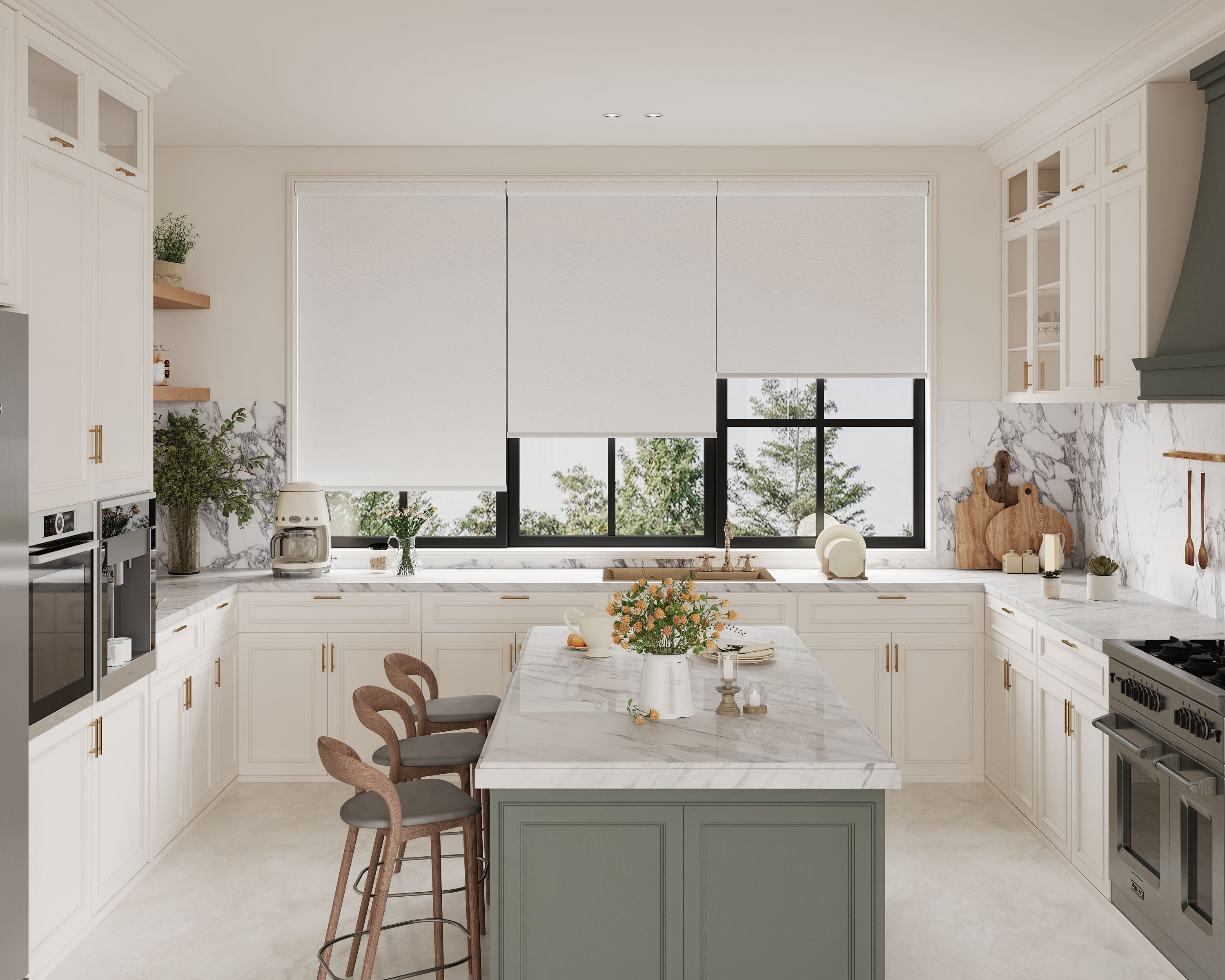
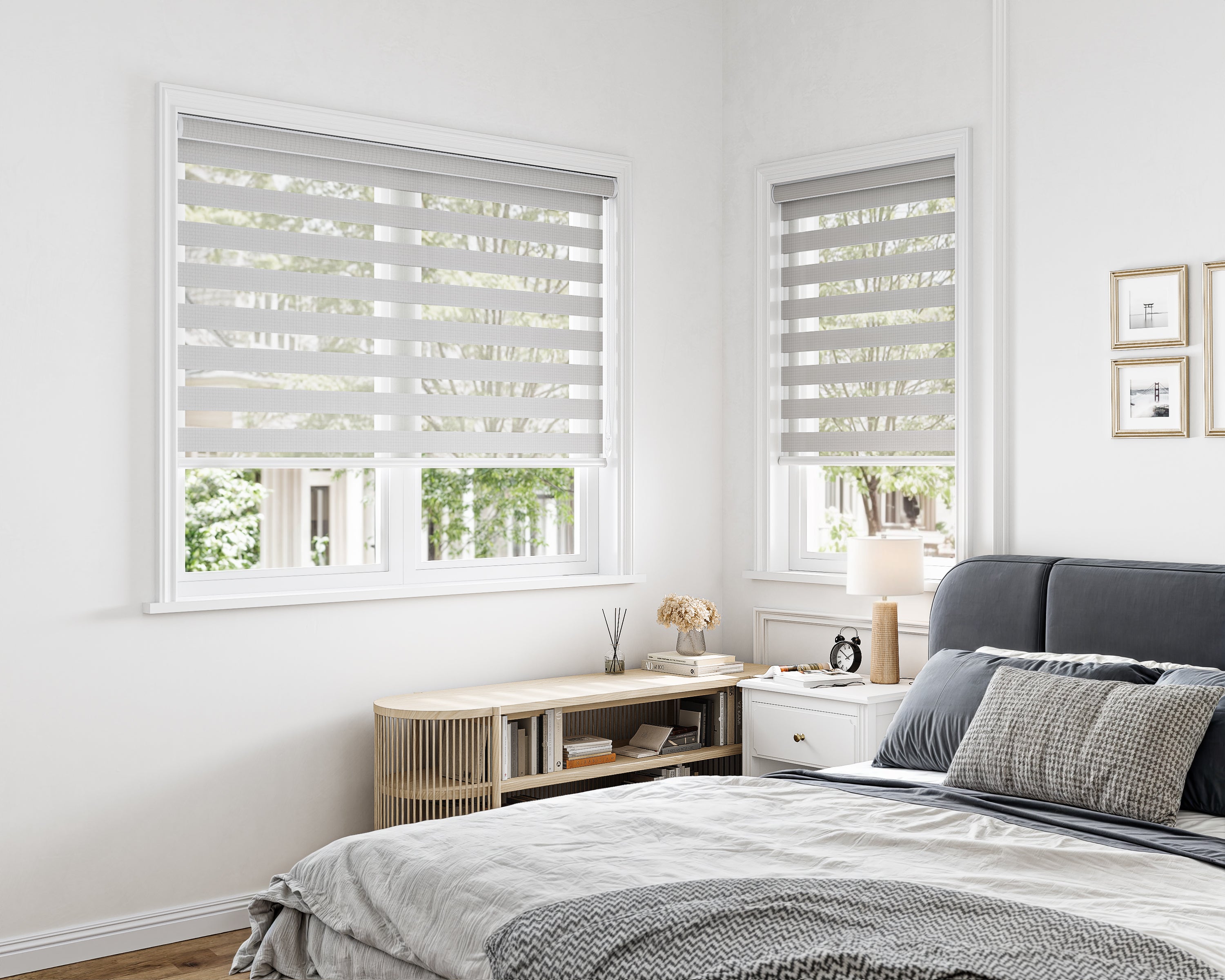
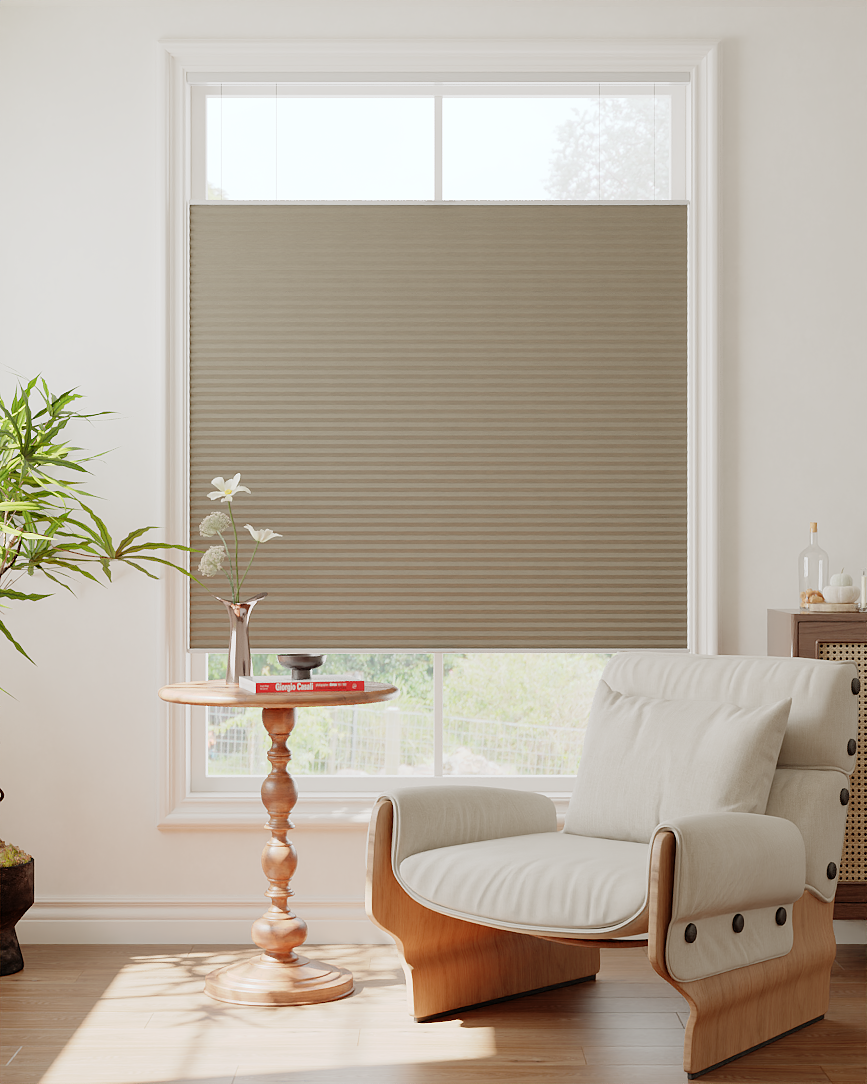
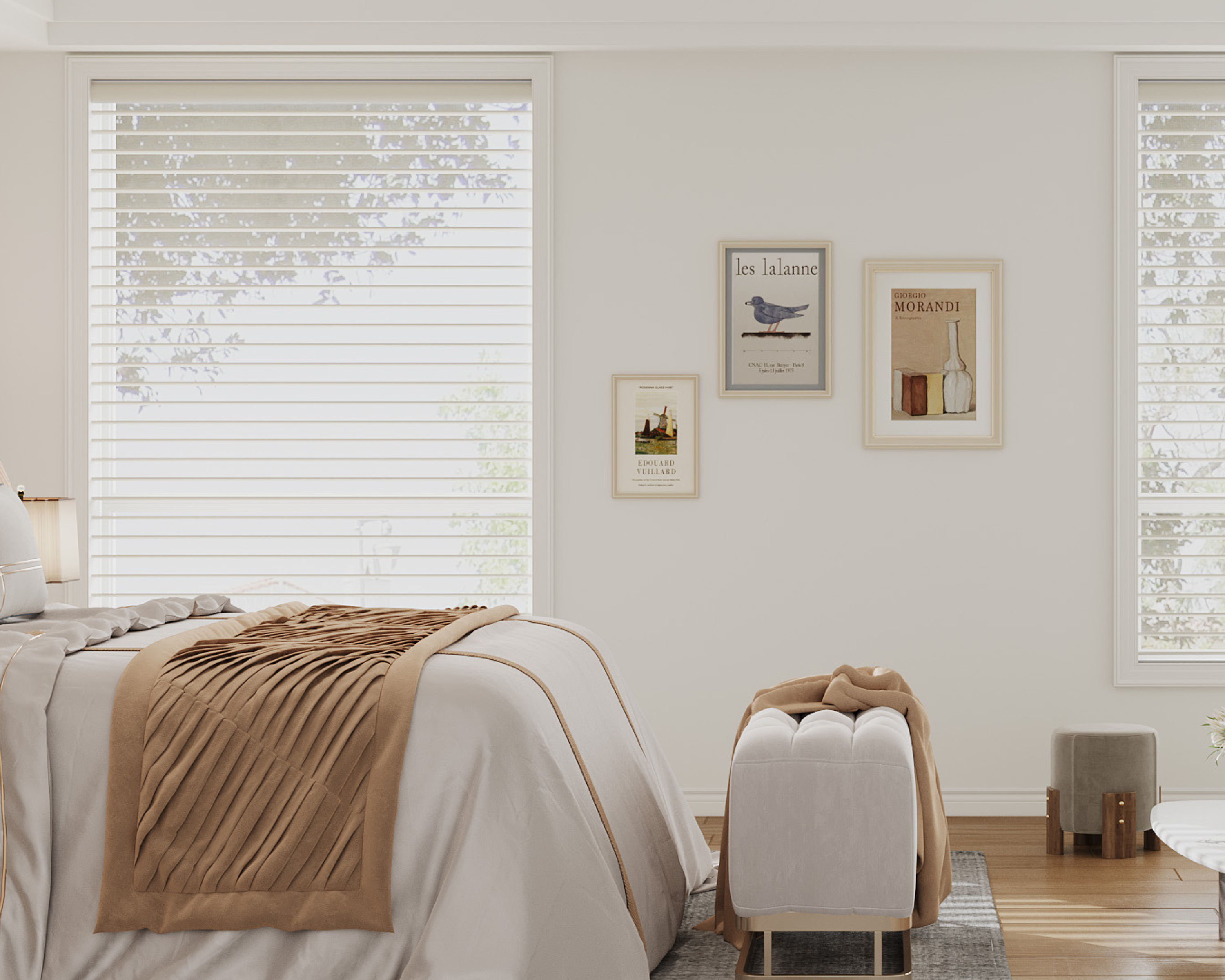
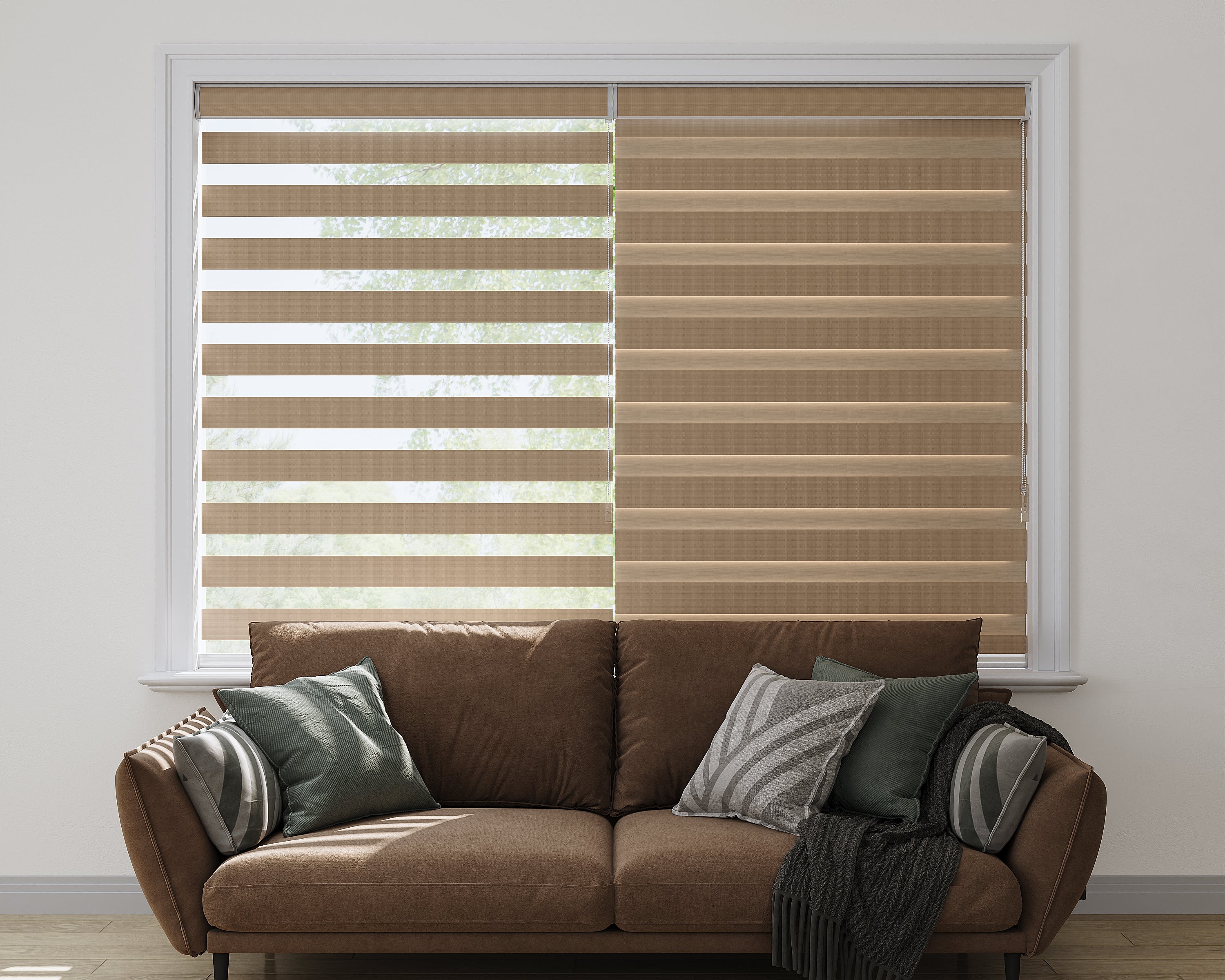







The question of which is better—zebra shades or traditional blinds—depends entirely on your priorities for light control, aesthetics, safety, and maintenance. Zebra shades are generally the superior choice for modern homes seeking seamless adjustability, a clean aesthetic, and enhanced safety, while traditional blinds remain a budget-friendly option for basic light blocking. For homeowners valuing contemporary design and versatile function, investing in versatile zebra blinds and shades offers a clear advantage in daily living and long-term satisfaction.
Here’s what you’ll learn in this article:
-
A head-to-head comparison across seven critical categories: light control, view, aesthetics, cleaning, safety, insulation, and cost.
-
A detailed decision guide matching the right product to specific rooms, lifestyles, and design goals.
-
An analysis of long-term value, factoring in durability, energy efficiency, and maintenance effort.
-
Key considerations for installation, operation, and integration with smart home technology.
-
Answers to the most common questions about child safety, room suitability, and custom options.
Zebra Shades vs. Traditional Blinds: A Direct Feature Comparison
This table provides a clear, scannable overview of how these two popular window treatments differ in their core functionality and impact on your home.
| Feature | Zebra Shades (Dual Roller Shades) | Traditional Horizontal Blinds (Vinyl/Aluminum) |
|---|---|---|
| Primary Light Control | Seamless gradient. Adjusts between sheer light, soft diffusion, and full privacy by aligning fabric stripes. | Incremental tilting. Adjusts slat angles; light seeps through slat gaps even when "closed." |
| View-Through Capability | Excellent. Can maintain privacy while preserving a largely unobstructed outdoor view. | Poor. A clear view requires slats to be fully opened, sacrificing all privacy and light control. |
| Aesthetic & Style | Modern, minimalist, and streamlined. Presents as a smooth, uniform fabric panel. Hides mechanisms when not in use. | Utilitarian and traditional. Visible slats and cords can look busy or dated. Often associated with office spaces. |
| Cleaning & Maintenance | Easier. A single flat surface. Dust with a microfiber cloth or vacuum attachment. No individual slats to clean. | Labor-intensive. Requires dusting each slat individually with a duster or wiping with a cloth—a time-consuming chore. |
| Child & Pet Safety | Inherently safer. Modern versions are cordless or motorized, eliminating dangerous dangling cords entirely. | Notorious hazard. Traditional corded models pose a strangulation risk, requiring retrofits with cord cleats or tension devices. |
| Insulation & Energy Efficiency | Minimal. Single-layer fabric provides some solar heat rejection but little insulating R-value. | Very poor. Significant air gaps between slats allow for substantial heat transfer in both summer and winter. |
| Upfront Cost | Higher. Reflects more complex fabric engineering and modern operating mechanisms. | Lower. Inexpensive materials and simple mechanisms make them a budget-friendly initial purchase. |
Decision Guide: Which Should You Choose for Your Home?
Use this actionable framework to match the right window treatment to your specific needs, room by room.
| Your Priority or Room | Recommended Choice | Key Reason |
|---|---|---|
| Modern, Minimalist Interior Design | Zebra Shades | Their clean, unbroken fabric surface complements contemporary aesthetics far better than the busy lines of blinds. |
| Active Household with Children or Pets | Zebra Shades | Cordless operation is a critical safety upgrade, and understanding the latest cordless safety standards for modern window treatments highlights why this choice matters. |
| Living Room, Dining Room, or Home Office | Zebra Shades | The ability to soften glare on TVs and screens while maintaining a view and connection to the outdoors is unparalleled. For home offices, managing light is key, and exploring the best window shades for reducing home office glare offers deeper insight. |
| Easy, Low-Maintenance Cleaning | Zebra Shades | Dusting a flat panel weekly is exponentially faster and easier than cleaning dozens of individual slats. |
| Tight Initial Budget or Rental Property | Traditional Blinds | The low upfront cost solves the immediate need for basic privacy and light blocking without a major investment. |
| Requirement for Total, Gapped-Free Blackout | Neither | For true darkness, a dedicated single-layer blackout roller or cellular shade is more effective than either option. |
| Maximum Energy Savings | Neither (Choose Cellular) | For insulation, cellular honeycomb shades are vastly superior. The science behind how cellular shades trap air to insulate your home explains this advantage clearly. |
Cost, Value, and Long-Term Considerations
While traditional blinds win on initial price, the total cost of ownership tells a more complete story. The higher upfront investment in zebra shades is mitigated by their durability and the daily value they provide. For projects where budget is the absolute primary constraint, ready-made options can offer a middle ground, and our analysis of when to choose ready-made versus custom shades provides a useful framework for that decision.
-
Upfront Investment: Traditional blinds are the clear budget winner. Zebra shades command a higher price due to their specialized dual-layer fabric and mechanisms.
-
Long-Term Value & Durability: Zebra shades, especially those with high-quality fabrics, offer a longer functional lifespan and maintain their modern appearance for years. The cheaper materials and cords of basic blinds are more prone to wear, breakage, and fading.
-
The Convenience & Safety Factor: The value of a cordless, easy-to-clean, and beautifully designed window treatment that enhances daily life is significant, though not reflected in the initial receipt. Eliminating safety concerns for families provides invaluable peace of mind.
Installation, Operation, and Smart Features
-
Installation: Both can be DIY projects, but precision is key for a professional look. A successful install starts with fool-proof measuring to ensure a perfect fit for any window treatment, which is especially important for the clean lines of zebra shades.
-
Operation & Smart Home Integration: This is a major differentiator. While basic blinds are manual, zebra shades are widely available with cordless lift systems and full motorization. Motorized zebra shades can be controlled via remote, smartphone app, voice command, and scheduled for automated operation, aligning perfectly with a modern smart home.
Conclusion and Key Takeaways
The evolution from traditional blinds to zebra shades represents a move from basic utility to integrated design and intelligent function. For most homeowners updating their living spaces, zebra shades provide a demonstrably better experience in light control, safety, ease of use, and style.
Key Highlights:
-
Light Control Philosophy: Blinds block light in angled bands; zebra shades filter it through a seamless, adjustable fabric gradient.
-
Safety is a Deal-Breaker: Cordless zebra shades resolve the inherent safety hazards of traditional corded blinds.
-
Maintenance Matters: The cleaning time difference between a flat panel and dozens of slats is substantial over years of ownership.
-
Aesthetic Alignment: Zebra shades inherently support a contemporary, clean interior design language.
-
Smart Home Ready: Motorization transforms zebra shades from a manual cover into an automated, responsive part of your home's environment.
By prioritizing your needs for safety, style, and daily convenience, the "better" choice becomes clear, making zebra shades a forward-looking investment for your home.
Explore Custom Zebra Shades


Frequently Asked Questions (FAQ)
Are zebra shades or blinds better for a bedroom?
For most bedrooms, zebra shades are preferable for their superior light-filtering capabilities in the morning and cleaner look. However, if you are a shift worker or require pitch darkness to sleep, neither may be perfect. In that case, a zebra shade with a room-darkening fabric layer or a dedicated blackout shade would be a better choice than traditional blinds.
Can I get zebra shades for an odd-sized or non-rectangular window?
Yes, one of the significant advantages of zebra shades is that they are available as custom, made-to-measure products. They can be crafted to fit arches, angled windows, circles, and extra-wide sliding doors perfectly, offering a tailored solution that off-the-shelf blinds cannot match.
Do traditional blinds offer any advantages over zebra shades?
The primary advantages are lower initial cost and, in some cases, slightly better maximum light blockage when tilted fully closed in a dark color. However, even when closed, the slat gaps in blinds can create distracting lines of light, whereas a room-darkening zebra shade provides a more uniform, solid visual barrier.
How do top-down/bottom-up shades compare to these options?
Top-down/bottom-up shades, which can lower from the top or raise from the bottom, offer a different kind of flexibility focused on privacy and light. They are excellent for maintaining privacy while letting in light from the top of a window. They share the clean fabric look of zebra shades but use a different operating mechanism. They are typically a custom option and don't offer the same seamless gradient light control of zebra shades.
Is the light filtering of zebra shades strong enough to protect furniture from fading?
Zebra shades provide good protection against direct, harsh sunlight, which is a primary cause of fading. The solid stripes block a significant portion of UV rays when aligned. For windows with intense, all-day sun exposure, you might choose a zebra shade with a tighter weave for maximum furniture protection, which is a level of customization not available with standard blinds.
