
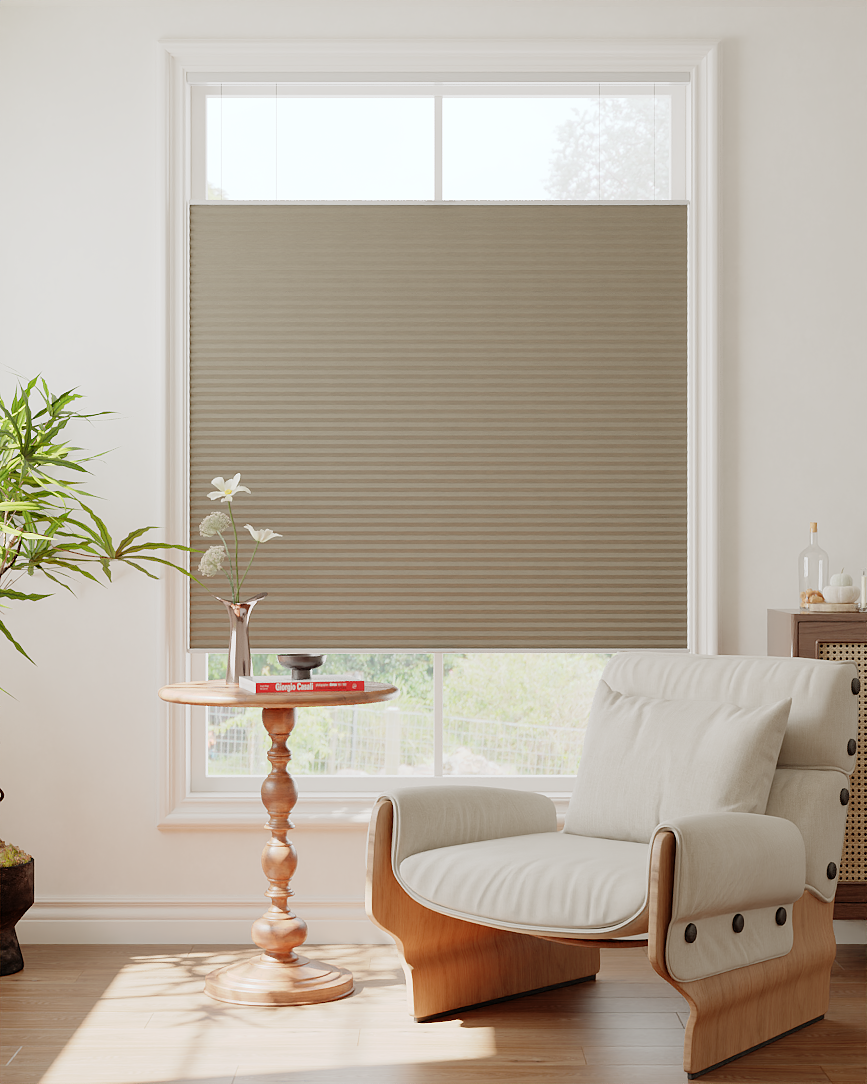
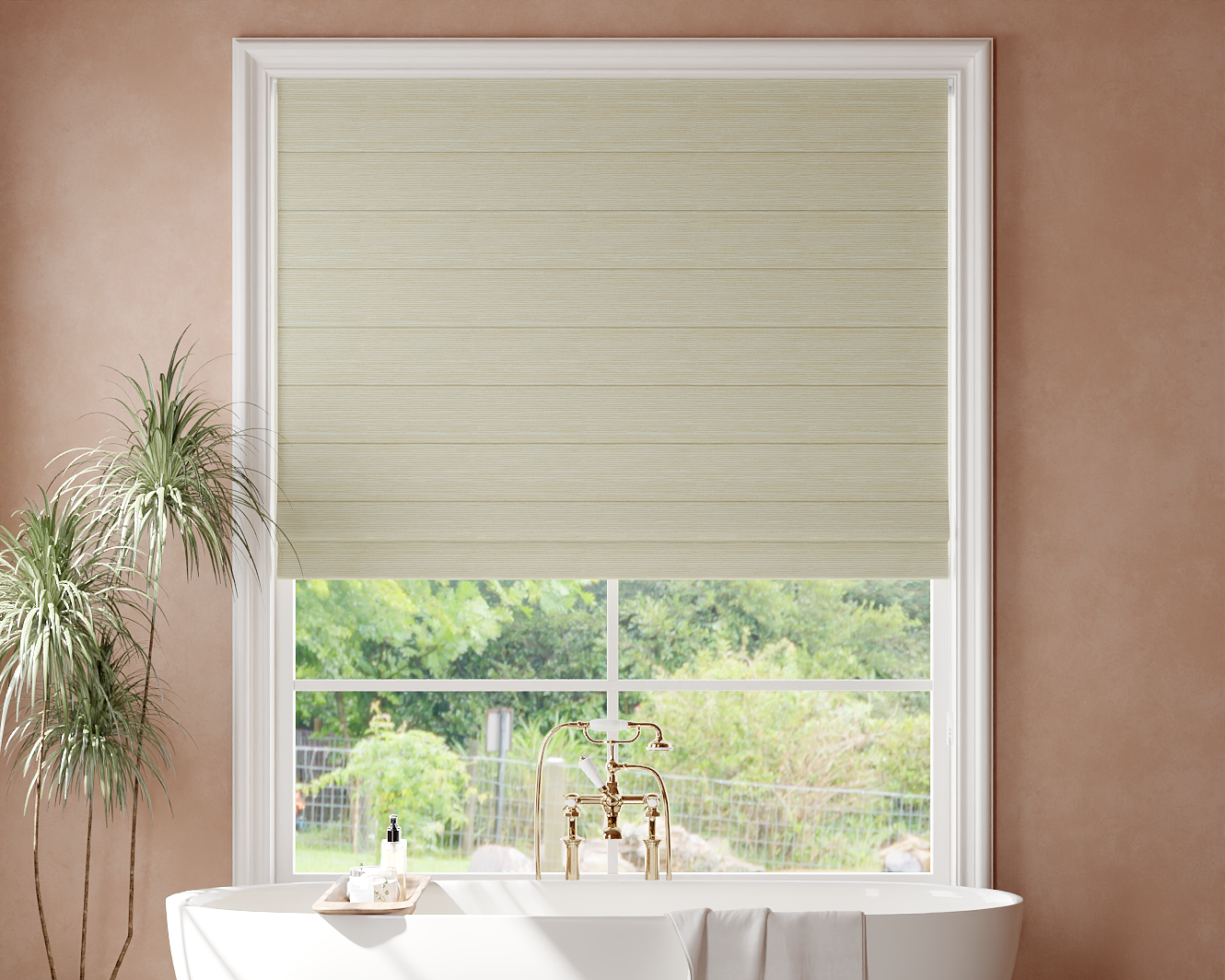
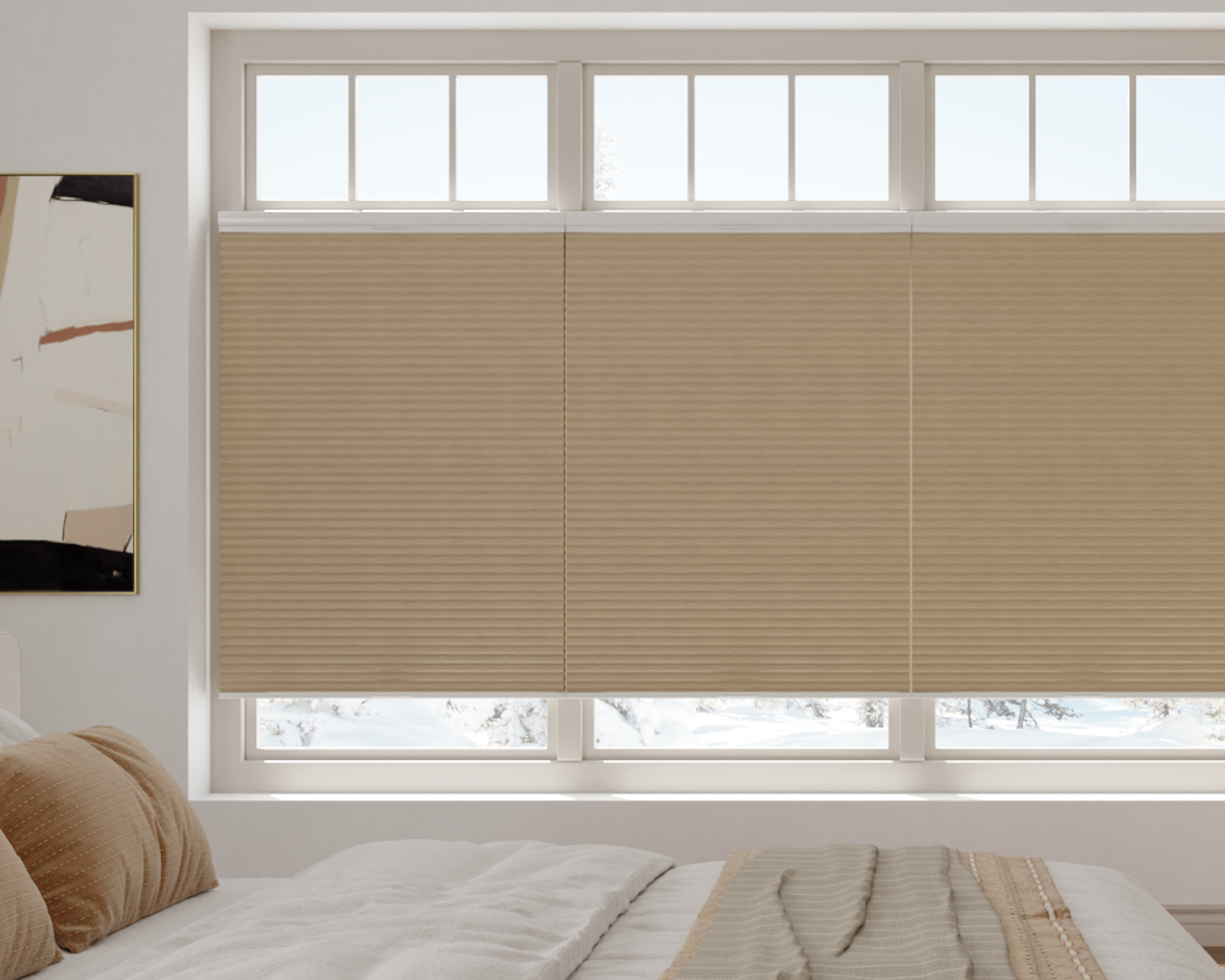
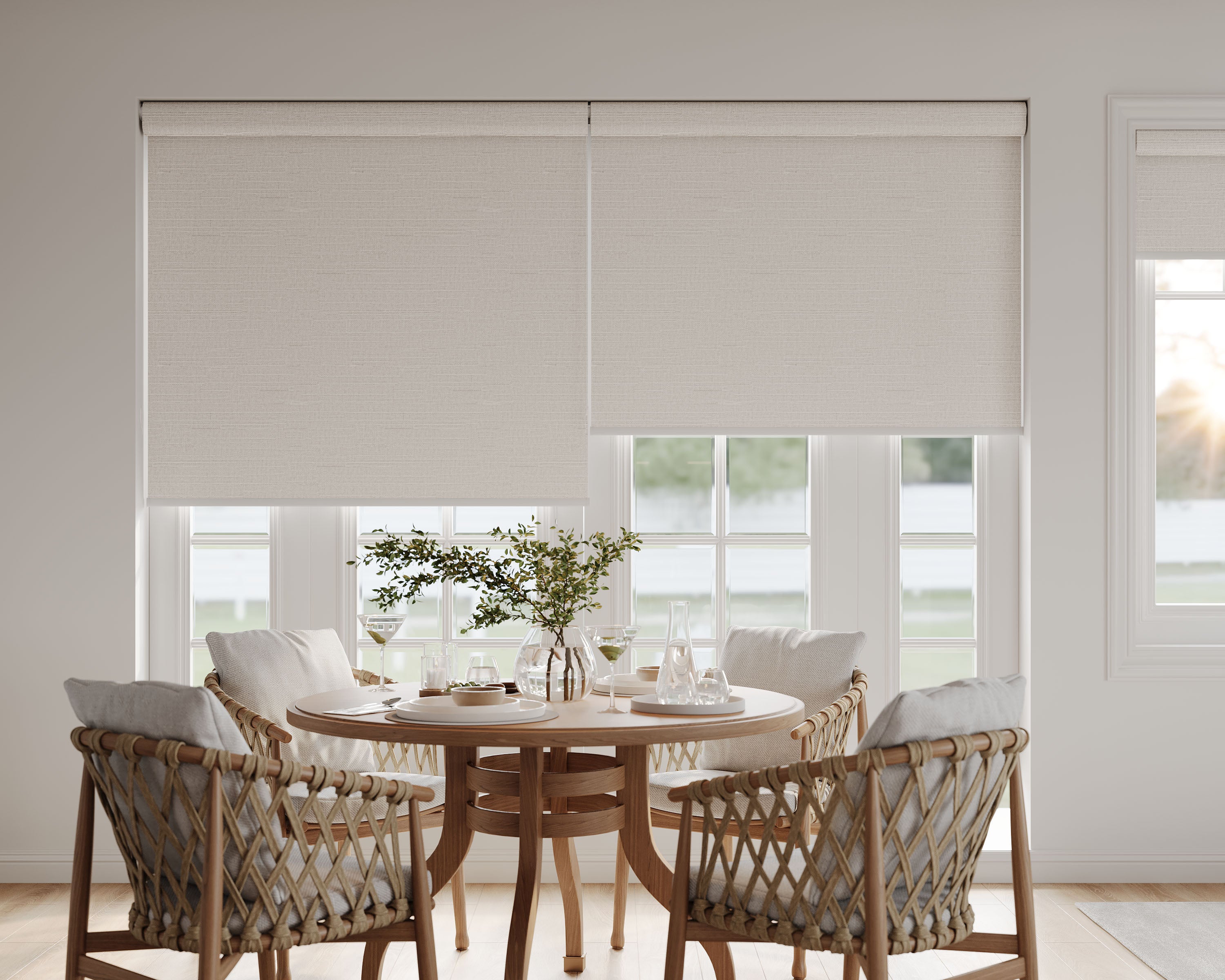
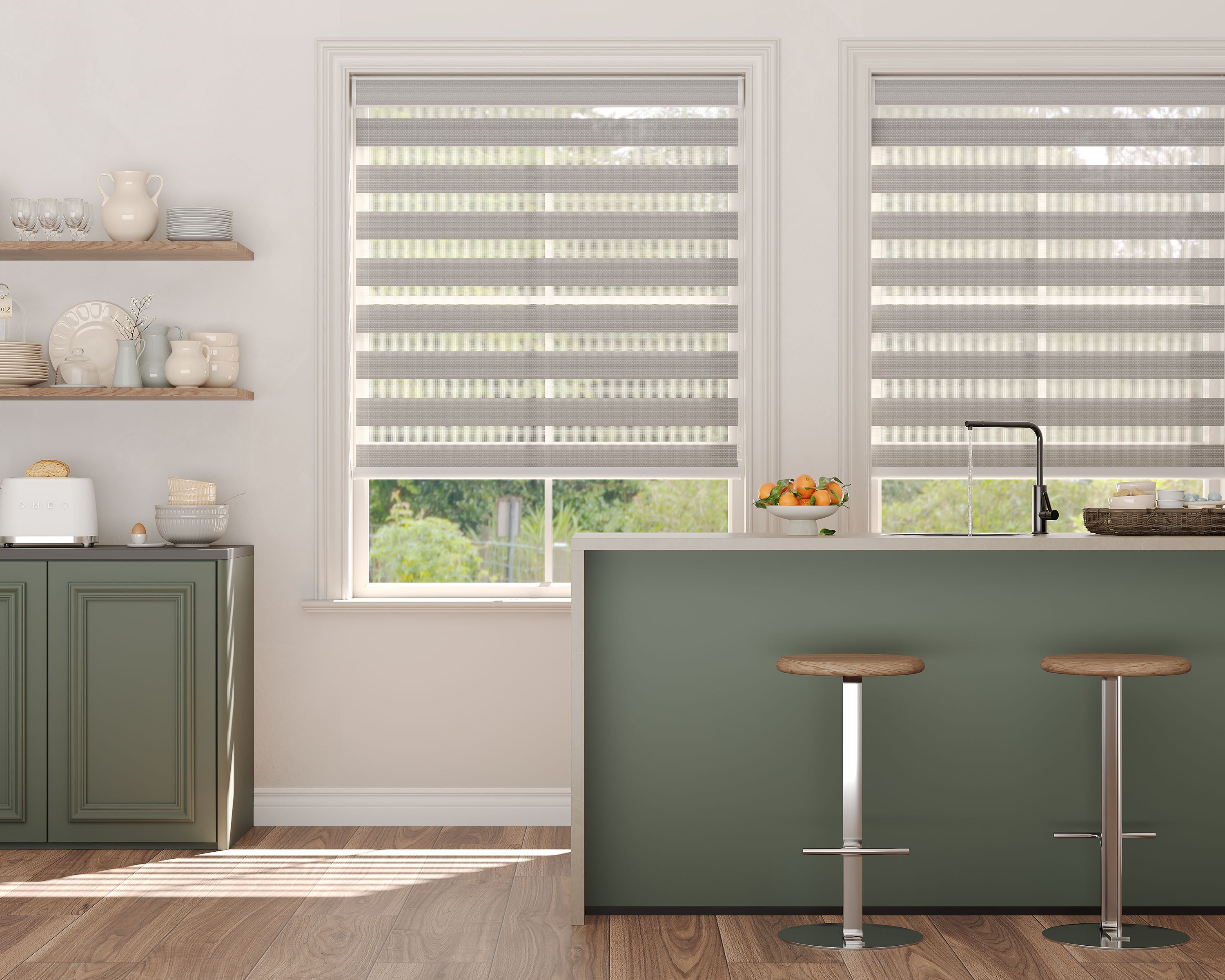
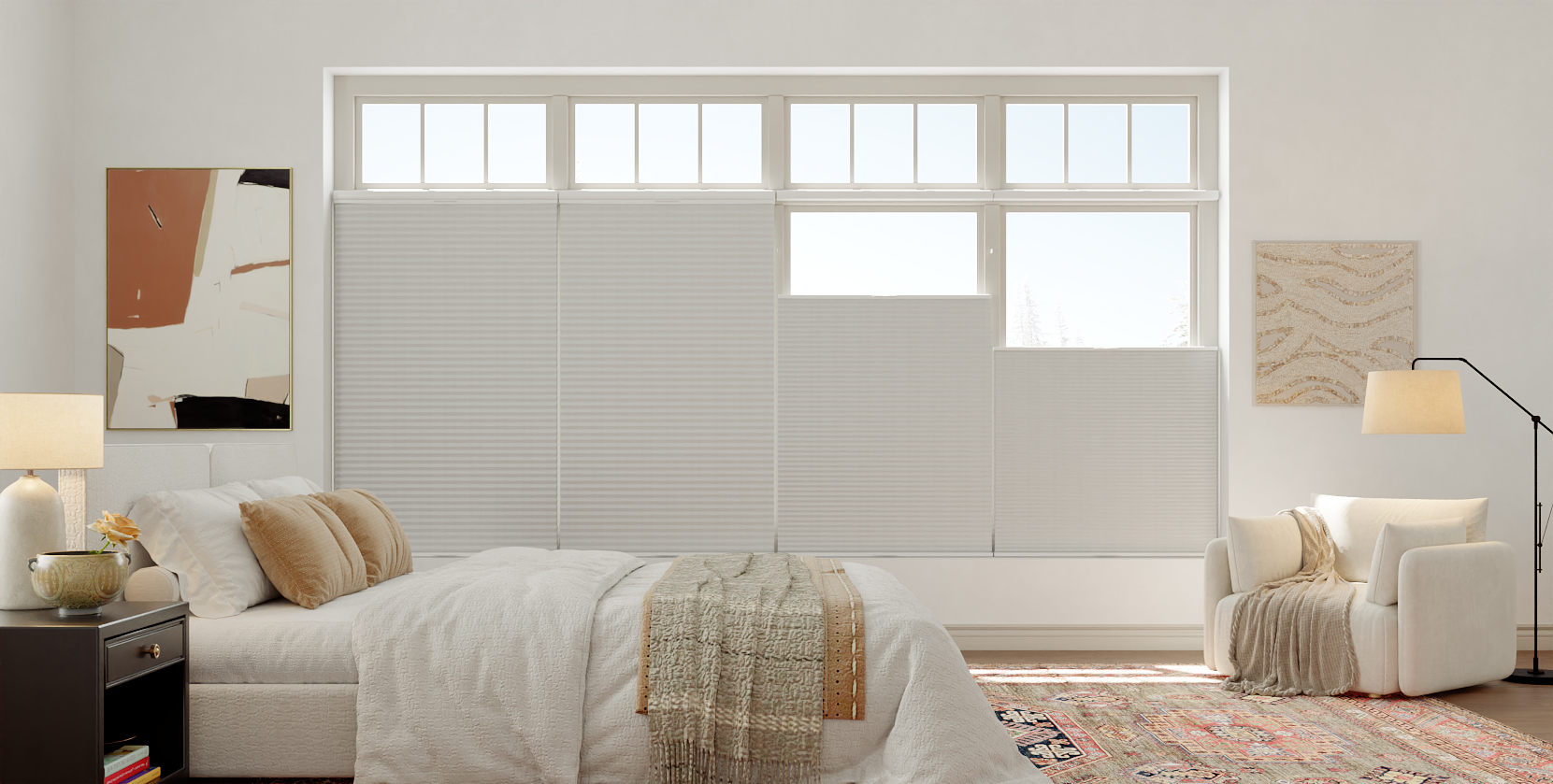
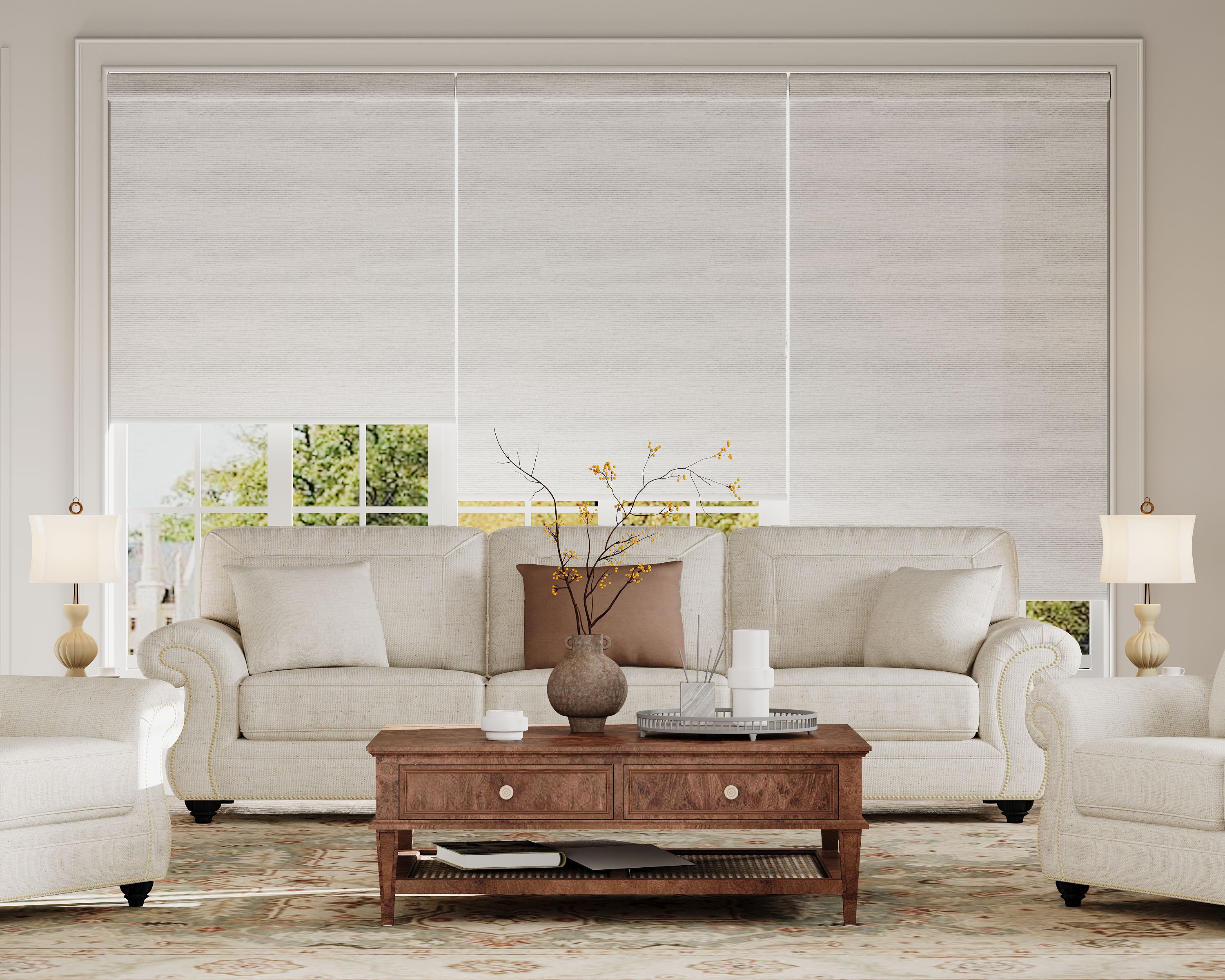


Yes, most cellular shades can be repaired if damaged, but the feasibility and cost-effectiveness depend entirely on the type of damage—whether it's to the fabric, the mechanism, or the hardware. Common issues like torn fabric, a failed cordless lift, or a misaligned headrail often have straightforward repair solutions, either DIY or professional. Understanding your options can save you the cost of full replacement and extend the life of your energy-efficient cellular shades.
Here’s what you’ll learn in this article:
-
A detailed breakdown of which types of damage are easily repairable and which typically require replacement.
-
Step-by-step guidance for simple DIY repairs you can safely attempt at home.
-
Clear cost comparisons between professional repair, partial replacement, and buying new shades.
-
How to assess your warranty coverage for repairs and find qualified service professionals.
-
Actionable criteria to decide when a repair makes sense versus when replacement is the smarter long-term choice.
Assessing the Damage: What Can and Cannot Be Fixed
The first step is a clear diagnosis. Cellular shades are a system of interconnected parts, and the repairability of one component often depends on the condition of the others.
Commonly Repairable Issues
-
Torn or Punctured Fabric: Small holes or tears can often be mended with specialty fabric tape or adhesive patches from the inside, making the repair nearly invisible from the front.
-
Failed Cordless Lift Mechanism: The internal spring or constant force mechanism that allows cordless operation can wear out. This is one of the most common repairs and usually involves replacing the entire clutch mechanism inside the headrail.
-
Stuck or Slipping Cord Lock (Corded Shades): The device that holds the cords in place can become clogged with dust or break. It can typically be replaced without removing the shade.
-
Loose or Detached Headrail/Brackets: Brackets can come loose from the wall or window frame. This is often a simple re-securing with proper anchors or screws.
-
Minor Sagging or Cell Separation: Cells that have come unglued can sometimes be re-adhered with a tiny amount of fabric glue applied carefully with a toothpick.
Damage That Often Leads to Replacement
-
Large or Extensive Fabric Damage: Severe rips, massive stains, or widespread fading across the entire shade usually necessitates fabric replacement.
-
Motor Failure in Motorized Shades: While motors can be replaced, the cost of the new motor and labor may approach half the cost of a new shade, especially if the fabric is older.
-
Complete Structural Failure of Headrail: If the aluminum headrail itself is bent or broken, it is rarely repairable.
-
Widespread Fabric Fading: This is not a "repair" issue but a cosmetic one. Fading is a result of UV exposure and cannot be reversed; only the fabric can be replaced.
The Repair Decision Matrix: DIY, Professional, or Replace?
Use this table to diagnose your problem and identify the most practical and cost-effective path forward.
| Type of Damage | Recommended Action | Complexity & Notes |
|---|---|---|
| Small Fabric Tear (<1 inch) | DIY Repair | Use a clear, fabric-specific adhesive or patch kit. Ensure compatibility with shade material. |
| Cordless Mechanism Won't Hold | Professional Repair or DIY Kit | Requires taking down the shade and replacing the internal clutch. Kits are brand-specific. |
| Shade is Crooked/Uneven | DIY Adjustment | Often caused by one side being unhooked from its bracket. Re-level by re-engaging both sides. For persistent issues, follow a guide to re-leveling uneven shades. |
| Loose Mounting Bracket | DIY Repair | Re-secure with longer or more appropriate wall anchors for the surface (drywall, wood, masonry). |
| Damaged Lift Cord (Corded Shades) | Professional Repair | Re-stringing a cellular shade is complex and time-consuming; best left to experts. |
| Motorized Shade Not Responding | Troubleshoot, then Professional | First, check batteries, power source, and reprogram remote. If unresolved, motor likely needs professional replacement. |
| Significant Fabric Damage or Staining | Fabric-Only Replacement | Many manufacturers sell replacement fabric panels that attach to your existing headrail and mechanism. |
| Old Shades with Multiple Issues | Full Replacement | If fabric is faded, mechanism is failing, and style is outdated, investing in new shades is more economical. |
Step-by-Step: Common DIY Repairs You Can Attempt
For the handy homeowner, these fixes can restore function without a service call.
Fixing a Detached or Sagging Shade
A shade that hangs crookedly is often just dislodged from one of its mounting brackets.
-
Gently pull the bottom of the shade away from the window to unhook the other side.
-
Inspect the metal or plastic hooks (called "loks") on each end of the headrail. Ensure they are not bent.
-
Align both hooks with their respective brackets and press the headrail upward and inward until you hear or feel both sides click securely into place.
-
Test the operation by raising and lowering the shade slowly.
Patching a Small Fabric Tear
-
Lower the shade fully and identify the tear from the back (room-facing) side.
-
Cut a small piece of clear fabric repair tape or a matching adhesive patch. For a clean fix, consider a patch designed for repairing delicate shade fabrics, which won't discolor or bleed through.
-
Carefully align the honeycomb cells on either side of the tear and apply the patch from the back, ensuring full adhesion and a smooth finish.
-
Allow the adhesive to cure as per instructions before operating the shade.
Resetting a Motorized Shade After a Power Outage
Motorized shades often lose their programmed limits after a power loss.
-
Consult your manufacturer's manual for the exact reset procedure (common brands like Somfy, Lutron, and Bali have specific sequences).
-
Typically, this involves using the remote to drive the shade to a fully open and then fully closed position, holding buttons to set the limits.
-
Our dedicated guide to resetting motor limits after a power outage provides brand-specific steps to avoid guesswork.
The Professional Repair & Replacement Cost Analysis
When DIY isn't viable, knowing the cost landscape helps you budget effectively.
-
Professional Service Call: Expect a minimum fee of $75-$150 for assessment and travel, plus parts and labor.
-
Common Repair Costs:
-
Cordless mechanism replacement: $100 - $200 per shade.
-
Re-stringing a corded shade: $125 - $250 per shade.
-
Motor replacement: $200 - $400+ per shade.
-
-
Fabric-Only Replacement: This is often the most cost-effective "repair" for good hardware with bad fabric. Costs range from 50% to 70% of a brand new shade, saving you the headrail and mechanism.
-
The "50% Rule": A good rule of thumb is if the repair cost exceeds 50% of the price of a comparable new shade, and your existing shade is over 7 years old, replacement is usually the better long-term value.
Navigating Warranties and Finding a Repair Pro
Before paying for anything, check your warranty status.
-
Locate Your Documentation: Find your original paperwork or order confirmation. Most warranties cover defects in materials and workmanship for a specific period.
-
Understand the Coverage: Most issues arising from accidental damage, pets, or normal wear and tear are not covered. A broken spring after 8 years is wear; a broken headrail after 8 months is likely a defect. Clarify what is included by reviewing a breakdown of typical shade warranty terms.
-
Finding a Technician: If not covered by warranty, search for "window treatment repair" or "blind repair service" in your area. The original manufacturer or retailer can often recommend authorized service providers. For motorized systems, seek out AV or smart home integrators who specialize in automated shade brands.
Conclusion and Key Takeaways
Damaged cellular shades are not automatically destined for the landfill. A systematic approach—diagnosing the specific issue, weighing repair costs against replacement, and understanding your own capability—will lead you to the most sensible and economical solution.
Key Highlights:
-
Diagnosis is First: Identify whether the issue is with the fabric, mechanism, or hardware to target the solution.
-
DIY Has Limits: Simple re-hanging, patching, and basic troubleshooting are DIY-friendly; internal mechanism or motor work usually is not.
-
Fabric Replacement is a Middle Ground: Swapping out just the fabric panel can give you "like-new" shades for less than a full replacement.
-
Cost-Benefit Analysis is Crucial: Use the 50% rule and the age of your shades to decide between repair and replacement.
-
Warranties are for Defects, Not Accidents: Know what your warranty covers before seeking a free manufacturer repair.
By taking informed action, you can often restore your shades to perfect working order, preserving your investment and avoiding unnecessary waste.
Explore Custom Cellular Shades


Frequently Asked Questions (FAQ)
Can pet-damaged cellular shades be repaired?
Yes, but it depends on the extent. Scratches on vinyl or hard fabrics can sometimes be buffed out. For punctures or tears in softer fabrics, a clean patch repair from the back is the best solution. If the damage is extensive across multiple cells, a fabric-only replacement is the most viable option to restore appearance without replacing the entire unit.
Is it worth repairing very old cellular shades?
For shades older than 10-12 years, repair is rarely the most cost-effective choice. Wear and tear is cumulative; fixing one issue (like a lift mechanism) on aged shades often leads to another (like fabric tearing) soon after. Furthermore, finding exact replacement parts for discontinued models can be difficult. In this case, investing in new, more energy-efficient models is typically wiser.
How do I know if my motorized shade needs a new battery or a new motor?
Diagnose step-by-step. First, replace all batteries with fresh, manufacturer-recommended types. If it's hardwired, check the power transformer. Next, try reprogramming the remote to the shade. If there is no movement, sound, or LED indicator light at all after these steps, the motor or control board may have failed. A faint whirring sound or jerky movement without shade travel often indicates a mechanical jam, not motor failure.
Can I repair water-damaged or moldy cellular shades?
It is challenging and often not recommended. Water can destroy the internal paper structures of the honeycomb cells and cause irreversible warping or staining. Mold poses health risks and can spread. For small, localized moisture exposure, you may attempt careful drying and cleaning. However, for significant water damage or any mold growth, replacement is the only safe and effective solution to ensure a healthy indoor environment.
Do manufacturers sell direct replacement parts for DIY repair?
Many major manufacturers like Hunter Douglas, Bali, and Graber sell certified replacement parts—such as clutch mechanisms, cord locks, and even fabric panels—directly to consumers or through their dealer networks. You will need your shade's model number and fabric code, usually found on a label on the headrail or the original order paperwork. Using official parts ensures compatibility and preserves any remaining warranty.
