
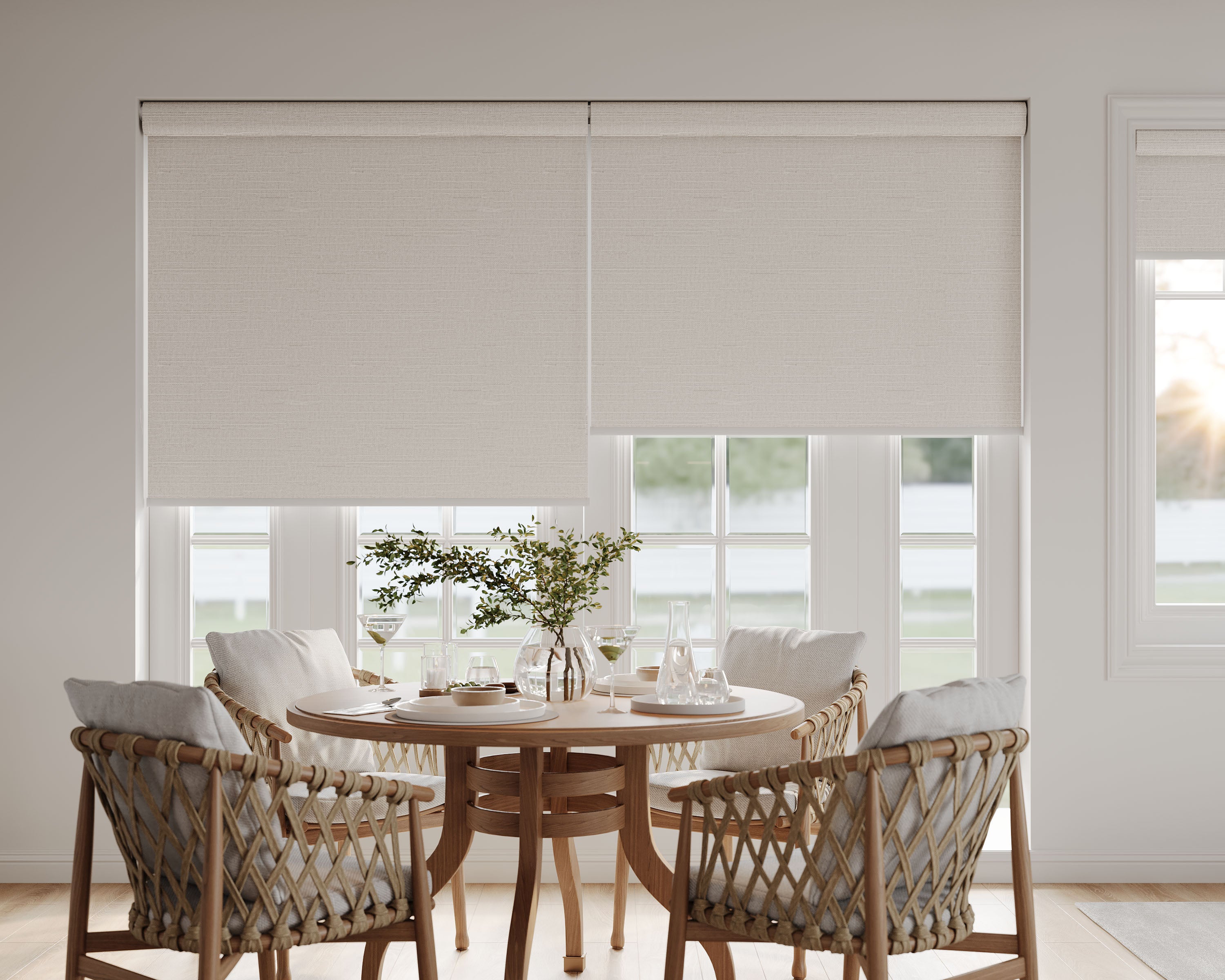


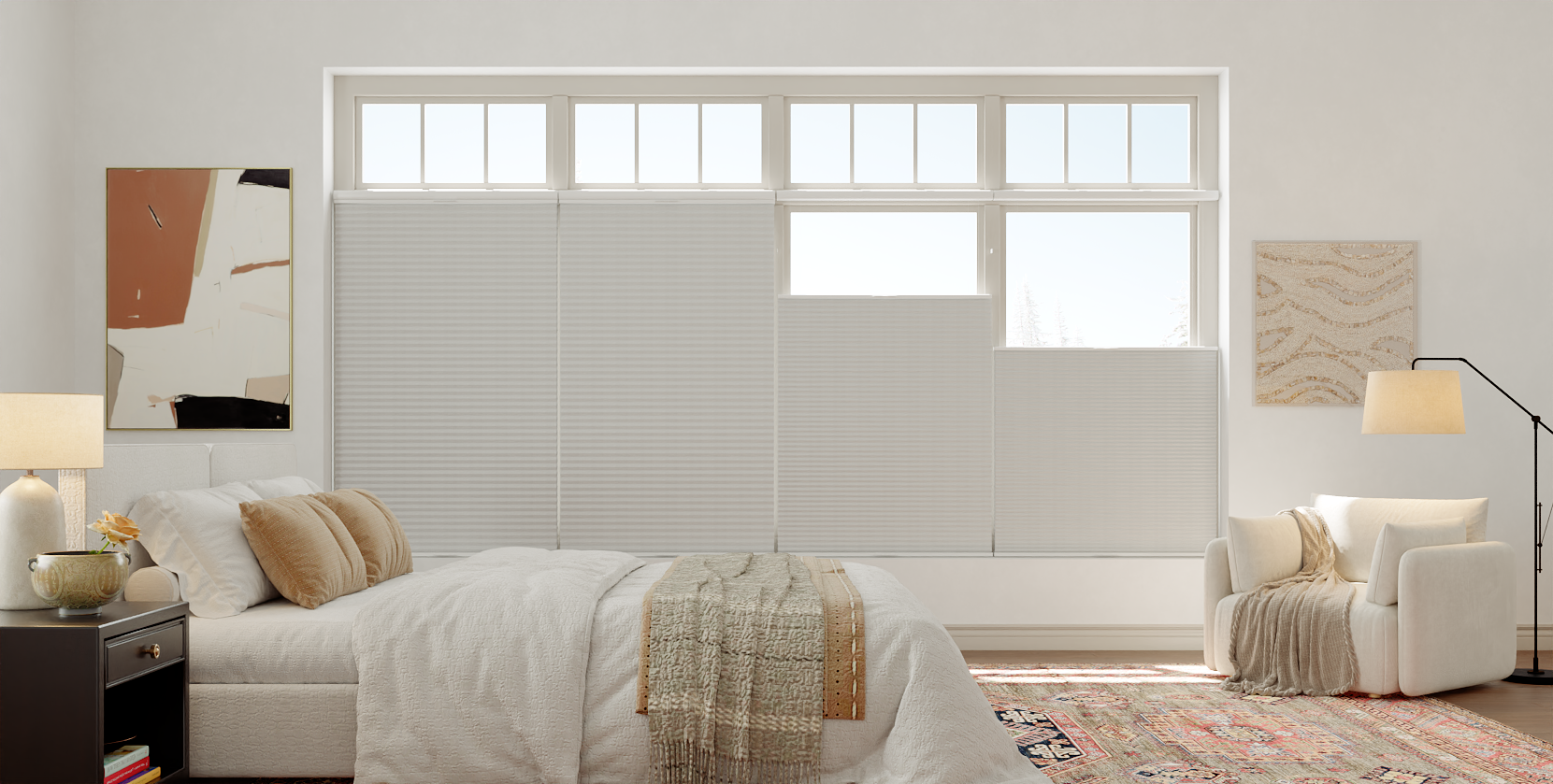


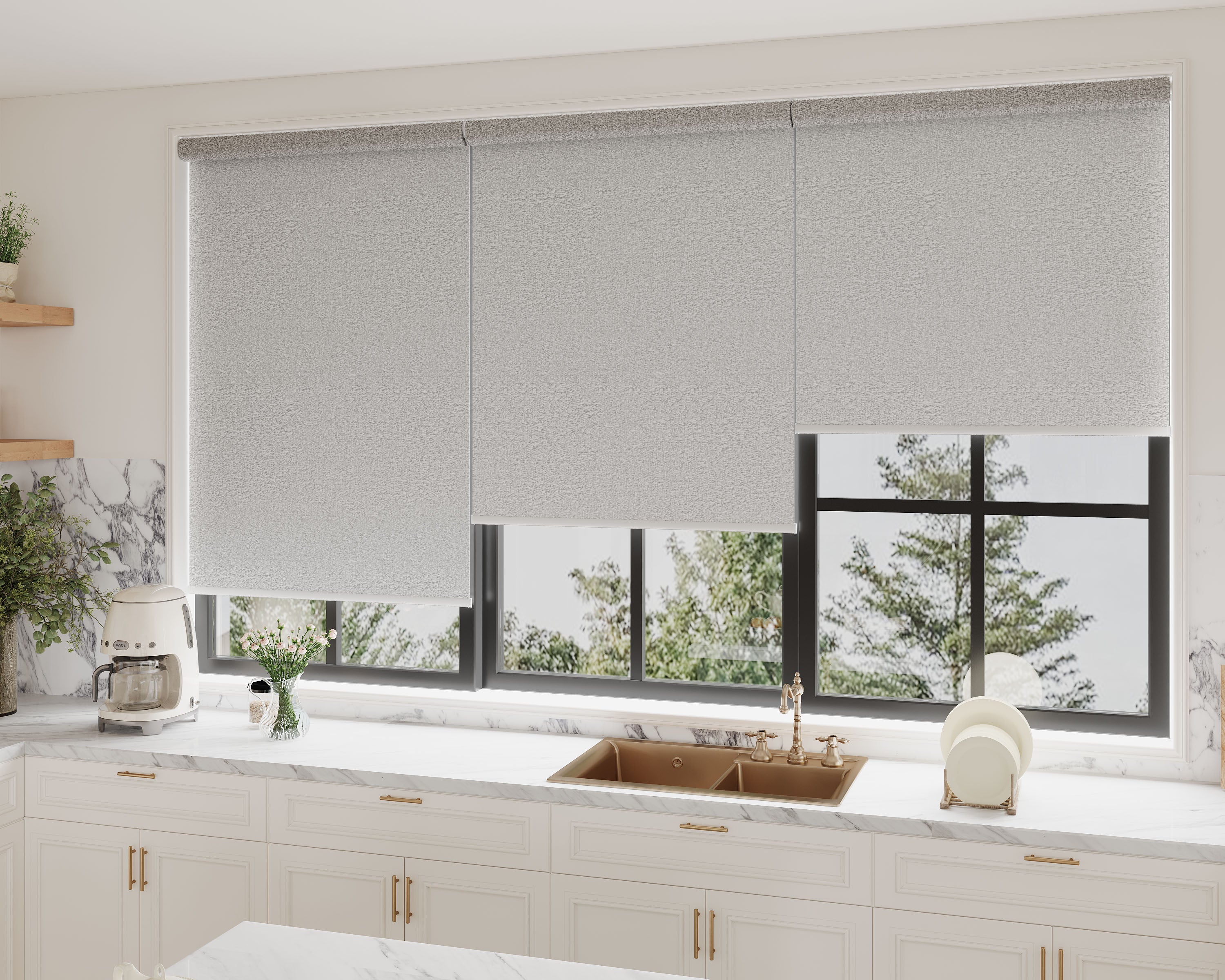

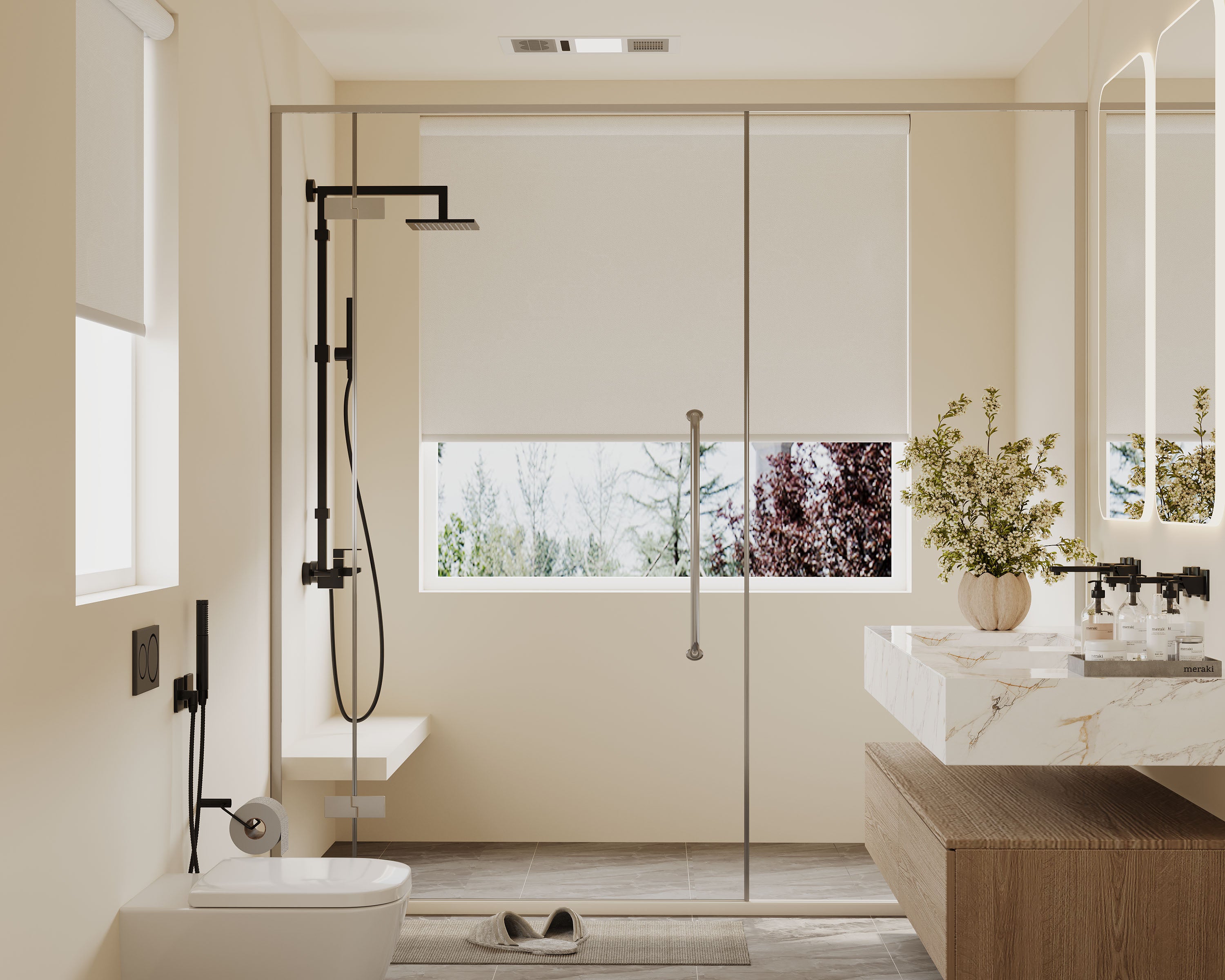


Plan motorized shades one room at a time, then confirm that the selected motors and controls work together before expanding. A whole-home plan does not need identical fabric at every window, but it does need clear operating requirements, suitable power and an interface the household can use.
Start with motorized shade options and a room-by-room schedule. Decide what each window needs to do before choosing a platform or copying a product list across the house.
Build a room schedule
| Room/task | Fabric decision | Control and installation decision |
|---|---|---|
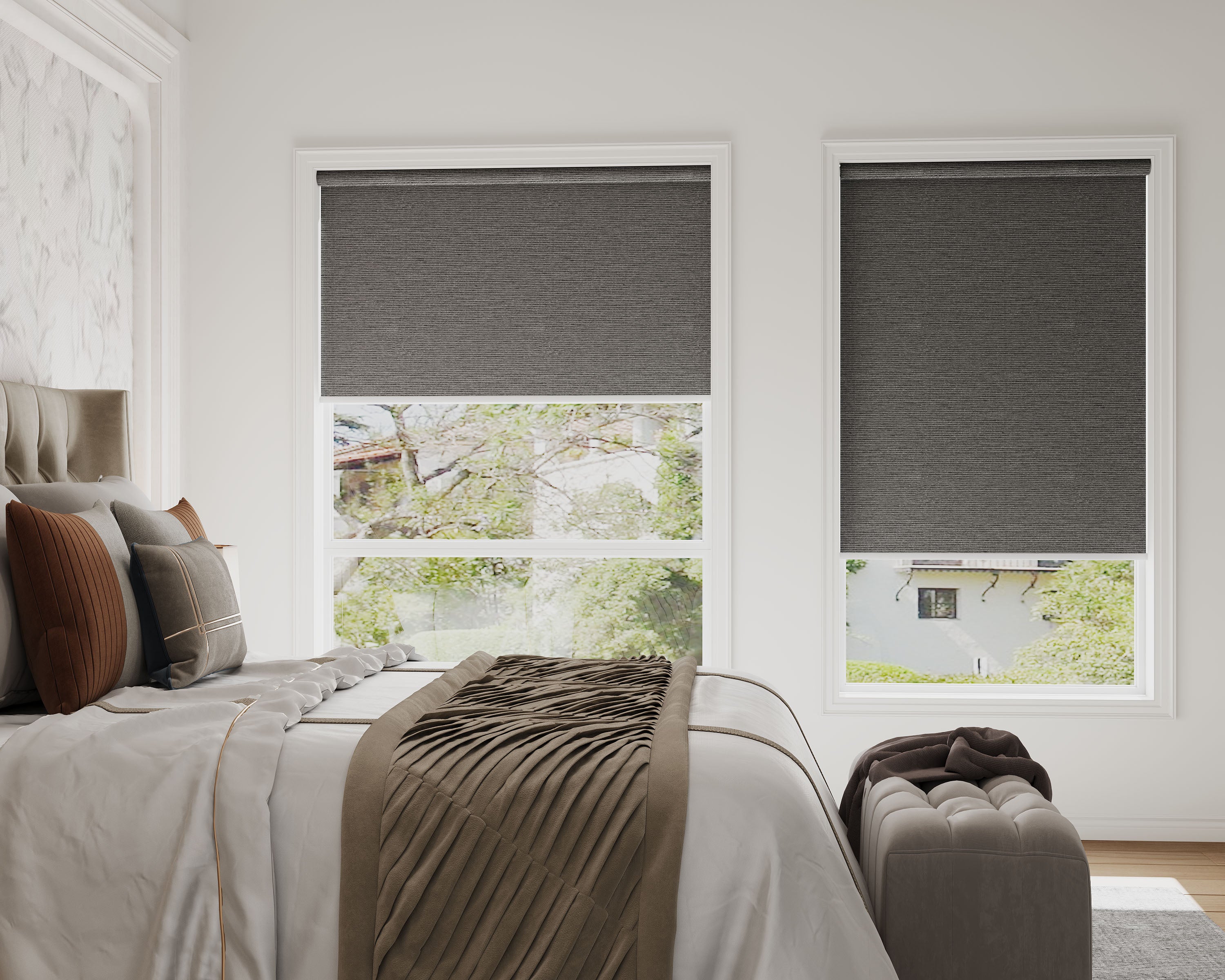
| Bedroom | Opacity and edge coverage for the desired darkness | Reachable controls and a practical charging/service plan |
| Living area | Daylight, glare, view and nighttime privacy | Individual windows versus useful groups |
| Home office | Glare at the screen during difficult hours | Simple adjustments from the working position |
| Kitchen | Location relative to heat, splashes and cleaning | Reach and permitted environment of operating parts |
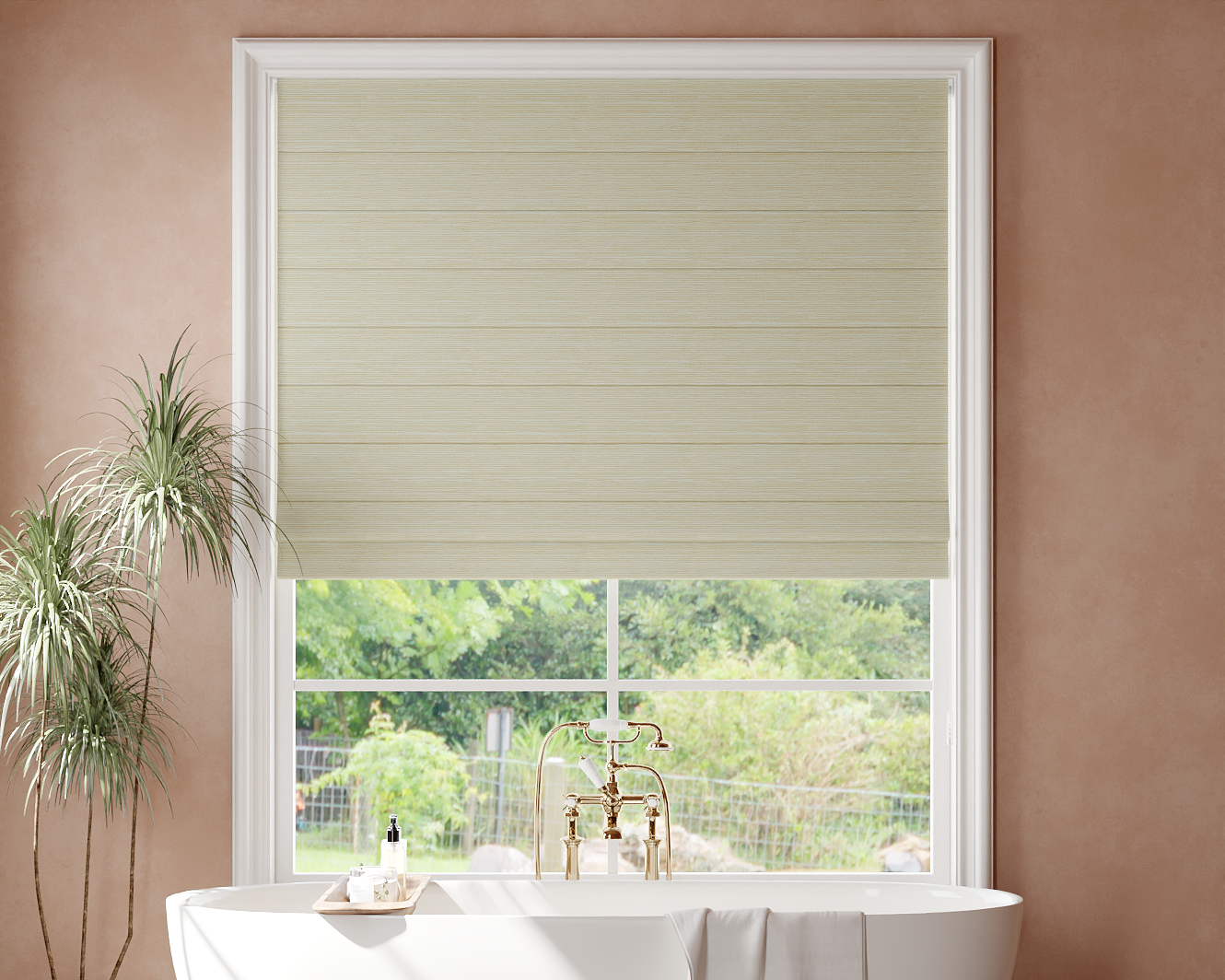
| Bathroom | Exact moisture exposure plus nighttime privacy | Approved assembly location, power and controls |
The same room can contain different orientations and sightlines. Record the job of each window rather than assigning every living-room window one automatic setting.
Choose the fabric before the routine
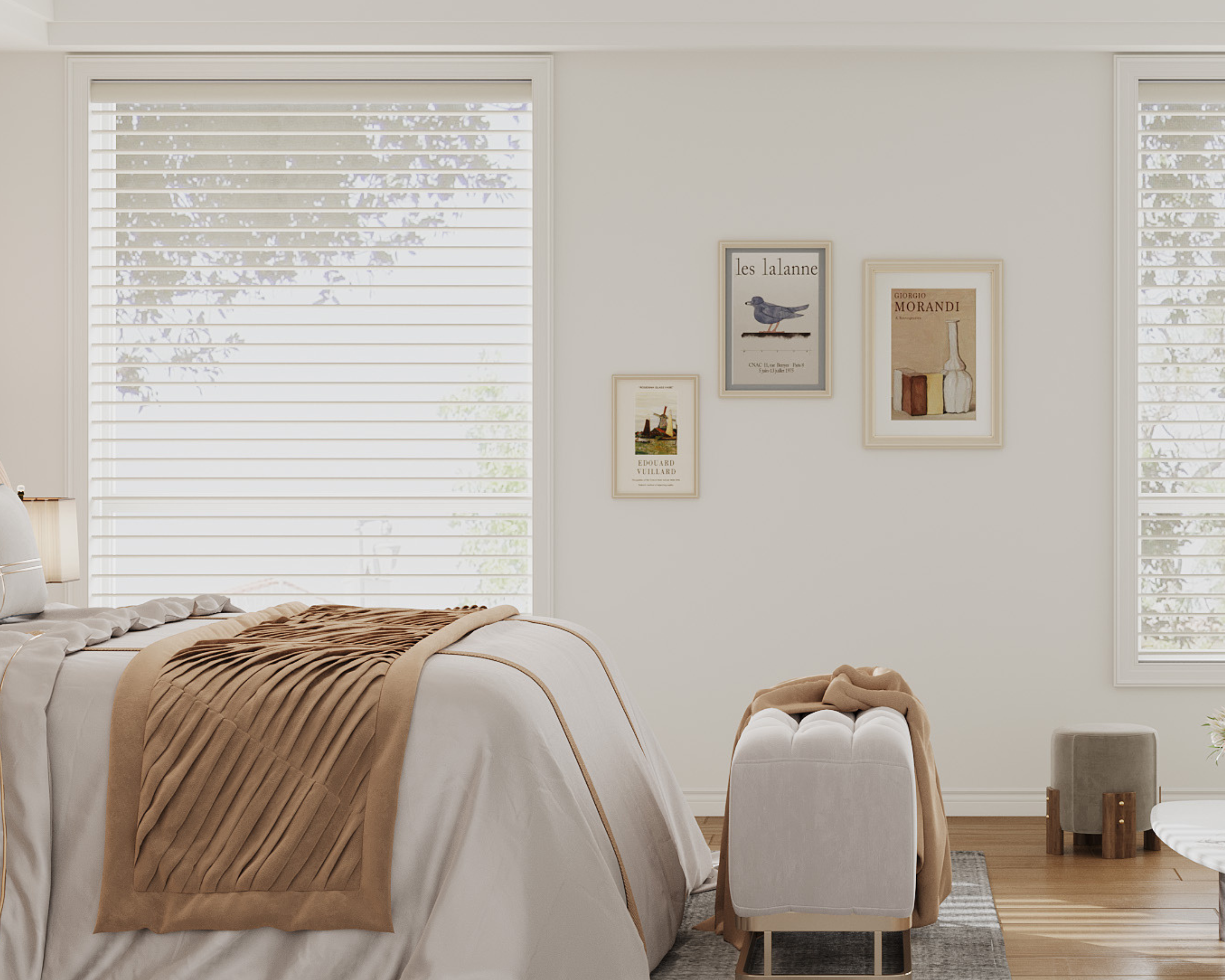
A motor changes operation; it does not make a light-filtering fabric opaque or remove side gaps from a blackout shade. Evaluate the material under the room's actual lighting and plan coverage around handles and trim.
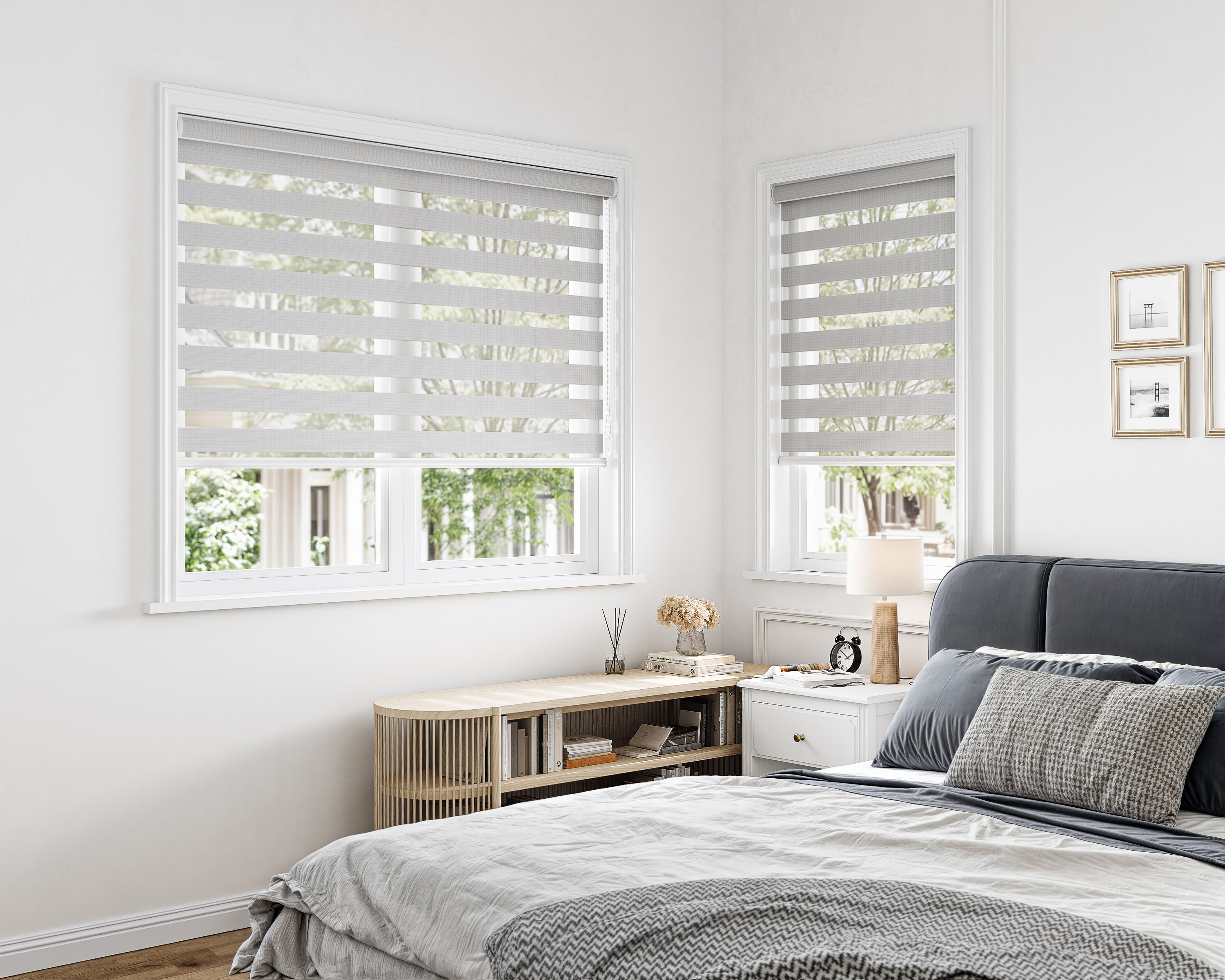
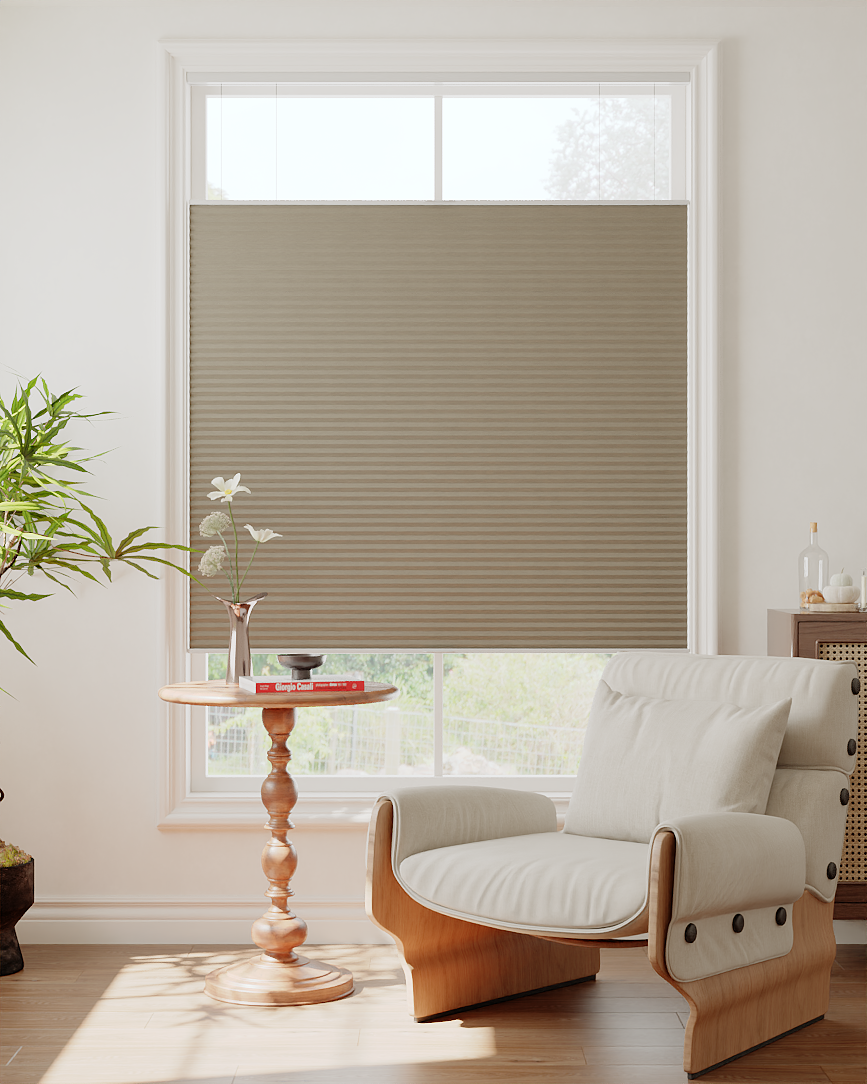
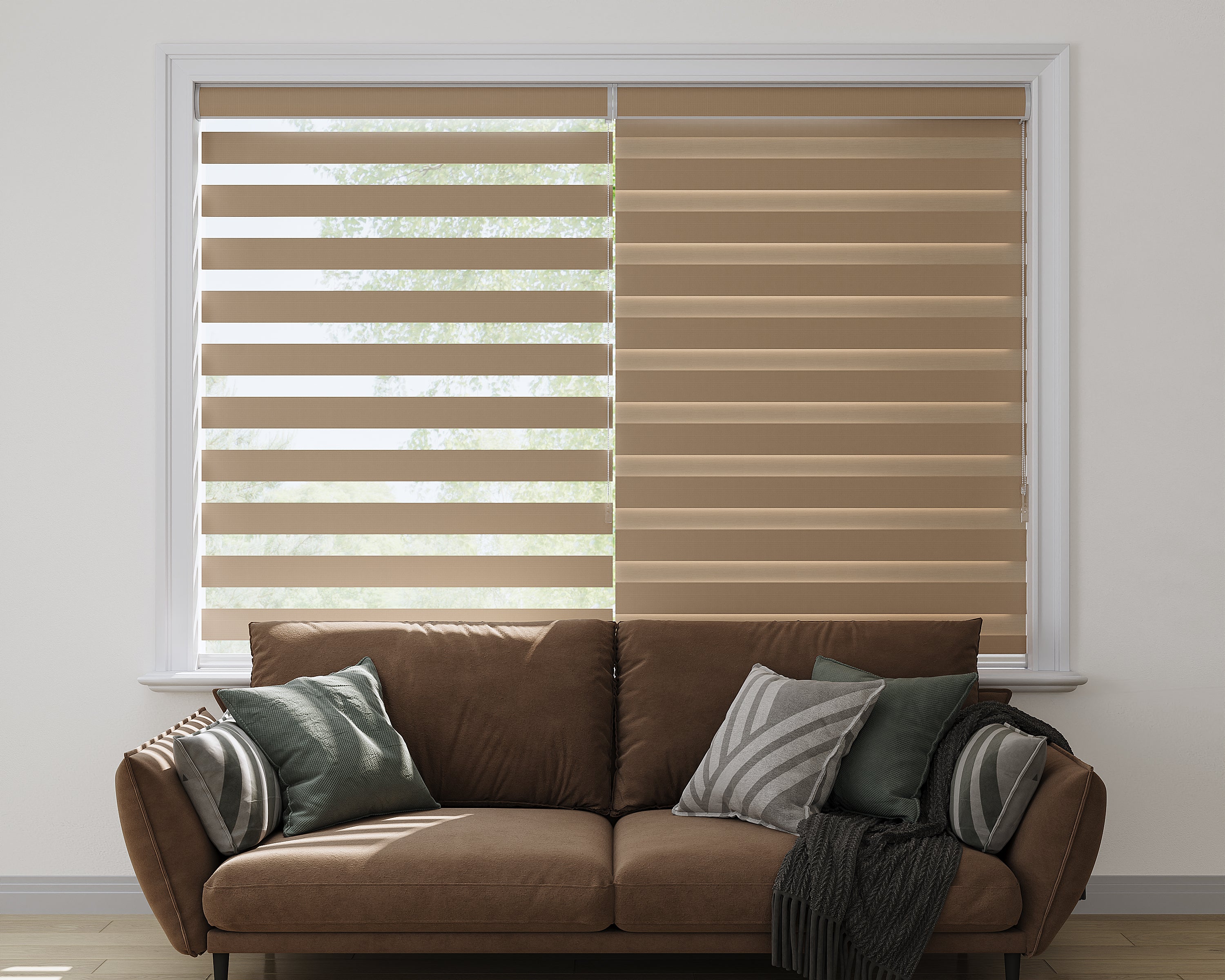
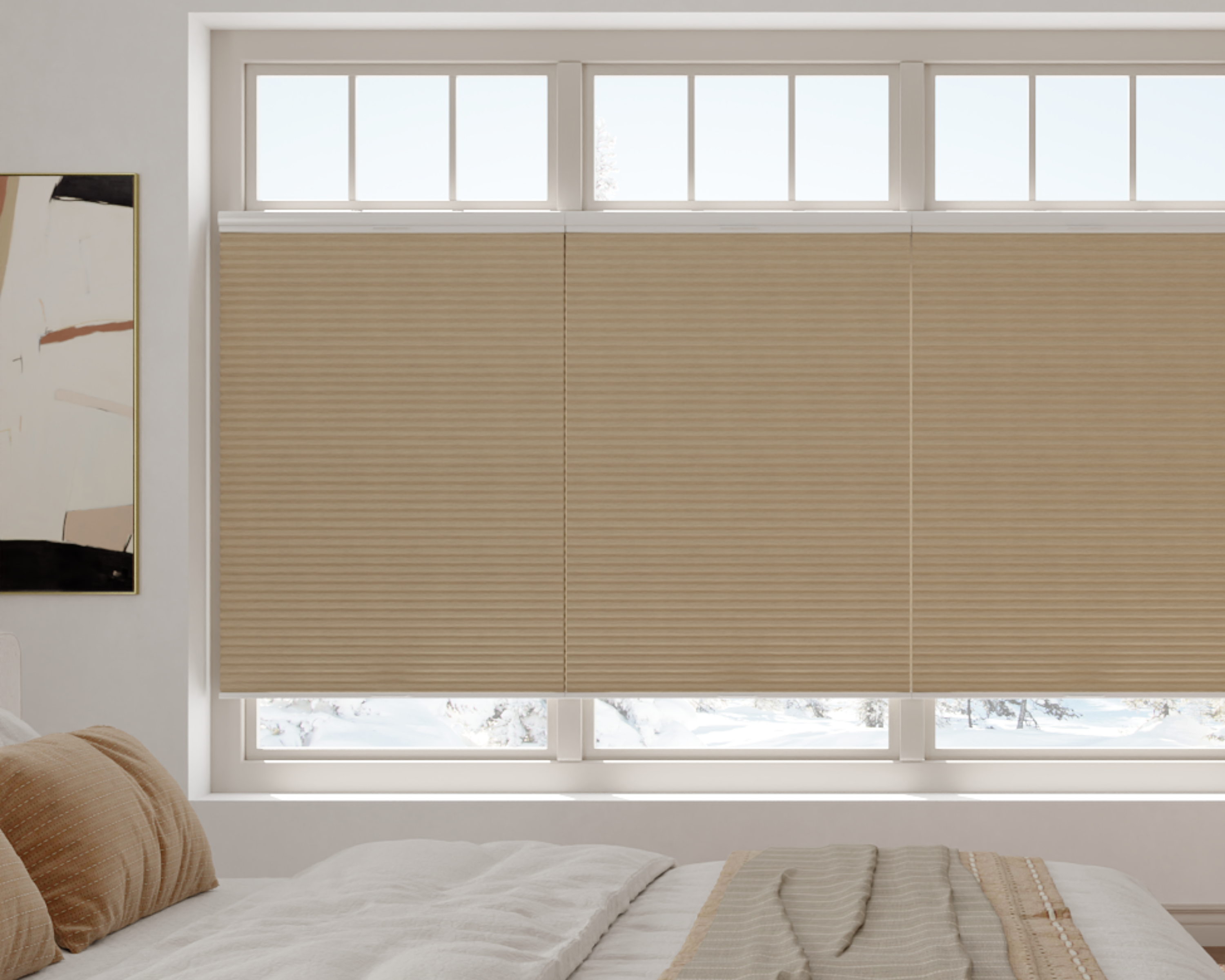
Zebra bands offer adjustable diffusion, roller fabric provides a flat surface, and cellular designs offer a different appearance and construction. Their suitability for humidity, cleaning, energy or acoustic goals depends on the exact product. Certification and performance claims should match the selected fabric and their actual scope.
For a bathroom window, separate ordinary room humidity from direct shower spray. A waterproof fabric alone does not approve every motor or charging component for wet exposure. Choose the product and its permitted installation together.
Identify what “integrated” means to you
Write down the desired actions: a remote opens one shade, a wall button moves a group, an app adjusts a room, or a supported automation closes selected windows at a set time. These are different requirements.
Confirm the actual motor, controller and any bridge or hub required for those actions. Do not assume that a motorized option supports Matter, Zigbee, HomeKit, Alexa or another platform because the platform is popular. A manual cordless mechanism does not become connected through the fabric style.
Ask how the selected system handles grouping, individual adjustment and loss of its usual control or network. The answer should describe the exact arrangement you are buying, including any backup operation it actually provides.
Plan power and access
Rechargeable motors need accessible charging connections and a workable maintenance routine. Hardwired systems need an appropriate installation and service plan. Compare the actual requirements rather than assuming one power arrangement has a universal lifespan or lower five-year cost.
Measure the window and mounting position before ordering. Wide or high shades may have different limits and support requirements. If controls will be difficult to reach, solve that in the plan rather than expecting automation to compensate for an inaccessible charging point.
Pilot one representative window
Choose a window that tests the important requirements: the desired fabric, control method, reach and room use. Try the normal actions and evaluate privacy at night. Confirm that everyone who needs to operate it can do so.
Once the configuration works for that task, expand to compatible windows with their own measurements. A successful bedroom installation does not establish moisture suitability for a shower window or structural support for a much wider opening.
For homes with young children, follow CPSC's cordless guidance and the chosen product's safety instructions. Keep the complete installation in view rather than treating motorization as a guarantee against every hazard.
Compare the relevant shade families
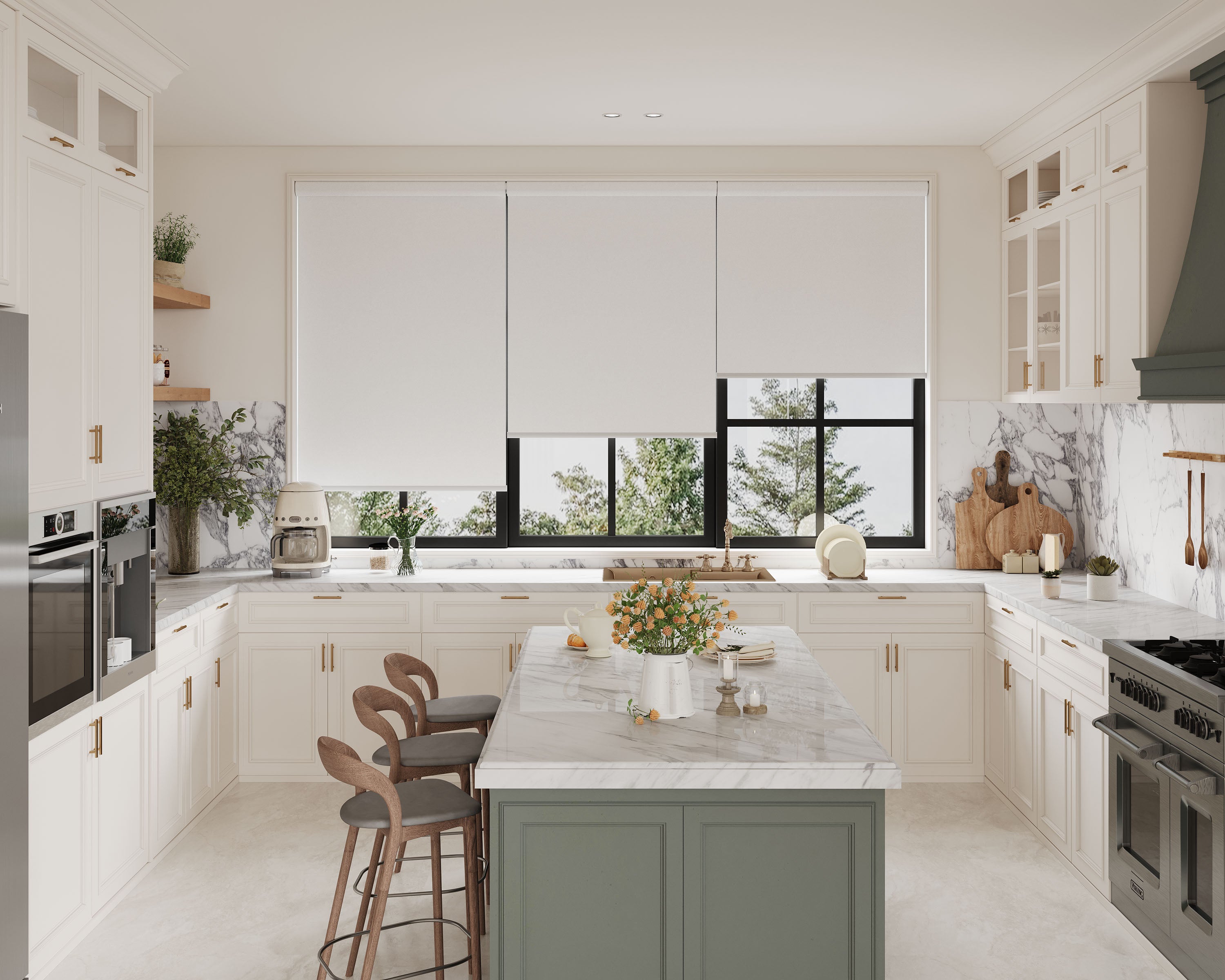
For adjustable bands, compare room-darkening zebra and light-filtering zebra options. For a flat fabric panel, compare light-filtering rollers and blackout rollers. The waterproof blackout roller serves a separate moisture-related selection task; check its permitted exposure along with the lift.
For honeycomb appearance and opacity, review light-filtering cellular and blackout cellular listings. A listing described as manual cordless should not be treated as an automated product without a supported motorized configuration.
Compare light-filtering top-down/bottom-up and blackout top-down/bottom-up models when moving coverage matters. Day-night honeycomb and Premier day-night honeycomb describe two-fabric choices; confirm their actual operation rather than assuming they have every top-down/bottom-up movement.
Price the complete rollout
Compare the actual size, fabric, motor, controls, bridges and installation. A base price beside a product card does not establish the total for a motorized whole-home project. Include any programming, demonstration and future access you need.
Use the motorized collection to narrow suitable configurations, then confirm the plan room by room. The useful whole-home system is one that solves your daily tasks and remains straightforward to operate and maintain.
Fabric examples


