







Deciding on window treatments often comes down to balancing budget with desire. You love the idea of shades that move with a button press—no cords, no stretching, pure modern convenience—but you pause at the higher price tag. Is this smart home upgrade a worthwhile investment or an indulgent luxury? The answer isn't a simple yes or no; it's a "it depends" heavily on your home, habits, and priorities. This guide cuts through the hype to give you a clear, numbers-informed perspective on motorized roller shades, helping you determine if their value truly justifies the cost.
We’ll analyze:
-
The Real Price Tag: Upfront costs versus manual shades and ongoing expenses.
-
The Value Equation: Quantifiable benefits like energy savings and intangible perks like daily convenience.
-
The Decision Framework: A practical checklist to see if your lifestyle aligns with the biggest benefits.
-
Long-Term Outlook: What maintenance looks like and how motorized shades perform over years.
The Investment: Understanding the Costs
Let's start with the bottom line. A motorized roller shade represents a significant upfront investment compared to its manual counterpart.
Upfront Purchase and Installation
The premium for motorization is clear. A standard manual roller shade might cost between $35 and $95 per window. Adding motorization typically increases that cost to a range of $150 to $350 per window. For a popular product like motorized roller shades, you can expect to pay on the lower end of that spectrum, often between $150 and $250 per window.
Installation can be DIY-friendly for battery-powered models, similar to manual shades. However, for hardwired systems or if you prefer professional help, installation can add $75 to $200 per window.
Ongoing and Long-Term Costs
Beyond purchase, consider these recurring factors:
-
Power: Battery-powered models require rechargeable battery packs or disposable batteries, typically needing attention every 6 to 12 months. Hardwired options eliminate this but have higher install complexity.
-
Maintenance: Motors are generally reliable, with most rated to last 5 to 10 years. Repairs can be more costly than fixing a manual shade.
-
Energy Savings: This is a negative ongoing cost—a potential benefit. Automated shades can reduce heating and cooling costs by intelligently managing sunlight.
The Return: Where Motorized Shades Deliver Value
The cost is only one side of the equation. The value comes from tangible benefits and lifestyle enhancements that, for many, outweigh the initial spend.
Unmatched Convenience and Accessibility
This is the most immediate and appreciated value driver.
-
Effortless Control: Adjust all shades in a room simultaneously with a remote, smartphone app, or voice command via Alexa or Google Assistant.
-
Solving Access Problems: They are the ideal, often necessary, solution for tall, oversized, or hard-to-reach windows (e.g., above stairs, in vaulted ceilings).
-
Daily Routine Automation: Program shades to open at sunrise and close at dusk, syncing your home with the natural day without you lifting a finger. For a deeper dive into setting this up, our guide on energy savings with smart scheduling by sun path is a great resource.
Who Benefits Most From Motorized Roller Shades?
Motorized roller shades can be a worthwhile upgrade for many homes, but they provide the greatest value in specific situations. If any of the scenarios below sound familiar, motorization is often more than a luxury—it becomes a practical improvement.
- Homes with tall or hard-to-reach windows. Motorization eliminates the hassle of adjusting shades in high or awkward locations.
- Bedrooms where daily light control matters. Automating blackout shades can improve sleep by ensuring consistent darkness each night.
- Living rooms with strong afternoon sun. Scheduled shade movement helps reduce glare and indoor heat gain.
- Households with children or pets. Motorized shades remove dangling cords entirely, making them the safest window covering option.
- Smart-home enthusiasts. If you already use voice assistants or home automation routines, motorized shades integrate naturally into those systems.
- Homes where shades are adjusted multiple times per day. Automation removes a repetitive daily task and keeps light levels consistent.
Enhanced Energy Efficiency and Protection
When automated, roller shades become an active component of your home's efficiency.
-
Climate Control: By automatically closing during the hottest part of a summer day, they block solar heat gain, reducing air conditioning load. In winter, they can open to welcome warming sunlight.
-
Potential Savings: Well-managed window coverings can reduce unwanted heat gain in summer significantly. Over years, this can lead to noticeable savings on utility bills, partially offsetting the initial cost.
-
Furniture & Flooring Protection: Automated schedules ensure shades are consistently deployed during peak sun hours, protecting your interior fabrics, wood, and artwork from UV fading.
Safety, Security, and Modern Living
-
Cordless Safety: Motorization completely eliminates dangling cords, making it the safest possible option for homes with young children and pets.
-
Home Security: Set "vacation modes" or random schedules to open and close shades while you're away, creating the appearance of an occupied home to deter burglars.
-
Smart Home Integration: They elevate your home's functionality, integrating seamlessly with other smart devices for scenes like "Good Morning" or "Movie Night".
The 5-Year Perspective: Cost vs. Benefit Analysis
Looking at a multi-year horizon provides the clearest picture of value. A detailed motorized vs. manual five-year cost-benefit analysis for the average home reveals that while motorized systems have a higher upfront cost, the gap with manual shades narrows over time when factoring in energy savings, convenience, and durability.
The analysis considers not just dollar costs but the "hassle factor" of constantly adjusting manual shades and the potential for increased comfort and property value. For many homeowners, the benefits accrued over five years justify the initial premium.
Decision Checklist: Are Motorized Roller Shades Worth It For You?
Use this table to evaluate your specific situation. The more "Yes" answers you have, the stronger the case for investment.
| Consideration | Question to Ask Yourself | If "Yes," Motorization is a Strong Fit |
|---|---|---|
| Window Accessibility | Do I have windows that are very tall, large, or physically difficult to reach? | ✅ High Priority. This is where motorization shifts from luxury to practical necessity. |
| Daily Routine | Do I adjust my shades multiple times a day for light, privacy, or temperature? | ✅ High Value. Automation eliminates a daily chore, adding consistent convenience. |
| Household Safety | Do I have young children, pets, or a desire for the absolute safest cordless option? | ✅ Strong Fit. It addresses a key safety concern comprehensively. |
| Tech Integration | Do I value smart home features and want voice control or automated schedules? | ✅ Excellent Match. It unlocks the full potential of a connected home. |
| Budget & Scope | Can I accommodate the higher upfront cost, perhaps by starting with key rooms? | ✅ Feasible. Phasing the project is a smart strategy to manage cost. |
| Climate & Sun Exposure | Do I have rooms with strong sun exposure where heat gain or UV damage is a concern? | ✅ Efficient Choice. Automated shading maximizes energy savings and protection. |
Your Next Steps:
-
Audit Your Home: Walk through with the checklist above. Identify the 1-3 windows where motorization would have the biggest daily impact.
-
Explore the Collection: Review the styles and fabrics available for modern roller shades to understand your base options.
-
Dive Deeper into the Numbers: For a granular look at how costs and savings play out, our motorized vs. manual five-year cost-benefit analysis provides a detailed financial model.
-
Understand the Tech: If smart home control is a priority, learn the basics of how Wi-Fi and Bluetooth controls for smart shades actually work.
Explore Custom Roller Shades
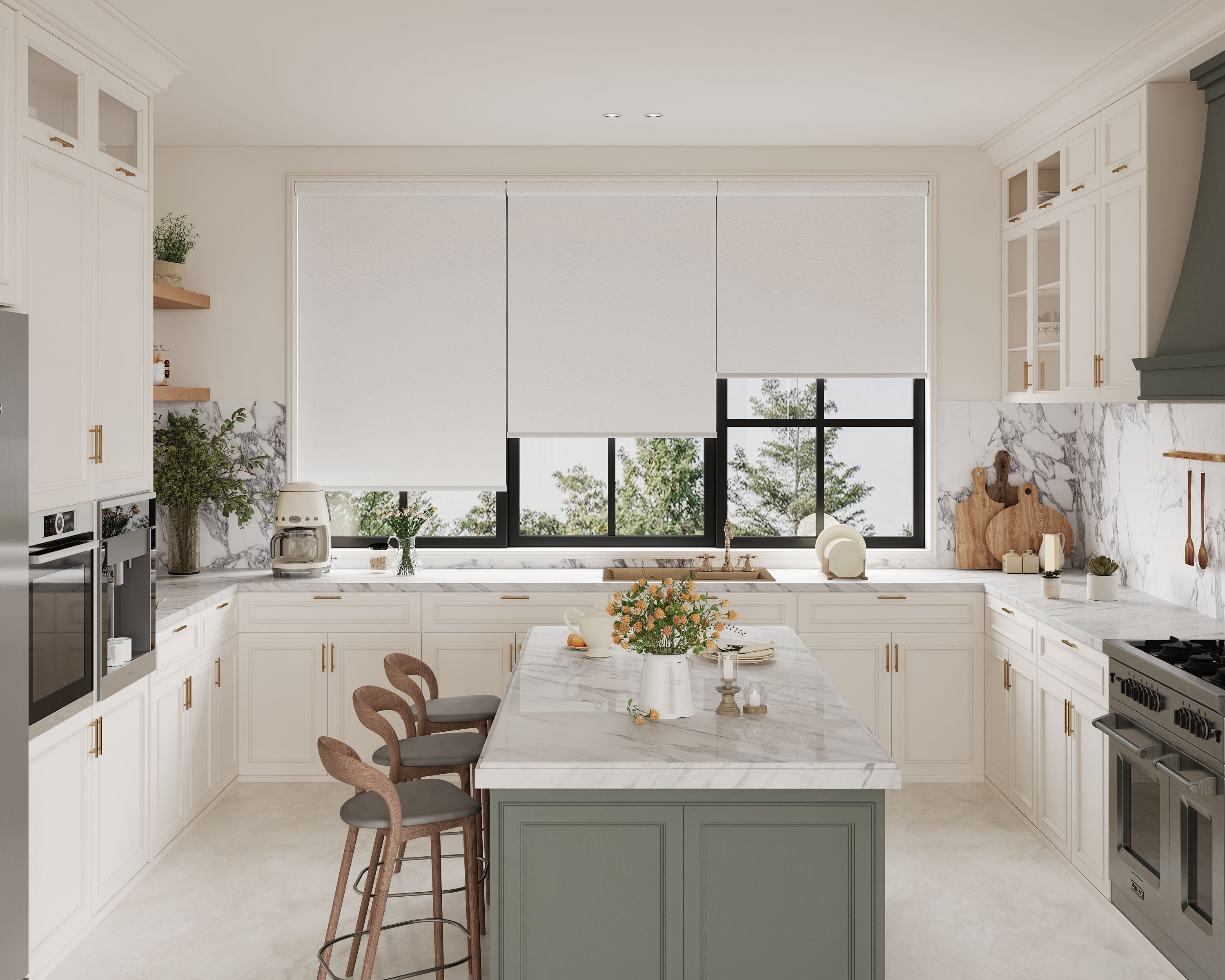
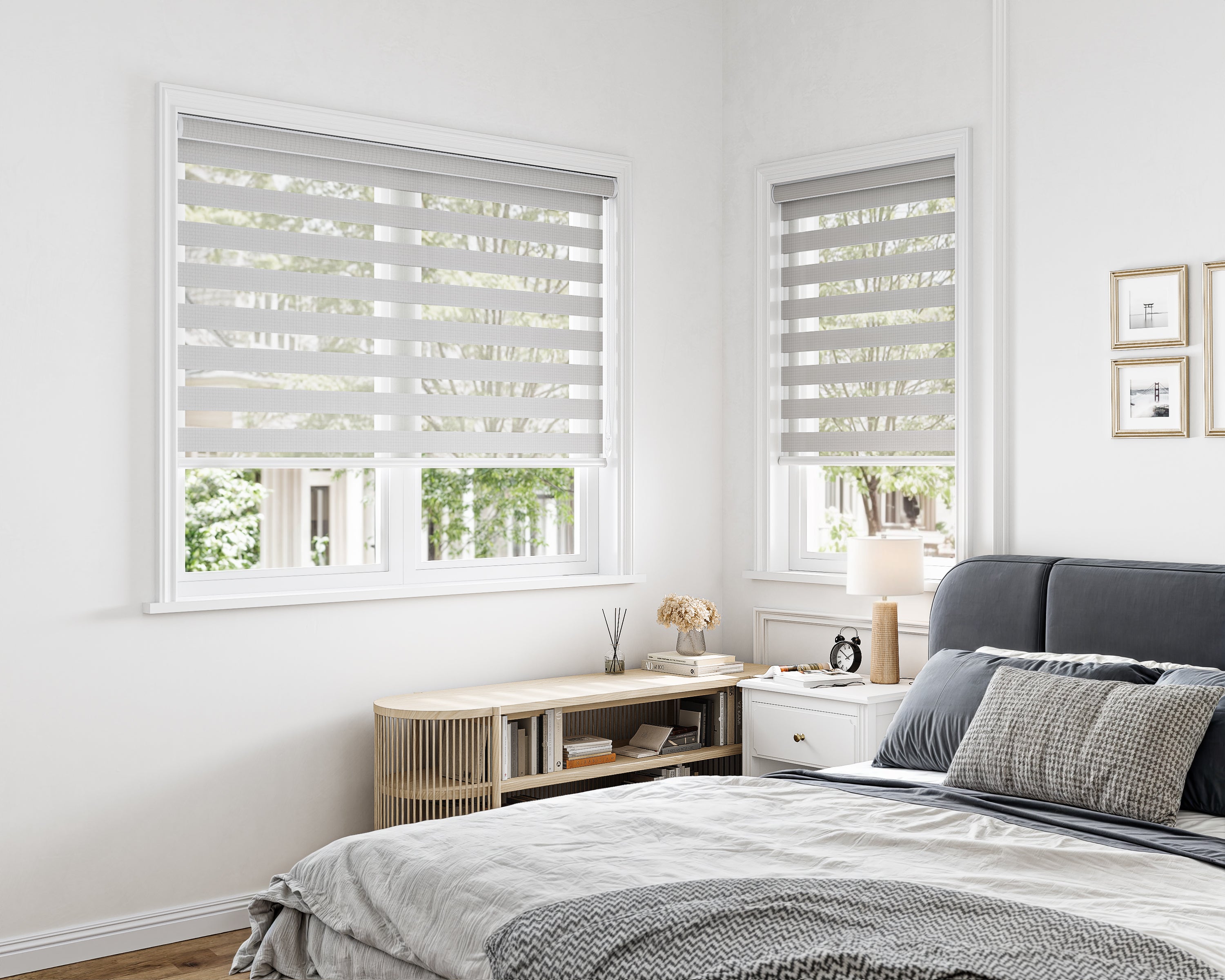
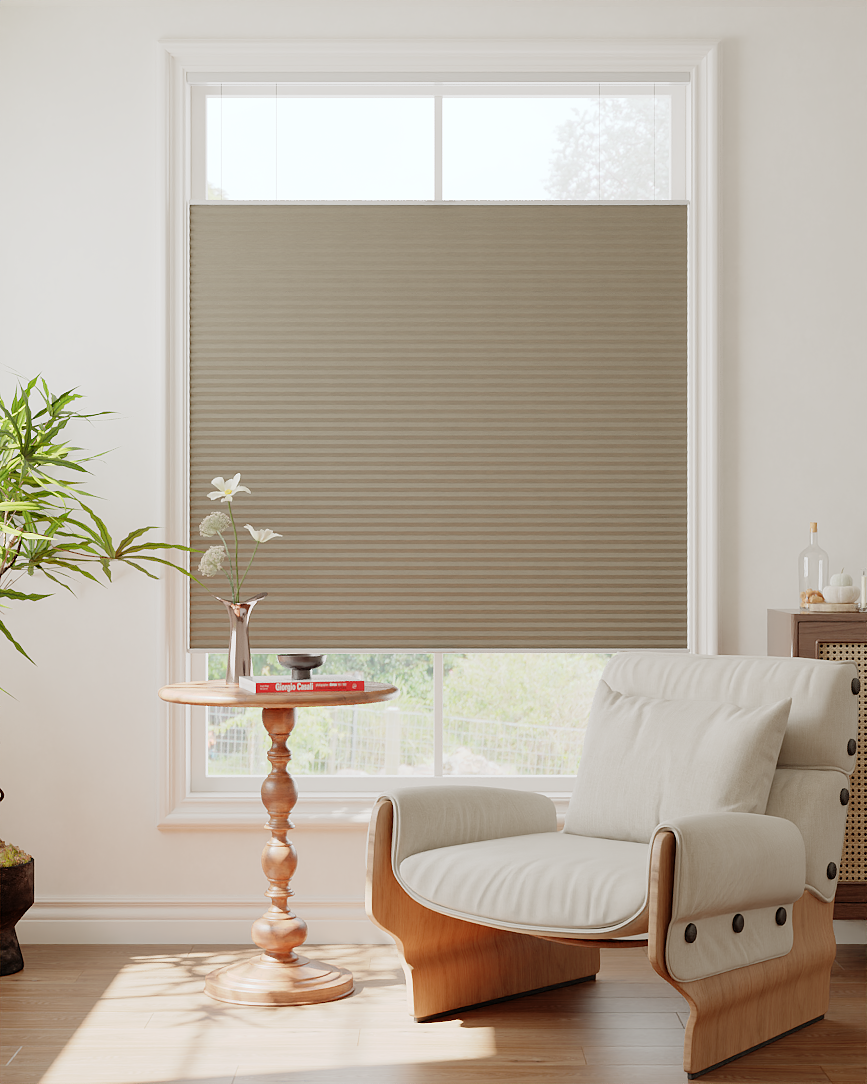
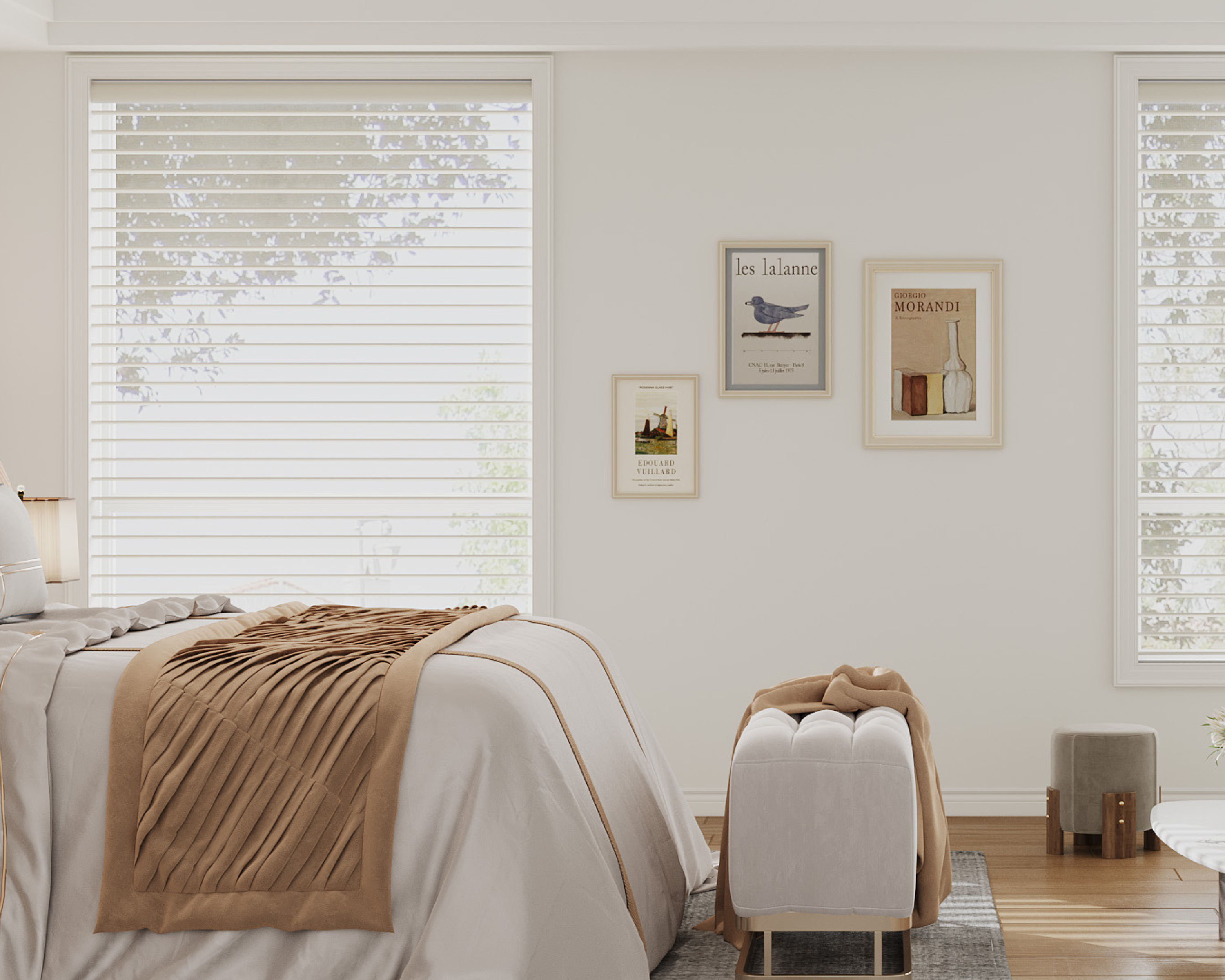
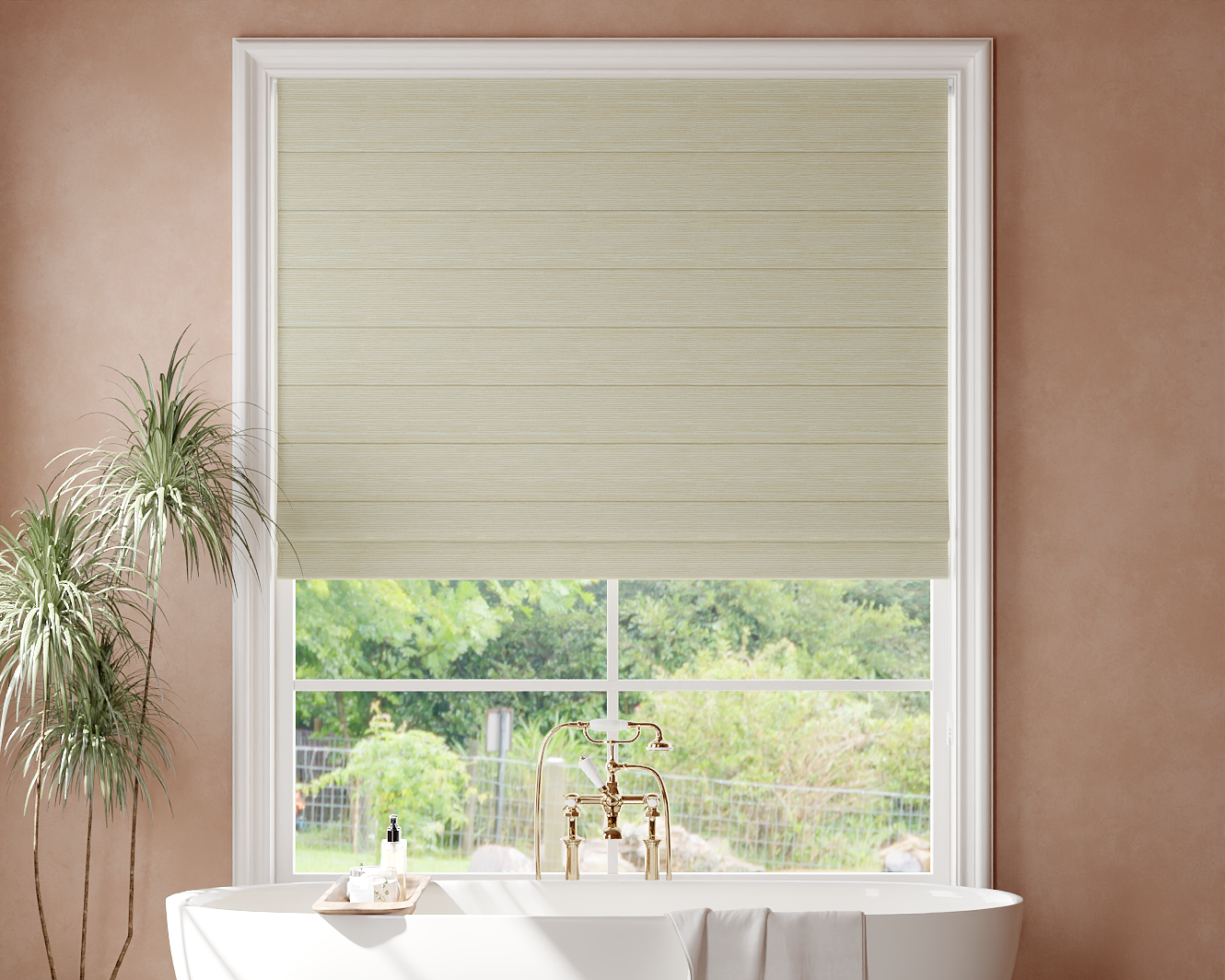
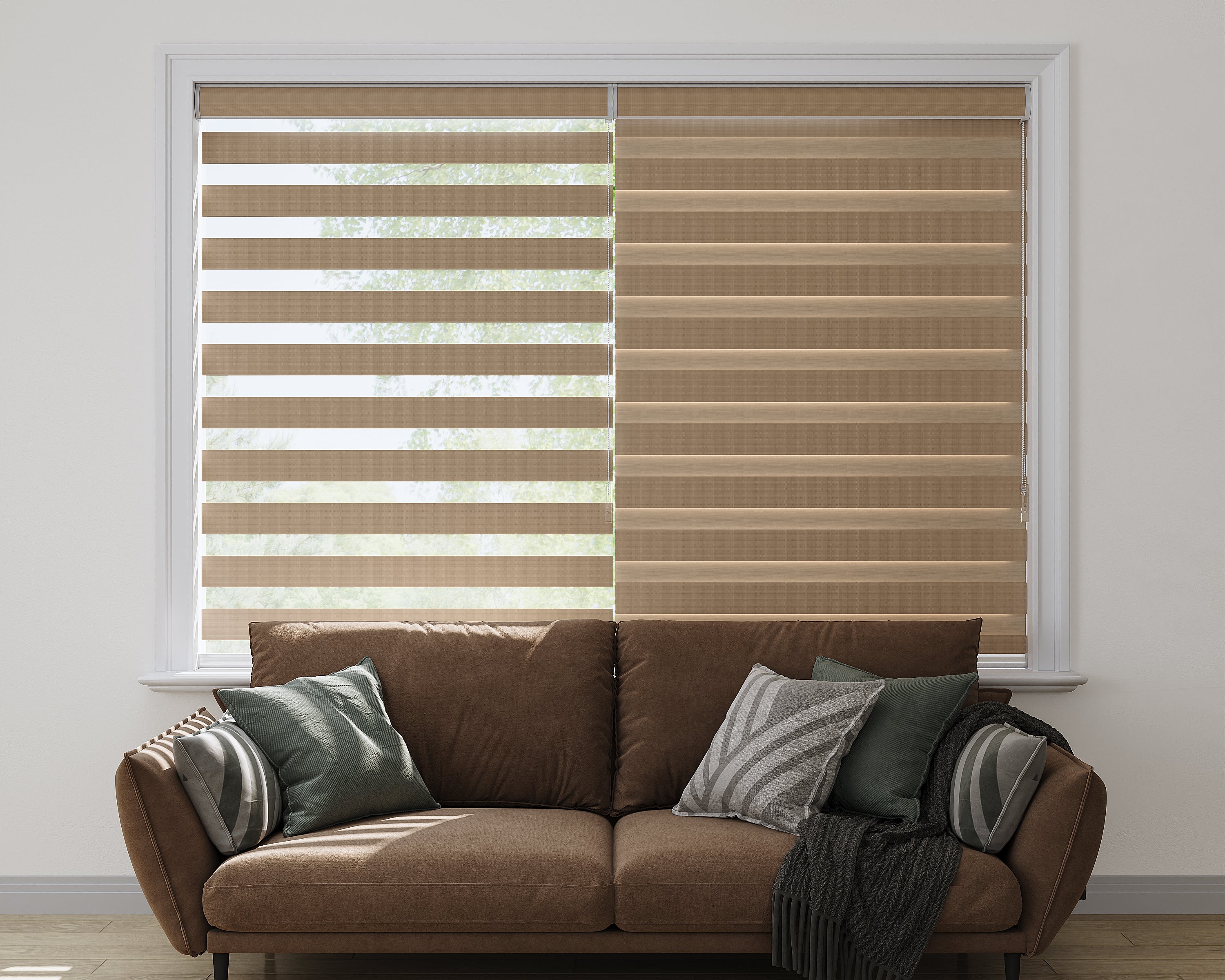
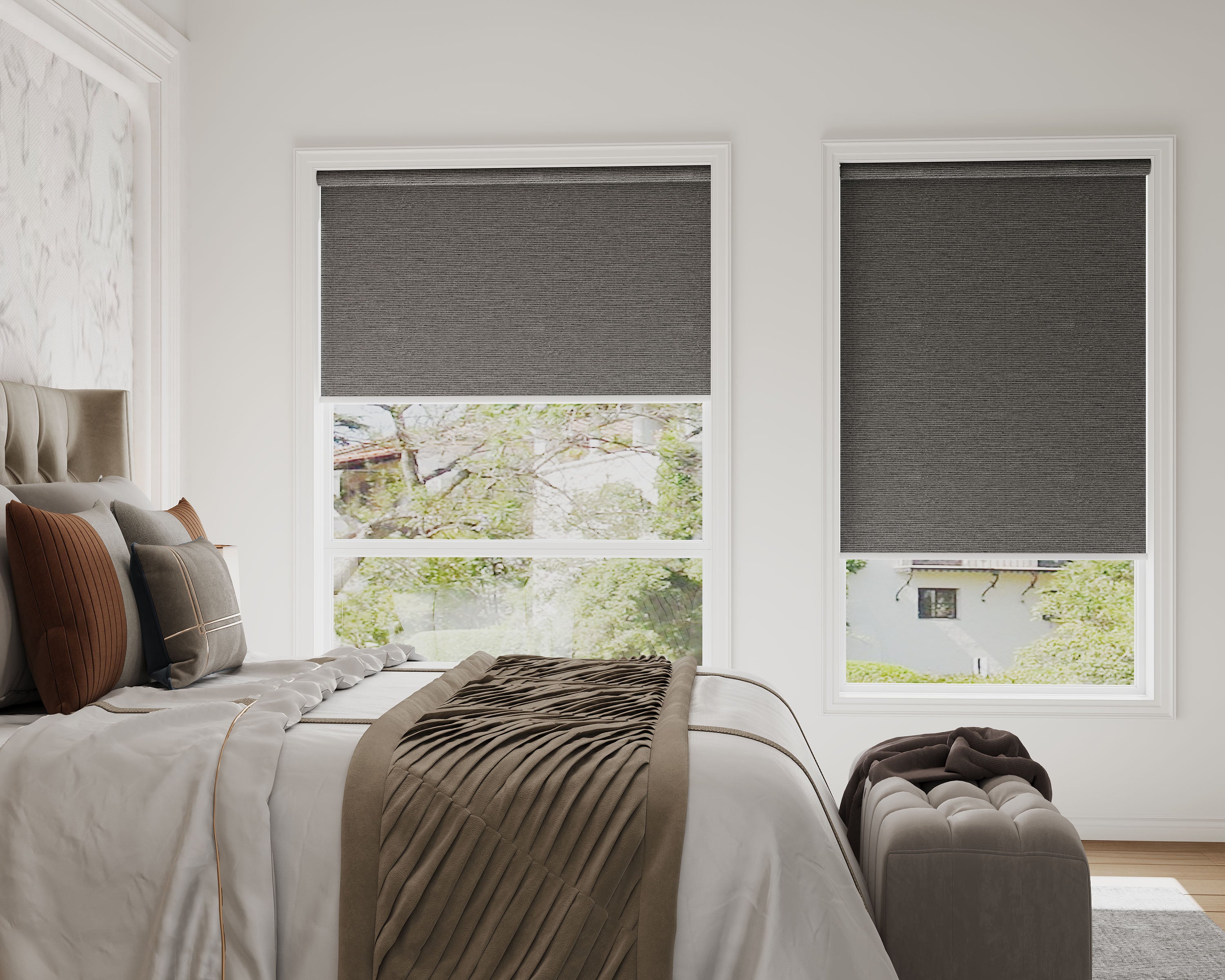
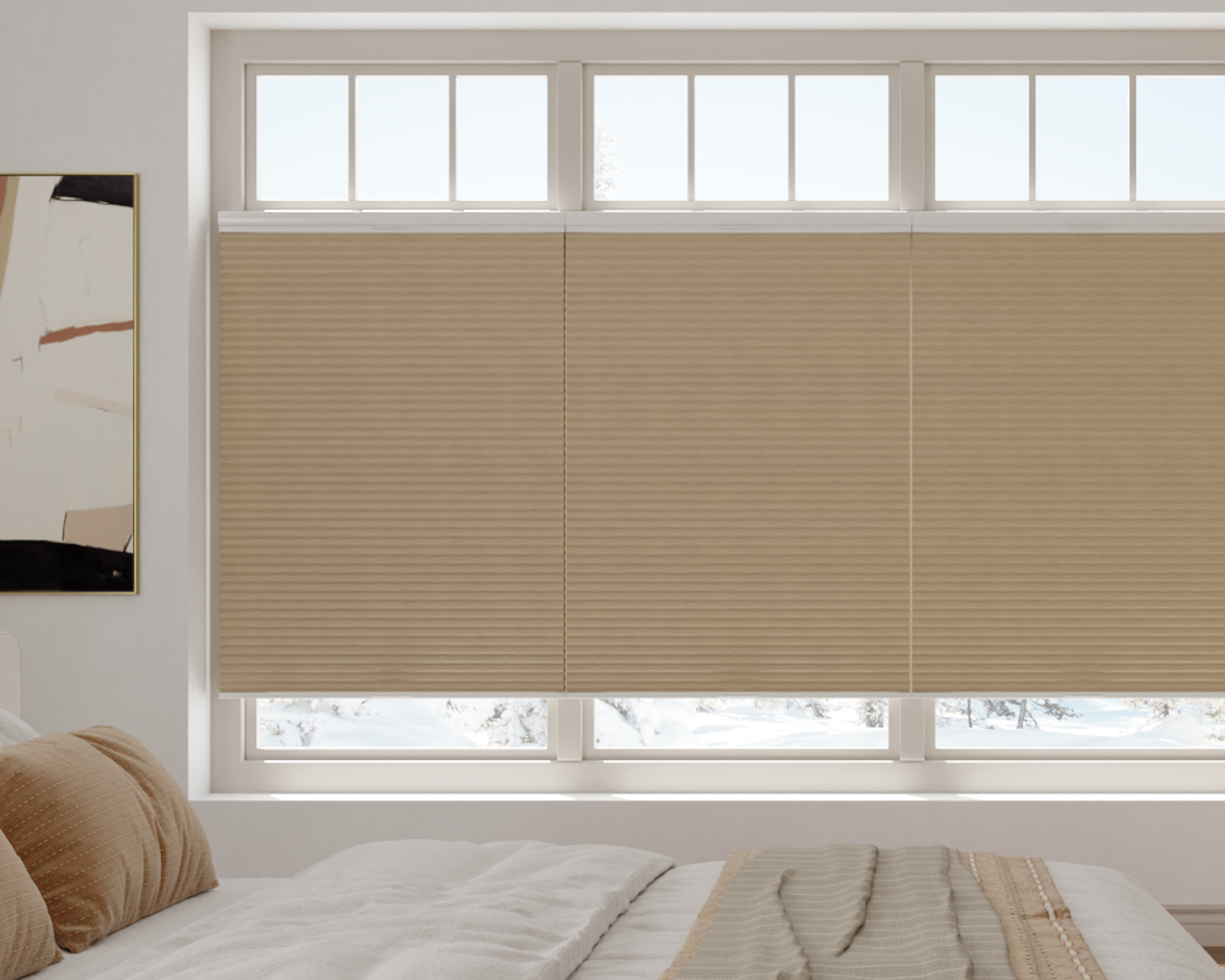
All roller shade styles below are available with motorized lift options, so you can choose the right fabric first, then select the control method that fits your home.


Frequently Asked Questions
How long do the motors in roller shades typically last?
With normal use, the motors in quality motorized roller shades are designed to last between 5 and 10 years. Their lifespan can be influenced by factors like frequency of use and window size. The manual mechanical components of the shade itself often last much longer.
Can I retrofit my existing manual roller shades with a motor?
Sometimes, but it's not always straightforward or recommended. Retrofit kits exist but may not be compatible with all shade models or provide a clean, integrated look. For optimal reliability, performance, and aesthetics, investing in new motorized roller shades designed as a complete system is often the more effective route.
What happens to motorized shades during a power outage?
It depends on the power source. Battery-powered motorized shades will continue to operate as normal. Hardwired shades that plug into an outlet will stop working unless they have a battery backup system. This is a key consideration when choosing between battery-powered and hard-wired motor options.
Are motorized roller shades noisy?
Modern motorized shades are engineered to be very quiet. They typically produce only a low, soft hum or whirring sound during operation, which is rarely disruptive in a home environment.
I hope this detailed guide provides the clarity you need to make your decision. If you're considering other shade styles or have questions about specific room challenges, exploring our other guides on topics like zebra shades for day and night light control can offer further helpful context.


