
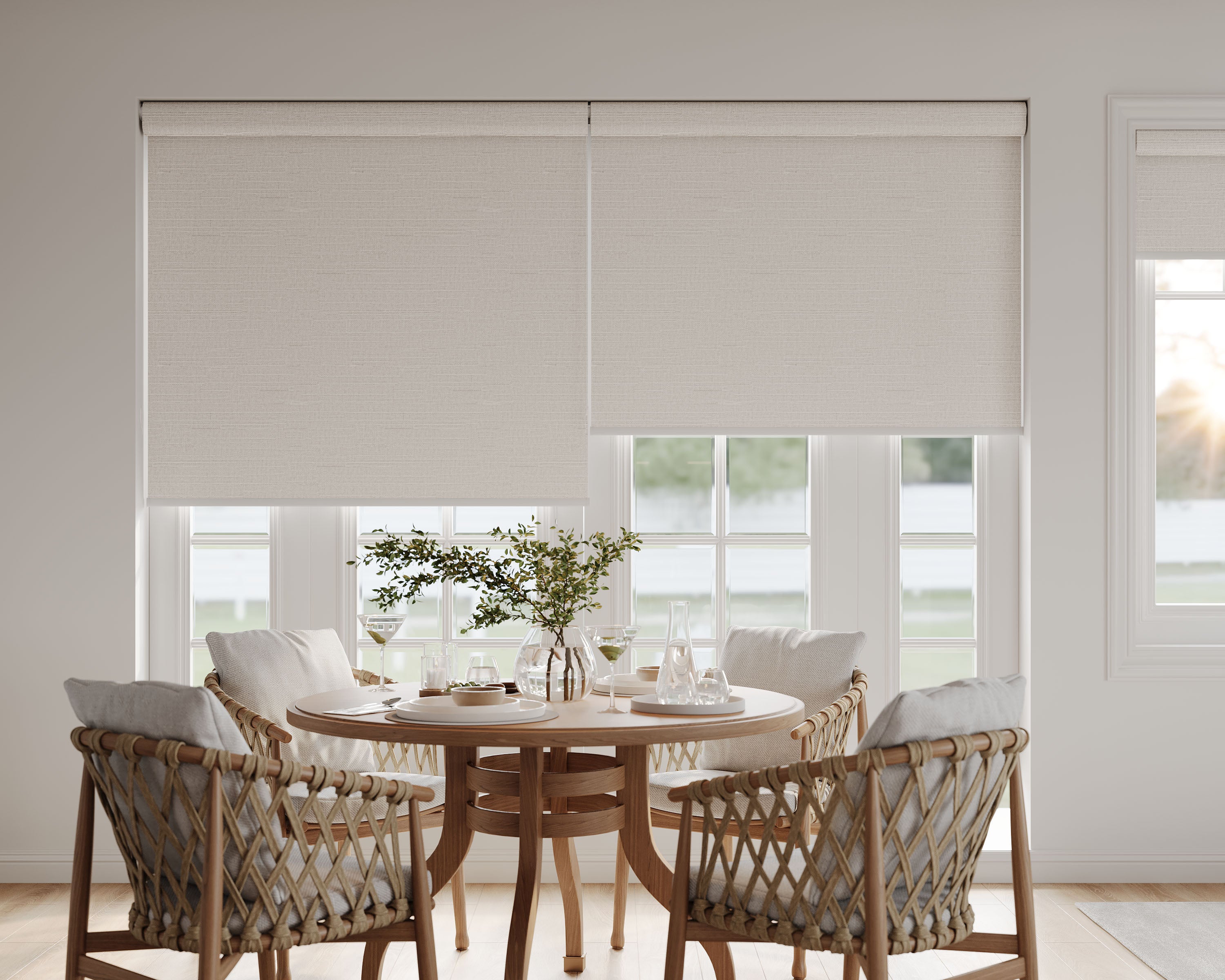


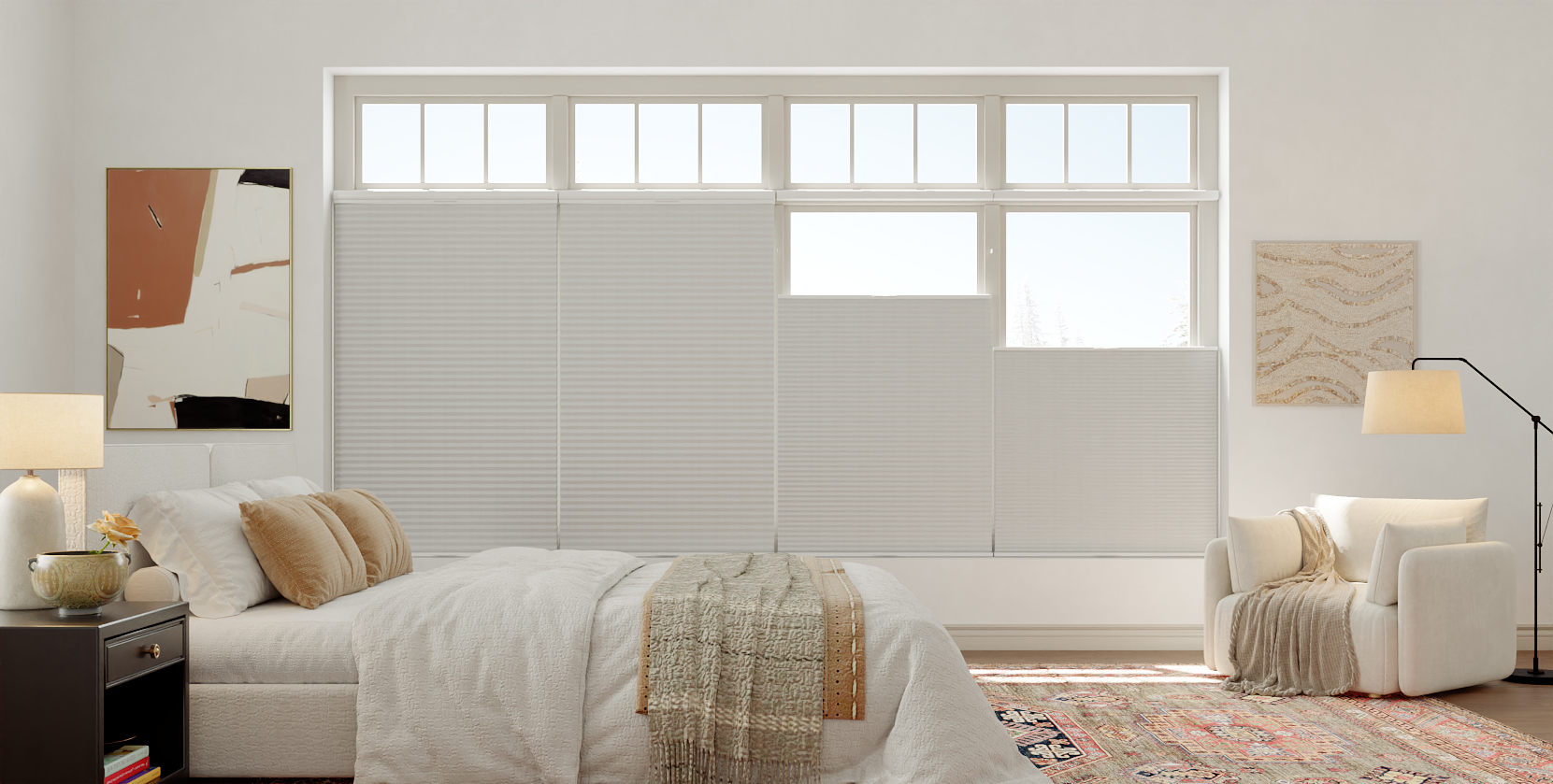


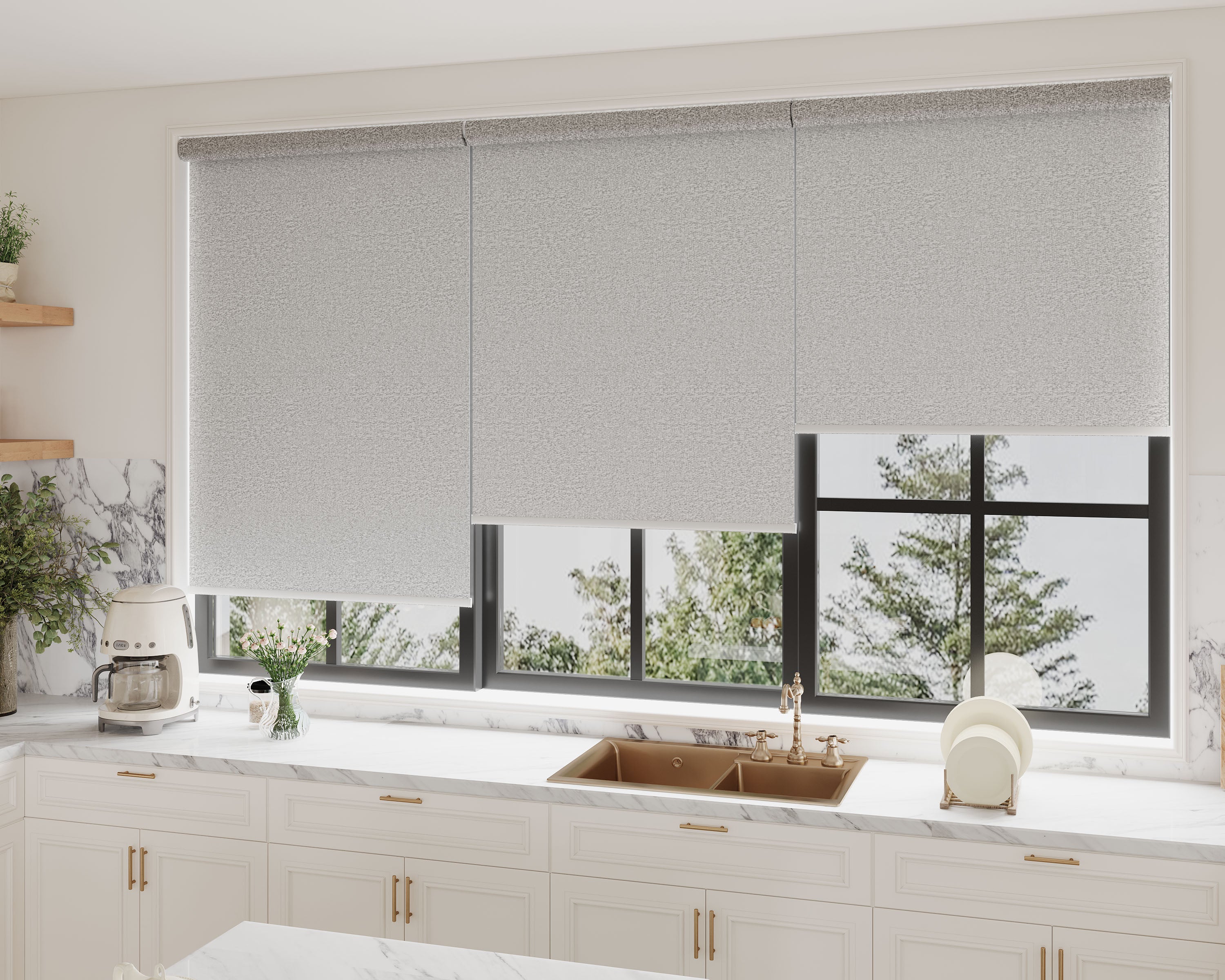

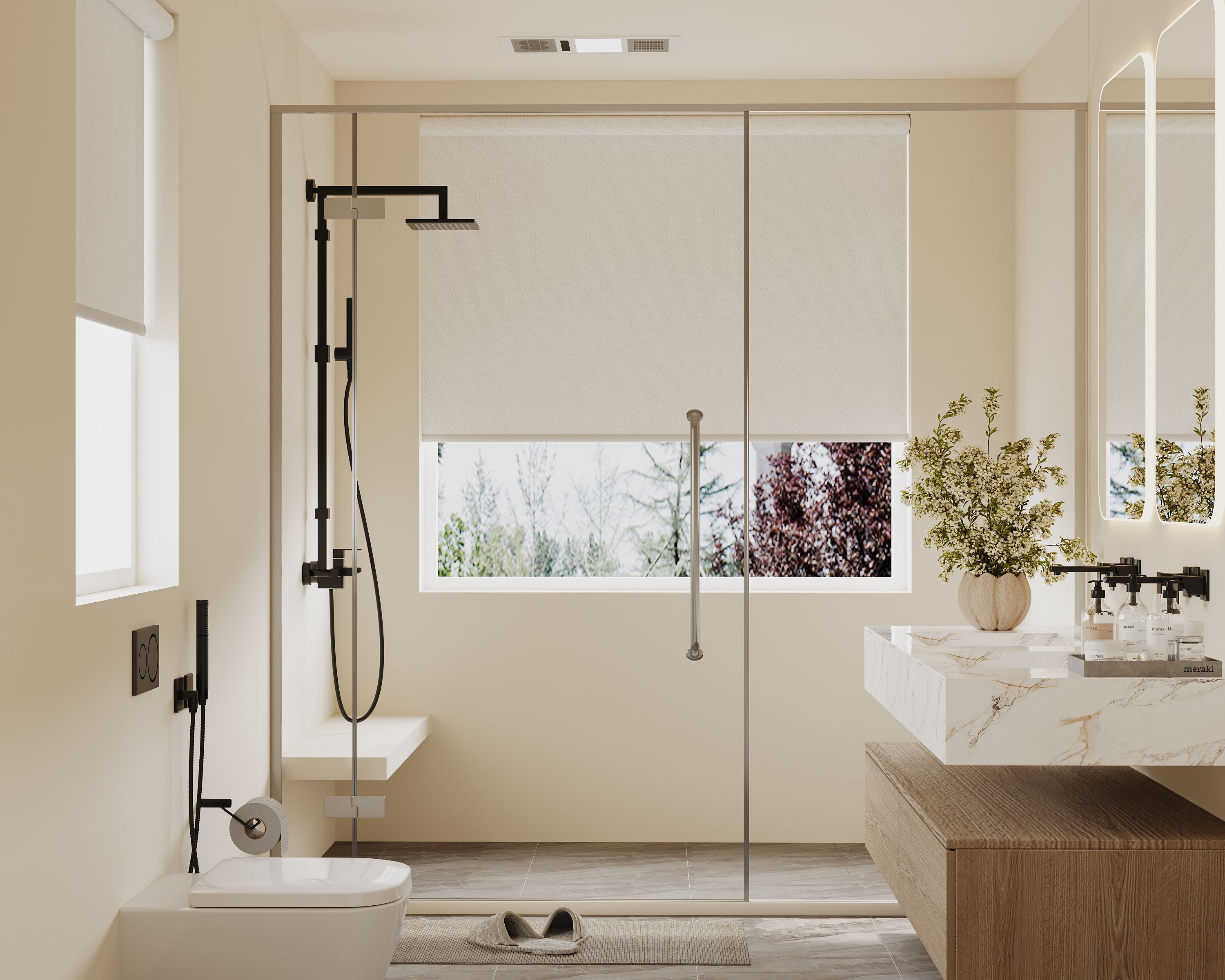


When shopping for roller shades, the price difference between a standard, off-the-shelf option and a custom-made one can give anyone pause. It's tempting to see a similar-looking fabric and wonder, "Is the custom price really justified?" The answer lies not in the shade you see, but in the precision, performance, and longevity you get. Custom roller shades cost more because they are engineered solutions, not just window coverings. This guide breaks down the tangible reasons for the investment—from the manufacturing bench to your window frame—and demonstrates why, for a foundational element of your home, custom is ultimately the more valuable choice.
We’ll clarify:
-
The Cost Breakdown: Where your money actually goes in the custom process.
-
The Standard vs. Custom Reality: The tangible differences in fit, function, and daily use.
-
The Long-Term Value: How custom shades enhance your home's efficiency, aesthetics, and comfort over time.
-
The Decision Framework: How to determine when custom is essential and when it’s a valuable upgrade.
Decoding the Price Tag: Where the Investment Goes
The premium for custom roller shades isn't arbitrary; it's built into a process designed for perfection. A detailed breakdown of custom shade pricing for materials, motors, and labor reveals the key cost drivers.
Precision Manufacturing & Specialized Labor
Unlike mass-produced shades cut from large rolls on an assembly line, custom shades are individual projects.
-
Made-to-Order: Each shade is built from scratch to your exact width and height specifications. This requires calibrated cutting, sewing, and assembly for each unique order, not bulk processing.
-
Expert Craftsmanship: The assembly of a reliable roller mechanism, even hem, and secure hardware requires skilled labor, ensuring the shade operates smoothly for years.
Superior Materials and Hardware
Custom providers typically offer access to higher-tier components.
-
Fabric Quality & Selection: You're not limited to a few basic fabrics. Custom means access to a wider range of premium materials like linen, vinyl, and bamboo, including true blackout liners and textured weaves that aren't available in standard sizes.
-
Commercial-Grade Components: The rollers, brackets, clutch mechanisms, and motors are often of a higher grade than those used in disposable, mass-market products, contributing to durability and quiet operation.
The "Close Enough" Compromise: Pitfalls of Standard Sizes
The core value of custom is eliminating compromise. Standard shades force your window to conform to their sizes, leading to functional and aesthetic shortcomings.
| Compromise with Standard Sizes | Consequence | How Custom Eliminates It |
|---|---|---|
| Width is slightly too narrow. | Unsightly light gaps on both sides, reduced privacy and light control, a "cheap" look. | The shade fabric is precisely cut to the exact width ordered, whether for an inside or outside mount, for a seamless fit. |
| Width is slightly too wide. | The shade brackets can't be installed within the frame, or the fabric bunches, causing poor operation and wear. | Perfect width ensures the shade fits its intended space and operates smoothly. |
| "One-Size-Fits-Most" Fabric. | Limited to basic materials, often thinner with less effective linings. Lower durability and performance. | Choice from a range of performance fabrics suited to your room's needs (e.g., moisture-resistant for baths, UV-blocking for sunrooms). |
| Generic Hardware. | Brackets may not fit deep or unique trim; mechanisms feel flimsy. | Components are selected or designed to work with your specific mounting scenario. |
The Tangible Returns: Why Custom is Worth the Investment
The higher initial cost pays dividends daily in performance, aesthetics, and peace of mind.
Perfect Fit for Superior Function
-
Optimal Light Control & Privacy: A precisely sized shade leaves no room for light leakage, making blackout fabrics truly blackout and ensuring complete privacy. This is critical for bedrooms, media rooms, and shift workers.
-
Professional, Intentional Aesthetics: A shade that fits the window perfectly looks built-in and high-end. It accentuates the architecture rather than appearing as an afterthought.
-
Flawless Operation & Durability: A shade that isn't straining against its brackets or dragging along the sill will raise, lower, and last significantly longer without mechanical issues.
Enhanced Energy Efficiency
A perfectly fitted custom shade acts as a better insulator. By sealing more effectively against the window frame, it reduces drafts and improves the thermal barrier, whether you're using a single-layer or a blackout fabric. This can contribute to lower heating and cooling costs over time.
Long-Term Value and Flexibility
-
Made for Your Home: Custom shades are a permanent solution. You won't need to replace them due to poor fit or wear from malfunction.
-
Adapts to Any Opening: Whether you have a graceful arched window, a wide picture window, or a tricky bay, custom manufacturing can accommodate it, ensuring a cohesive look throughout your home.
Decision Framework: Is Custom Right for Your Project?
Use this guide to evaluate your needs. The more "Yes" answers in the right column, the stronger the case for custom.
| Consideration | Standard/Ready-Made Might Suffice If... | Custom is Highly Recommended If... |
|---|---|---|
| Window Dimensions | Your window is a very common size (e.g., 36" wide) and perfectly rectangular. | Your windows are non-standard sizes, have arches, or you demand a perfect seal with no light gaps. |
| Aesthetic Priority | The shade is for a low-visibility area (e.g., a basement, utility room). | You want a polished, high-end look. The shade is in a main living area, bedroom, or home office. |
| Performance Need | You need basic light filtering and privacy. | You require true blackout sleep darkness, superior insulation, or motorized smart home integration. |
| Material Desire | A basic polyester or vinyl fabric meets your needs. | You want a specific premium fabric (linen, woven wood, texture) or a high-performance lining. |
| Project Scope | You're covering one or two standard-sized windows on a tight budget. | You're outfitting multiple or key windows in your home and view it as a long-term investment. |
Your Next Steps:
-
Measure with Precision: Understand the critical importance of accurate dimensions by reading our guide on fool-proof measuring for width, height, and depth.
-
Explore Custom Possibilities: Review the full range of fabrics and options available for custom roller shades.
-
Understand the Costs: Get clarity on what you're investing in with our transparent breakdown of custom shade pricing.
-
Plan for Perfect Fit: Decide on the optimal installation approach by learning how to choose between an inside or outside mount.
Explore Custom Roller Shades
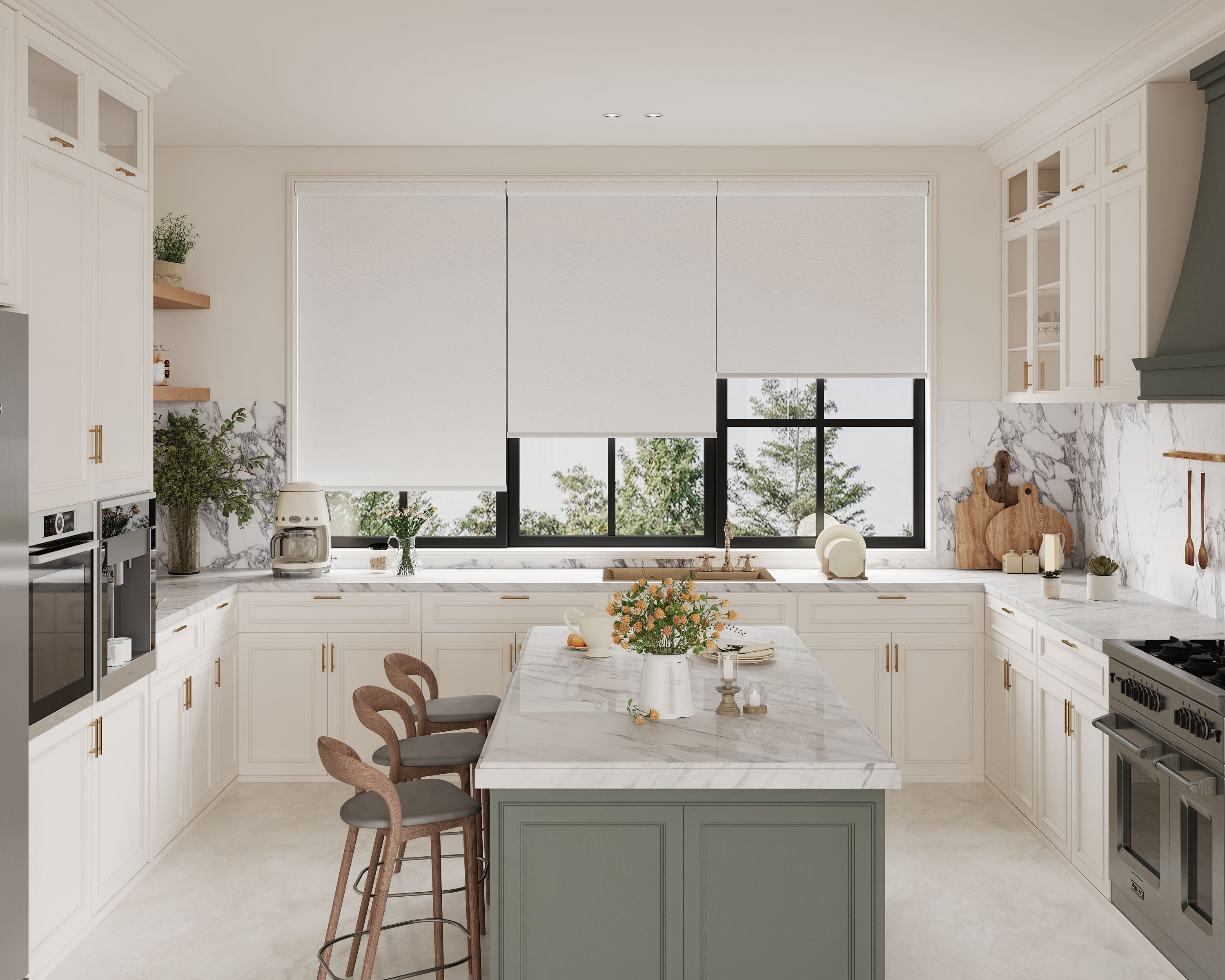
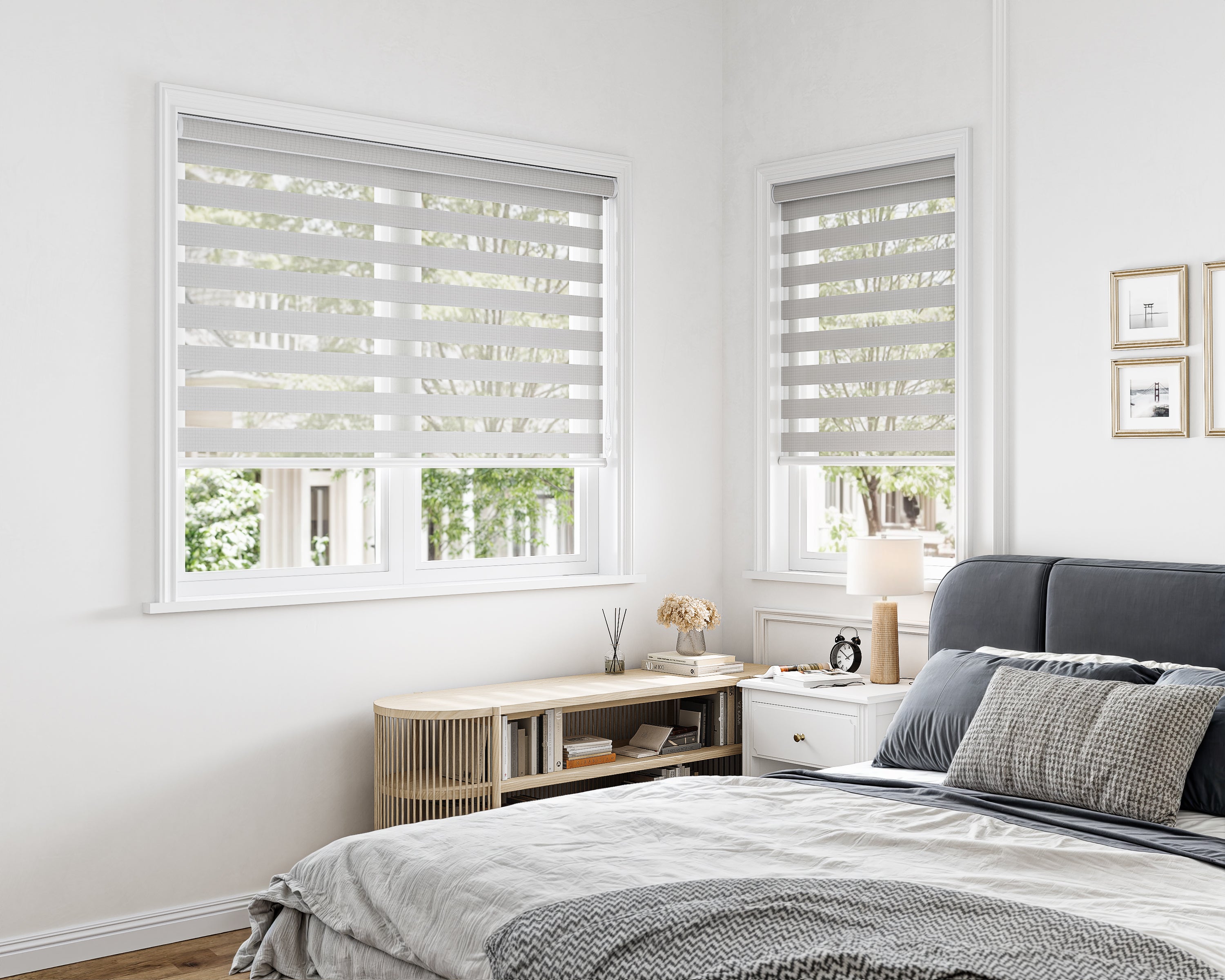
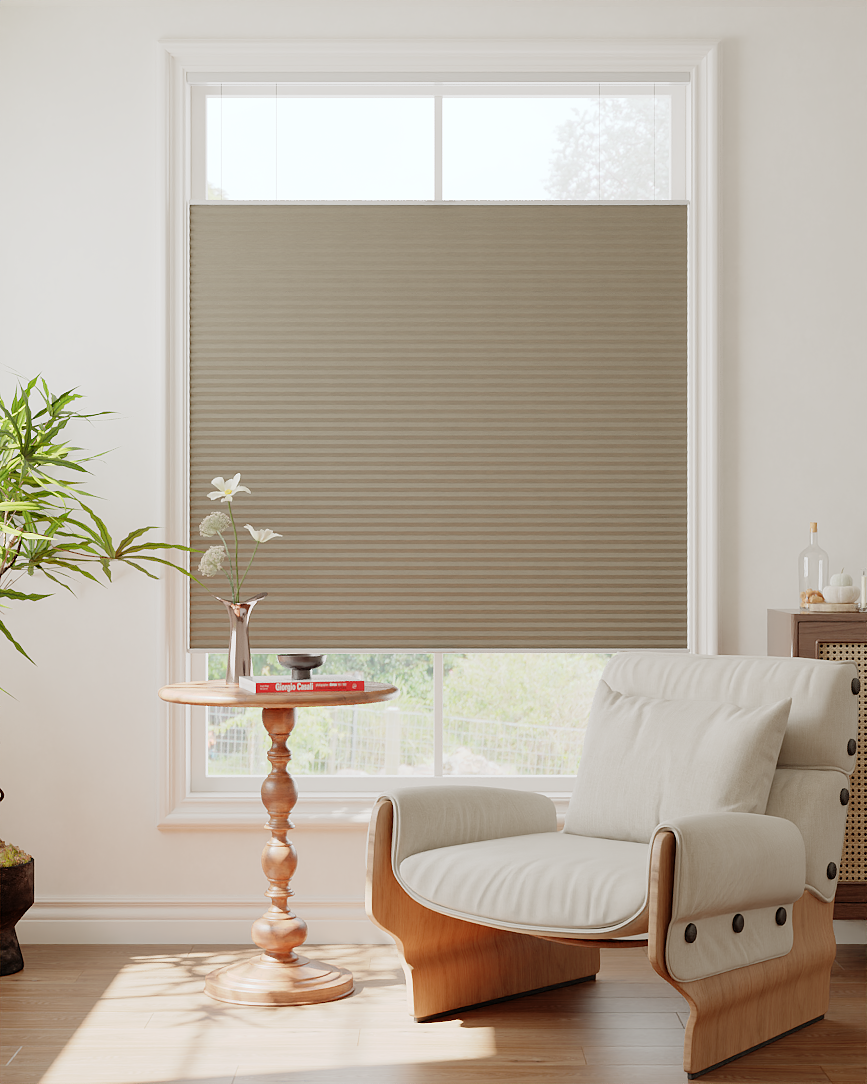
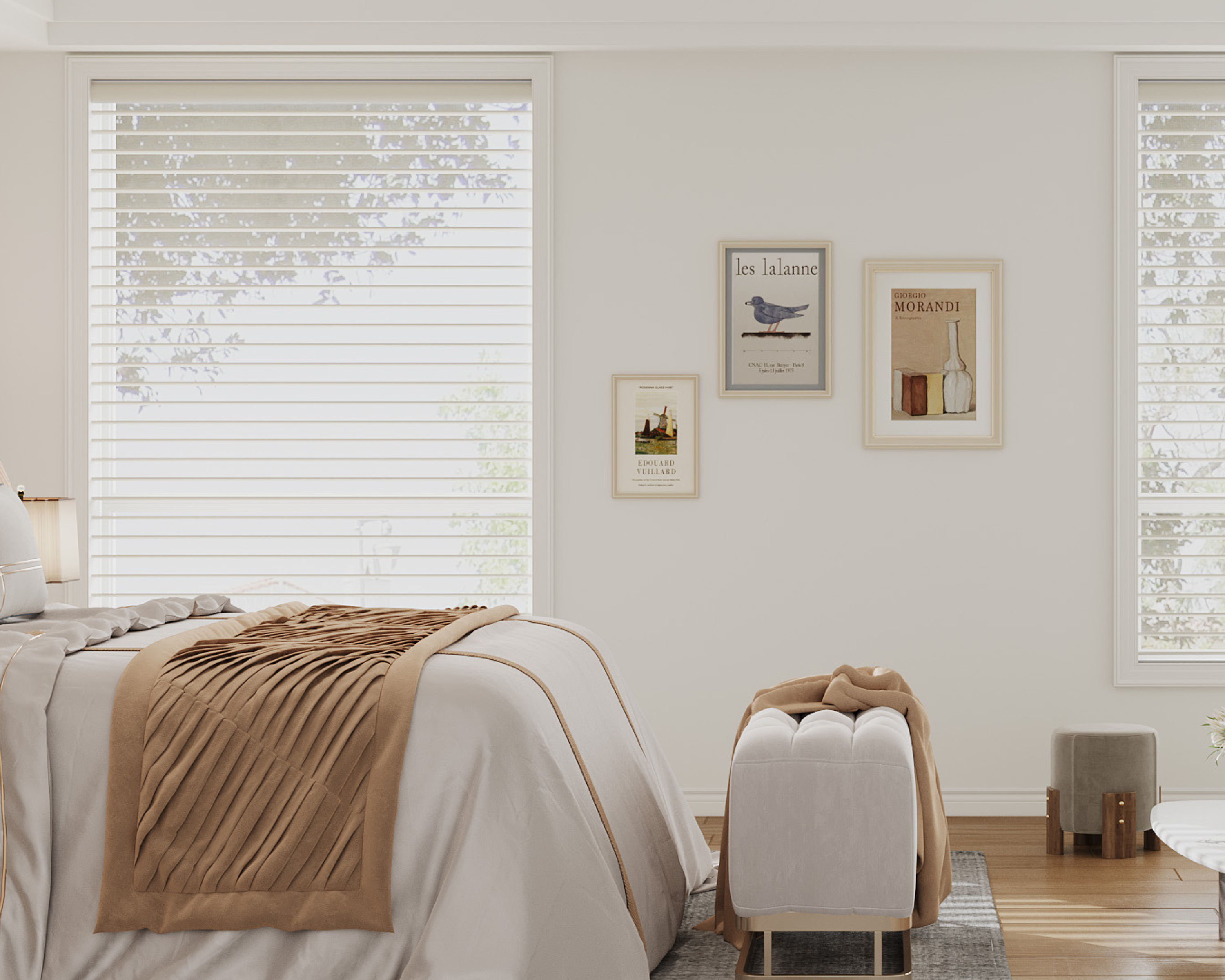
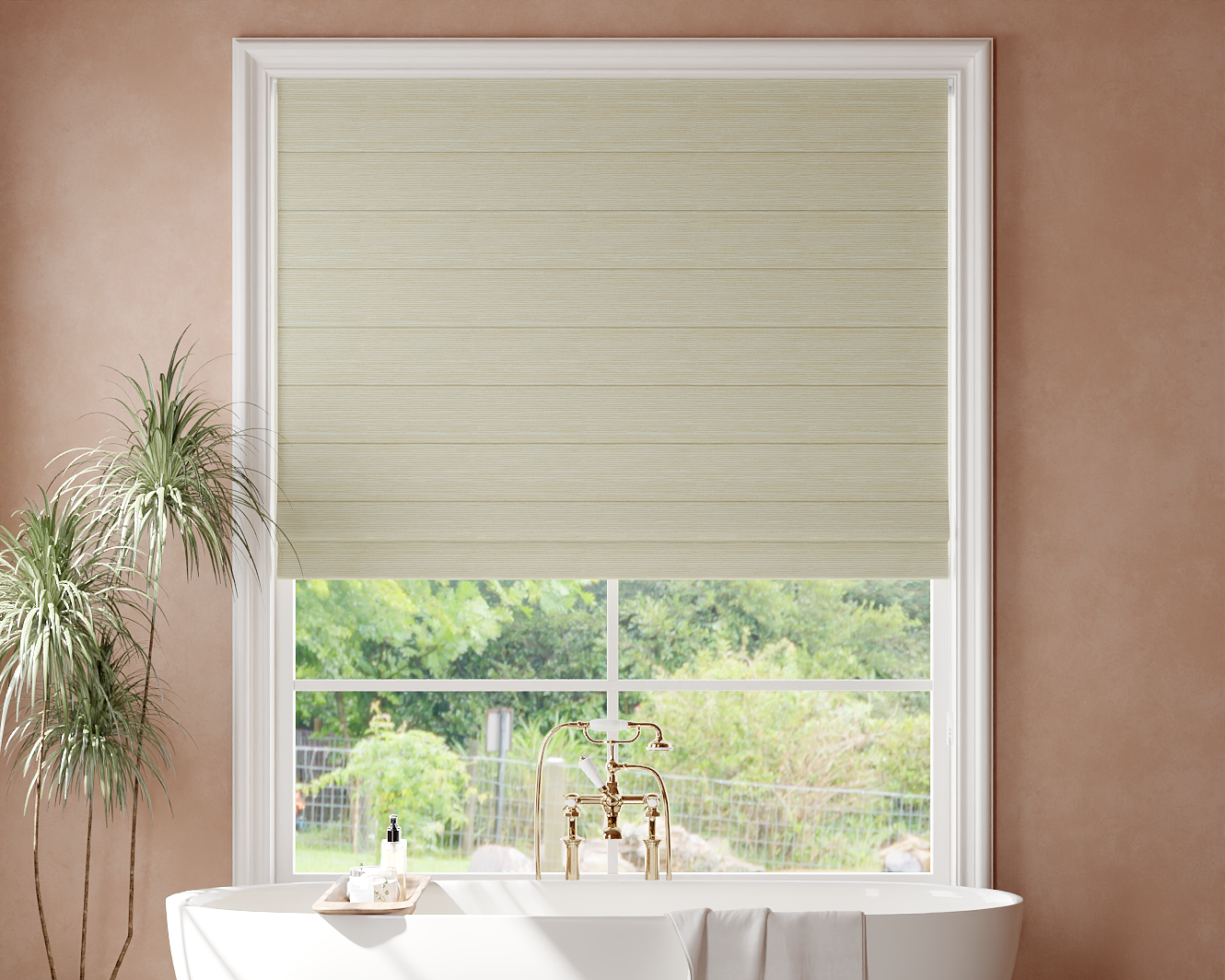
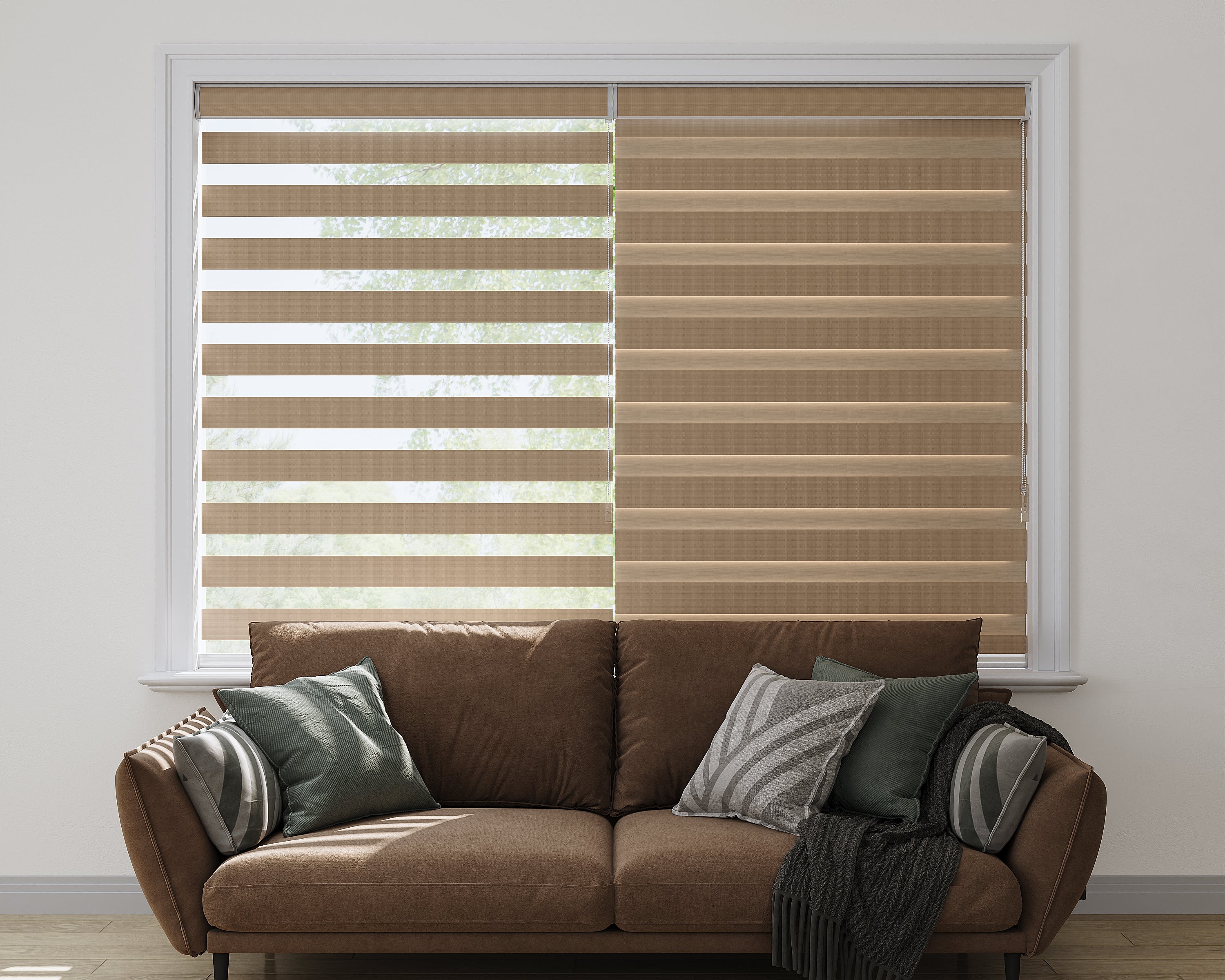
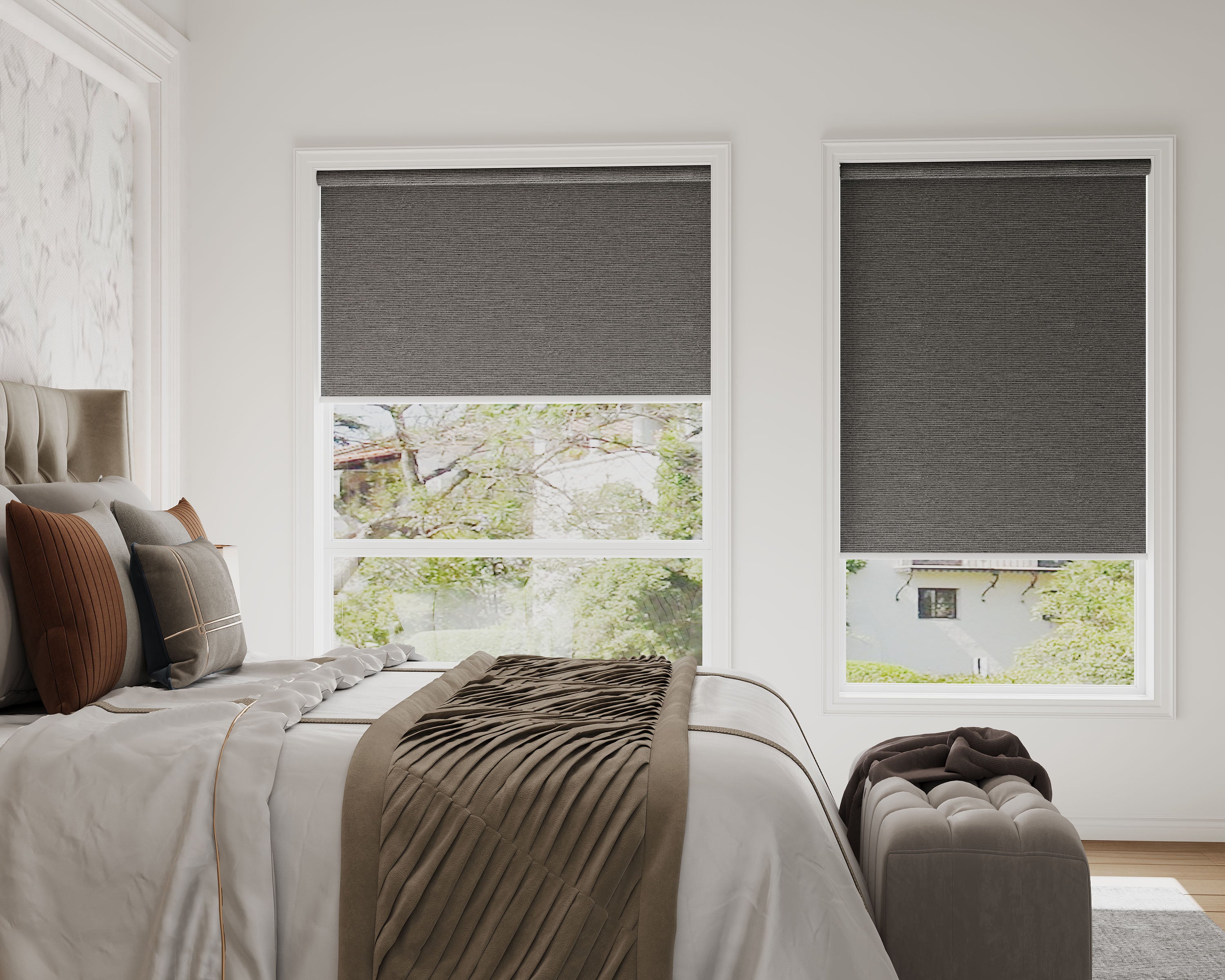
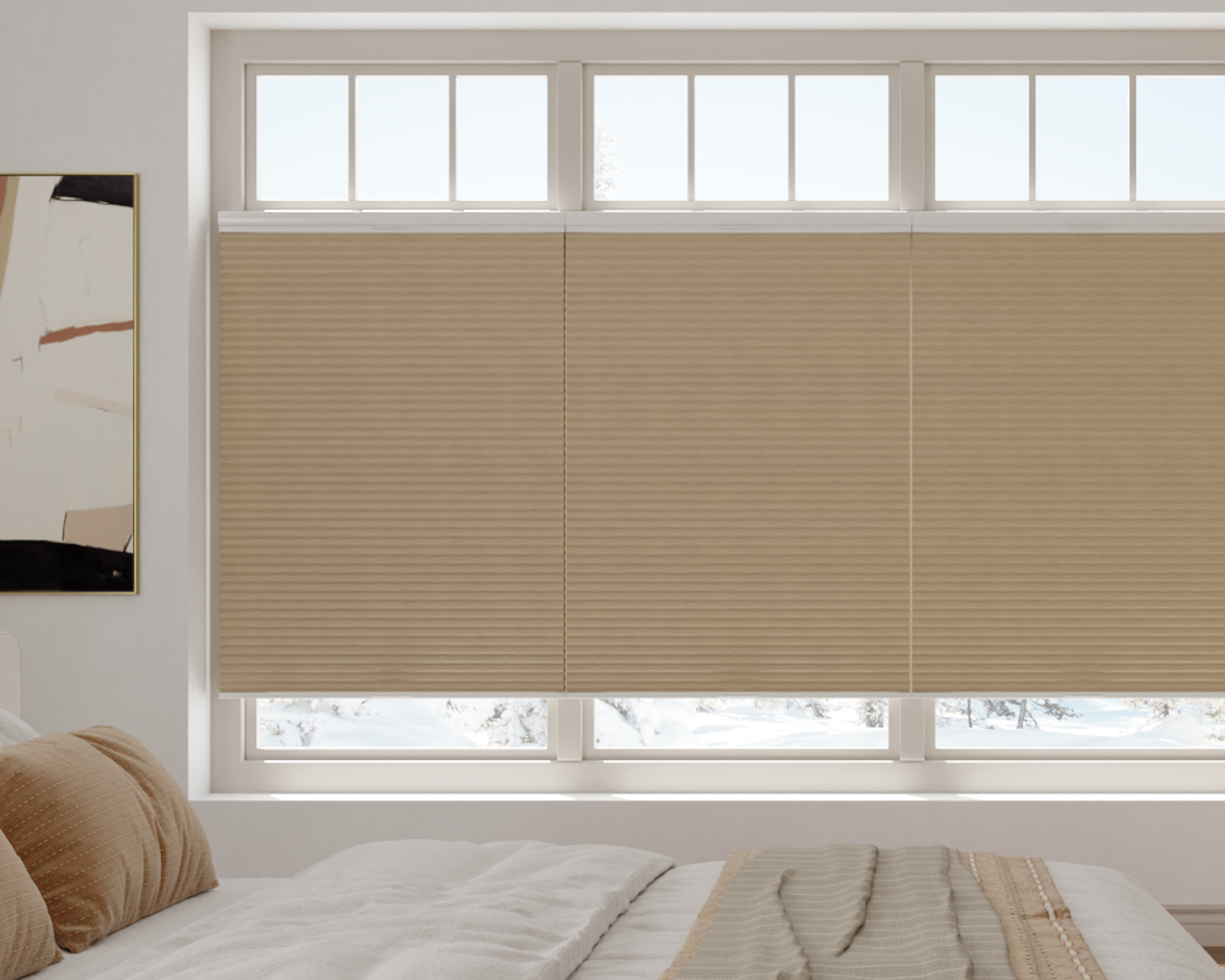
If you're considering custom roller shades, the next step is choosing the right fabric and light control for your space. Below are the most popular custom roller shade styles, each designed to deliver a precise fit, smoother operation, and better long-term performance.


Frequently Asked Questions
Can't I just buy a wider standard shade and cut it down myself?
This is strongly discouraged and a primary reason custom exists. Roller shades are not designed to be cut down by end-users. The roller tube contains a spring mechanism under tension, and the fabric hem has a rigid bottom bar. Attempting to cut either can render the shade inoperable, unsafe, or void any warranty. Custom manufacturing builds the shade to the correct size from the start.
Are custom shades only for oddly shaped or very large windows?
No, they are for any window where a perfect fit is desired. Even a standard 35-inch wide window can benefit from a custom 34.5-inch wide shade for an exact inside mount, eliminating gaps that a "36-inch" standard shade would leave.
Do custom roller shades really increase home value?
While not a direct dollar-for-dollar return like a kitchen remodel, high-quality custom window treatments are considered a desirable, finished feature by homebuyers and appraisers. They contribute to the home's overall aesthetic appeal, perceived quality, and energy efficiency, which can positively influence value and marketability.
How much more should I expect to pay for custom versus standard?
The premium varies based on size, material, and features but can range from 20% to 100%+ more than a basic ready-made shade. However, this compares a commercial-grade, made-to-order product with a limited-selection, mass-produced one. The value is in the fit, quality, and longevity, not just the square footage of fabric.
Is the lead time for custom shades much longer?
Yes, this is a factor. Because they are made to order, custom shades typically have a lead time of several weeks for production and shipping, compared to ready-made shades that can ship immediately. This time is necessary for the precise manufacturing and quality control that defines the custom advantage.
