








News

When to Buy Custom Shades: Compare Seasonal Offers and Total Cost
The best time to buy custom shades is when a suitable, fully specified option fits your budget and project deadline. Holiday and seasonal promotions can be worth checking, but an...

Shade Motor Longevity: Compare the Actual System and Ownership Cost
Compare a shade motor by its actual model, permitted load, operating limits and service support. Labels such as servo, tubular or direct drive are not enough to predict how long...
Online vs. Showroom Shade Pricing: Compare the Same Project
Compare online and showroom shade prices by the product and services you receive. A retailer's sales channel does not reveal its profit margin, establish its product quality or guarantee a...

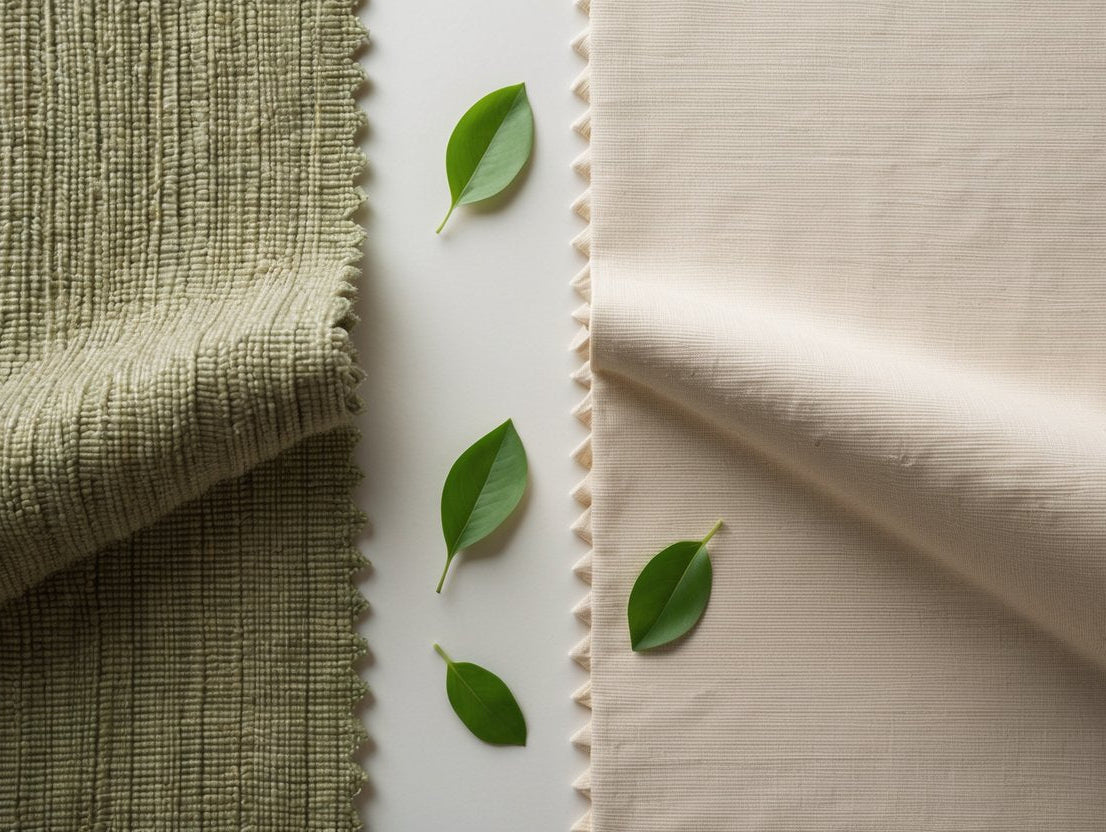
Textured vs. Smooth Shade Fabric: Privacy Is More Than Surface Texture
A textured shade fabric can add visible depth, while a smoother surface can provide a quieter fabric field. Neither appearance proves how private the material will be. A smooth opaque...
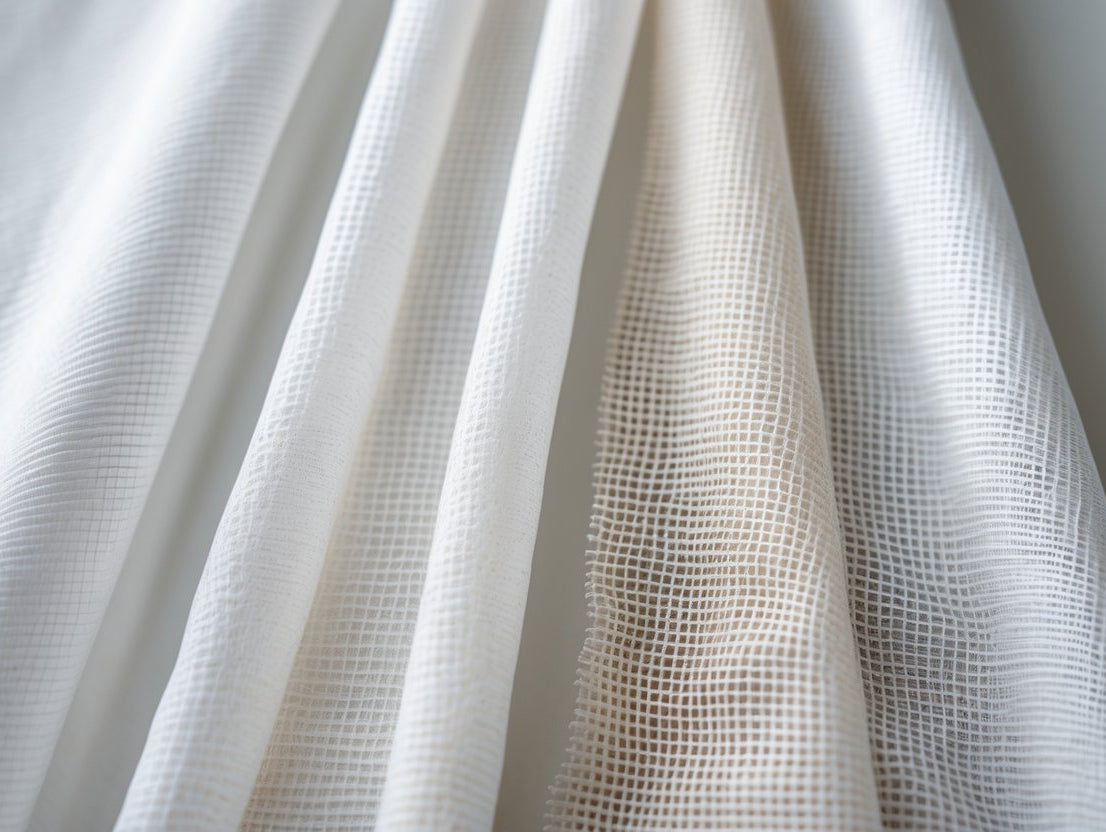
Solar Shade Openness: Comparing 1%, 3%, 5% and 10%
A solar fabric's openness factor describes the proportion of open space in its weave. A lower number generally means a tighter screen; a higher number generally means more view-through when...

Single-Cell vs. Double-Cell Shades: The Thermal Comparison
A double-cell shade adds another row of air pockets, but the cell count alone does not give you an R-value or a utility-bill saving. Compare the actual shade construction, its...

Outdoor Fabric UV Ratings and Fade Warranties: What to Compare
Outdoor suitability, resistance to fading and UV transmission are different claims. Check the exact fabric, its intended use and the test or warranty behind each statement. A material name or...

Shallow Window Frames: Compare Shade Depth and Mounting Options
A shallow window recess does not automatically rule out a shade, but it changes how the product should be specified. The important dimensions are the depth needed to secure the...

U-Value vs R-Value: Compare Window Shade Performance Correctly
Lower U-value means less heat transfer; higher R-value means more resistance to heat flow. Compare either number only when the units, tested system and conditions match. A fabric-only figure cannot...

Morning vs Afternoon Shade Schedules: Match the Sun and Room
Morning and afternoon shade schedules solve different exposure problems; neither is universally the most energy-efficient choice. Observe when sun reaches the room, decide whether that light and warmth are useful,...

Smart Shade Battery Subscriptions: Compare Delivery, Service and Cost
A battery delivery plan can reduce ordering effort if it supplies the exact approved parts when they are needed. It does not automatically handle installation, charging or safe access to...

Linen vs. Polyester Shade Fabrics: When Is the Upgrade Worth It?
Linen fabrics often occupy a higher price tier, but the useful comparison is between the actual fabrics and finished shade configurations. Fiber content, weave, finishing, lining and construction all affect...
