
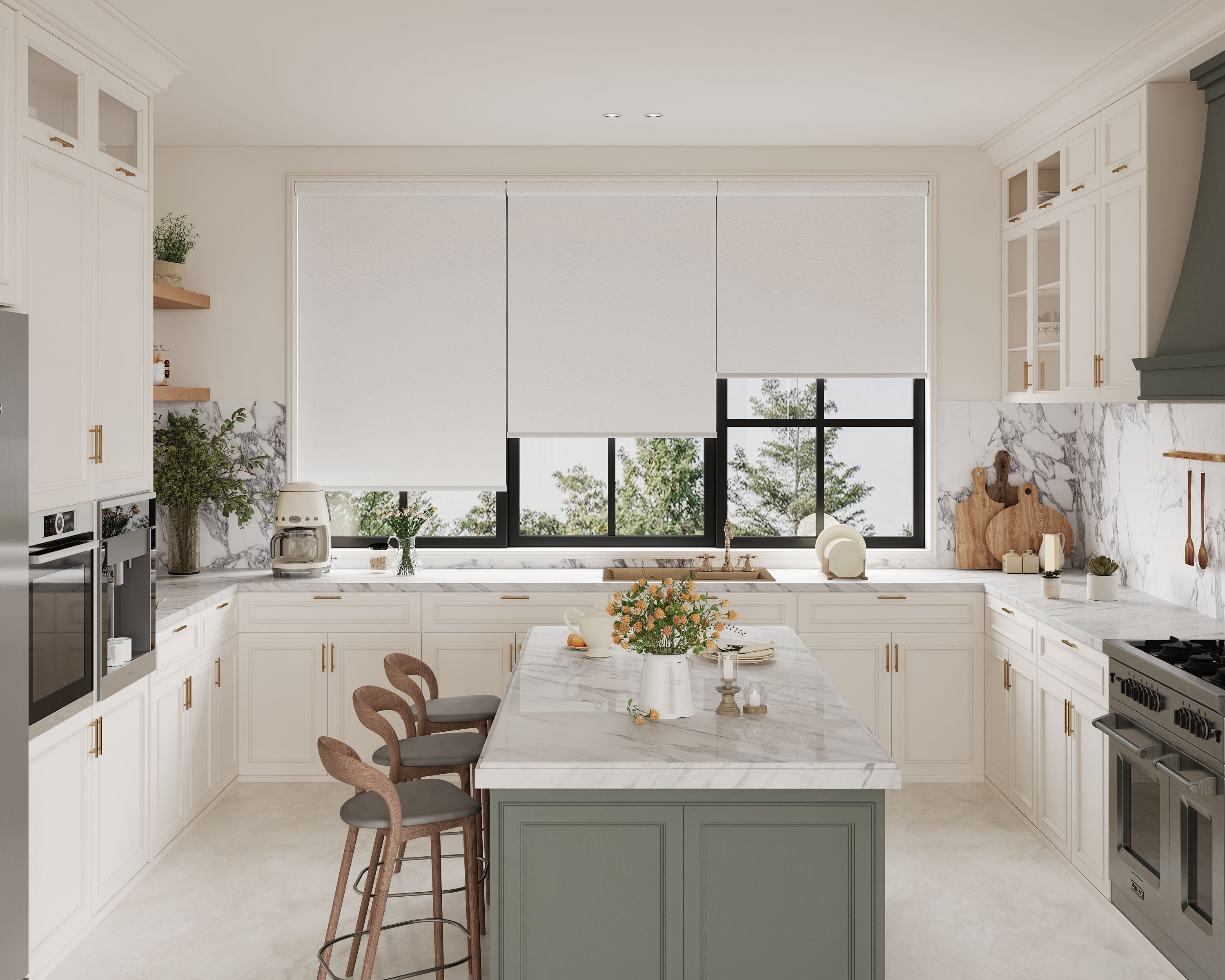
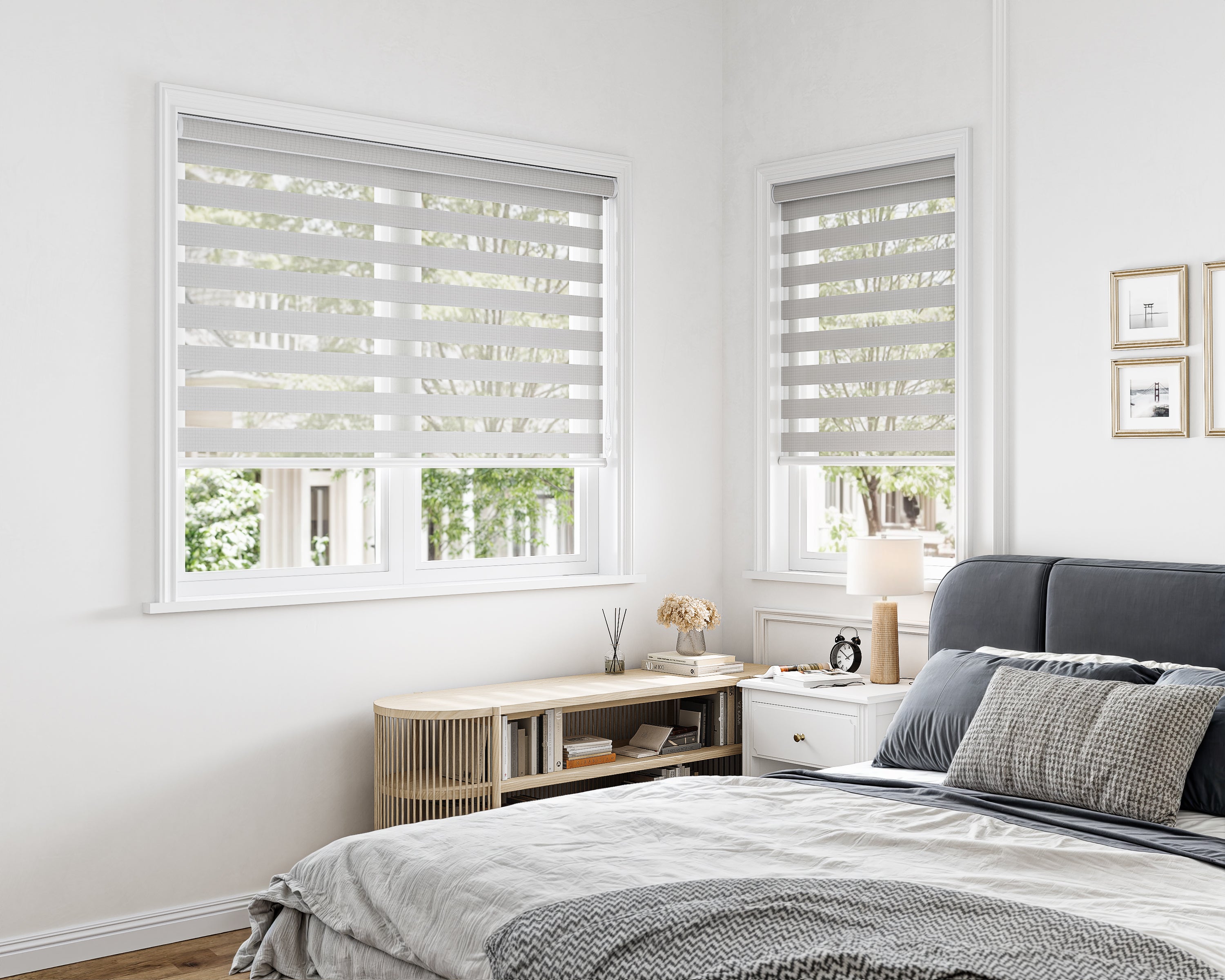
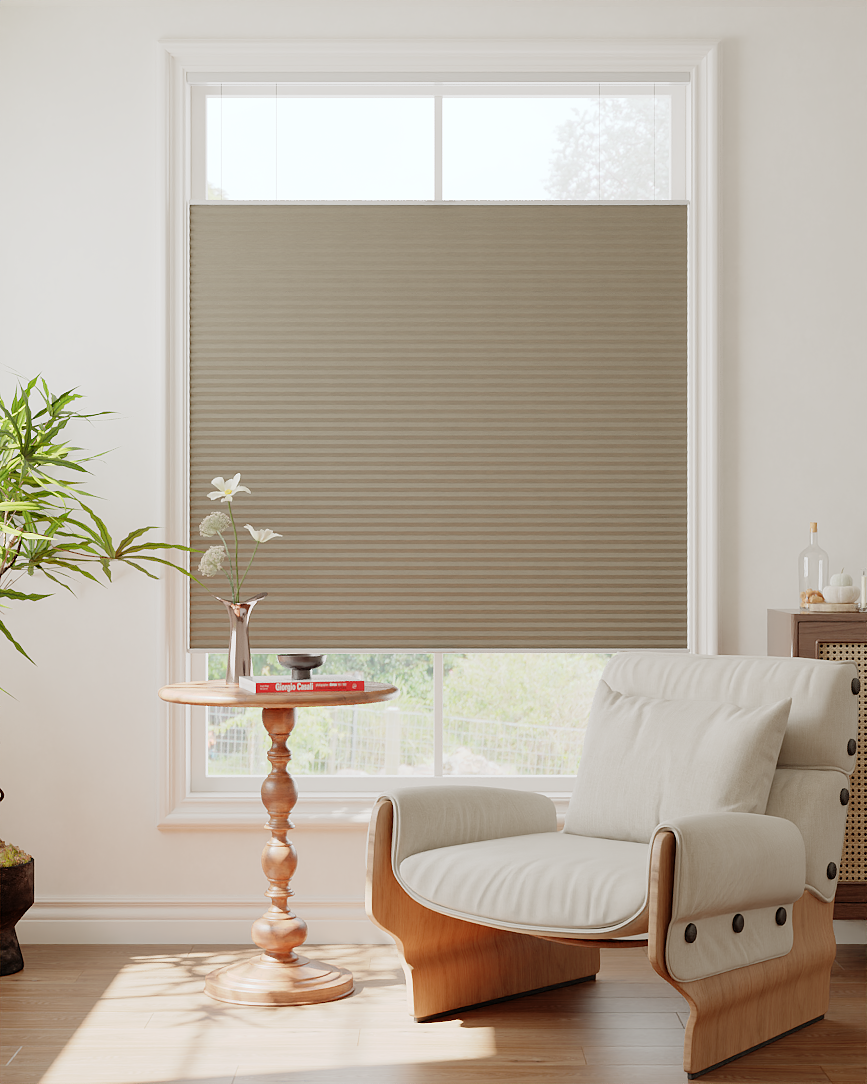
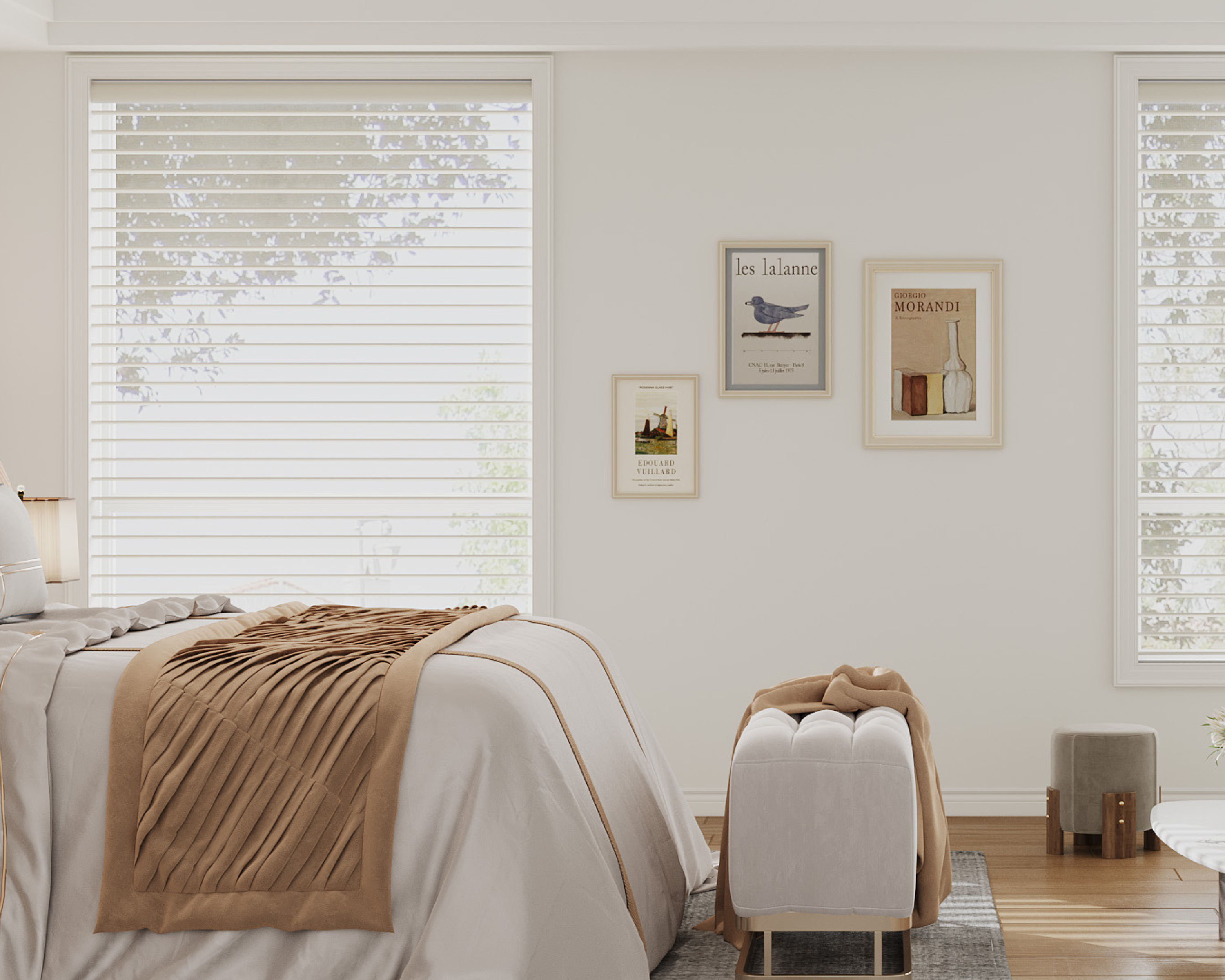
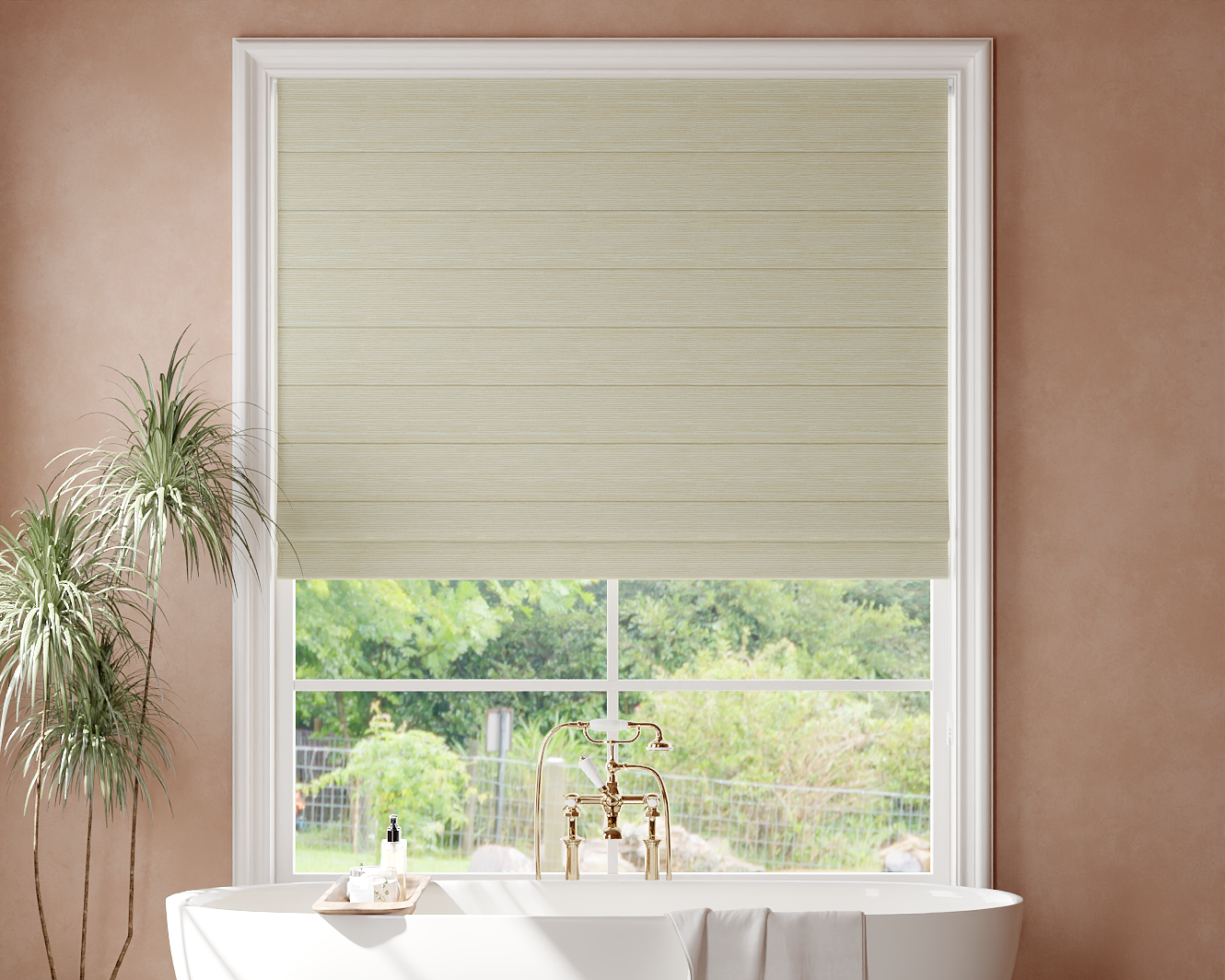
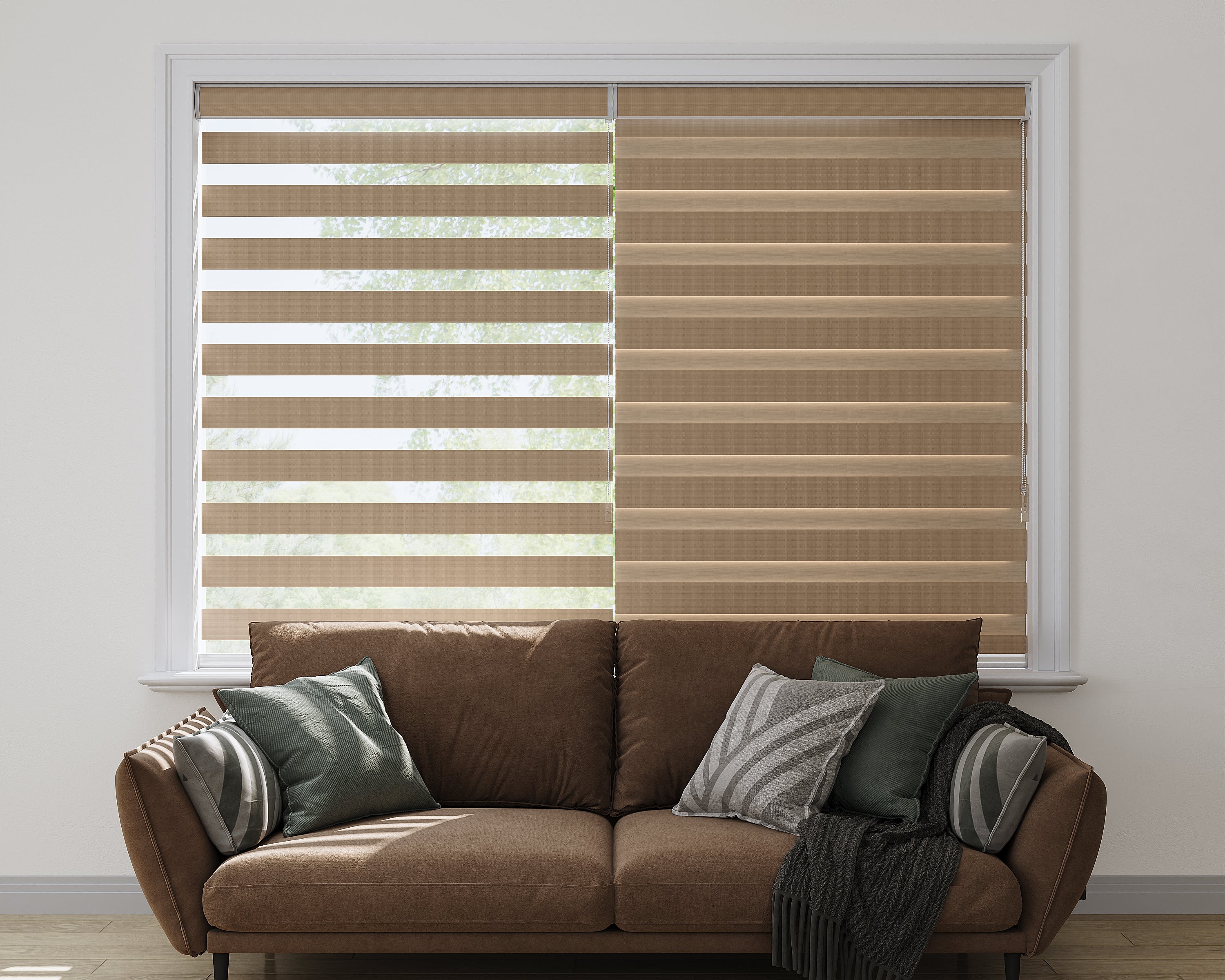
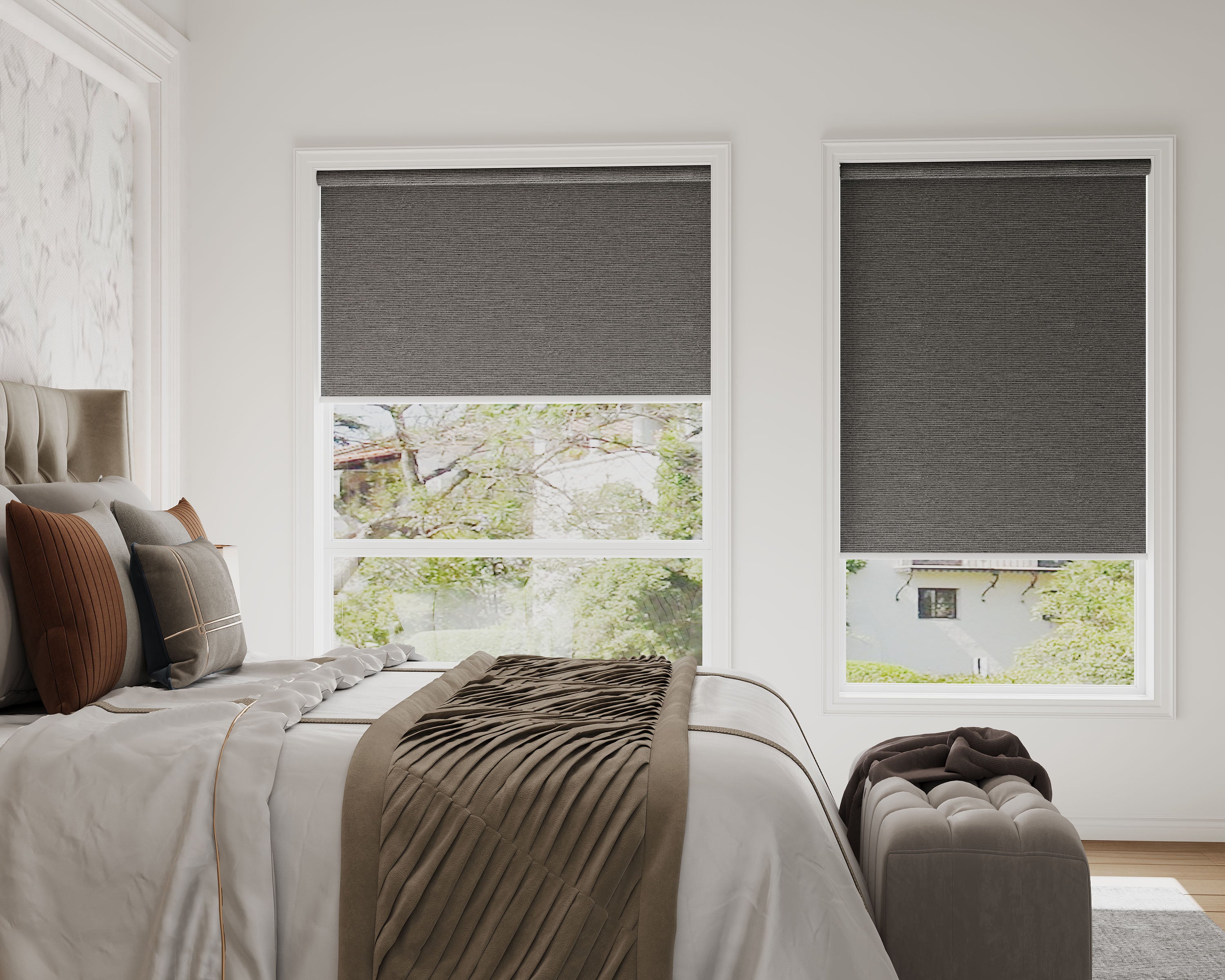
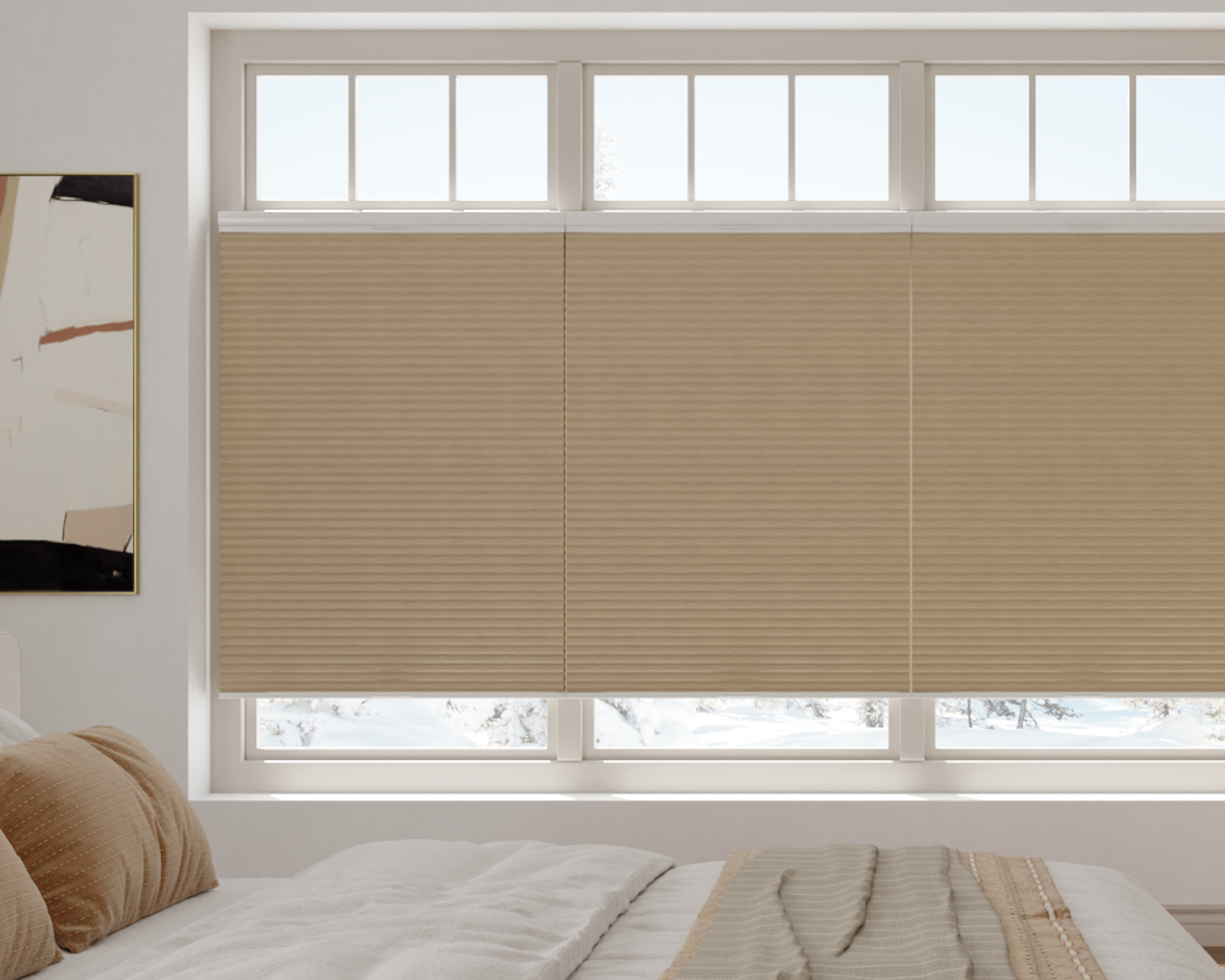
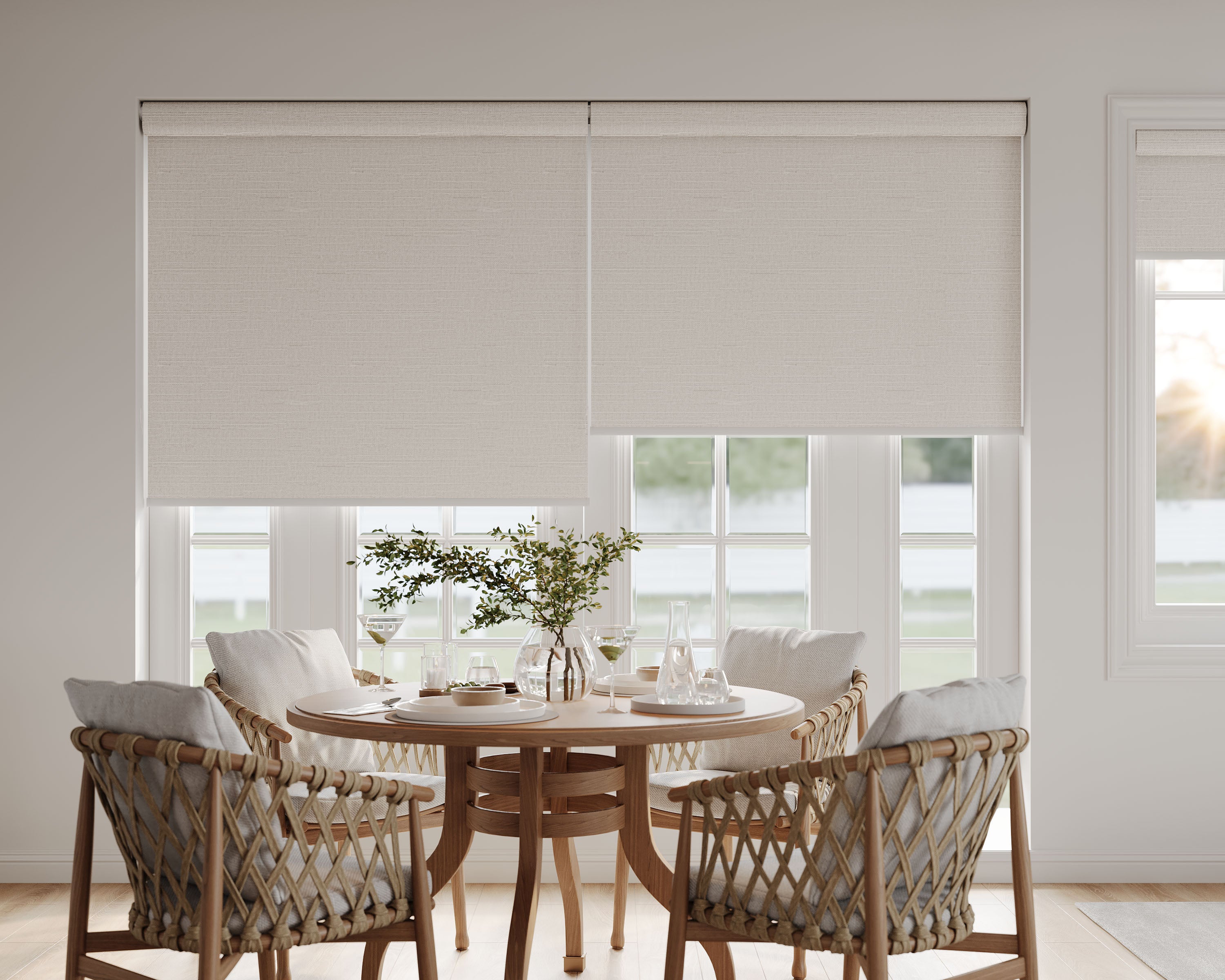
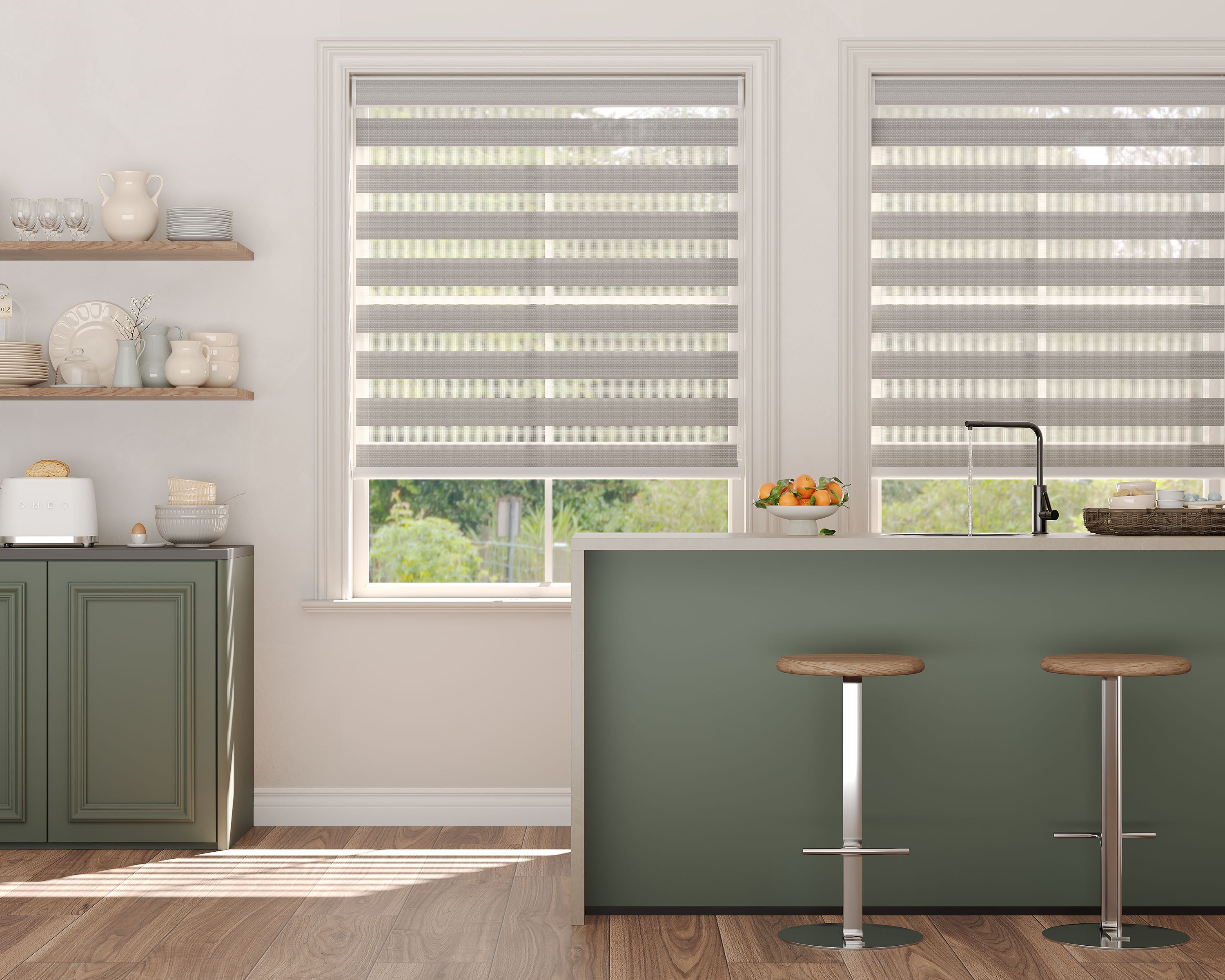
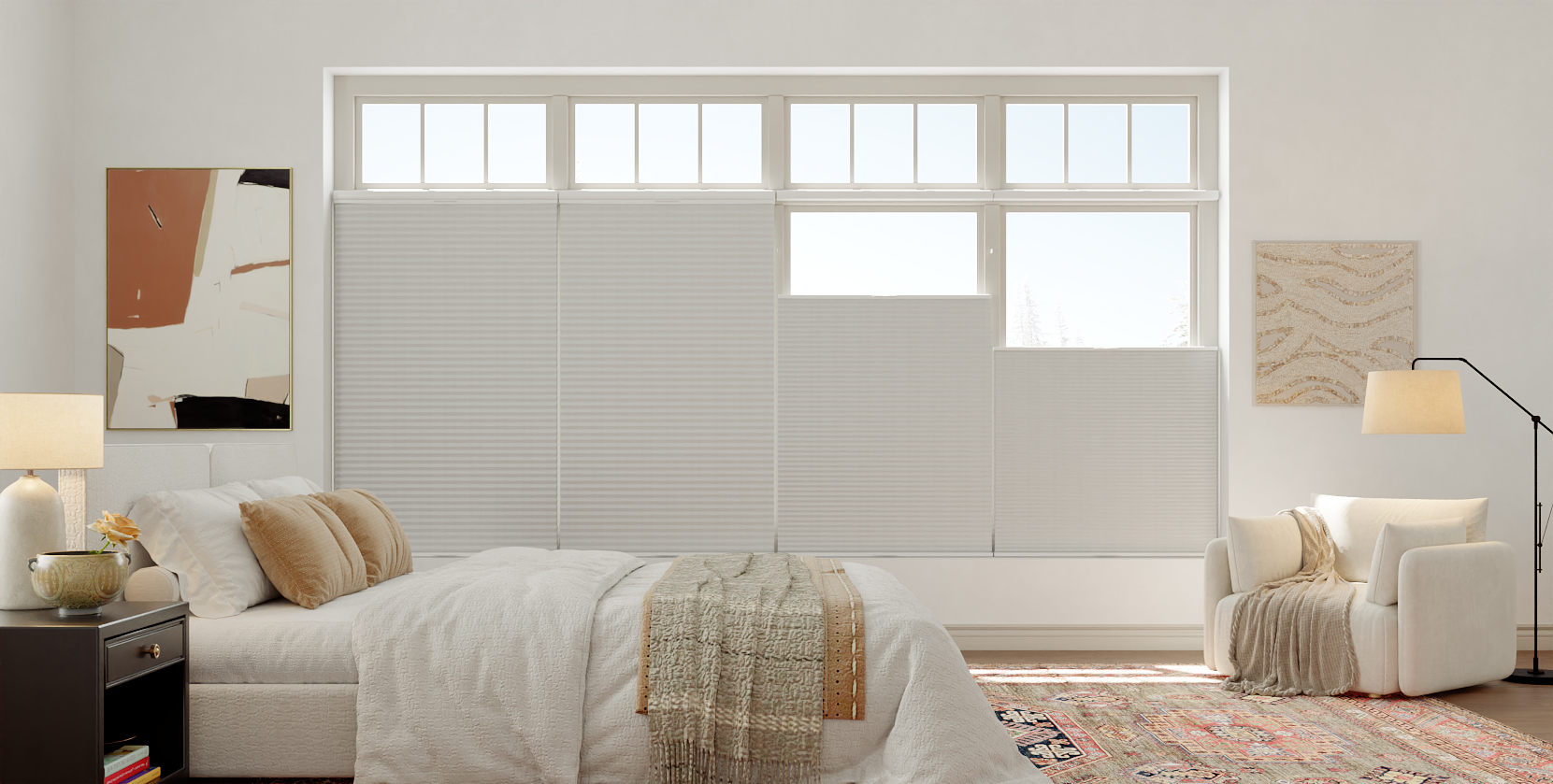
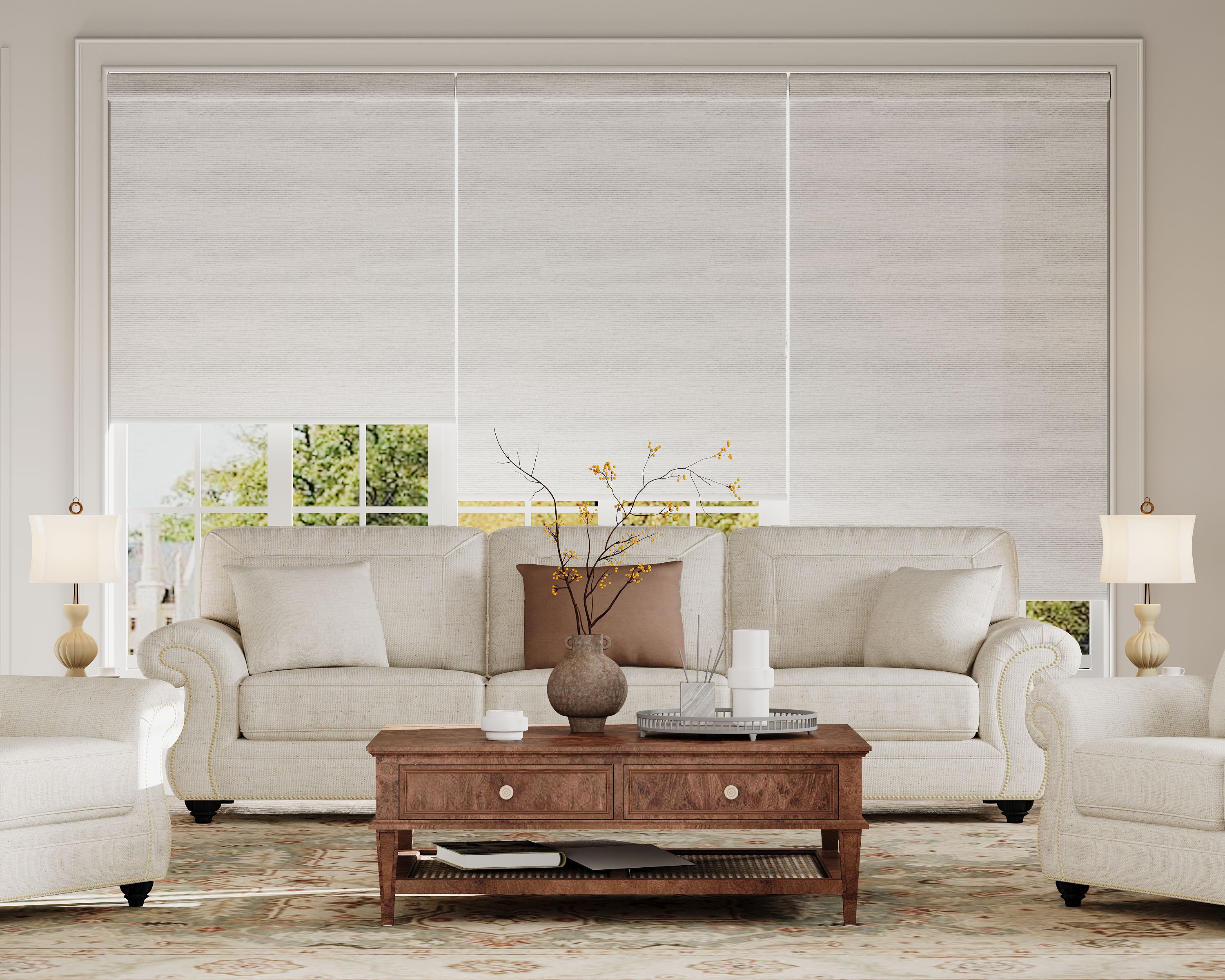

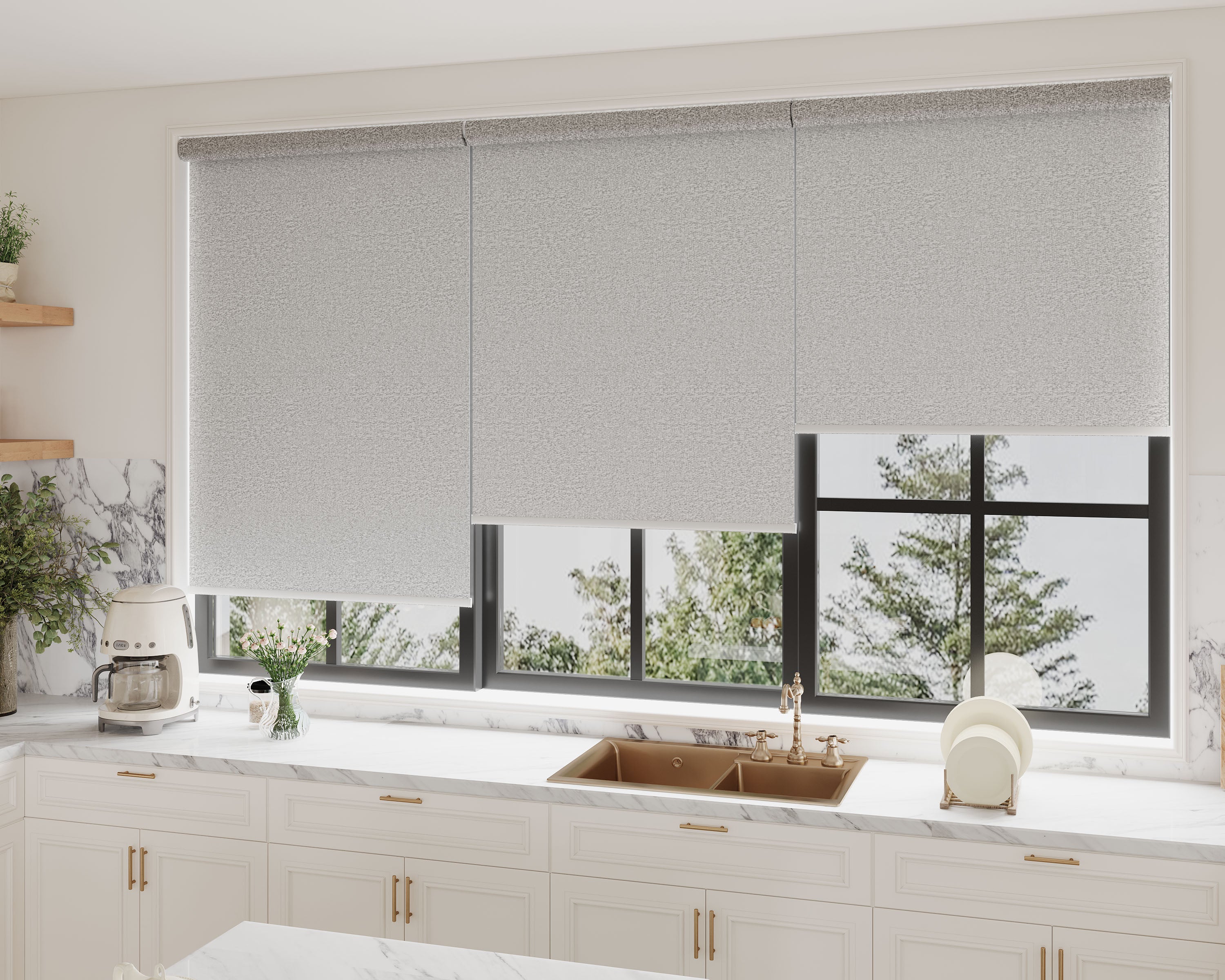
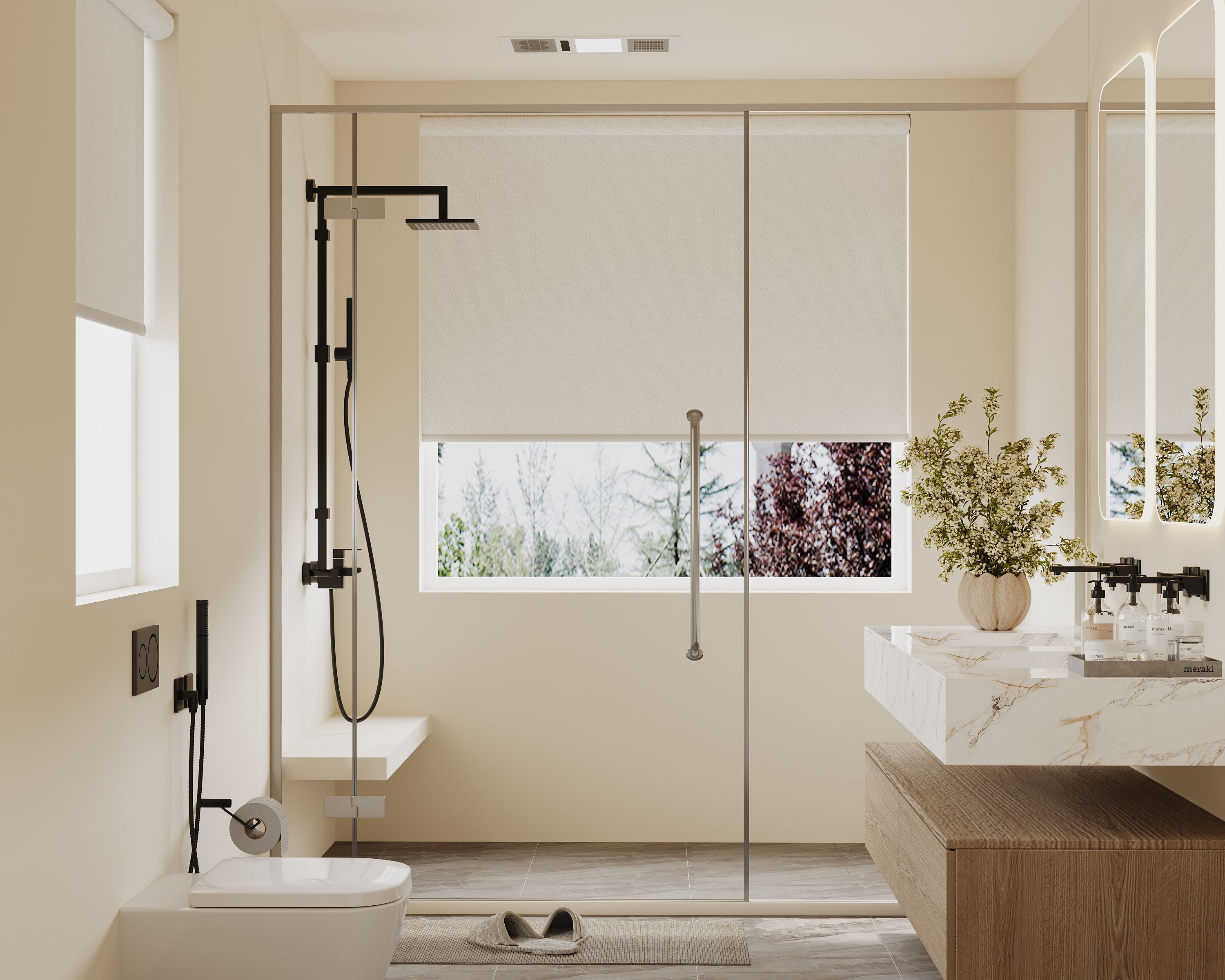

Cellular shades are engineered to support their own weight and operate smoothly, not to hold external items. Their effective "weight capacity" is their ability to resist sagging across their own width, a function of the headrail strength, lift system, and proper installation. For standard sizes, a well-installed cellular shade is very robust, but exceeding manufacturer width limits without support can lead to operational failure. Ensuring you choose the right product for your window size is the first step for a durable installation of insulating cellular honeycomb shades.
Here’s what you’ll learn in this article:
-
The engineering principles behind cellular shade support and why width, not just weight, is the critical metric.
-
How different lift systems—cordless, corded, and motorized—affect the practical weight limits and maximum span.
-
A detailed breakdown of installation factors that have a greater impact on safety and longevity than the fabric itself.
-
When and why large windows require specialized hardware like intermediate brackets to prevent mid-rail sag.
-
How to read manufacturer specifications and apply them to your specific window to ensure a secure, long-lasting installation.
Decoding Weight Capacity: It's About Span and Support
The question of weight capacity is best understood as a question of structural integrity over a span. A cellular shade is a suspended fabric structure, and its primary job is to hold itself up without bowing in the middle. The key factors are the tensile strength of the headrail, the placement of mounting brackets, and the lift mechanism's ability to manage the load evenly.
The Critical Role of the Headrail and Lift System
The headrail is the backbone. A sturdy, reinforced aluminum headrail distributes the shade's weight to the mounting brackets at either end. The type of lift system determines how much assistance the structure gets:
-
Cordless Systems: Use an internal spring or clutch. Wider shades are heavier, putting more strain on this mechanism to lift and hold the shade level.
-
Continuous Cord Loop Systems: Use a pulley and cord system, offering more mechanical advantage and better weight distribution for wider shades.
-
Motorized Systems: Employ a hardwired or battery-powered motor, providing the most consistent and powerful lifting force, ideal for the heaviest and widest shades.
Key Factors That Determine Stability and Maximum Width
The following table outlines the primary variables that influence how wide—and therefore how heavy—a cellular shade can be before requiring special consideration.
| Factor | Impact on Stability & Support | Practical Implication |
|---|---|---|
| Shade Width | The single most important factor. Weight and leverage increase with width, raising the risk of mid-span sag. | Adhere strictly to the manufacturer's maximum width specification for your chosen product line and lift type. |
| Cell Structure | Double-cell shades use nearly twice the fabric of single-cell, adding weight. Larger cell sizes (e.g., 3/4") use less material per area, reducing weight. | For very wide windows, a single-cell or large-celled shade may be recommended to minimize weight and stress on the headrail. |
| Lift Mechanism | Motorized drives offer the strongest support, followed by continuous cord loops, then standard cordless clutches. | Match the lift system to the size: cordless for standard windows, motorized or corded for large picture windows or doors. |
| Mounting Surface & Hardware | The wall, frame, or ceiling must be solid. Drywall alone is insufficient for wide, heavy shades without proper anchors. | Mount into studs or framing using the provided hardware. For tricky surfaces, use appropriate heavy-duty anchors. |
| Intermediate Supports | A center-support bracket prevents the middle of a wide headrail from bowing downward under its own weight. | For shades exceeding typical widths (often around 72 inches), an intermediate bracket is crucial and often required. |
Installation: The Absolute Foundation of Safe Support
A shade rated for a wide window will fail if installed incorrectly. Proper installation is non-negotiable for safety, performance, and preventing premature sagging.
1. Follow a Precise Mounting Protocol
-
Surface Preparation: Identify studs or solid framing. If mounting to drywall without a stud, use hollow-wall anchors rated for the shade's potential weight (considering future stress).
-
Bracket Alignment: Use a level to ensure all brackets are perfectly aligned. An uneven installation creates immediate, uneven stress.
-
Hardware is Key: Never substitute the manufacturer's screws with weaker alternatives. They are specified to handle the specific load and stress cycles.
2. The Essential Step for Large Windows: Intermediate Brackets
For wide installations, an intermediate (or "center support") bracket is not an accessory—it's a necessary structural component. It acts as a third leg on a bench, preventing the classic "smile" sag in the middle of the shade. Installing one is a proactive measure that preserves the mechanism and keeps the shade looking crisp. For any project involving large windows, a guide on ensuring fool-proof measuring for a perfect fit is the first step to a stable installation.
3. Professional Consultation for Complex Projects
If you are dealing with an exceptionally large window, a bank of windows treated as one, or a challenging mounting surface like tile or concrete, consulting with or hiring a professional installer is a wise investment. They can assess the structure and ensure the mounting plan is sound.
What You Should Never Do: Preserving Shade Integrity
Understanding support also means respecting clear limitations.
-
Never Hang Objects: The bottom rail and headrail are not load-bearing. Hanging plants, decorations, or cords adds unpredictable stress that can distort cells, strain mechanisms, and tear fabric.
-
Avoid Strain and Obstructions: Operate shades gently. Never force a shade that feels stuck, as this can break internal components. Ensure the shade's path is clear of furniture or obstructions.
-
Heed the Signs of Failure: A slight dip in the middle of the shade or increasing difficulty during operation are early warnings of inadequate support. Address these issues immediately by checking bracket security and considering an intermediate support.
Conclusion and Key Takeaways
The weight capacity of a cellular shade is a matter of intelligent product selection matched with rigorous installation. By focusing on manufacturer width limits, choosing the appropriate lift system for the scale of your window, and employing proper support hardware, you ensure a functional and elegant window treatment that will last.
Key Highlights:
-
Support is for the Shade Itself: Cellular shades are designed to support their own structure, not to be used as a hanging point for other items.
-
Width Dictates Requirements: The manufacturer's maximum width specification is your most important guide, not a generic weight limit.
-
Reinforce Wide Spans: For large windows, plan for a motorized or continuous cord system and the mandatory use of an intermediate support bracket.
-
Installation is Everything: Secure mounting into solid framing with correct hardware is the foundational step that guarantees safety and prevents sagging.
-
Consult Specifications: Always provide your exact measurements to your provider to get a product recommendation engineered for your window's specific dimensions.
By adhering to these structural and installation principles, you can trust that your cellular shades will remain secure, level, and operational for their full lifespan.
Explore Custom Cellular Shades


Frequently Asked Questions (FAQ)
Can cellular shades be installed on a sliding glass door, and what support is needed?
Yes, cellular shades are an excellent insulating choice for sliding glass doors. Given the substantial width, a motorized lift system is highly recommended for its power and convenience. Installation will almost certainly require an intermediate support bracket to prevent significant mid-rail sag. The mounting must be secured deeply into the door framing, not just the interior trim, to handle the constant operation and weight.
My cellular shade is already sagging in the middle. Can this be repaired?
In most cases, yes. Mid-span sag indicates a lack of center support. First, tighten all existing mounting brackets. If the sag persists, you can usually retrofit an intermediate support bracket. This involves installing an additional bracket at the center point of the headrail onto the wall or frame above the window. This simple addition can often restore the shade to a level position and prevent further damage.
How does the weight of a double-cell shade impact support compared to a single-cell?
A double-cell shade is inherently heavier than a single-cell shade of the same dimensions due to the double layer of fabric. This increased weight places greater demand on the lift mechanism and increases the force pulling down on the center of the headrail. For very wide windows, this extra weight may push the installation beyond the limits of a standard cordless system, necessitating a motorized lift or making an intermediate support bracket absolutely essential. The choice involves balancing the superior insulation benefits of the cellular structure with the structural requirements of the installation.
Are cellular shades safe for children's rooms regarding potential pull-down hazards?
Modern cordless cellular shades are one of the safest options for children's rooms, as they eliminate dangerous loose cords entirely. Regarding support, a properly installed shade is very secure. The headrail is firmly screwed into the wall or window frame, making it extremely difficult for a child to pull down. The safety focus, therefore, shifts to ensuring a secure installation that follows all weight and support guidelines to guarantee the fixture itself remains permanently anchored.
Do motorized shades offer better weight support for extra-wide windows?
Absolutely. Motorized systems are engineered for heavier loads. The motor provides a consistent, powerful lifting force that evenly distributes the weight of the fabric, reducing strain on the headrail ends. This is why motorized options typically have the highest maximum width allowances and are the most reliable solution for large, heavy cellular shades, ensuring smooth operation and long-term durability without sagging.
