
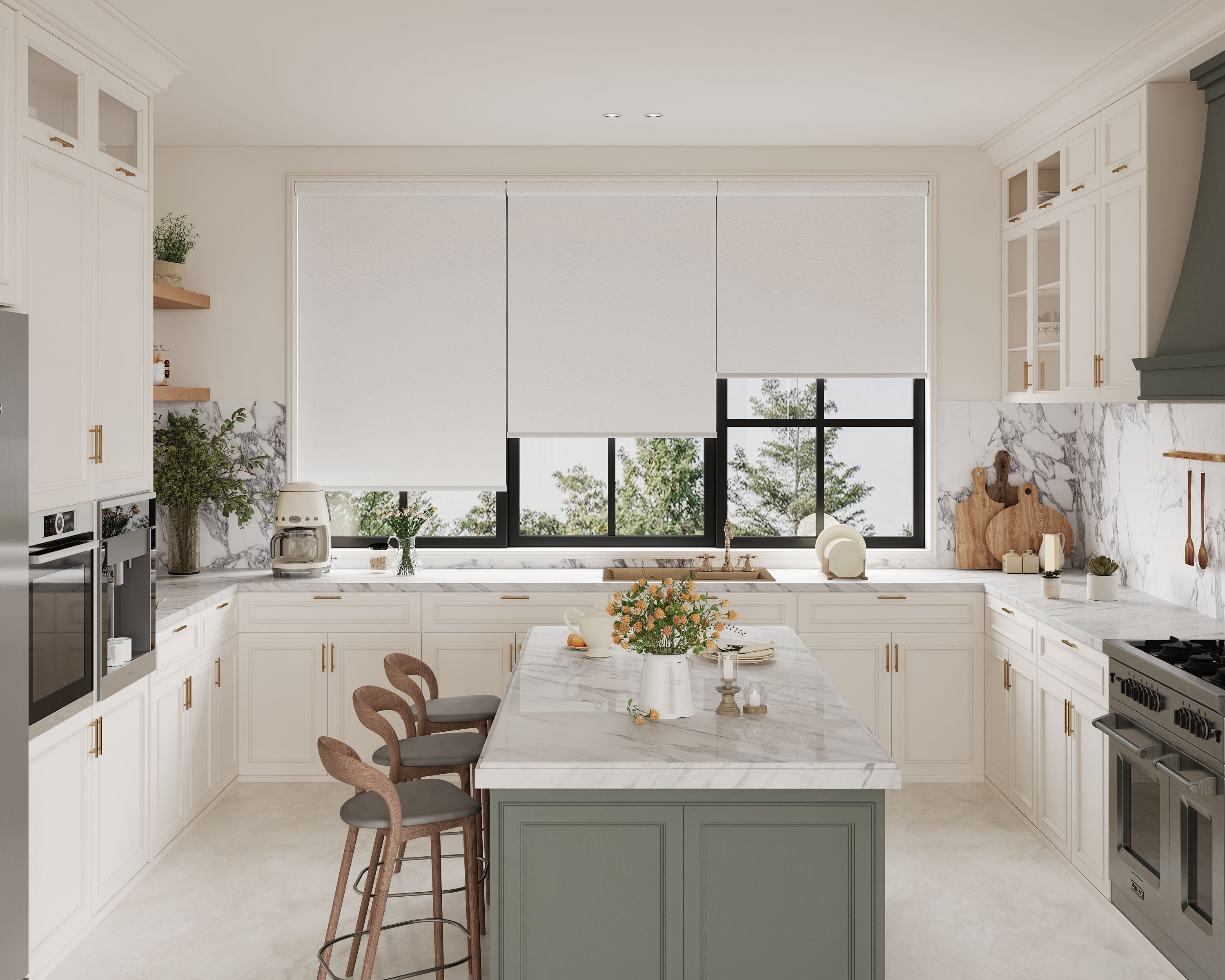
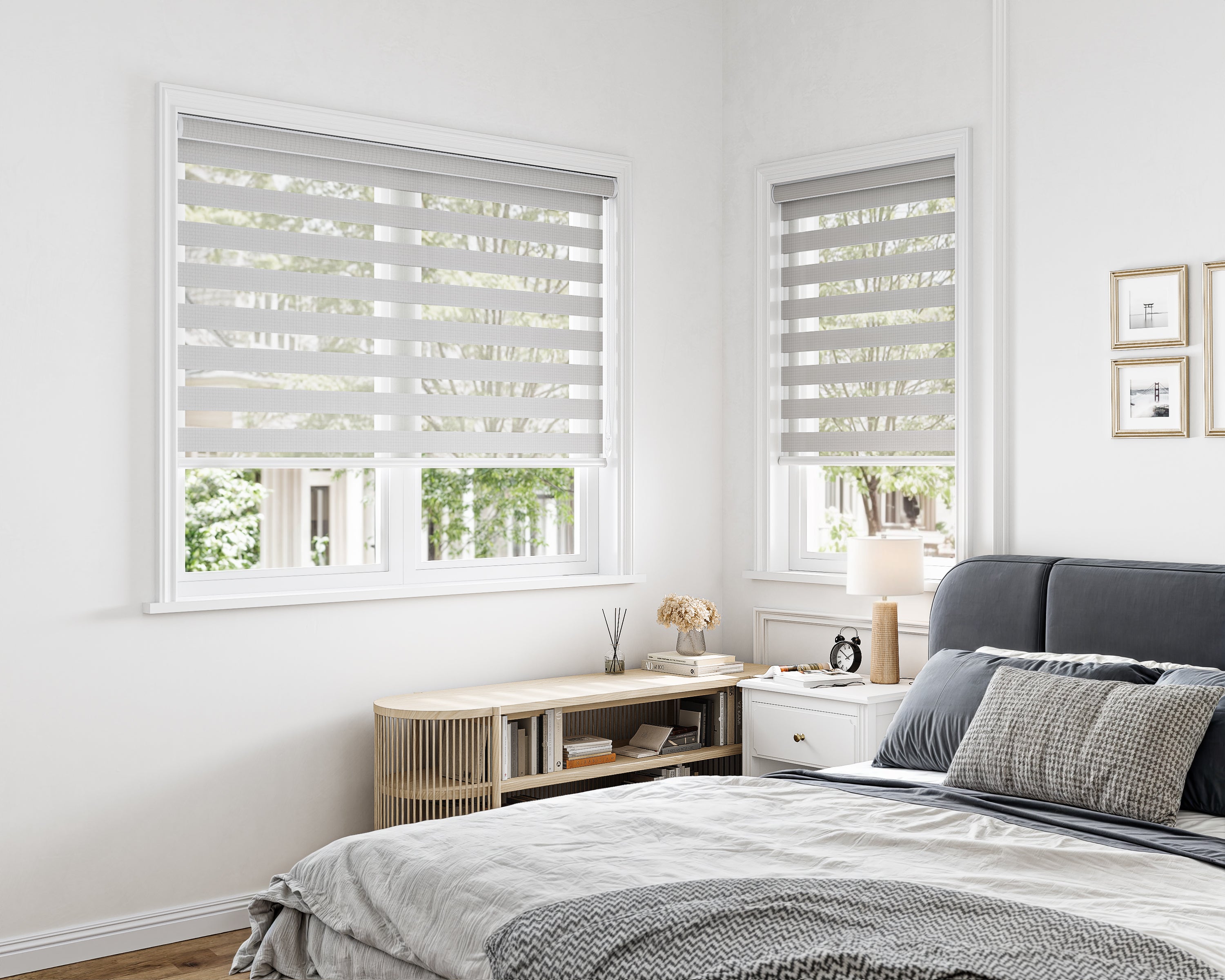
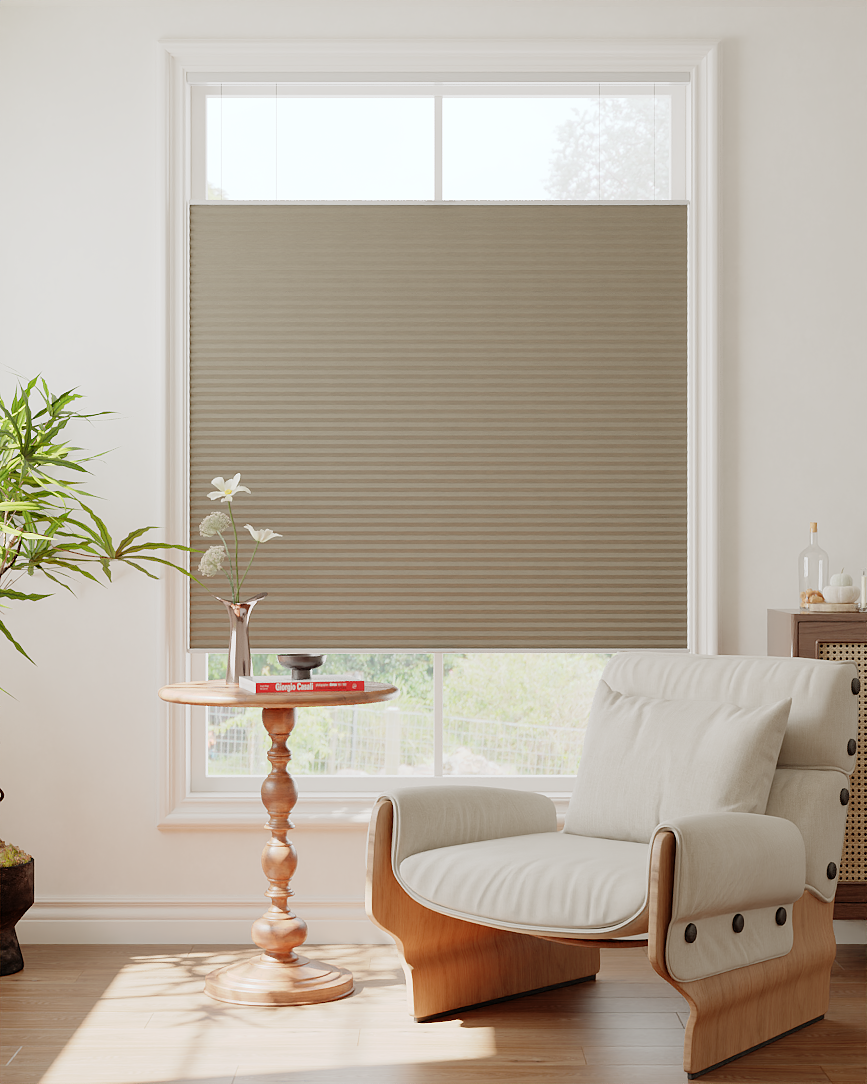
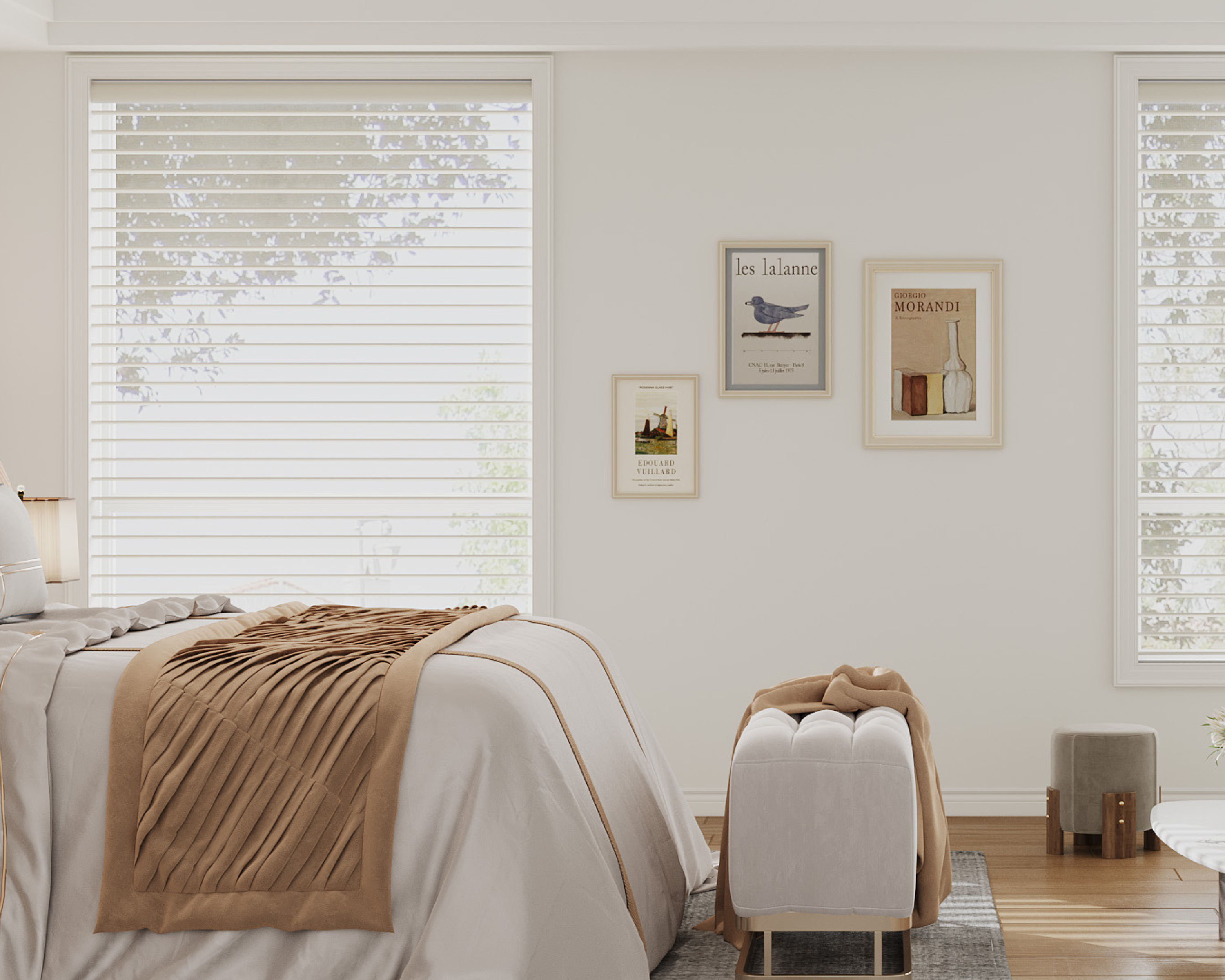







When investing in new roller shades, it’s natural to wonder, “How long until I need to do this again?” You might find a sweeping claim like “7-10 years,” but the real answer is far more nuanced. The lifespan of a roller shade isn't set by a timer; it's a story written by the quality of its parts, the fabric it’s made from, and the environment you place it in. A shade in a sunny, humid bathroom faces a different battle than one in a shaded, temperate bedroom. This guide moves beyond a single number to give you a realistic framework for what to expect, how to spot aging, and—most importantly—how proactive care can significantly extend the functional life of your window treatments.
We’ll explore:
-
The Lifespan Spectrum: How quality tiers from budget to premium set durability expectations.
-
The Agents of Aging: The primary factors that cause roller shades to degrade over time.
-
The Assessment Guide: How to evaluate if your shade needs repair or full replacement.
-
The Longevity Playbook: Practical maintenance strategies to maximize your shade’s life.
The Lifespan Spectrum: Quality Tier & Realistic Timeframes
Roller shades are not a monolithic product. Their durability is fundamentally linked to their construction quality, which aligns with price and type.
| Quality Tier | Description & Typical Context | Realistic Lifespan Expectancy | Primary Failure Points |
|---|---|---|---|
| Budget / Ready-Made | Mass-produced, standard sizes, basic vinyl or polyester fabrics. Often found in big-box stores. | 3 - 7 Years | Mechanism (spring/clutch) wears out; fabric fades or becomes brittle; lower durability components. |
| Mid-Grade / Custom | Made-to-order with better hardware, a wider selection of durable fabrics like vinyl and polyester blends, and more precise assembly. | 7 - 12+ Years | Gradual fabric fading from UV exposure; eventual mechanism fatigue after thousands of cycles. |
| High-End / Designer | Premium fabrics (linens, woven woods), commercial-grade mechanisms, and meticulous construction. Often features motorization. | 12 - 20+ Years | Motor or advanced electronic components may need service before the fabric or structure fails. |
Key Takeaway: Investing in well-constructed custom roller shades doesn't just buy a better fit and look—it buys time. The superior materials and hardware are engineered for longevity.
The Primary Factors That Determine How Long Your Shades Last
Understanding what causes wear helps you prevent it. These are the main agents of aging.
1. Ultraviolet (UV) Light & Solar Exposure
This is the #1 cause of fabric deterioration. Continuous direct sunlight will break down fabric fibers, causing colors to fade and materials to become weak, brittle, or frayed. South and west-facing windows present the greatest challenge. Strategies like preventing UV fade with smart scheduling and protectants are crucial for long-term preservation.
2. Environmental Stressors
-
Moisture & Humidity: Bathrooms, kitchens, and coastal areas can promote mold, mildew, or metal component corrosion. Moisture-resistant fabrics are essential here.
-
Heat & Cold: Extreme temperature fluctuations can stress materials and adhesives (e.g., in blackout liners).
-
Daily Use (Cycles): The simple act of raising and lowering wears the internal clutch or spring mechanism. A shade used multiple times daily will experience mechanical fatigue faster than one rarely adjusted.
3. Fabric Material & Construction
The fabric choice is a decisive factor. A solution-dyed polyester is inherently more fade-resistant than a natural linen. A vinyl shade is more moisture-proof than a cotton blend. The type of material directly impacts longevity, cost, and appropriate room placement.
4. Installation & Maintenance
Improper installation causing the shade to rub against the frame creates friction and wear. Conversely, a simple routine of gentle, regular cleaning without damaging the fabric removes abrasive dust and grit that can grind down fibers over time.
Assessment Guide: Repair, Replace, or Maintain?
Not every issue means a full replacement. Use this guide to diagnose your shade’s condition.
| Symptom | Possible Cause | Likely Solution |
|---|---|---|
| Shade doesn't stay up or slowly drifts down. | Worn-out internal clutch or spring. | Repairable. The mechanism can often be replaced by a professional or a handy homeowner. |
| Fabric is torn, frayed, or has holes. | Physical damage or severe UV degradation. | Replacement. The fabric panel usually cannot be effectively repaired. |
| Fabric is faded but otherwise intact. | Normal UV exposure over time. | Maintain or Replace. Purely cosmetic. If operation is fine, keep using it. For aesthetics, replace the fabric or shade. |
| Shade is crooked or uneven. | Loose brackets, misaligned mechanism, or a broken roller pin. | Repairable. Often involves re-securing brackets or replacing a simple hardware component. |
| Motor (if applicable) is unresponsive. | Dead battery, failed motor, or connectivity issue. | Repairable. Diagnose power first. Motors can often be replaced separately from the fabric. |
When Replacement is the Clear Choice: When multiple systems fail (faded and torn fabric with a broken mechanism), or the cost of repair approaches the price of a new, updated shade, replacement is the most sensible path.
The Longevity Playbook: How to Maximize Your Shade's Life
You have direct control over several factors that extend your shade's lifespan.
1. Choose the Right Fabric for the Room.
This is the most impactful decision. Use moisture-resistant materials in wet areas, and prioritize UV-stable, solution-dyed fabrics in sunny rooms. Don't put a delicate natural fiber in a high-exposure, high-traffic zone.
2. Implement a Smart Cleaning & Care Routine.
Dust is abrasive. Establish a schedule of safe, fabric-appropriate cleaning using a vacuum brush attachment. This prevents ground-in dirt from weakening fibers.
3. Manage Sun Exposure Proactively.
Use automation or daily habits to lower shades during peak sun hours. Consider applying a fabric protectant spray designed for window treatments to add a UV-inhibiting layer.
4. Operate with Care.
Use a smooth, steady motion when pulling cordless shades. Avoid yanking or forcing a shade that seems stuck, as this can damage the internal mechanism.
5. Understand Your Warranty.
Know what is covered. Most warranties protect against manufacturing defects in mechanisms and components, not against normal wear like fading. Our guide on decoding limited lifetime shade warranties clarifies what to expect.
Final Checklist: Evaluating Your Roller Shades' Health
Use this table to conduct a quick audit of your existing shades or to set expectations for new ones.
| Evaluation Factor | Question to Ask | Action Indicator |
|---|---|---|
| Visual Fabric Quality | Is the fabric significantly faded, brittle, torn, or stained? | Red: Multiple issues. Yellow: Slight fading only. Green: Vibrant and intact. |
| Mechanical Operation | Does the shade raise/lower smoothly and hold its position securely? | Red: Doesn't stay up, is jerky, or stuck. Yellow: Slight drift or hesitation. Green: Perfectly smooth and firm. |
| Structural Integrity | Is the bottom bar secure? Are brackets tight? Is the shade square? | Red: Bar detached, brackets loose, shade crooked. Yellow: Slight wiggle in parts. Green: Solid and square. |
| Environmental Fit | Is the fabric type suited to the room's sun, moisture, and use level? | Red: Delicate fabric in a harsh room. Green: Fabric matches room demands. |
Your Next Steps:
-
Audit Current Shades: Use the checklist above to assess any existing roller shades.
-
Choose Durable Materials: For new purchases, select long-lasting fabrics from our roller shades collection using insights from our material deep dive.
-
Start a Maintenance Routine: Implement gentle, regular cleaning to add years of life.
-
Plan for Sun Protection: Develop habits or automations for managing UV exposure.
Explore Custom Roller Shades


Frequently Asked Questions
Can the fabric on a roller shade be replaced without replacing the whole mechanism?
Sometimes, but it's often not cost-effective. While technically possible for many custom shades, the labor to carefully remove the old fabric from the roller tube and attach new fabric with perfect alignment is specialized work. For most homeowners, replacing the entire shade (fabric and mechanism) is simpler and provides a like-new warranty.
Do motorized roller shades have a shorter lifespan than manual ones?
Not necessarily, but their failure points differ. A manual shade's lifespan is limited by its mechanical spring/clutch. A motorized shade's electronic motor and power system (batteries/transformer) are additional components that could eventually need service. However, high-quality motors are rated for tens of thousands of cycles and can last 10+ years, often outlasting the fabric. The convenience also reduces wear and tear from manual operation.
How can I tell if fading is normal wear or a defect?
Normal fading is gradual and even across the entire surface facing the window. A manufacturing defect might cause uneven fading, discoloration in specific splotches, or pronounced fading on one area only shortly after installation. Warranties typically cover defects but not gradual, expected fading from sun exposure.
Is it worth repairing budget roller shades?
Rarely. The cost of a repair service or replacement parts for a low-cost shade often approaches or exceeds the price of buying a new one. Repair is most worthwhile for mid-to-high-end custom shades where the quality of the remaining components (brackets, roller tube) justifies the cost of a new fabric panel or mechanism.
