


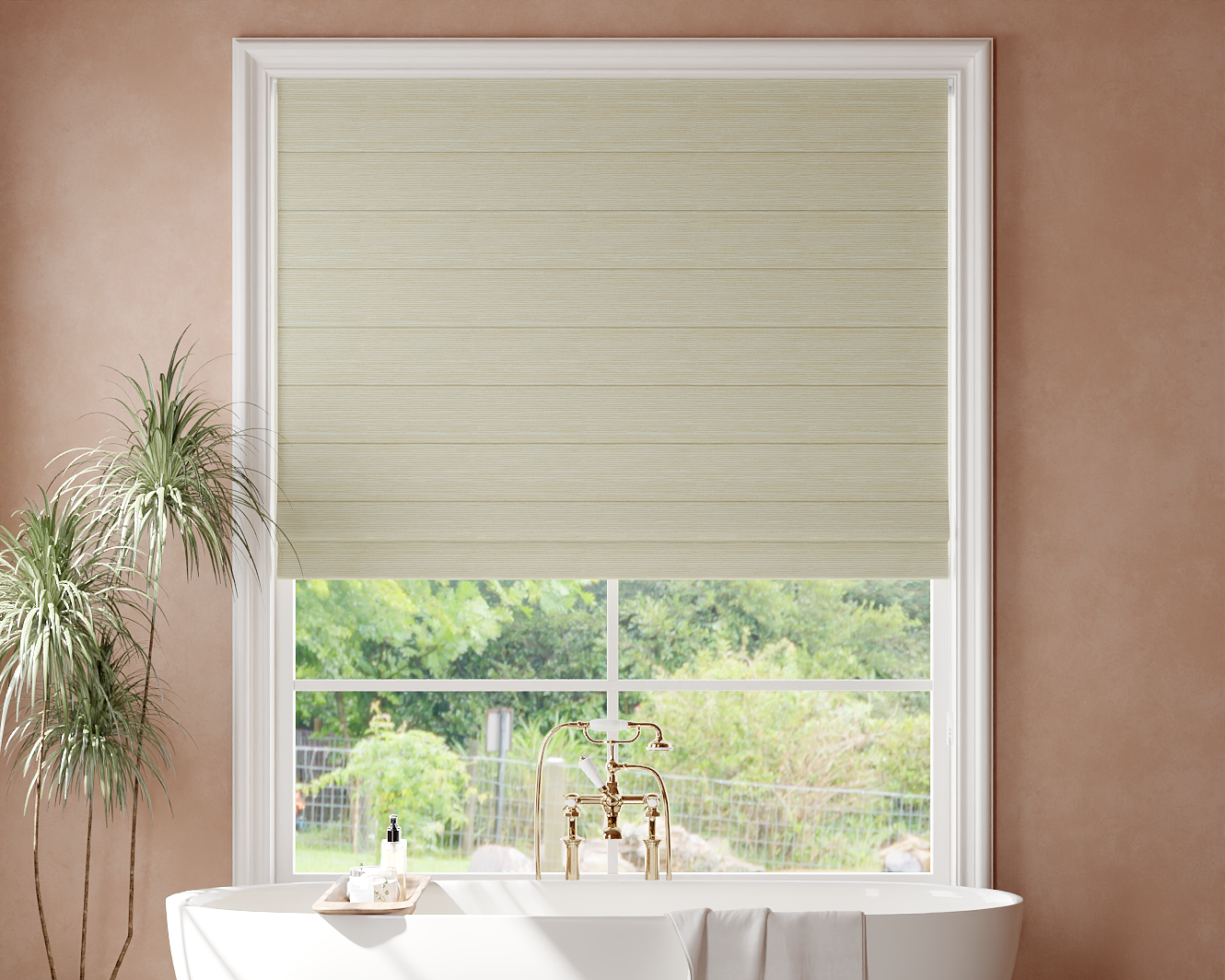
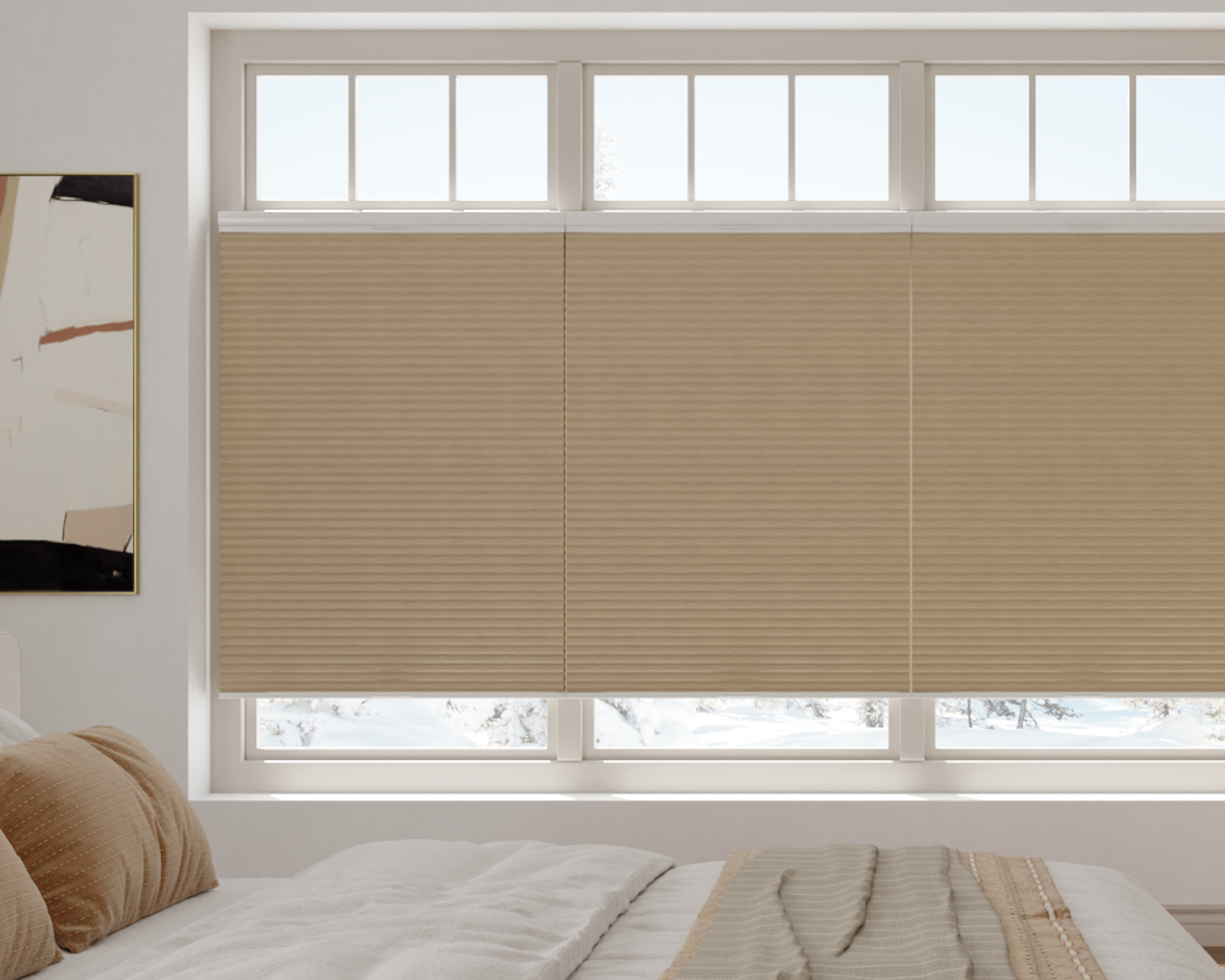
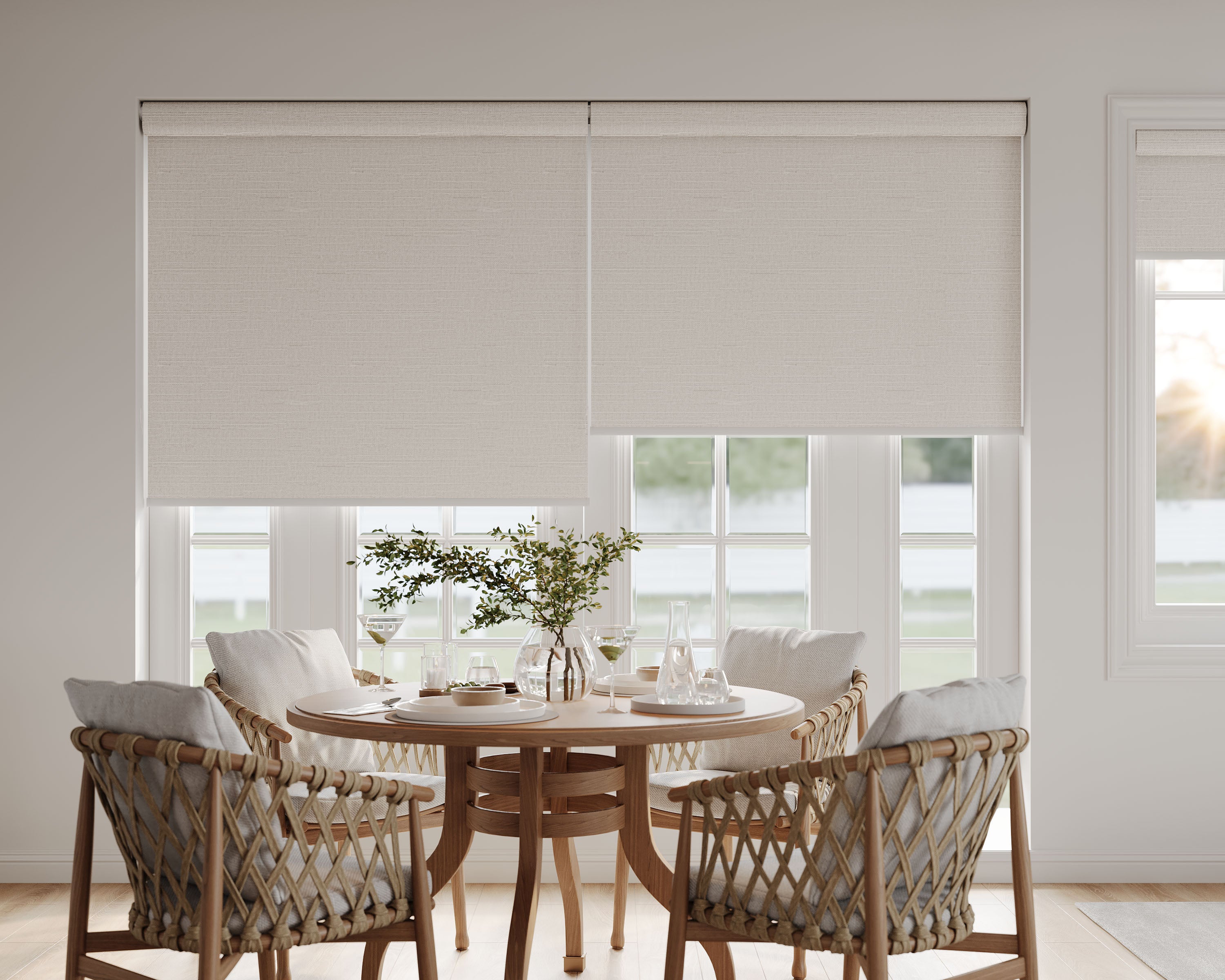
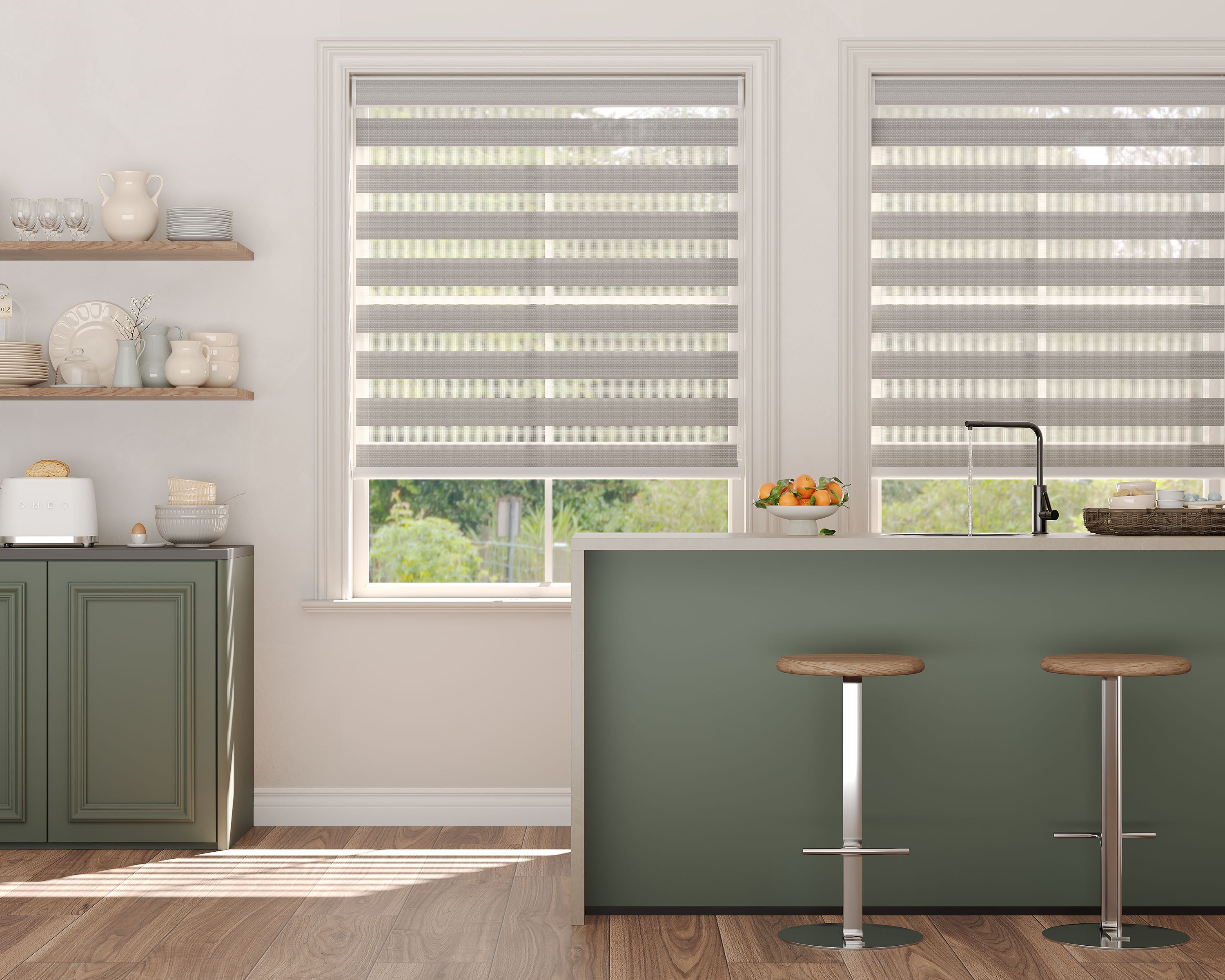
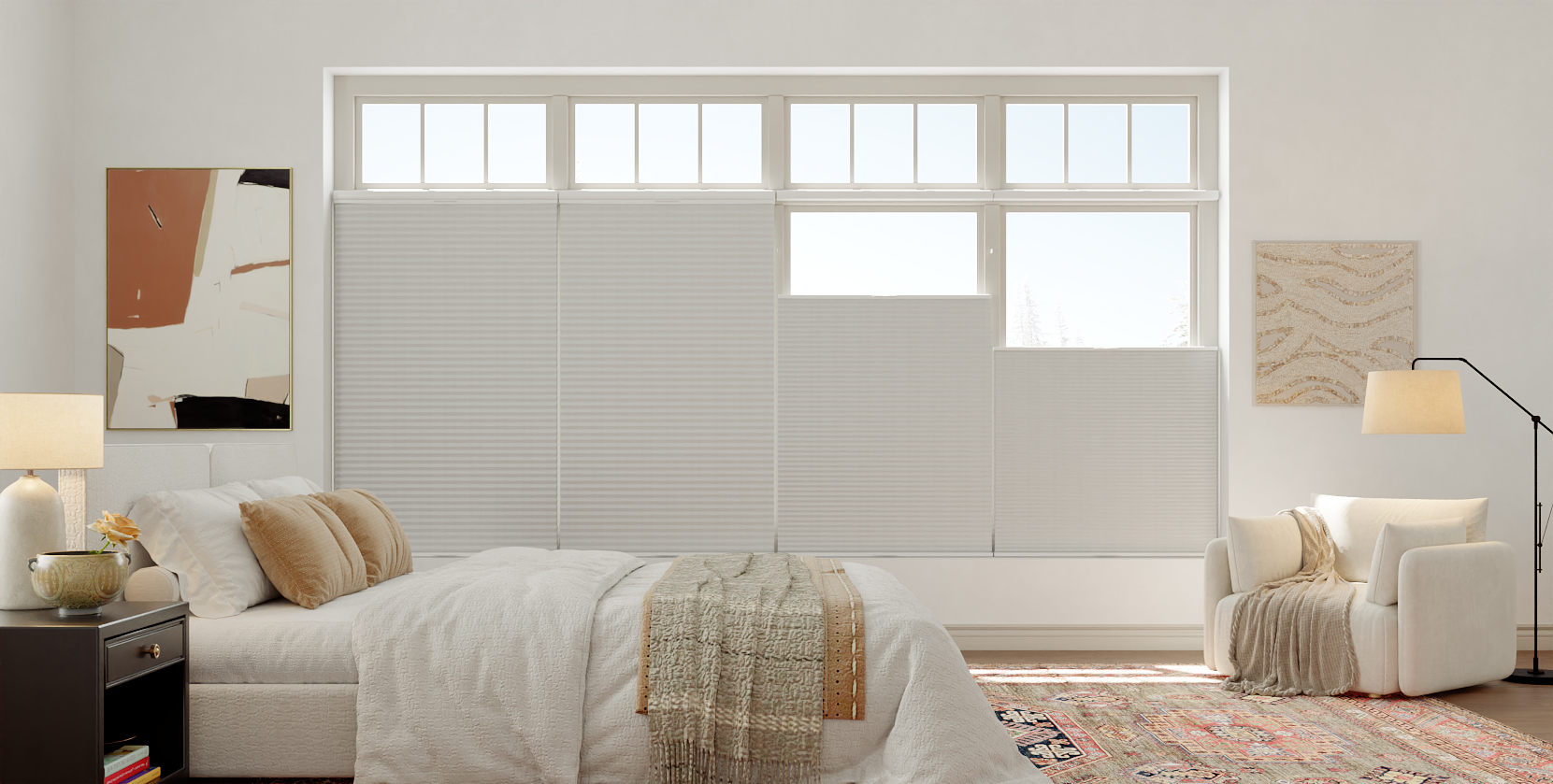
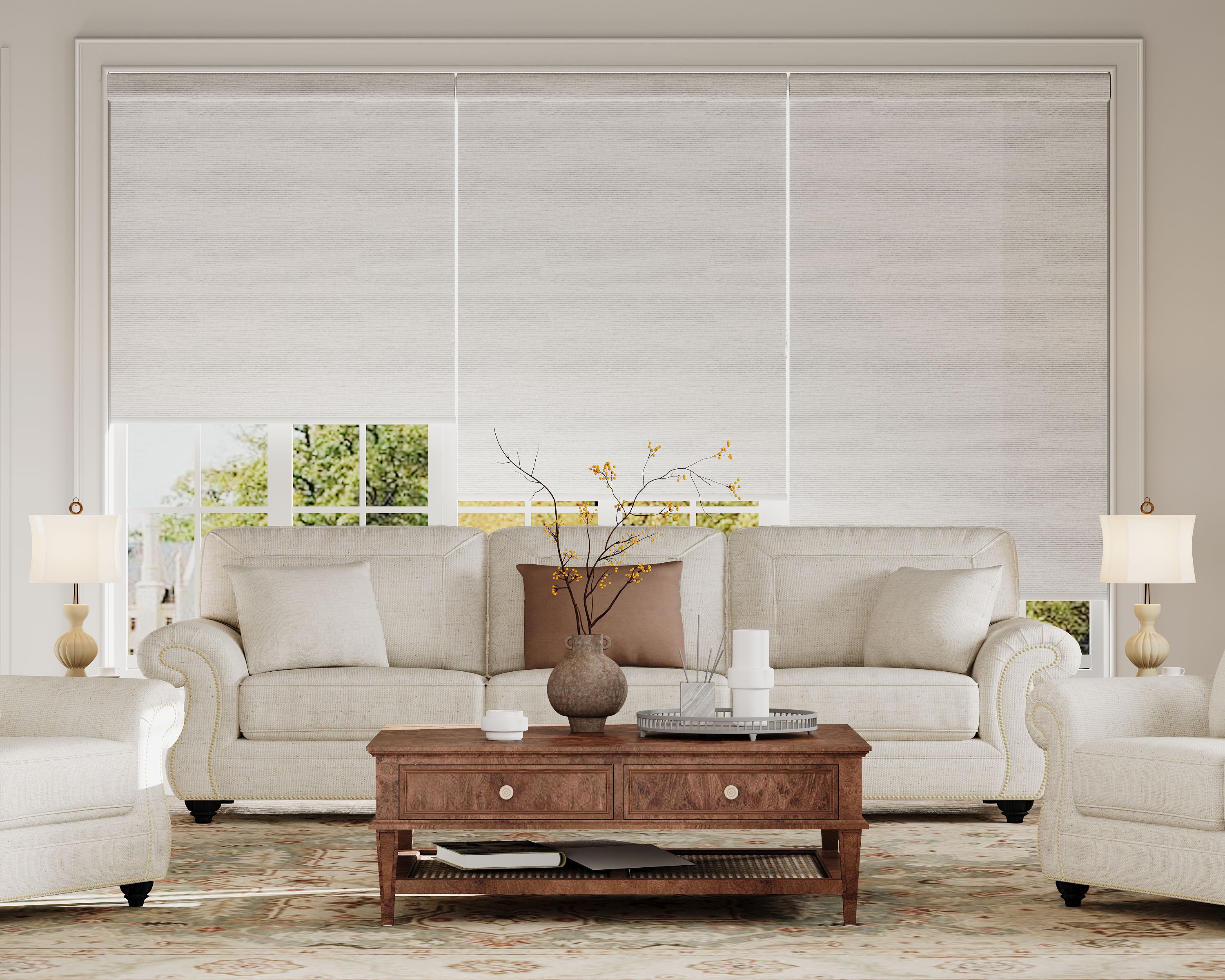

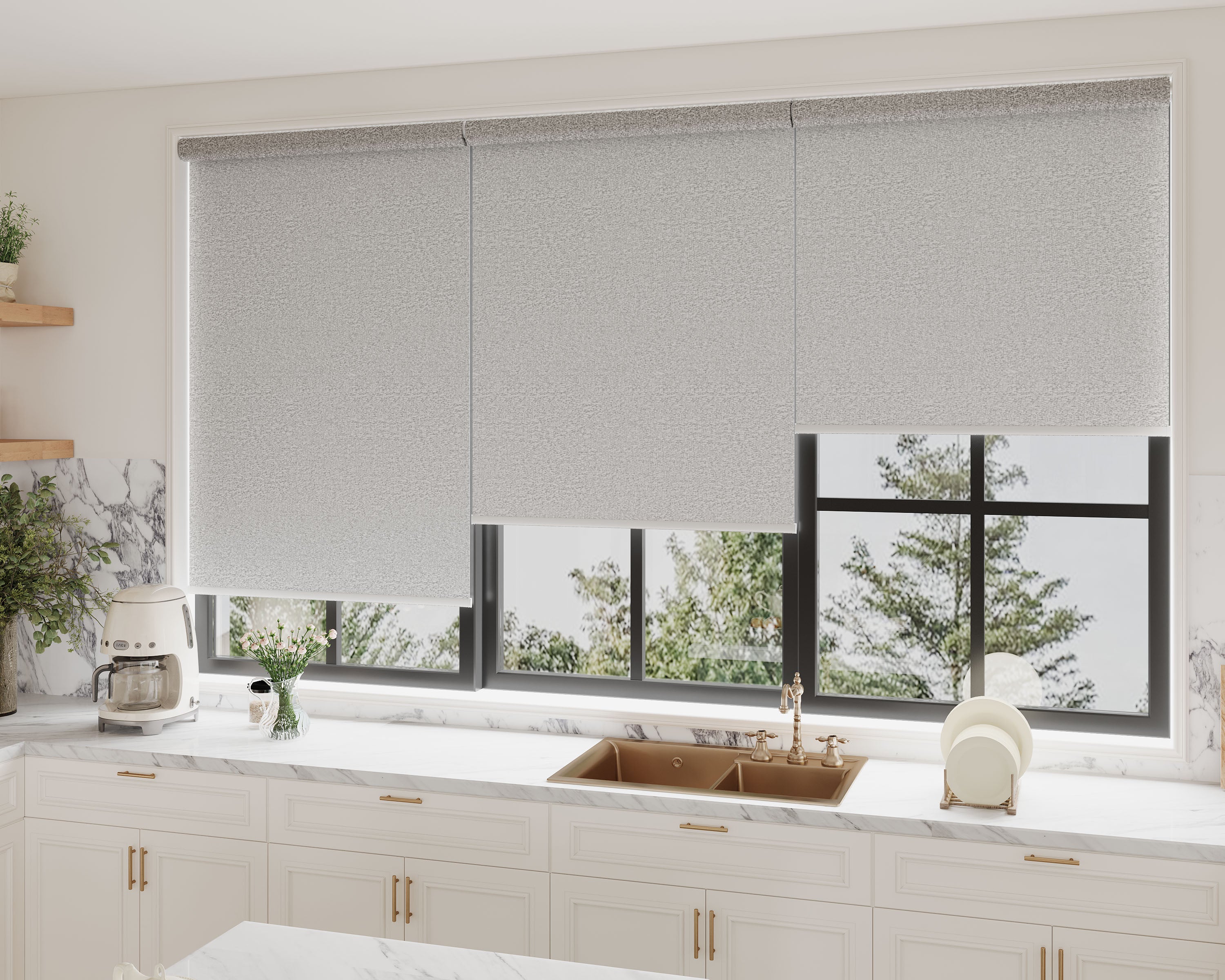
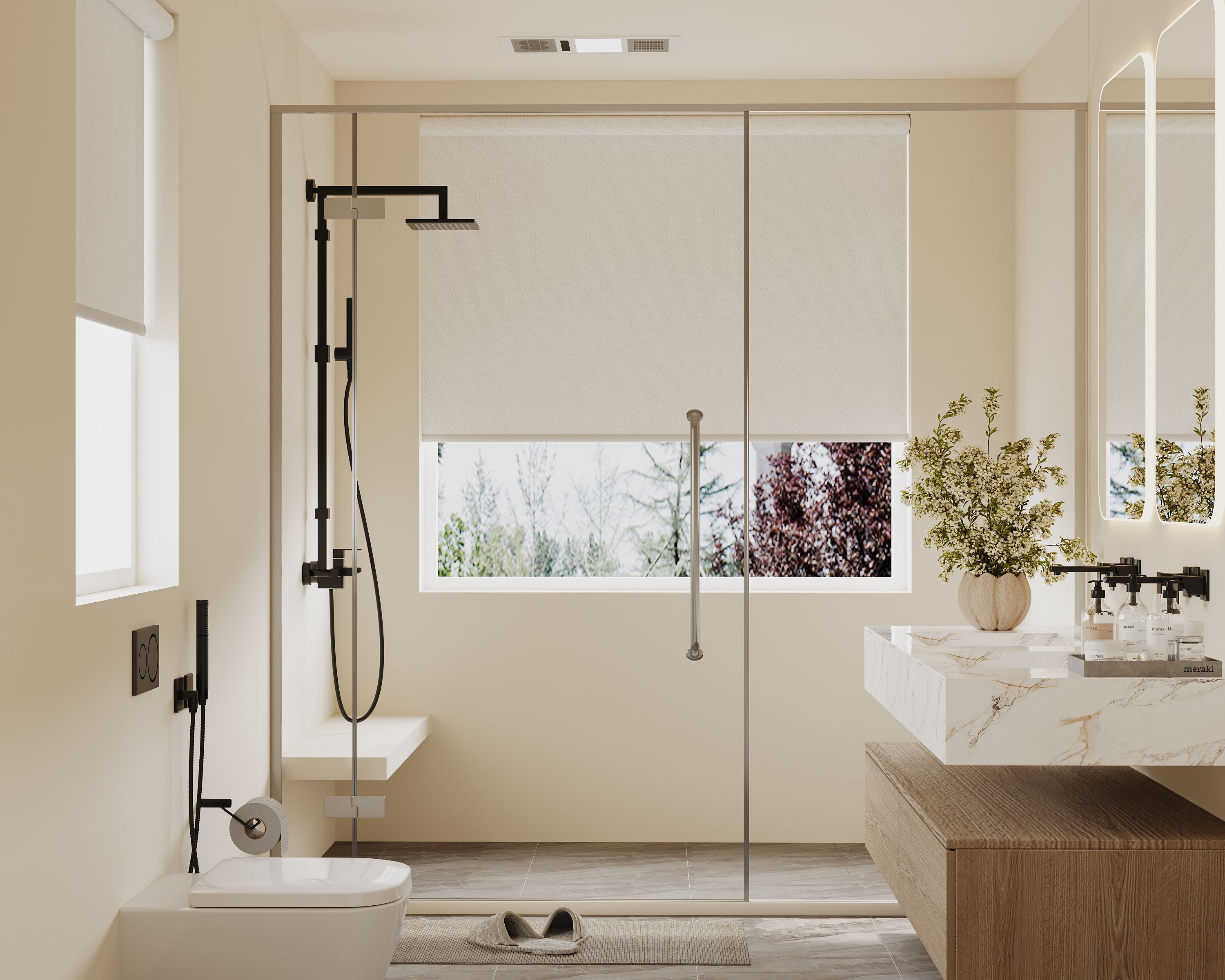

Yes, cellular shades can be successfully installed on sliding glass doors, offering insulation, light control, and a clean look. However, it requires careful planning to address the door's movement, handle clearance, and large size. The key is choosing the right mount, operation style, and hardware to ensure the shades function smoothly without interfering with the door's operation.
Here’s what you’ll learn to ensure a successful installation:
-
Critical Design Challenges: How to navigate door handles, track clearance, and the wide span of sliding doors.
-
Mounting Method Breakdown: A detailed comparison of inside, outside, and header mounts specific to door frames.
-
Operation & Style Choices: Why certain lift systems and fabric opacities work better for high-traffic door areas.
-
Step-by-Step Planning Guide: How to measure, select hardware, and prepare for a door-specific installation.
-
Pro Tips & Alternatives: Expert advice for bypassing obstacles and understanding when an alternative style might be preferable.
Choosing the right product is the first step. For sliding doors, durability and precise fit are paramount, which you can find in our range of custom cellular honeycomb shades.
Understanding the Unique Challenges of Sliding Doors
Installing any window treatment on a sliding glass door presents specific hurdles that don't exist with standard windows. Success depends on anticipating and solving these issues before ordering.
The primary challenges are:
-
Door Handle Clearance: The shade must be mounted high enough so that its bottom rail clears the door handle when the shade is lowered and the door is in use. This often requires an outside mount or a specially calculated inside mount depth.
-
Track Interference: The shade cannot obstruct the sliding door's track. It must be mounted sufficiently above or in front of the track so the door glides freely without catching on the fabric or bottom rail.
-
Large Span & Weight: Sliding doors are wide. A single, wide shade requires a sturdy headrail and may need a center support bracket to prevent sagging. The weight of a larger shade also influences the choice of lift system (e.g., cordless may be challenging for very wide units).
-
Frequent Operation: Doors are used often. The shade must withstand regular raising and lowering and potential contact from people passing through.
Navigating these challenges starts with flawless measurement, a process detailed in our guide on how to measure windows for cellular shades, with extra attention to handle and track dimensions.
Mounting Methods for Sliding Glass Doors
Your mounting decision is the most critical factor for functionality. The common methods each have distinct pros and cons for doors.
1. Inside Mount (Within the Door Frame)
This method provides the cleanest, most integrated look but has the strictest requirements.
-
How it Works: Brackets are installed inside the metal or wooden frame surrounding the glass.
-
Best For: Doors with very deep frames (often 3+ inches) and handles that are low-profile or located on the stile (vertical side), not the center of the door.
-
Major Consideration: You must meticulously measure the distance from the front of the frame to the door handle to ensure the shade, when lowered, will not hit it. There must also be enough depth for the shade to stack without touching the glass when raised.
2. Outside Mount (On the Wall Above the Door)
This is the most popular and reliable method for sliding doors as it bypasses most clearance issues.
-
How it Works: Brackets are mounted on the wall above the door molding. The shade covers the entire door and some surrounding wall.
-
Best For: Almost all sliding doors, especially those with center-mounted handles or shallow frames. It's the safest choice to guarantee handle and track clearance.
-
Major Consideration: The shade’s headrail will be visible. Careful leveling is essential for a professional look over such a wide span.
3. Header Mount (On the Ceiling or Soffit)
An excellent solution for doors that open to the ceiling or have minimal wall space above.
-
How it Works: Special U-shaped brackets are used to mount the headrail directly to the ceiling or soffit in front of the door.
-
Best For: Modern homes, doors in sunrooms, or situations where wall mounting isn't possible or desired.
-
Major Consideration: Requires a very stable ceiling for mounting and may involve more complex hardware.
| Mounting Method | Primary Advantage | Key Challenge | Ideal Door Type |
|---|---|---|---|
| Inside Mount | Sleek, built-in appearance. | Severe depth & handle clearance requirements. | Doors with deep jambs & side handles. |
| Outside Mount | Guaranteed handle/track clearance; most forgiving. | Visible headrail; requires precise leveling. | Nearly all sliding doors, especially with center handles. |
| Header Mount | Clean look when wall space is limited; modern aesthetic. | Requires secure ceiling structure; less common hardware. | Doors with little to no wall above. |
Operation Styles: Choosing the Right Lift System
The way you operate the shade is just as important as how it's mounted, especially for a frequently used door.
-
Motorized Lift: The optimal choice for sliding glass doors. It eliminates the need to reach over furniture or navigate around door handles to operate a cord. It allows for easy adjustment of large, potentially heavy shades via remote, app, or voice command. Integration into smart home scenes (e.g., "Evening" mode that closes the door shade) adds convenience. When planning for motorization, consider the pros and cons of battery-powered vs. hard-wired motors for a door-sized shade.
-
Cordless Lift: A good, safe option that provides a clean look. However, physically pushing up a wide, potentially tall shade can be awkward. Ensure the clutch mechanism is rated for the shade's size and weight.
-
Corded Lift: Generally not recommended for sliding doors. The long cords can get tangled with door handles, become a safety hazard in a walkway, and are less convenient for daily use.
Step-by-Step Guide to Planning Your Installation
1. Measure with Precision
For an outside mount (recommended):
-
Width: Measure the exact width of the area you want to cover, typically from one side of the trim to the other, or wider for maximum light blockage.
-
Height: Measure from the top mounting point (above the trim) down to the floor or to a point above the door handle. The bottom rail must rest at least 1-2 inches above the handle to prevent collision.
-
Handle Clearance Check: Measure from the top of the door handle to your planned bottom rail position. Verify this clearance is sufficient.
2. Select Appropriate Hardware
-
Request a Center Support Bracket: For shades wider than approximately 72 inches, a center support is crucial to prevent the headrail from bowing in the middle.
-
Choose Sturdy Brackets: Ensure the brackets are designed for the weight and size of a door-sized shade.
-
Consider a Valance: A front-facing valance can give the installation a more finished, built-in appearance, especially for outside mounts.
3. Prepare for Installation
Gather tools beyond the standard kit: a long (4-foot) level, sturdy wall anchors suitable for the span, and a drill. Ensure the installation site (wall or ceiling) can structurally support the shade. For a refresher on the full process, review our comprehensive guide on how to install cellular honeycomb shades yourself, applying its principles to this larger scale.
Pro Tips, Alternatives, and Final Considerations
-
Fabric Opacity: For patio doors, light-filtering or room-darkening fabrics are often preferred over blackout. They allow softened natural light into the home while providing privacy, maintaining a connection to the outdoors.
-
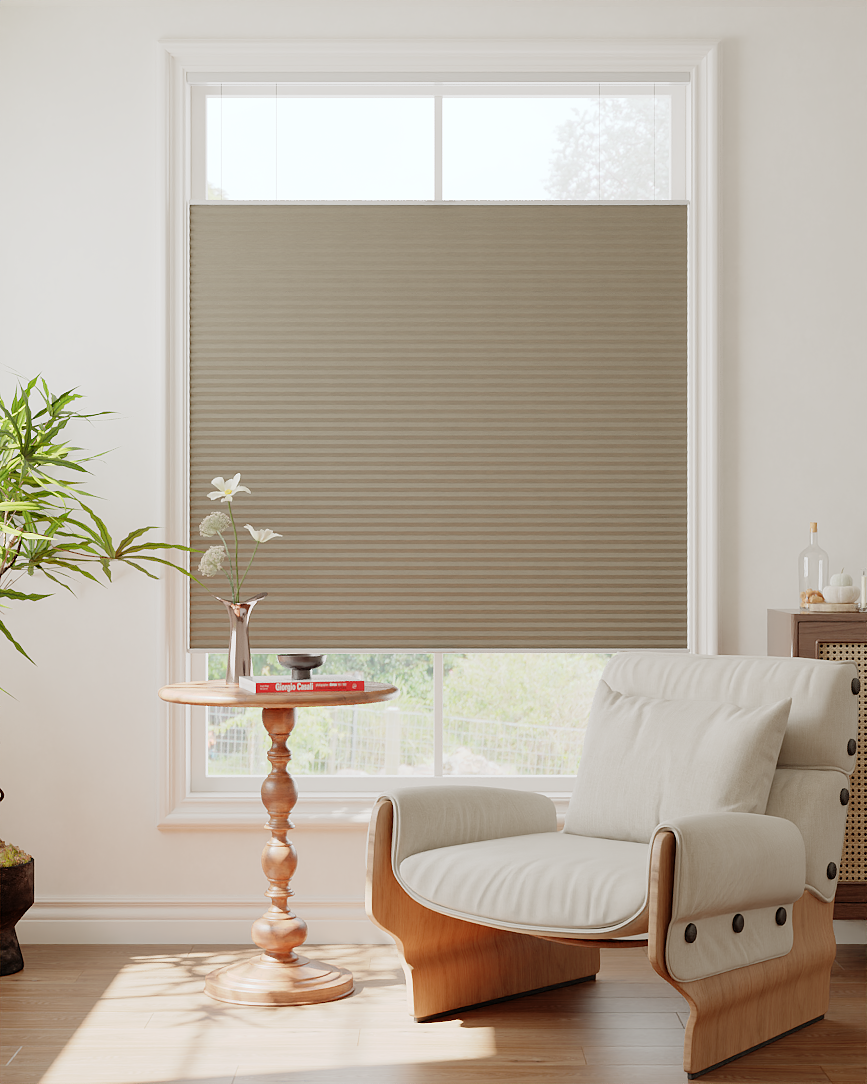
Top-Down/Bottom-Up Option: This feature is highly valuable for sliding doors. You can lower the shade from the top to let in light while maintaining privacy at eye level, perfect for a living room adjoining a patio.
-
Alternative: Multiple Shades: Instead of one very wide shade, consider installing two separate shades that meet in the middle. This can be easier to operate manually and reduces stress on the headrail.
-
When to Consider Another Style: If handle clearance is impossible or you desire a different look, vertical cellular shades (which draw to the side) or panel track systems are designed specifically for wide openings and bypass handle issues entirely.
Conclusion
Installing cellular shades on sliding glass doors is not only possible but can be highly effective with the right approach. By opting for a reliable outside or header mount, choosing a motorized or easy-to-use cordless lift system, taking meticulous measurements that account for handles and tracks, and reinforcing the installation with proper hardware, you can enjoy the insulating and light-diffusing benefits of cellular shades on your largest windows. The investment in careful planning results in a functional, elegant, and energy-efficient window treatment solution for a challenging space.
Key Highlights
-
Outside mount is the most reliable choice for sliding doors, as it effortlessly solves handle and track clearance issues.
-
Motorized operation is highly recommended for the convenience and safety of adjusting large, door-sized shades.
-
Precise measurement is non-negotiable, with special attention to the height above the door handle and the potential need for a center support bracket for widths over 6 feet.
-
Light-filtering fabrics and top-down functionality enhance livability by allowing light and view while maintaining privacy.
-
Professional consultation can be valuable for large or complex sliding door installations to ensure optimal product selection and mounting security.
With informed choices and careful installation, cellular shades can transform your sliding glass door into a comfortable, private, and energy-efficient part of your home.
Explore Custom Cellular Shades


Frequently Asked Questions (FAQ)
How much clearance do I need between the bottom rail and the door handle?
You need a minimum of 1-2 inches of clearance between the lowest point of the bottom rail and the highest point of the door handle when both are stationary. This accounts for any slight swinging or shifting of the shade when the door is opened or closed vigorously. Always err on the side of more clearance. Measure this carefully during your planning stage.
Can I use one continuous cellular shade for a very wide sliding door (8 feet or more)?
Technically yes, but it requires careful specification. For spans exceeding 8 feet, you must ensure the manufacturer can build a shade that wide and that the headrail is engineered to support the weight without significant sagging. Multiple heavy-duty center support brackets will be essential. In many cases, installing two separate shades that meet in the middle is a more reliable and easier-to-operate solution. Discuss the maximum recommended width with your shade provider.
Are cellular shades safe for sliding doors in homes with children and pets?
Cellular shades are an excellent safety choice, especially with cordless or motorized lift systems, which eliminate dangerous cords entirely. Ensure the installation is secure, with brackets firmly anchored, so the shade cannot be pulled down. The soft fabric is also safer than hard blinds in a high-traffic area. For corded systems (not recommended for doors), you must use appropriate cord cleats and wind-ups to keep cords taut and out of reach.
How do I clean cellular shades on a sliding glass door, especially if they are very tall?
The cleaning principles are the same as for any cellular shade: use gentle, dry methods first. For tall door shades, the "sponge bath" method is practical. Use a sturdy step ladder to work in sections from top to bottom, using a damp sponge to press and lift dirt followed immediately by a dry sponge. Never hose down or soak the shade. Regular vacuuming with an extended hose attachment helps maintain cleanliness.
Will an outside-mount cellular shade block my door's locking mechanism or security bar?
It should not if installed correctly. When measuring for an outside mount, you must identify all hardware on the door—not just the handle, but also the lock, deadbolt, or security bar latches. The shade must be mounted high enough and project forward enough so that its bottom rail and fabric do not interfere with engaging or disengaging any of these security features. Always do a physical mock-up before finalizing measurements.
