
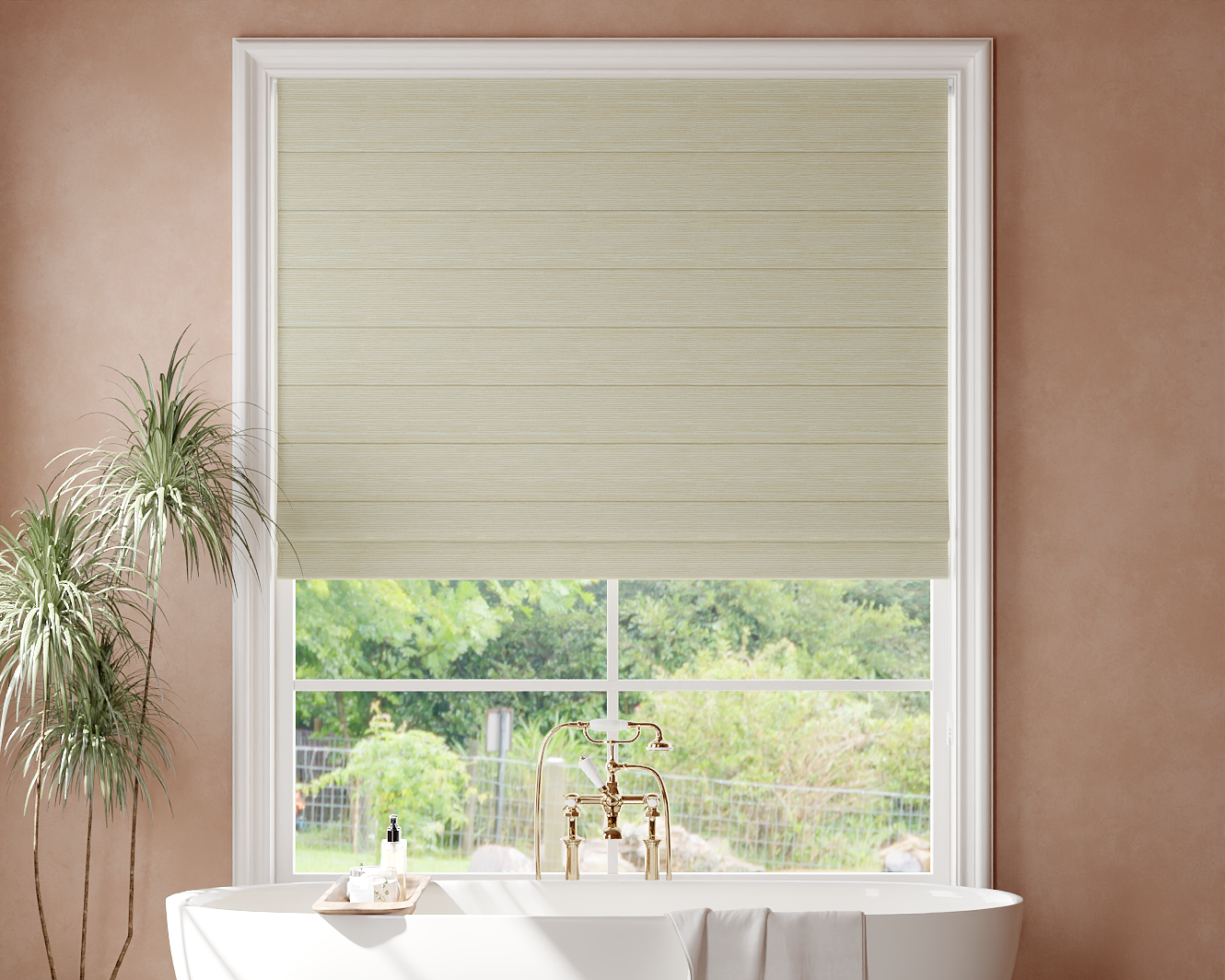
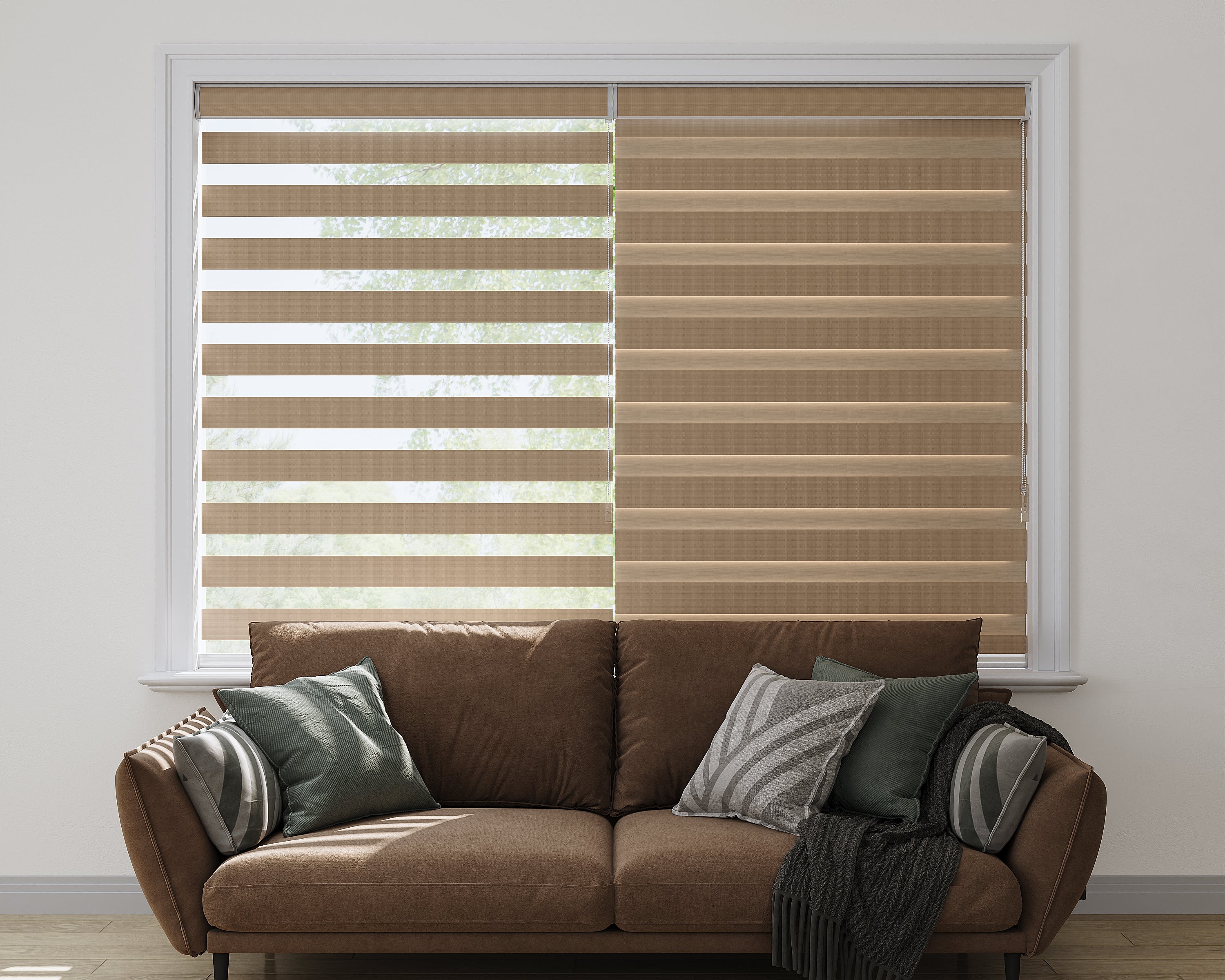
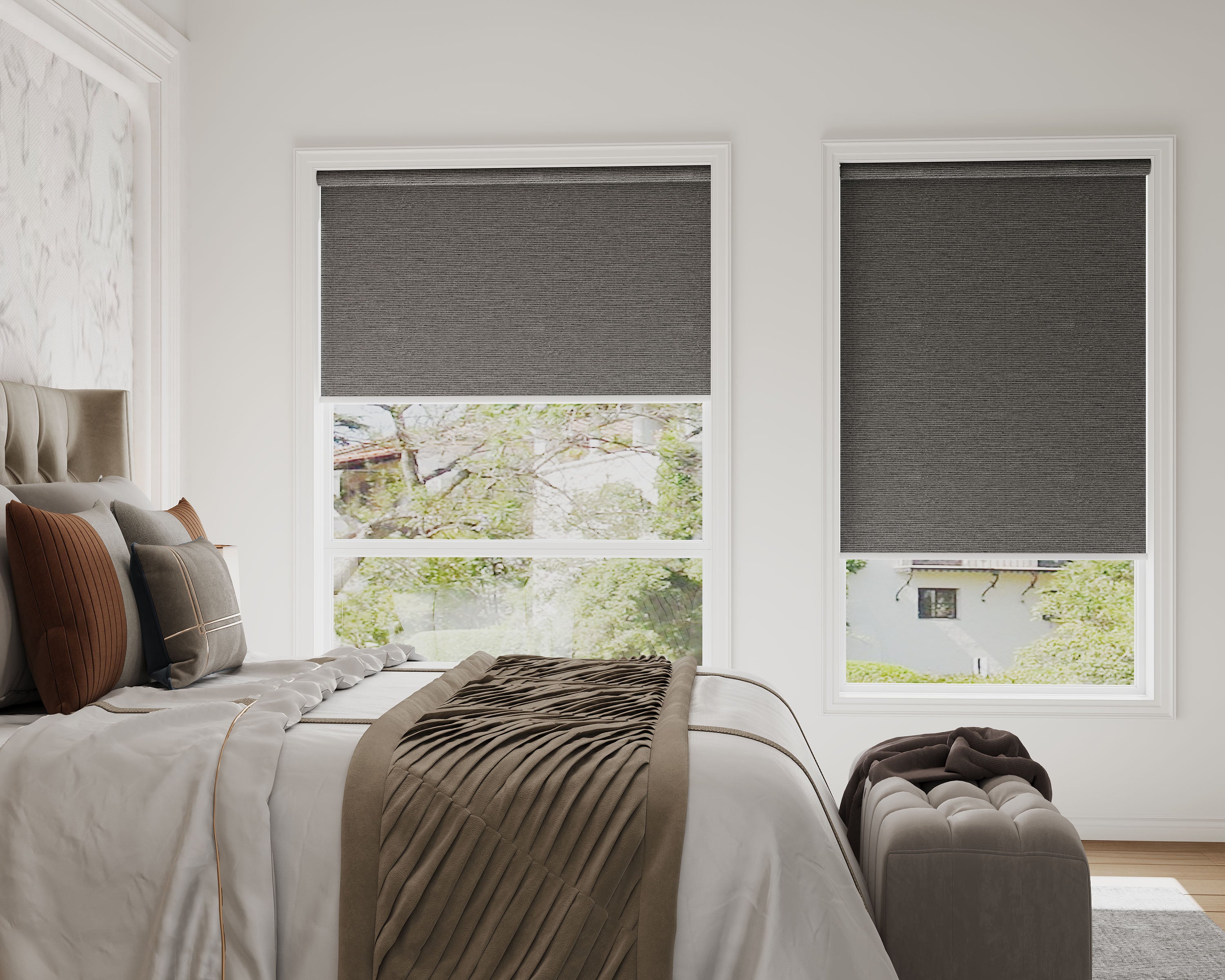
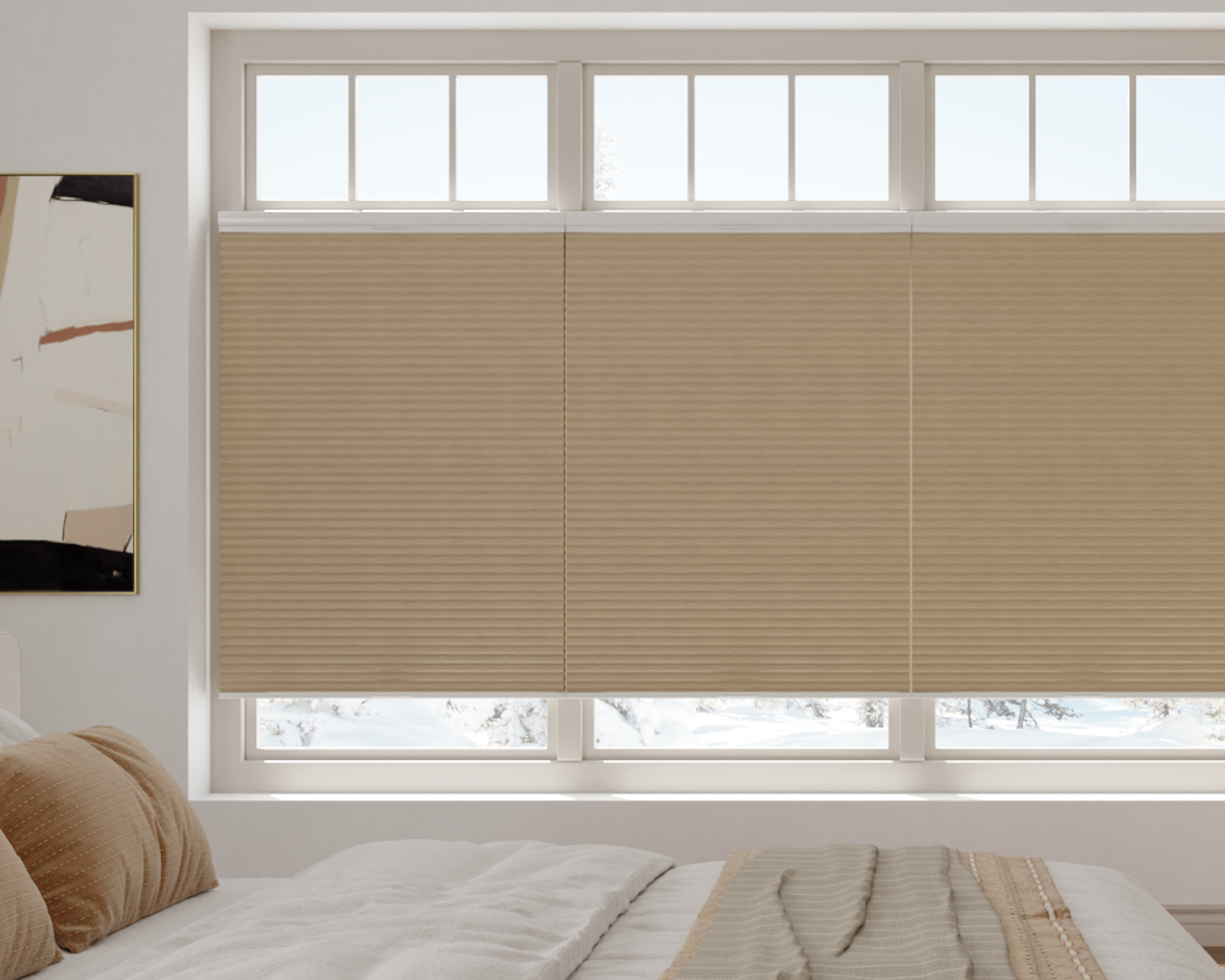
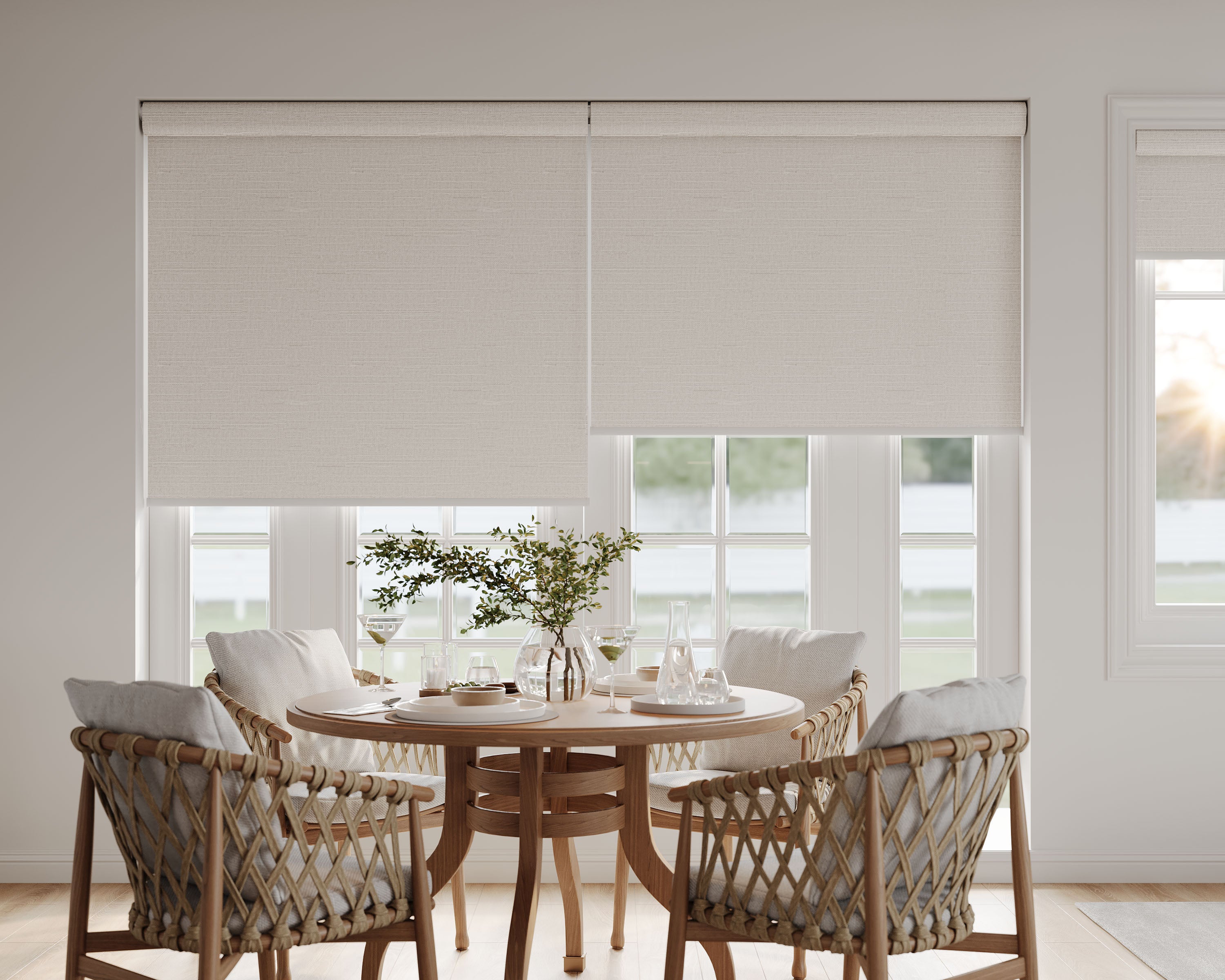
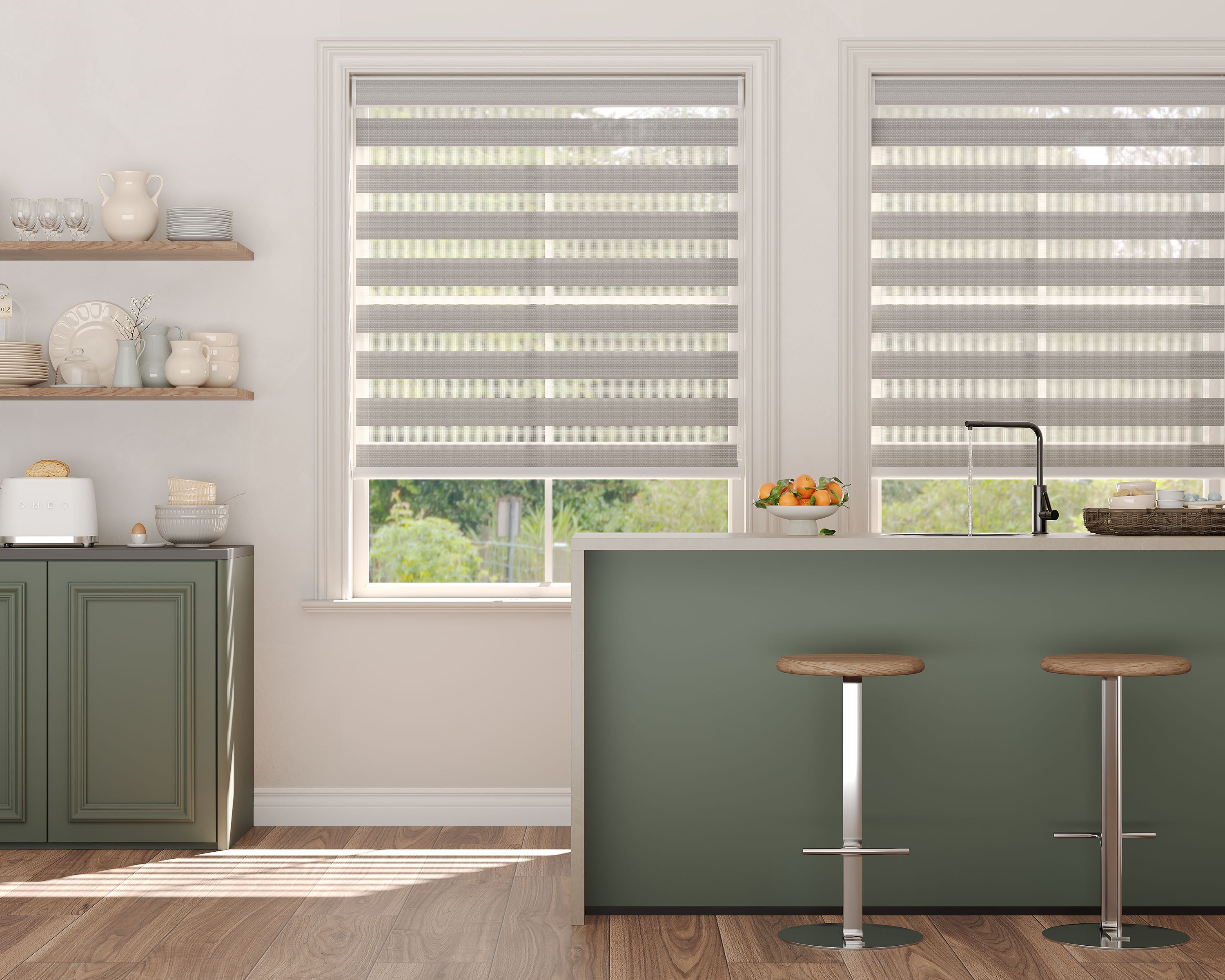
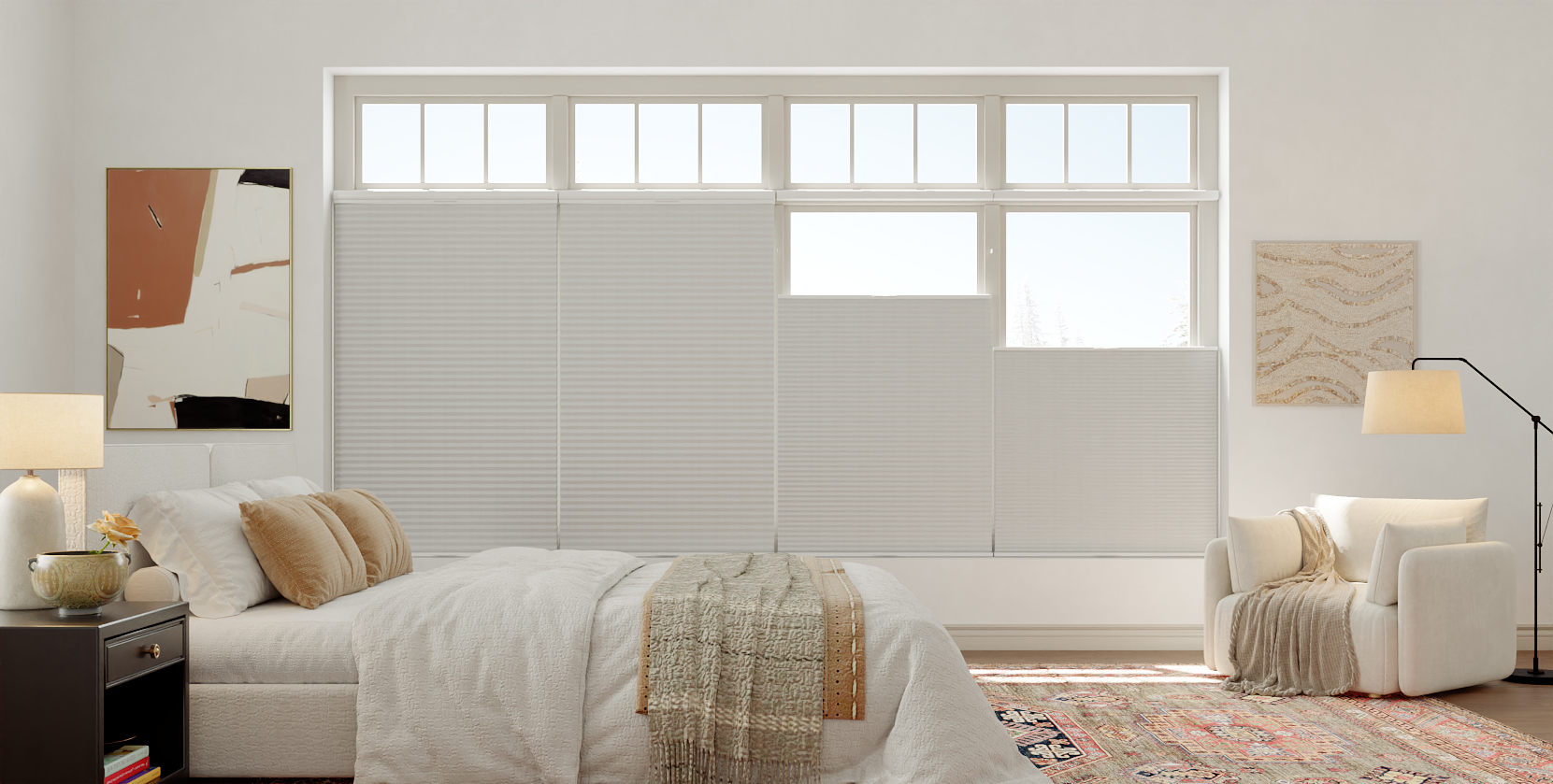
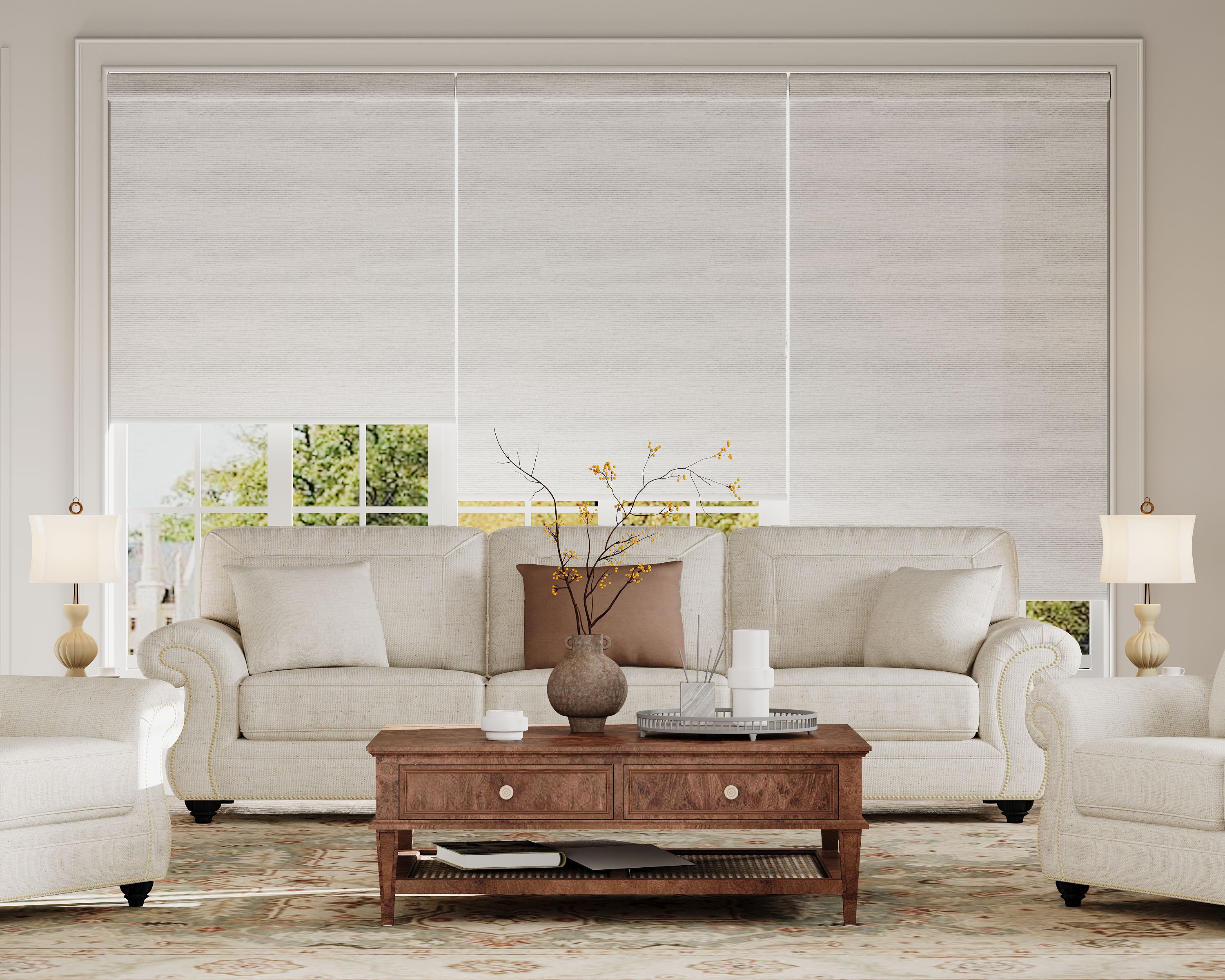

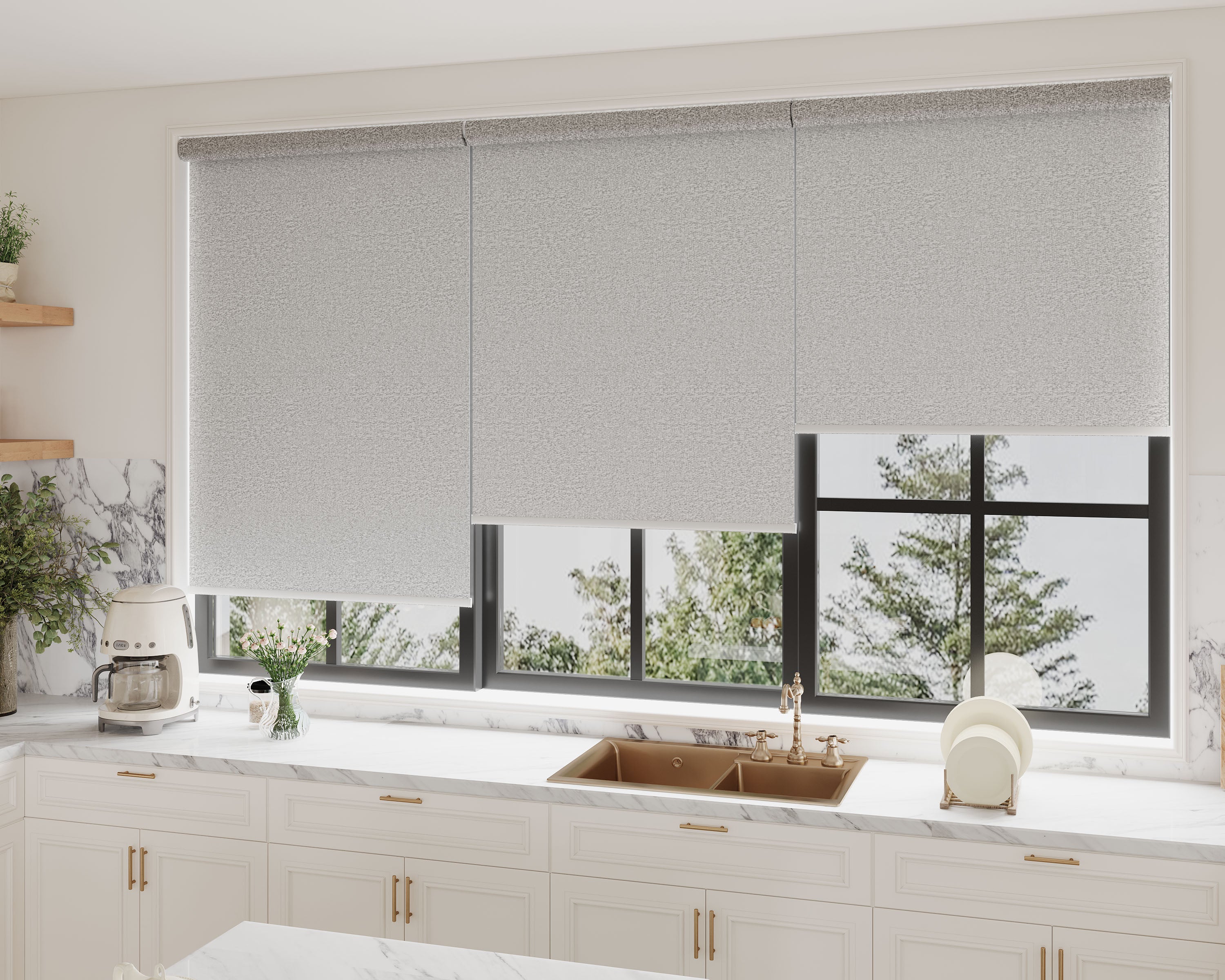
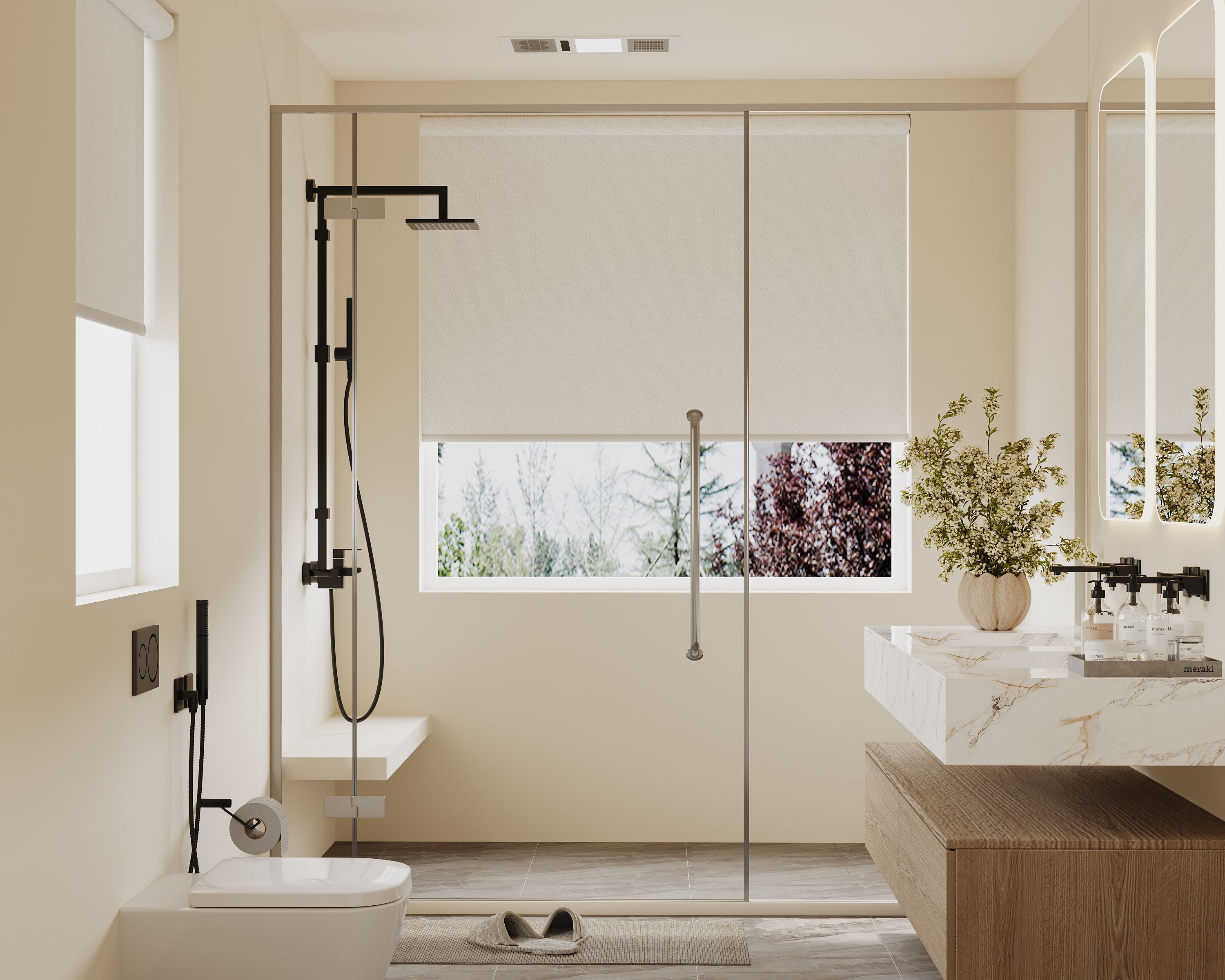

Selecting a roller shade is only half the decision; the fabric you choose defines its look, feel, and function for years to come. With options ranging from crisp synthetics to flowing naturals, how do you determine which is truly the best? The answer is that the "best" fabric is the one that perfectly aligns with your room's needs, your lifestyle, and your design vision. This guide is your definitive roadmap through the world of roller shade textiles. We'll move beyond the surface to compare materials on durability, light control, maintenance, and aesthetics, empowering you to choose not just a shade, but the right fabric for your life.
We’ll explore:
-
The Material Landscape: A quick-reference table comparing all major fabric types.
-
Deep Dives: Detailed profiles of polyester, vinyl, natural fibers, and woven woods.
-
Room-by-Room Guidance: Which fabrics excel in kitchens, bathrooms, bedrooms, and living areas.
-
The Cost vs. Value Equation: Understanding what you pay for and when it’s worth the investment.
The Roller Shade Fabric Comparison: At a Glance
Use this table as your starting point to narrow down options based on your top priorities.
| Fabric Type | Best For... | Durability & Care | Light Control & Style | Typical Cost Range |
|---|---|---|---|---|
| Polyester & Synthetic Blends | Overall Value & Versatility. Living rooms, bedrooms, home offices. Most common choice. | Excellent. Fade-resistant, easy to clean (dust/vacuum). Very durable. | Wide range of opacities (sheer to blackout). Many colors/textures. Clean, modern look. | $ - $$ (Most Budget-Friendly) |
| Vinyl / Faux Leather | High-Moisture & High-Traffic Areas. Bathrooms, kitchens, patios, kids' rooms. | Superior. Waterproof, wipeable, mold/mildew resistant. Most durable option. | Often opaque or room-darkening. Smooth, sleek appearance. Can feel less "soft." | $ - $$ |
| Natural Fibers (Linen, Cotton) | Aesthetic & Texture. Living rooms, dining rooms, bedrooms where softness and elegance are key. | Delicate. Prone to fading, can wrinkle/shrink with moisture. Spot clean only. | Beautiful light diffusion, organic texture. Offers a warm, relaxed elegance. | $$ - $$$ |
| Woven Wood (Bamboo, Grasses) | Organic & Natural Style. Sunrooms, living rooms, spaces with a zen, coastal, or rustic vibe. | Moderate. Sensitive to humidity; can warp. Dry dusting only. Fragile slats. | Unique texture, variable light filtering. Creates dramatic shadows and a natural feel. | $$ - $$$ |
Deep Dive: Understanding Your Fabric Options
Now, let's explore what each material brings to your windows in detail, expanding on the insights from our comprehensive material deep dive.
Polyester & Synthetic Blends: The Versatile Workhorse
Why it's a top contender: Polyester is the backbone of the roller shade industry for good reason. It's engineered for performance.
-
Performance: It holds color brilliantly, resisting fading from UV rays far better than natural fibers. It’s strong, doesn't stretch, and is less prone to wrinkling.
-
Care: Maintenance is simple—regular vacuuming with a brush attachment keeps it fresh. It handles light spot cleaning well.
-
Style: Don't mistake "synthetic" for "cheap looking." Modern polyester can be woven to mimic linen, silk, or cotton, offering a huge variety of opacity levels and textures at an accessible price point. For a direct comparison, see how it stacks up against natural fibers in our linen vs. cotton vs. polyester breakdown.
Vinyl & Faux Leather: The Practical Powerhouse
When to choose it: Function reigns supreme. If your priority is easy cleaning, moisture resistance, and maximum durability, vinyl is unmatched.
-
Performance: It is inherently waterproof, making it the only recommended choice for inside a shower stall or a frequently used bathroom. It wipes clean with a damp cloth, resisting stains, grease, and mildew.
-
Considerations: It has a distinct, sleek look that may feel more utilitarian than fabric. In very cold climates, it can become less flexible.
Natural Fibers: Linen, Cotton & the Elegant Textures
The aesthetic choice: You choose linen or cotton for the unparalleled beauty and character they bring, not for practical ease.
-
Performance: These fabrics offer a gorgeous, organic texture and superb light diffusion that synthetic blends strive to replicate. They create a soft, inviting, and high-end ambiance.
-
Care & Longevity: This is the trade-off. They are susceptible to fading in direct sun, can develop permanent water spots, and require gentle, dry cleaning methods. They represent a higher price tier for a specific, natural look.
Woven Woods: Bamboo, Grasses & Natural Weaves
For a statement of texture: Woven wood shades are less about fabric and more about bringing a natural element to your window.
-
Performance: They create stunning light patterns and add immense visual warmth and texture. They connect indoor spaces to nature.
-
Care & Limitations: They are fragile and not suitable for high-humidity areas or homes with active pets/children. They require gentle dry dusting. For a full exploration of types, see our guide on bamboo vs. jute vs. grass woven wood shades.
Matching Fabric to Room: Your Selection Guide
The right material depends heavily on the room's function. Use this guide to match fabric to purpose.
| Room | Priority | Recommended Fabrics | Fabrics to Avoid |
|---|---|---|---|
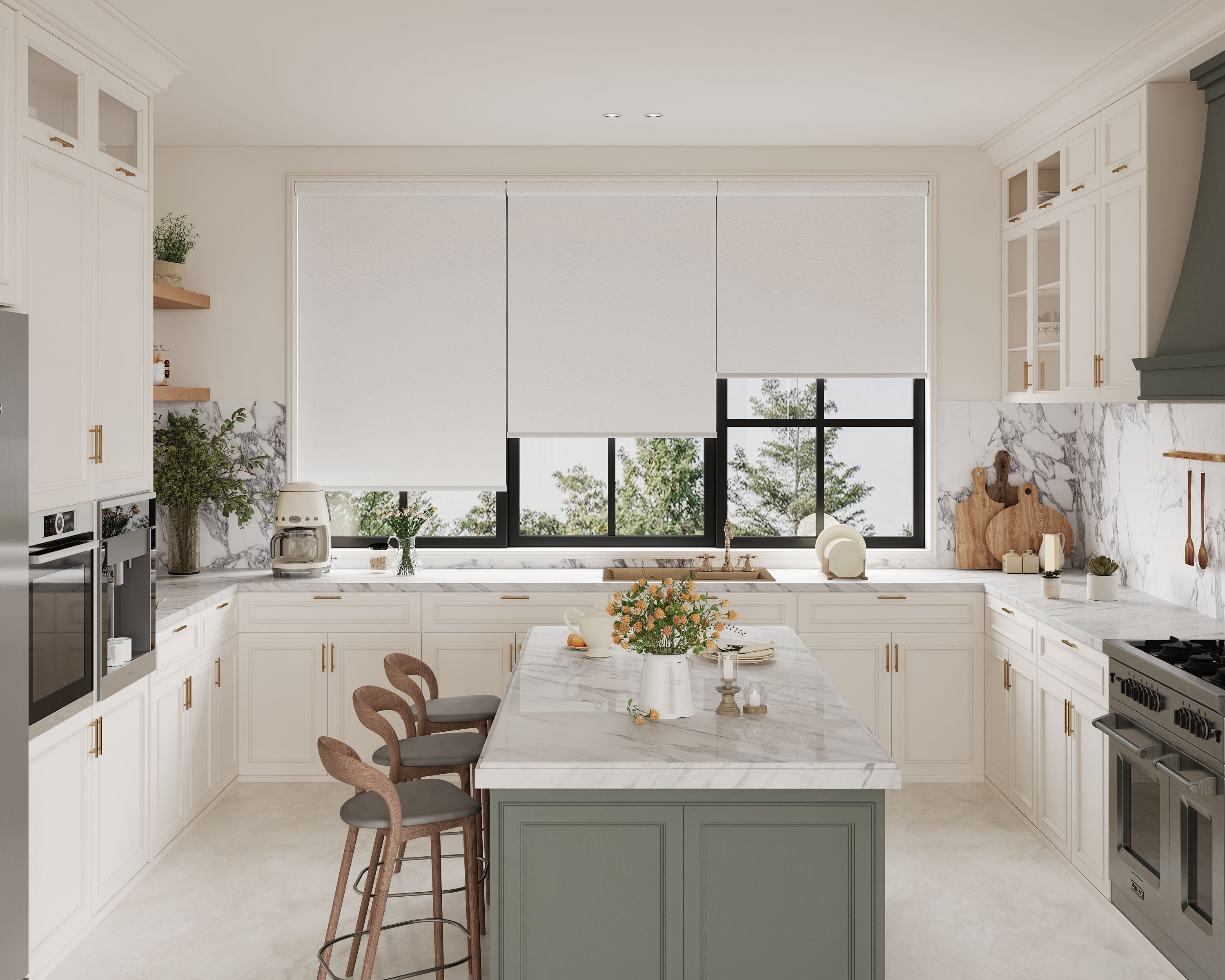
| Kitchen | Grease & moisture resistance, easy wipe-down. | Vinyl, Coated Polyester. | Linen, Cotton, Woven Woods. |
| Bathroom | Waterproof, mold/mildew resistance. | Vinyl (for shower areas), Water-resistant Polyester. | Linen, Cotton, Woven Woods. |
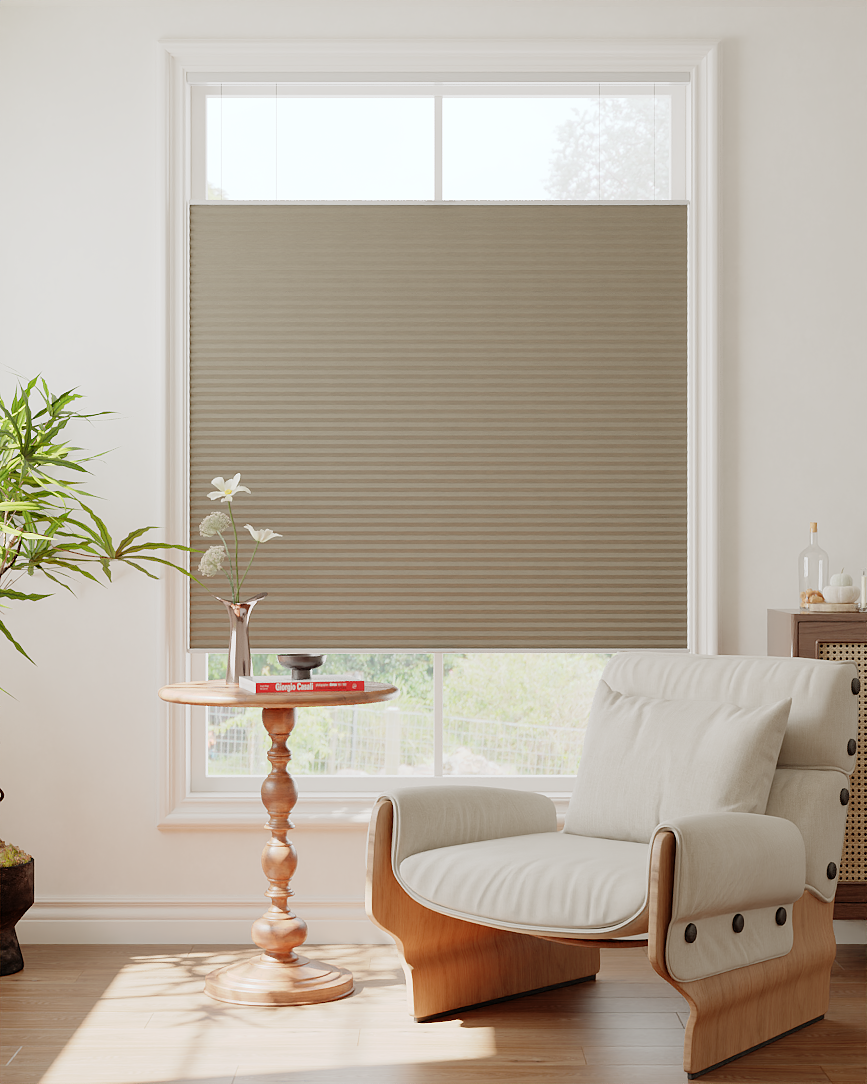
| Living/Dining Room | Aesthetics, light filtration, durability. | Polyester/Linen Blends, Linen, Textured Synthetics, Woven Woods. | Vinyl (can look too utilitarian). |
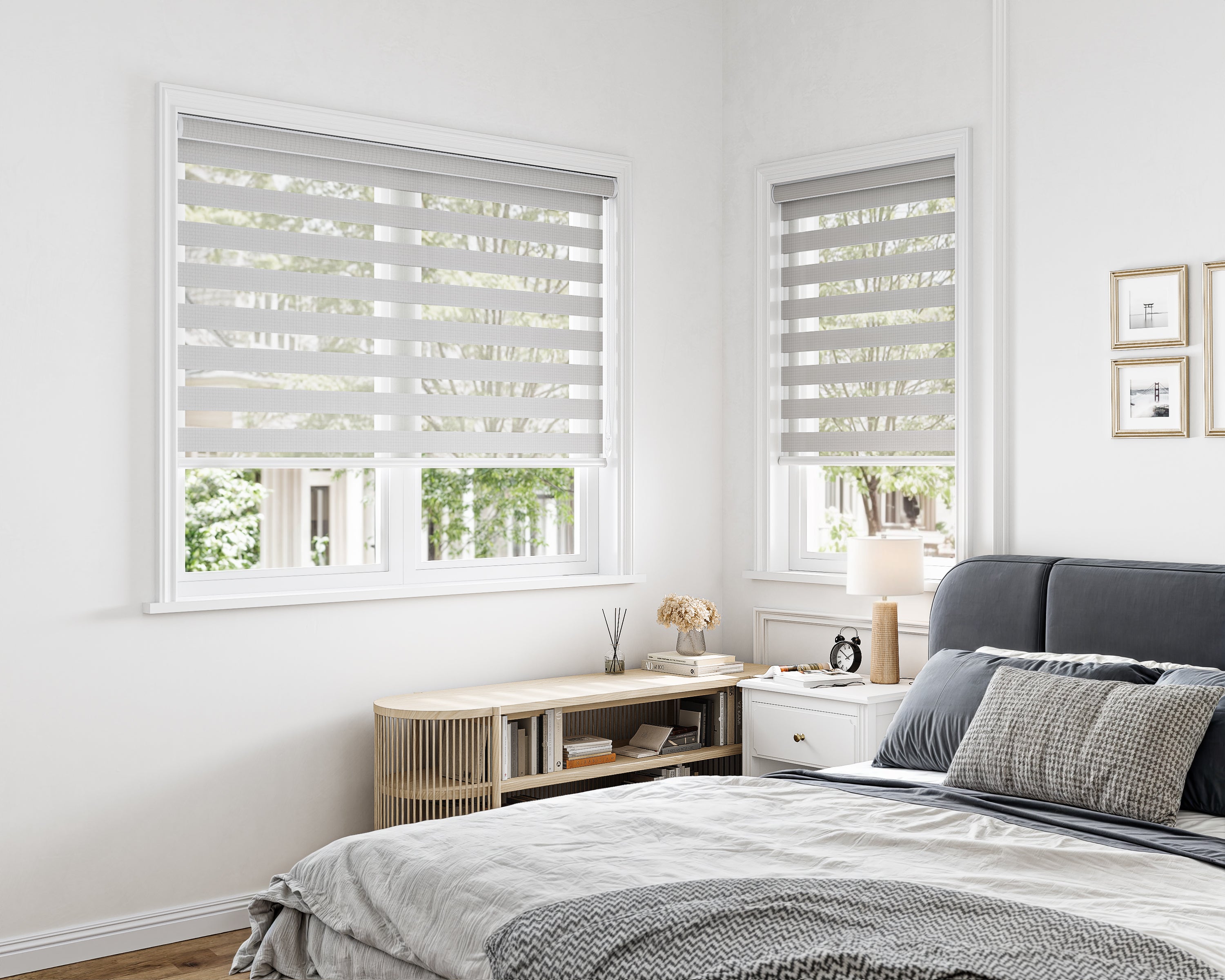
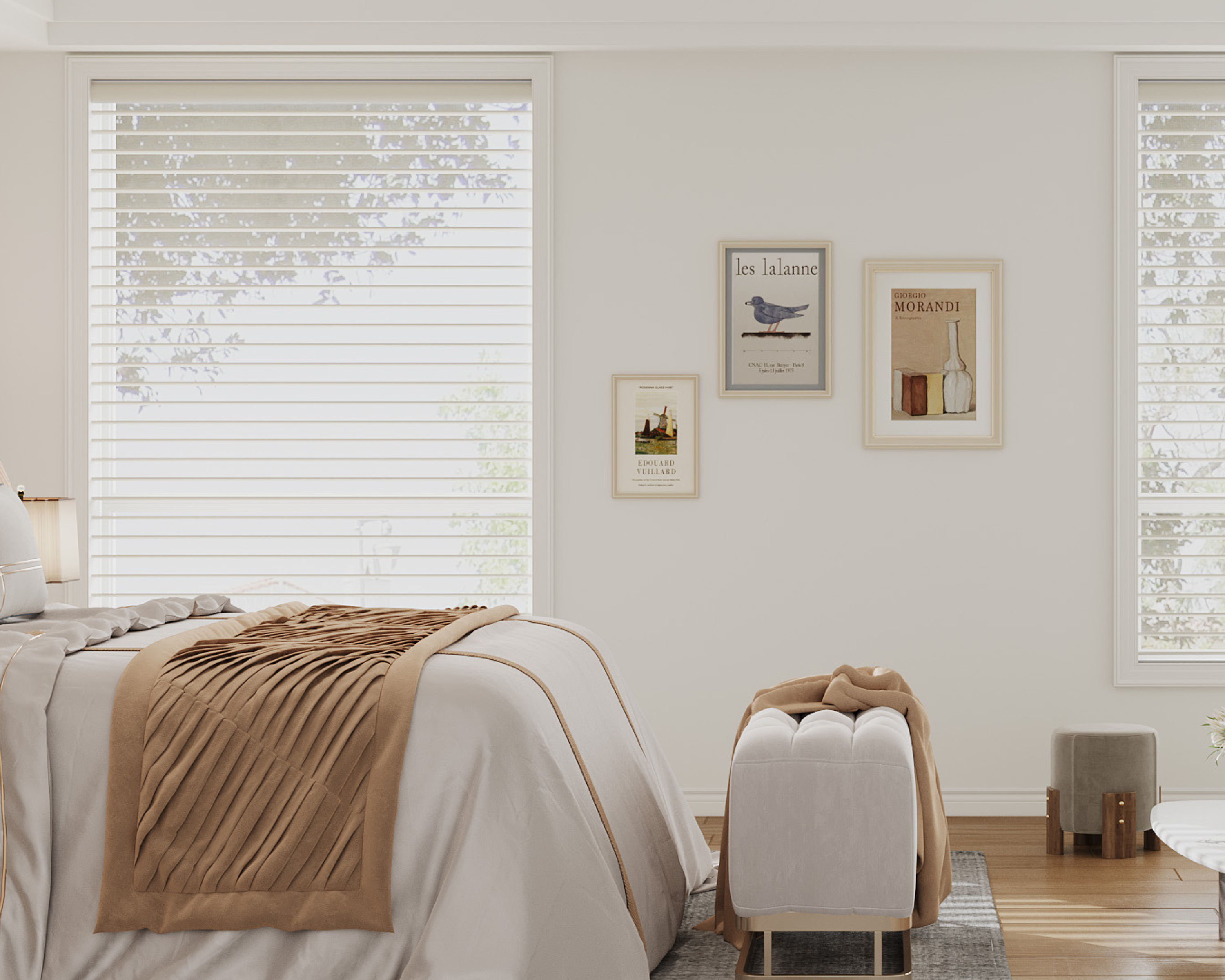
| Bedroom | Light control (blackout), softness, style. | Blackout Polyester, Blackout Linen-look Synthetics. | Sheer fabrics if darkness is needed. |
| Home Office / Media Room | Glare reduction, light control. | Solar/Screen Fabrics, Room-Darkening Polyester. | Sheer materials. |
| Sunroom / Patio Door | UV resistance, durability, view-through. | Solar Fabrics (Polyester), Vinyl. | Fade-prone natural fibers. |
The Cost Conversation: Understanding Fabric Price Tiers
Price varies significantly, and it's important to know what you're paying for.
-
Budget Tier (Polyester/Vinyl): You are paying for performance and value: durability, fade resistance, and easy maintenance. This is smart spending for most rooms.
-
Mid to Premium Tier (Natural Fibers, Woven Woods): You are paying for aesthetics and material: the unique texture, natural origin, and specific look of linen or woven grasses. This is an investment in design.
Our dedicated guide on fabric price tiers and value explains this dynamic in detail.
Your Decision Checklist: Finding Your Best Fabric
Answer these questions to guide your final choice.
| Decision Factor | Your Priority | Fabric Direction |
|---|---|---|
| Primary Need | Easy Cleaning & Durability | → Vinyl or Polyester |
| Primary Need | Soft, Luxurious Aesthetics | → Linen or Cotton |
| Primary Need | Natural Texture & Warmth | → Woven Woods |
| Room Humidity | High (Bathroom, Kitchen) | → Vinyl |
| Sun Exposure | Direct, Intense Sunlight | → Fade-Resistant Polyester or Solar Shades |
| Light Control | Total Darkness for Sleep | → Blackout Polyester (any face fabric with liner) |
| Budget | Most Value-Conscious | → Polyester |
| Budget | Invest in Design | → Natural Fibers or Premium Woven Woods |
Your Next Steps:
-
Identify Your Room's Demands: Use the room-by-room guide above to establish non-negotiable needs (e.g., must be wipeable).
-
Determine Your Aesthetic: Decide on the look and feel you want (crisp and modern vs. soft and textured).
-
Explore the Options: With your priorities clear, browse the roller shades collection to see fabrics that fit.
-
Dive Deeper into Materials: Read our complete material deep dive for more technical insights.
-
Compare Key Contenders: See a direct comparison of linen, cotton, and polyester to solidify your choice.
Explore Custom Roller Shades


Frequently Asked Questions
Is polyester a "cheap" or low-quality fabric for roller shades?
Absolutely not. In the context of roller shades, polyester is a high-performance, engineered material. Its durability, fade resistance, and stability often surpass that of more expensive natural fibers. It offers the best balance of cost, longevity, and style variety, making it a premium choice for performance, not a "cheap" compromise.
Can I get a linen-look shade that's easy to clean?
Yes, this is a major advantage of modern textiles. Many polyester or polyester-cotton blends are expertly woven and finished to replicate the beautiful texture and slub of natural linen. These "linen-look" synthetics give you the desired aesthetic with the easy care and durability of polyester. They are an excellent value-conscious choice.
What is the most child- and pet-friendly roller shade fabric?
Vinyl is the ultimate choice for toughness and cleanability against fingerprints, spills, and scratches. For a softer feel, a tightly-woven, high-durability polyester is also a great option, especially in cordless or motorized styles to eliminate cord hazards.
Do blackout shades use a different fabric?
Blackout is a performance feature, not a fabric type. A blackout roller shade can be made from vinyl, polyester, or even a natural fiber. The key is a denser weave combined with a layer of opaque, usually acrylic, backing applied to the fabric. You can achieve blackout performance in almost any fabric category.
