
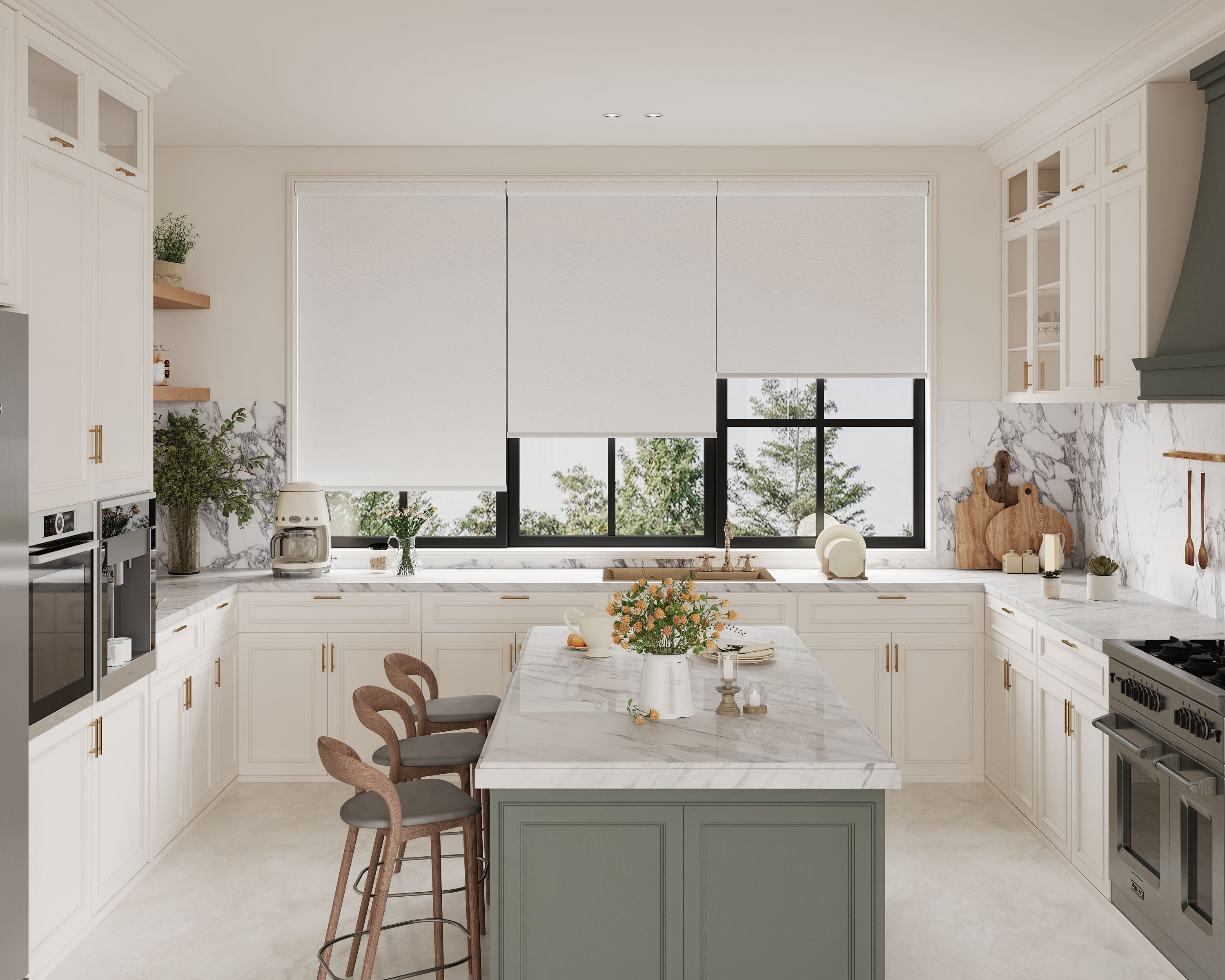
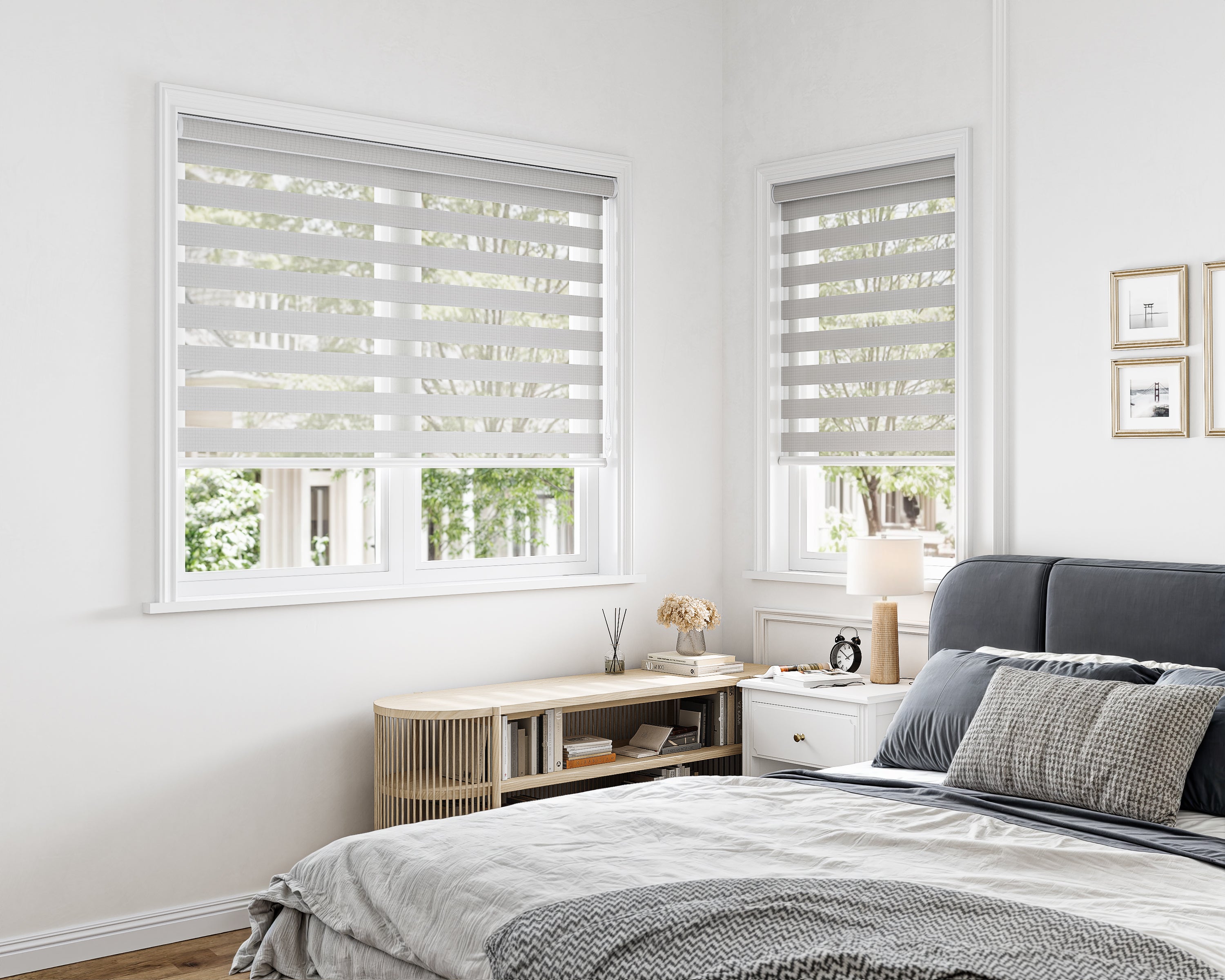
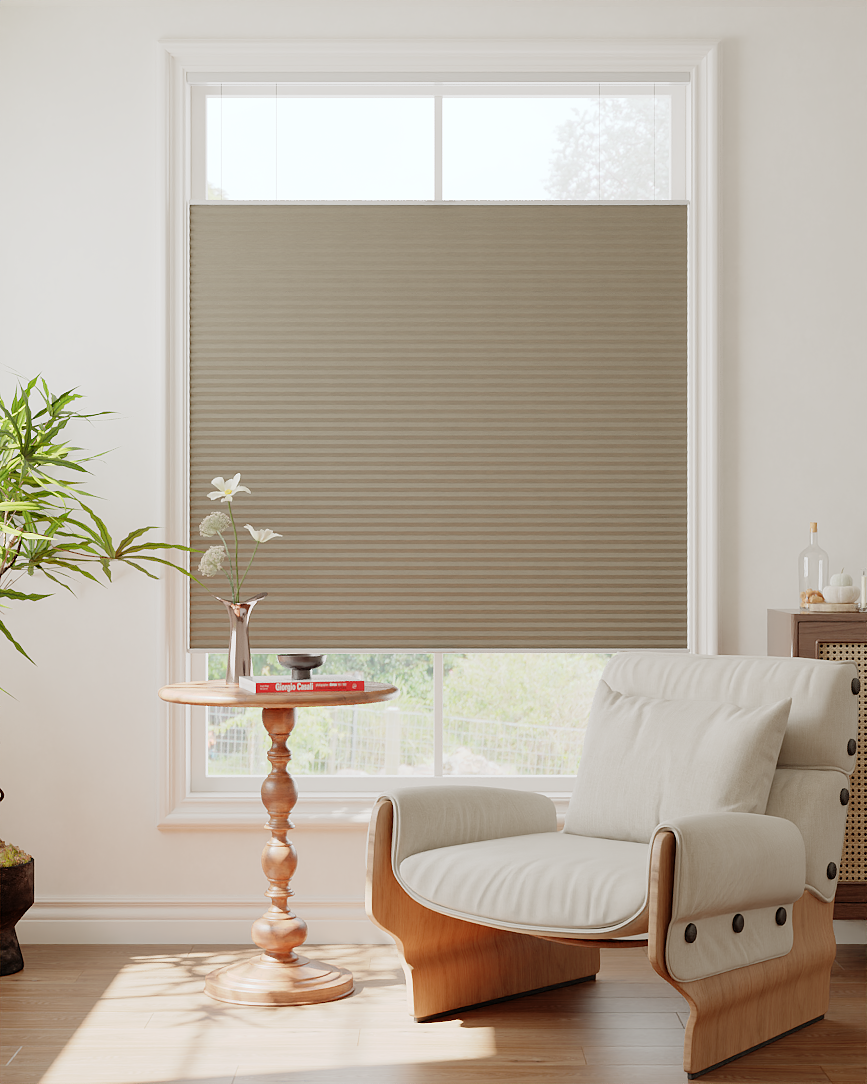
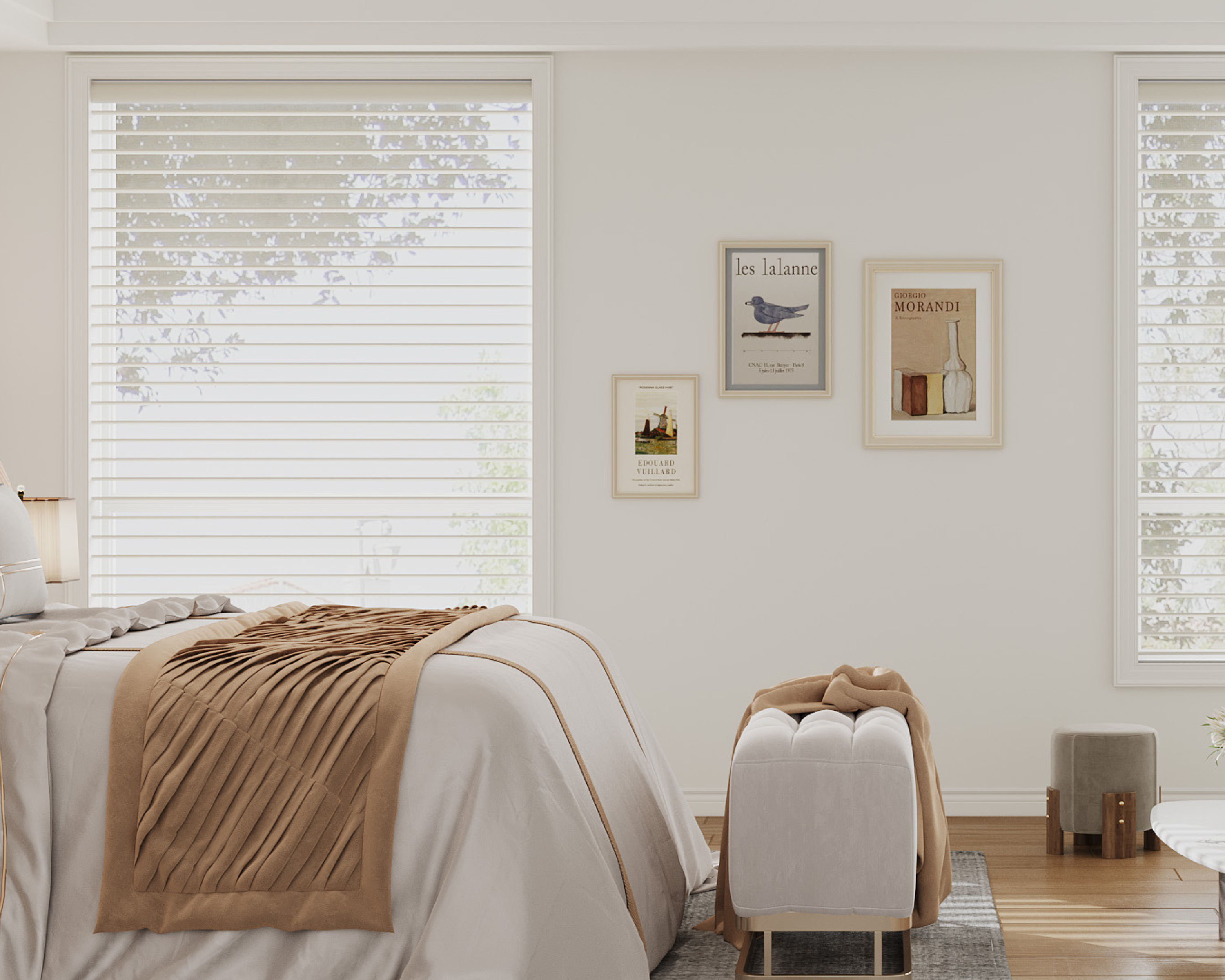
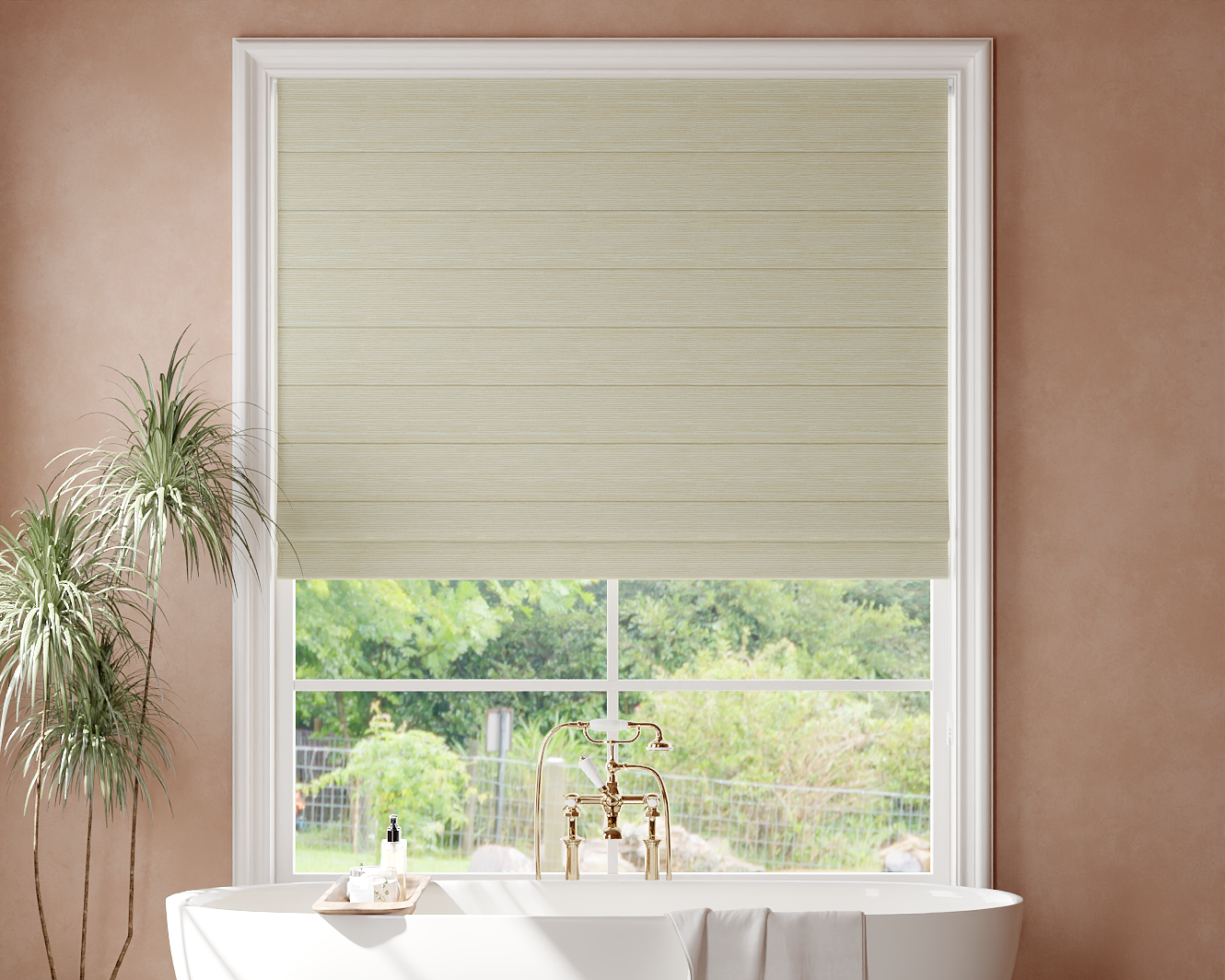
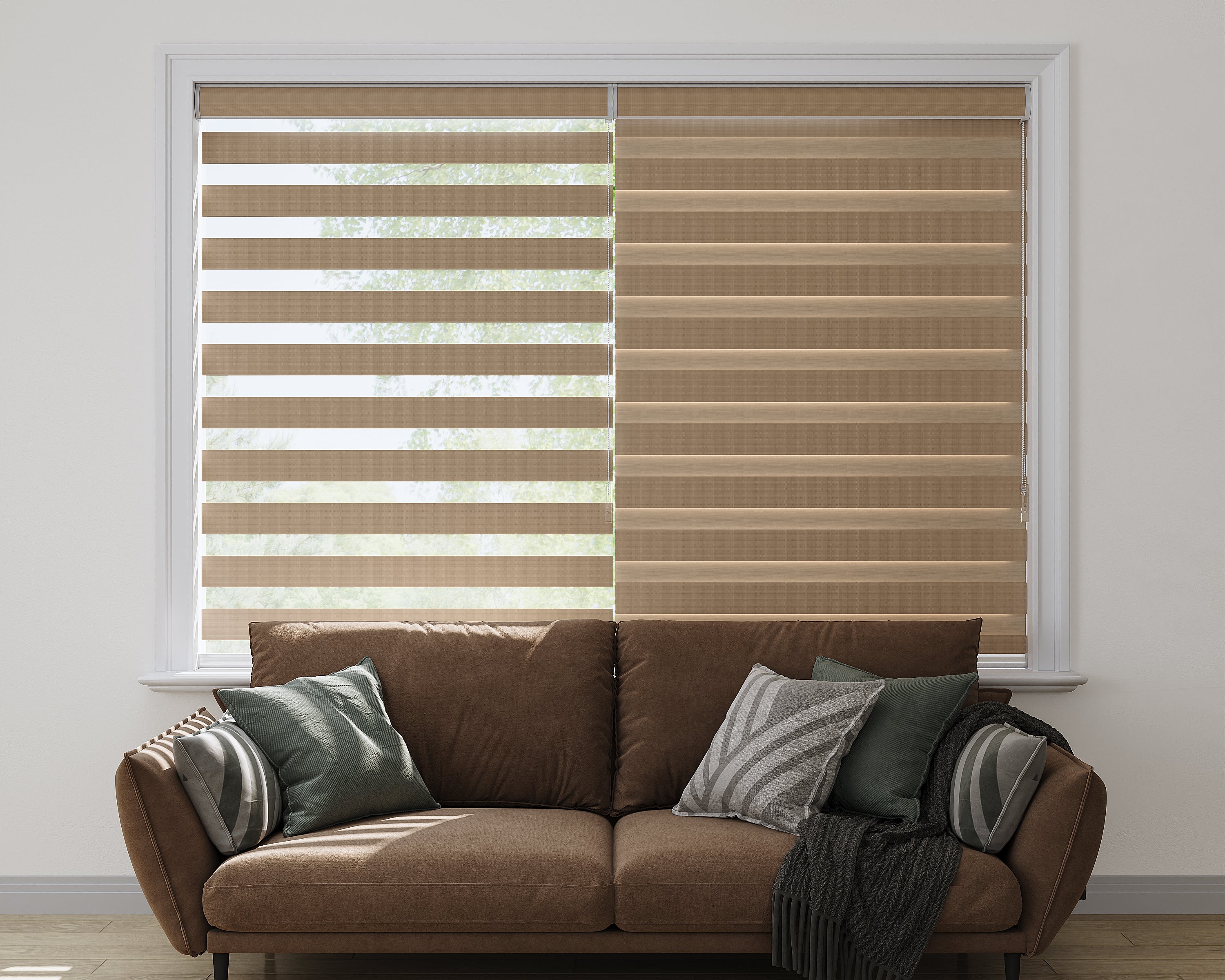
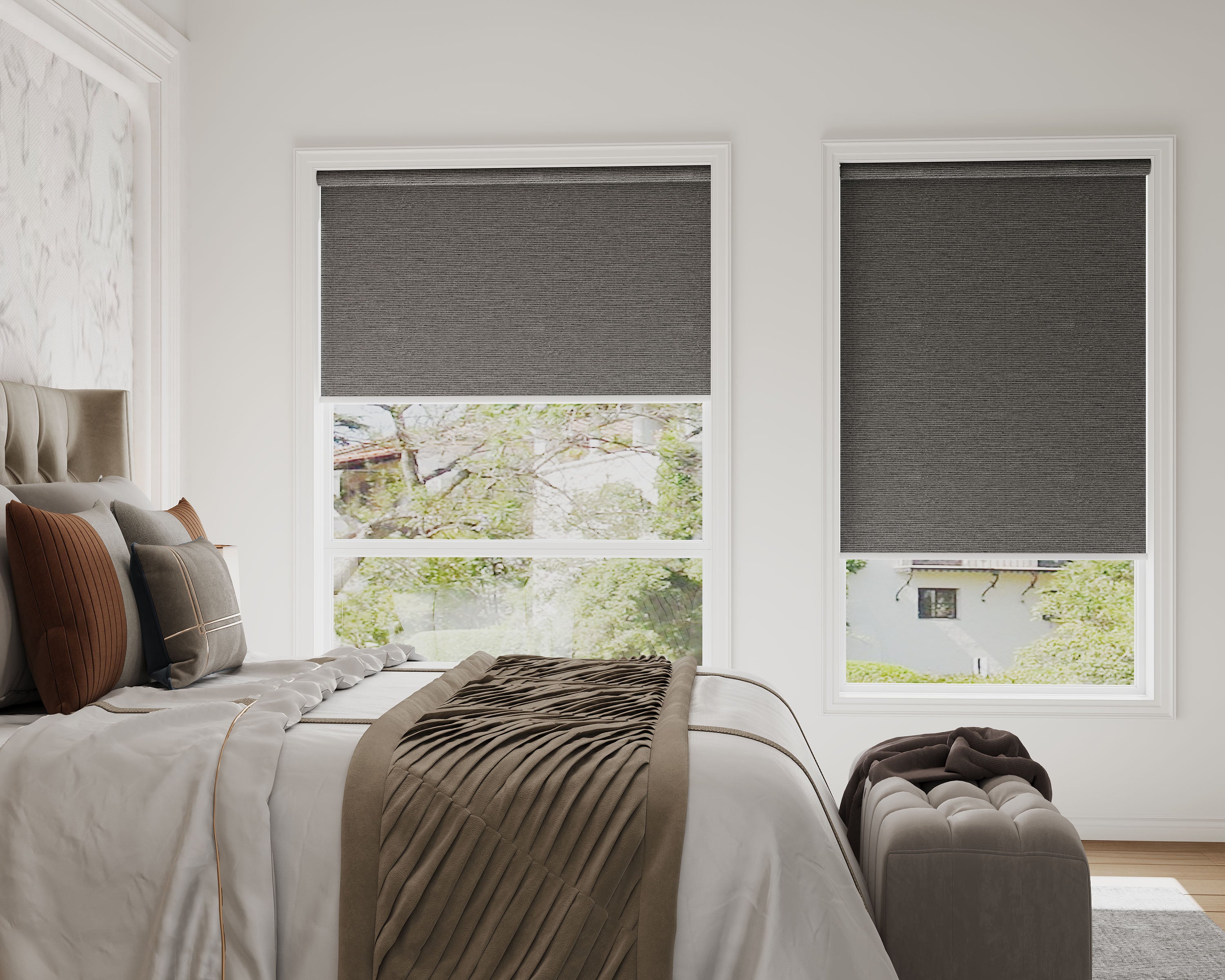
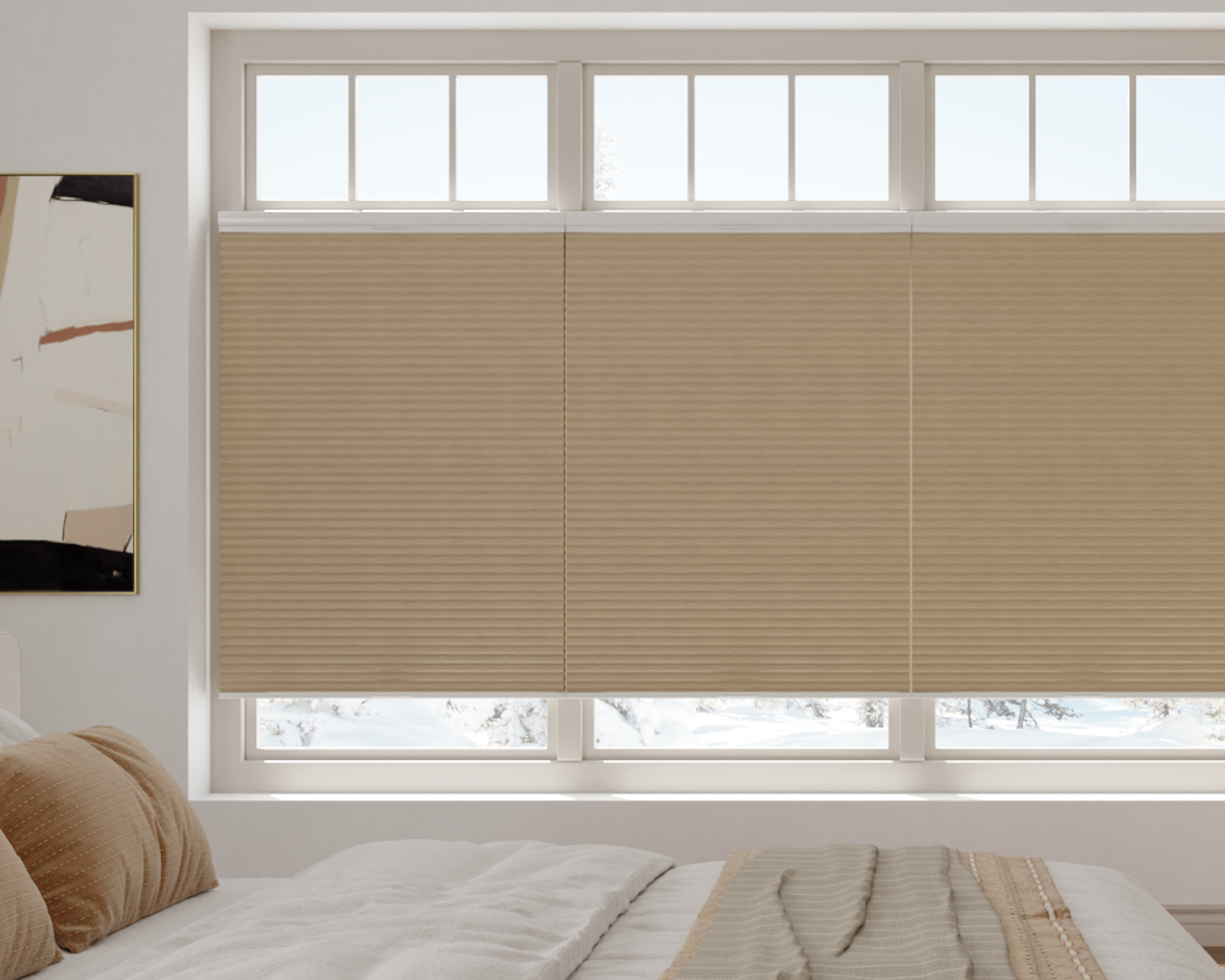
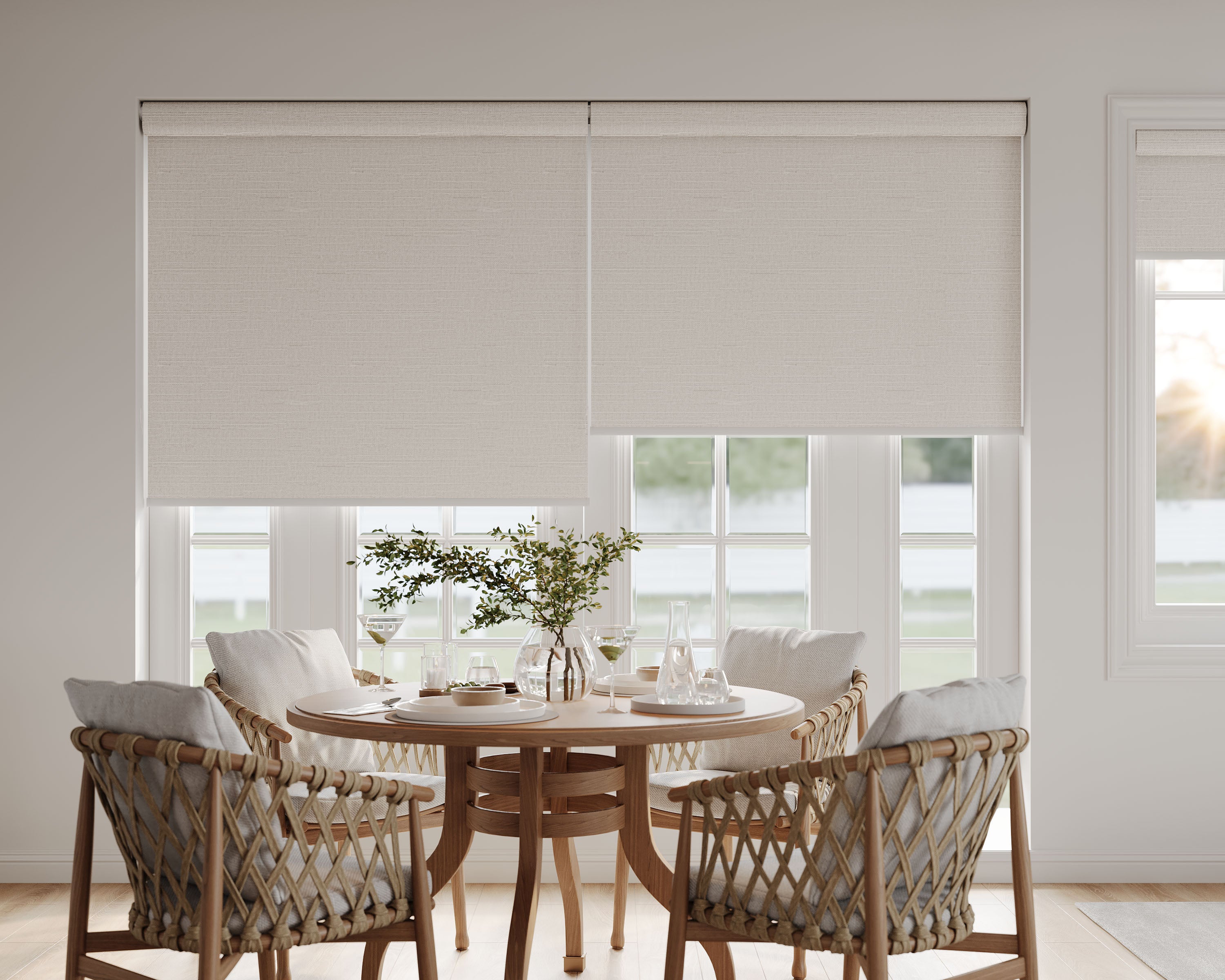


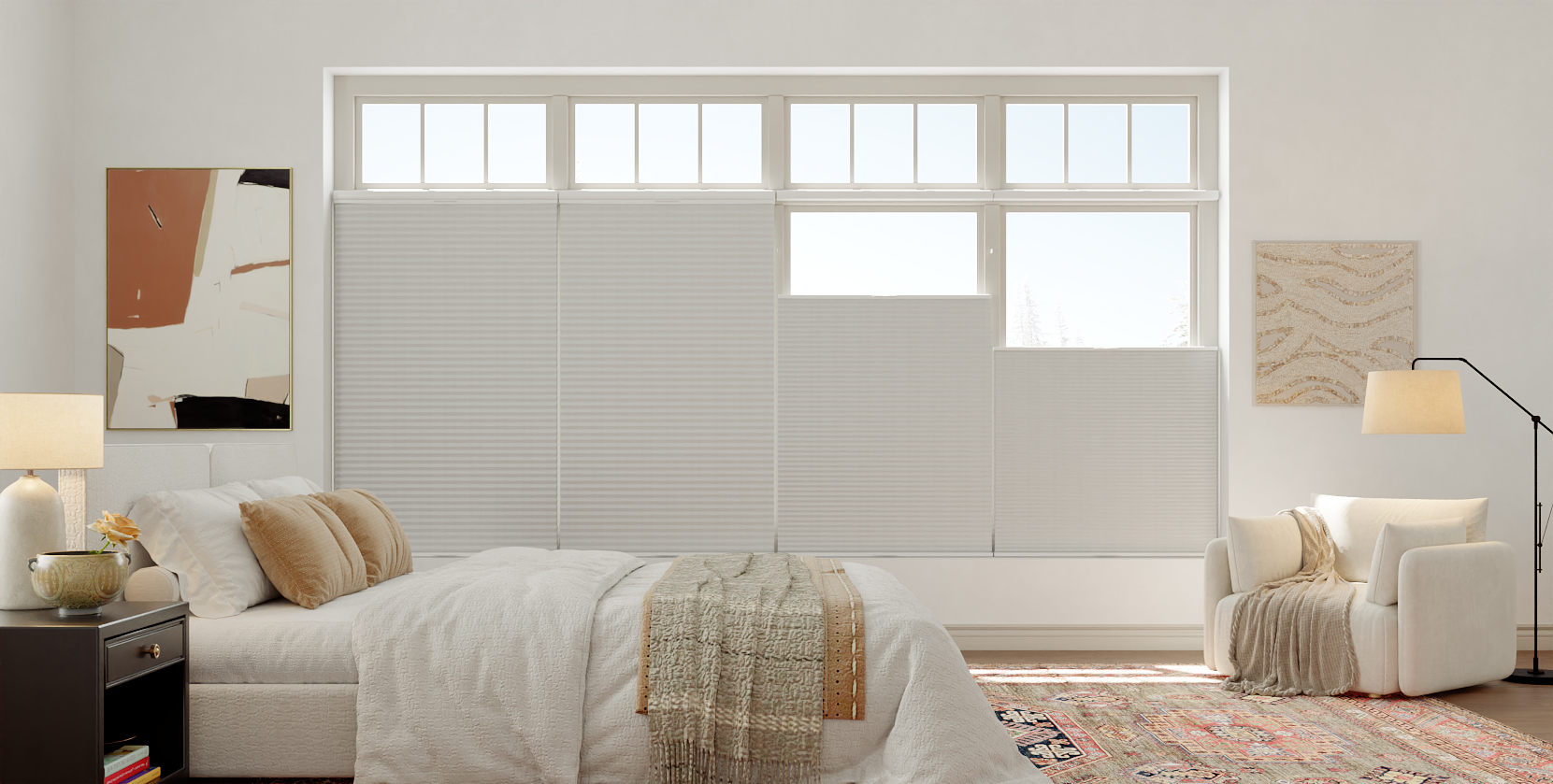


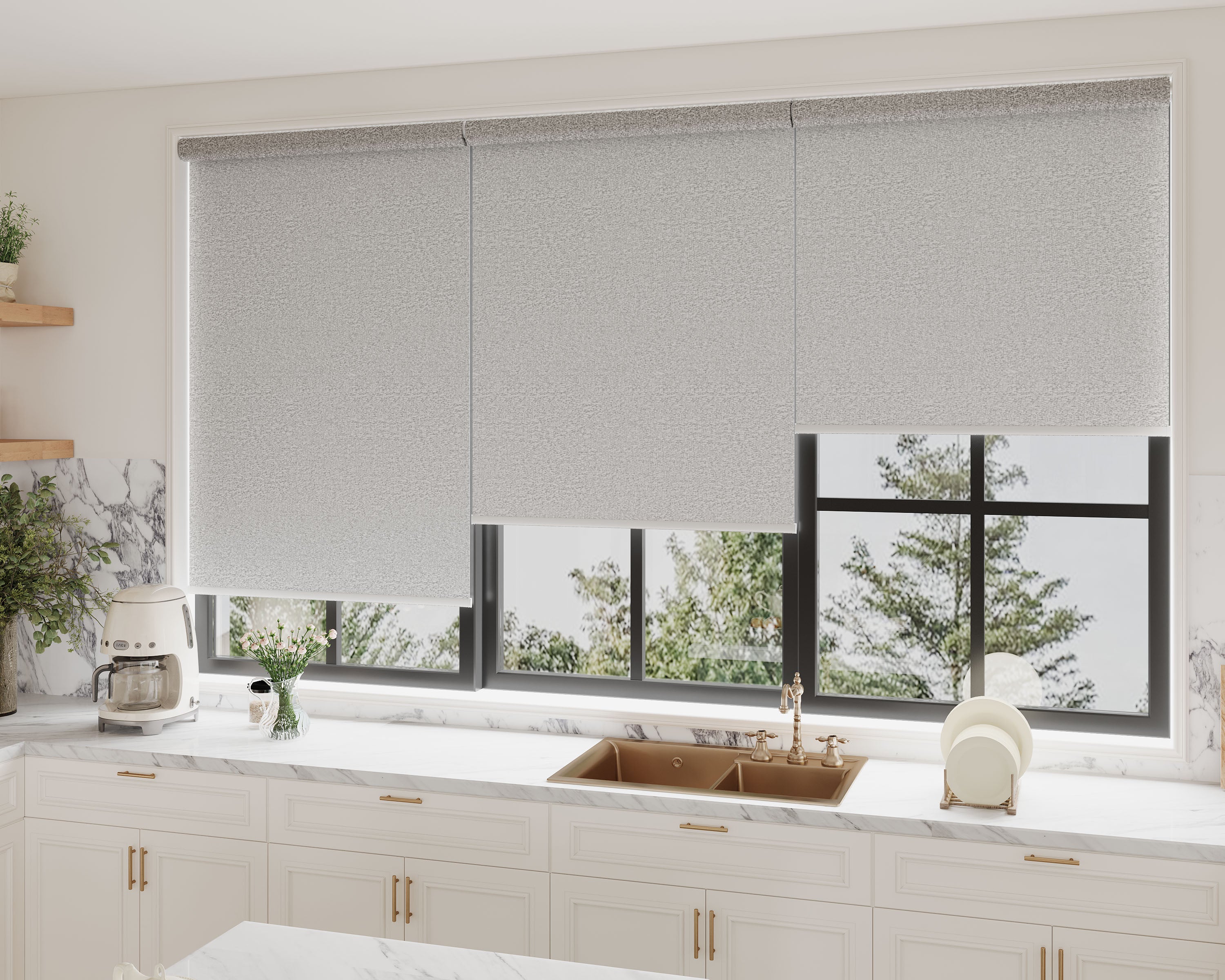

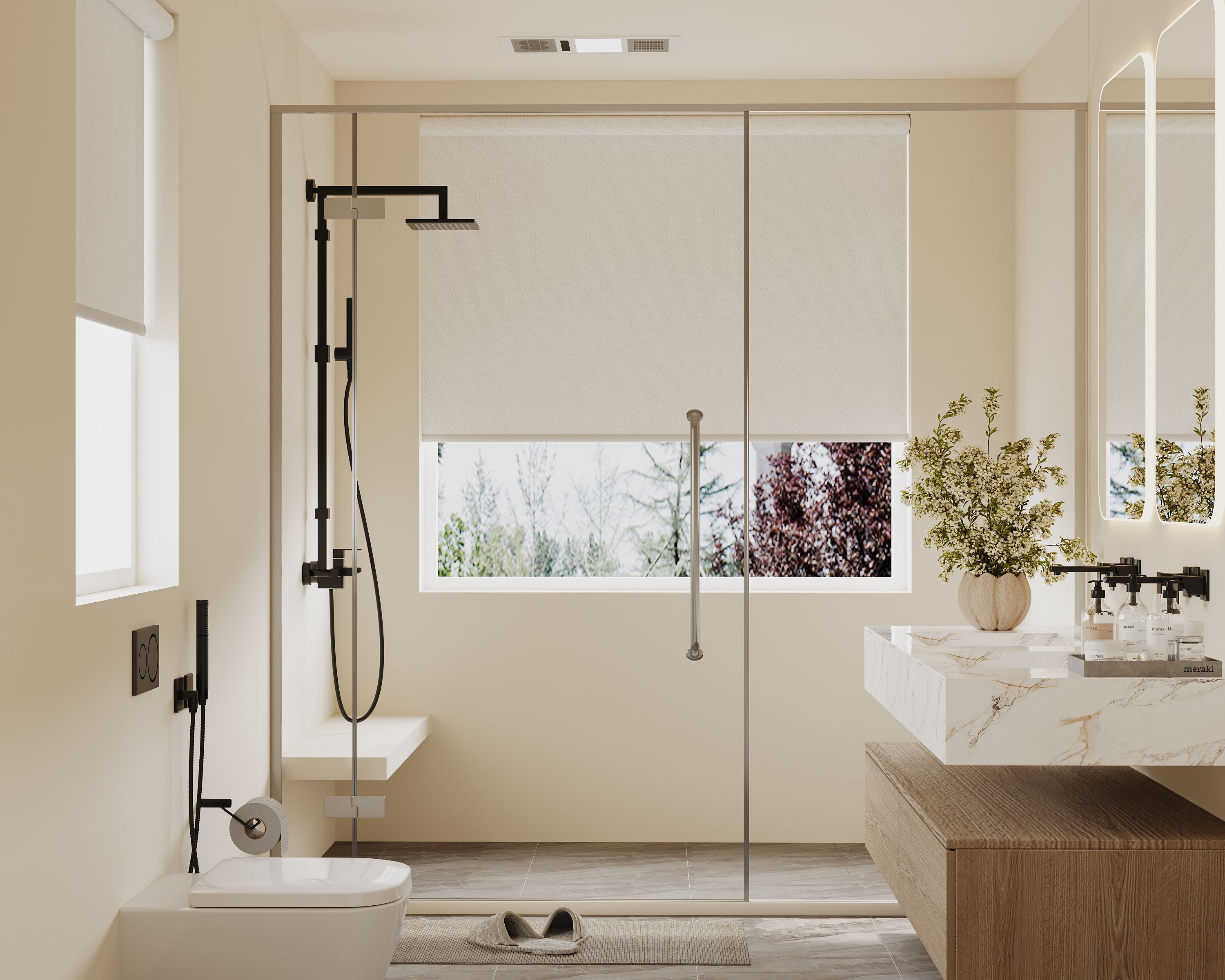


Light-filtering roller shades are a good choice if you want soft natural light, daytime privacy, and a clean modern window look without making the room too dark. SenseBlinds light-filtering roller shades work especially well in living rooms, kitchens, dining rooms, home offices, and street-facing rooms used during the day. However, they may not provide full nighttime privacy when indoor lights are on, so bedrooms and bathrooms may need room darkening or blackout fabrics instead.
What Are Light-Filtering Roller Shades?
Light-filtering roller shades are window shades made with fabric that softens sunlight instead of blocking it completely. They reduce glare, diffuse harsh brightness, and help create a more comfortable indoor atmosphere.
Unlike blackout roller shades, light-filtering shades are designed to keep a room bright while adding privacy and visual softness. They are a popular choice for homeowners who want a balance between natural light and privacy.
SenseBlinds light-filtering roller shades are custom-made based on your window measurements, so they offer a cleaner fit than standard-size ready-made shades.
Do Light-Filtering Roller Shades Provide Privacy?
Yes, light-filtering roller shades can provide privacy during the day, especially when the outside is brighter than the inside of your home. They help blur the view into the room while still allowing soft daylight to pass through.
However, privacy depends on the fabric color, weave density, lighting conditions, and how close people are to the window. A thicker or more textured fabric usually provides stronger privacy than a very sheer fabric.
Can People See Through Light-Filtering Roller Shades at Night?
In many cases, yes, people may be able to see shadows, movement, or outlines through light-filtering roller shades at night when indoor lights are on. This is because the inside of the home becomes brighter than the outside.
If nighttime privacy is important, light-filtering roller shades may not be the best choice for bedrooms, bathrooms, or ground-floor rooms. In those spaces, room darkening or blackout roller shades usually provide stronger privacy.
Light-Filtering vs Blackout Roller Shades: What Is the Difference?
Light-filtering roller shades soften sunlight and keep the room bright. Blackout roller shades block light through the fabric and create a darker room.
| Feature | Light-Filtering Roller Shades | Blackout Roller Shades |
|---|---|---|
| Daylight | Allows soft natural light | Blocks most light through the fabric |
| Privacy During the Day | Good | Excellent |
| Privacy at Night | Limited to moderate | Strong |
| Best Rooms | Living rooms, kitchens, offices | Bedrooms, nurseries, media rooms |
| Room Feel | Bright and airy | Darker and more private |
| Glare Reduction | Good | Strong |
| Sleep Support | Limited | Better |
If you want soft daylight and daytime privacy, light-filtering roller shades are usually a better choice. If you want darkness, nighttime privacy, or better sleep conditions, blackout roller shades are usually better.
What Are the Main Pros of SenseBlinds Light-Filtering Roller Shades?
1. They Soften Sunlight Without Making the Room Dark
The biggest advantage of light-filtering roller shades is that they reduce harsh sunlight while keeping the room bright. This makes them useful for spaces where you want natural light without direct glare.
They are especially helpful in living rooms, kitchens, dining rooms, and home offices.
2. They Create Daytime Privacy
Light-filtering roller shades help reduce visibility from outside during the day. This is useful for street-facing windows, front rooms, condos, and homes with nearby neighbors.
They allow you to enjoy daylight while making the room feel more private and comfortable.
3. They Make Living Rooms Feel Bright and Comfortable
For living rooms, blackout shades can sometimes feel too dark during the day. Light-filtering roller shades create a softer, more open feeling while still reducing glare and improving comfort.
This makes them a good choice for rooms where you relax, entertain guests, or spend time with family.
4. They Reduce Glare for Home Offices
Light-filtering roller shades can help reduce screen glare without fully darkening the room. This makes them practical for home offices, study spaces, and work areas with large windows.
If your office receives strong direct sun, you may want to choose a denser light-filtering fabric or consider how the sun enters the room throughout the day.
5. They Offer Textured Fabric Options
SenseBlinds offers textured light-filtering roller shade fabrics, not just basic plain materials. Textured fabrics can add depth, warmth, and a more finished look to the room.
This is helpful for homeowners who want a clean roller shade style but do not want the window treatment to look flat or generic.
6. They Use Certified Fabric Options for Everyday Home Spaces
SenseBlinds light-filtering roller shades use certified fabric options selected for everyday home environments. For living rooms, dining rooms, kitchens, and family spaces, fabric quality and indoor comfort are important parts of the buying decision.
This gives homeowners more confidence when choosing custom shades for spaces used every day.
7. They Are Custom-Made for a Cleaner Fit
SenseBlinds light-filtering roller shades are made based on your window measurements. Custom sizing helps create a more polished look than ready-made shades.
A better fit can also improve the way the shade looks, operates, and covers the window.
What Are the Main Cons of Light-Filtering Roller Shades?
1. They May Not Provide Full Nighttime Privacy
The biggest limitation of light-filtering roller shades is nighttime privacy. When indoor lights are on, people outside may see shadows or outlines through some fabrics.
If the room needs strong privacy at night, consider blackout roller shades, room darkening shades, or another privacy-focused option.
2. They Do Not Block as Much Light as Blackout Shades
Light-filtering roller shades are designed to soften light, not block it completely. If you need a dark room for sleep, naps, or media viewing, blackout shades are usually the better choice.
This is why light-filtering roller shades are usually better for daytime living spaces than bedrooms.
3. Fabric Choice Matters
Not all light-filtering fabrics perform the same way. Some fabrics are more open and sheer, while others are denser and provide stronger privacy.
Before ordering, think about whether your priority is brightness, privacy, glare control, or design texture.
4. They May Not Be Ideal for Bathrooms
Bathrooms usually need stronger privacy than light-filtering shades can provide, especially at night. If you want roller shades for a bathroom, choose a more private fabric and consider the window location carefully.
For many bathrooms, room darkening or blackout fabric may be a safer choice.
5. They Are Not the Best for Insulation
Light-filtering roller shades can reduce direct sun exposure and improve comfort, but they do not insulate as well as cellular shades.
If energy efficiency is your top priority, cellular shades may be worth comparing.
Best Rooms for Light-Filtering Roller Shades
Living Rooms
Light-filtering roller shades are one of the best choices for living rooms because they keep the space bright while softening direct sunlight. They also help create privacy during the day without making the room feel closed off.
Textured fabrics can make living room shades feel warmer and more designed.
Kitchens
Kitchens often need natural light, so blackout shades may feel too heavy during the day. Light-filtering roller shades can reduce glare while keeping the space bright and usable.
They also have a clean look that works well with modern kitchen designs.
Dining Rooms
In dining rooms, light-filtering roller shades can create a soft, comfortable atmosphere. They help reduce harsh sunlight while keeping the room welcoming.
This is especially useful for windows that receive strong afternoon light.
Home Offices
Light-filtering roller shades can reduce screen glare while still allowing daylight into the room. This makes them practical for work-from-home spaces.
If glare is very strong, choose a denser fabric or consider how the window faces the sun throughout the day.
Street-Facing Rooms During the Day
For street-facing living rooms or front rooms, light-filtering roller shades can help create daytime privacy. They reduce visibility from outside while keeping the room bright.
For nighttime privacy, however, blackout or room darkening shades may be better.
When Should You Choose Blackout Instead?
Choose blackout roller shades instead of light-filtering roller shades if you need stronger privacy, better darkness, or more light blocking.
| Need | Better Choice |
|---|---|
| Dark bedroom | Blackout roller shades |
| Nursery naps | Blackout roller shades |
| Media room | Blackout roller shades |
| Strong nighttime privacy | Blackout or room darkening shades |
| Soft daylight | Light-filtering roller shades |
| Bright living room | Light-filtering roller shades |
| Better insulation | Cellular shades |
If you are choosing shades for a bedroom, nursery, bathroom, or media room, blackout may be more practical. If you are choosing shades for a living room, kitchen, dining room, or office, light-filtering may feel more comfortable.
Light-Filtering Roller Shades vs Zebra Shades
Light-filtering roller shades give a simple, clean fabric look. Zebra shades offer more adjustable light control because they have alternating sheer and solid fabric bands.
| Feature | Light-Filtering Roller Shades | Zebra Shades |
|---|---|---|
| Look | Simple and minimal | Layered and decorative |
| Daylight | Soft and diffused | Adjustable |
| Privacy | Good during the day | Adjustable, but depends on alignment |
| Night Privacy | Limited to moderate | Limited when sheer bands are open |
| Best For | Simple bright rooms | Flexible light control |
| Cleaning | Easier | More detailed fabric structure |
Choose light-filtering roller shades if you want a simple, modern, easy-to-use window covering. Choose zebra shades if you want more flexible light adjustment during the day.
Explore Custom Roller Shades


Common Mistakes to Avoid Before Ordering
Expecting Full Nighttime Privacy
Light-filtering roller shades are not the same as blackout shades. They can provide daytime privacy, but they may not fully protect privacy at night when indoor lights are on.
Choosing Fabric Only by Color
Color is important, but opacity, texture, weave density, and room function matter too. A beautiful light fabric may look bright and airy, but it may not provide the privacy you need.
Using Light-Filtering Shades in a Bedroom That Needs Darkness
If you need a dark bedroom for sleep, light-filtering roller shades may not be enough. Blackout roller shades are usually a better choice.
Not Considering Window Direction
A room with strong afternoon sun may need a denser fabric than a room with soft indirect light. Before ordering, think about when the room gets the most sunlight.
Measuring Only One Window
Even windows in the same room can have slightly different measurements. Measure each window individually before ordering custom light-filtering roller shades.
Final Recommendation
SenseBlinds light-filtering roller shades are a good choice if you want soft daylight, daytime privacy, textured fabric options, certified fabric choices, and a clean modern look. They are especially suitable for living rooms, kitchens, dining rooms, home offices, and street-facing rooms used during the day.
Choose light-filtering roller shades if you want a bright and comfortable room. Choose blackout roller shades if you need stronger nighttime privacy, darkness, or better sleep support. If insulation is your main concern, compare roller shades with cellular shades before making your final decision.
FAQ
Are light-filtering roller shades good for privacy?
Yes, light-filtering roller shades can provide good privacy during the day, especially when it is brighter outside than inside. At night, privacy may be limited when indoor lights are on.
Can people see through light-filtering roller shades at night?
In some cases, yes. People may see shadows or movement through light-filtering shades at night if the room is brightly lit inside. For stronger nighttime privacy, choose blackout or room darkening shades.
Are light-filtering roller shades good for bedrooms?
Light-filtering roller shades can work in bedrooms if you want soft daylight and do not need full darkness. If you need better sleep support or stronger privacy, blackout roller shades are usually a better choice.
What rooms are best for light-filtering roller shades?
Light-filtering roller shades are best for living rooms, kitchens, dining rooms, home offices, and front rooms used during the day. They work well where you want natural light with some privacy.
Are light-filtering roller shades better than blackout shades?
Light-filtering roller shades are better if you want soft daylight and a bright room. Blackout roller shades are better if you want darkness, stronger privacy, or reduced light for sleeping and media rooms.
