
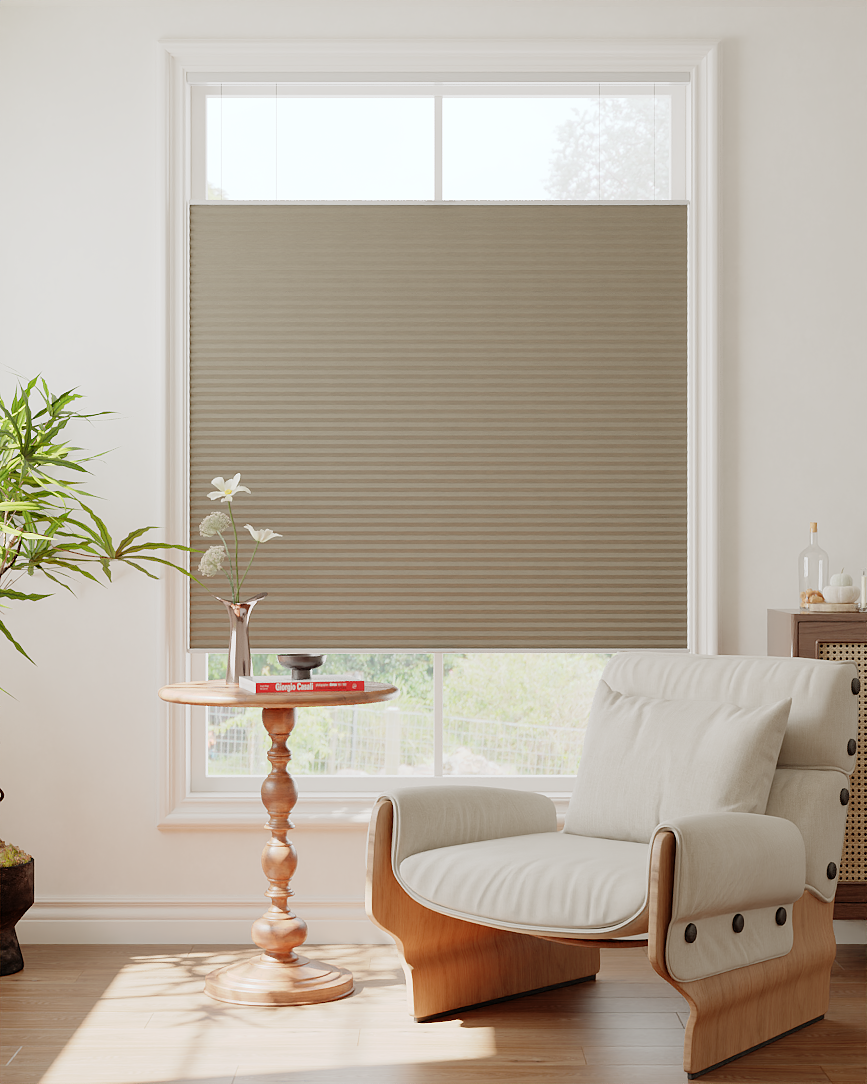
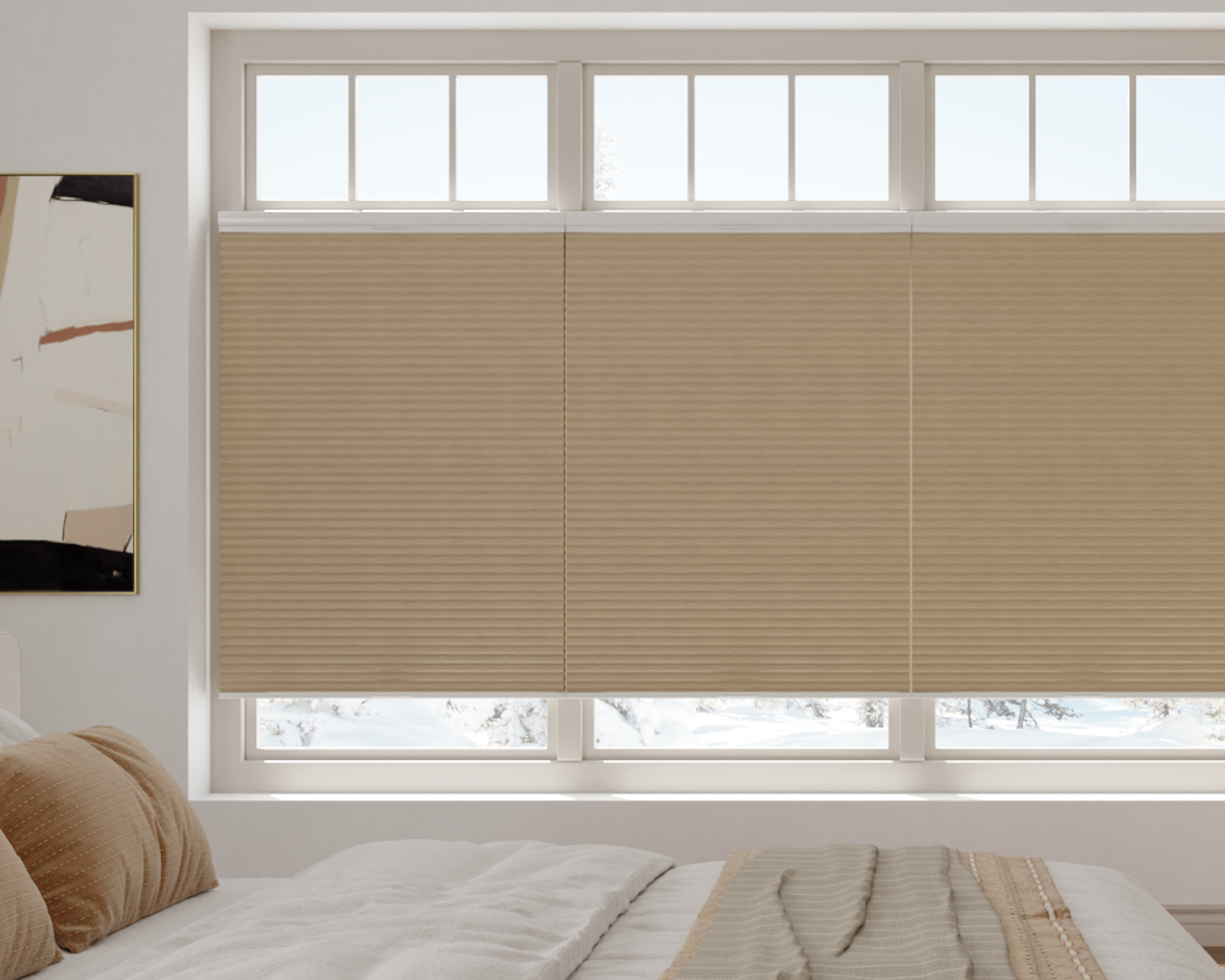
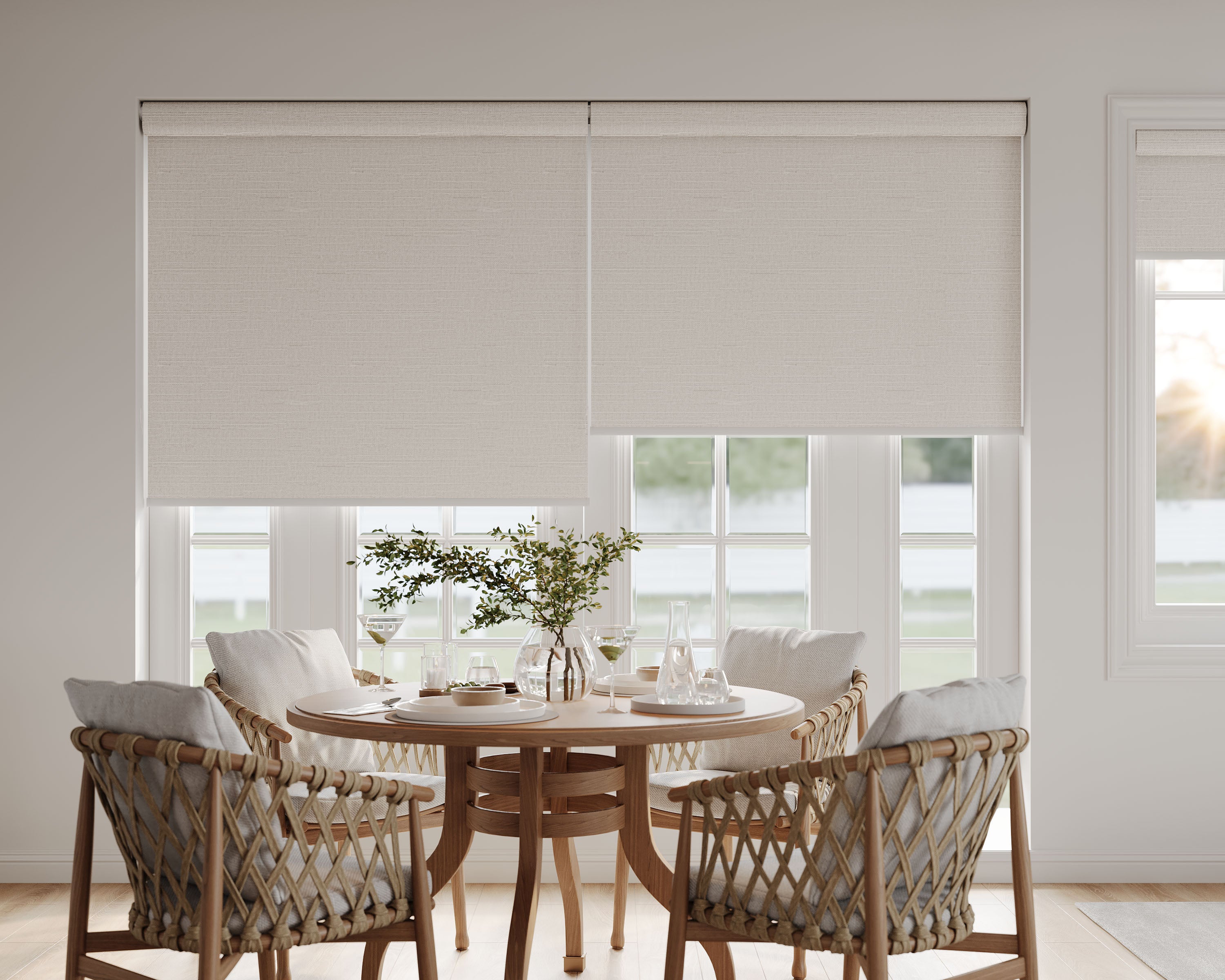


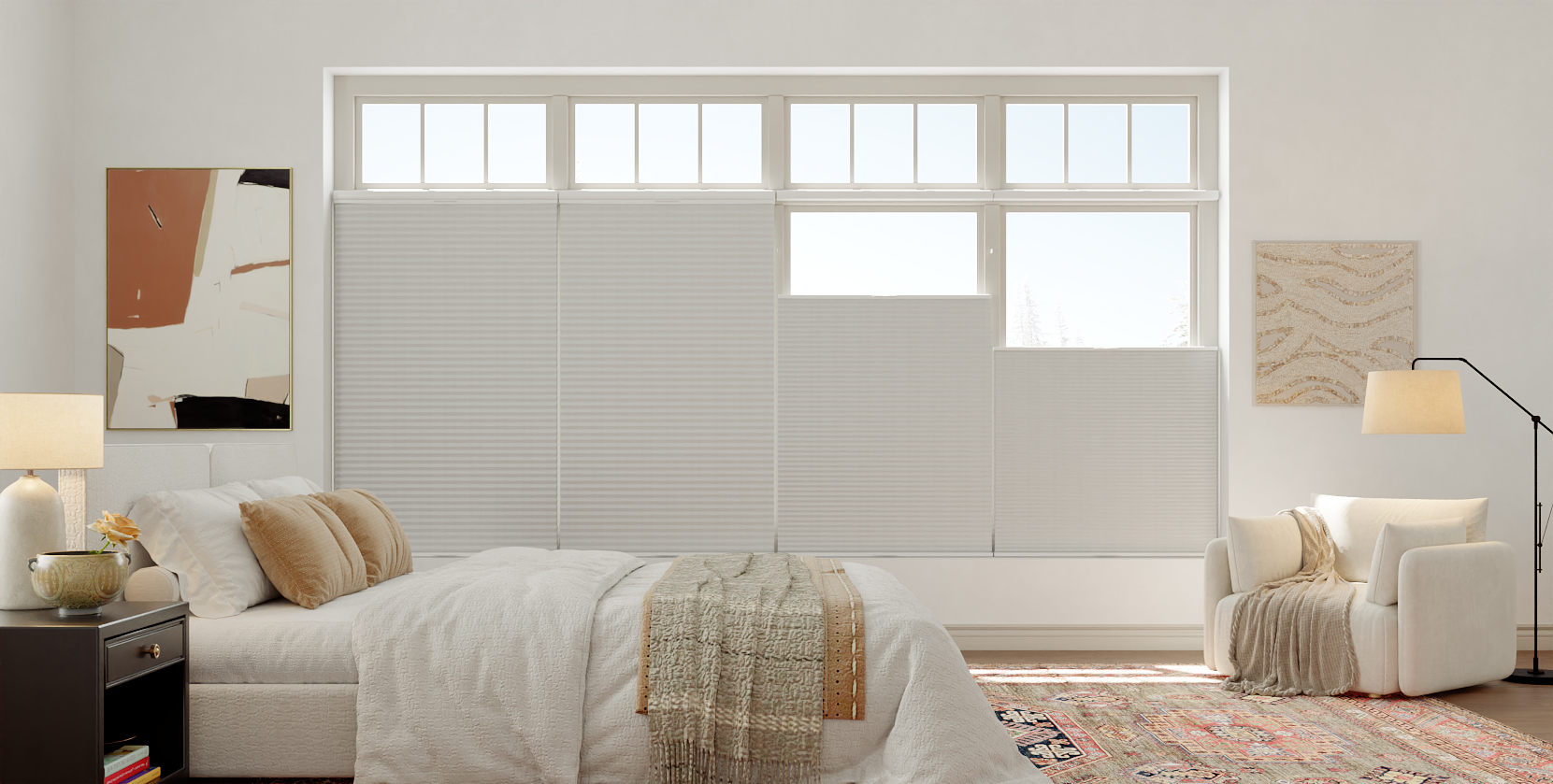


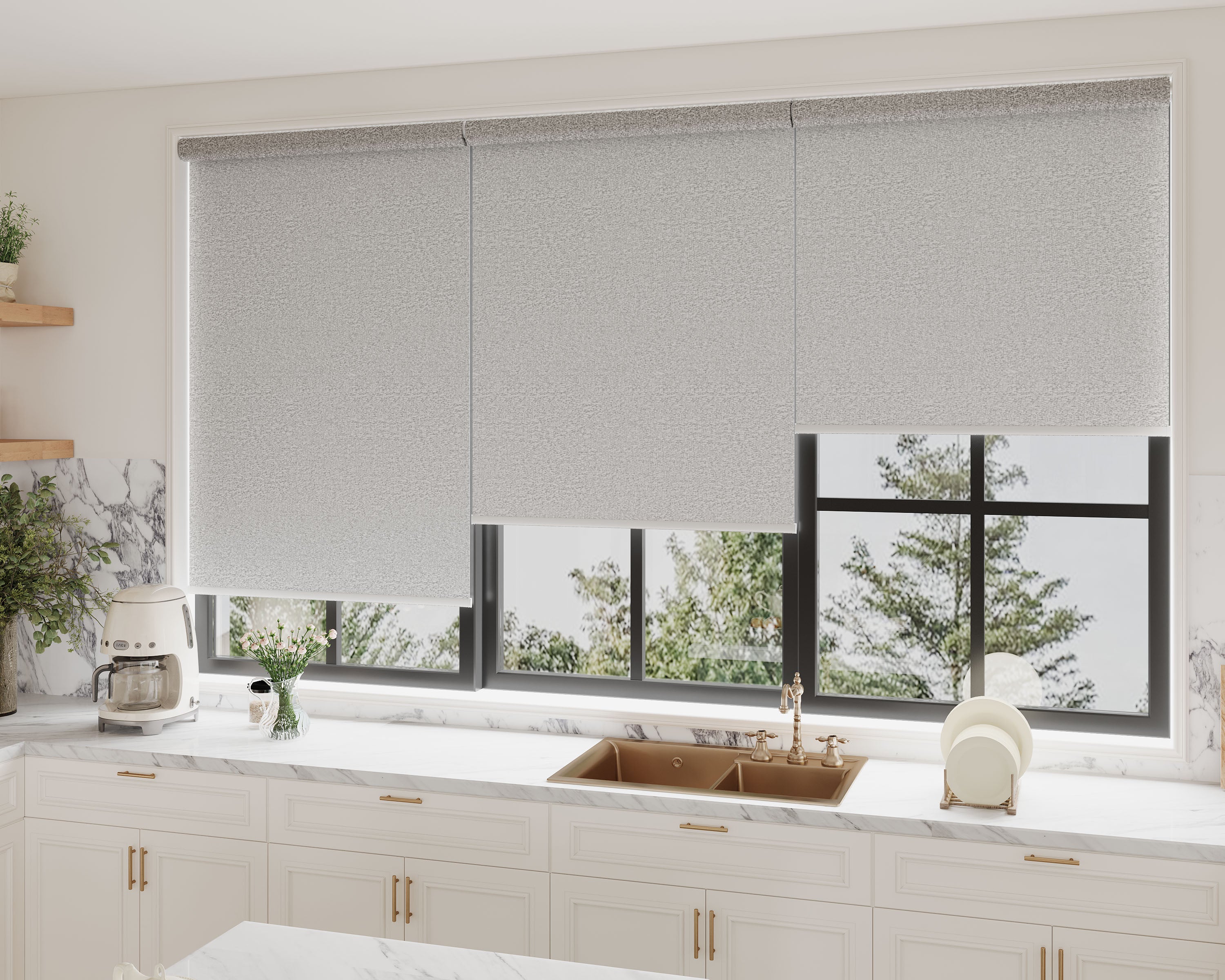

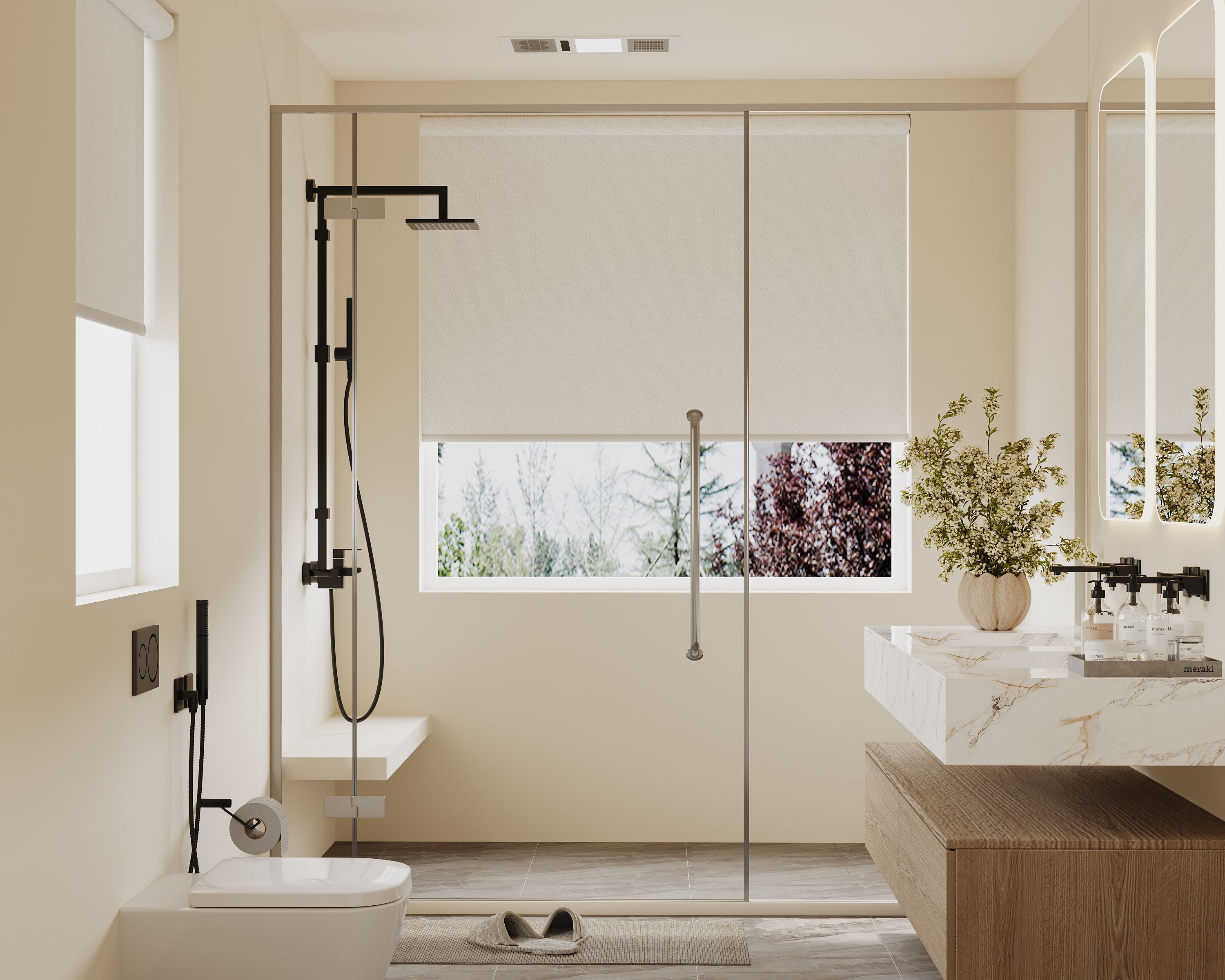


The R-value of cellular shades typically ranges from R-1.6 to over R-5.0, making them one of the most insulating window coverings you can buy. This measure of thermal resistance directly translates to how effectively they keep heat in during winter and out during summer, impacting both your comfort and energy bills. This guide will explain exactly what these numbers mean, how different shade features affect them, and how to choose the right insulation for your home.
Here’s what you’ll learn to master your window insulation:
-
The Science of R-Value: What this rating truly measures for windows and why it's crucial for year-round comfort and efficiency.
-
Detailed R-Value Ranges: A clear breakdown of how cell structure (single, double, triple), fabric opacity, and special features determine the final number.
-
Real-World Translation: How to interpret R-values for your specific climate, window type, and room to make an informed choice.
-
Maximizing Performance: Actionable steps on installation, sealing, and complementary strategies to ensure you achieve the stated insulation value.
-
Informed Comparison: How cellular shade R-values stack up against other window treatments and what "good" really looks like.
The foundation for this insulation performance starts with the product's design. You can explore the technical specifications and options within our comprehensive range of engineered cellular honeycomb shades.
Understanding R-Value: The Science of Thermal Resistance
R-value is the standard measurement of a material's resistance to heat flow. In simple terms, it tells you how good something is at being an insulator. For cellular shades, this is a critical specification because windows are typically the weakest thermal link in your home's envelope.
-
The Core Principle: The higher the R-value, the greater the insulating power. An R-1 material allows twice as much heat to pass through as an R-2 material under the same conditions. It’s about resistance, not reflection.
-
R-Value vs. U-Factor: These are inversely related. U-factor measures the rate of heat transfer (lower is better), while R-value measures resistance to that transfer (higher is better). You can roughly convert between them: R-value = 1 / U-factor. When comparing products, ensure you're looking at the same metric. For a deeper dive into these key performance indicators, our guide on reading and comparing U-value vs. R-value for shades is an essential resource.
-
Why It Matters for Windows: A single-pane window may have an R-value of about R-1. Adding a cellular shade can potentially triple or quadruple the total insulating value at that spot, directly reducing cold drafts, radiant heat loss, and unwanted solar heat gain.
What R-Value Do Cellular Shades Provide? A Detailed Breakdown
The R-value is not a single number for all cellular shades. It is the result of specific engineering choices. The following table provides a clear comparison of how these choices affect the final insulation performance.
| Configuration & Features | Typical Shade-Only R-Value | Combined R-Value (With Double-Pane Window, R-1.8) | Key Influencing Factors |
|---|---|---|---|
| Single Cell, Light-Filtering | R-1.6 to R-2.2 | R-3.4 to R-4.0 | Basic single air pocket; lighter fabric. Least insulating standard option. |
| Single Cell, Blackout | R-2.2 to R-2.8 | R-4.0 to R-4.6 | Denser fabric and often a reflective backing add resistance. |
| Double Cell, Light-Filtering | R-2.8 to R-3.5 | R-4.6 to R-5.3 | The performance sweet spot. Two air pockets dramatically improve insulation. |
| Double Cell, Blackout | R-3.8 to R-4.5 | R-5.6 to R-6.3 | Maximum standard performance. Density + dual air chambers. |
| Double Cell, Blackout + Side Tracks | R-4.5 to R-5.2+ | R-6.3 to R-7.0+ | The ultimate setup. Sealed edges eliminate air leakage, unlocking full potential. |
| Triple Cell Shades | R-4.8 to R-6.0+ | R-6.6 to R-7.8+ | Premium, specialized insulation for extreme climates or maximum efficiency goals. |
What Drives These Numbers:
-
Cell Structure: This is the primary factor. Each honeycomb layer creates a sealed air pocket, an excellent insulator. The jump from single to double cell provides the most significant R-value gain. The science behind this is explained in our article on the thermal math behind single vs. double-cell construction.
-
Fabric Density: Blackout fabrics are not just opaque; they are woven more tightly and often include a foam or reflective liner. This added mass and layered structure provides higher thermal resistance than light-filtering or sheer materials.
-
Installation & Sealing: A perfectly fitted inside mount is good, but a shade with side channels (or tracks) is transformative. These tracks create a sealed air pocket between the shade and glass, preventing convective currents that undermine insulation. This can improve effective R-value by 20% or more.
Translating R-Value to Real-World Comfort and Savings
Knowing the number is one thing; understanding what it feels like and saves you is another.
-
Climate-Based Guidance:
-
Moderate Climates (Zones 3-5): Shades in the R-3 to R-4 range (double-cell) provide excellent year-round performance, balancing summer heat rejection with winter heat retention.
-
Cold Climates (Zones 6-7): Prioritize the highest R-value possible (R-4.5+). Focus on double-cell blackout shades with side tracks to combat severe heat loss and cold radiant feeling from windows.
-
Hot Climates (Zones 1-2): While R-value matters for keeping cool air in, also prioritize light-colored fabrics and look for a low Solar Heat Gain Coefficient (SHGC) to reflect the sun's radiant heat.
-
-
Room-by-Room Priorities:
-
Bedrooms: Aim for R-4.0 or higher. This ensures temperature stability for sleep and maximizes energy savings, as shown in our analysis of energy savings payback for insulating cellular shades.
-
Living Areas: Comfort is key. R-3.0 to R-4.0 is typically sufficient, allowing you to balance insulation with views and natural light.
-
Sunrooms & Large Windows: These are major energy portals. Maximum R-value (R-4.5+) with side tracks is recommended to manage extreme solar gain and heat loss.
-
How to Maximize Your Cellular Shade's R-Value
The product's rated R-value is a laboratory measurement. Your installation determines whether you achieve it.
-
Choose the Right Mount: For the best seal, an inside mount is ideal. However, it requires adequate frame depth for the shade to sit and stack properly. Our guide on cellular shade frame depth requirements helps you avoid a critical fit issue that compromises performance.
-
Seal the Gaps: Insist on or retrofit side channels for any shade where maximum insulation is the goal. Also, use a top valance or seal the headrail gap, and ensure the bottom rail rests snugly against the sill.
-
Consider Professional Measurement & Installation: A perfect, gap-free fit is technical. Professionals ensure the shade operates smoothly while maintaining the sealed environment necessary for peak R-value.
-
Layer for Extreme Performance: For ultimate insulation, layer your cellular shade with insulating drapes. This creates a multi-stage thermal barrier that far exceeds any single treatment.
Conclusion: Making an Informed Choice on Insulation
The R-value cellular shades provide is a powerful indicator of their ability to increase your home's comfort and efficiency. By understanding that this value ranges from about R-1.6 for basic single-cell shades to over R-5.0 for sealed, double-cell blackout models, you can move beyond marketing terms and make a data-driven decision. Remember that achieving the highest potential R-value depends as much on precise, sealed installation as it does on the product's design. Investing in a well-specified, properly installed cellular shade is an investment in consistent temperatures, lower energy costs, and a more comfortable living environment year-round.
Key Highlights
-
Cellular shade R-values typically range from R-1.6 to over R-5.0, with double-cell blackout shades representing the performance standard for most homes.
-
The cell structure (single/double/triple) is the most important factor, followed by fabric density and the presence of sealing side tracks.
-
Installation is critical to realizing the stated R-value; gaps and air leaks can reduce real-world performance by 50% or more.
-
For the best balance of cost and performance, double-cell shades with an R-value between R-3.8 and R-4.5 are recommended for most climates and bedrooms.
-
Always consider R-value as part of a holistic approach that includes solar heat gain management for hot climates and airtight sealing for cold climates.
Choosing the right R-value empowers you to transform your windows from a source of discomfort into a key part of your home's thermal envelope.
Explore Custom Cellular Shades


Frequently Asked Questions (FAQ)
Is a higher R-value always better for cellular shades?
For pure insulation, yes. However, the "best" value balances performance with other needs. The most expensive, highest R-value triple-cell shade with side tracks may be overkill for a seldom-used guest room in a mild climate. Consider your local climate, the window's orientation, the room's use, and your budget. The performance leap from single to double cell offers the best value for most people.
Can I find the exact R-value for a specific cellular shade model I want to buy?
Reputable manufacturers and retailers should provide R-value or U-factor ratings for their products, especially for higher-end lines. Do not hesitate to ask for this specification data before purchasing. If a seller cannot provide it, that is a red flag regarding the product's performance transparency.
How does the R-value of cellular shades compare to other window treatments?
Cellular shades are industry leaders for insulating window coverings. For comparison:
-
Aluminum or Vinyl Blinds: R-1.5 to R-2.0
-
Standard Drapery: R-2.0 to R-3.0
-
Roller Shades: R-1.5 to R-3.5 (depending on fabric)
-
Wood Shutters: R-2.0 to R-3.0
Only specialized, sealed insulating shutters or exterior roll-down shutters can match or exceed the top-end R-values of cellular shades.
My windows are already double-paned. Do cellular shades still make a significant difference?
Absolutely. Even efficient double-pane windows (typically R-3 to R-4) are still a major source of heat transfer compared to insulated walls (R-13 to R-21). Adding a cellular shade with an R-4 rating can effectively double the total insulating value at the window, drastically reducing radiant heat loss/gain and eliminating cold drafts caused by air convection near the glass.
Do cellular shades lose their R-value over time?
The R-value of the material itself is stable. However, performance can degrade if the shade is damaged. Tears in the honeycomb cells will allow air movement, reducing effectiveness. Similarly, if the side seals wear out or the shade becomes warped and no longer fits tightly, the real-world insulating value will drop. Proper care and maintenance will preserve performance for the lifespan of the shade.
