






News

Texture as a Design Tool: Choosing Textured or Smooth Shade Fabrics
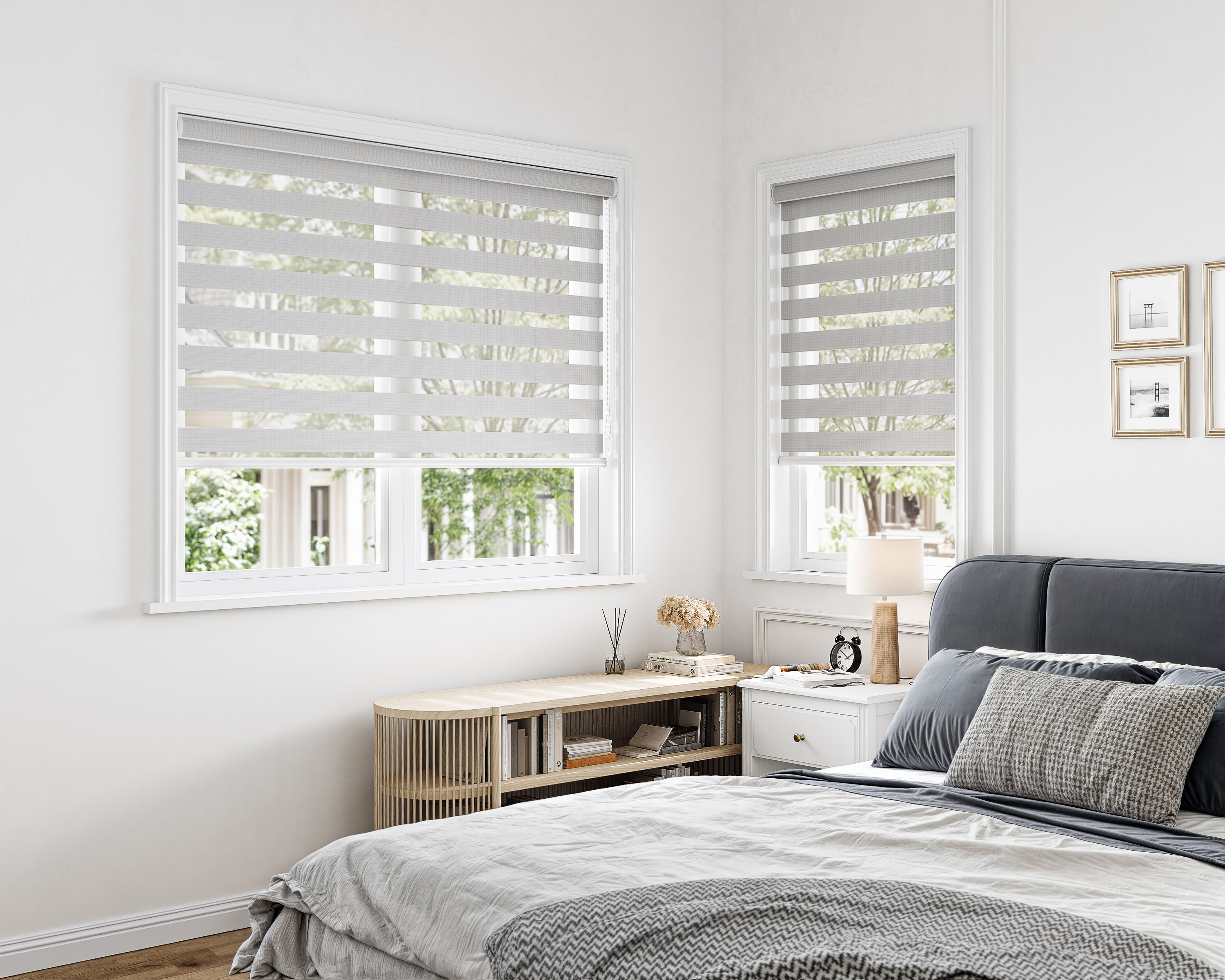
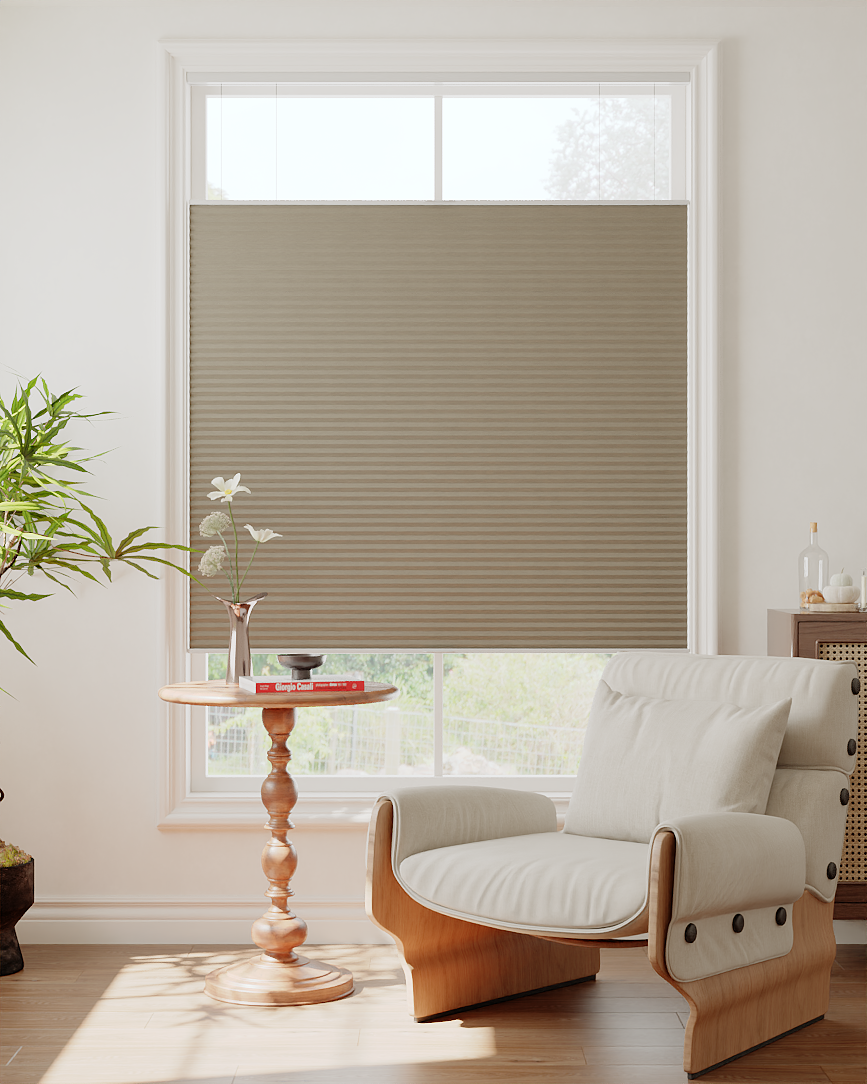
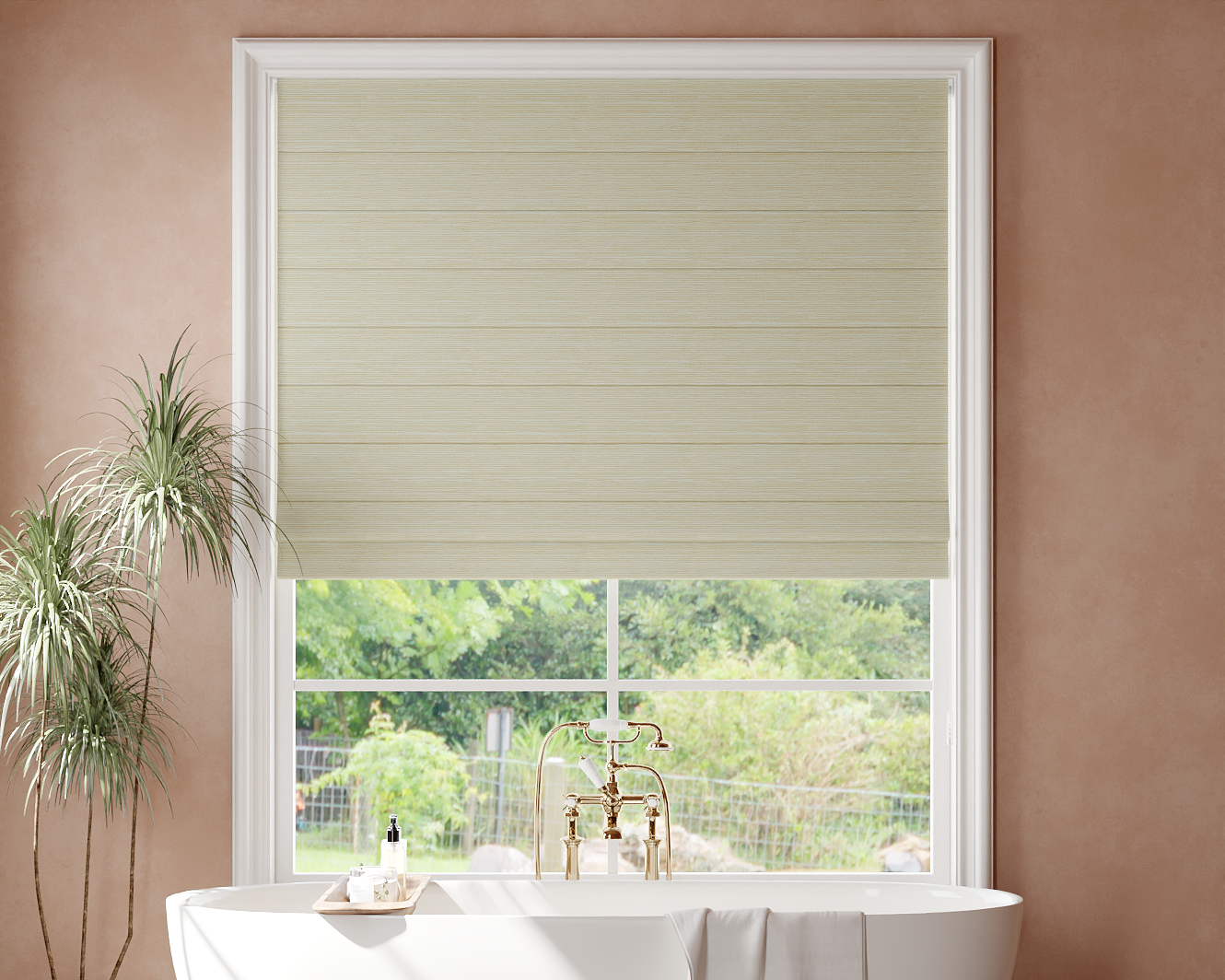
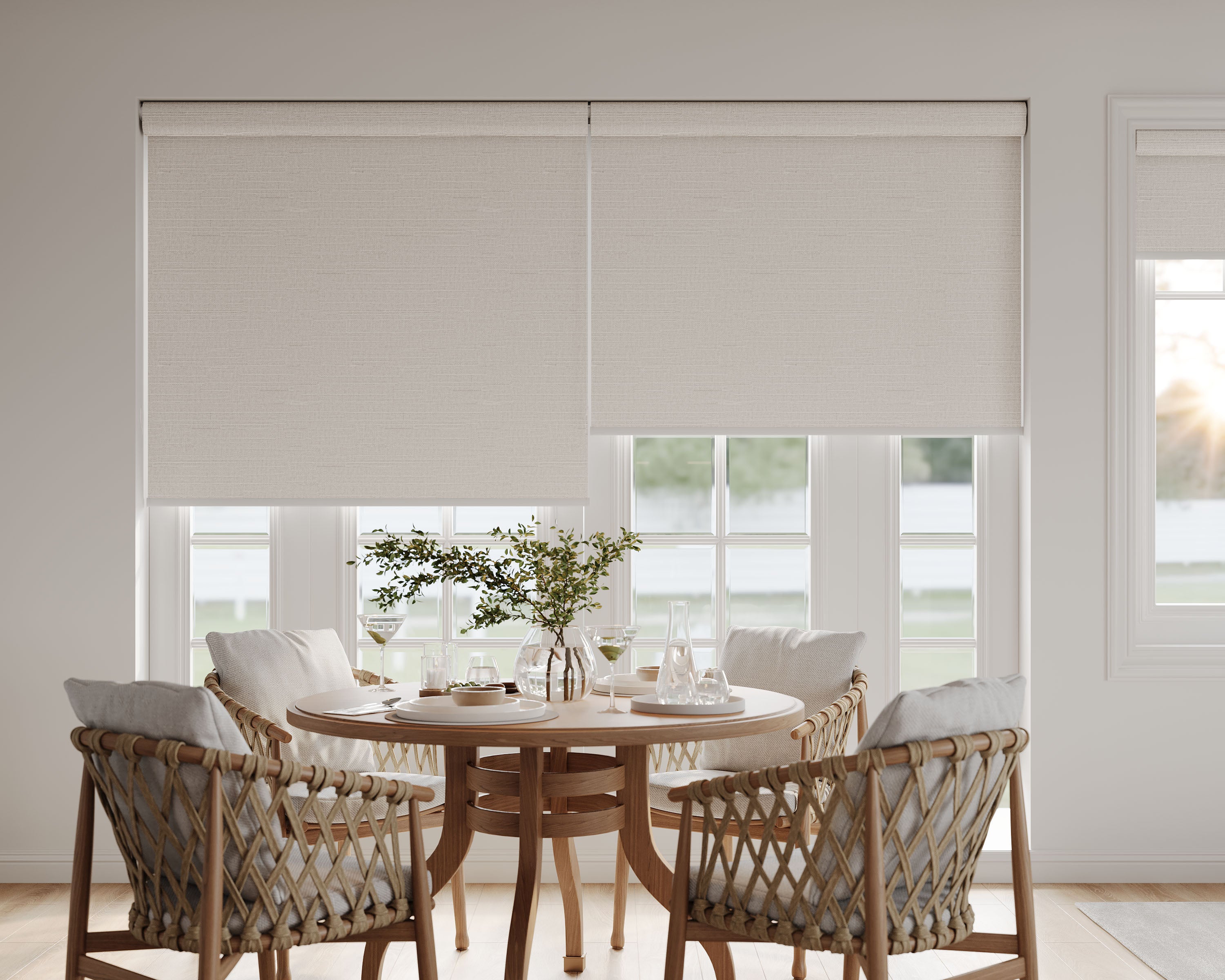
Shade fabric can add another layer of texture or provide a quieter surface beside the room's furniture. A visibly woven pattern may bring depth; an even finish may emphasize a...

Cleaning Fabric Folds and Shades When Allergies Matter
A practical routine should remove dust while respecting the materials you own. It should not depend on a promise that one fabric, spray or window shade makes a home allergy-free....

Fire-Retardant Shade Fabrics: When to Ask for Test Evidence
A fire-retardant or flame-resistant fabric claim is useful when it is supported for the exact material and intended application. It does not mean a shade is fireproof or that placing...

Stain-Resistant Shade Fabrics for Active Households
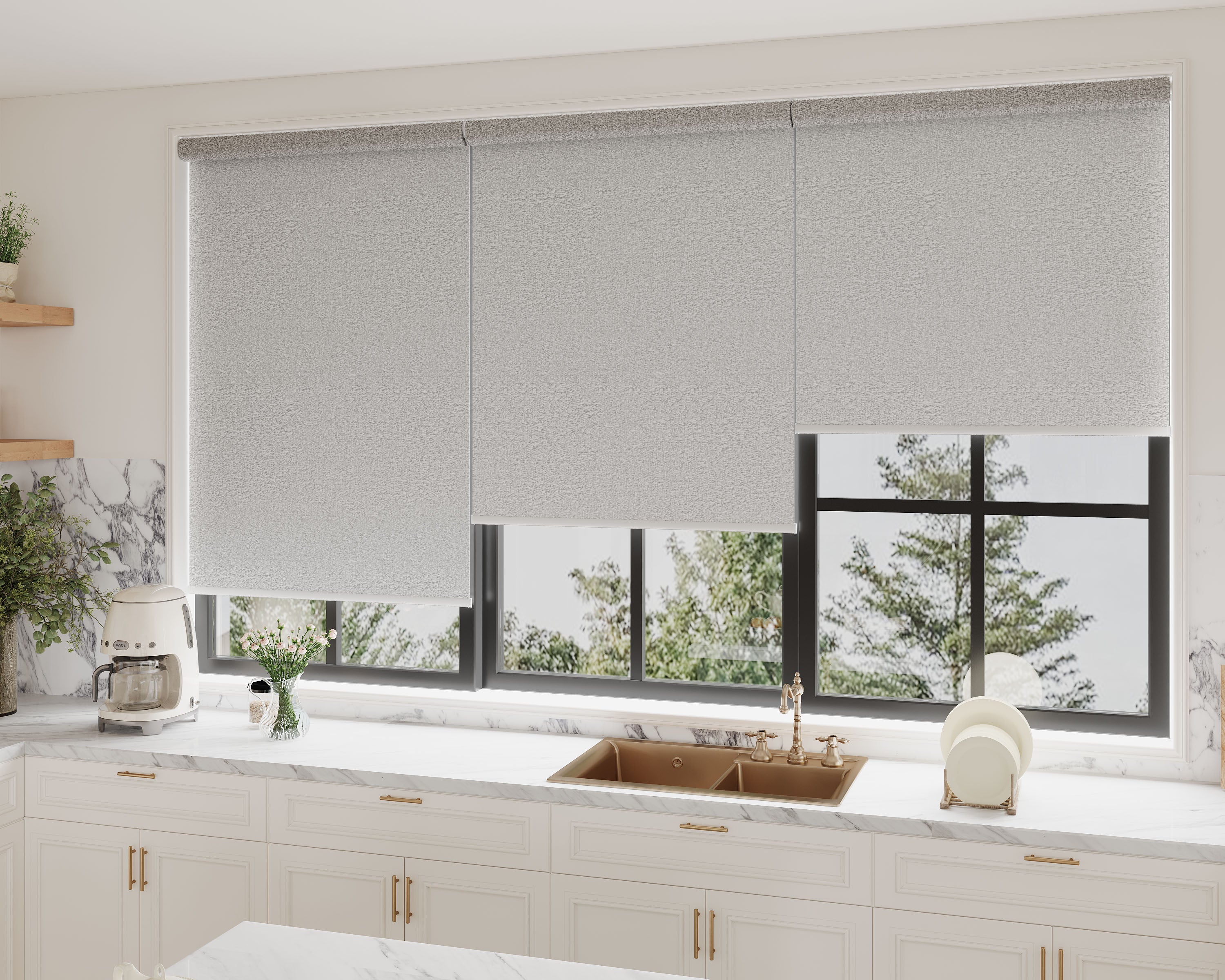
For an active household, choose shade fabric around the marks and handling it is likely to face. Kitchen residue, splashes, fingerprints and pets near the window are different demands. A...

Scratch-Resistant Fabrics for Pet Homes: Style, Care and Limits
Scratch-resistant does not mean pet-proof. A fabric may tolerate ordinary rubbing yet still snag, puncture or tear when a claw catches it. Choose a finished textile for the way the...

Summer Heat Control: Reflective Fabrics and Solar Shade Openness
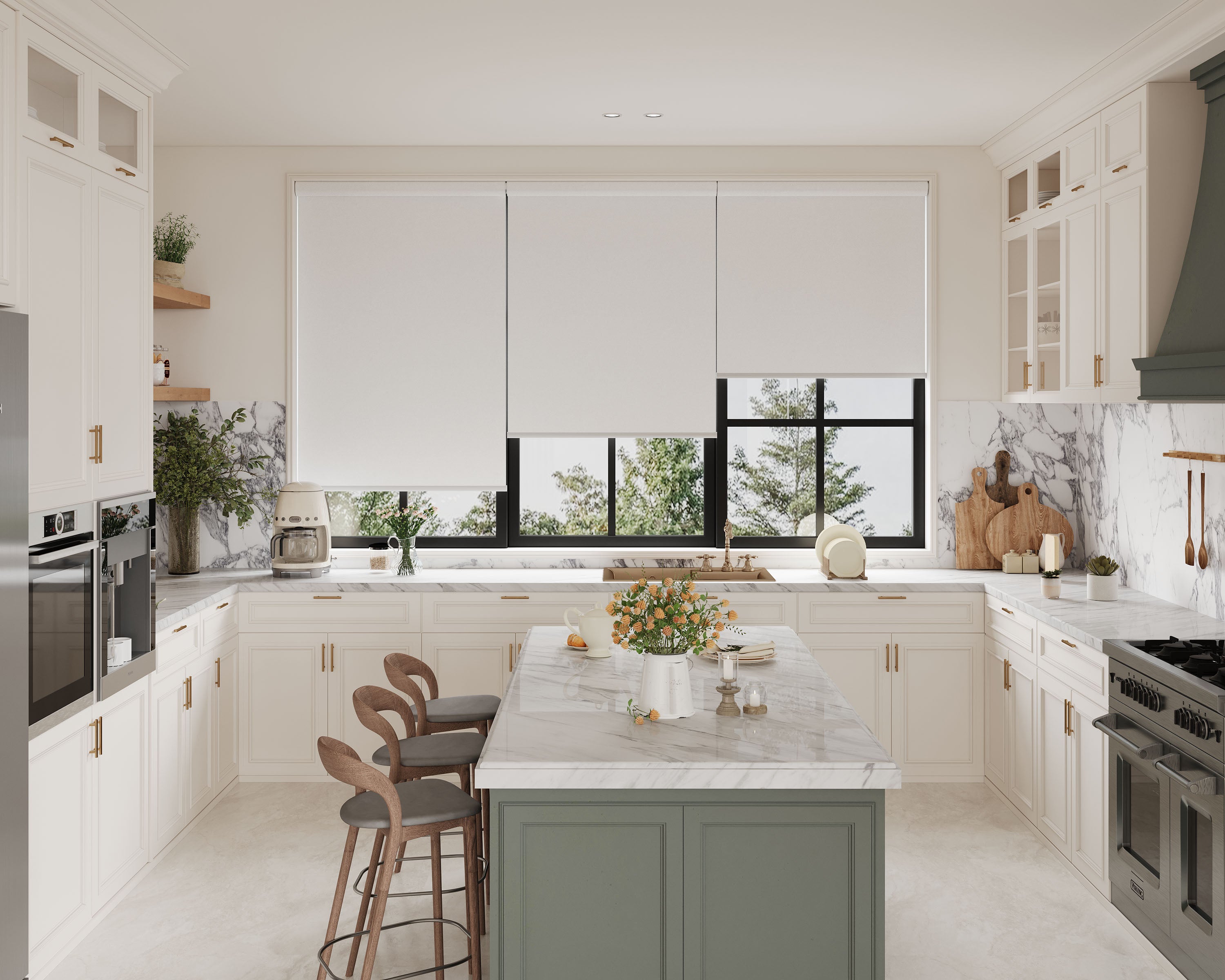
Solar shade openness and solar reflectance describe different fabric properties. Openness describes the share of open area in the weave. Solar reflectance describes the share of incident solar energy reflected....

Linen vs. Polyester Shade Fabrics: When Is the Upgrade Worth It?
Linen fabrics often occupy a higher price tier, but the useful comparison is between the actual fabrics and finished shade configurations. Fiber content, weave, finishing, lining and construction all affect...

Recycled and Organic Shade Fabrics: Evaluate Environmental Claims
Recycled content and organic fiber are specific material claims, not proof that an entire window shade has the lowest environmental impact. Identify what the claim covers, what evidence supports it...
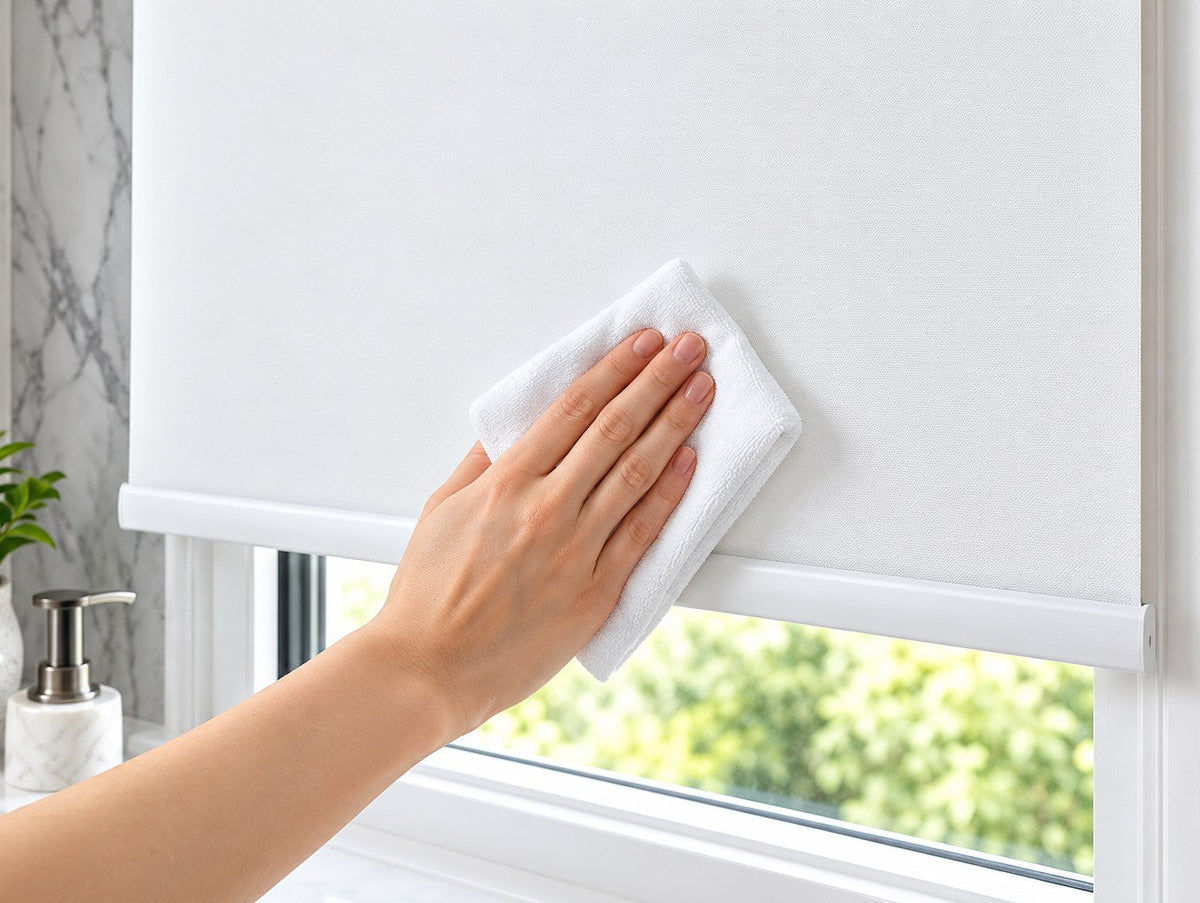
Moisture-Resistant Shade Fabrics for Kitchens, Baths and Laundry Rooms
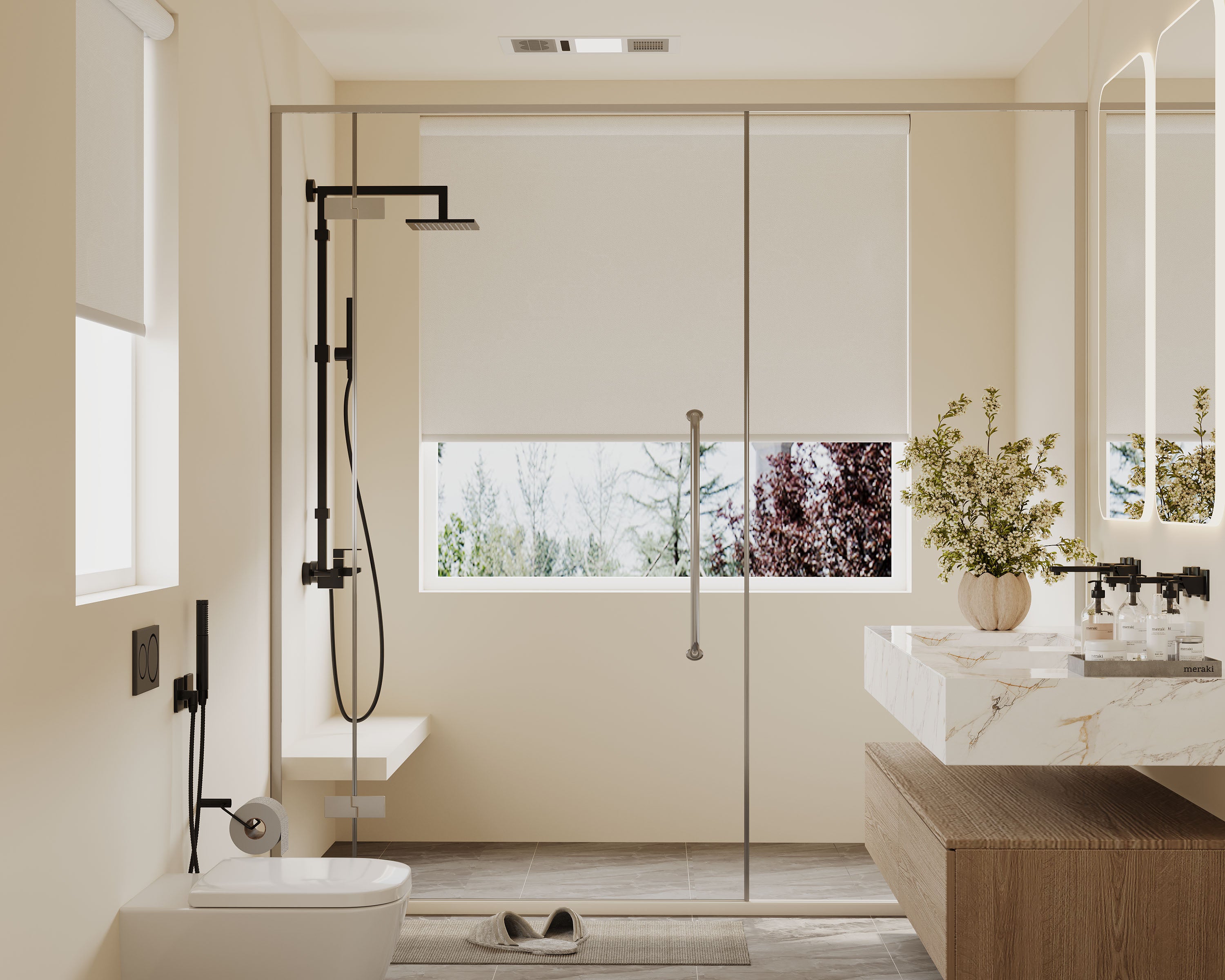
Choose moisture-resistant shade fabric by water exposure, privacy and cleaning needs. A kitchen window with occasional splashes, a humid laundry room and a window inside a shower need different specifications....

Room Darkening vs. Blackout: Fabric, Light Gaps and Real-Window Results
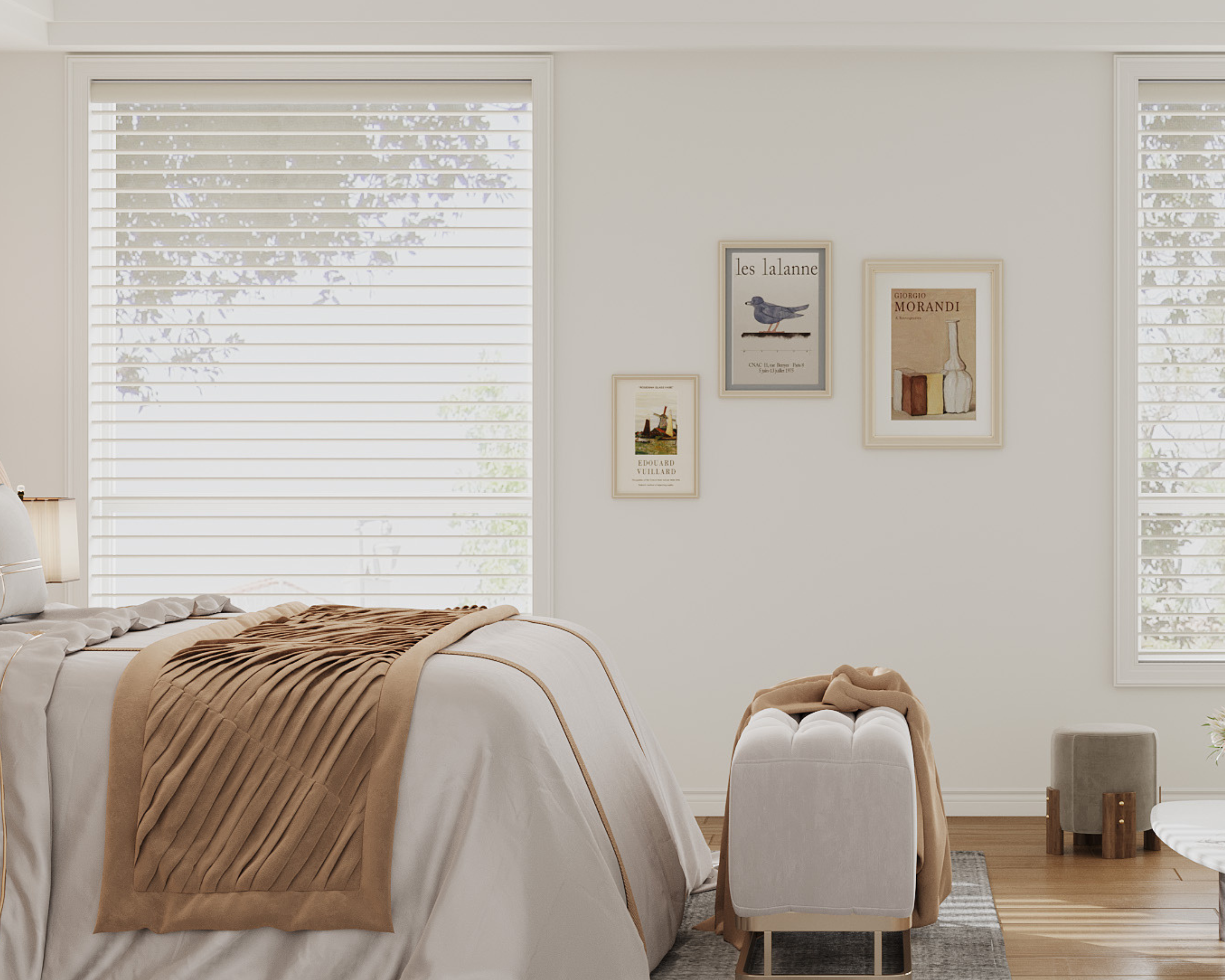
Room-darkening fabrics reduce incoming light; blackout fabrics are intended to block light through the material more completely. The names alone do not tell you how dark the installed room will...

Linen, Vinyl and Bamboo Shades: Compare Light, Care and Value
Compare linen, vinyl and bamboo window coverings as finished products, rather than assigning each material one light level, price or lifespan. Weave, backing, coating, hardware and installation can change the...
