
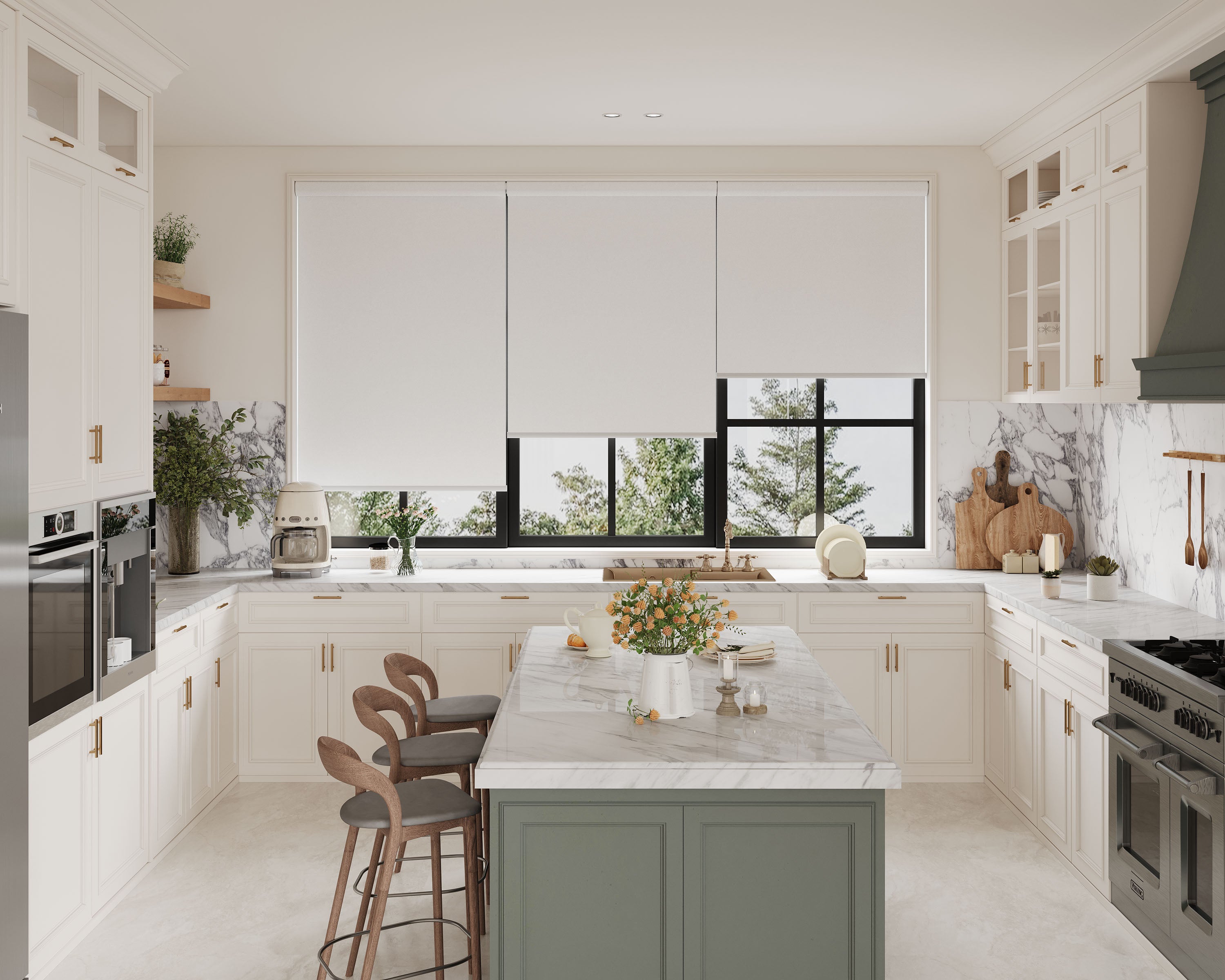
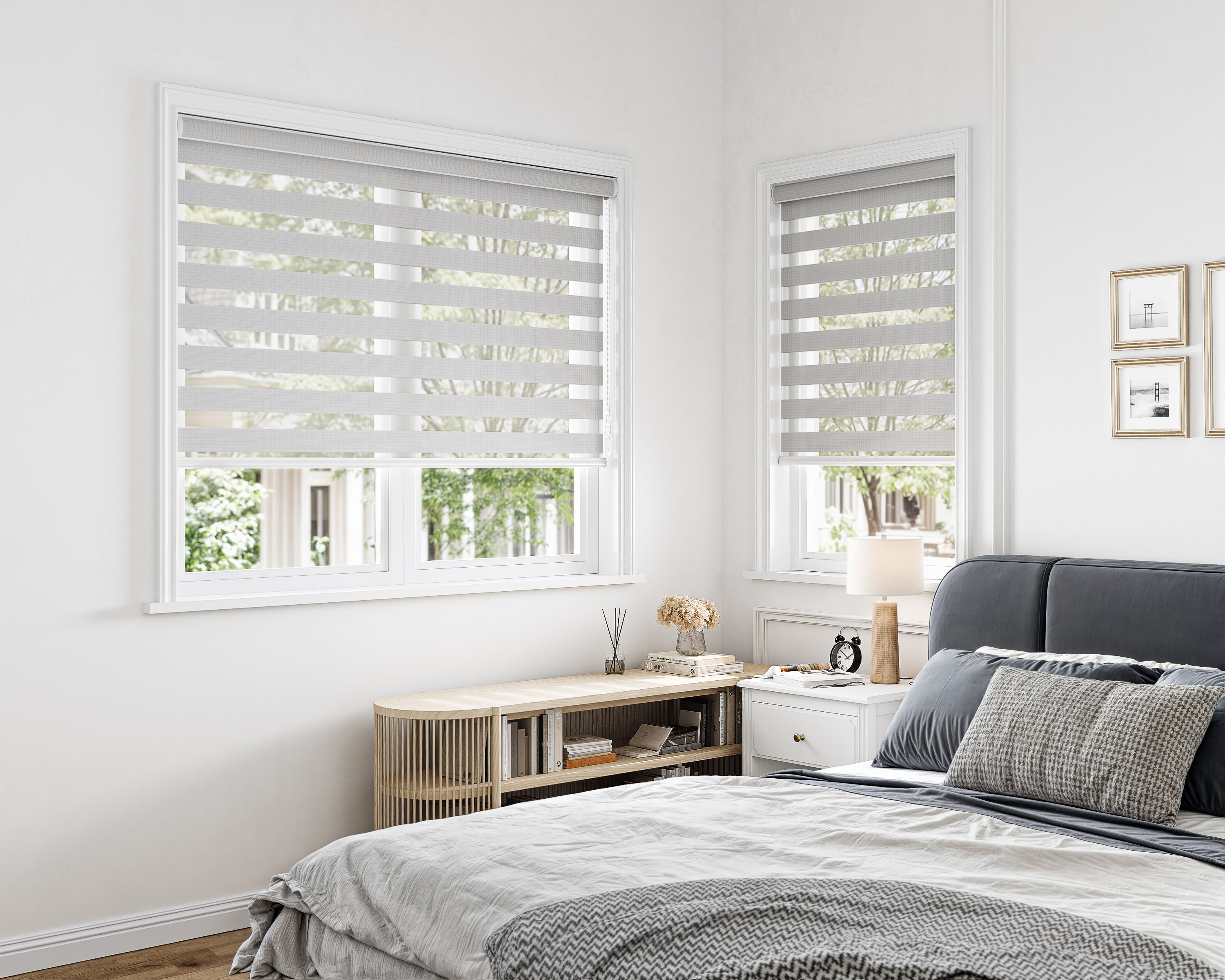
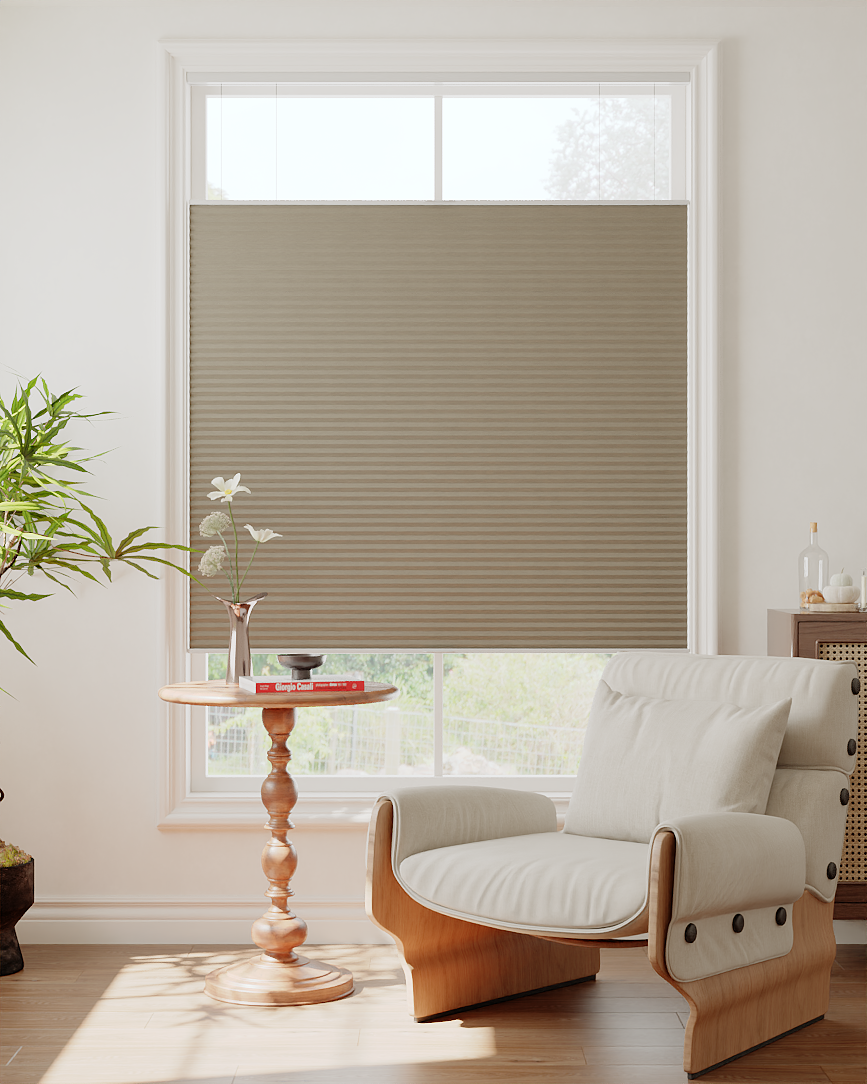
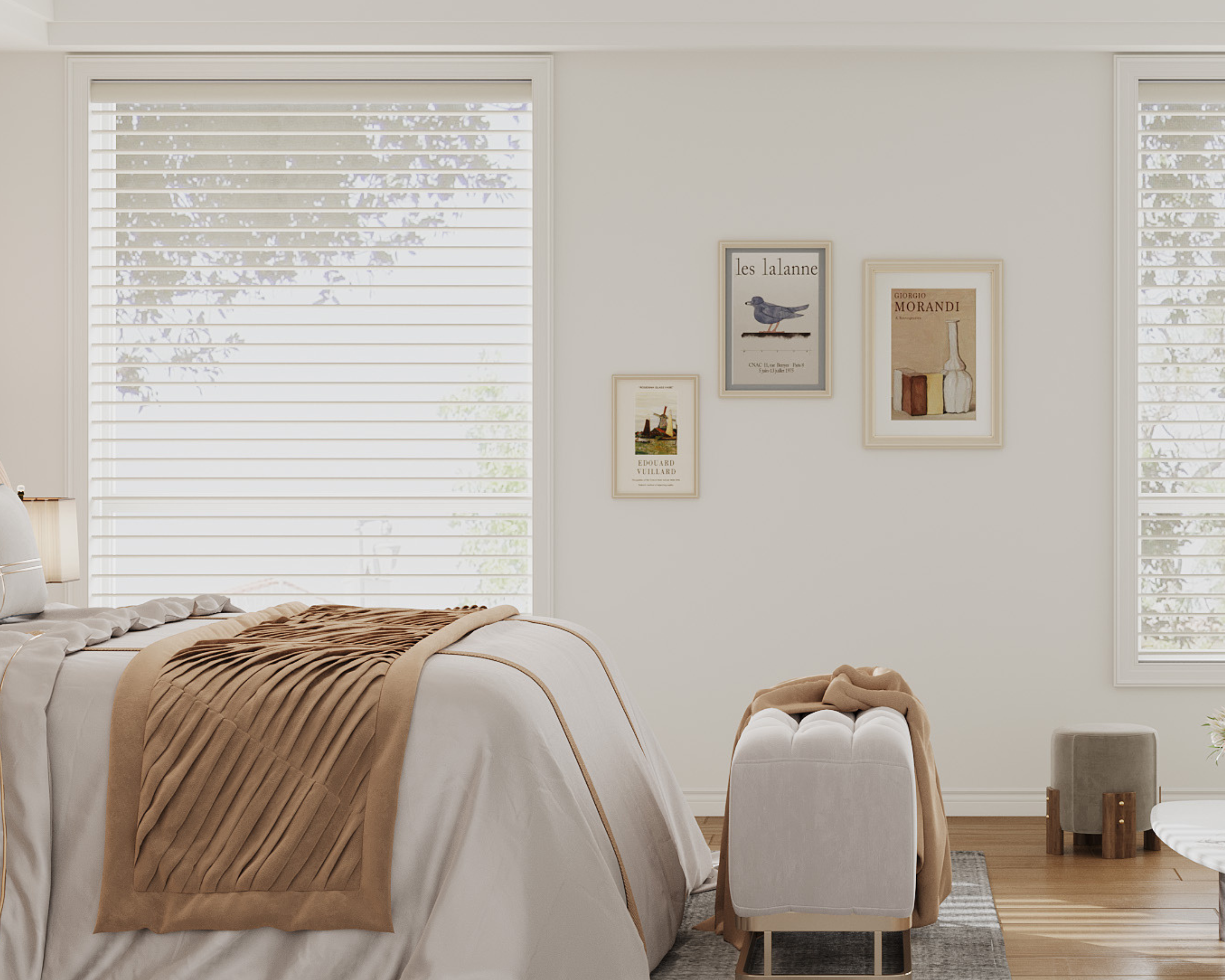
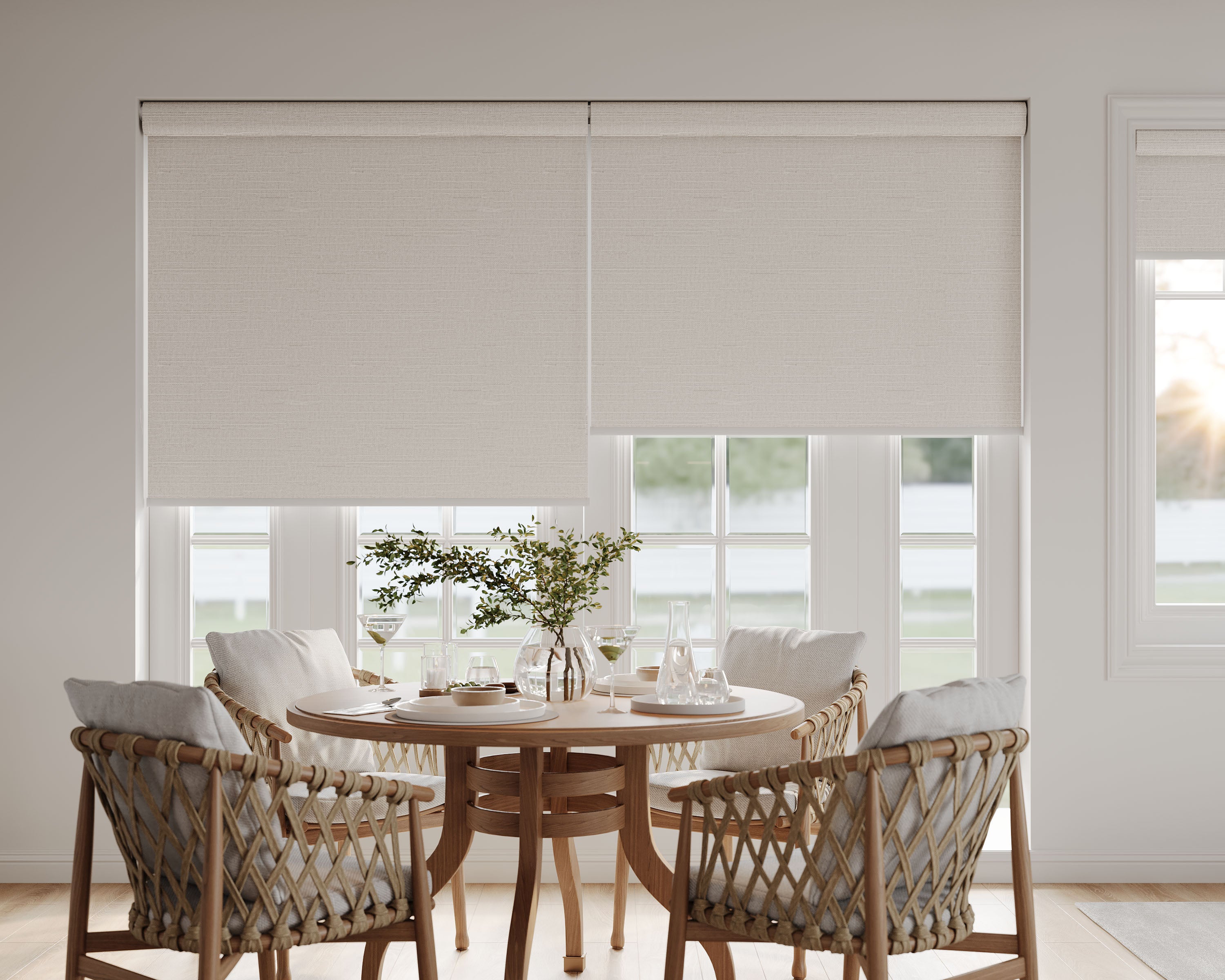


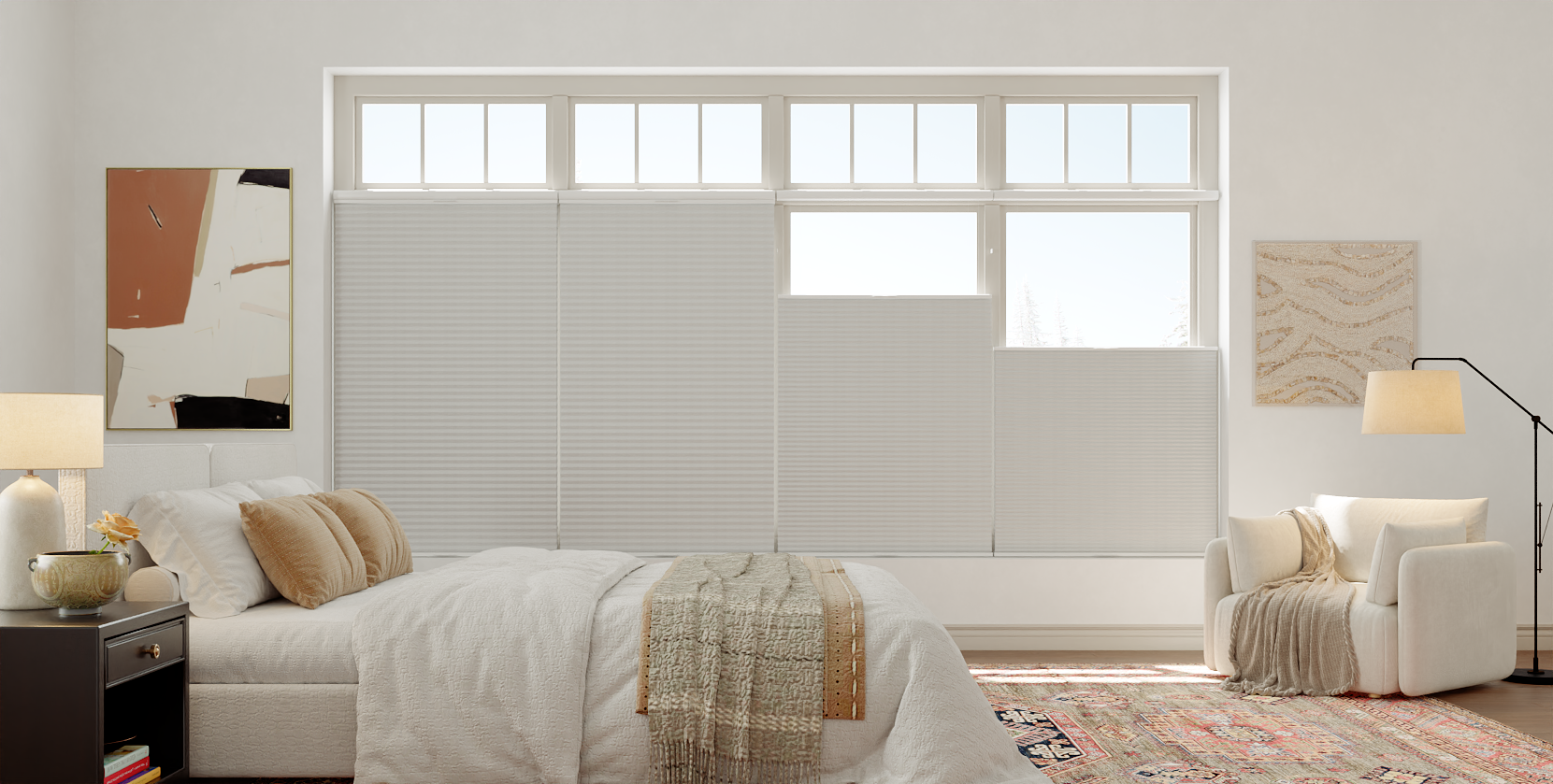


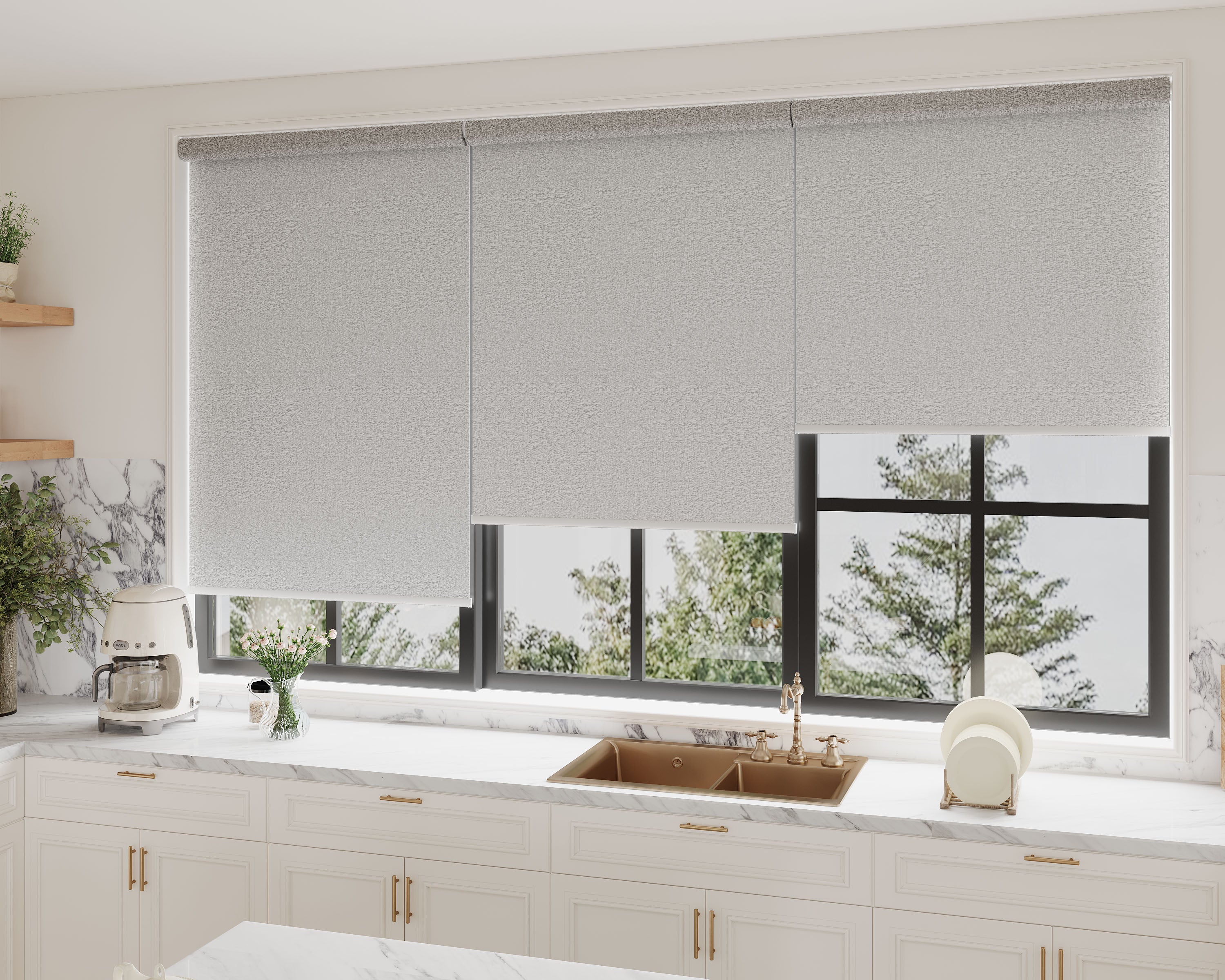

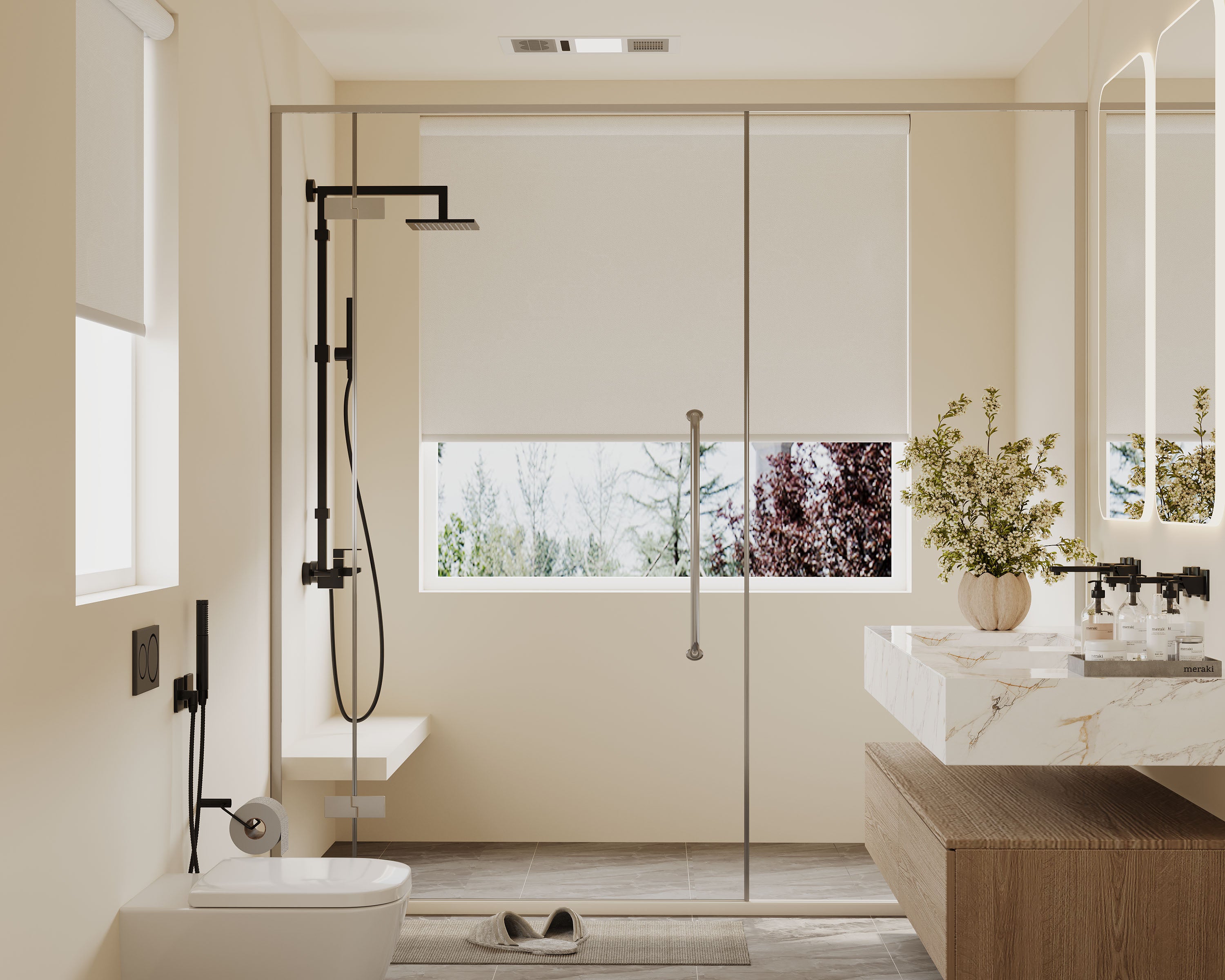


Window film changes how a particular glazing assembly handles light or heat continuously. An operable shade lets you change coverage during the day. The better choice depends on whether the priority is solar heat, nighttime insulation, view, privacy or darkness.
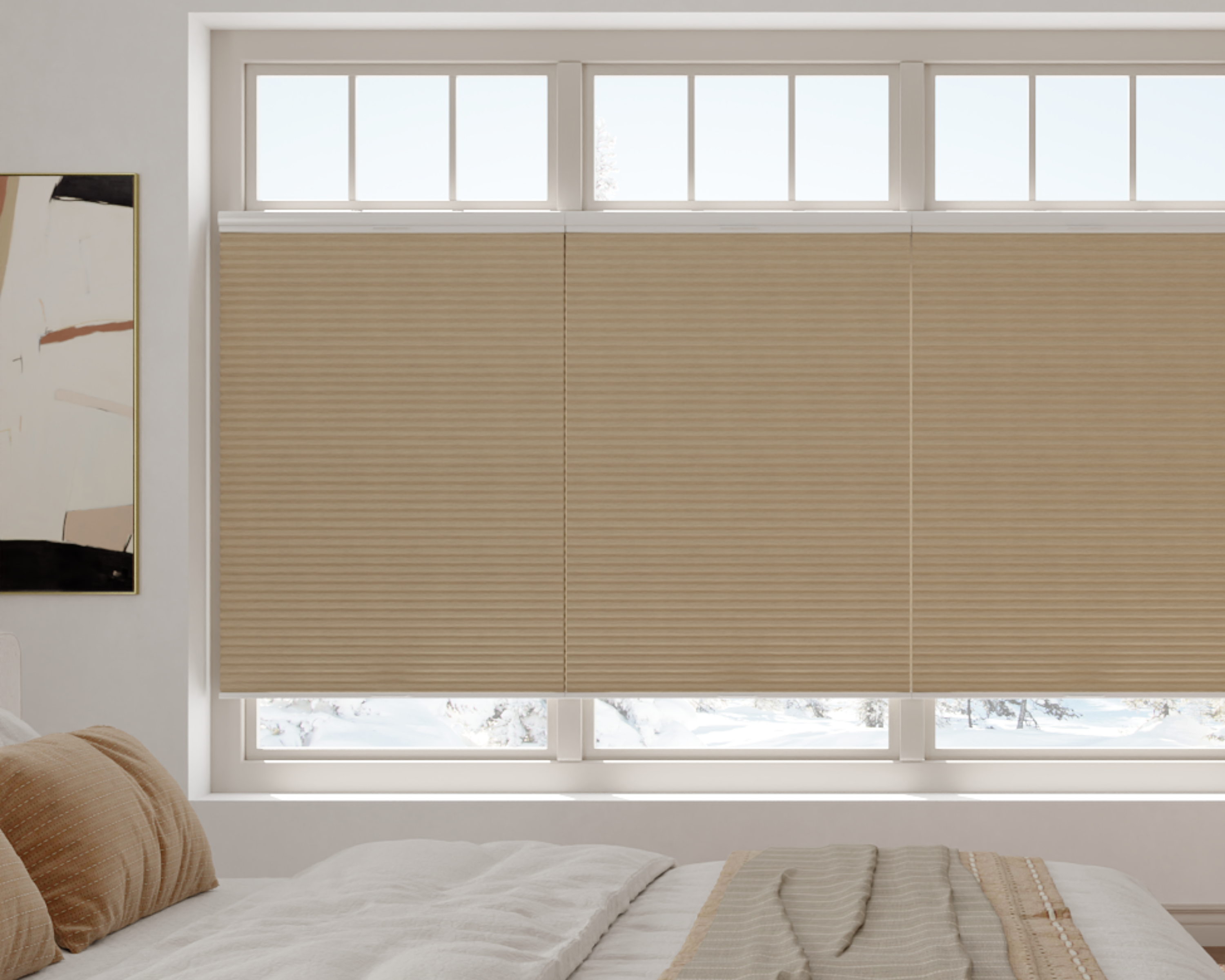
Compare the actual film/glass combination with the actual installed shade, rather than choosing a winner for two broad categories. The cellular collection is a useful starting point when an insulating interior covering is part of the comparison.
Define the window problem first
Identify the exposure and the time the problem occurs. Afternoon glare at a desk, heat loss on winter nights and privacy from a nearby walkway are different tasks.
Record the existing glass type and any relevant window warranty. Film suitability can depend on the specific glazing and application. Obtain the film and window manufacturers' compatibility guidance before adding a product to the glass.
For a shade, record mounting space, handles, privacy sightlines and who will operate it. A fabric specification alone does not show how well the installed covering will suit the window.
Compare adjustment and appearance
| Question | Operable shade | Applied film |
|---|---|---|
| Can the effect change during the day? | Coverage changes within the system's supported positions | The installed film's effect remains at the glass |
| Can the view be exposed? | Raising or opening may expose more glass | View depends on the selected film |
| Does it add fabric or hardware? | Yes, with a model-specific profile | Film sits on the permitted glazing surface |
| Can it provide darkness? | Depends on opacity and installed gaps | Depends on film type; solar film is not automatically blackout |
| What needs care? | Fabric, lift and mounting | Film surface and edge condition |
Treat each cell as a comparison question, not a guarantee that every product in the category behaves identically.
Separate solar heat from winter heat loss
Solar-control performance and insulation are different. Ask for suitable solar heat-gain and visible-light information for the proposed film/glass assembly. For a shade, ask for model-specific energy information where available and the conditions behind it.
PNNL's window-attachment guide distinguishes goals such as summer solar control, winter heat retention, daylighting and privacy, and recommends comparing appropriate rated products. It does not establish one universal percentage advantage for every film or fabric.
Our cellular air-space guide explains that construction. Its insulation role should not be treated as a quantified result for every size, fit or climate.
Test glare and privacy separately
For a screen, assess the actual position and sun angle. A fixed film may reduce brightness continually; an appropriate shade can be adjusted when the screen or room use changes.
Compare solar shades where view-through screening is useful. The solar-versus-sheer guide explains those fabric approaches.
Do not assume all films provide nighttime privacy or that no film can obscure views after dark. A reflective solar film and an obscuring privacy film are different products. Likewise, light-filtering or screen fabric is not automatically opaque when the room lights are on.
Where deeper darkness is needed, compare a suitable blackout covering, including edge coverage. Any layered solution needs adequate clearance and appropriate controls.
Compare installation and ongoing support
For film, confirm permitted glazing, surface preparation, installation, cure and care instructions, and product/window warranty responsibilities. Do not assume every film is DIY-friendly or every installation requires a professional.
For a shade, define the mounting surface, fasteners, access and final checks. Do not assume the job always takes a fixed number of minutes or automatically requires drilling.
Compare complete current quotes for the same need, including measurement, fitting, controls and any removal work. The motorized/manual ownership guide helps identify ongoing power and service tasks.
Use materials and environmental claims carefully
The material comparison explains different constructions. A natural-fiber label does not by itself establish lower whole-life impact, and mixed-material shade assemblies are not automatically recyclable.
Ask for specific evidence behind manufacturing, recycled-content or disposal claims. Energy benefits depend on the product and use. Where operable shading is chosen, the sun-path scheduling guide helps organize useful positions.
Choose a cellular shade, another suitable covering, film or a compatible combination around the actual window task. An evidence-based configuration is more useful than a blanket efficiency ranking.
