


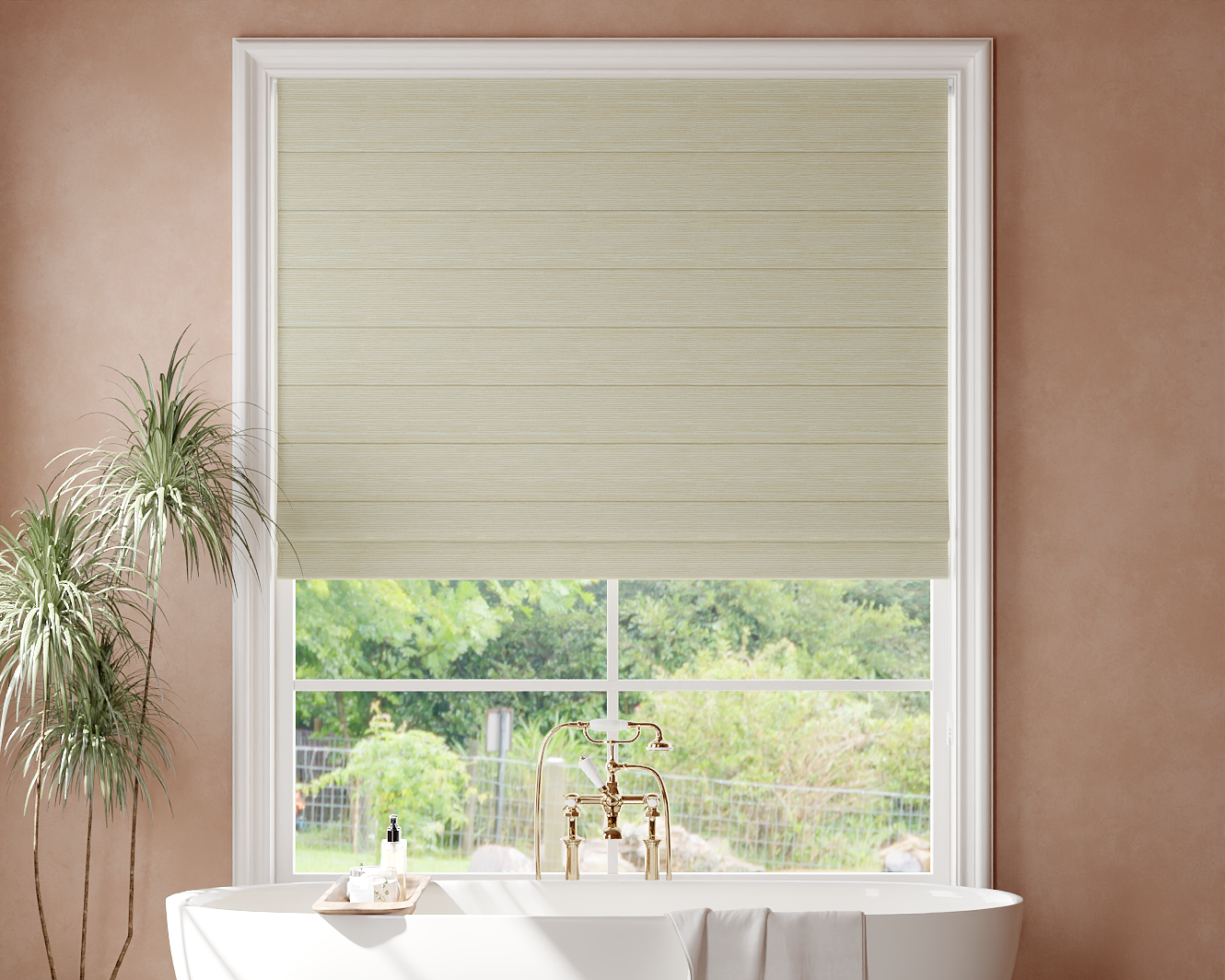
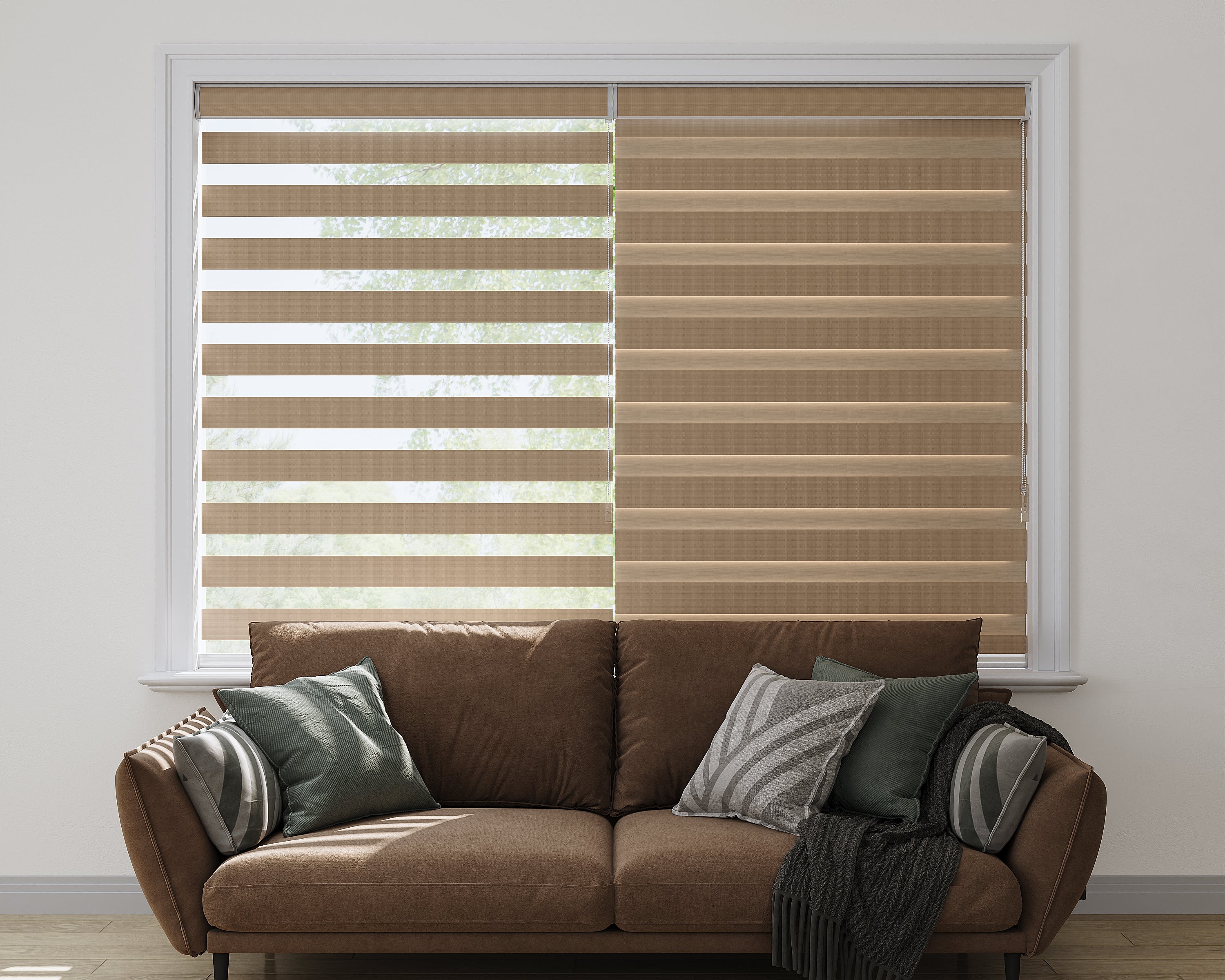
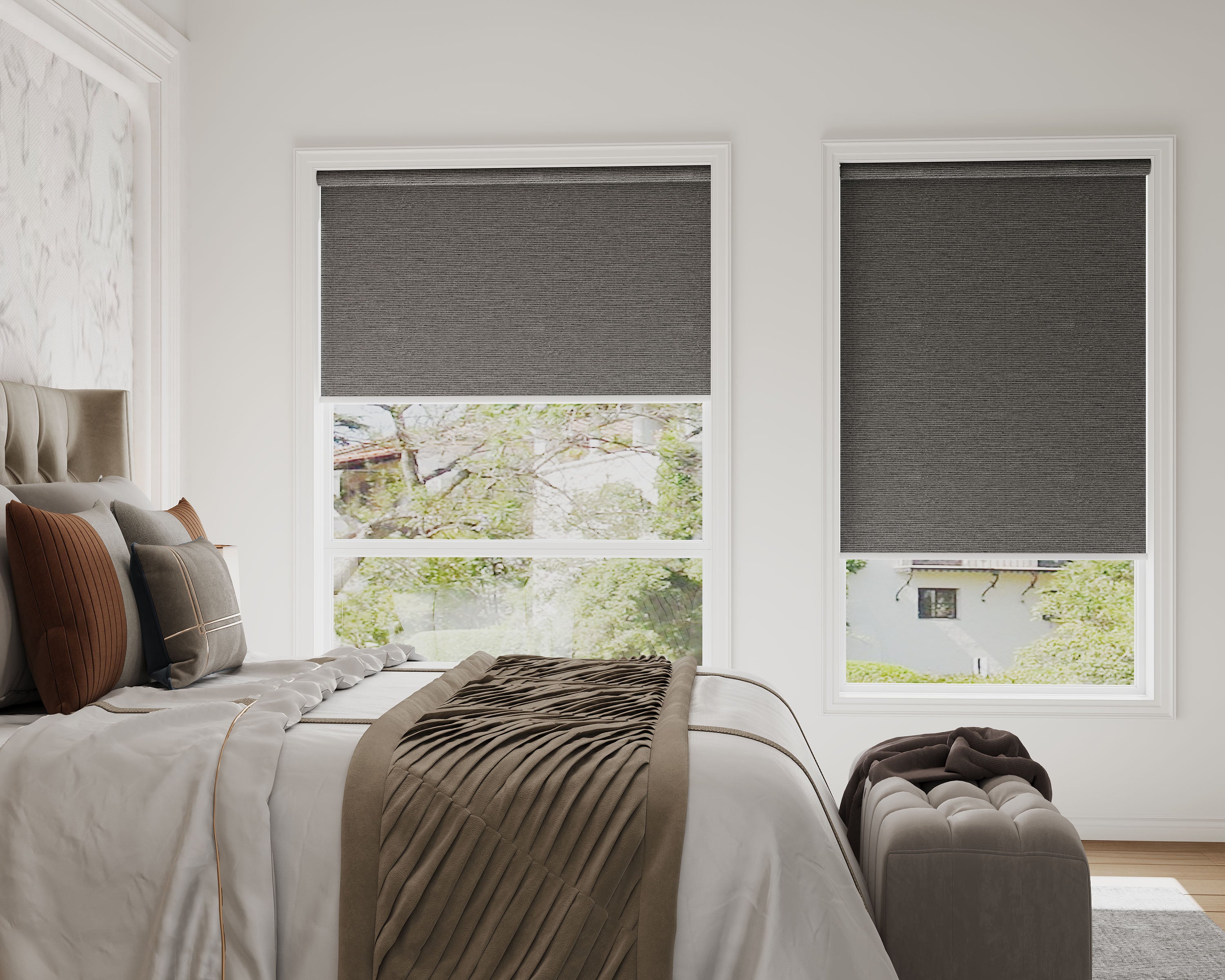
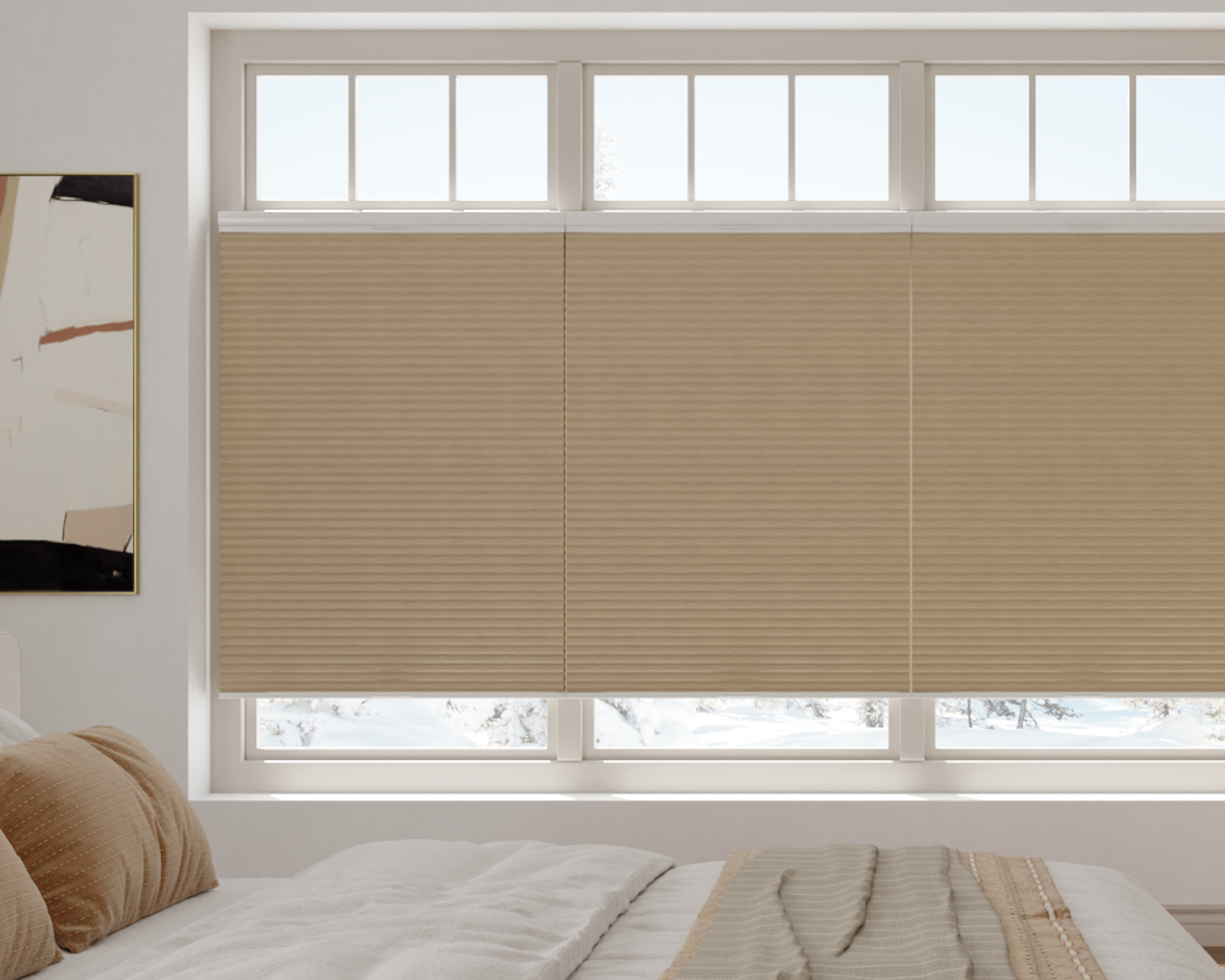
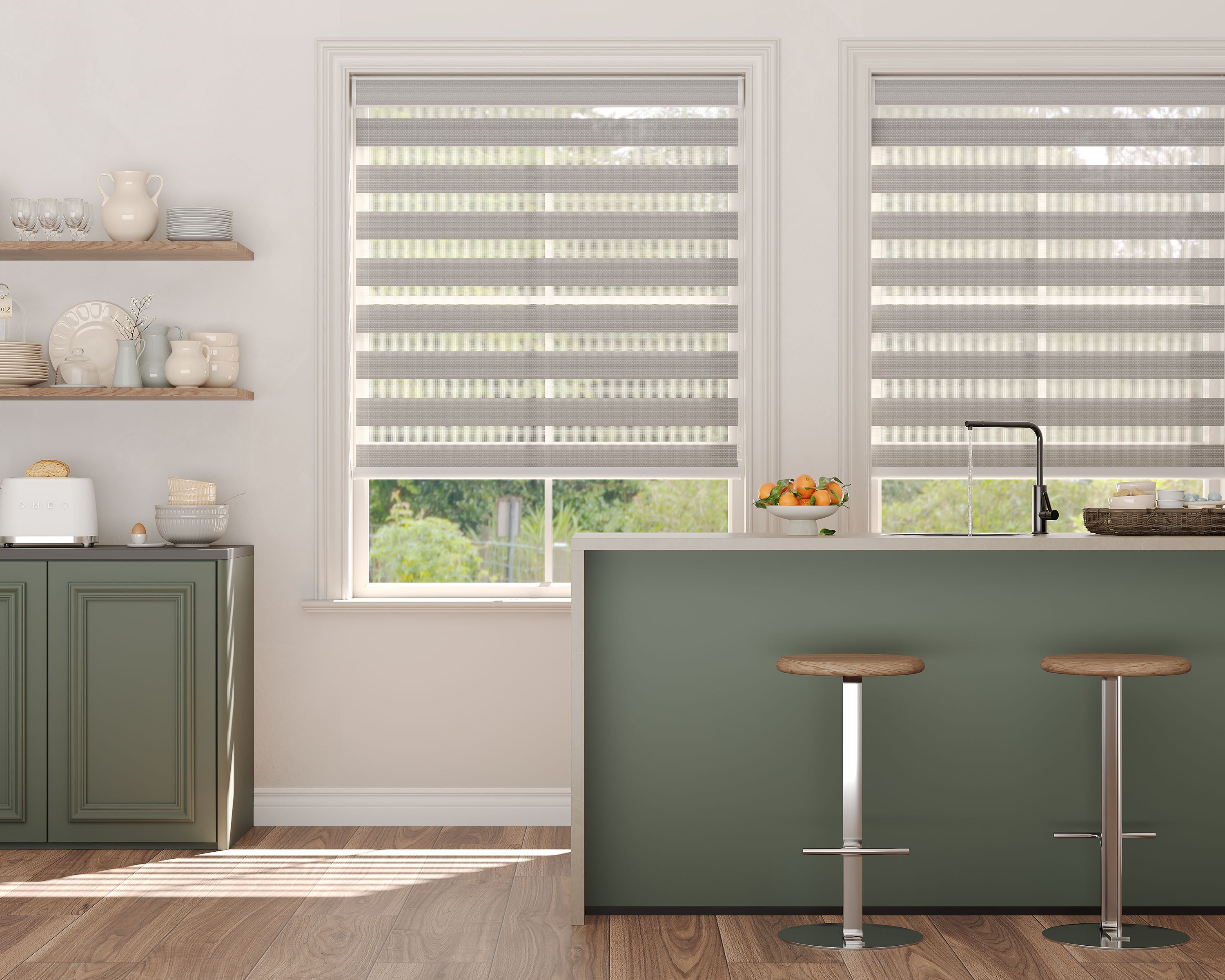


Choosing the right window treatment often leads homeowners to a standoff between two excellent options: the sleek, modern roller shade and the innovative, energy-efficient cellular shade. At first glance, both roll up and down, but their core design leads to vastly different performance in your home. This isn't just about looks—it's about whether you prioritize streamlined aesthetics or maximum insulation, easy cleaning or advanced light filtering. This guide provides a complete, side-by-side breakdown to help you move past the confusion and select the perfect shade based on what matters most for your space.
We’ll compare:
-
Design & Aesthetics: The visual profile and texture of each shade type.
-
Performance & Efficiency: Their true capabilities for insulation, light control, and privacy.
-
Practicalities: Cost, ease of cleaning, durability, and maintenance.
-
Room-by-Room Recommendations: Which shade wins in specific areas of your home.
Head-to-Head: Core Design and Visual Appeal
The most immediate difference is in their physical structure, which dictates their look and feel.
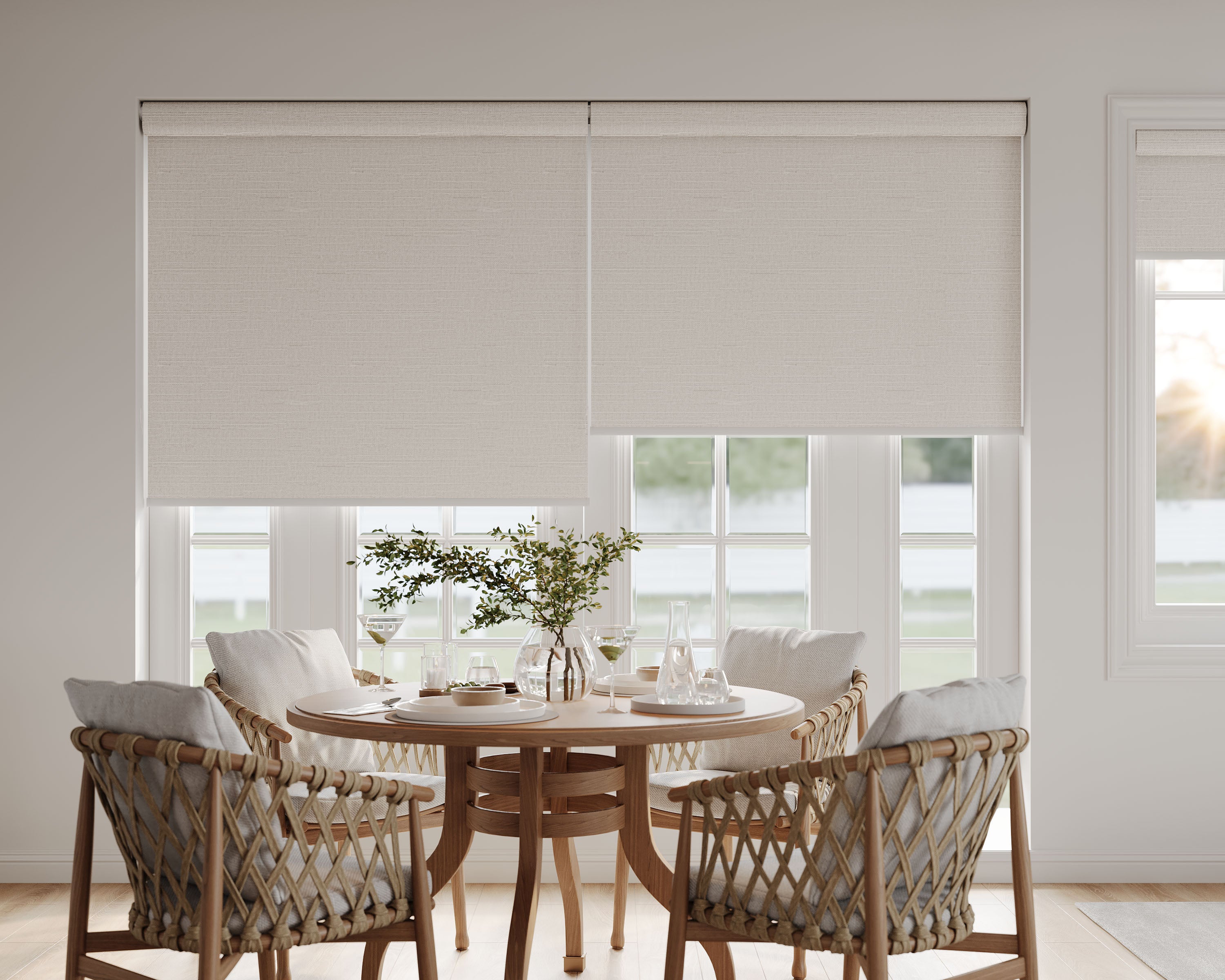
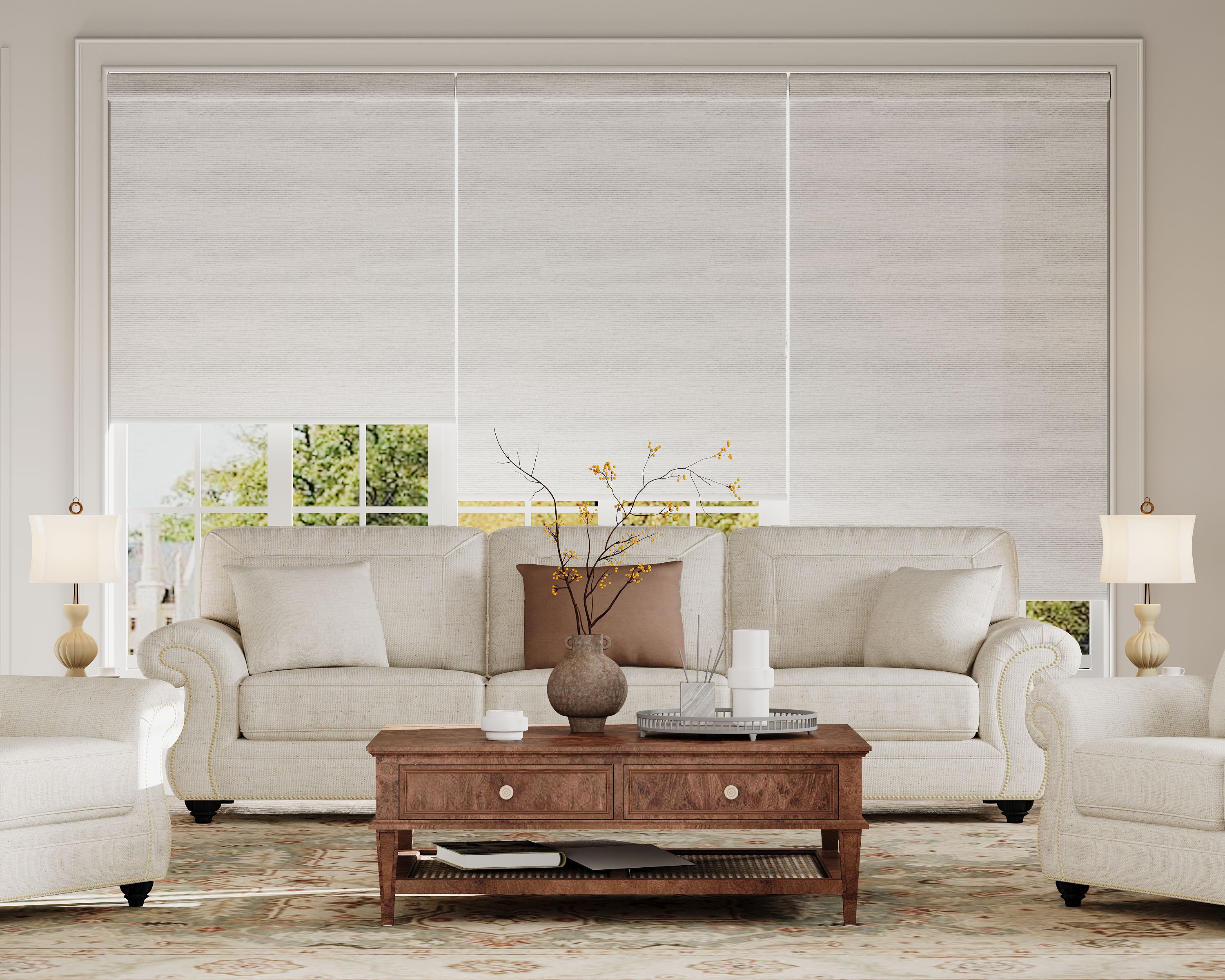
Roller Shades: The Minimalist Panel
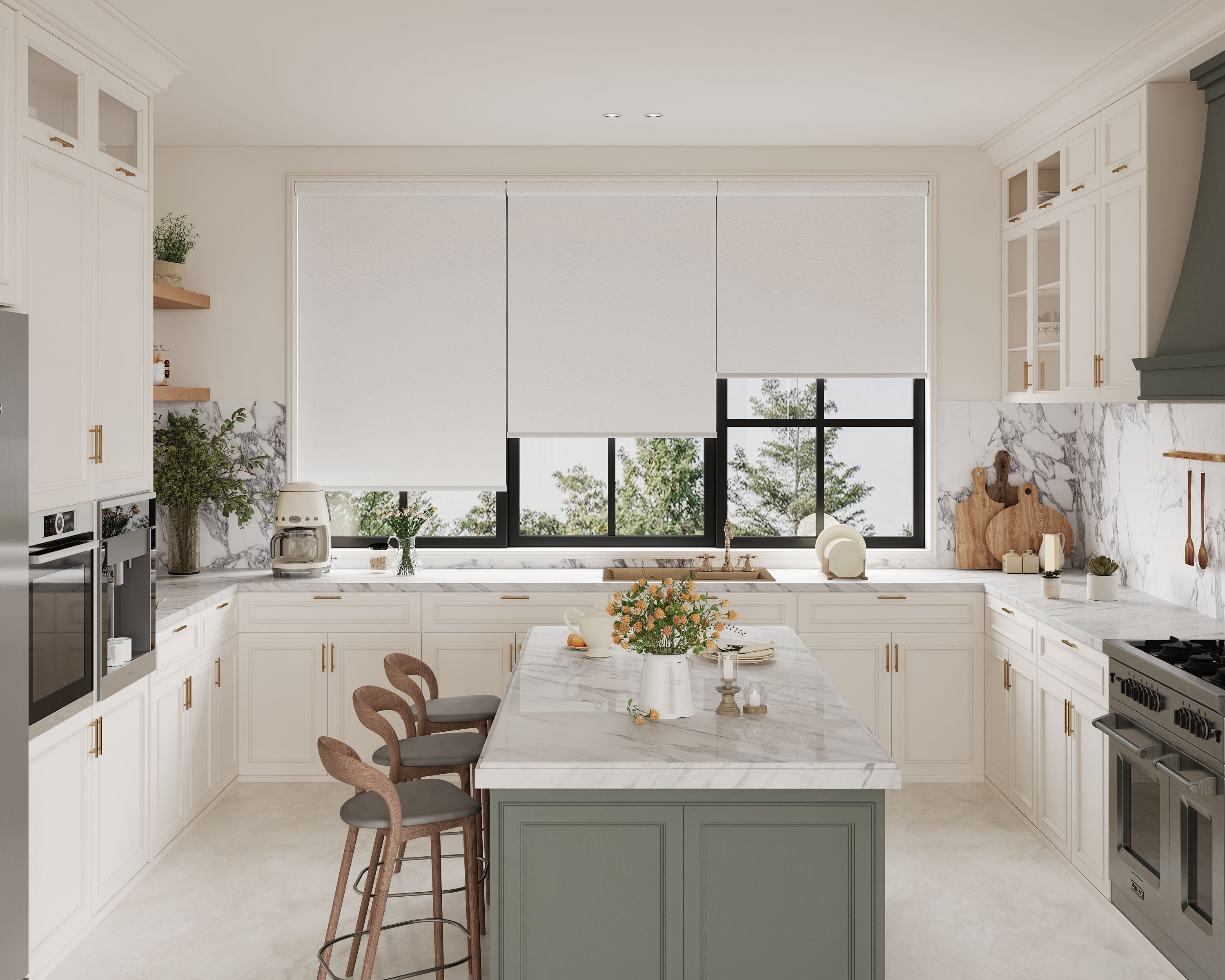
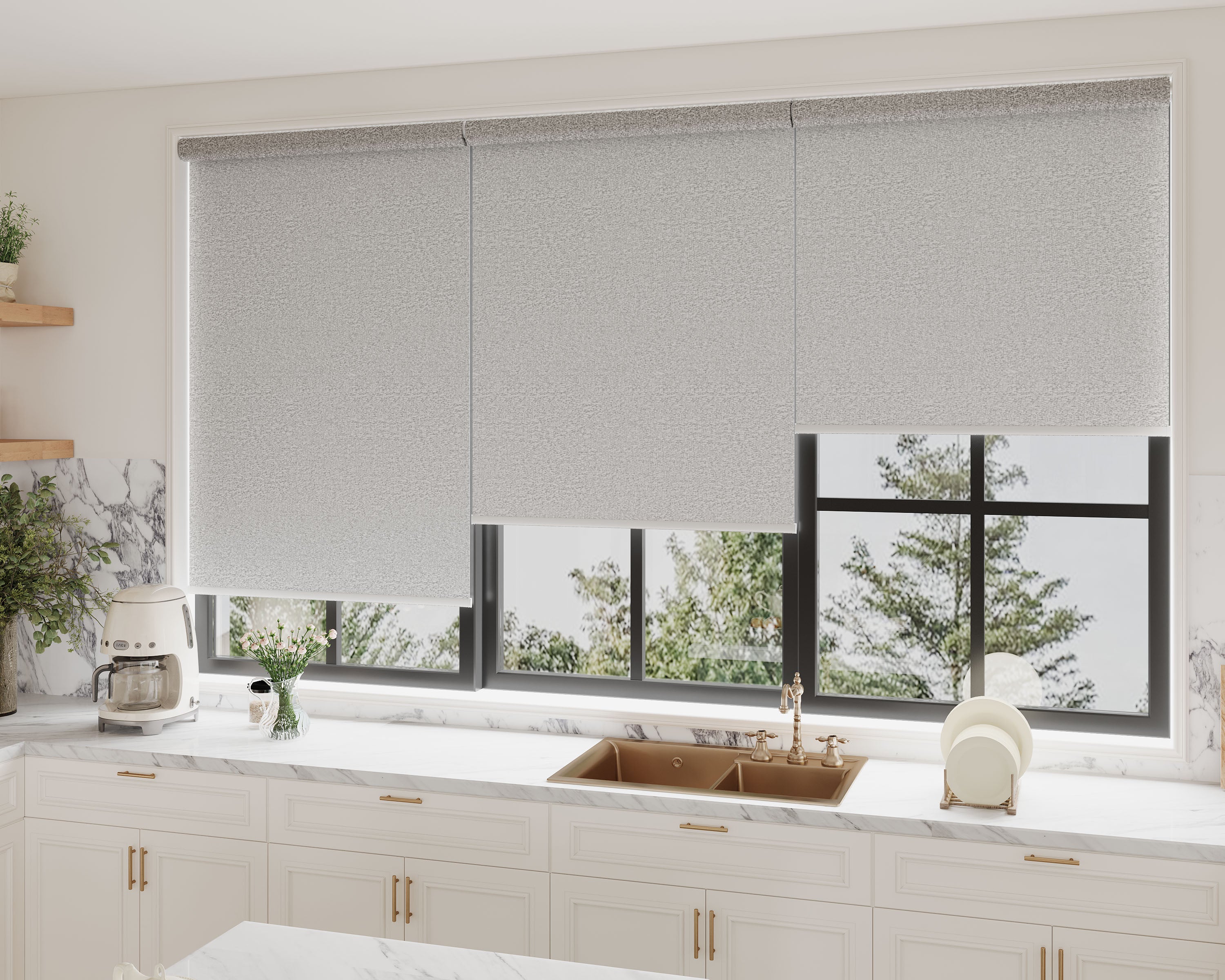
A roller shade is a single, continuous sheet of fabric that rolls onto a tube. This design offers:
-
Clean, Flat Profile: When lowered, it presents a smooth, unbroken surface ideal for minimalist window design.
-
Sleek Integration: The fabric rolls into a very compact coil, offering a low-profile look when raised.
-
Focus on Fabric: The aesthetic is driven entirely by the fabric's color, pattern, or texture (like linen or woven wood).
Cellular Shades: The Textured Honeycomb
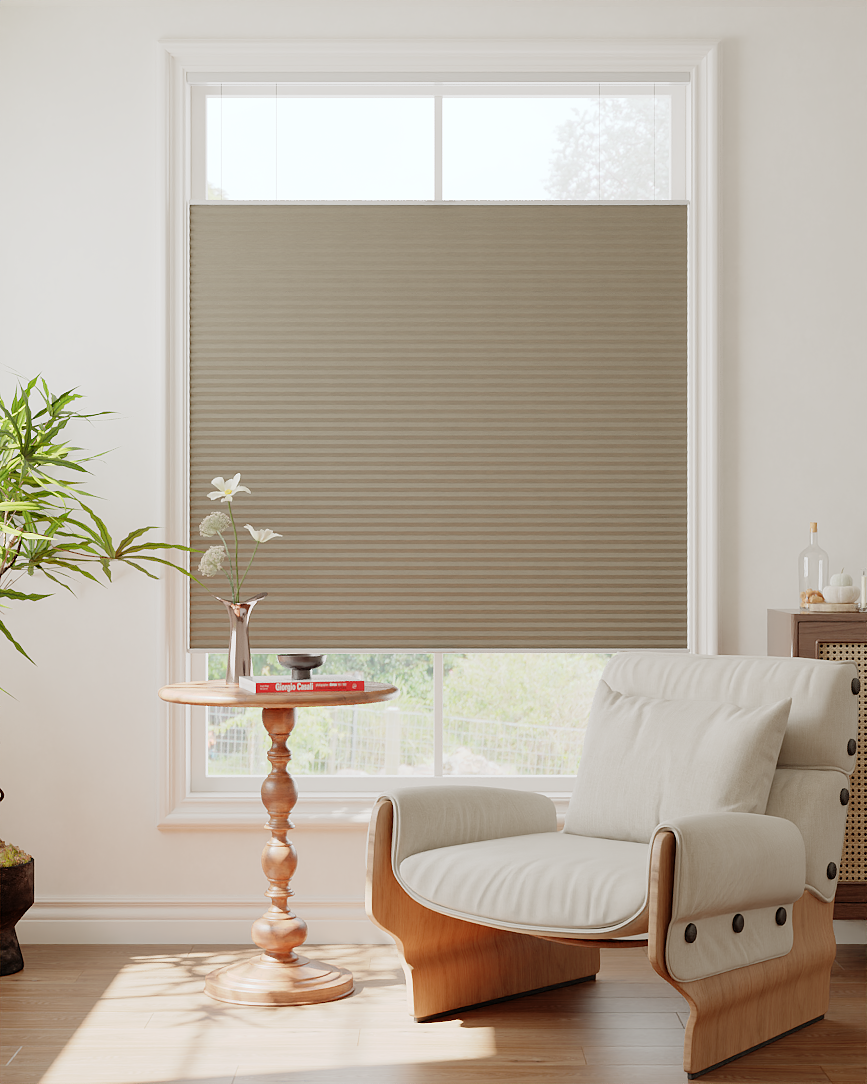
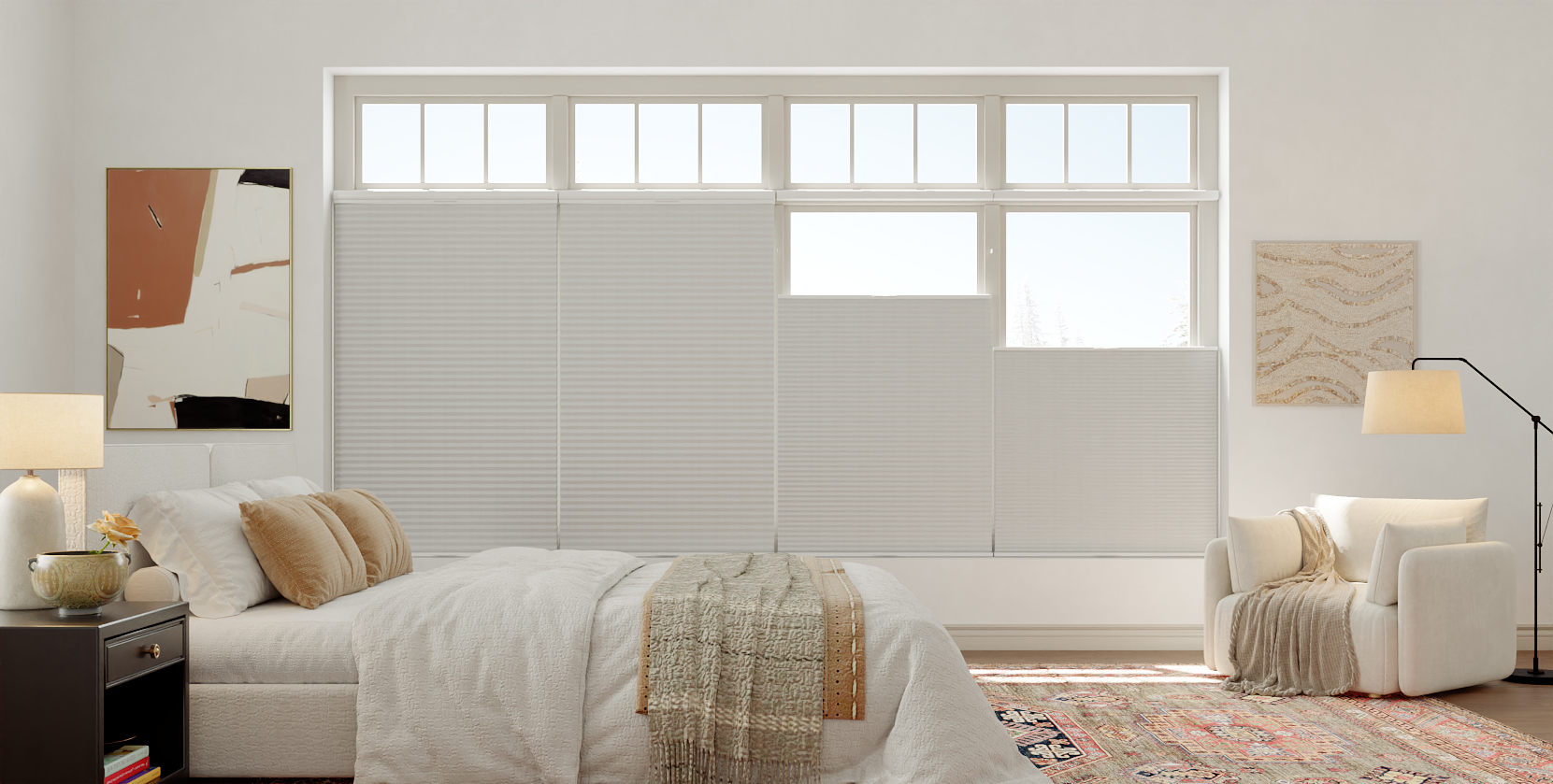
Cellular shades are constructed from rows of fabric cells that form a honeycomb pattern when viewed from the side. This design creates:
-
Soft, Textured Appearance: The cellular structure adds depth and a soft, modern texture to the window.
-
Functional Thickness: The cells provide the shade with its thickness, which is key to its insulating properties but gives it a more substantial look than a flat roller shade.
Performance Showdown: Insulation, Light, and Privacy
This is where the structural difference creates a significant performance gap, a topic explored in depth in our comparison of which shade structure gives better insulation.
| Feature | Roller Shades | Cellular (Honeycomb) Shades | Winner For... |
|---|---|---|---|
| Insulation | Provides a basic barrier against drafts and sun. Single layer of fabric. | Excellent. The honeycomb cells trap air, creating a layer of insulation that reduces heat transfer. | Energy Efficiency. Cellular shades are the clear winner for reducing heating and cooling costs. |
| Light Control | Wide range from sheer to total blackout fabrics. Control is all-or-nothing per panel. | Good range (sheer to blackout), but light can filter slightly through the sides of cells on some models. | Precision Darkness. Roller shades with blackout liners often provide a slightly more complete light seal. |
| Privacy | Excellent when using opaque fabrics. Sheer options offer daytime privacy only. | Very good. The cellular fabric diffuses views, though very bright interior lights at night may show cell outlines. | Daytime Privacy. A tie with quality fabrics. For night privacy, opaque roller shades may have a slight edge. |
Practical Considerations: Cost, Cleaning, and Durability
Daily life and budget are key deciding factors.
Cost Comparison
-
Roller Shades: Generally more budget-friendly, especially in standard fabrics. They are a simpler construction.
-
Cellular Shades: Typically command a higher price point due to their more complex manufacturing process and material usage. The premium pays for their insulating ability.
Maintenance and Cleaning
-
Roller Shades: Easier to clean. Their flat surface can be dusted with a microfiber cloth or gently spot-cleaned. Vinyl roller shades can be wiped down with a damp cloth, making them ideal for kitchens.
-
Cellular Shades: More challenging to clean. Dust can settle into the cellular folds. They require gentle vacuuming with a brush attachment or careful use of a compressed air duster. They are not suitable for wet cleaning.
Durability and Room Suitability
-
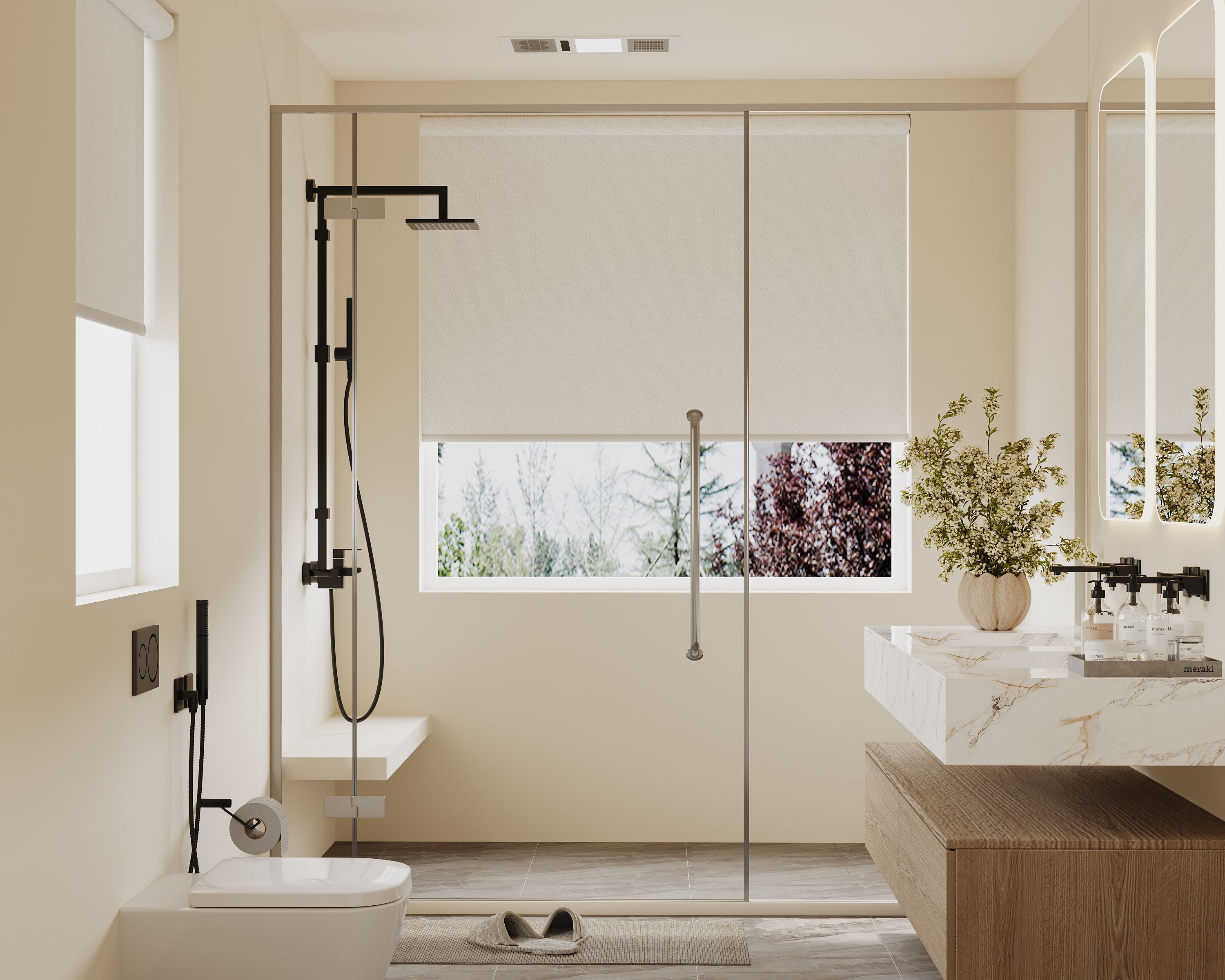
Moisture Resistance: Roller shades, especially vinyl or synthetic fabrics, are generally more resistant to humidity and easier to wipe dry, making them a safer choice for bathrooms. The porous fabric of cellular shades can trap moisture.
-
Child & Pet Safety: Both are excellent candidates for cordless or motorized operation, eliminating cord hazards.
The Final Choice: A Room-by-Room Guide
Your decision should be guided by the room's primary function. Use this table to find the best fit.
| Room | Recommended Shade Type | Key Reason |
|---|---|---|
| Bedroom | Cellular Shades | Superior insulation for temperature regulation and noise dampening contribute to better sleep. Pair with a blackout lining. |
| Living Room |
Depends on Priority: • Cellular for efficiency. • Roller for a clean, modern look. |
Choose based on whether energy savings or minimalist aesthetics is more important for your space. |
| Home Office | Roller Shades | Excellent for reducing glare on screens with solar or light-filtering fabrics. Easy to adjust. |
| Kitchen & Bathroom | Roller Shades | Moisture-resistant fabrics (vinyl, polyester) are easy to wipe clean from splashes, grease, or steam. |
| Nursery/Kids' Room | Cellular Shades | Excellent insulation helps maintain a consistent, comfortable temperature. Always choose cordless. |
| Large/Sun-Filled Windows | Cellular Shades | Their insulating power is most valuable on windows that cause significant heat gain or loss. |
Decision Checklist: Which Shade is Right for You?
Answer these questions to guide your choice. More "Yes" answers in a column points you to the winner for your needs.
| Priority | If You Answer "Yes," Lean Toward ROLLER SHADES | If You Answer "Yes," Lean Toward CELLULAR SHADES |
|---|---|---|
| Aesthetic | "I want a flat, smooth, minimalist look." | "I like the soft, textured look of the honeycomb design." |
| Primary Goal | "Easy cleaning and low maintenance are top priorities." | "Maximizing energy efficiency and insulation is my main goal." |
| Climate & Bills | "My climate is mild, or my windows are already efficient." | "I have drafty windows or want to reduce high heating/cooling bills." |
| Room Function | "I need shades for a kitchen, bathroom, or home office." | "I'm choosing for a bedroom, nursery, or living room in a cold/hot climate." |
| Budget | "I am looking for a more budget-friendly window treatment." | "I am willing to invest more upfront for long-term energy savings." |
Your Next Steps:
-
Identify Your Top Priority: Use the checklist above. Is it look, efficiency, or easy care?
-
Explore the Options: See the variety of fabrics and opacities available for modern roller shades.
-
Dive Deeper: Understand how your choice of material affects light, cost, and longevity for both shade types.
-
Consider Your Climate: Revisit the detailed breakdown of cellular vs. roller shade insulation performance if energy savings is a key factor.
Explore Custom Roller Shades


Frequently Asked Questions
Are cellular shades really that much more energy-efficient than roller shades?
Yes, structurally, they are. The honeycomb design is specifically engineered to trap air, creating a barrier that slows heat transfer through the window. A single-layer roller shade provides only a basic buffer. For homes in extreme climates or with inefficient windows, the difference can be noticeable on energy bills.
Can I get cellular shades that are truly blackout?
Yes. You can get cellular shades with a blackout lining applied to the back of the cells. However, because of the side walls of the cells, a small amount of light may filter through the very edges of the shade where it meets the window frame compared to a perfectly sealed blackout roller shade. For most people, blackout cellular shades provide more than sufficient darkness for sleep.
Which type of shade is easier to install?
Both roller and cellular shades are designed for straightforward DIY installation using similar bracket systems. The process is comparable in difficulty, typically requiring a drill, level, and screwdriver. The key is accurate measurement.
Is the price difference between roller and cellular shades significant?
It can be. Cellular shades are generally 20-50% more expensive than a comparable roller shade in a similar fabric due to their complex construction. It's important to weigh this upfront cost against the potential long-term energy savings and the value of increased comfort.
I hope this detailed comparison empowers you to choose confidently. If your priority is understanding how different materials behave, our deep dive into fabrics like linen, vinyl, and bamboo offers crucial insights for both roller and cellular shade choices.
