



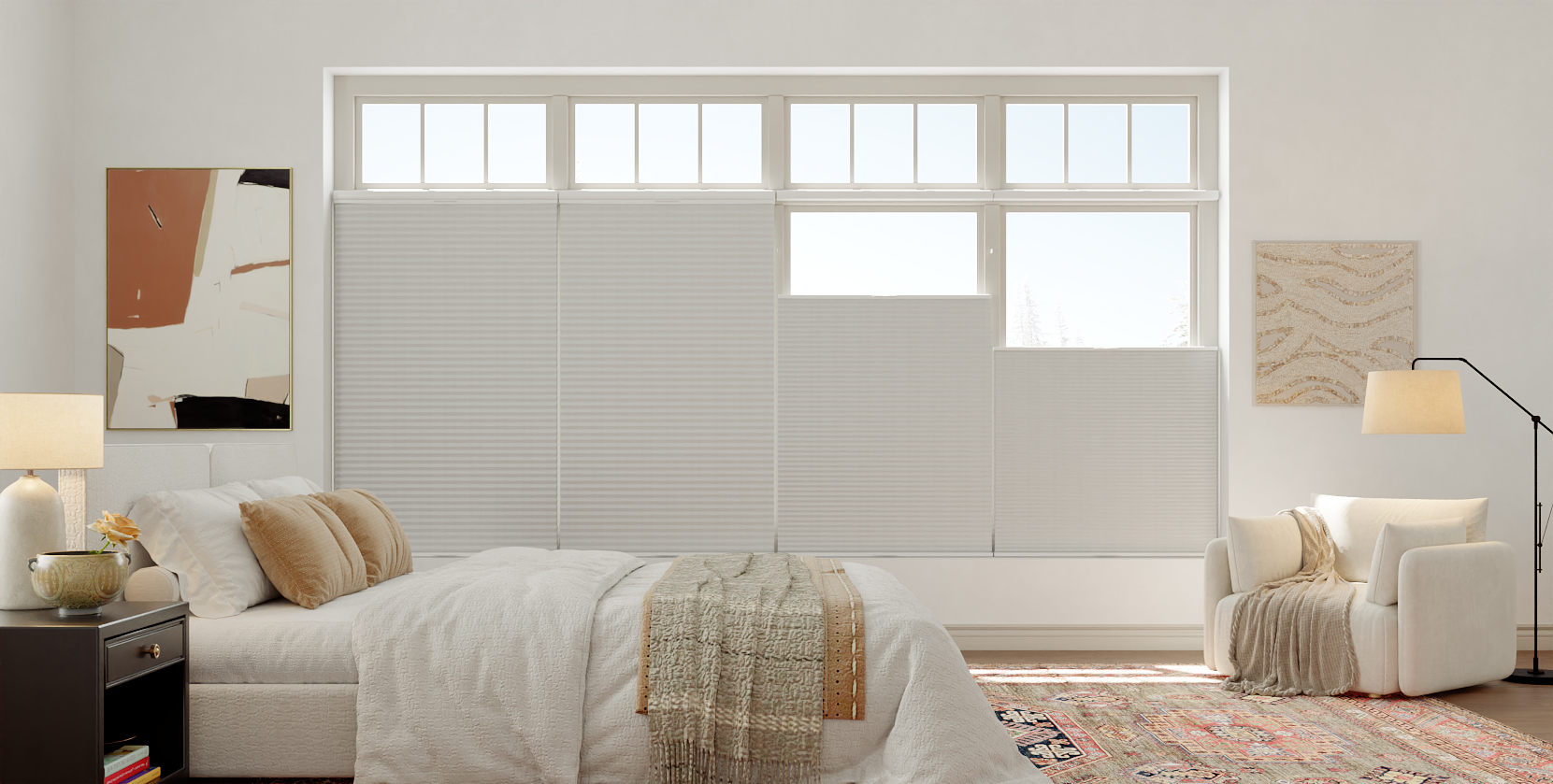


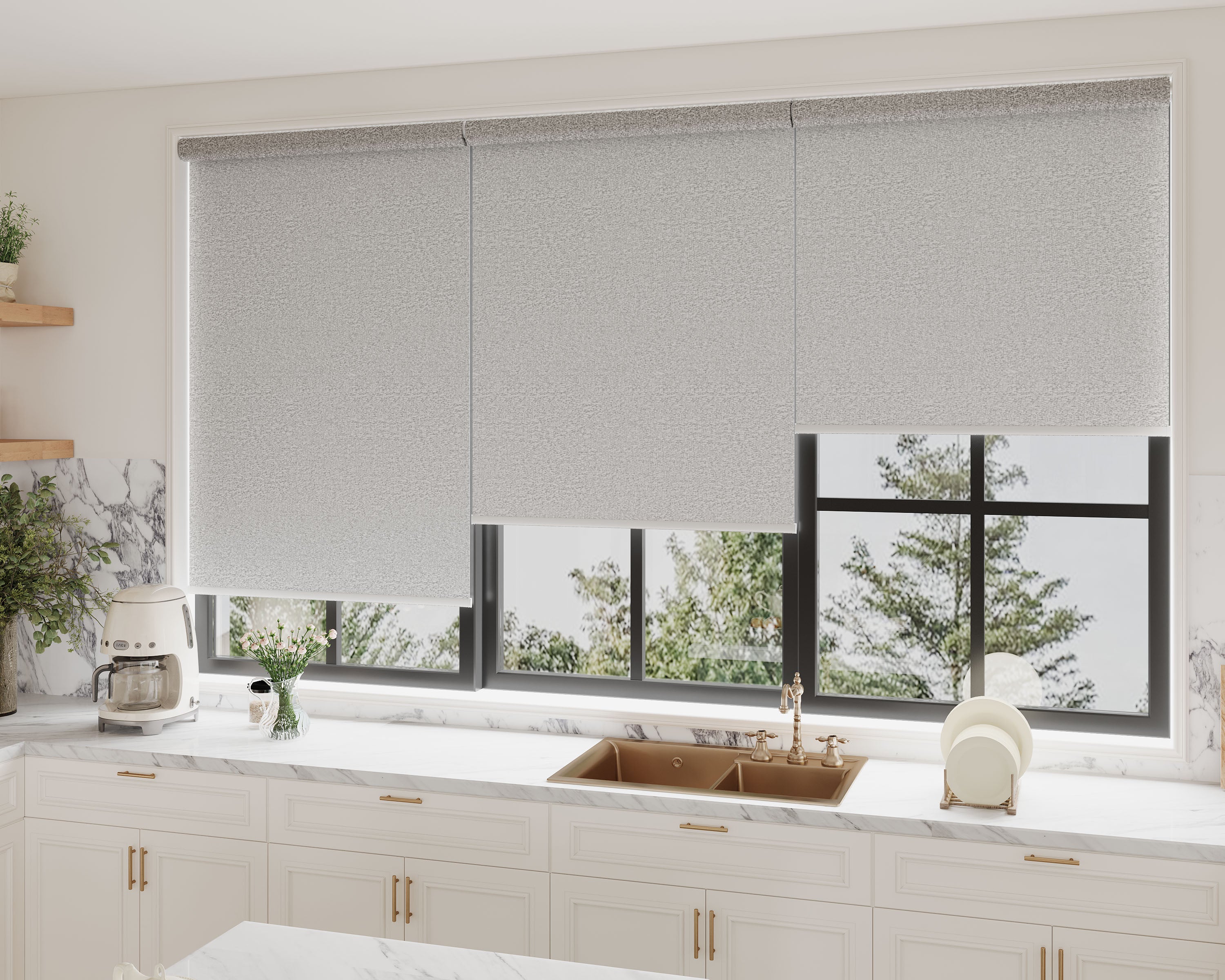

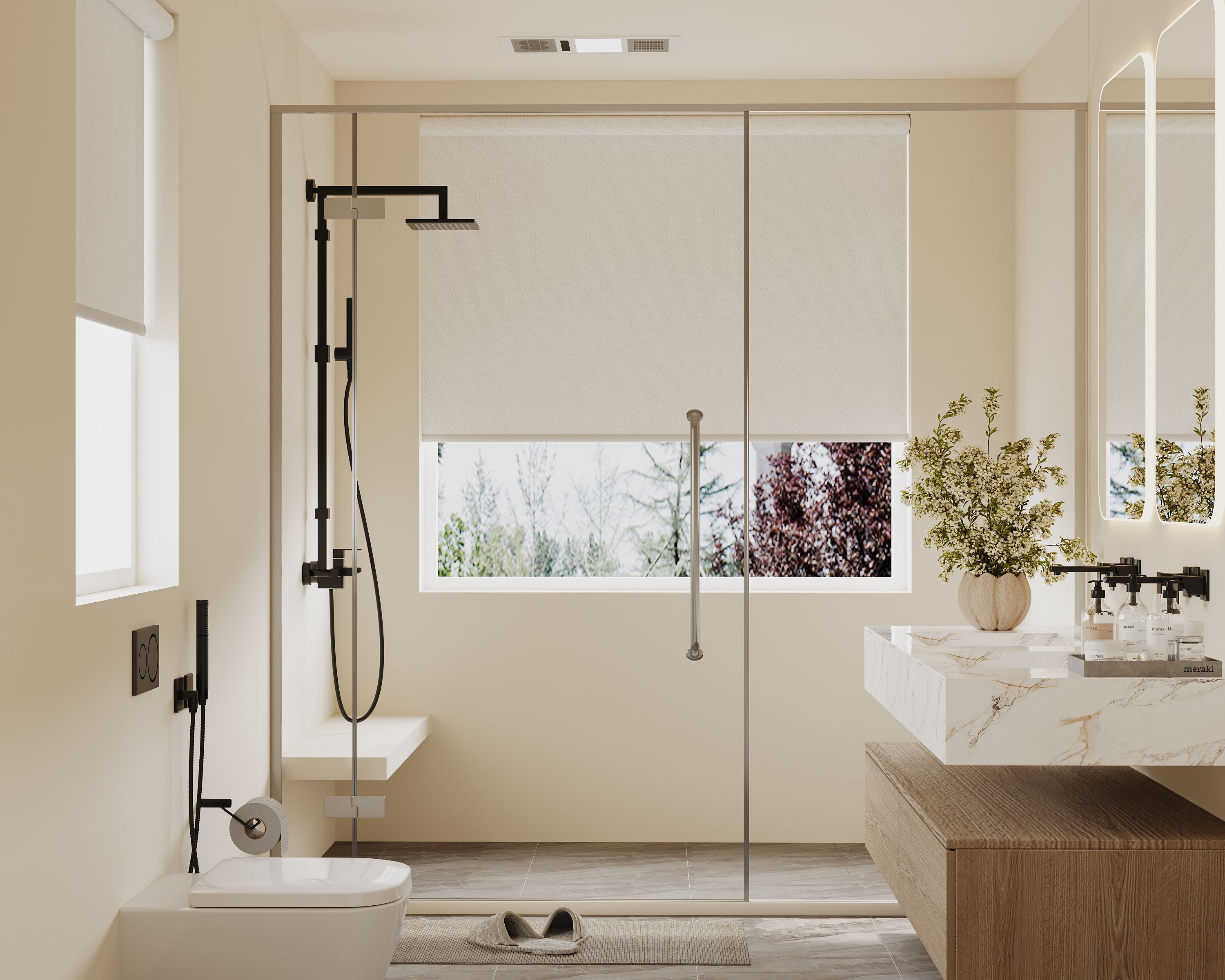


Mounting fixtures outside on masonry walls brings its own set of challenges—especially if you want something secure, weather-resistant, and, let’s be honest, not ugly. Keeping moisture out and preventing slow, sneaky damage means picking the right spacers, sealants, and moisture barriers for every outside-mount project. It’s not just about following the rules; it’s about understanding how all these little details work together.
If you take the time to choose good materials and install them well, you’ll dodge a lot of headaches—leaks, stains, you name it. There are a few classic mistakes, but with a bit of know-how, you can handle these projects without too much drama. Let’s get into how all these pieces fit together so your next outside-mount job on brick or stone is solid, weatherproof, and—hey—actually looks good.
Key Takeaways
- Outside-mounts on masonry need proper spacers, sealant, and moisture barriers.
- Smart material choices and careful installation improve durability.
- Regular checks and maintenance can prevent future problems.
These steps are fundamental for installing weatherproof roller shades that perform reliably on exterior masonry for years.
What Is an Outside-Mount on Masonry Walls?
Outside-mount installations on masonry let us attach fixtures or hardware right onto the surface of brick, stone, or concrete. This method affects how things look, how you install them, and how long they’ll last.
Comparing Outside-Mount to Inside-Mount Installations
When we talk about mounting, there are really two options: outside-mount or inside-mount. Outside-mount means the hardware or structure sits on the face of the wall—nothing gets recessed into the masonry. Inside-mount tucks whatever you’re adding into an opening, like a window or door frame.
Outside-mounts are the go-to when the masonry’s just too tough to cut, or you want to keep the original structure untouched. They’re usually easier to install since you’re not chiseling or resizing anything. But, they’re also more exposed to the weather, so you’ve got to think about moisture, wind, and, yeah, things expanding and contracting with the seasons. This is why understanding the pros and cons of an inside mount versus an outside mount is a crucial first decision before any drilling begins.
A quick chart for reference:
| Feature | Outside-Mount | Inside-Mount |
|---|---|---|
| Installation Difficulty | Simple | Often more complex |
| Exposure | High | Lower |
| Alteration of Masonry | Minimal | Sometimes required |
| Aesthetic Flexibility | High | Moderate |
Common Applications in Home Design
You’ll spot outside-mount installations everywhere: exterior window shades, lights, vents, shutters, and even address plaques or outdoor art. In kitchens and bathrooms with exposed brick or concrete, outside-mount shelving is common because you don’t have to mess with the wall itself.
This method really shines with older homes or accent masonry walls where you want to keep the original look. It’s also the go-to for mounting window awnings when there’s no trim or when the wall’s integrity is important.
For exterior jobs, weather resistance is huge, so you’ll want beefier fasteners and materials that can handle the elements. Even indoors, spacers and sealant matter if you want to keep humidity and dust from sneaking behind your install.
Selecting Spacers for Masonry Wall Installs
Picking the right spacers is key if you want your outside-mount on masonry walls to last. The material, thickness, and where you put them all matter if you want things to stay put and keep moisture out.
Types of Spacer Materials
For spacers, you’re mostly looking at plastic, rubber, or metal. Each one’s got its quirks. Plastic spacers (think nylon or PVC) don’t rot, aren’t conductive, and won’t corrode—pretty handy if you’re dealing with damp spots or salty air. Rubber spacers give you a bit of flex and cushion, but sunlight will eventually take its toll on them.
Metal spacers (usually stainless or galvanized steel) are strong and won’t compress like rubber or plastic. But, metals conduct heat and cold, and if you don’t pick the right finish, they’ll rust. So, match the spacer to your environment—especially if moisture or temperature swings are a thing.
Here’s a quick comparison table:
| Material | Pros | Cons |
|---|---|---|
| Plastic | Corrosion resistant, cheap | Can compress under load |
| Rubber | Flexible, absorbs movement | Degrades in UV, squishy |
| Metal | Durable, very strong | Possible to rust, cold |
Choosing the Right Spacer Thickness
Spacer thickness really matters. It affects how your bracket or hardware clears bumps and uneven spots on the wall. Too thin, and you’ll crush the wall finish or leave weird gaps. Too thick, and it starts to look clunky or even unstable.
Most exterior masonry walls do best with spacers in the 1/4" to 1/2" range. That’s thick enough to clear the rough spots but not so much that you lose support or style. Always measure first—grab a straightedge and check for proud spots before you commit.
If you’re mounting something heavy, like an awning, don’t be afraid to size up. The spacer should separate, not carry all the weight.
Spacer Placement Techniques
Where you put your spacers is just as important as what kind you use. Usually, you want spacers right behind each mounting bracket or hardware point. That way, the load spreads evenly, and nothing twists or bends.
Don’t space them so far apart that things bow or flex. Each anchor point deserves its own spacer. For long rails or tracks, keep spacers every 16-24 inches—close enough for support, not so close it’s overkill.
Quick checklist for placement:
- Place spacers at every anchor or mounting point
- Space evenly for rails, tracks, or big brackets
- Add extras in high-load zones (corners, edges)
For severely uneven masonry, the technique of using shims to level shades on uneven walls provides advanced problem-solving.
Proper placement keeps things sturdy and stops drafts or wobbles before they start.
Achieving a Reliable Seal with the Right Sealant
If you want your outdoor mounts on masonry walls to stay watertight, you need the right sealant, good technique, and a bit of patience. The little things matter—more than you’d think.
Types of Sealants for Masonry
Picking a sealant for masonry isn’t just about grabbing whatever’s on sale. You want something that sticks to brick, stone, or concrete and can handle wild weather. Here are the usual suspects:
| Sealant Type | Key Features | Pros | Cons |
|---|---|---|---|
| Polyurethane | Flexible, paintable | Strong bond, UV resistant | Longer cure time |
| Silicone | Very flexible, waterproof | Excellent UV protection | Difficult to paint |
| Hybrid (Polyether) | Quick set, flexible | Good adhesion on damp quits | Usually pricier |
| Acrylic Latex | Easy cleanup, paintable | Beginner-friendly | Not as durable outdoors |
Polyurethane and hybrid sealants are usually the best for exterior masonry—they last and stay flexible. Acrylic latex is easy to use, but don’t expect it to hold up outdoors for long.
Application Tips for Long-Lasting Results
Getting a good seal starts with a clean joint. Use a wire brush to get rid of dust, mortar crumbs, and any old sealant. The cleaner the surface, the better the stick.
If the gap’s deeper than half an inch, push in a backer rod first. This saves sealant and helps it bond right. Cut the sealant tube tip to match the gap—don’t go too wide or too narrow. Smooth the bead with a wet finger or a tool for a tidy look.
Temperature makes a difference. Apply sealant when it’s between 40°F and 90°F, and avoid rainy days. If rain’s on the way, pick a fast-curing sealant so it won’t wash out.
Common Pitfalls When Sealing Outdoor Mounts
Skipping prep is the classic mistake. If you don’t clean and dry the surface, the sealant just won’t stick for long.
Using the wrong sealant happens all the time. Silicone is great for glass and smooth stuff, but not always for rough masonry unless it’s made for that. And never use interior-grade caulk outside—it’ll fall apart fast.
Too much or too little sealant is another trap. Overfilling looks messy; underfilling leaves gaps for water. Also, don’t rush—let it cure before painting or adding another layer, or you’ll end up with a weak seal.
Understanding Moisture Barriers for Masonry Surfaces
A good moisture barrier keeps water from sneaking through your masonry walls and causing problems inside. Picking the right stuff and knowing how to use it is a game-changer if you want things to last.
Selecting the Best Barrier Materials
Vapor-permeable membranes are usually your best bet for masonry. They let the wall breathe (so trapped moisture can escape) but still block bulk water from getting in. That means less mold and less hidden damage.
Look for products labeled vapor-permeable or “breathable.” Self-adhering, liquid-applied membranes and rolled sheet barriers both work, as long as they’re rated for exterior masonry.
| Barrier Type | Breathability | Typical Application |
|---|---|---|
| Liquid-applied | High | Irregular brick, stone, block |
| Sheet membrane | Medium | Smooth, flat surfaces |
Seal all seams and edges with compatible tape or caulk. Even a tiny gap can let water in and undo all your work.
Step-by-Step Installation Process
Start by measuring the window opening and marking your mounting points on the masonry wall. Double-check—nobody likes a crooked install. If your masonry wall features non-standard openings, the process for measuring arched and round windows requires special techniques.
Drill pilot holes with a hammer drill and masonry bit. If you’ve never used a hammer drill, you’re in for a treat.
Spacer Installation:
Slip spacers between the wall and your mounting brackets. This helps keep everything level and accounts for wall bumps.
Add a generous bead of exterior-grade sealant around each drilled hole. This is your first shield against moisture sneaking in.
Moisture Barrier Step:
Tuck a strip of flexible flashing tape or waterproof membrane between the spacers and the wall. This adds another layer of moisture protection.
Secure the mounting brackets with masonry screws. Tighten them until snug, but don’t go overboard—brick and stone can crack if you get too enthusiastic.
Here’s a quick reference table for materials:
| Step | Material Needed |
|---|---|
| Marking and drilling | Measuring tape, hammer drill |
| Spacer placement | Plastic or metal spacers |
| Sealing holes | Exterior-grade sealant |
| Moisture barrier | Flashing tape or membrane |
| Mounting brackets | Masonry screws, screwdriver |
Wipe away extra sealant, step back, and take a look. Not bad, right?
Tools and Materials Needed
Before we jump in, let’s pull together what we’ll need for an outside-mount on masonry walls. Here’s a quick checklist to keep handy—nothing worse than getting halfway through and realizing you forgot something simple.
Tools
- Hammer drill (for masonry)
- Masonry bits
- Level
- Tape measure
- Screwdriver or impact driver
- Caulk gun
We’ll want sturdy anchors and screws. Masonry demands fasteners tough enough to bite into brick, stone, or concrete.
Materials
- Quality spacers (plastic or rubber are usually best)
- Appropriate sealant—silicone or polyurethane is common
- Moisture barrier material, like flashing tape
- The fixture or mounting hardware (shutters, shades, and so on)
A drop cloth or tarp is handy if things get messy. Safety gear—gloves and goggles—are just smart. Before gathering tools, the most critical step is fool‑proof measuring for your window project to ensure your mounting hardware and shades are sized correctly.
Here’s a quick rundown of what’s what:
| Tool/Material | Purpose |
|---|---|
| Masonry drill bits | Drilling into brick, stone, or concrete |
| Sealant | Seals out moisture and drafts |
| Spacers | Prevents direct contact, allows drainage |
| Moisture barrier | Blocks water infiltration |
Having all this ready makes the process smoother. Plus, fewer last-minute runs to the hardware store.
Troubleshooting and Maintenance Tips
Even with careful installs, outside-mounts on masonry can throw us some curveballs—misaligned spacers, sealant that doesn’t hold up, or just general wear. Keeping an eye on things helps prevent moisture headaches and keeps the inside comfy.
Identifying Common Installation Issues
We’ve all seen it—spacers that don’t sit flush, leaving gaps between the mount and wall. Sometimes it’s the wrong spacer thickness, sometimes uneven pressure during install. If you spot light peeking through, drafts, or shifting hardware, something’s off.
Check for sealant failure every few months. Cracks, peeling, or odd discoloration are warning signs. Moisture stains inside or a musty smell? The barrier might not have set right, or there could be tiny leaks.
Quick troubleshooting checklist:
- Check mounts and spacers for wobble or misalignment.
- Look for visible sealant damage.
- Watch for recurring condensation or water marks indoors.
Minor gaps? Usually, you can recaulk or add a shim. Bigger leaks or persistent problems might mean pulling the mount and starting fresh with new spacers and sealant.
Maintaining Seals and Barriers Over Time
Regular checks keep the moisture barrier and sealant working like they should. Every spring and fall, take a look at exterior sealant lines for holes or shrinkage. Masonry shifts with temperature, stretching or breaking seals over time.
If you spot cracked or brittle sealant, scrape out the bad stuff and run a new bead. Exterior-grade, flexible, and paintable sealants last longer and blend in better.
For moisture barriers behind mounts, check for puckering or bubbling—usually means the adhesive failed. Small issues are patchable, but big problems might call for replacing the whole barrier.
It’s worth keeping caulk and touch-up gear around. That way, you’re ready for quick fixes before things get out of hand. A little regular attention adds years to the install and protects the wall behind.
Aesthetic Considerations for Home Improvement
Adding outside-mount fixtures to a masonry wall isn’t just about function. The look of hardware, spacers, and seals can really change your curb appeal and style.
Color matching matters. Try to blend mounts, bolts, or brackets with your wall or trim color. If you want them to stand out, contrasting finishes like brushed metal or matte black can turn a necessity into a feature.
Clean, crisp lines make a difference. Consistent, neat joints and trim pieces around the edges help everything feel put together. Paying attention to hardware symmetry gives a balanced look.
If you’re into minimalism, low-profile or recessed spacers keep things subtle. Achieving a low-profile look depends on understanding frame depth requirements for window shades, which is often overlooked. Prefer texture? Mixing smooth sealant lines with rough stone brings in some visual interest.
Quick style tips:
- Use paintable sealant for a seamless finish.
- Stick with matching fasteners and covers.
- Hide wiring or mounting if you can.
- Think about the metal finish: matte, satin, or gloss.
| Feature | Subtle Look | Bold Look |
|---|---|---|
| Mount Finish | Wall-color matched | Contrasting color |
| Spacer Profile | Low-profile | Featured design |
| Sealant | Paintable/minimal | Color accent |
A bit of planning with materials and finishes helps your outside-mounts look intentional and fit your home’s vibe.
Enhancing Durability in Challenging Climates
If you live where weather gets wild or the temps swing hard, durability becomes a real concern for outside-mounts on masonry. Moisture, wind, and temperature changes will test your materials and methods.
Choosing corrosion-resistant spacers is a smart move. Stainless steel or plastic spacers tend to outlast painted metal, especially in damp climates.
Sealants are critical. Pick a high-quality, flexible sealant that can flex with thermal expansion and contraction. In humid zones, grab one labeled for masonry and exterior use.
Check sealant joints every year. Cracks or gaps? Time to reapply.
A moisture barrier between the mount and masonry adds an extra layer of defense. Sometimes it’s just a strip of waterproof flashing or specialized tape, but it makes a difference.
Keep these features in mind:
| Feature | Why It Matters |
|---|---|
| Corrosion-resistant spacers | Prevents rust and decay |
| Flexible, exterior-use sealant | Handles movement and weather |
| Moisture barrier | Stops water penetration |
Focus on these basics and your install should stand up to whatever the weather throws at it.
Explore Custom Roller Shades


Frequently Asked Questions
We hear a lot of practical questions about mounting outside on masonry walls. Let’s dig into the best hardware, sealants, moisture barriers, and methods for solid, long-lasting results.
What's the preferred type of spacer for an outside-mount on masonry walls?
Most of us go with high-density plastic or rubber spacers. They don’t corrode, stay flexible, and don’t bond to the wall like metal sometimes does.
For heavier stuff, stainless steel spacers work, but adding a weather-resistant rubber washer helps cut down on thermal bridging and water sneaking in.
Which sealants provide the best protection for outside-mounted items on masonry?
On masonry, polyurethane or hybrid polymer sealants are usually the top picks—they flex with movement and bond well to rough, porous surfaces.
Silicone sealants handle UV well but sometimes don’t grip masonry. Polyurethane holds up against rough weather, which is a must outside.
How can I effectively stop moisture intrusion when mounting outside on masonry?
Seal every joint and opening. Run a bead of sealant behind any surface-mounted fixture and around fastener holes before tightening hardware.
If you’ve got a gap bigger than 1/4 inch, stuff in a backing rod first, then fill with sealant. Don’t be shy about adding flashing tape under brackets for extra protection.
Do exterior wall insulations always require a vapor barrier for protection?
Not always. If you’re insulating an old solid masonry wall, vapor barriers can trap moisture and actually cause problems.
For framed walls with batt insulation, a smart vapor retarder is usually enough, rather than a full barrier. It really depends on your climate and wall type—local codes are worth checking.
What's your go-to moisture barrier for areas like bathrooms with high humidity?
Peel-and-stick waterproof membranes, the kind used in tiled showers, work well around penetrations and mounting points.
For uneven surfaces, a liquid-applied waterproofing membrane is great—just brush it on, let it cure, and you’re set. Both types help keep bathroom walls dry behind fixtures.
How do you strike the balance between breathability and moisture protection in exterior wall barriers?
Honestly, we lean toward vapor-permeable barriers—think housewraps like Tyvek—that block liquid water but still let vapor sneak out. You don’t want to trap moisture inside your walls; that’s just asking for trouble. A perm rating over 10? That’s the sweet spot. It lets the wall assembly breathe, so after a rainy day or a bit of condensation, things can actually dry out. No one wants walls that feel clammy or, worse, start growing stuff.
