
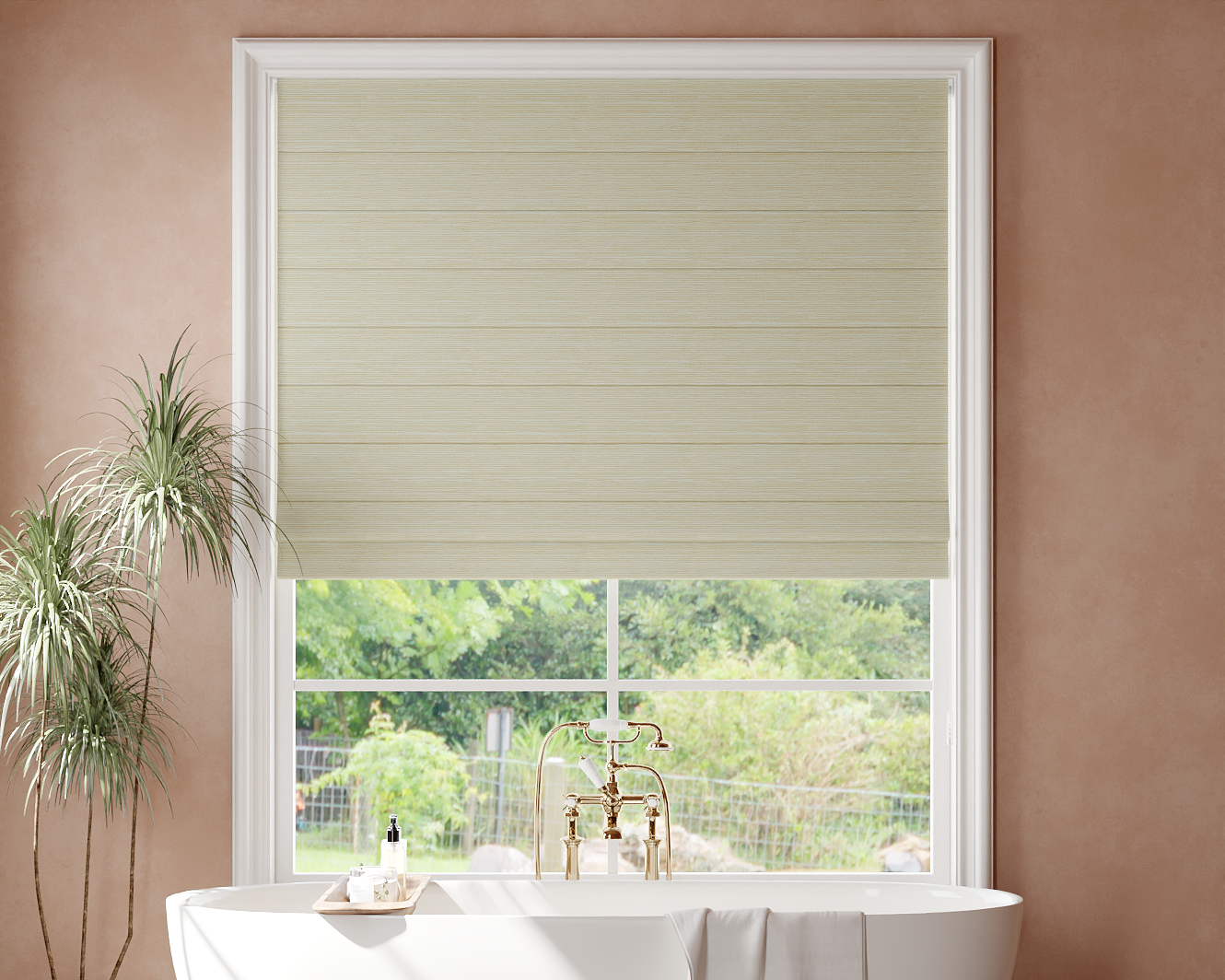
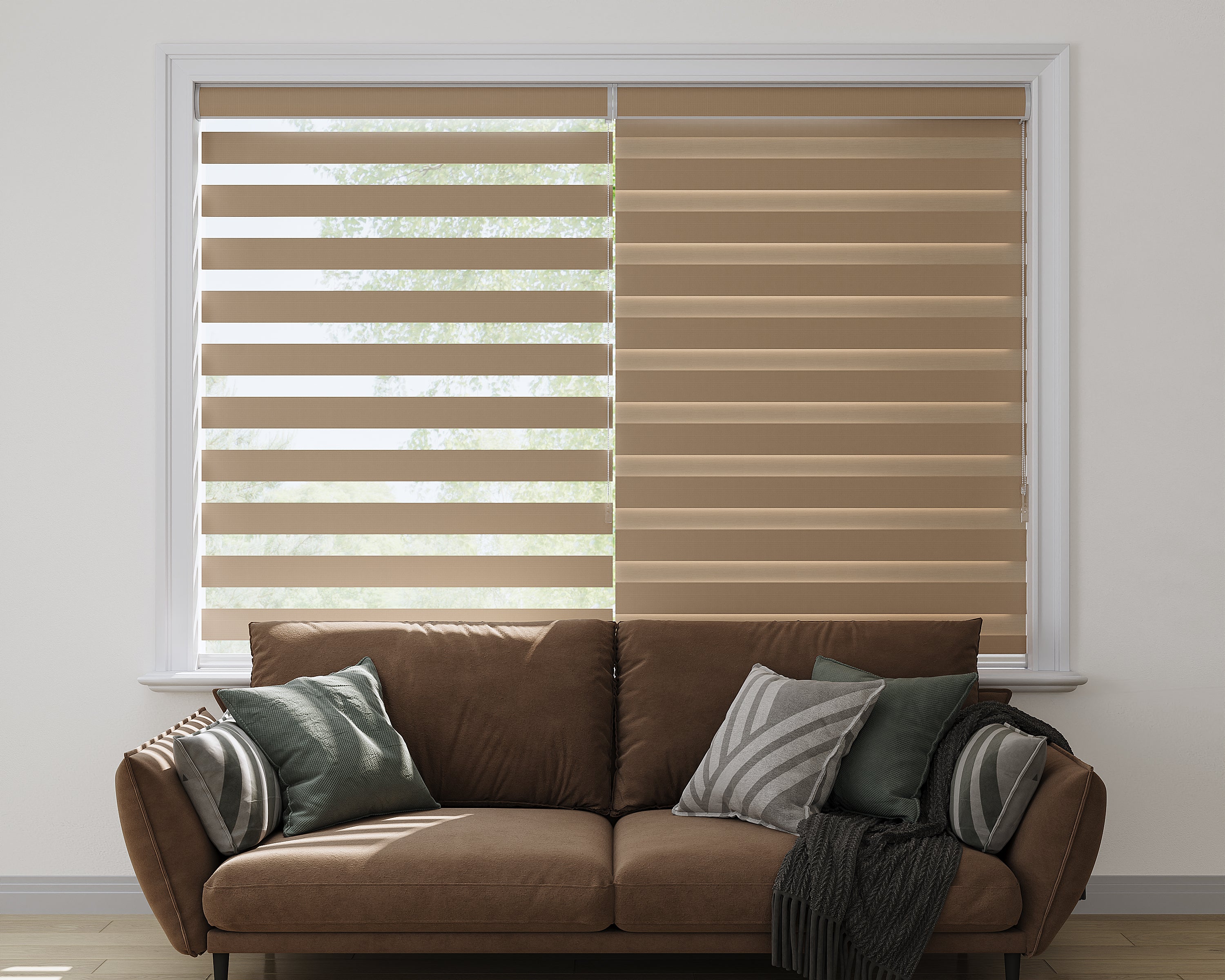
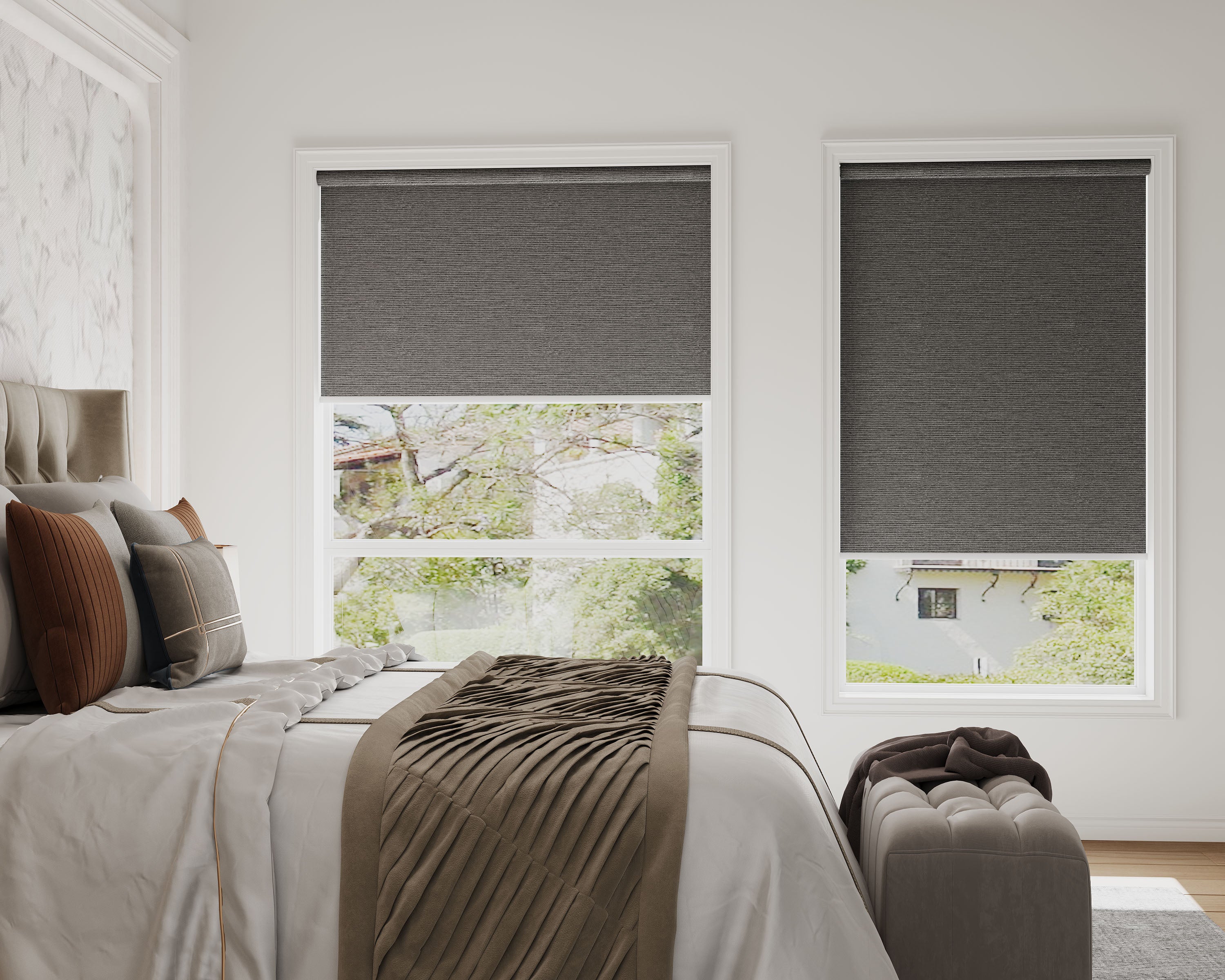
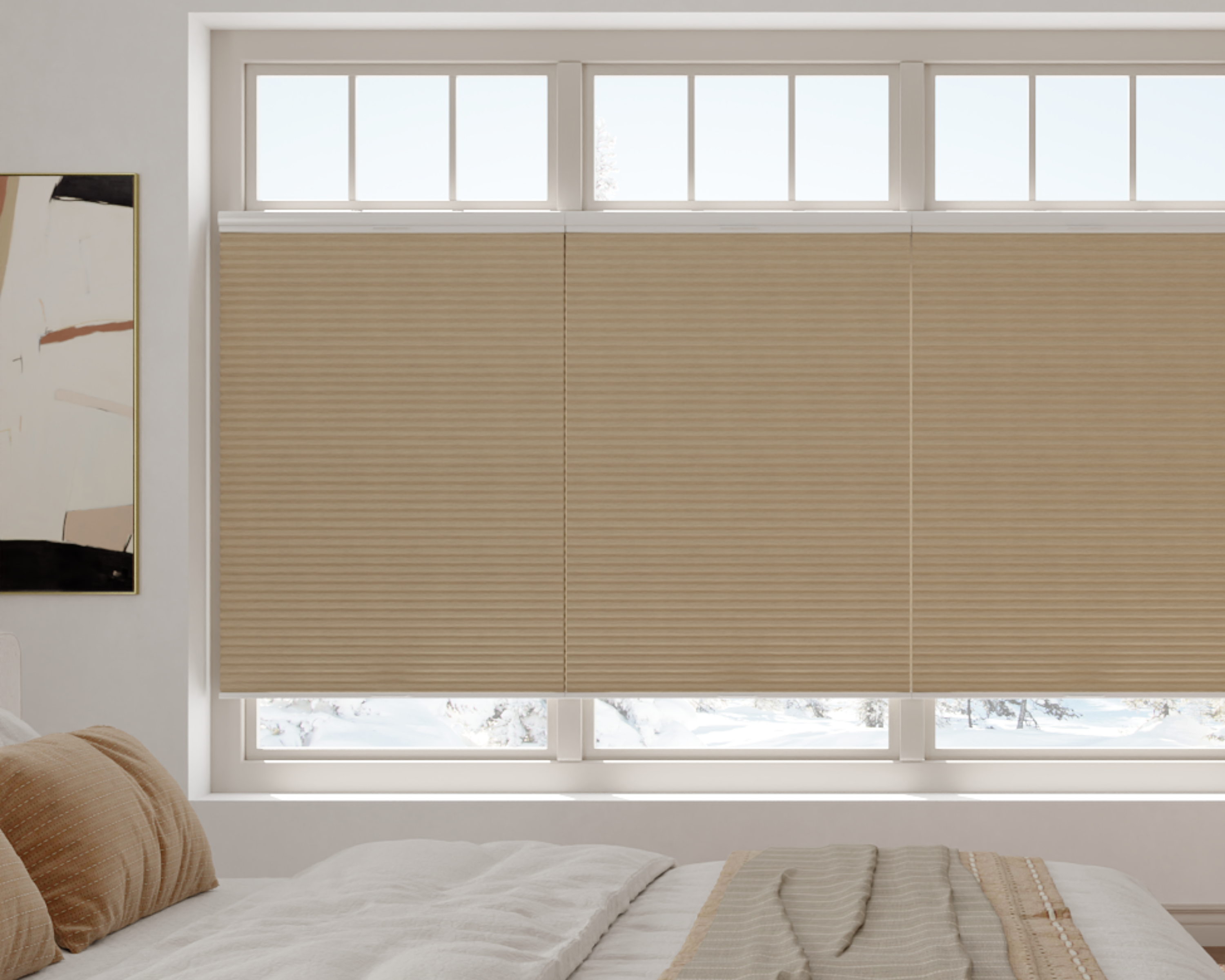
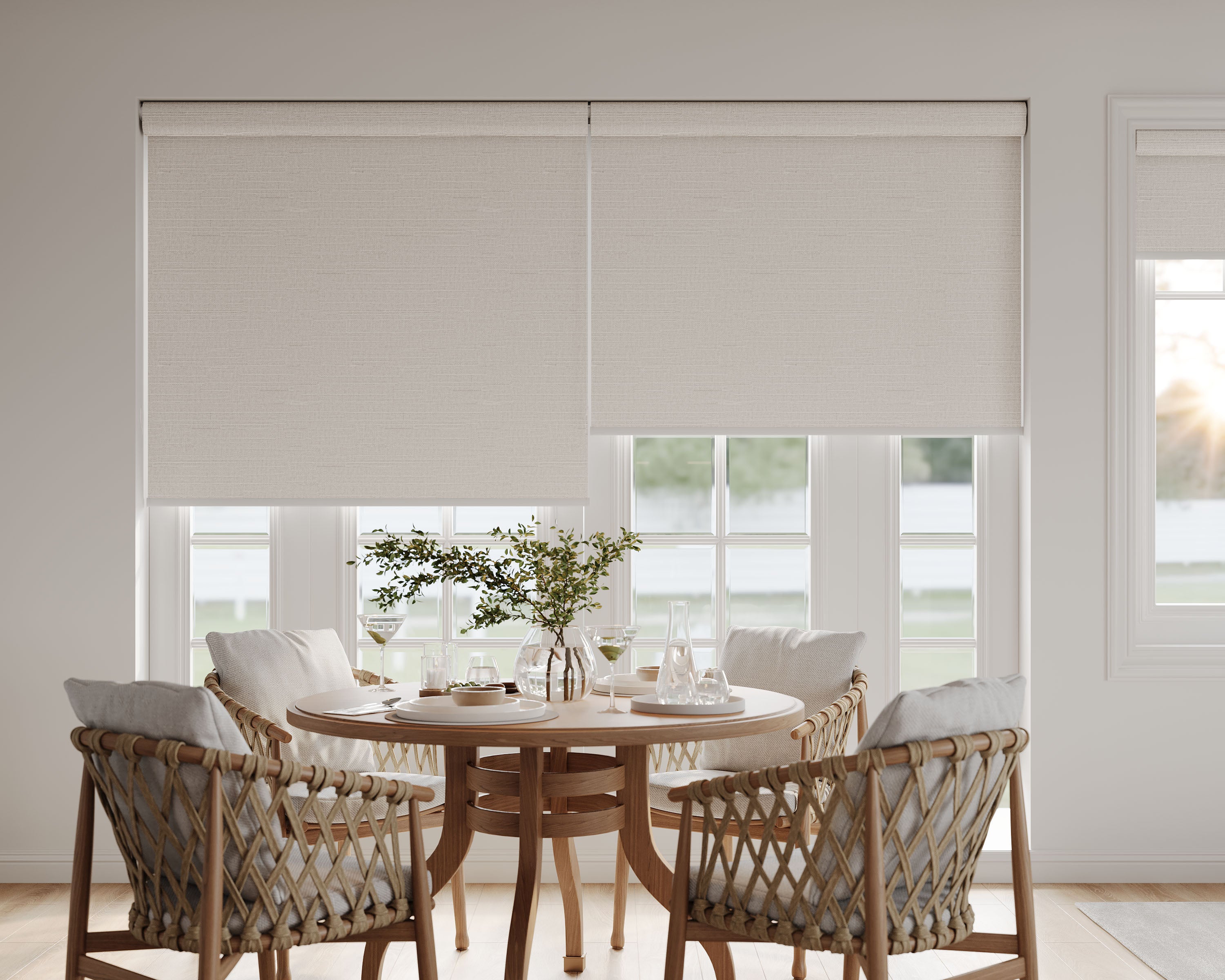


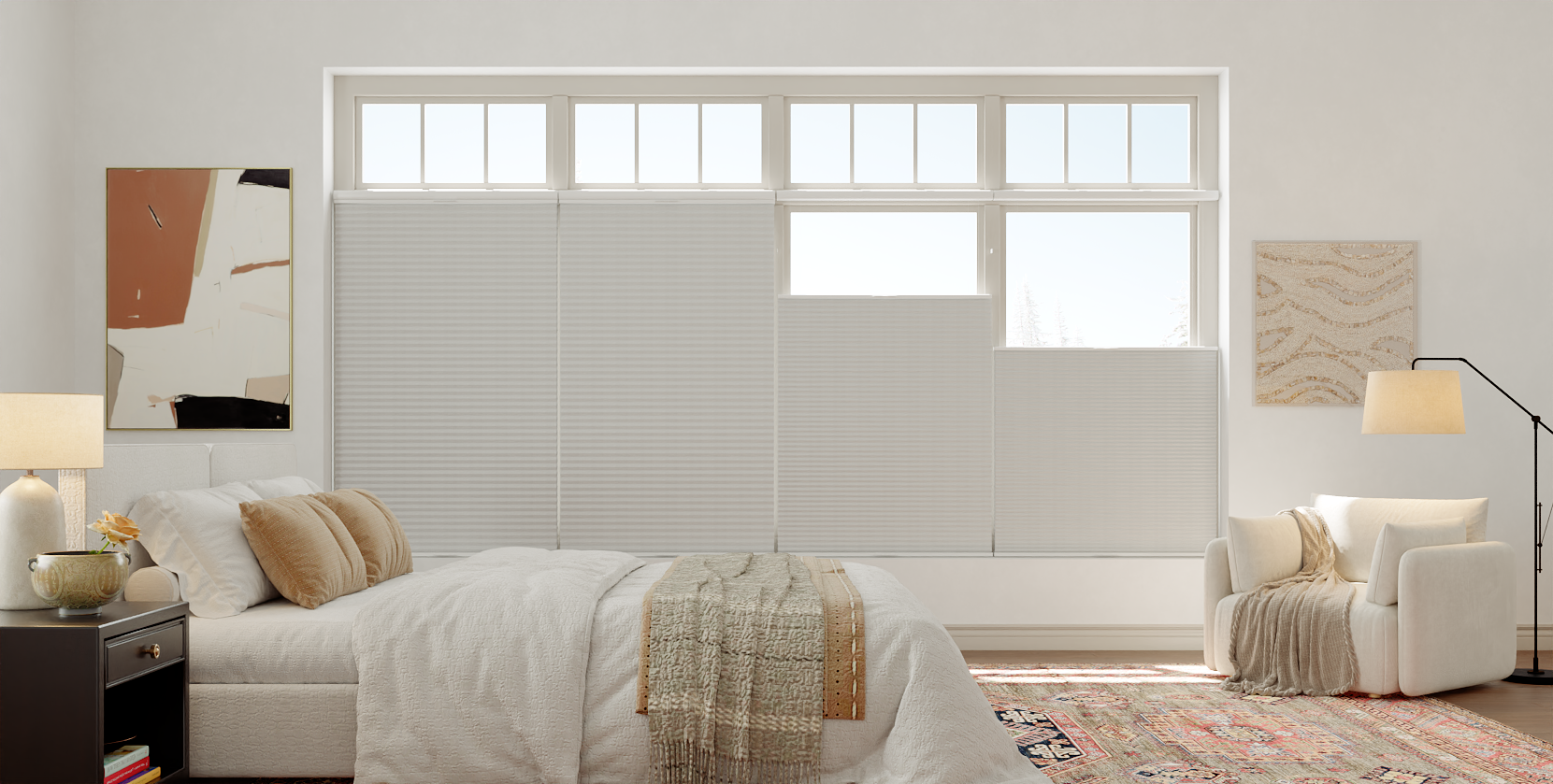


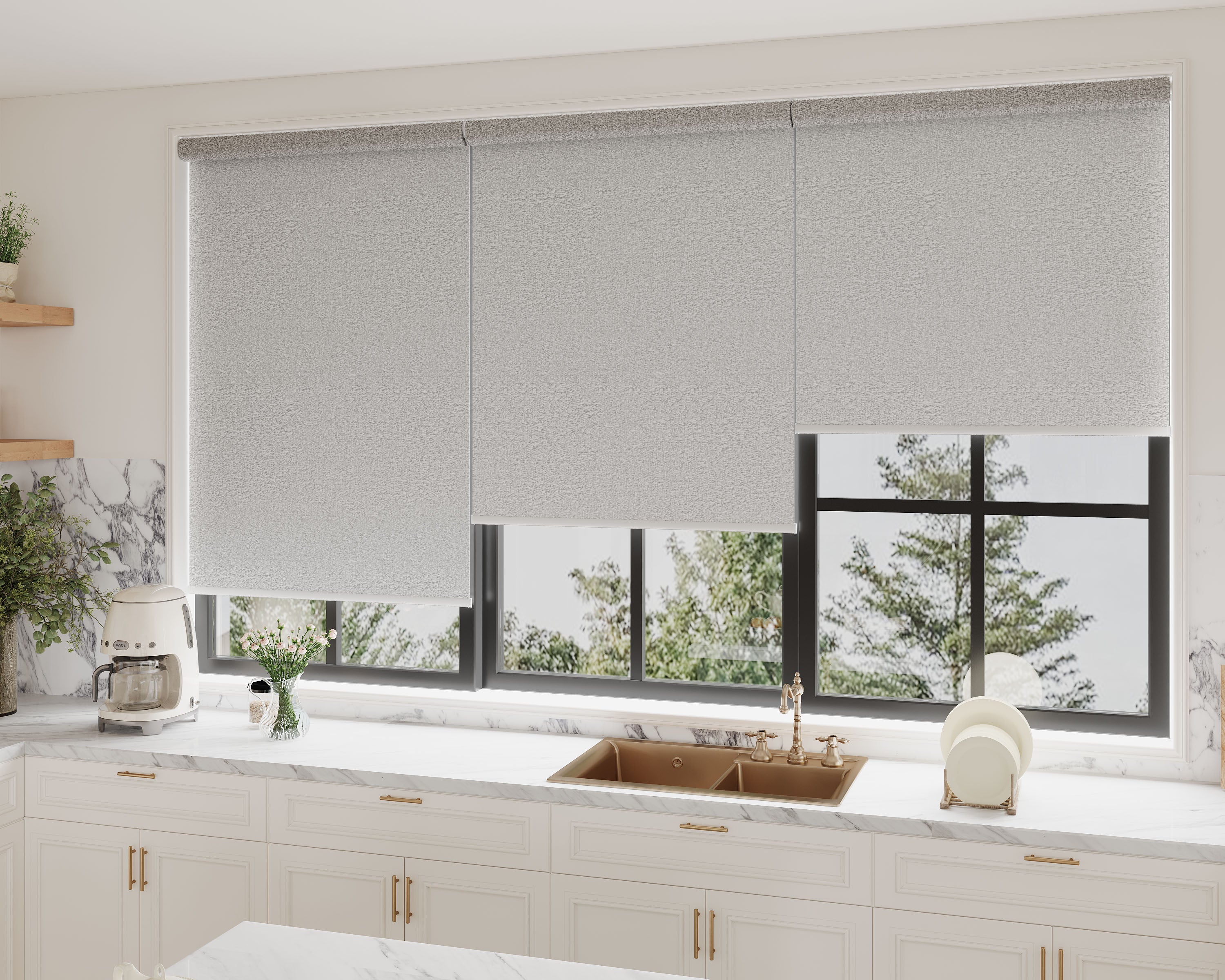

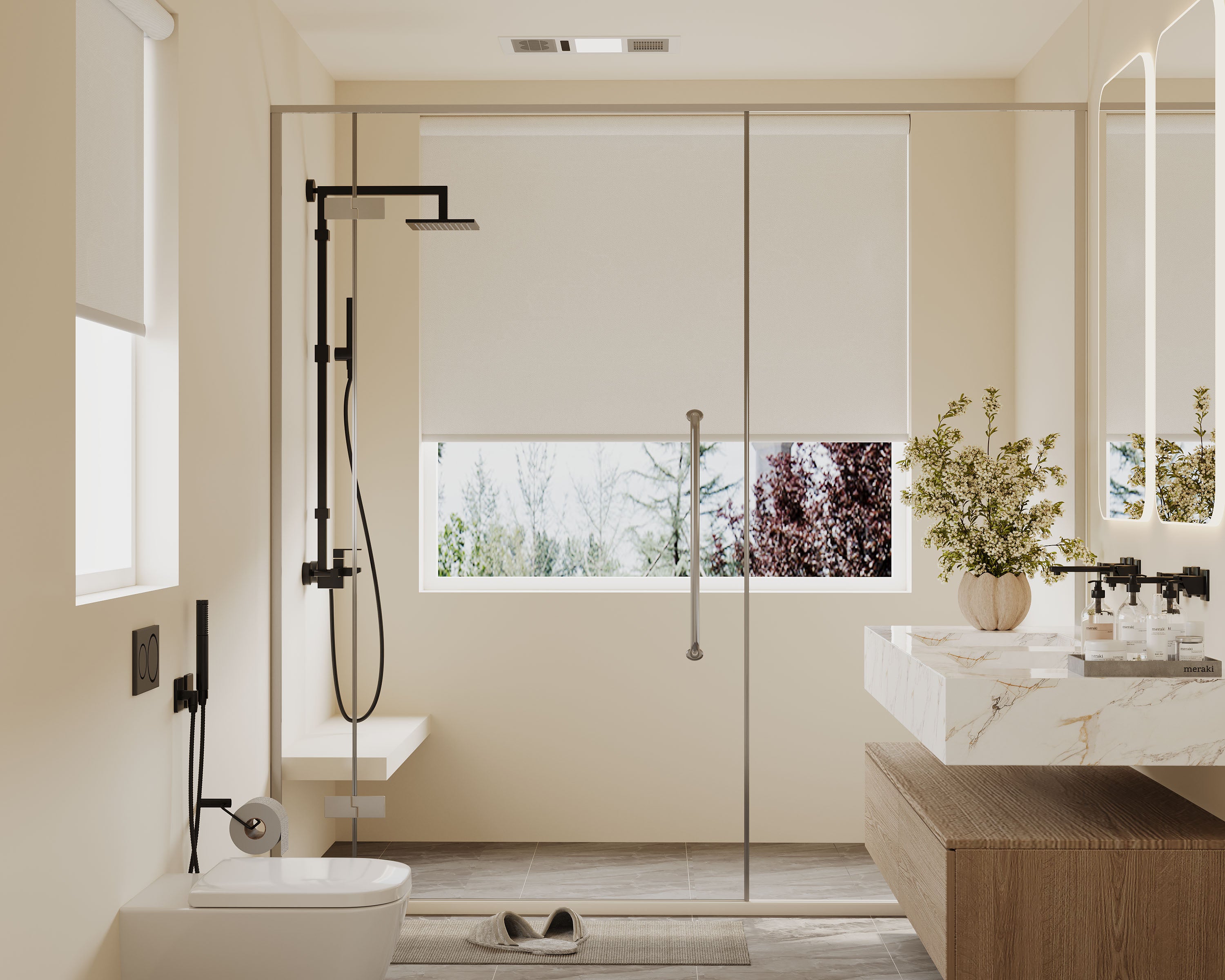


Minimalist window treatments use a limited set of details well: a clear fabric shape, coordinated hardware and enough light control for the room. Both sheer shades and roller shades can suit that approach, but their construction and visual effect differ.
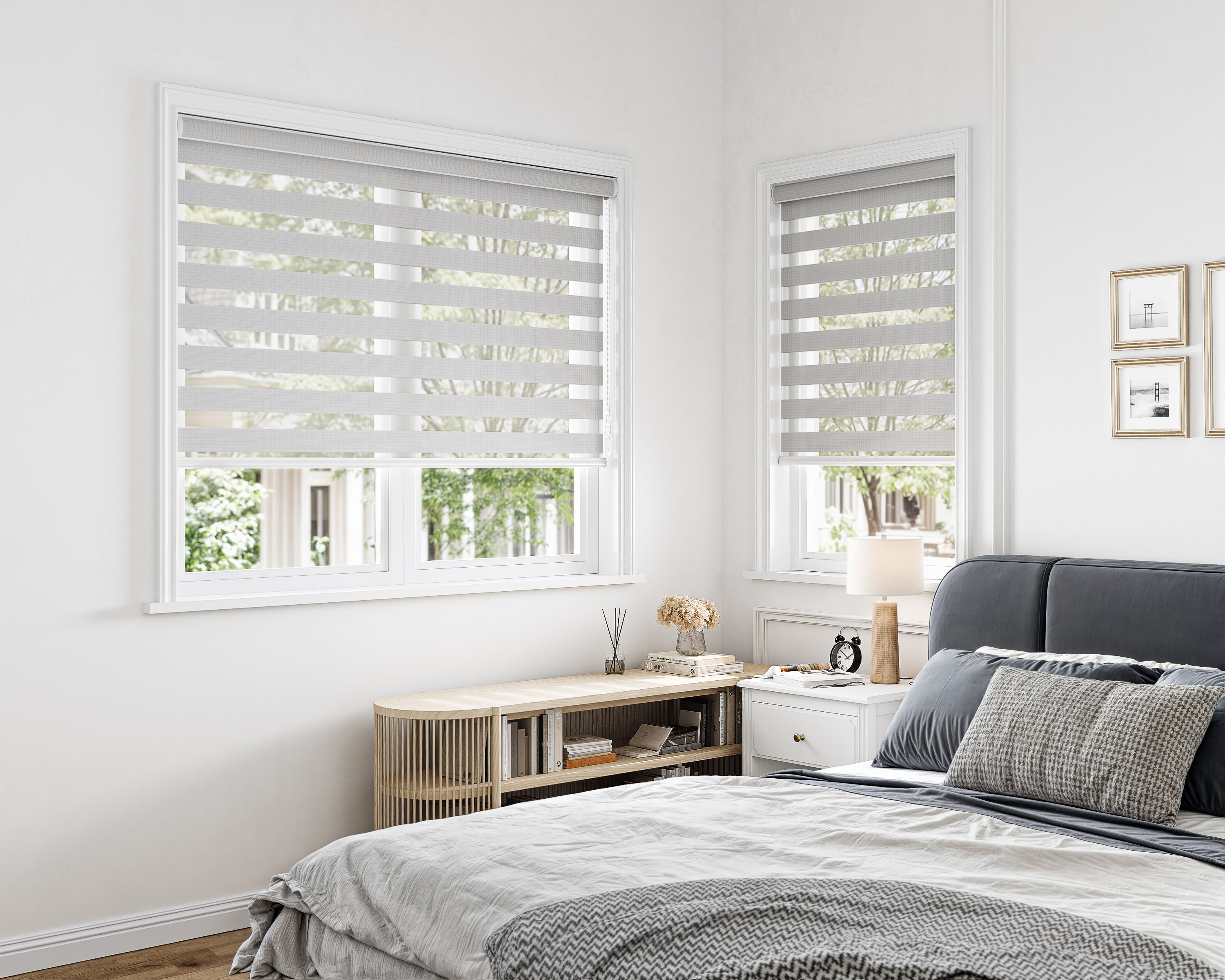
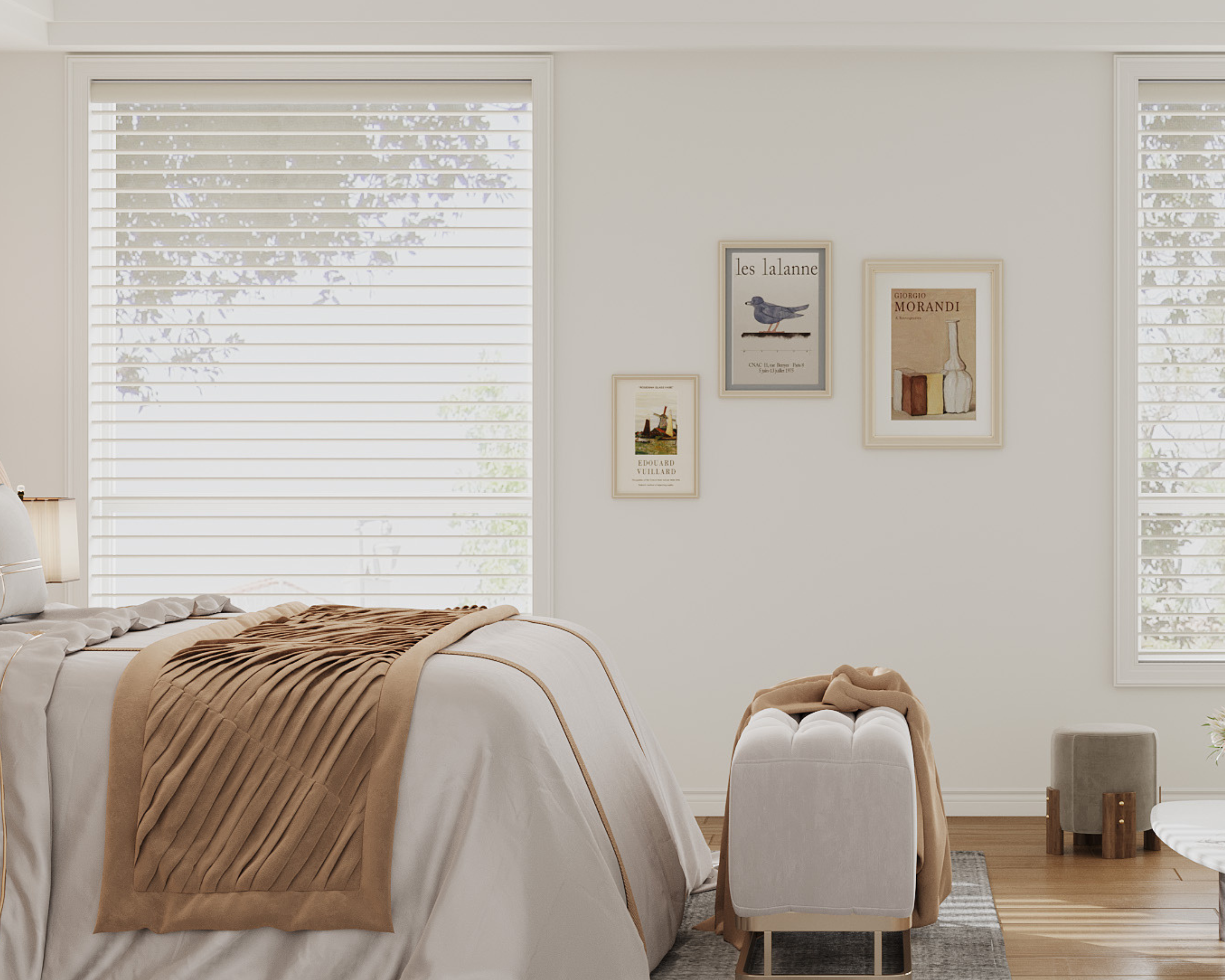
SenseBlinds' sheer shades have fabric vanes between sheer layers. Roller shades use a fabric panel that rolls upward. Decide which structure you prefer before choosing a white fabric or a small headrail.
Choose the shape you want to see when the shade is down
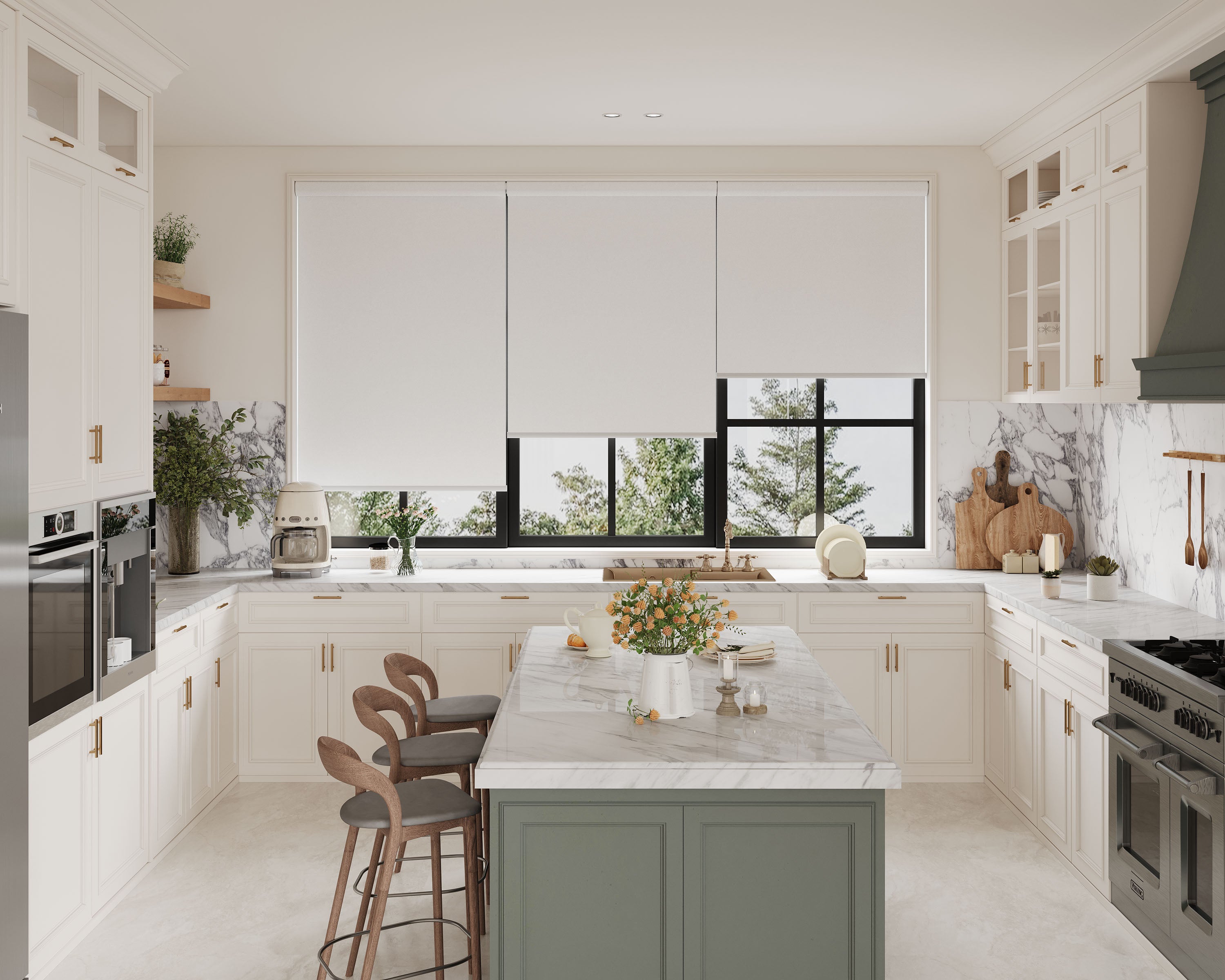
A roller presents a relatively uninterrupted panel. Its weave and opacity determine whether that panel looks translucent, softly textured or more solid. A sheer shade adds horizontal vane lines and an adjustable layered appearance.
| Priority | Sheer shade | Roller shade |
|---|---|---|
| Adjustable layered daylight | Vanes change the relationship between the sheer layers and opaque fabric | The selected fabric remains the same as the panel moves |
| A simple fabric plane | Vane lines remain part of the design | A single panel gives a quieter geometry |
| Raised appearance | Evaluate the selected headrail and rolled assembly | Evaluate the roller or cassette and its actual size |
| Stronger darkness | Compare the available room-darkening configuration and installed gaps | Compare blackout fabric and coverage options |
Neither treatment has to disappear completely to look restrained. A well-proportioned visible headrail can look more intentional than an improvised cover added to hide it.
Match the mount to the window
An inside mount can keep the treatment within the recess, preserving the surrounding trim. It needs sufficient usable depth and clearance from handles and opening sashes. An outside mount can be equally clean when its width, height and alignment are deliberate.
Specify the compatible hardware for the shade size and control. Choosing the smallest-looking cassette before checking capacity and access can undermine the result. The low-profile roller design guide explores the visual decisions in more detail.
A valance is optional. Compare exposed hardware with a compatible cover, using the valance guide to weigh appearance, access and added depth. Avoid building a shallow box that obstructs removal or operation.
Use color and texture with purpose
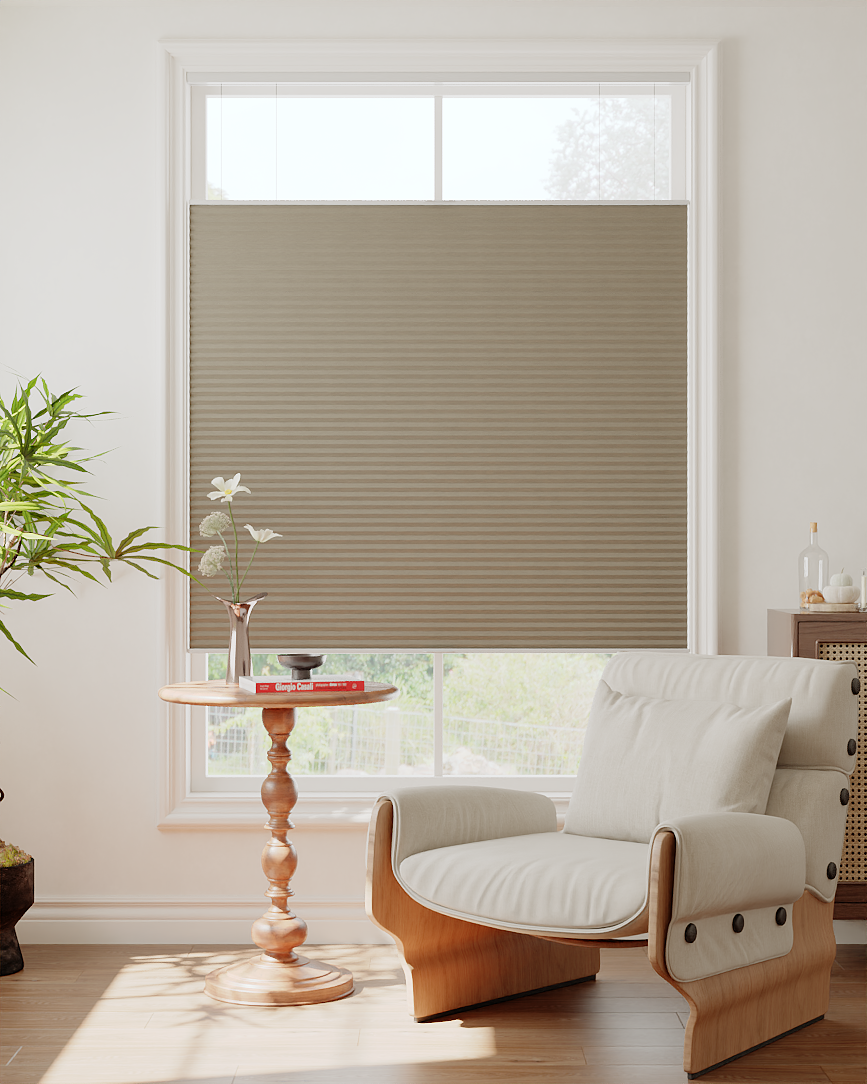
Matching the shade closely to a wall or trim color reduces contrast. A warmer neutral or fine texture can add softness without a strong pattern. A dark shade can also work in a minimalist room when it relates to the window frame or other repeated dark elements.
Compare physical samples at the actual window. Daylight through a fabric can change its appearance, and a cool white sample may clash with warm white paint. The shade and wall-color guide helps assess those undertones.
Use the same decision across adjacent windows where consistency matters. Match visible headrail finishes and installation heights when the architecture permits, rather than mixing details unintentionally.
Resolve privacy before simplifying the layers
A translucent fabric or open vane position may preserve a bright, connected feeling during the day. Assess privacy after dark with interior lights on; an outward view in daylight does not establish an inward privacy barrier at night.
Compare light-filtering sheer shades with the current room-darkening sheer option. Test the intended closed position and consider edges. For bedrooms, a stronger darkening treatment or a deliberate second layer may be necessary.
The privacy and daylight guide helps define that trade-off. A second layer should have a clear purpose and sufficient operating space, rather than being added merely because layering looks finished.
Choose controls and care that suit daily use
Cordless or motorized operation can reduce visible operating hardware. Confirm the actual lift and vane-control functions; the selected cordless configuration may not offer the same vane adjustment as another control. Motor sound and app support also depend on the motor package.
Keep care simple by choosing a fabric whose approved routine fits the room. Sheer fabric is not automatically wipeable or suitable for steam. A good minimalist choice remains usable when lowered, closed for privacy and cleaned—not only when photographed fully raised.
Browse sheer shades for adjustable layered light or roller shades for a simpler panel, then compare the exact samples and hardware profiles side by side.
