
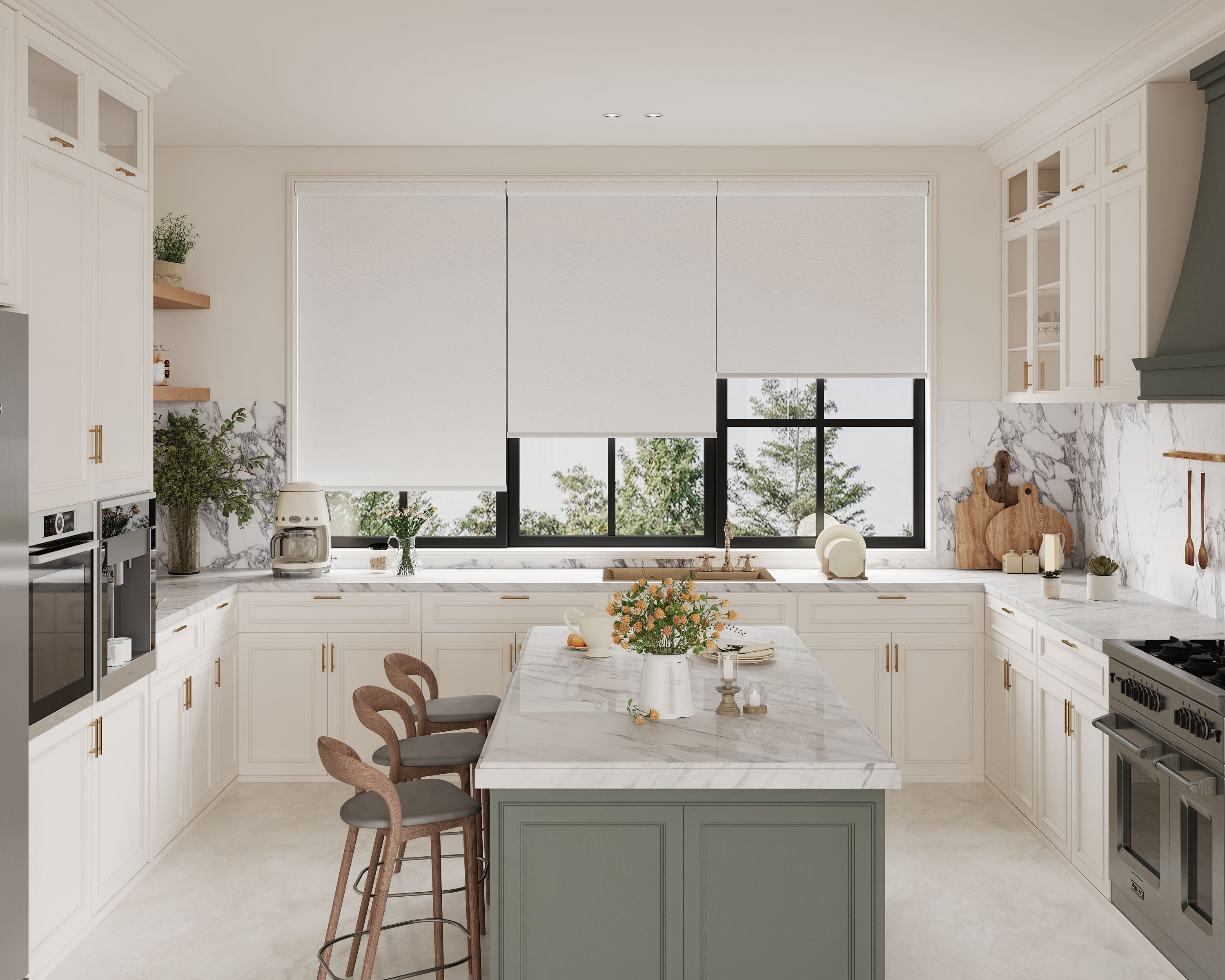
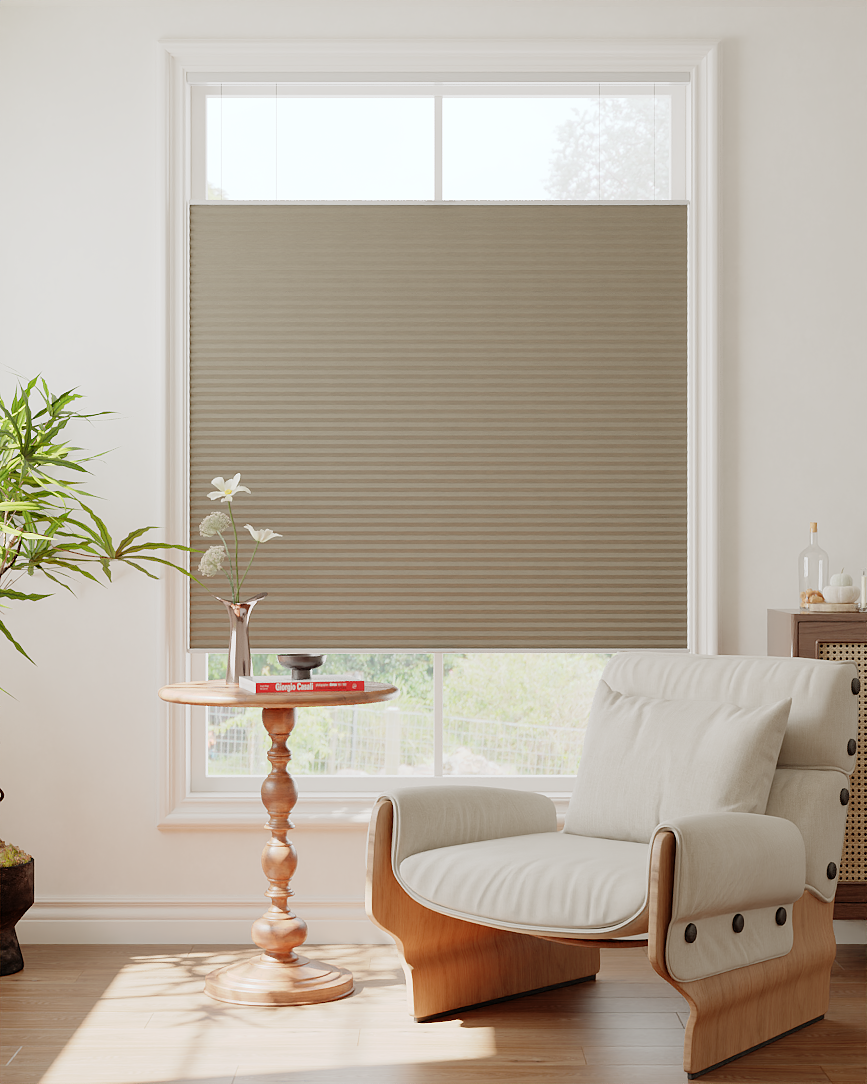
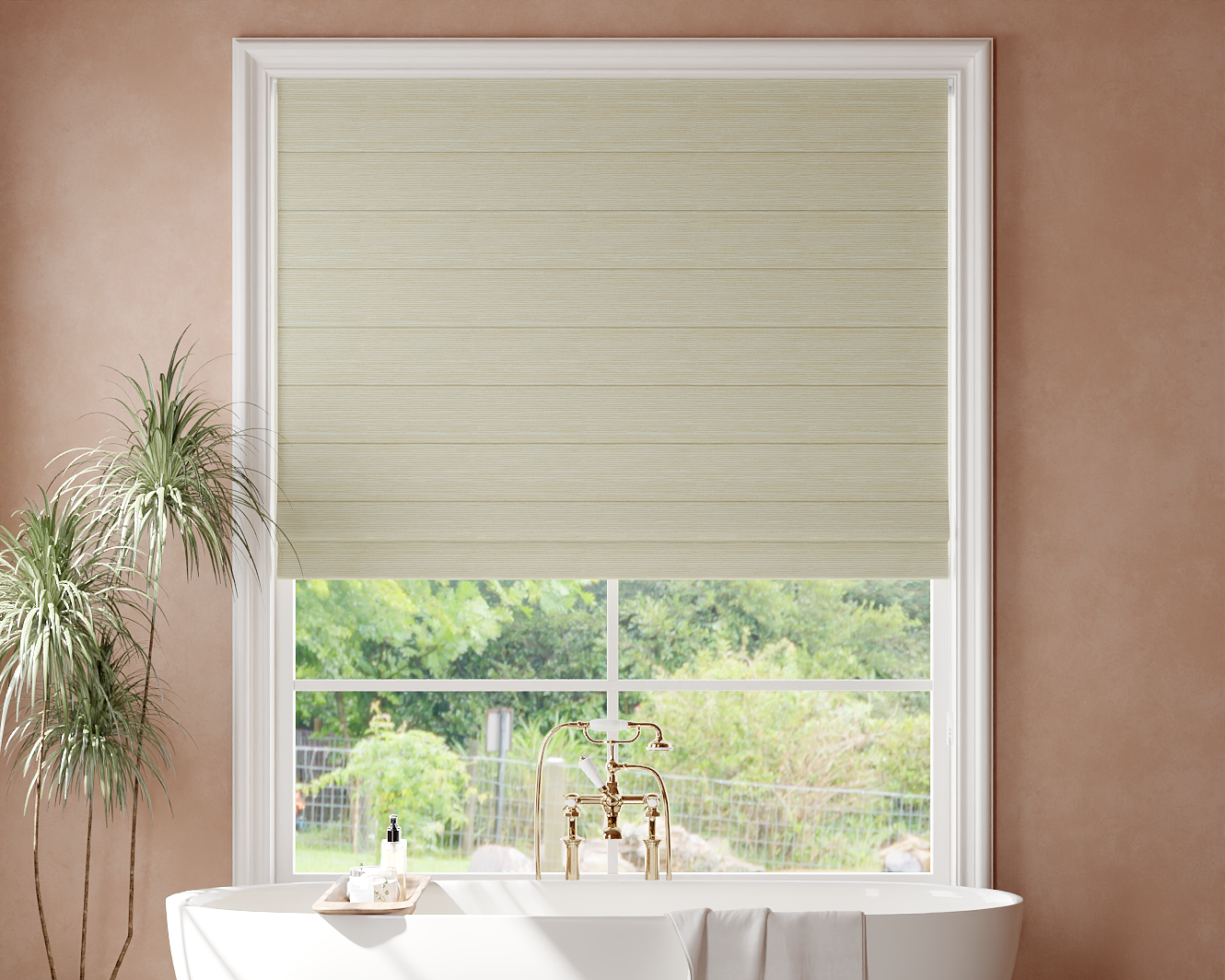
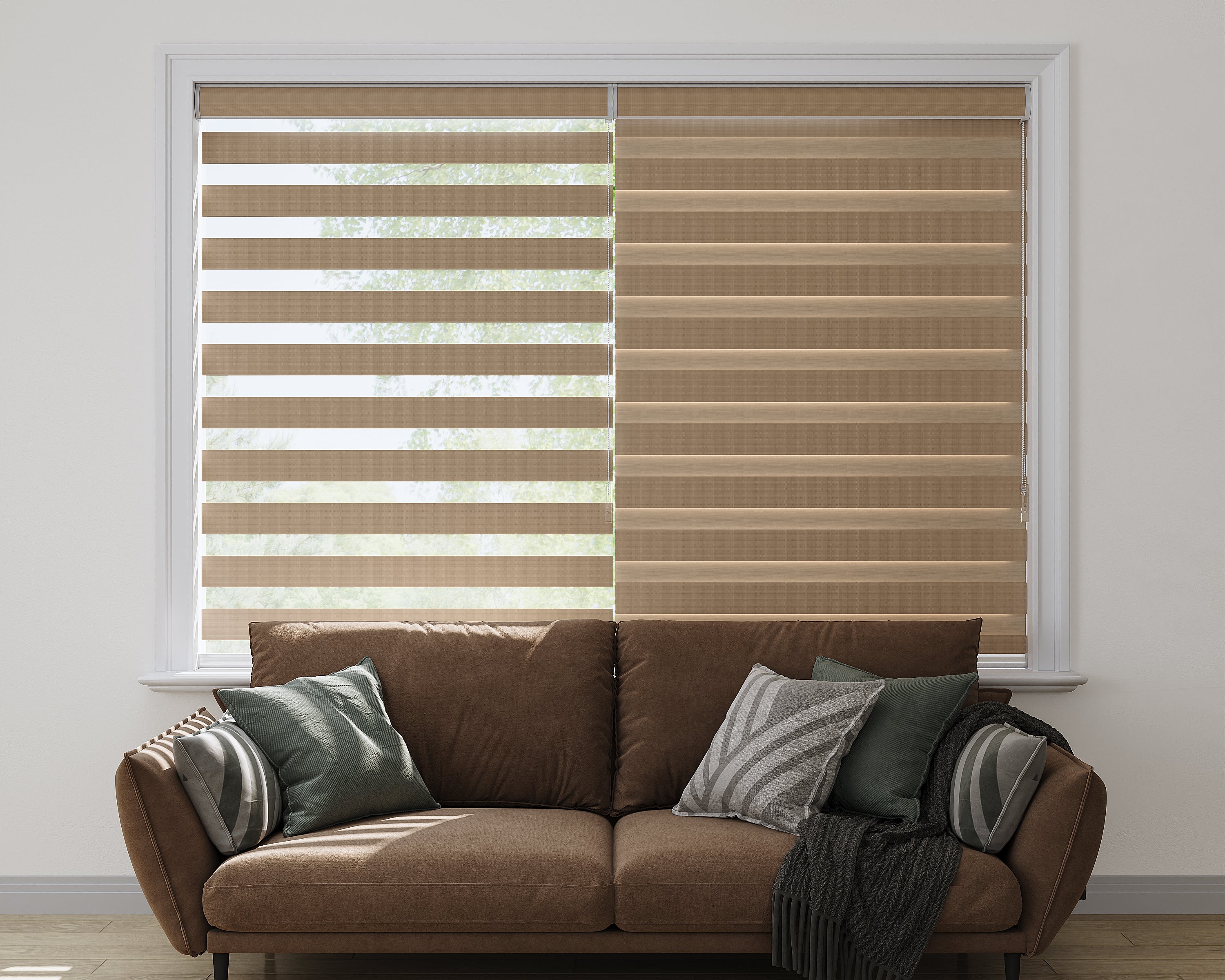
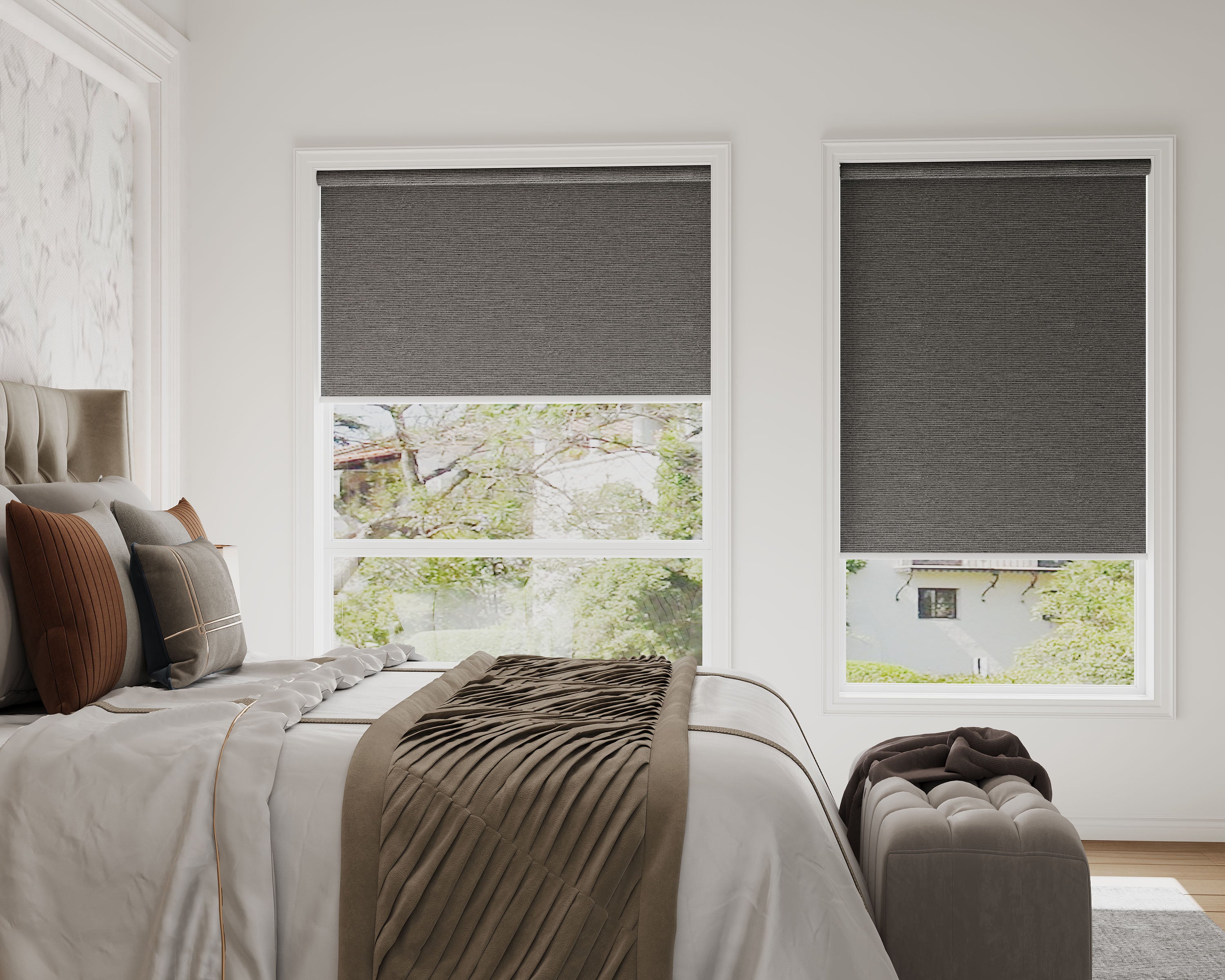
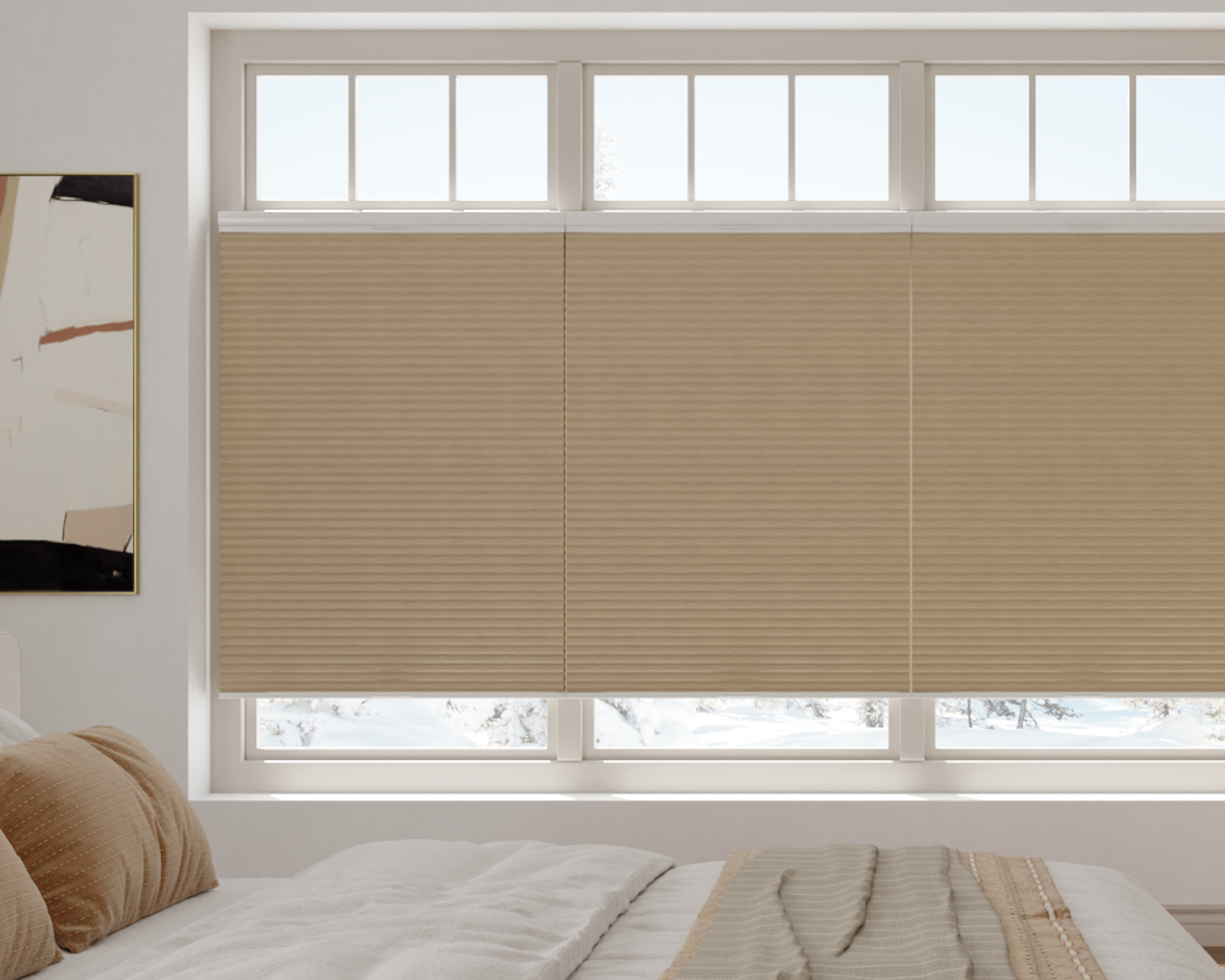
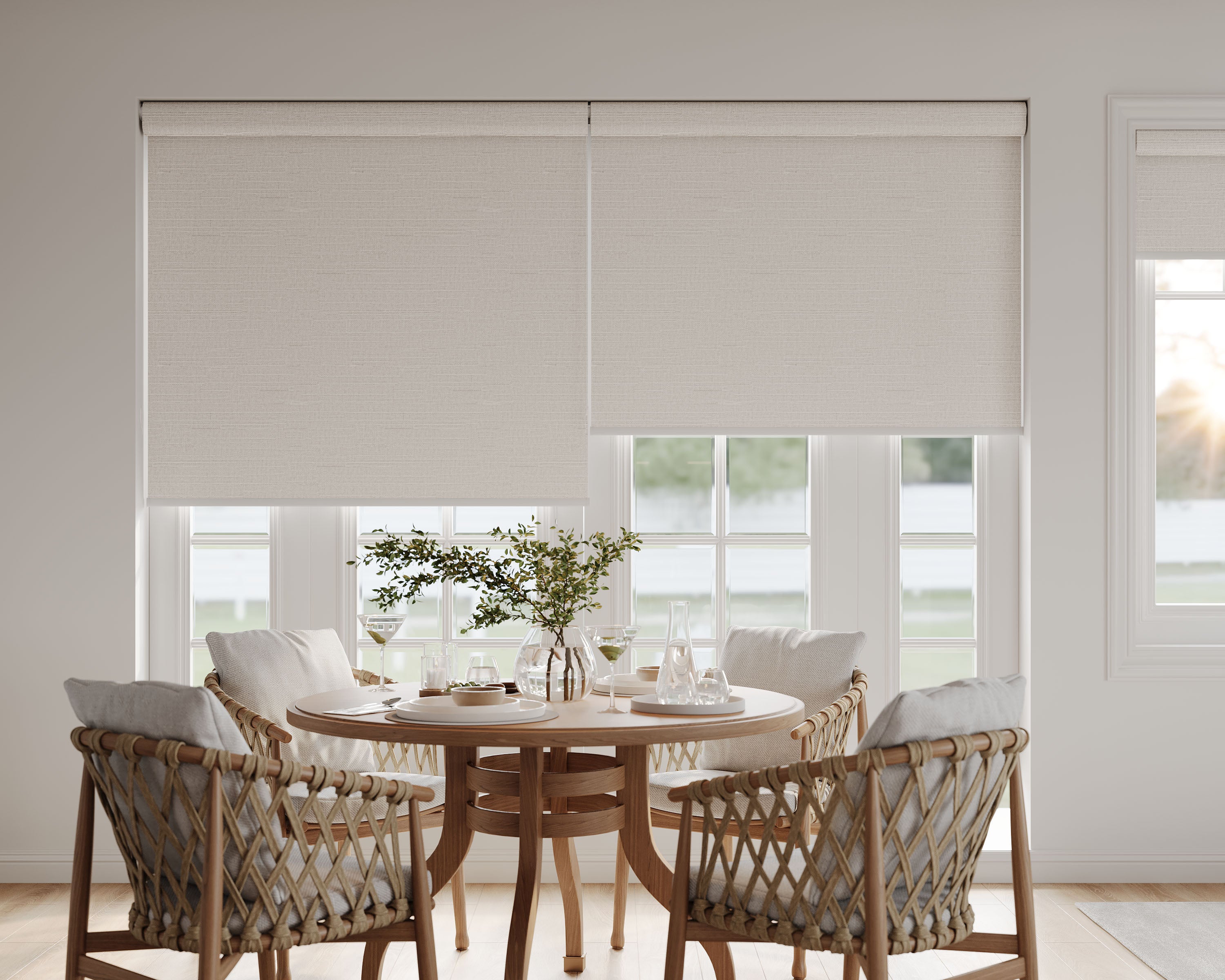


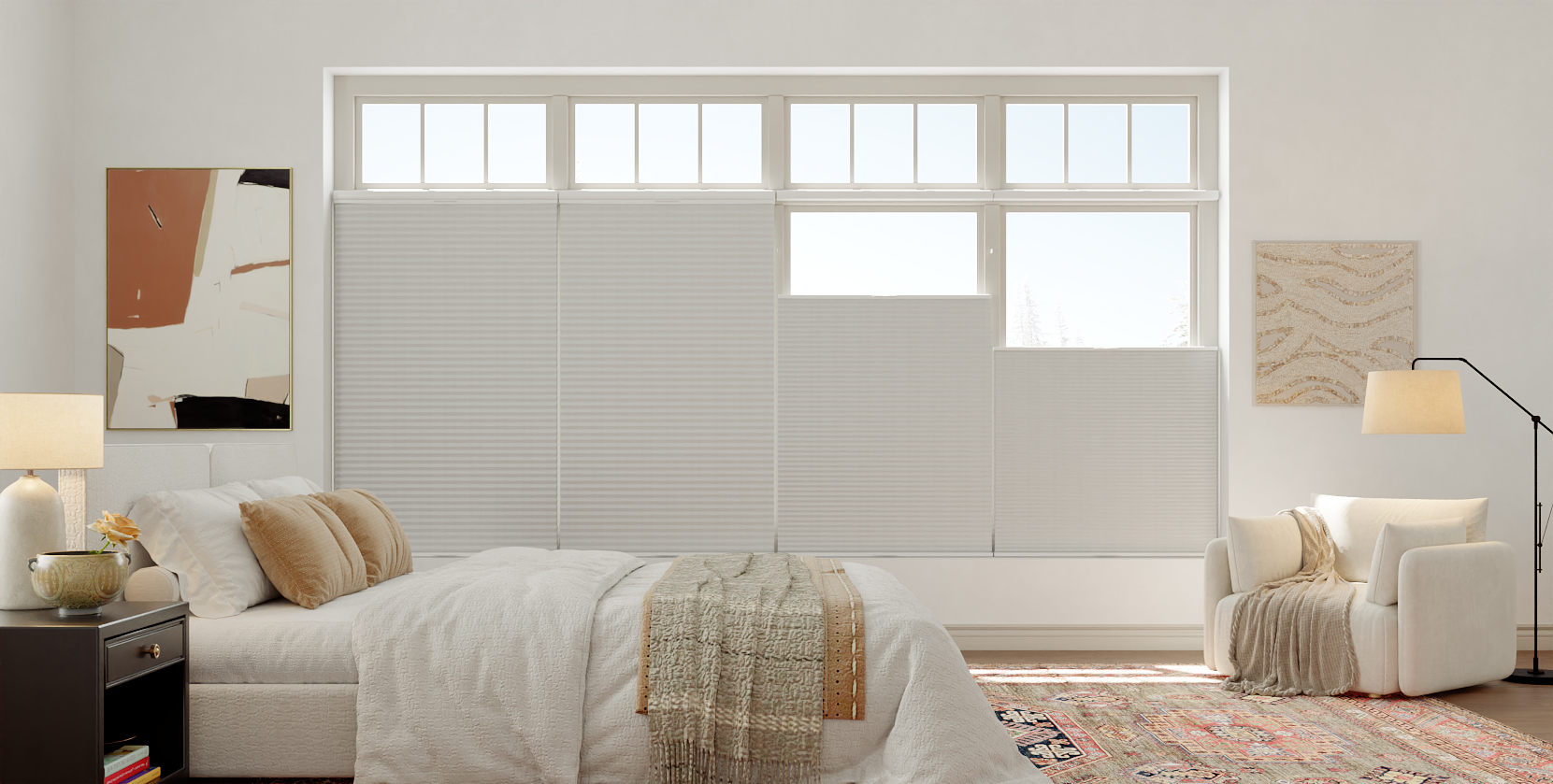


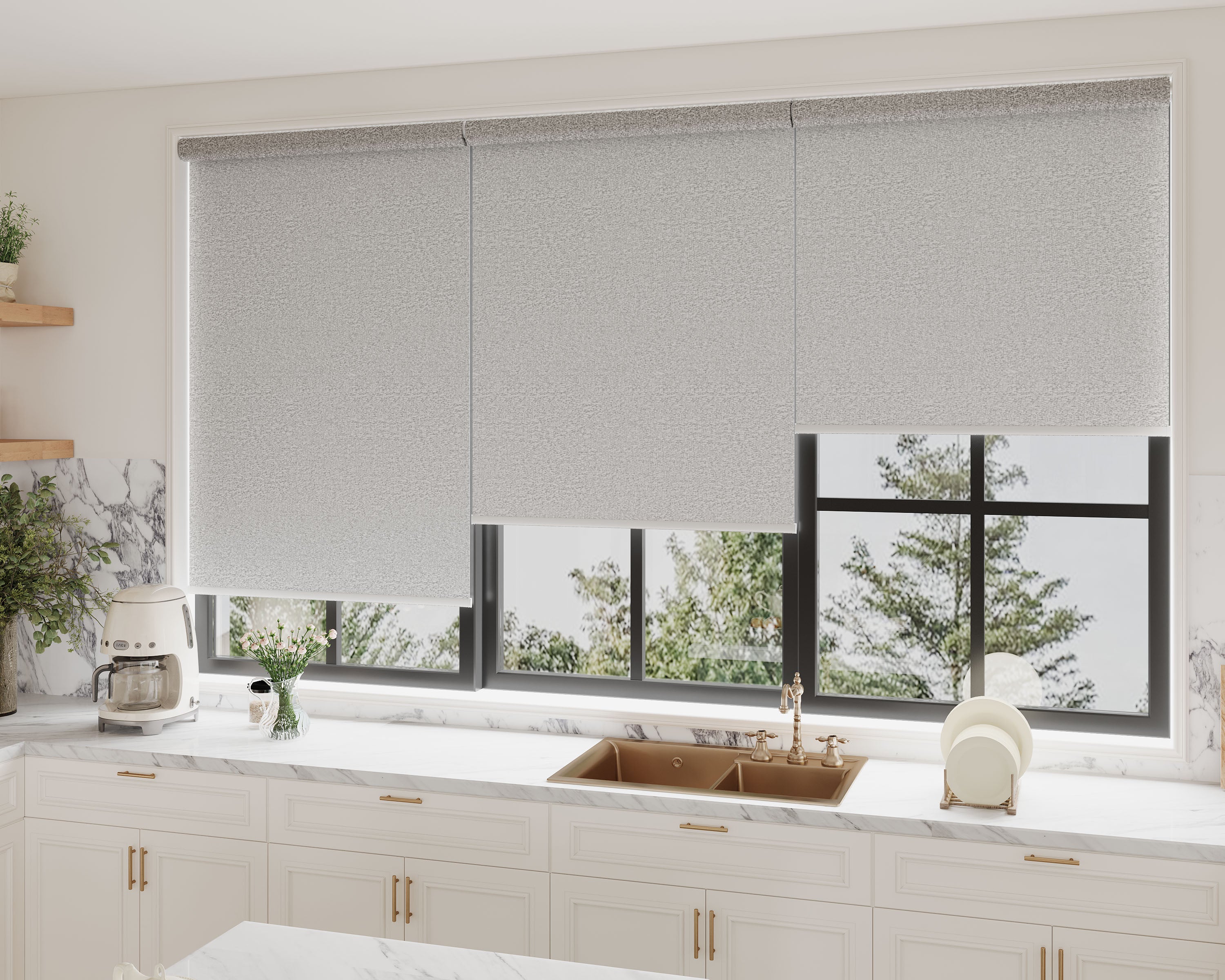

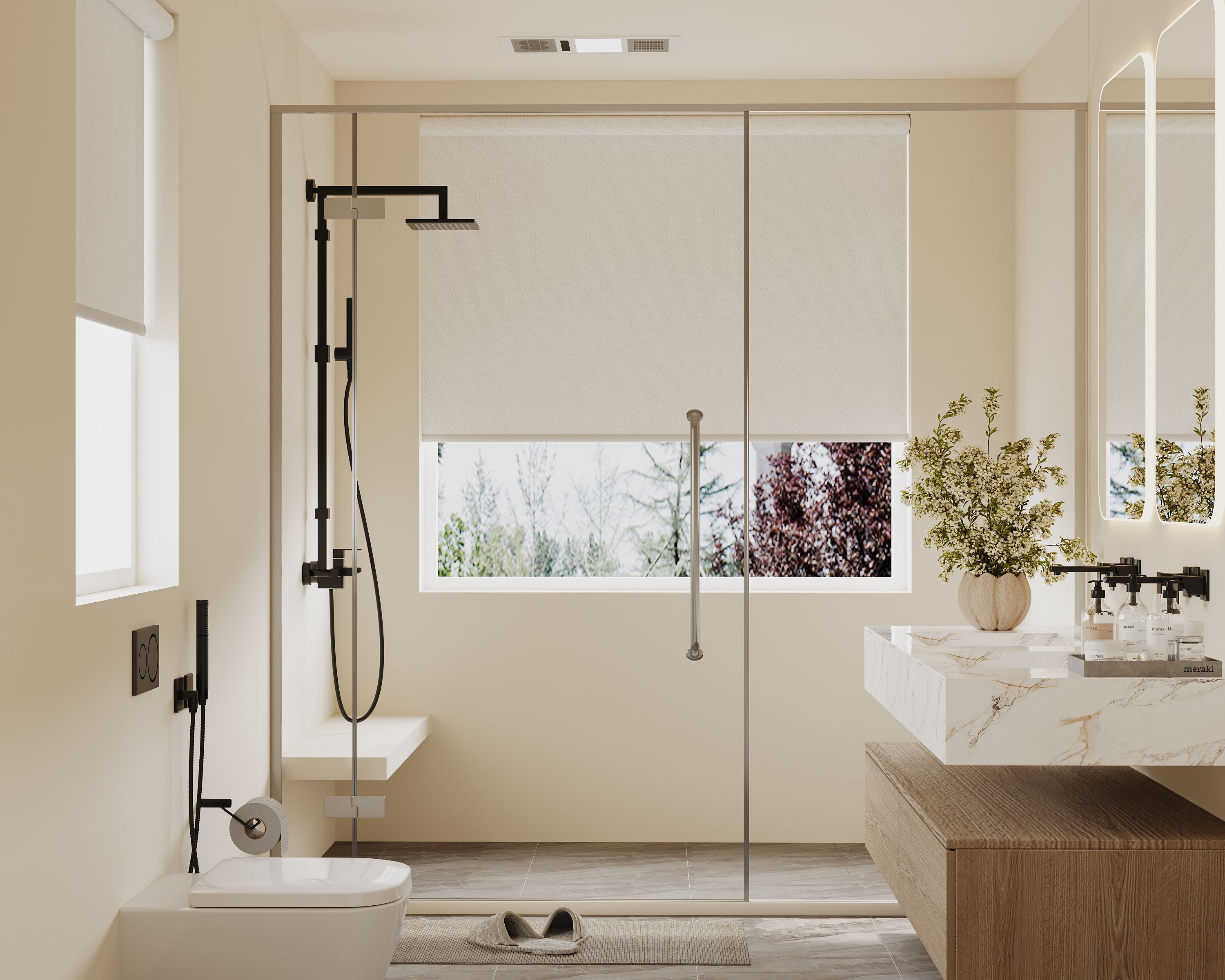


Choosing between Hunter Douglas Silhouette shades and zebra shades means deciding between two distinct and sophisticated approaches to modern light control. While both are celebrated for managing light beautifully, they achieve this through fundamentally different mechanics. The Hunter Douglas Silhouette is a premium sheer shader with adjustable fabric vanes, engineered for luminous diffusion and view preservation. In contrast, zebra shades (also known as dual or transitional shades) are adjustable dual-layer roller shades with alternating solid and sheer horizontal stripes, designed for direct privacy control and a modern aesthetic. This guide provides a detailed, functional comparison to help you understand which system aligns with your daily life, design vision, and practical needs.
Here’s what you’ll learn:
-
A clear breakdown of the core mechanical and design DNA that defines each product category.
-
A direct, actionable comparison of light control, operation, maintenance, and aesthetics.
-
How specific features translate to real-world use in different rooms and lifestyles.
-
An understanding of where SenseBlinds' offerings fit within the landscape of zebra shade options.
-
A decision-making framework to identify the best investment for your home.
Exploring this comparison starts with understanding the innovative engineering behind modern adjustable dual-layer window treatments.
Core Distinctions: Mechanism Defines Experience
The daily interaction with light and view in your room is dictated by the basic construction of each product. One suspends vanes for soft diffusion; the other aligns fabric layers for direct transitions.
What Are Zebra Shades?
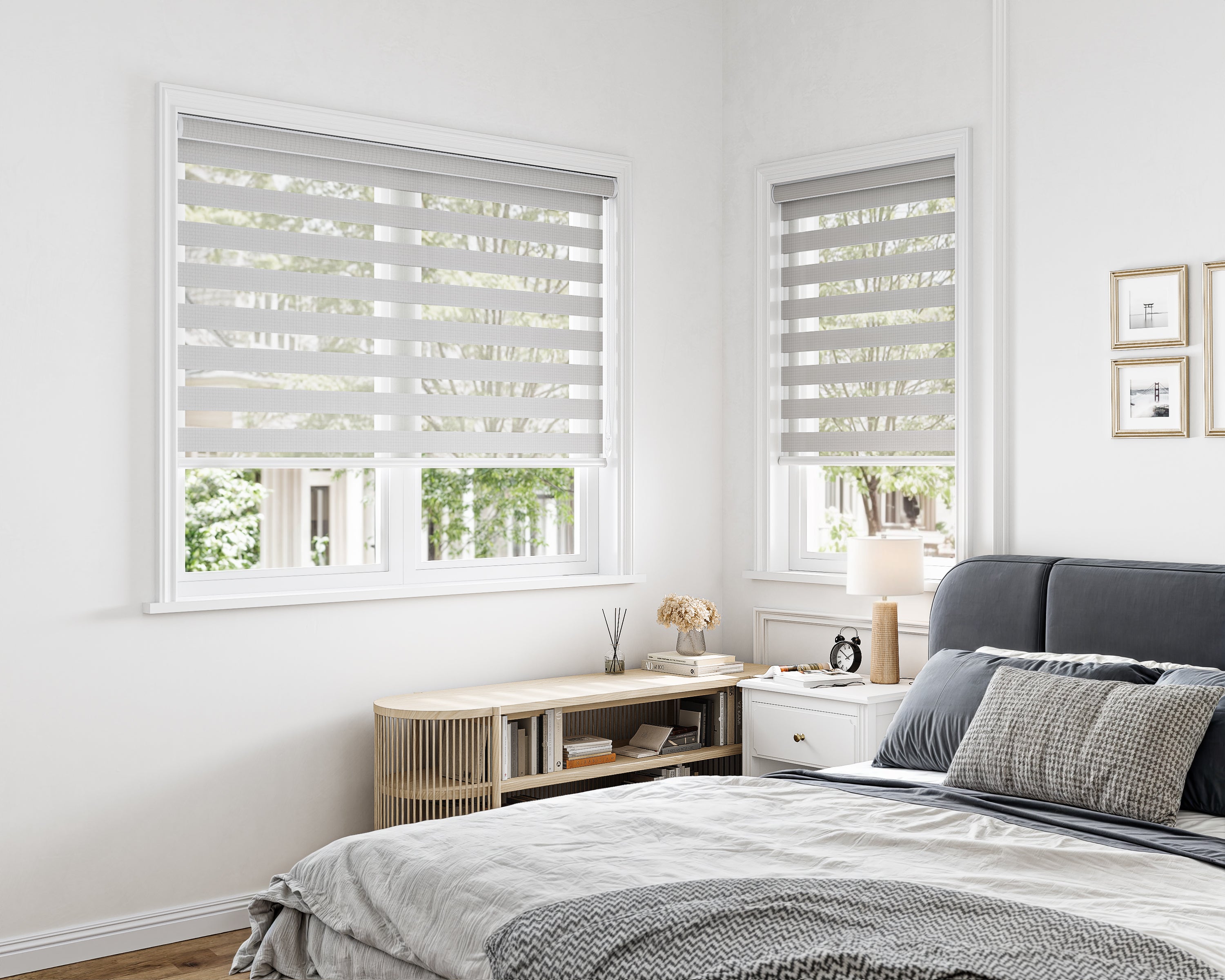
Zebra shades represent a sophisticated evolution of the classic roller shade. They consist of a single fabric panel woven with alternating horizontal bands of sheer and opaque material. A simple adjustment of the roller slides these two layers past each other, creating three primary states:
-
Open: Sheer bands align, allowing soft, filtered light and a blurred outside view.
-
Closed: Opaque bands align, providing privacy and significant light blockage.
-
Transition: The bands are offset, offering infinite adjustment between light and dark.
This design allows you to fine-tune both brightness and visibility without necessarily changing the shade's height in the window, offering integrated control.
What Are Hunter Douglas Silhouette Shades?
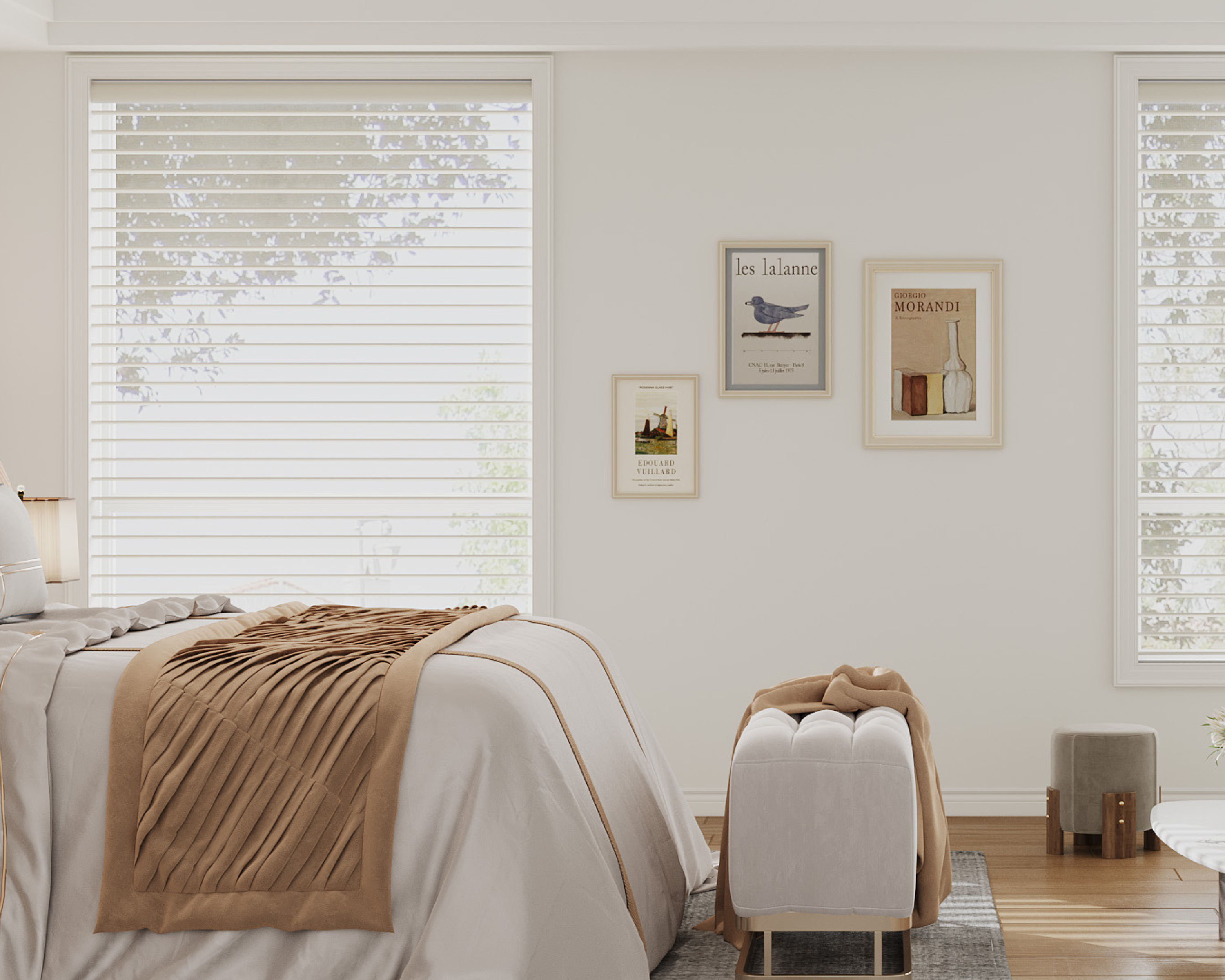
Silhouette shades belong to the category of upgraded sheer shades. They feature a unique three-part construction: two outer layers of sheer fabric with softly textured fabric vanes suspended between them. The user experience centers on tilting these vanes—similar to adjusting blind slats but with a much softer effect—to angle incoming sunlight. It is important to note that to adjust the vanes on most Silhouette models, the shade typically needs to be fully lowered, separating the actions of light adjustment and shade height.
Direct Comparison: Performance Across Key Categories
To make an informed choice, you must weigh how each system performs in daily life across several critical dimensions. The following table provides a detailed, side-by-side analysis.
| Feature | Zebra Shades | Hunter Douglas Silhouette Shades | Key Implication for You |
|---|---|---|---|
| Mechanical Core & Light Control | Horizontal layer adjustment. Transitions between filtered light and privacy by aligning sheer or solid fabric stripes. Light control is directly linked to the shade's position. | Vertical vane adjustment. Tilts fabric vanes between sheer layers to diffuse, direct, or block light. Offers exceptional glare reduction and a "soft focus" effect. | Zebra shades provide direct transitions between light states. Silhouette shades excel at creating beautifully diffused, drapery-like light quality. |
| View Preservation & Privacy | In the "open" position, the view is softly obscured by the sheer fabric. Privacy increases as the solid bands are engaged. | Provides a remarkably clear, undistorted outside view when vanes are open, as you look directly through the sheer front layer. Privacy comes from tilting vanes closed. | If a crisp, clear view is your top priority when shades are down, Silhouette has a distinct advantage. |
| Ease of Operation & Daily Use | Intuitive and unified. Raising, lowering, and adjusting light/privacy are part of one continuous motion. Modern systems are predominantly cordless or motorized. | Often a two-step process. You typically lower the shade to tilt the vanes for light adjustment, then raise or lower it for coverage. This can feel less seamless for frequent adjustment. | Zebra shades generally offer a more streamlined, one-touch user experience for managing light throughout the day. |
| Maintenance & Cleaning | Relatively straightforward. The flat, single-panel fabric can be regularly dusted with a soft brush attachment or gently vacuumed. Most fabrics are spot-cleanable. | Can be more delicate. Dust can settle on the fabric vanes between the two sheer layers. Cleaning may require specific tools like a vacuum crevice tool, a hair dryer on a cool setting, or gentle compressed air to dislodge dust. | Zebra shades are generally easier for routine homeowner maintenance. Silhouette shades may require more meticulous care to keep the vanes dust-free. |
| Aesthetic & Design Profile | Clean, contemporary, and graphic. The bold horizontal stripes make a modern, architectural statement. When fully raised, they roll into a compact, low-profile tube. | Soft, refined, and elegantly layered. The combination of sheers and vanes creates visual depth and a luminous, high-end look perfect for traditional and transitional decors. | Zebra shades are modern and minimalist; Silhouette shades are softer and more luxurious. Your decor style heavily influences this choice. |
| Typical Cost Framework | Wide range, from mid-tier to premium. As an evolution of roller shade technology, costs vary with fabric quality, size, and motorization but often present a strong value proposition. | Positioned as a luxury-tier investment. The complex multi-layer construction, brand premium, and specialized materials place Silhouette at a higher price point. | Zebra shades offer greater budget flexibility. Silhouette is a considered purchase where the specific look and feel command a premium. |
Where SenseBlinds Fits In: Understanding Your Zebra Shade Options
When considering "other zebra shades," it's valuable to understand the spectrum of quality and customization available. Brands like SenseBlinds operate within the zebra shade category, offering the core dual-layer functionality with a focus on direct-to-consumer value, customization, and modern features.
-
Core Functionality Faithful: SenseBlinds zebra shades utilize the same proven mechanical principle of alternating sheer and solid fabric layers to provide adjustable light and privacy.
-
Customization & Focus: The emphasis is often on tailored solutions—precise custom sizing to fit your windows perfectly, a curated selection of modern fabrics (from light-filtering to room-darkening), and popular upgrades like cordless or motorized operation. The goal is to provide the specific features homeowners want most.
-
Value Proposition: By specializing in this product category and a direct sales model, brands like SenseBlinds can offer high-quality custom zebra shades at a potentially more accessible price point than fully integrated luxury brand systems, making sophisticated light control viable for more projects.
-
Making an Informed Choice: When evaluating any zebra shade, including SenseBlinds' offerings, use the criteria in the table above. Assess the fabric quality (durability, fade resistance), the smoothness of the operating mechanism, the clarity of the sheer fabric, and the robustness of the hardware. The best choice delivers the functionality you need at a level of quality and price that represents a smart investment for your home.
Decision Framework: Matching the Right Product to Your Priorities
Your lifestyle, the room's function, and your personal taste are the ultimate guides. Use this scenario-based framework to identify the best fit.
Choose Zebra Shades (like those from SenseBlinds) If...
-
Your Top Priority is Simple, Integrated Control: You value managing light and privacy in one fluid motion and appreciate not having to lower the shade completely to adjust it.
-
You Have a Defined Budget or Multiple Windows: You seek excellent style and modern function at a strong value and want a cost-effective way to achieve a cohesive look throughout your home.
-
You Prefer a Bold, Contemporary Look: The clean, graphic lines complement modern, minimalist, or eclectic interior design schemes.
-
Easy, Low-Maintenance Cleaning is Important: You prefer a window treatment that can be easily maintained with routine dusting or spot cleaning.
Choose Hunter Douglas Silhouette Shades If...
-
View Preservation is Your Non-Negotiable Priority: You want the clearest, most undistorted view of the outdoors when the shades are down and in use.
-
You Seek Unmatched Light Diffusion: Your primary goal is to eliminate harsh glare and fill the room with a soft, ethereal, drapery-like glow that enhances textures and colors.
-
Luxurious, Soft Aesthetics are Paramount: You are making a design-centric investment and value the specific high-end, layered look and brand recognition.
-
Budget is a Secondary Consideration: You view this as a long-term luxury purchase for a focal point room, where achieving a specific, premium effect justifies the investment.
Conclusion: A Choice Between Two Philosophies
The choice between Hunter Douglas Silhouette shades and zebra shades (including value-focused options like those from SenseBlinds) is ultimately a choice between specialized light quality and versatile, intuitive control.
Silhouette shades are for the design enthusiast who prioritizes a flawless view and exquisite, diffused light above all else, and for whom a premium price and a two-step operation are acceptable trade-offs for a specific luxurious result.
Zebra shades are for the practical modernist who values straightforward, integrated control, clean aesthetics, easier upkeep, and flexible budgeting, while still achieving excellent and highly adjustable light management.
For a holistic home strategy, consider using each where they shine brightest: Silhouette shades in a main living or picture-window area where view and ambiance are daily priorities, and high-quality zebra shades in bedrooms, home offices, or throughout the rest of the home for consistent, easy-to-use light control and value. This approach allows you to invest strategically while enjoying the distinct benefits of each innovative system.
Key Highlights:
-
Mechanism is Key: Zebra shades adjust horizontal layers; Silhouette shades tilt vertical vanes between sheers.
-
Operation Differs: Zebra shades offer unified control; Silhouette often requires separate lowering and tilting.
-
View Clarity: Silhouette provides a clearer view when open; zebra shades offer a more softly obscured outlook.
-
Aesthetic Divide: Zebra shades are graphic and contemporary; Silhouette shades are soft and elegant.
-
Value Spectrum: Zebra shades offer a wide cost range (including competitive options from brands like SenseBlinds); Silhouette is a positioned luxury purchase.
By understanding these foundational differences, you can confidently select the window treatment that aligns not just with your windows, but with your daily rituals and long-term satisfaction.
Explore Custom Zebra Shades


Frequently Asked Questions (FAQ)
Are Silhouette shades the same as zebra shades?
No, they are mechanically different products. Silhouette shades are a type of sheer shade with adjustable fabric vanes. Zebra shades are a type of roller shade with alternating sheer and opaque horizontal stripes. They both manage light beautifully but achieve it through different constructions and user interactions.
Which type of shade is better for total darkness or a media room?
Neither is designed as a true blackout solution. For total darkness, a dedicated blackout roller shade or cellular shade is a more effective choice. Zebra shades can achieve very good room darkening when the solid bands are aligned, but some light may filter through the fabric weave. Silhouette shades, even with vanes fully closed, allow a soft glow from the sheer layers.
How does motorization affect the choice between these shades?
Motorization enhances both types but addresses different needs. For zebra shades, it simplifies an already intuitive operation. For Silhouette shades, motorization is a significant quality-of-life upgrade, as it can automate the two-step process of lowering and tilting with a single command, making their superior light diffusion much more convenient to access daily.
