
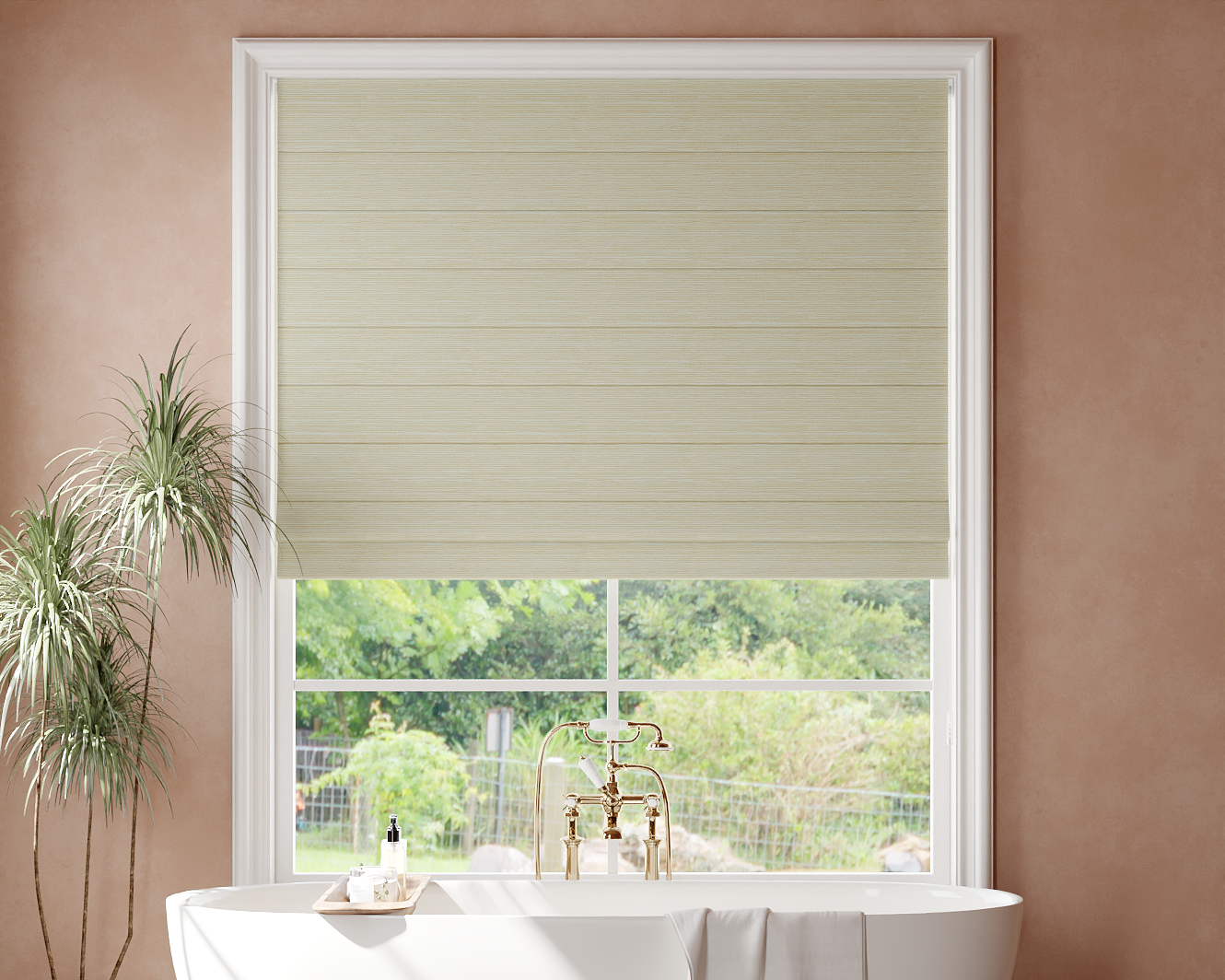
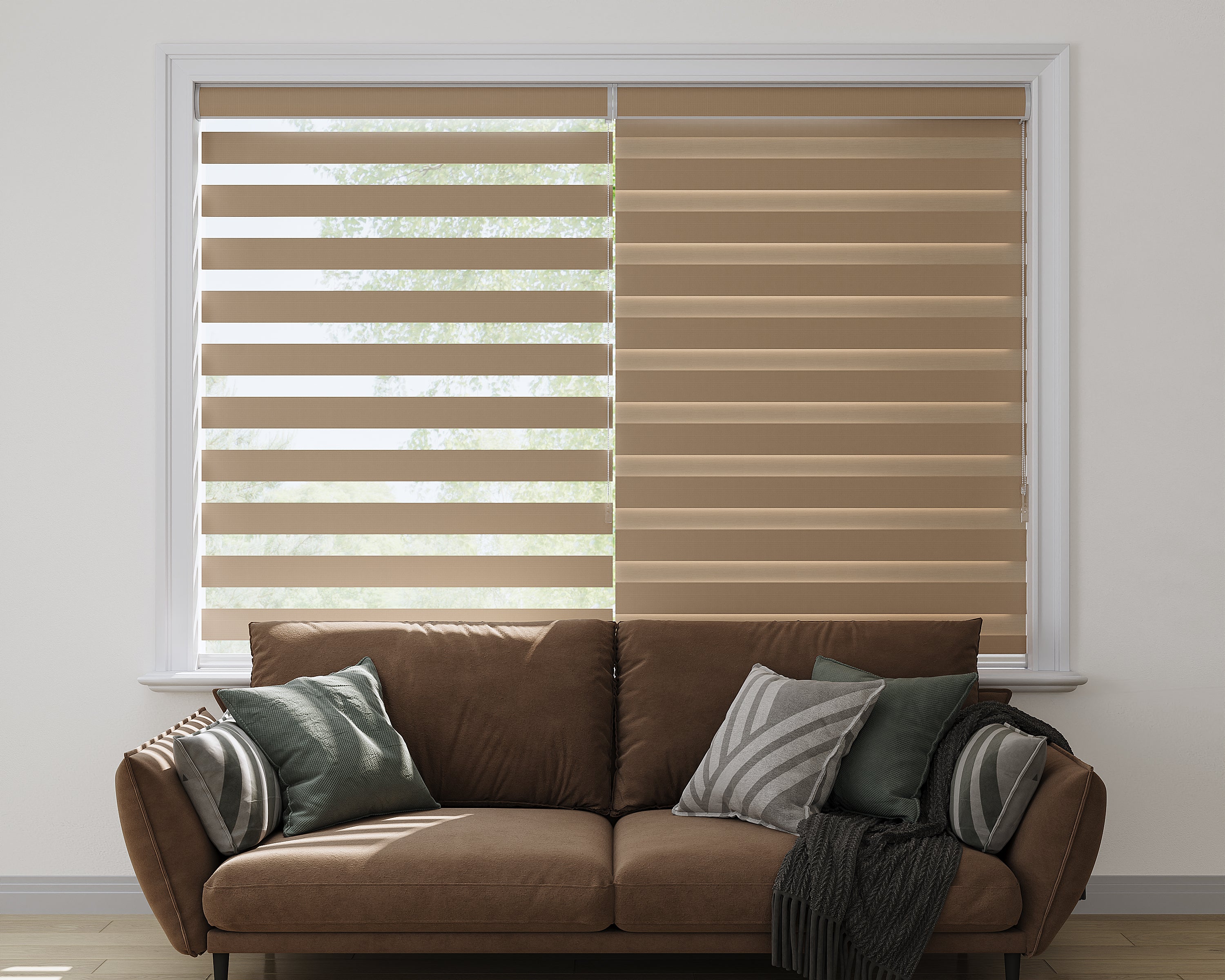
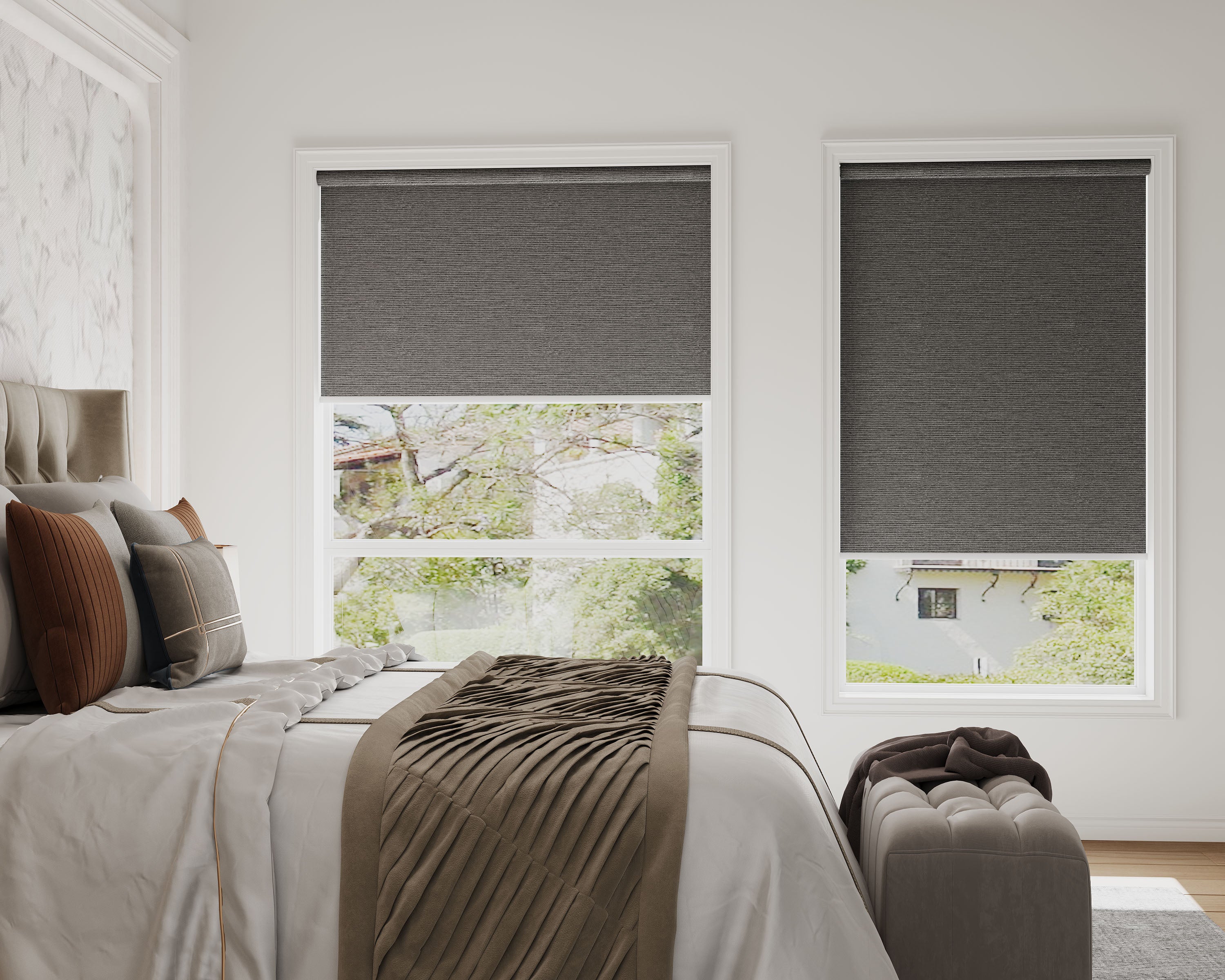
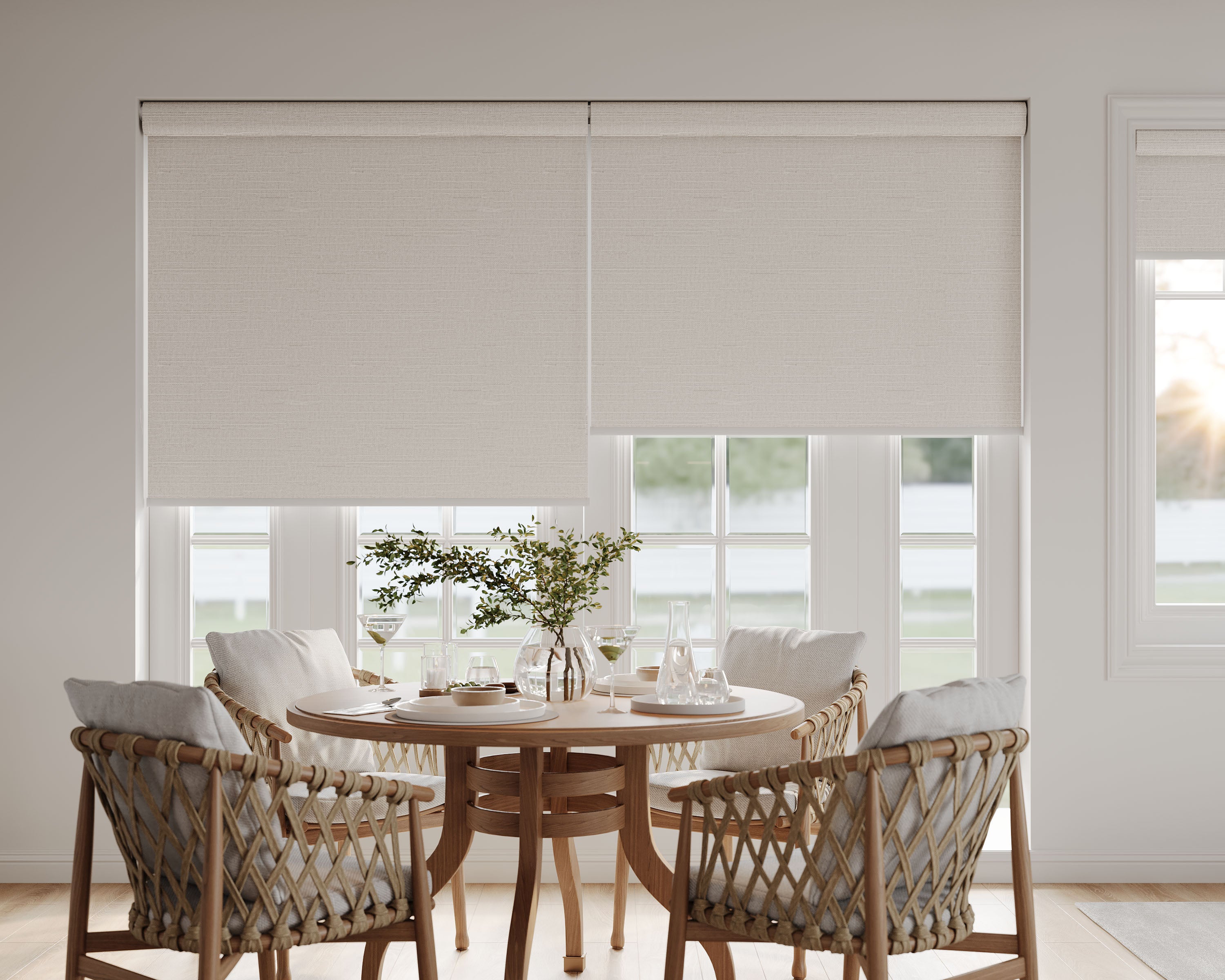


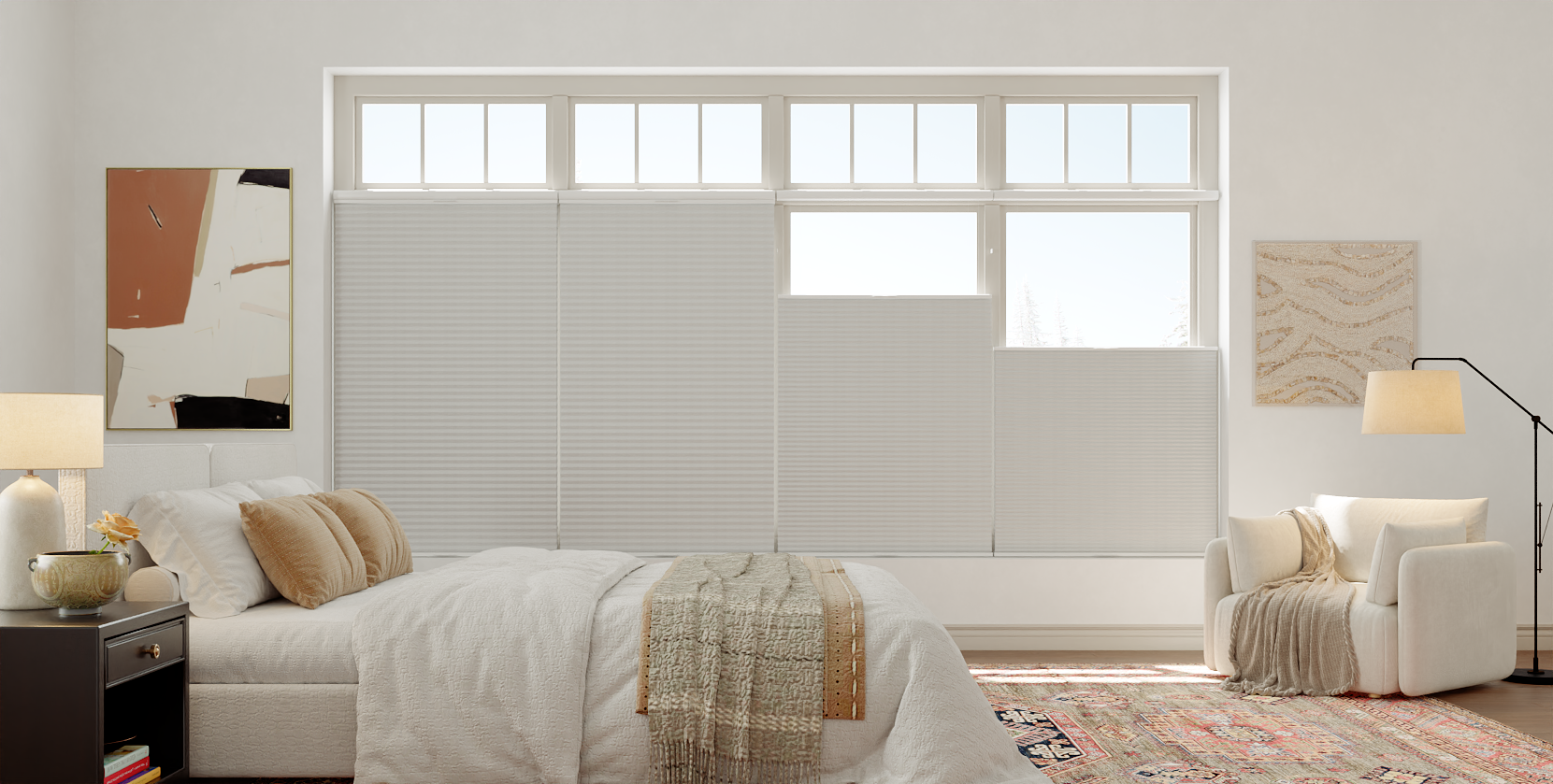


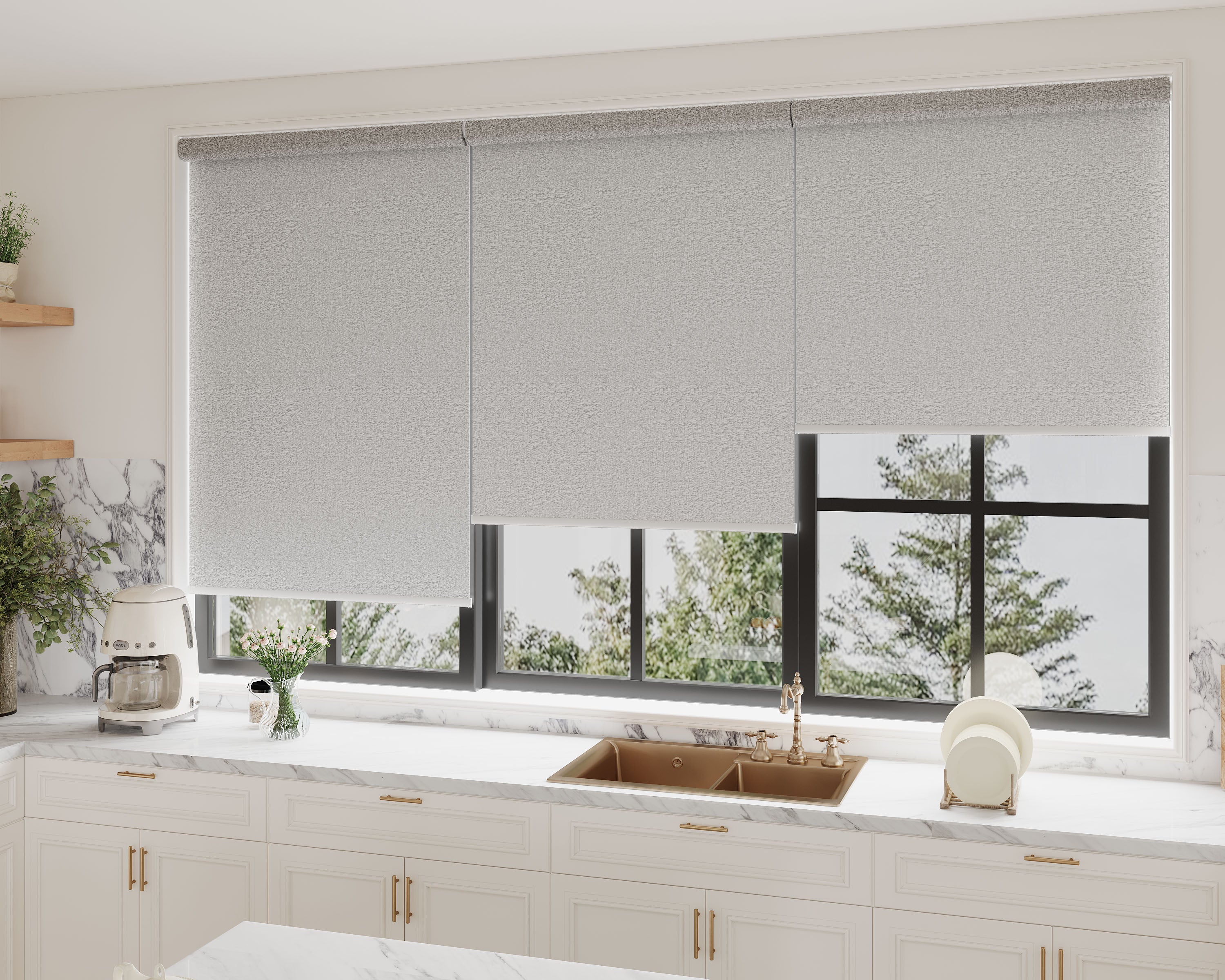

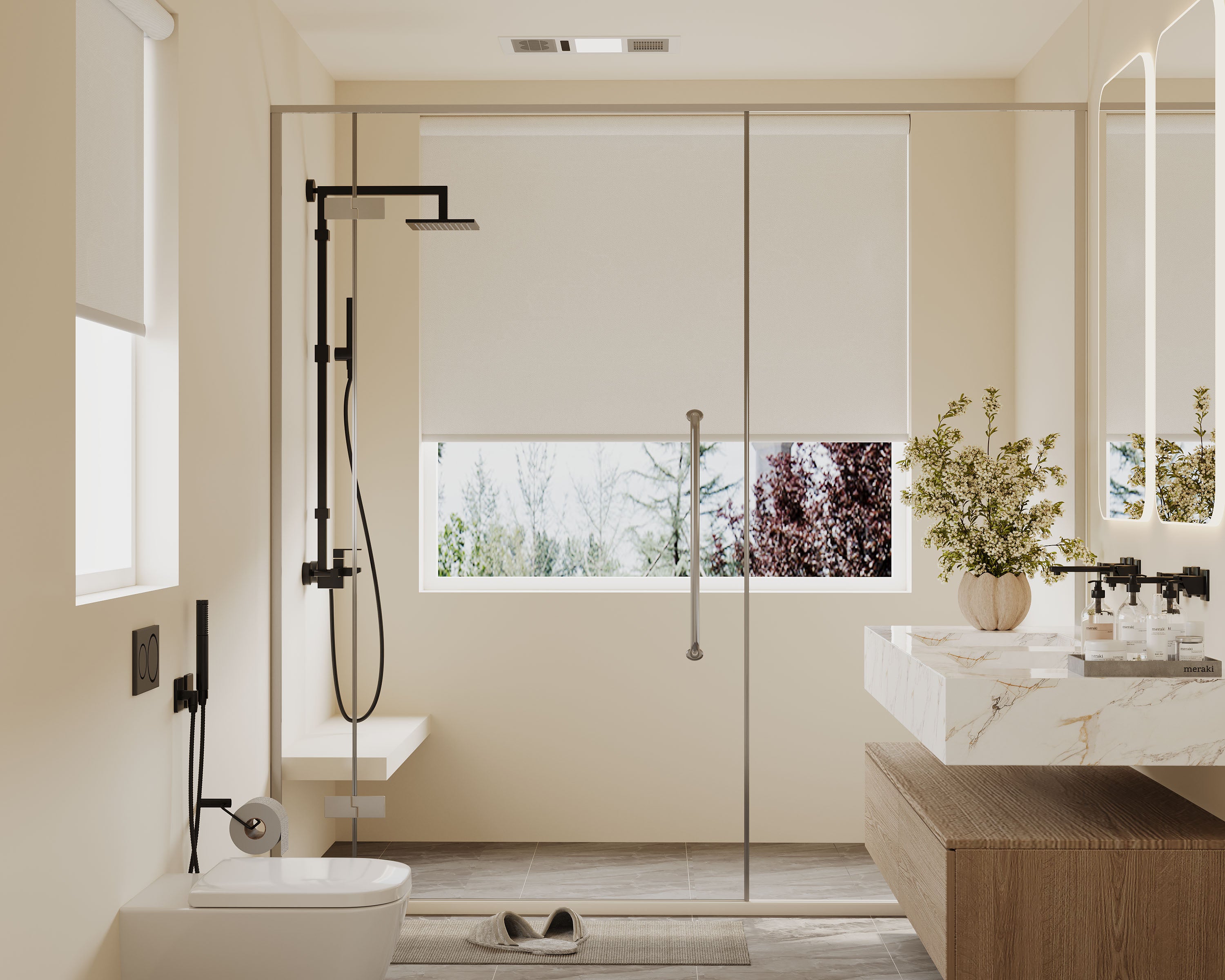


Choose basement window shades by checking three things together: the source of moisture, the view from ground level and the space needed to operate the window. A moisture-appropriate opaque fabric may help with privacy, but it cannot repair a leak or make an obstructed opening suitable for its required use.
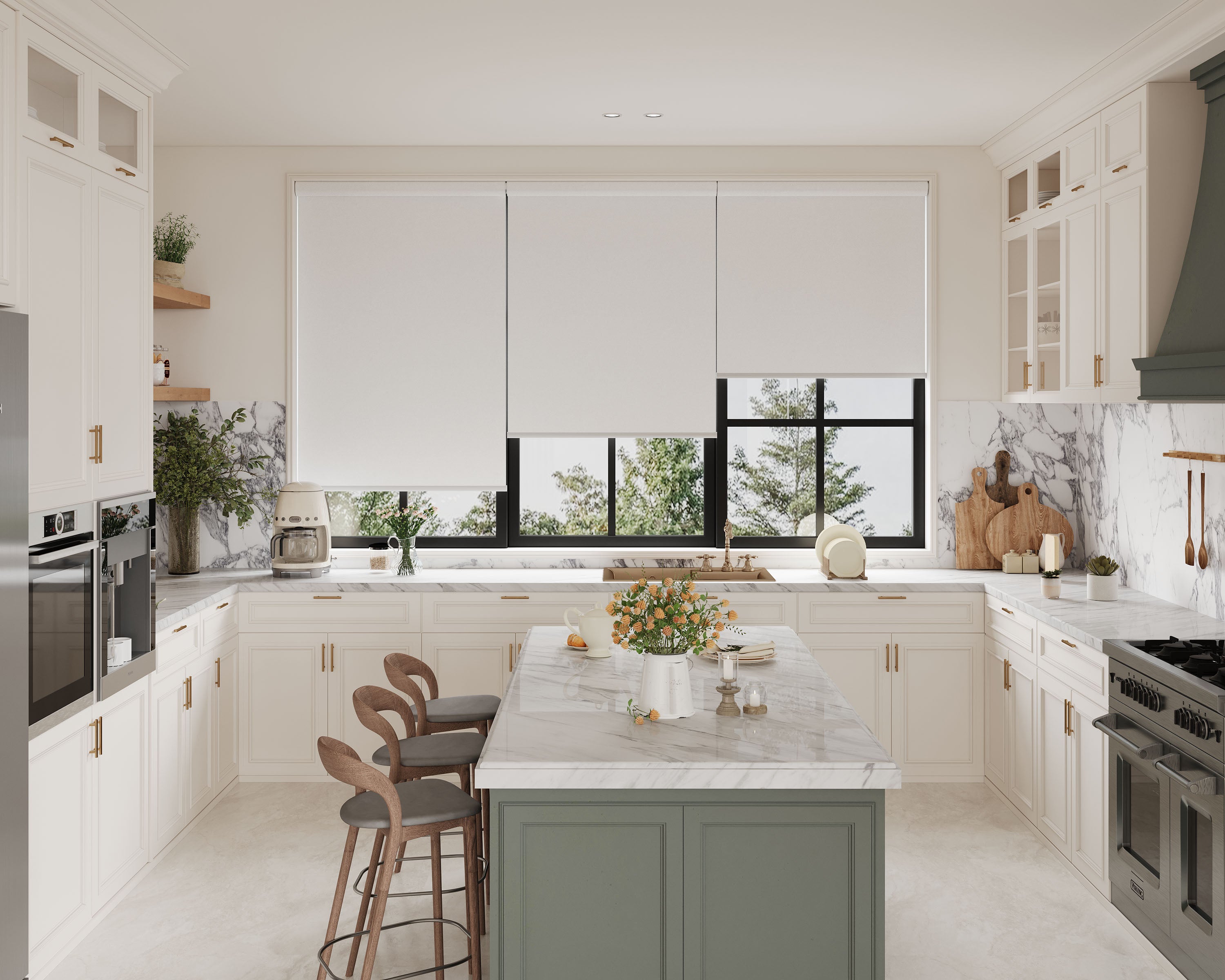
For windows outside direct shower exposure, the current SenseBlinds waterproof PVC blackout roller shade is one available fabric path to assess. Its listing describes an easy-wipe PVC/polyester material and separately routes shower-zone windows to the premium product. Keep that distinction when a basement contains both a laundry area and a bathroom.
Identify condensation, splashes or a leak first
Make a simple moisture record before measuring for a covering. Note where water appears, what the room is doing at the time and whether the frame or wall is affected. A damp sill after cold weather, splashes next to a laundry sink and water following rain call for different questions.
The purpose is to collect useful information, not to diagnose a building problem from a shade guide. If moisture keeps returning, or you see a leak or damaged materials, have the cause assessed before covering the area. Do not install a shade to hide a damp frame or assume that a waterproof fabric protects surrounding wood, drywall or the complete shade assembly.
| Observation | Record | Next decision |
|---|---|---|
| Moisture on glass | Location, time, weather and room use | Assess the recurring condition before setting a fabric against the glass |
| Sink or laundry splashes | Direction and frequency of splashes | Confirm material and cleaning suitability for the proposed position |
| Water after rain or a wet wall | Visible location and affected materials | Resolve the building issue before shade installation |
| Direct shower spray | Window position and expected exposure | Use the specific shower-product route and confirm hardware placement |
Our moisture-resistant fabric guide explains the broader material distinctions. Keep care instructions for the chosen fabric with the order, including any limits on cleaners and whether the shade needs to dry before being raised.
Check ground-level sightlines with the room lights on
A low basement window can place the glass close to a walkway, driveway or patio. The view into the room may come from above rather than straight across. Record the nearby observation points and the activities you want screened: a desk, guest bed, exercise area or the route to a bathroom.
Assess the window after dark with normal interior lighting. Check from safe, accessible locations that you are permitted to use. Include the window's upper edge, side gaps and any uncovered section. A daytime view from inside is not enough to decide evening privacy.
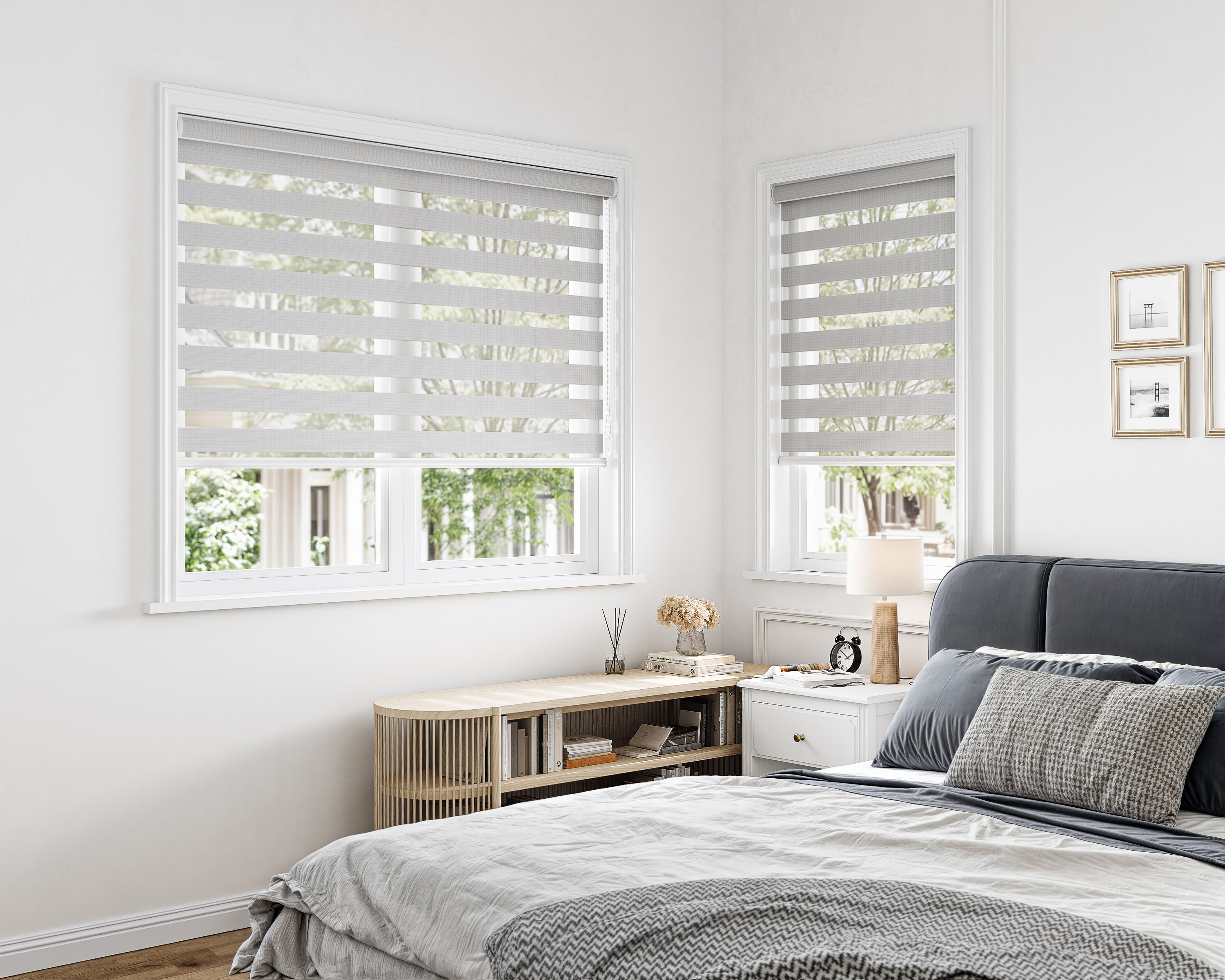
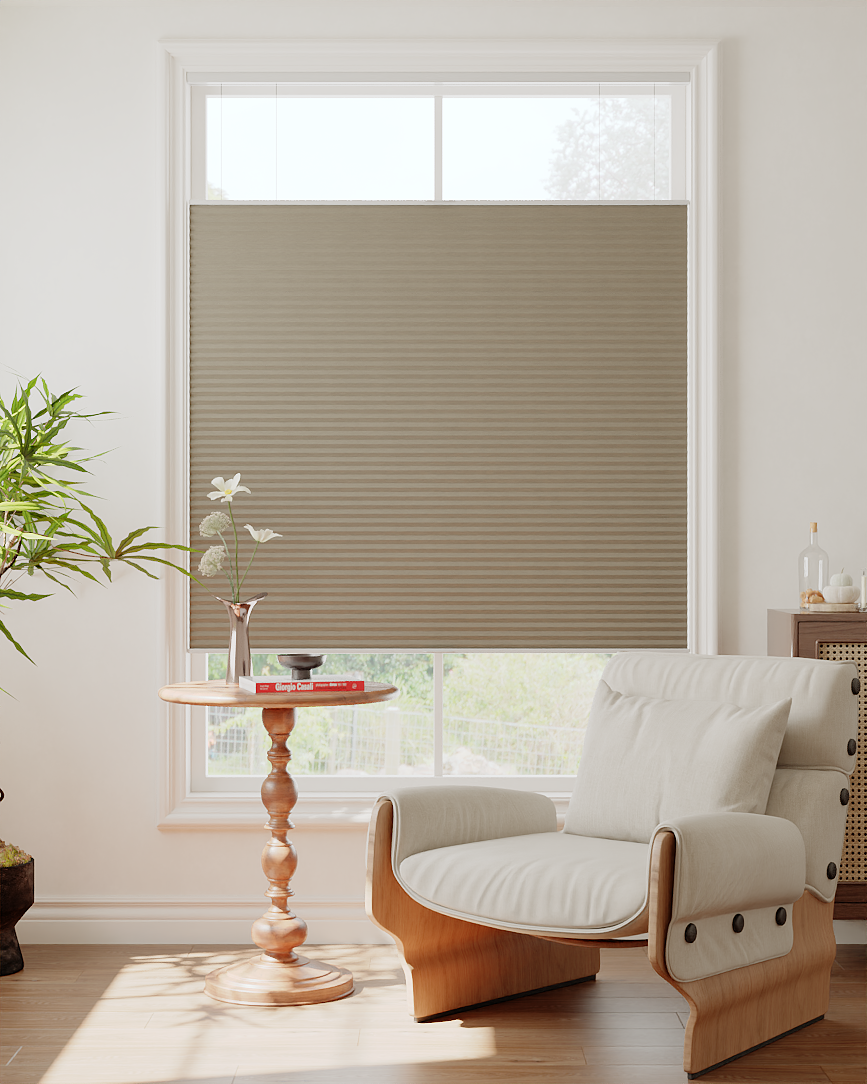
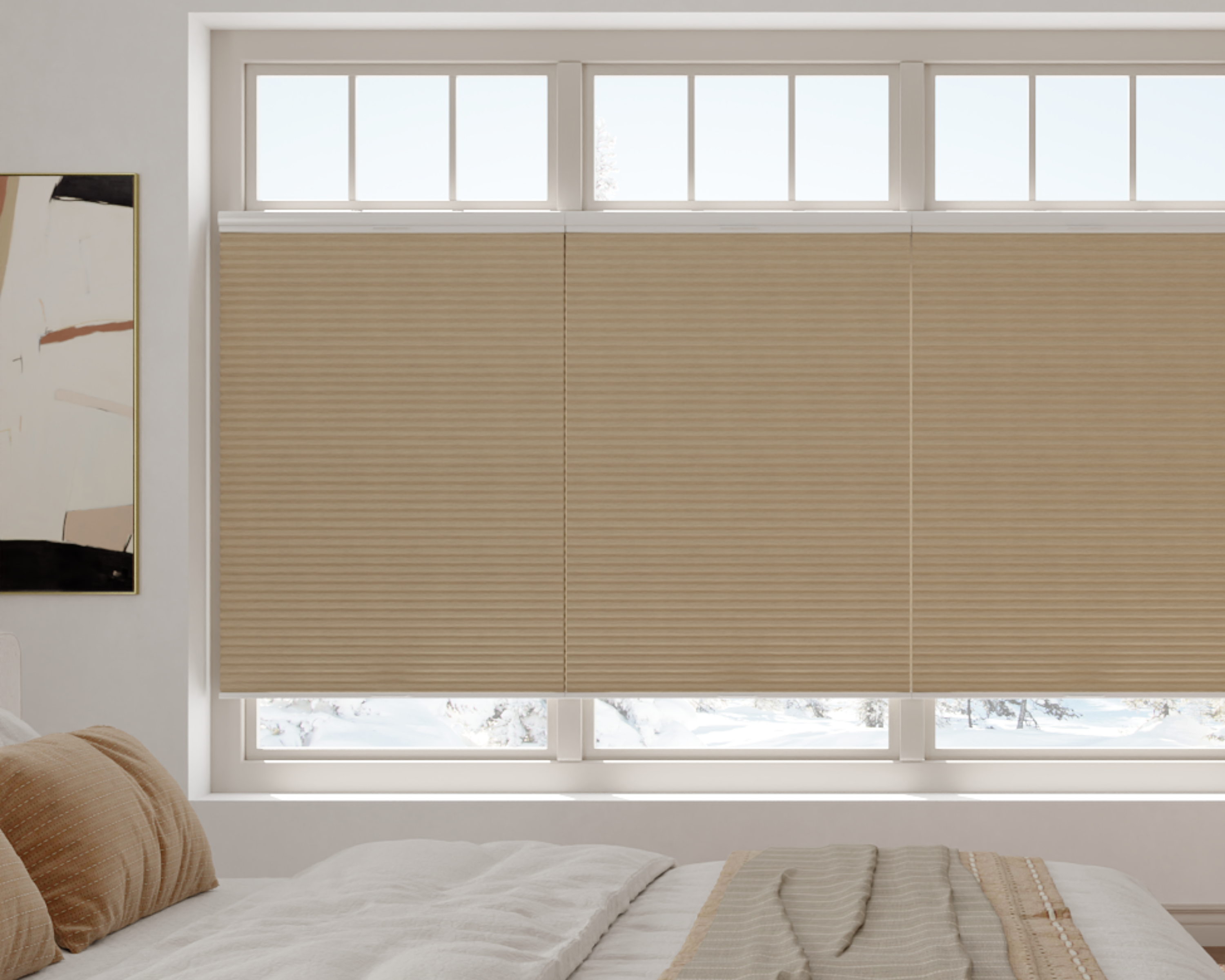
If you prefer daylight through an upper section, check whether that opening exposes the room to someone looking down from ground level. Top-down coverage is not automatically the right solution for a low window. Select fabric and positioning for the actual viewing angle, rather than copying a street-level living-room arrangement.
Preserve window operation and access
Before choosing an inside or outside mount, open the window through every intended operating position. Note handles, hinges, locks, insect screens and any inward-moving sash. Mark where the shade headrail, brackets, lowered fabric and raised stack would sit. Photograph the open and closed window from inside.
If the window has a required escape or access function, have the proposed treatment reviewed by a qualified local professional. This guide does not provide code dimensions or certify an escape opening. Shade hardware and controls must be considered alongside the window's required use, including the ability to reach and operate it.
Small windows need particular care because the rail or raised shade may occupy a noticeable part of the available glass. Ask for the selected product's headrail dimensions and raised stack information for your ordered size. Do not infer those dimensions from the fabric's thickness or a room photograph.
Compare the actual PVC options
The standard waterproof blackout roller listing describes 80% PVC and 20% polyester fabric for bathroom and kitchen use outside shower exposure. For a basement bathroom window inside a shower zone, the premium waterproof roller is the distinct product path. Its PVC/fiberglass fabric listing addresses direct water exposure; that does not establish wet-zone approval for every motor, cable or mounting arrangement.
For a dry basement office, an opaque shade may be selected primarily for privacy or screen use. For a laundry window, easy cleaning and splash position may matter more. Neither example requires a blanket claim that every basement needs the same material.
Choose the lift after checking access. A cordless shade still needs a reachable operating point. A motorized shade still needs an approved power arrangement and service access. If a chain configuration is selected, its supplied safety device and installation requirements belong in the fit plan.
Complete the order record
For each window, record raw opening measurements, moisture observations, privacy sightlines, intended mount, hardware clearances, required window operation, selected fabric and lift. Keep order width and actual fabric coverage as separate fields. Obtain the supplier's measurement definitions before converting raw measurements into an order.
Browse current moisture-resistant shade options with that record in hand. Confirm the exact model, care instructions and supported installation before ordering. The result should be a shade that serves the room's privacy task while leaving the window usable and the cause of any moisture visible and addressed.
