


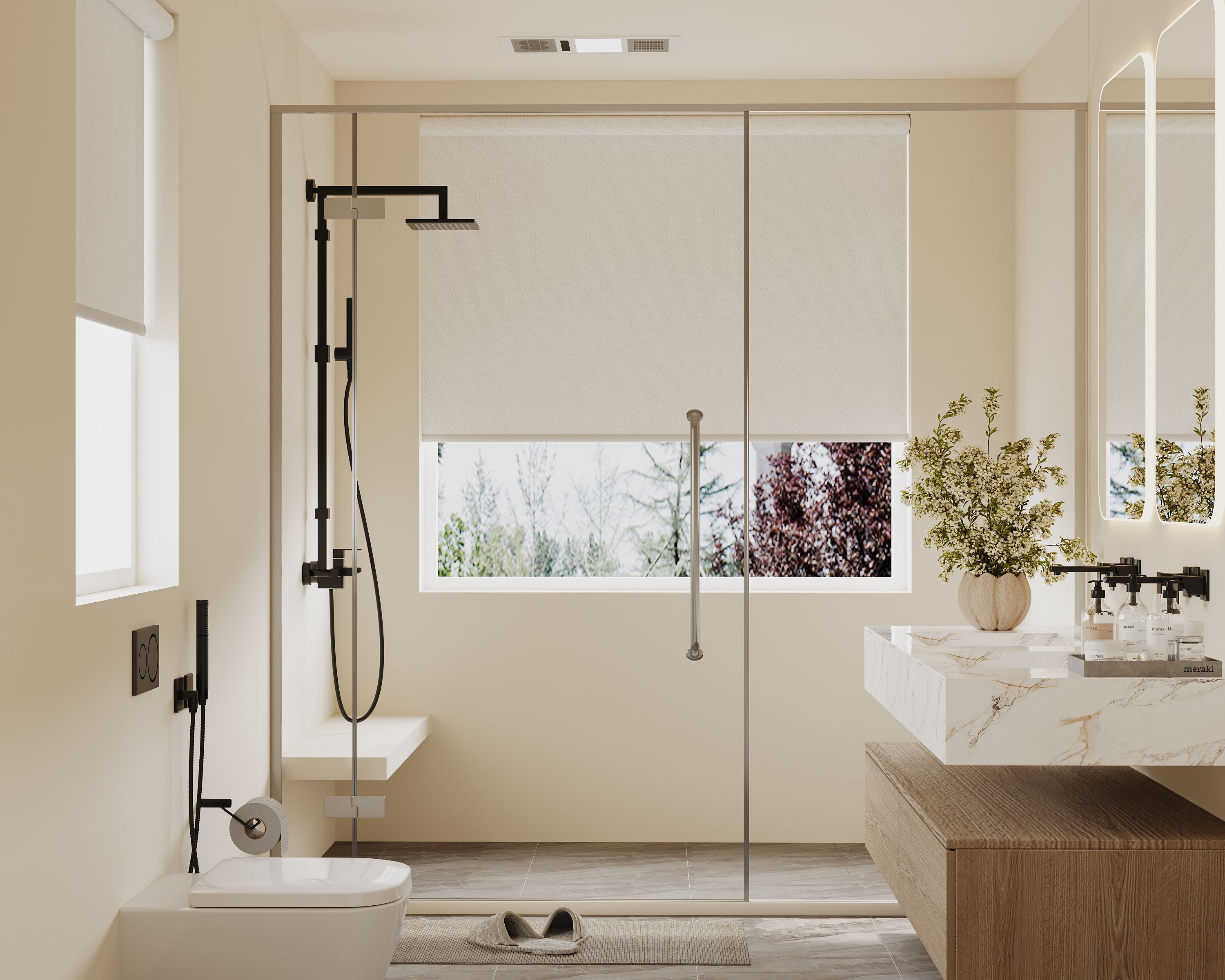
NFPA Compliant Shades – US Commercial Fire Safety
NFPA 701 – Flame Propagation
NFPA 701 is the standard fire‑test method for flame propagation of textiles and films. It evaluates how quickly flames spread across a fabric’s surface and whether flaming droplets are produced. Our NFPA 701 compliant shades have been independently tested and certified to meet the pass/fail criteria of this rigorous standard. NFPA 701 compliance is required for draperies, curtains, and window coverings in most commercial and public buildings in the United States.
NFPA 260 – Cigarette Ignition Resistance
NFPA 260 (formerly NFPA 261) is the standard test method for cigarette ignition resistance of upholstered furniture components. Although originally developed for furniture, it is widely applied to window coverings in hospitality and healthcare environments to ensure they will not ignite from a smoldering cigarette. Our NFPA 260 compliant fabrics meet the Class I classification (no ignition).
Inherent FR vs. Topical Treatment
NFPA compliance can be achieved through two approaches:
-
Inherently flame‑retardant fibers — FR additives are integrated into the polymer during extrusion. Permanent and cannot wash off. Available on select roller, cellular, and zebra fabrics.
-
Durable topical treatment — Fabric is immersed in a flame‑retardant solution and cured. When properly maintained, compliance lasts for the life of the fabric. Available on all polyester fabrics.
Both methods meet NFPA 701 and NFPA 260 standards; inherent FR offers added permanence.
Available Across All Shade Styles
-
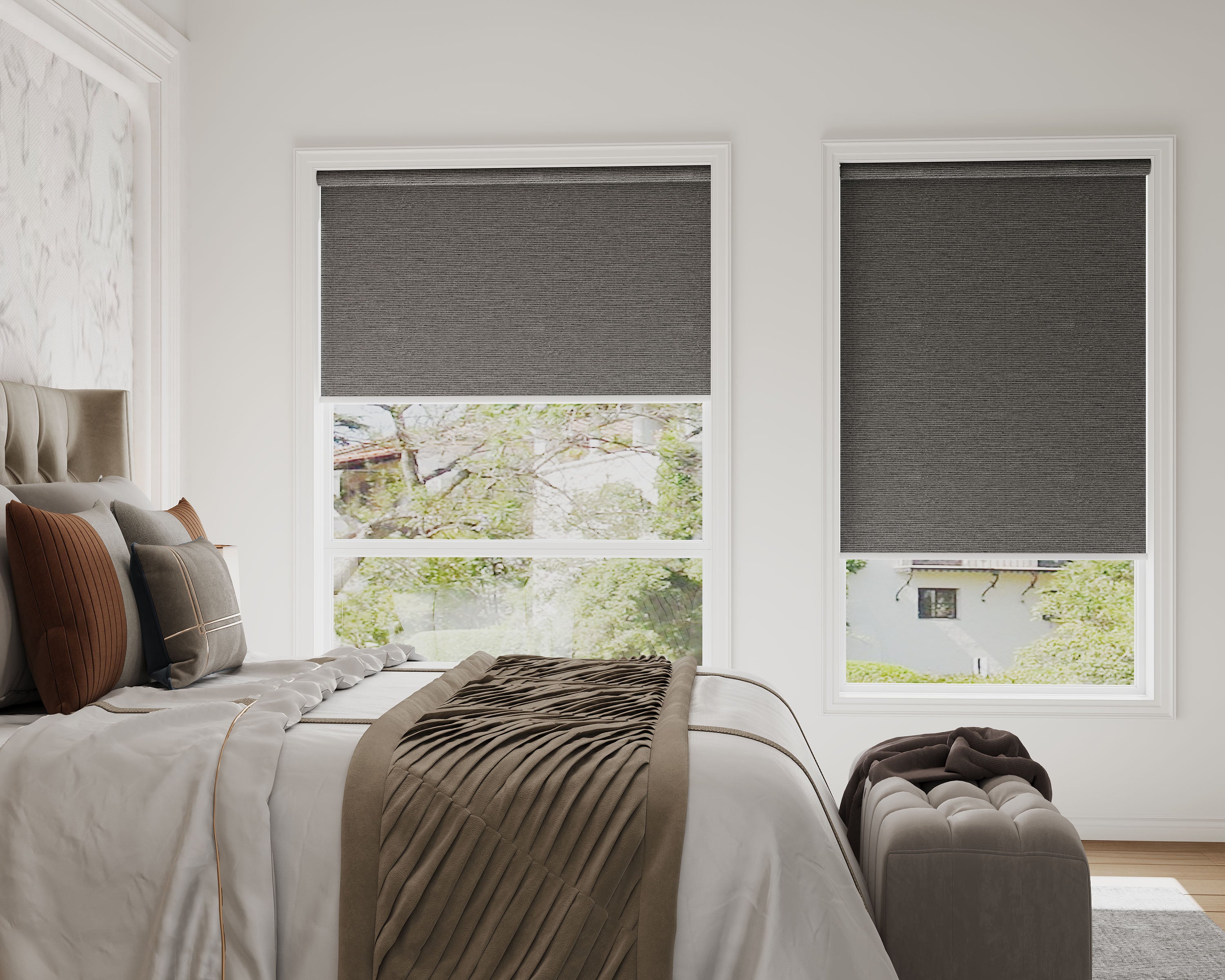
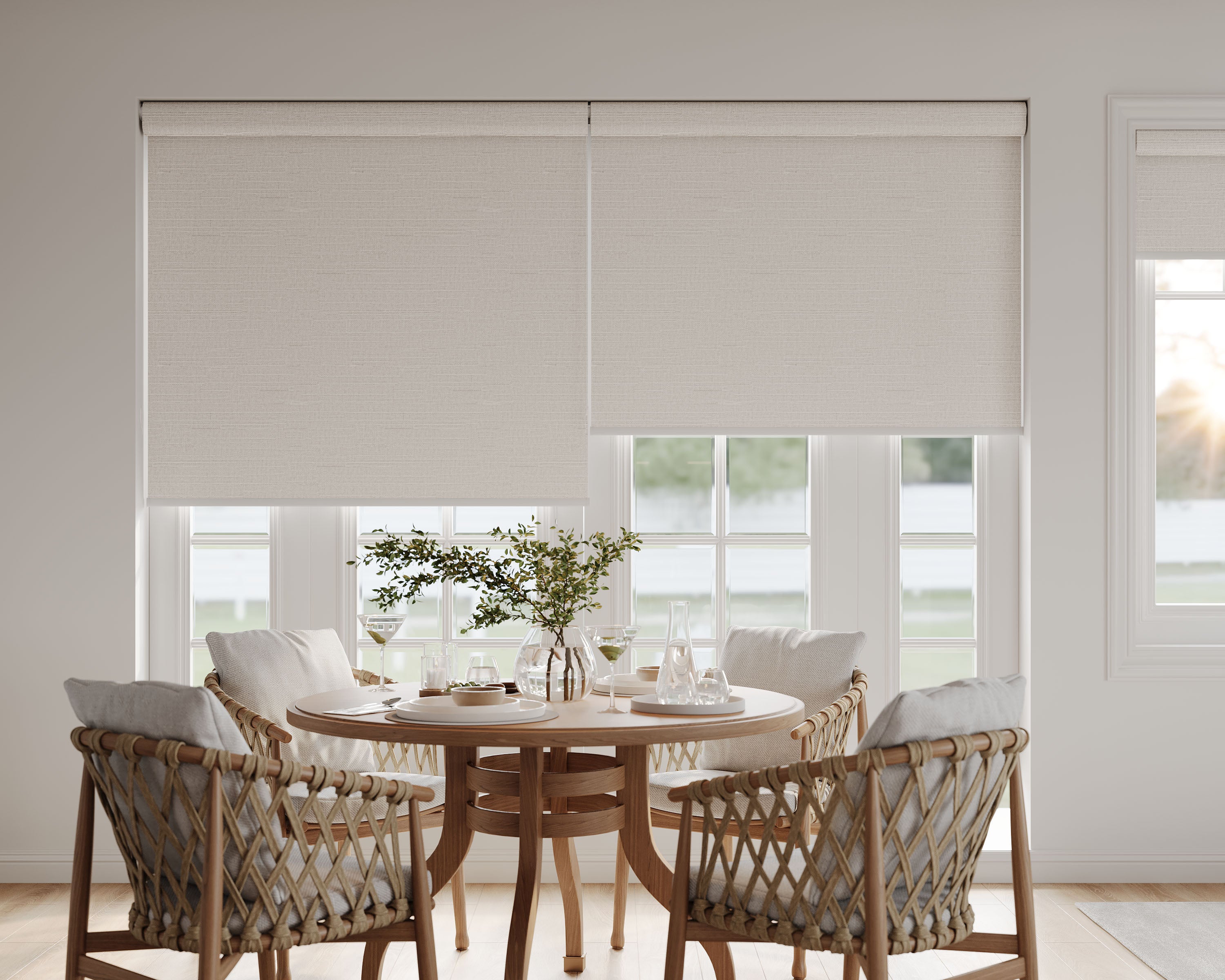
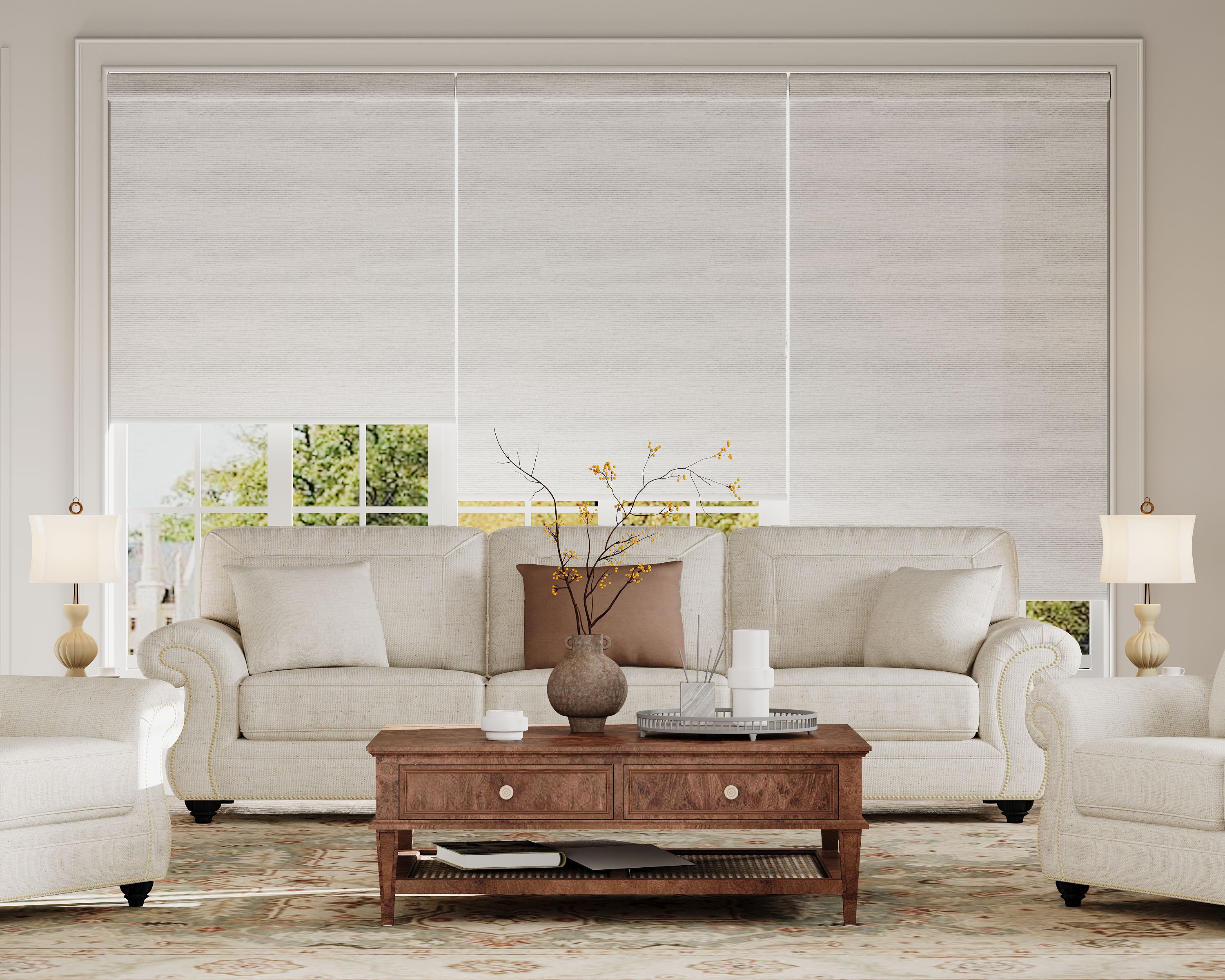
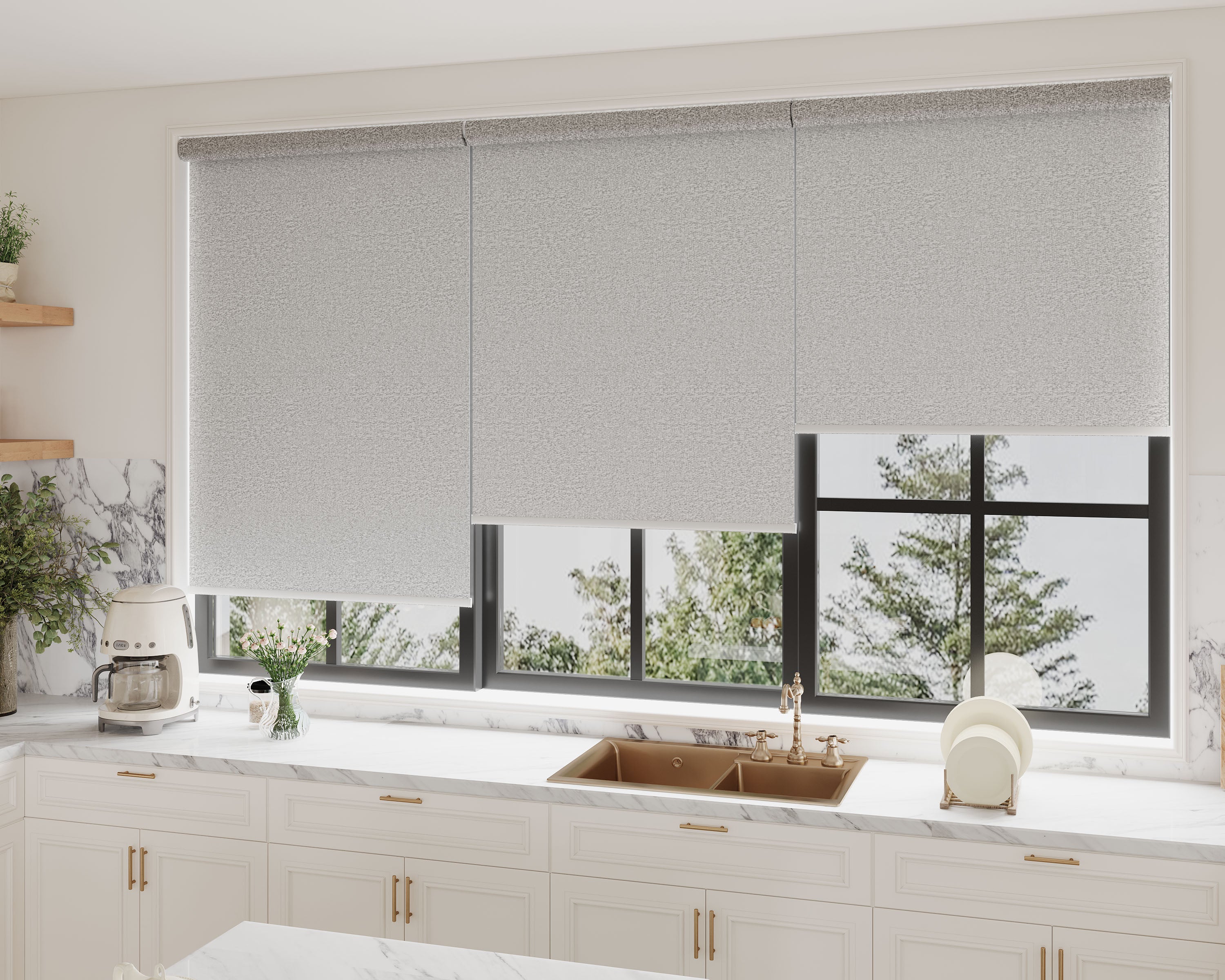
NFPA Compliant Roller Shades — All fabrics, all opacities; inherent FR or topical treatment
-
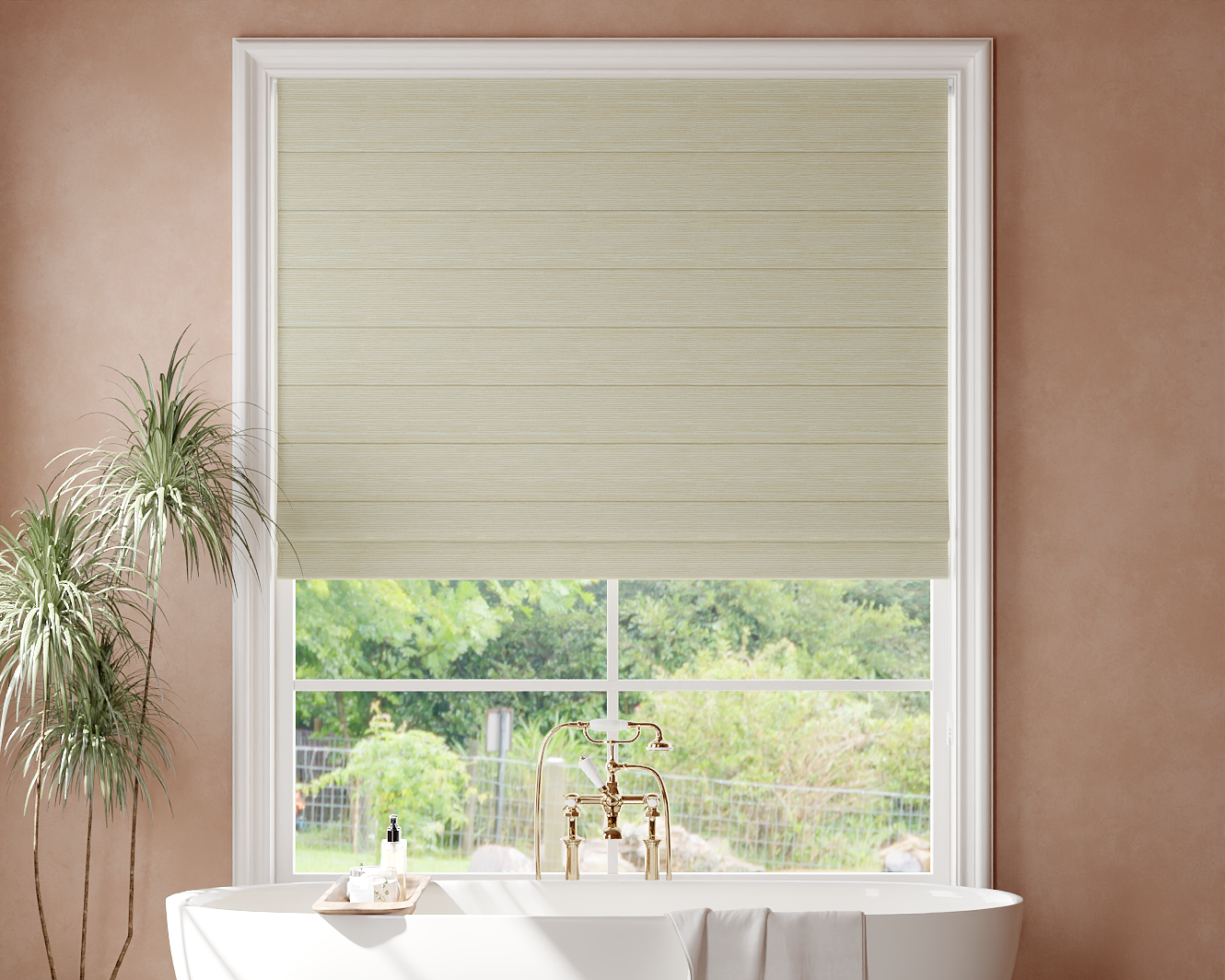
NFPA Compliant Roman Shades — All fabrics, all opacities; topical treatment only
-
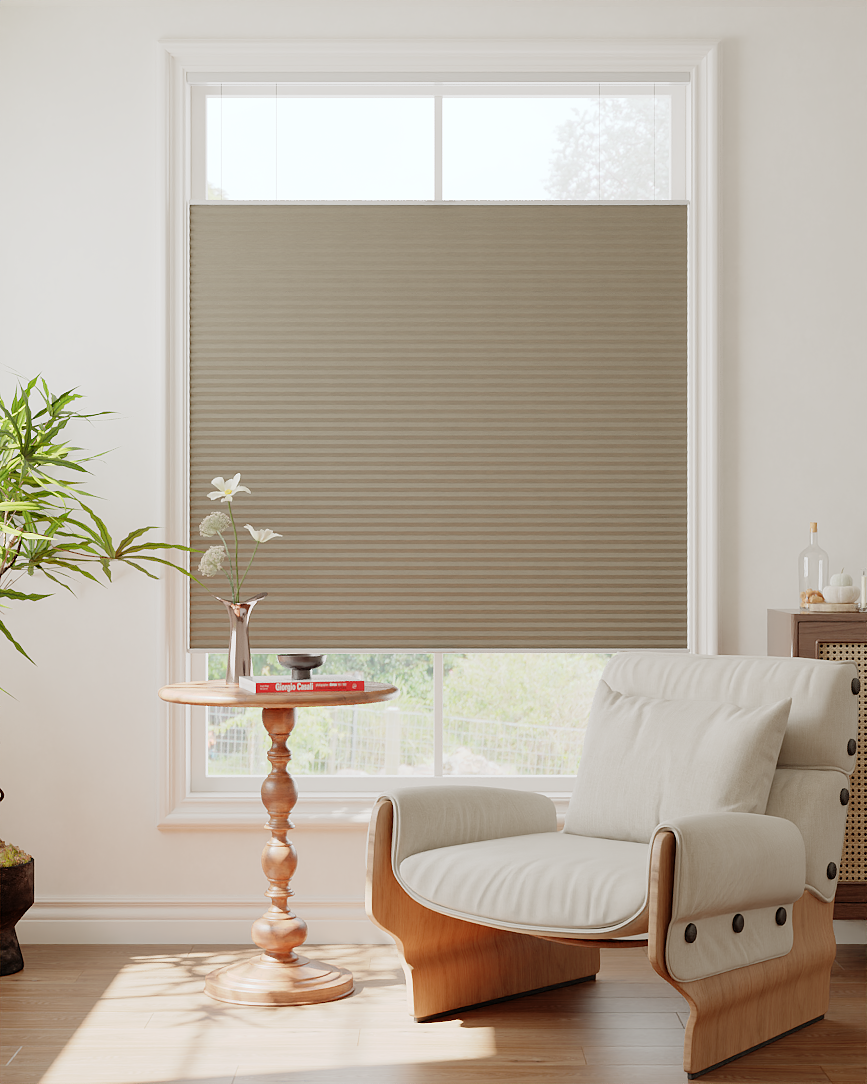
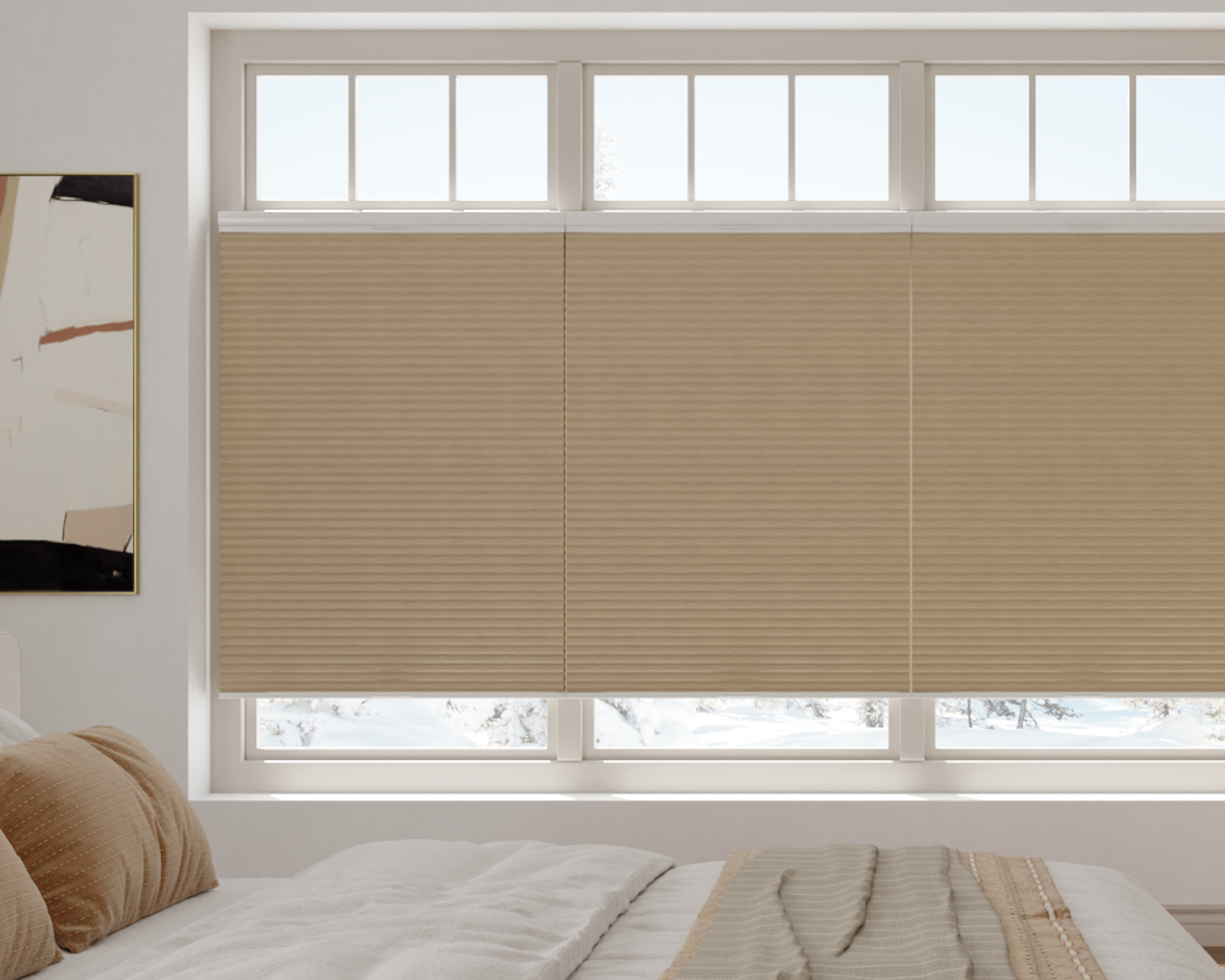
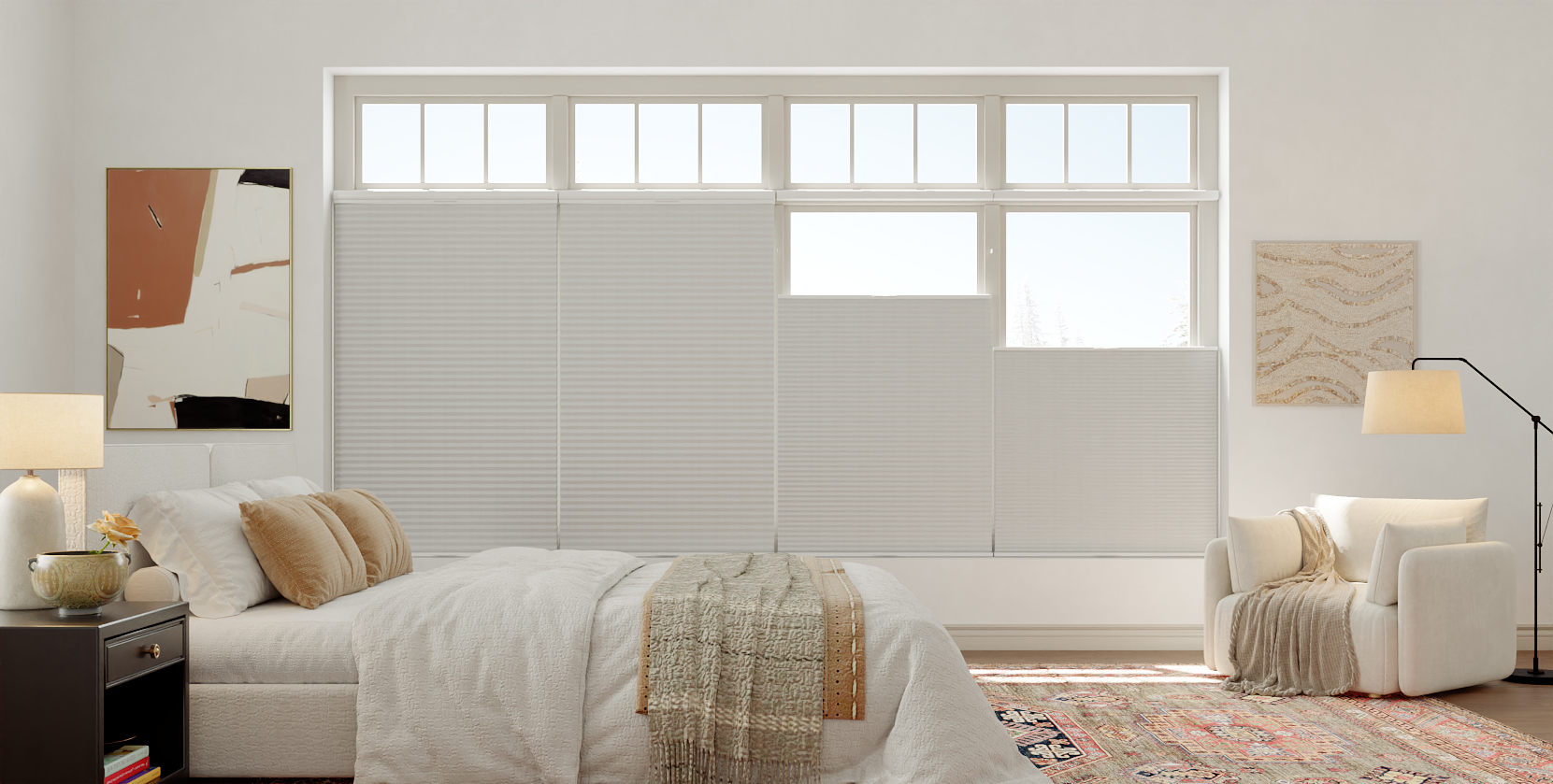
NFPA Compliant Cellular Shades — Select single‑cell fabrics; topical treatment only
-
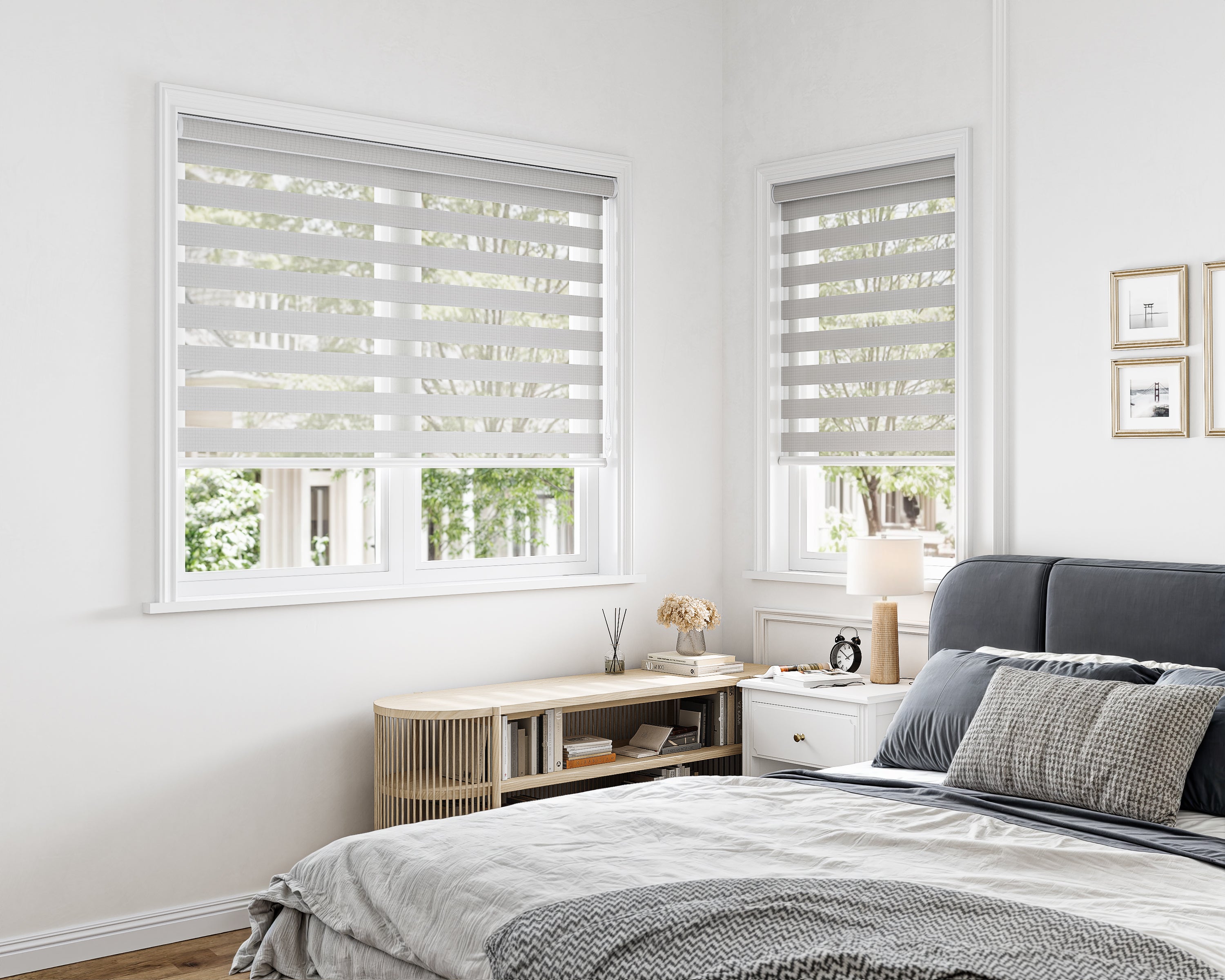
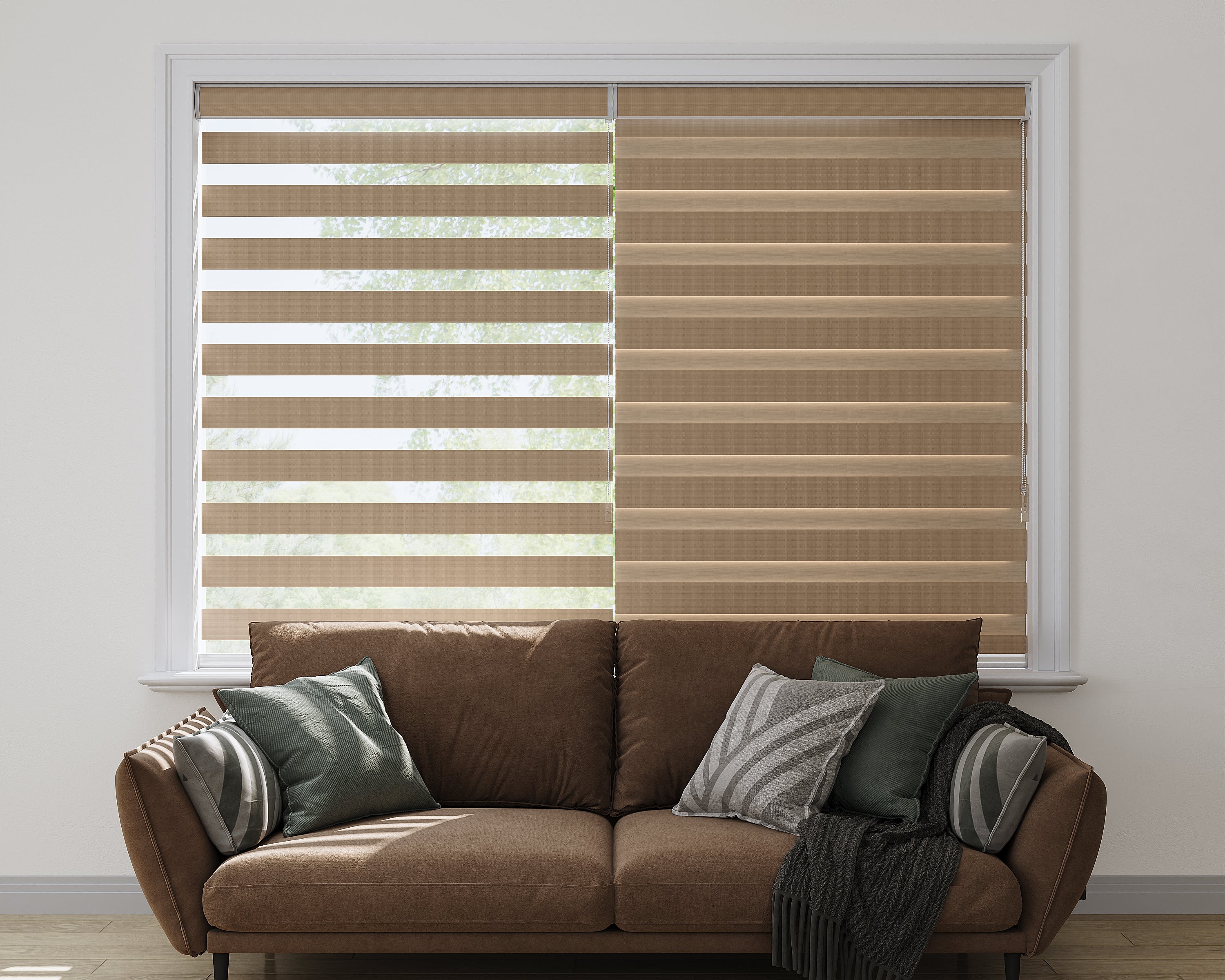
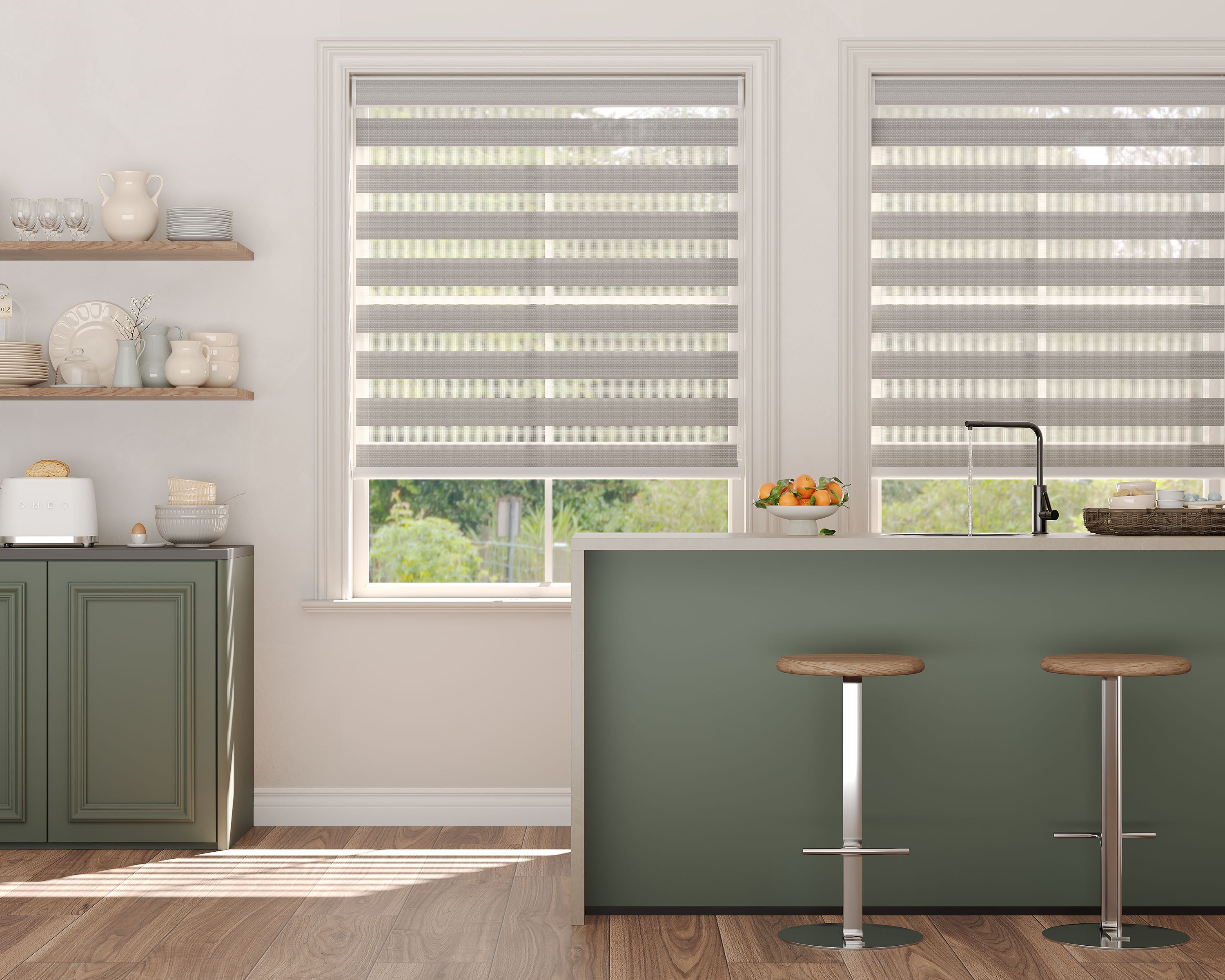
NFPA Compliant Zebra Shades — All zebra fabrics; topical treatment only
-
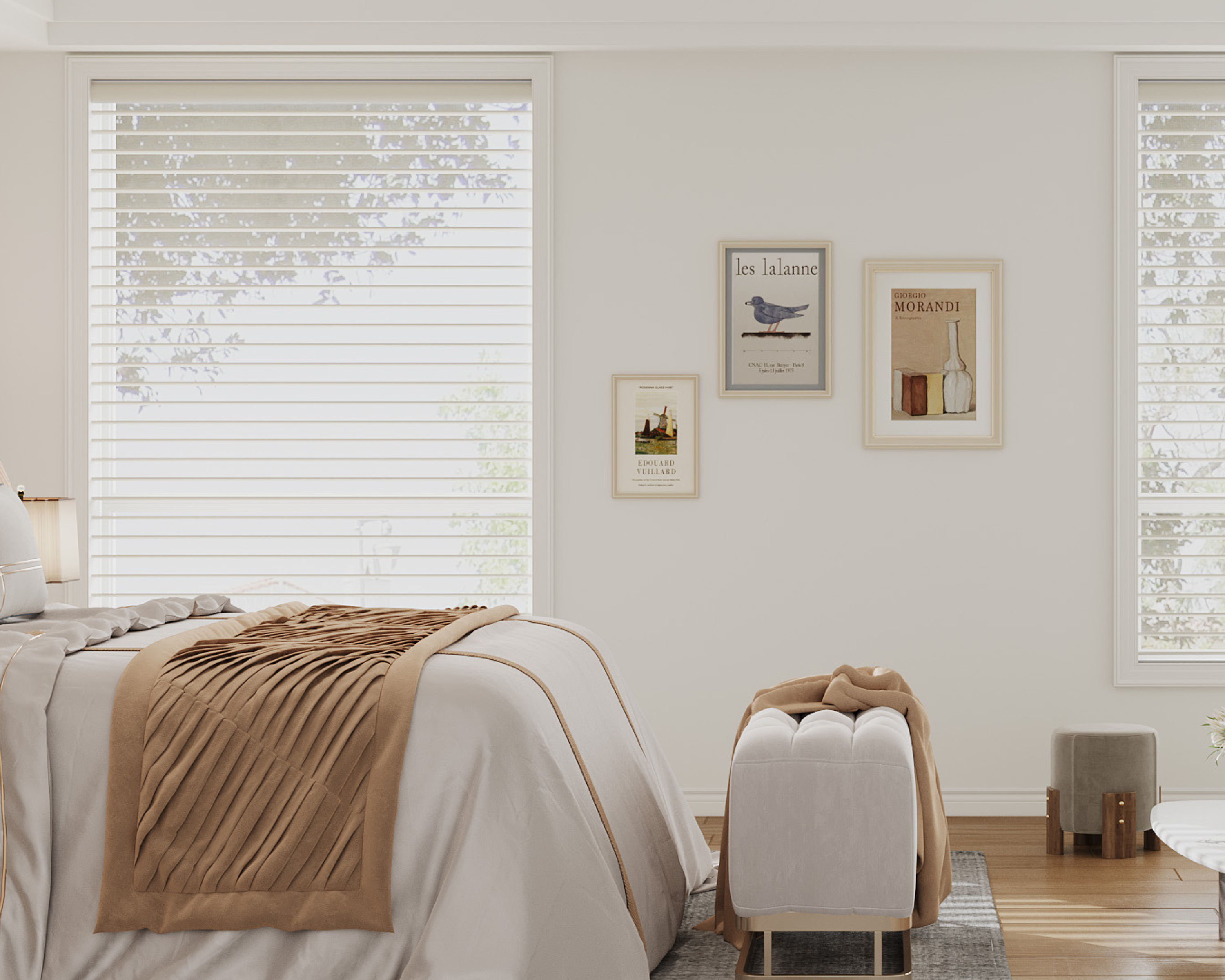
NFPA Compliant Sheer Shades — All sheer fabrics; topical treatment only
Contact our customer service team for detailed fabric availability.
Ideal for Commercial & Institutional Applications
-
Hotels & motels — Guest rooms, lobbies, meeting spaces
-
Hospitals & clinics — Patient rooms, waiting areas, operating suites
-
Schools & universities — Classrooms, libraries, auditoriums
-
Senior living & long‑term care — Resident rooms, common areas
-
Theaters & event venues — Stage curtains, lobby windows
-
Corporate offices — Conference rooms, open‑plan spaces
Certification Documentation
Each NFPA Compliant shade order includes a certificate of compliance listing the specific NFPA standards met. Full laboratory test reports are available upon request. Our documentation is accepted by building inspectors, fire marshals, and facility managers nationwide.
Care & Maintenance for Topical FR
Topical flame‑retardant treatments are durable but can be compromised by improper cleaning. To maintain NFPA compliance:
-
Do not dry clean — solvents can remove the FR treatment
-
Spot clean only with mild soap and water
-
Never machine wash or submerge
-
Vacuum regularly using a soft brush attachment
