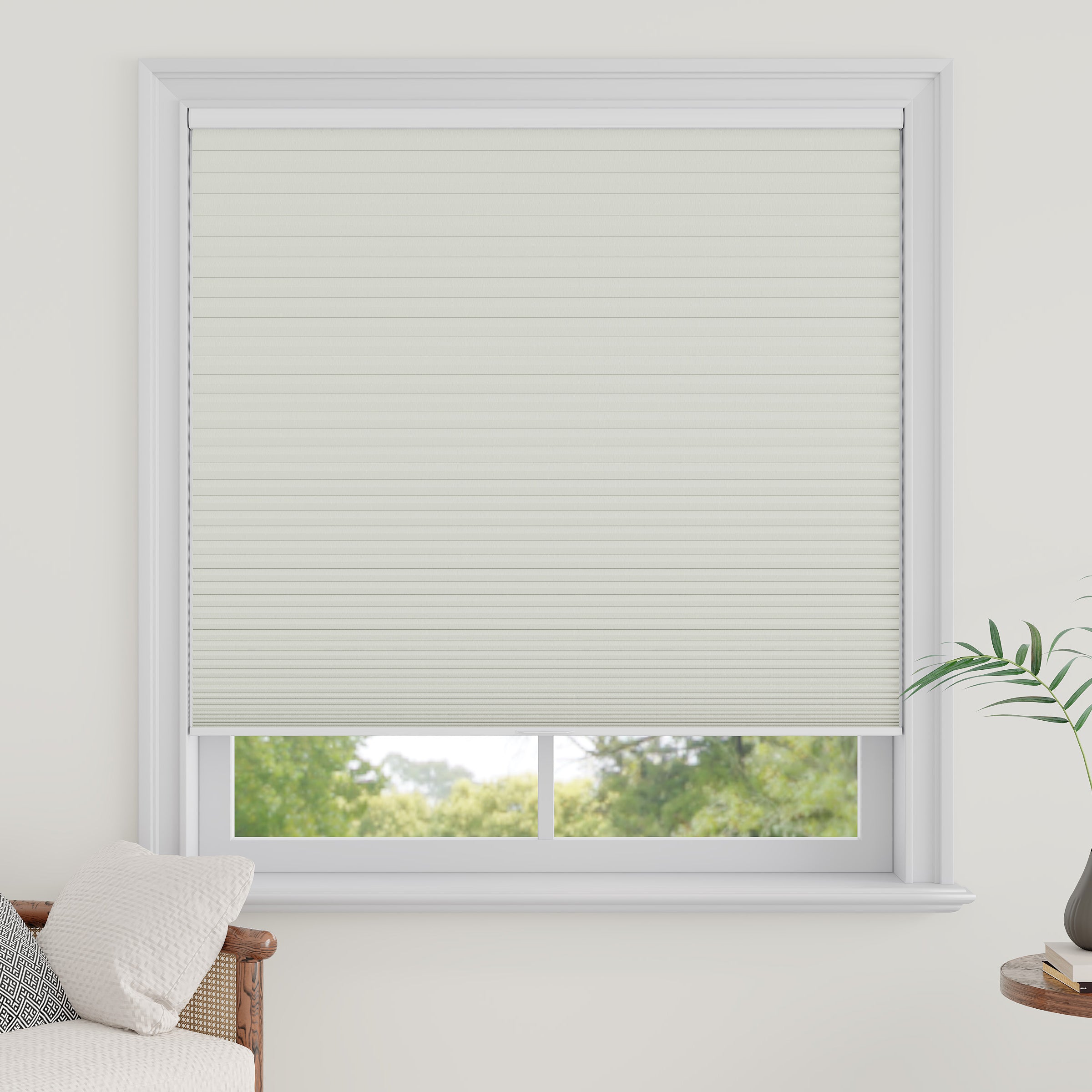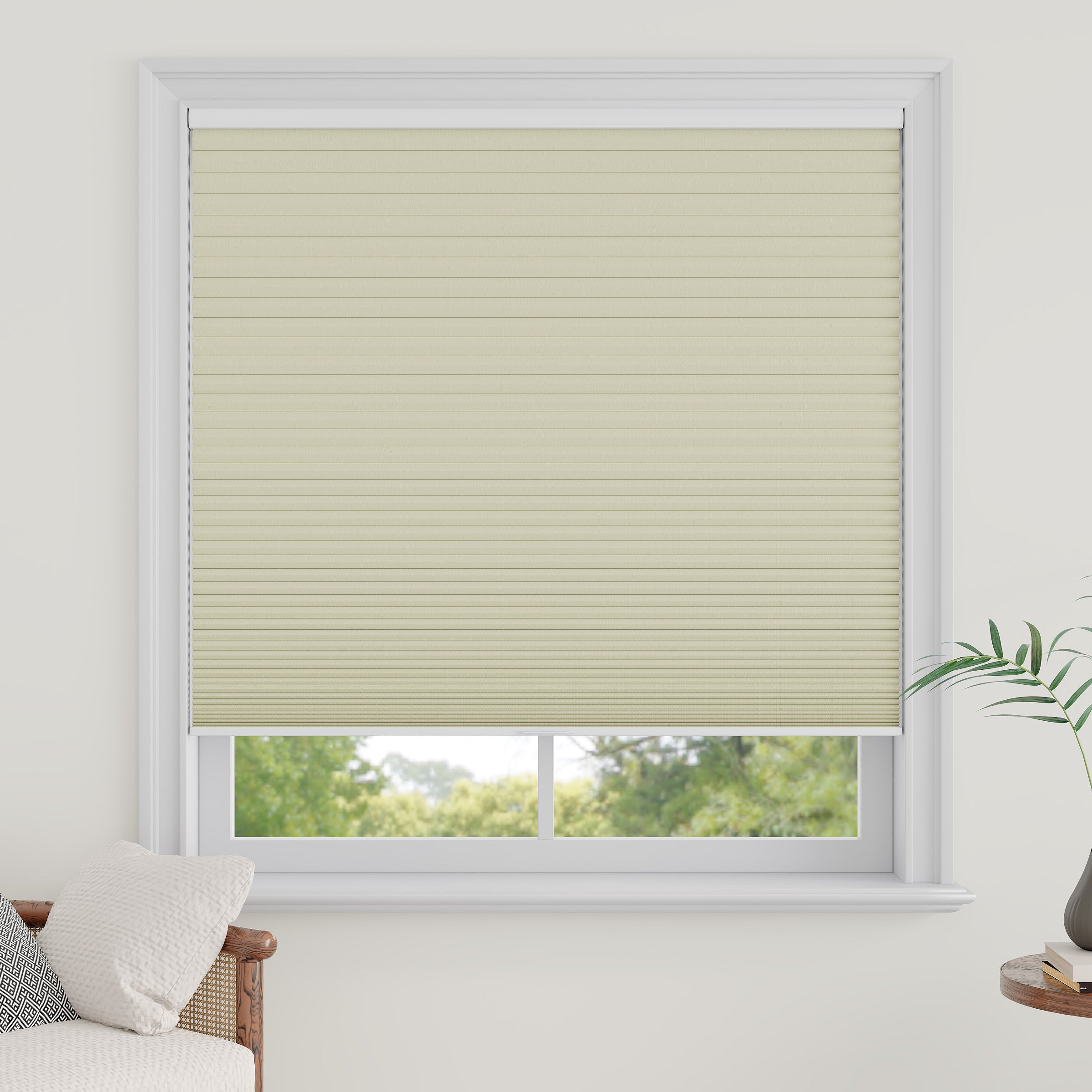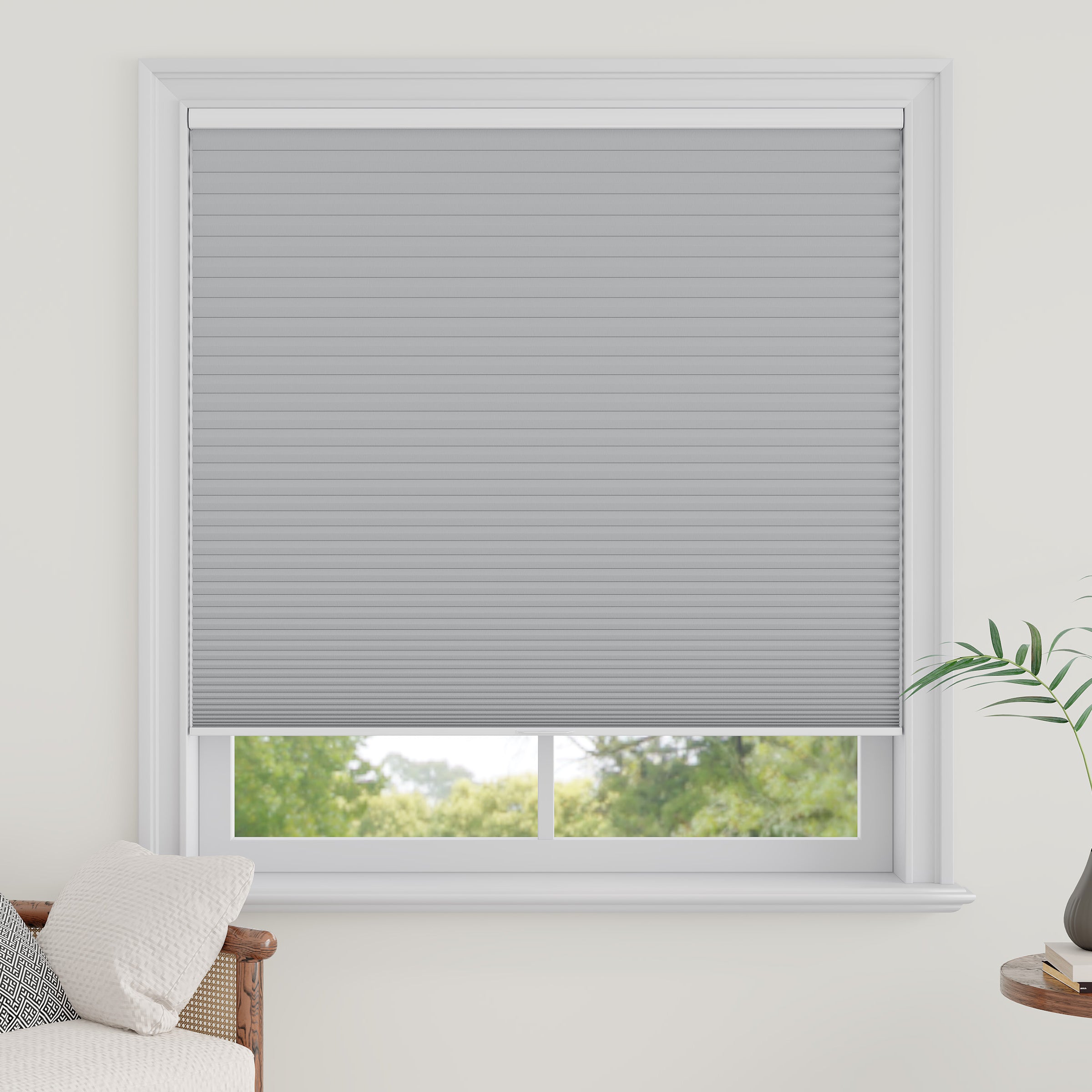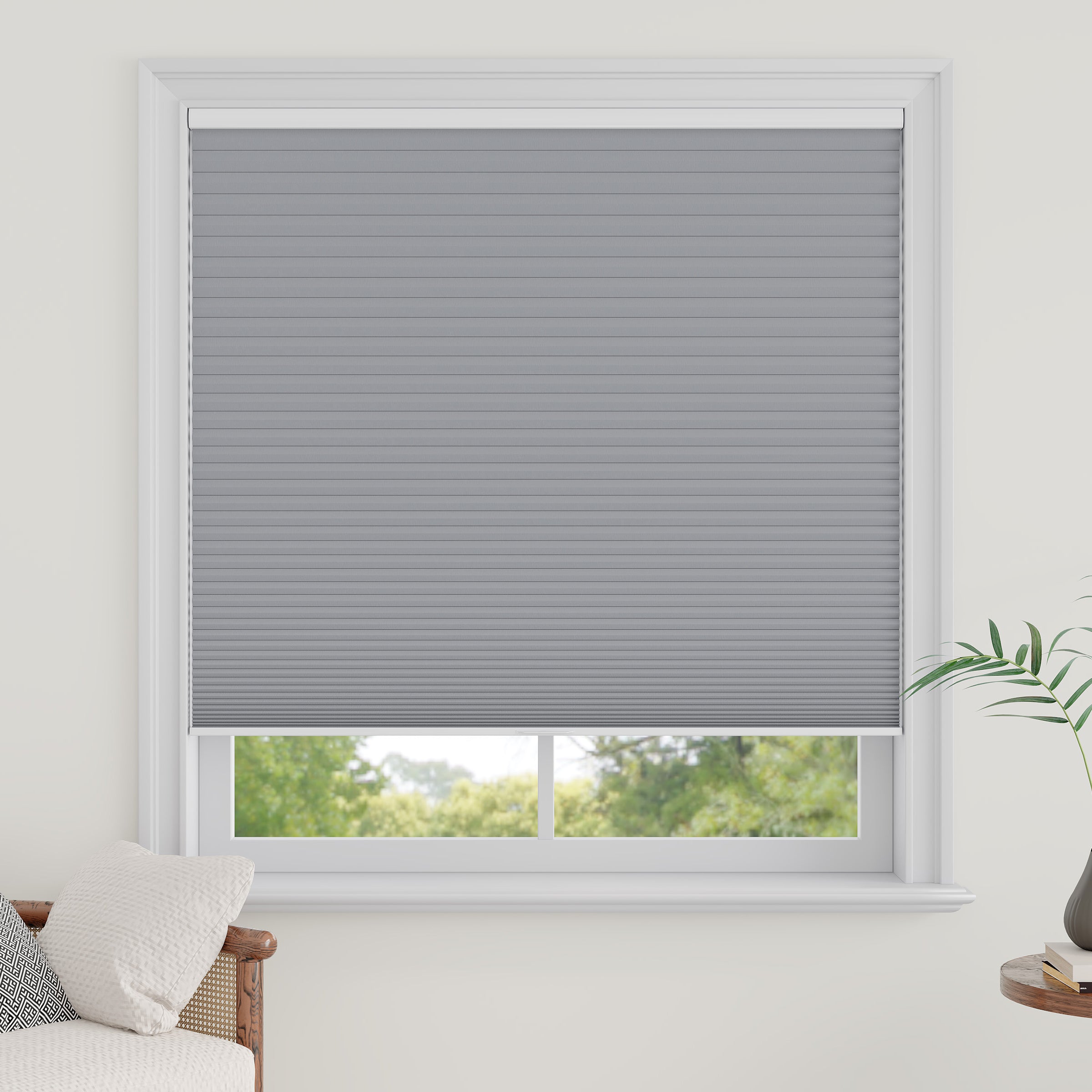






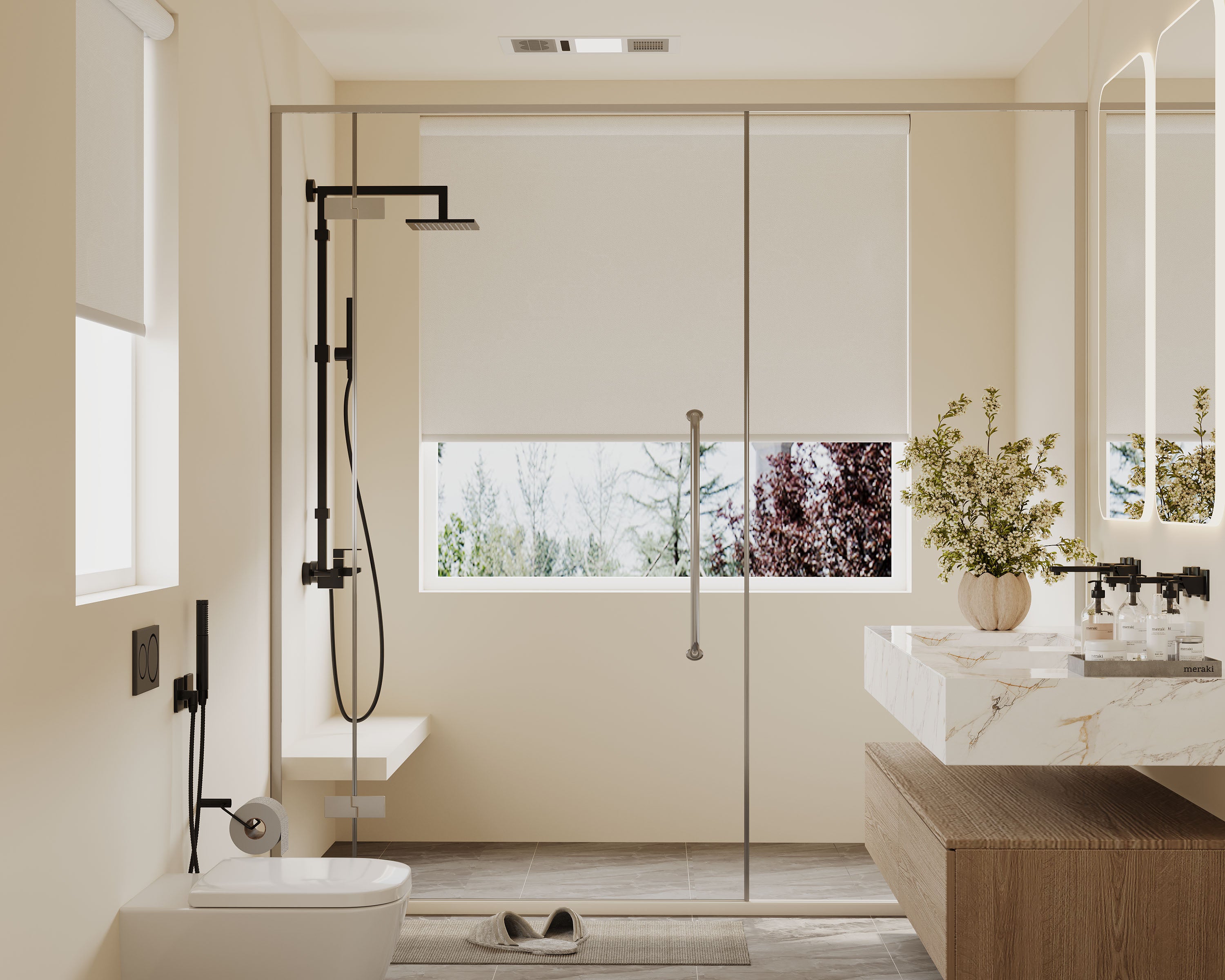


Light Filtering Cellular Shades
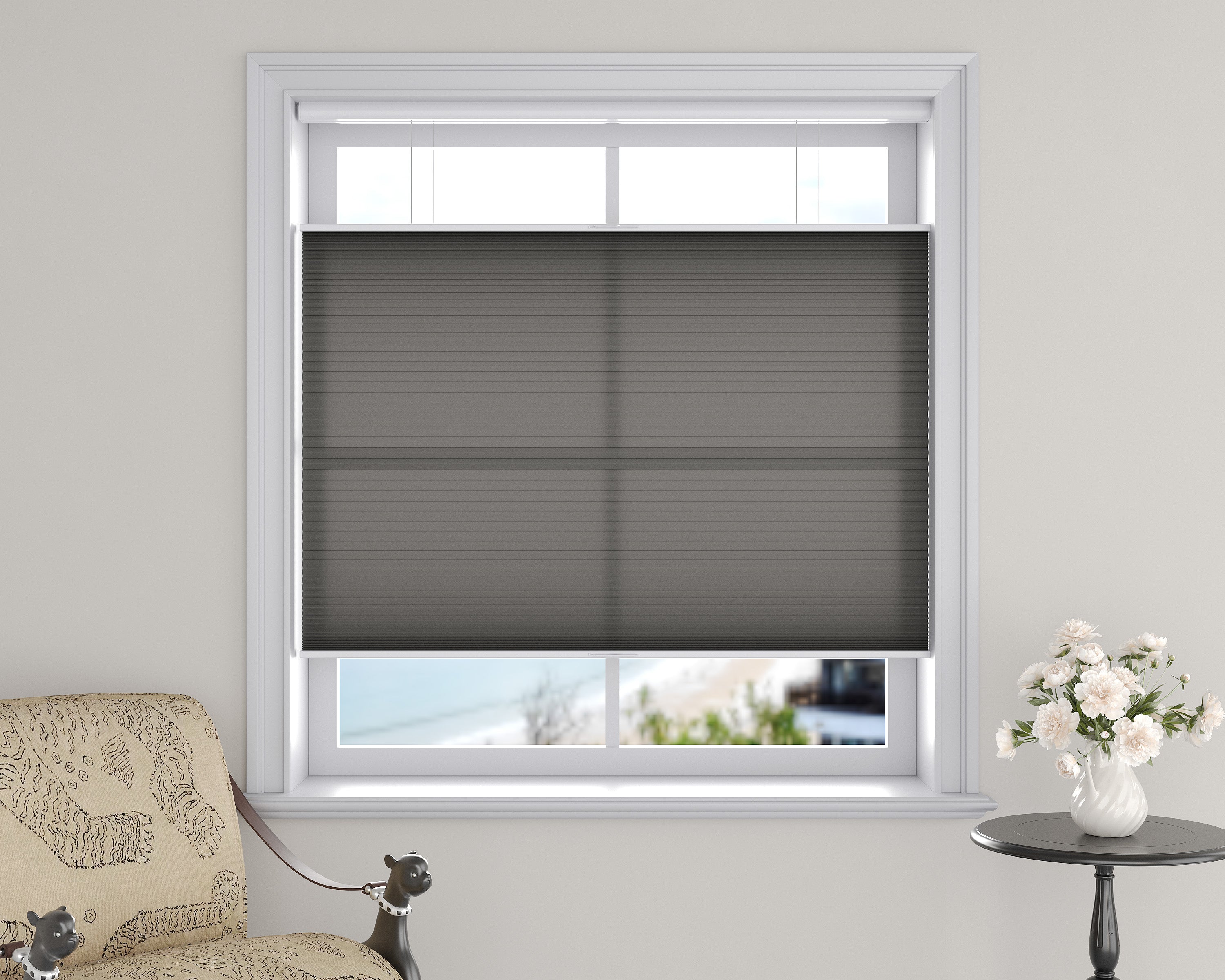
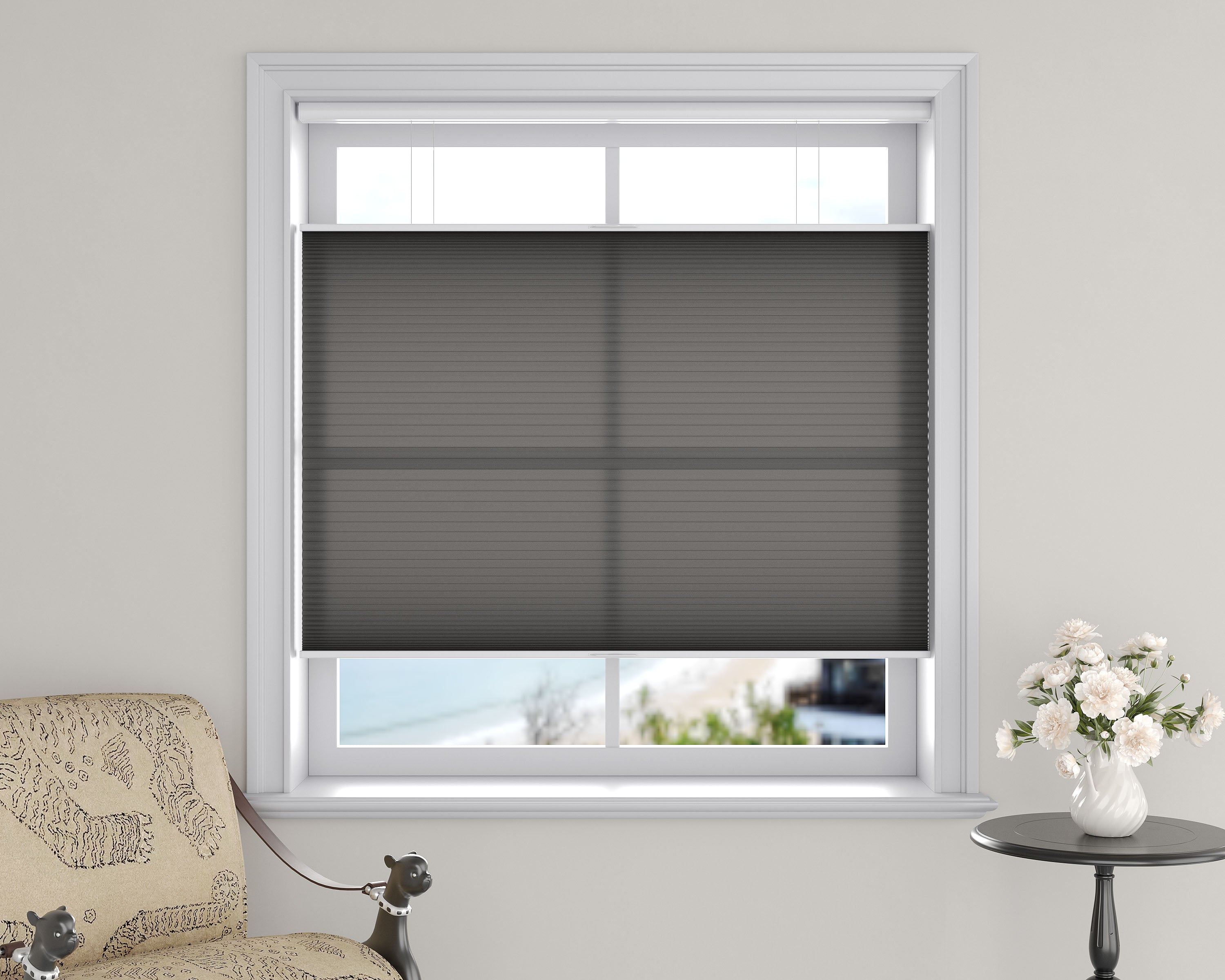
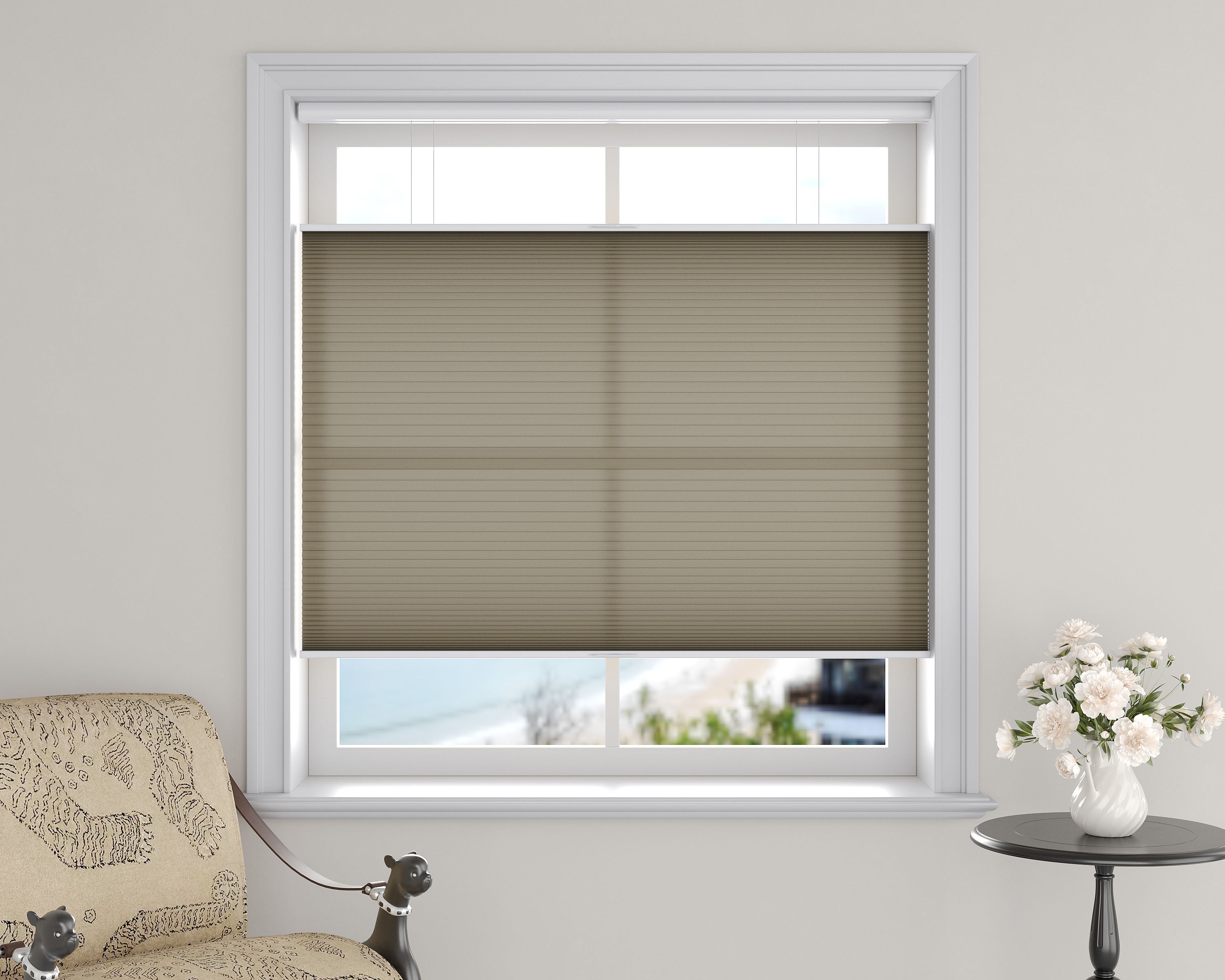
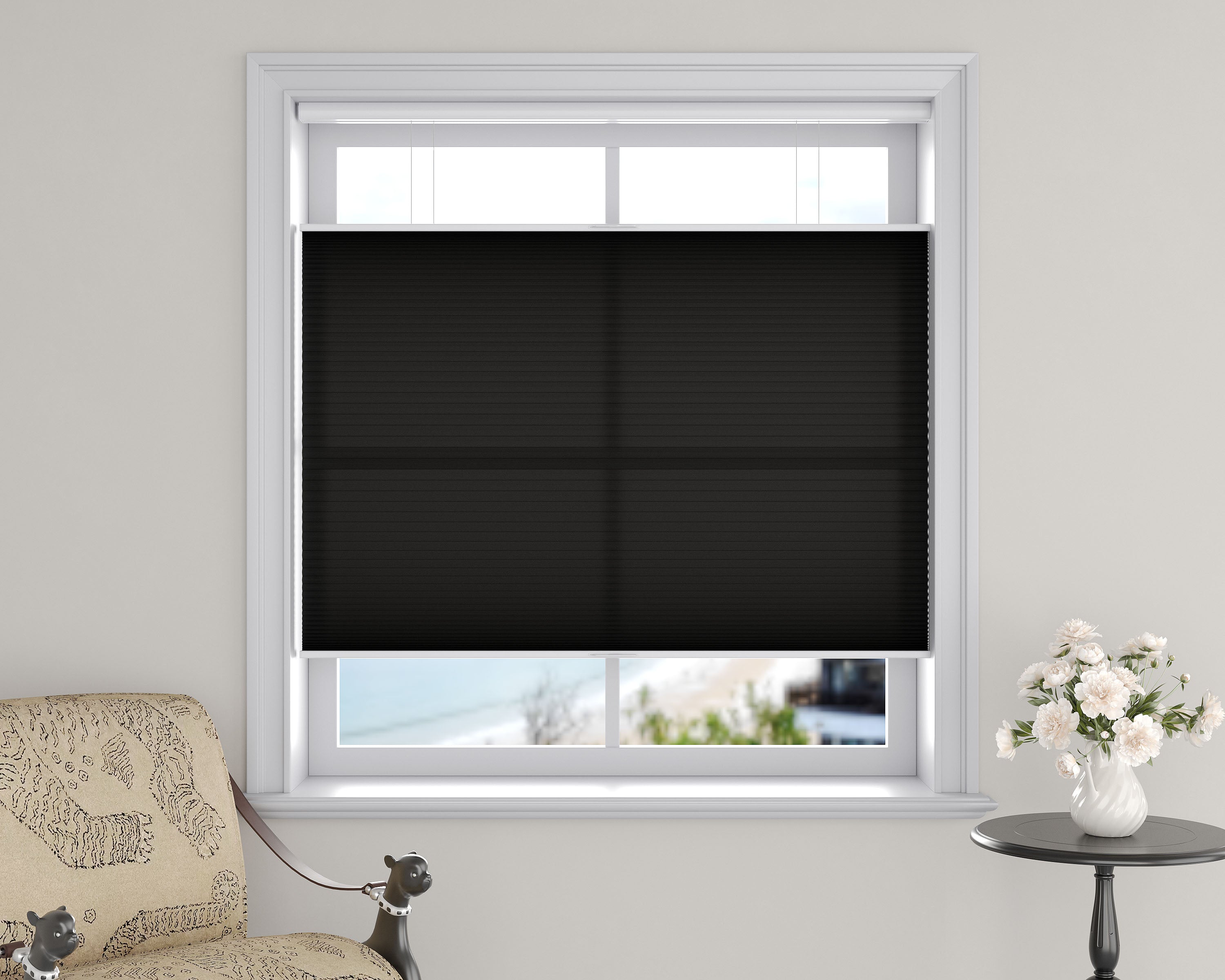
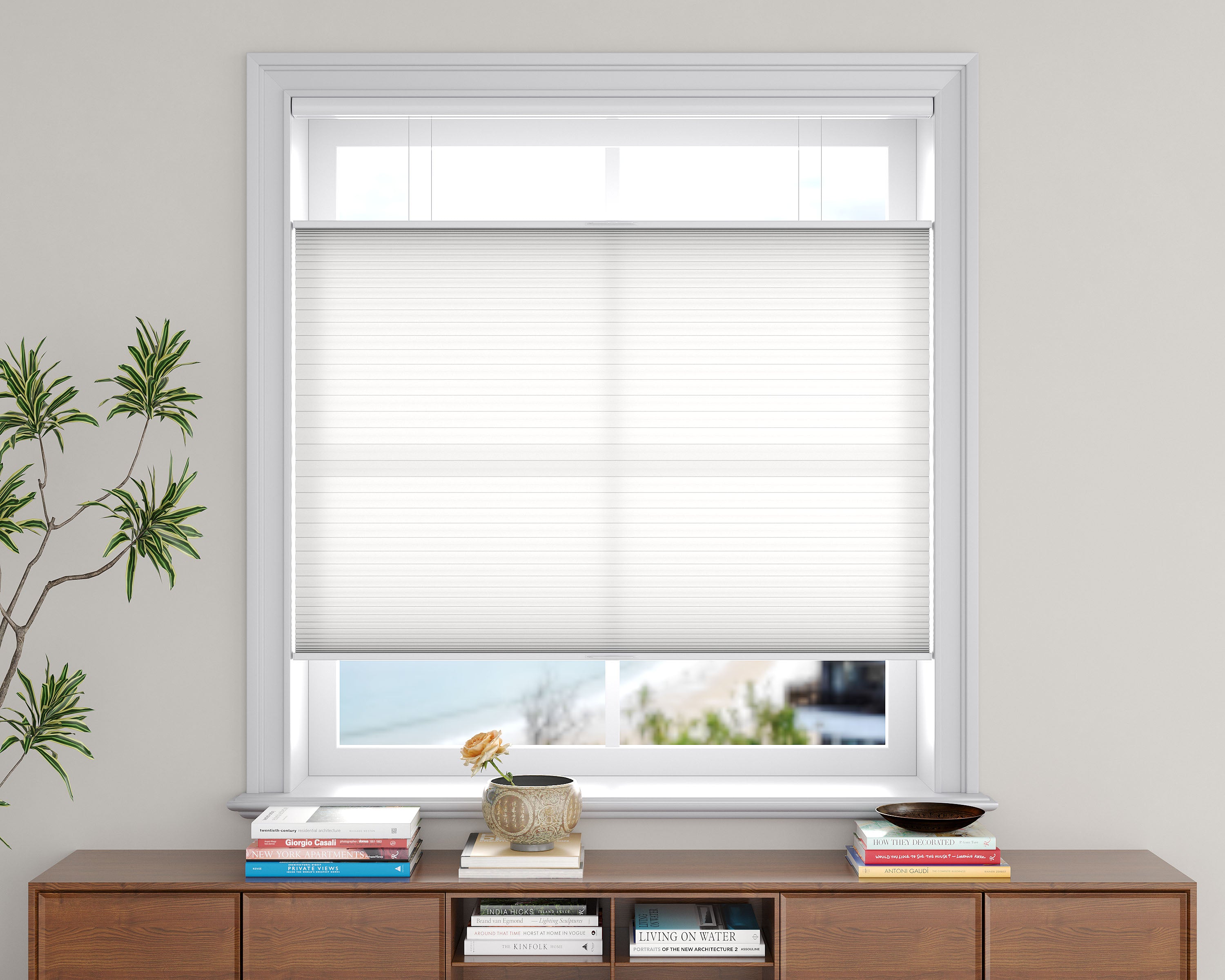
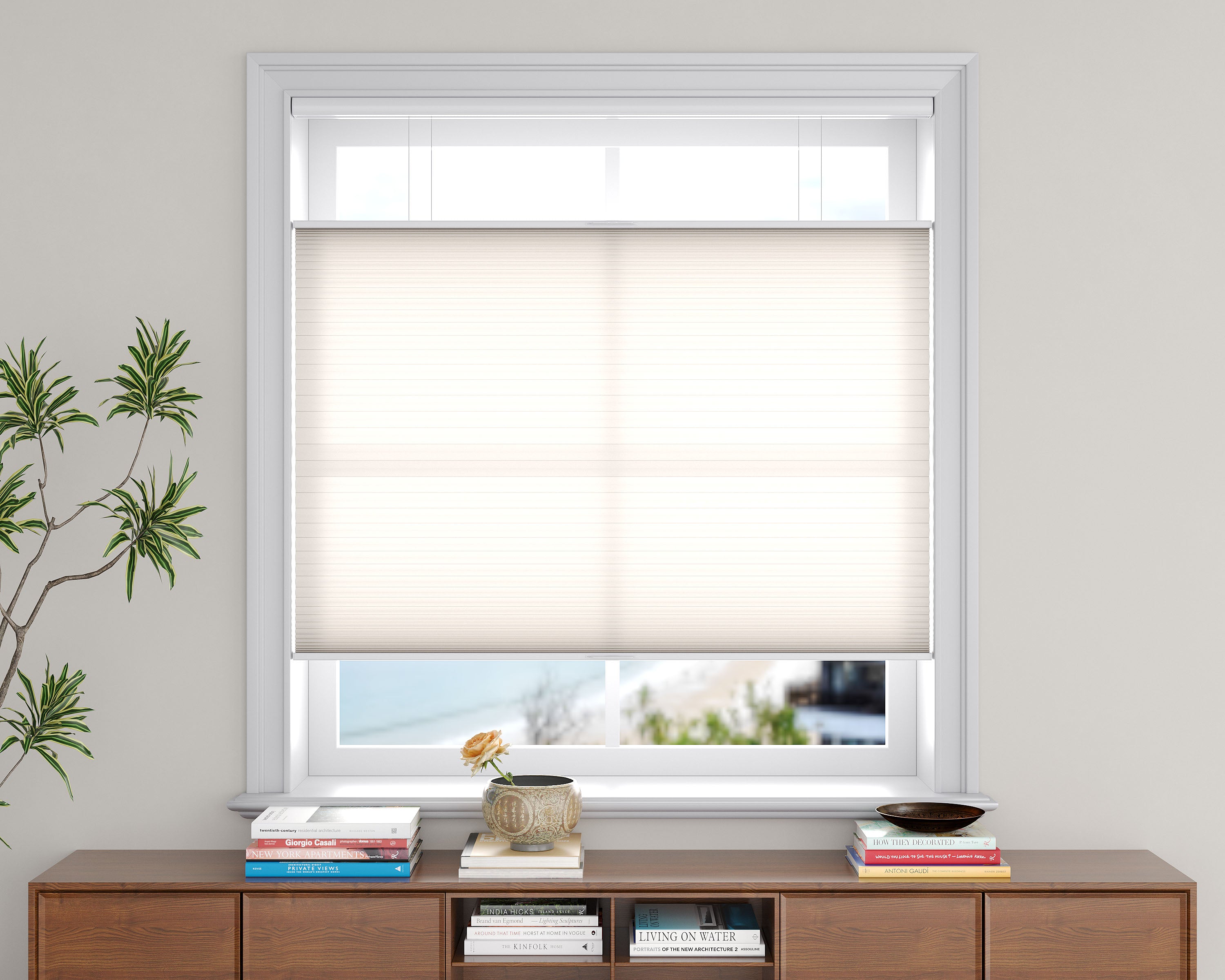
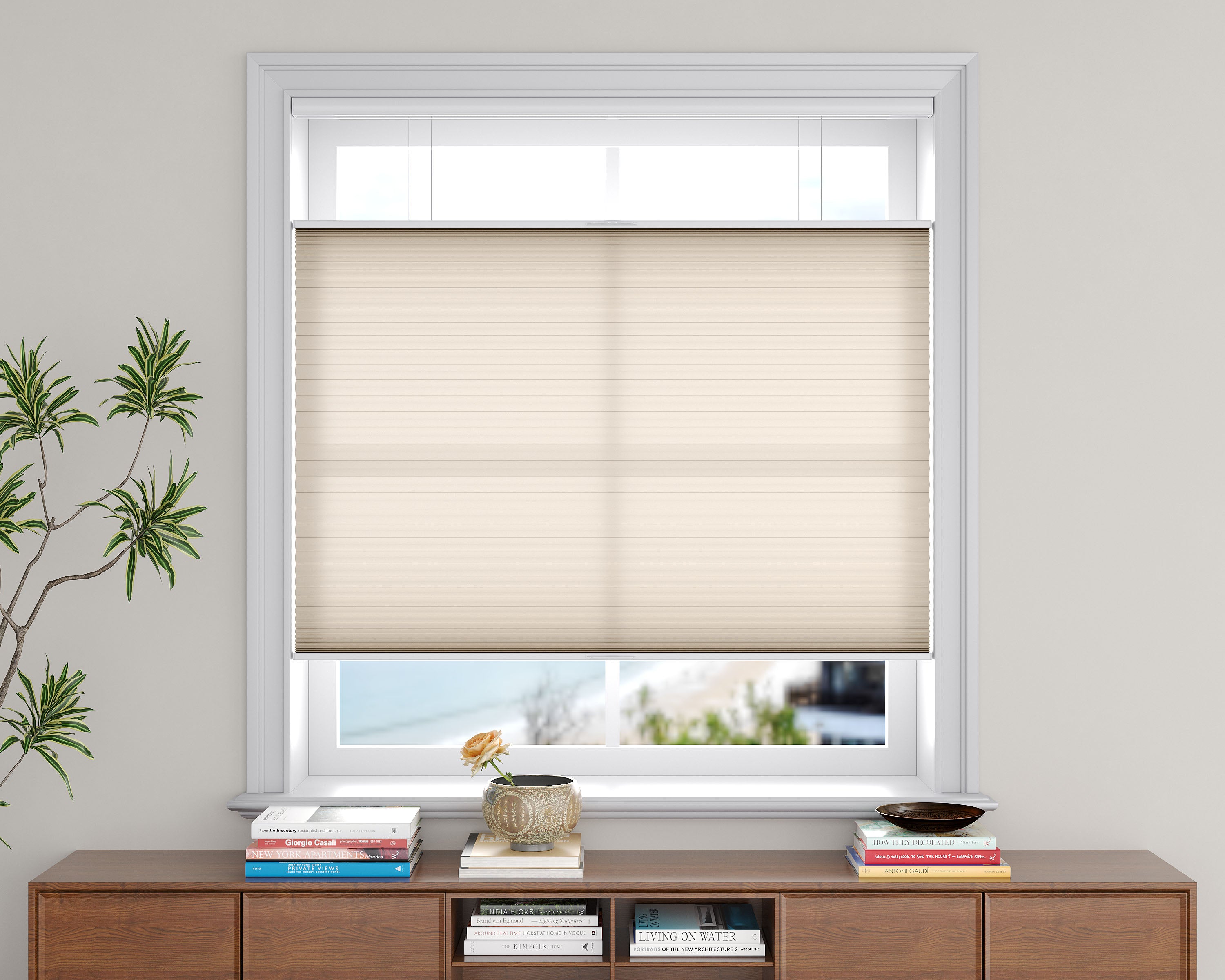
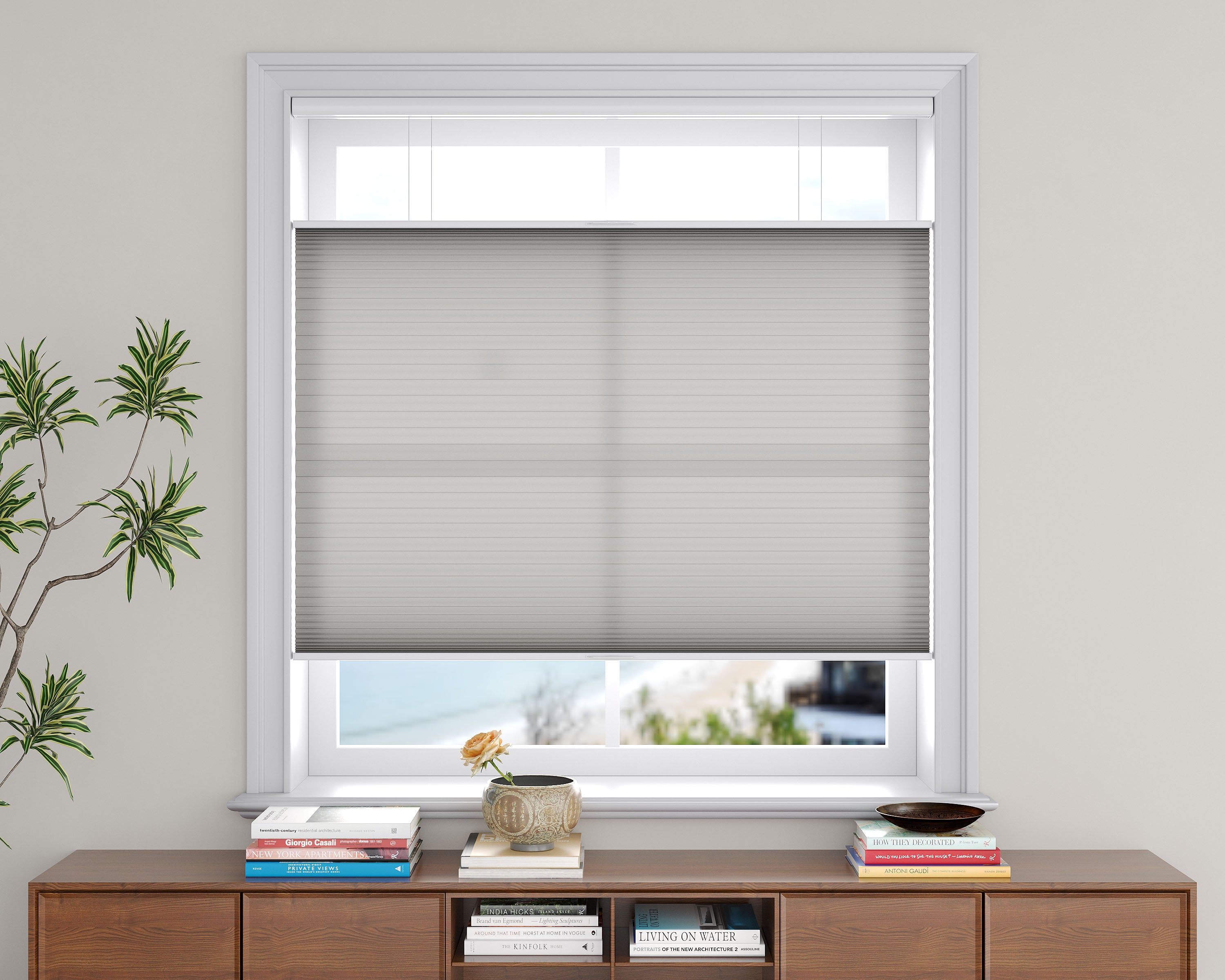
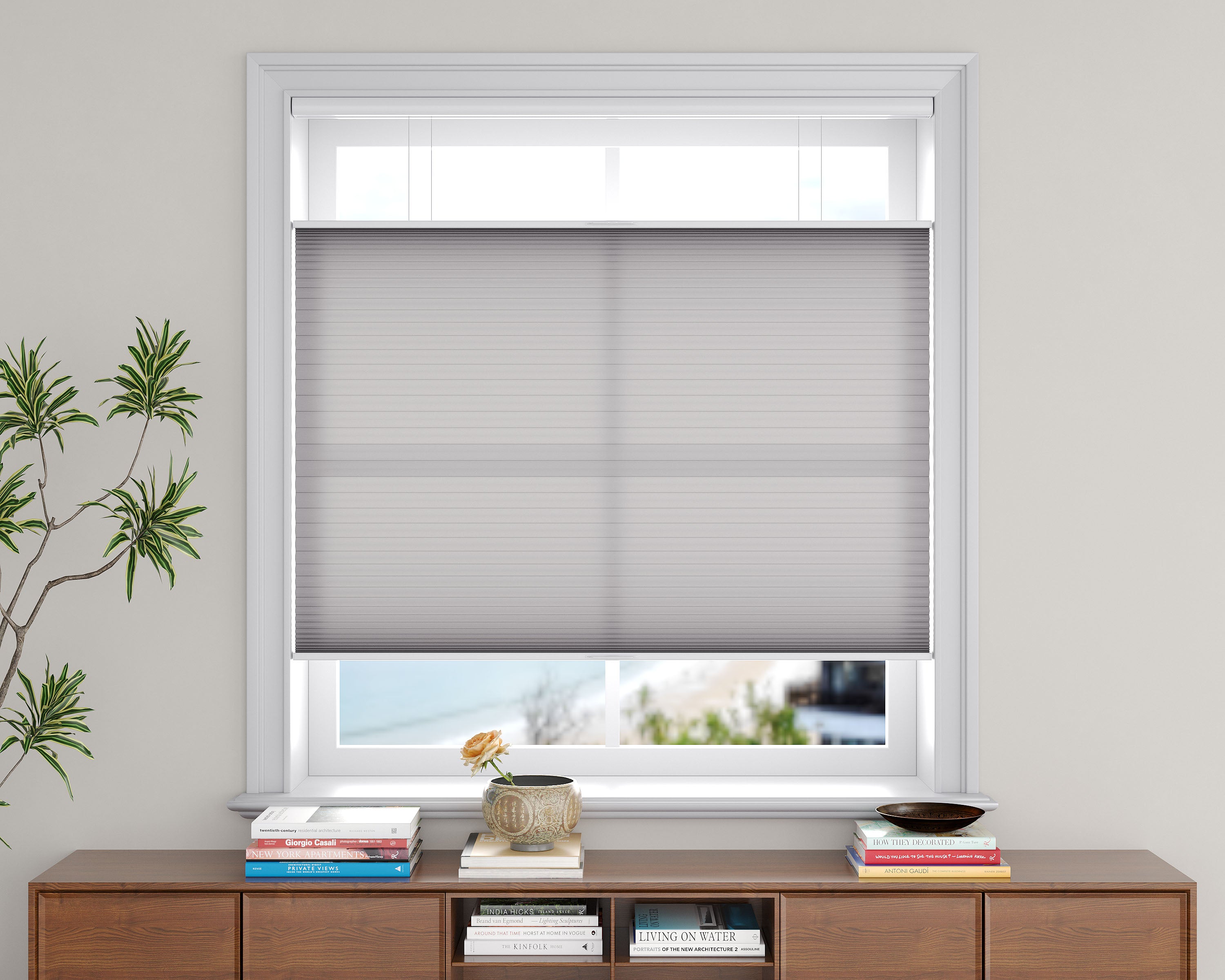
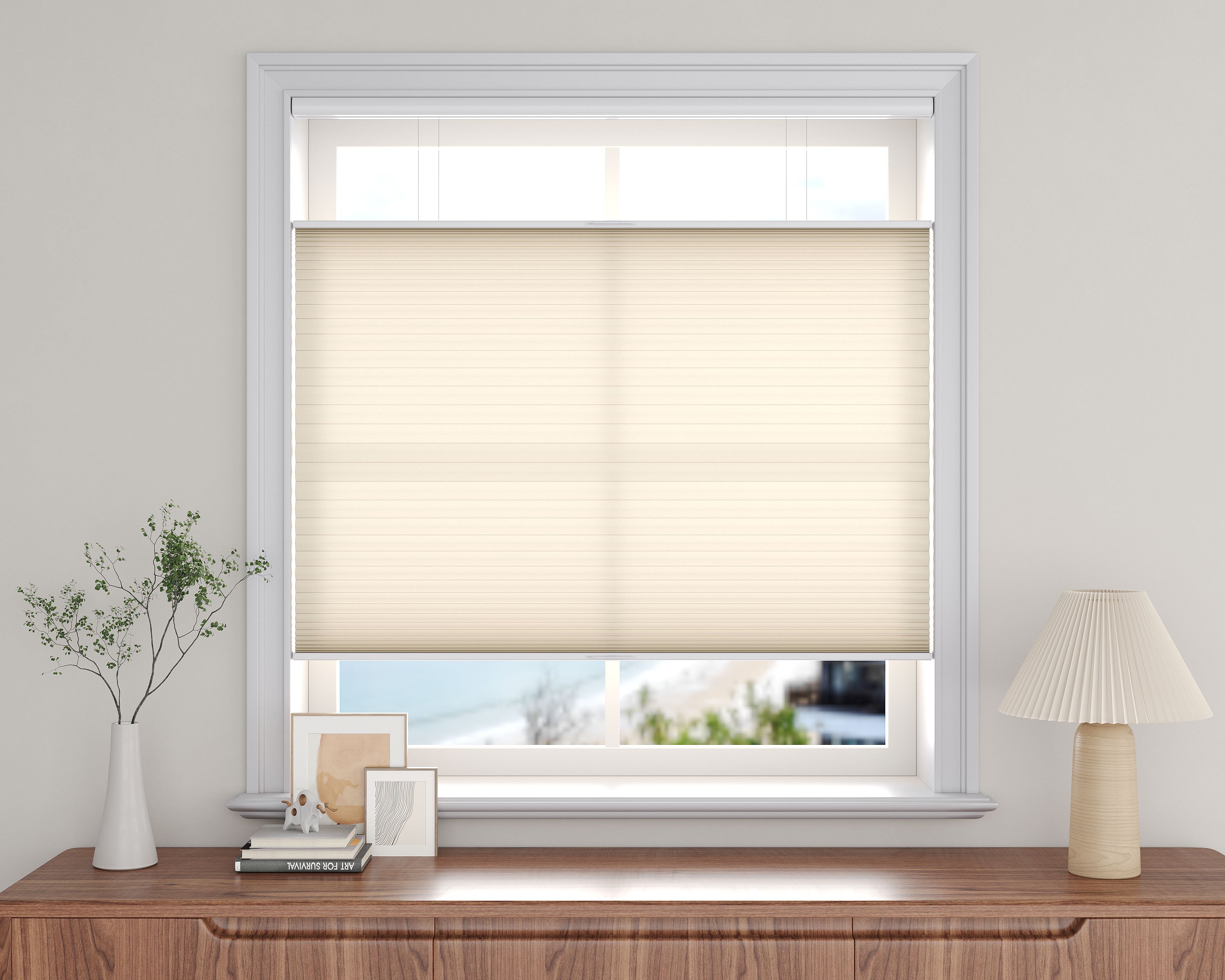
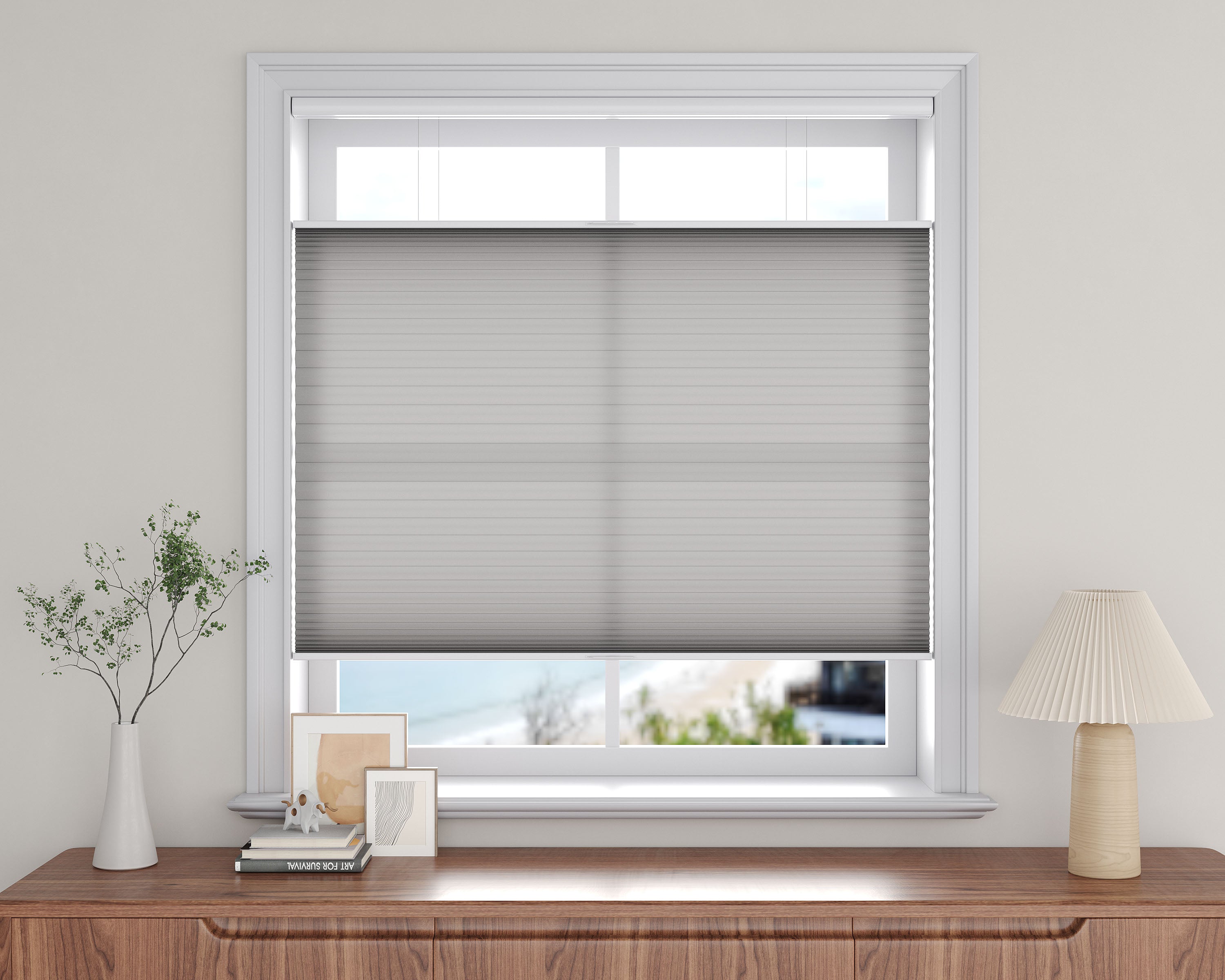
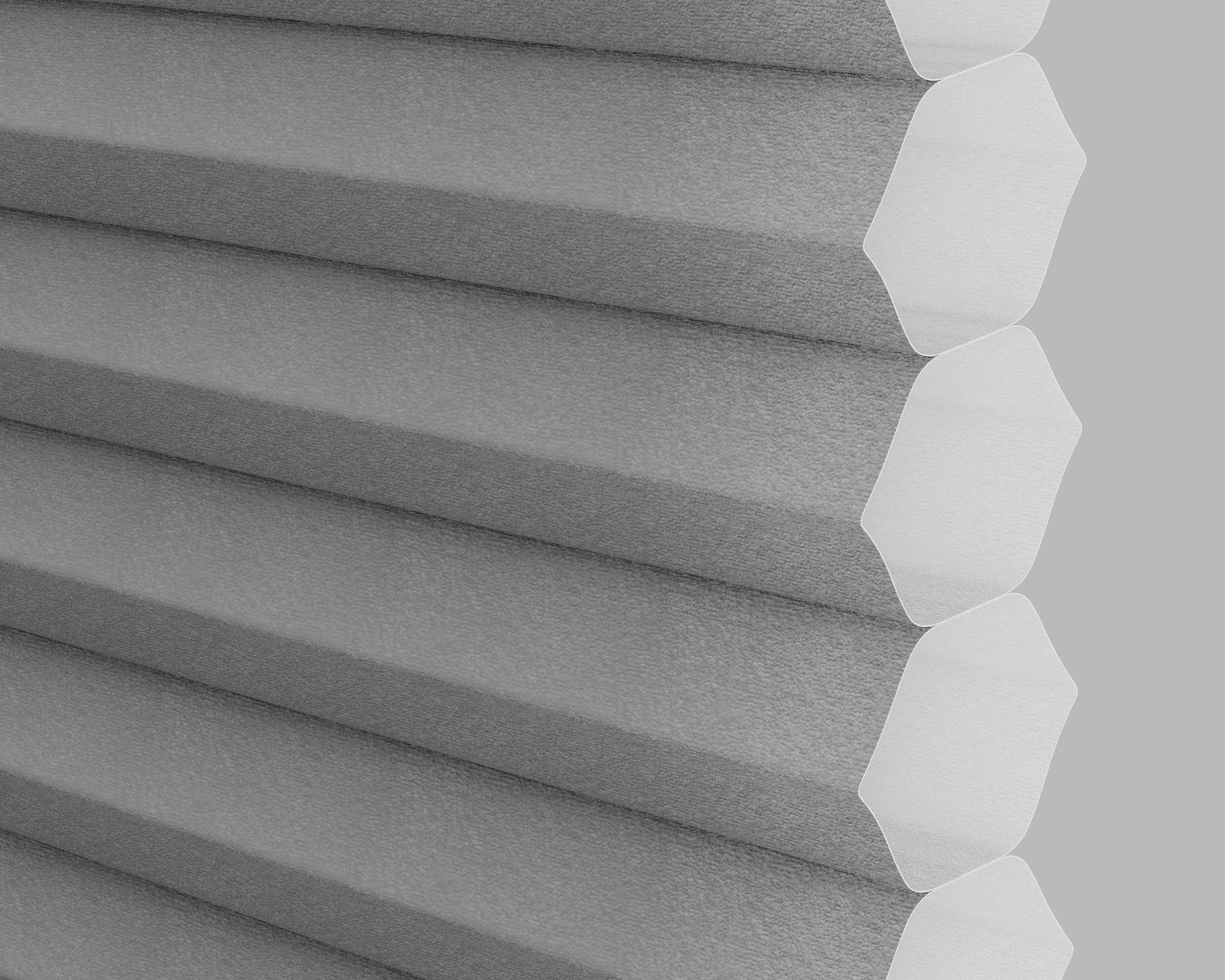
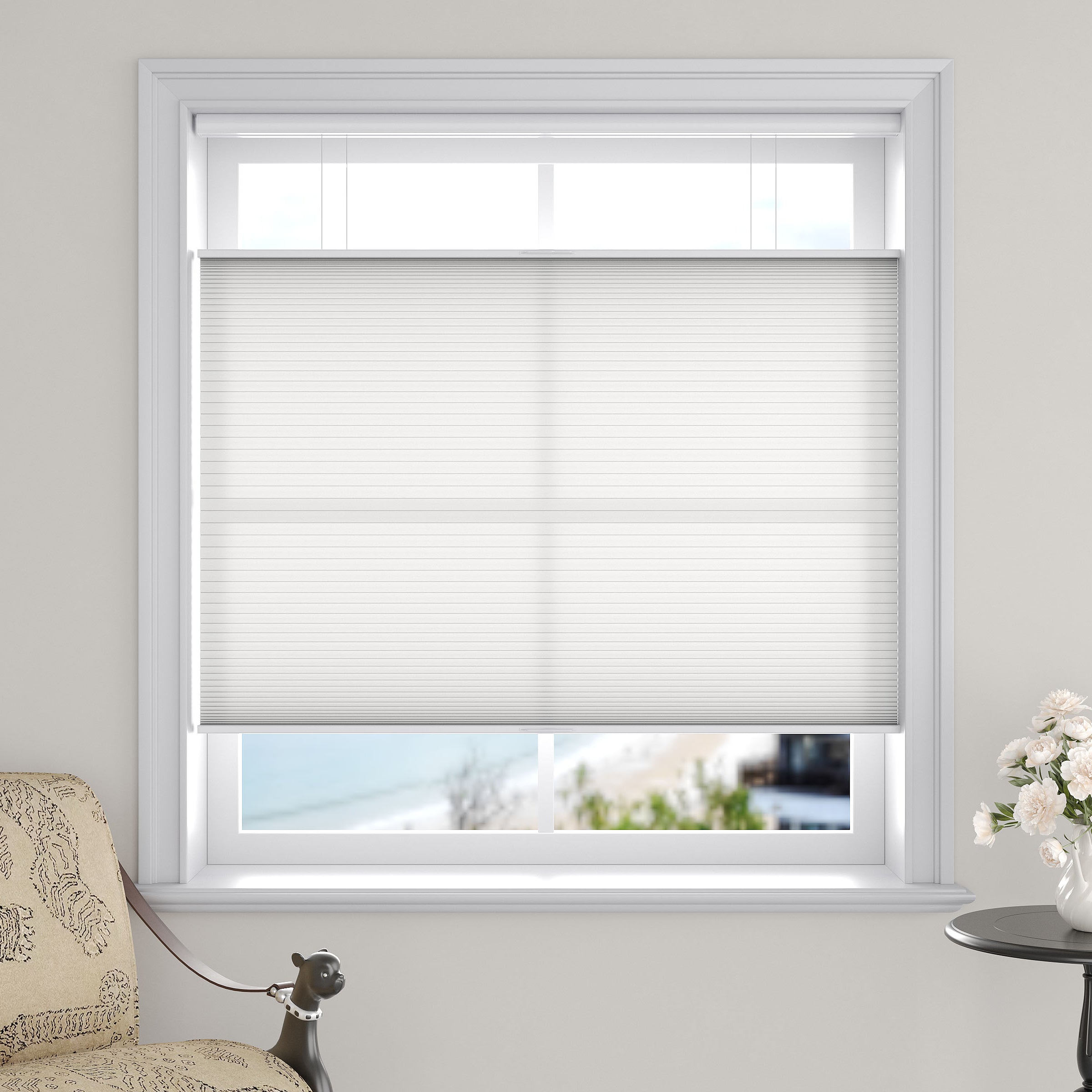
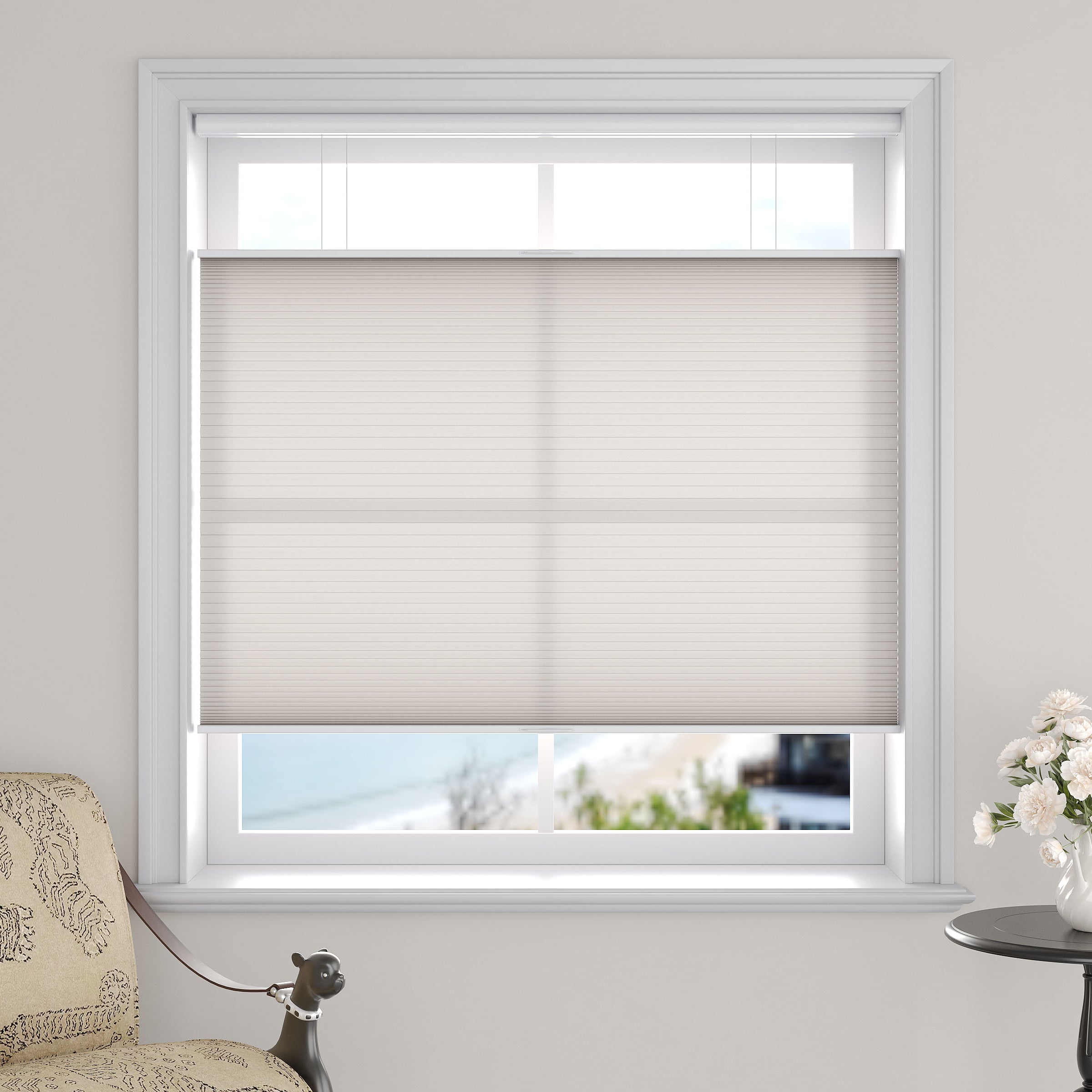
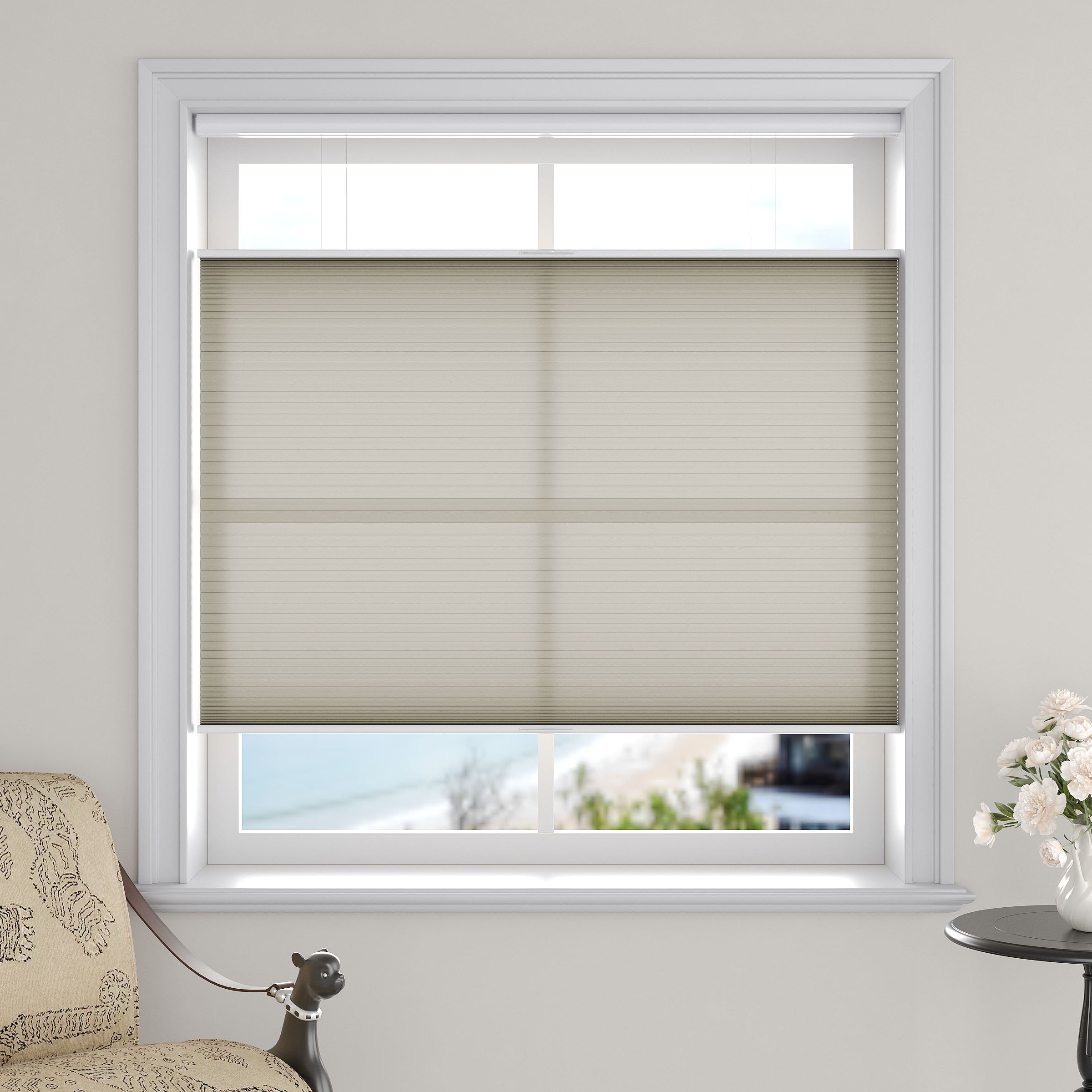
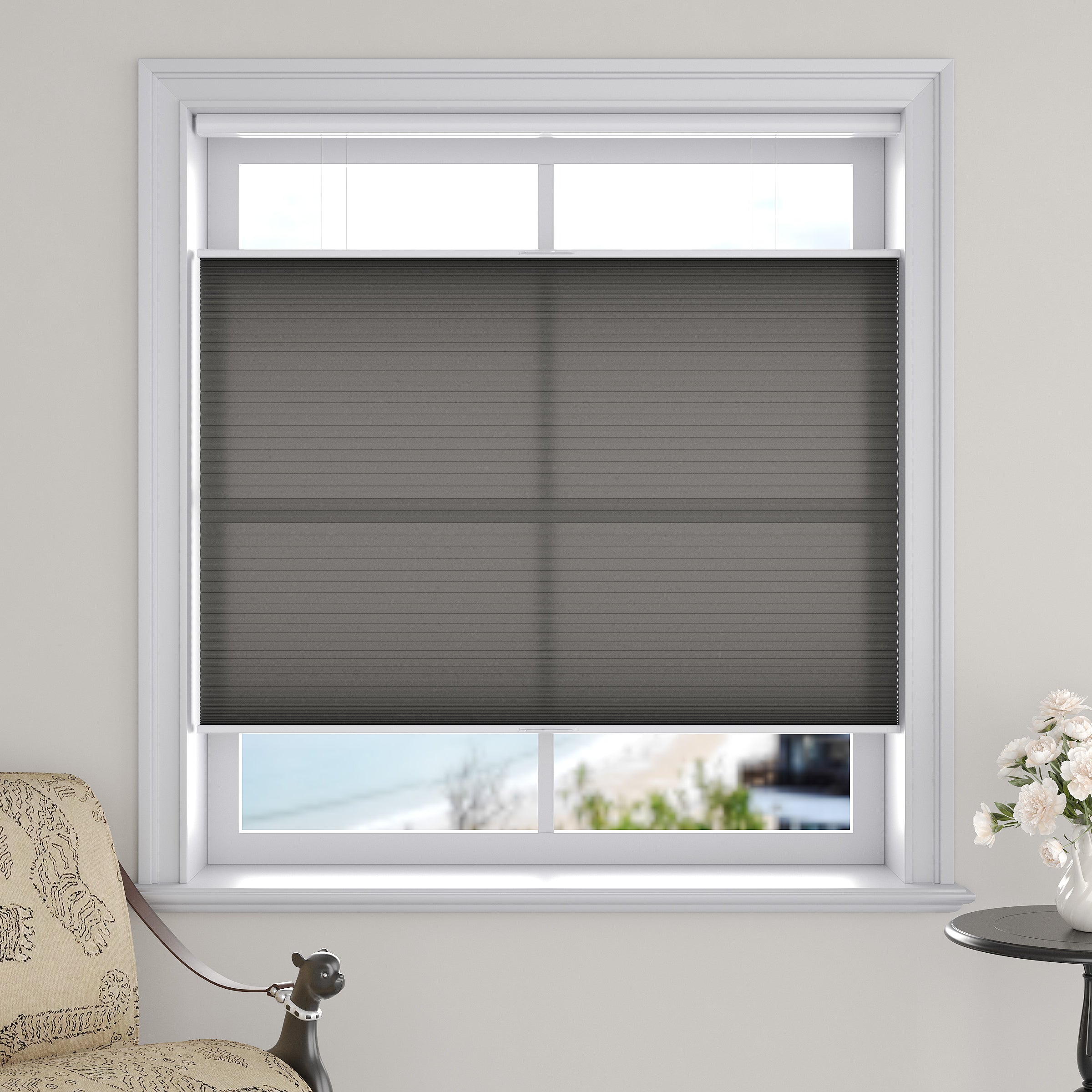
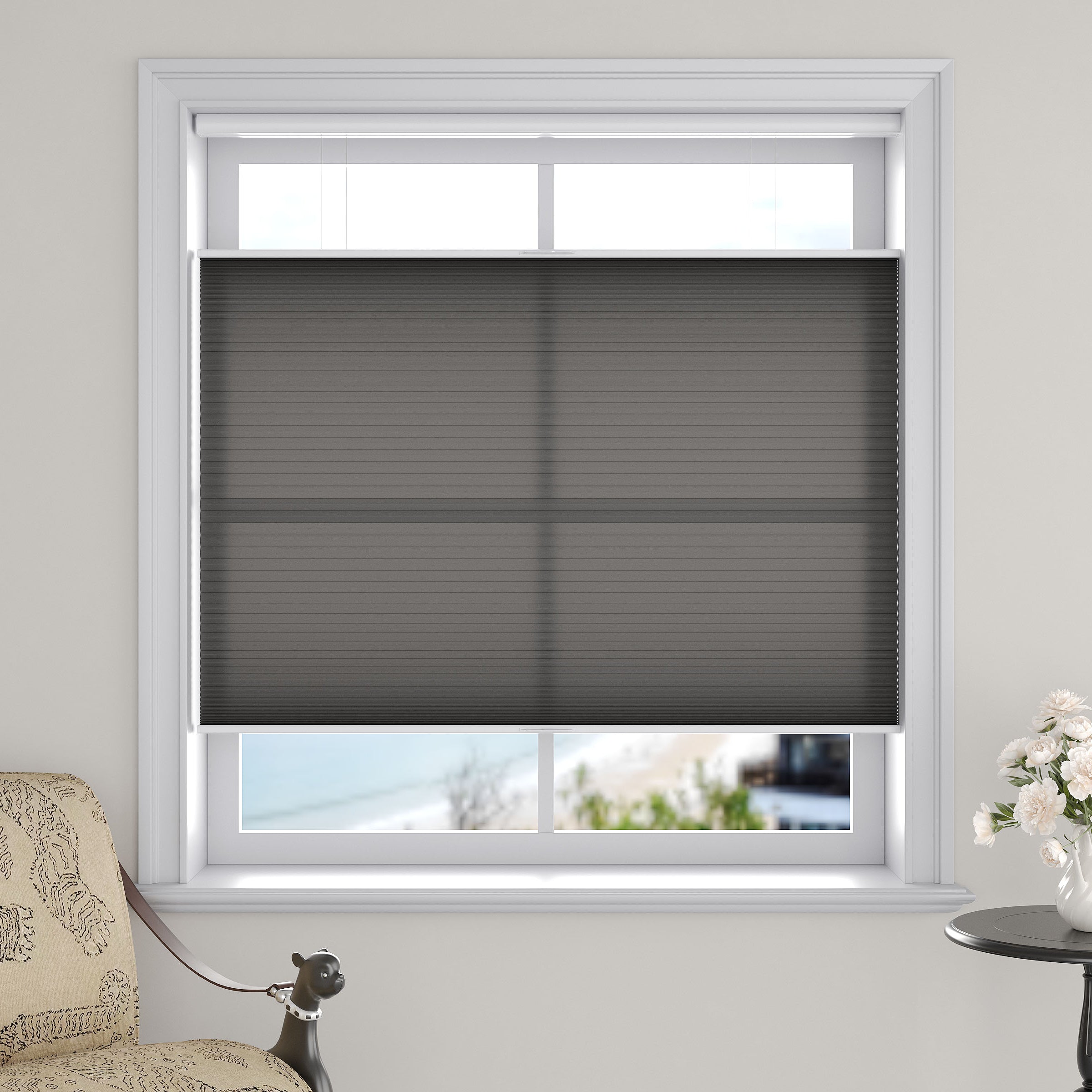
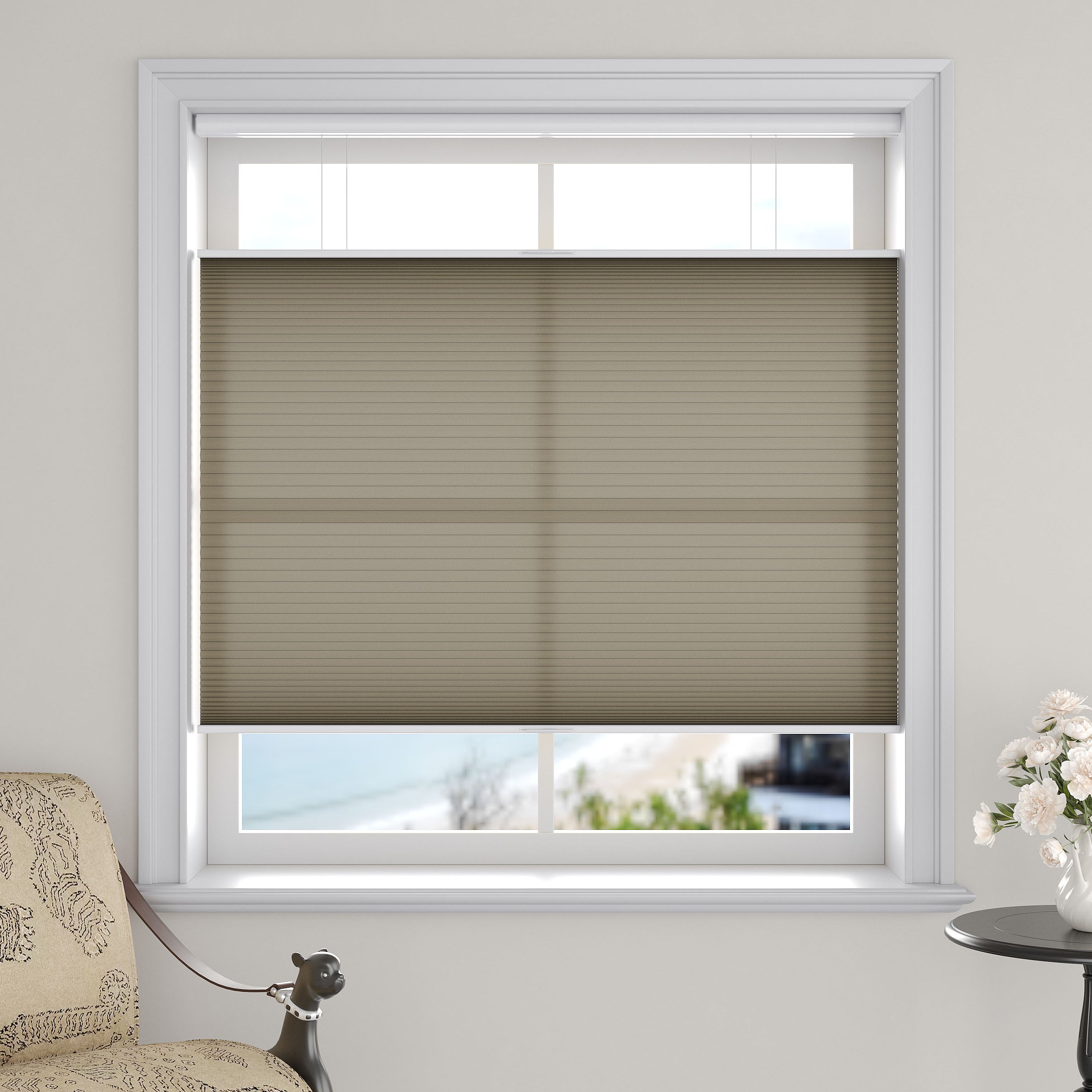
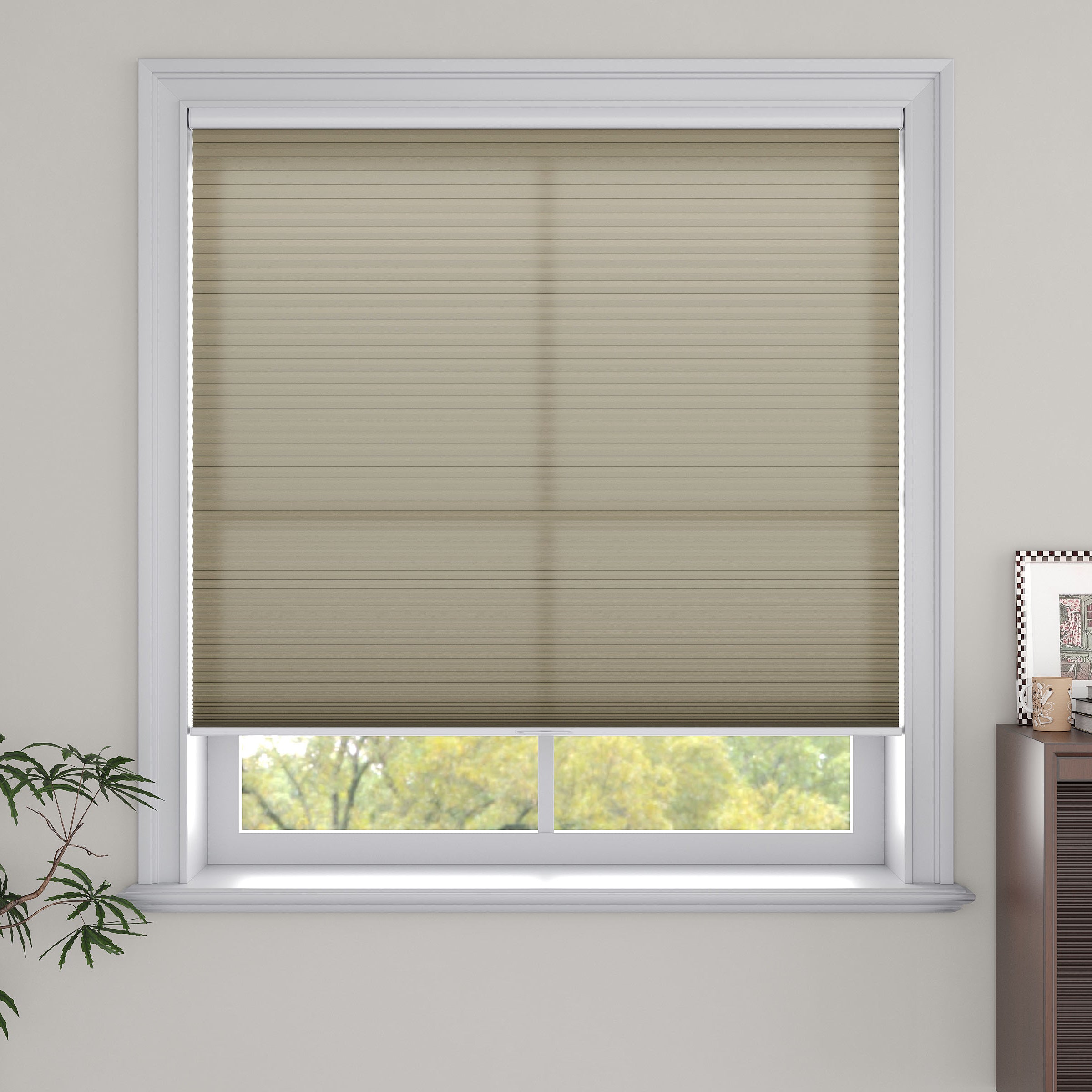
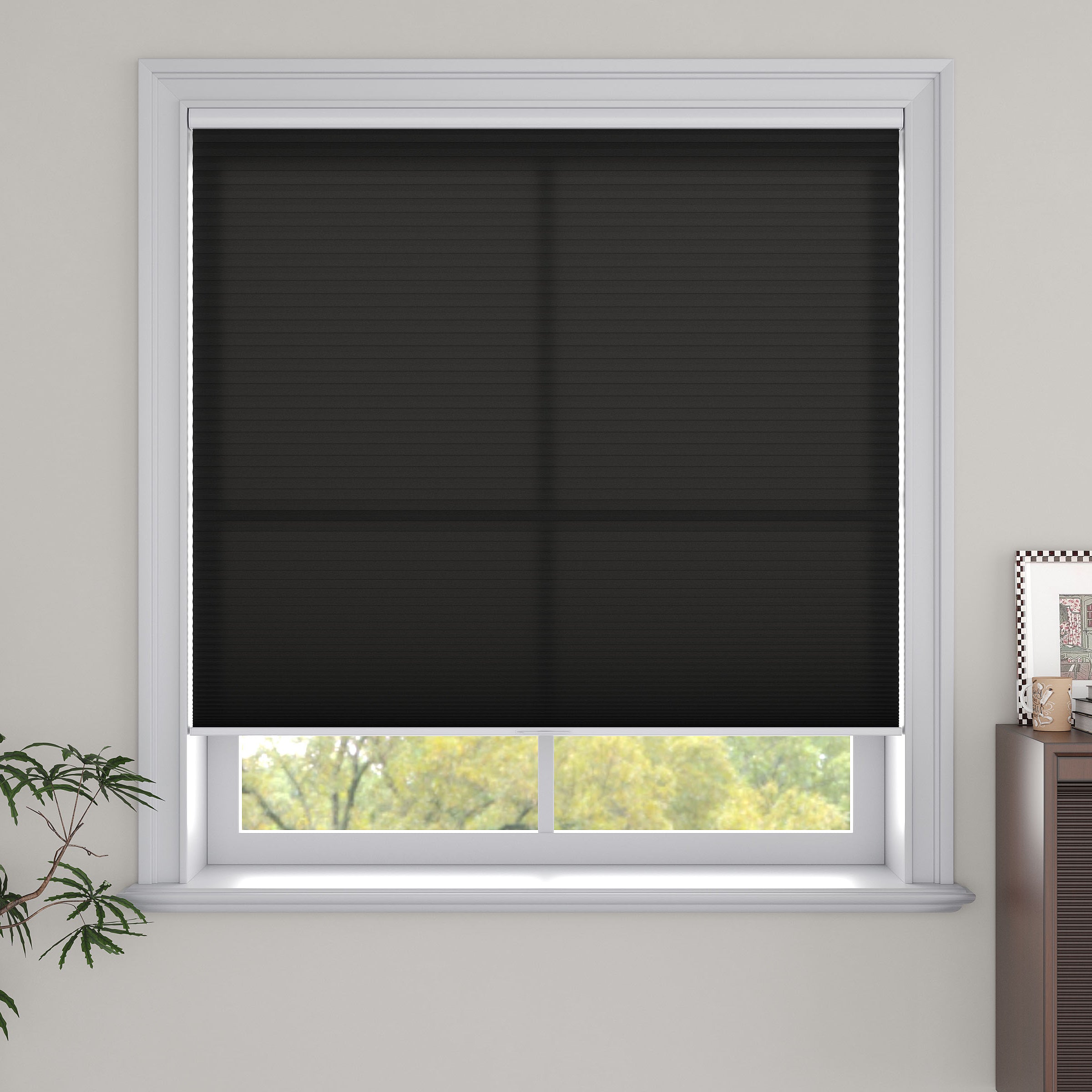
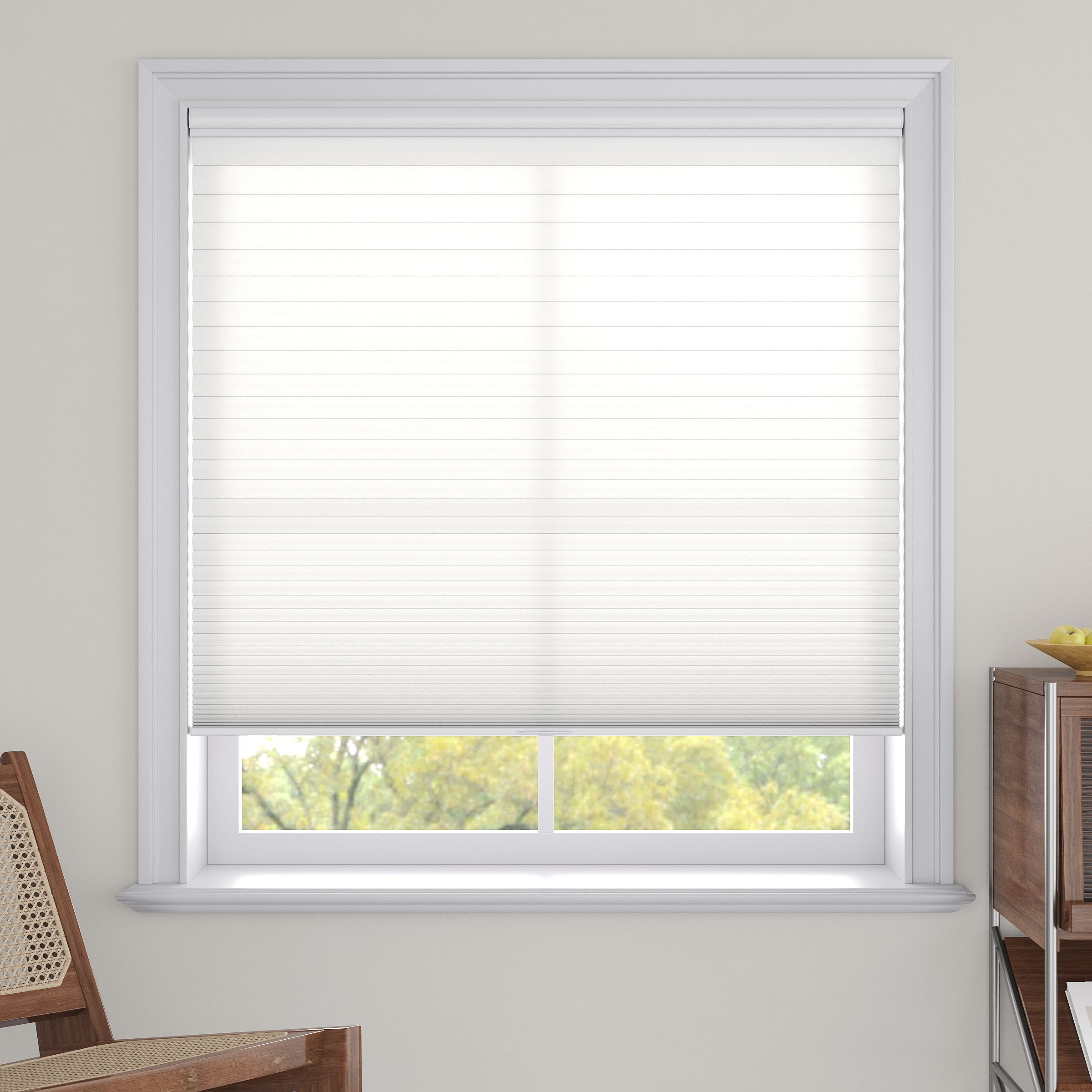
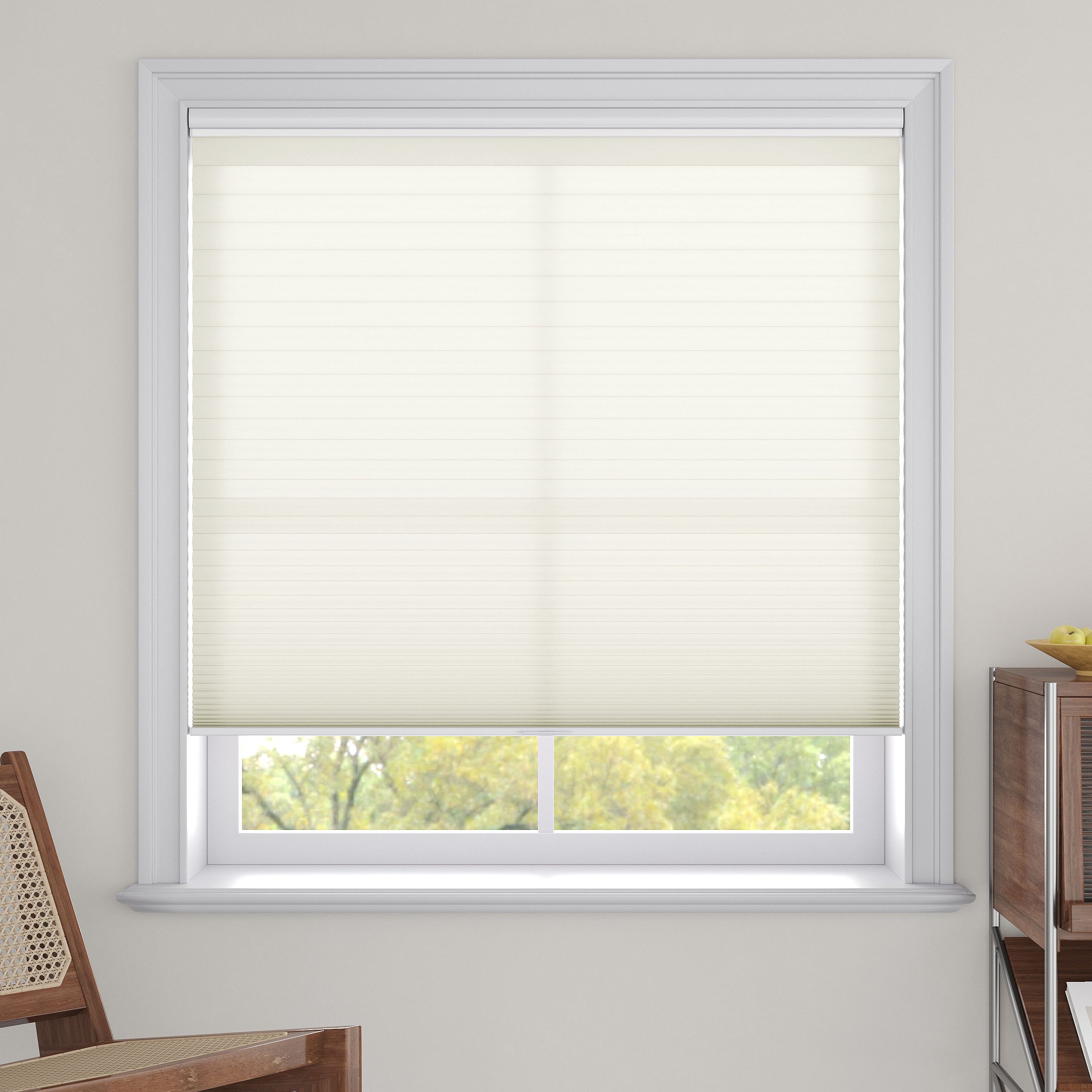
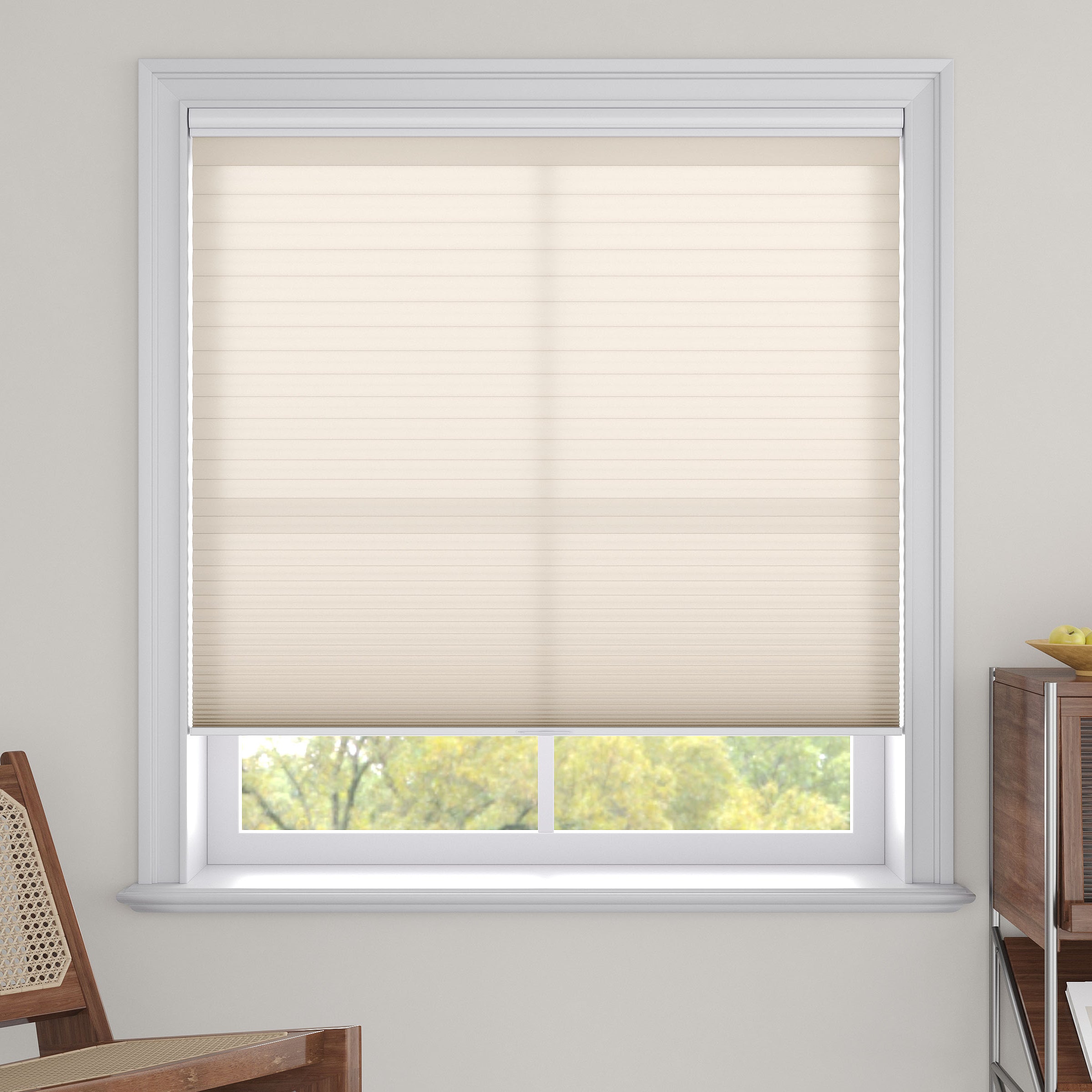
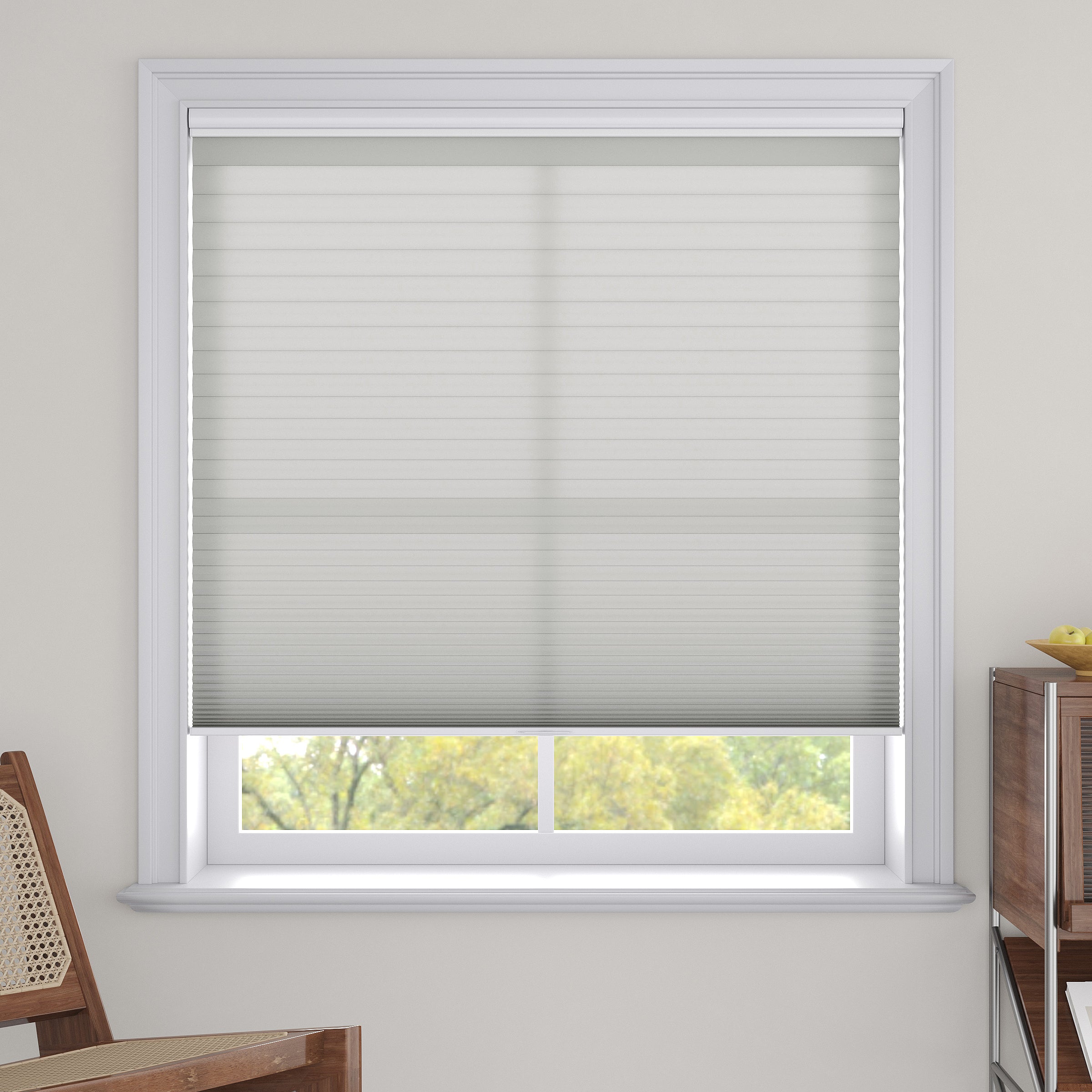
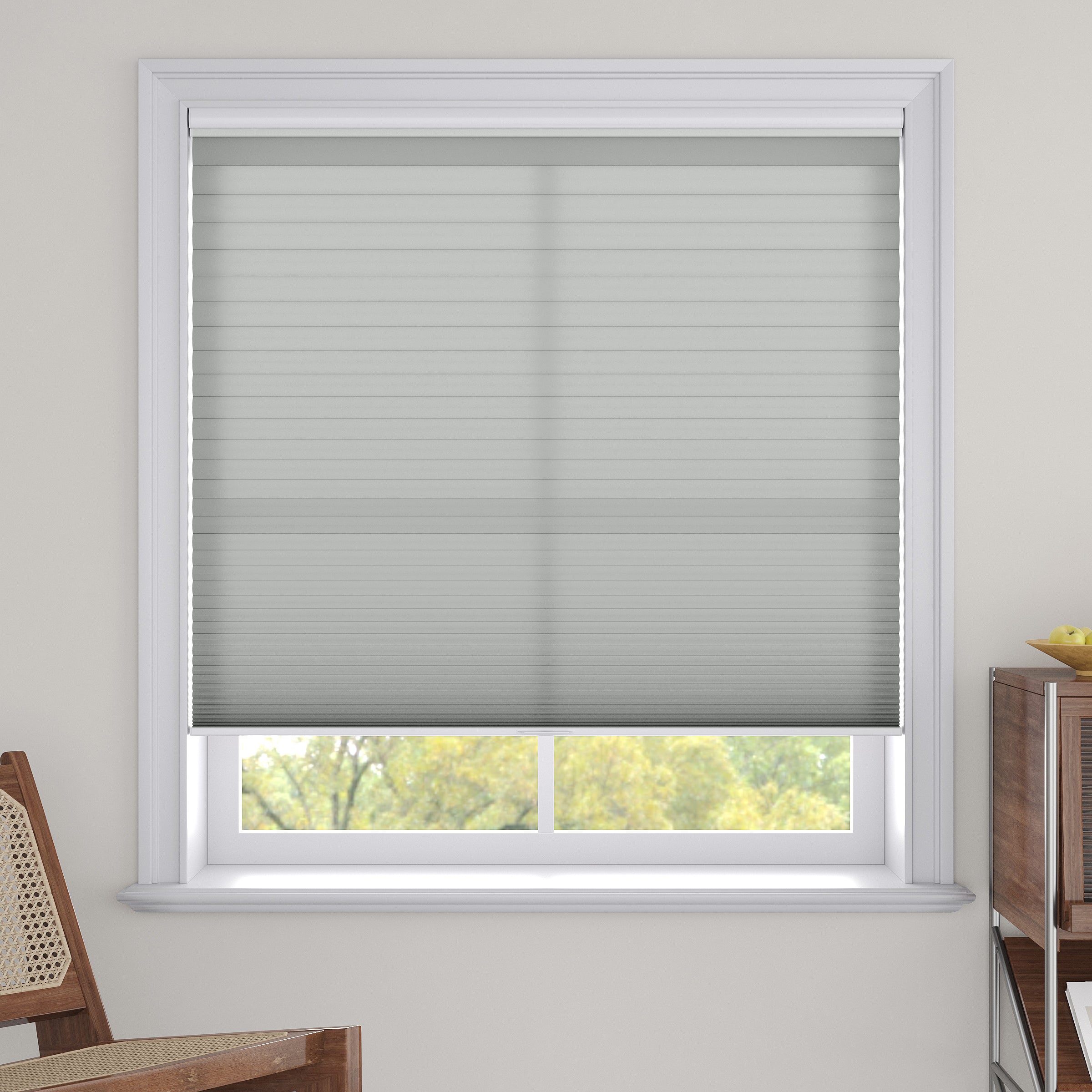
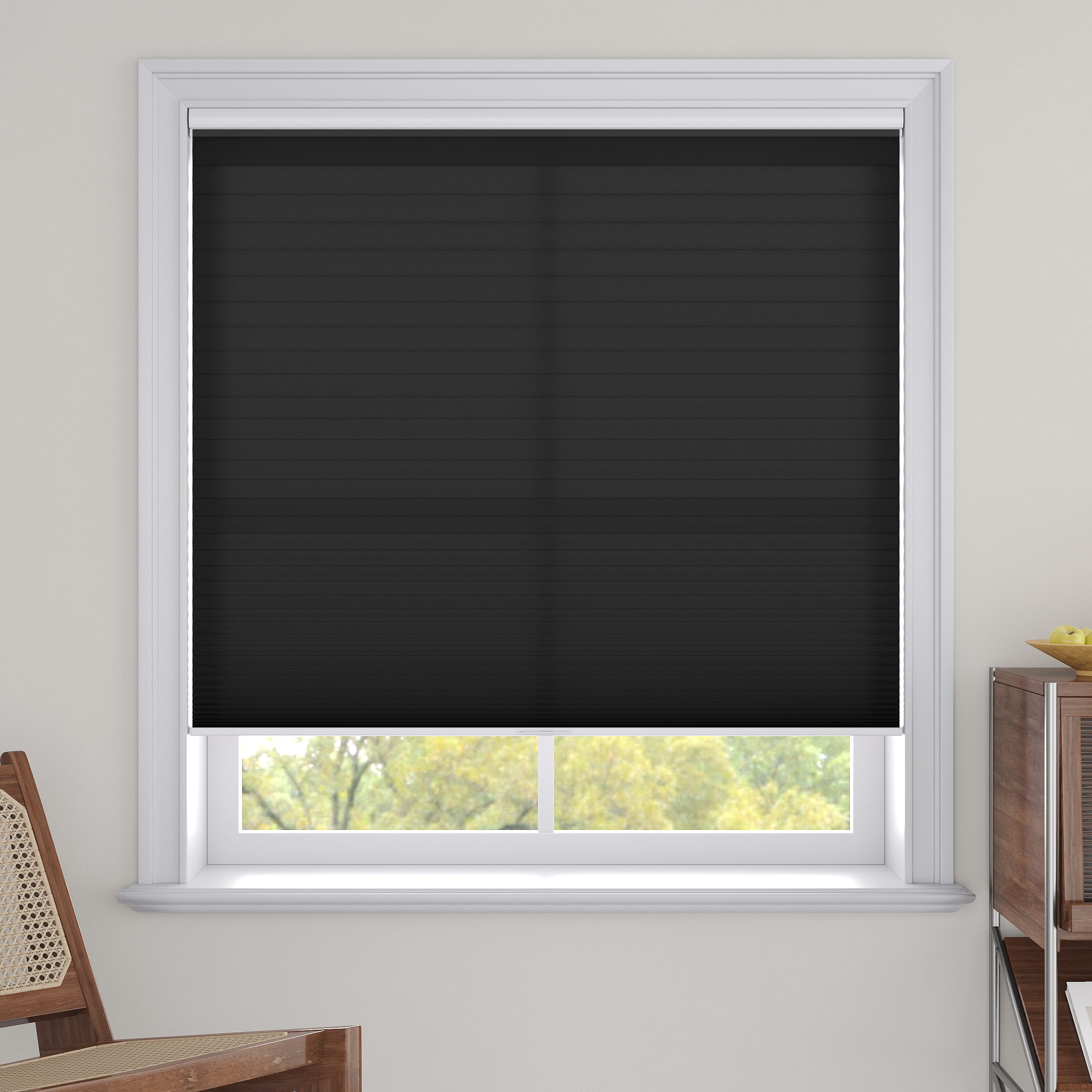
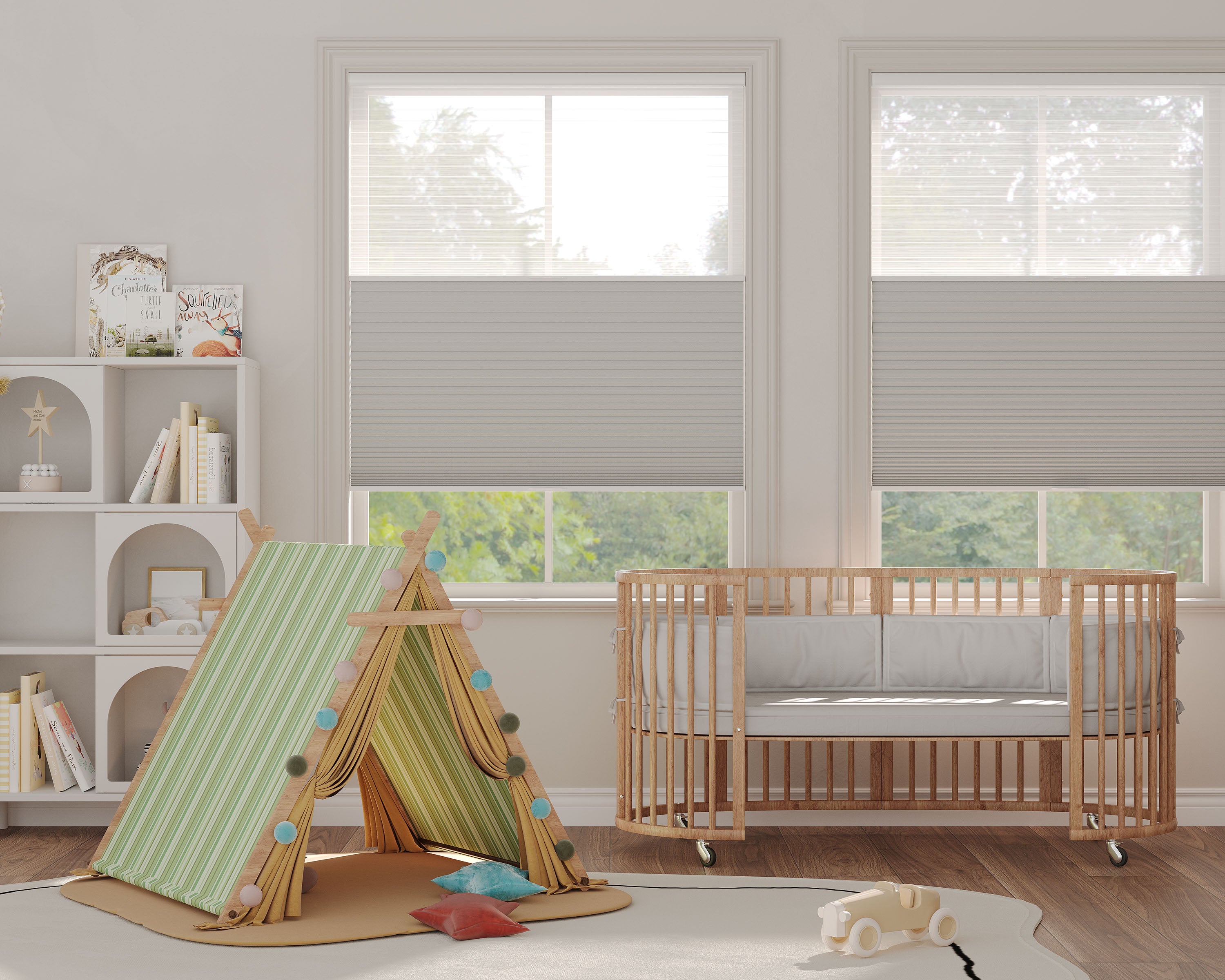
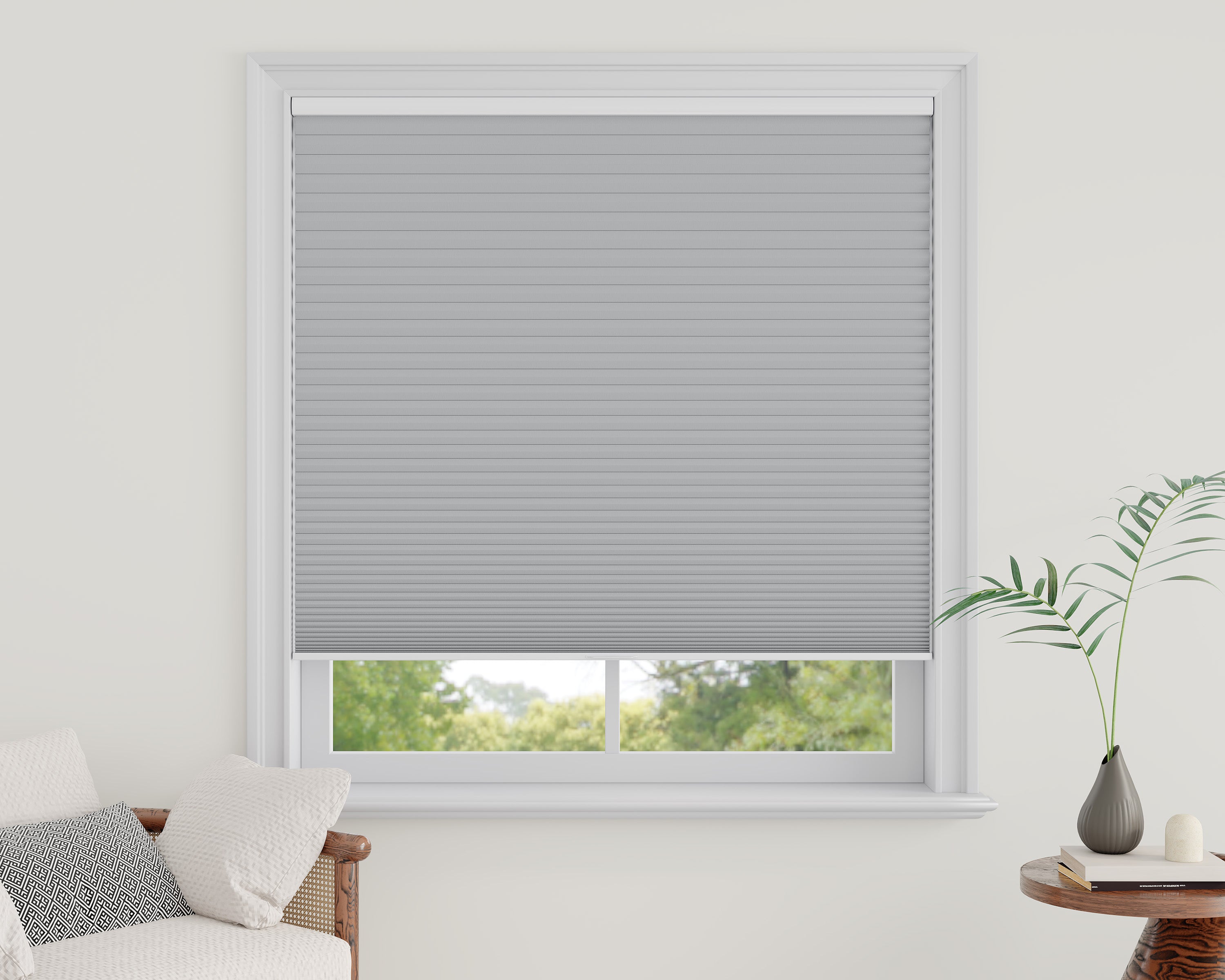
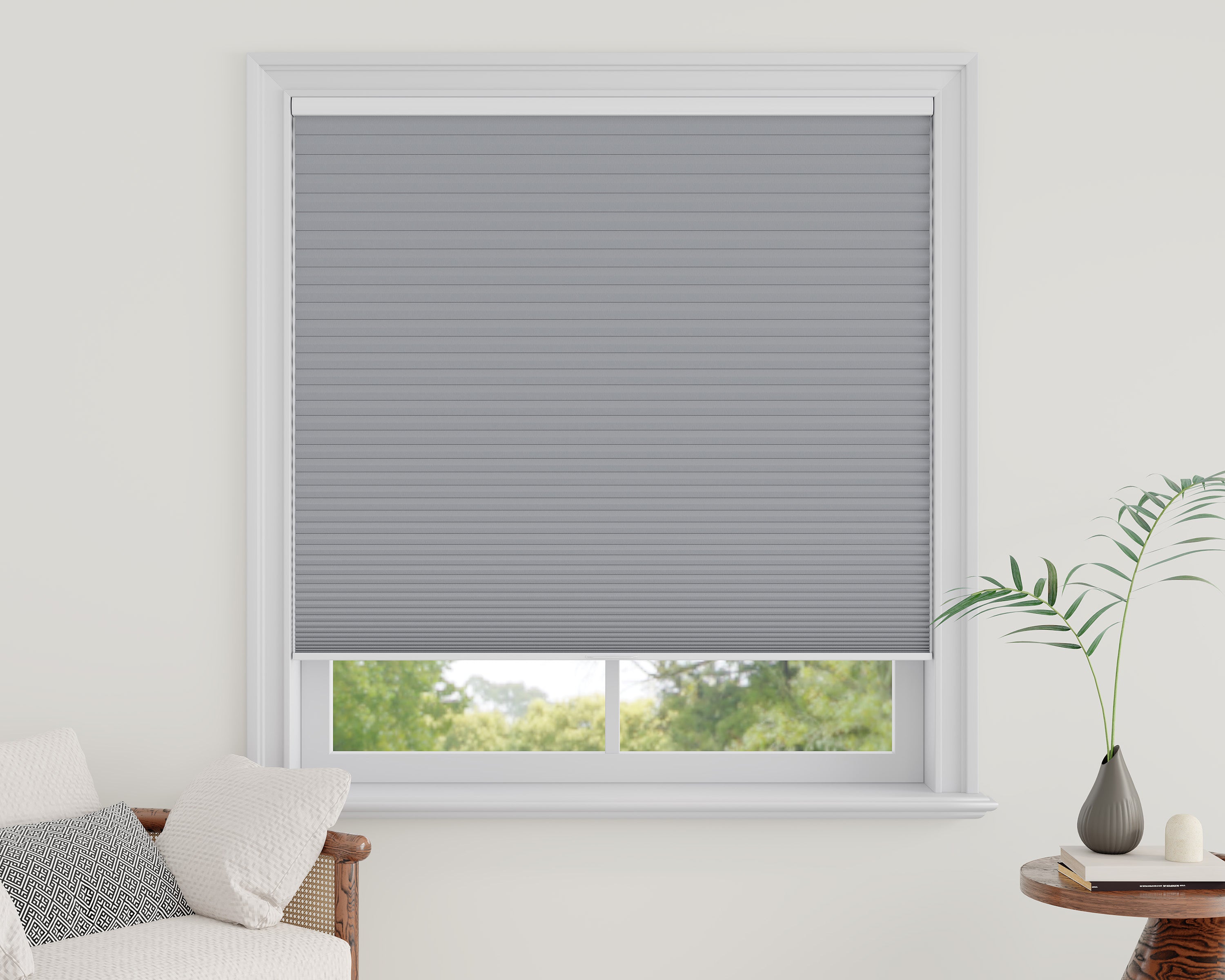
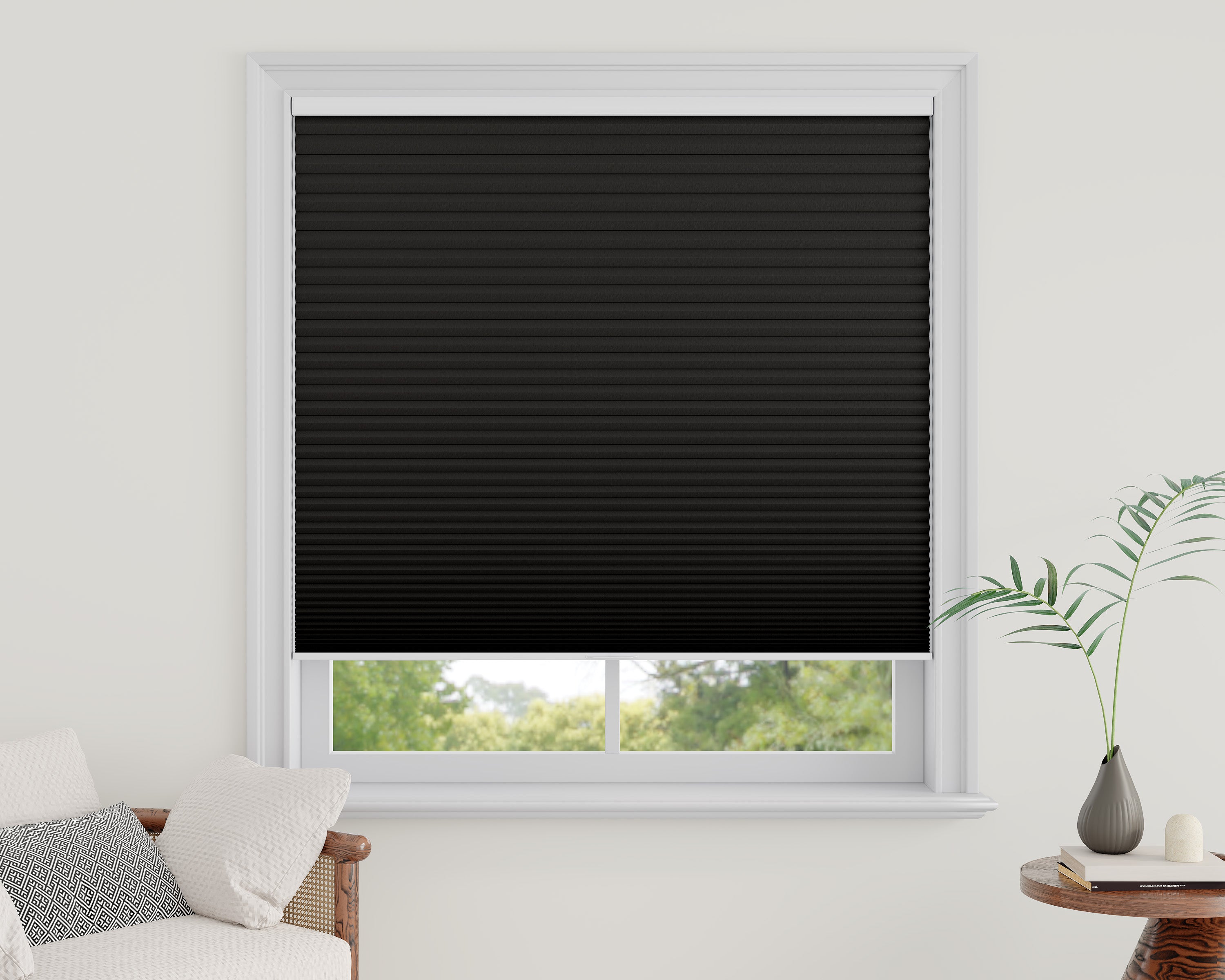
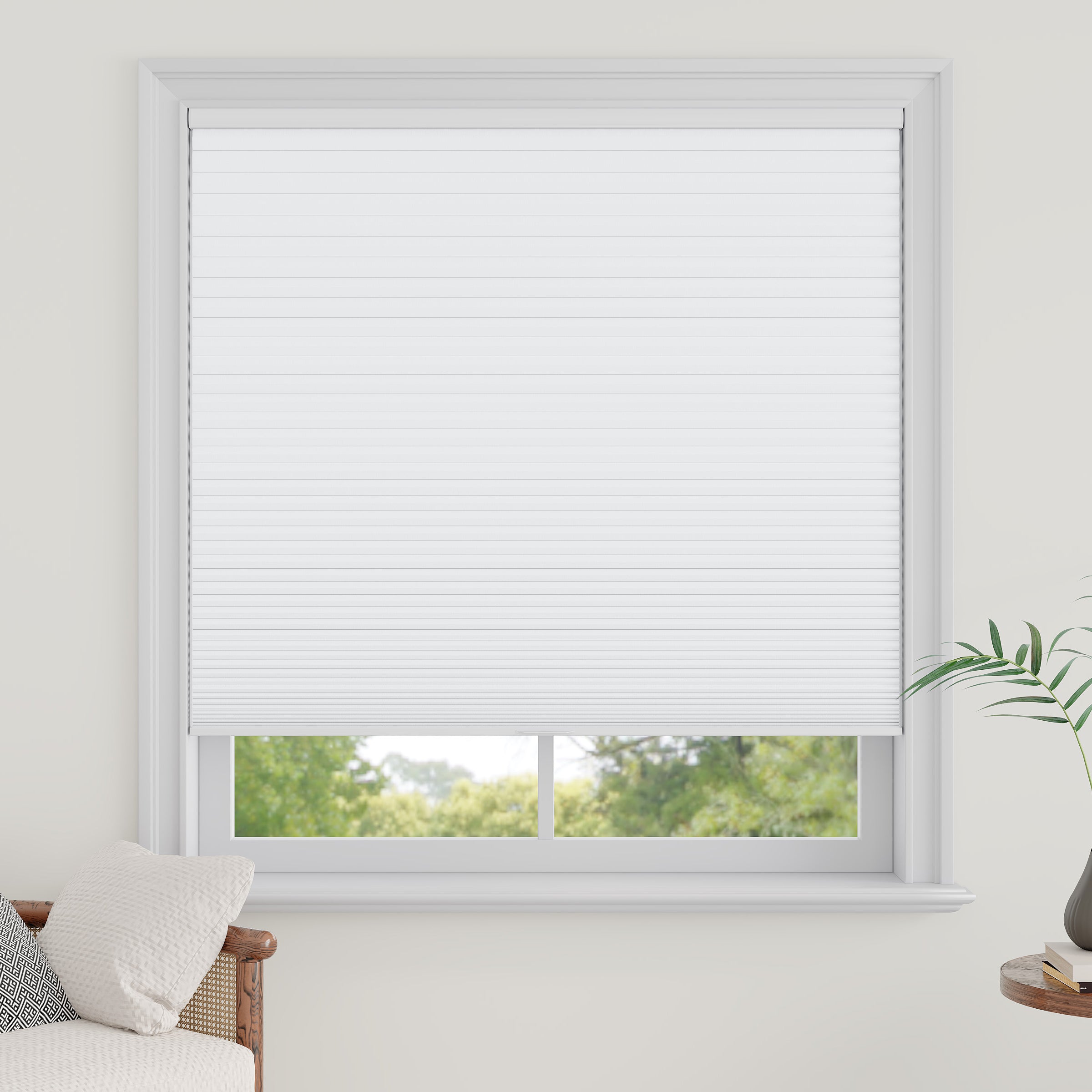
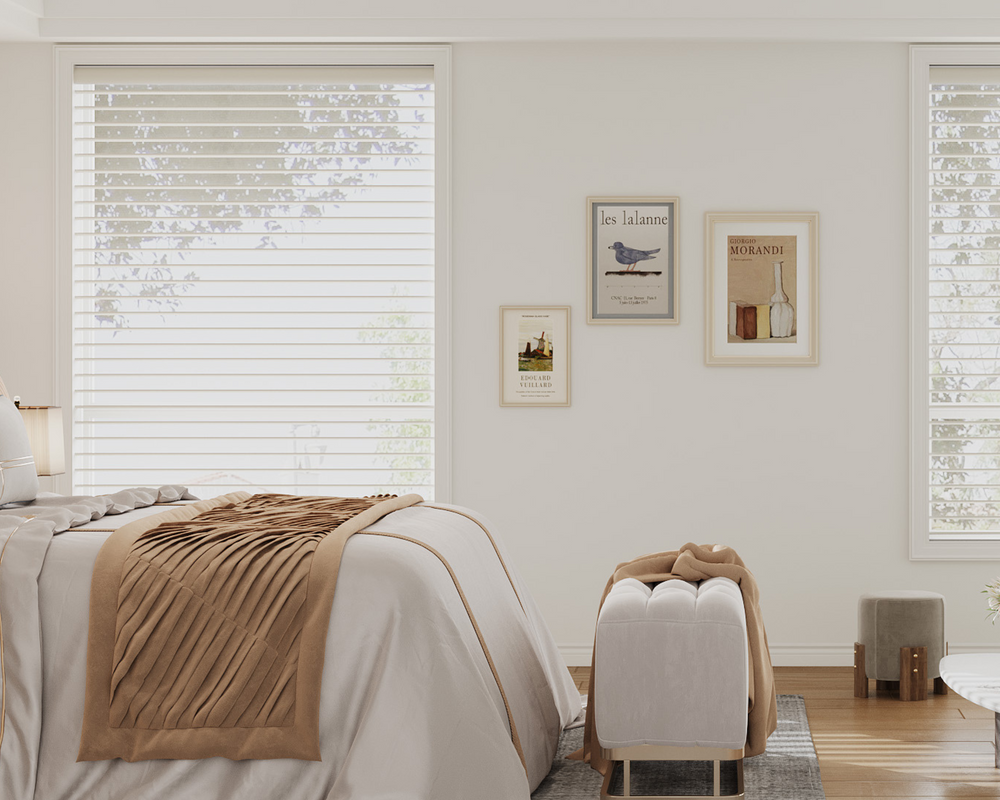
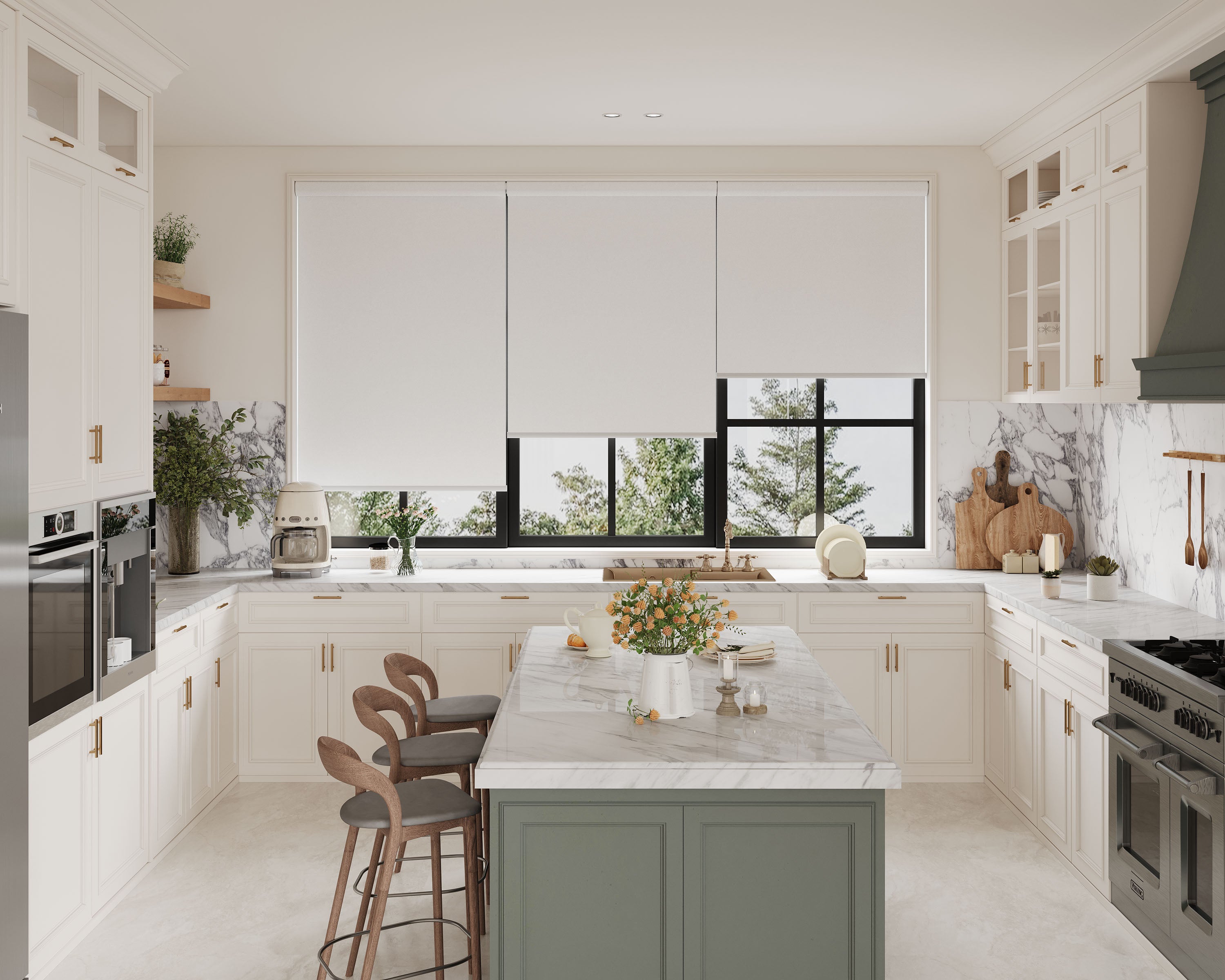
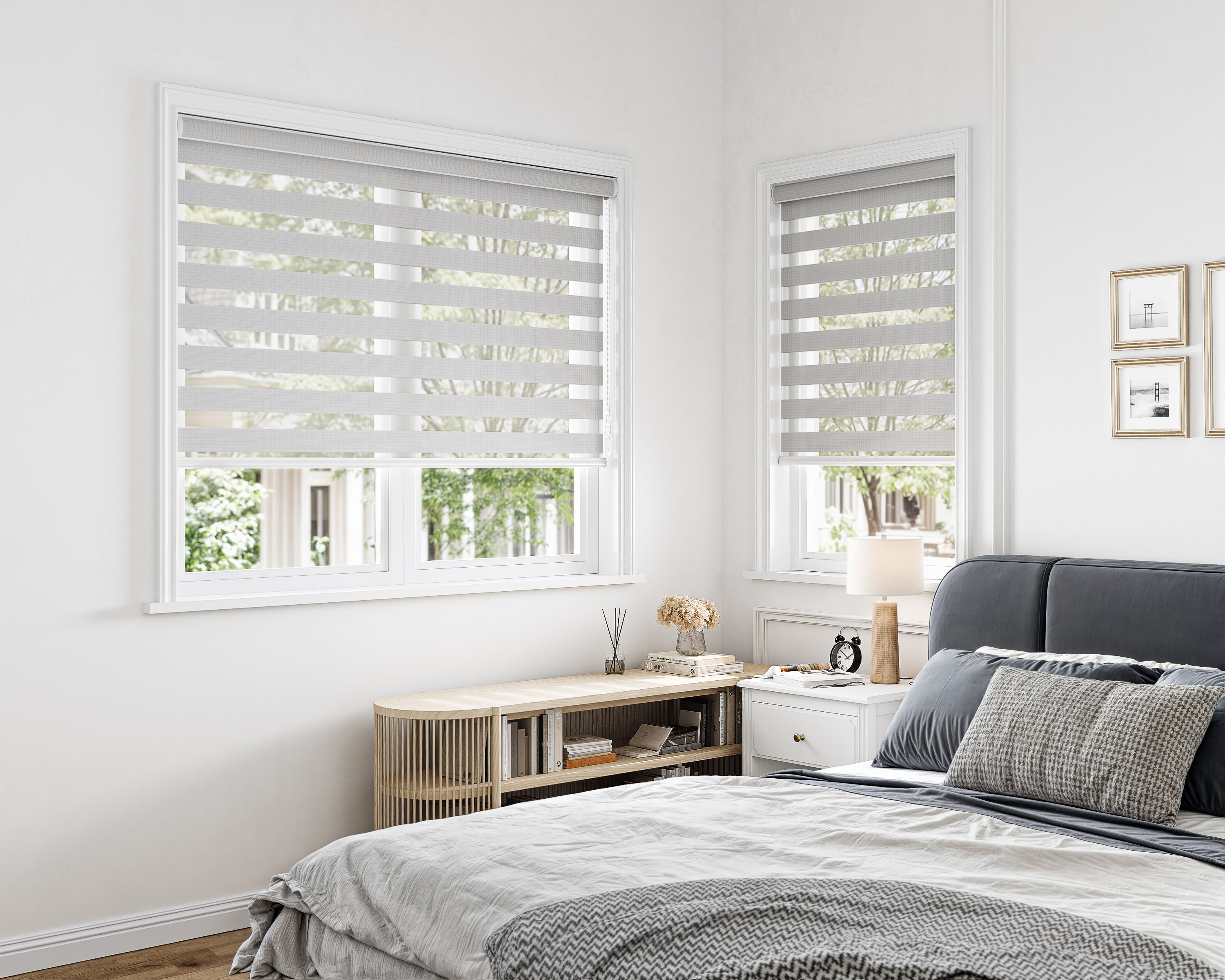
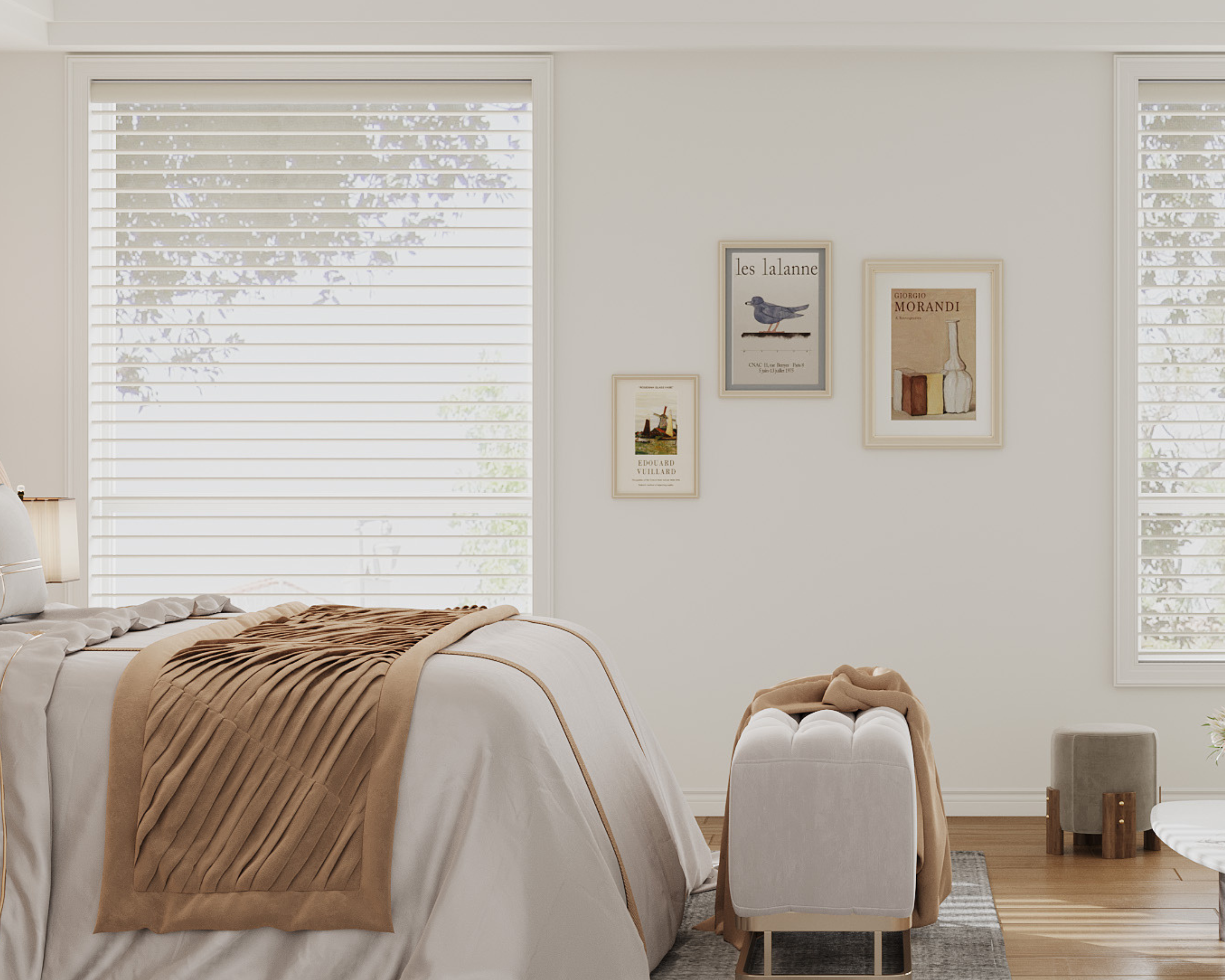
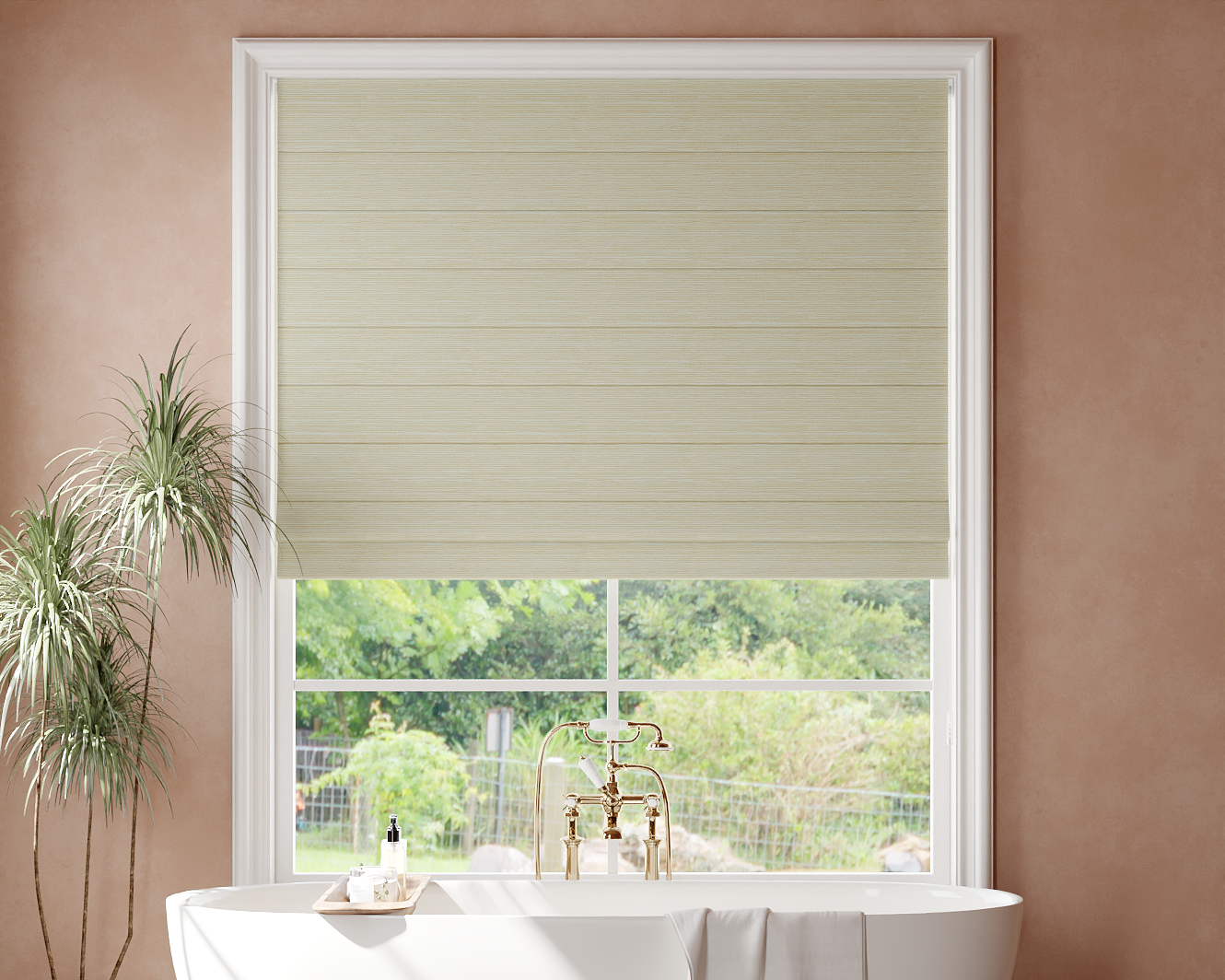
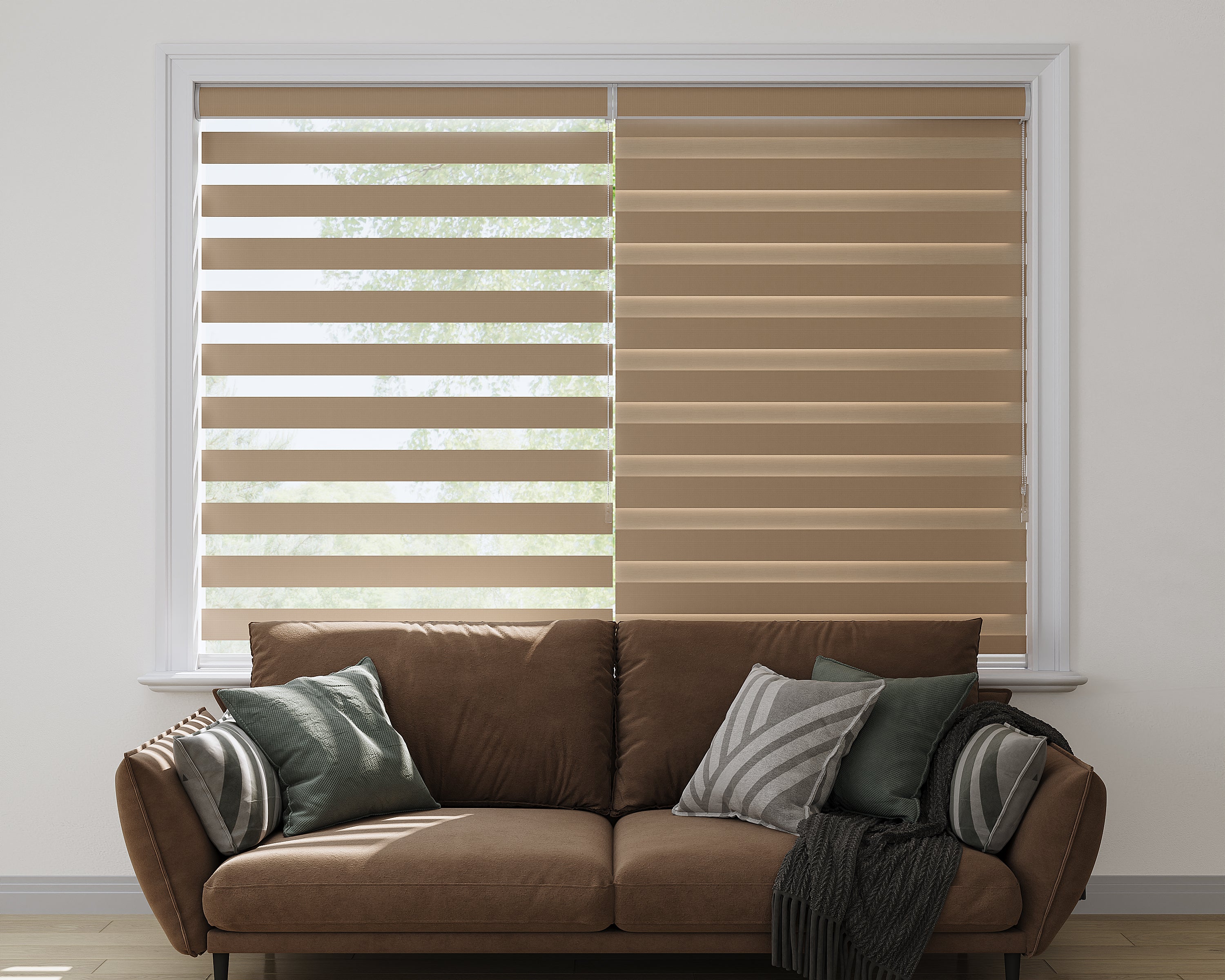
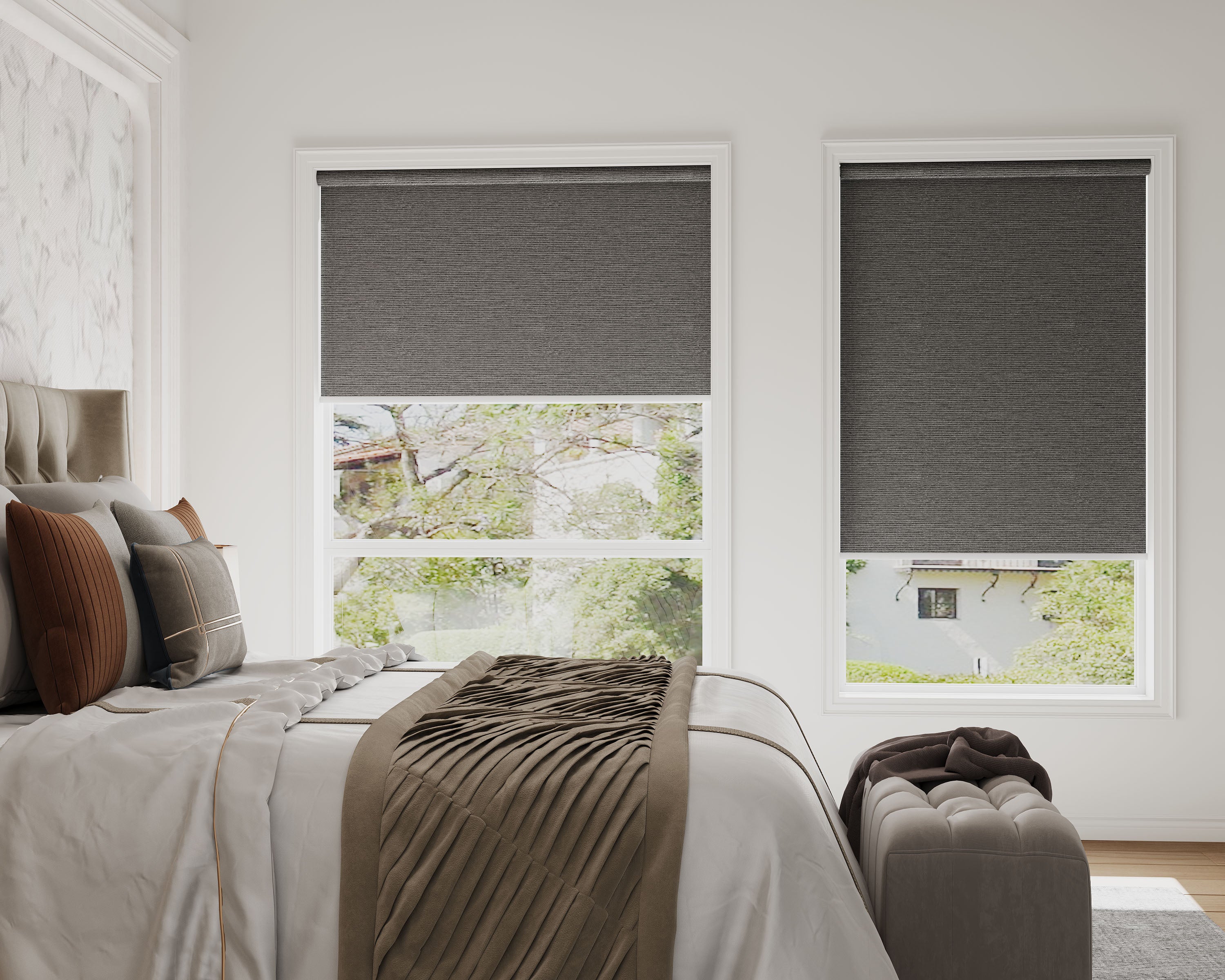
For light filtering cellular shades, start with the exact window and the job you need the covering to do. Choose light-filtering fabric around useful daylight, the outward view and the privacy needed at the window. A continuous panel, layered vanes and cellular pleats create different effects even when they soften similar amounts of light. Current choices include light-filtering top-down/bottom-up cellular shades, day/night honeycomb shades and cordless light-filtering cellular shades.
Compare light filtering cellular shades choices
Compare construction as well as the light-filtering label
Light filtering describes an effect, while the shade construction determines what can move and how the window looks. A roller panel, honeycomb fabric, zebra layers and sheer vanes are different systems. Choose from the exact products shown here, then assess the fabric, coverage and offered lift together instead of treating a category percentage as an installed-room result.
Compare the current product choices
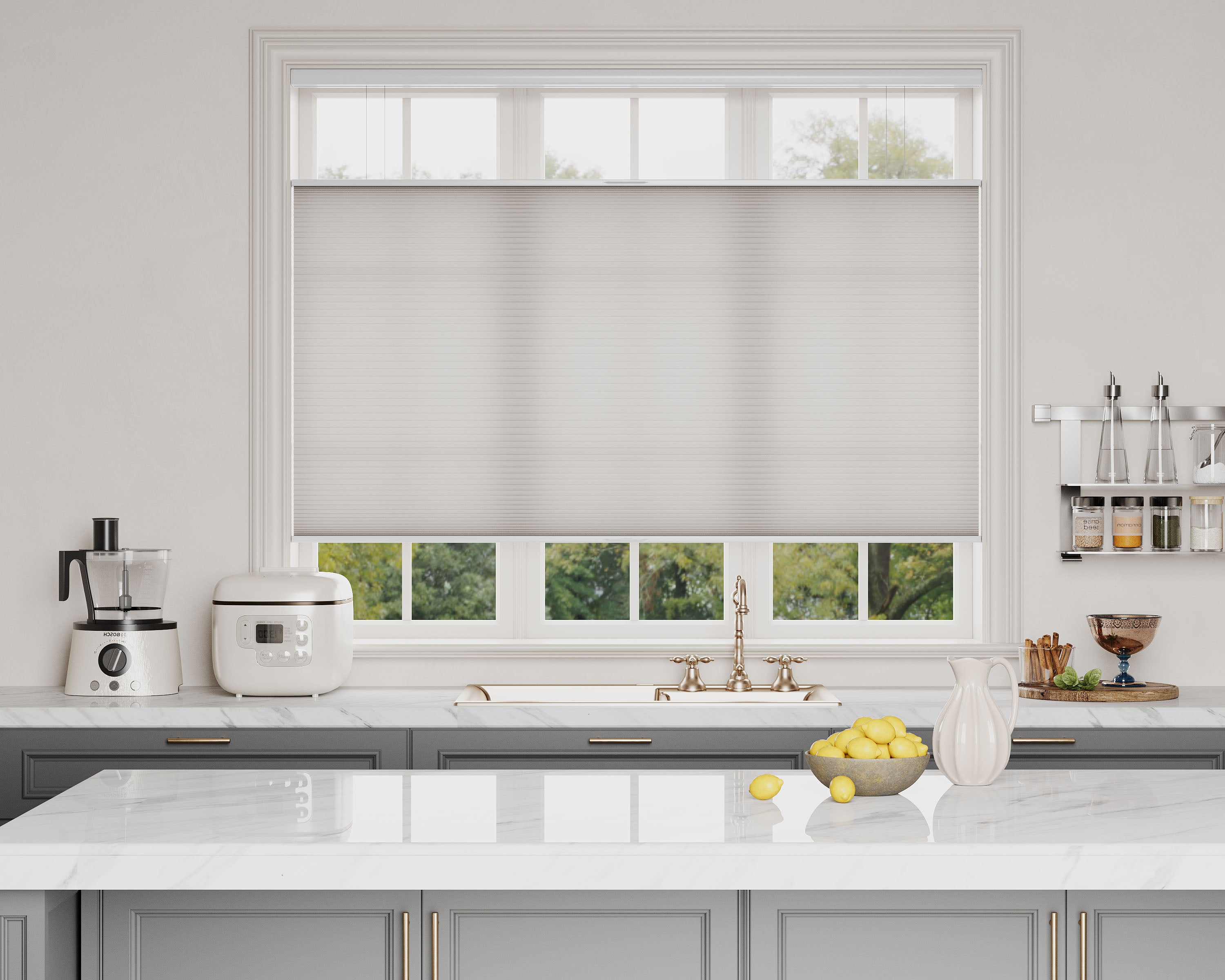
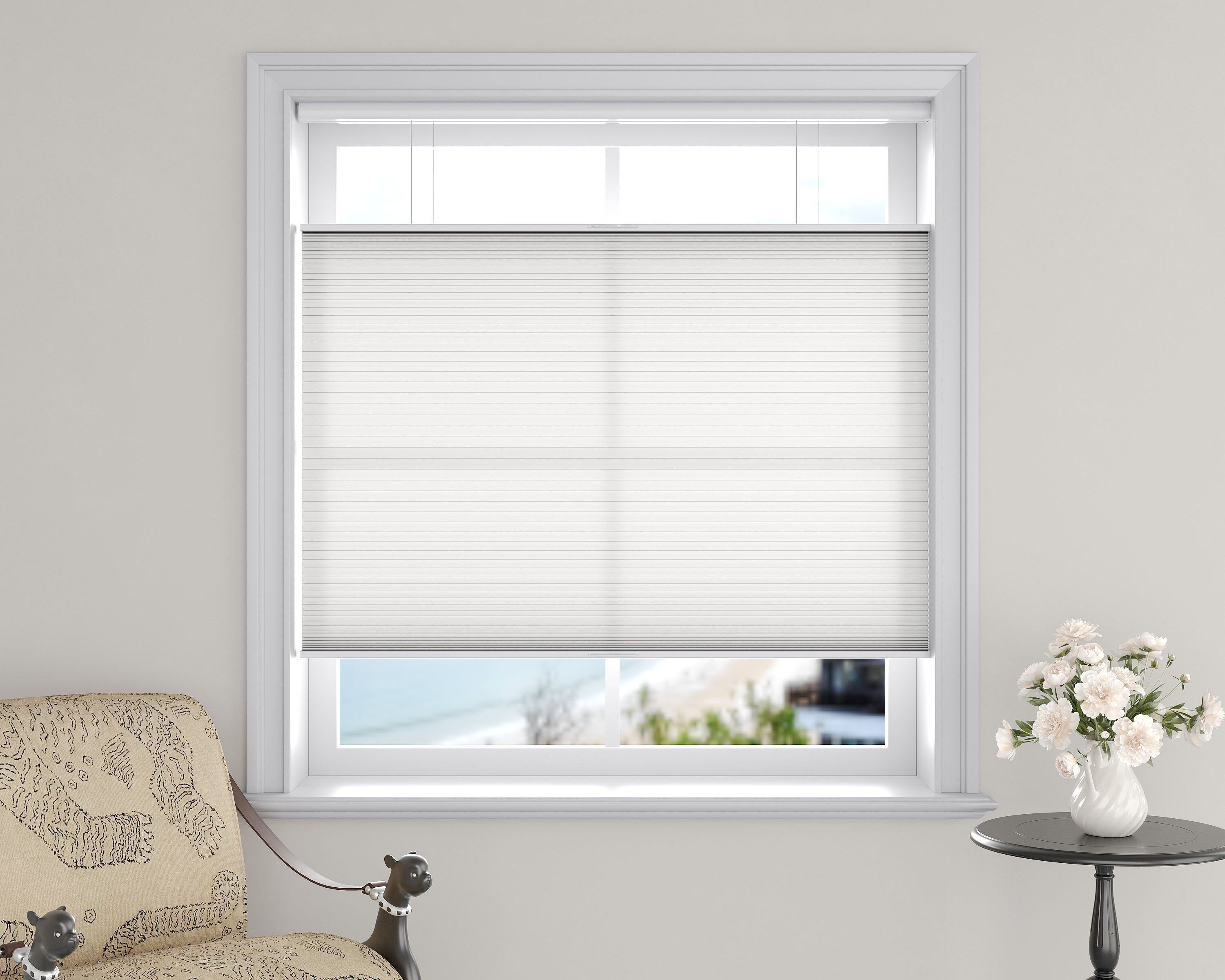
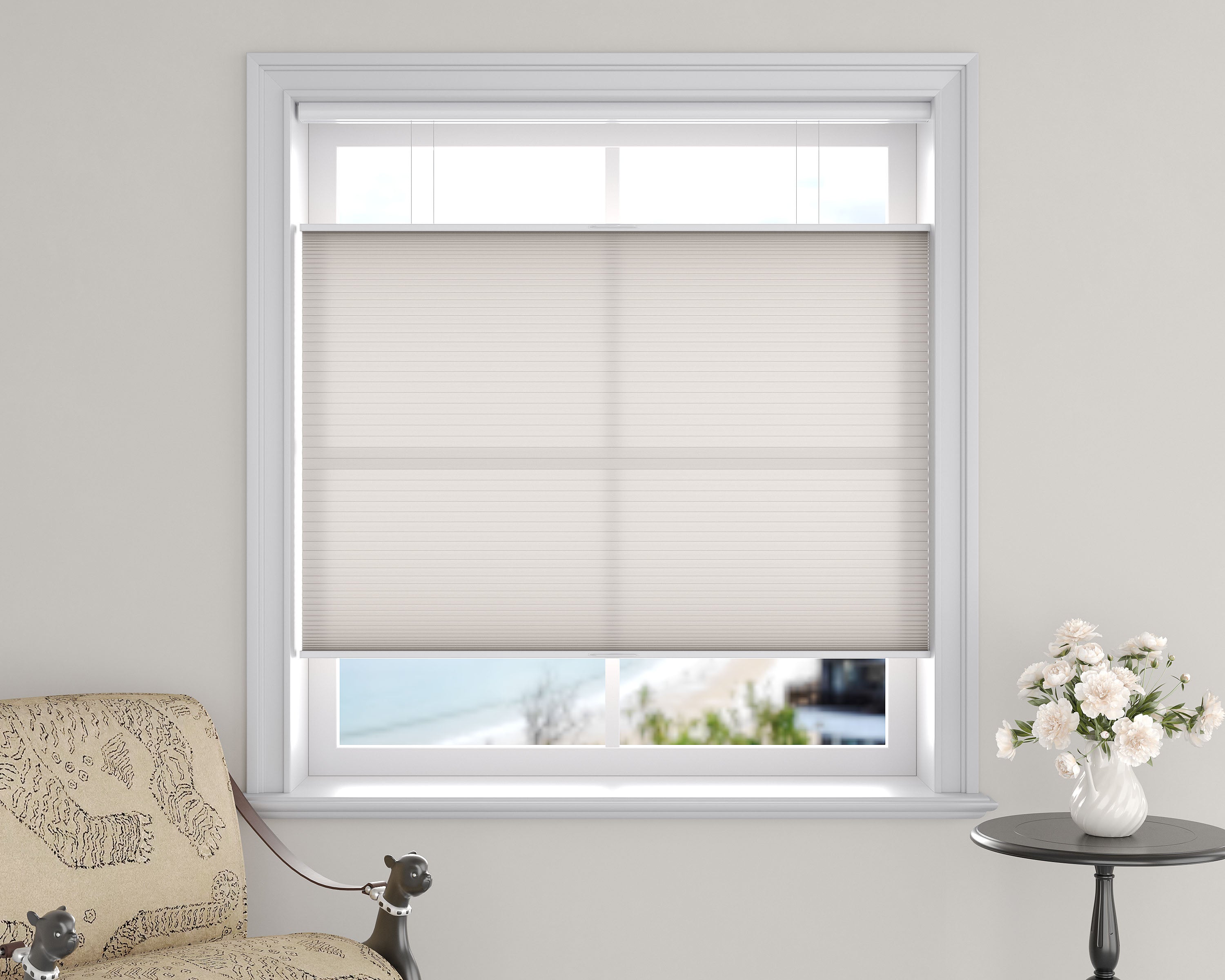
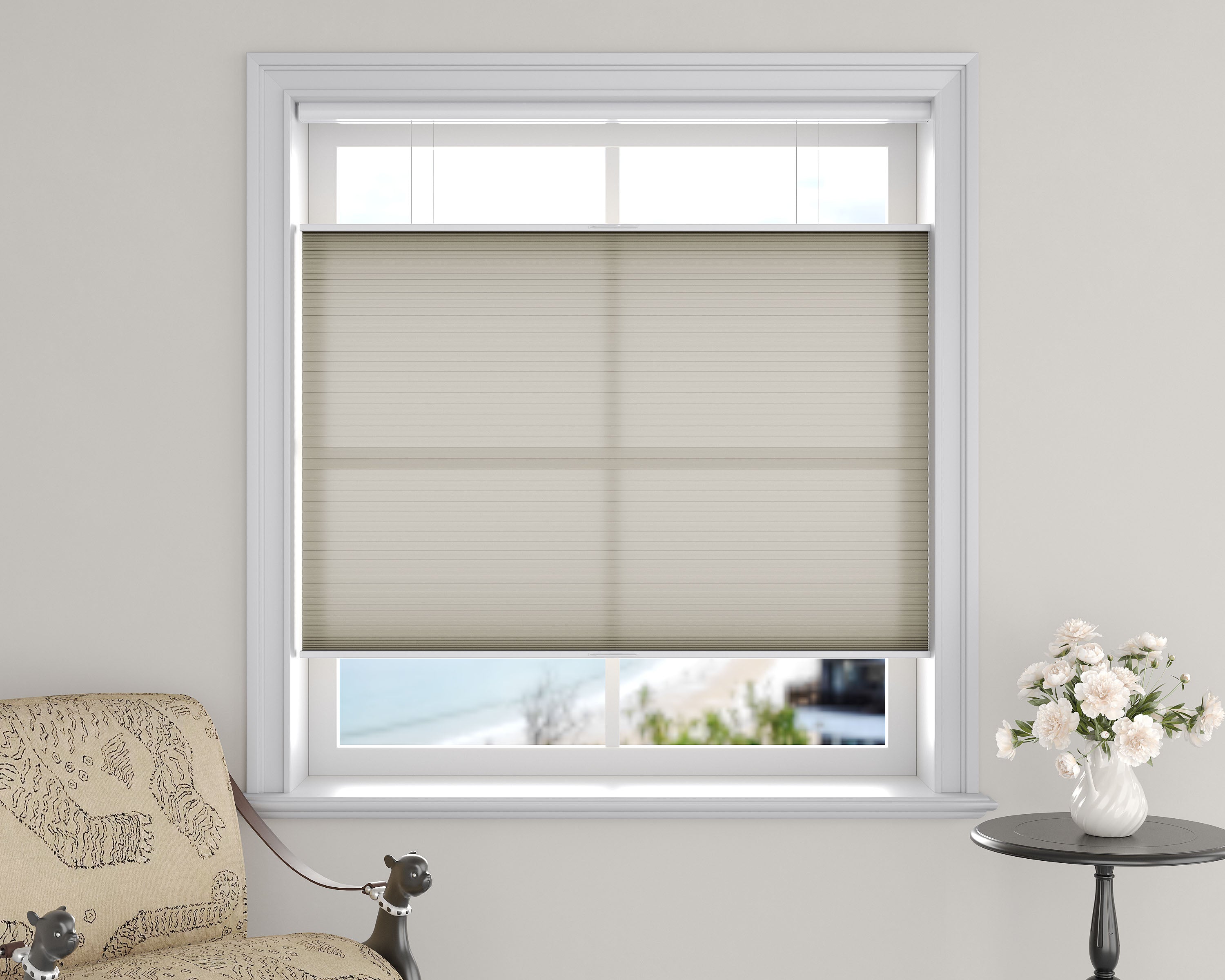
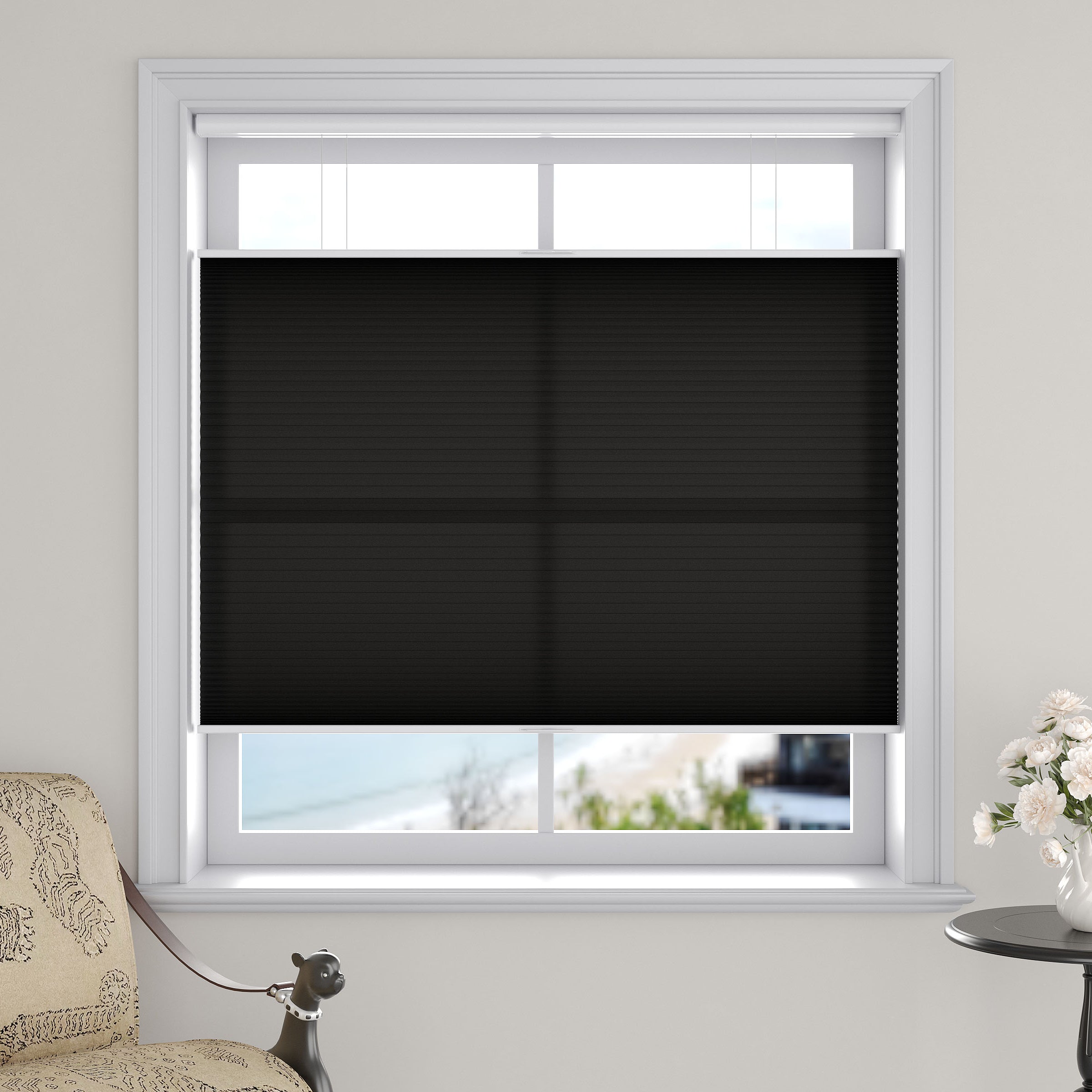
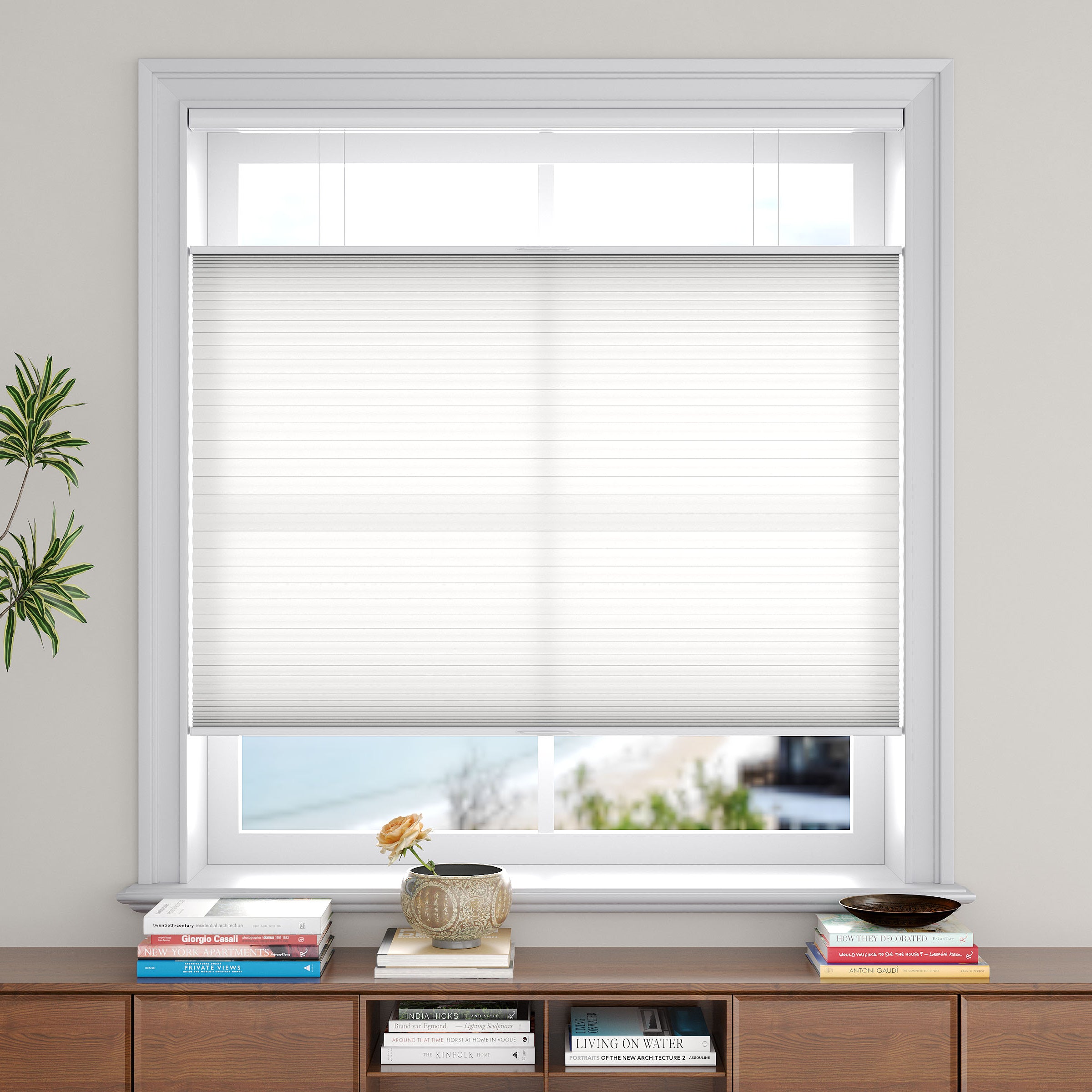
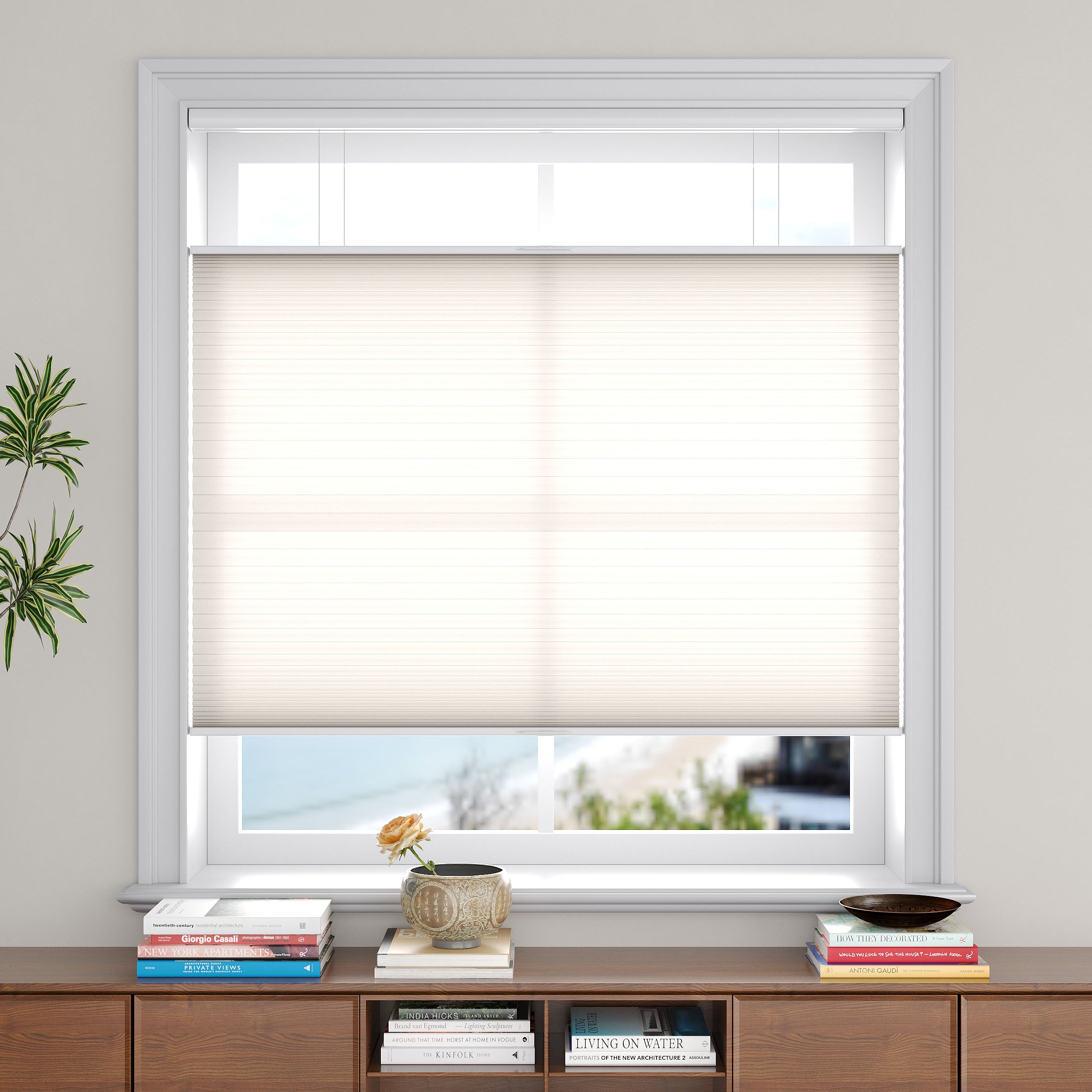
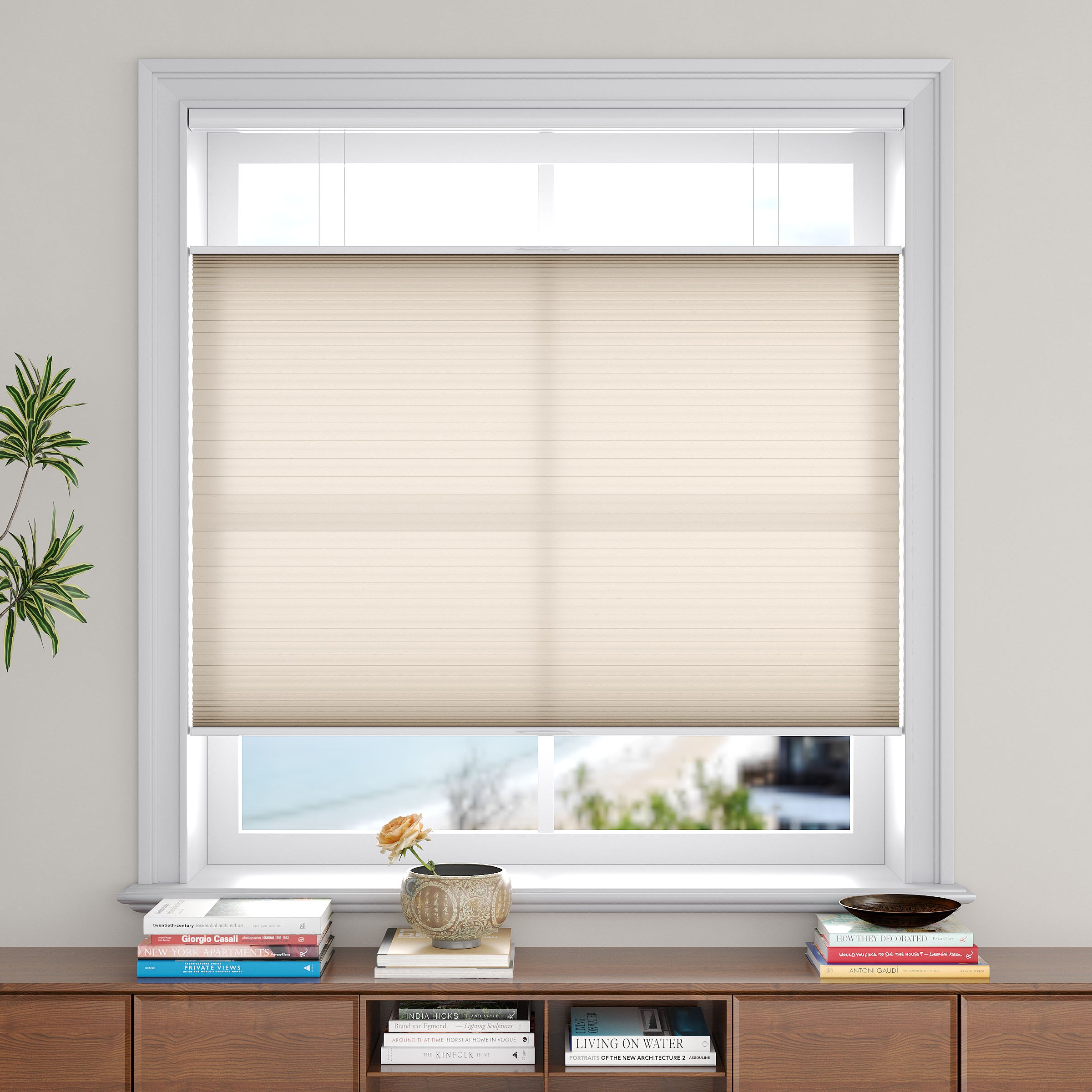
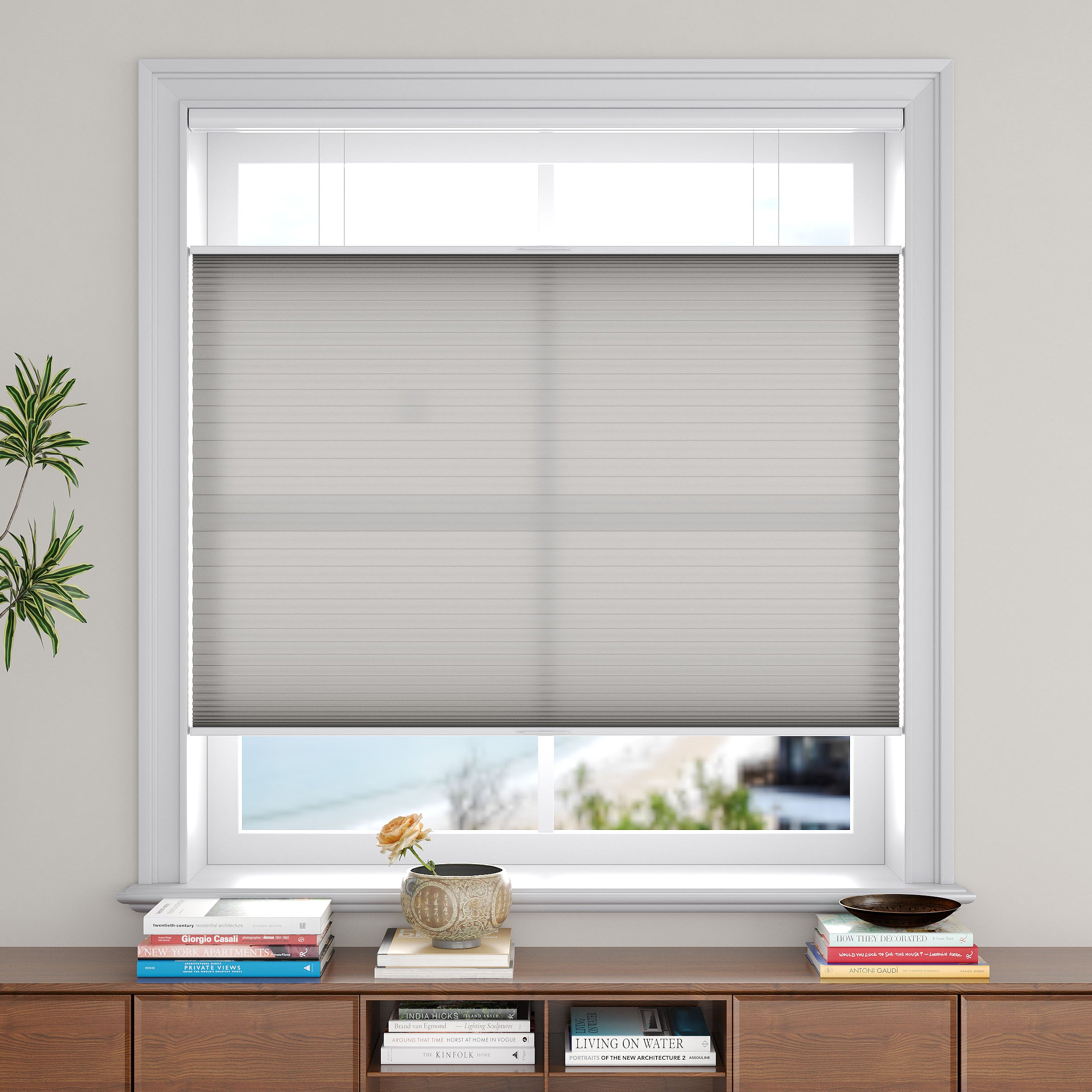
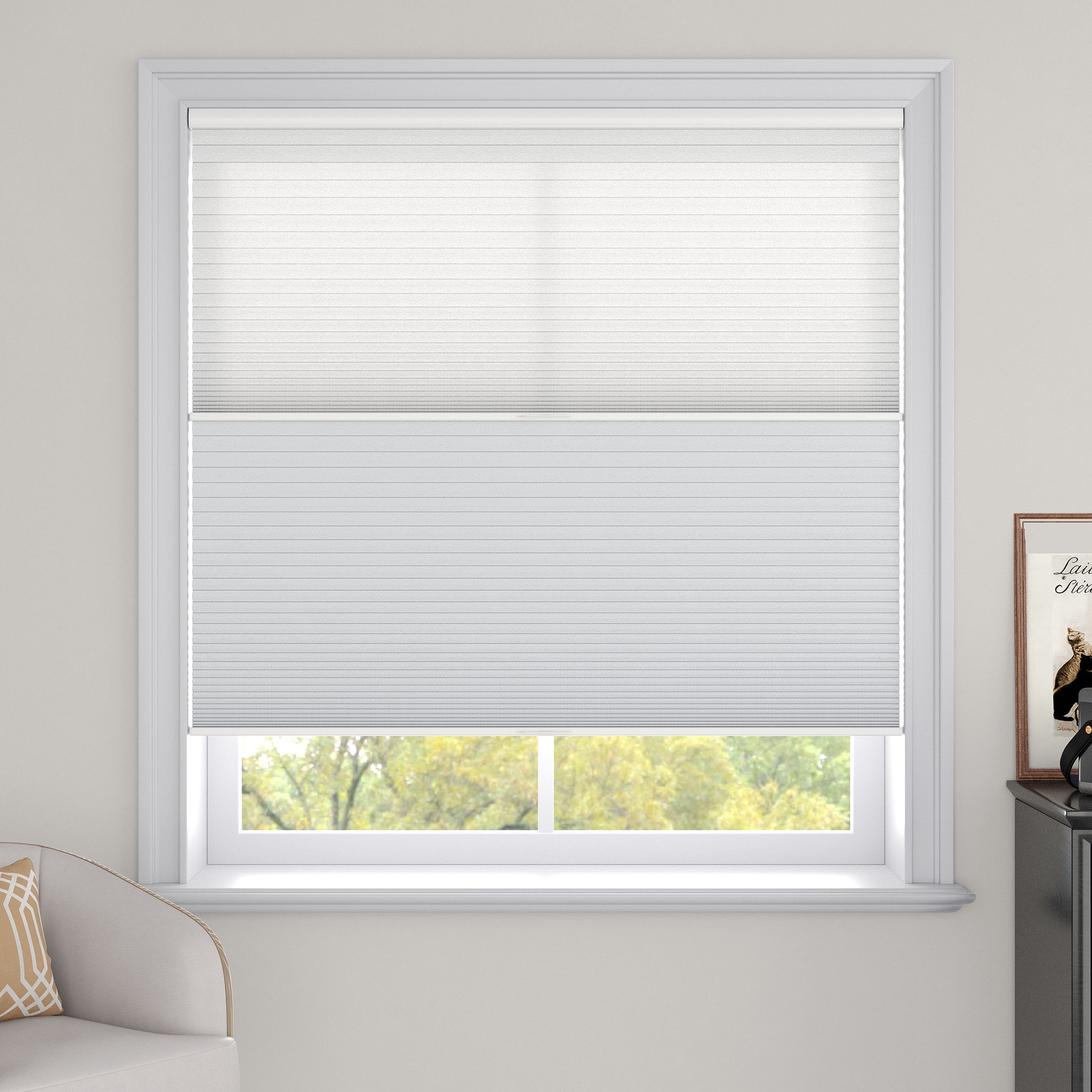
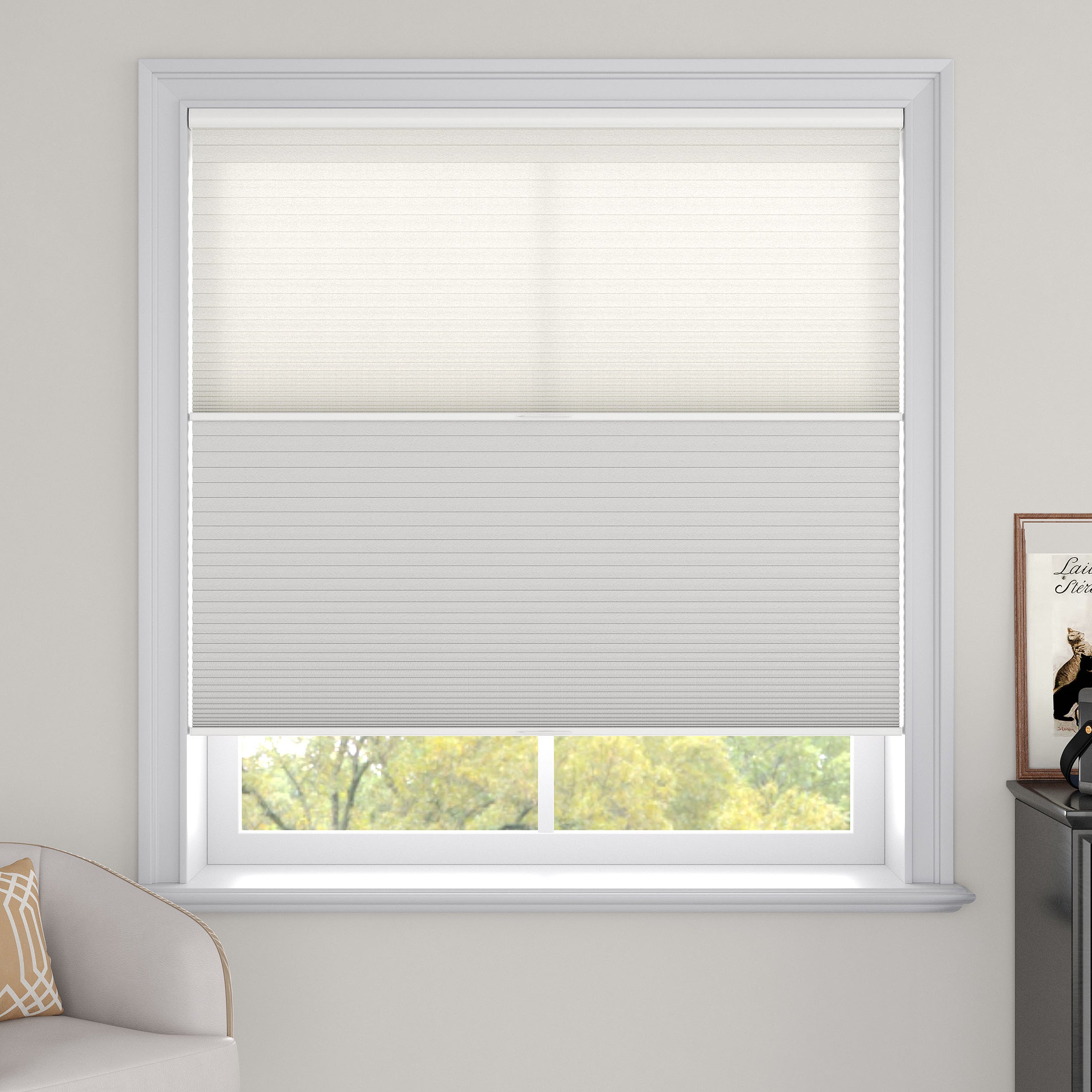
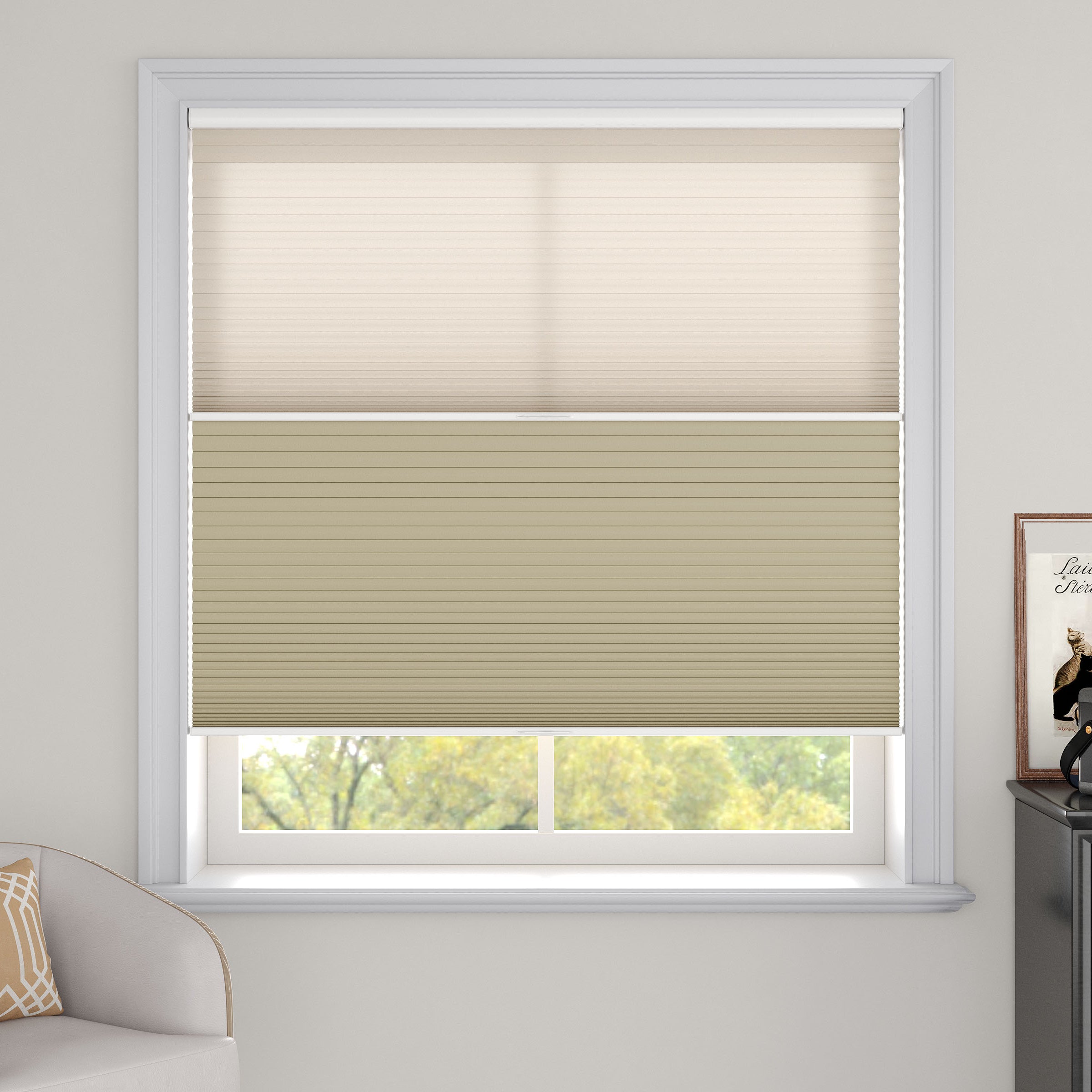
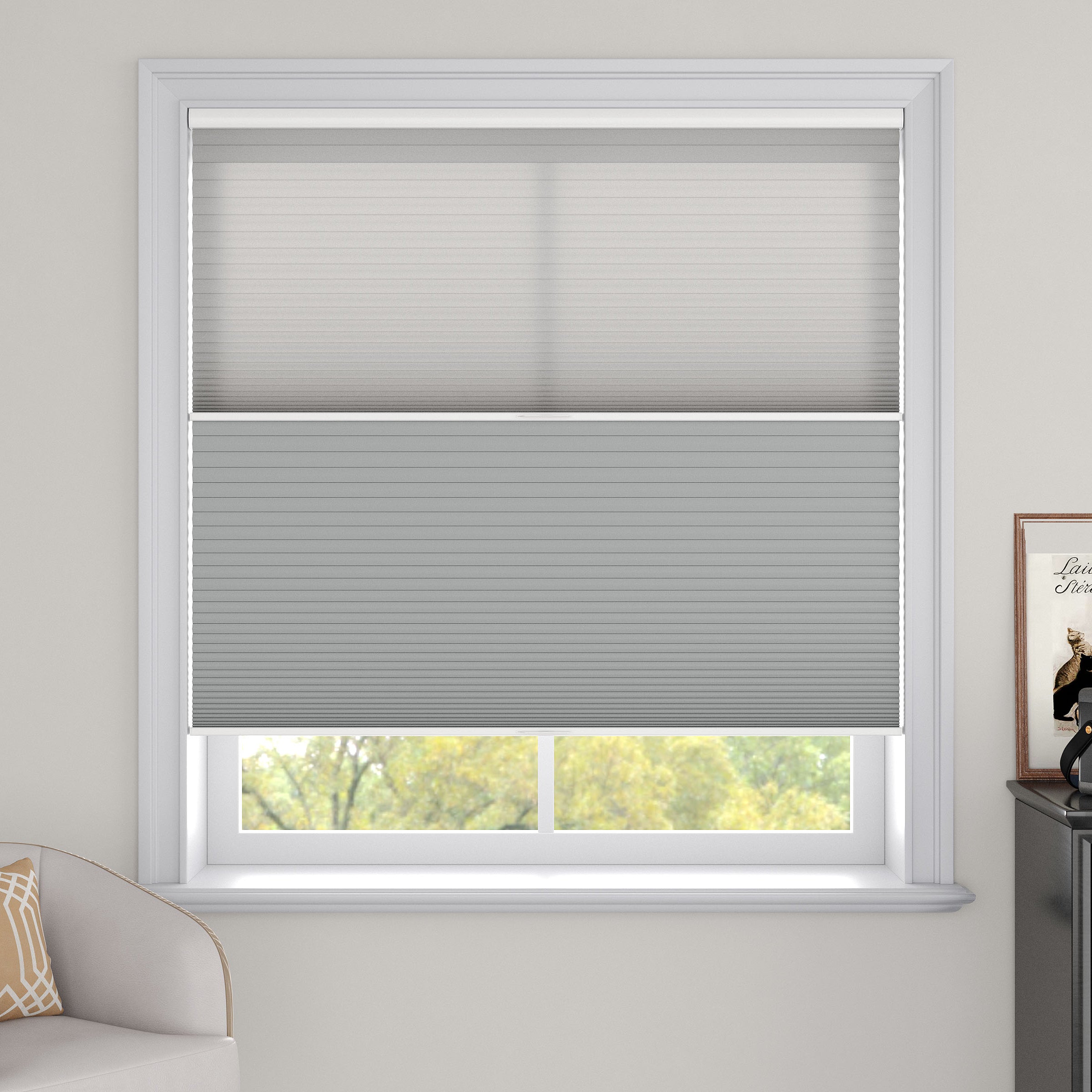
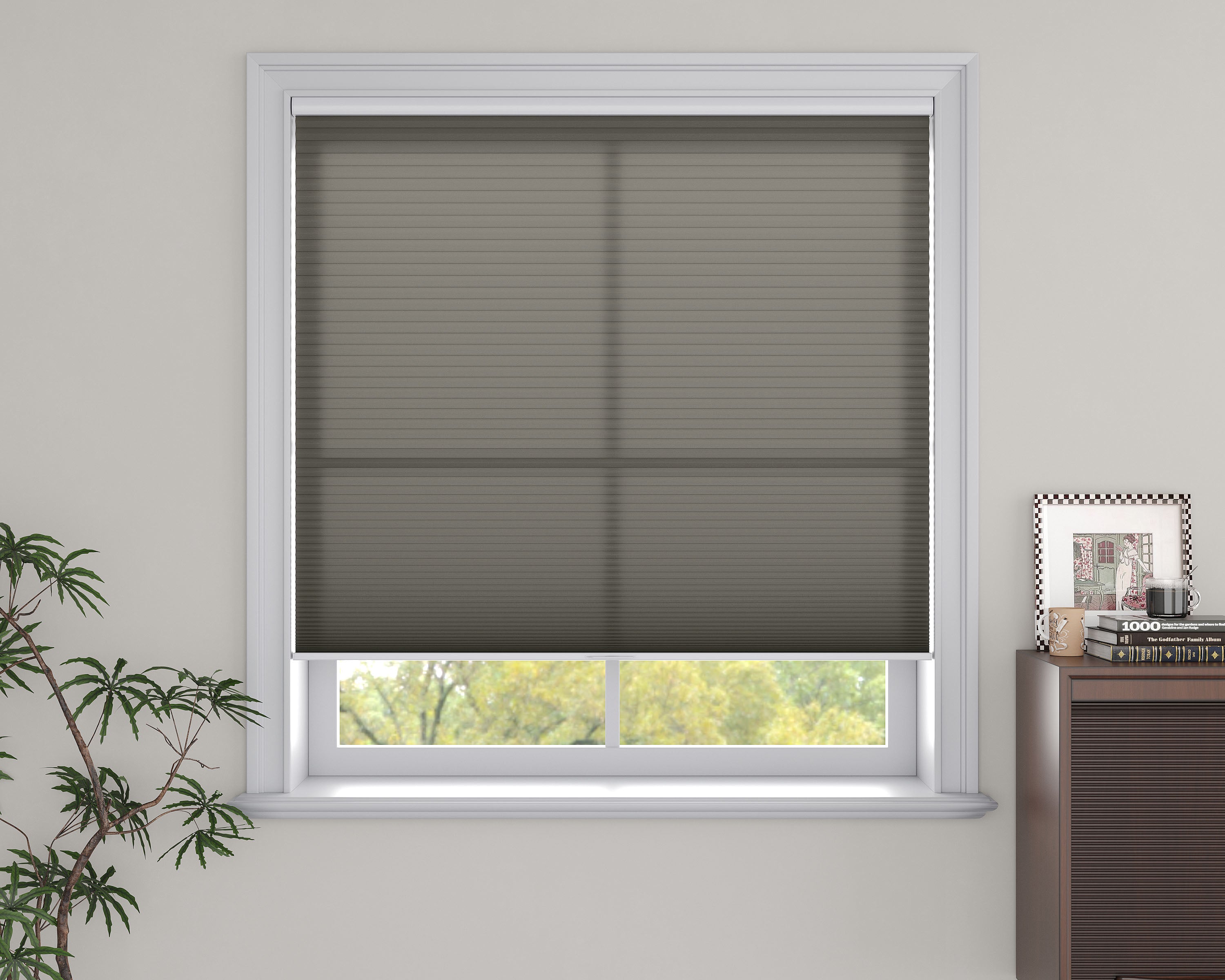
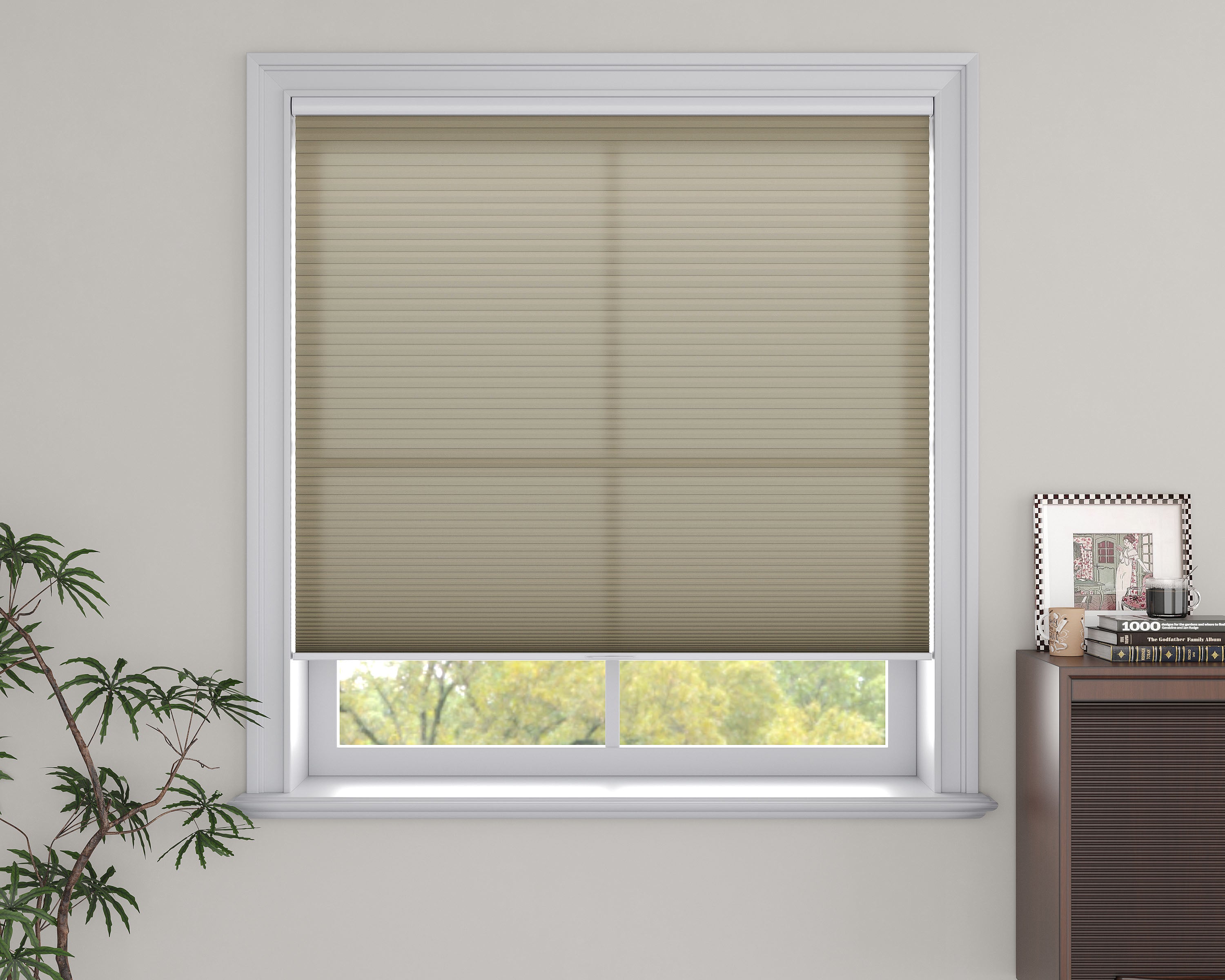
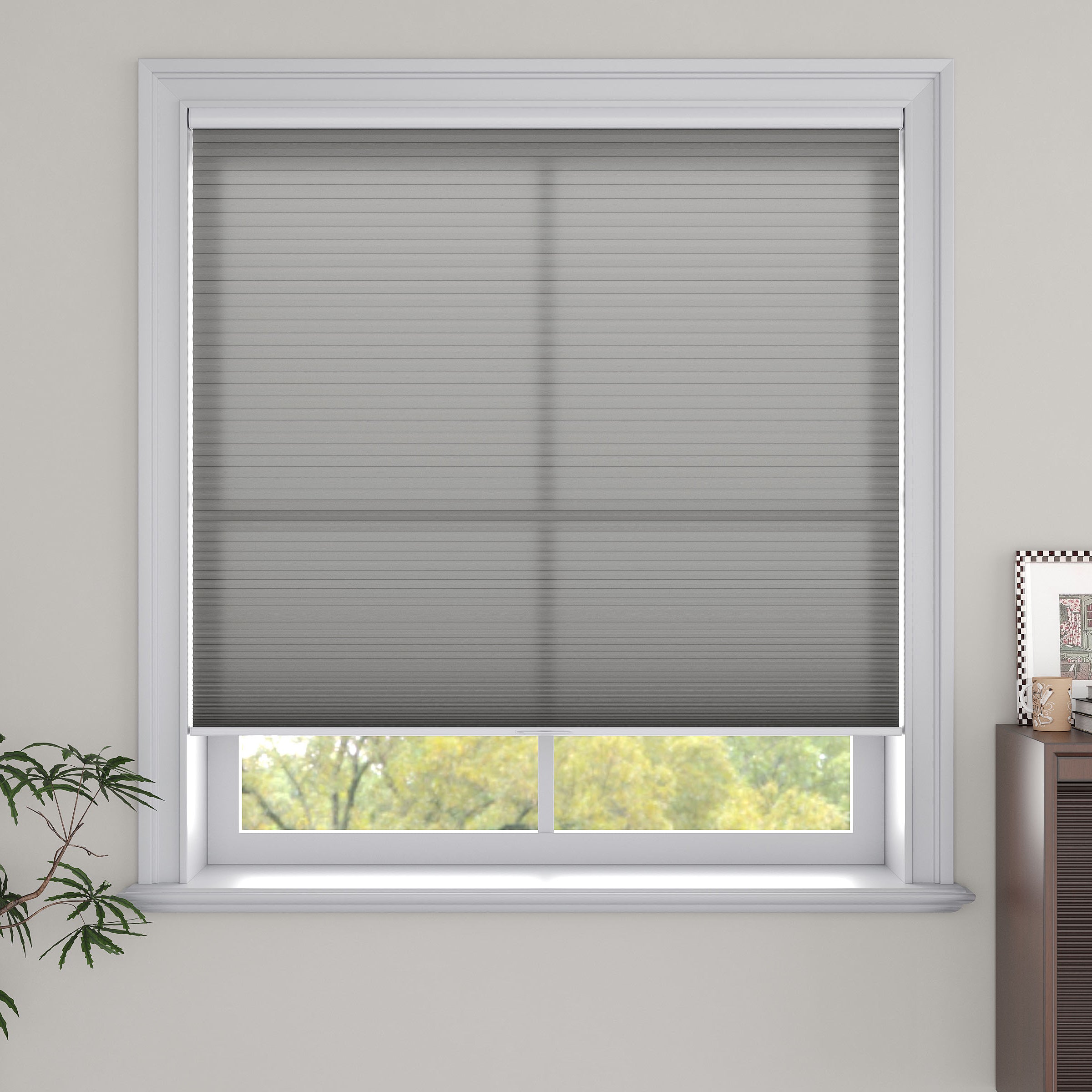
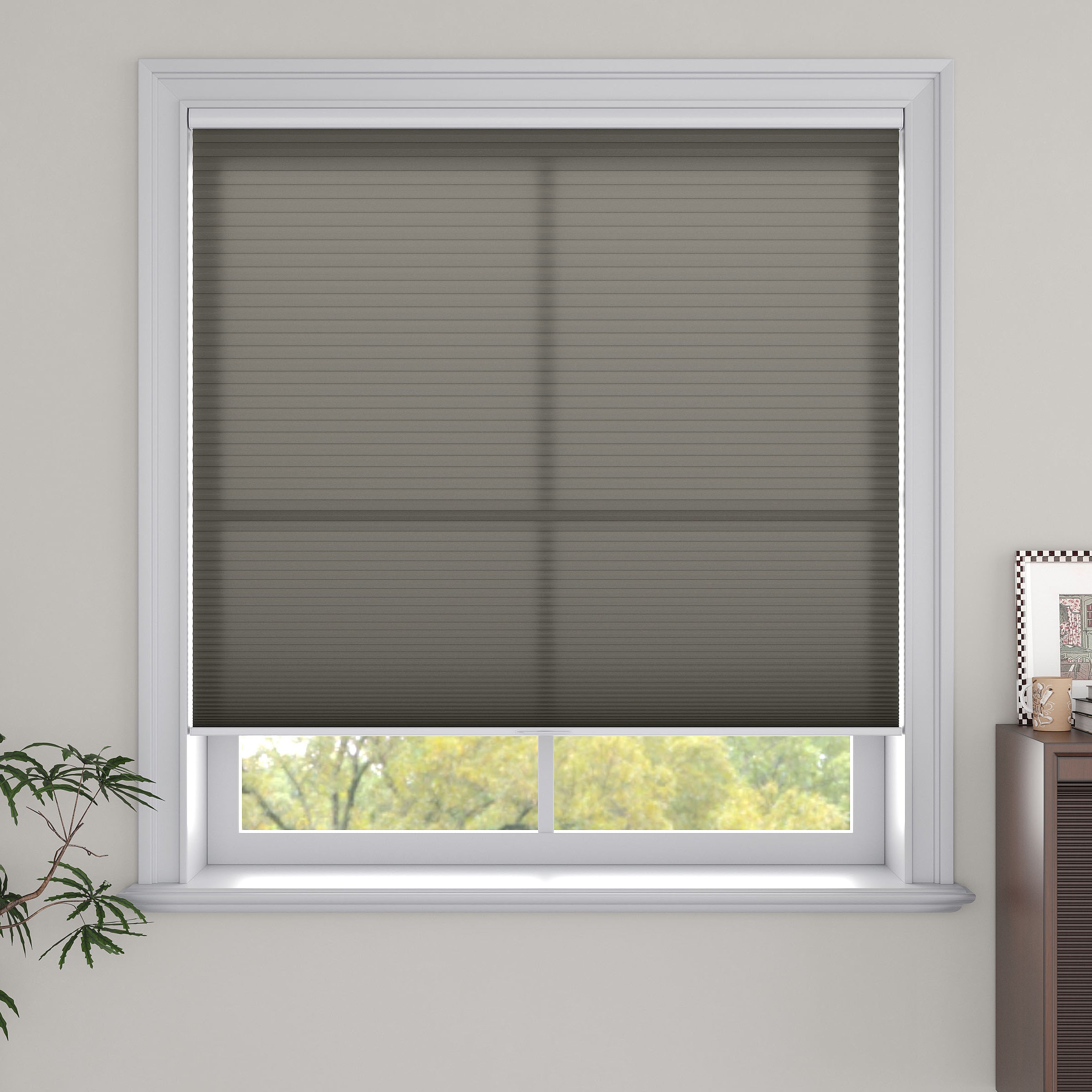
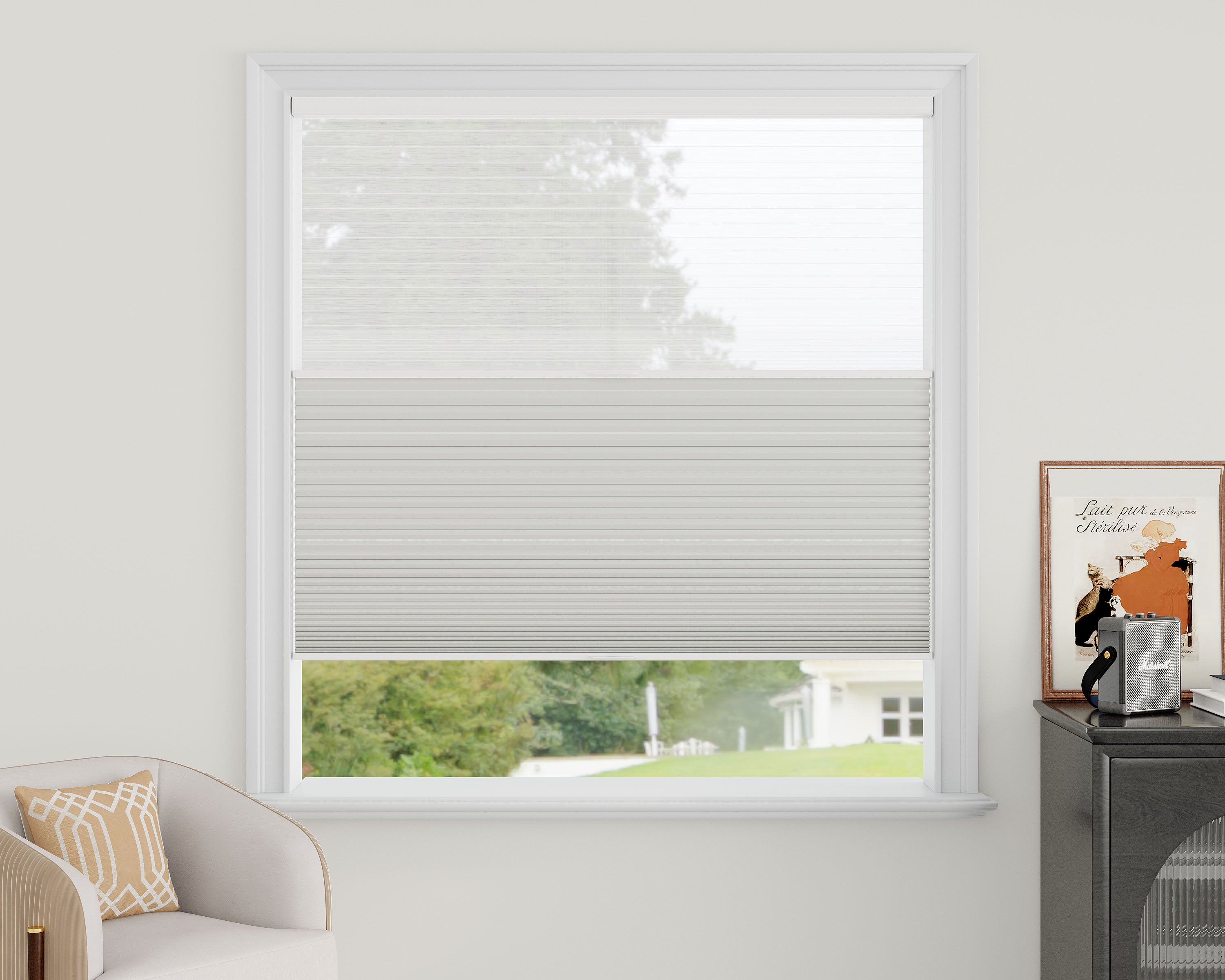
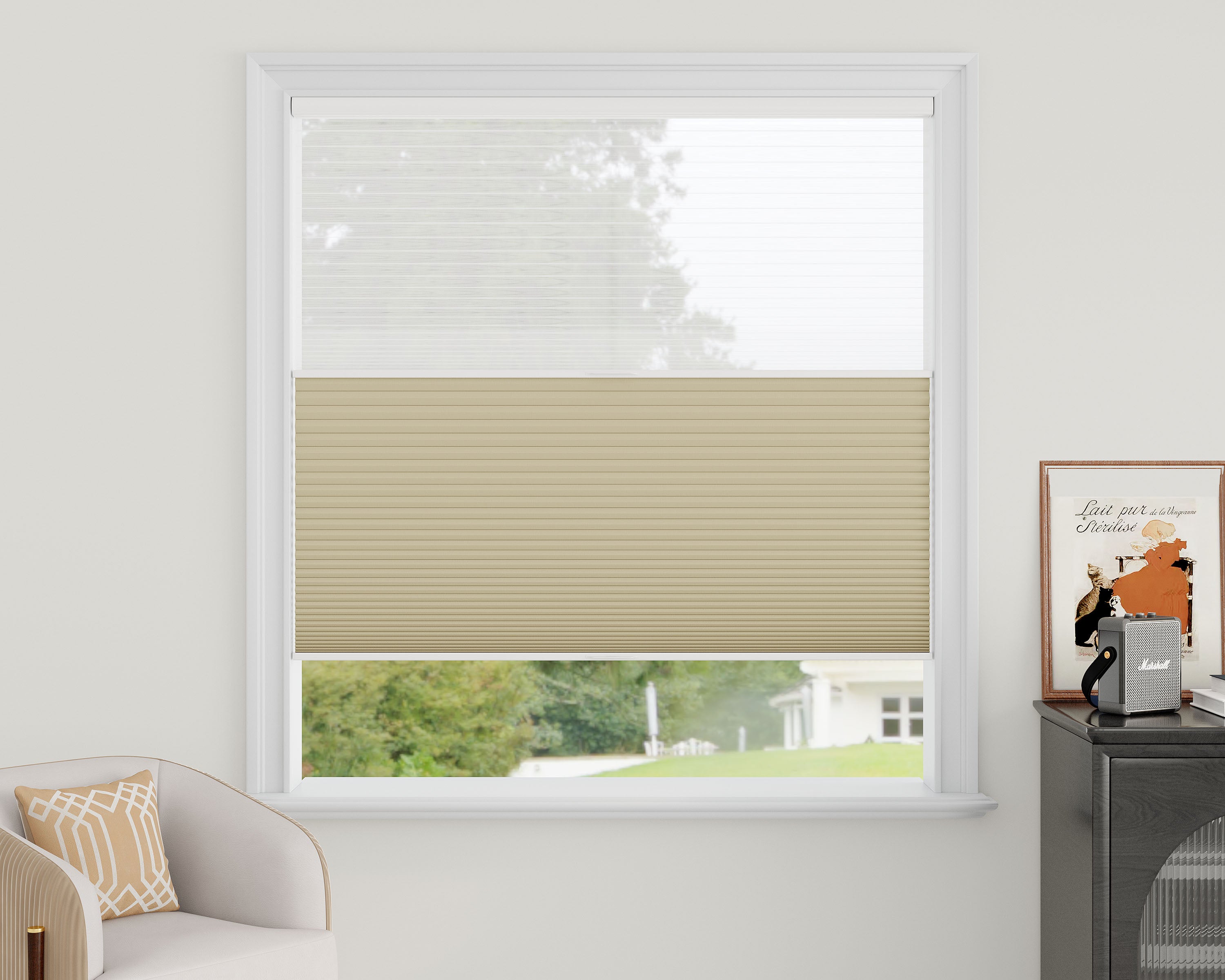
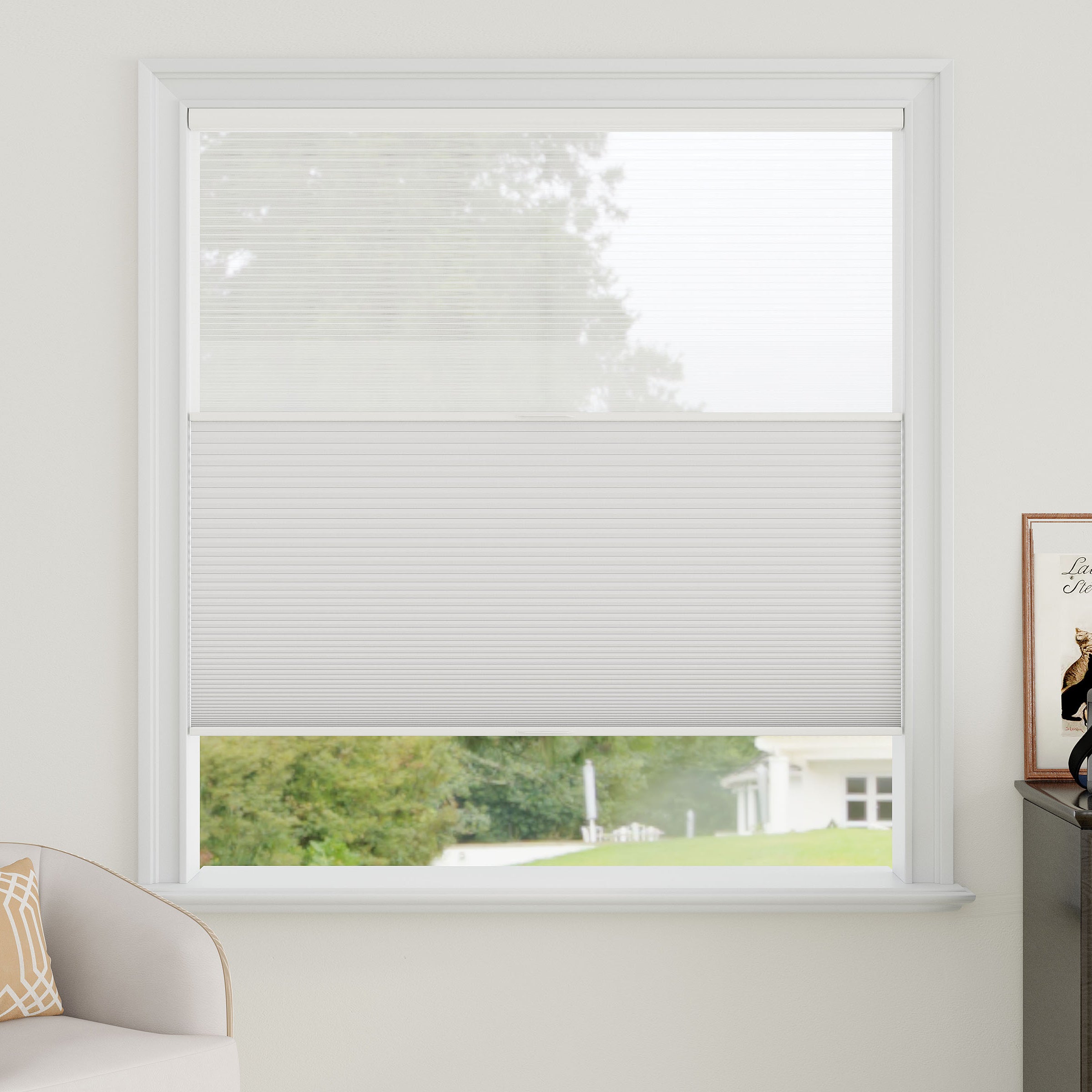
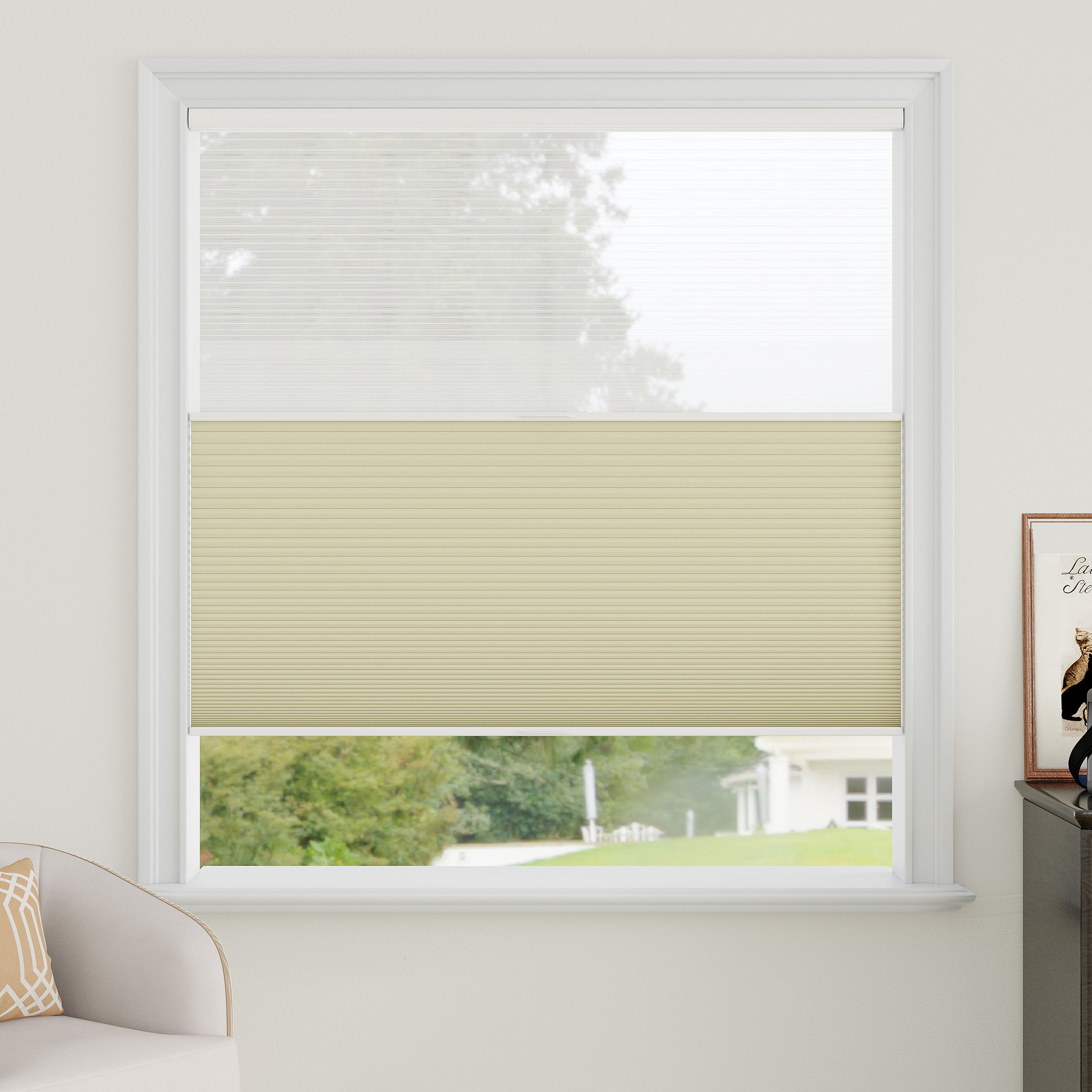
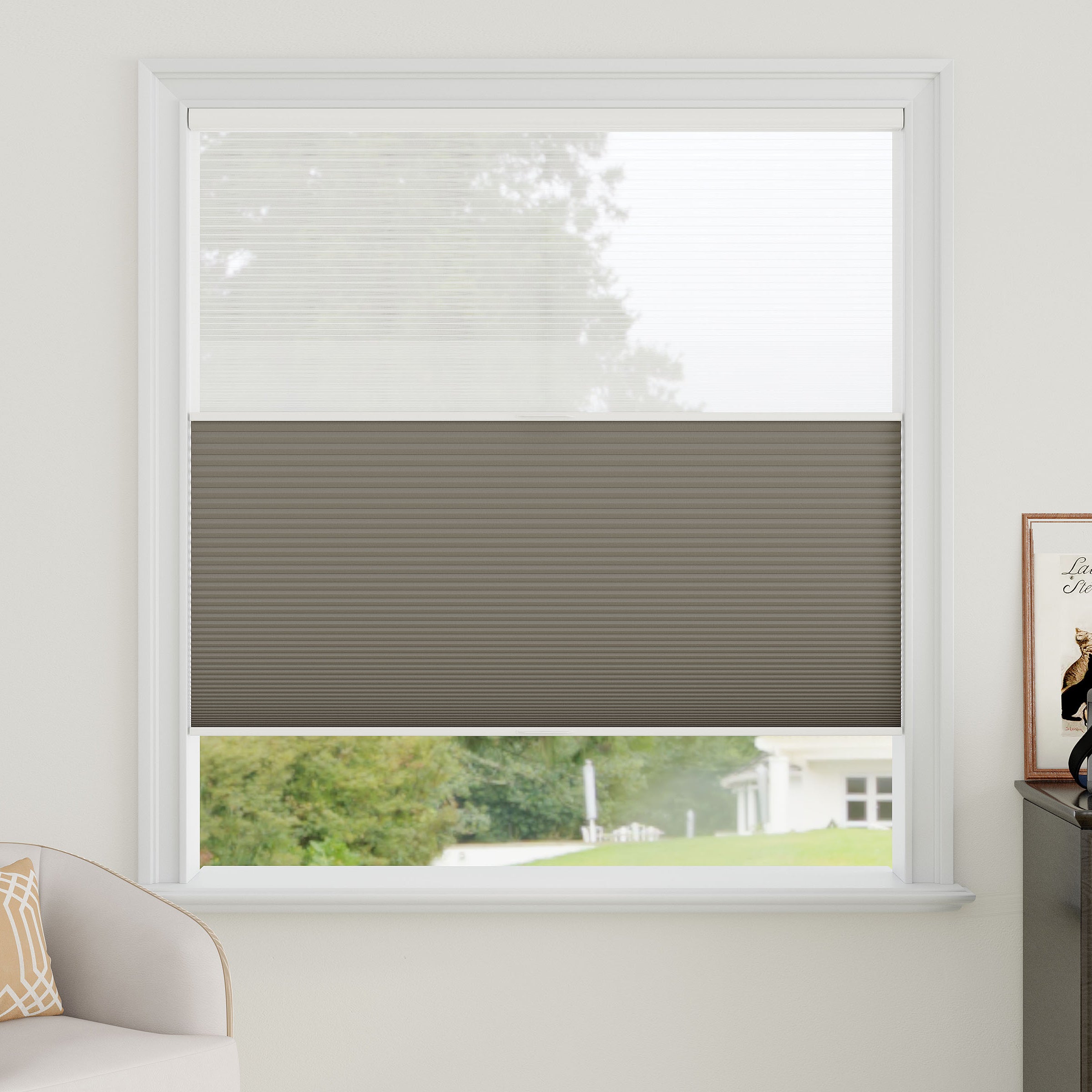
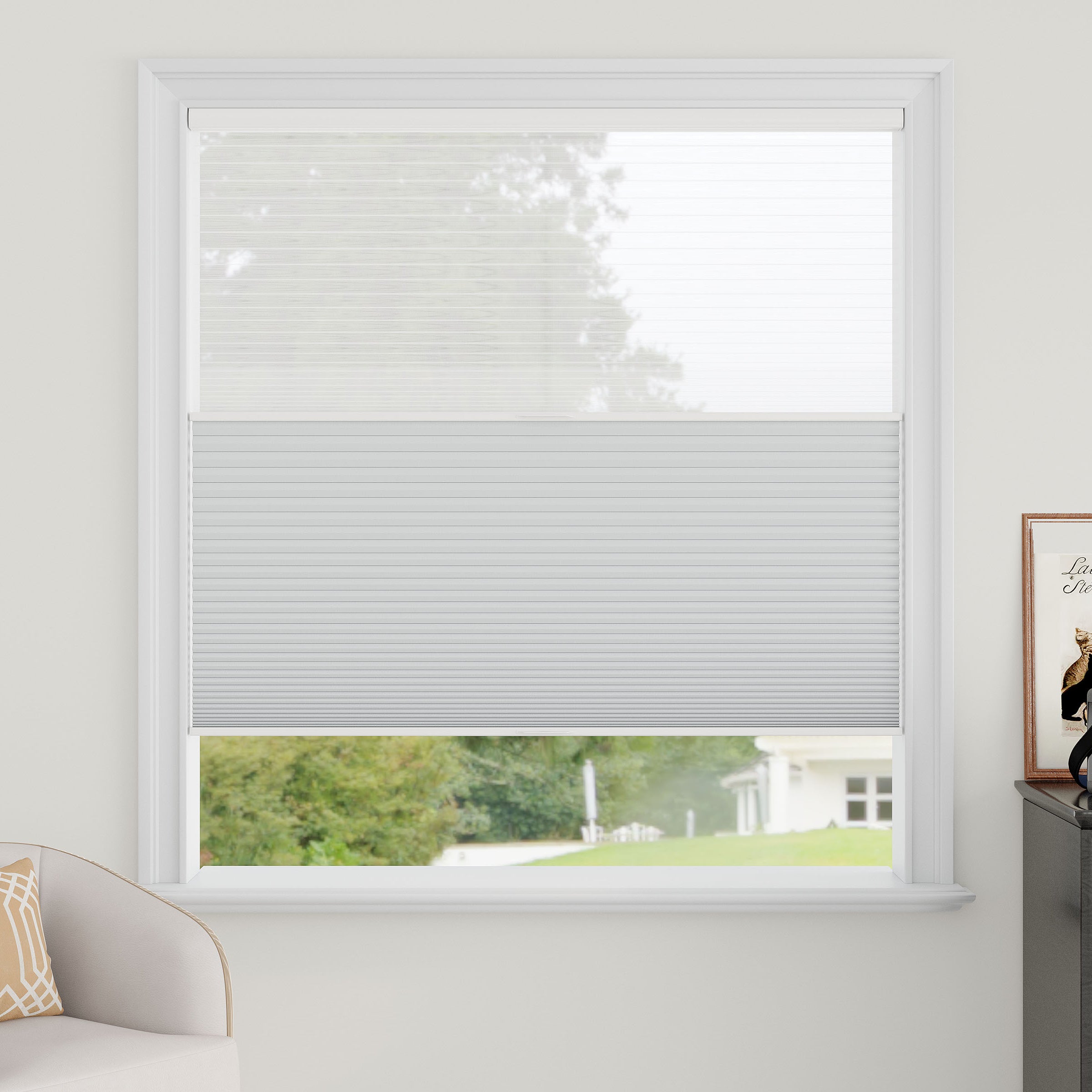
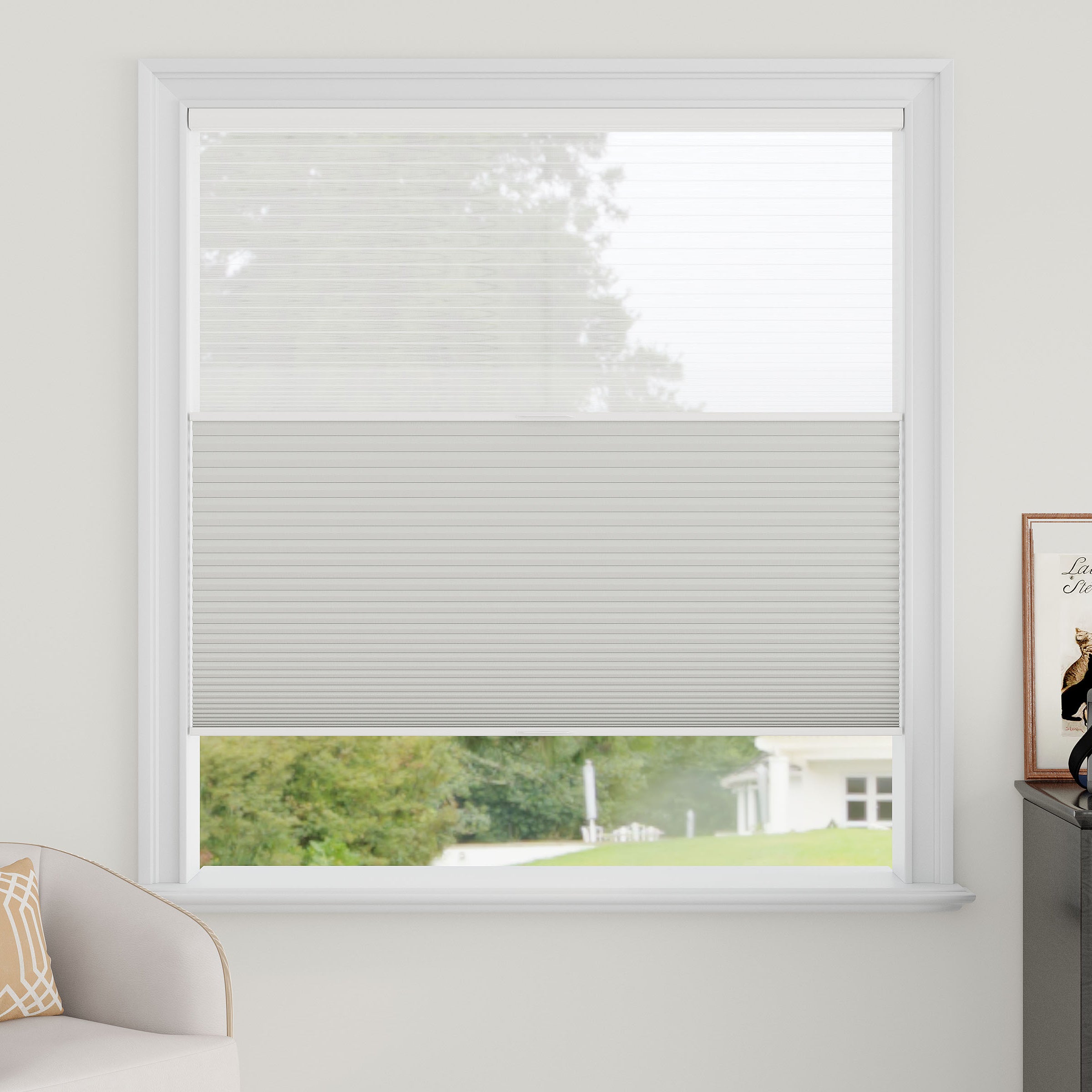
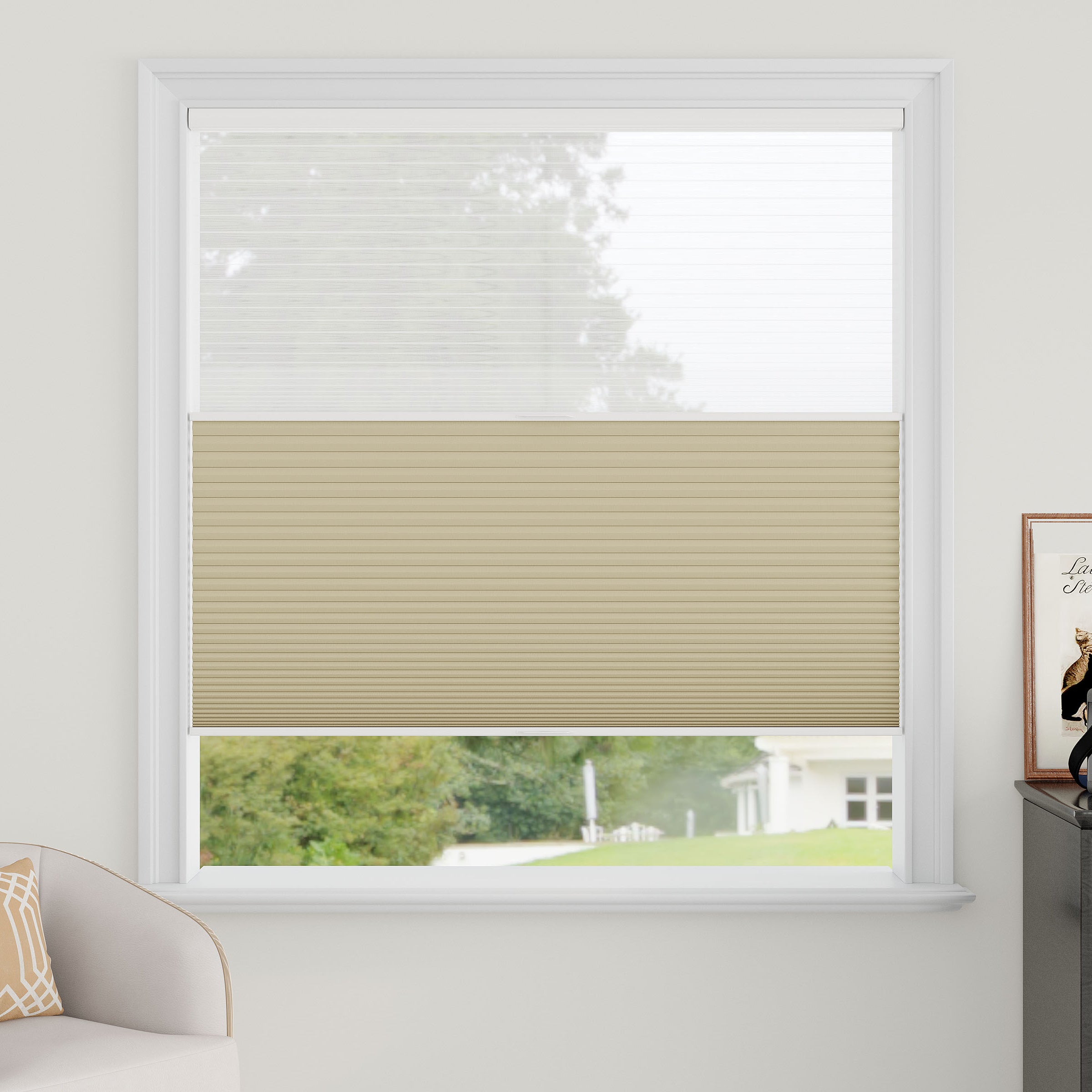
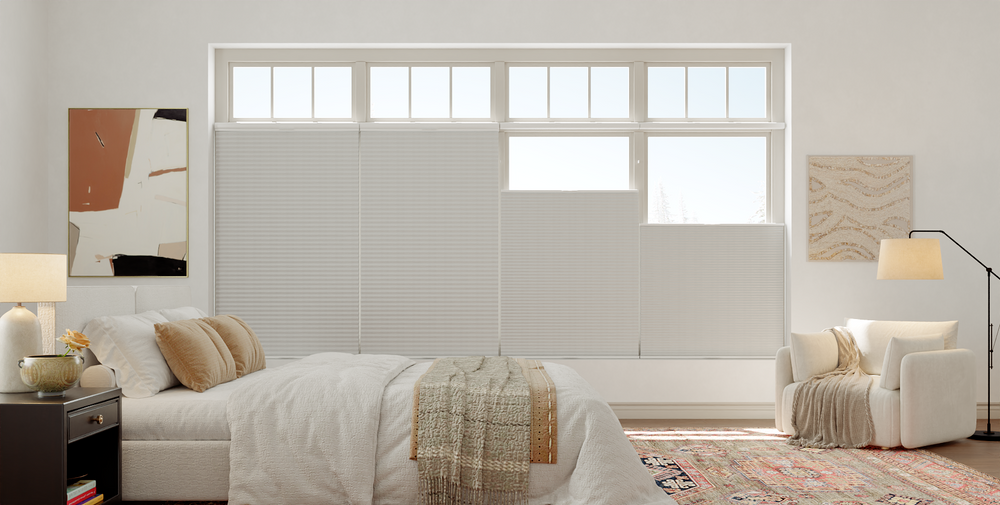
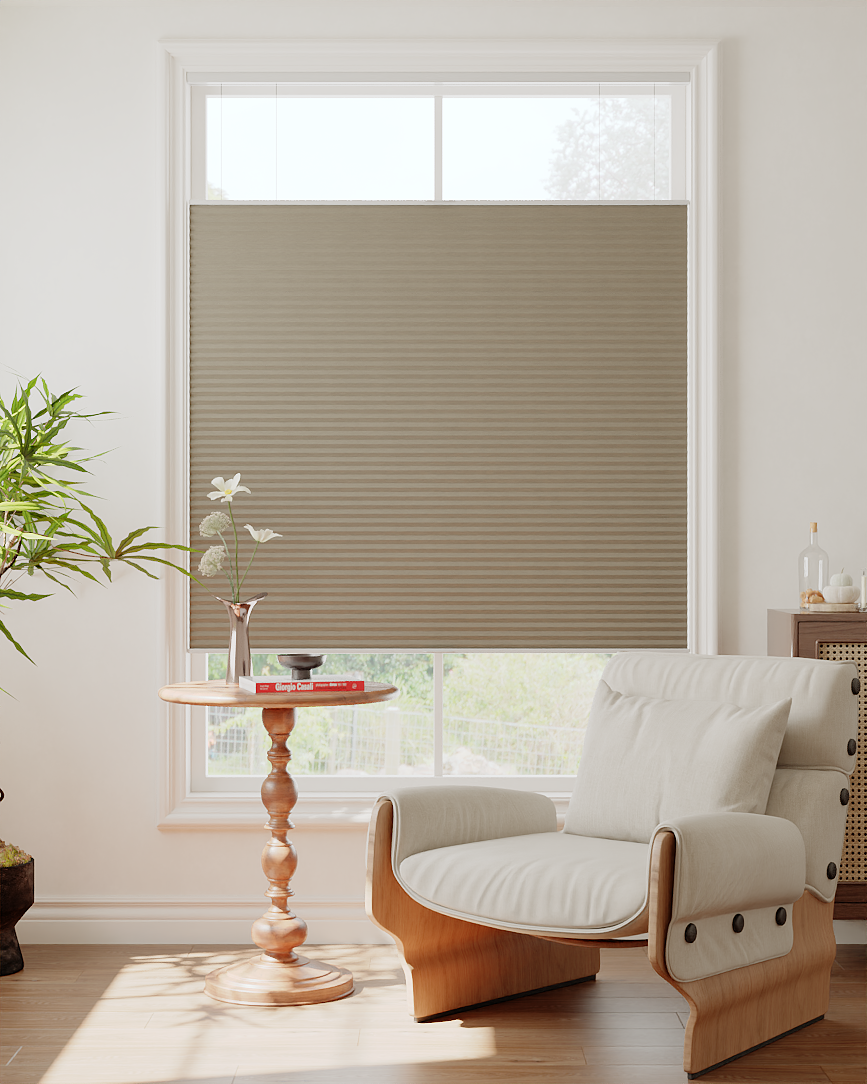
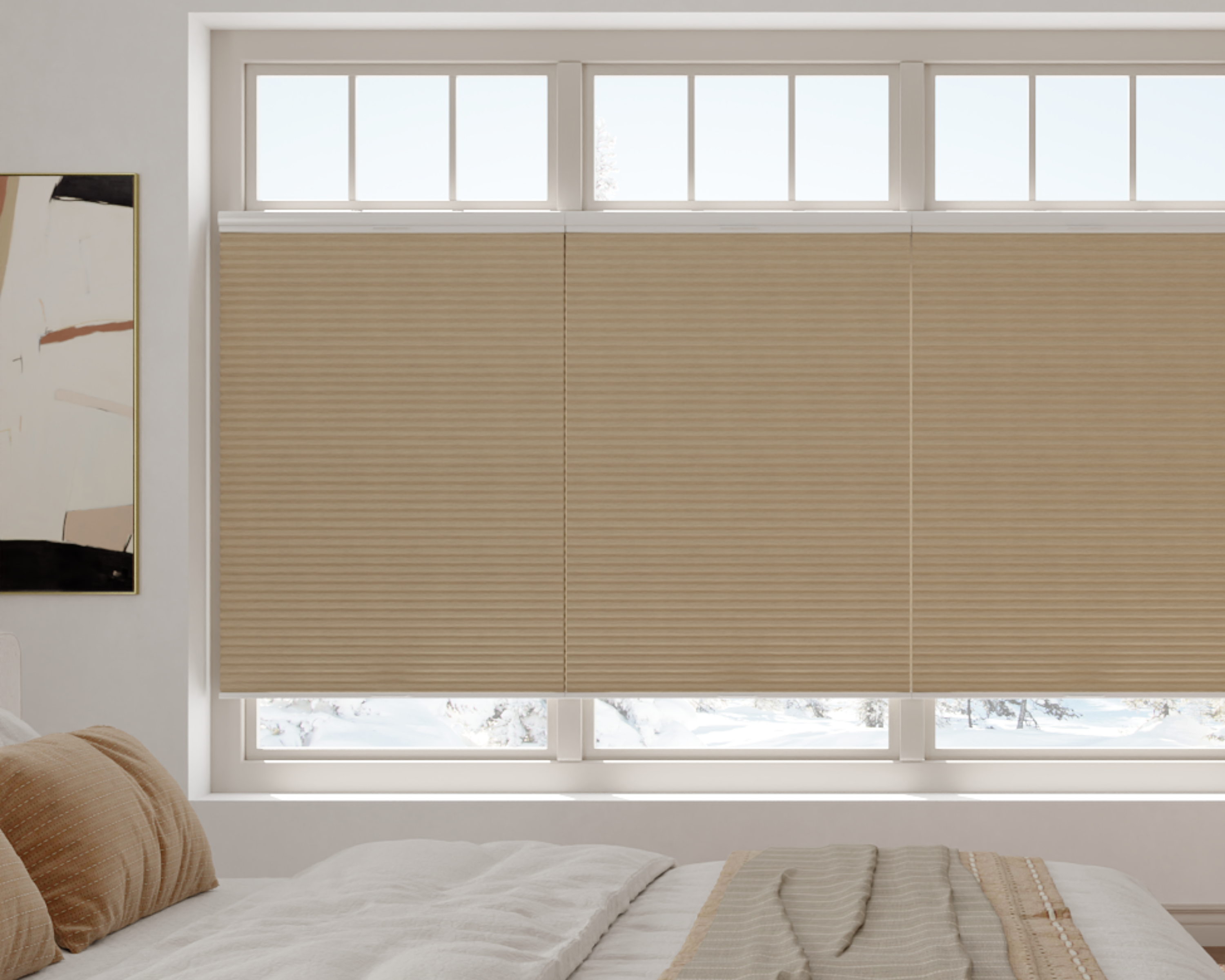
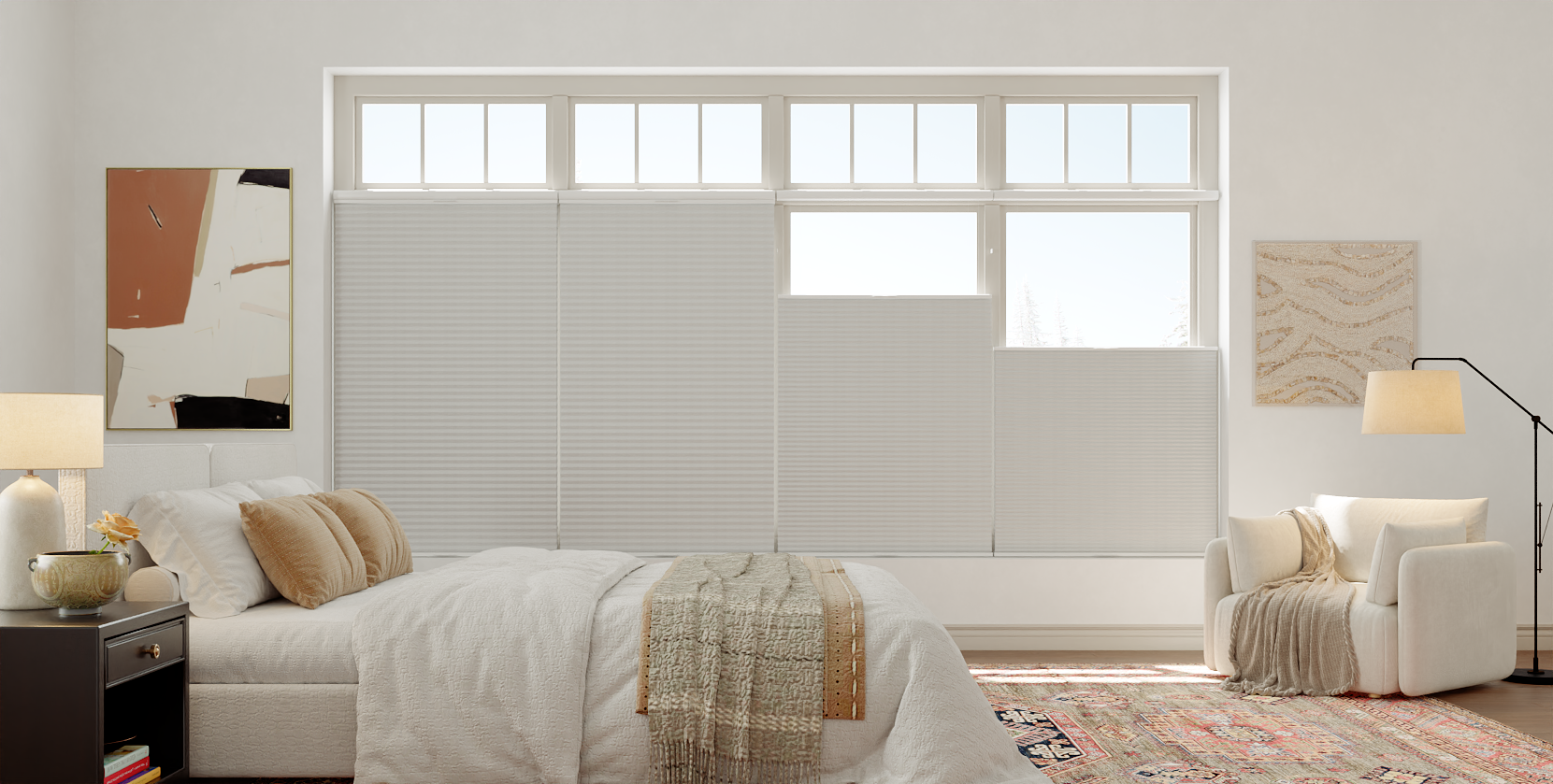
- Light-filtering top-down/bottom-up cellular shades: Two movable rails let you position the covered portion of the window while the selected light-filtering fabric softens daylight.
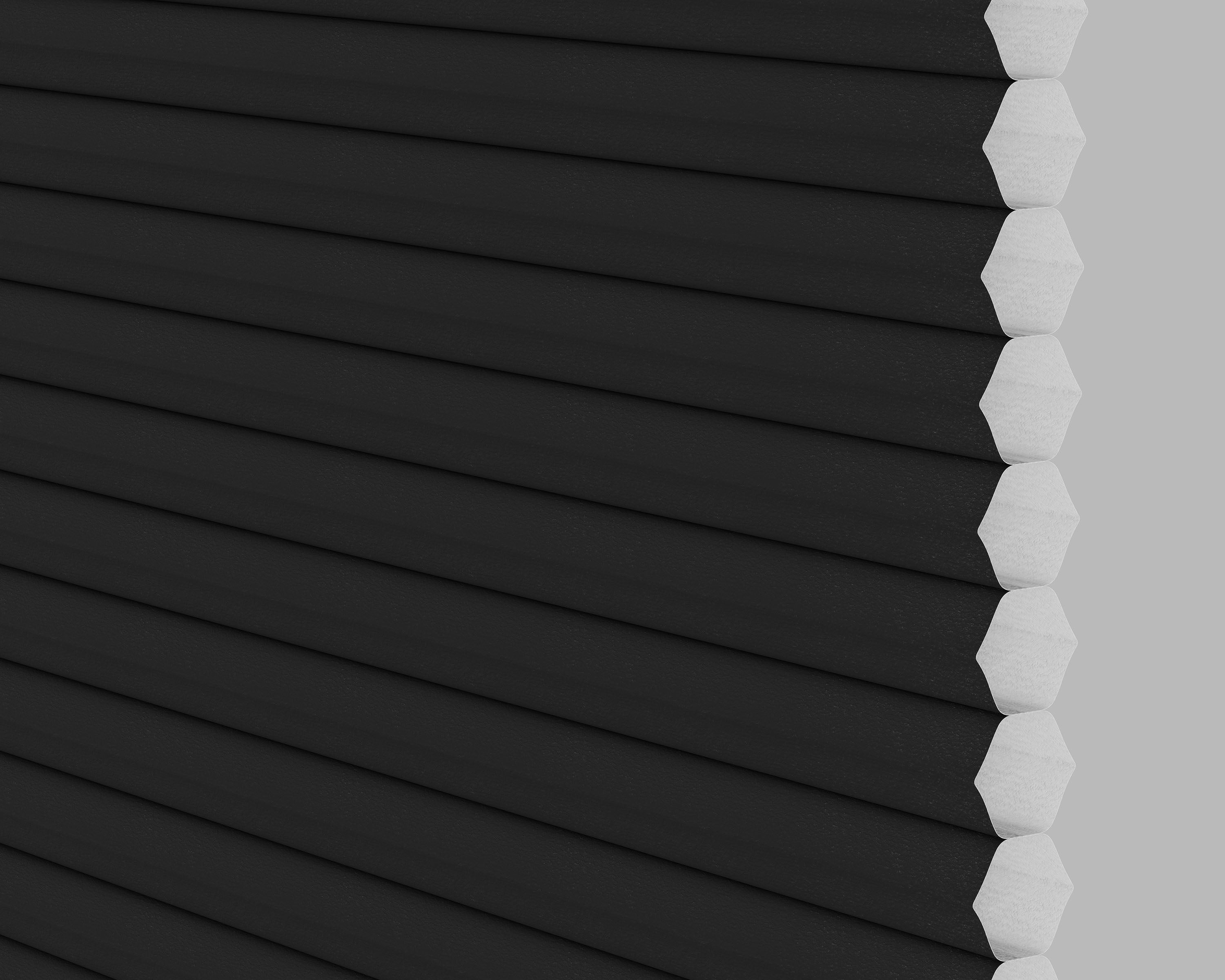
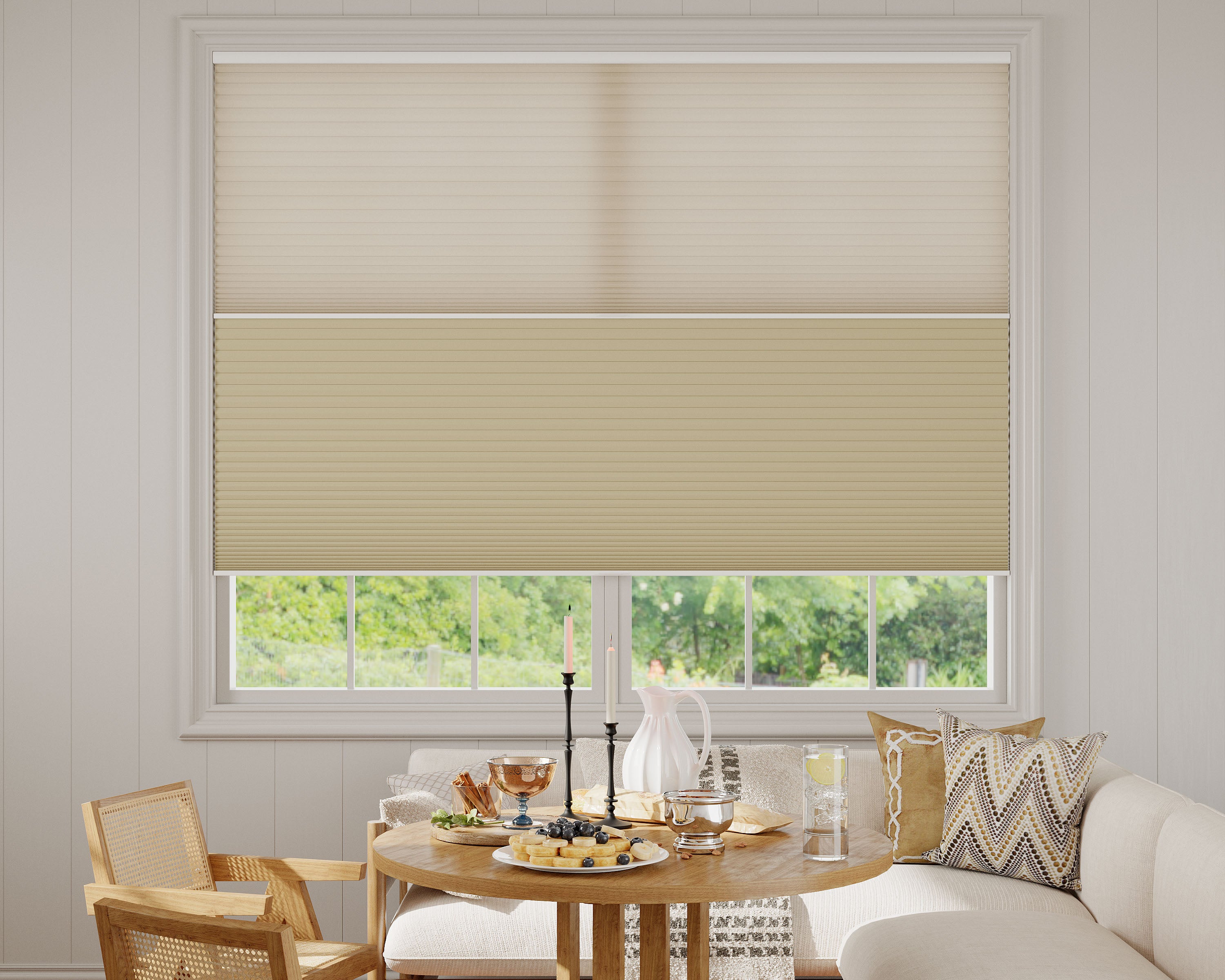
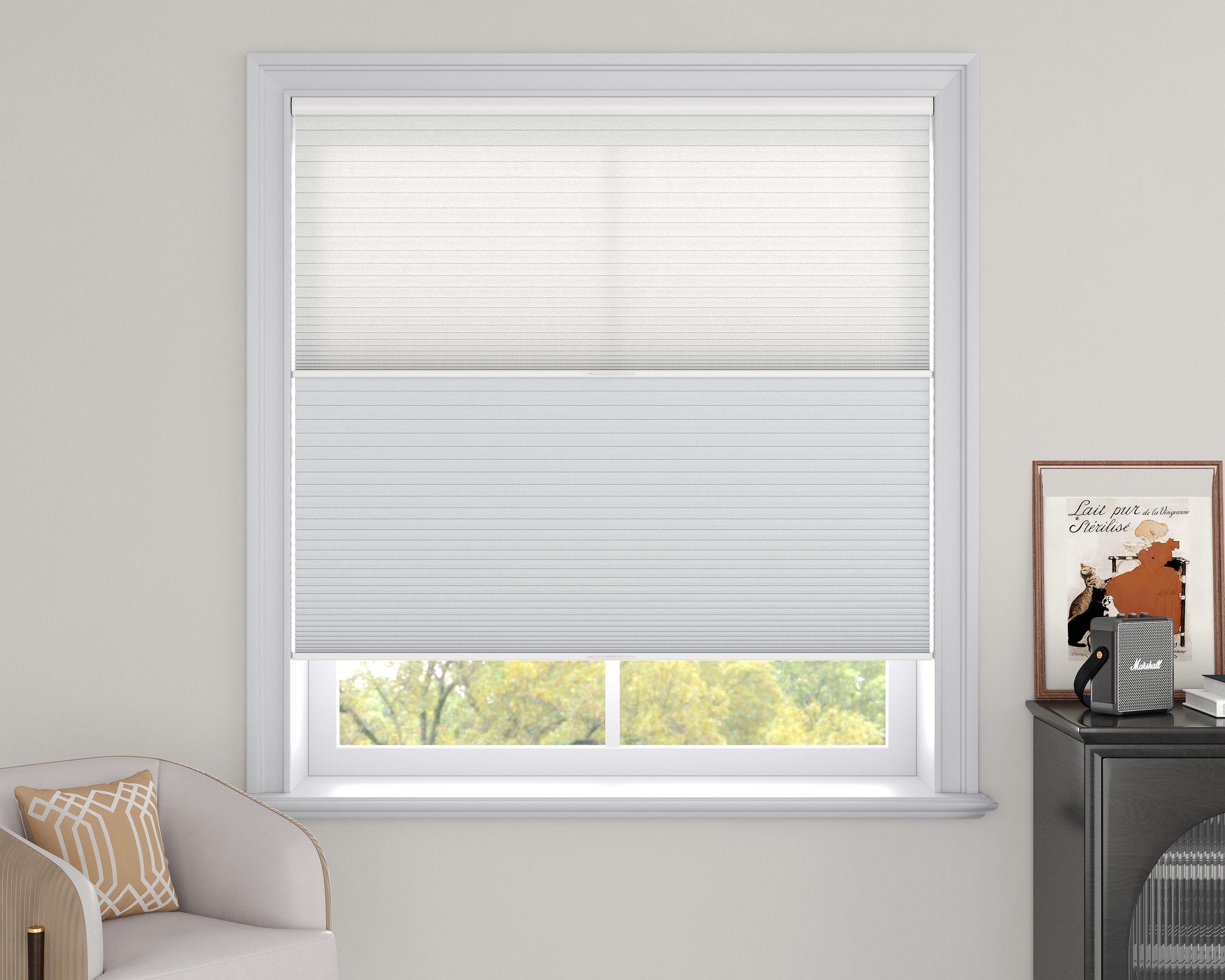
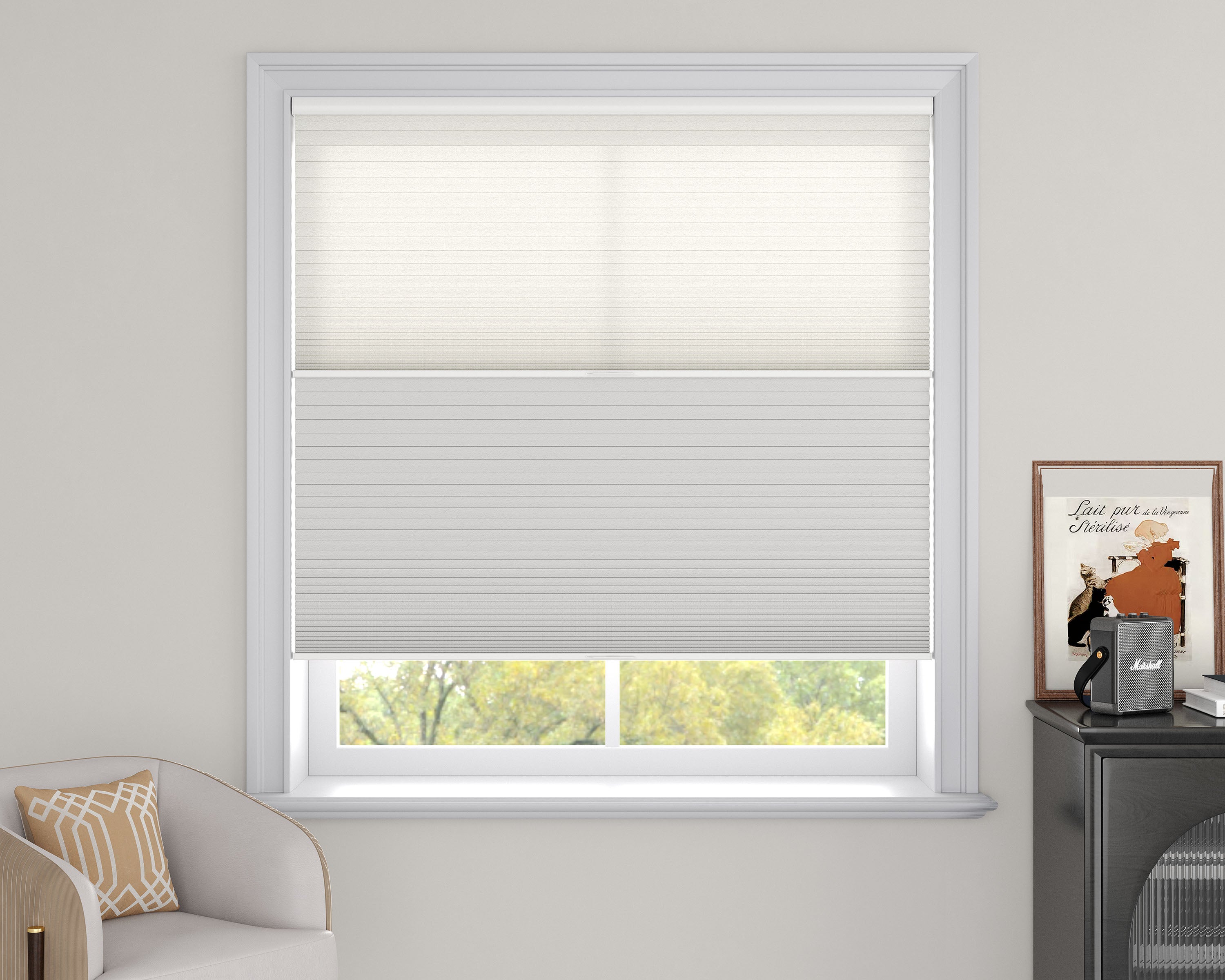
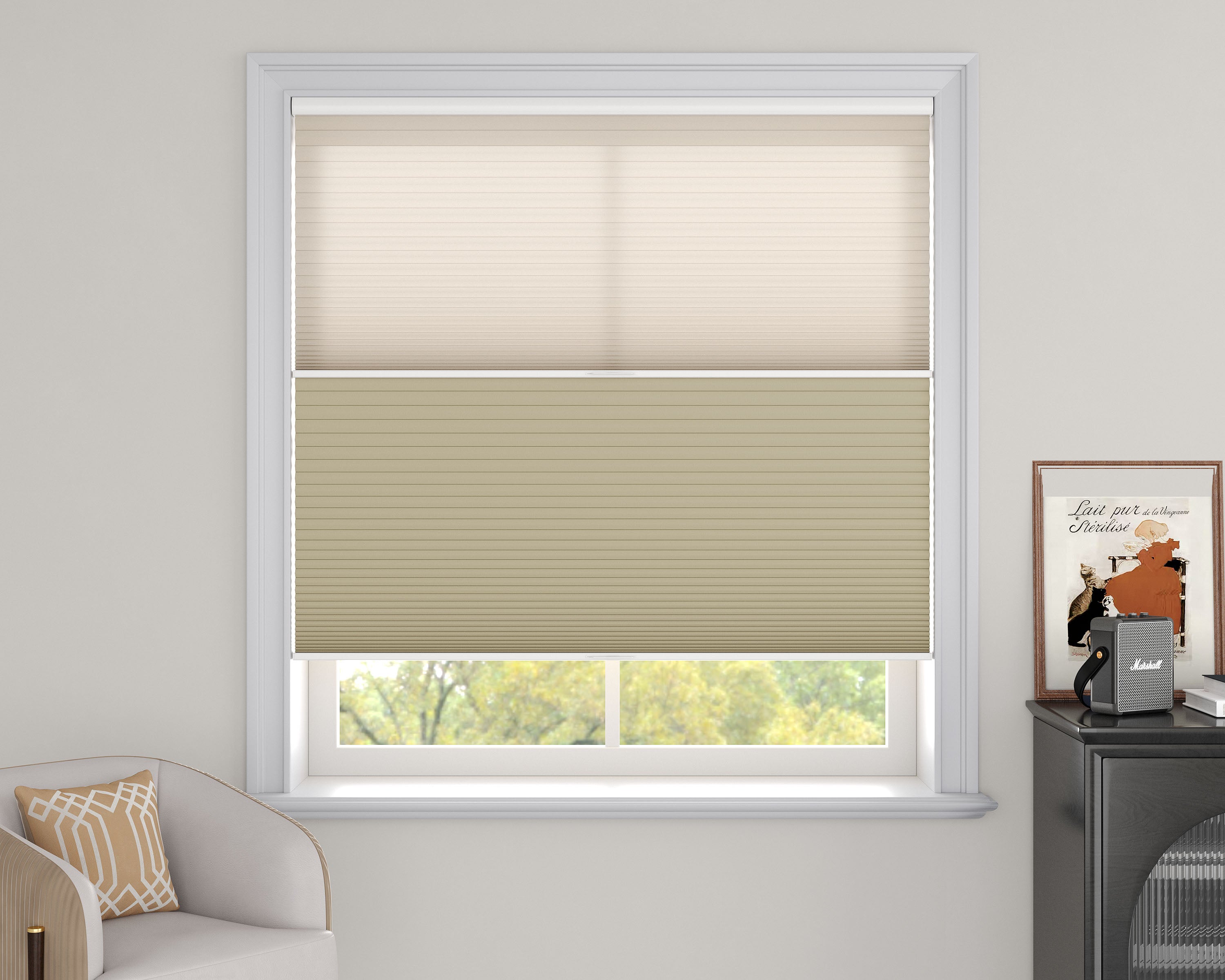
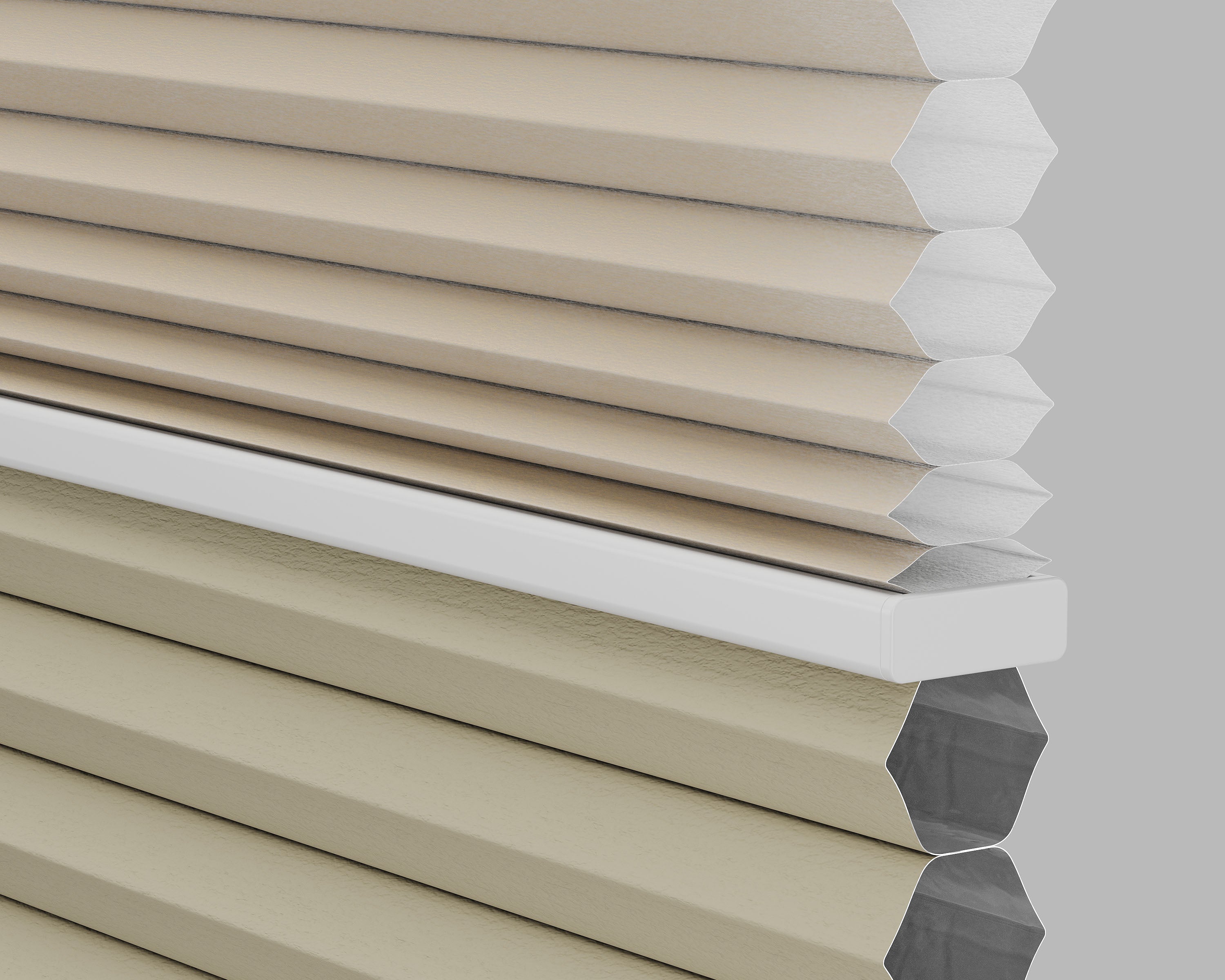
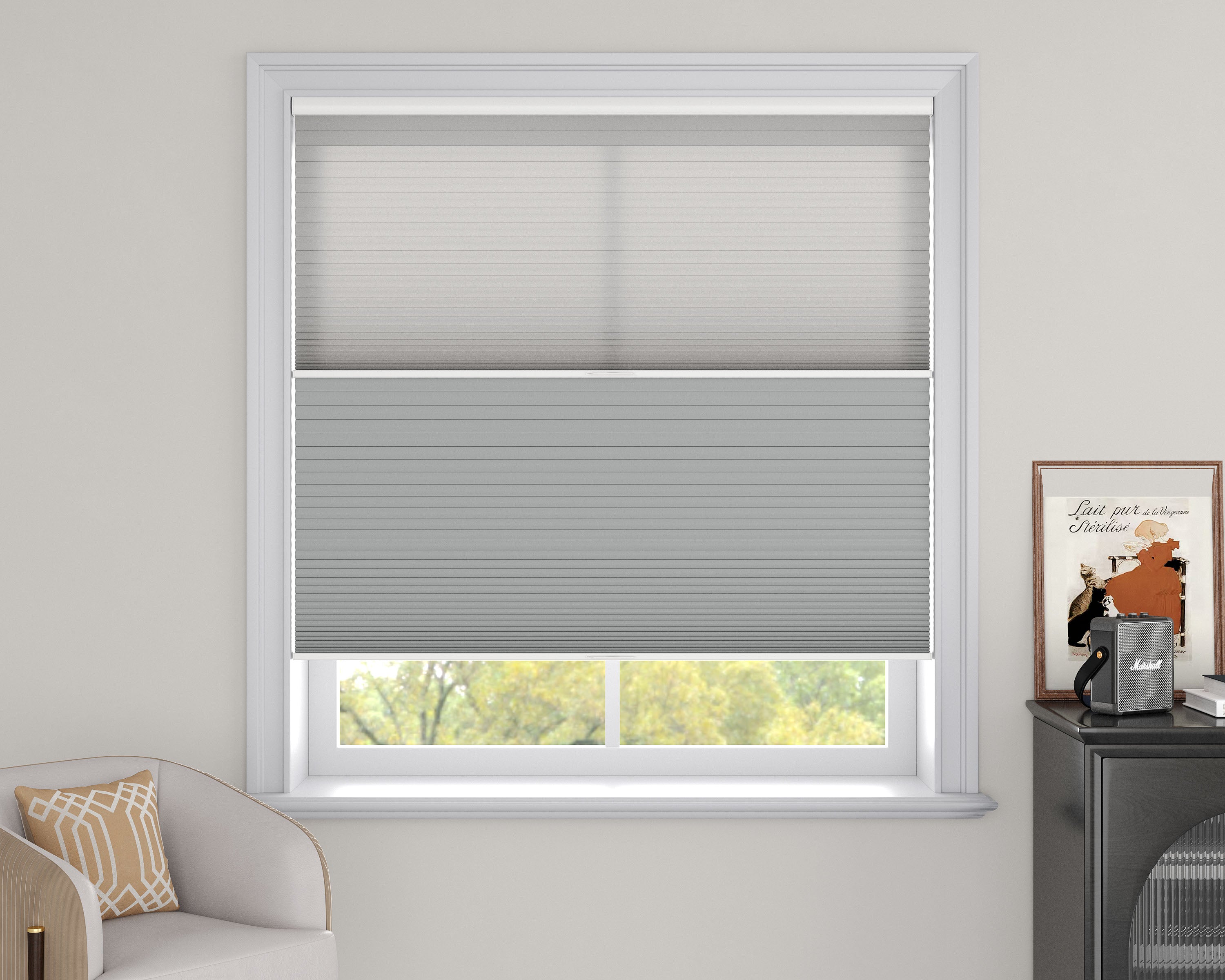
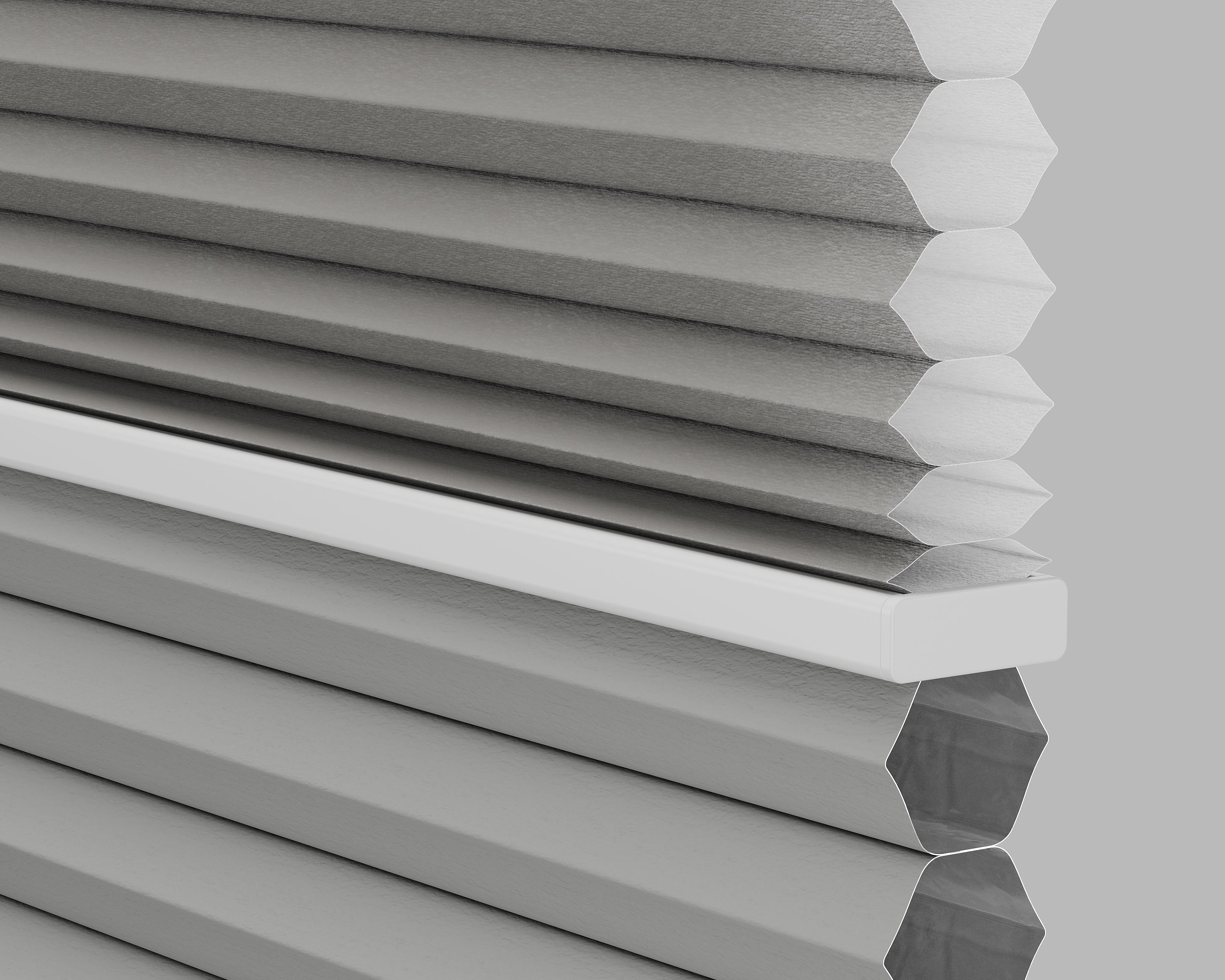
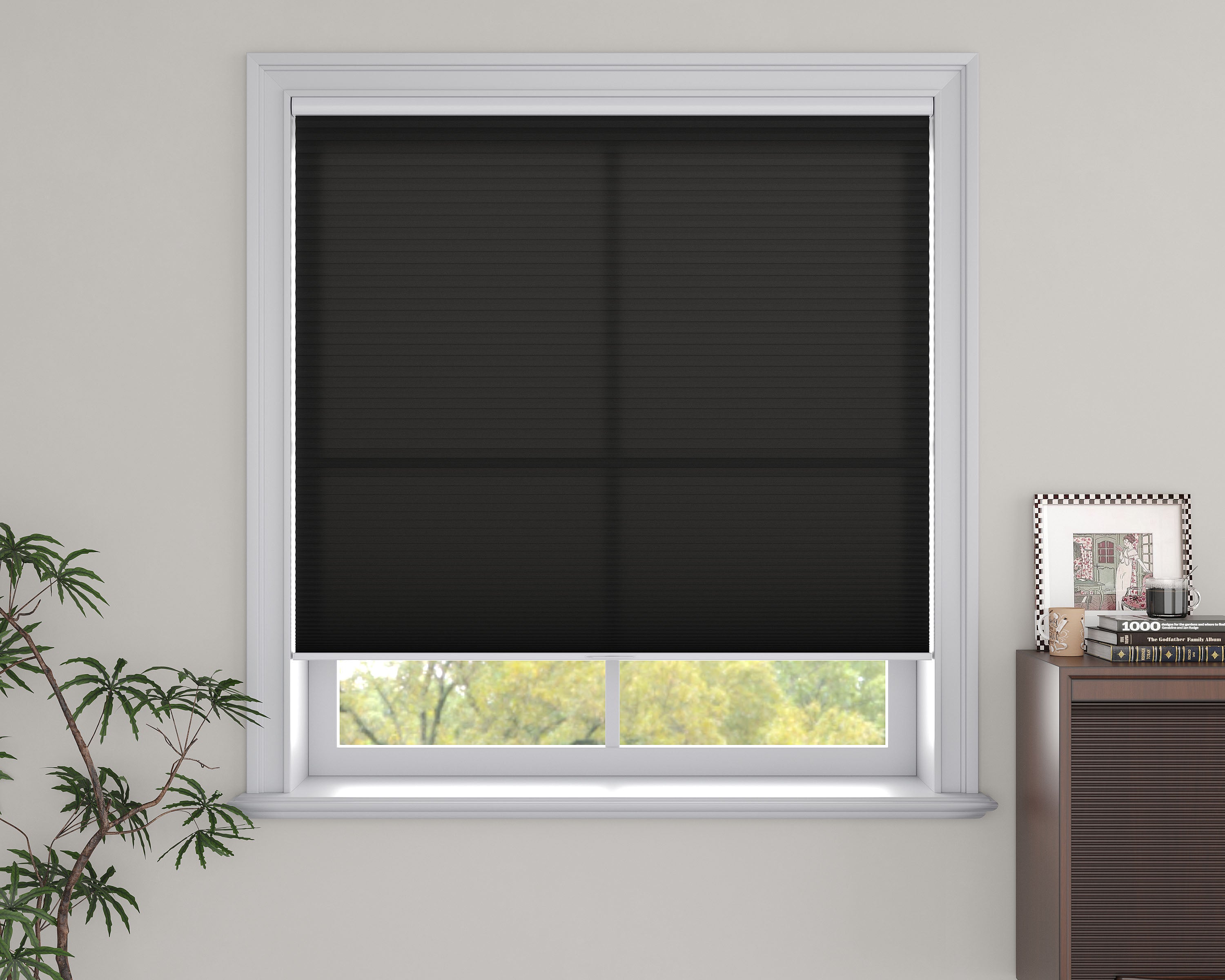
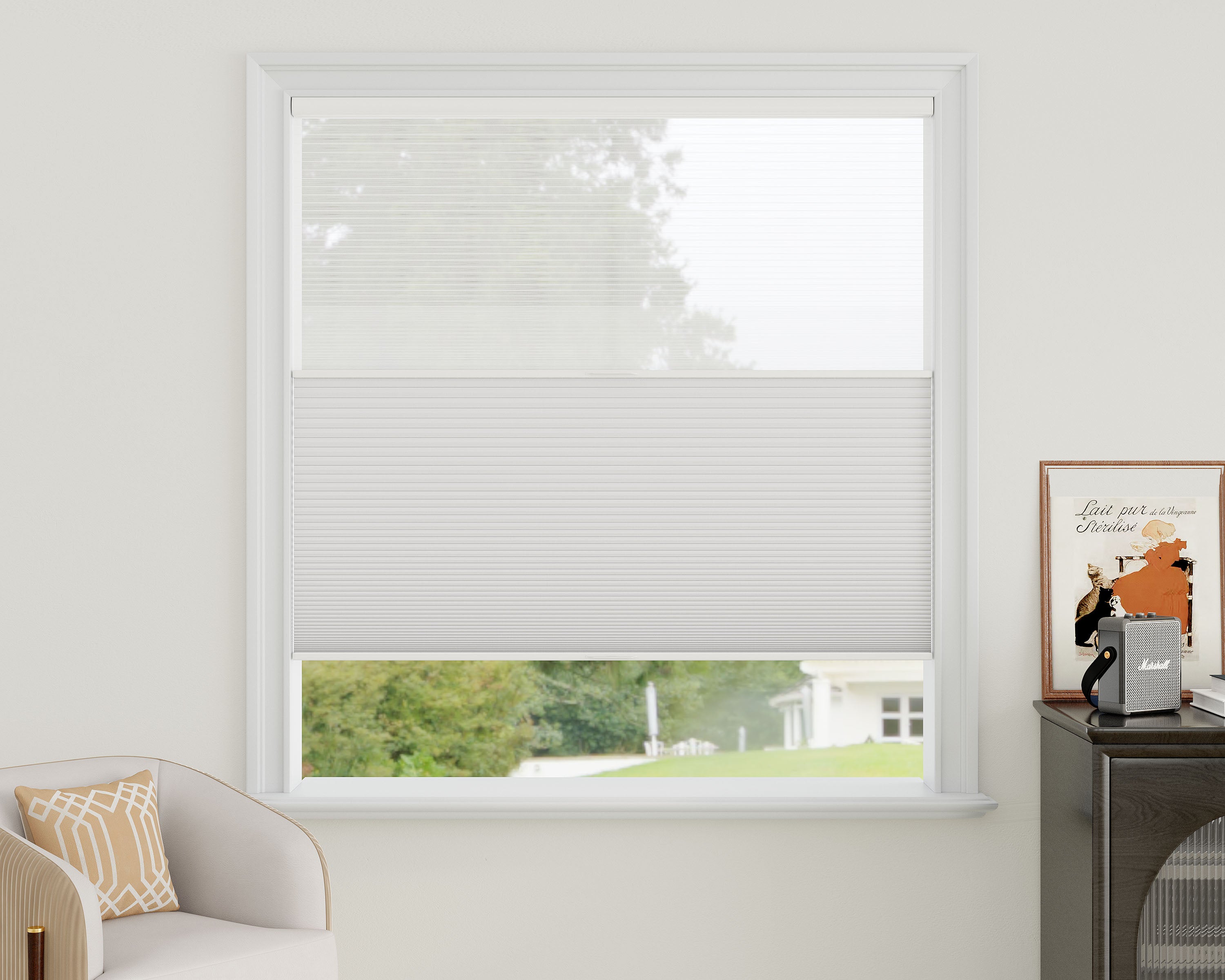
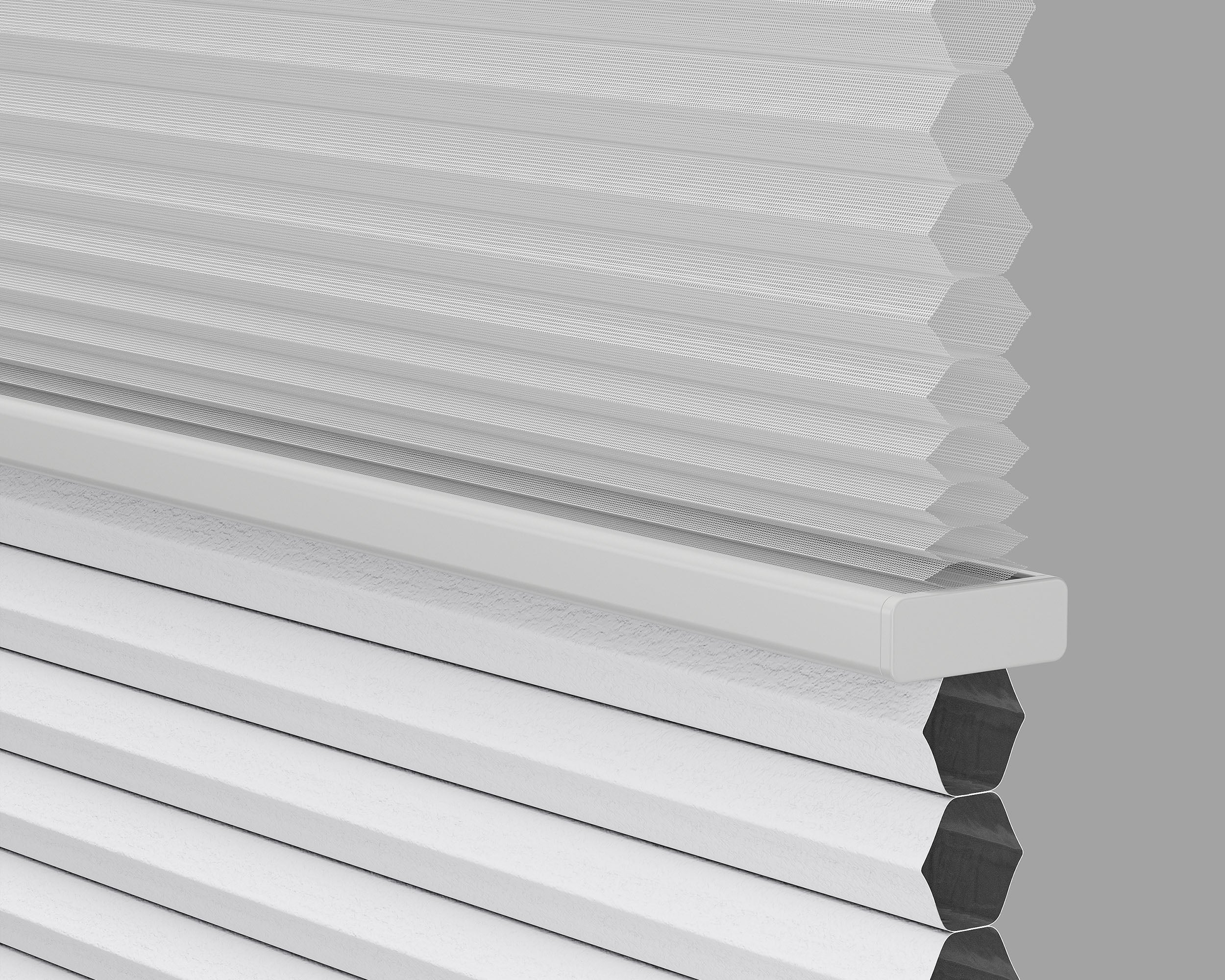
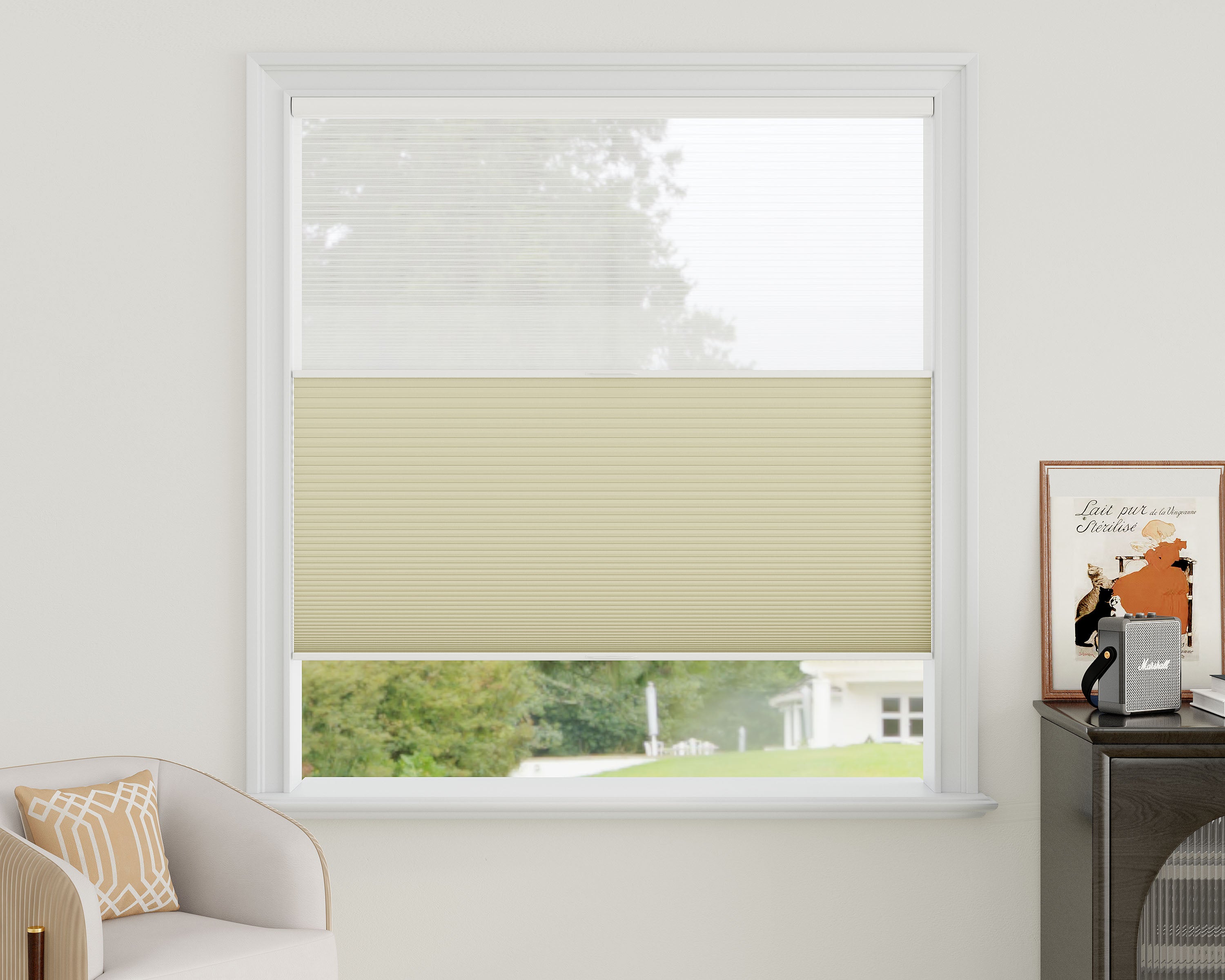
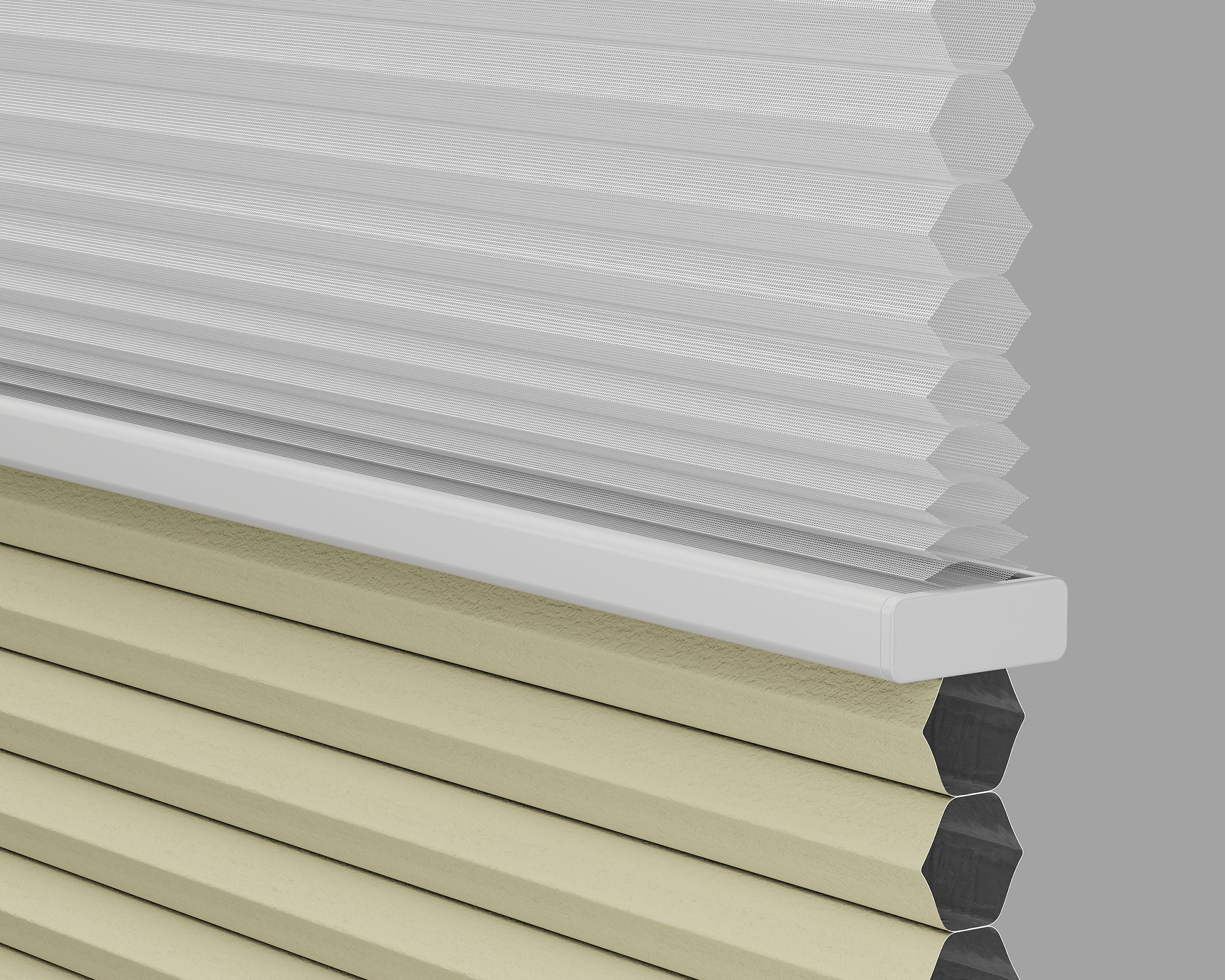
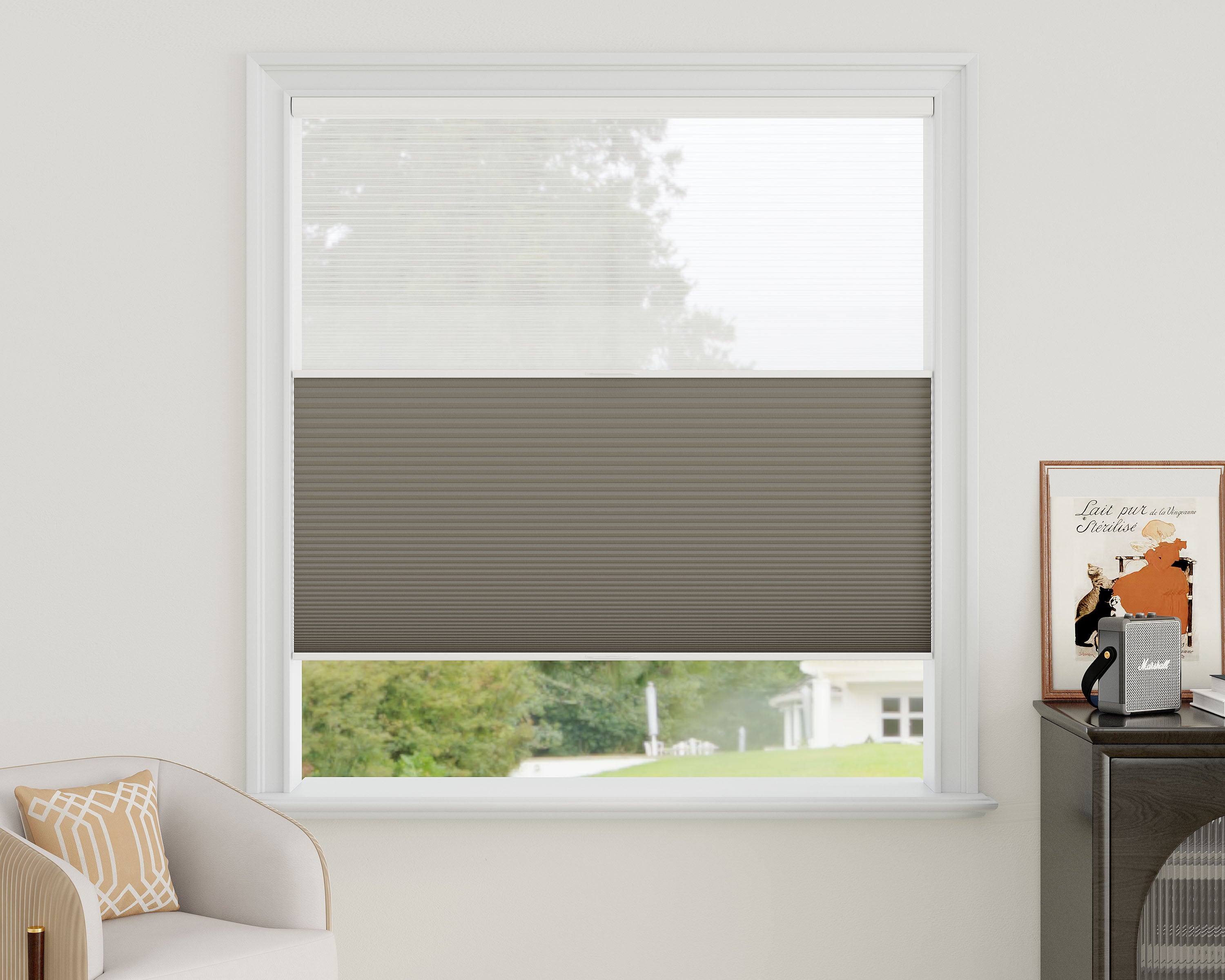
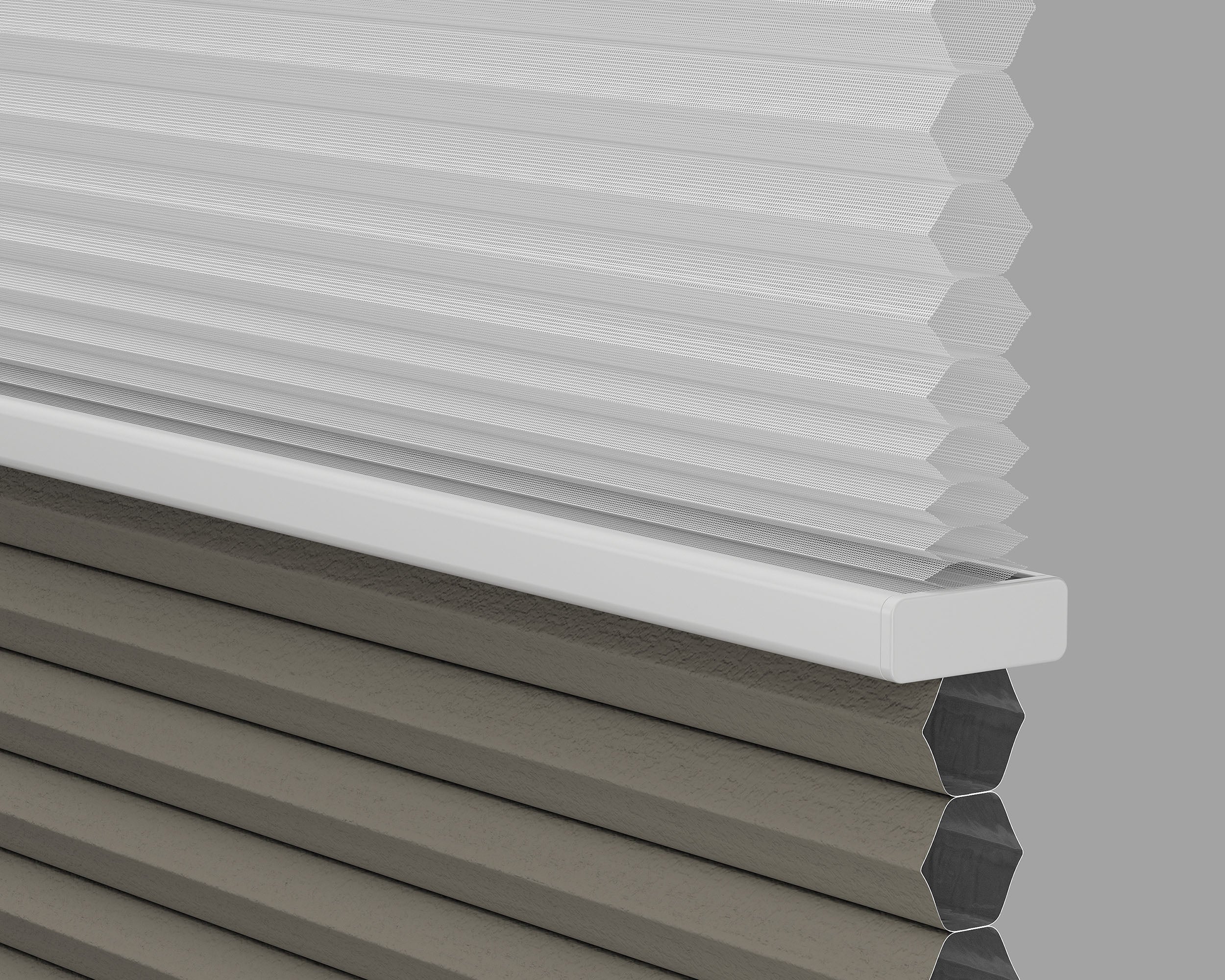
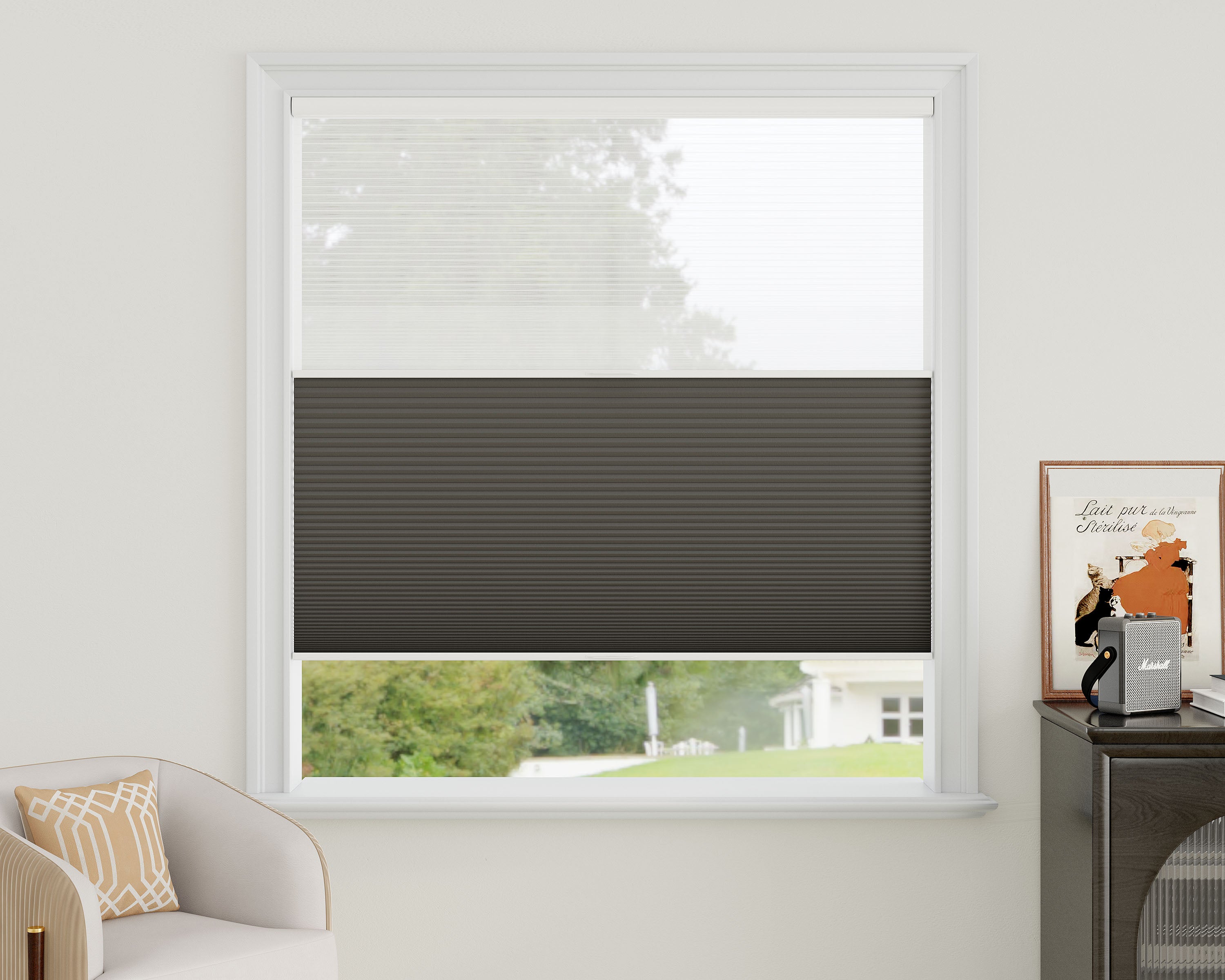
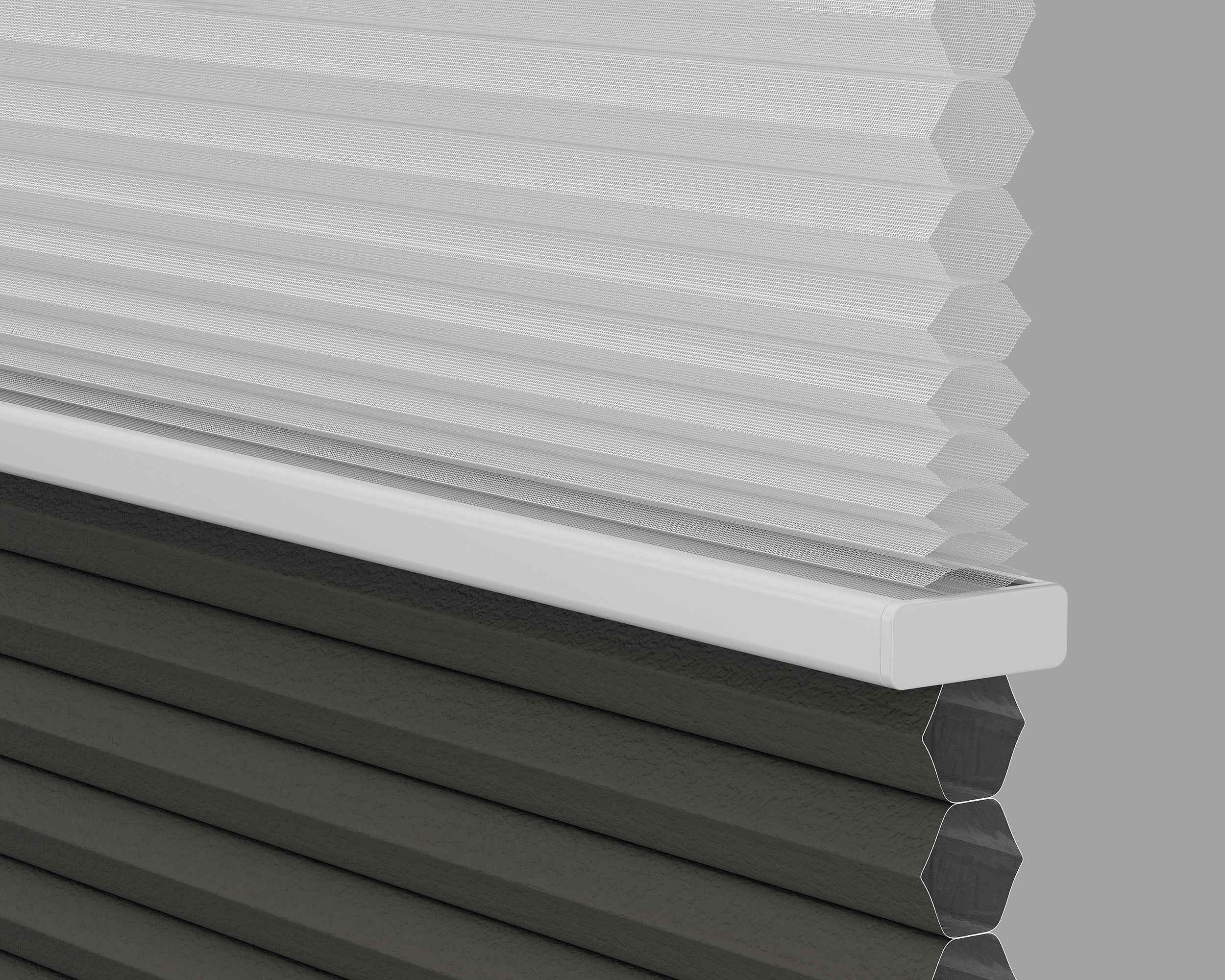
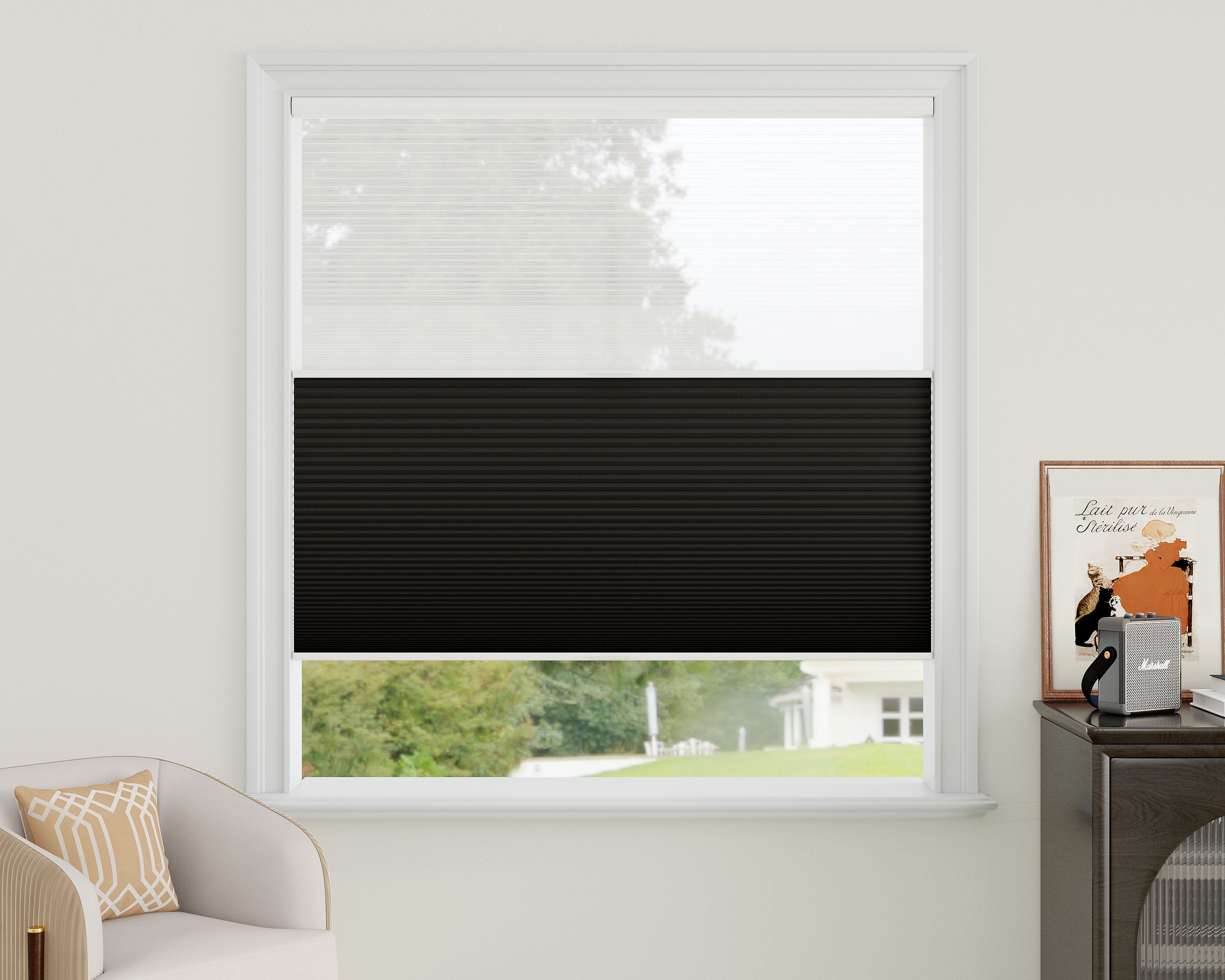
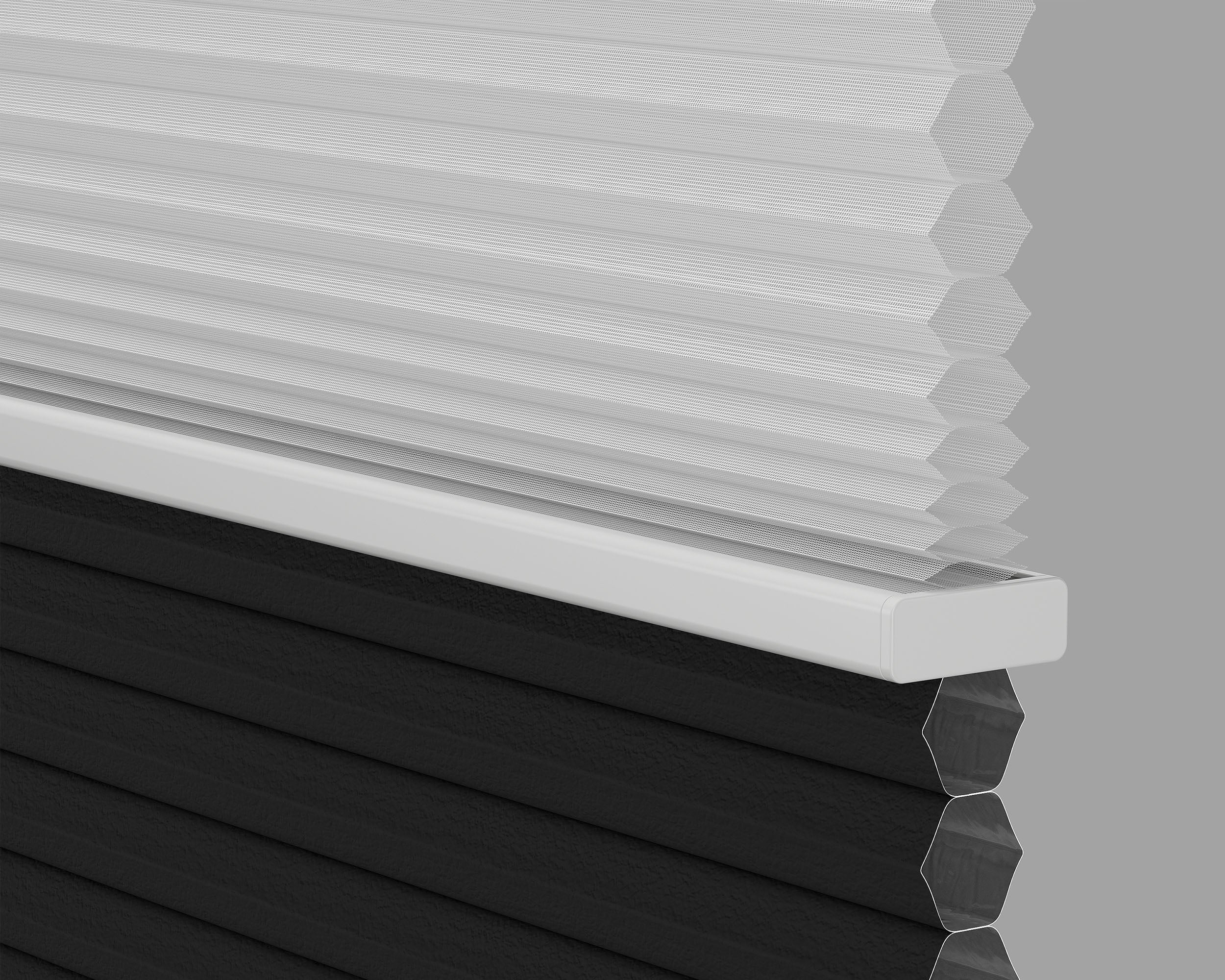
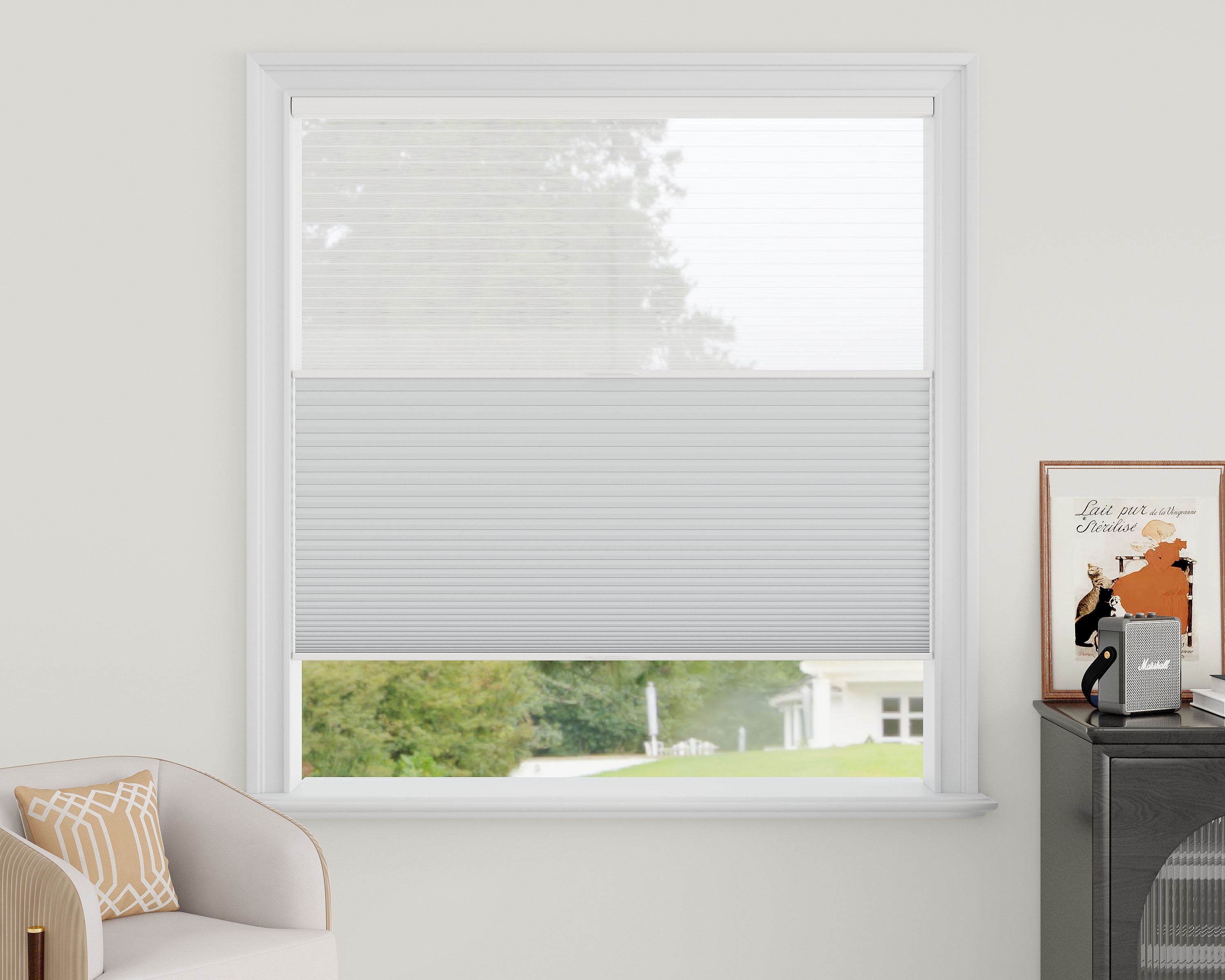
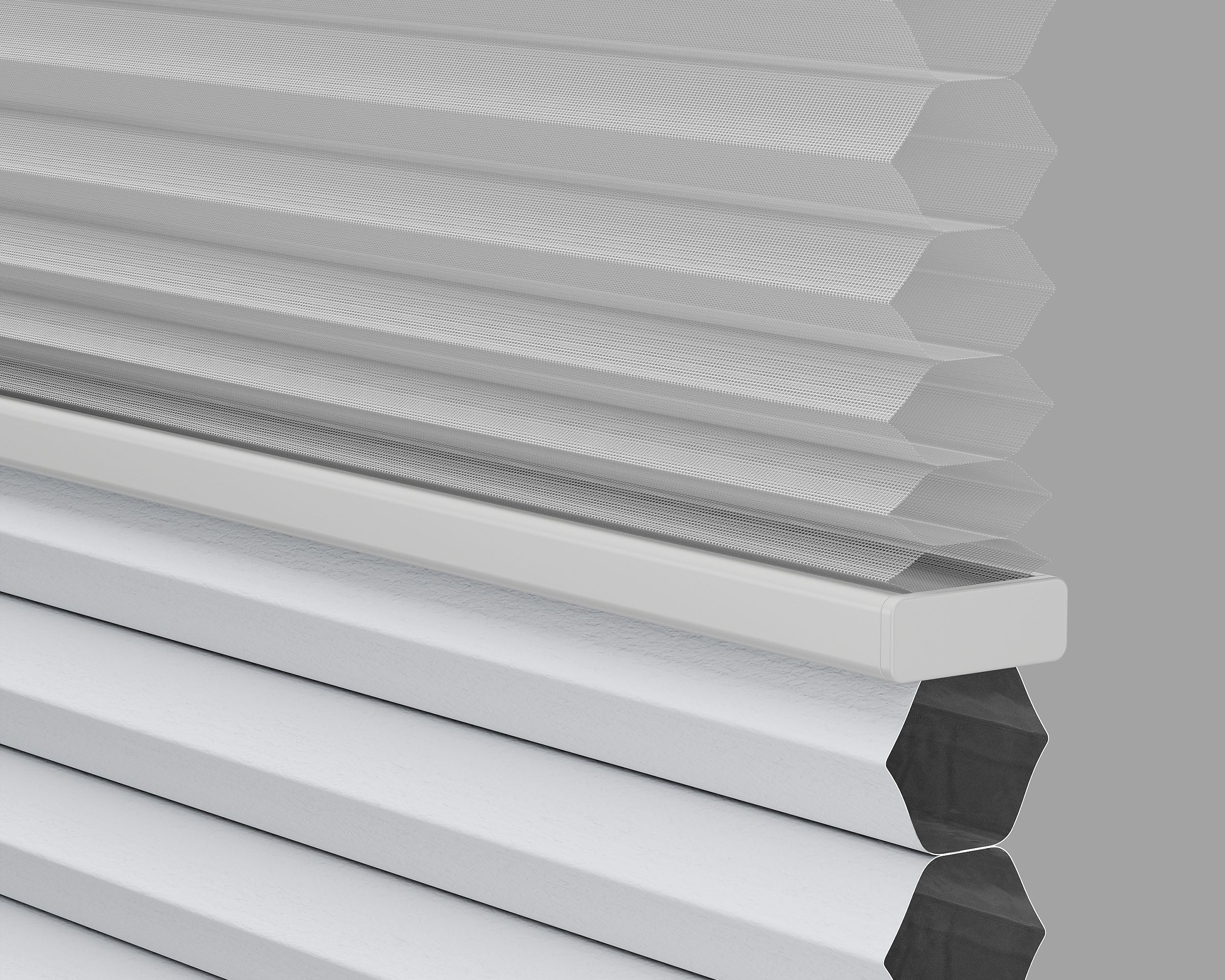
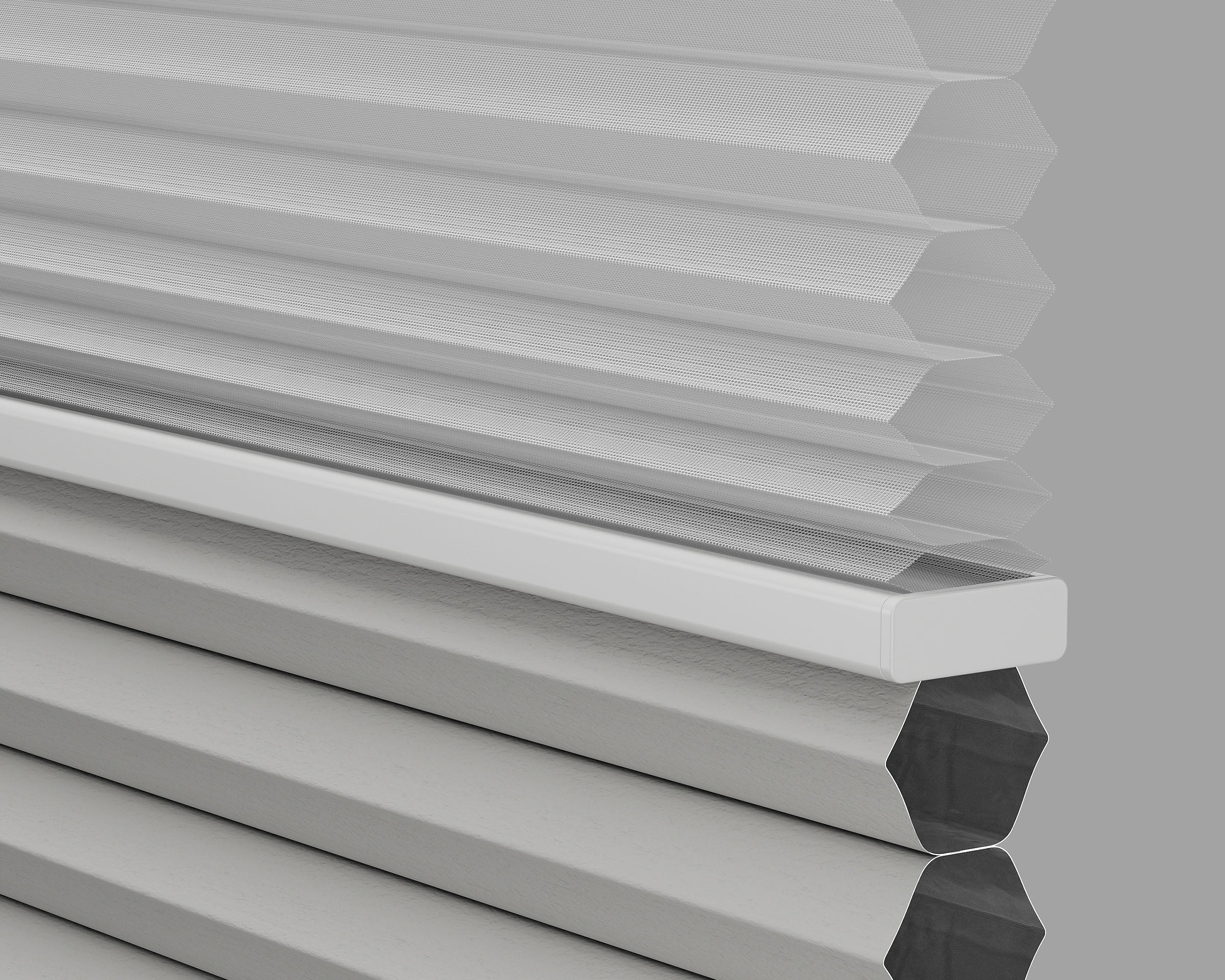
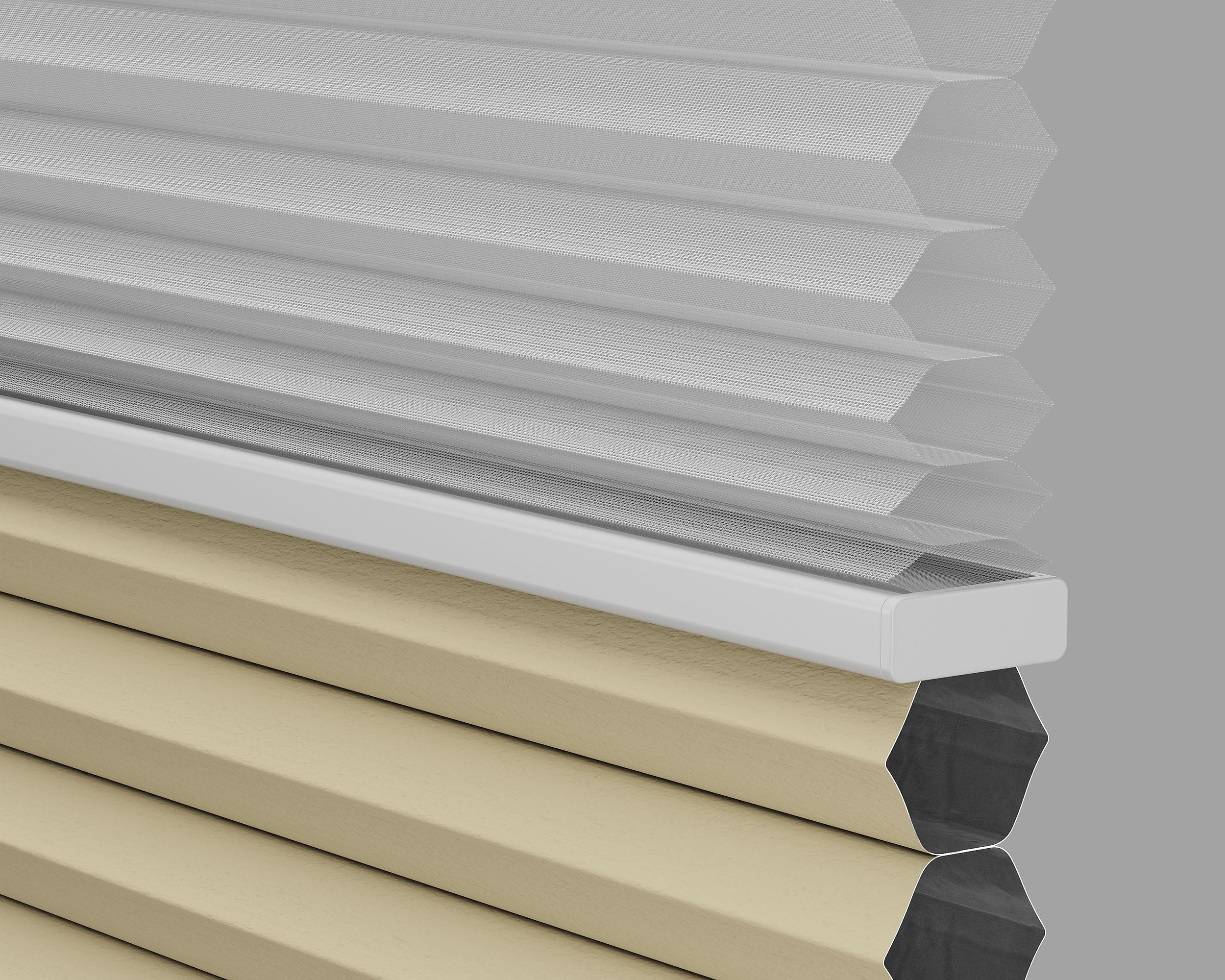
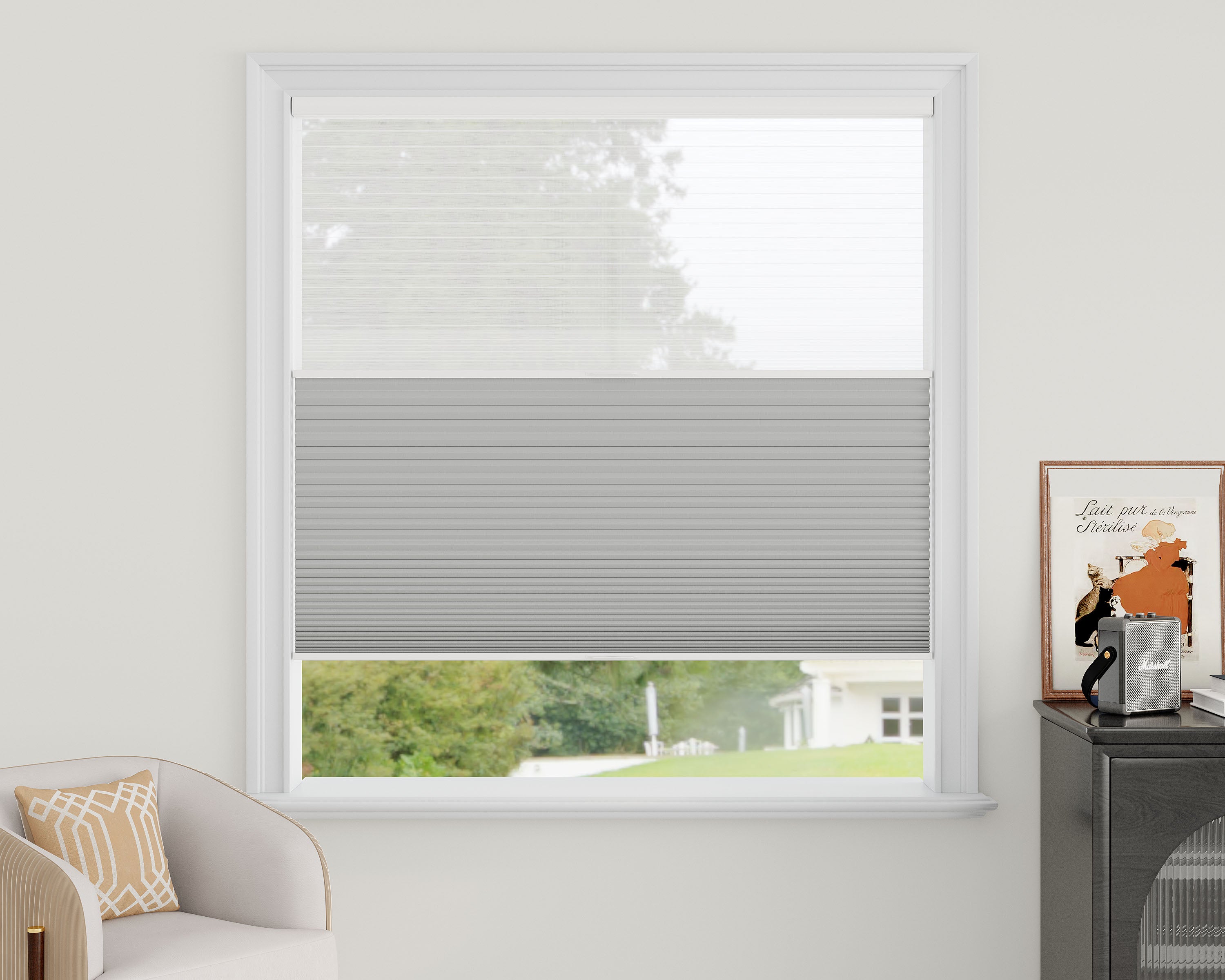
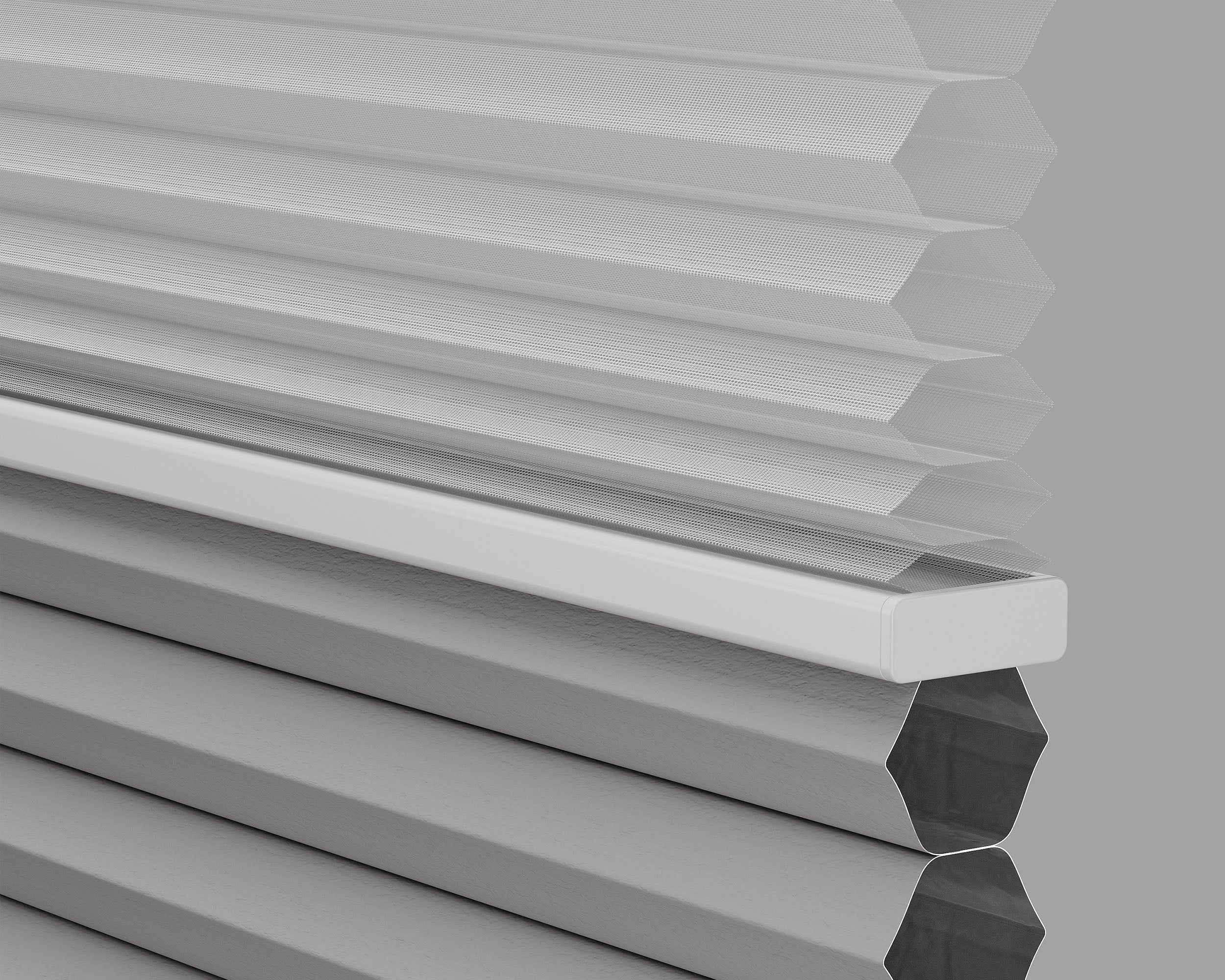
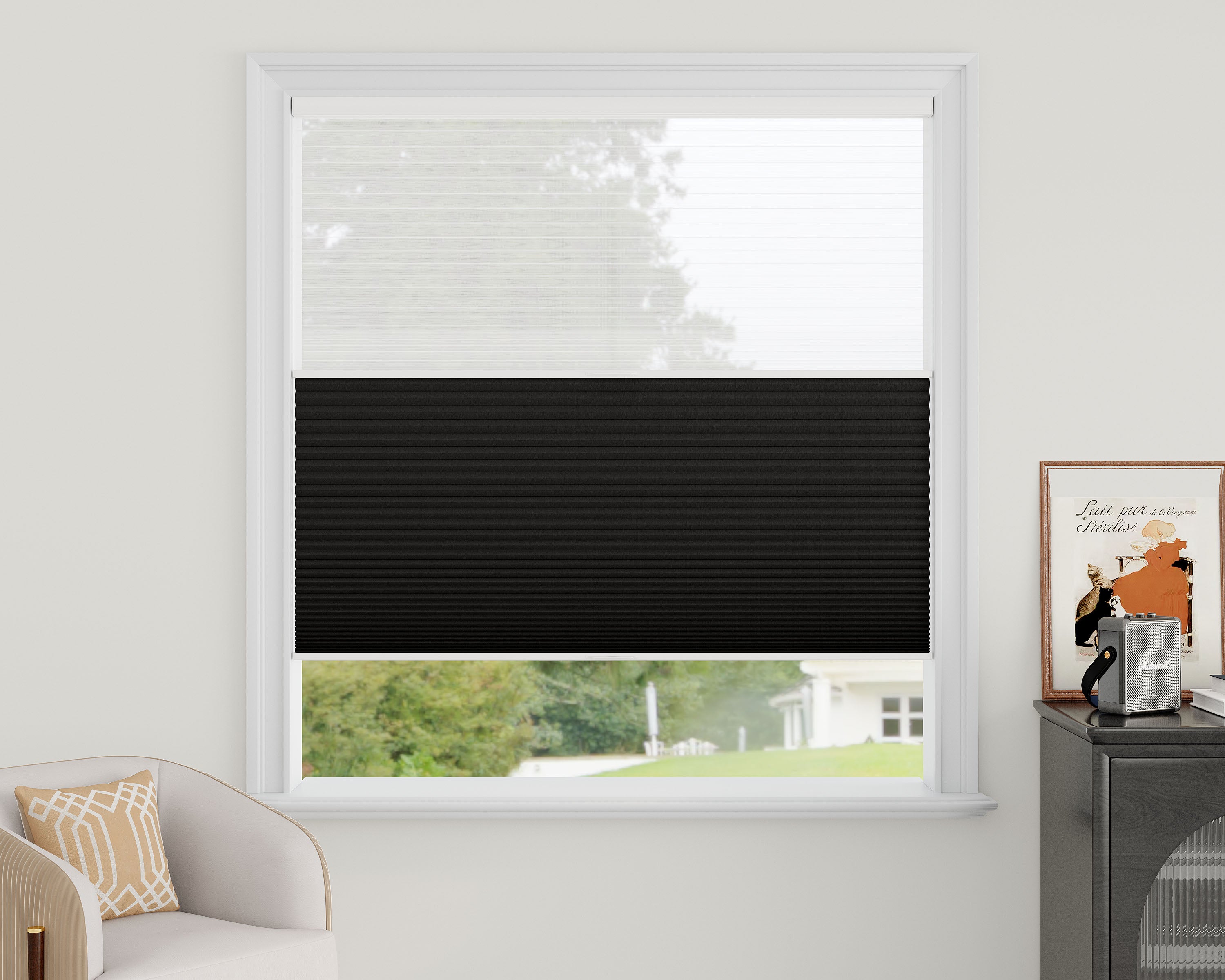
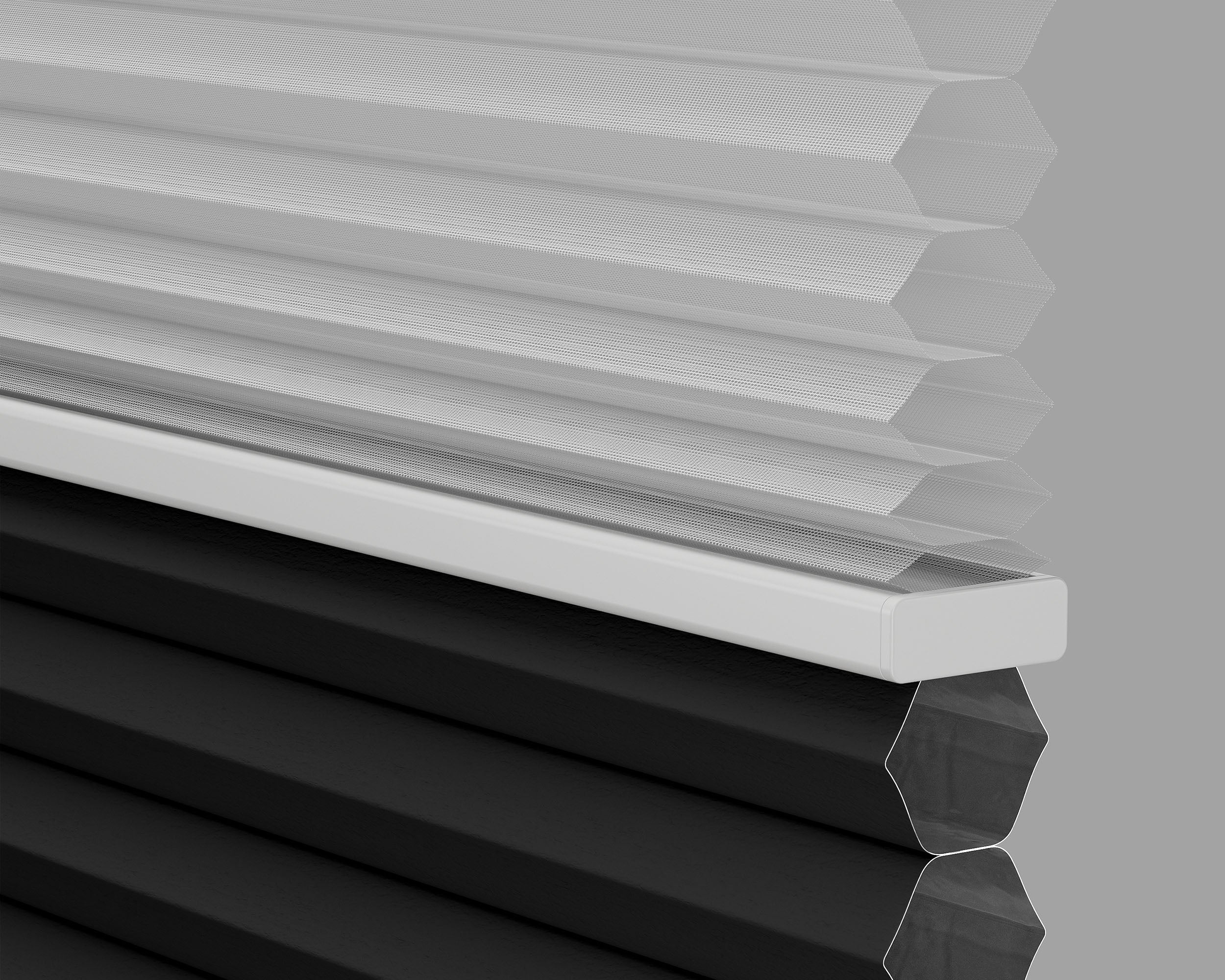
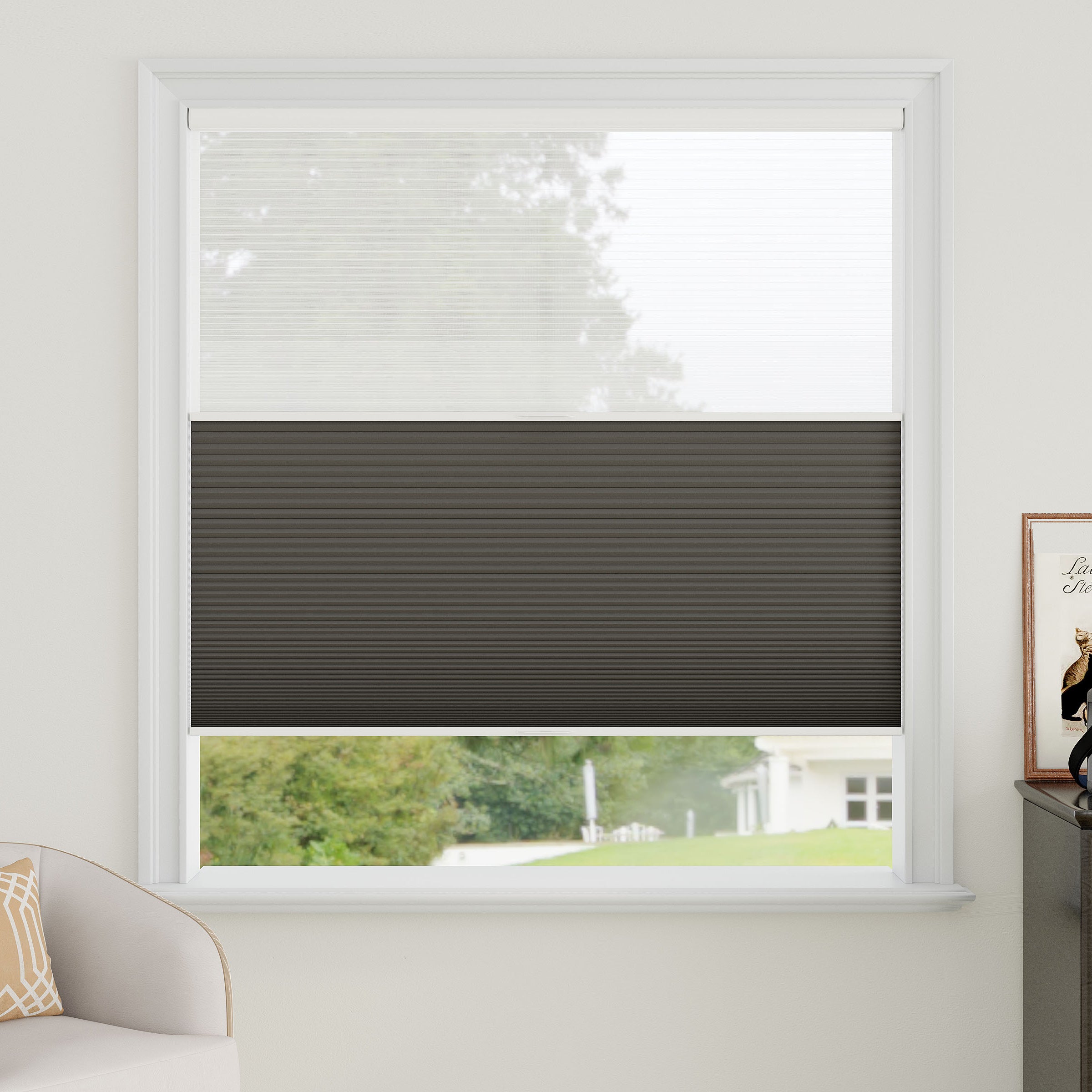
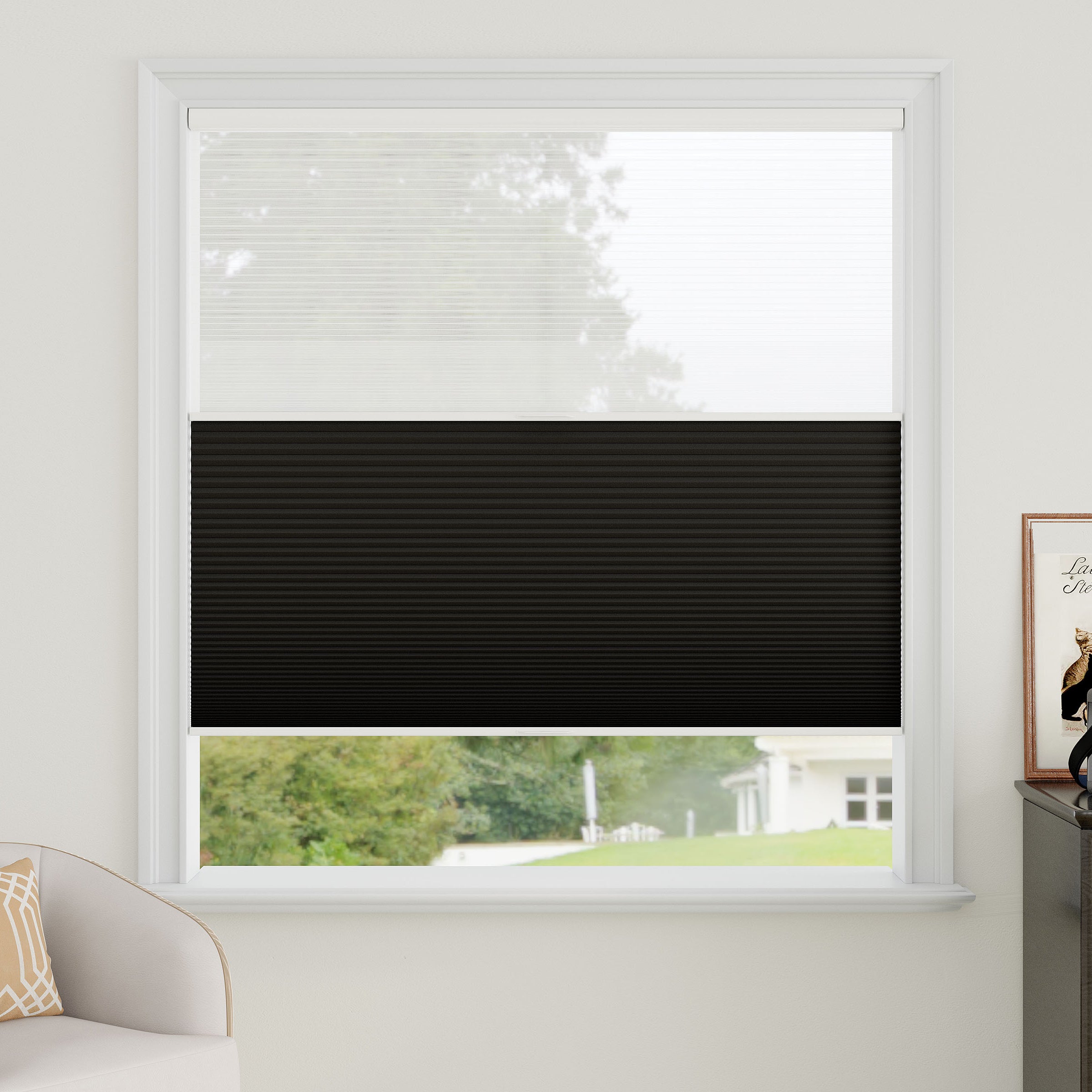
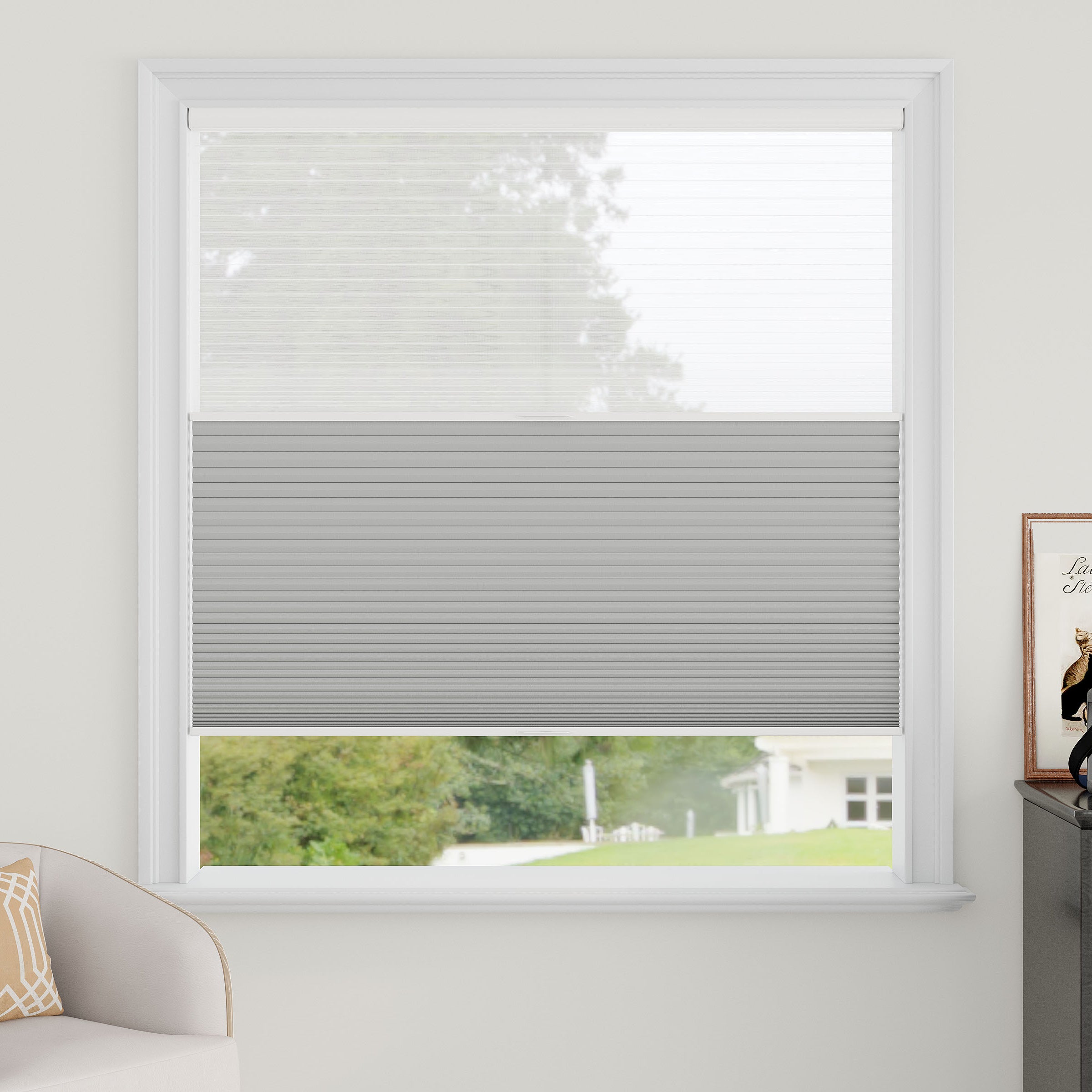
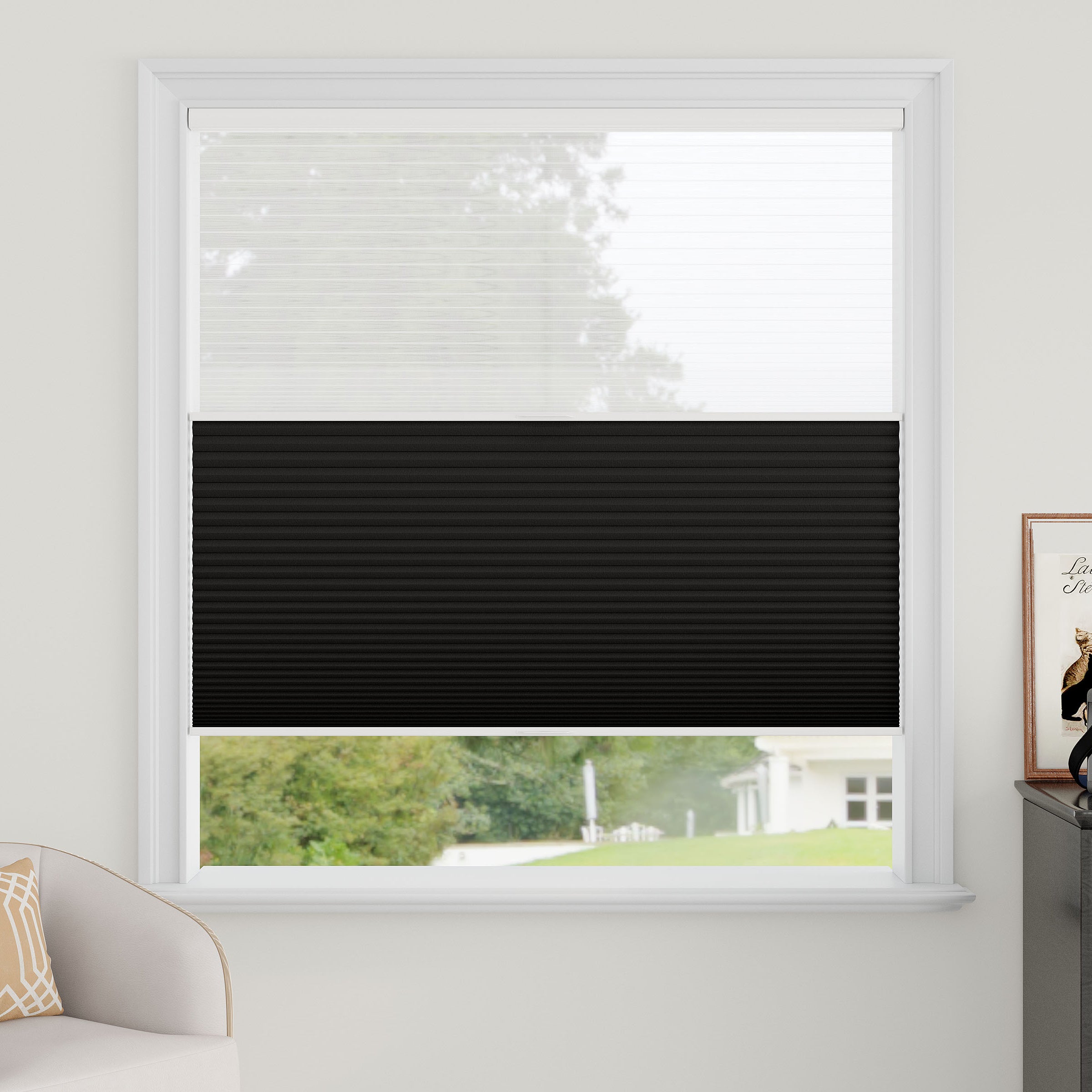
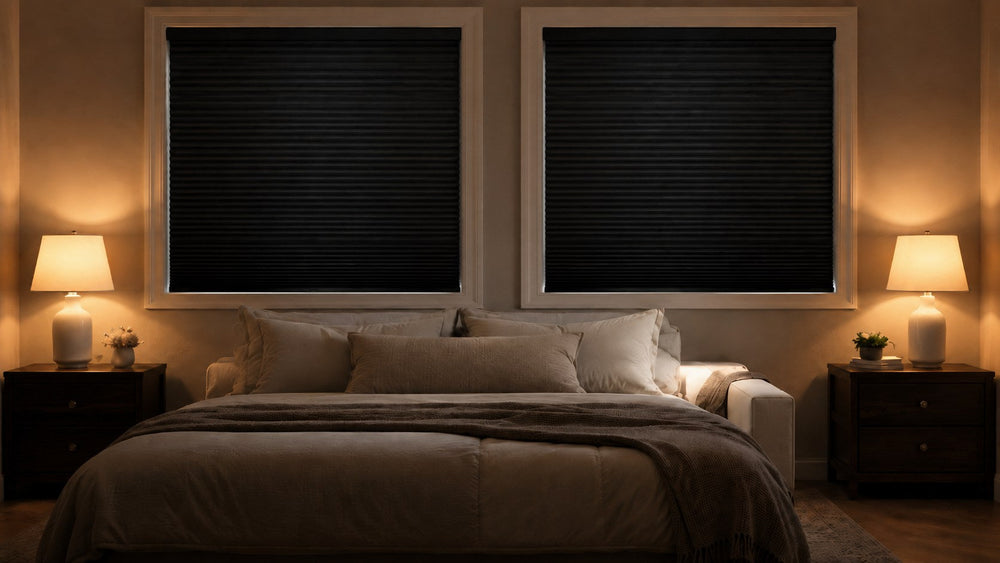
- Day/night honeycomb shades: Two cellular fabric sections combine a light-filtering upper section with a blackout lower section in one shade.
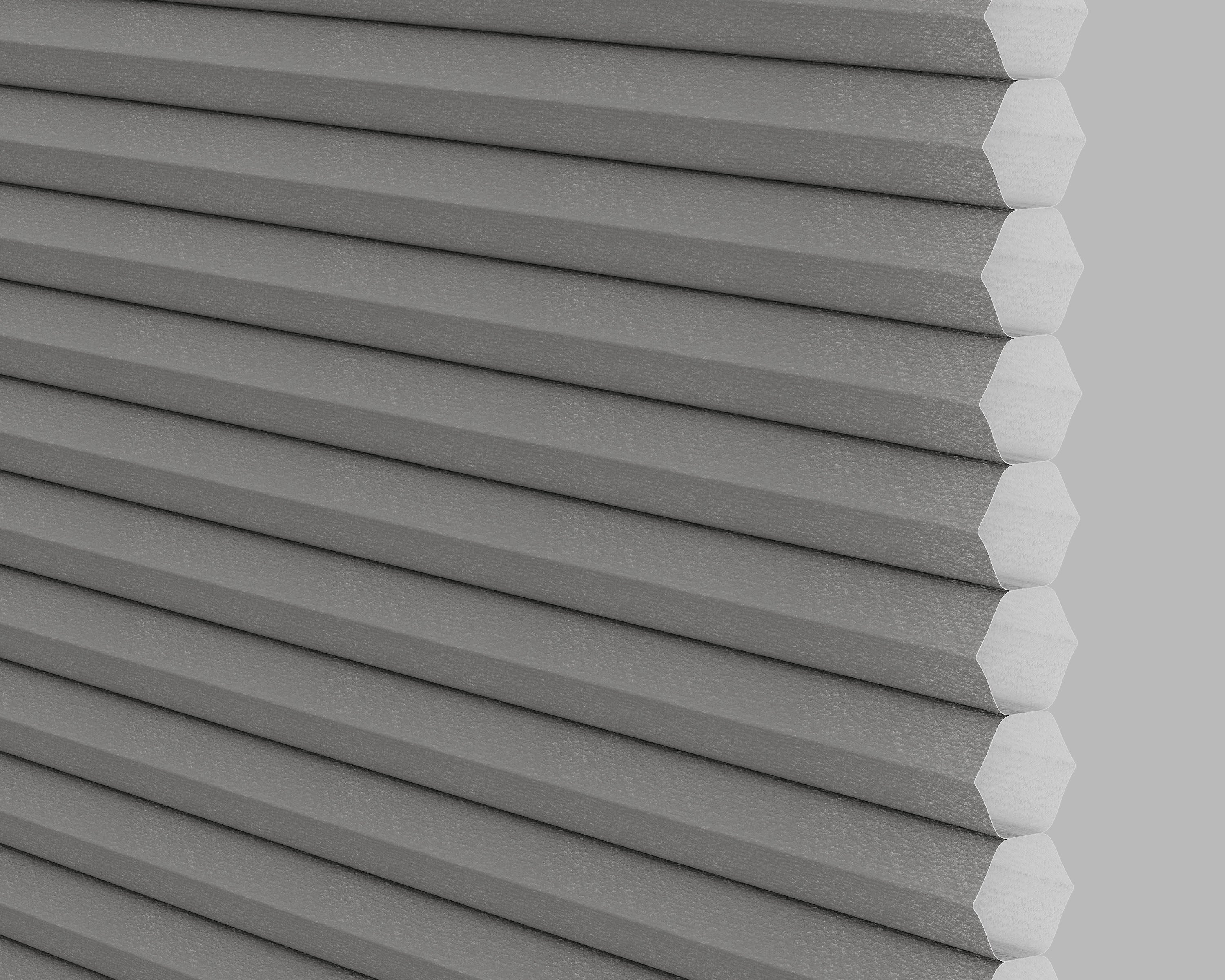
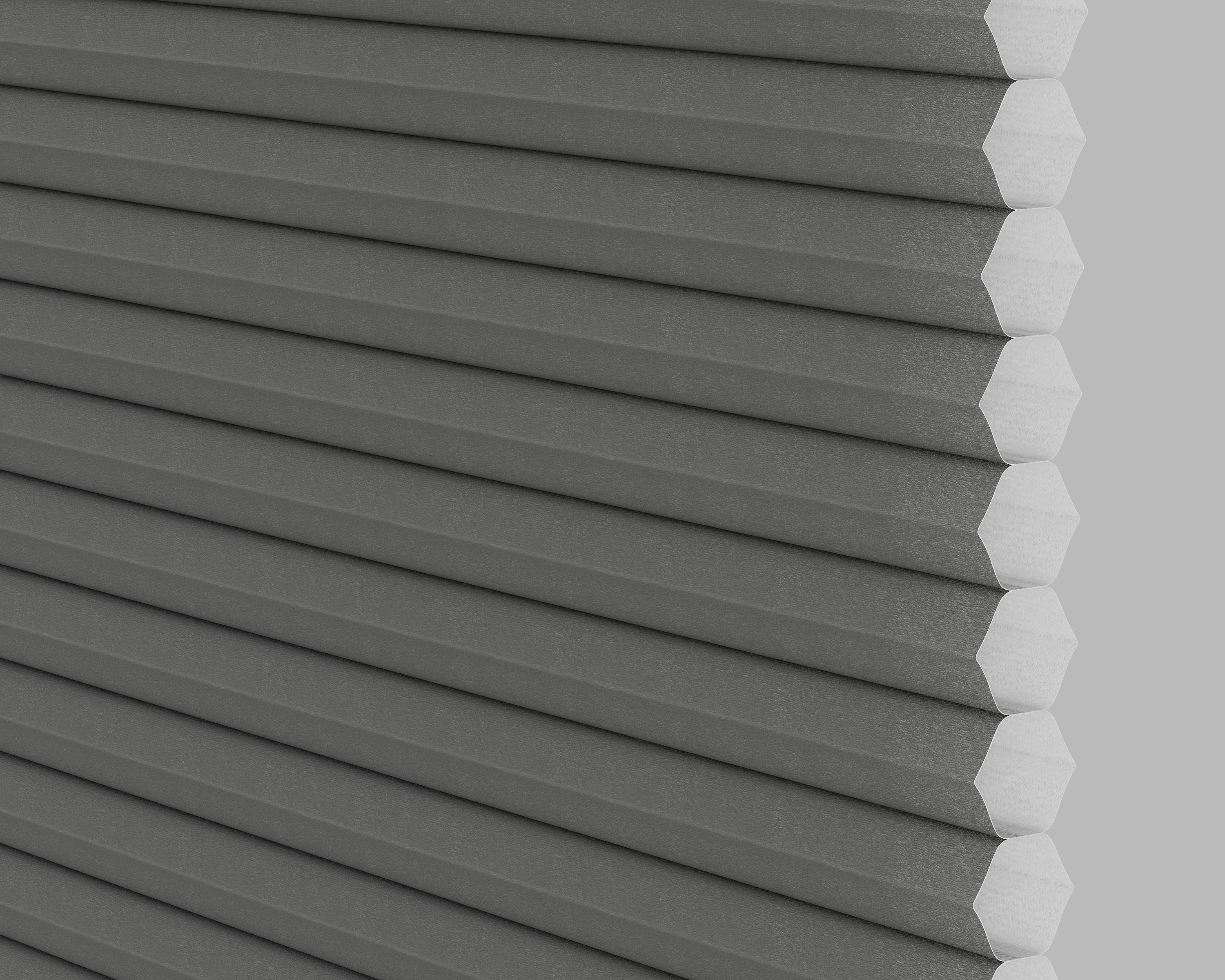
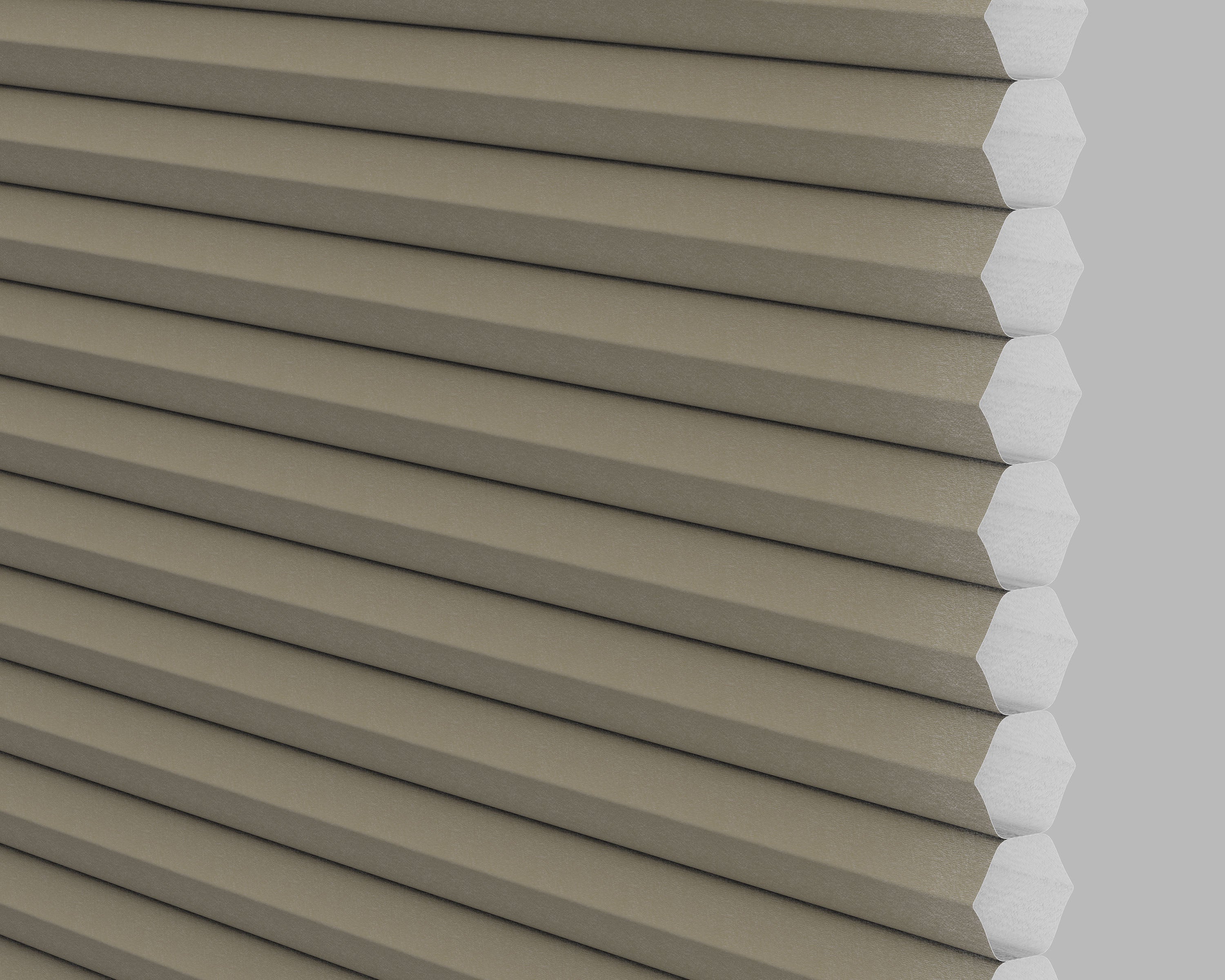
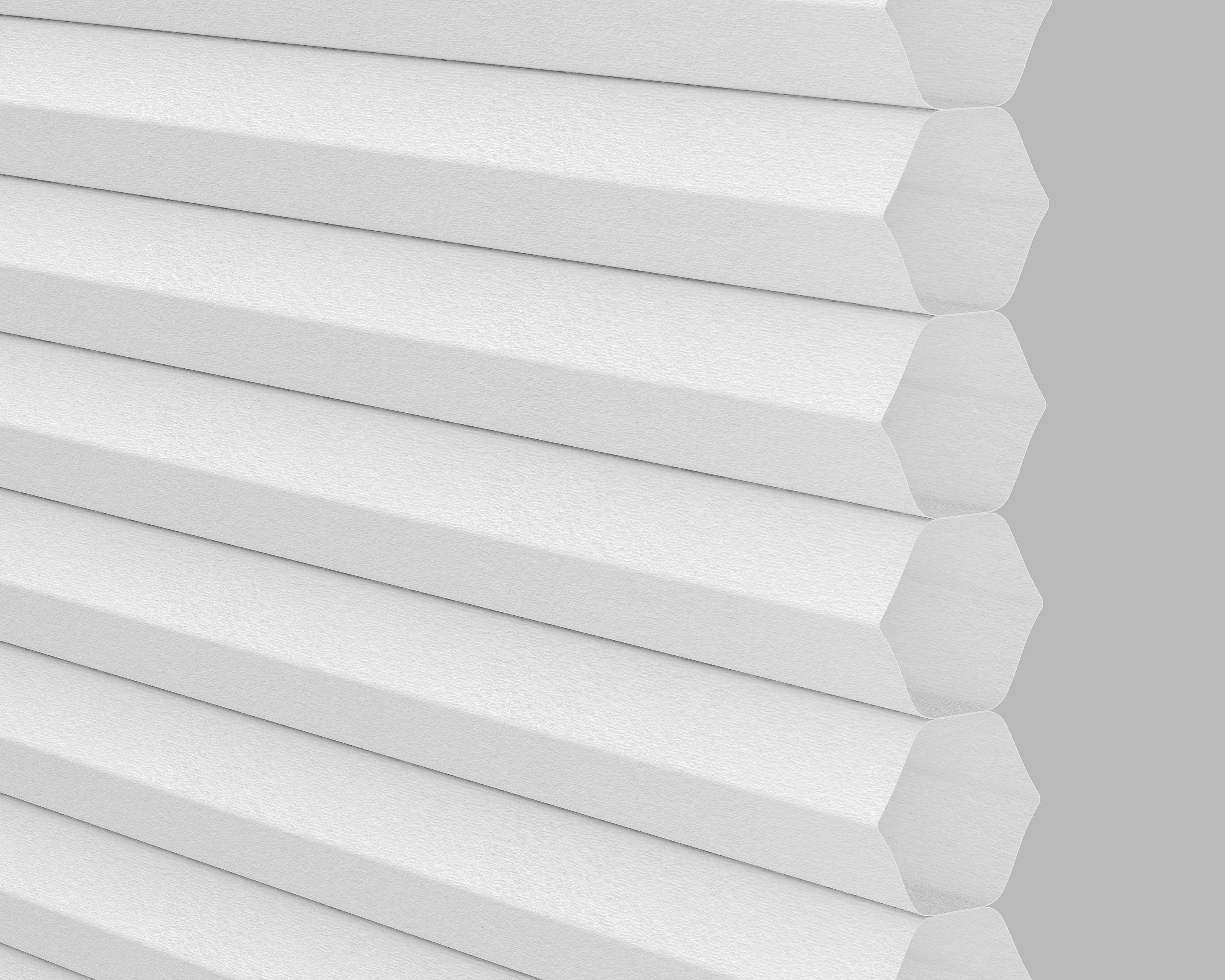
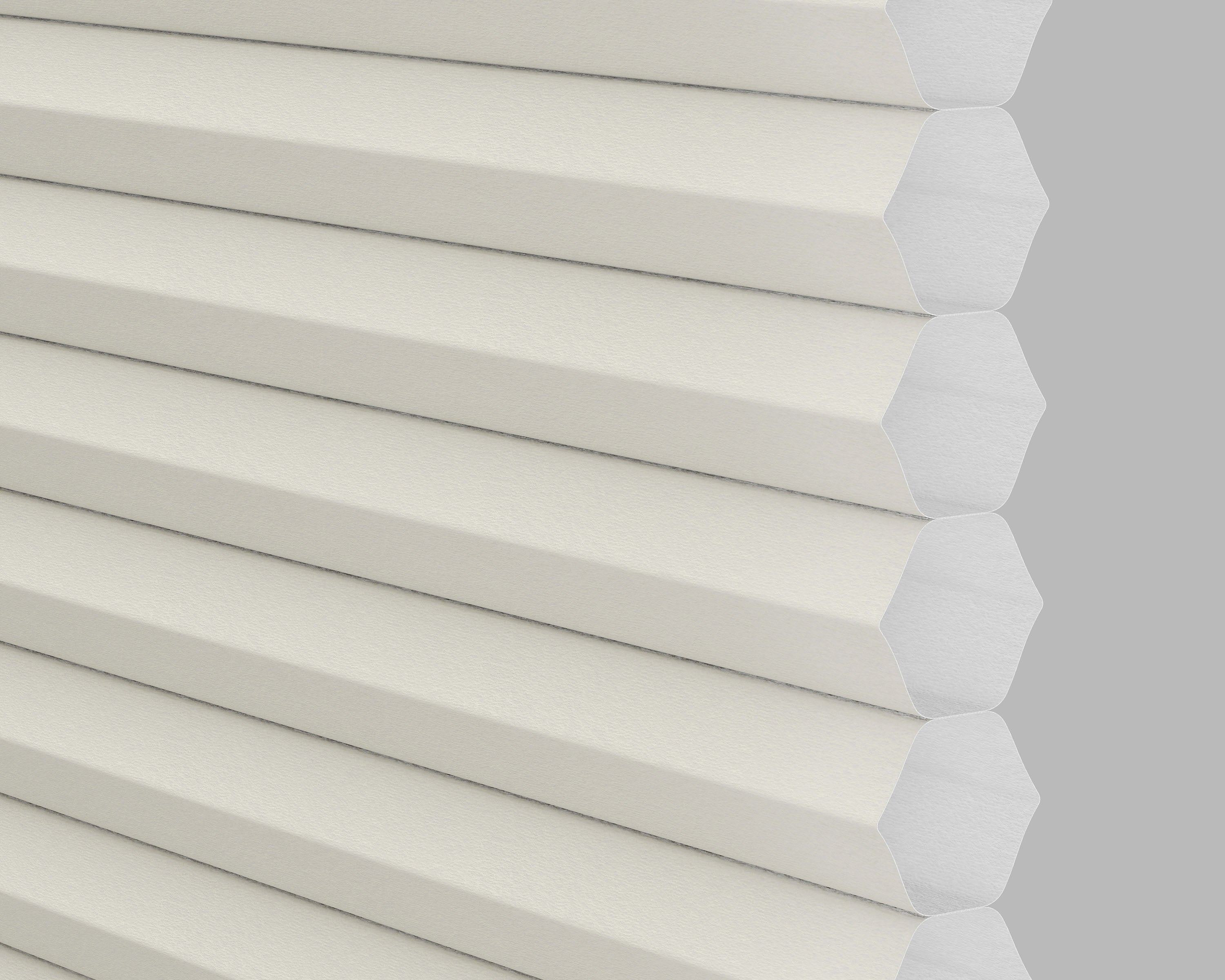
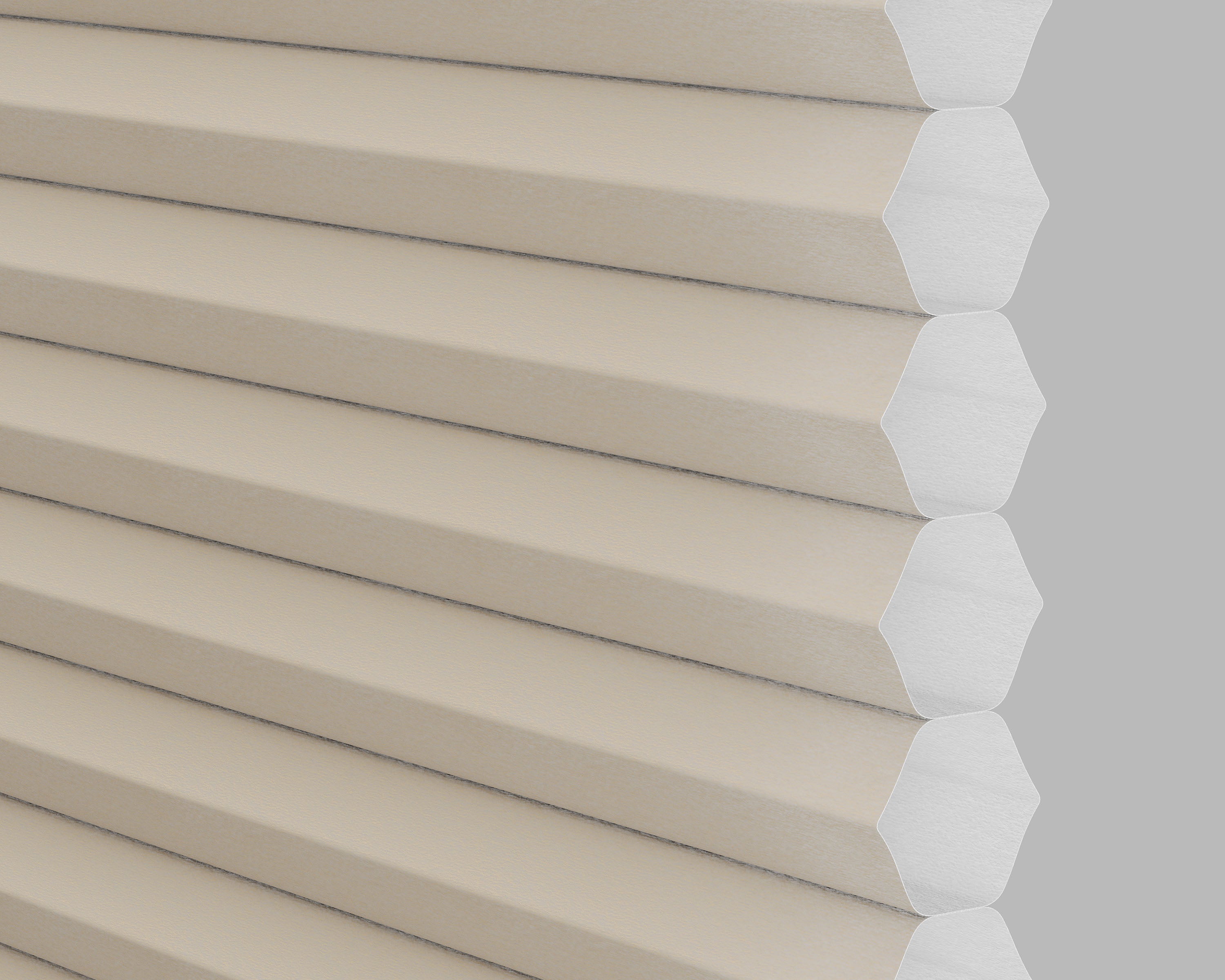
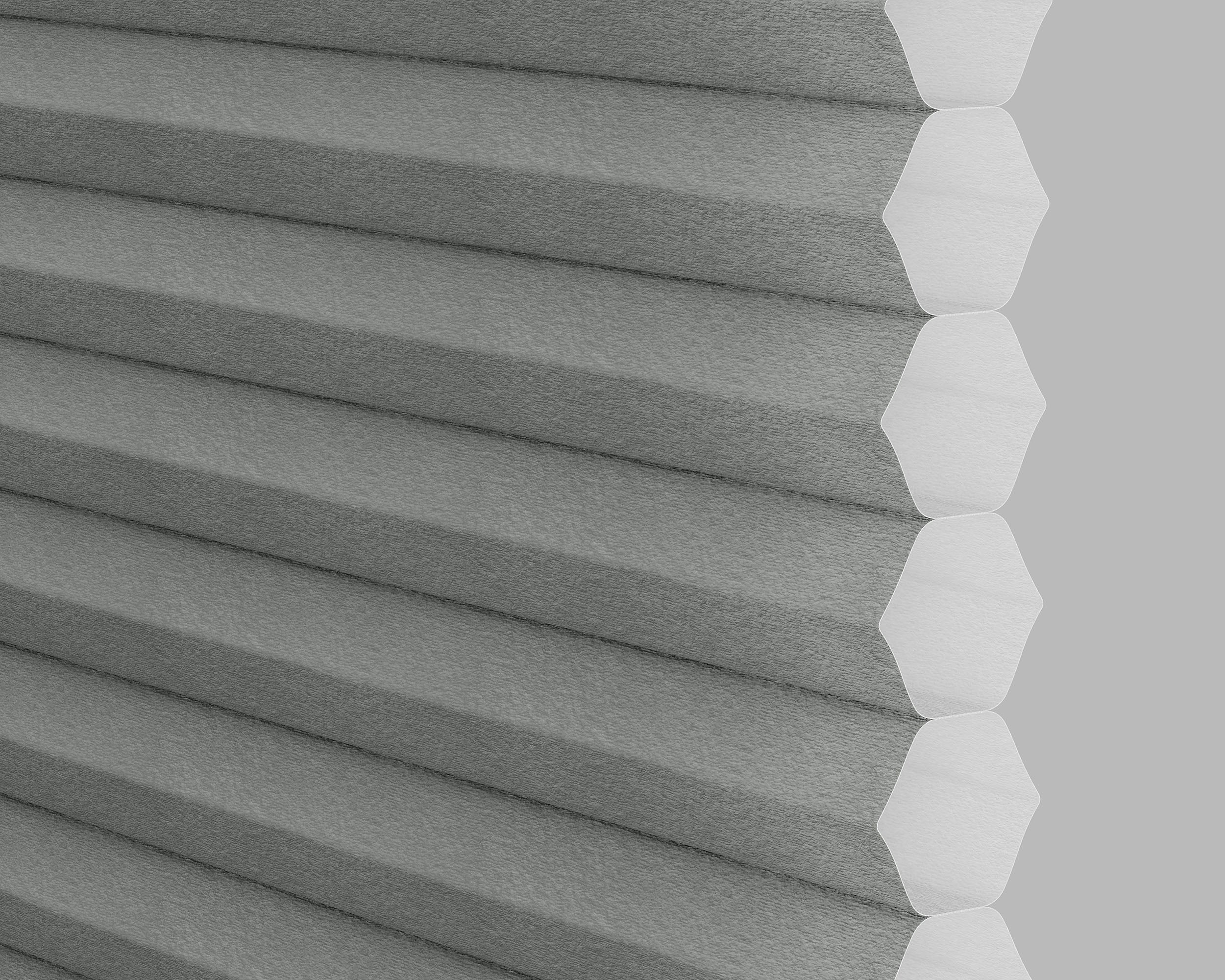
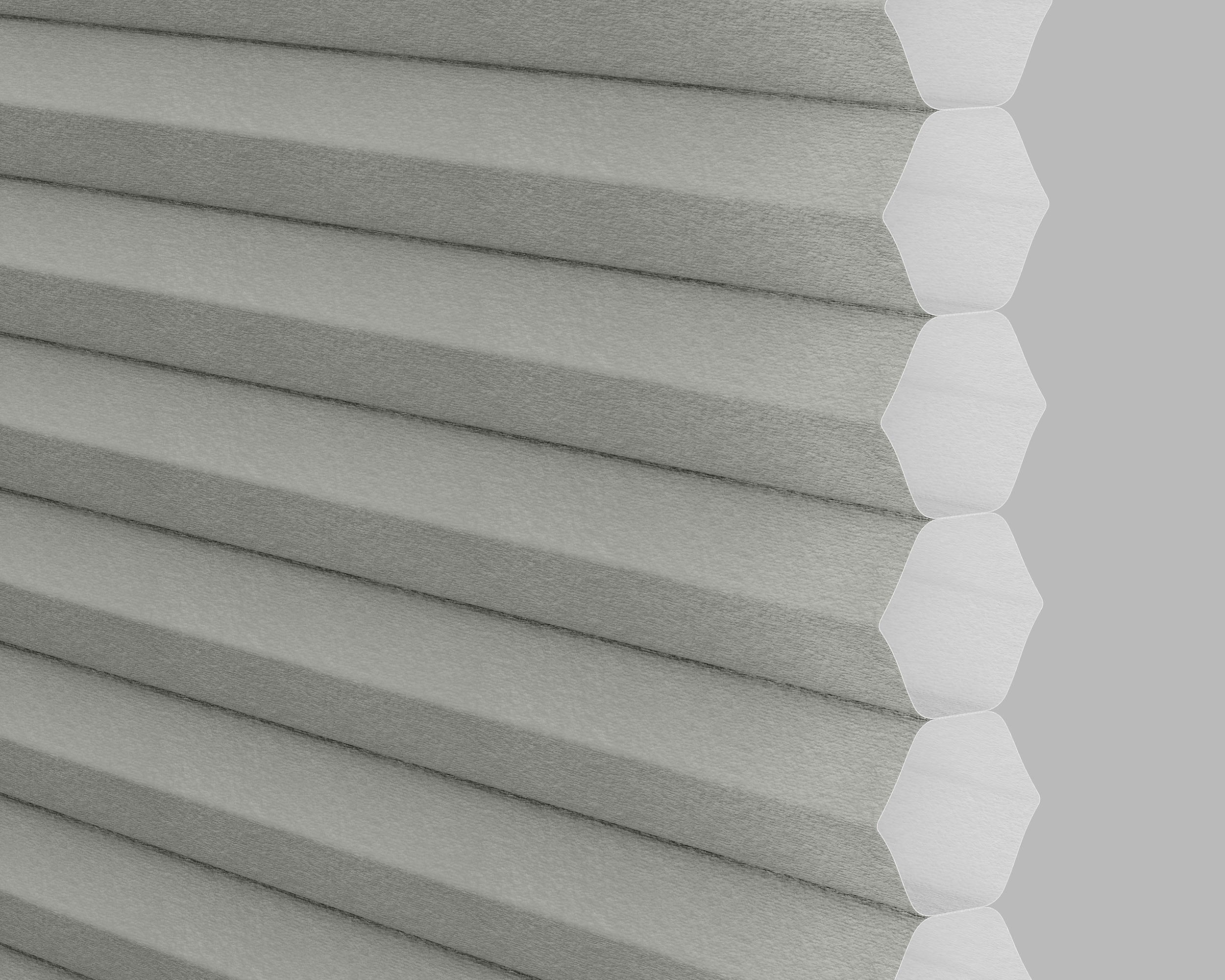
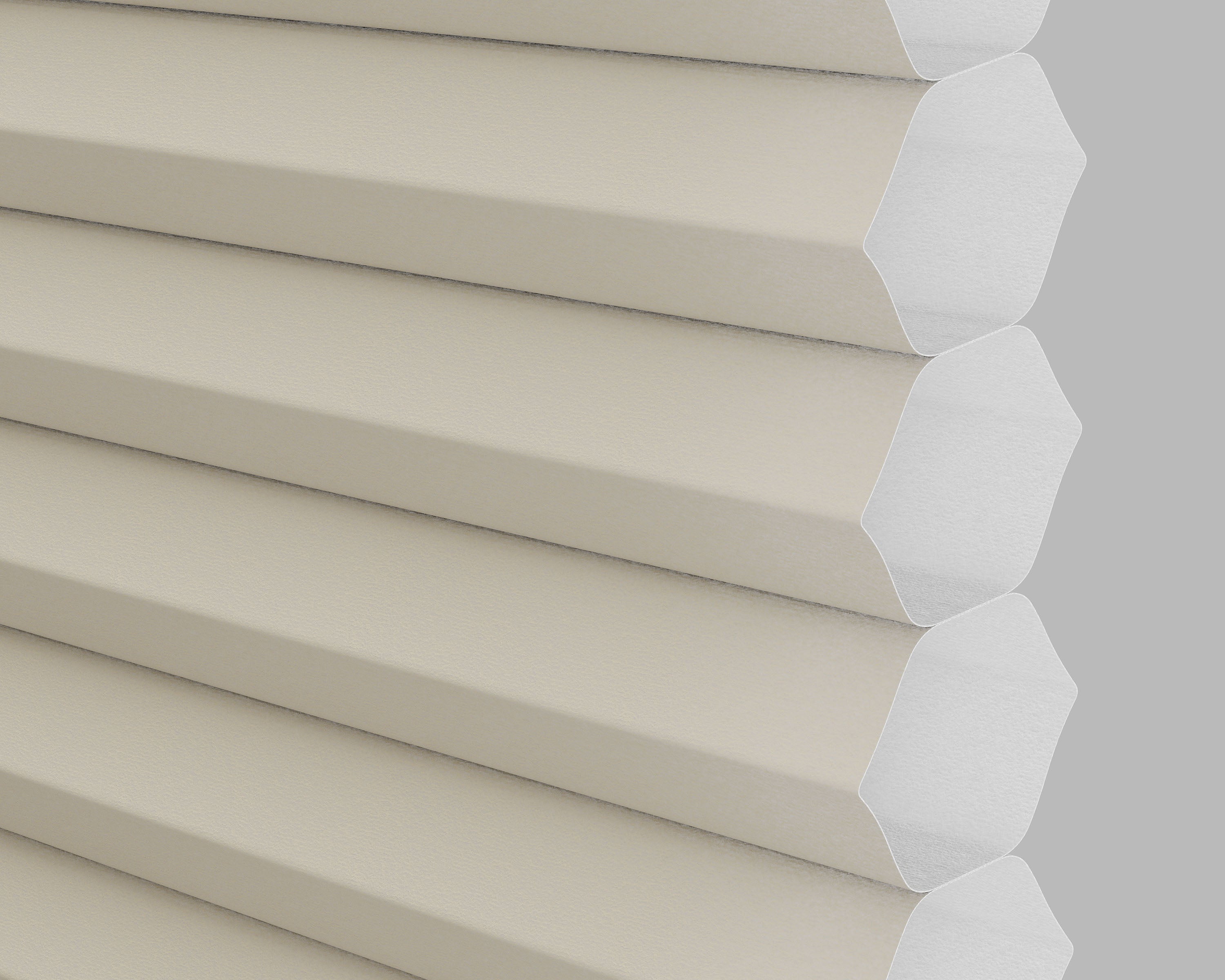
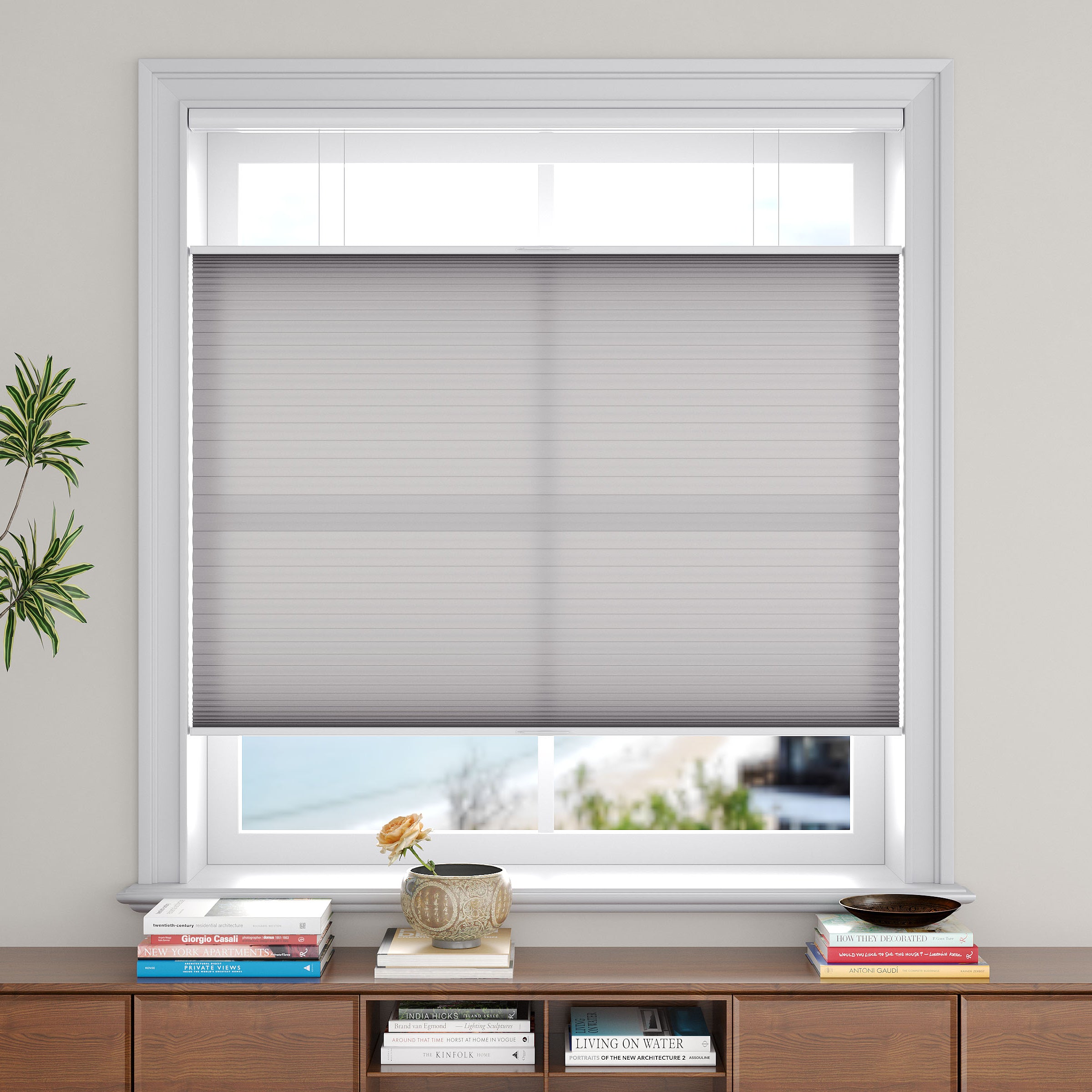
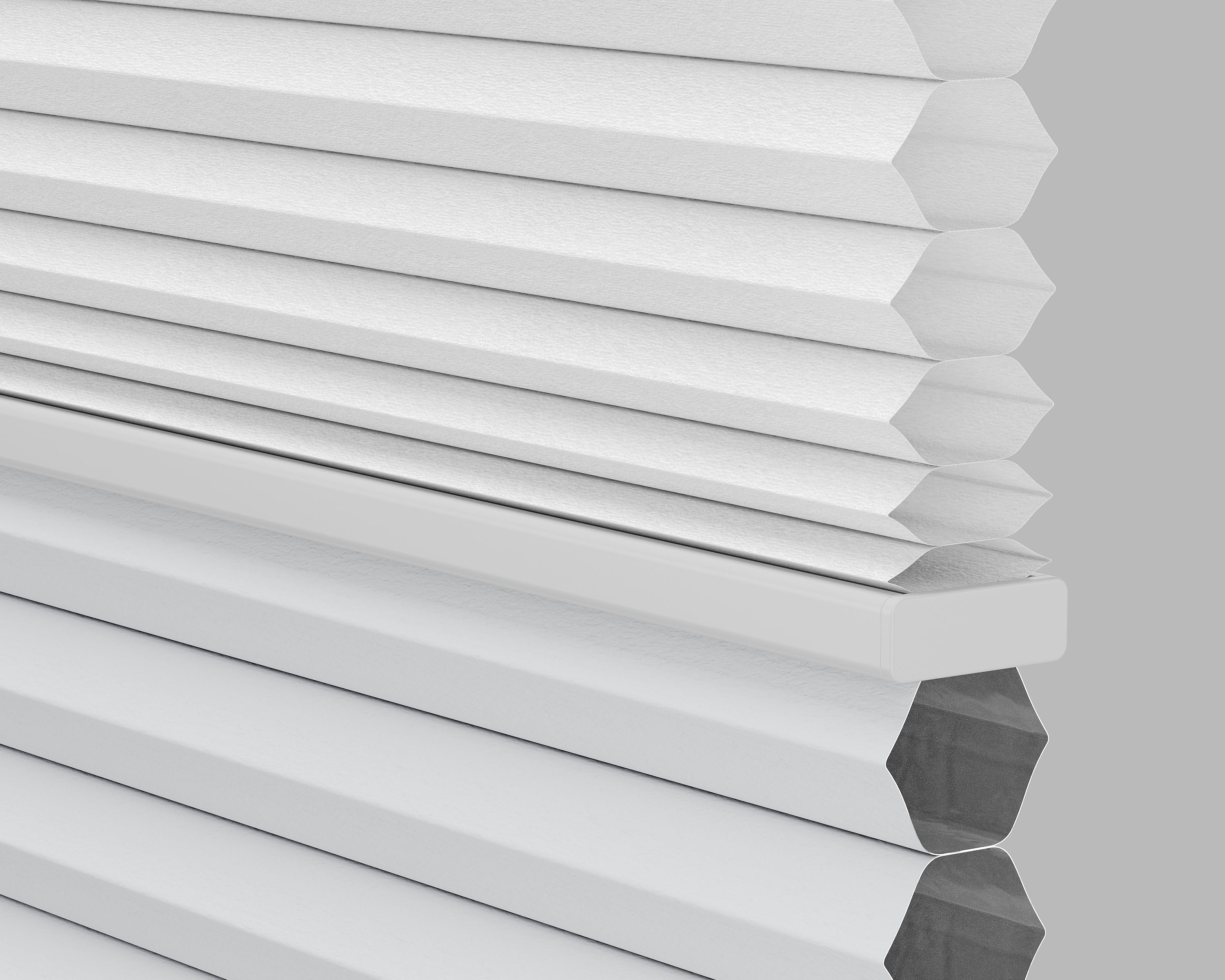
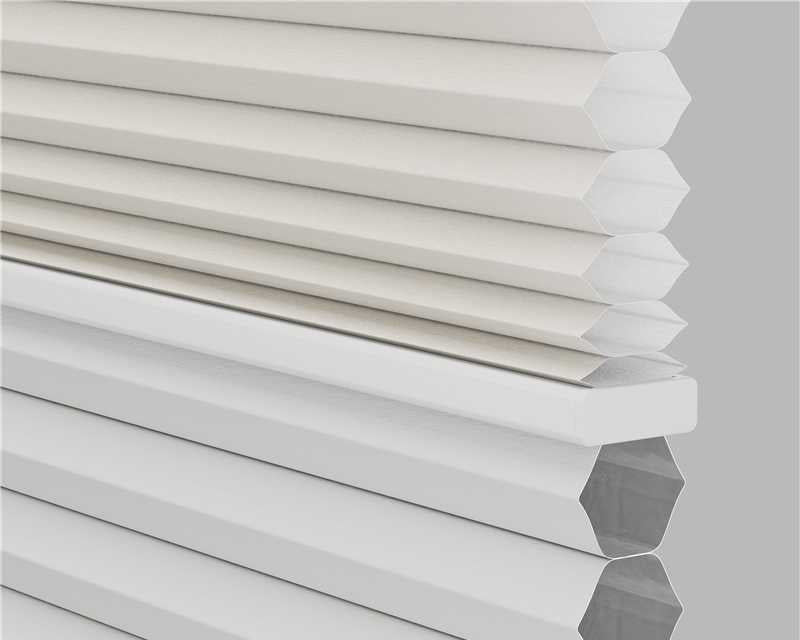
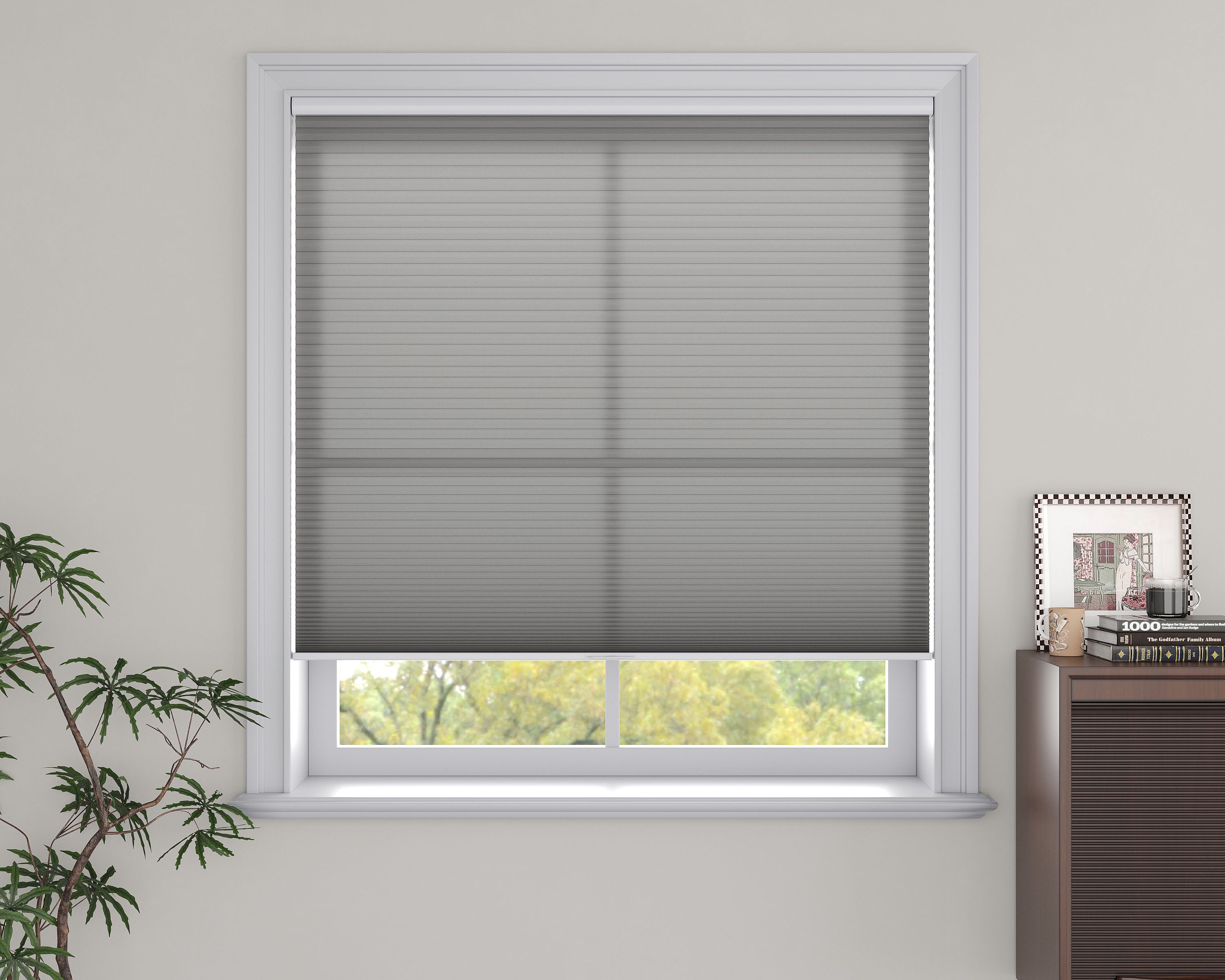
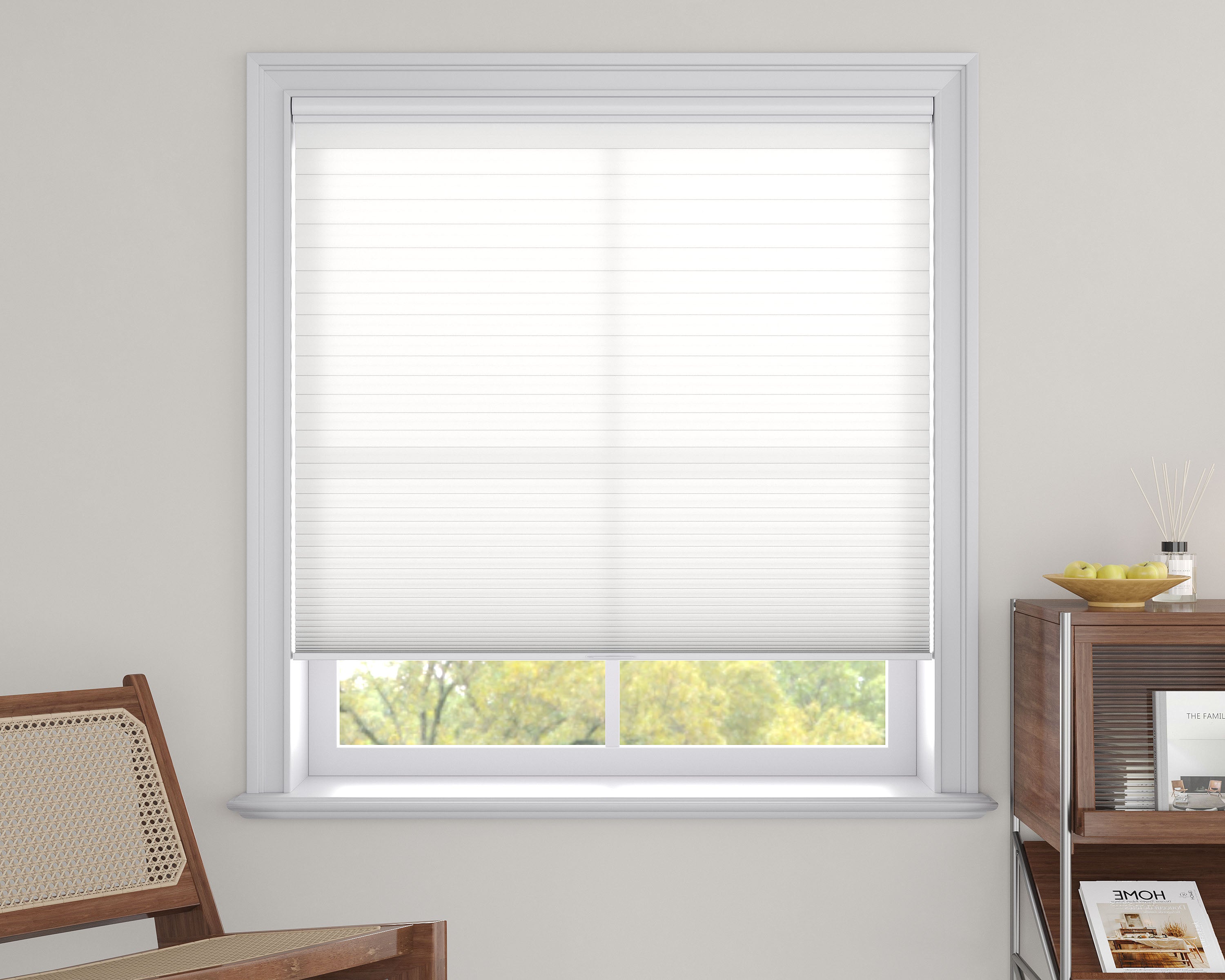
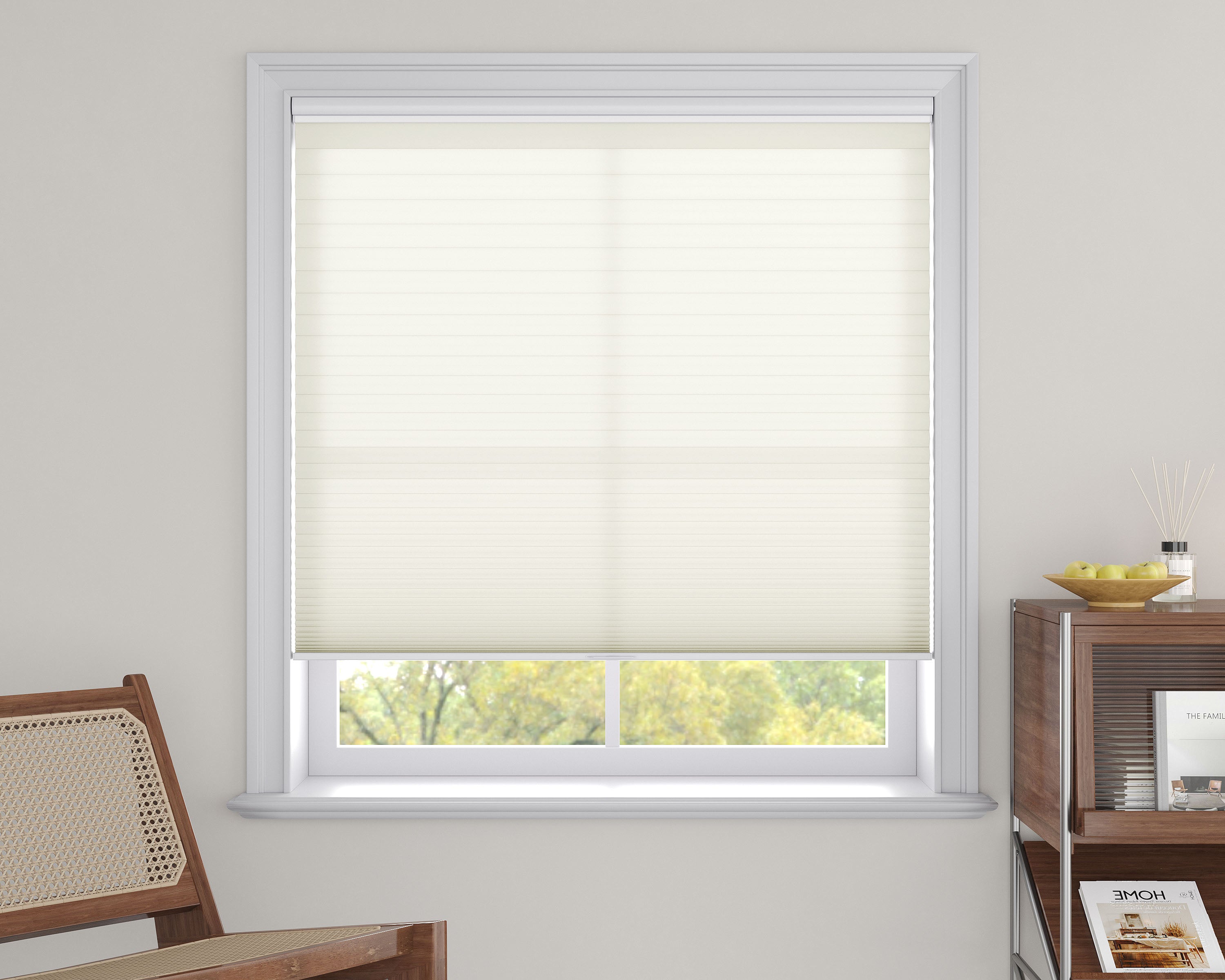
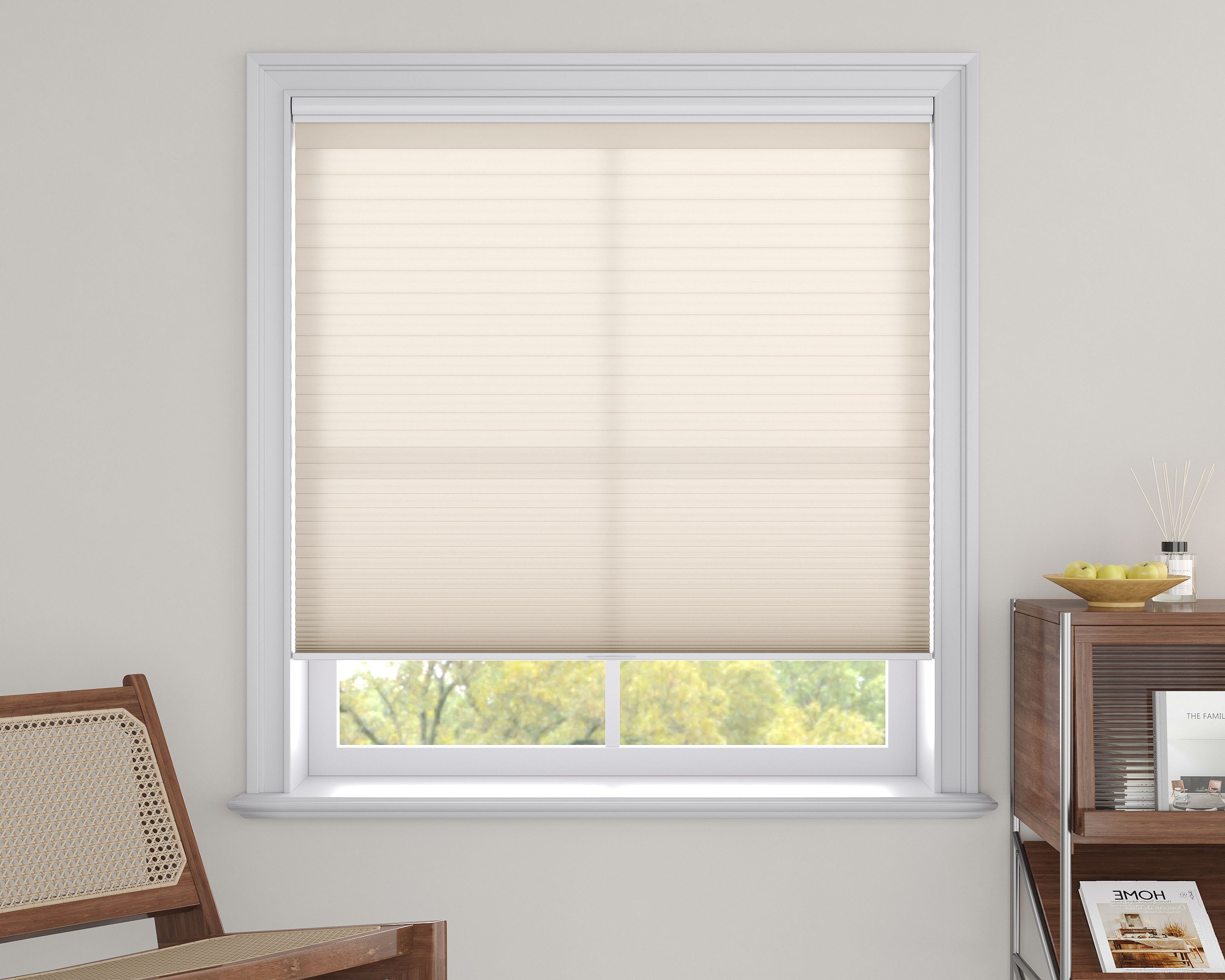
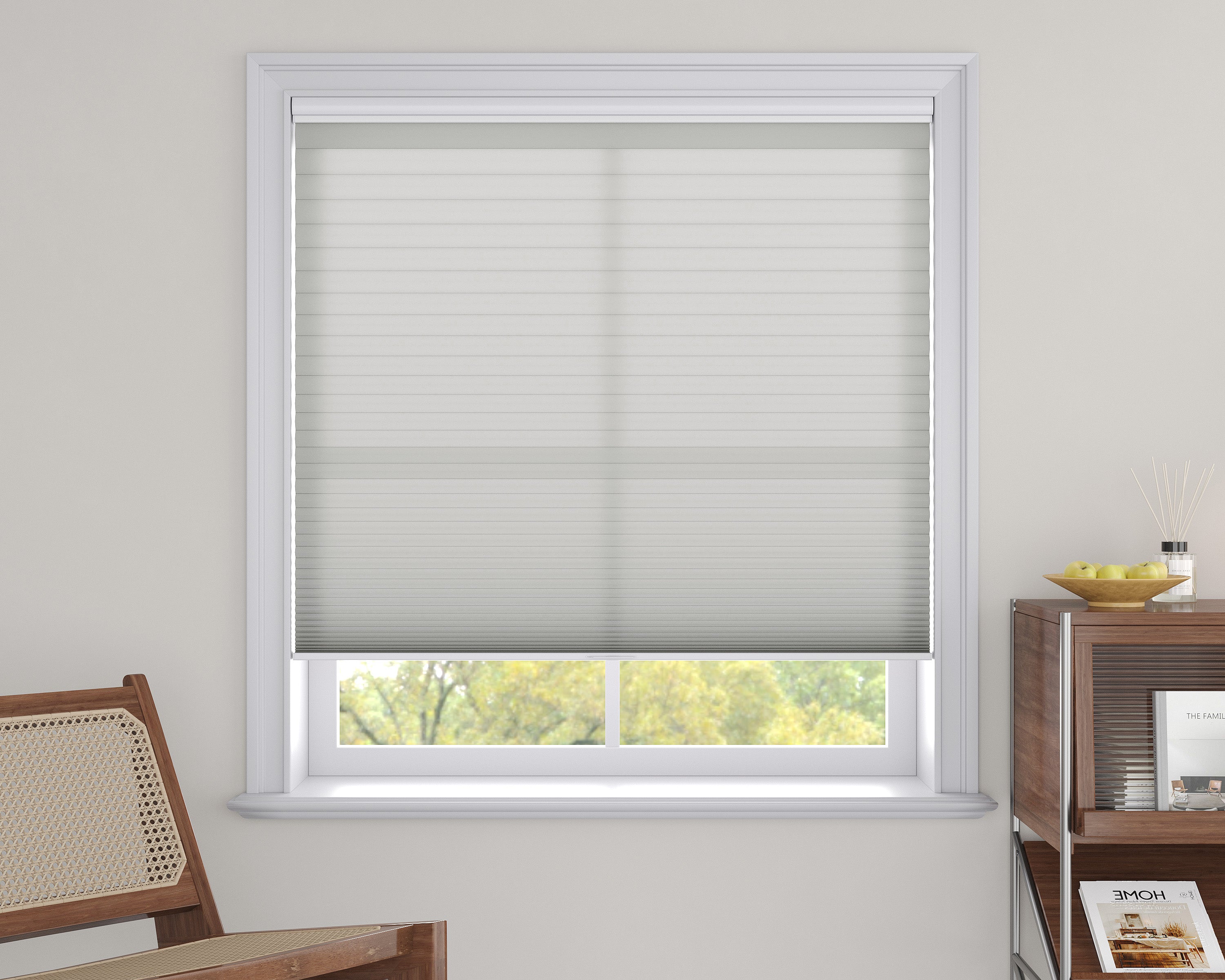
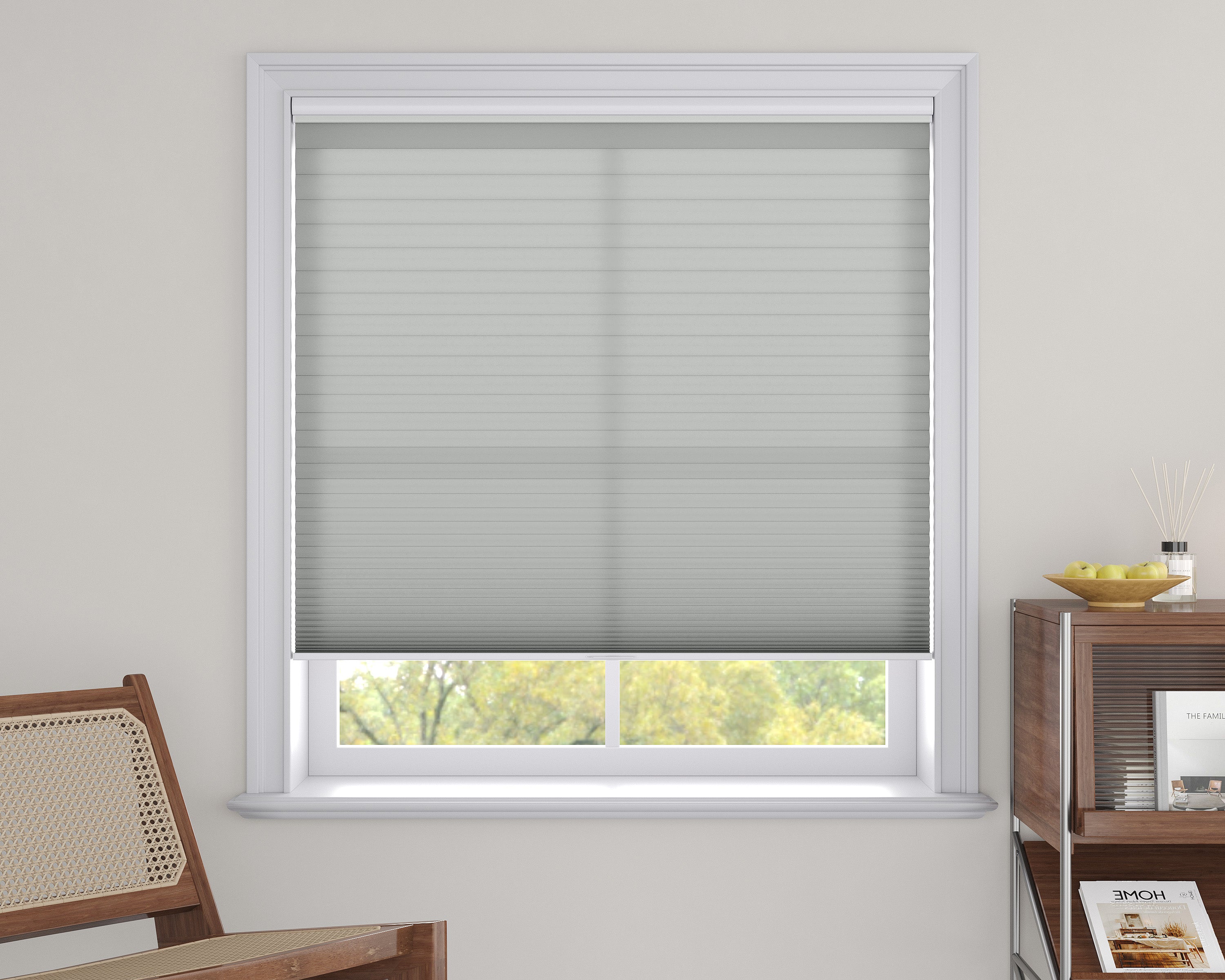
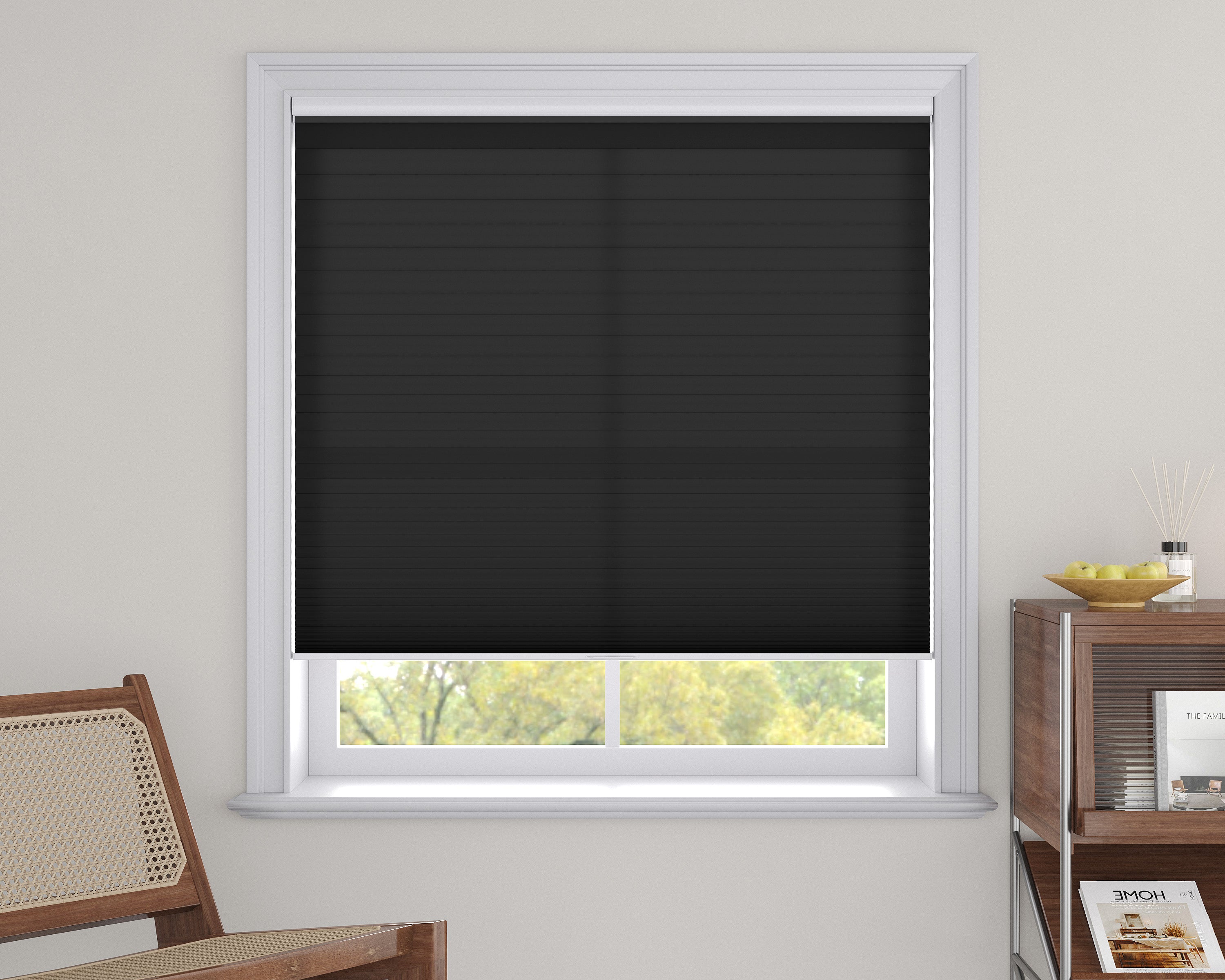
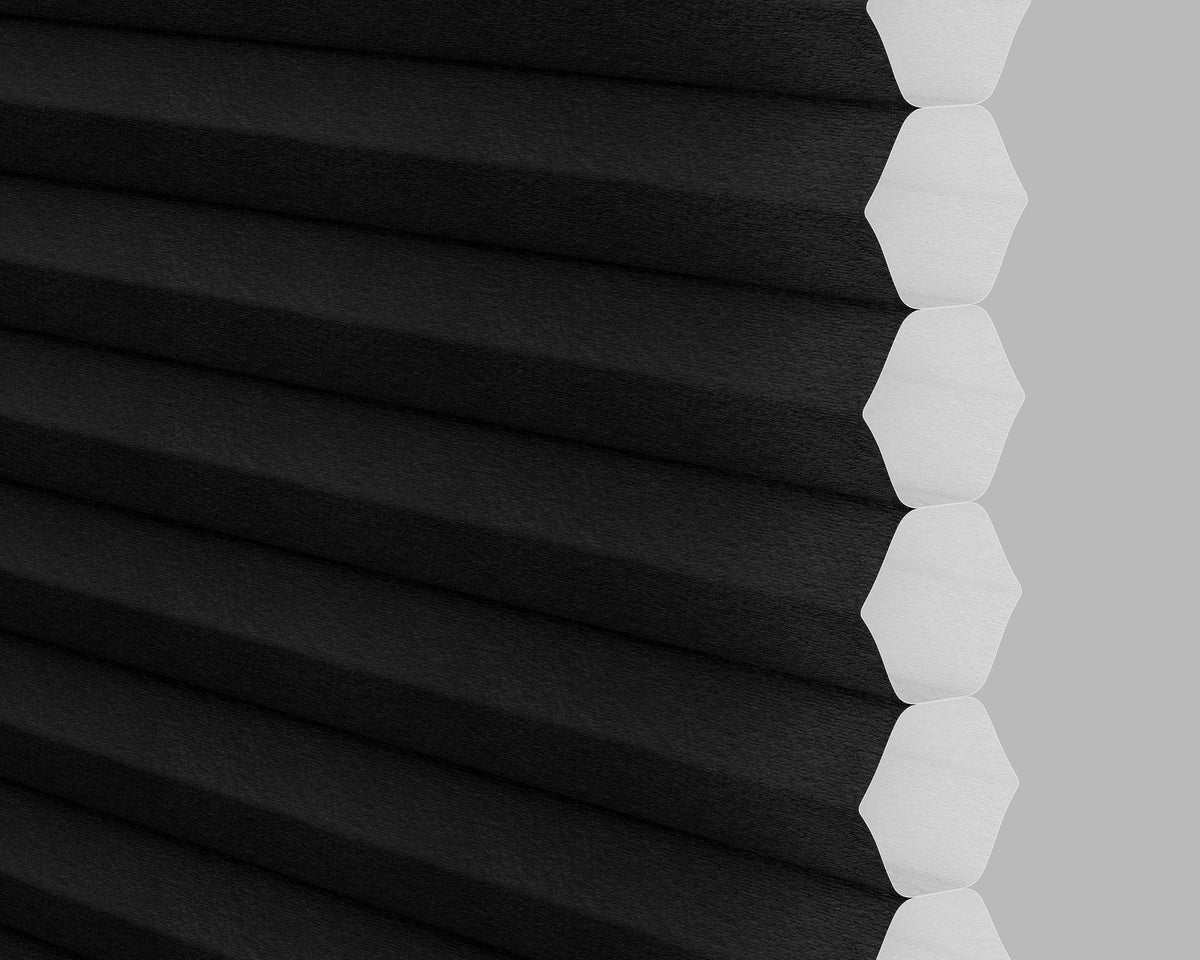
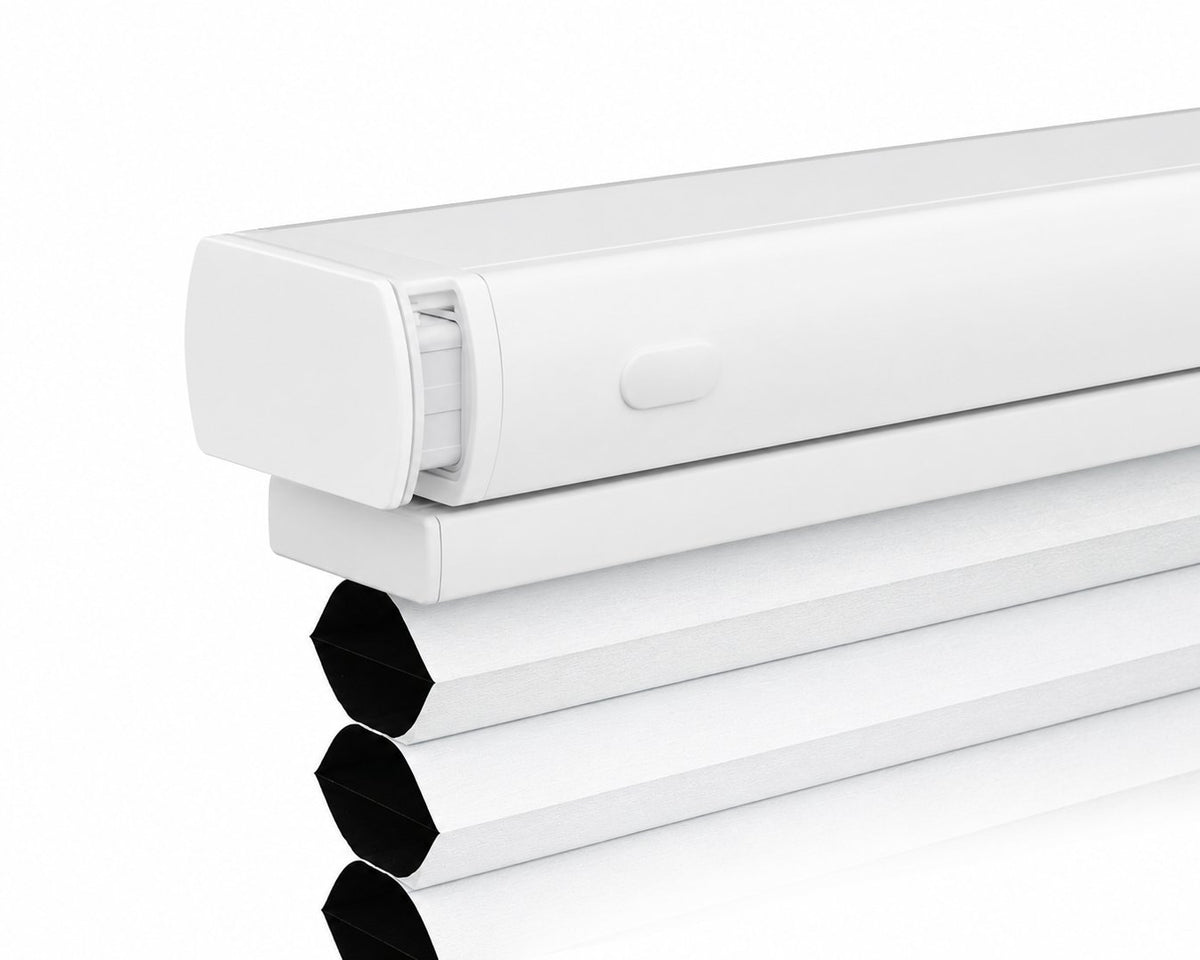
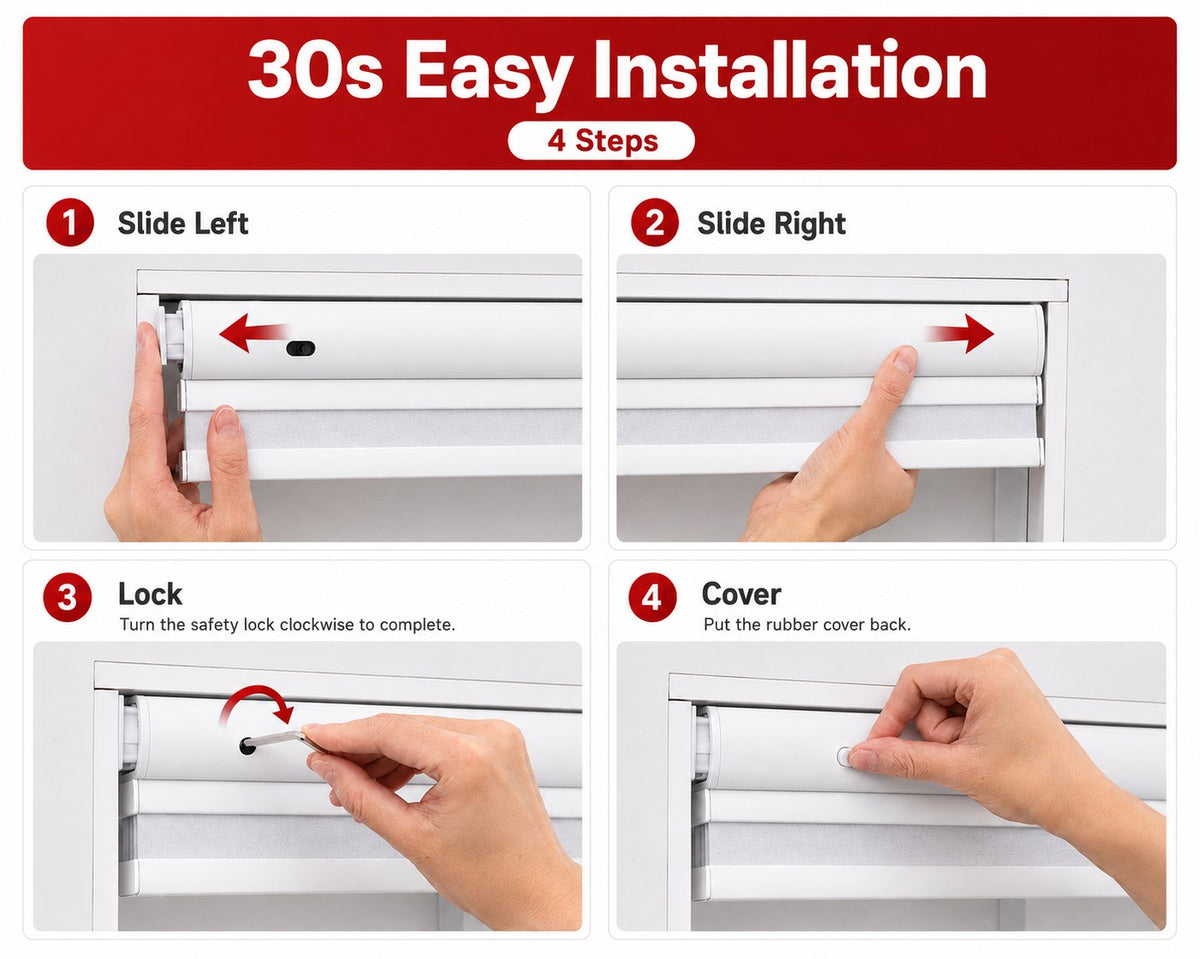
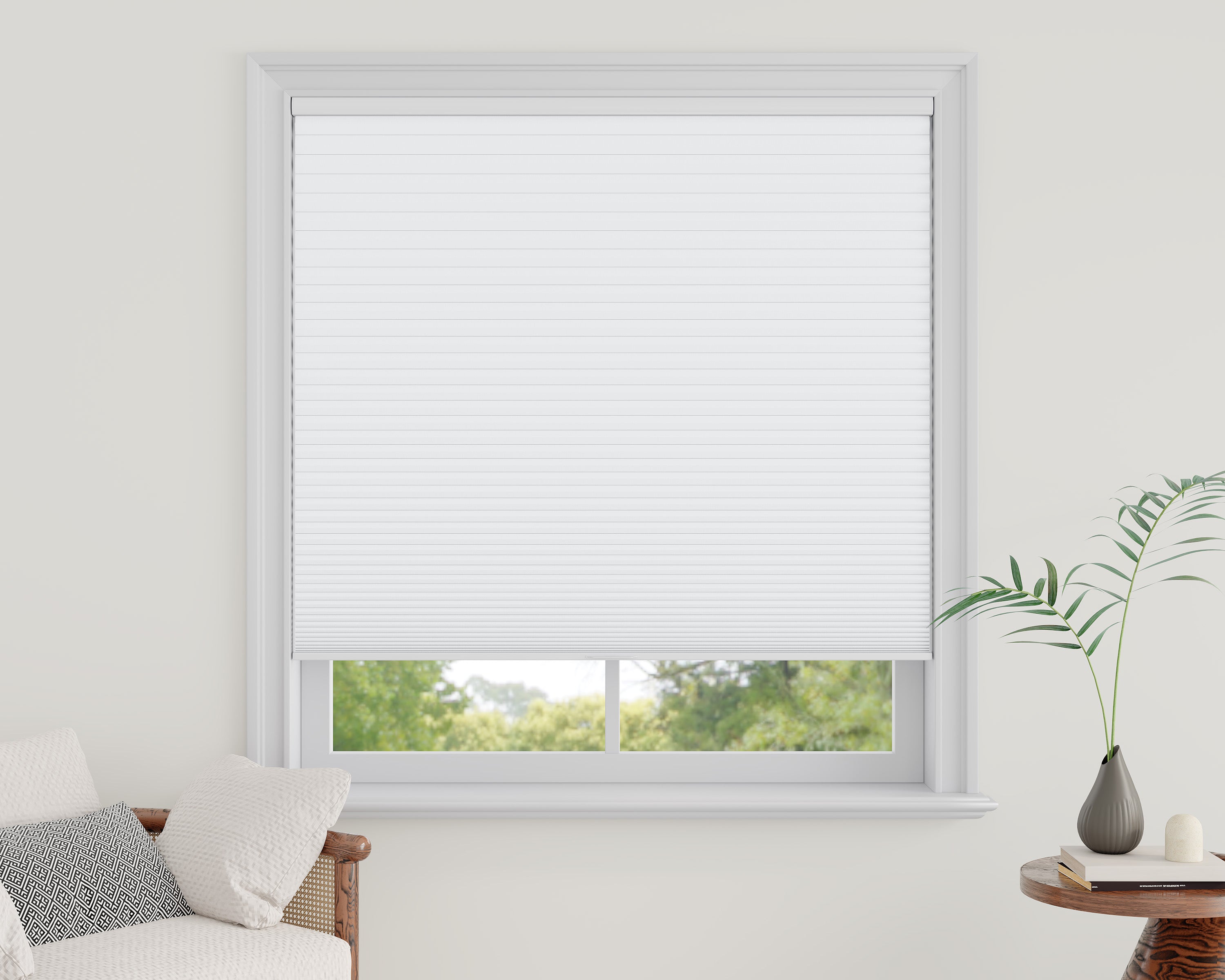
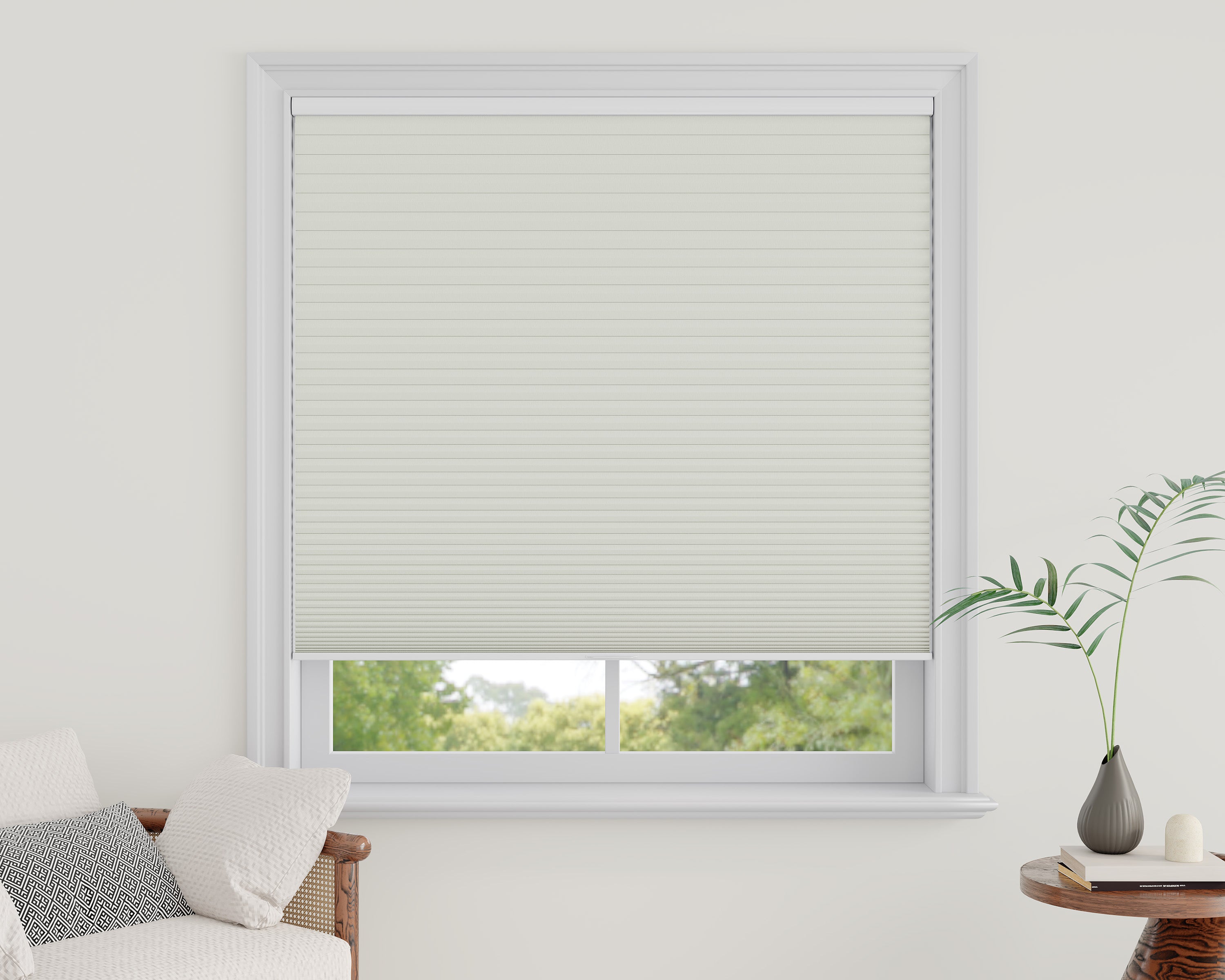
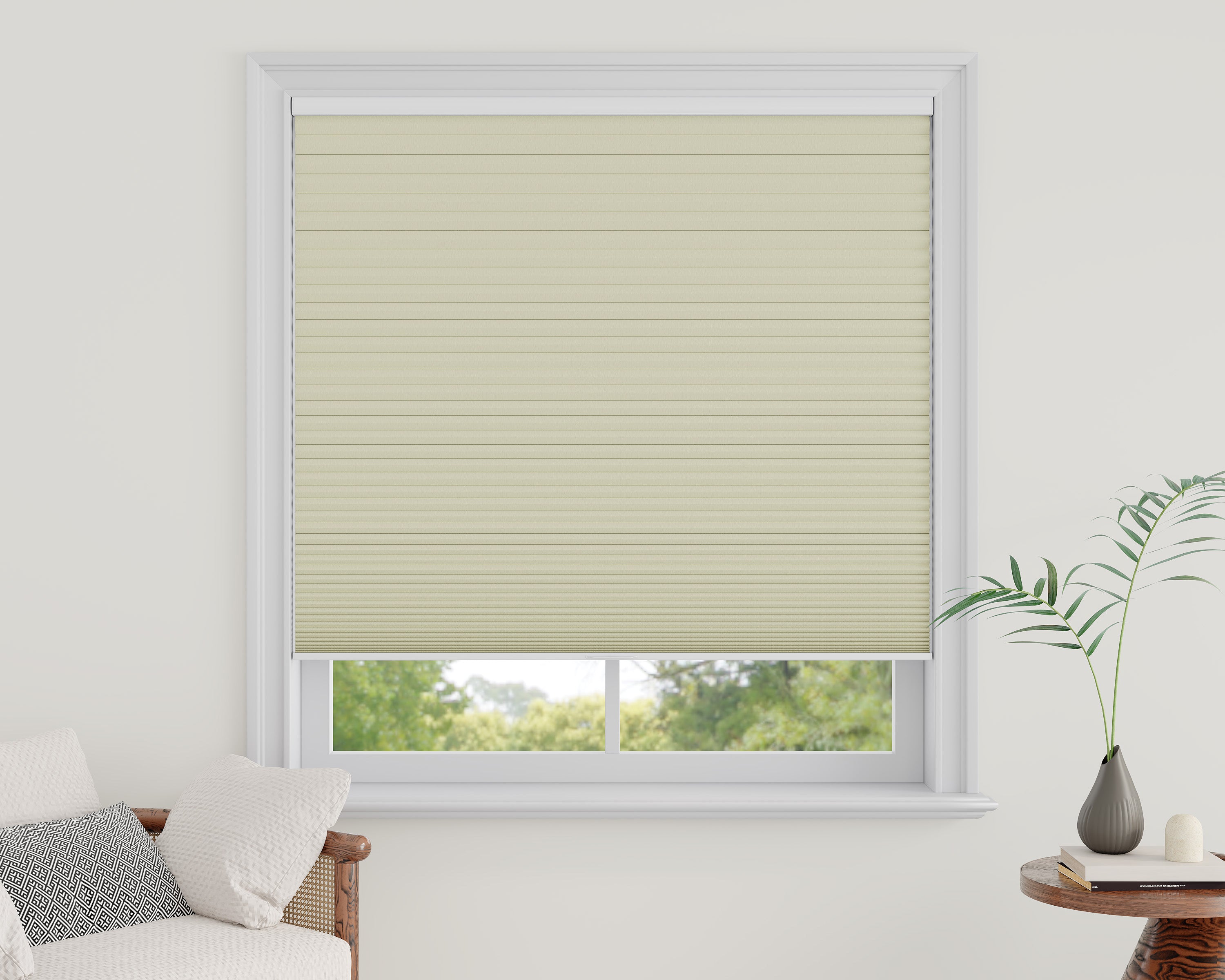
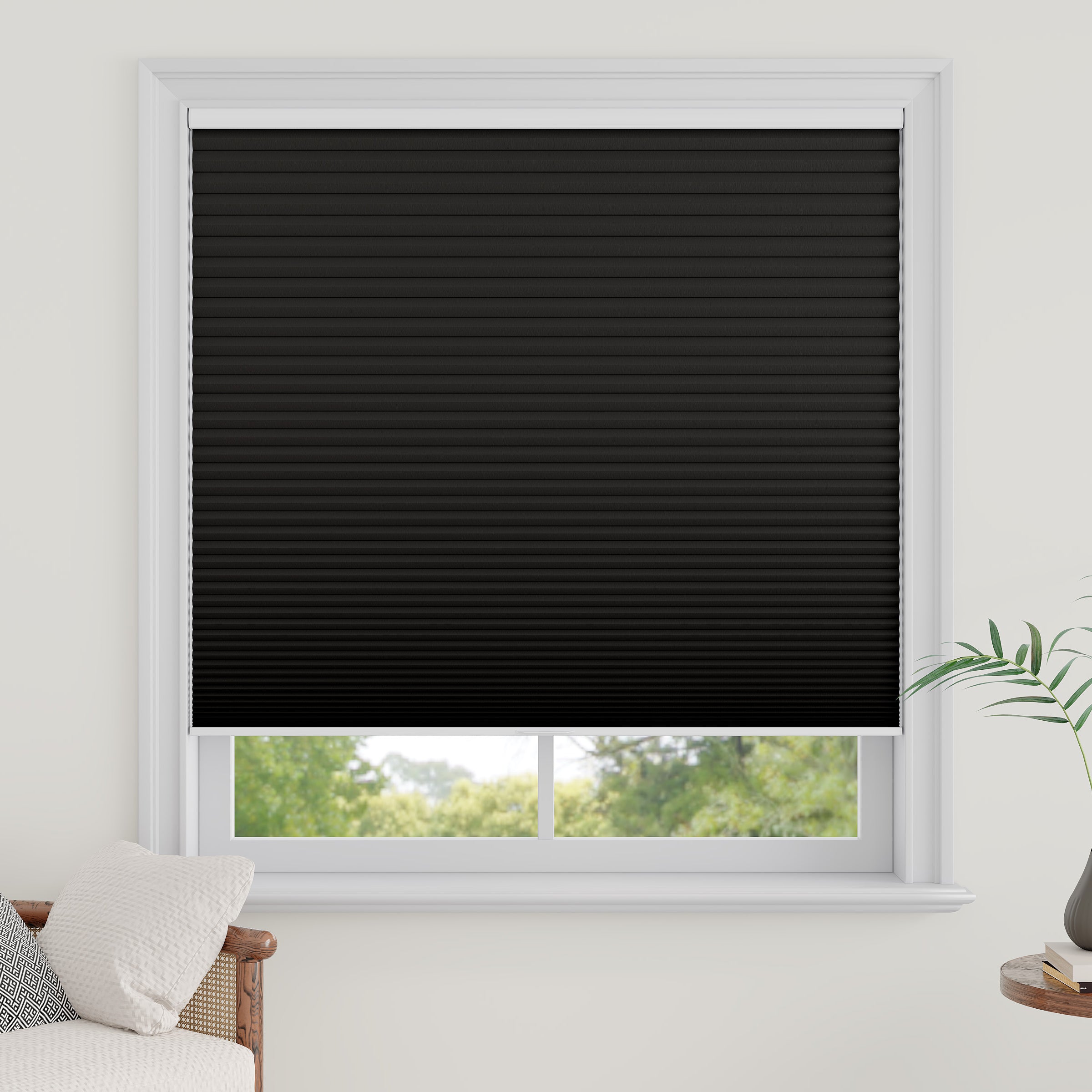
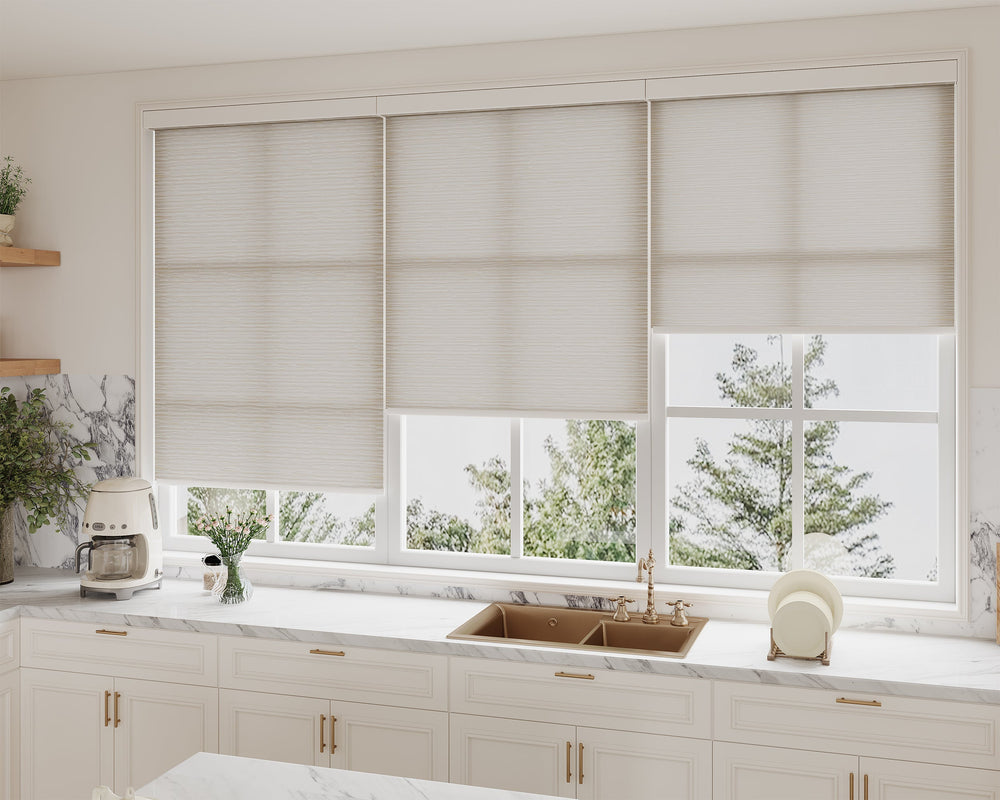
- Cordless light-filtering cellular shades: Honeycomb fabric forms visible pleats and softly filters daylight; the cordless model is operated by hand.
For the next decision, read Light-Filtering vs. Solar Shades: Diffused Light or Screen View?. Keep the selected model, fabric/color code, mount and lift with the measurements for each opening.