






News
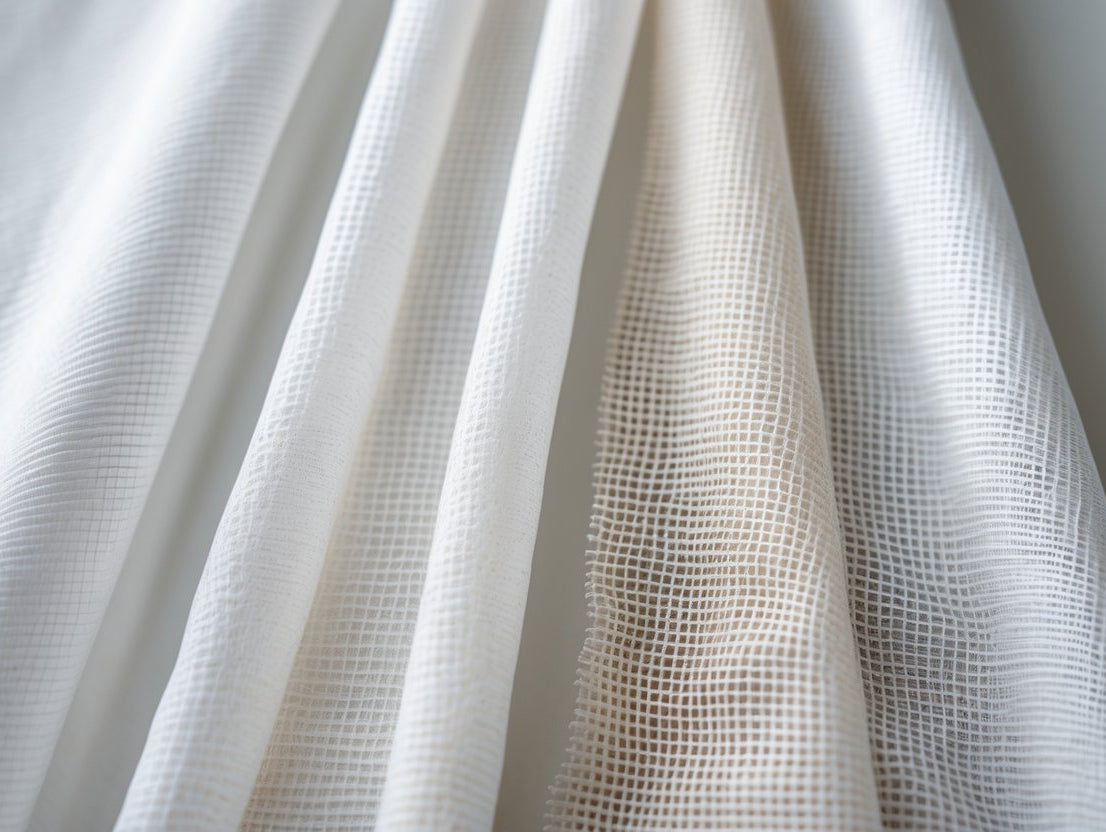
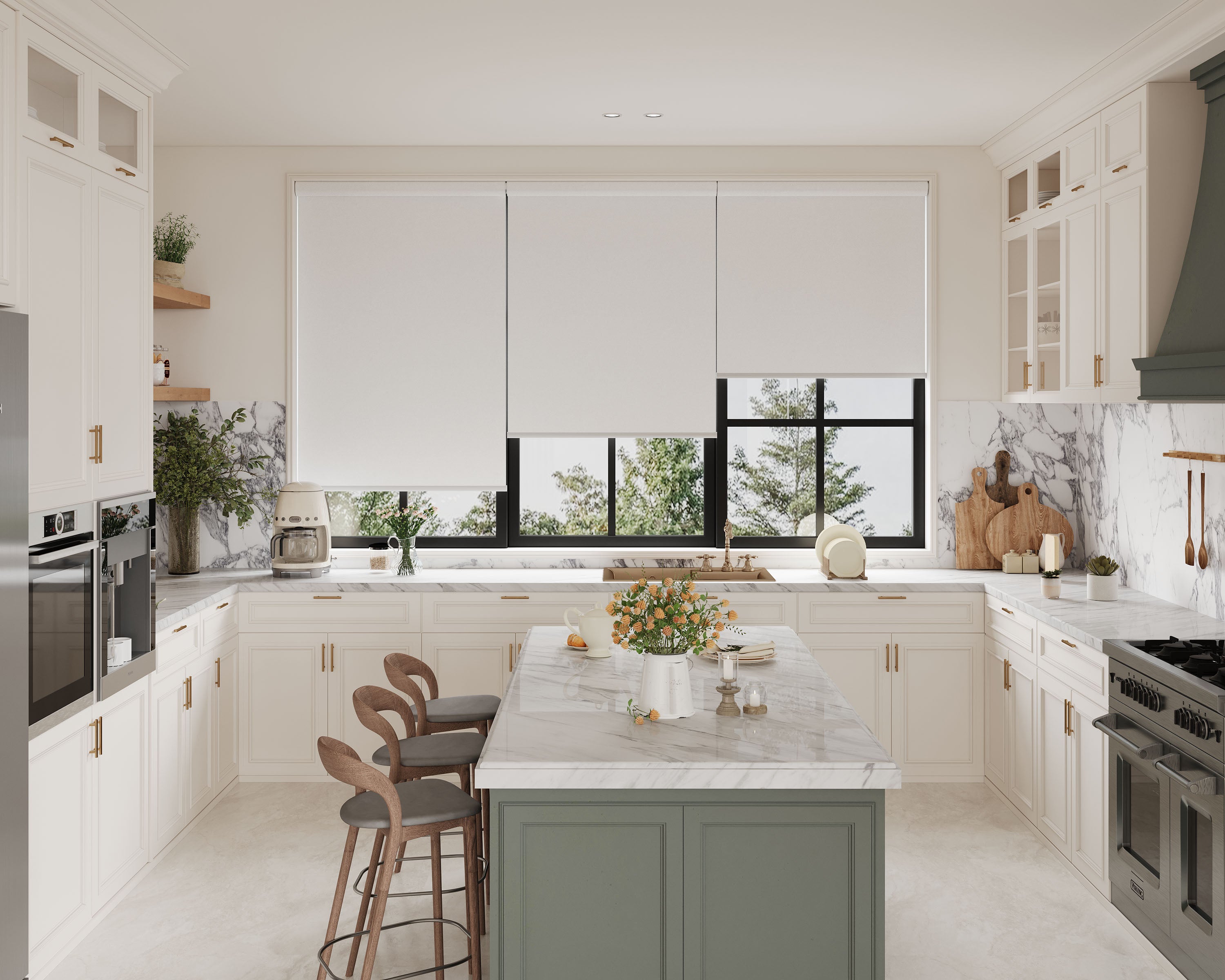
Solar Shade Openness: Comparing 1%, 3%, 5% and 10%
A solar fabric's openness factor describes the proportion of open space in its weave. A lower number generally means a tighter screen; a higher number generally means more view-through when...

Privacy and Natural Light in Open-Concept Homes: Plan by Sightline
Balance privacy and natural light in an open-concept home by covering the sightlines that matter, rather than treating every window alike. A street-facing seat, a dining area and a deeper...

South-Facing Windows: Choose Solar Shade Openness by the Room
There is no single best solar-shade openness for every south-facing window. Compare the actual glare problem, the view you want, nighttime privacy and the selected fabric's performance data. A universal...

Room Darkening vs. Blackout: Fabric, Light Gaps and Real-Window Results
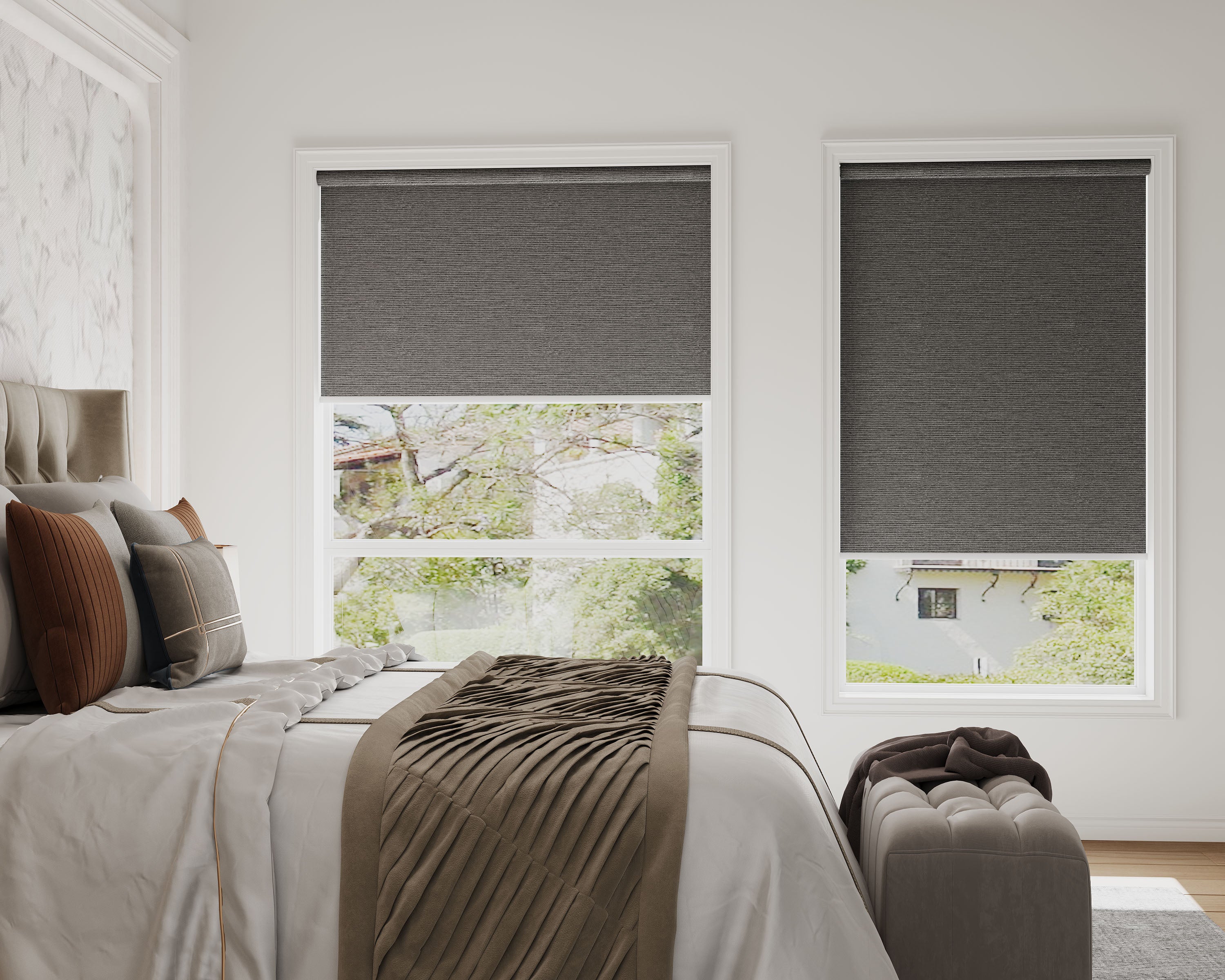
Room-darkening fabrics reduce incoming light; blackout fabrics are intended to block light through the material more completely. The names alone do not tell you how dark the installed room will...

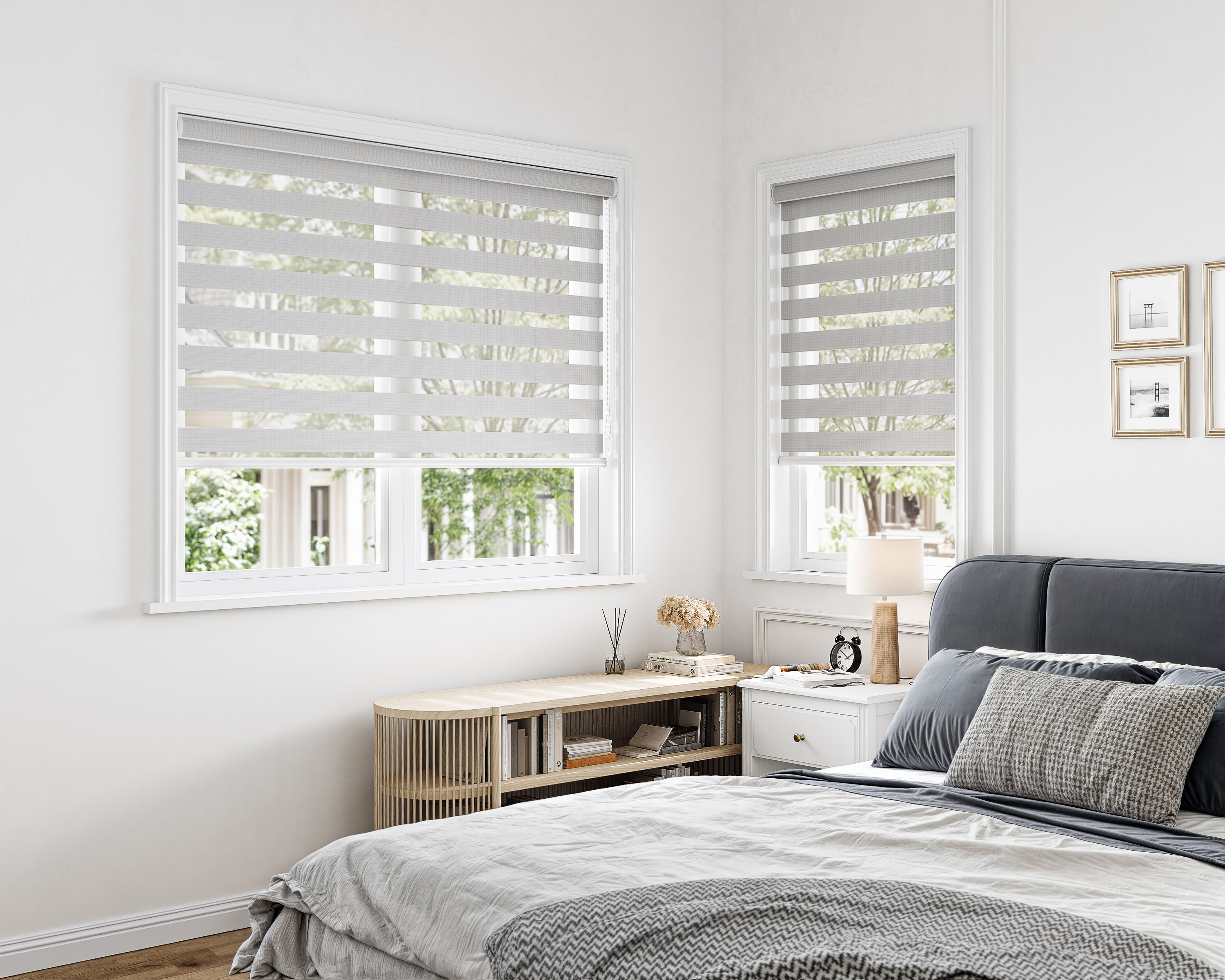
Zebra Shade Day/Night Control: Open Bands, Privacy and Light Gaps
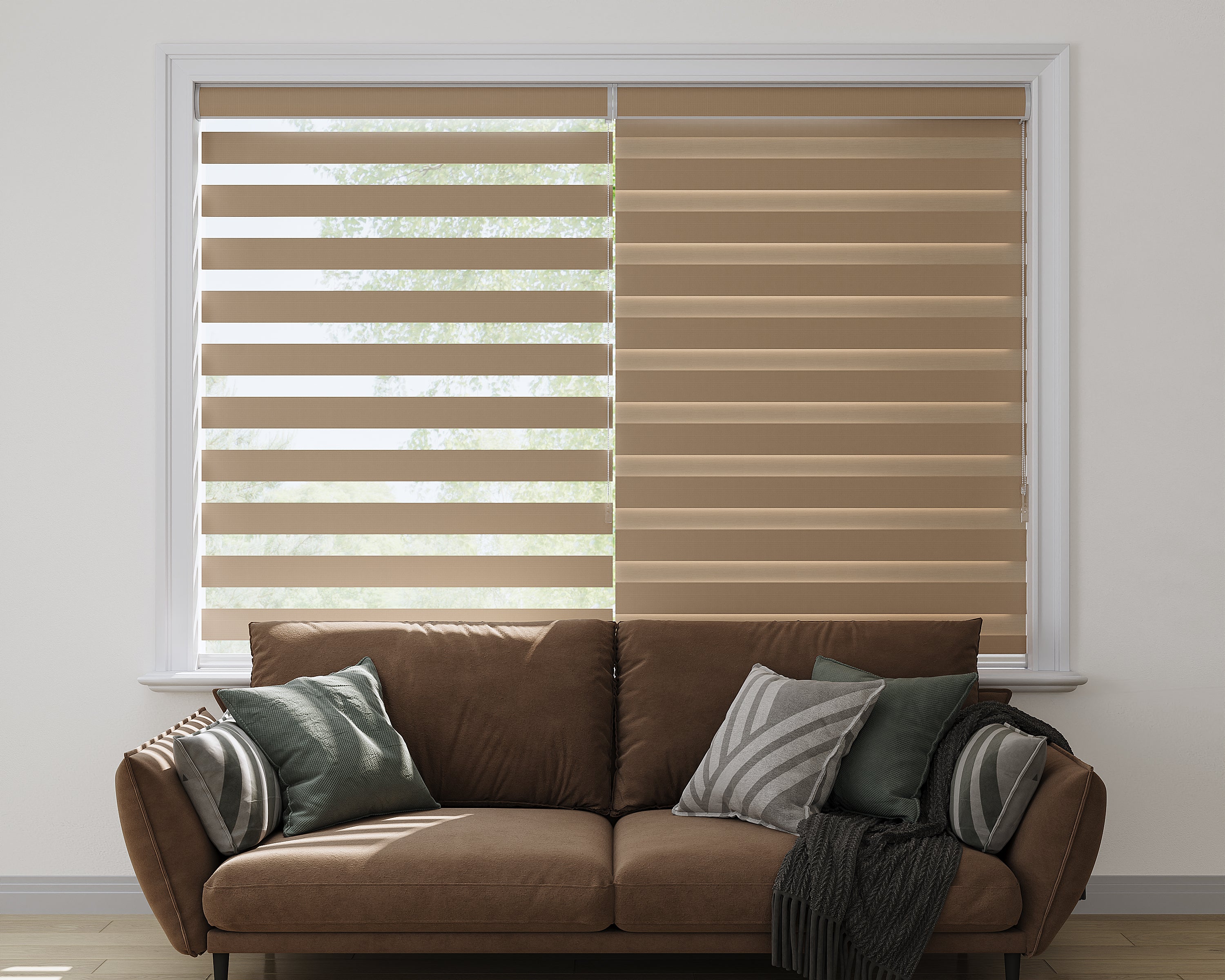
The “day/night” description of zebra shades refers to changing the overlap of their sheer and solid bands. It is a useful way to adjust a room through the day, but...

Light Gaps Around Shades: Find the Cause Before Choosing a Fix
Light passing through fabric and light passing around a shade need different fixes. Blackout fabric can block light through the material while a bright line remains at an edge, bracket...
