






Waterproof Roller Shades
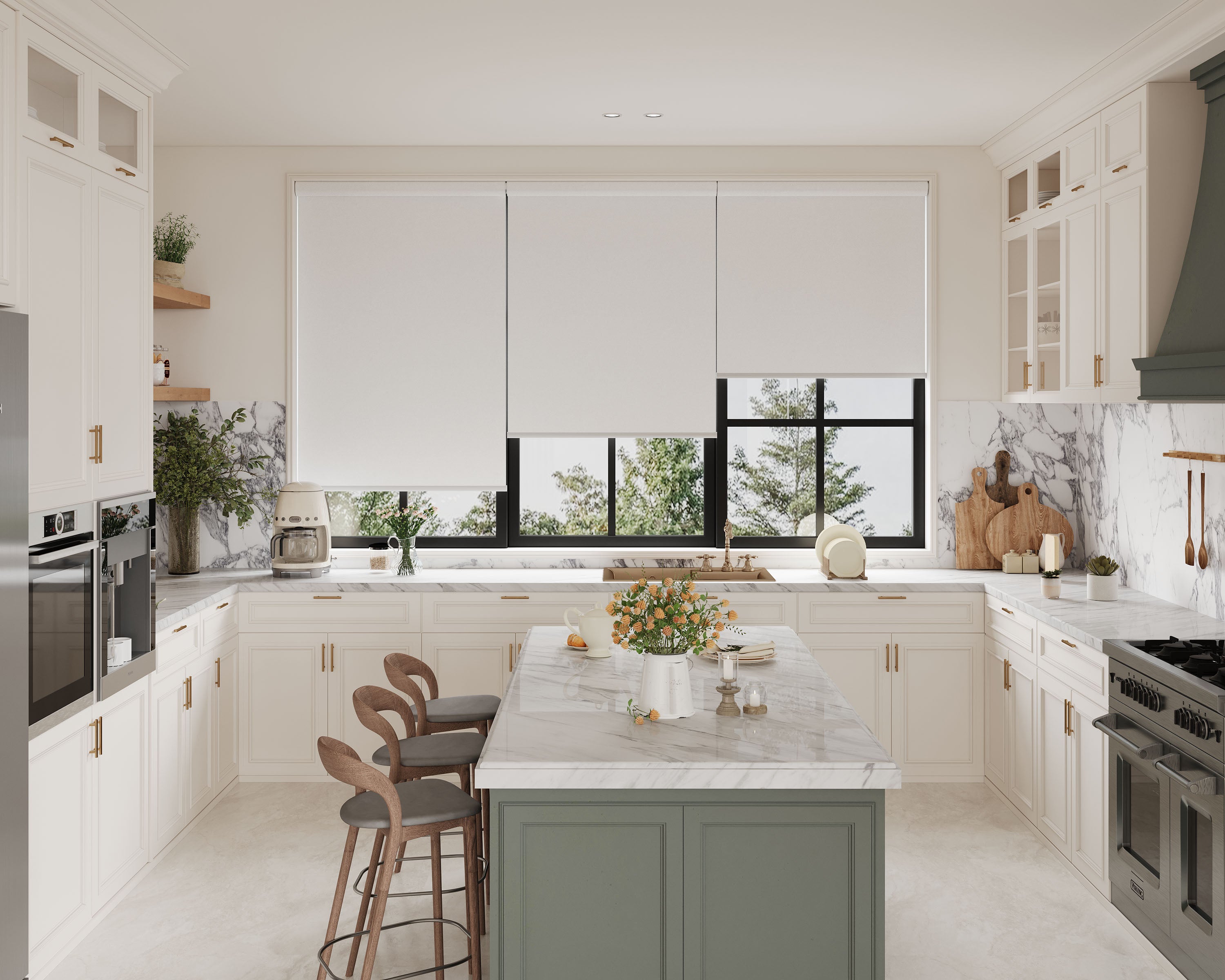
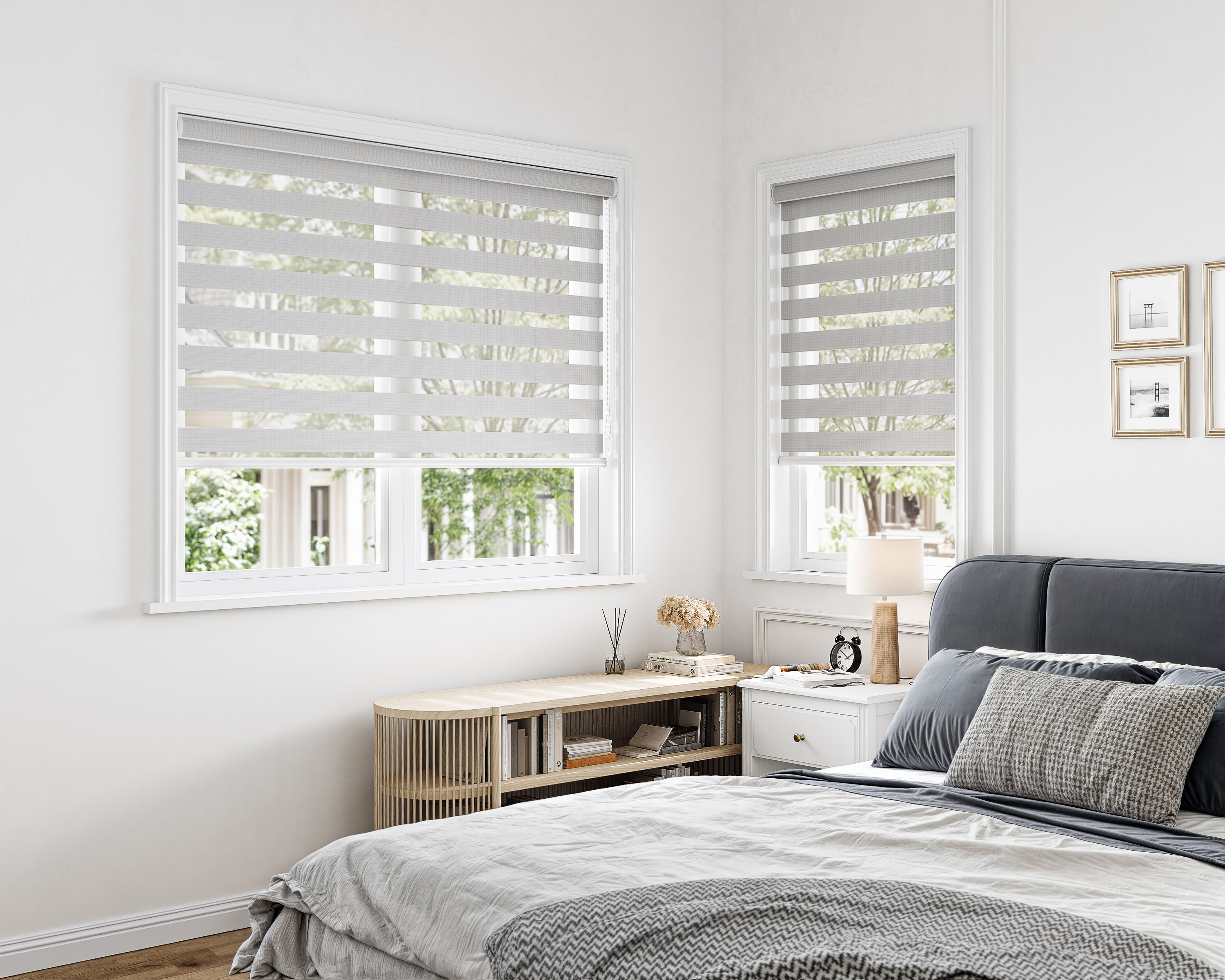
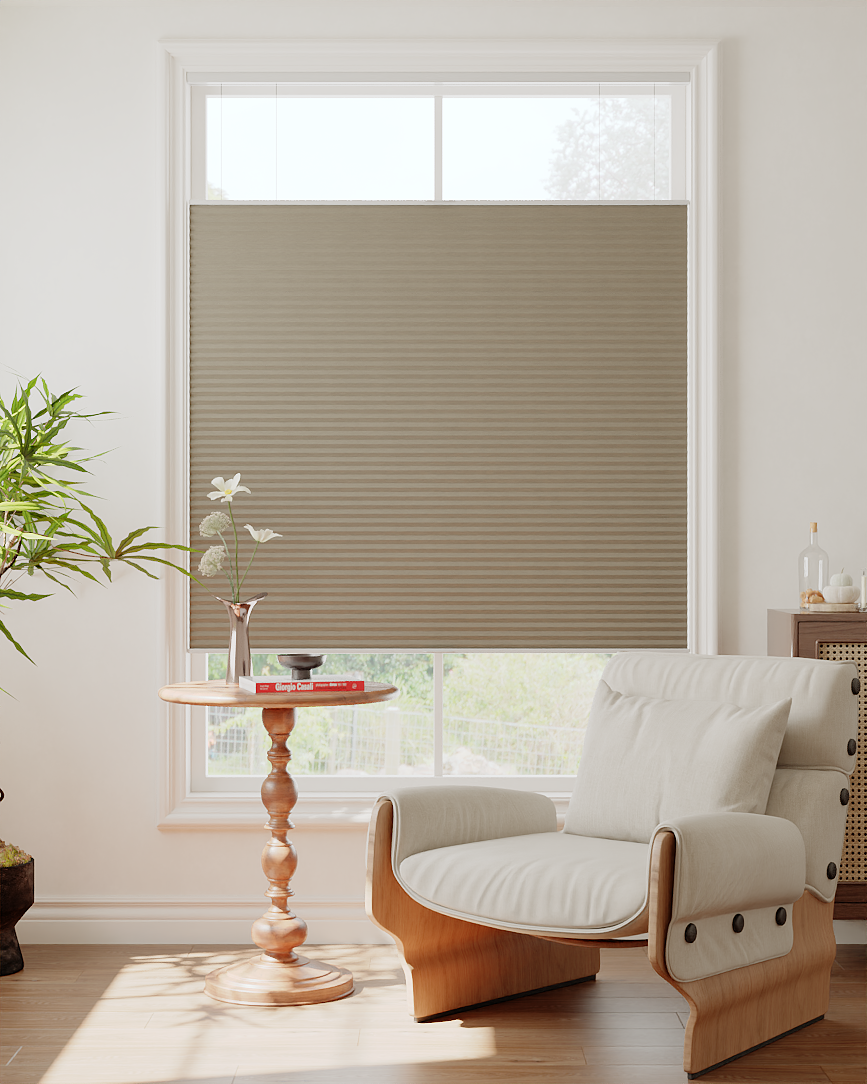
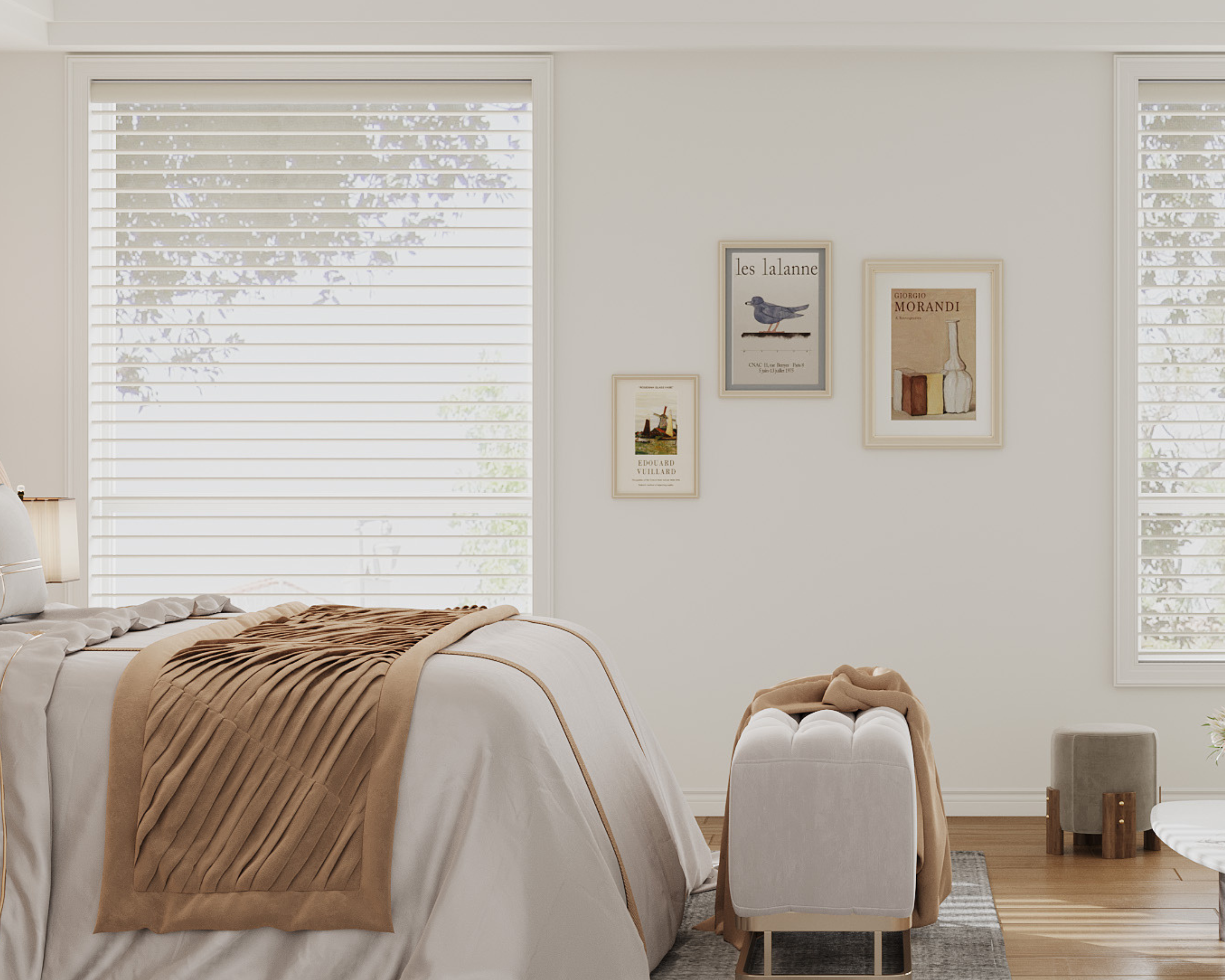
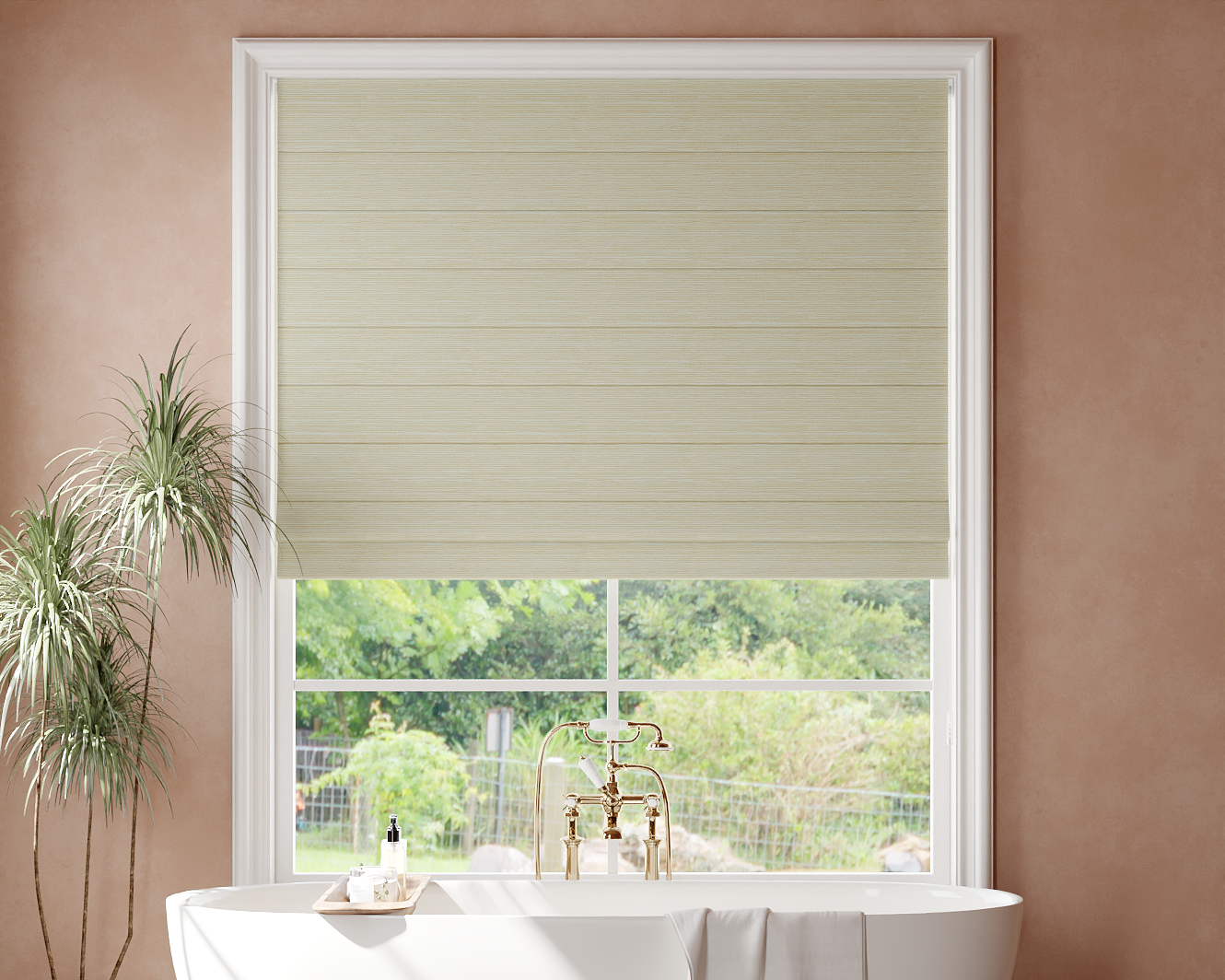
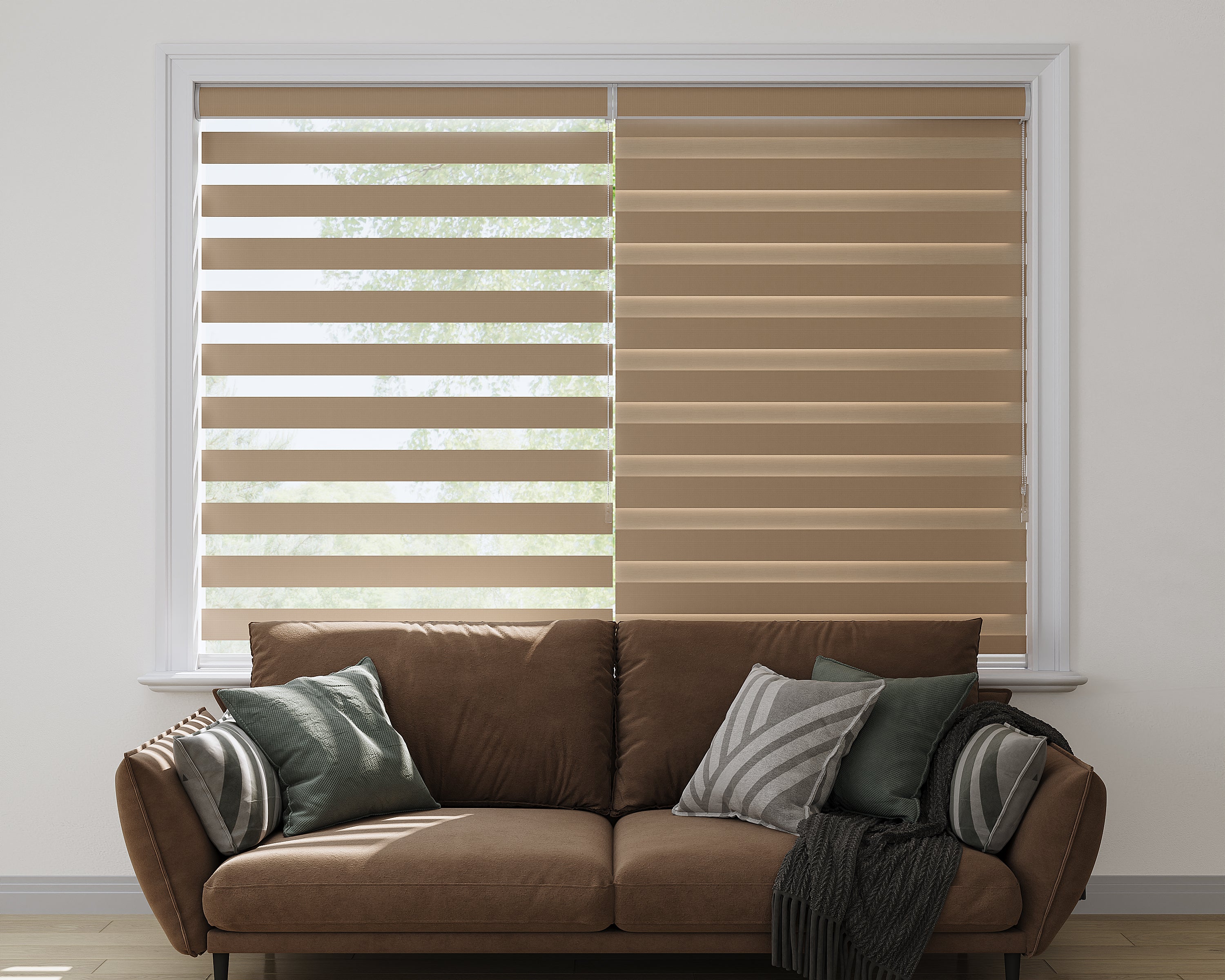
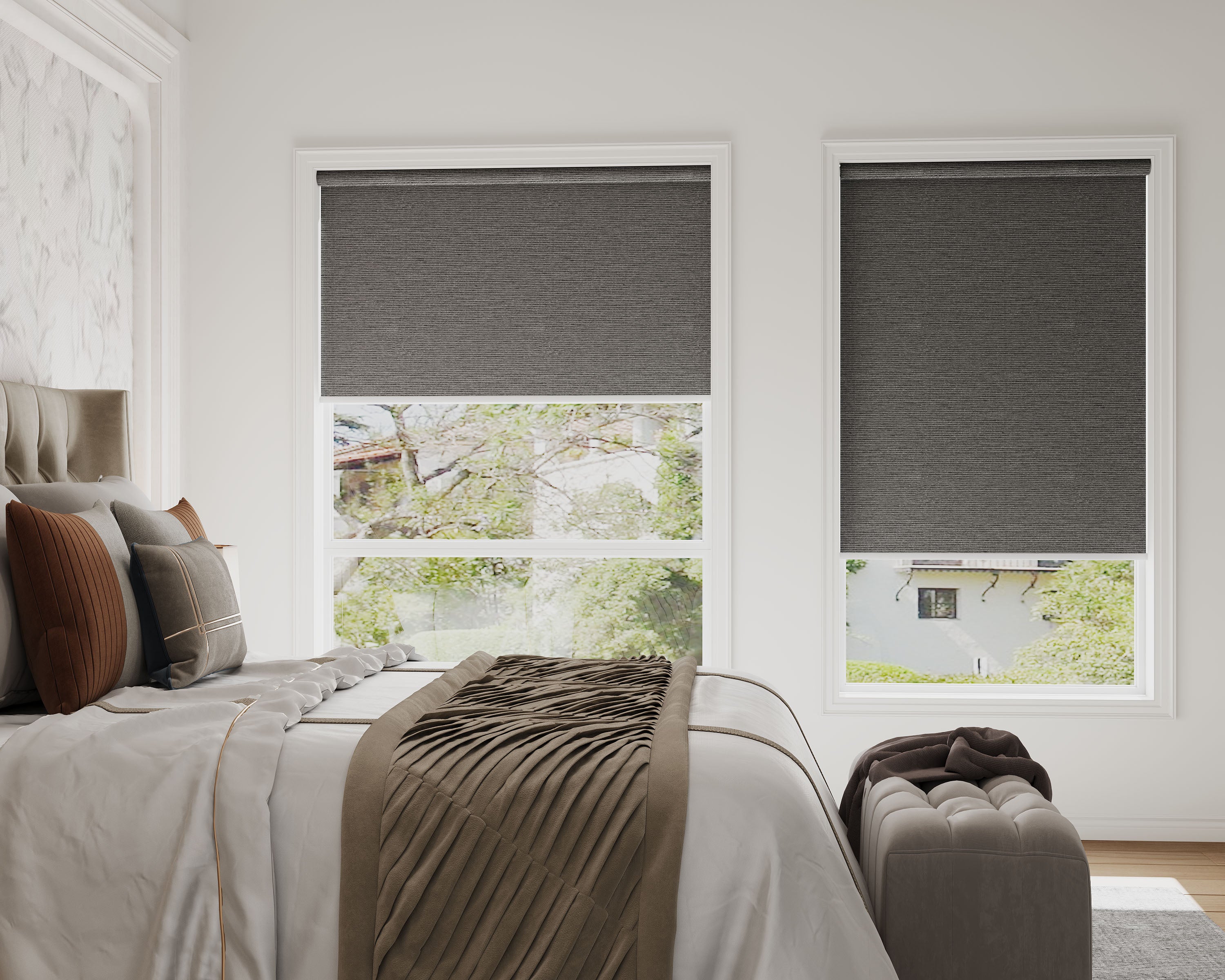
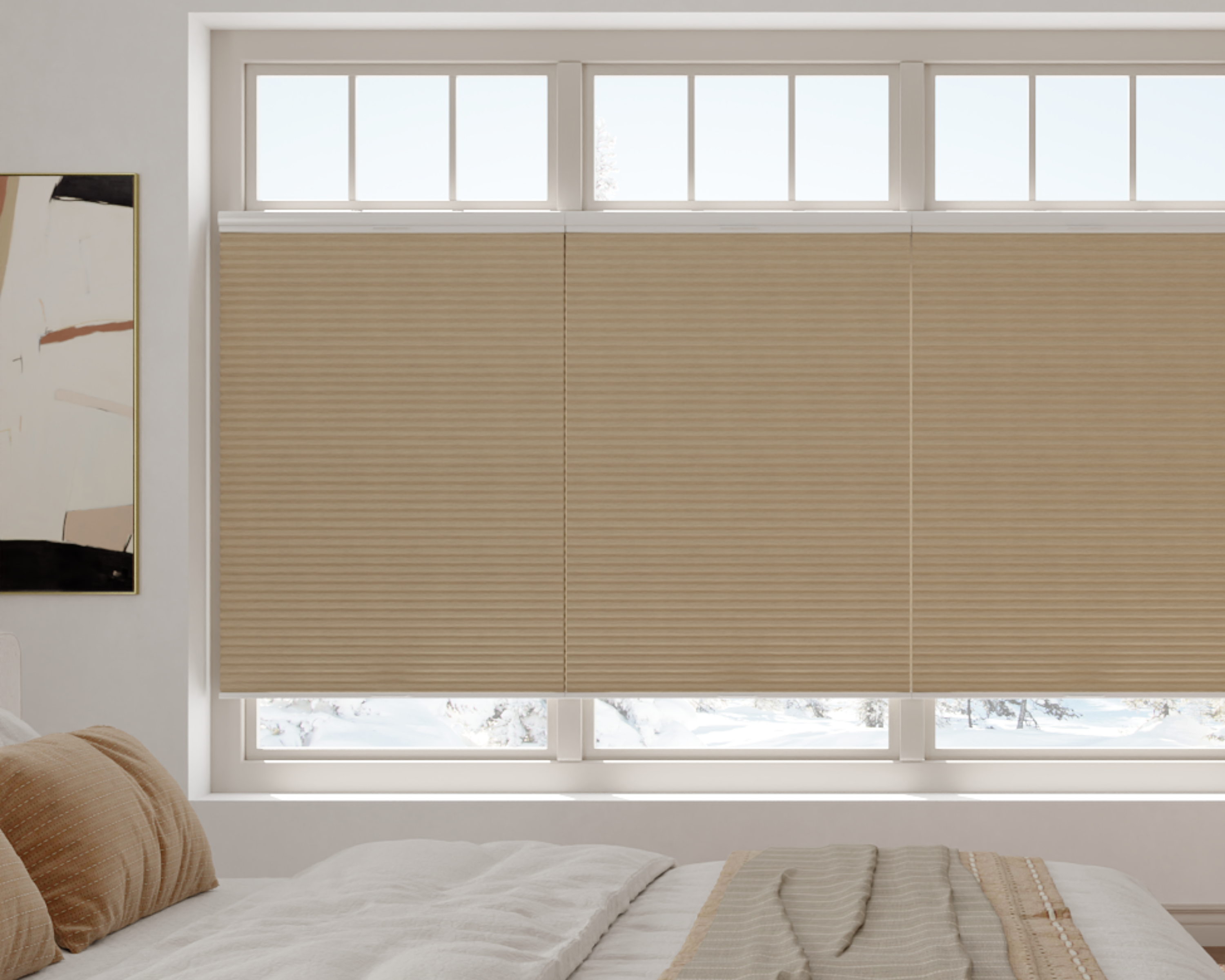
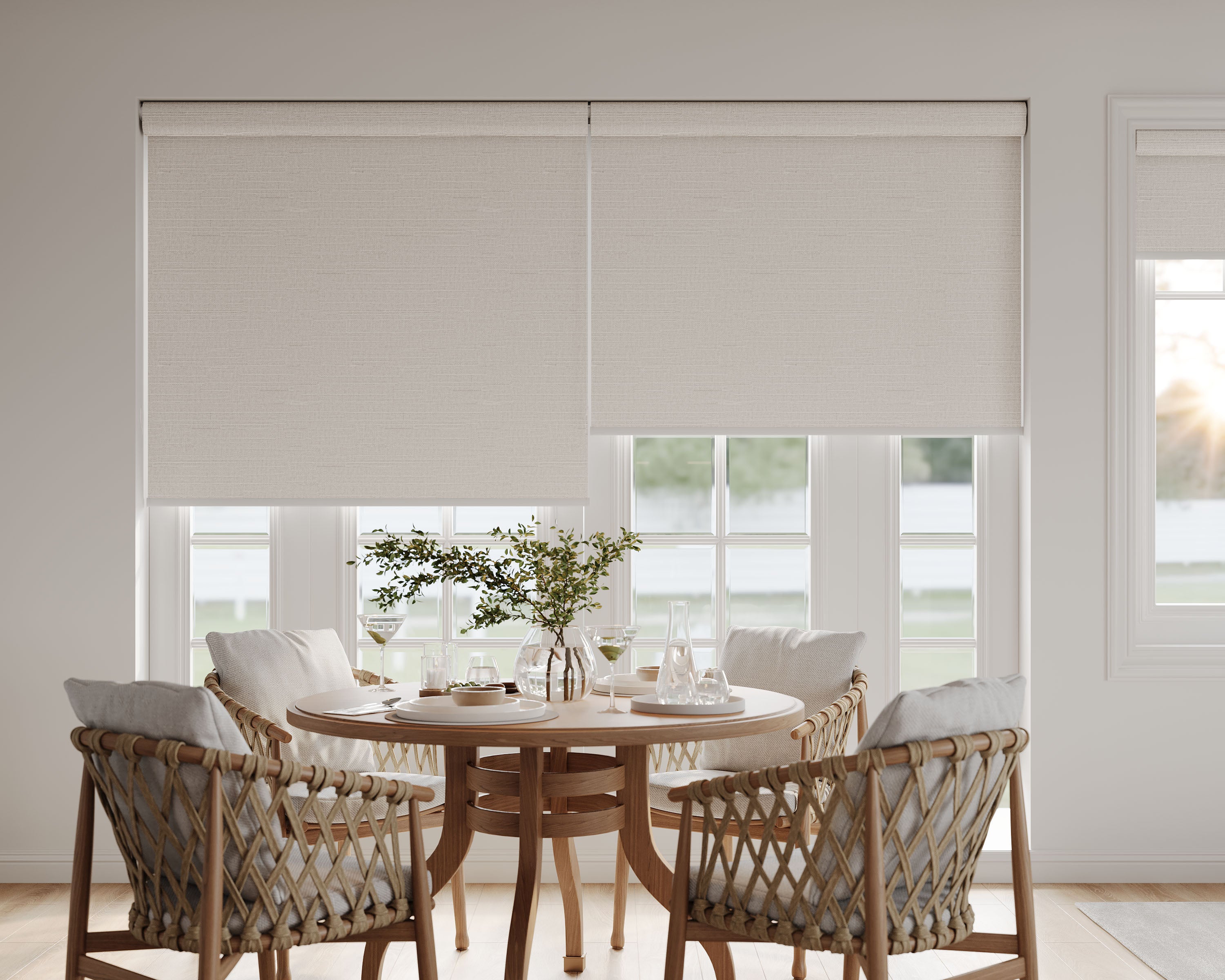
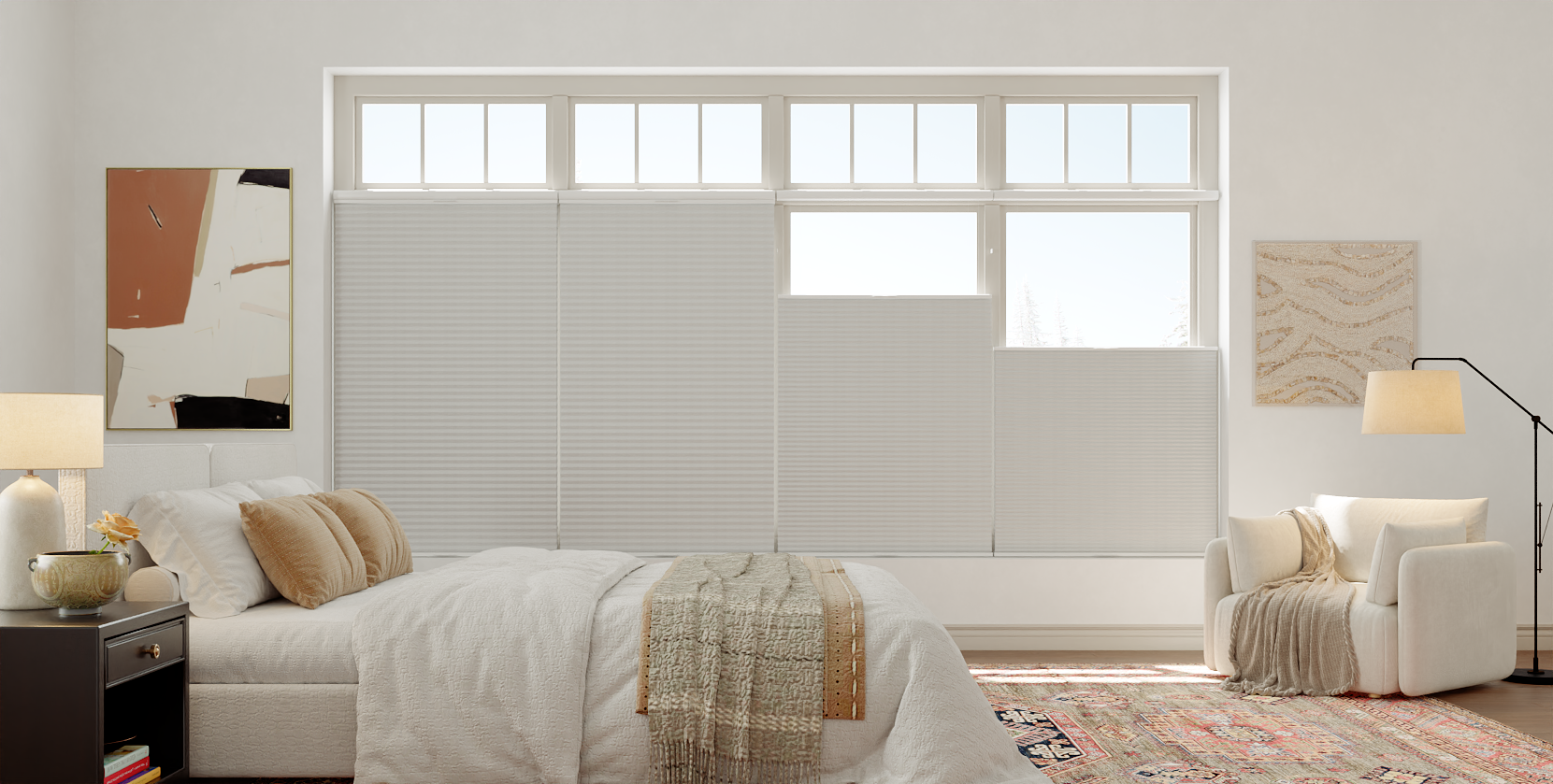
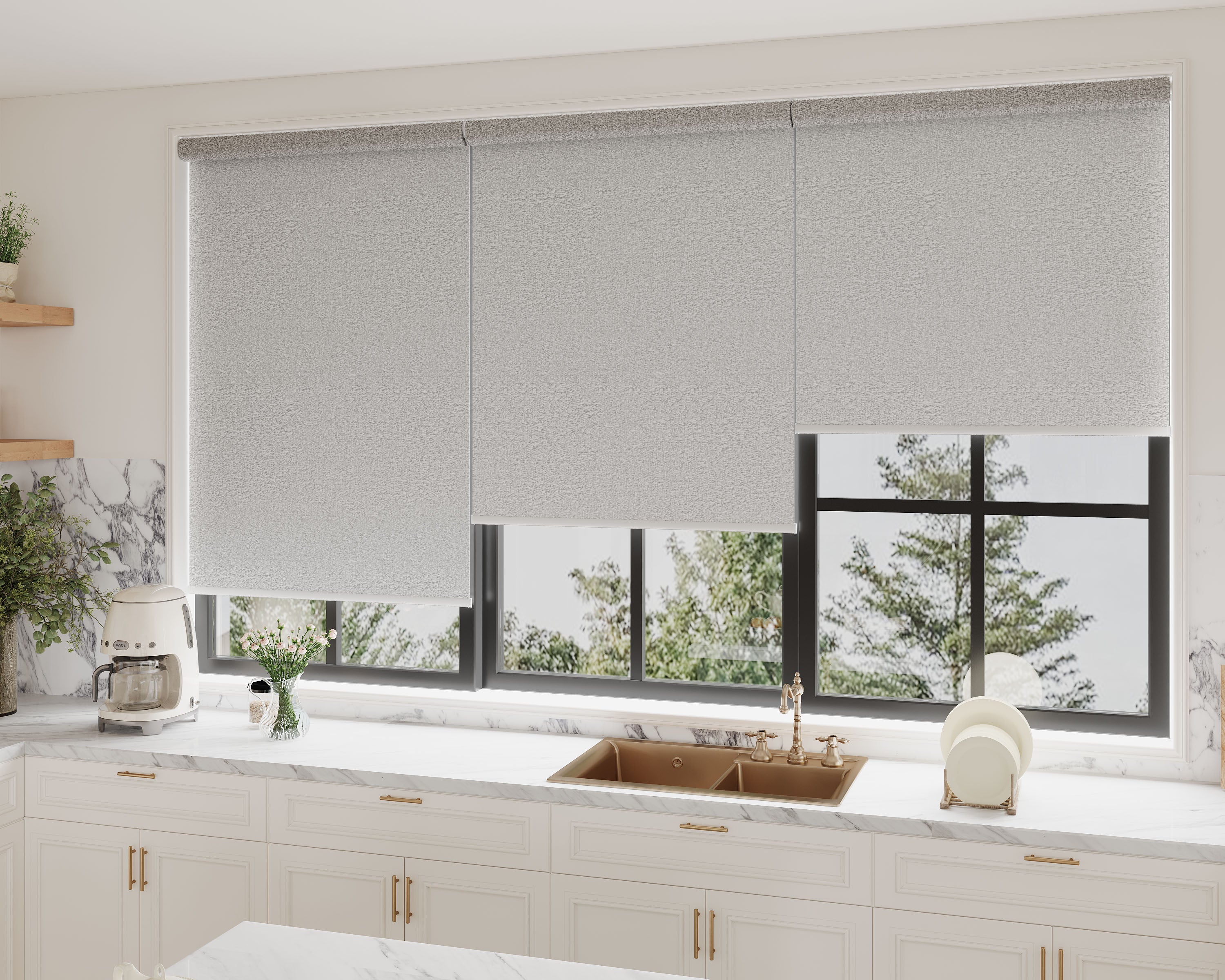
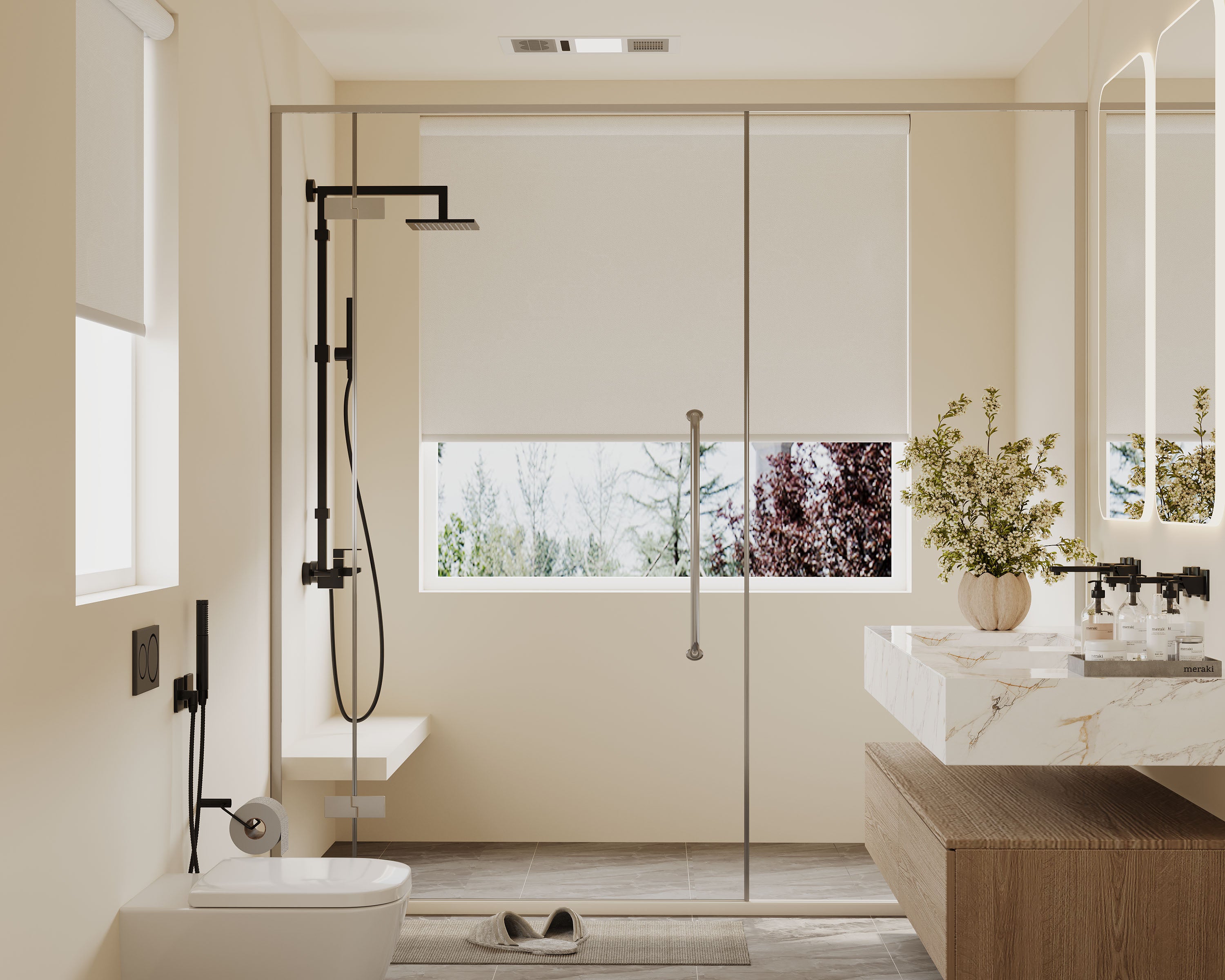
Designed for bathrooms, kitchens, laundry rooms, basements, and other moisture-prone spaces, our waterproof roller shades combine easy-care materials with different levels of privacy, light control, and water resistance. Choose from everyday waterproof roller shades for privacy and easy cleaning, waterproof solar shades for UV and glare control, or heavy-duty wet-zone roller shades for areas exposed to frequent splashes and high humidity.


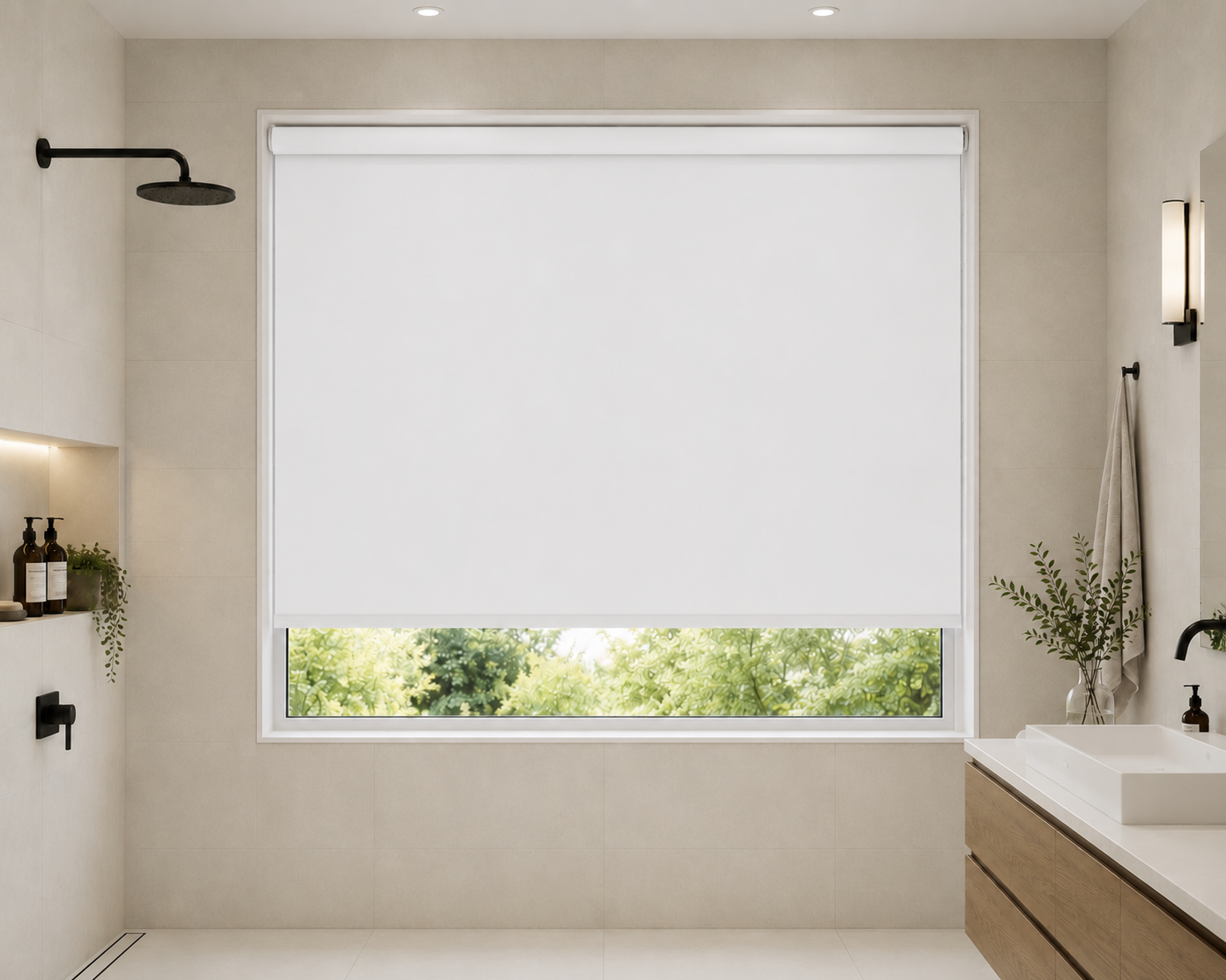


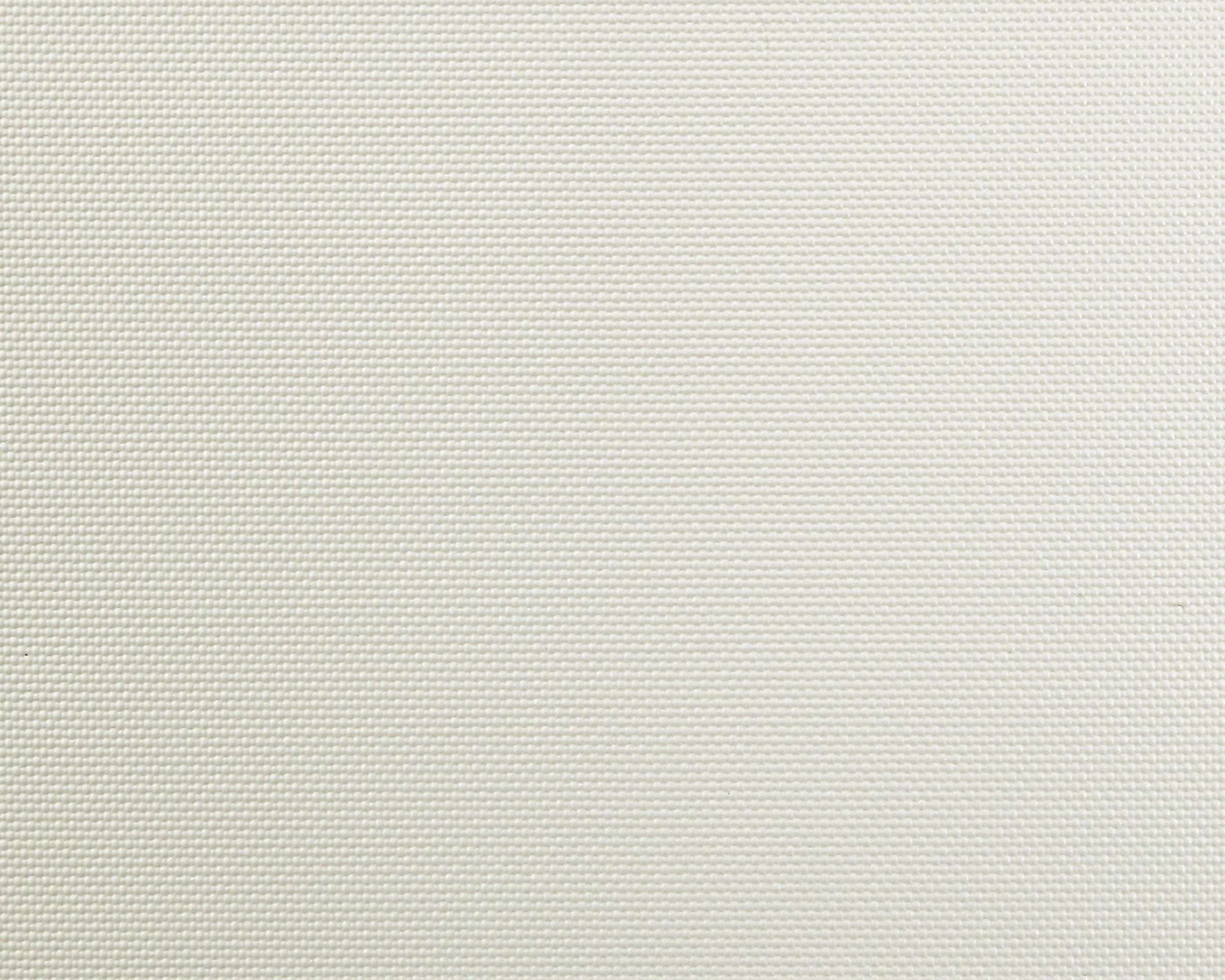
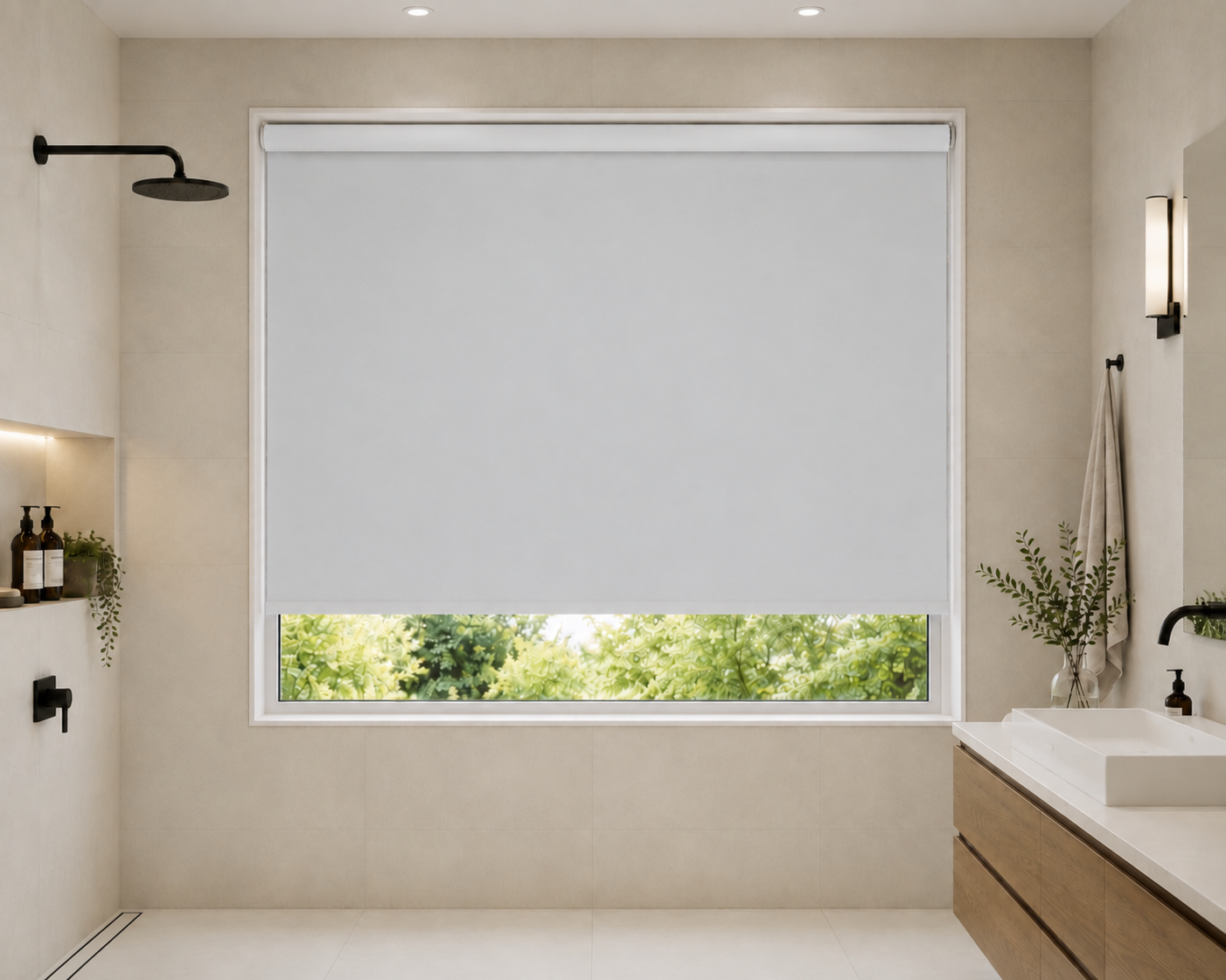

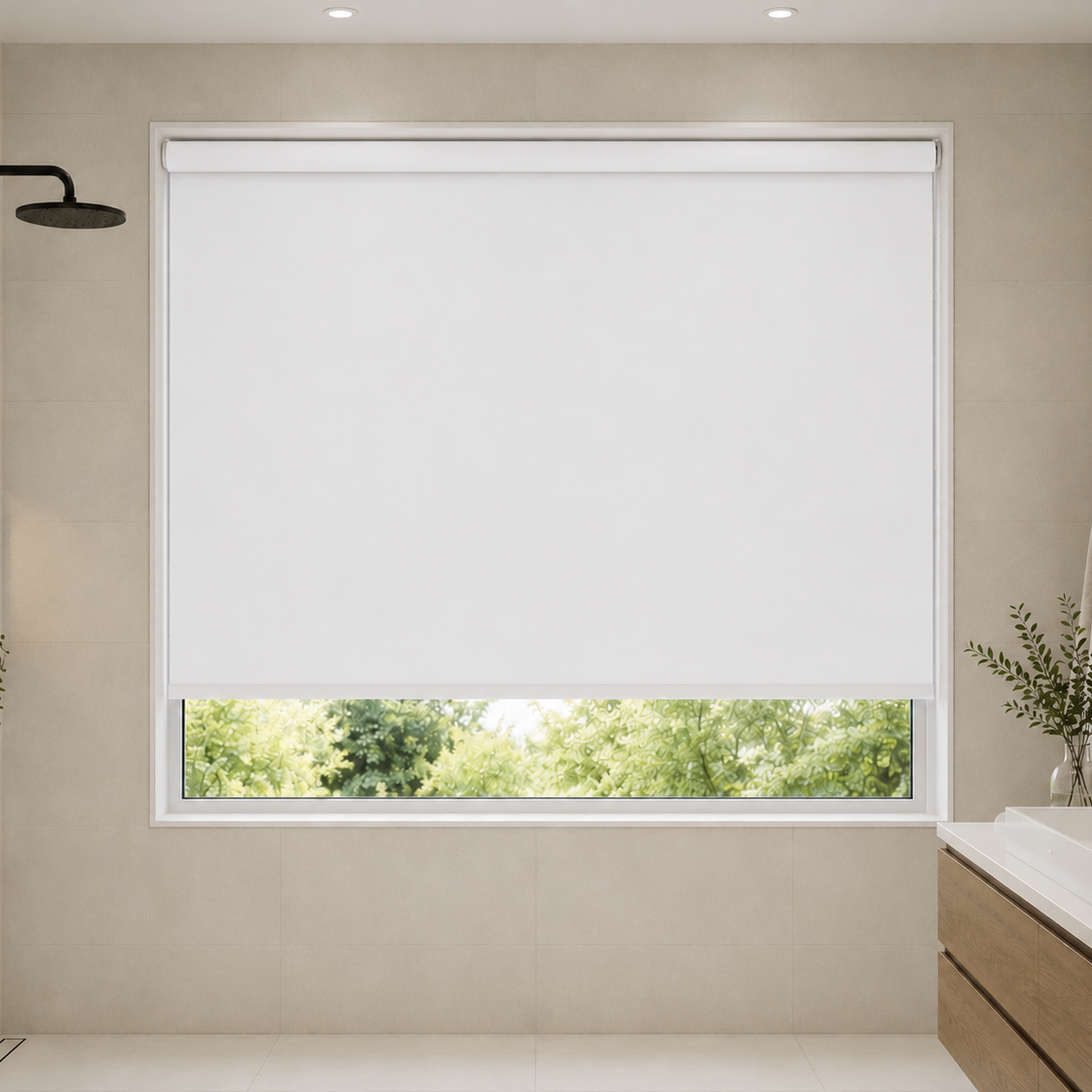
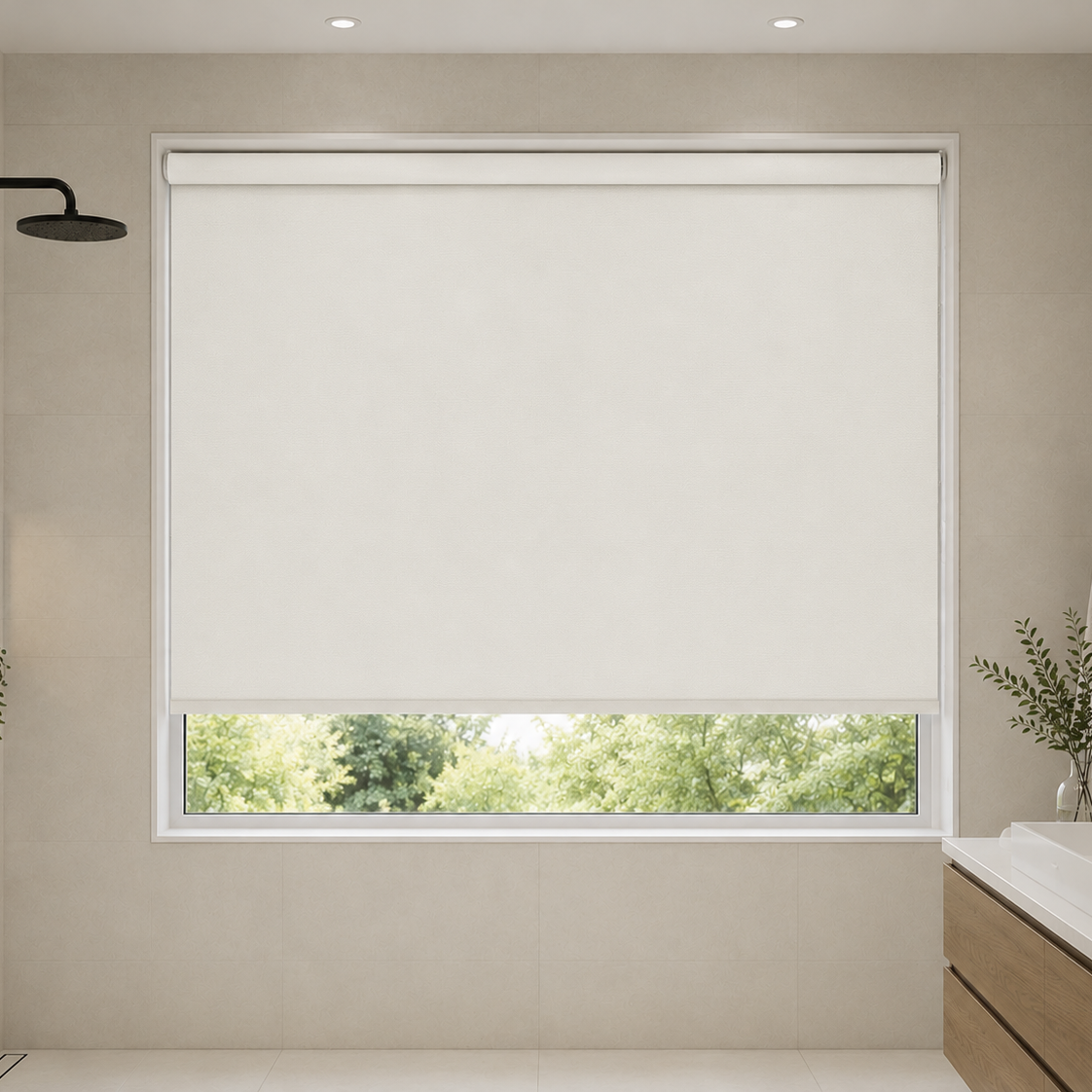
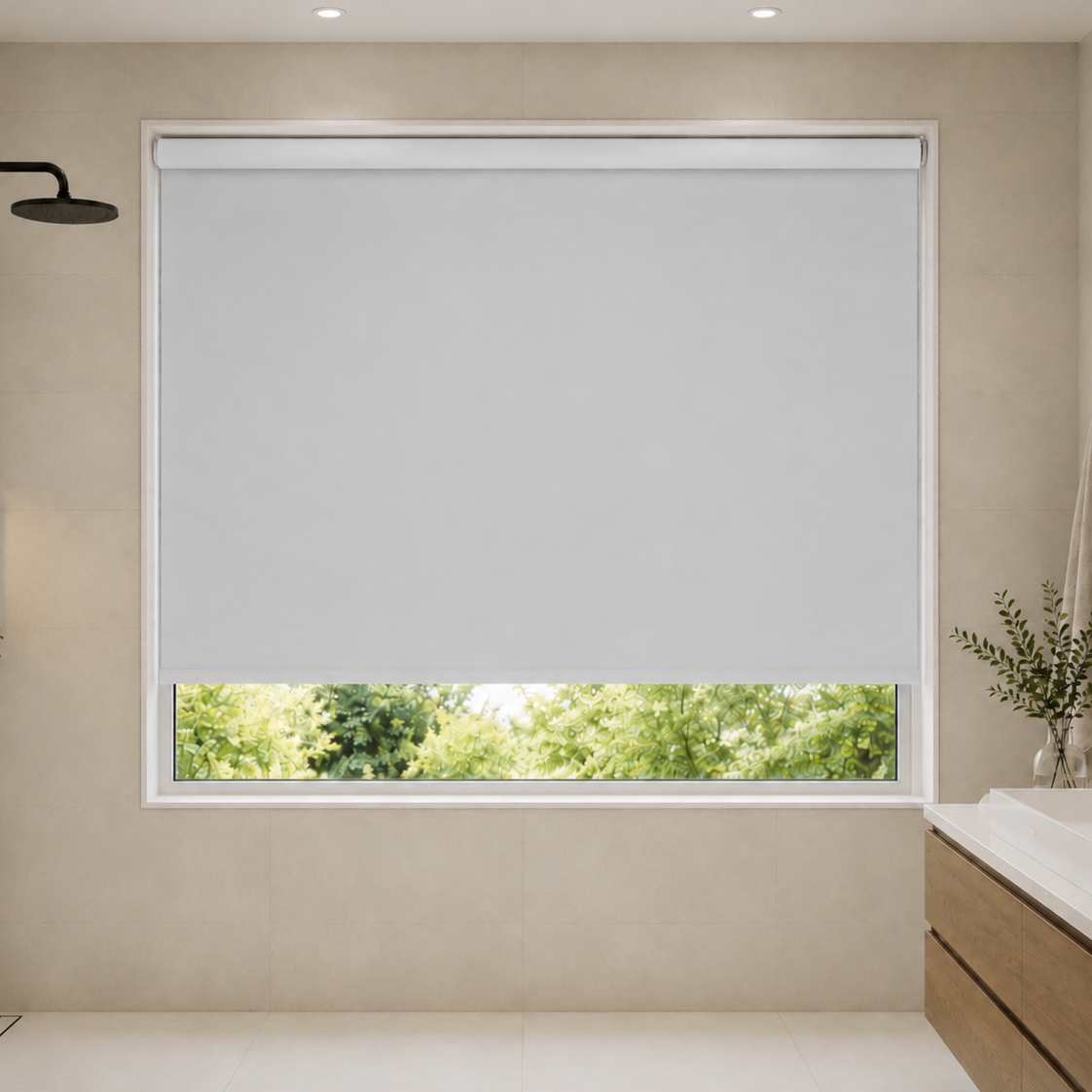
Compare Waterproof Roller Shades
| Feature | Standard Waterproof Roller | Waterproof Solar | Wet-Zone Roller |
|---|---|---|---|
| Best Water Exposure | Humidity + occasional splashes | Humidity + occasional splashes | Frequent splashes / wet zone |
| Bathroom | ✓ | △ | ✓ |
| Kitchen | ✓ | ✓ | ✓ |
| Laundry Room | ✓ | ✓ | ✓ |
| Basement | ✓ | ✓ | ✓ |
| Shower / Wet Zone | — | — | ✓ |
| Privacy | High | Outward View | High |
| Light Control | Blackout / privacy | UV + glare | 100% blackout |
| Easy to Wipe Clean | ✓ | ✓ | ✓ |
FAQ
-
Not all roller shades are waterproof. Waterproof performance depends on the fabric construction. PVC-based fabrics have low water absorption and are better suited to humidity, condensation, and splashes than many conventional textile fabrics.
-
Yes. Waterproof roller shades are an excellent choice for bathrooms because they resist humidity and condensation while providing privacy and an easy-to-clean surface. For windows exposed to frequent direct water contact, such as inside a shower area, choose a Wet-Zone Waterproof Roller Shade instead.
-
Standard waterproof roller shades are intended primarily for humidity, condensation, and occasional splashes. For repeated direct water exposure, use a Wet-Zone Waterproof Roller Shade specifically designed for shower windows and other high-splash environments.
-
PVC-based waterproof fabrics absorb much less moisture than many traditional textile materials, making them easier to maintain in humid environments. Our Wet-Zone Roller fabric is designed with additional mold- and mildew-resistant performance.
-
Waterproof fabrics are designed to resist water penetration and typically use low-absorption materials such as PVC-based fabrics. Water-repellent fabrics cause water to bead on the surface and resist short-term moisture exposure, but are generally not intended for repeated direct water contact or wet-zone applications.
