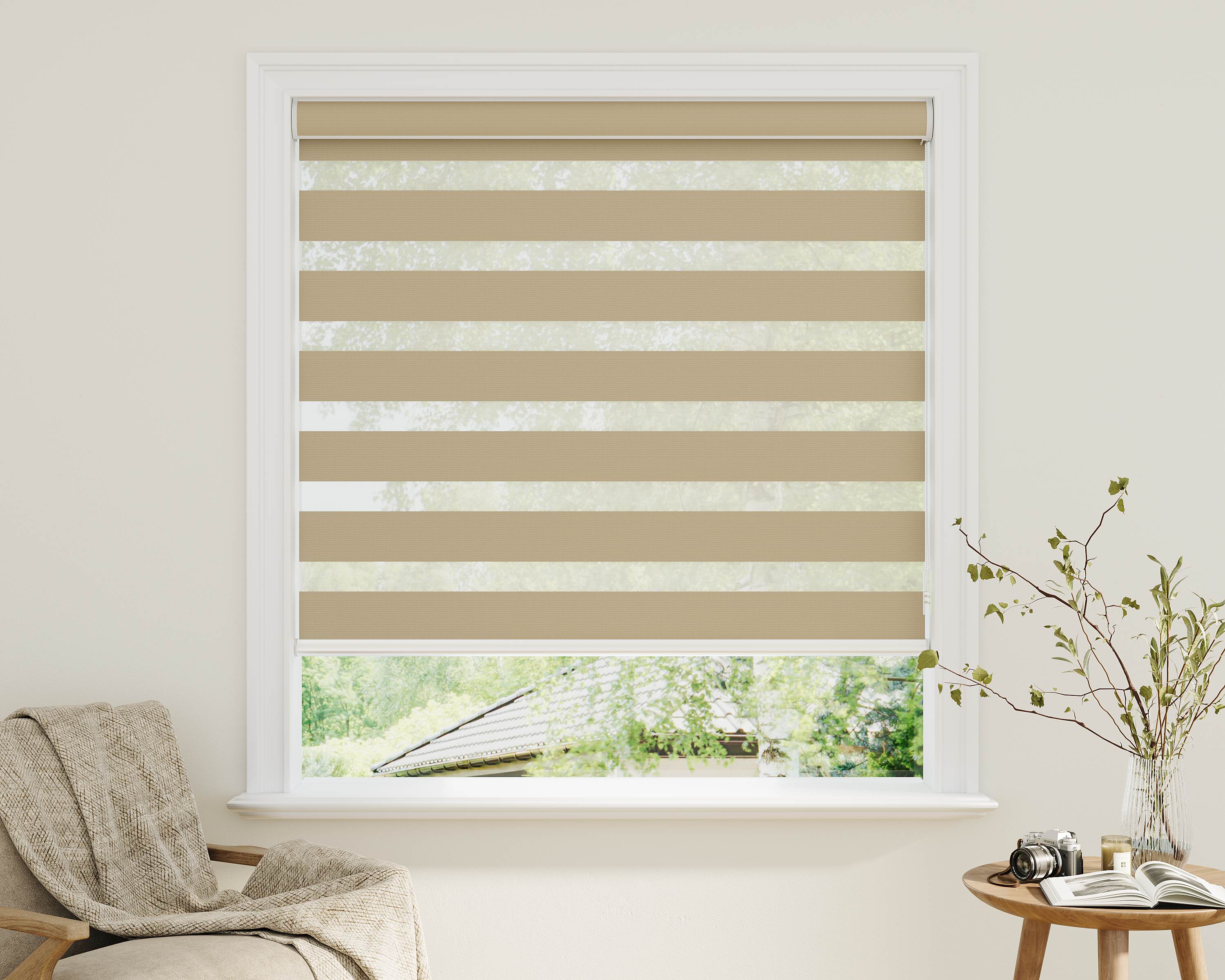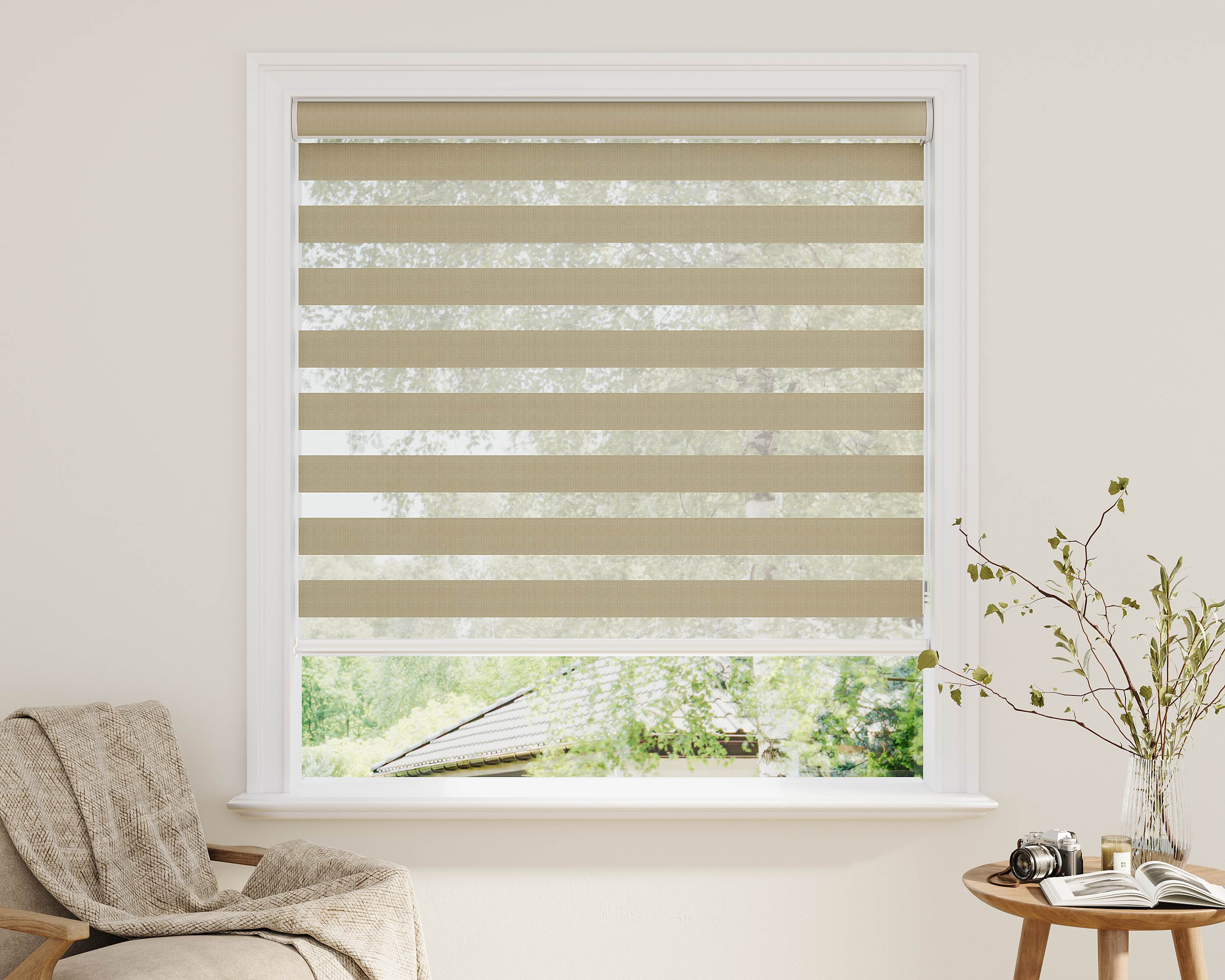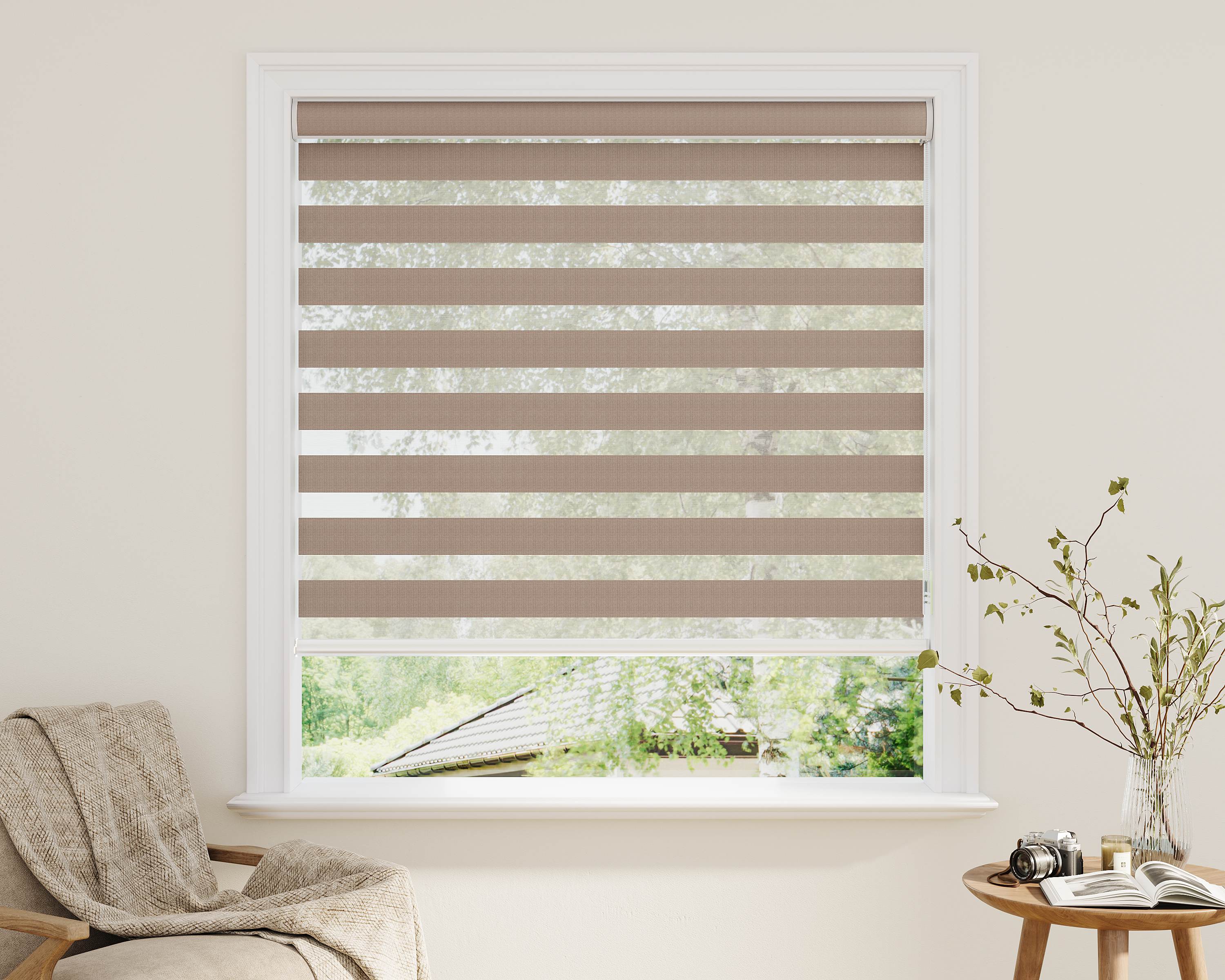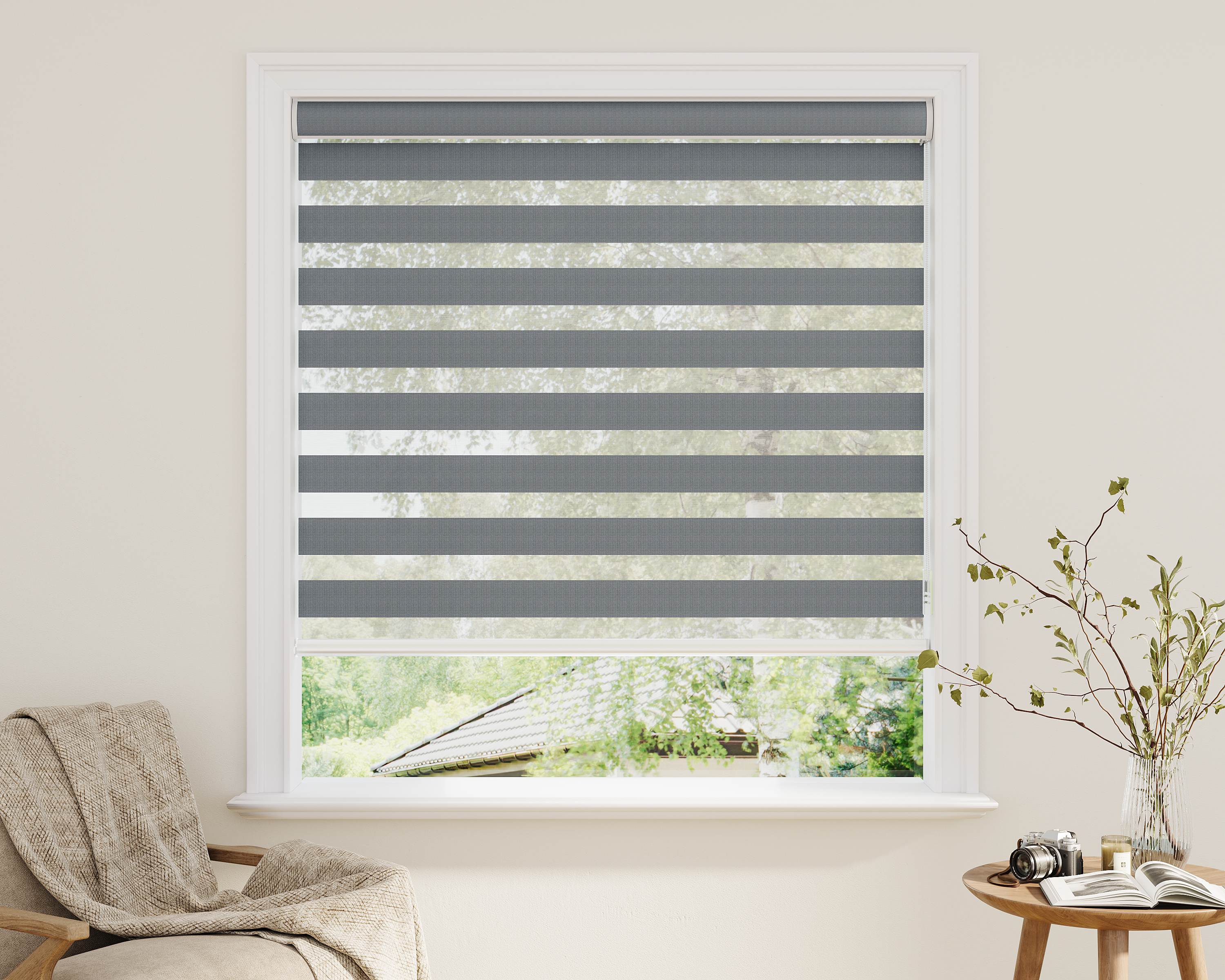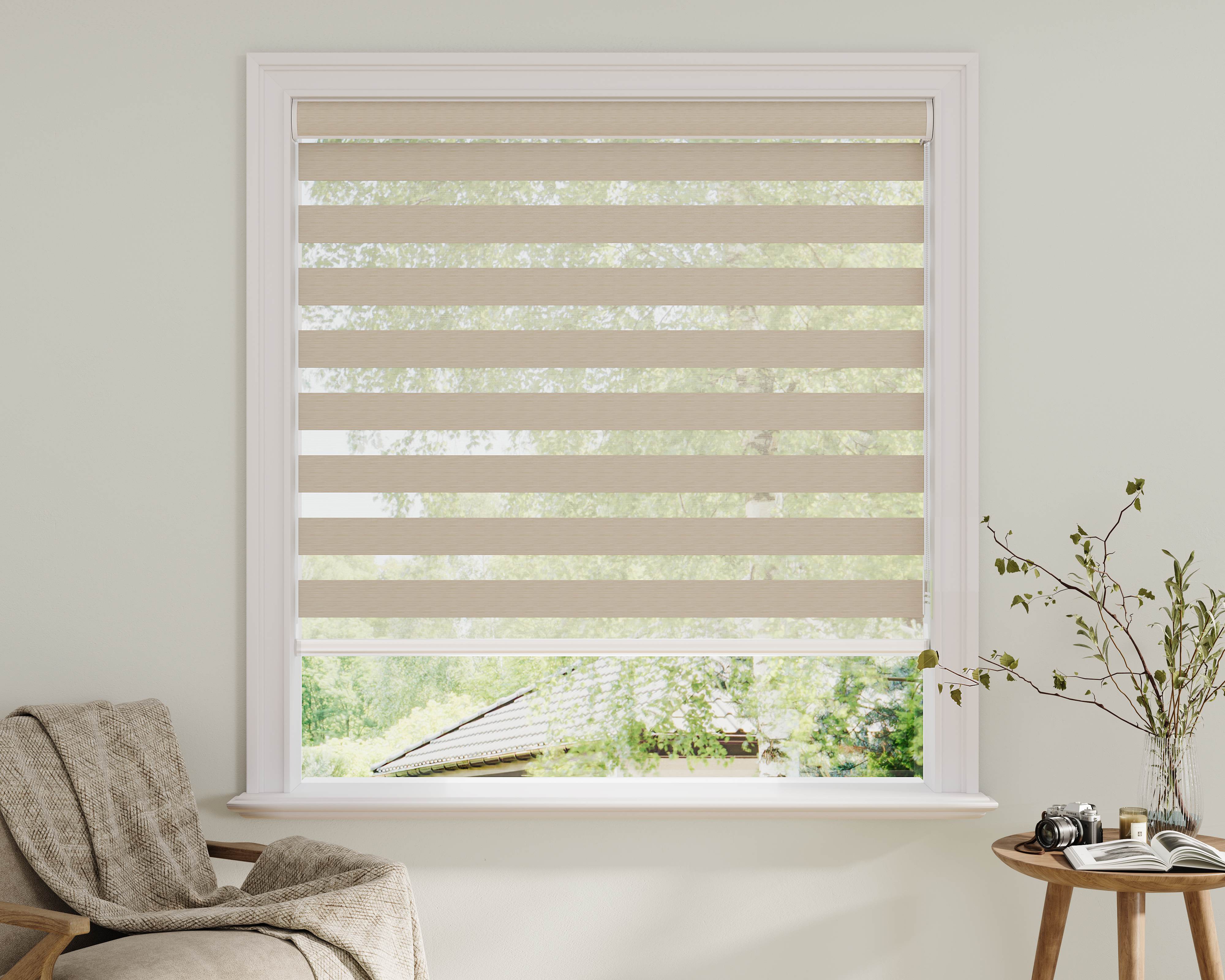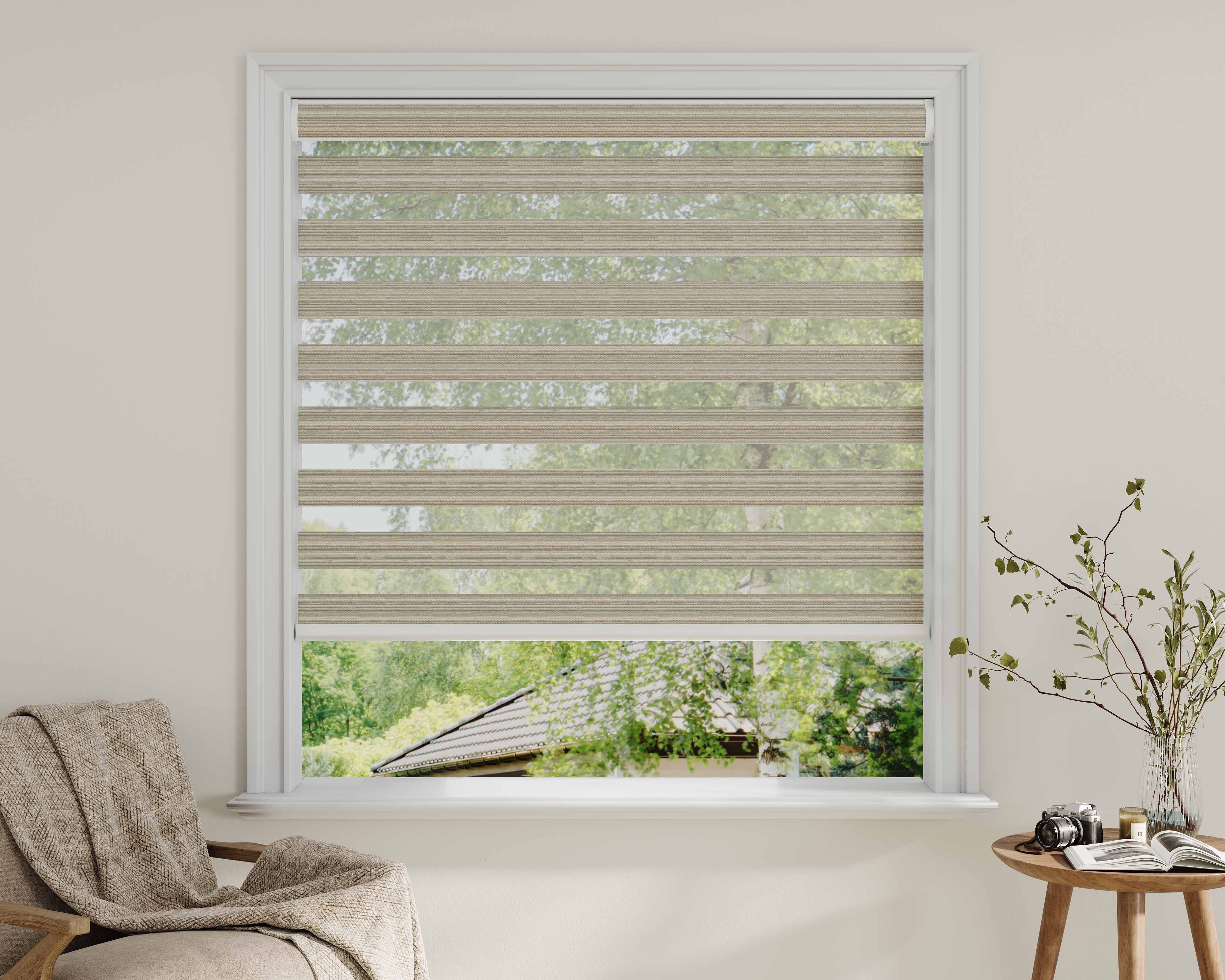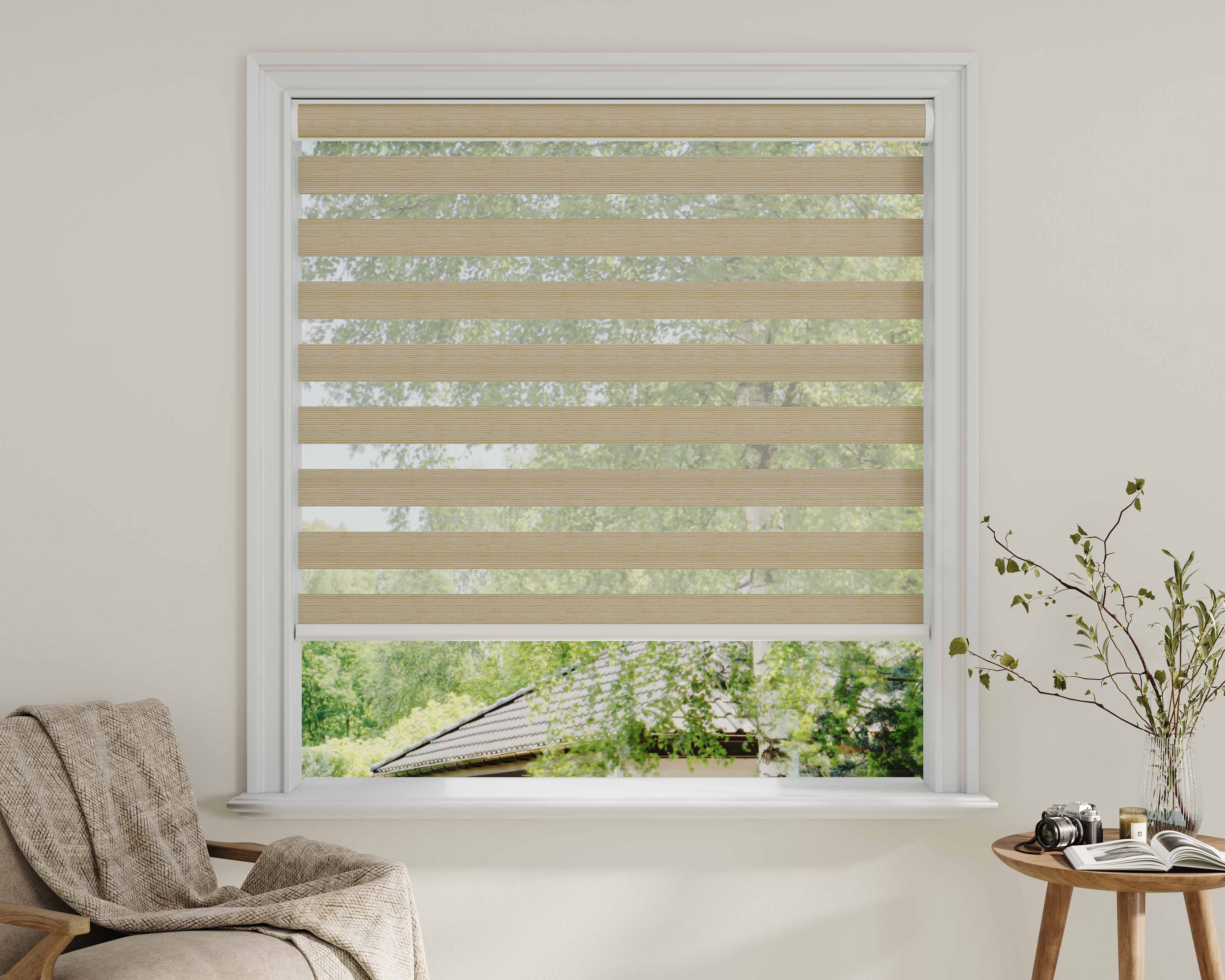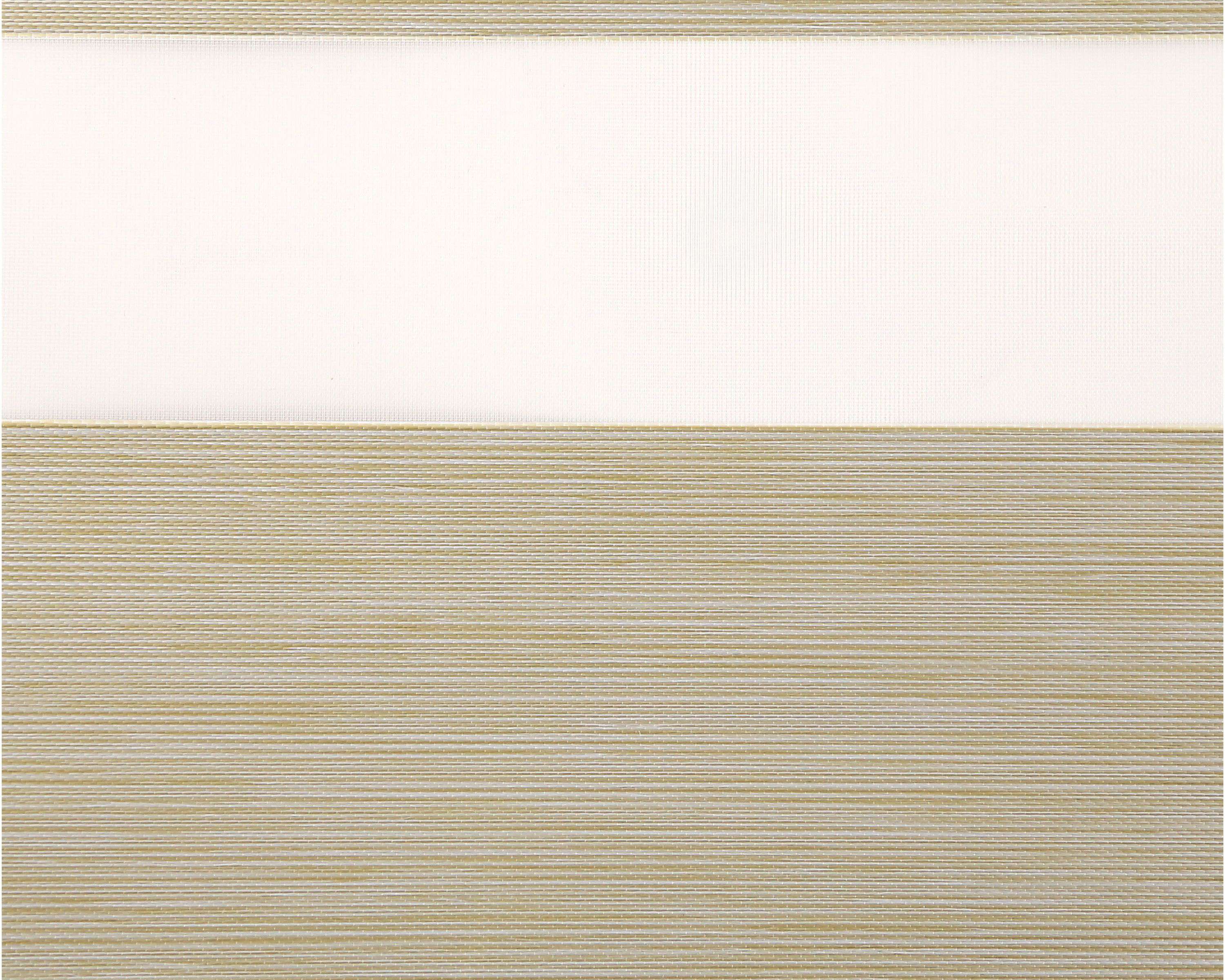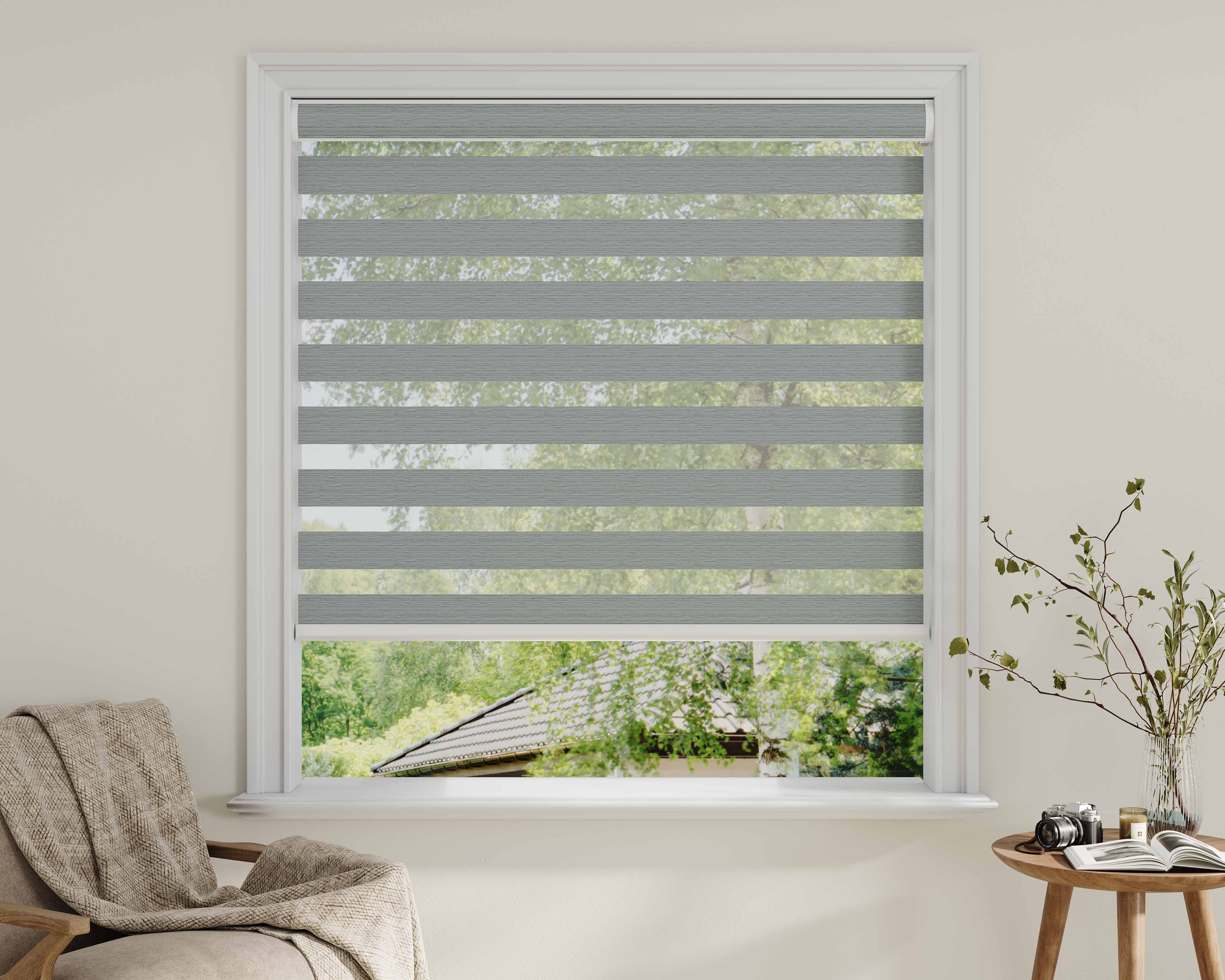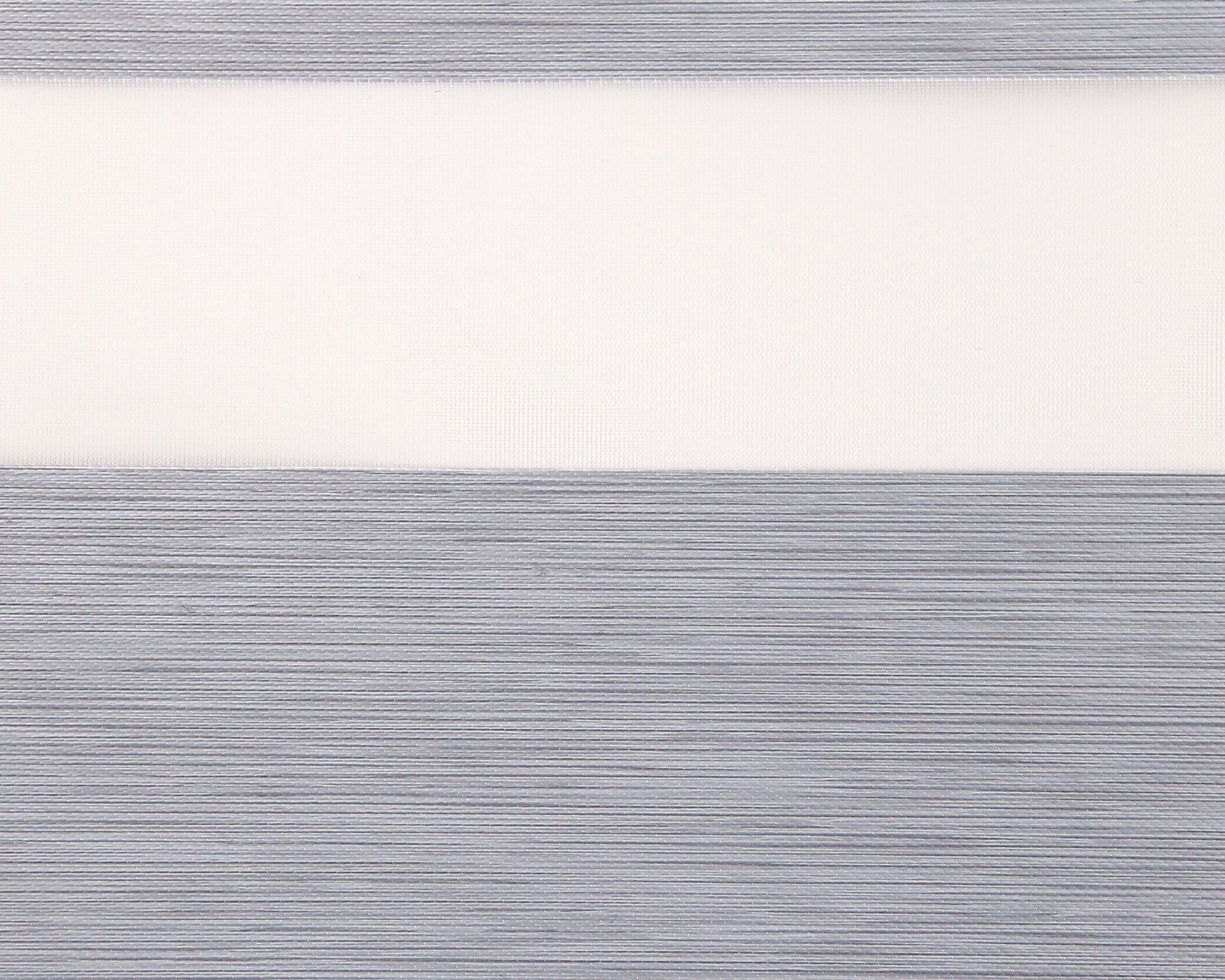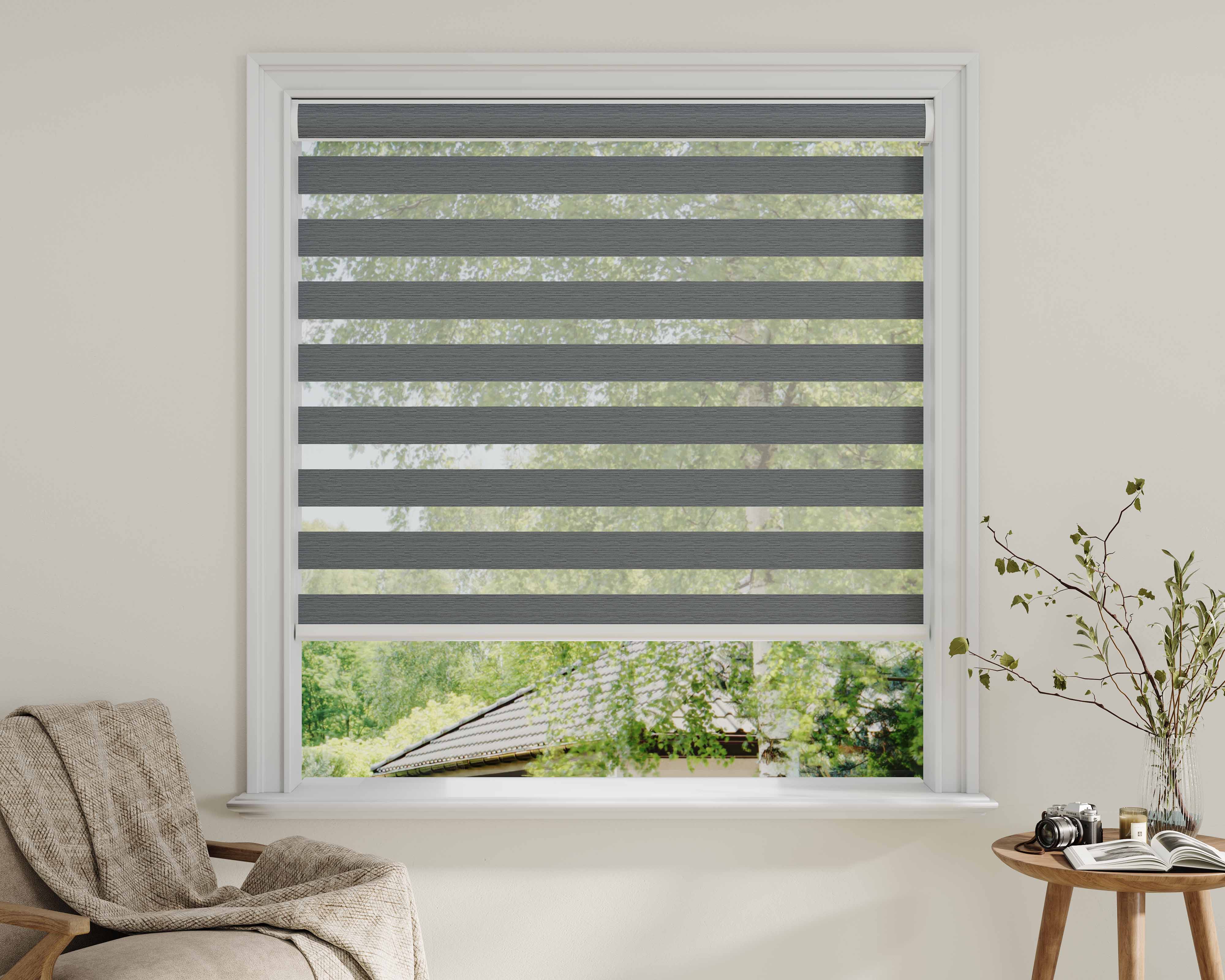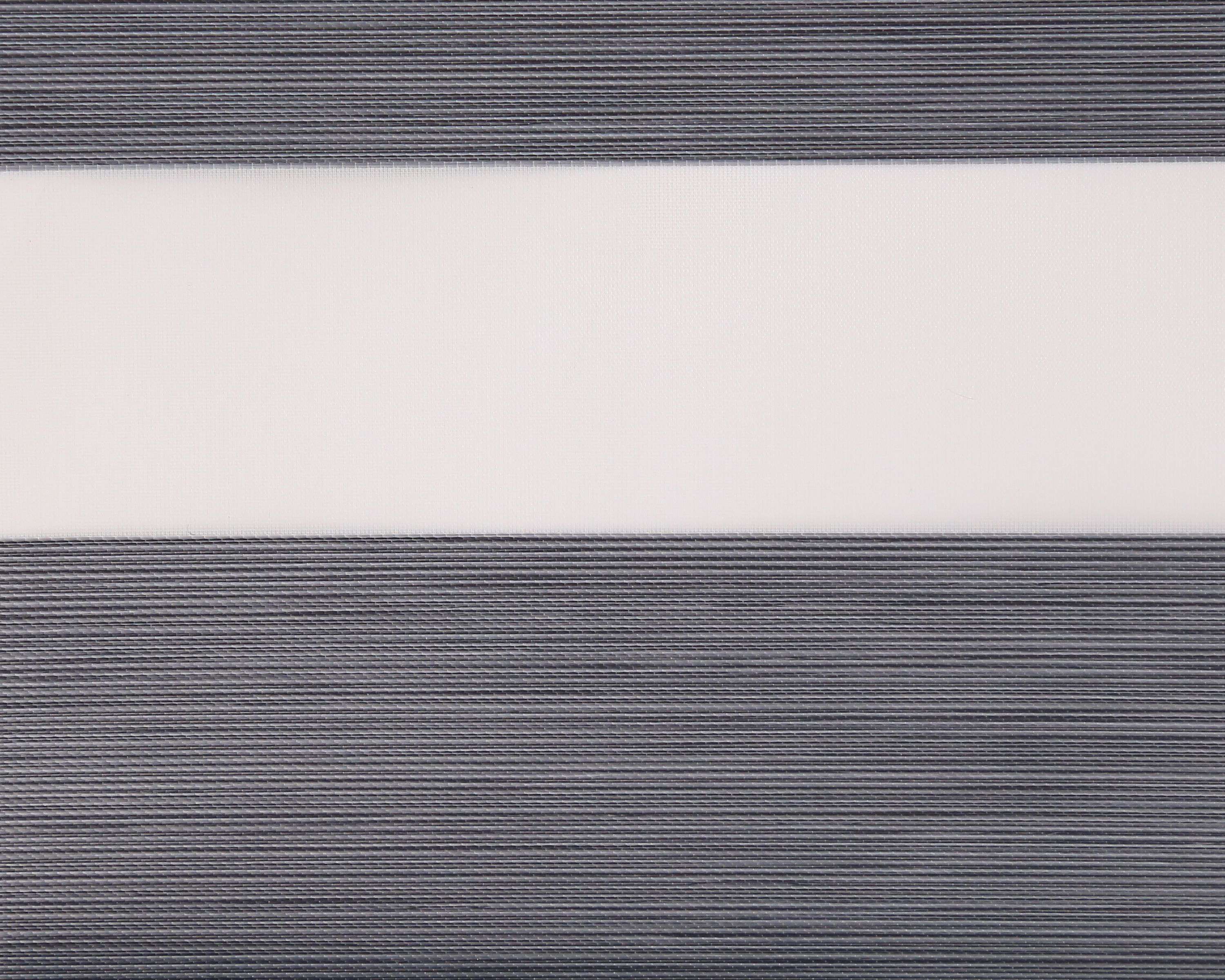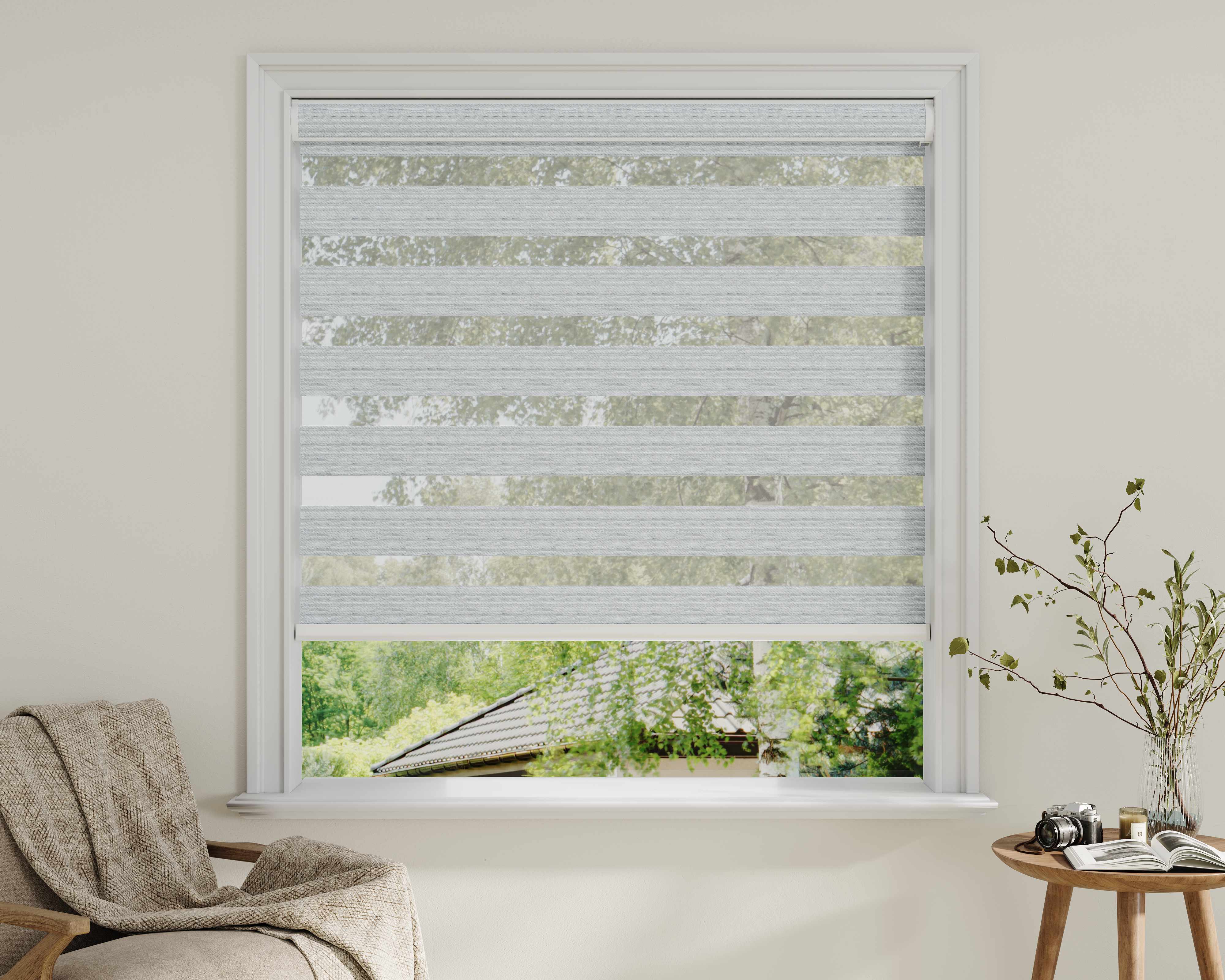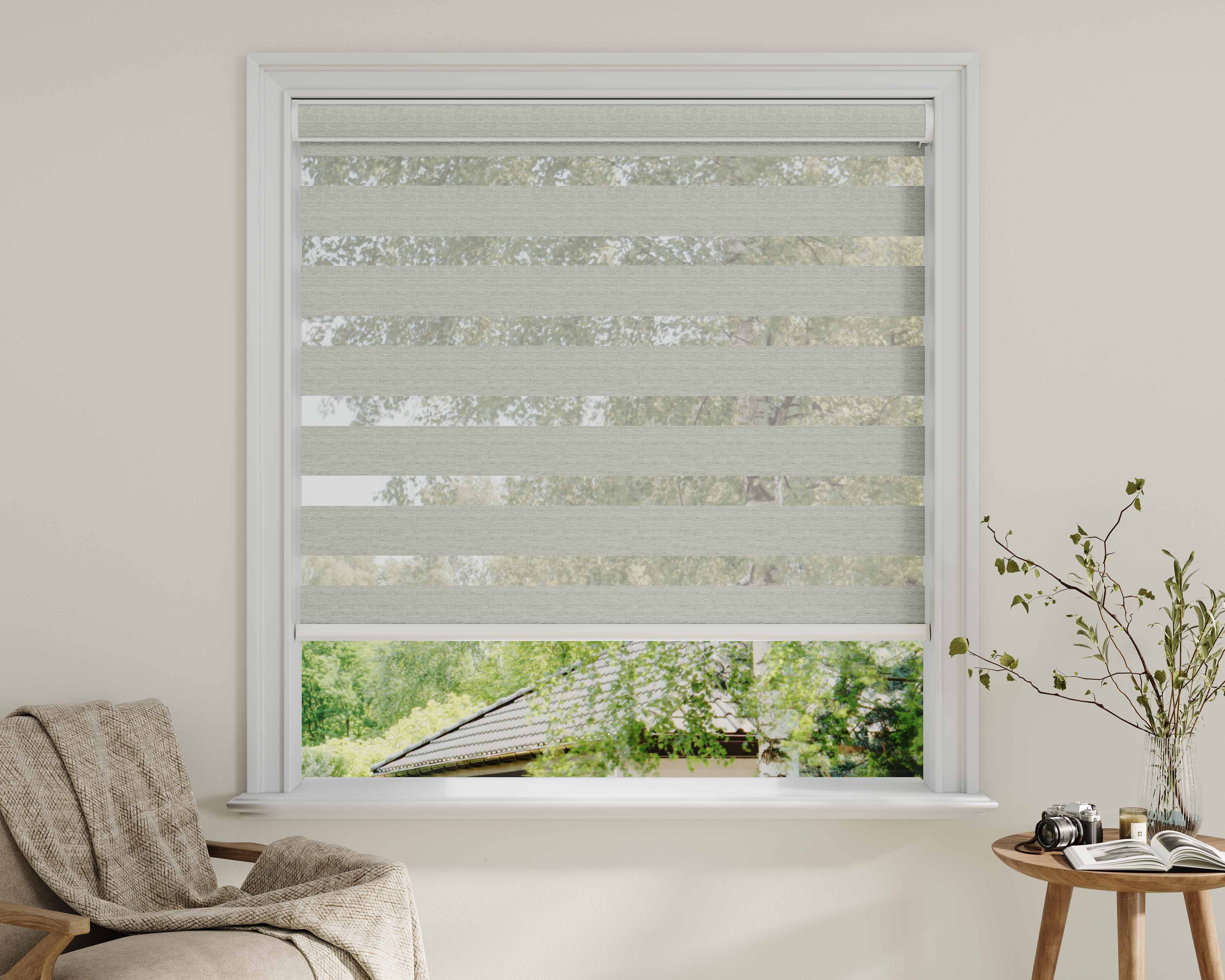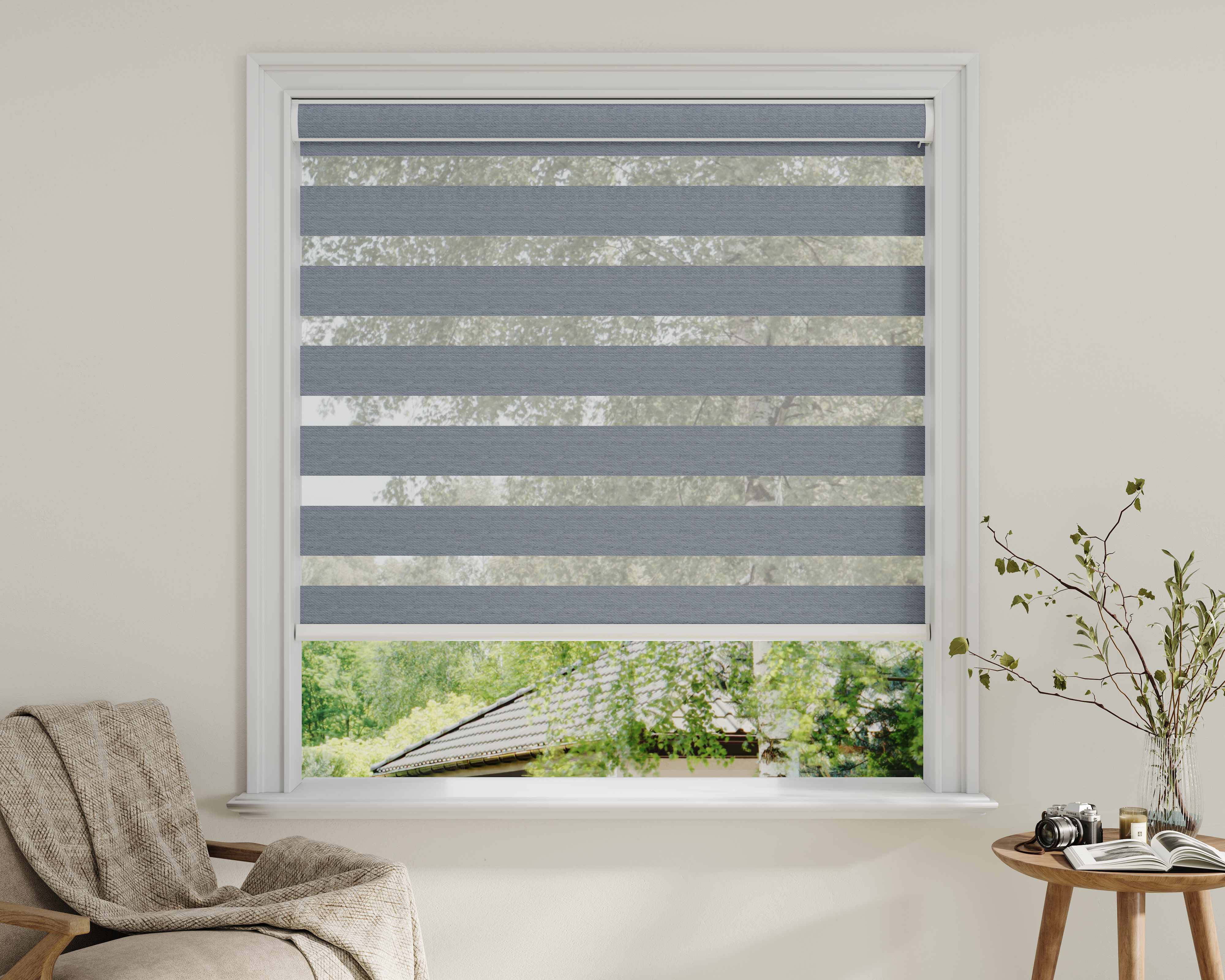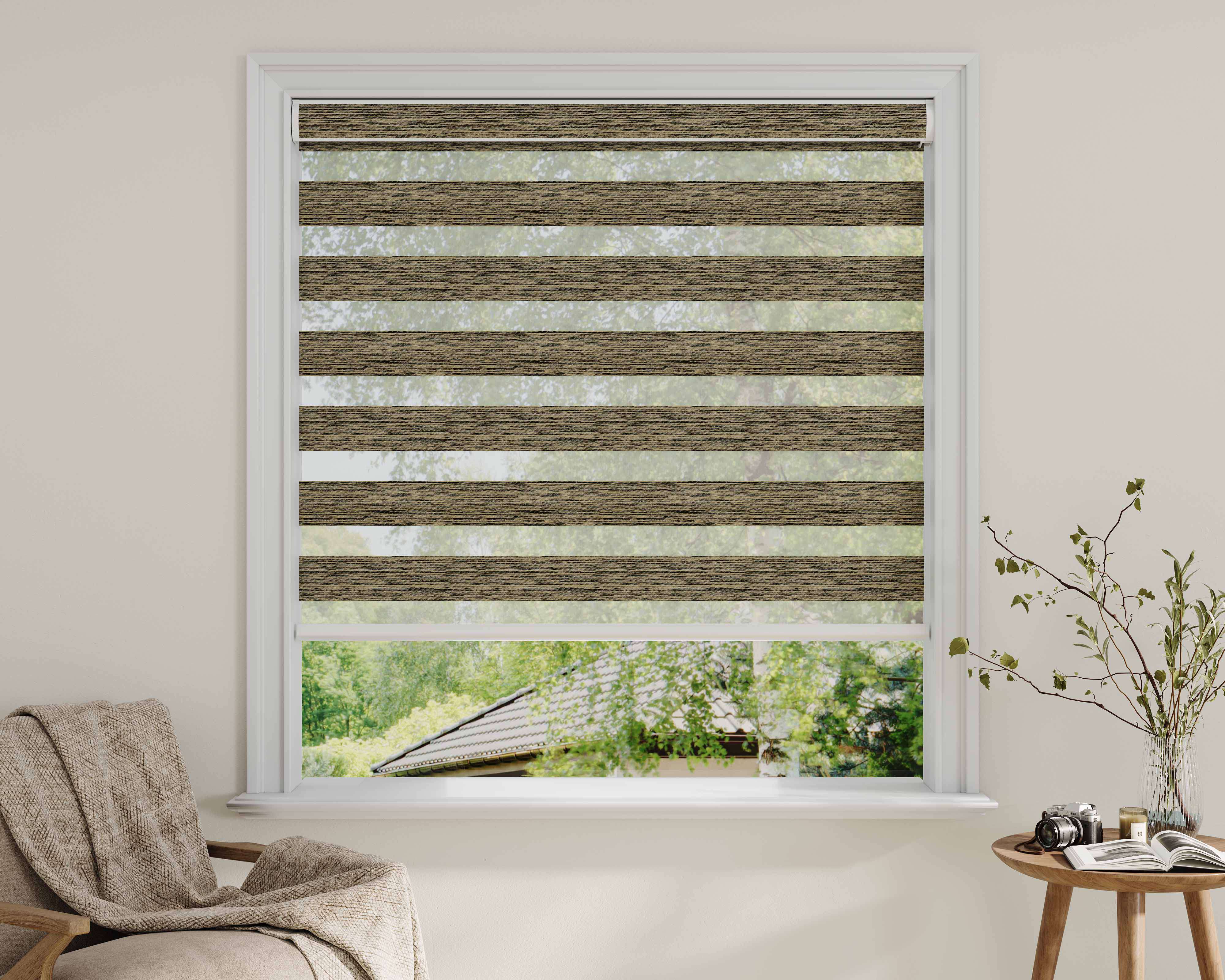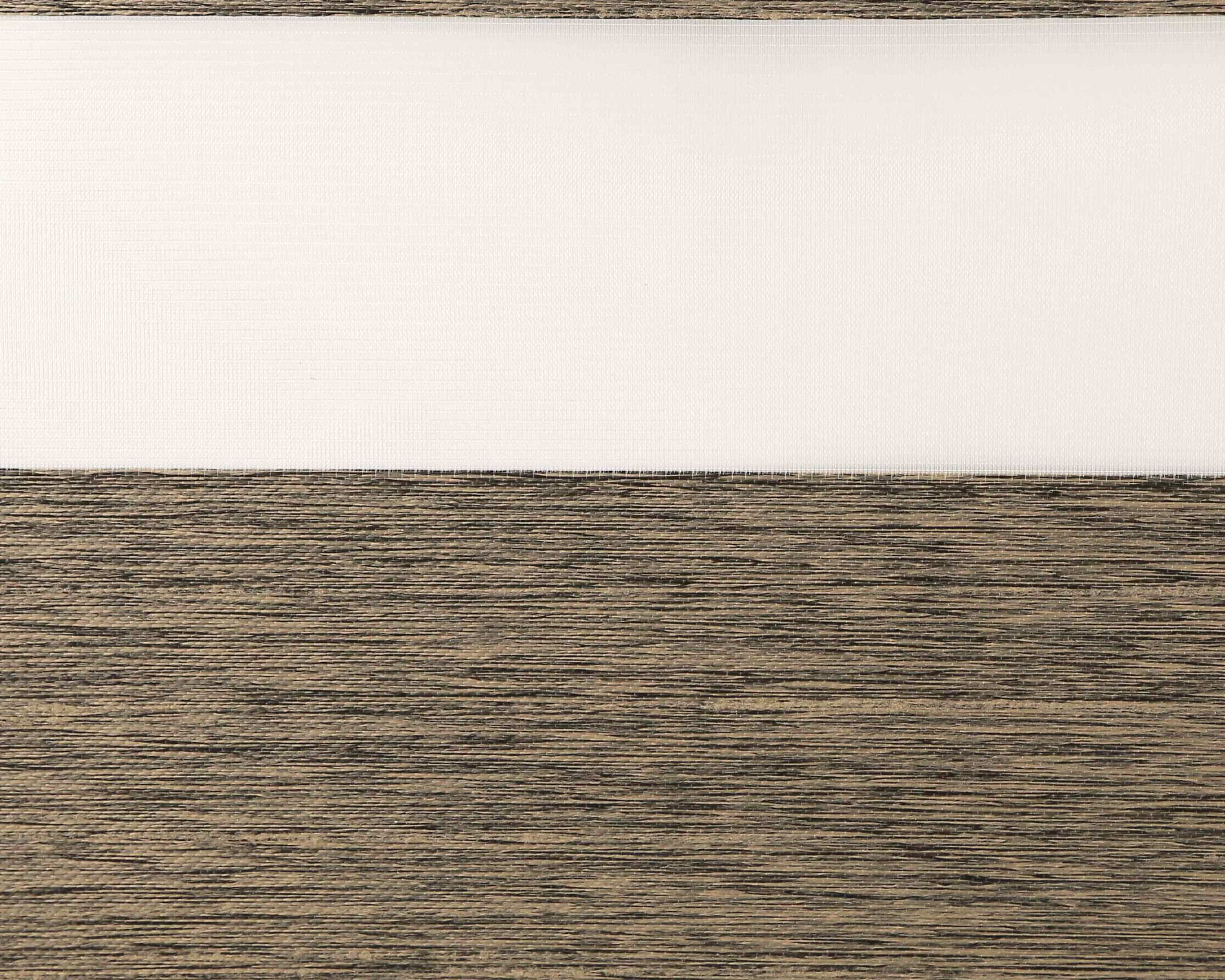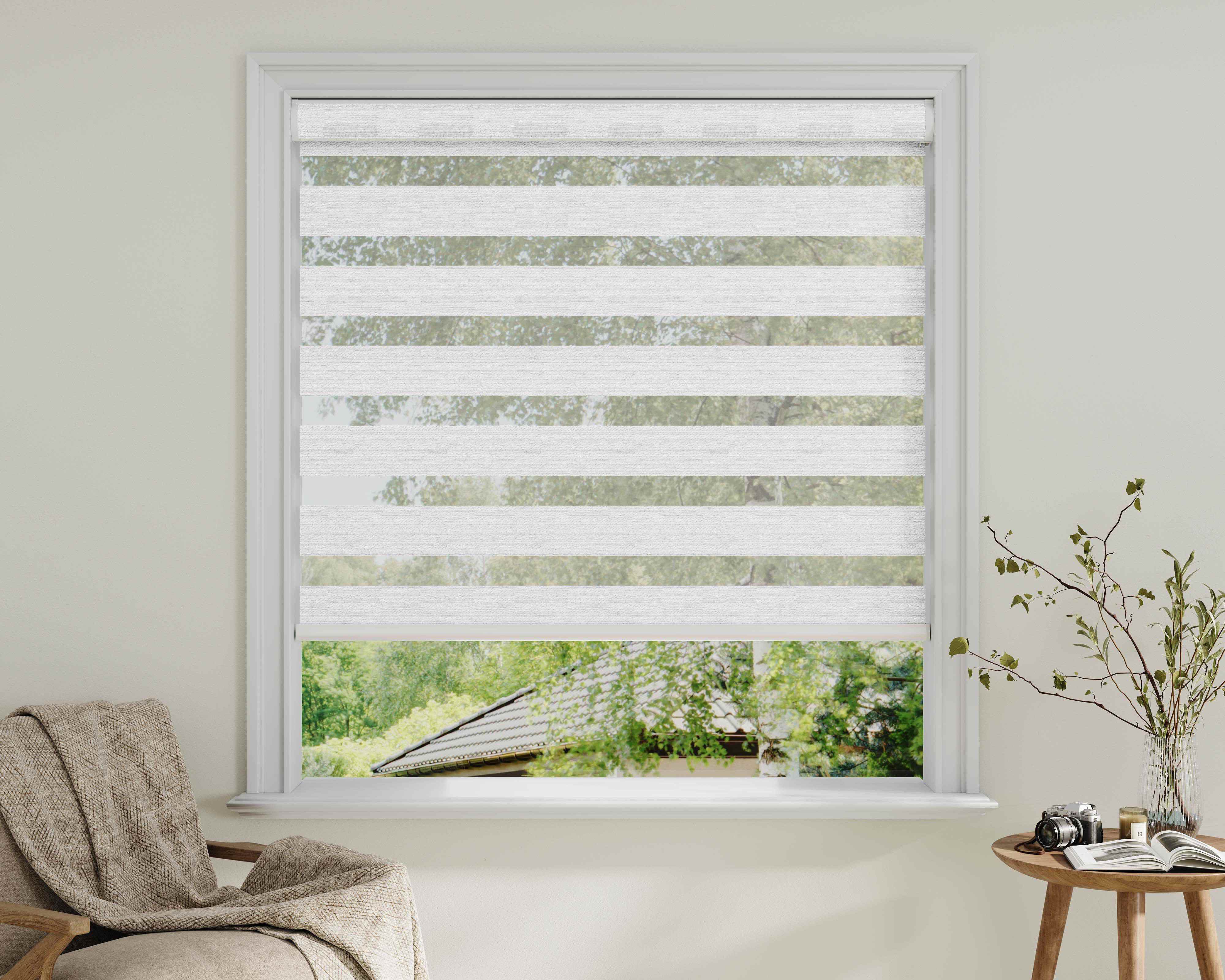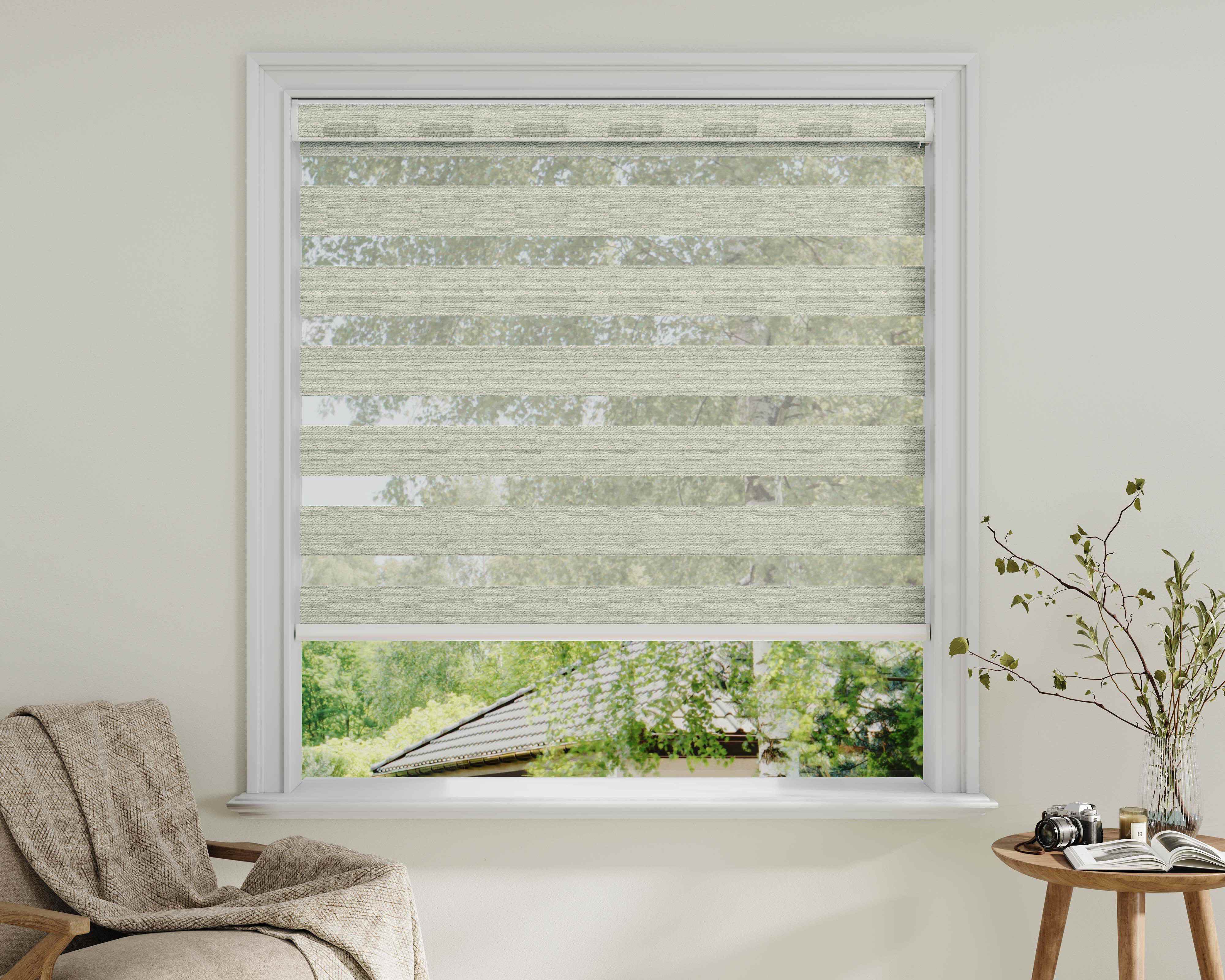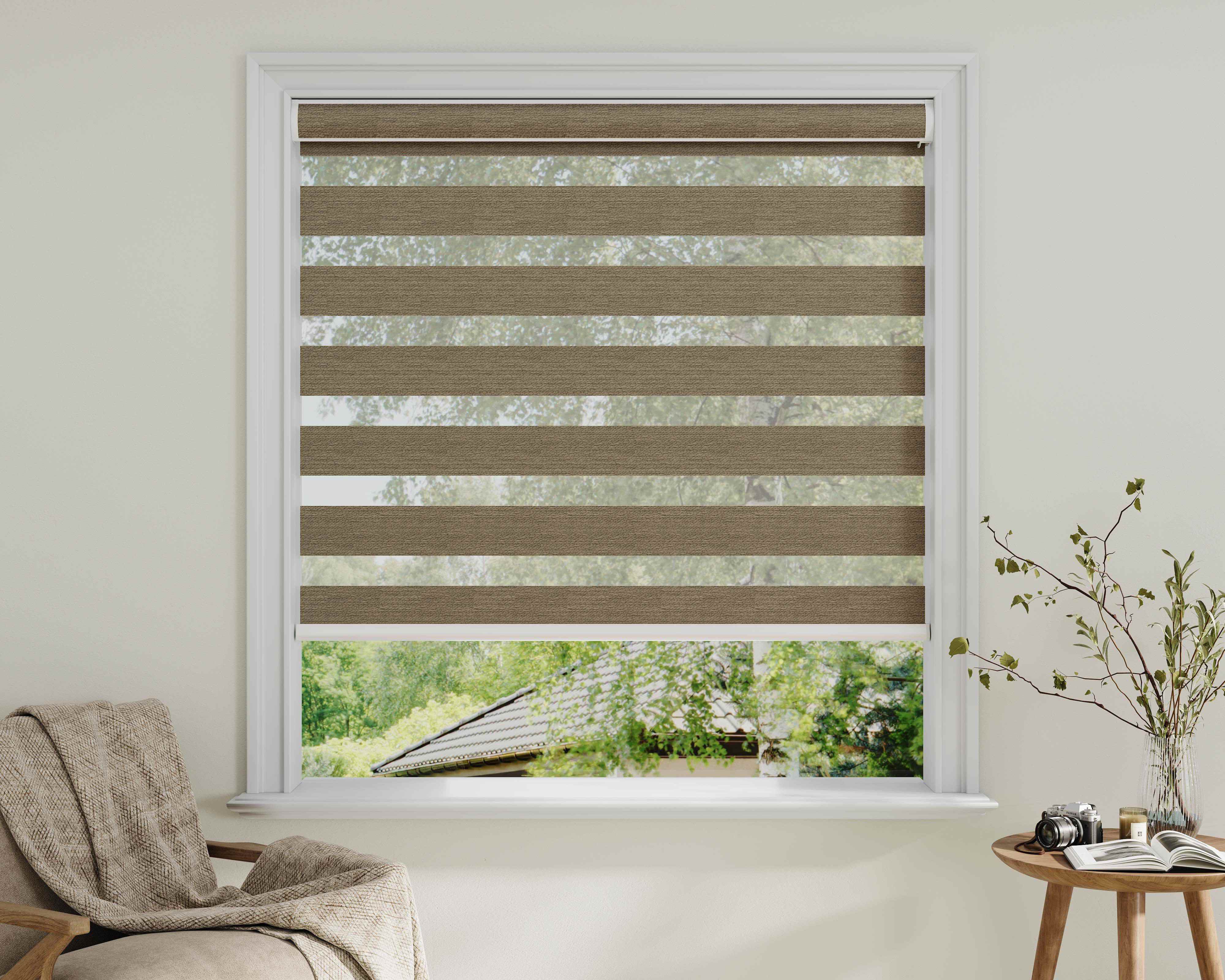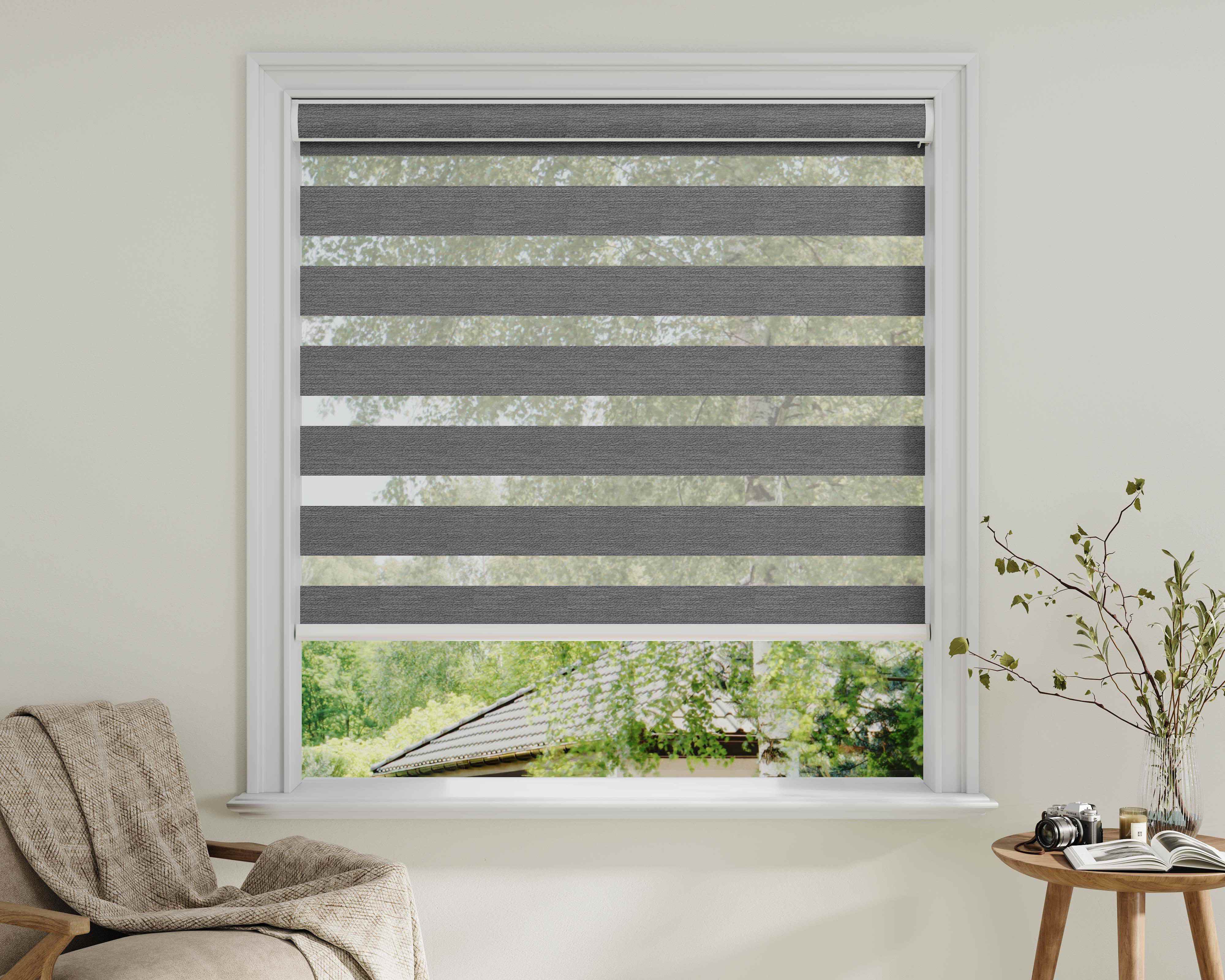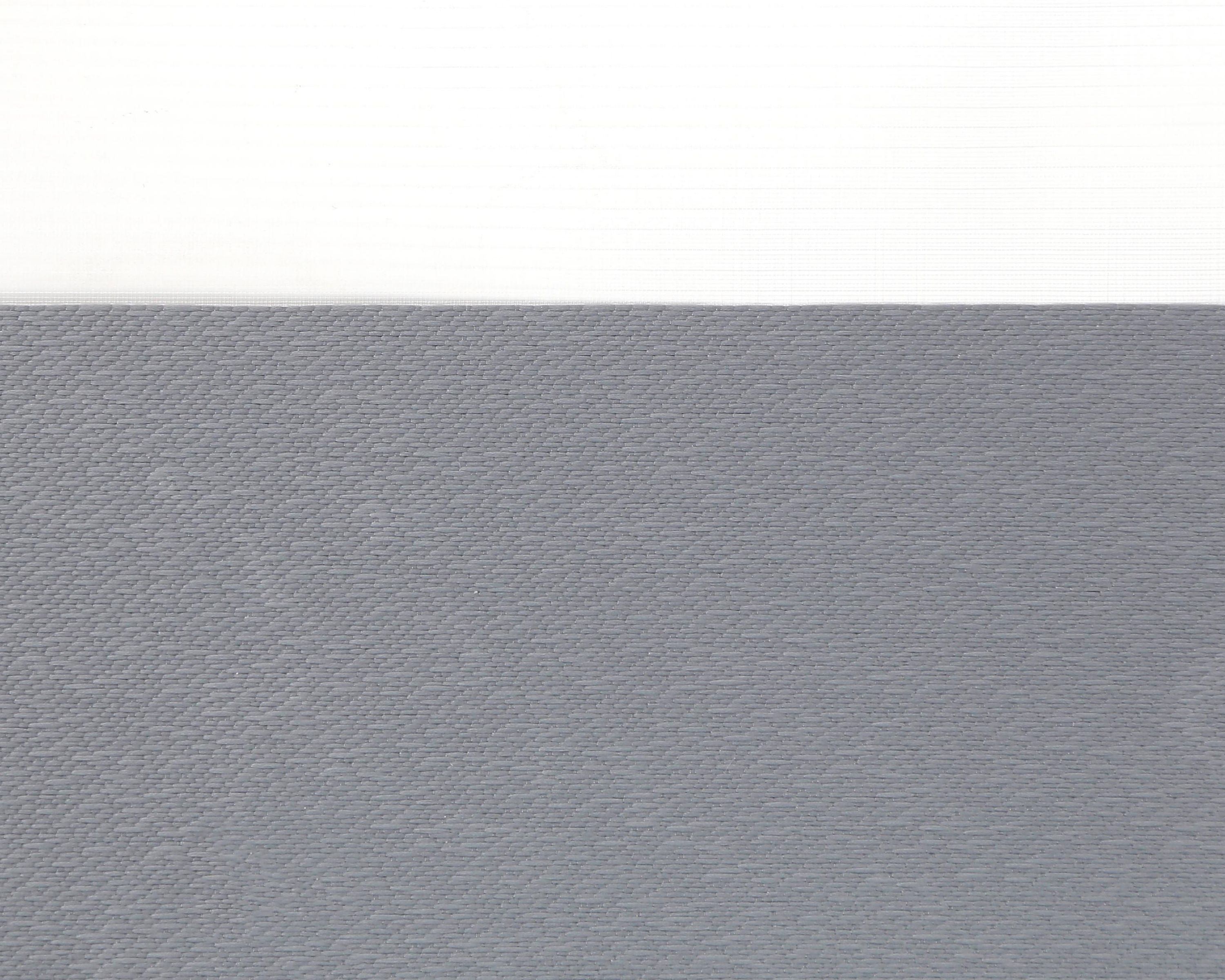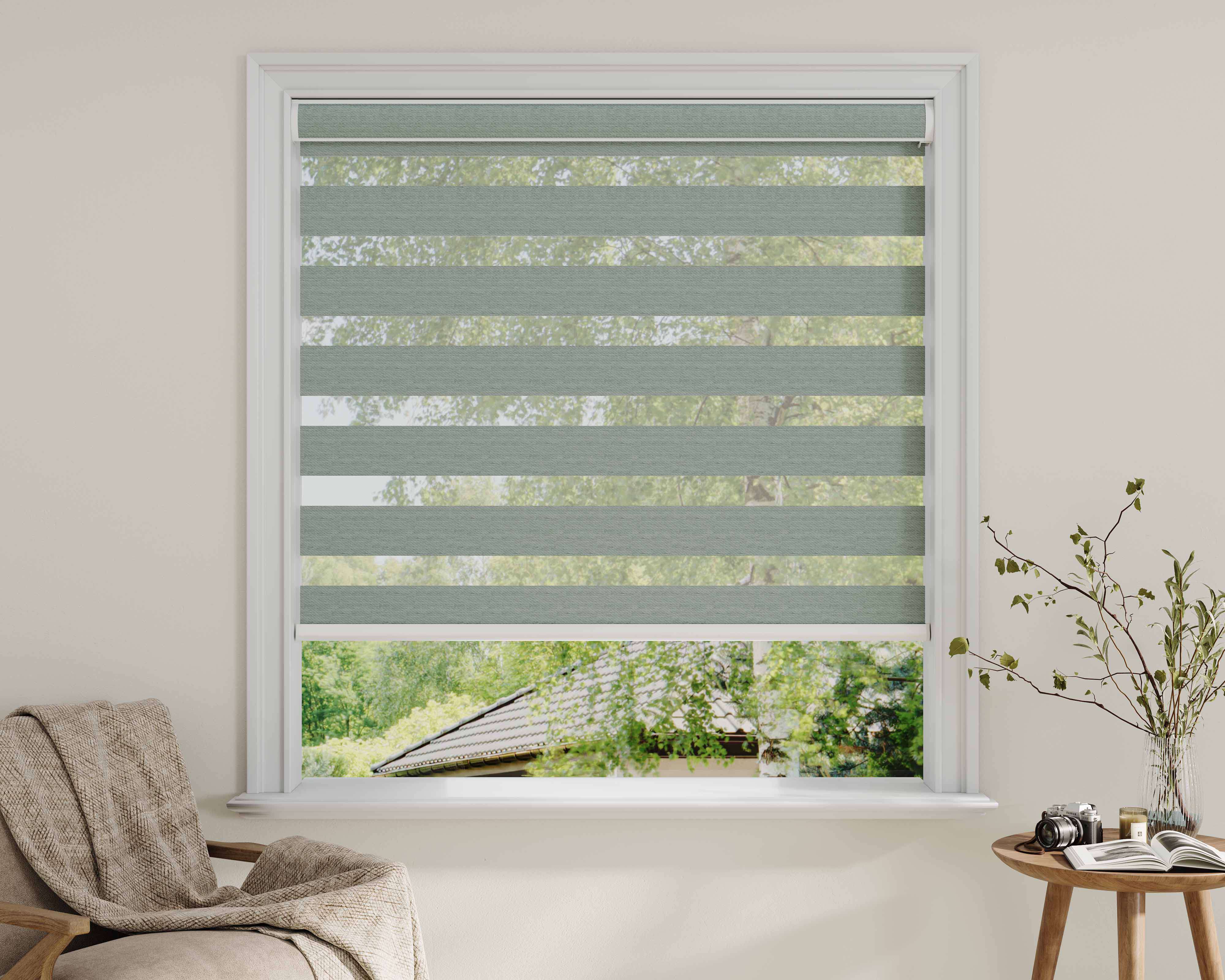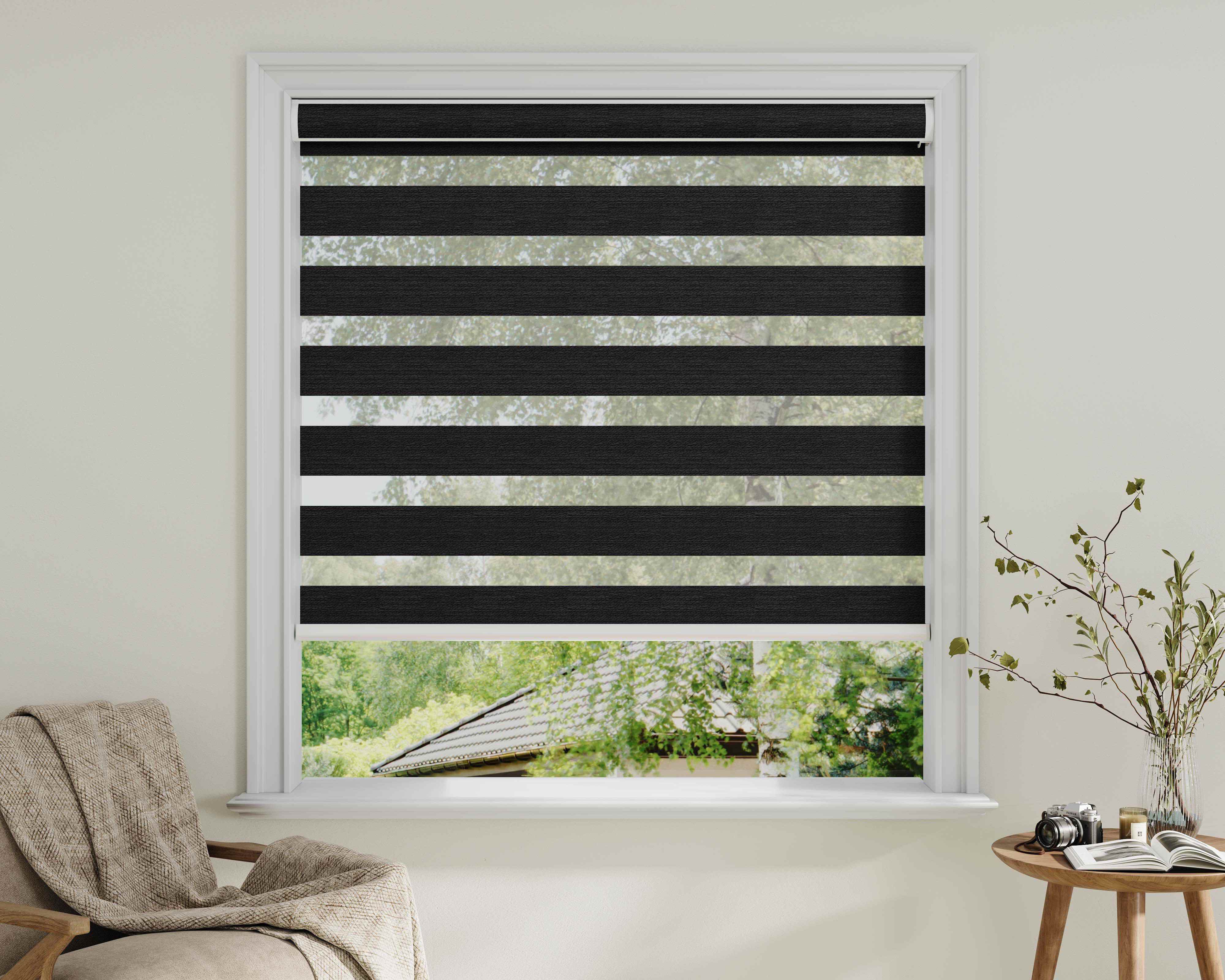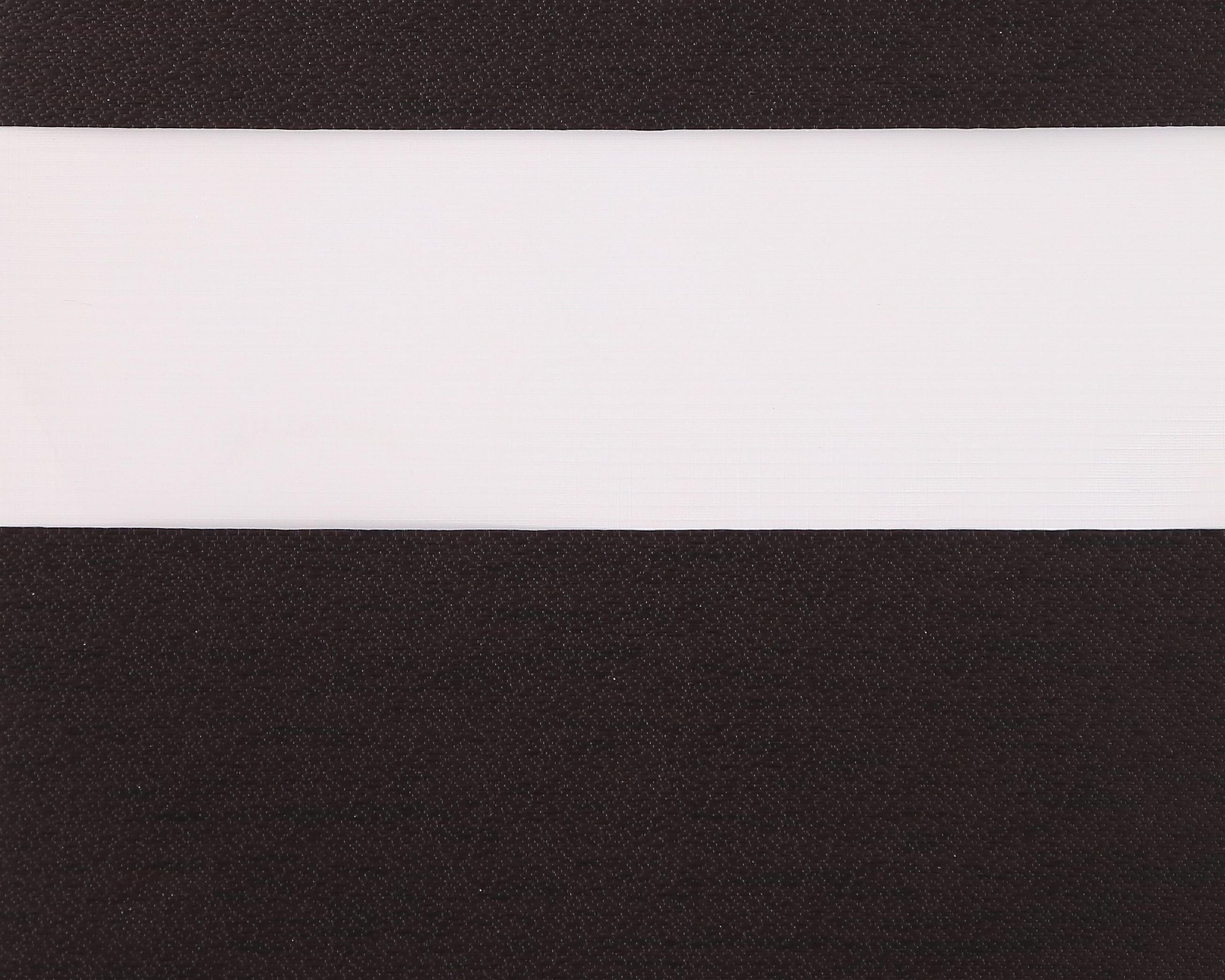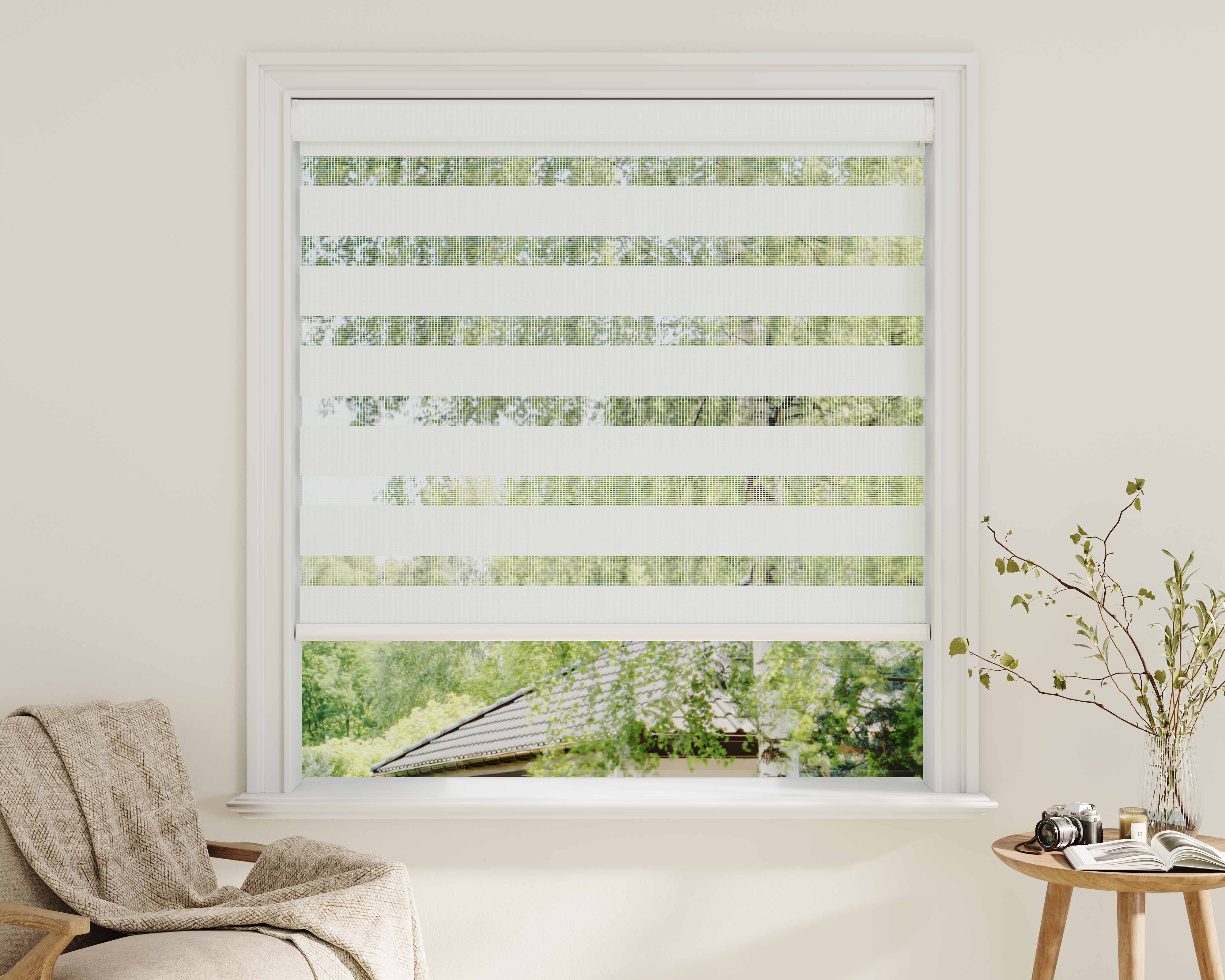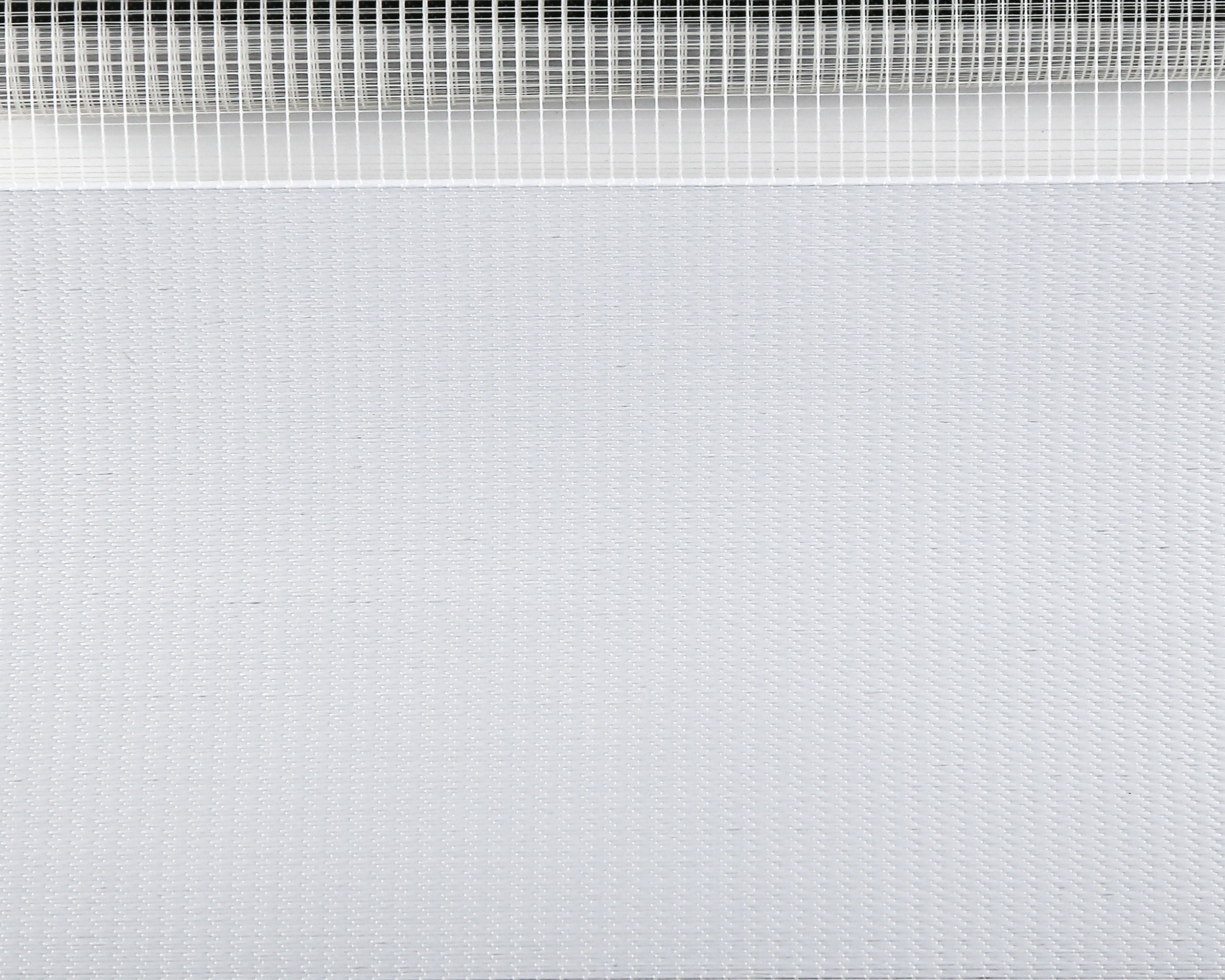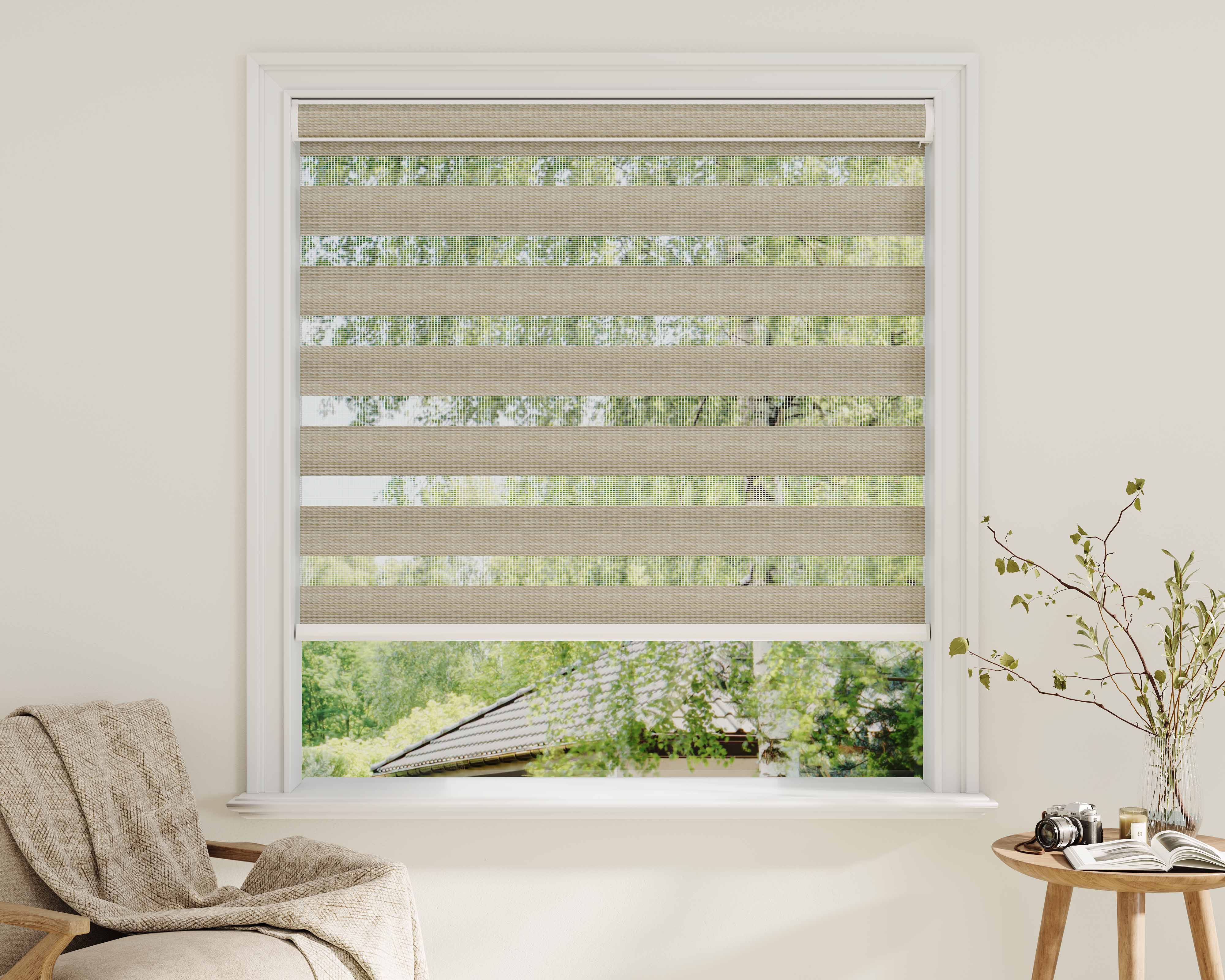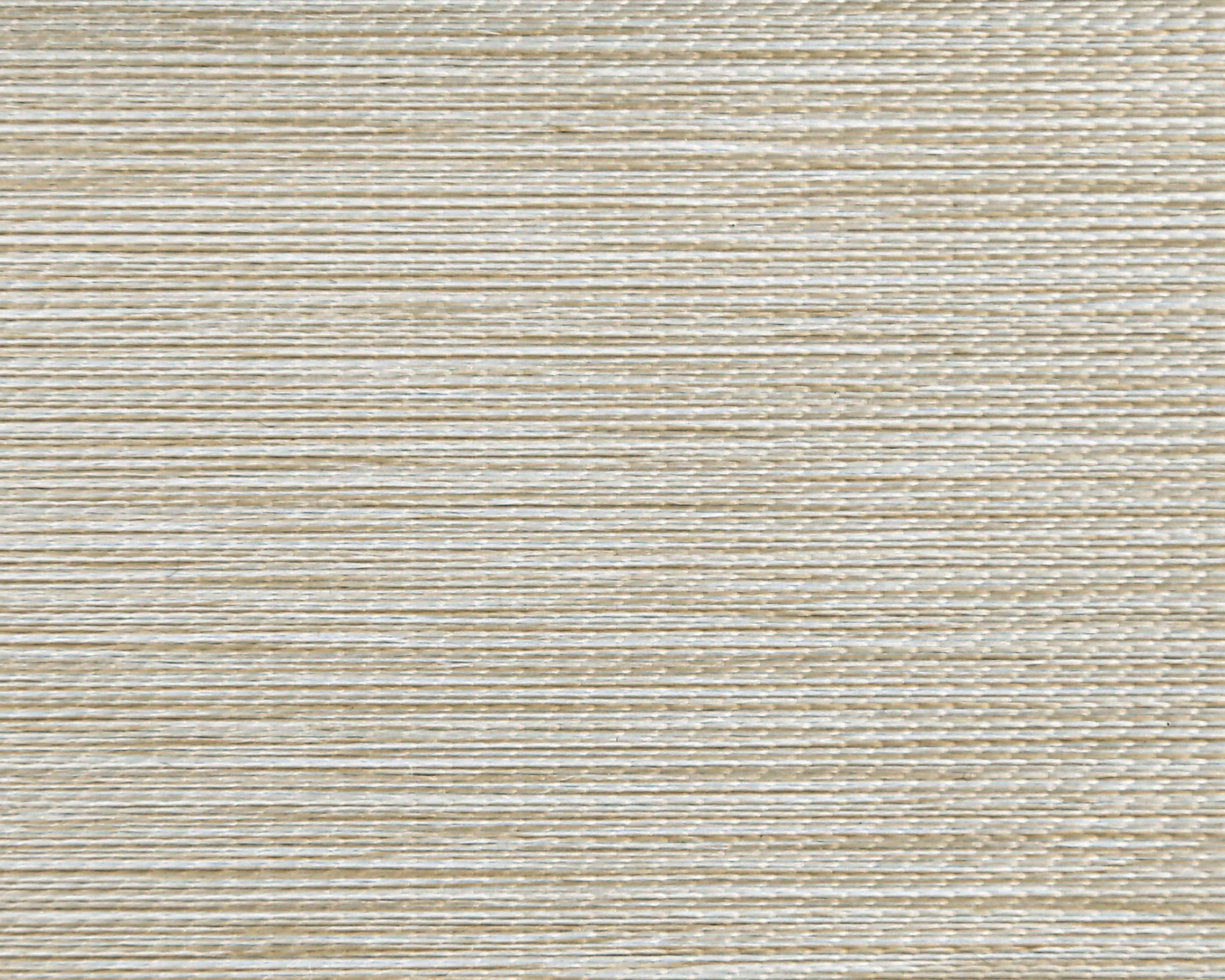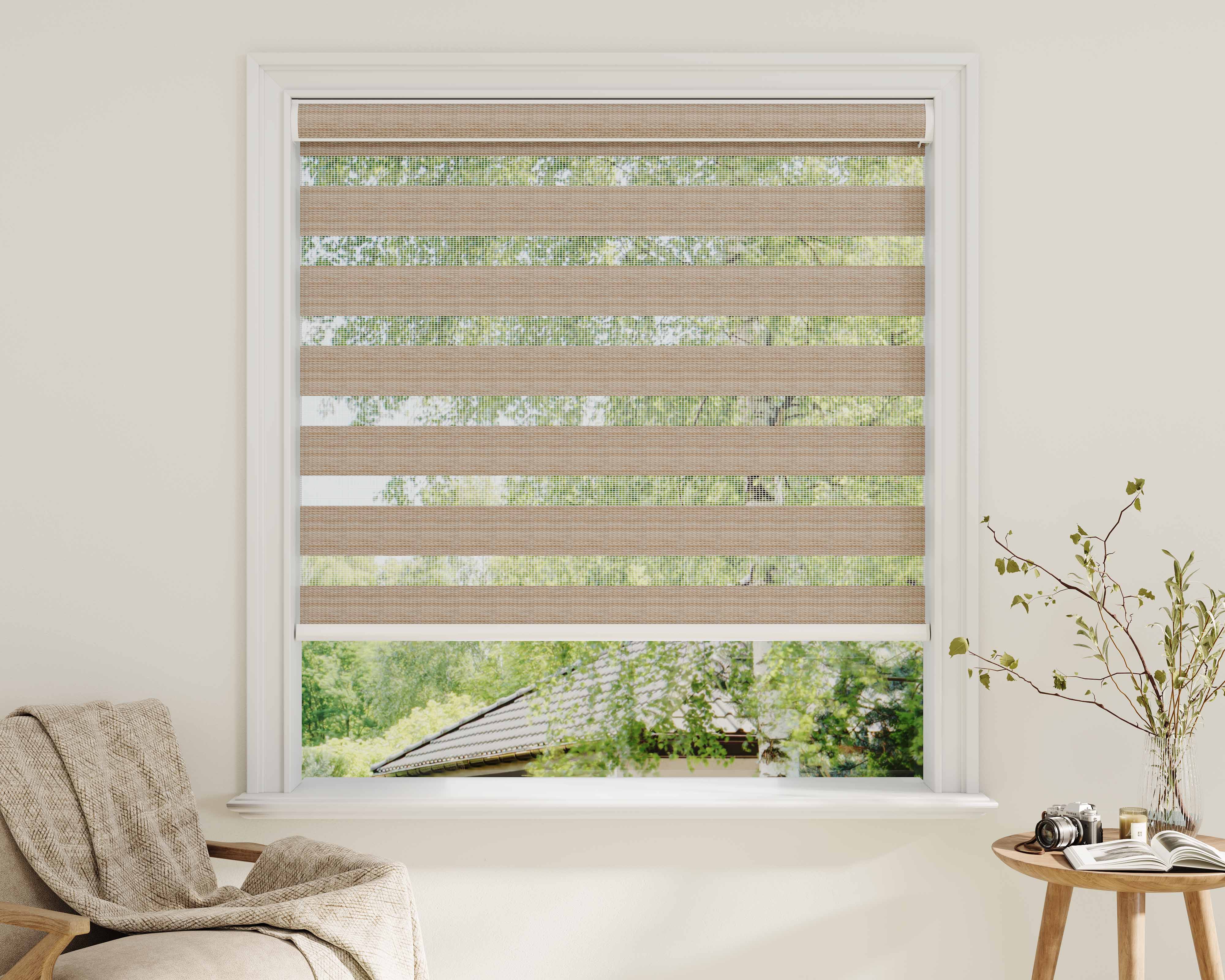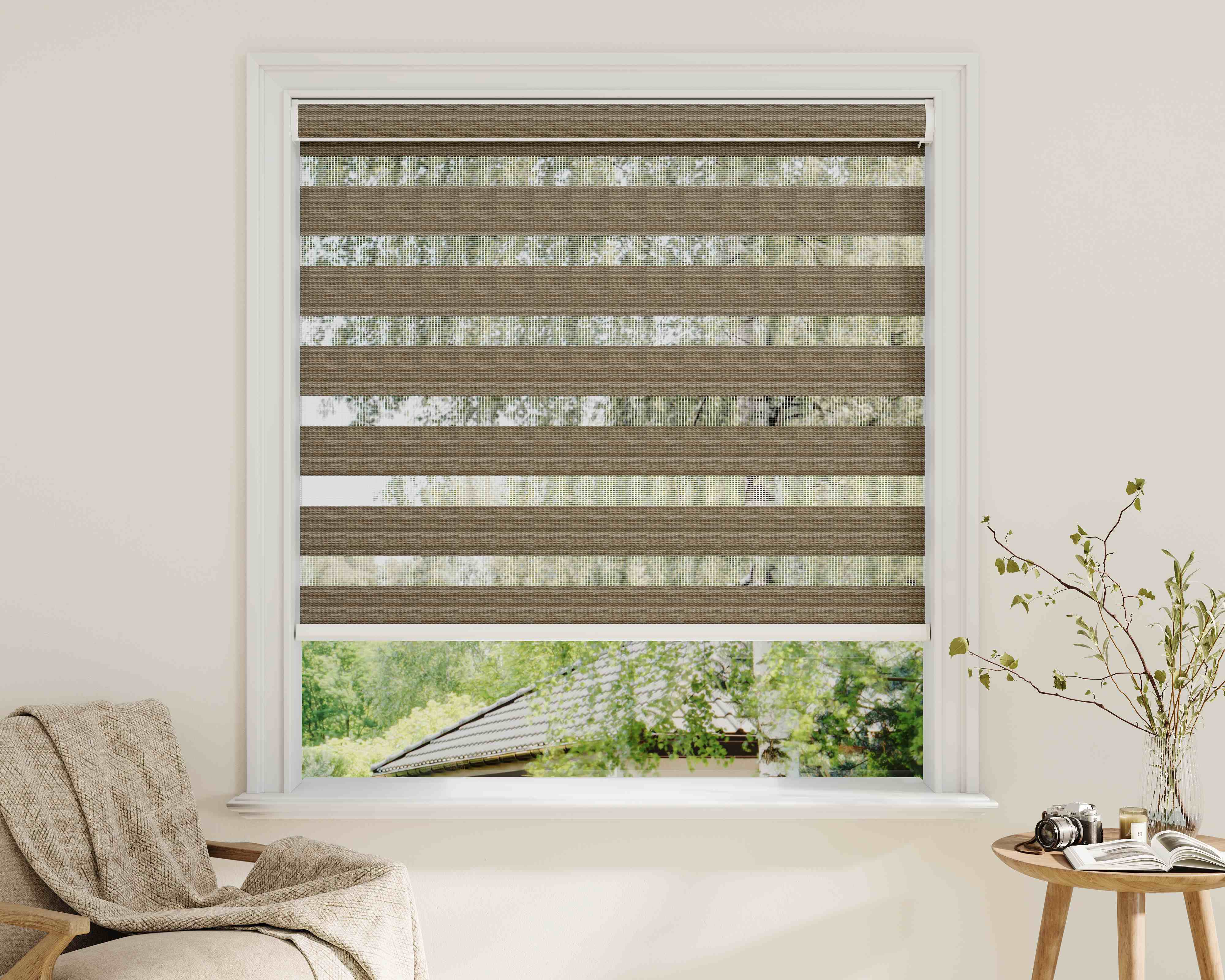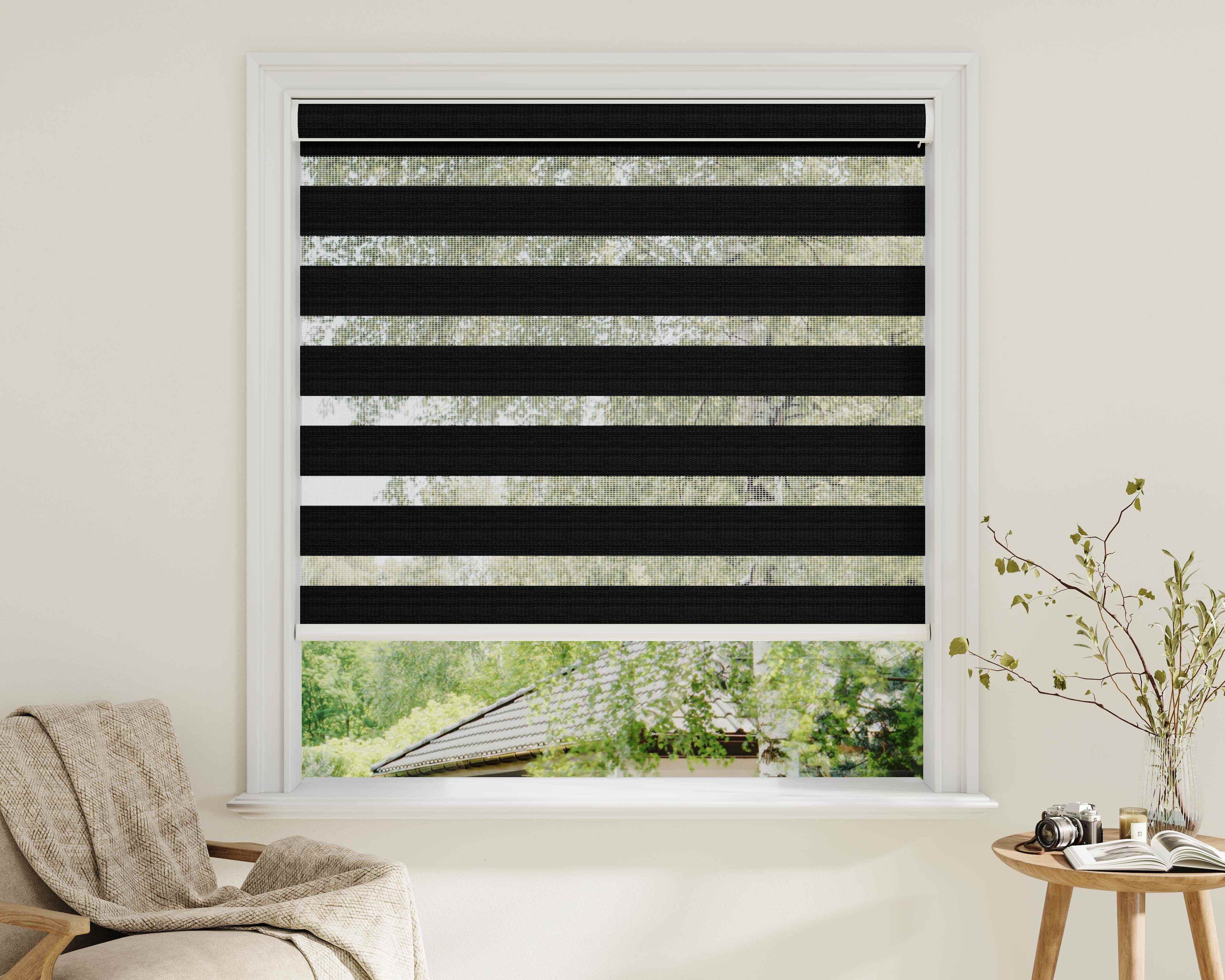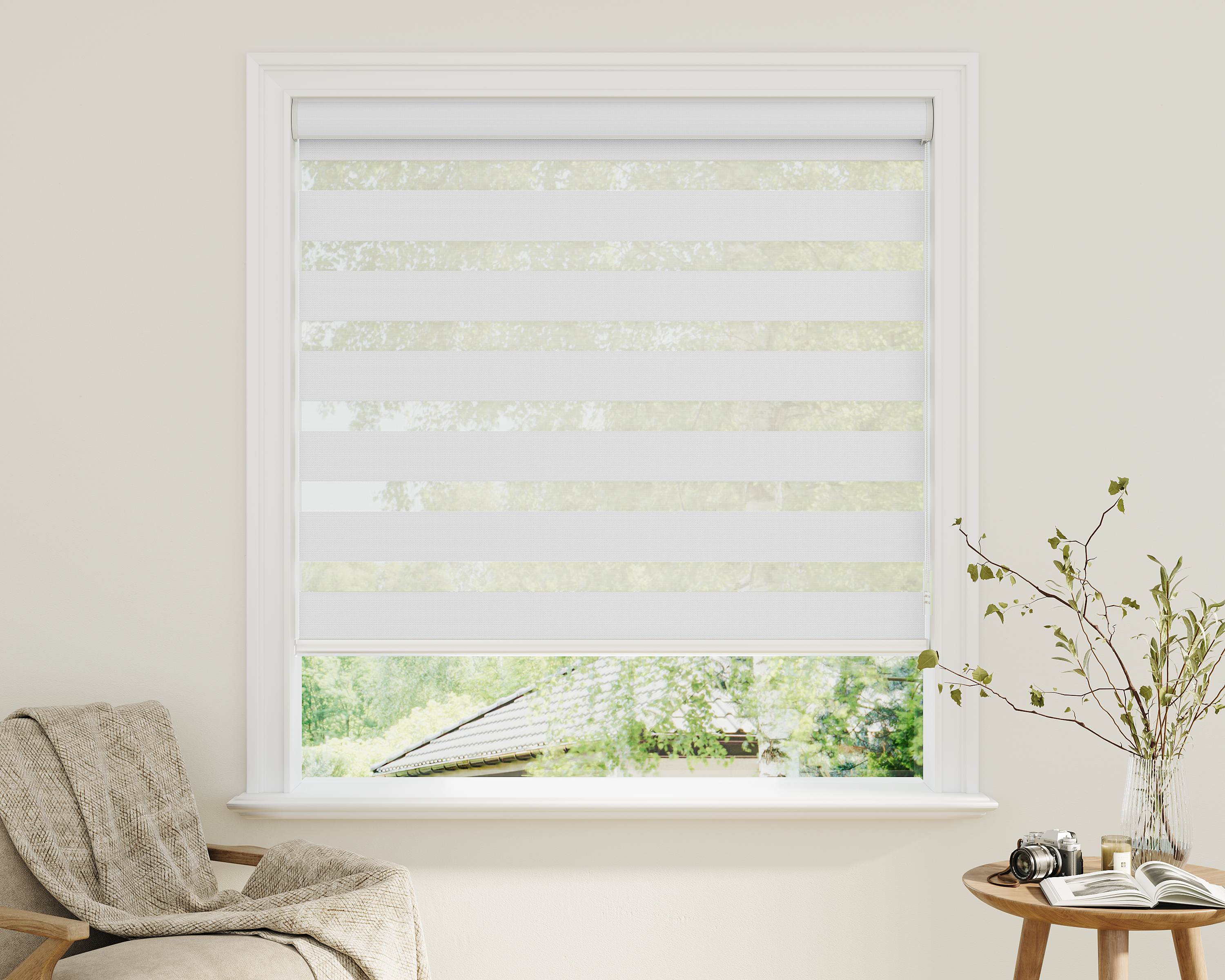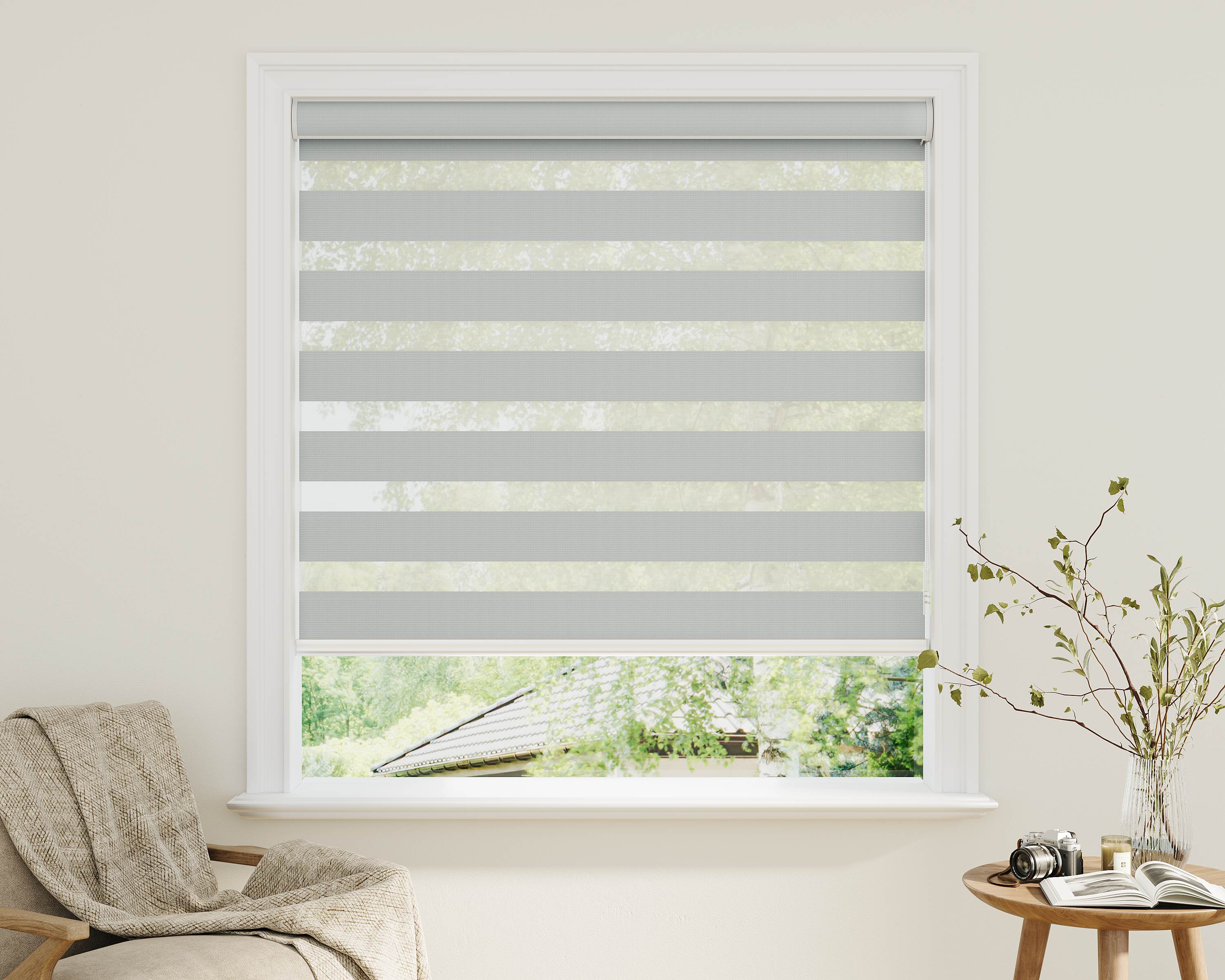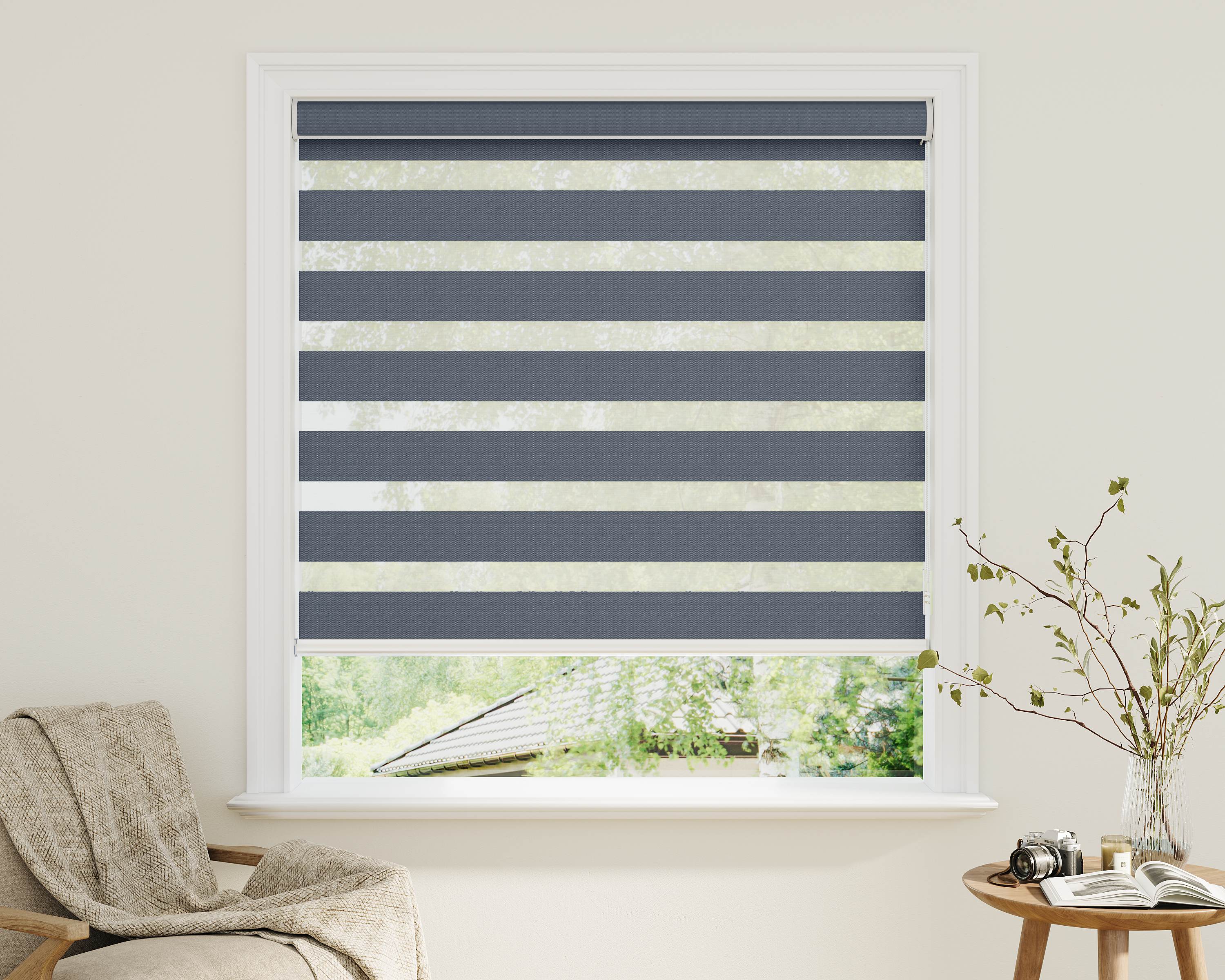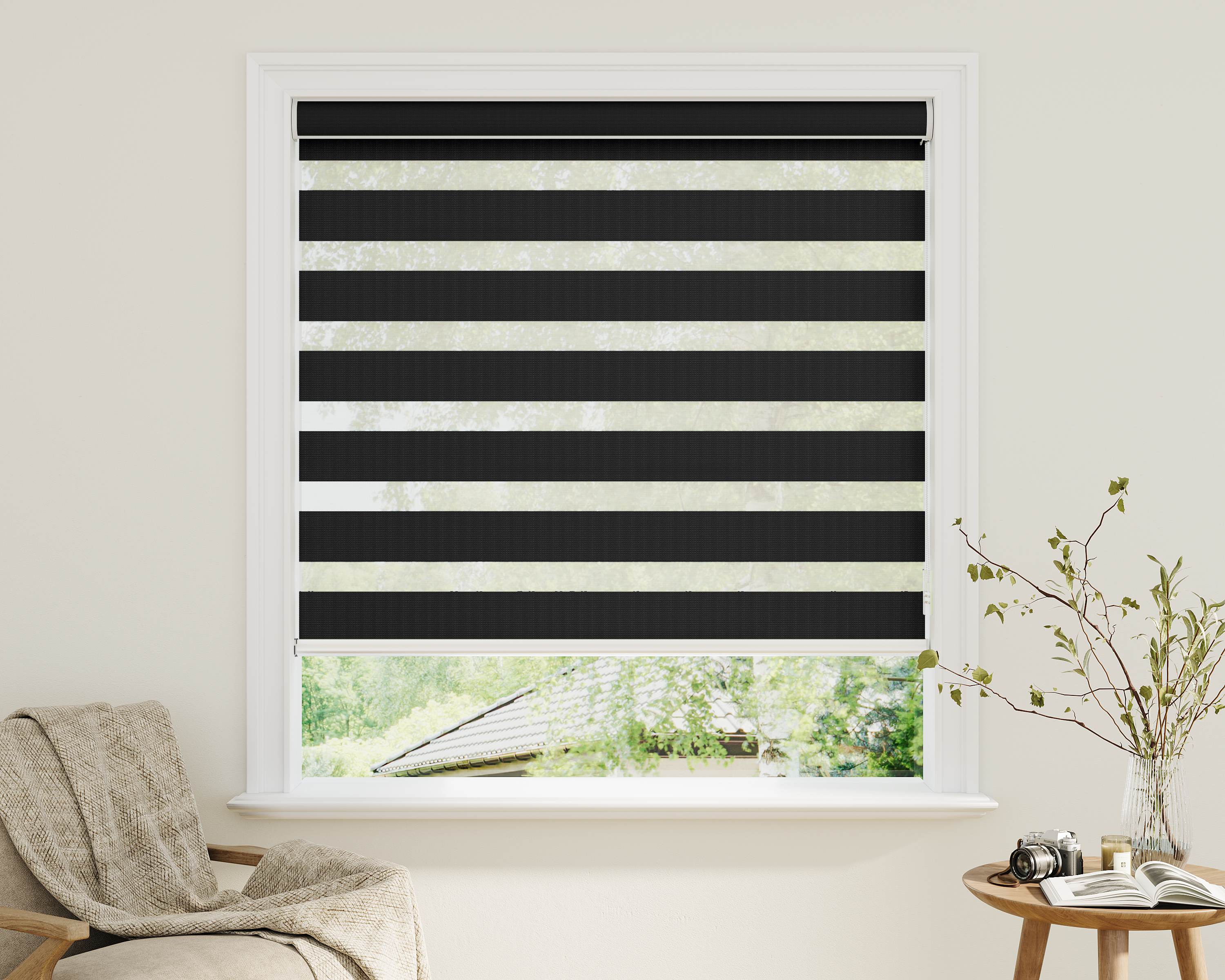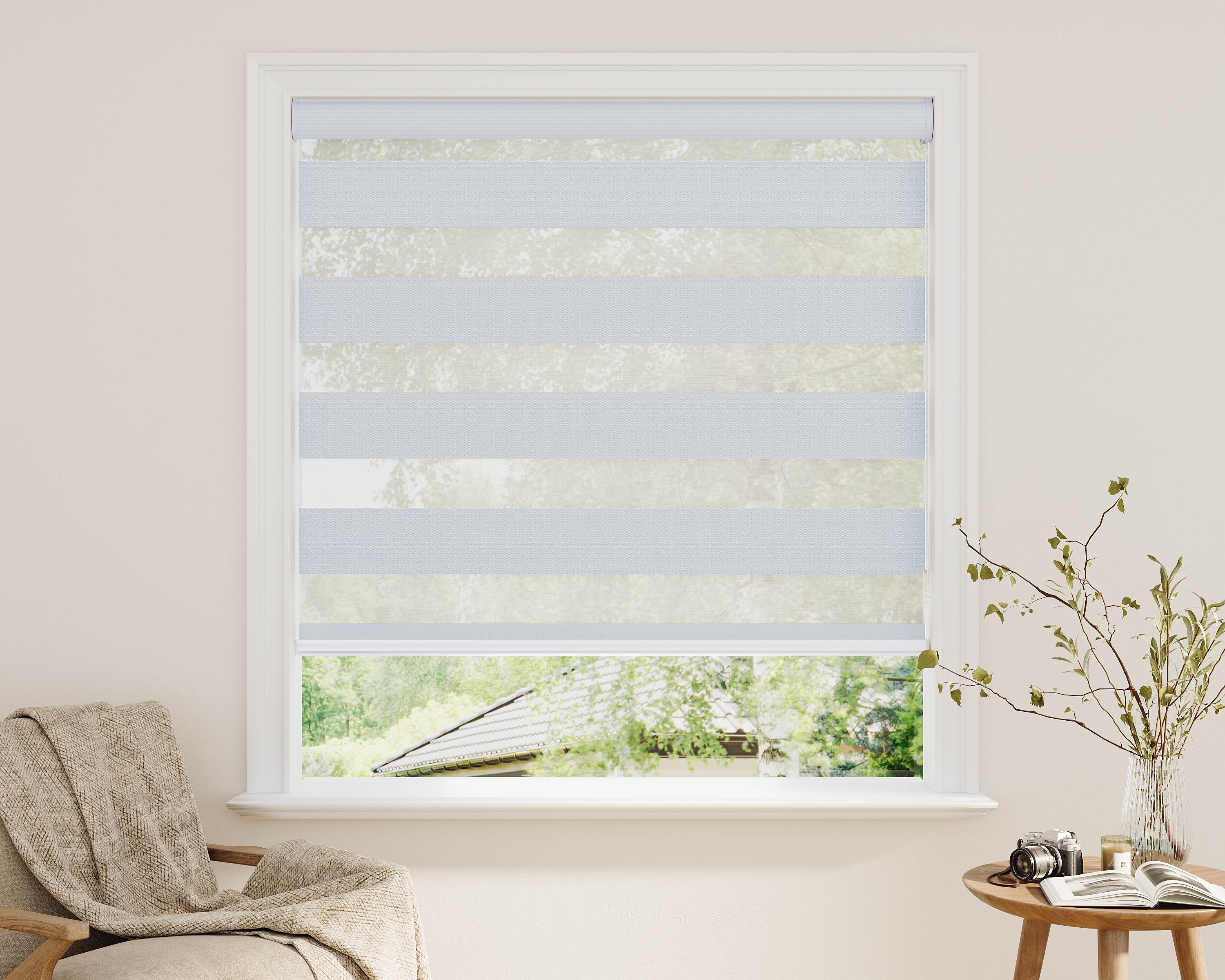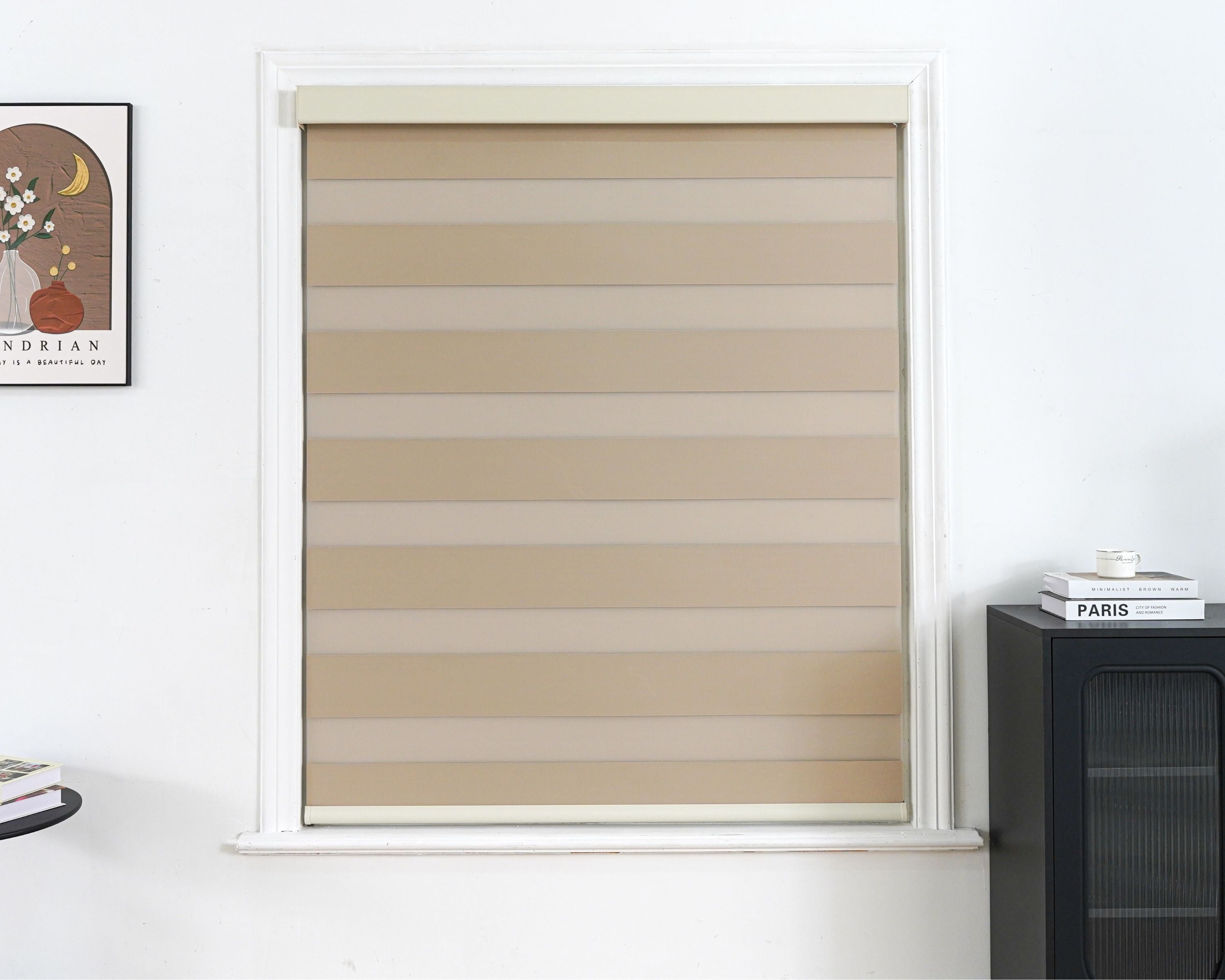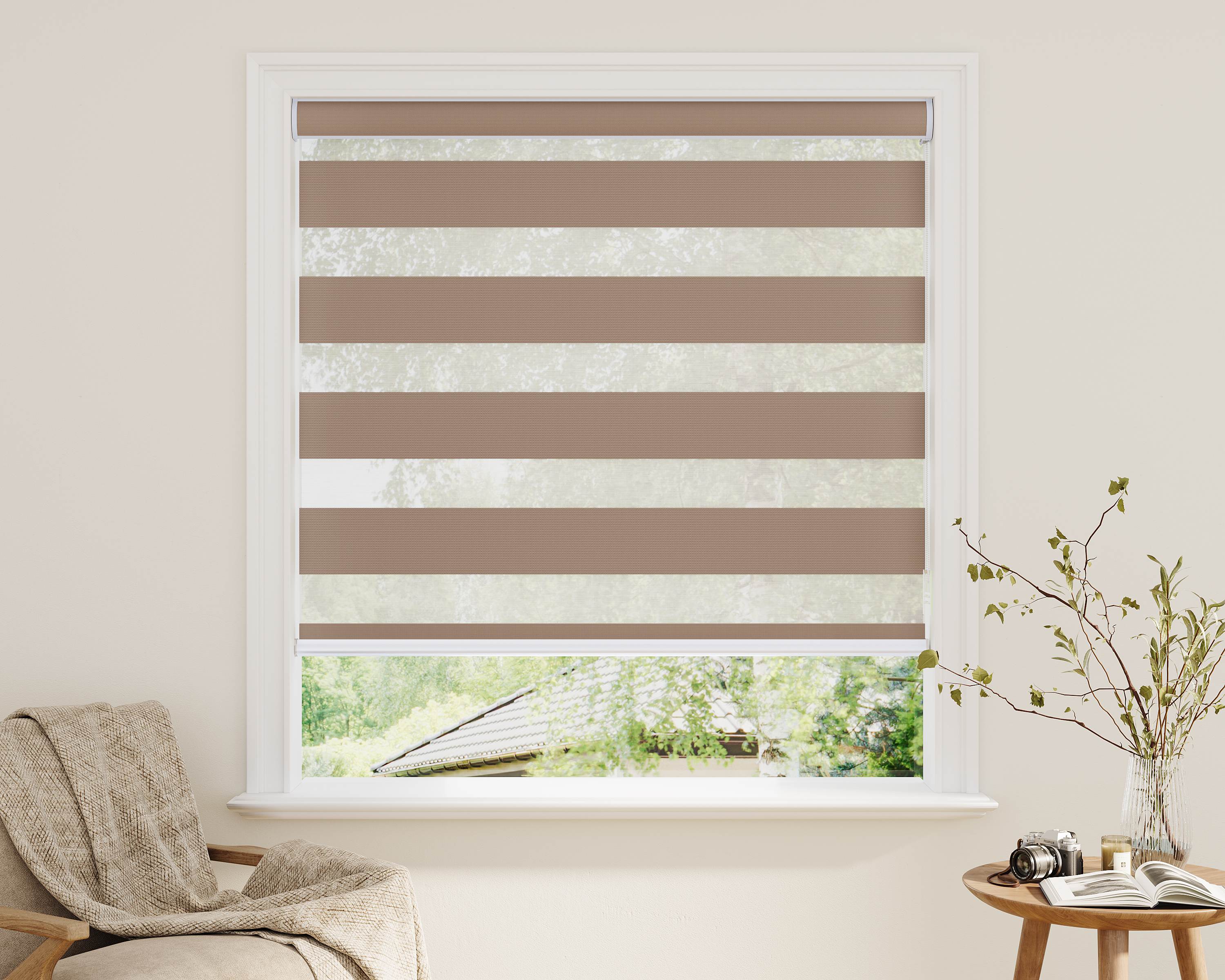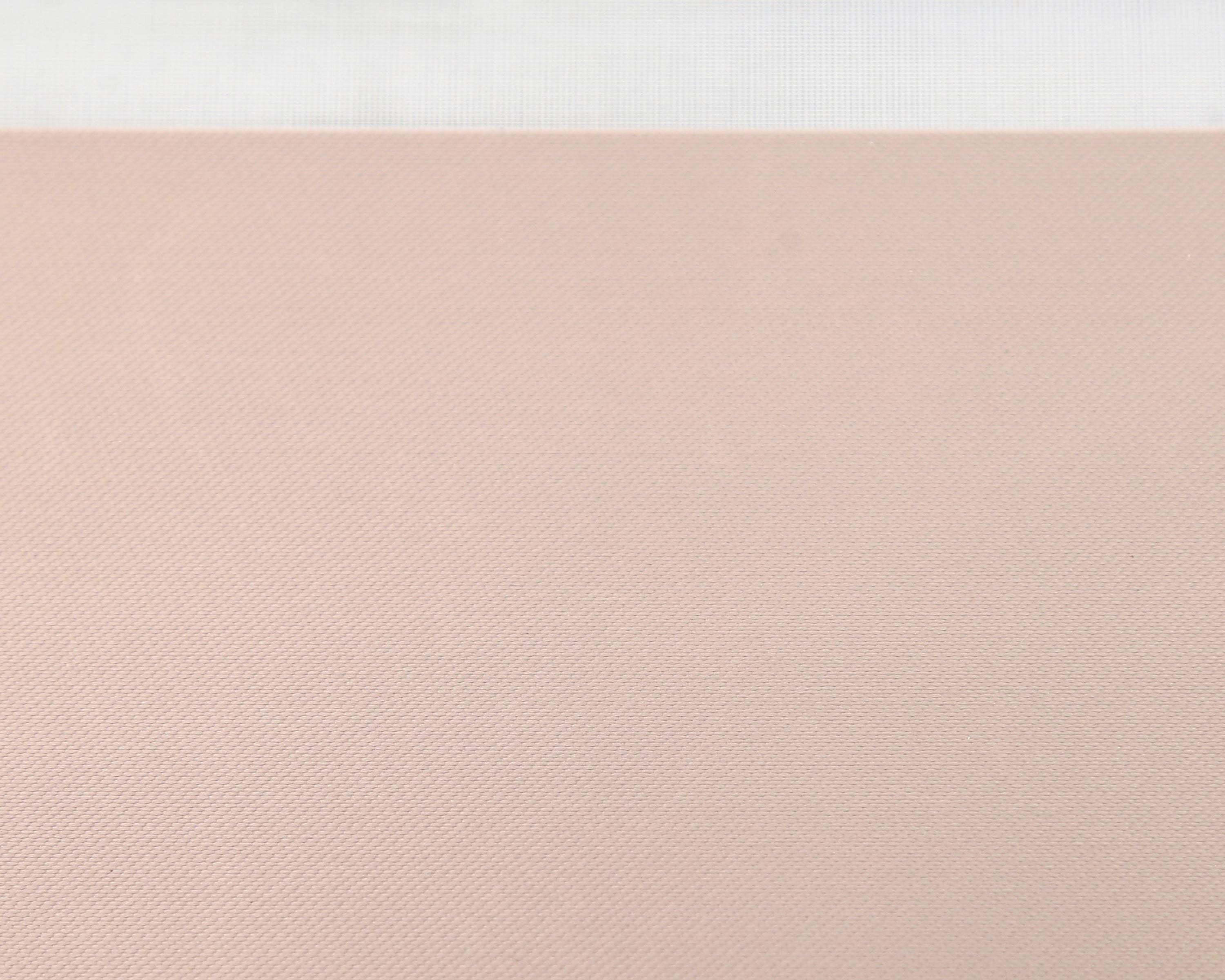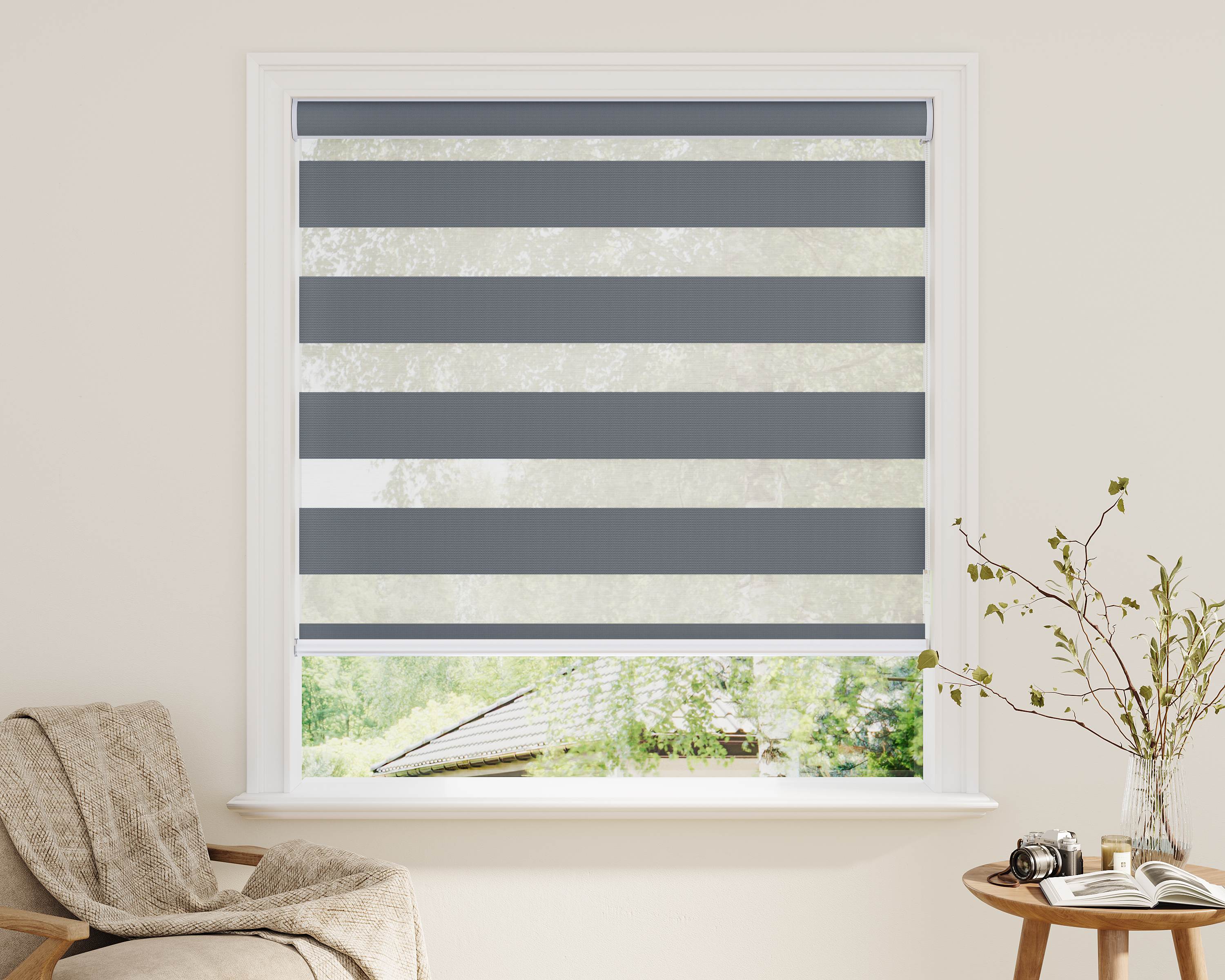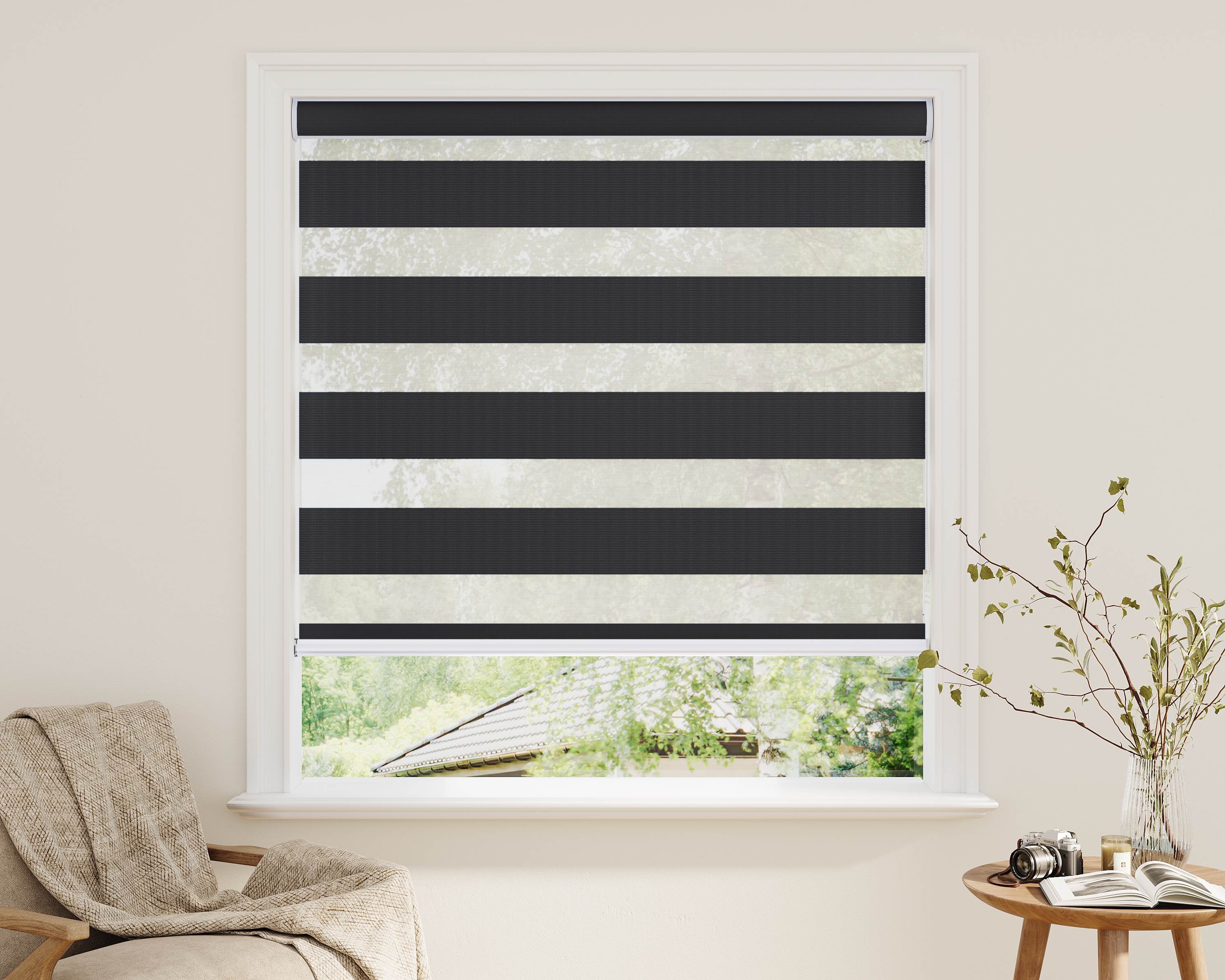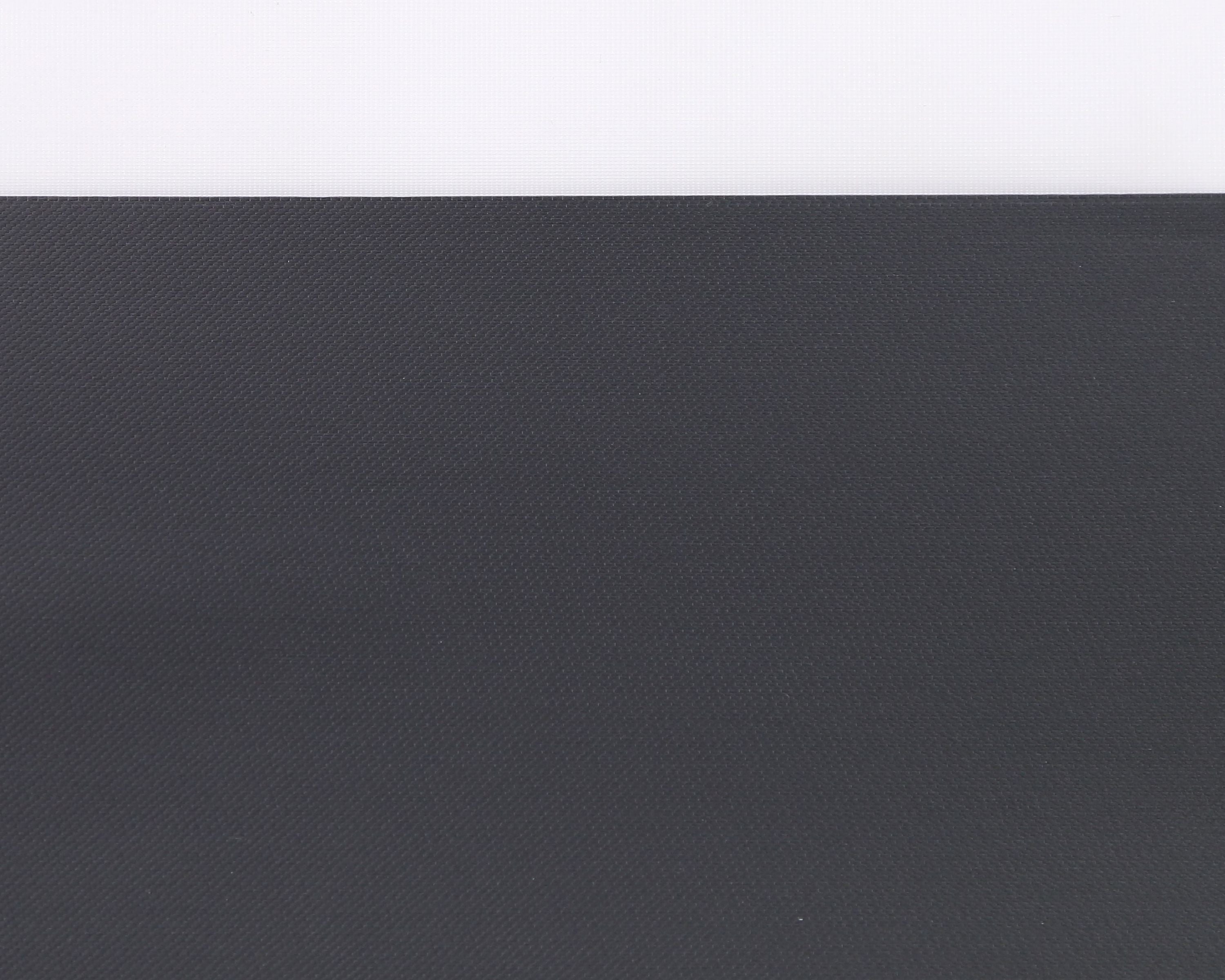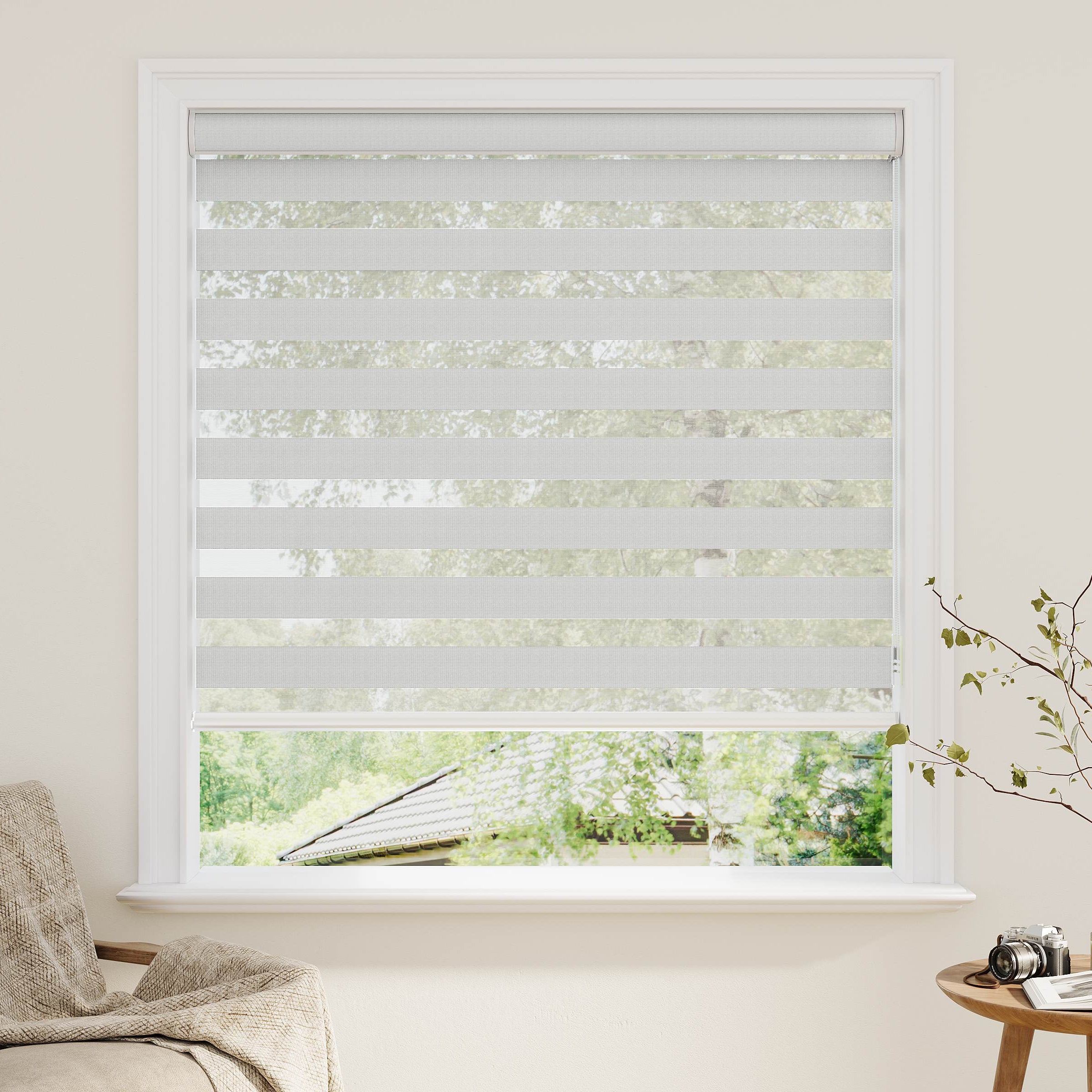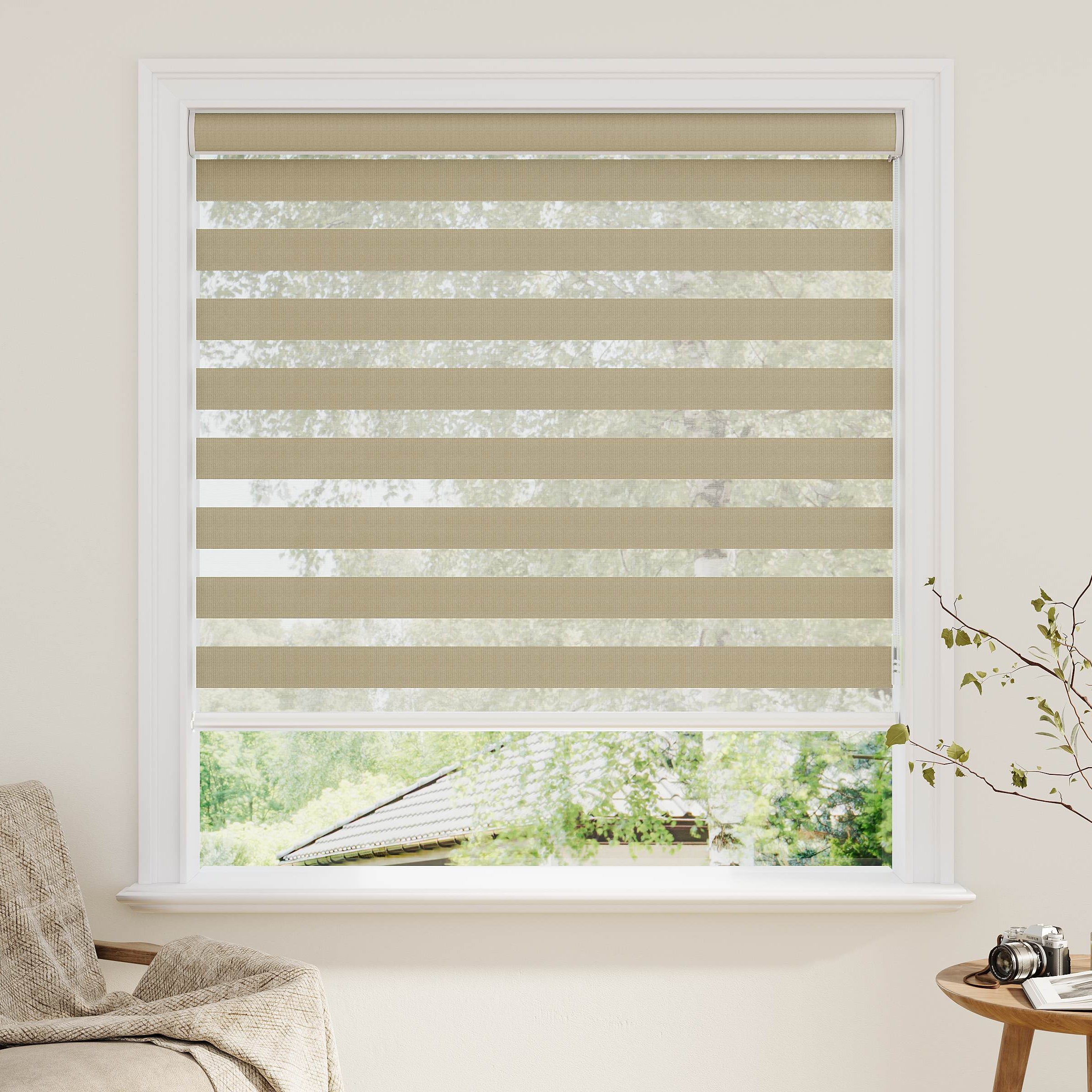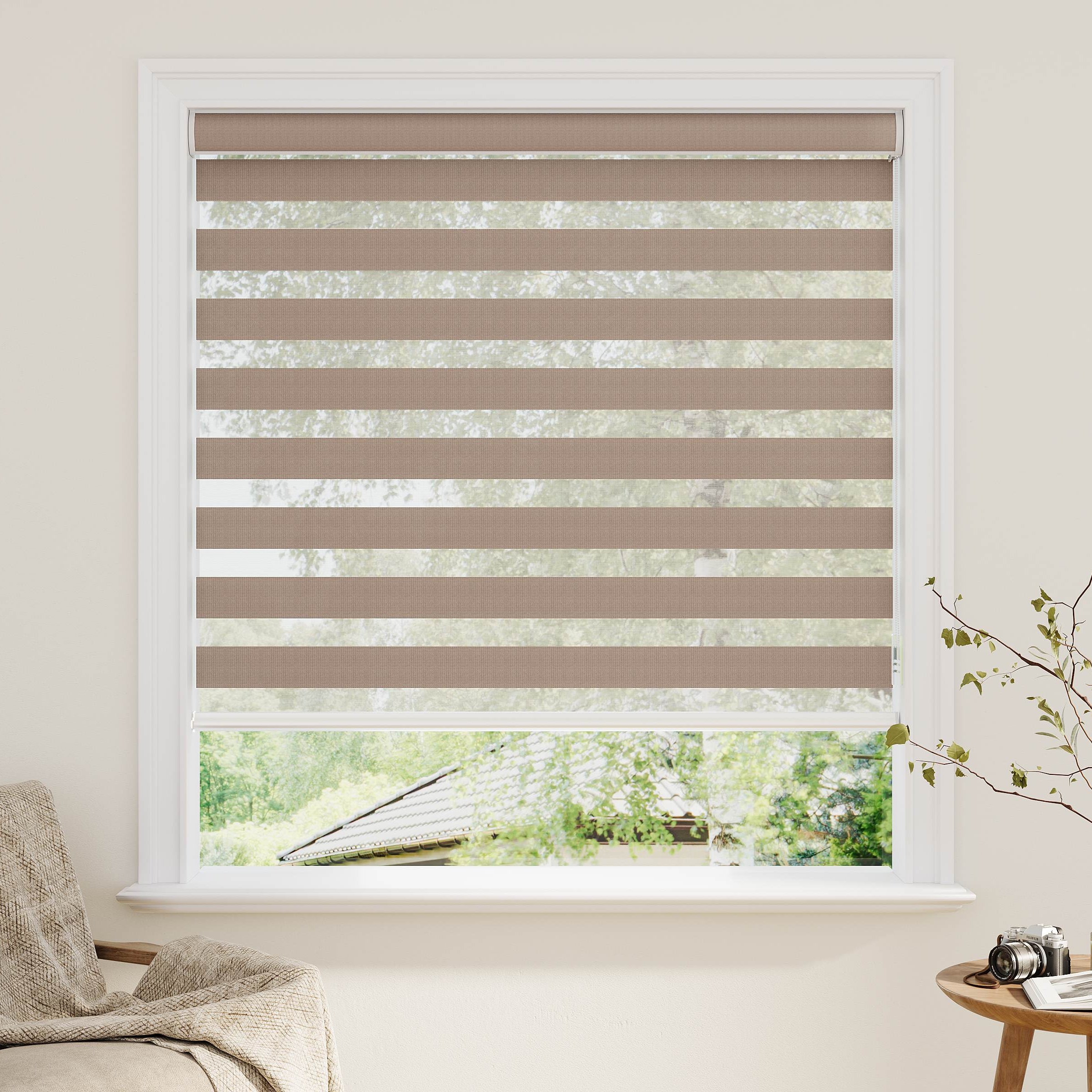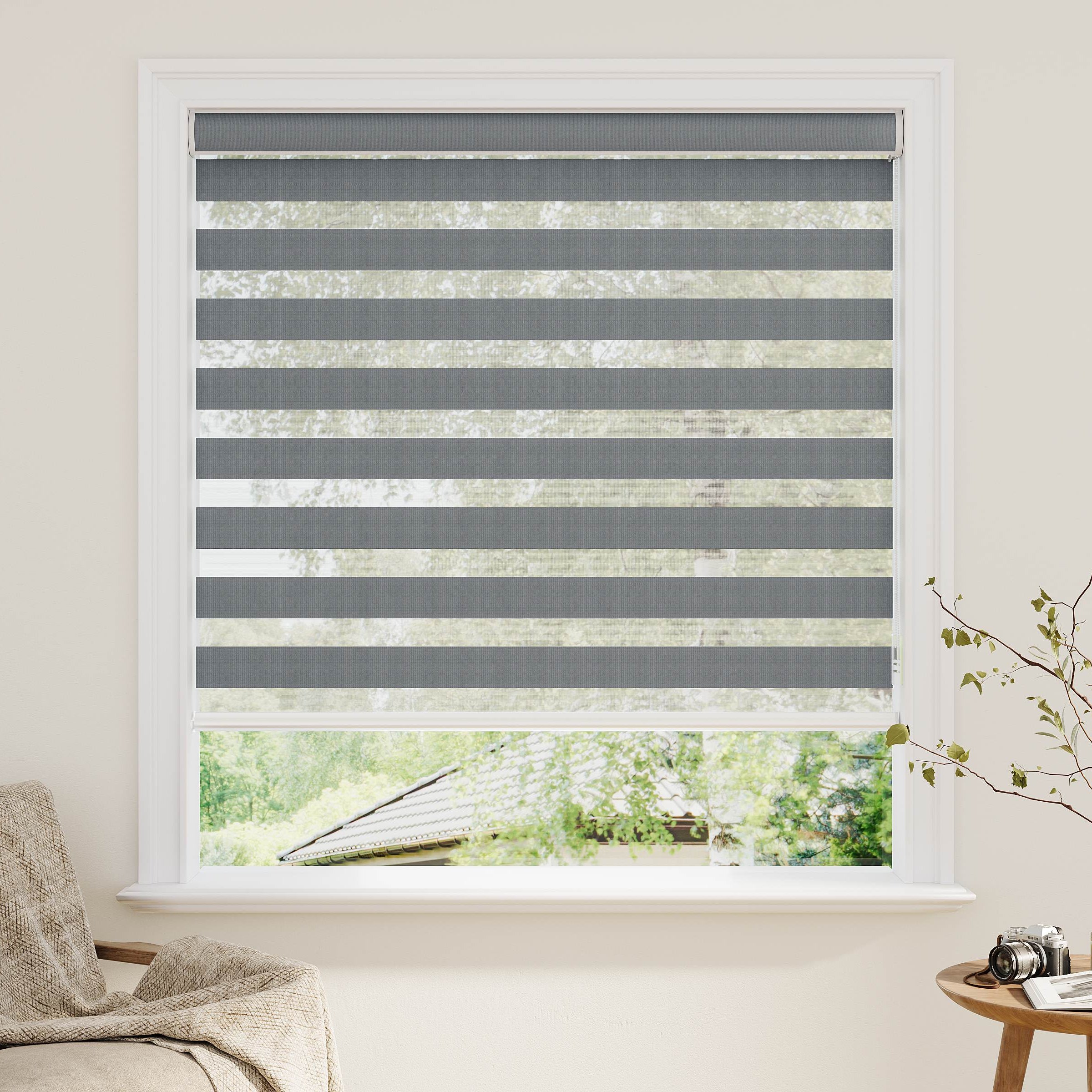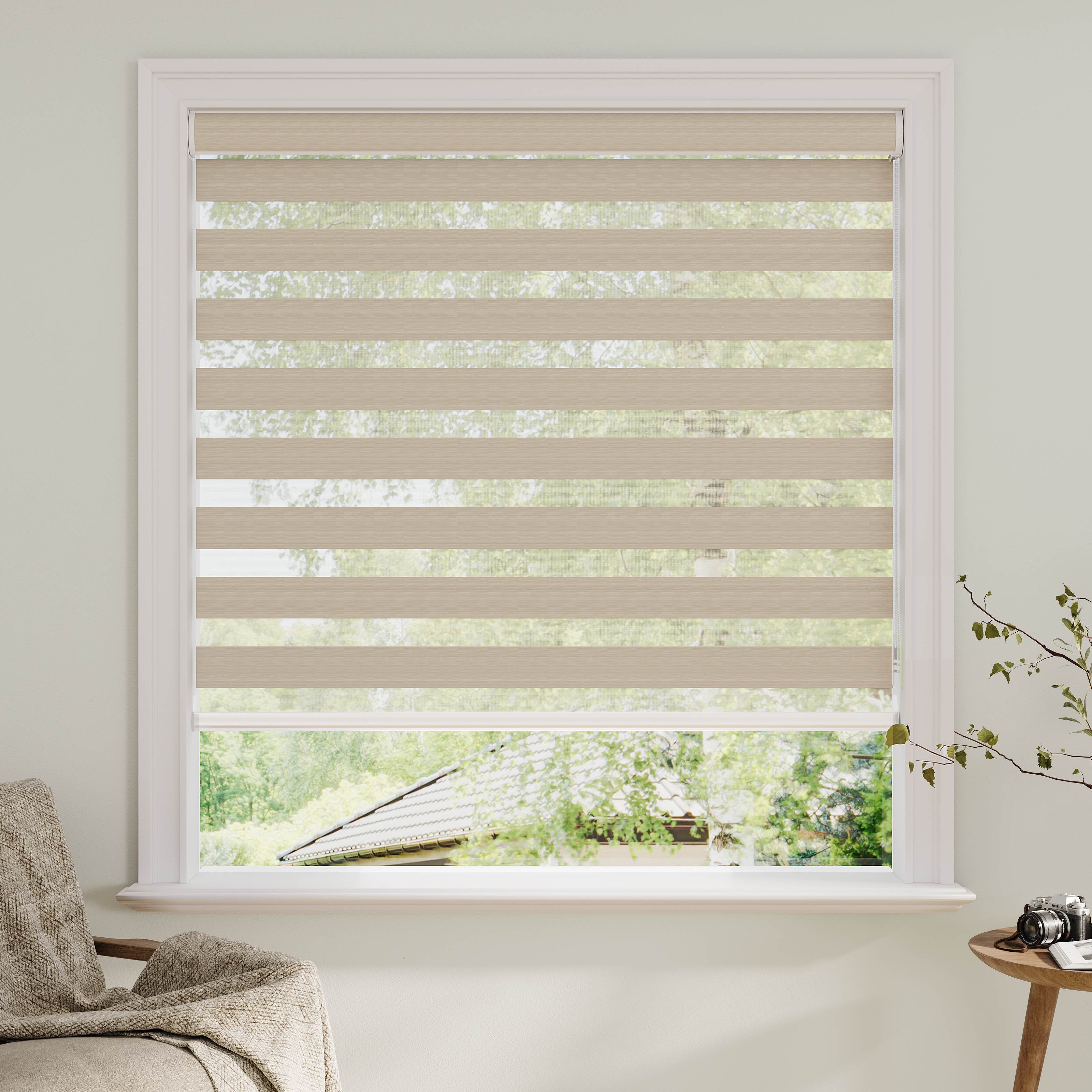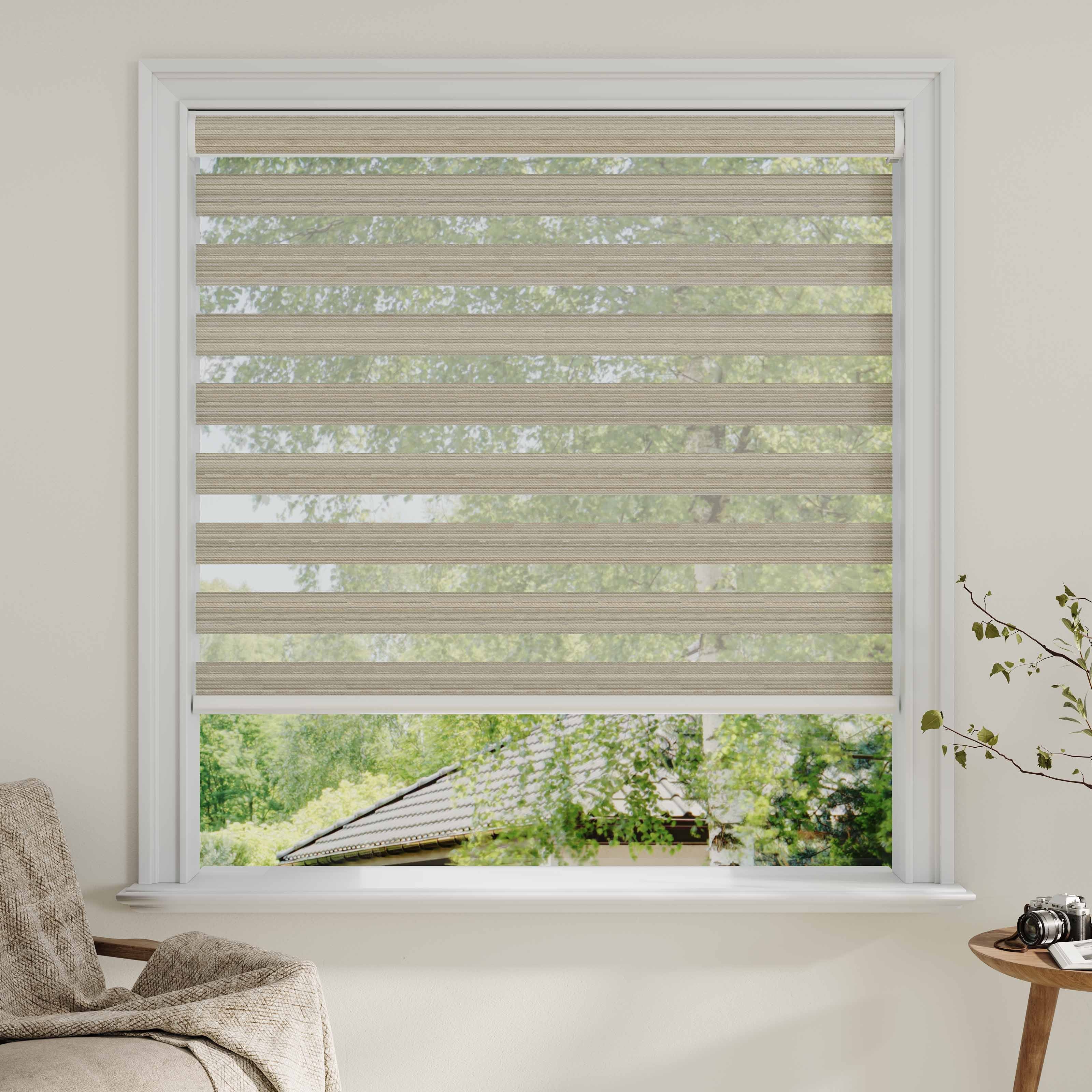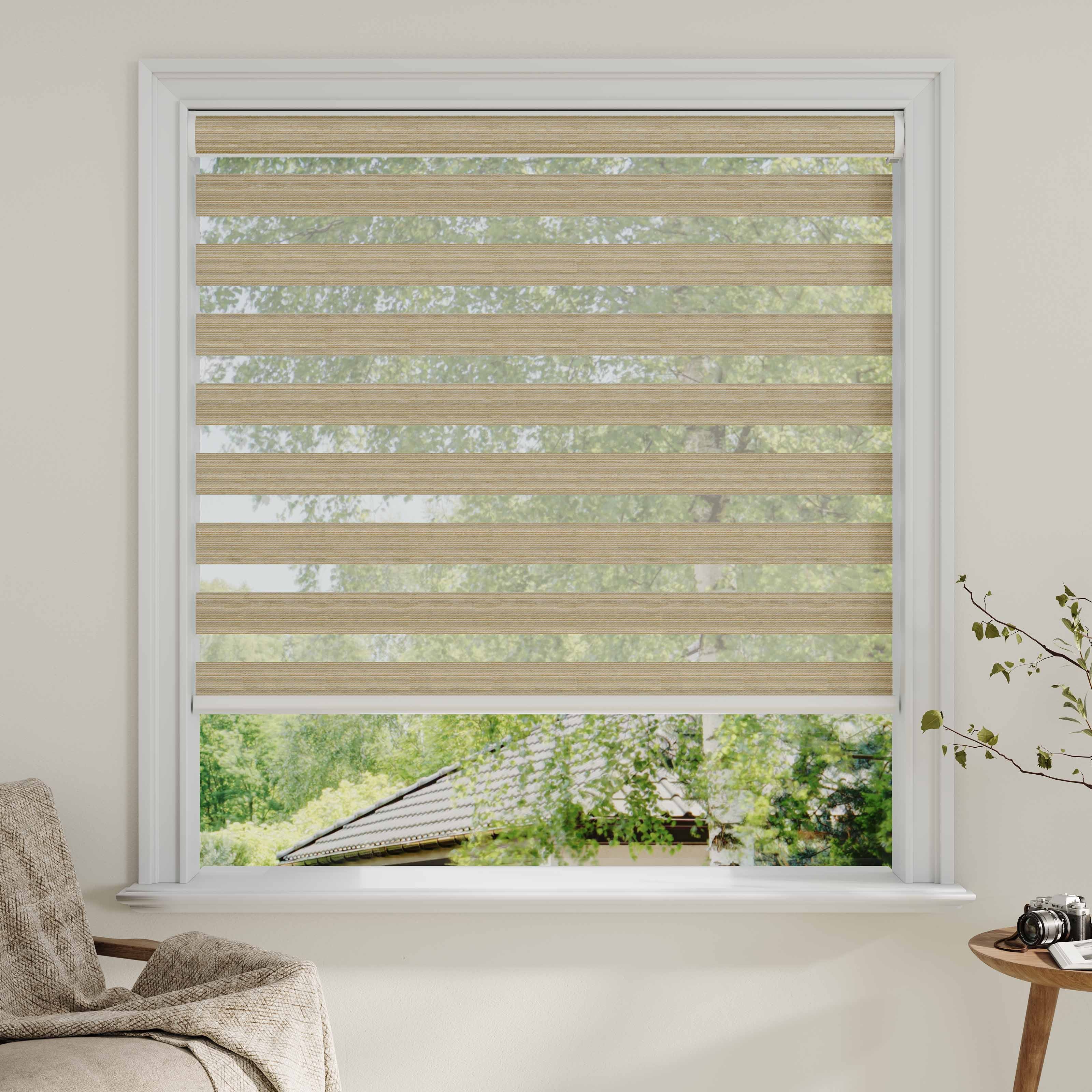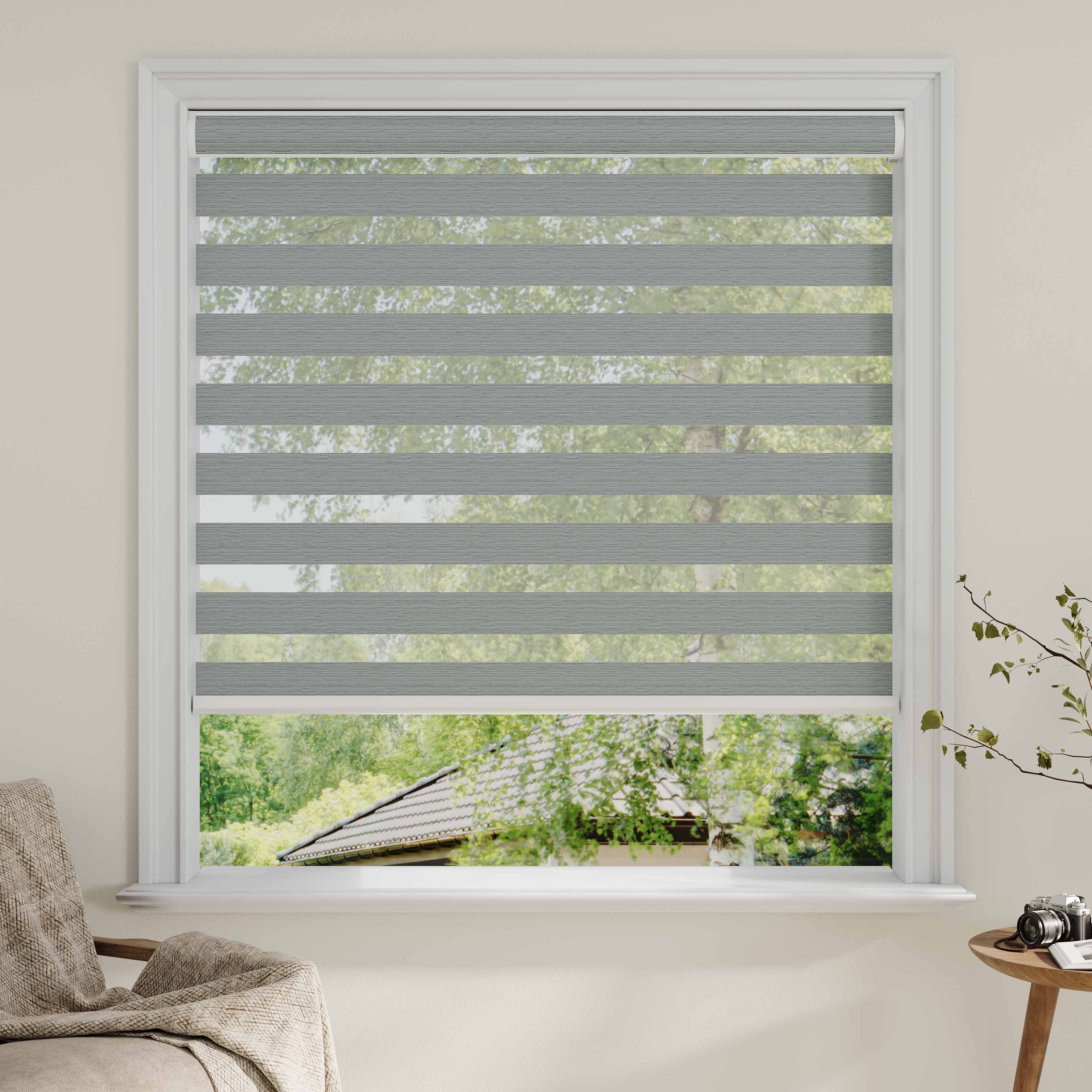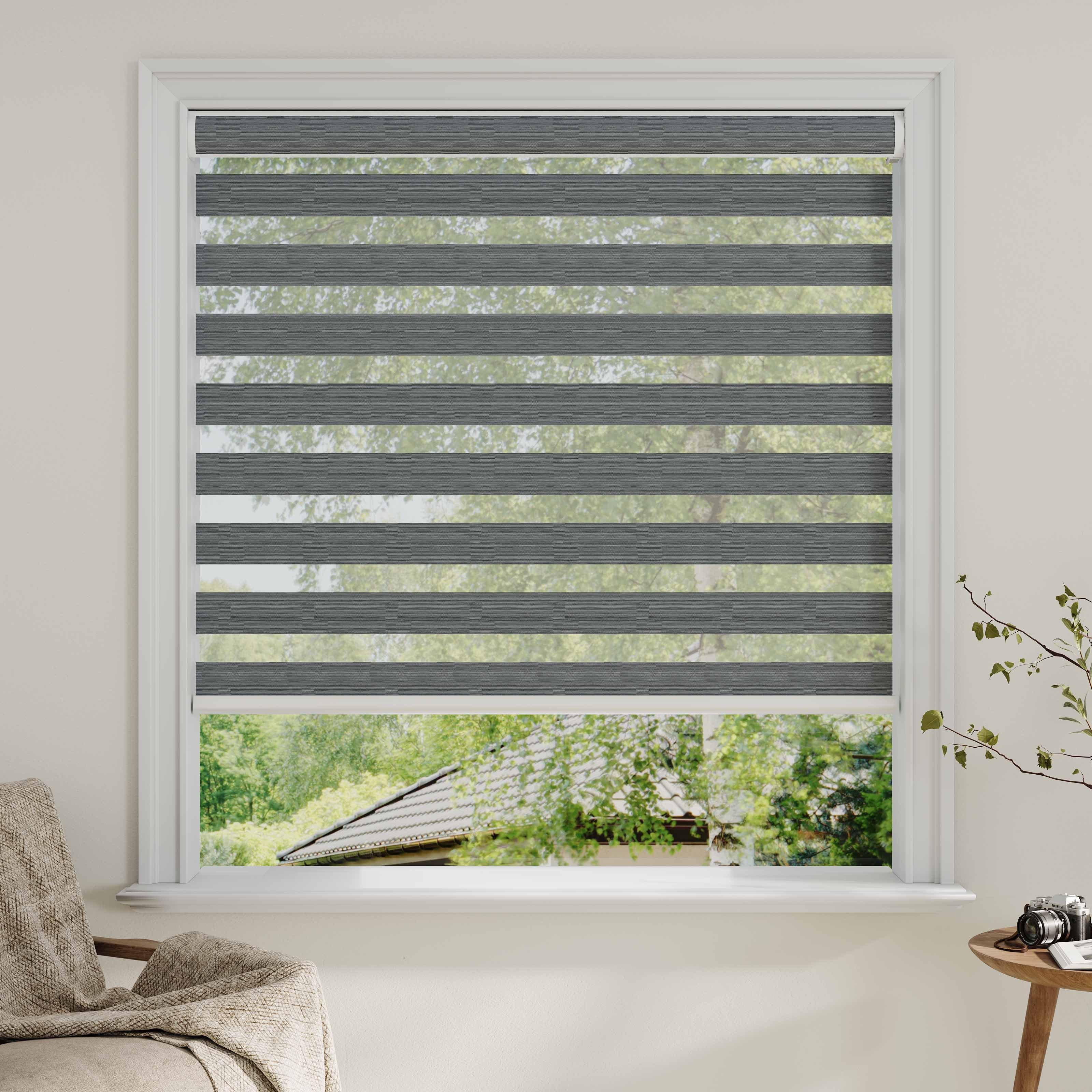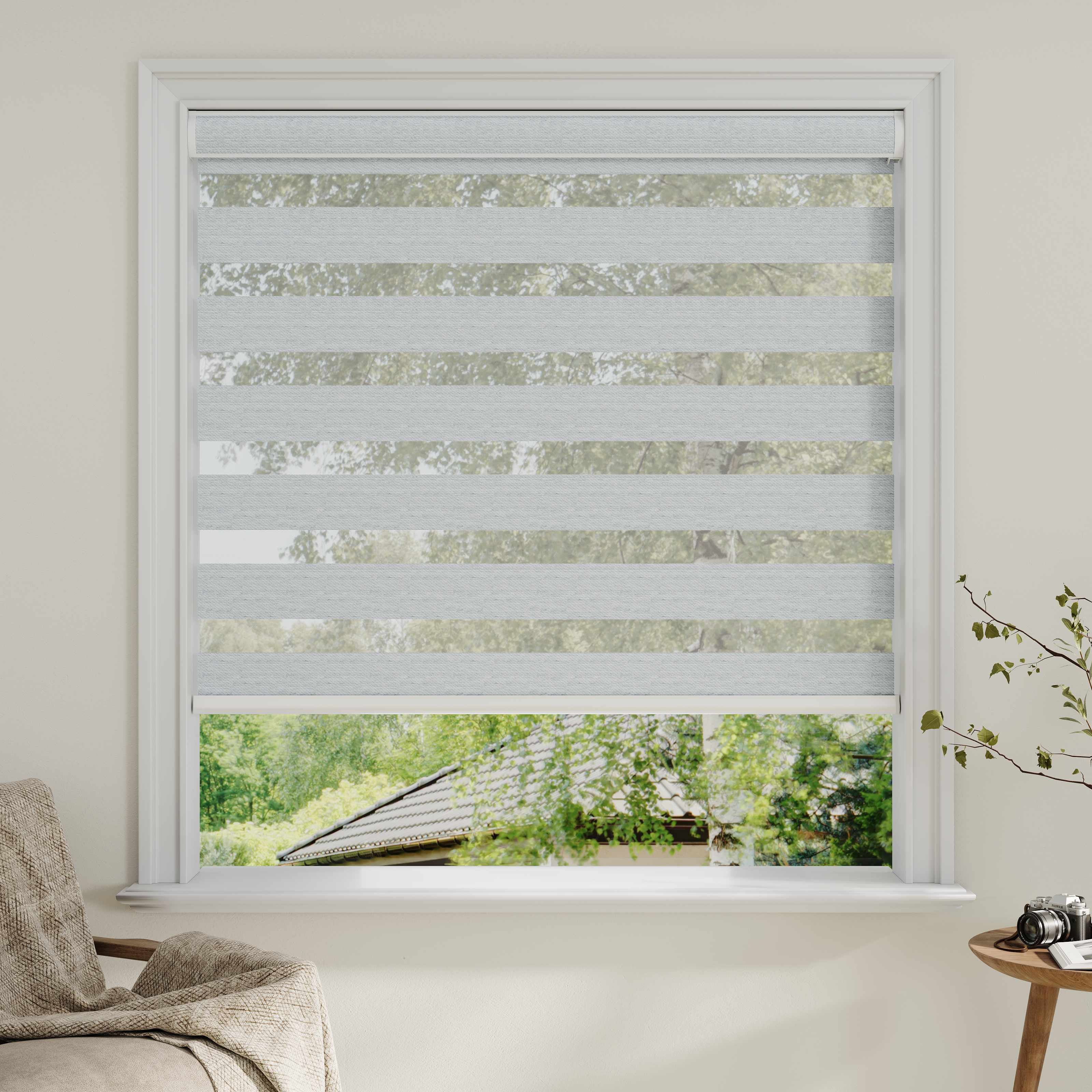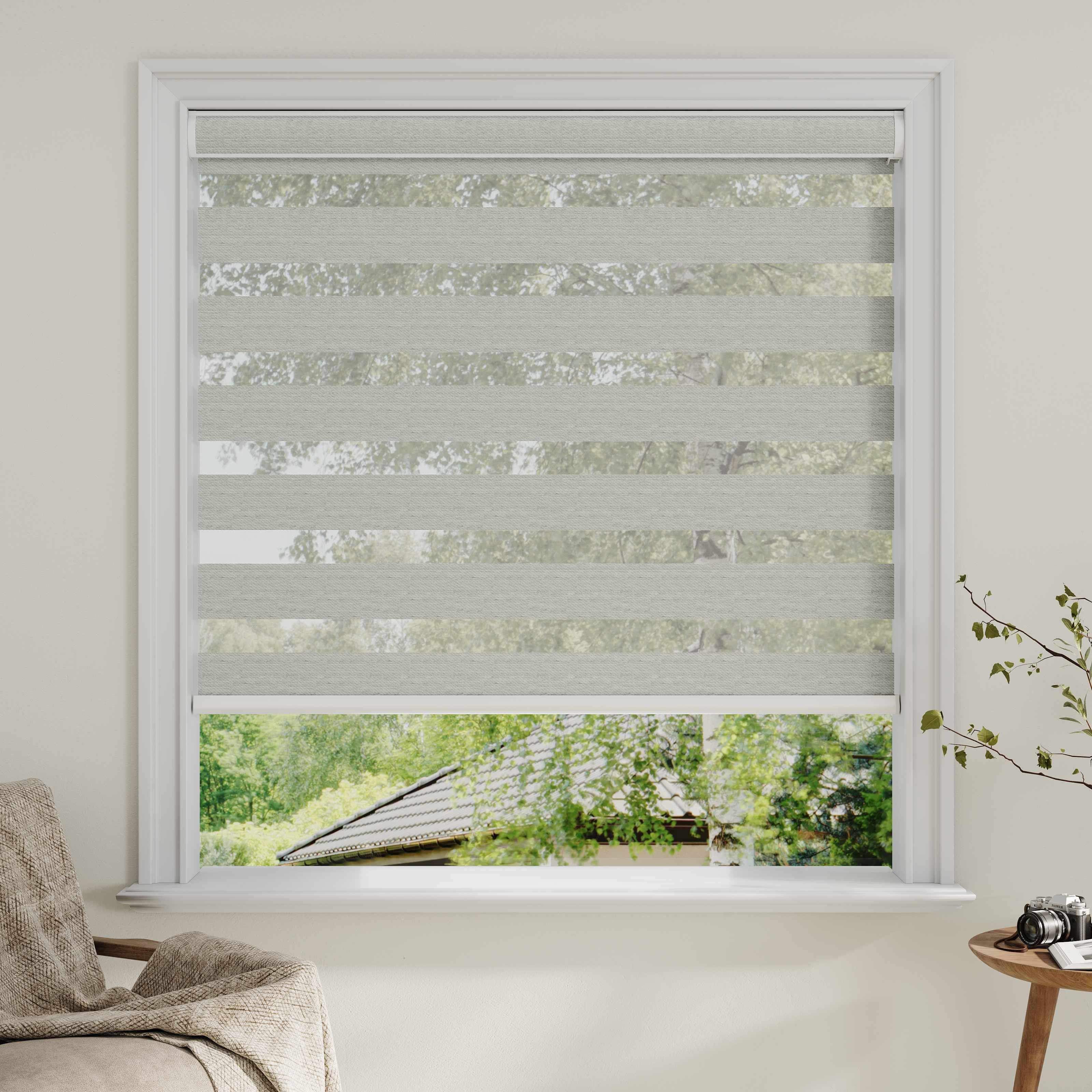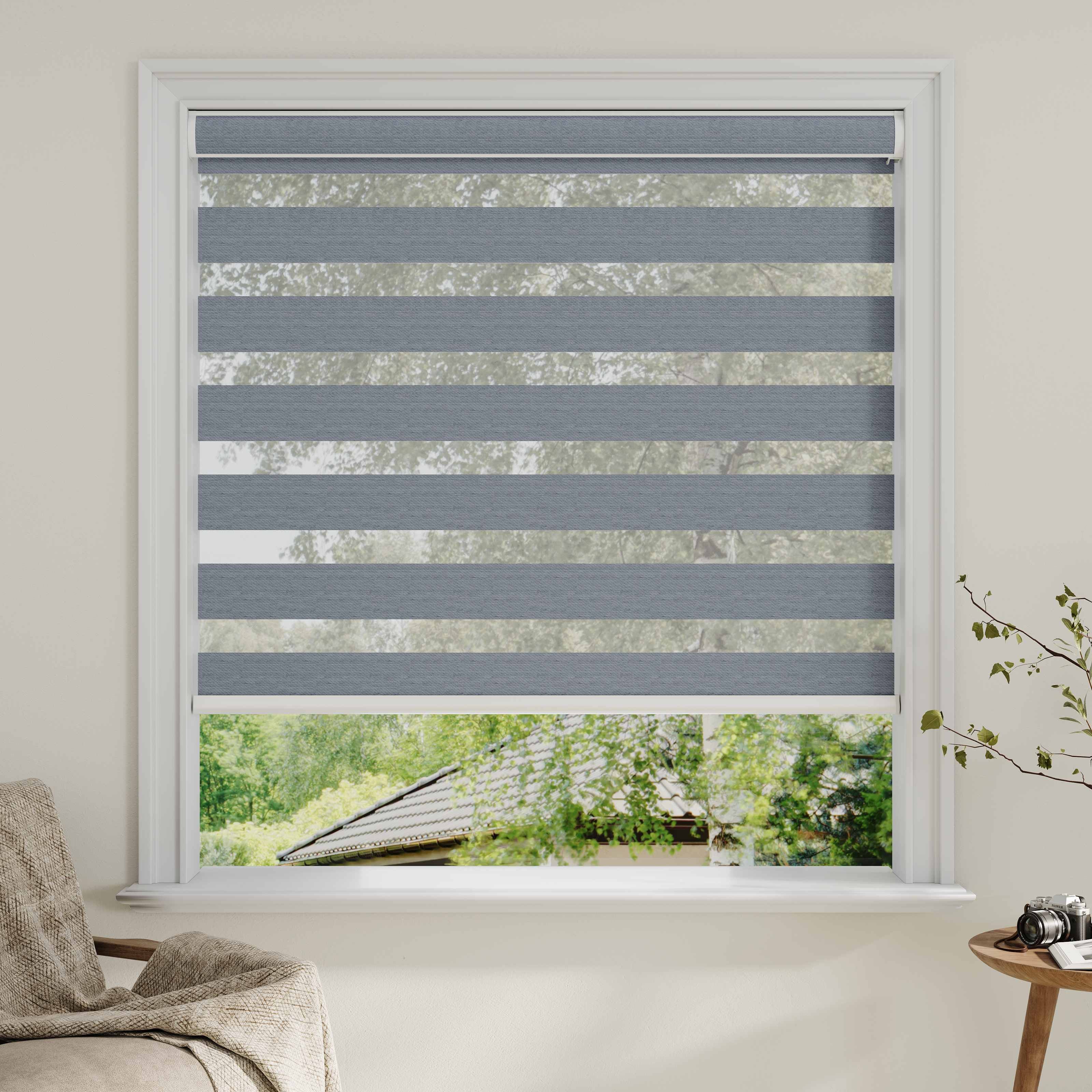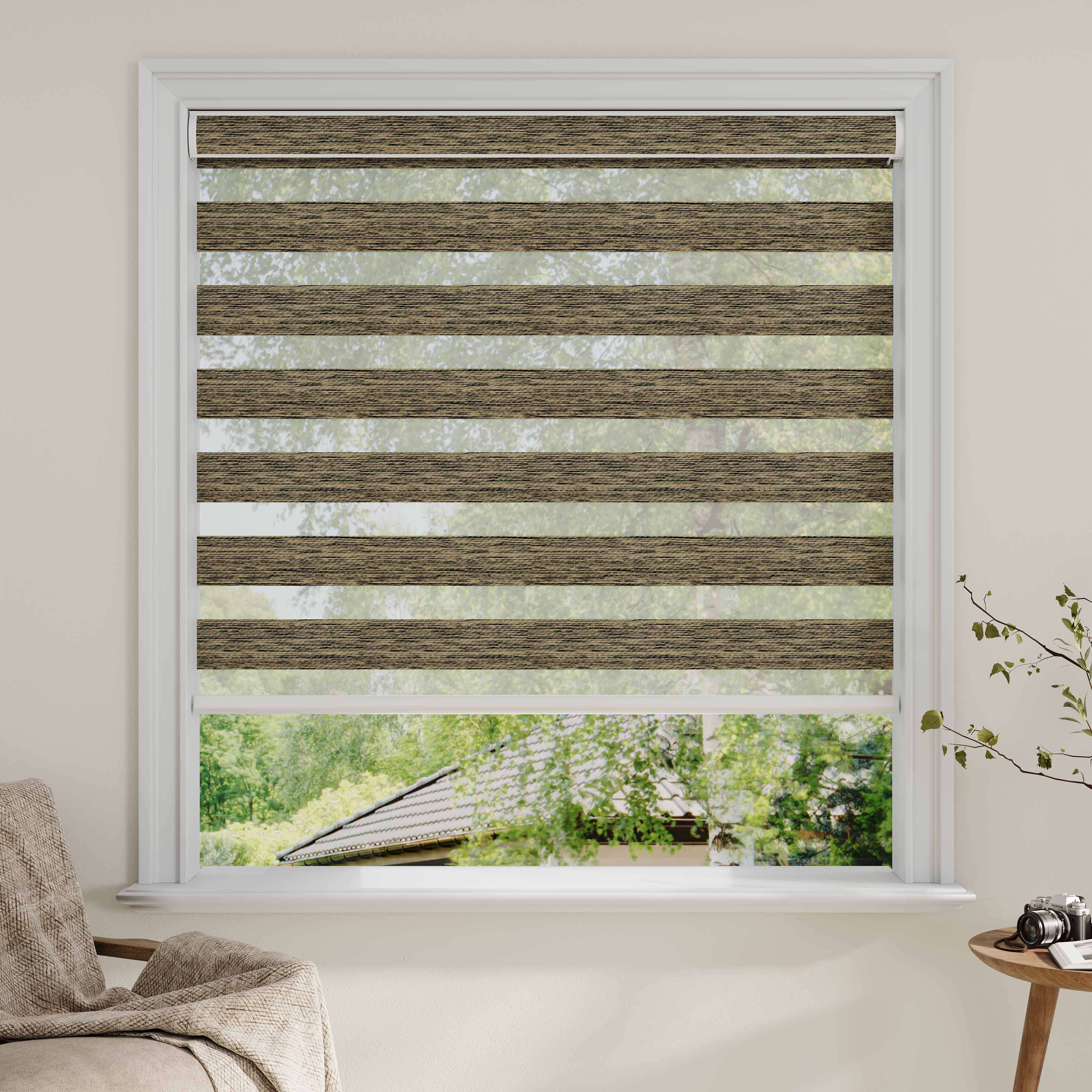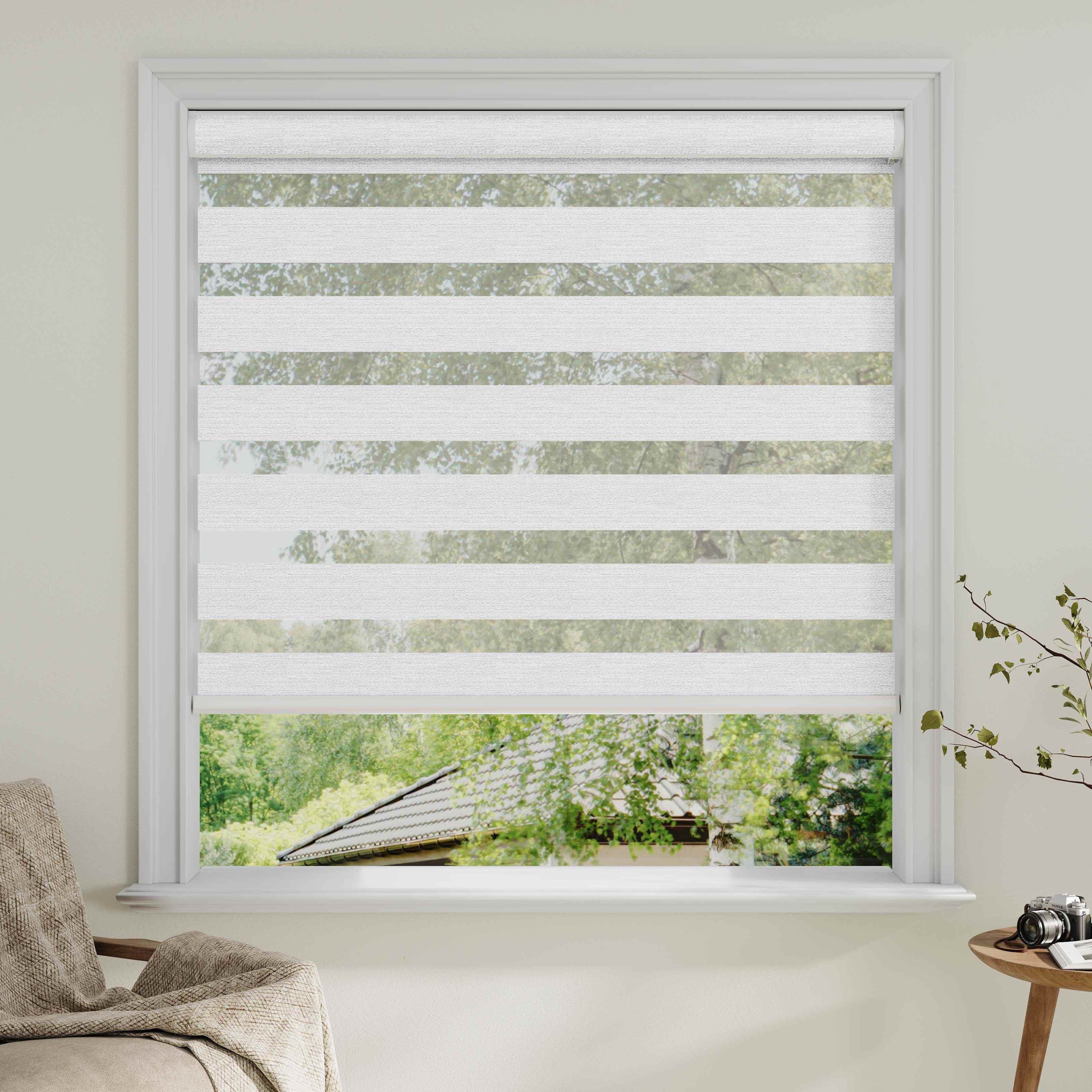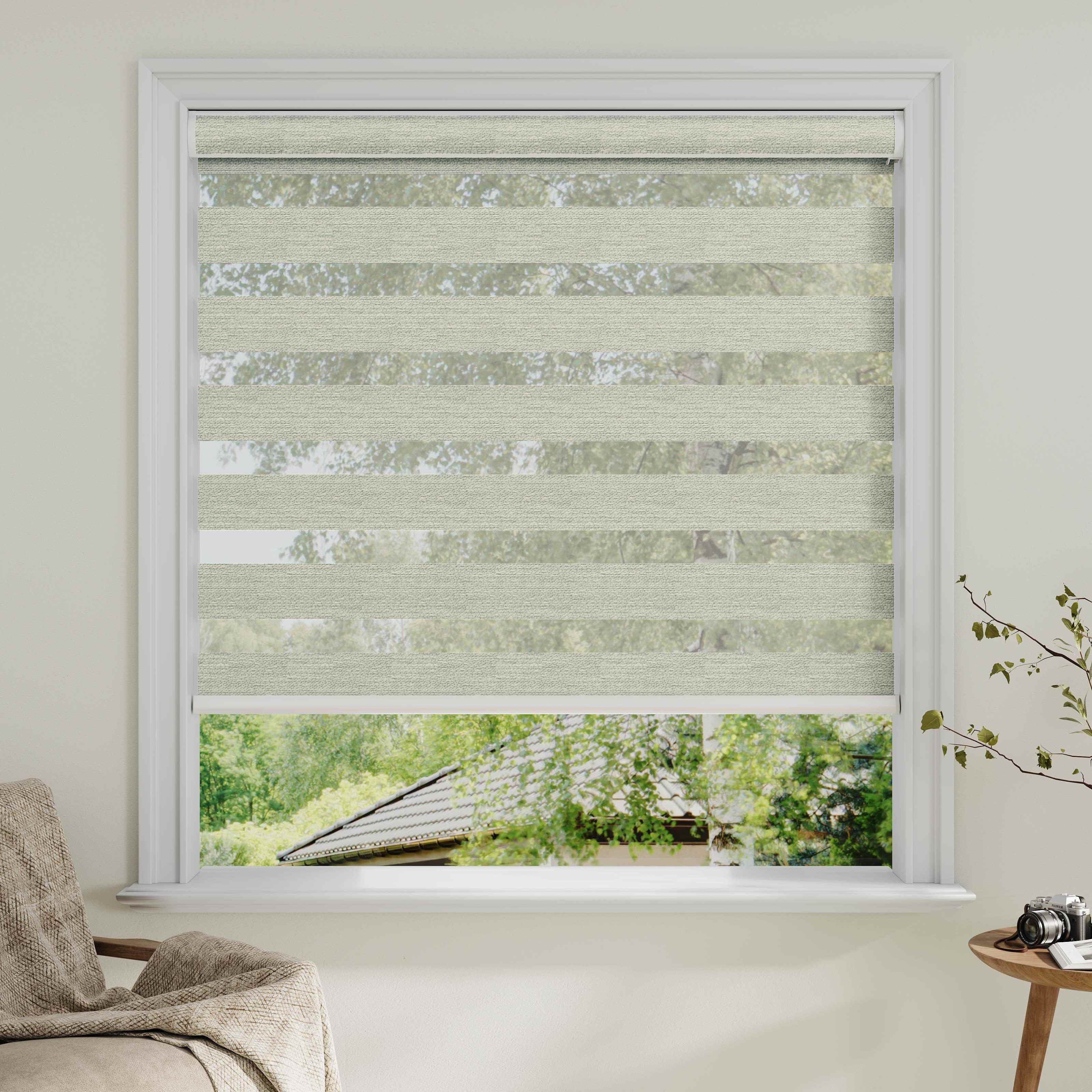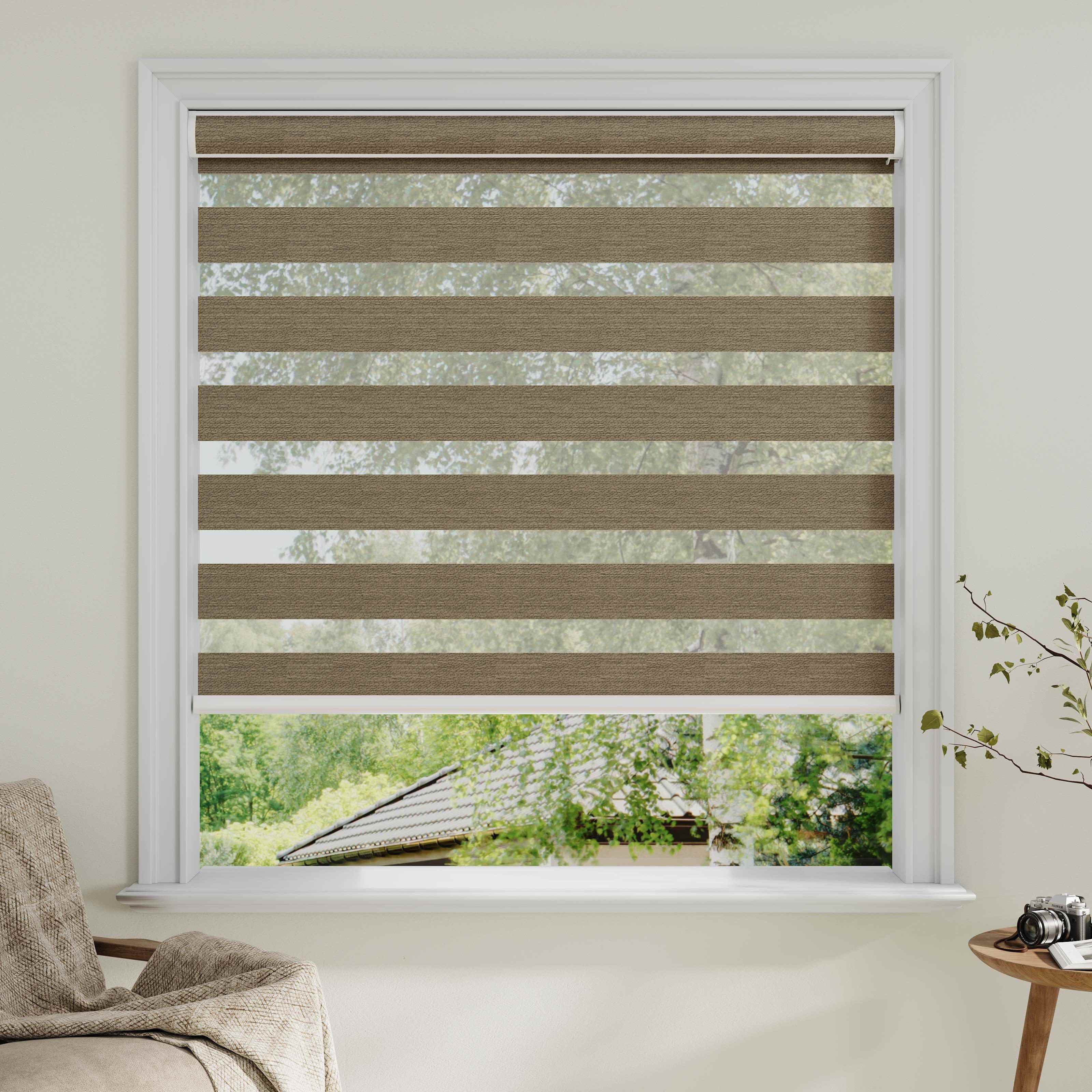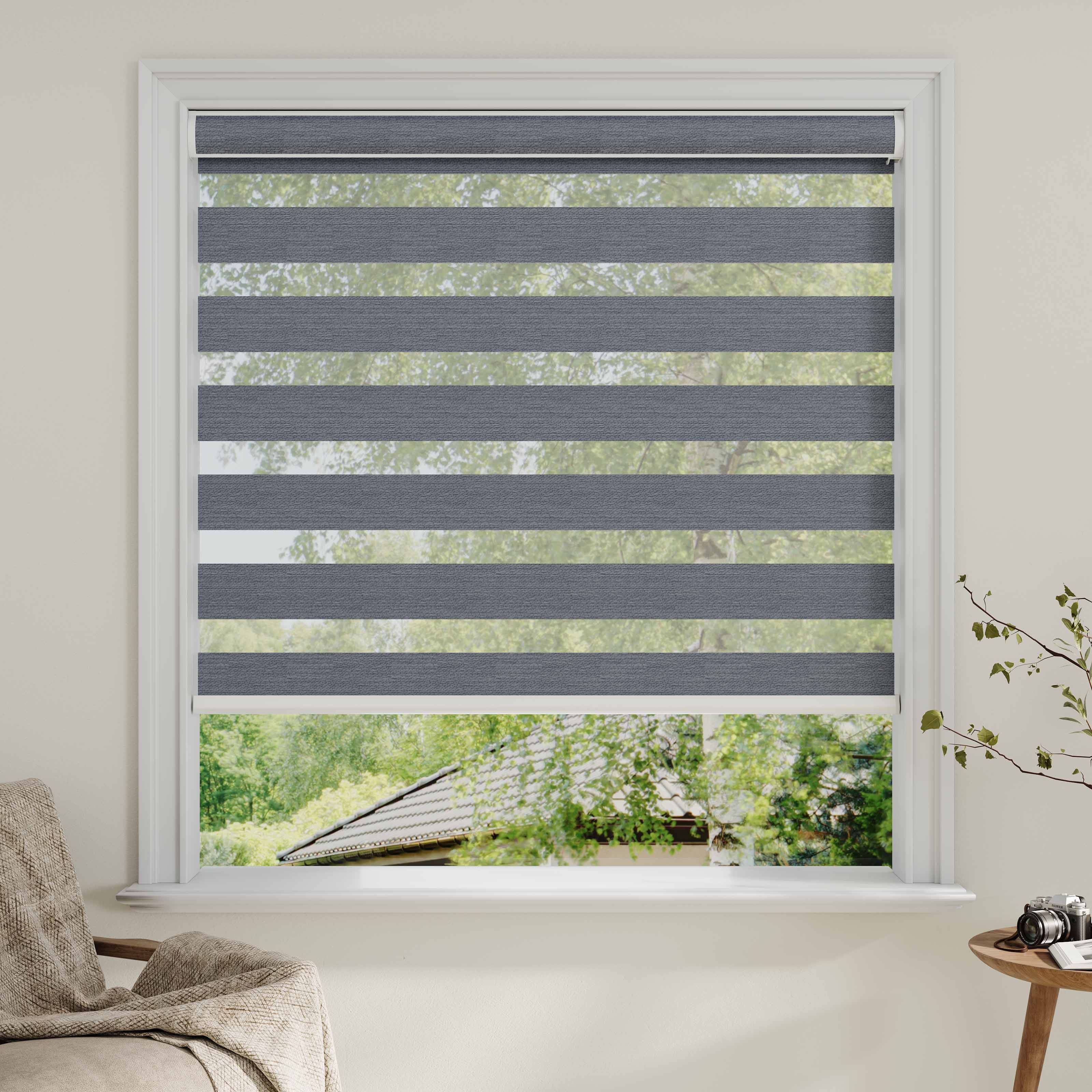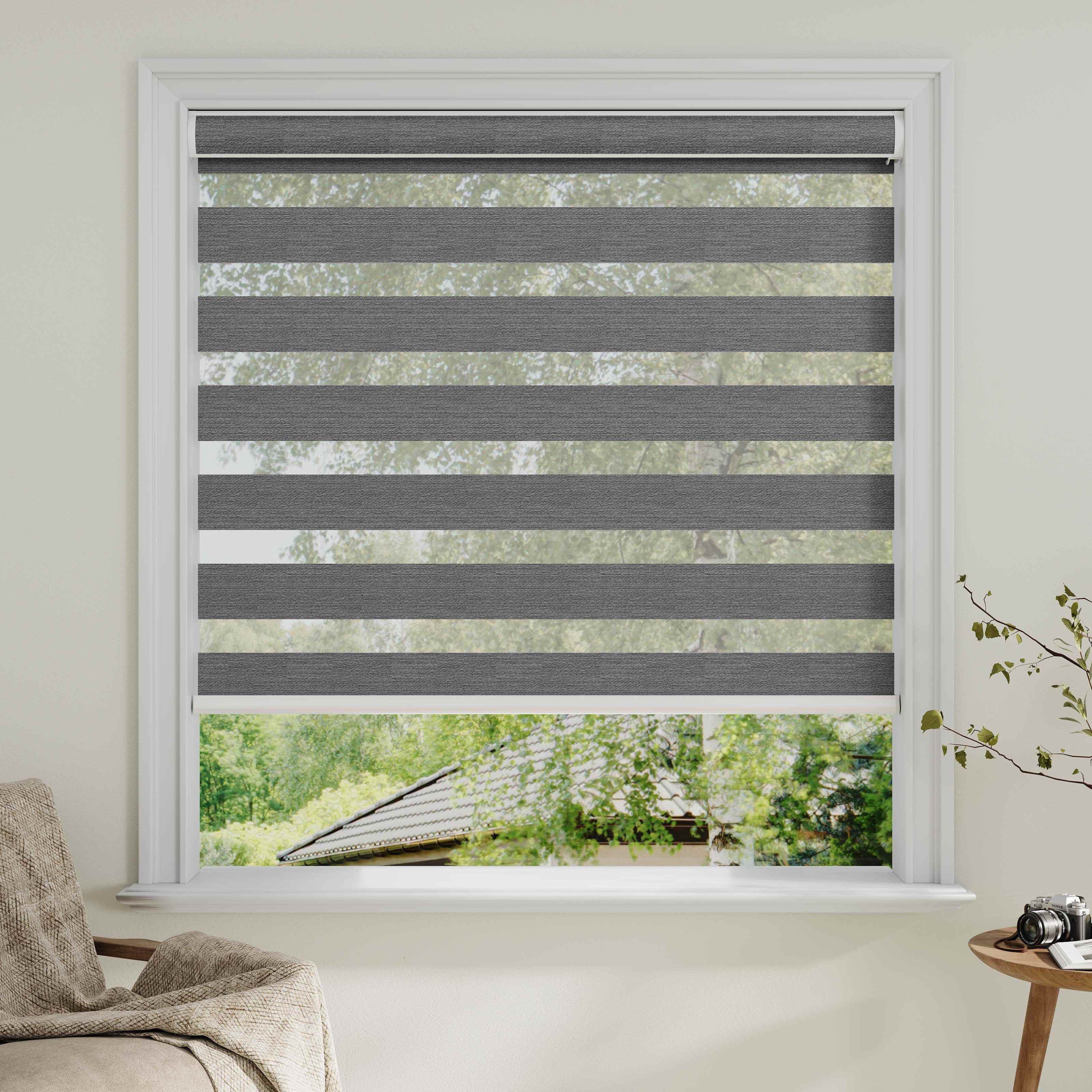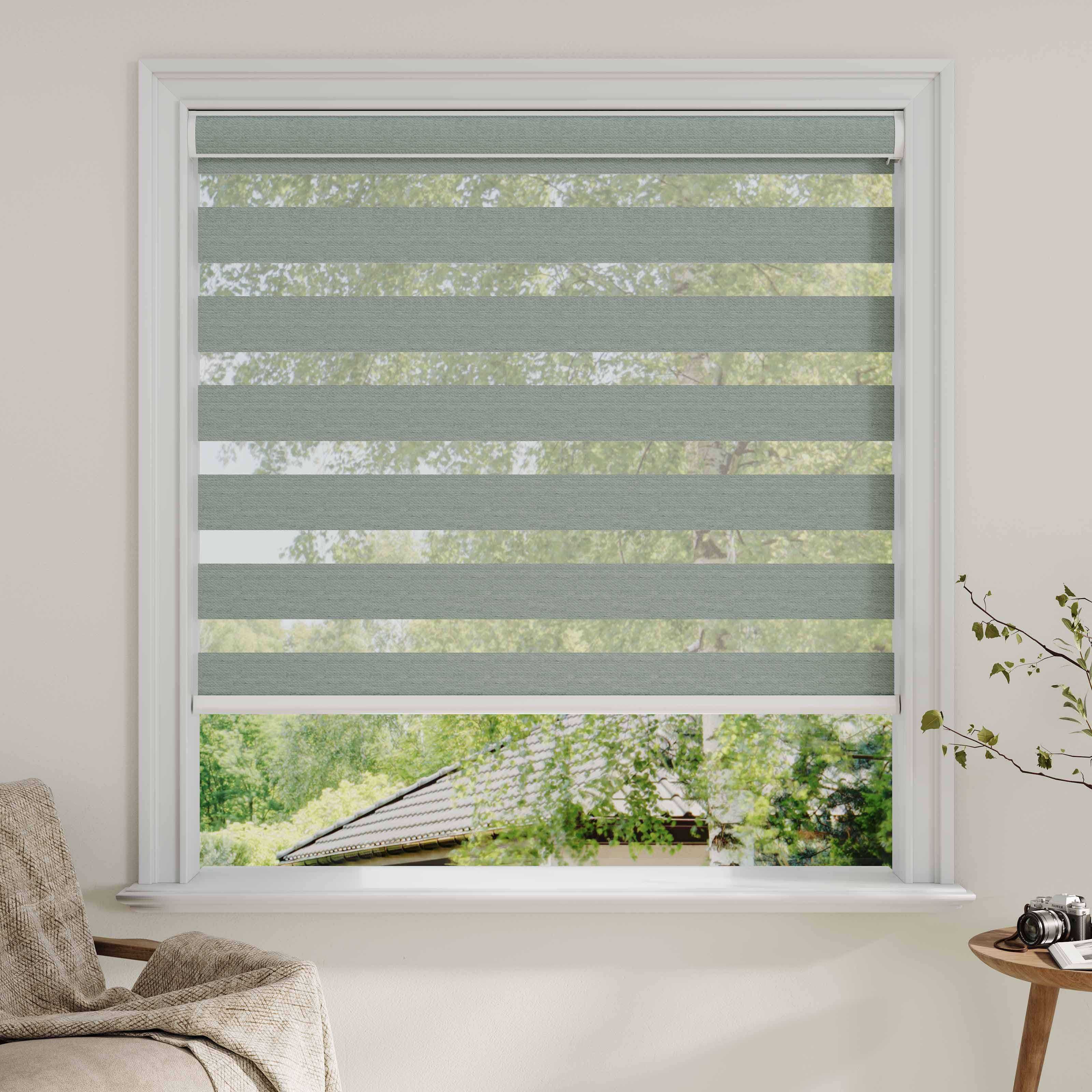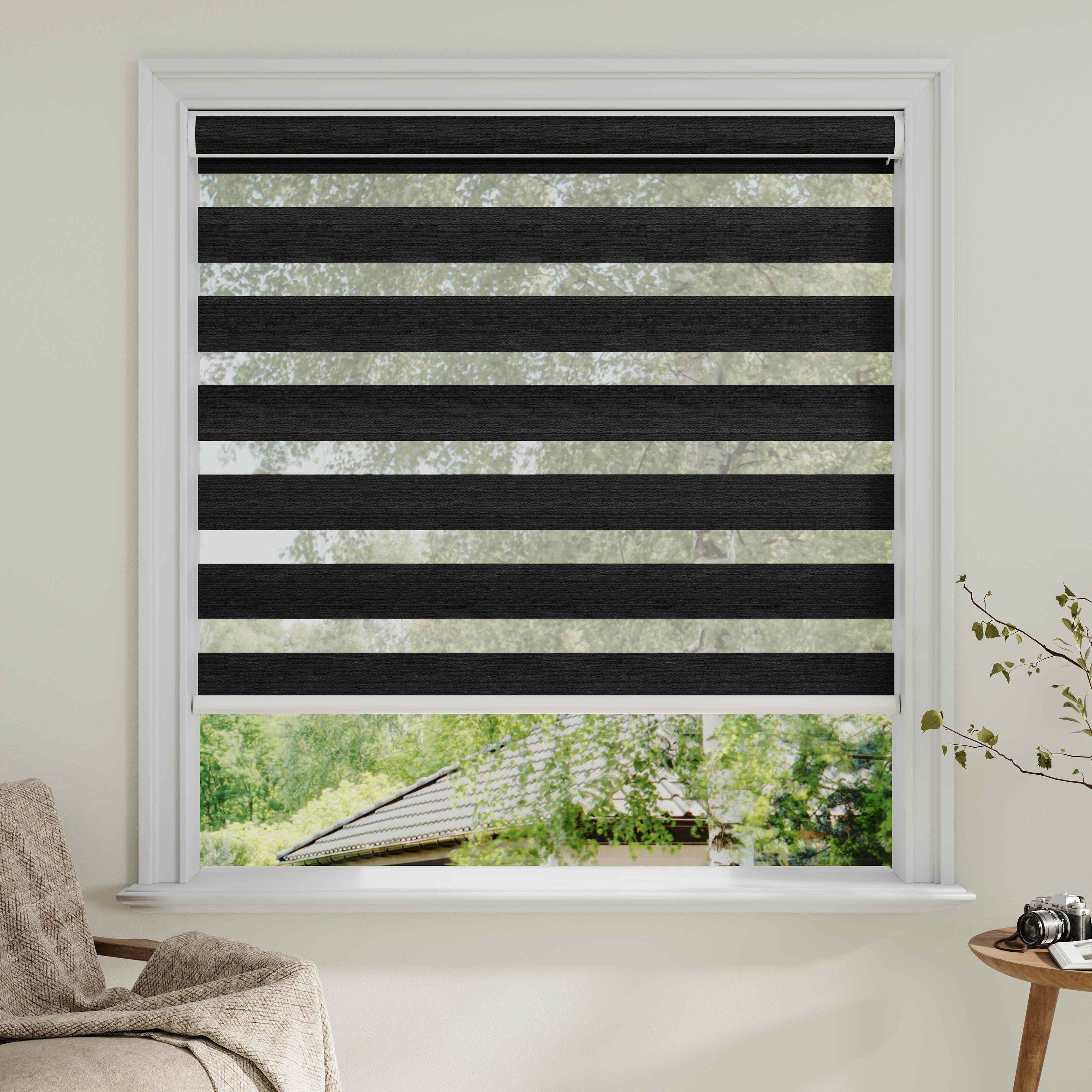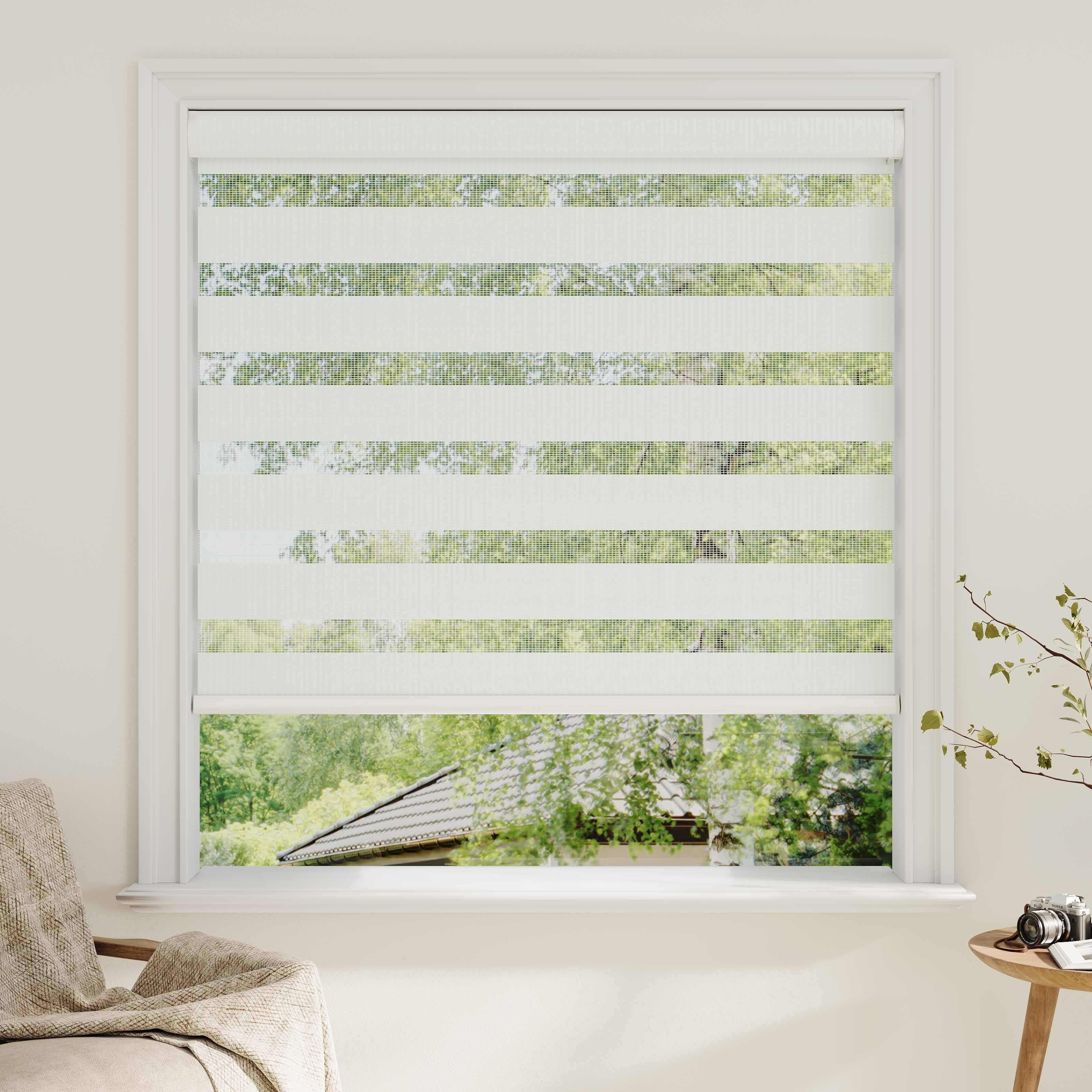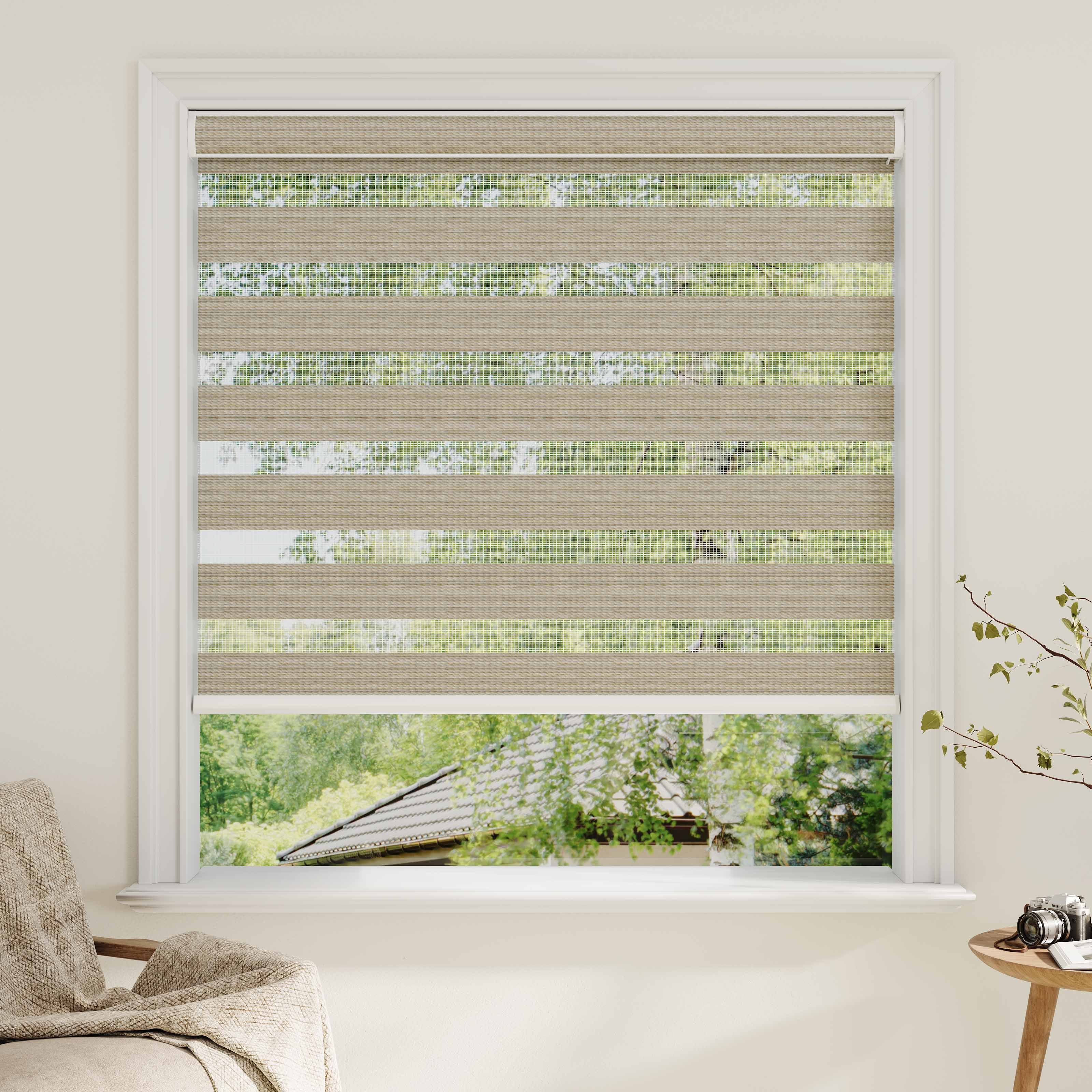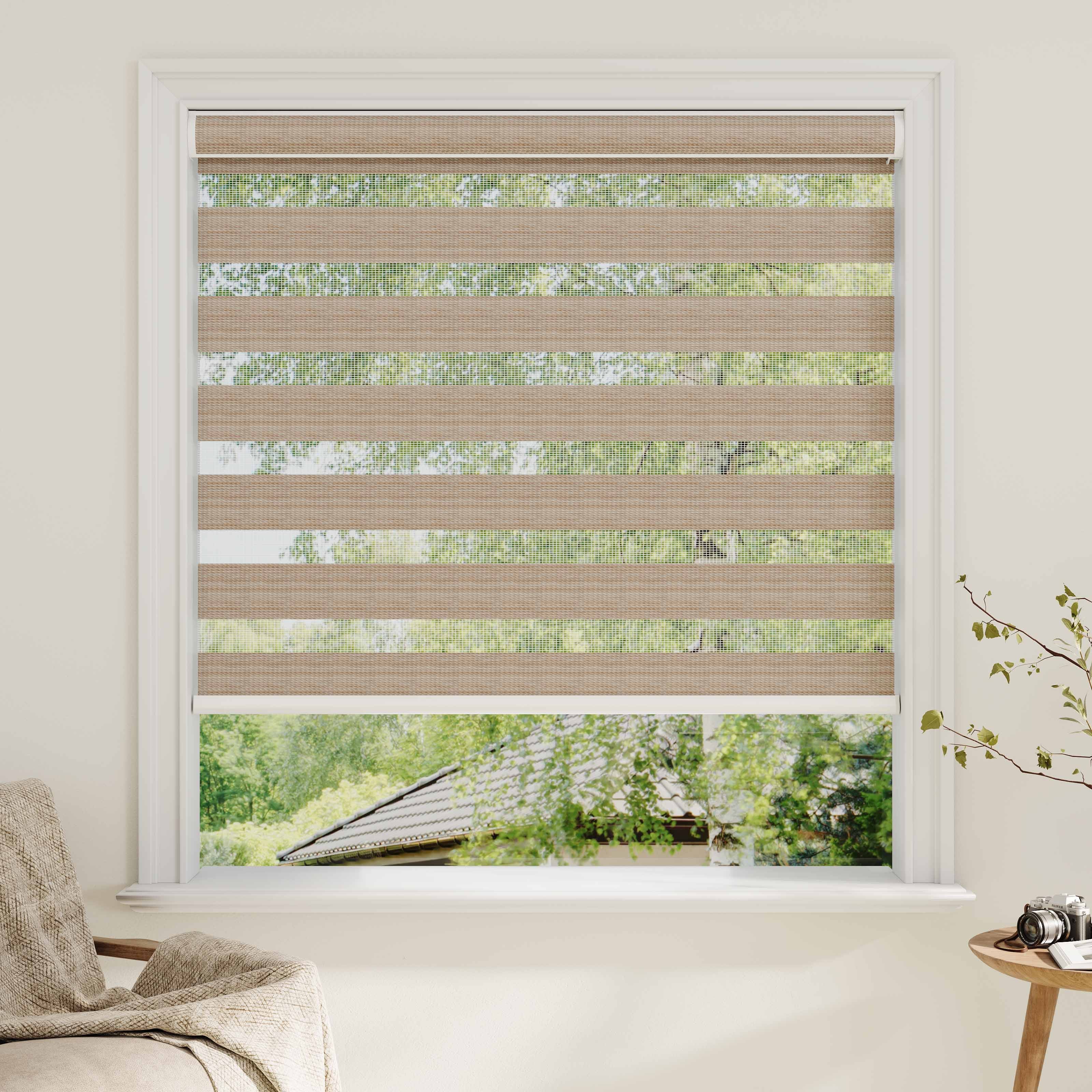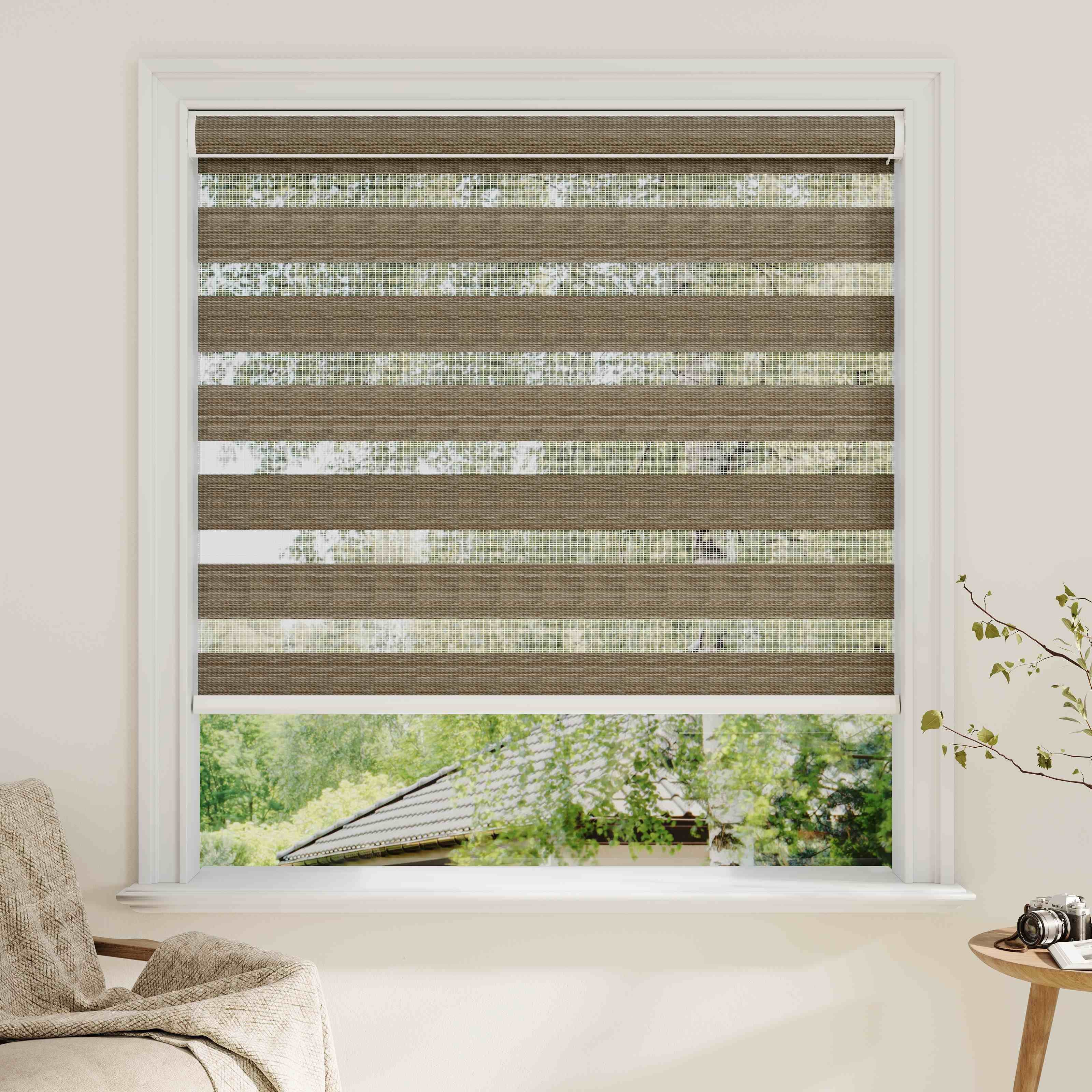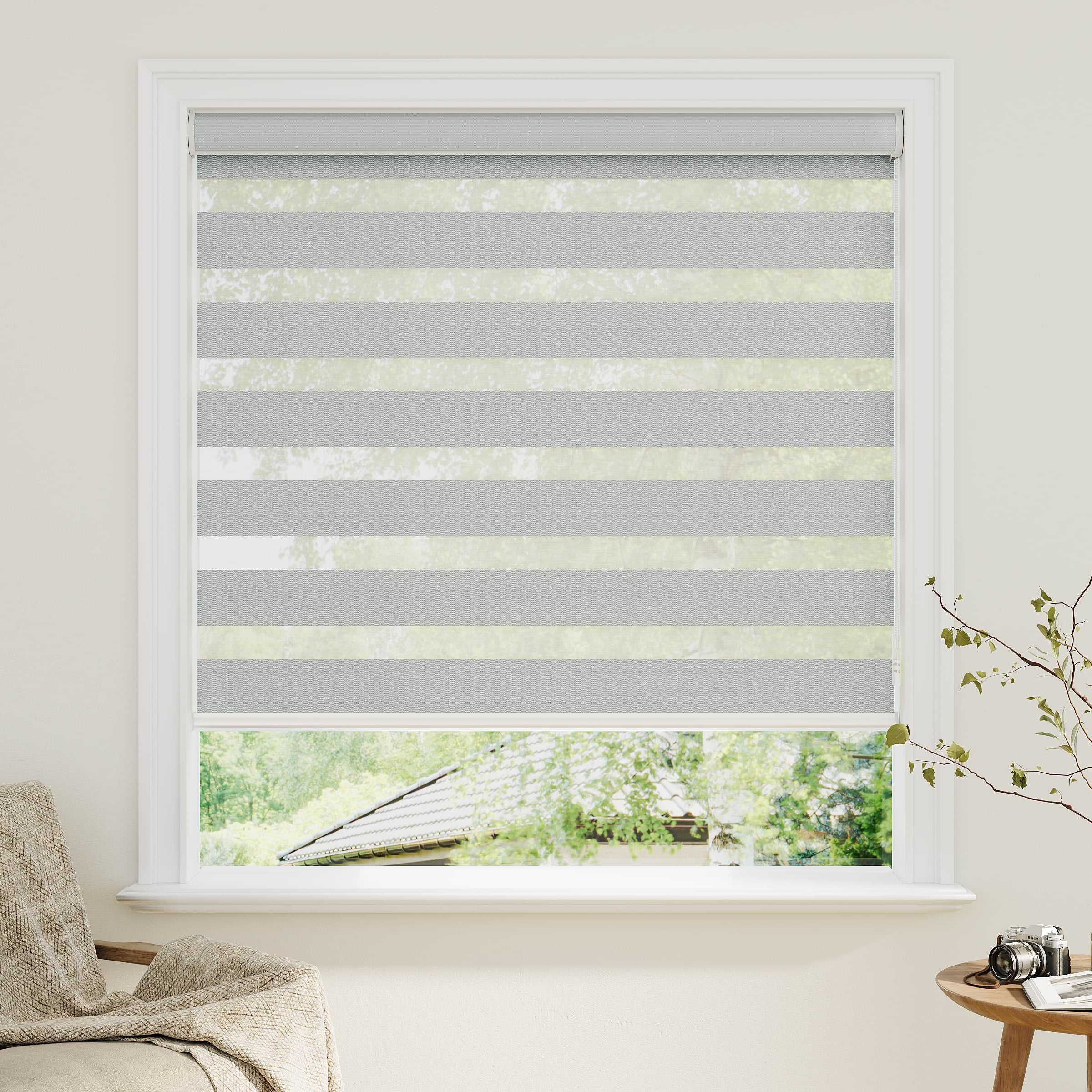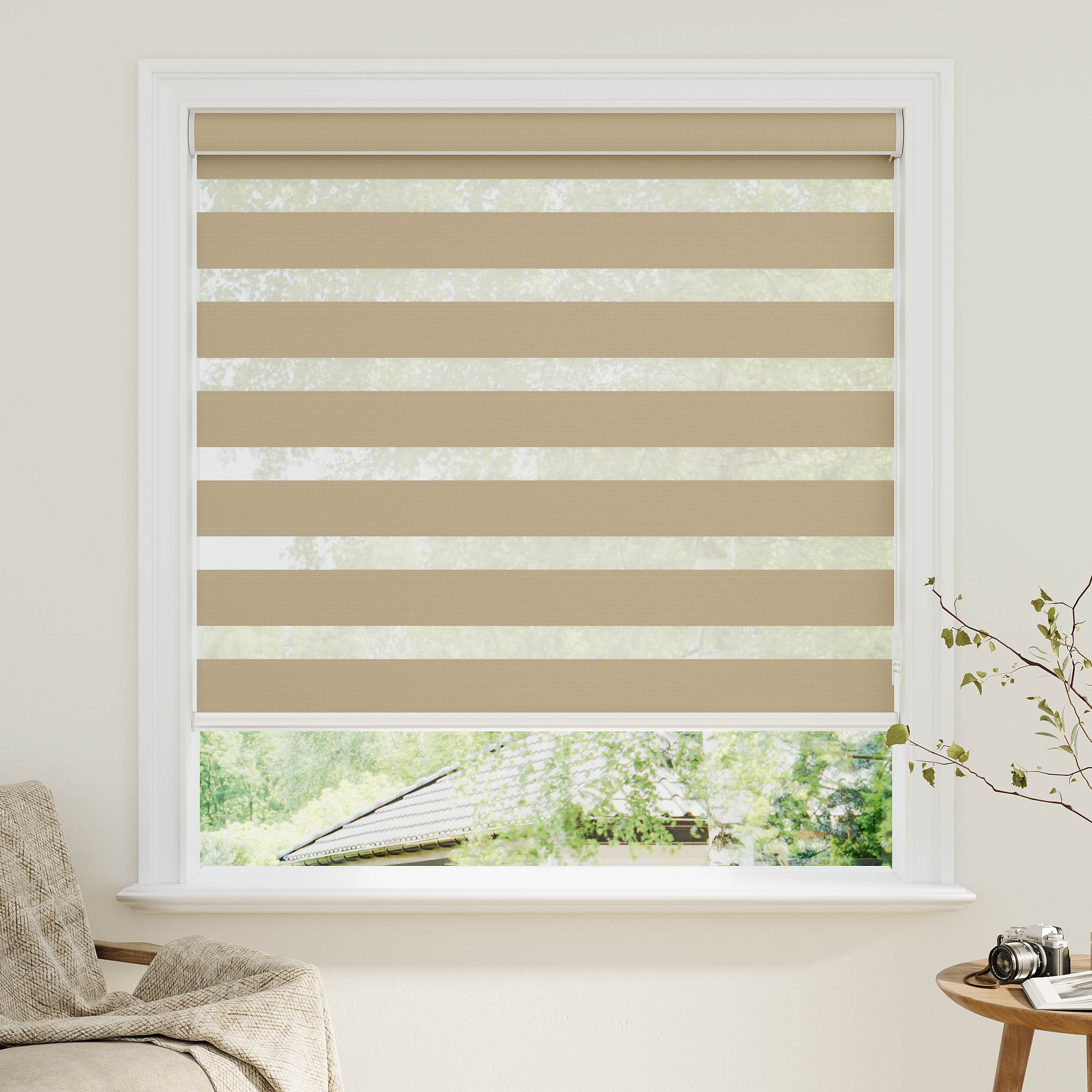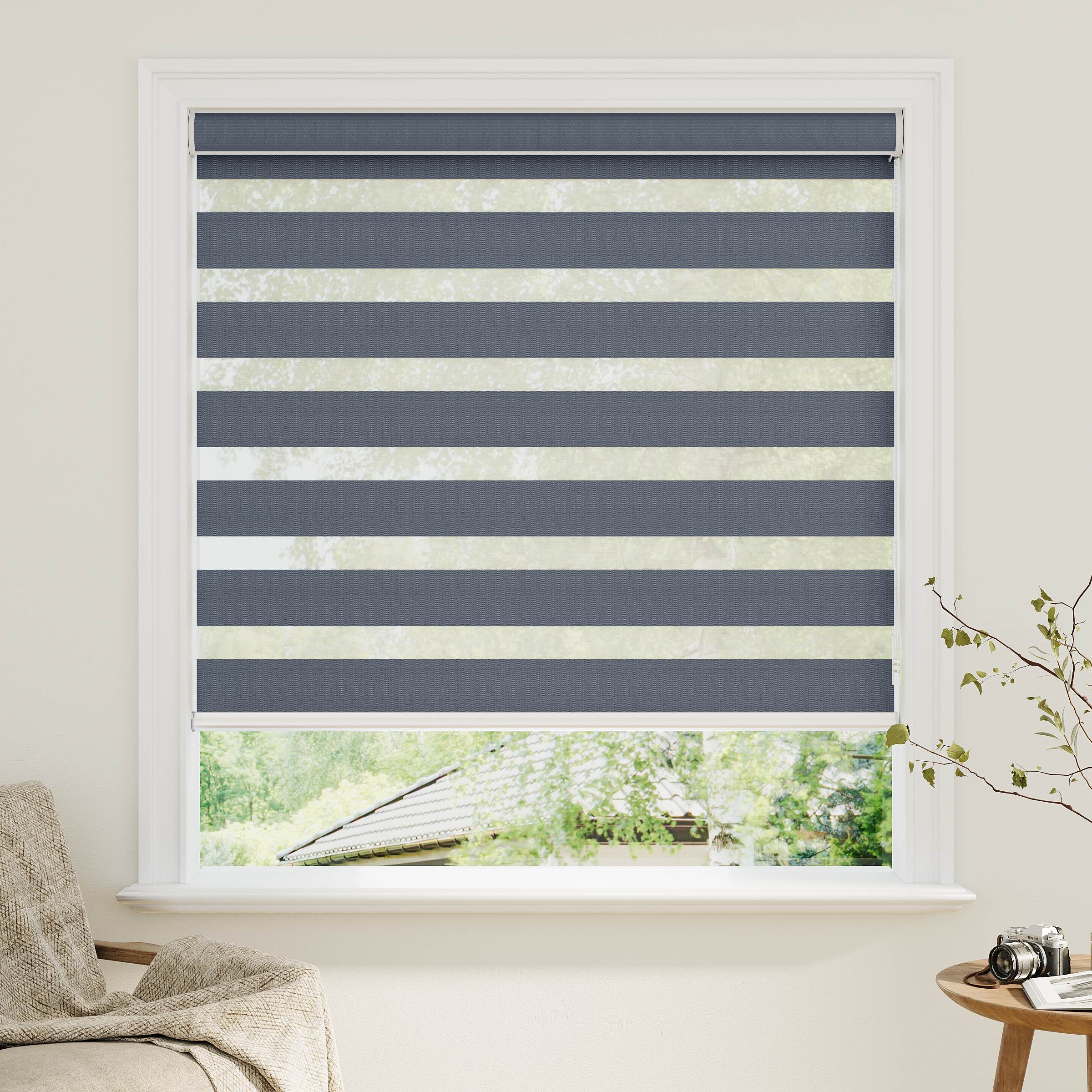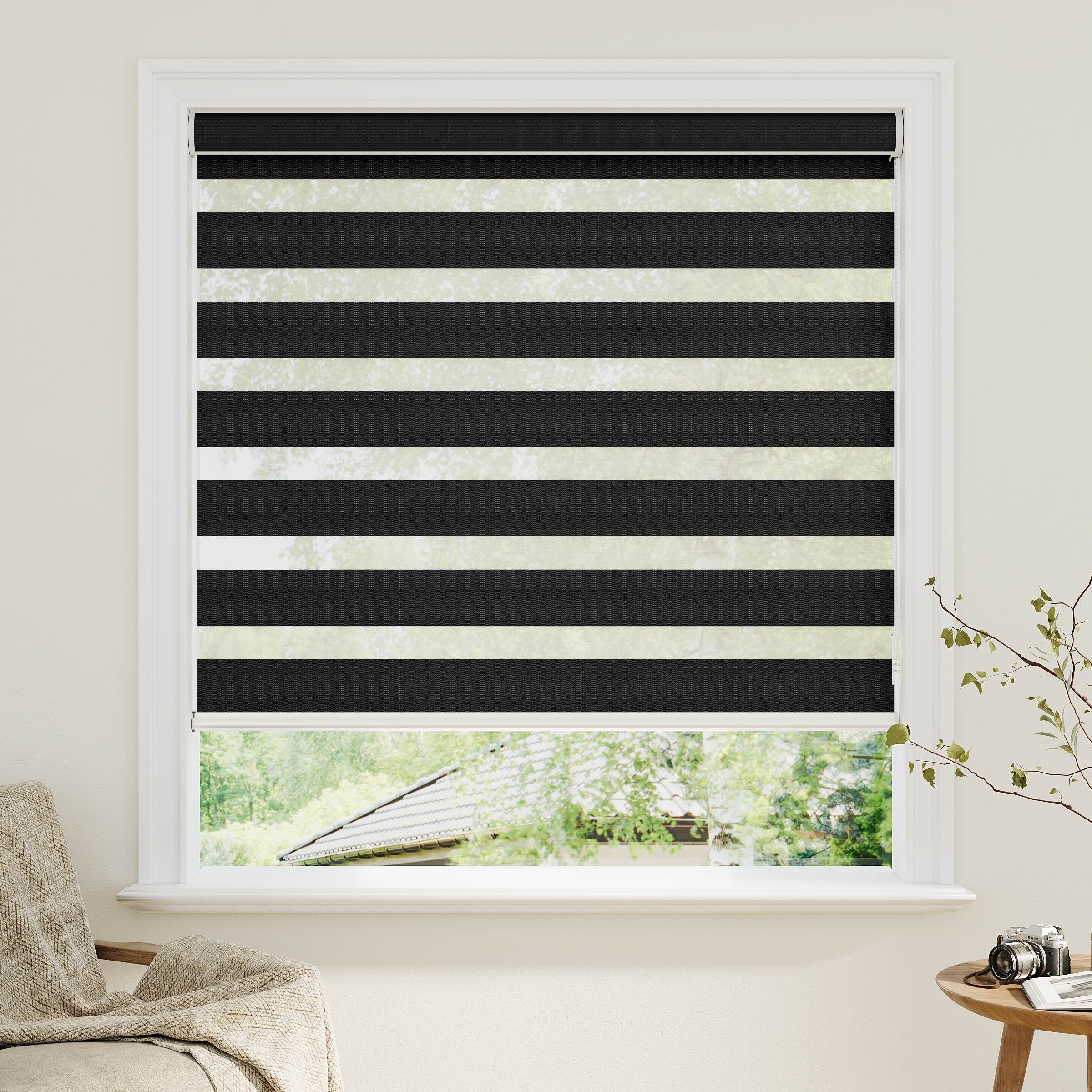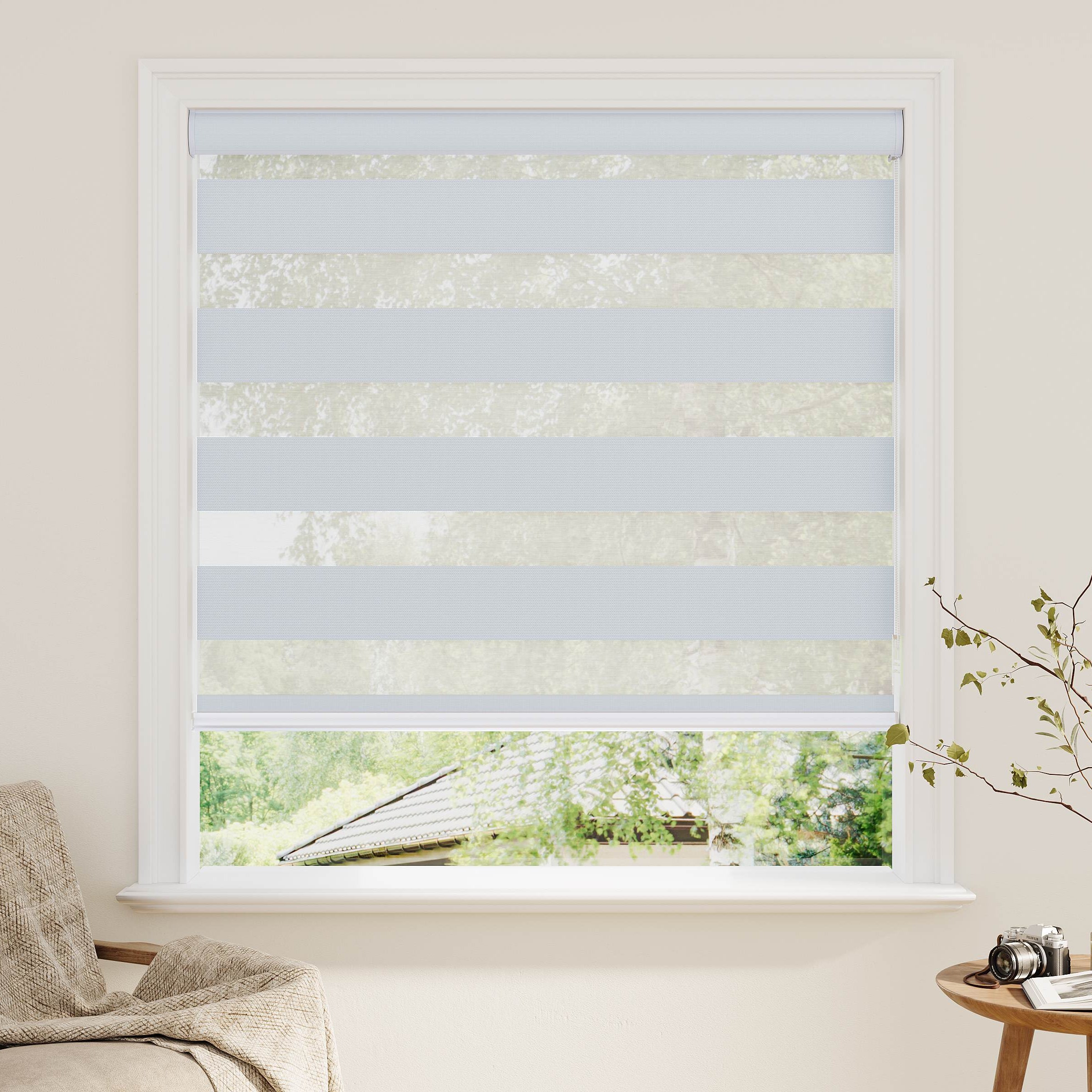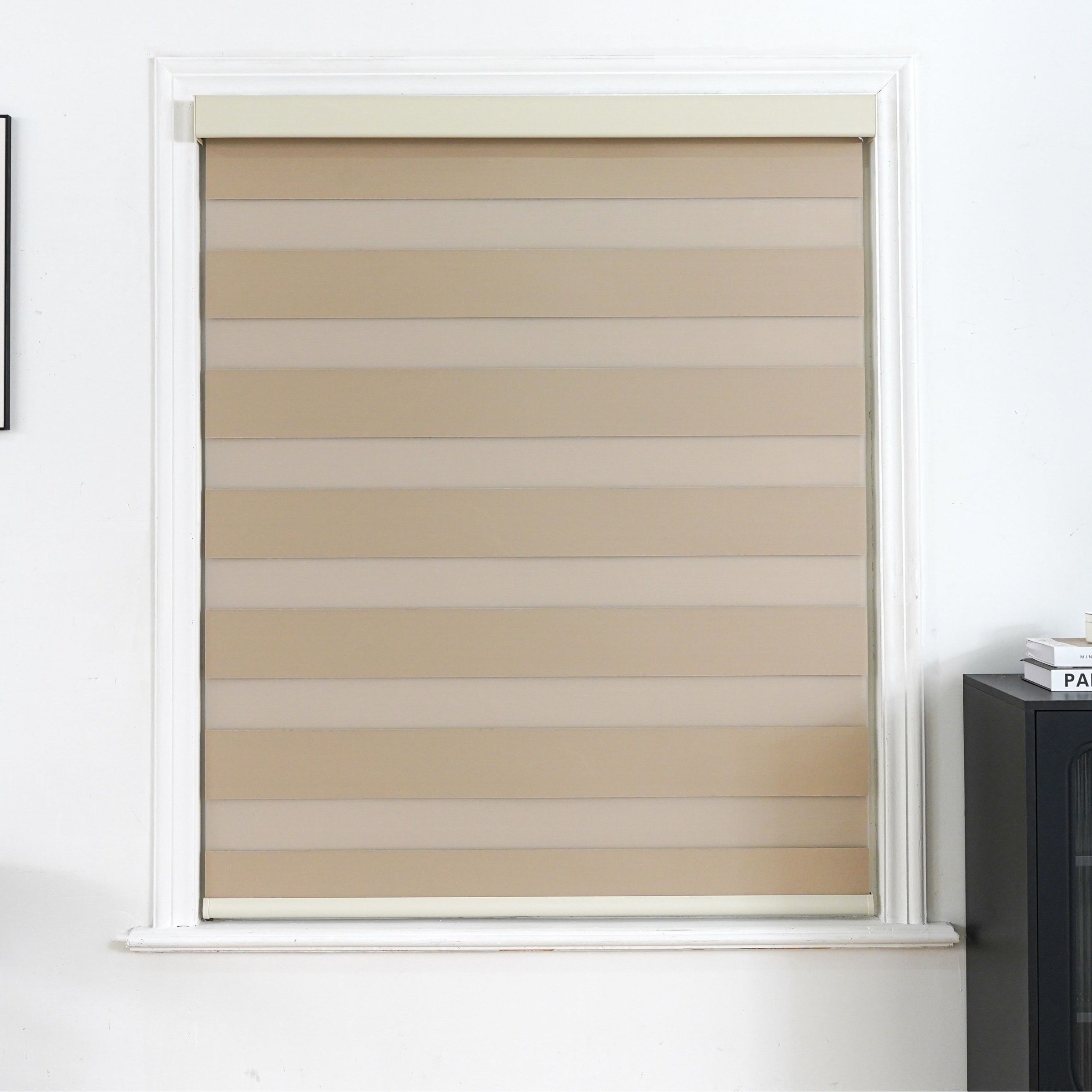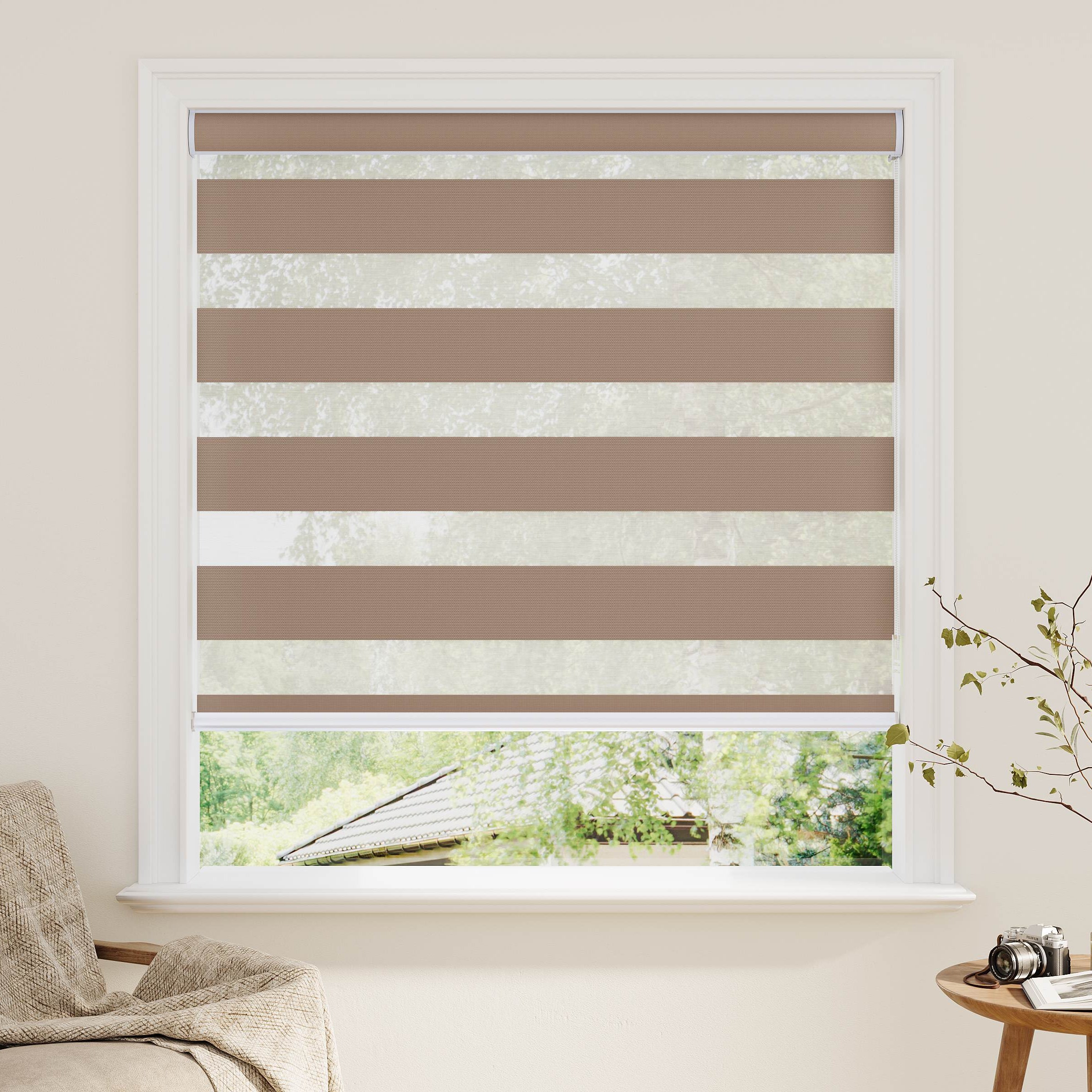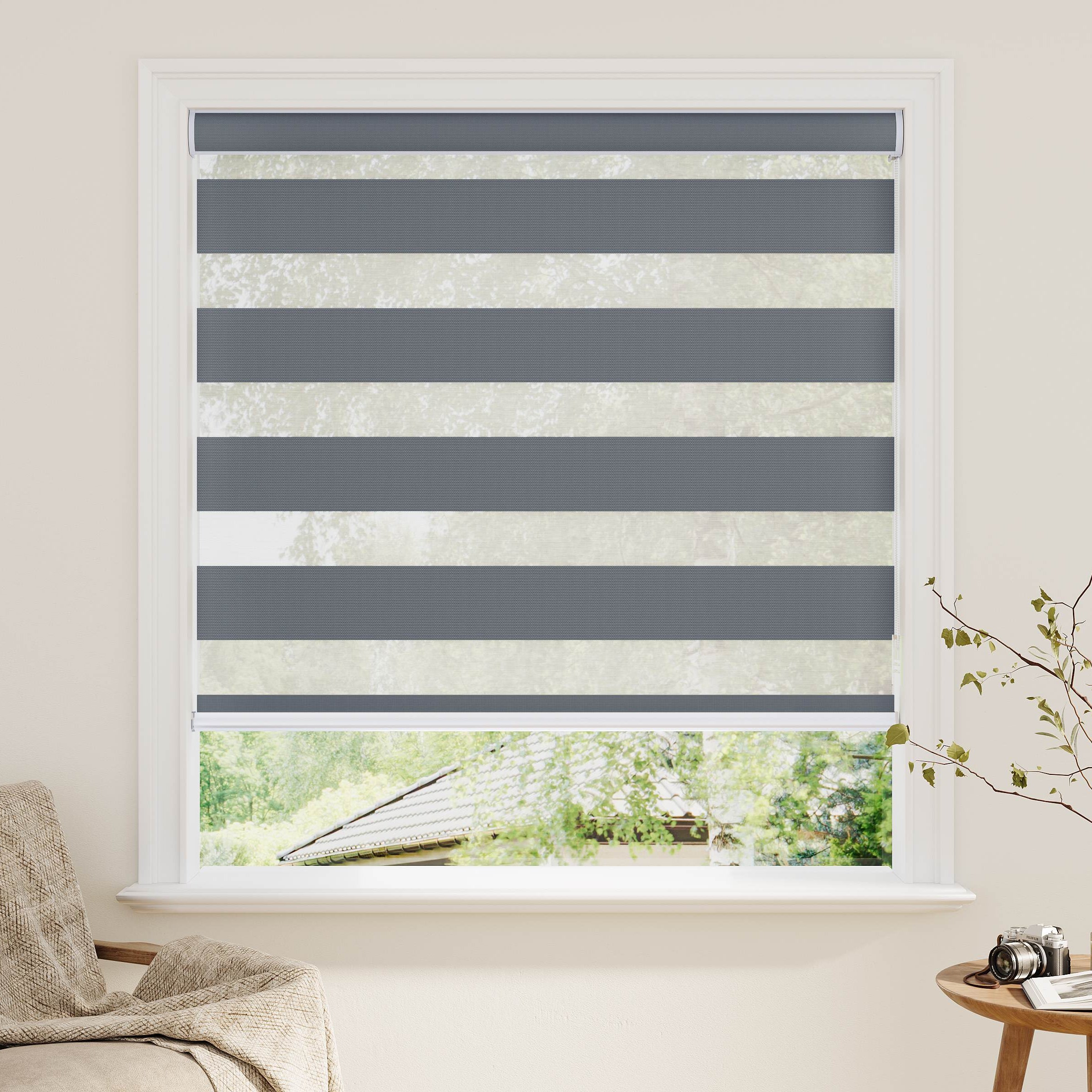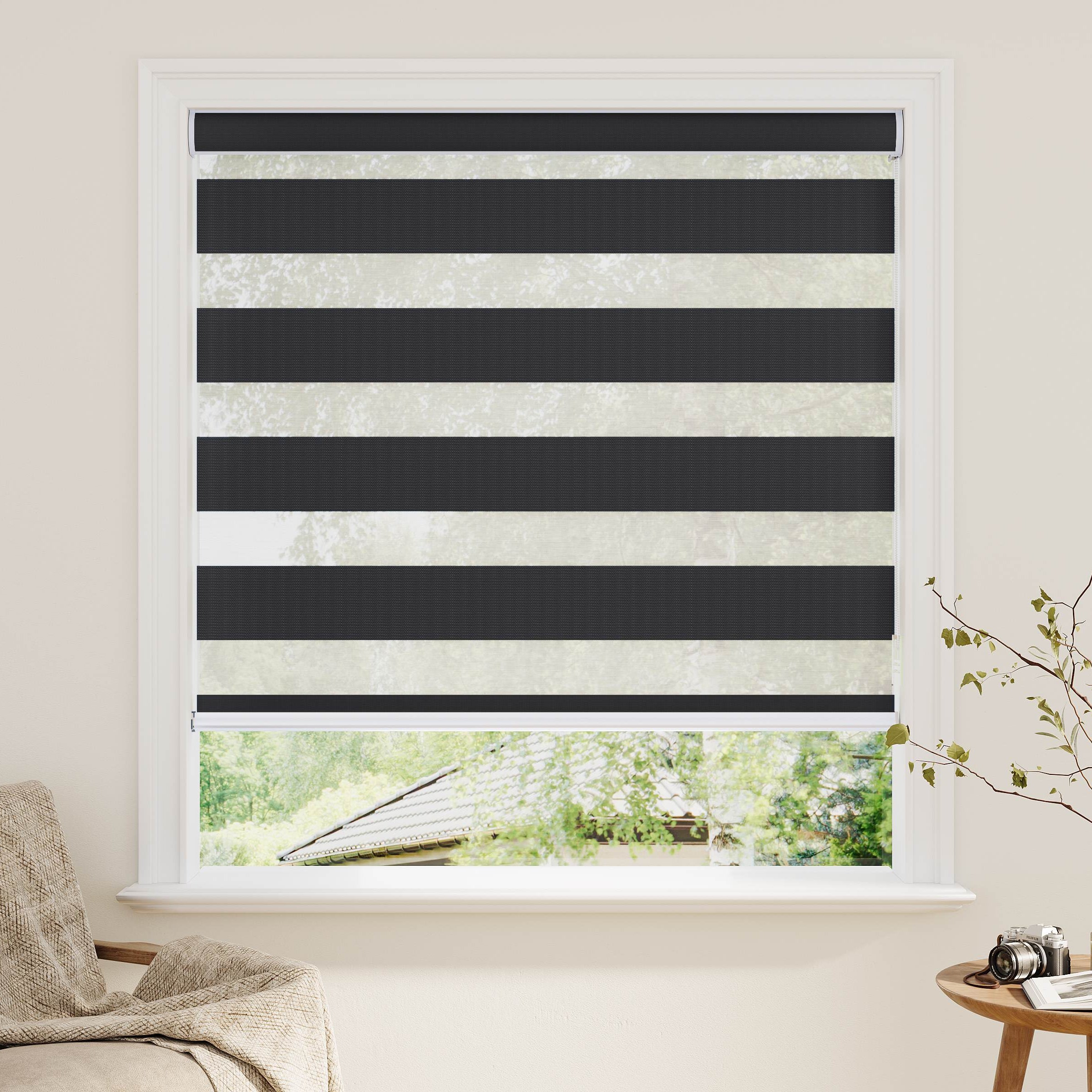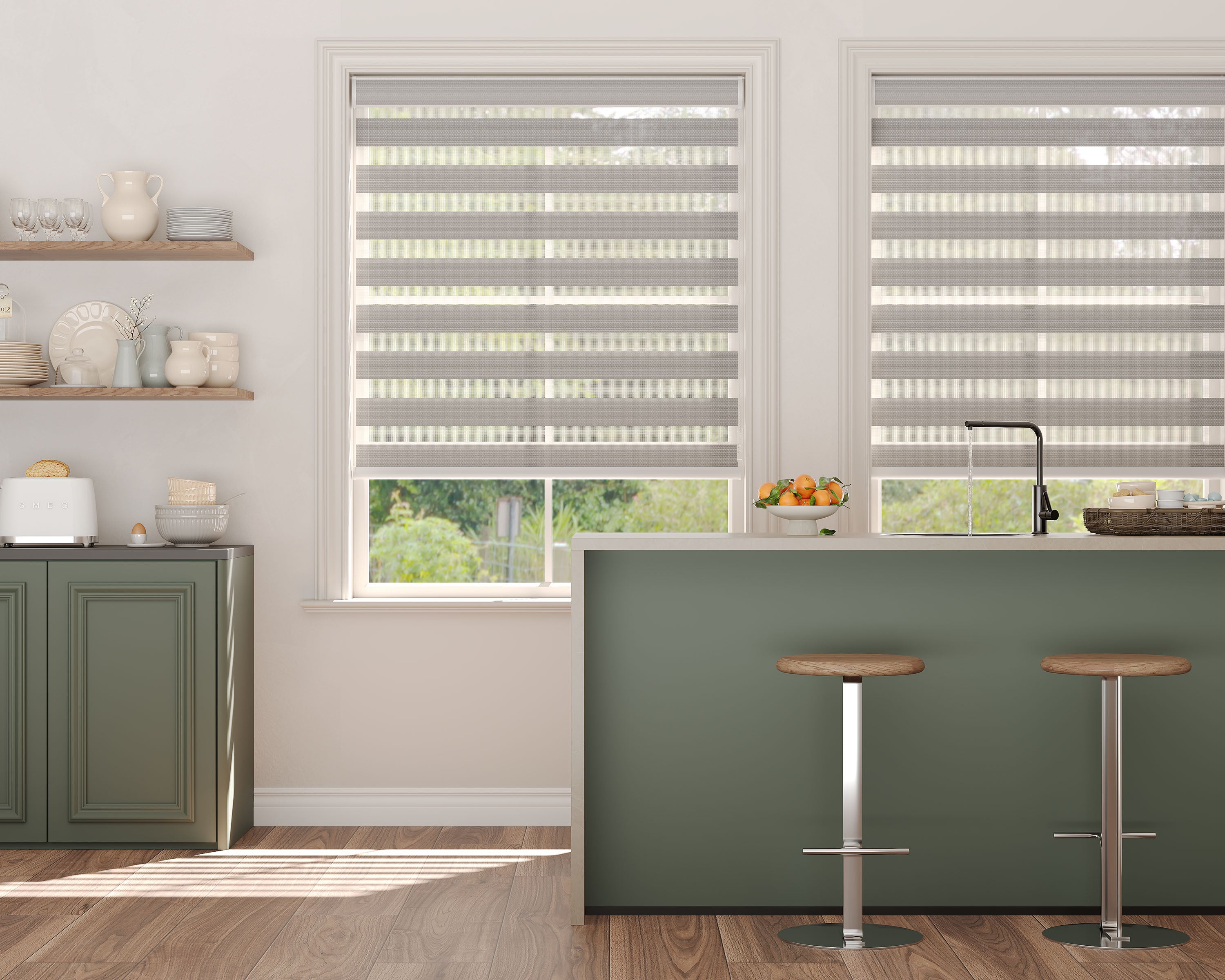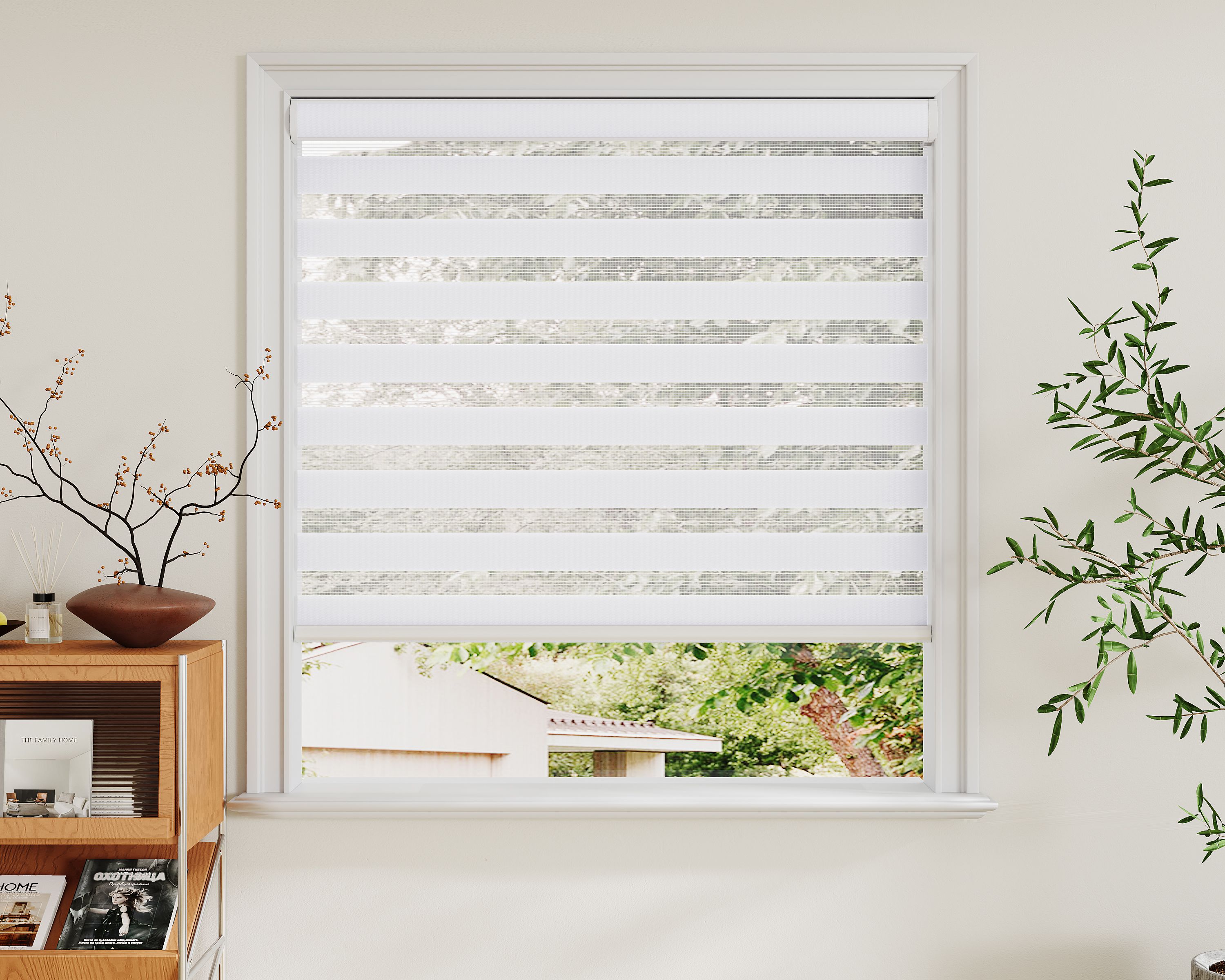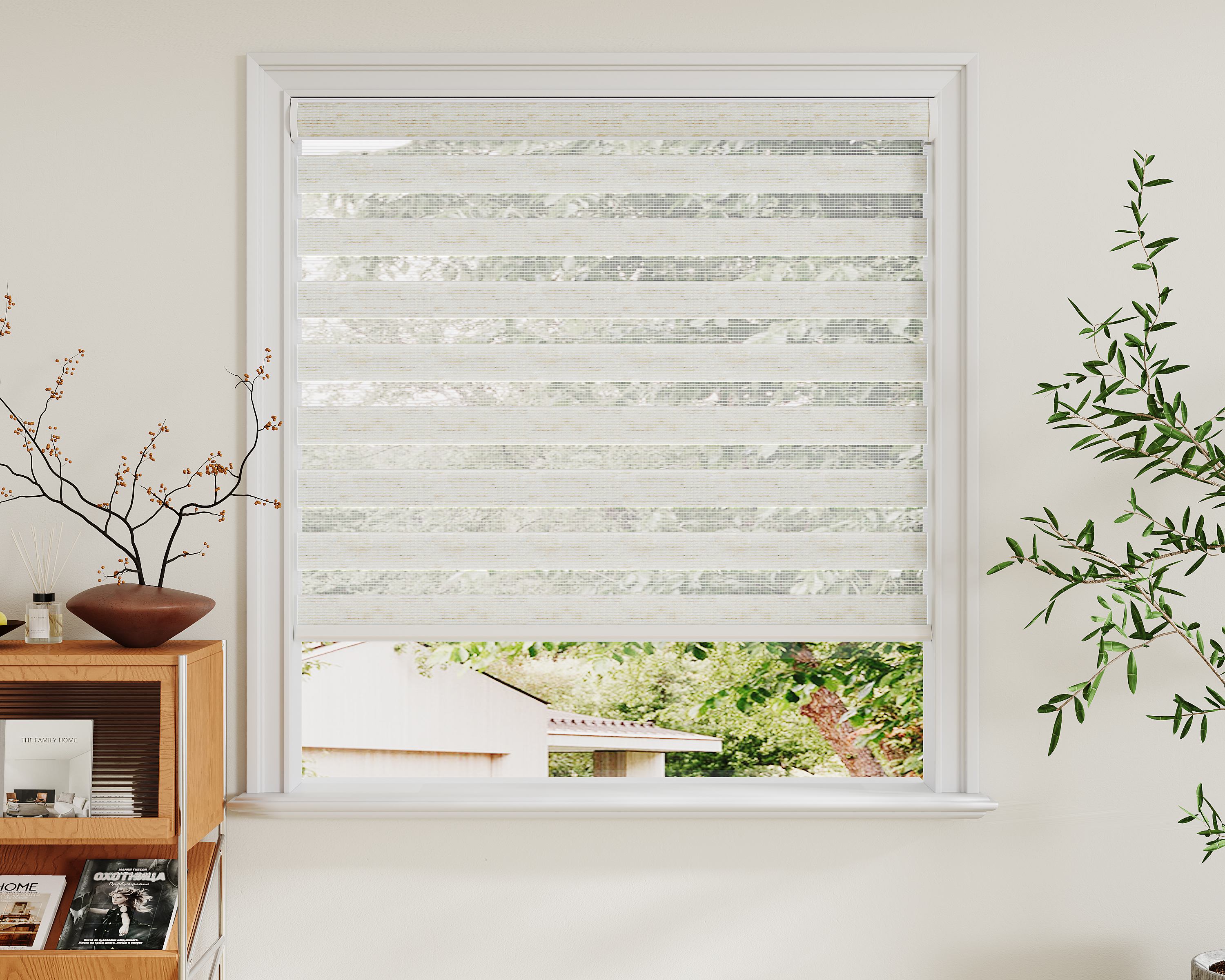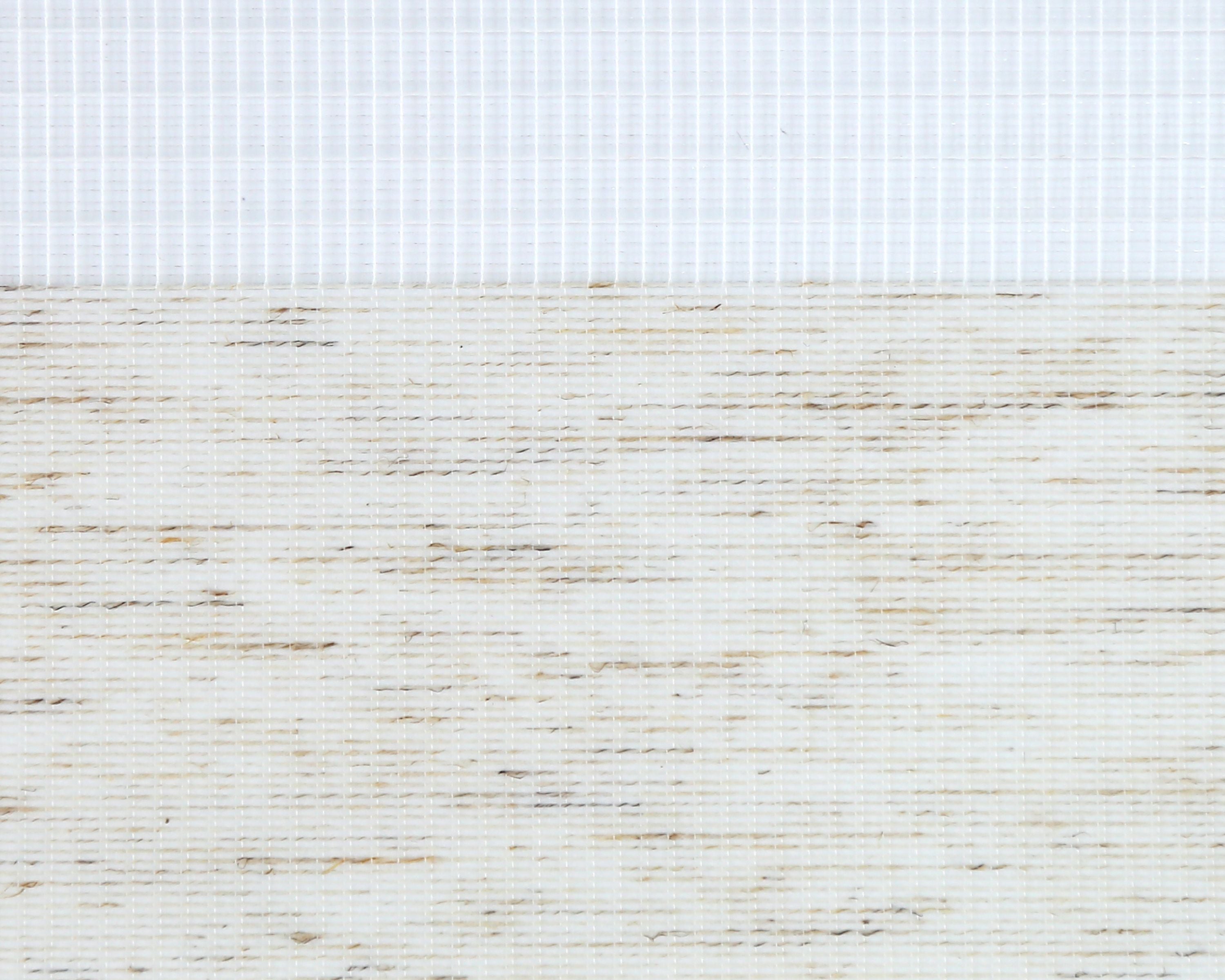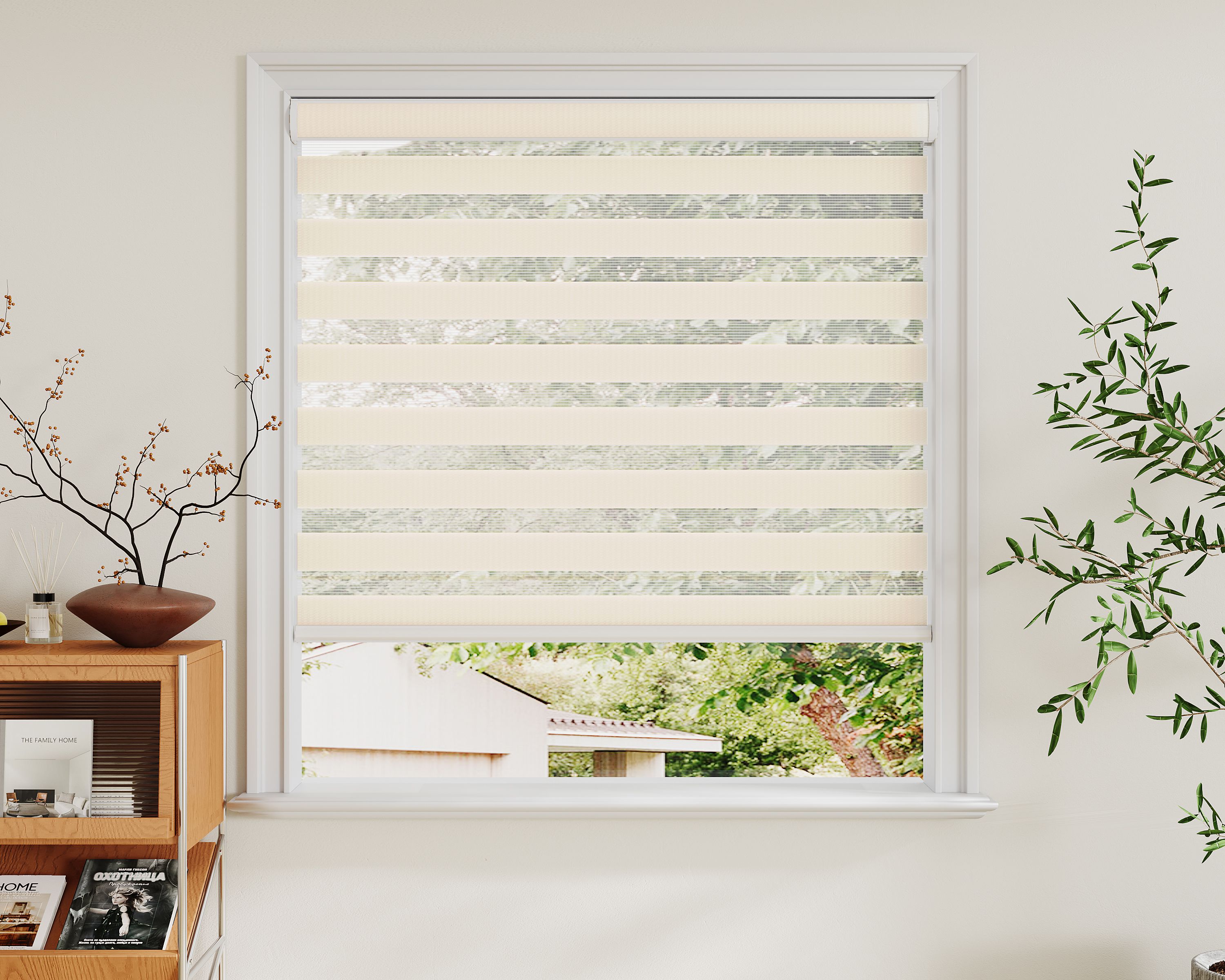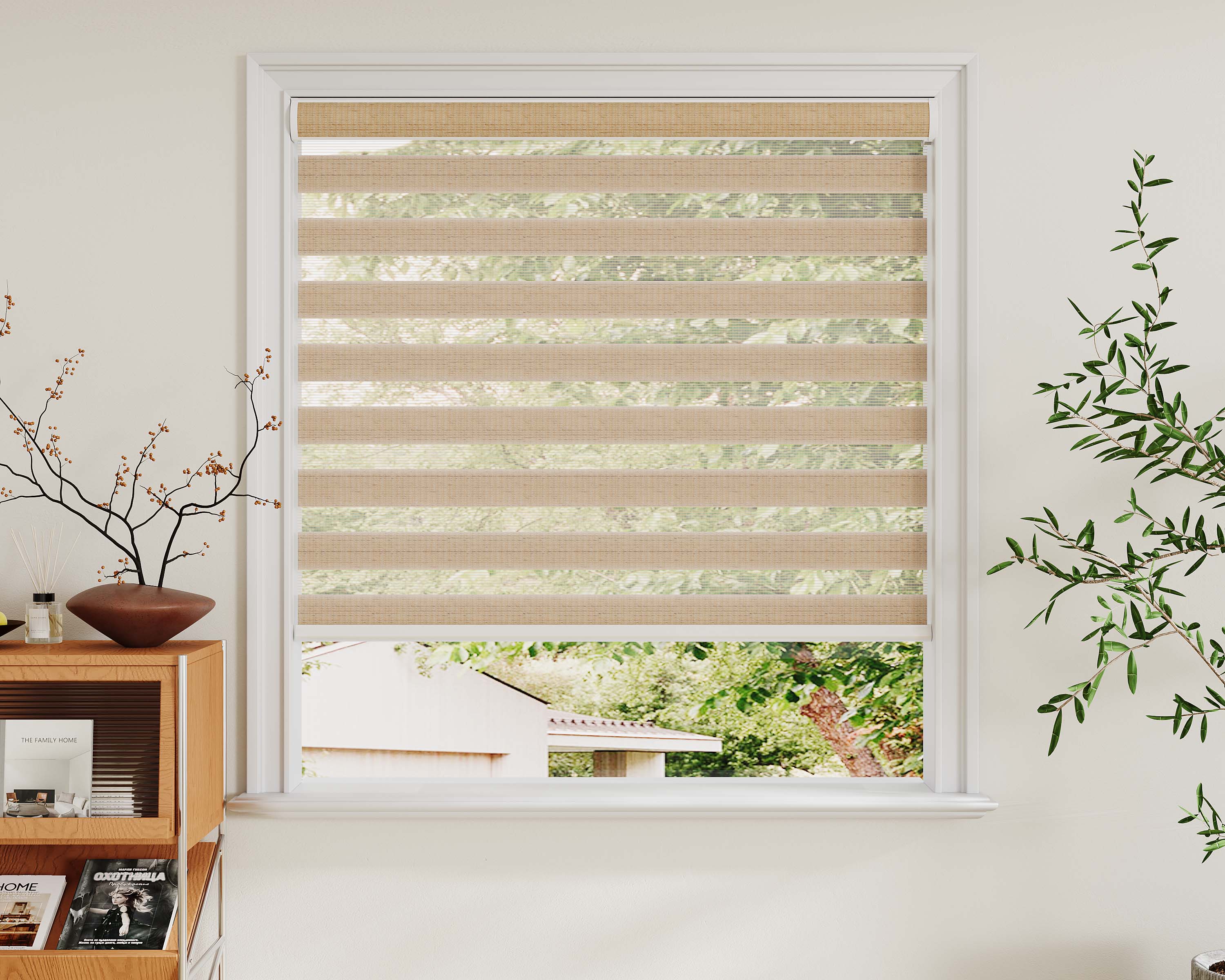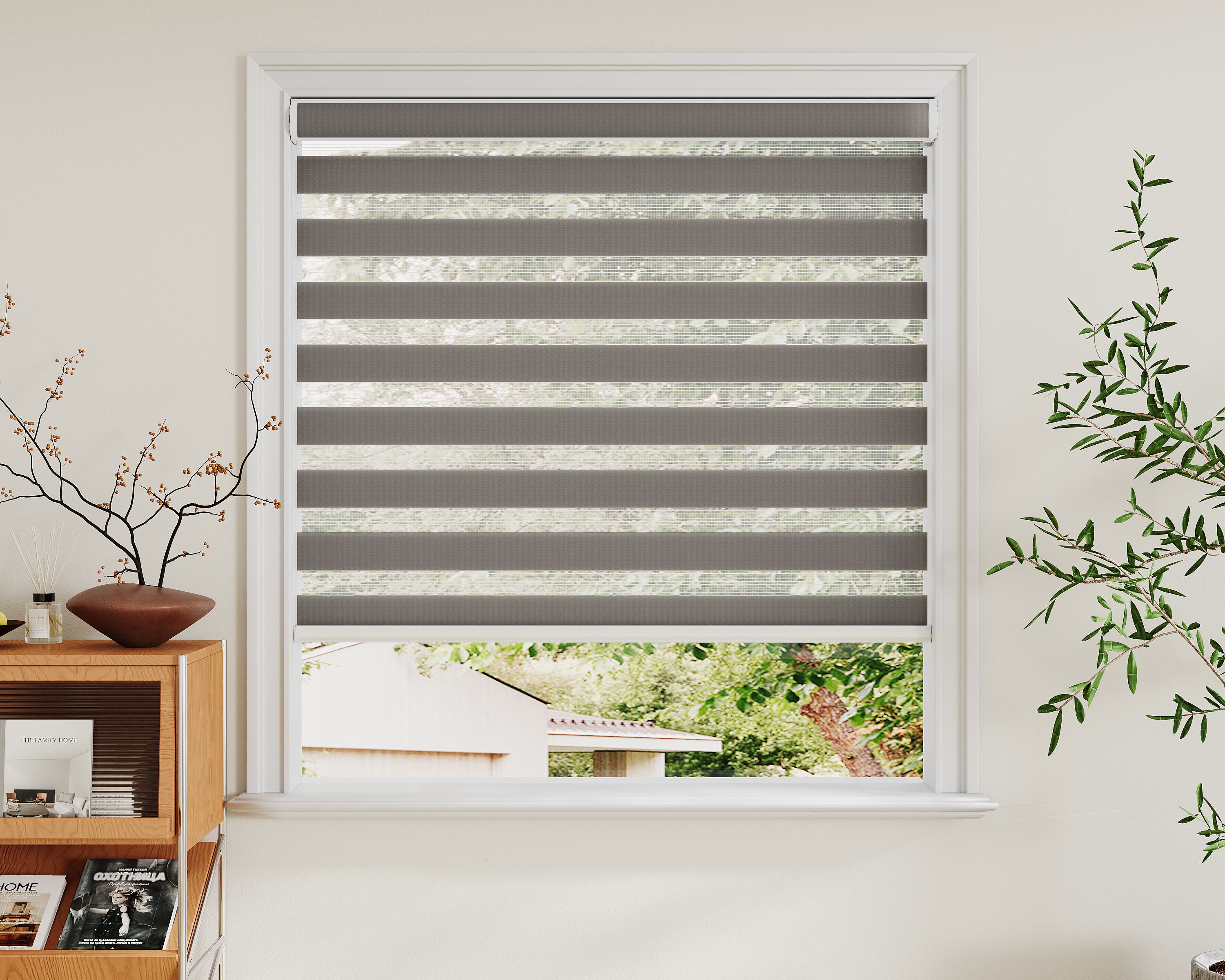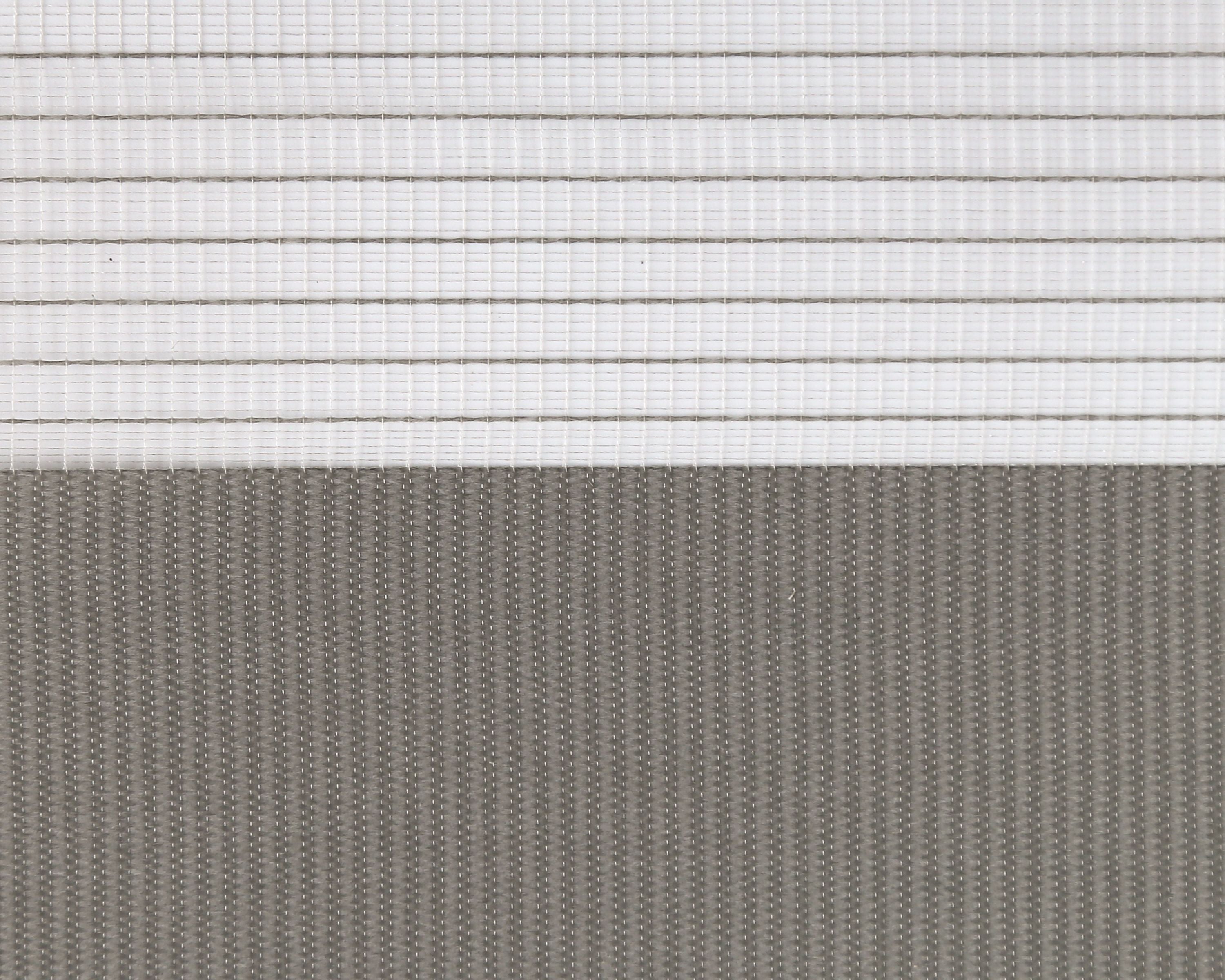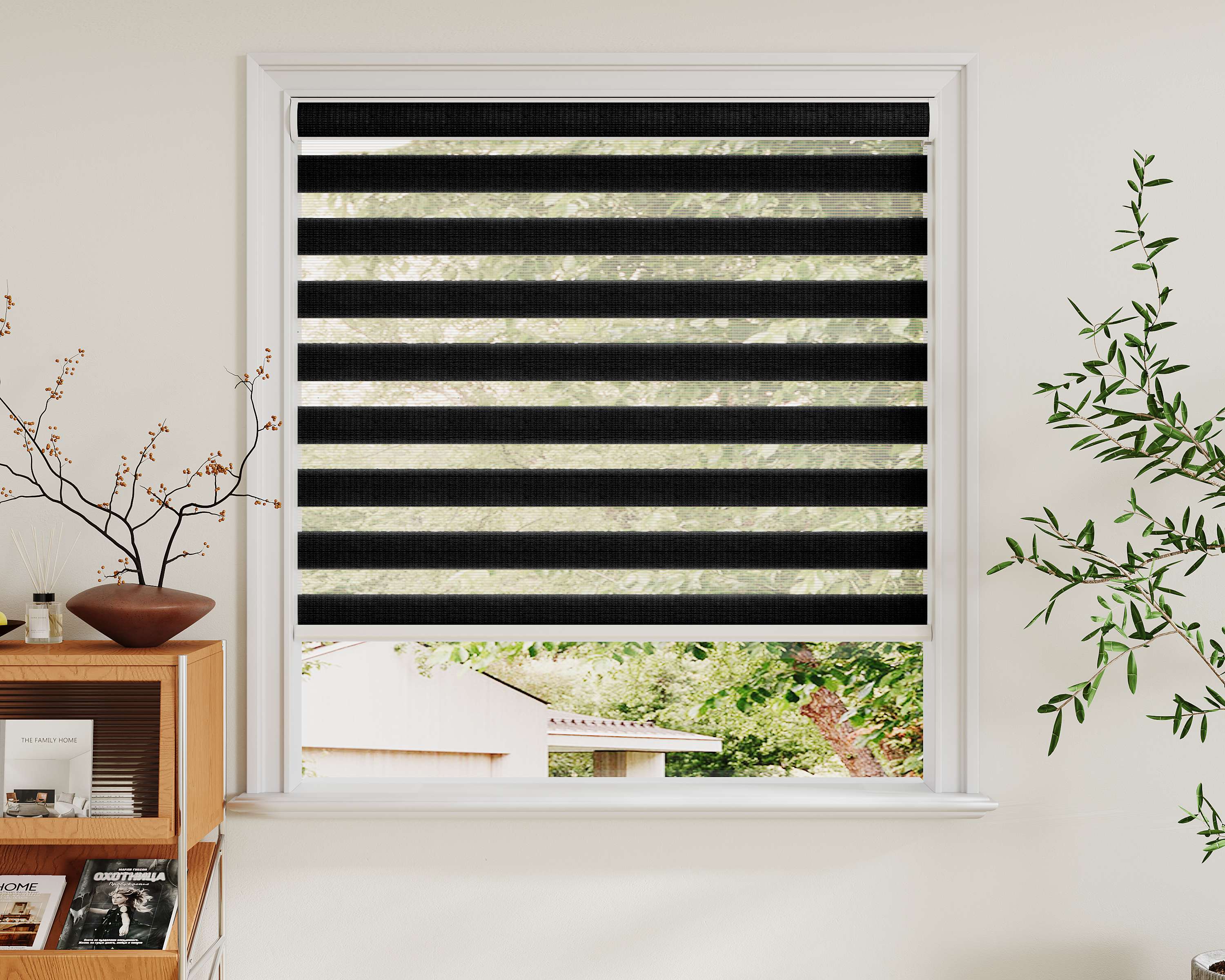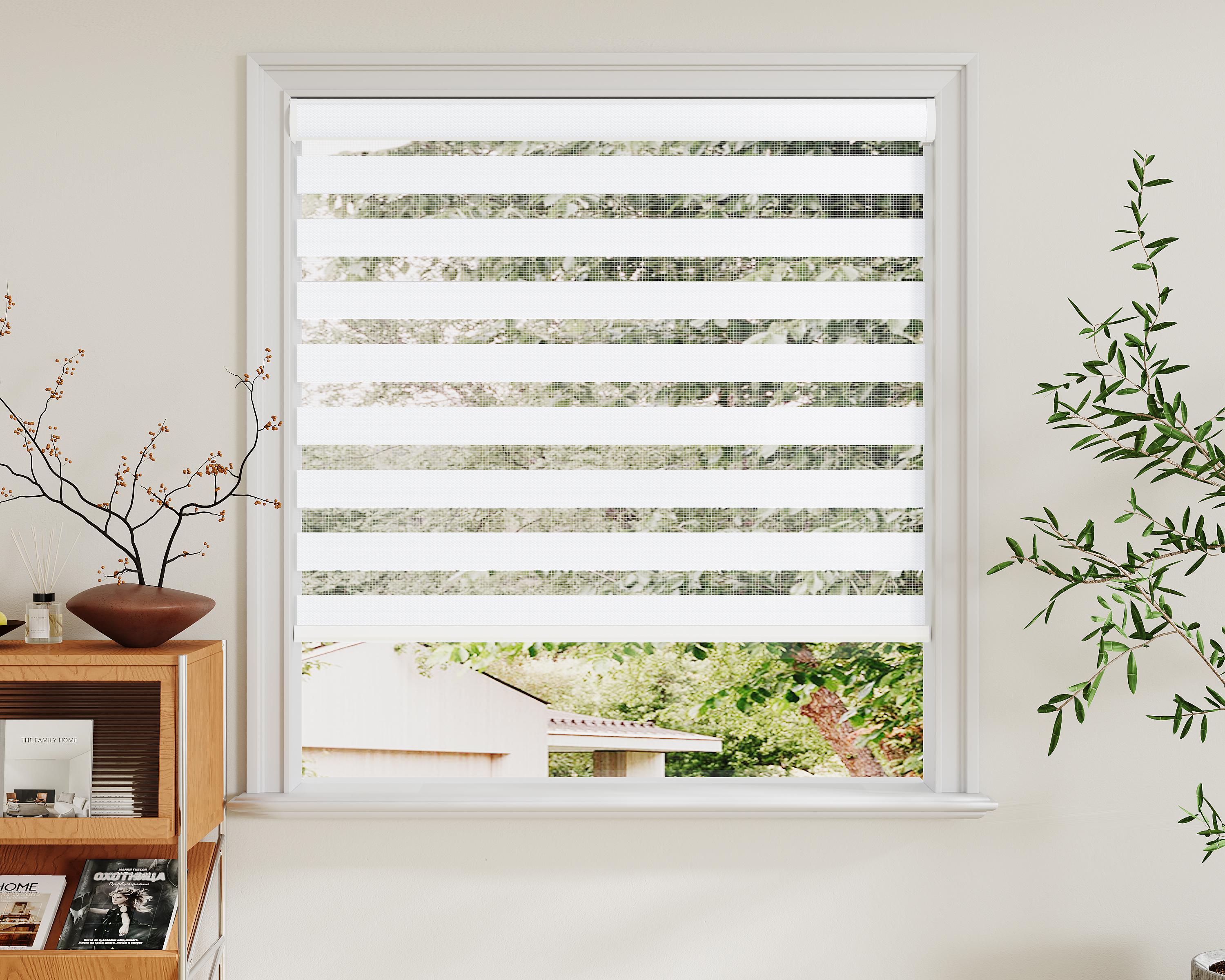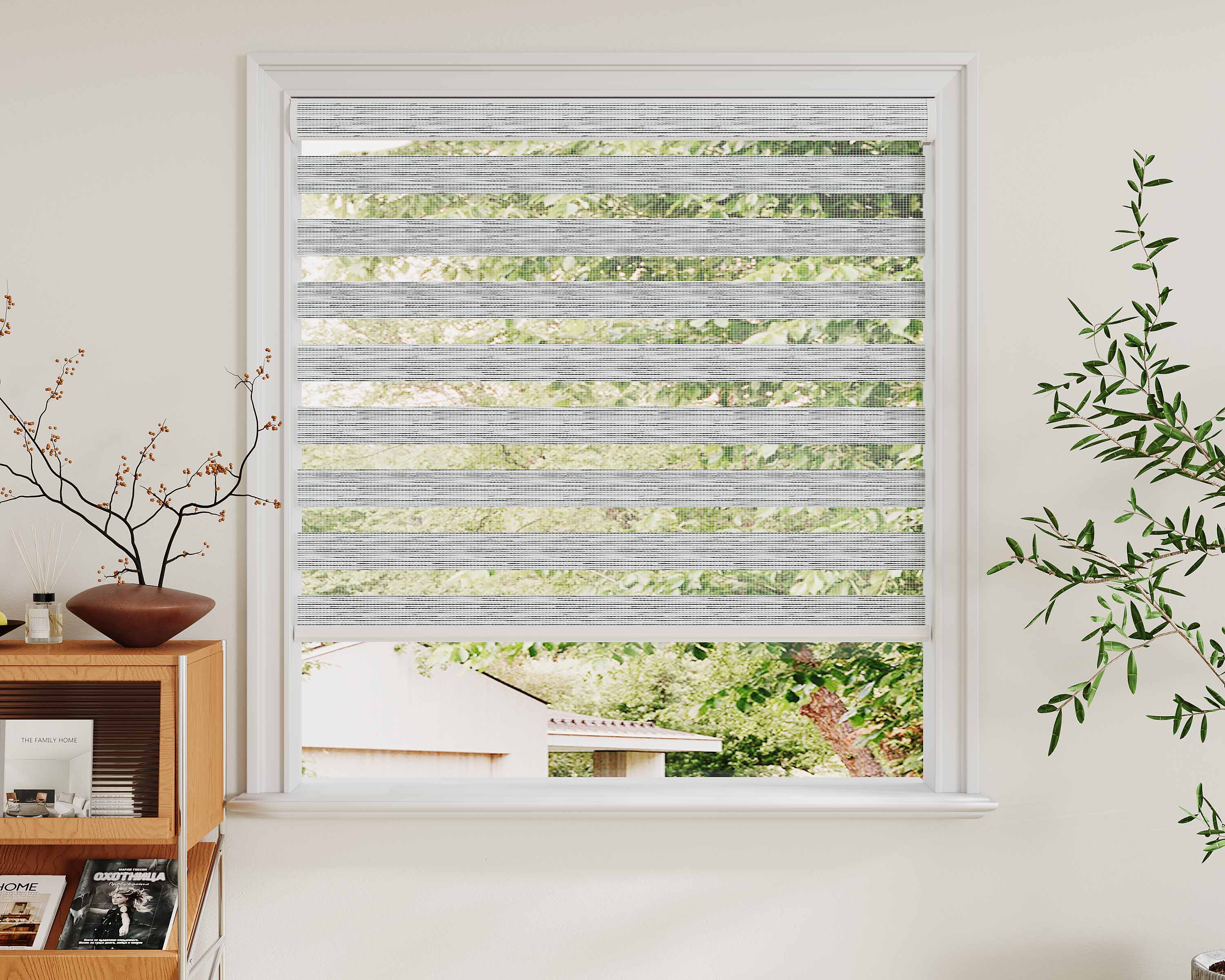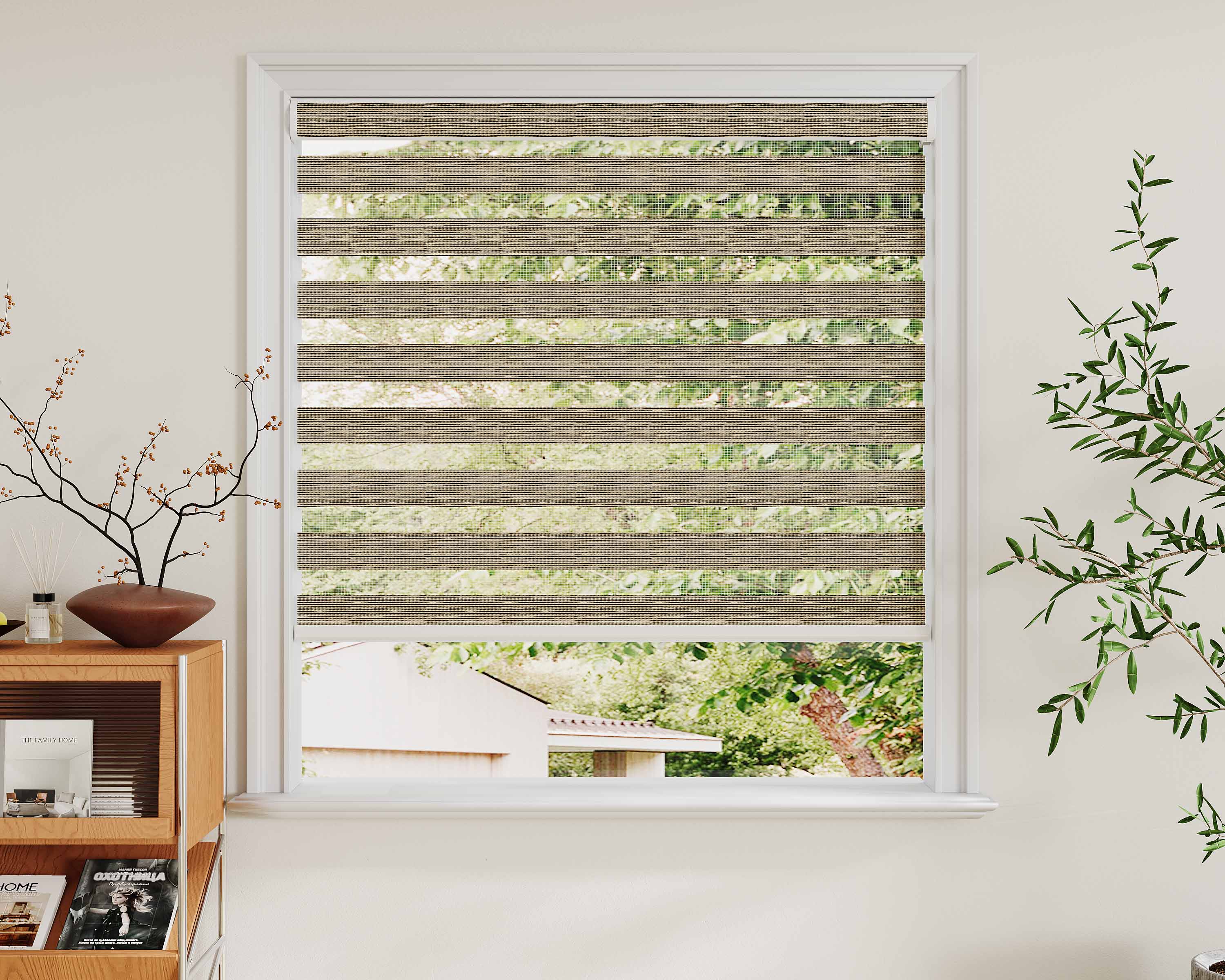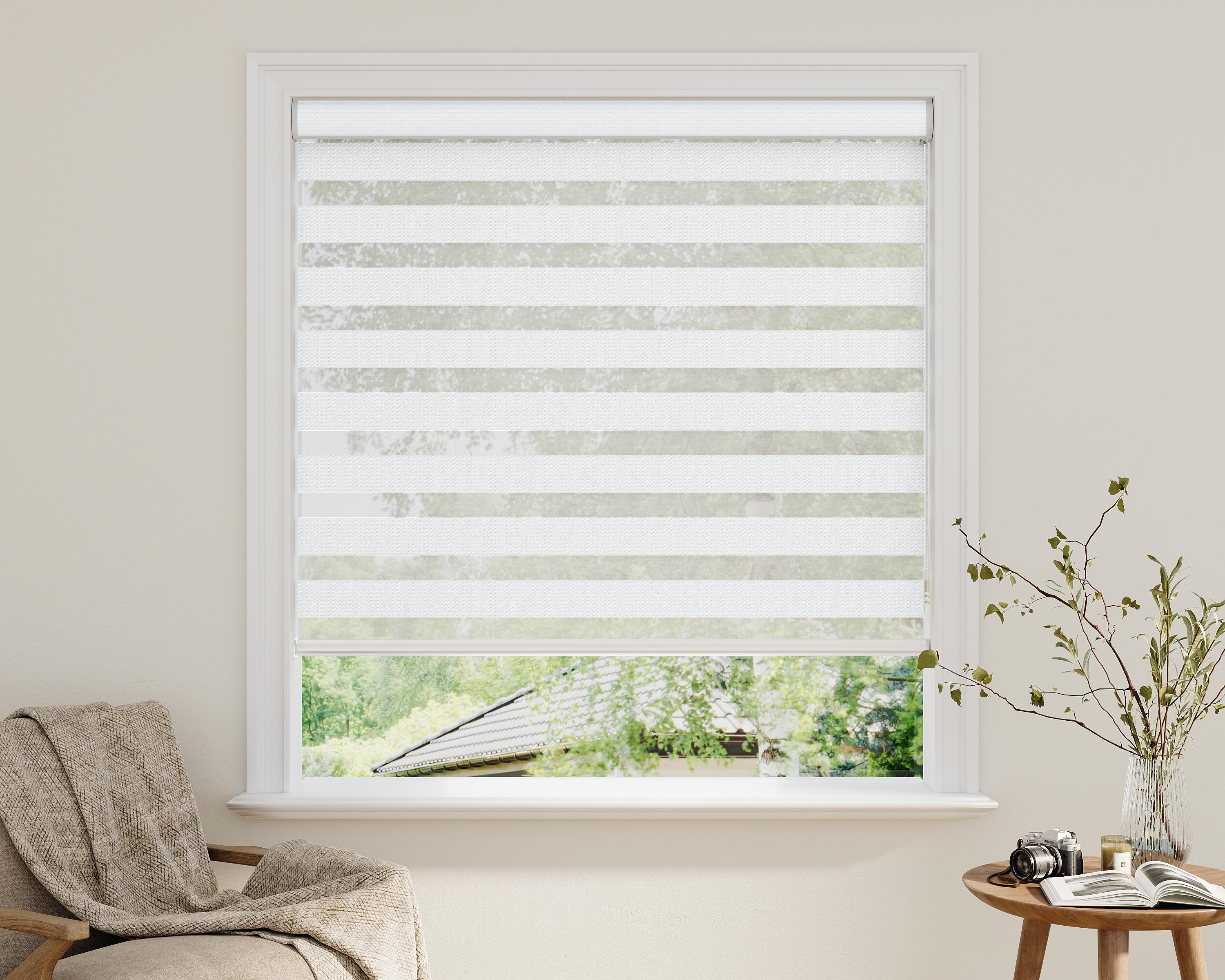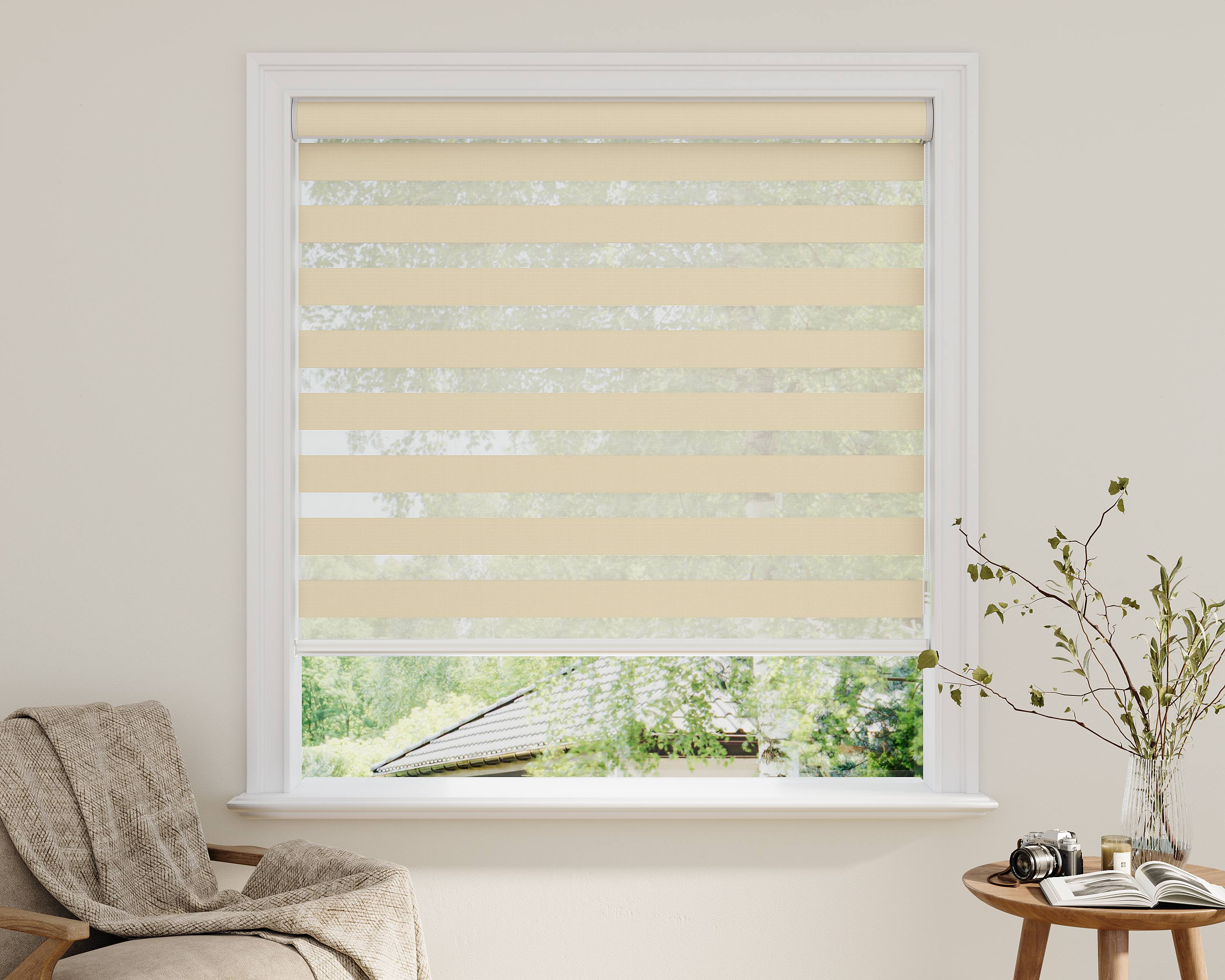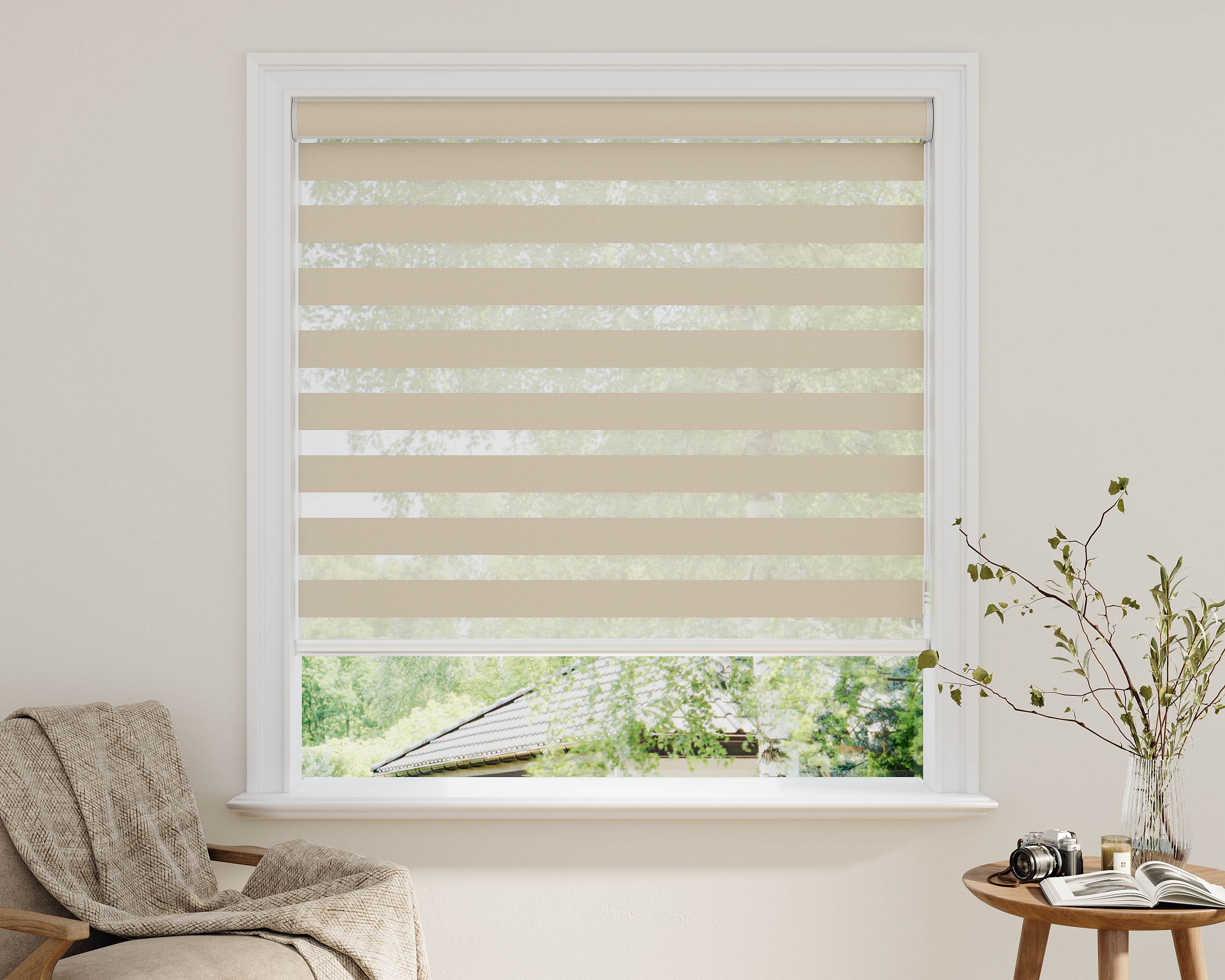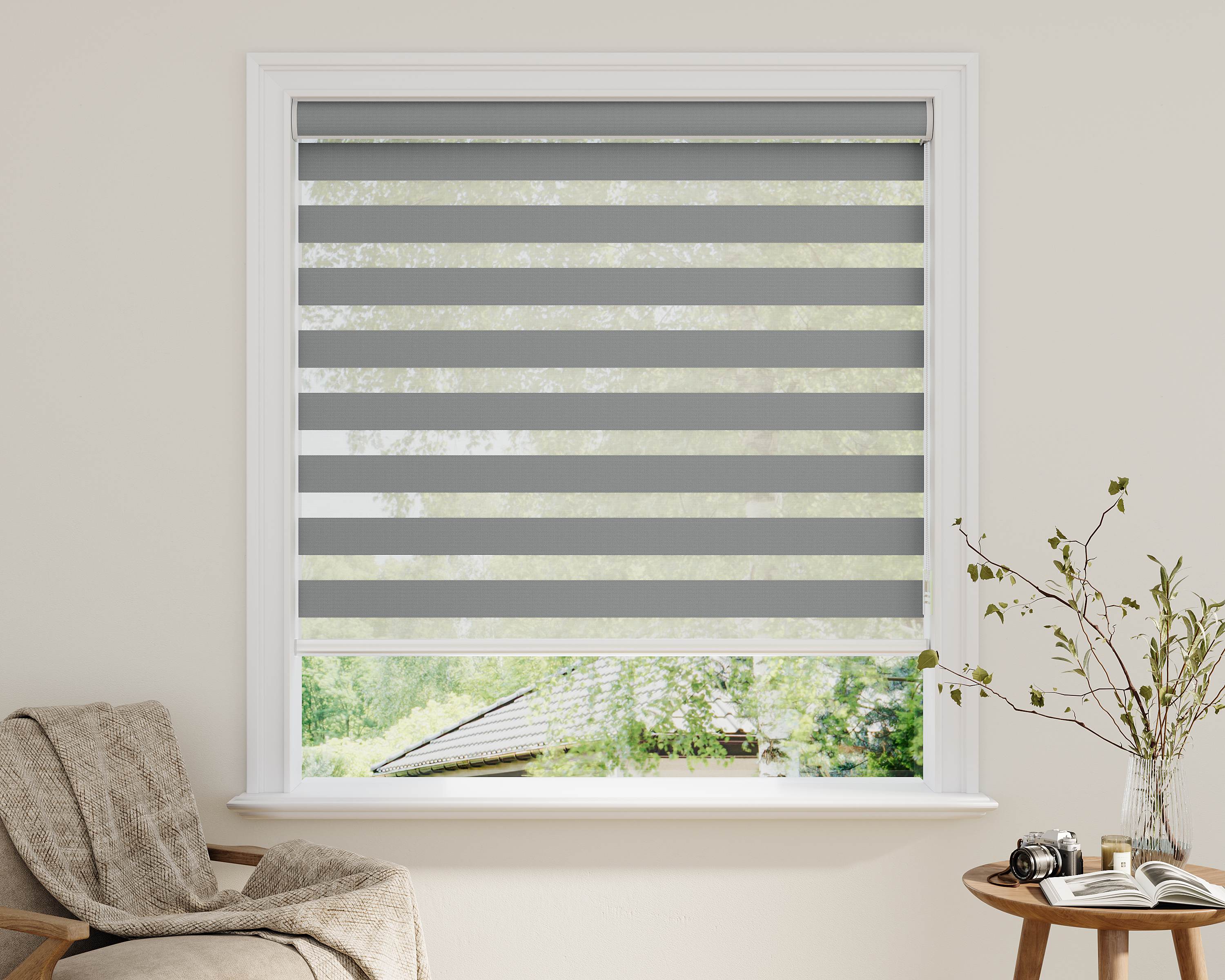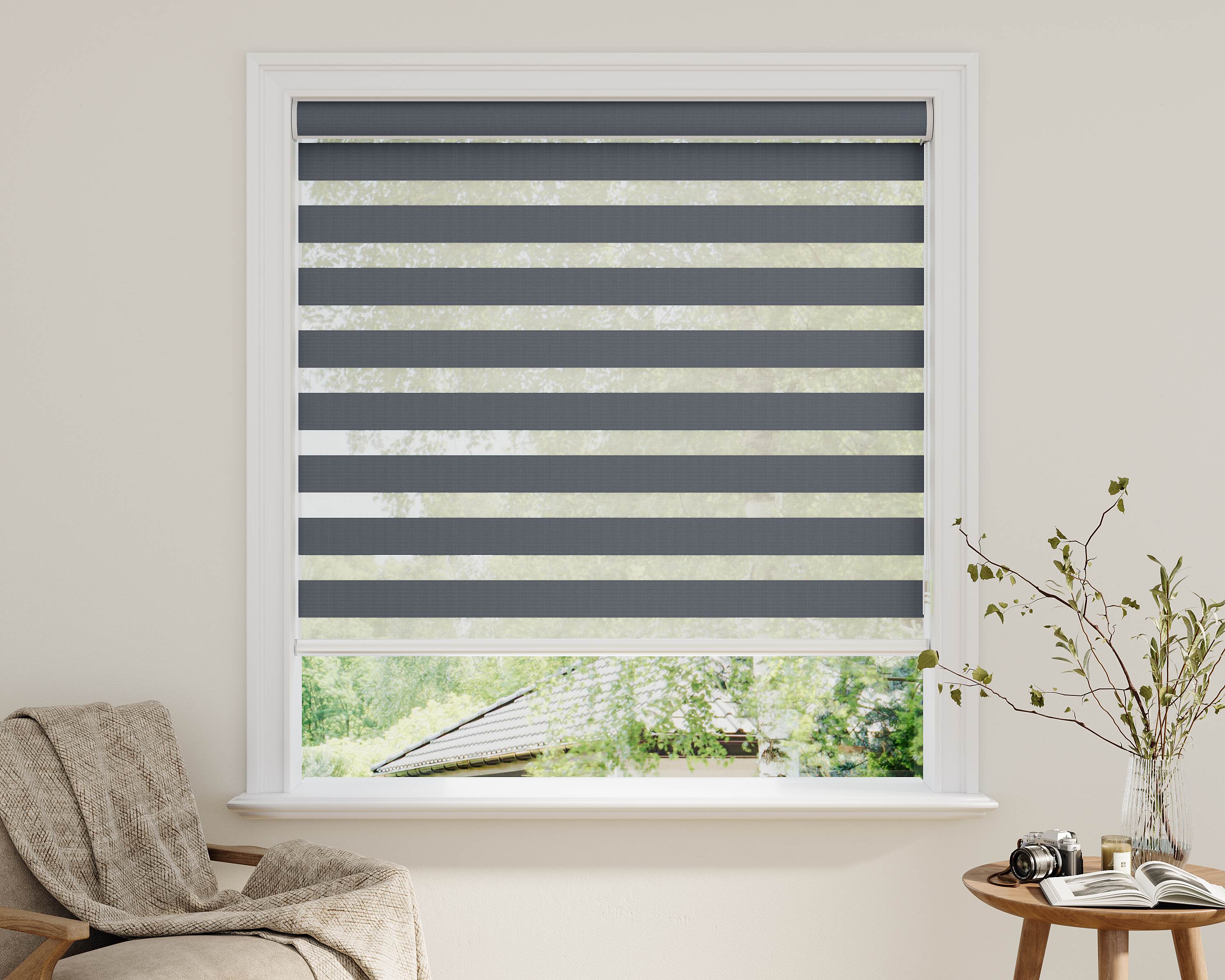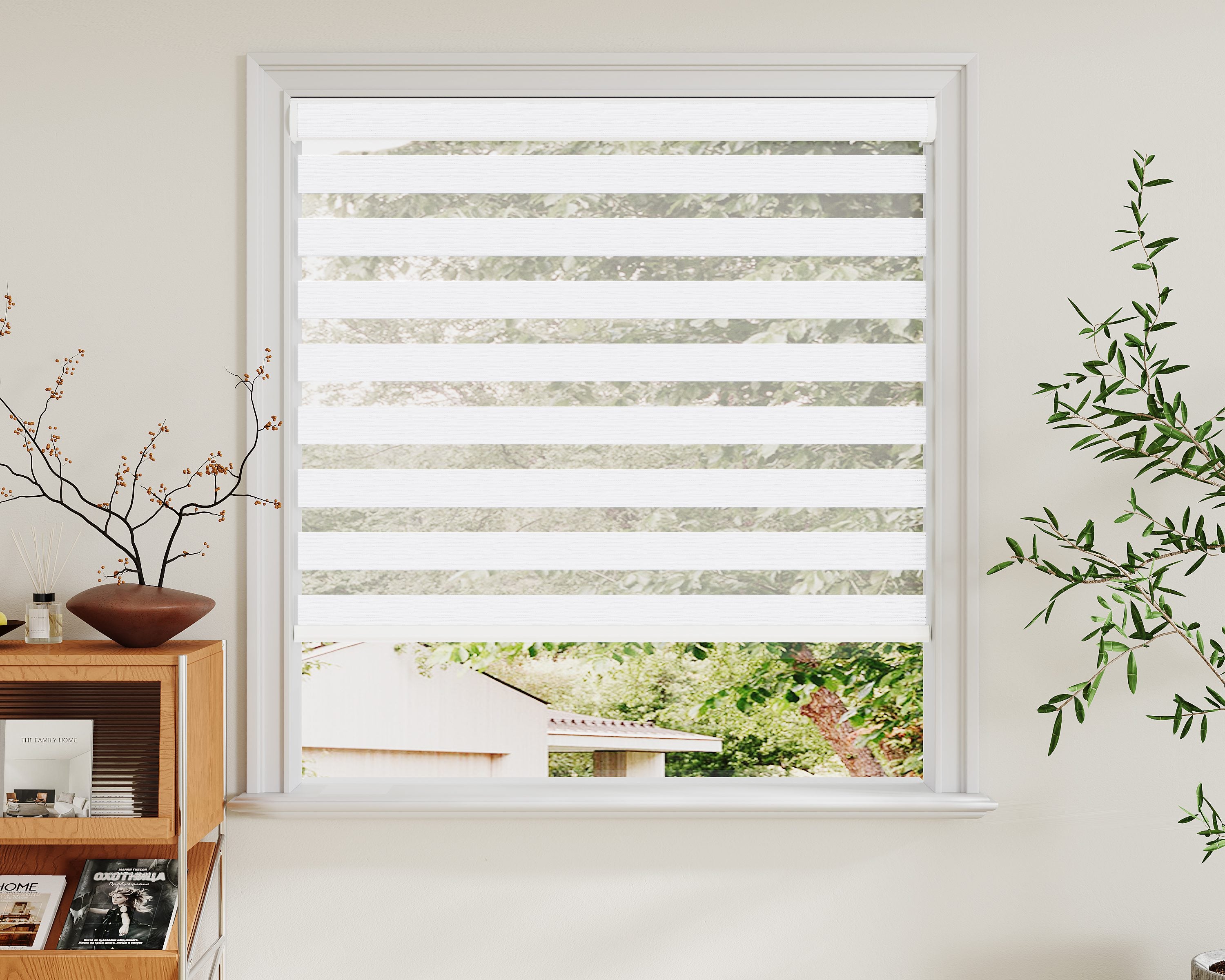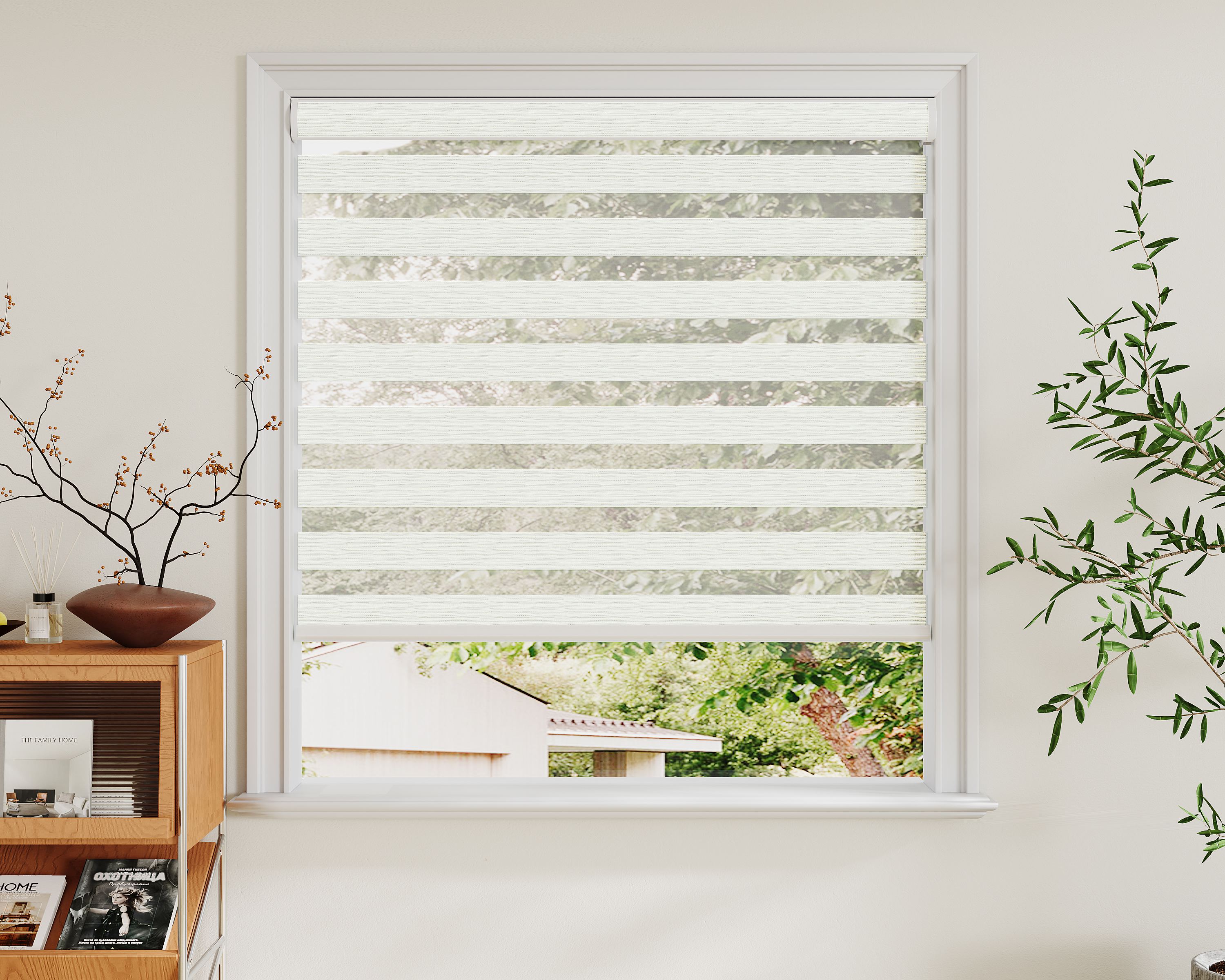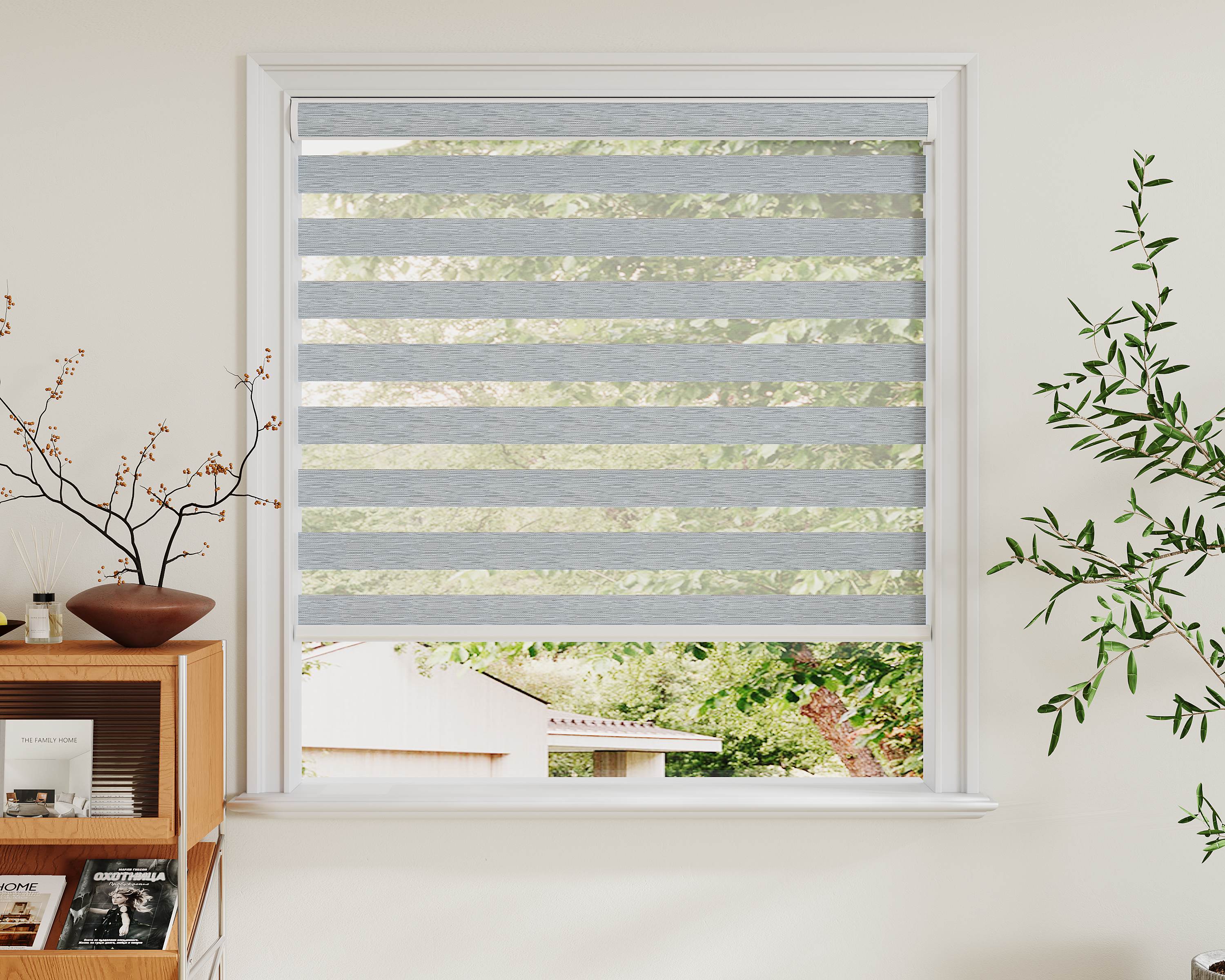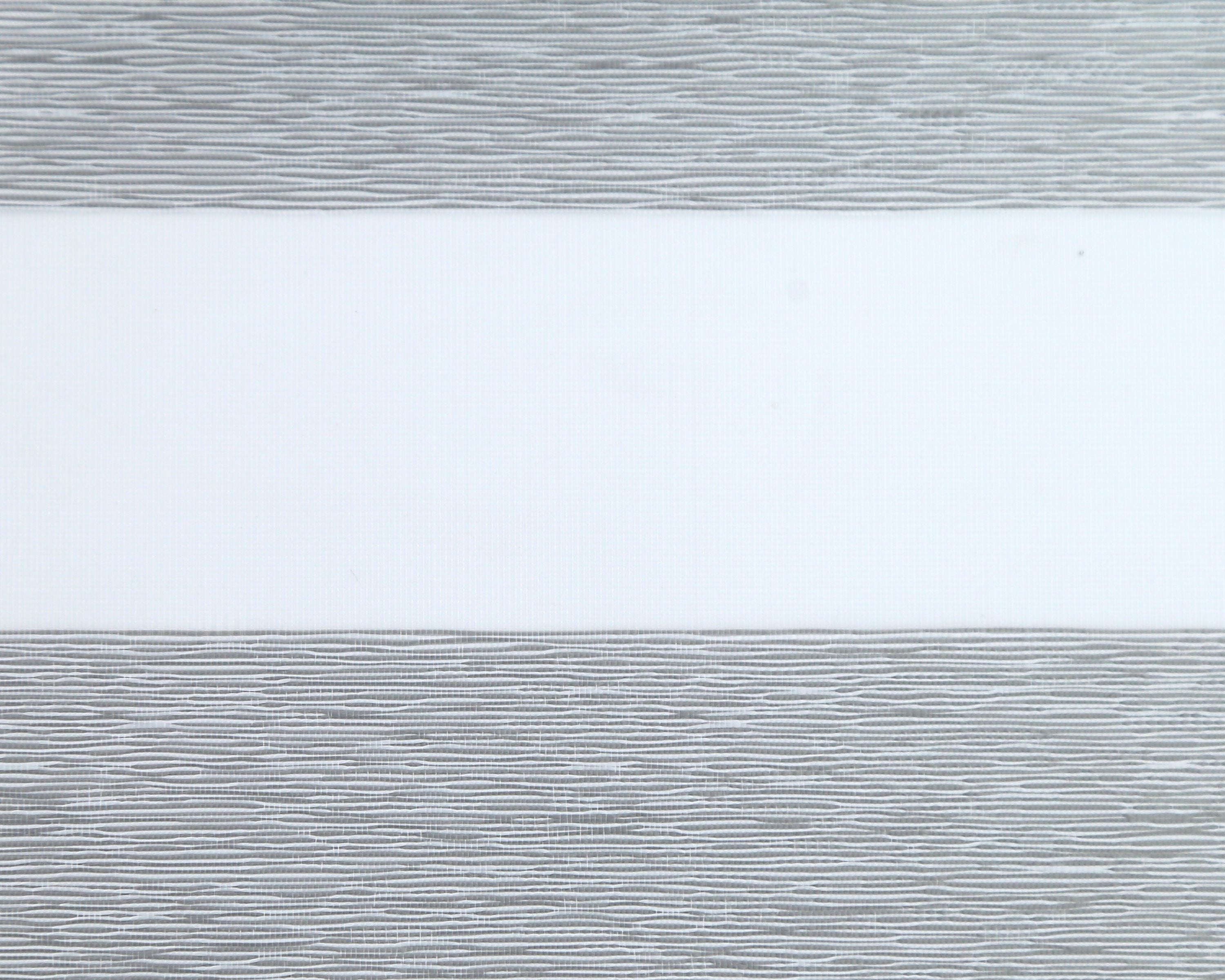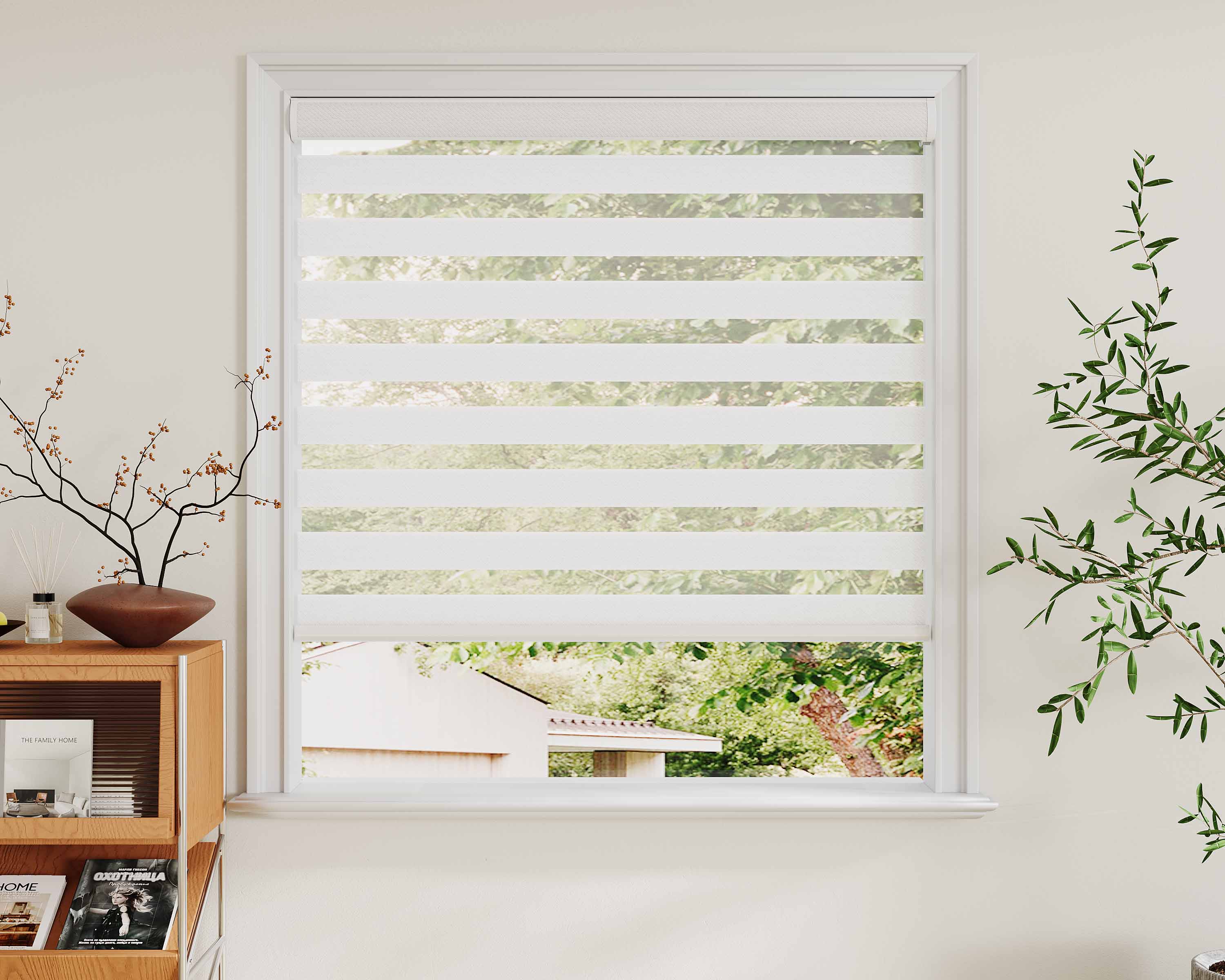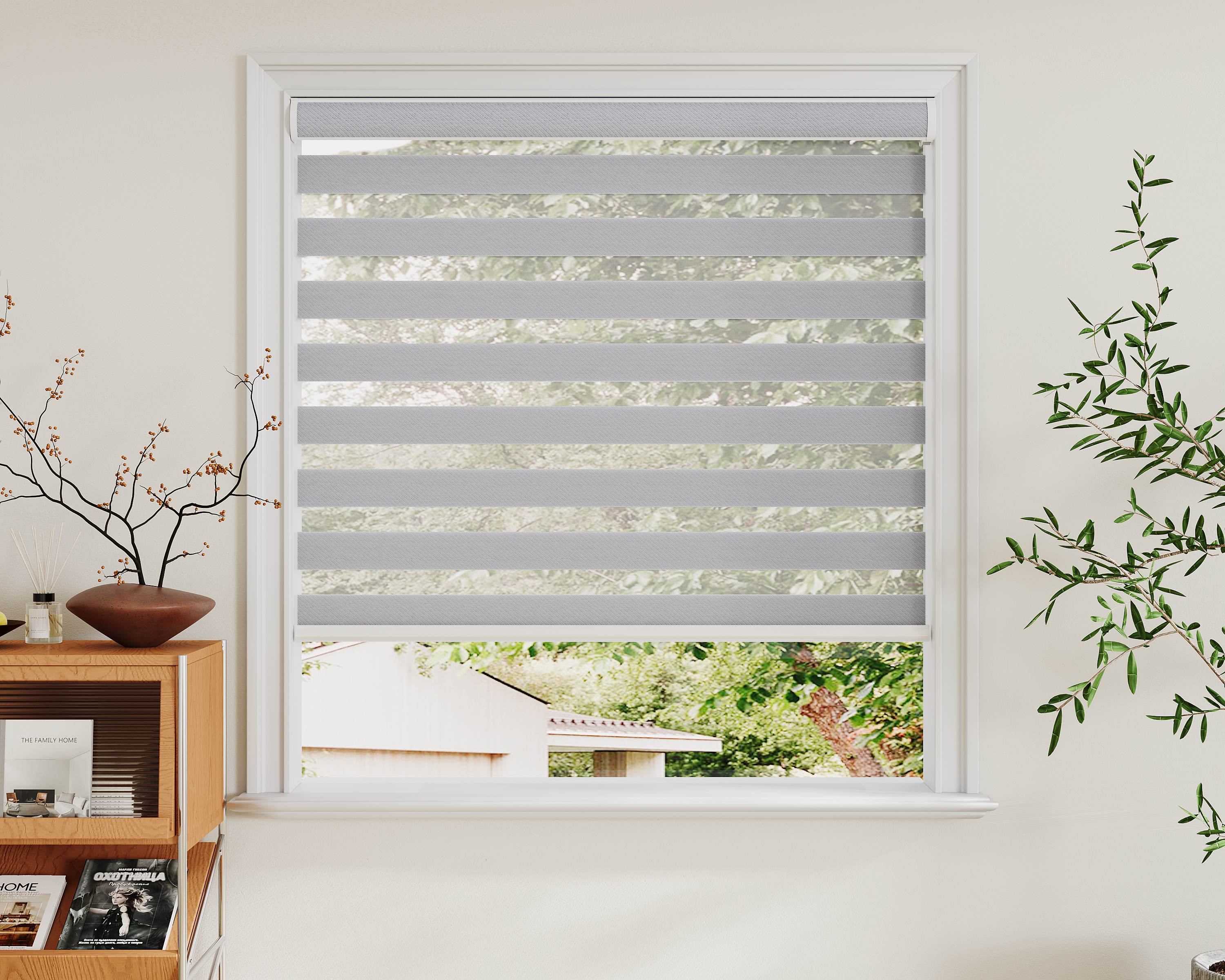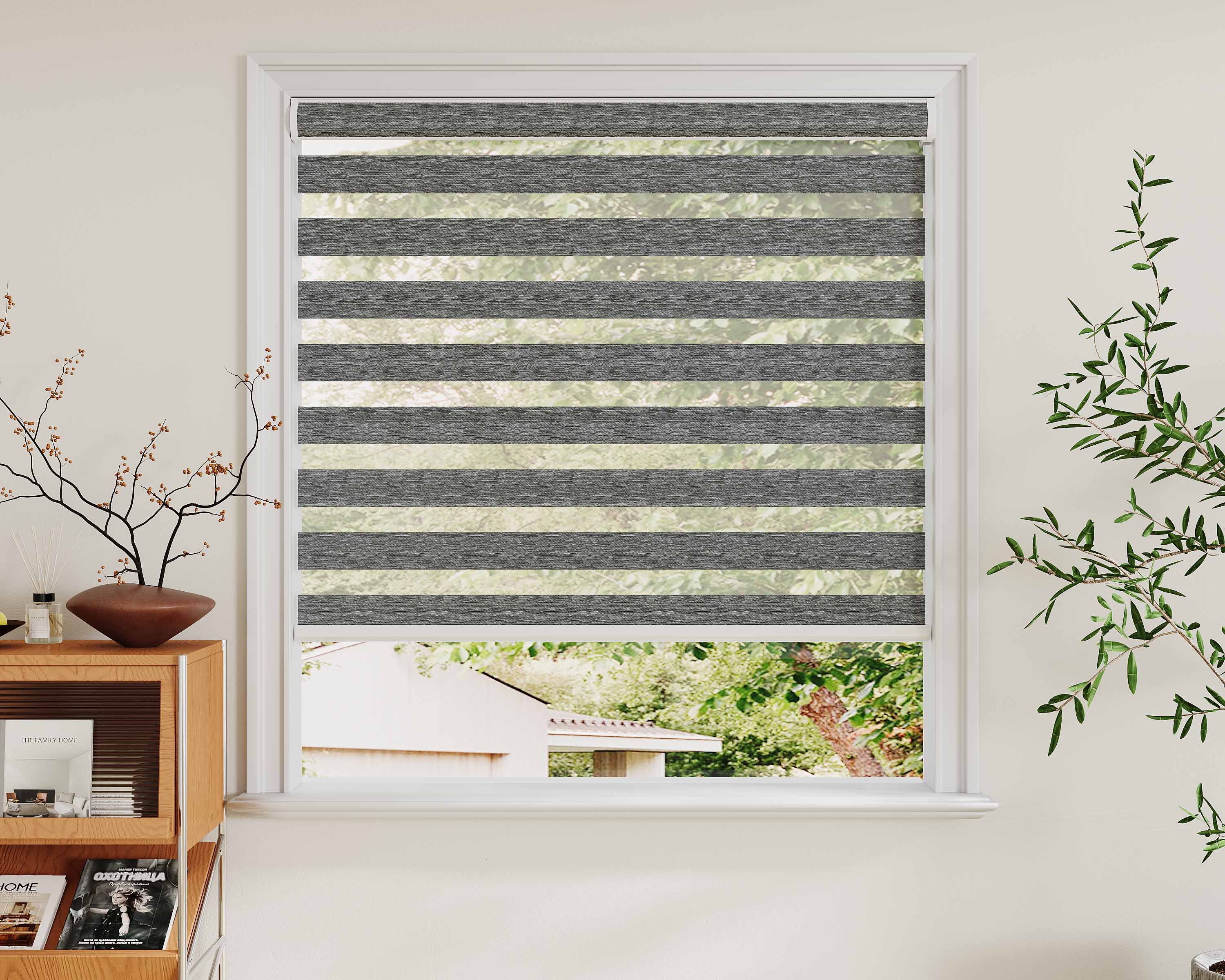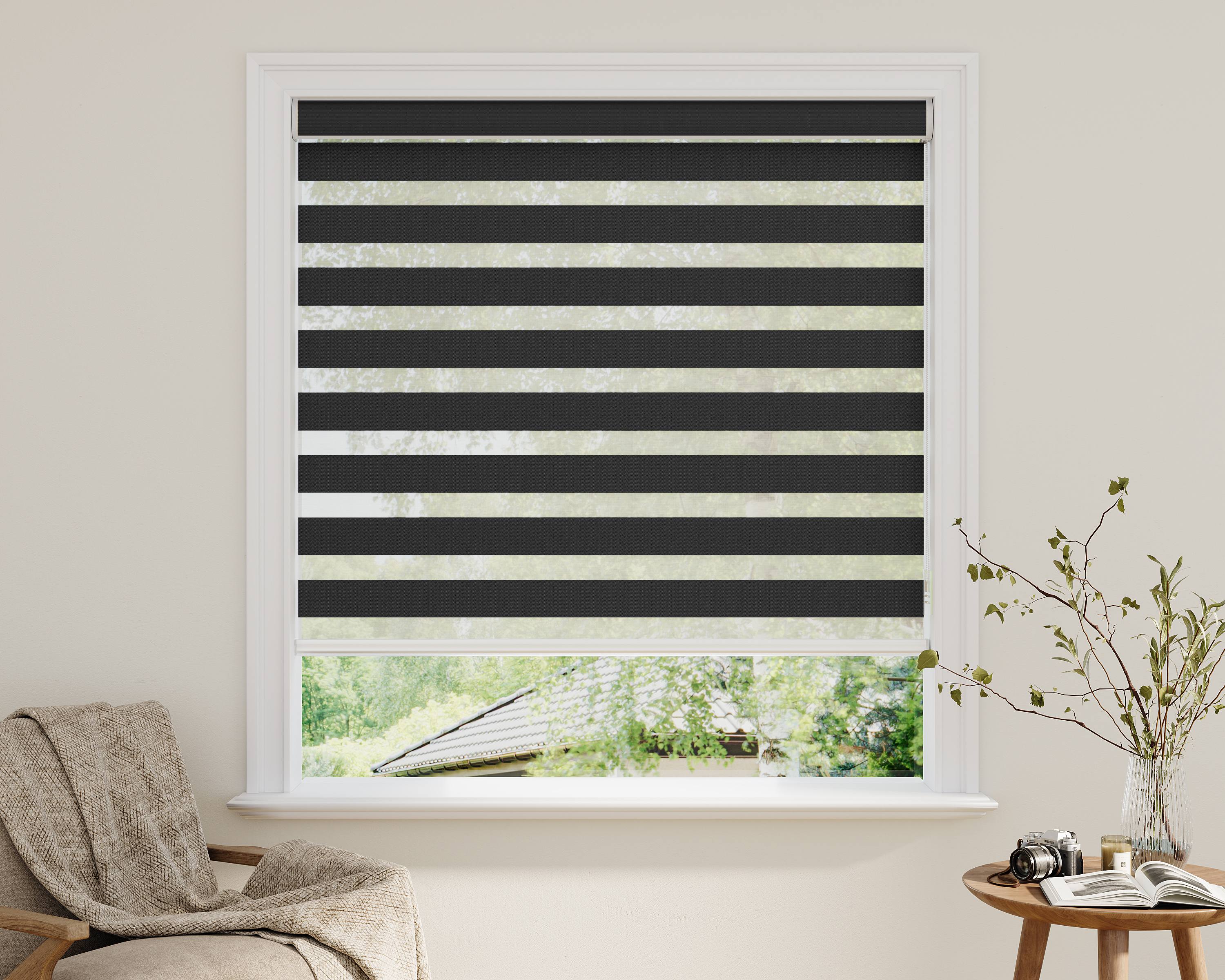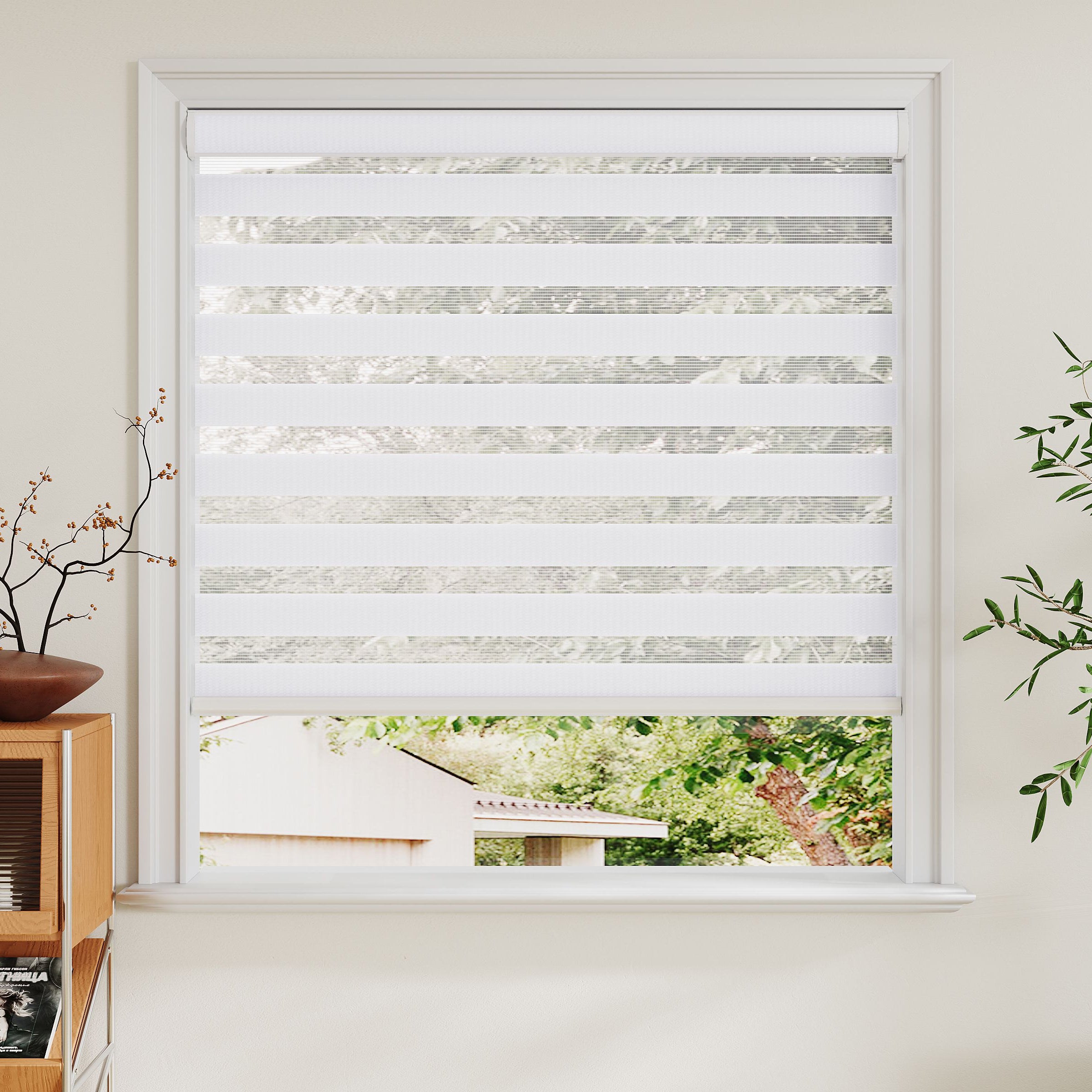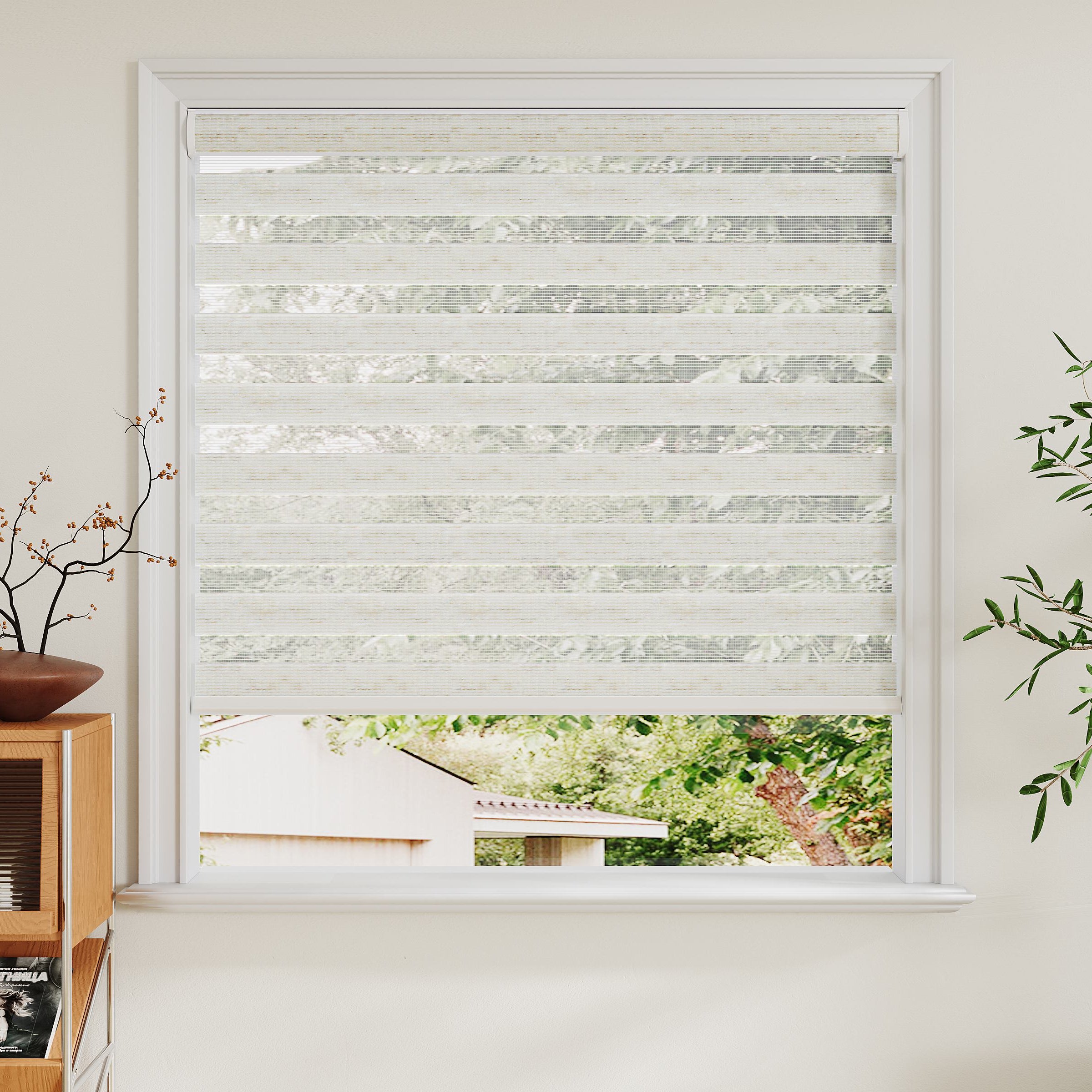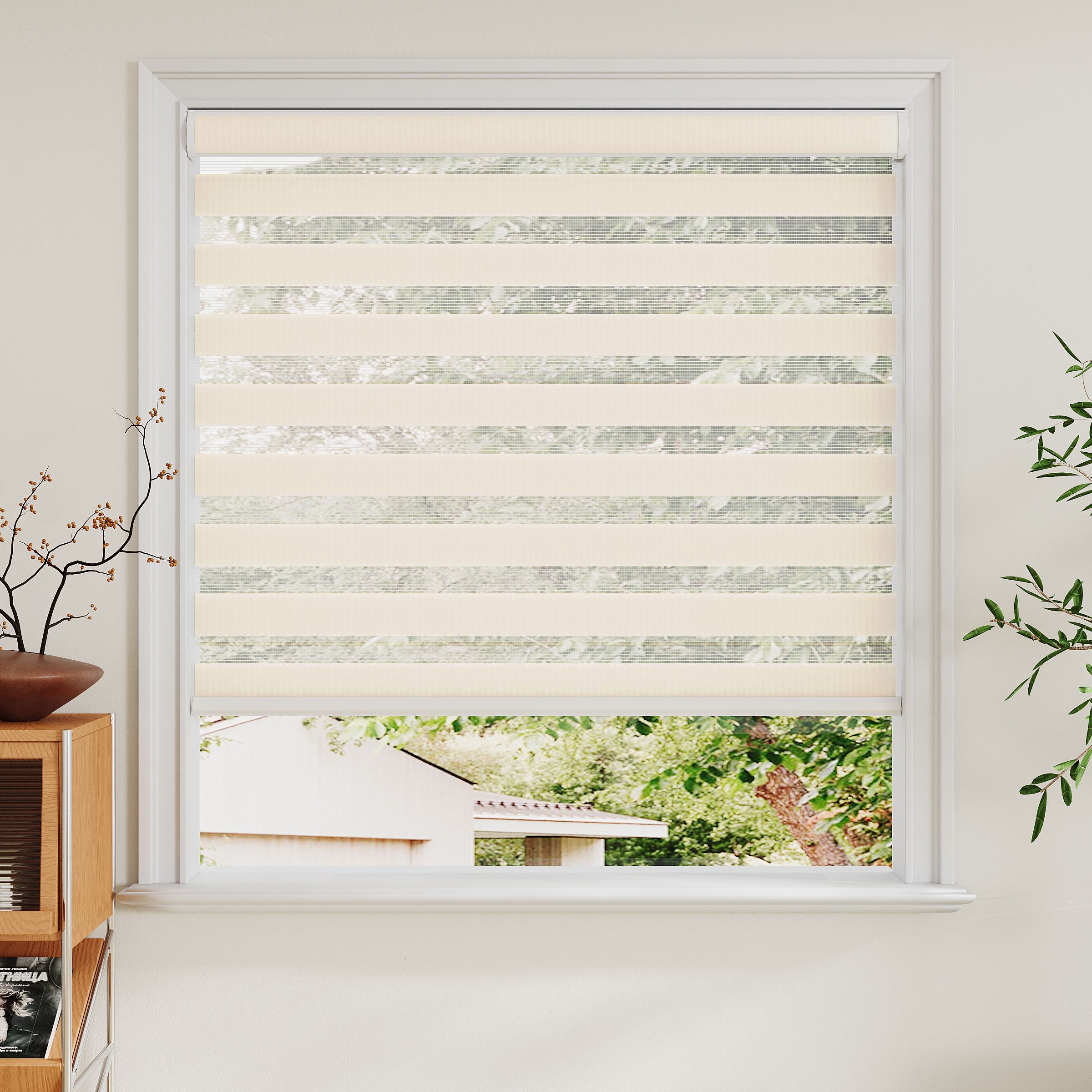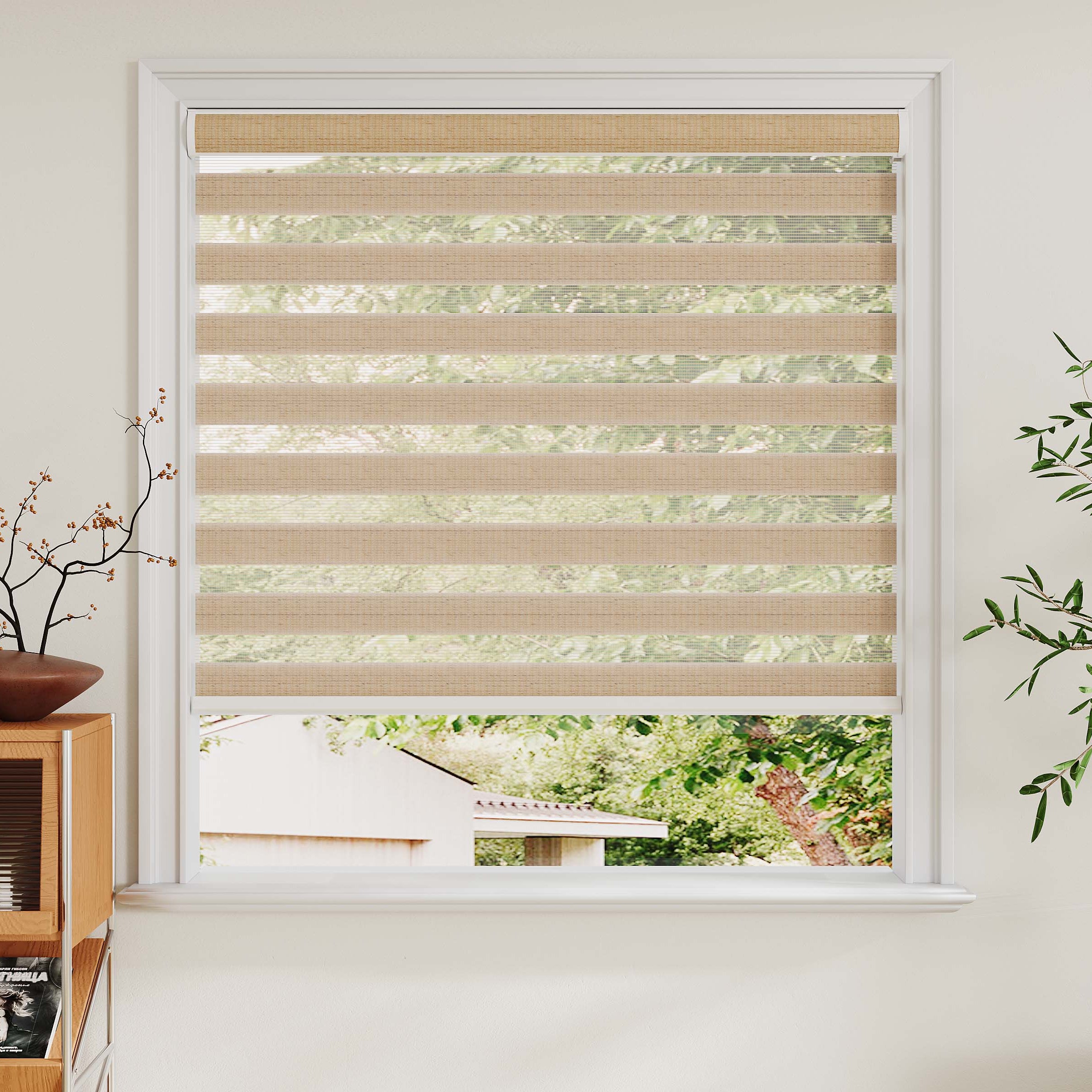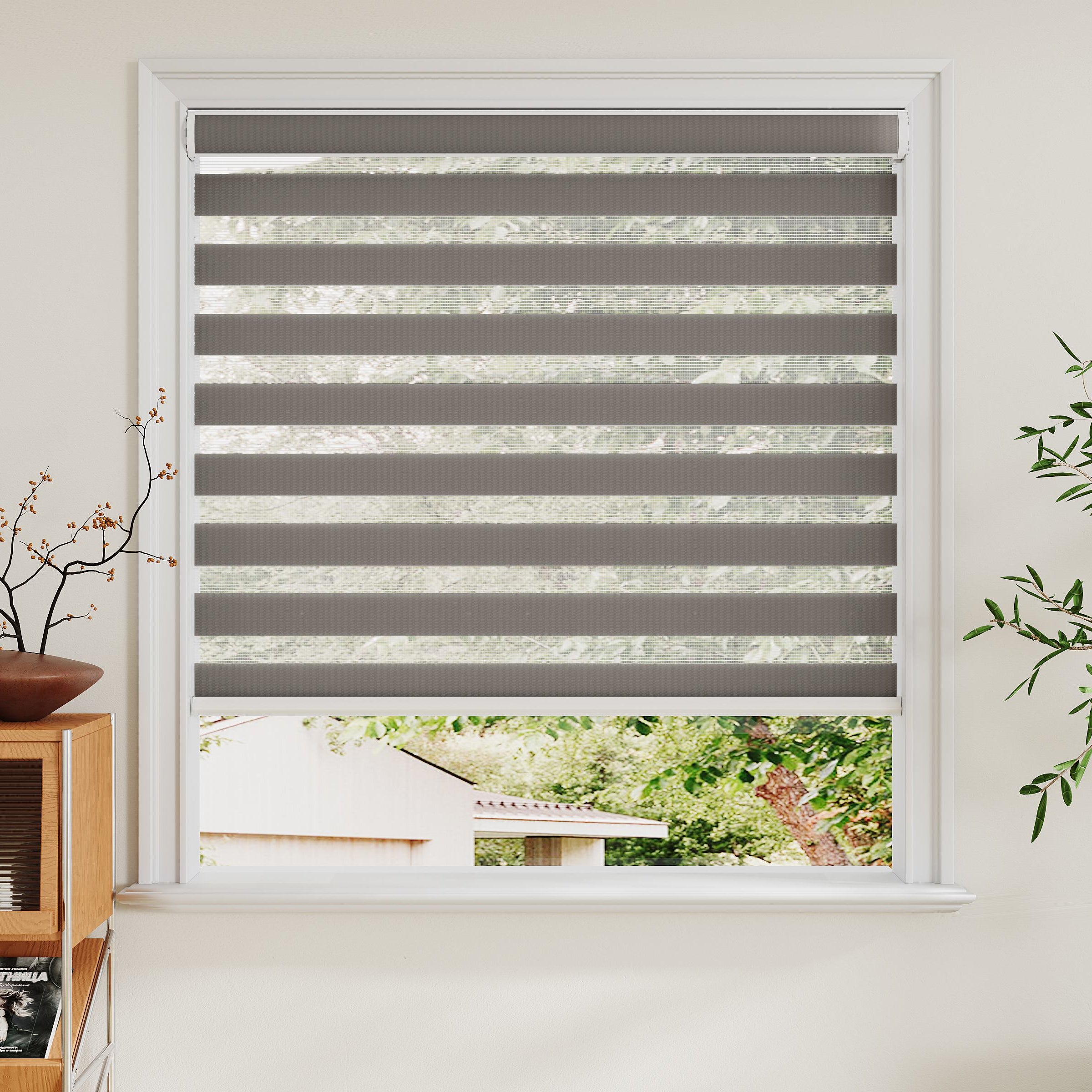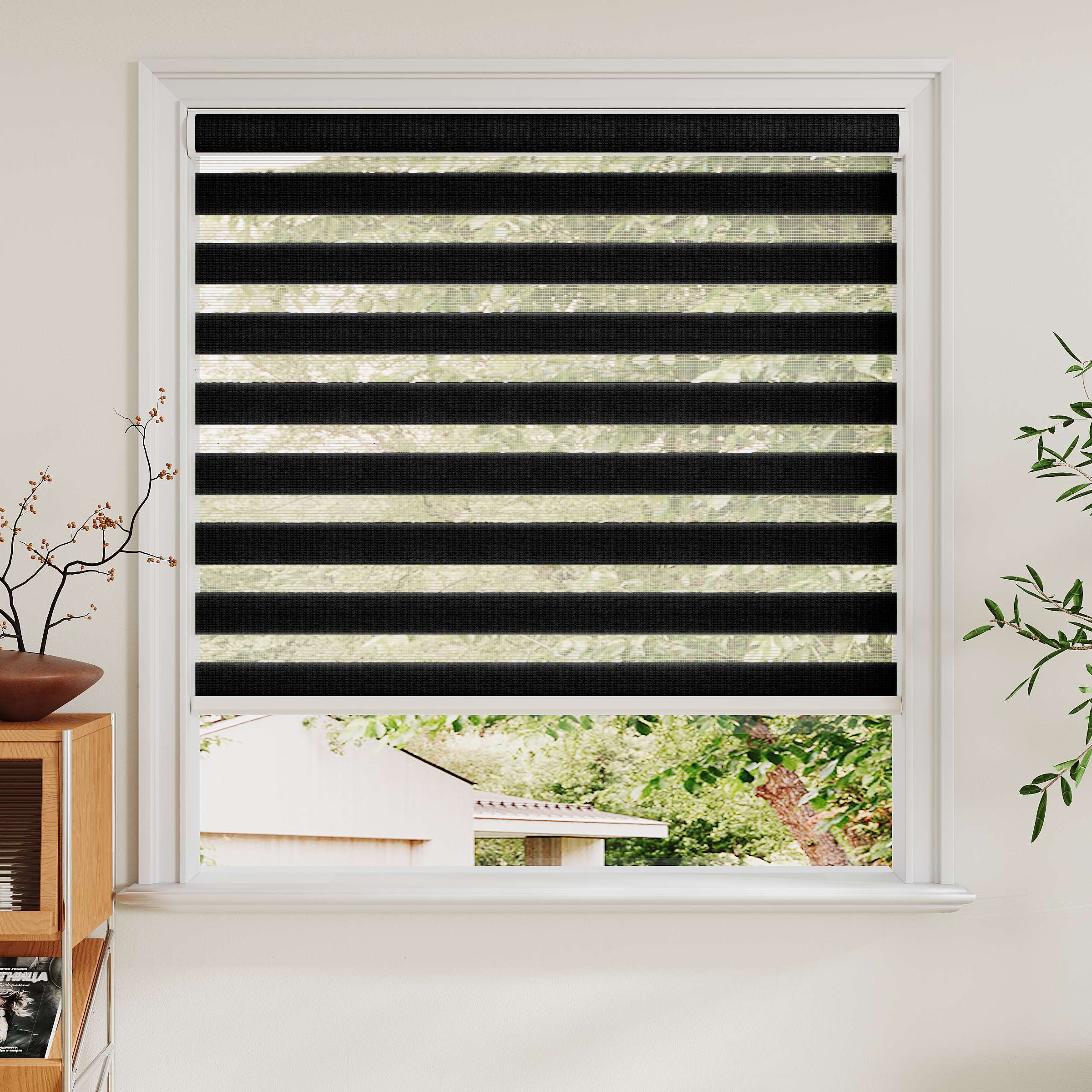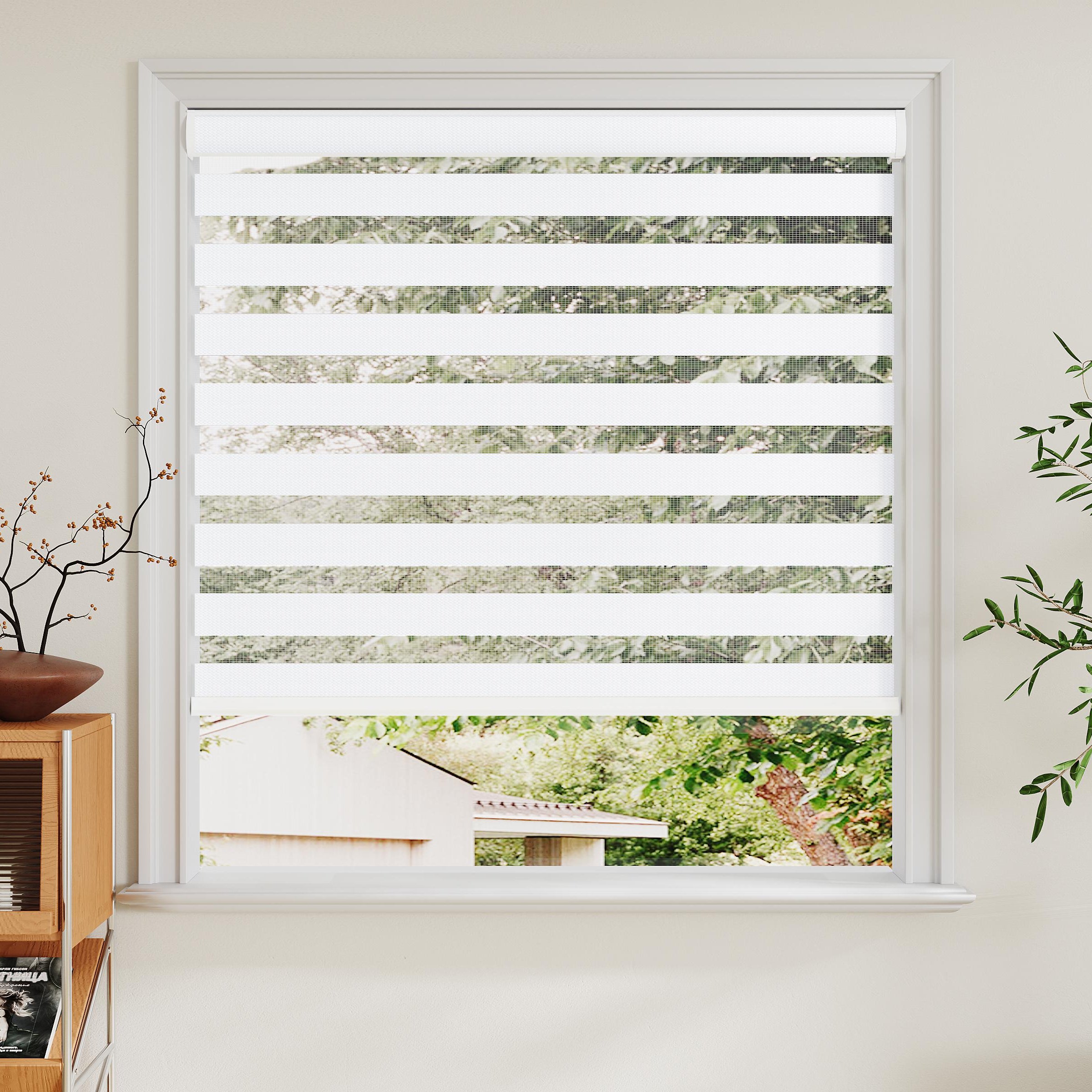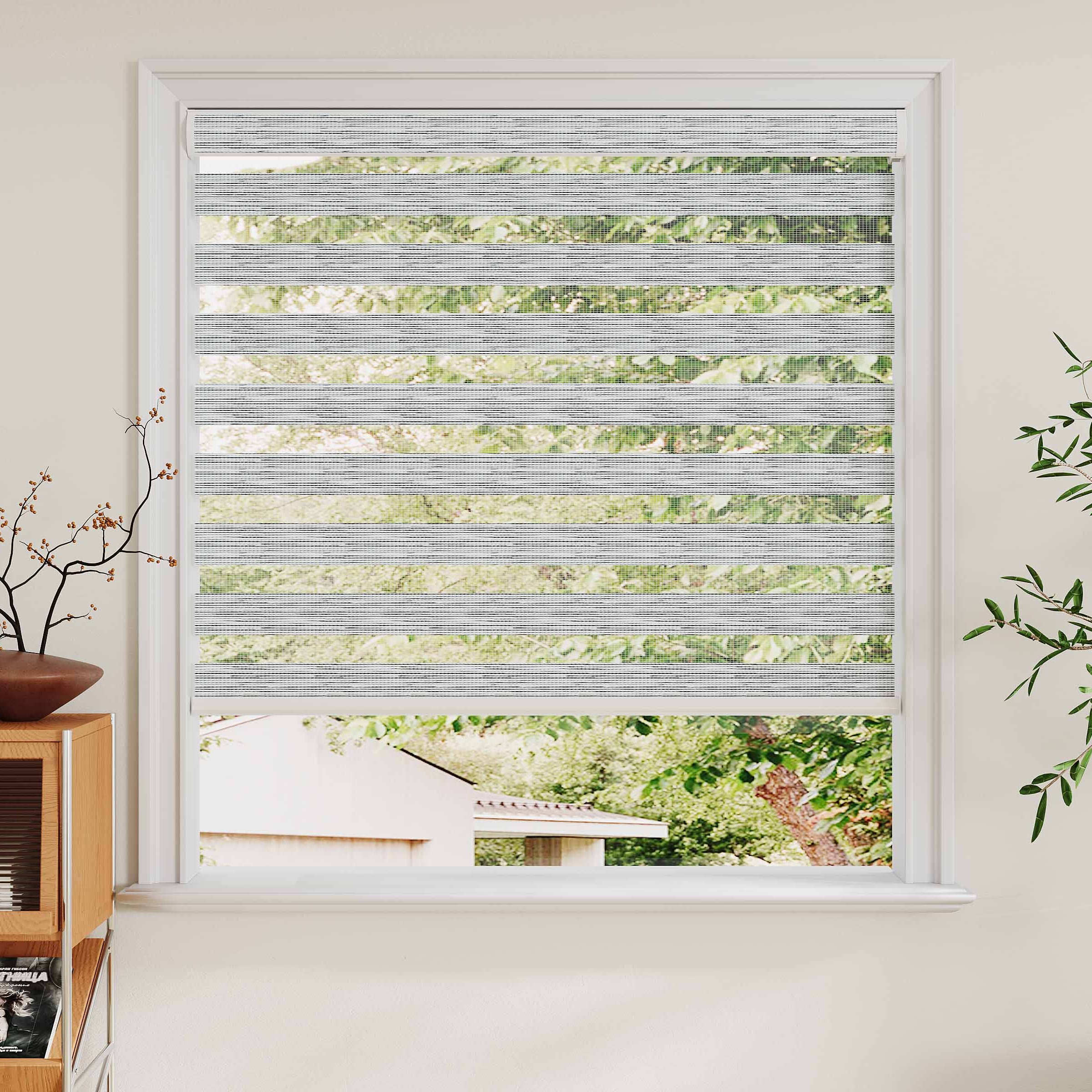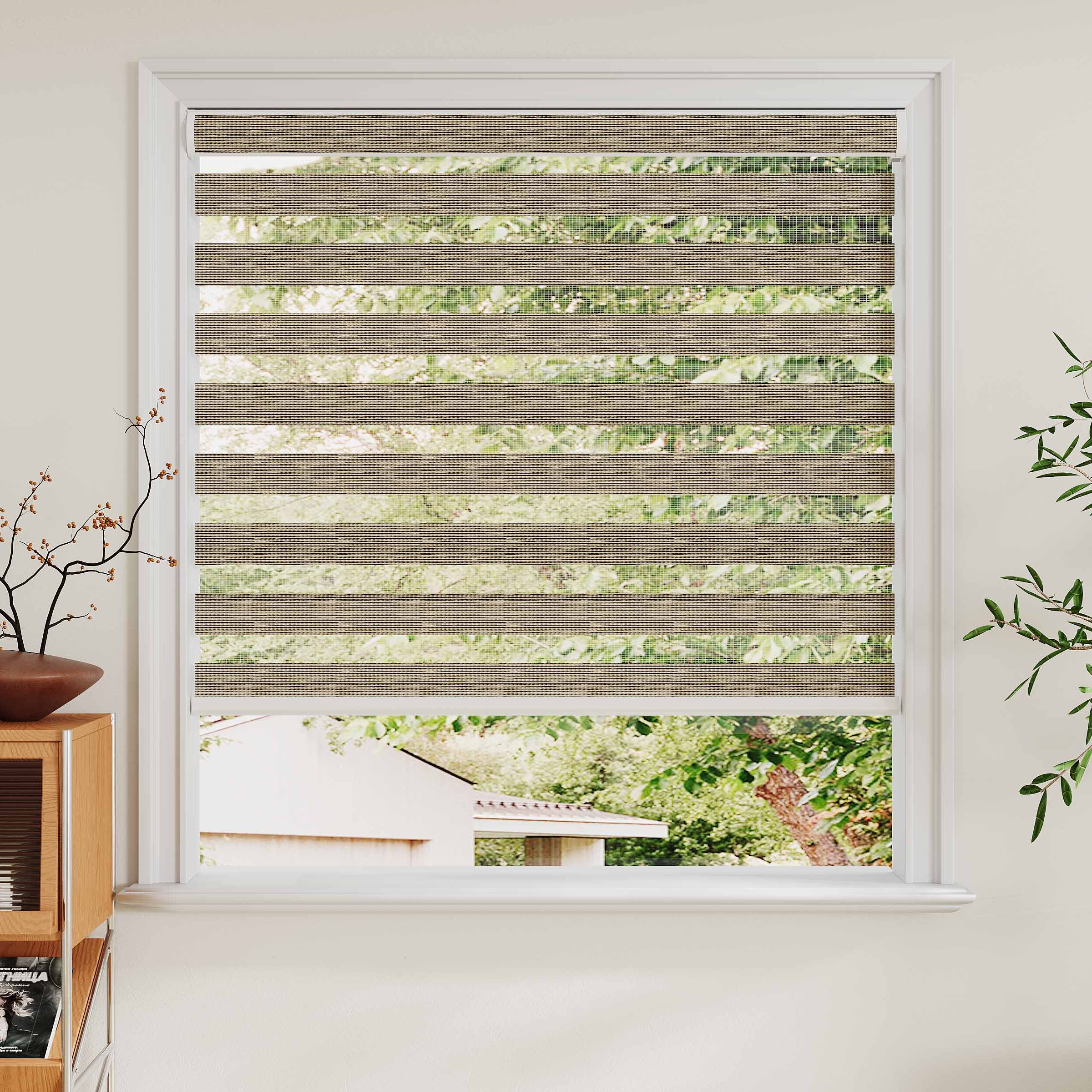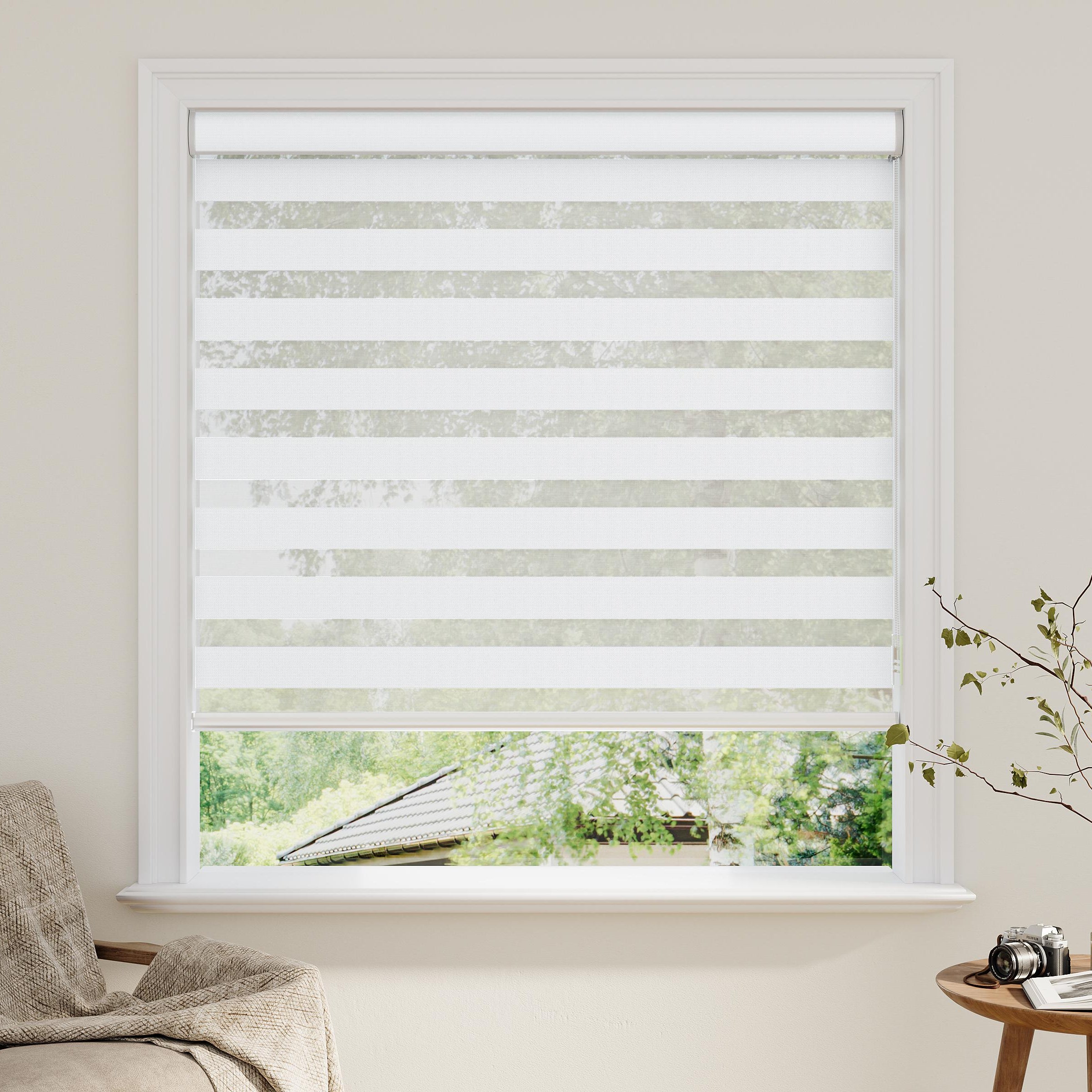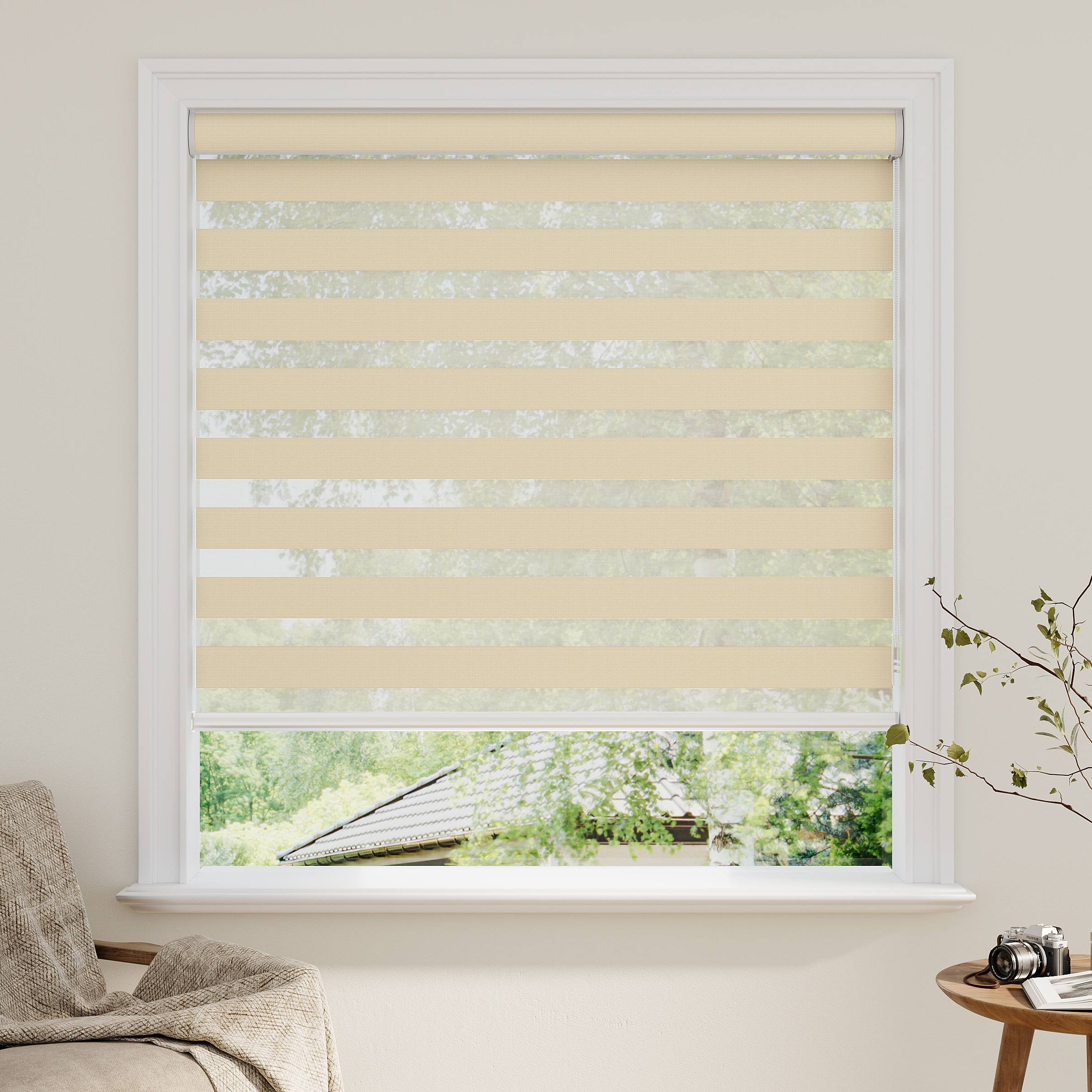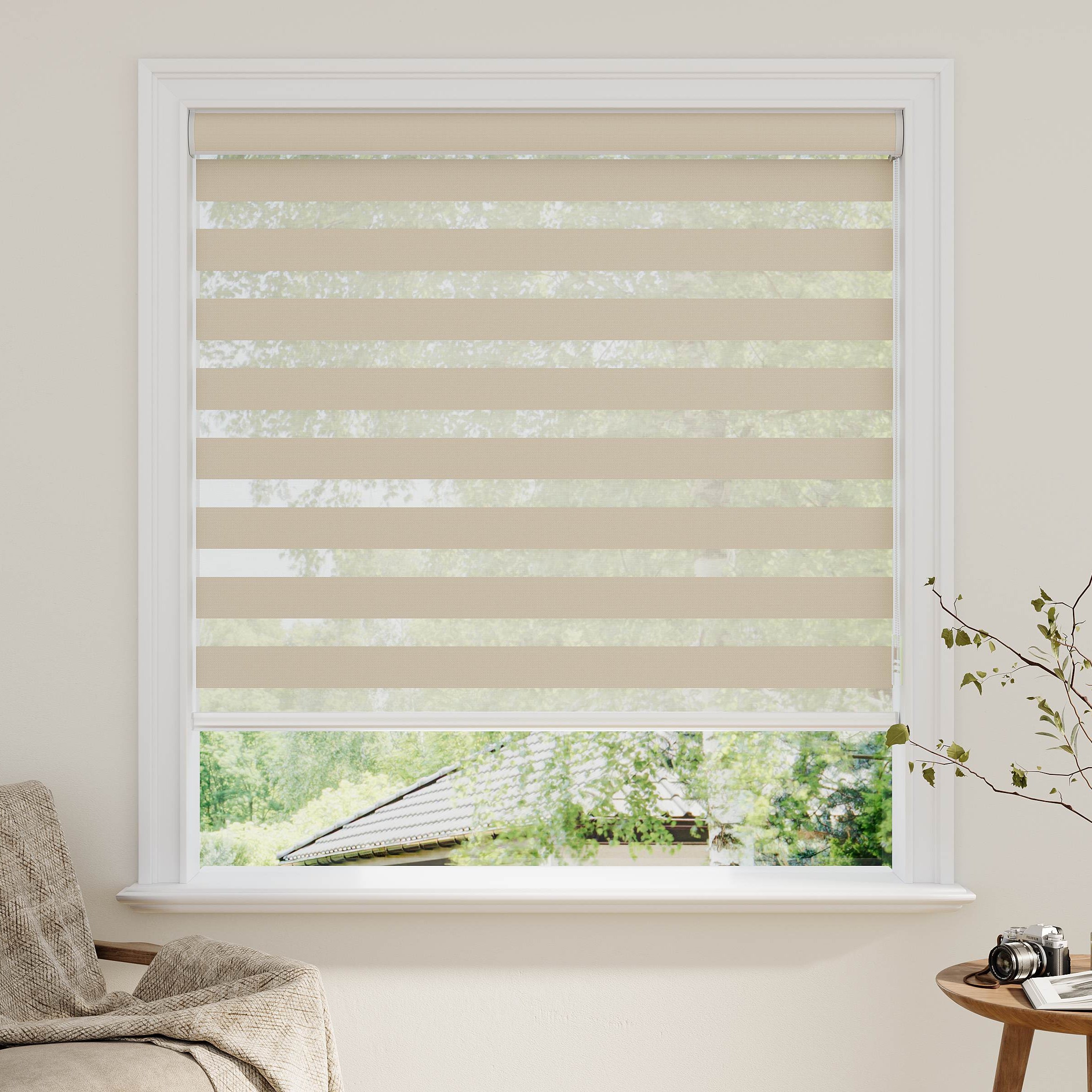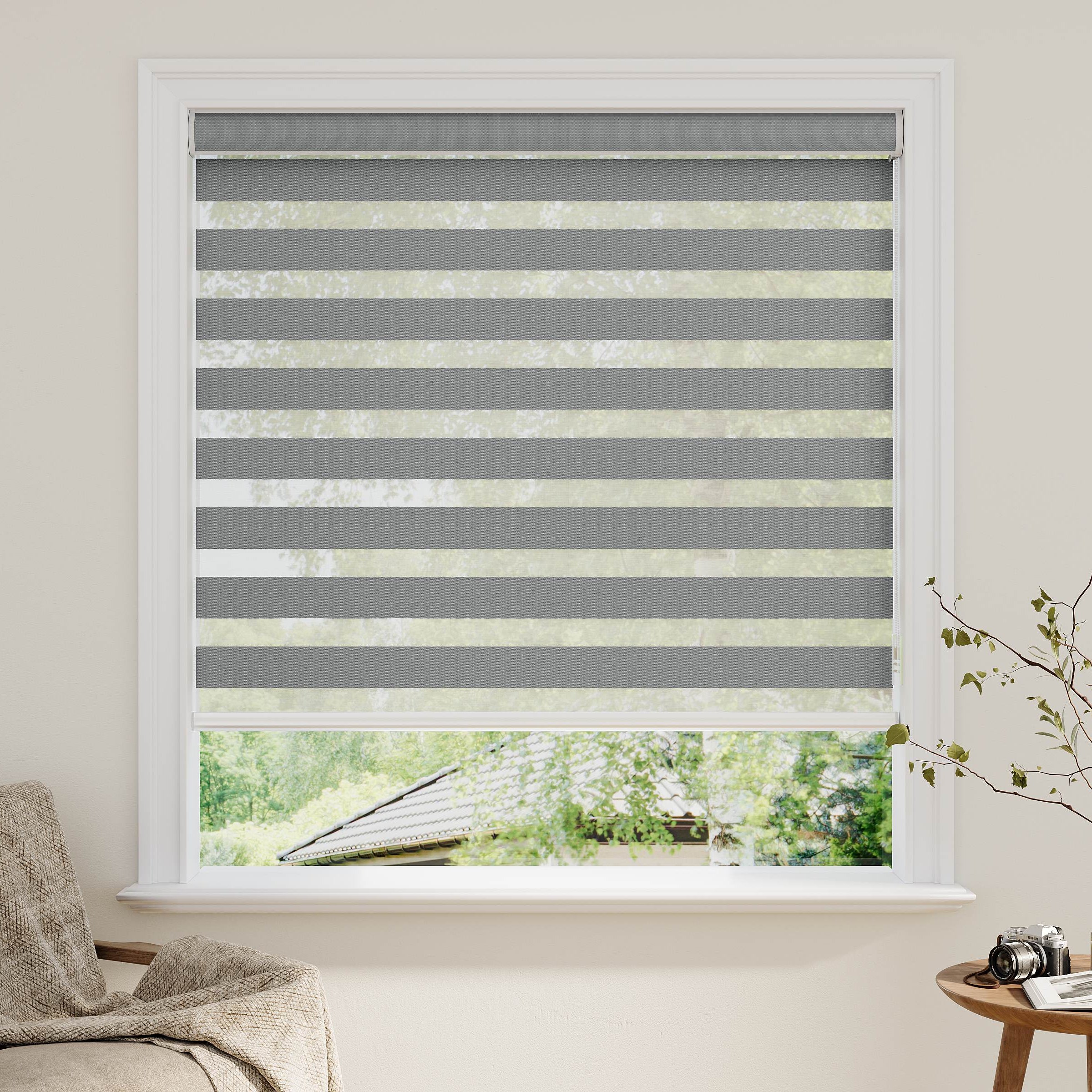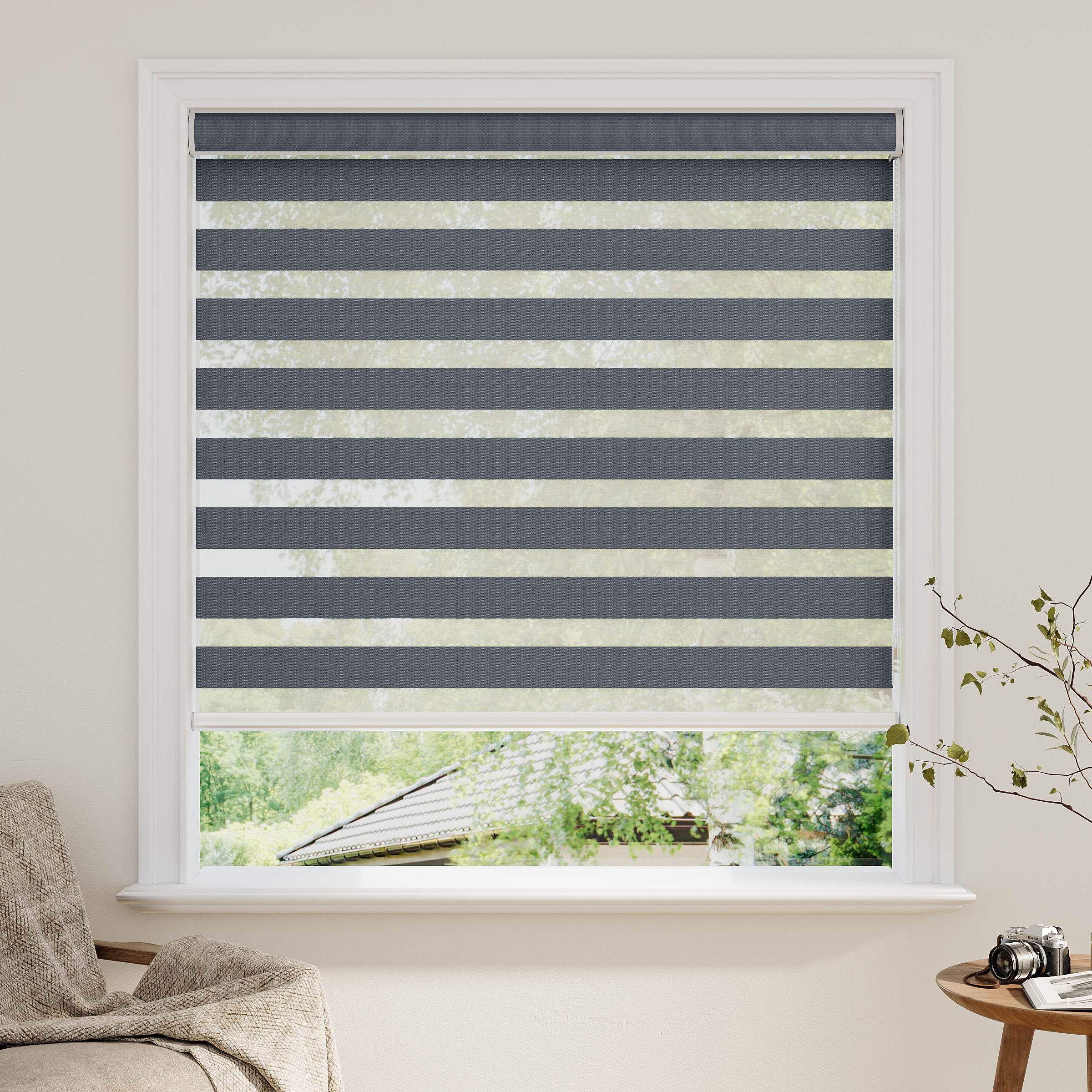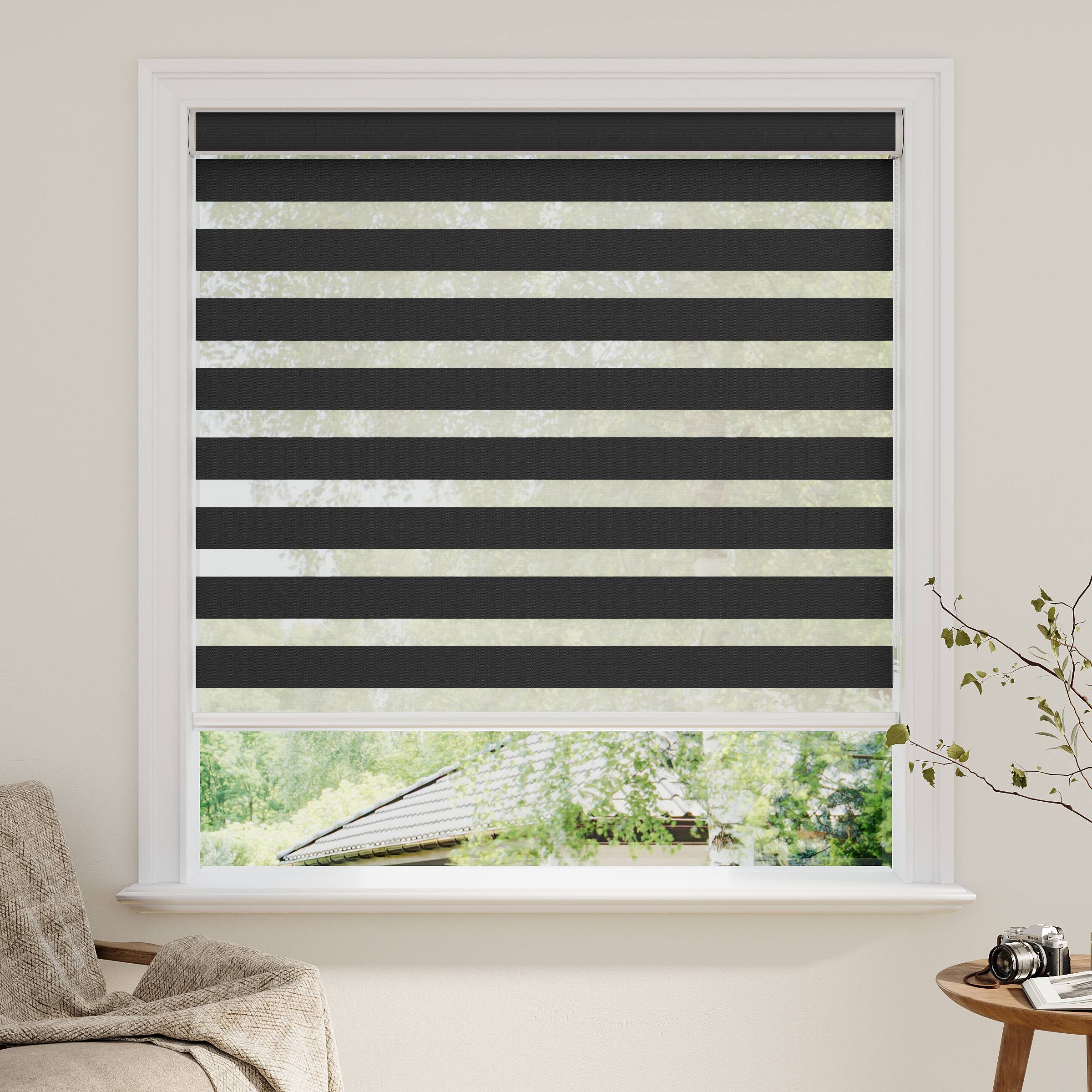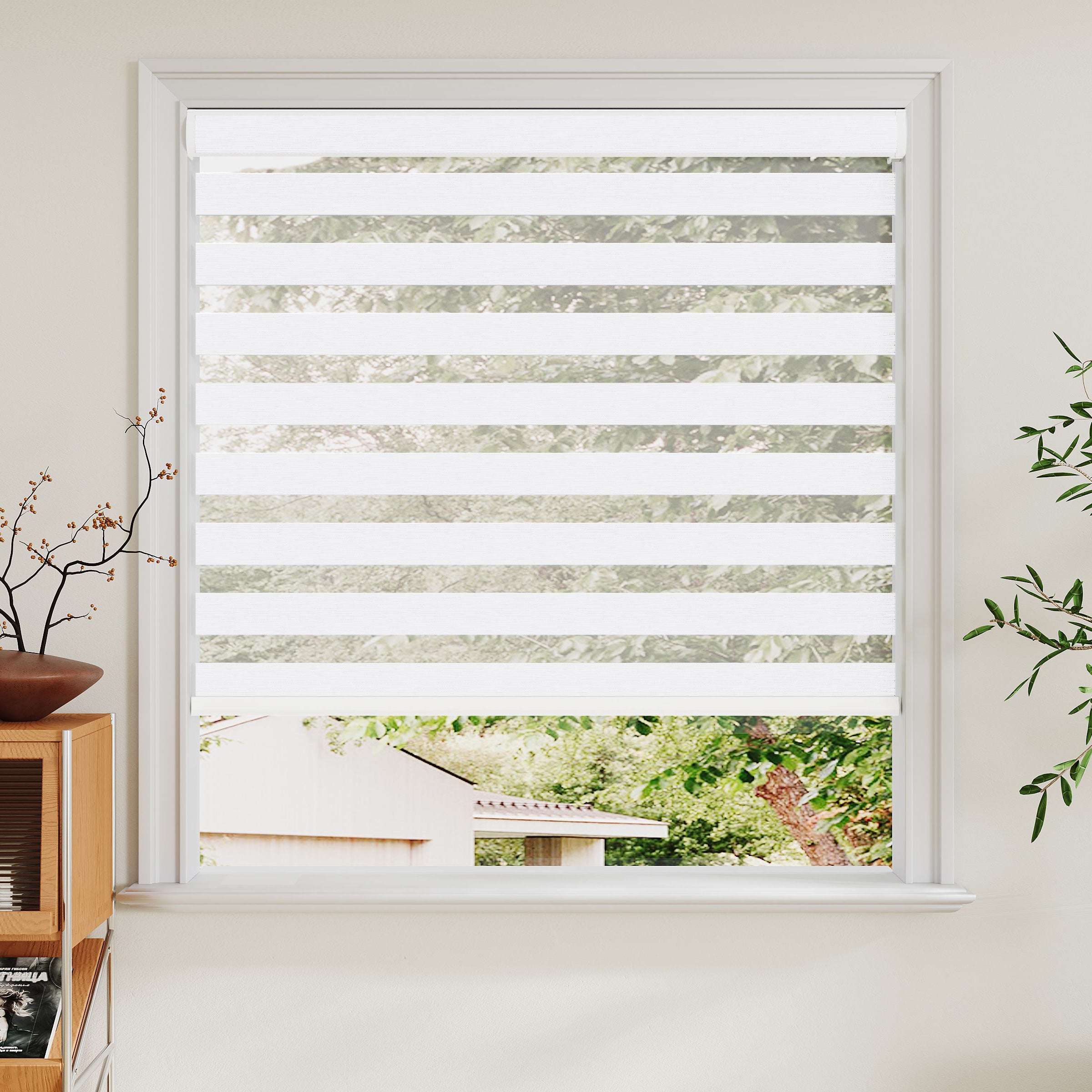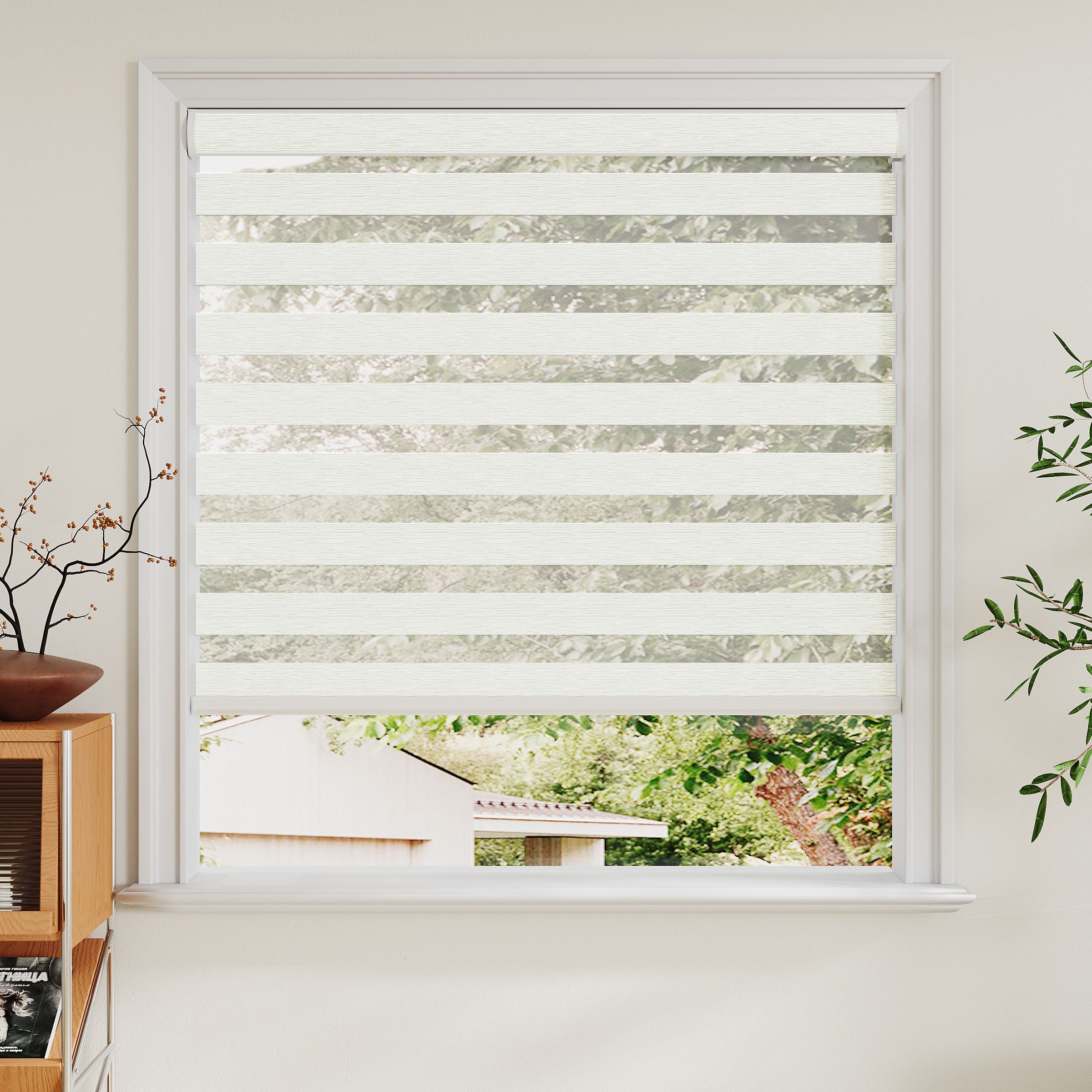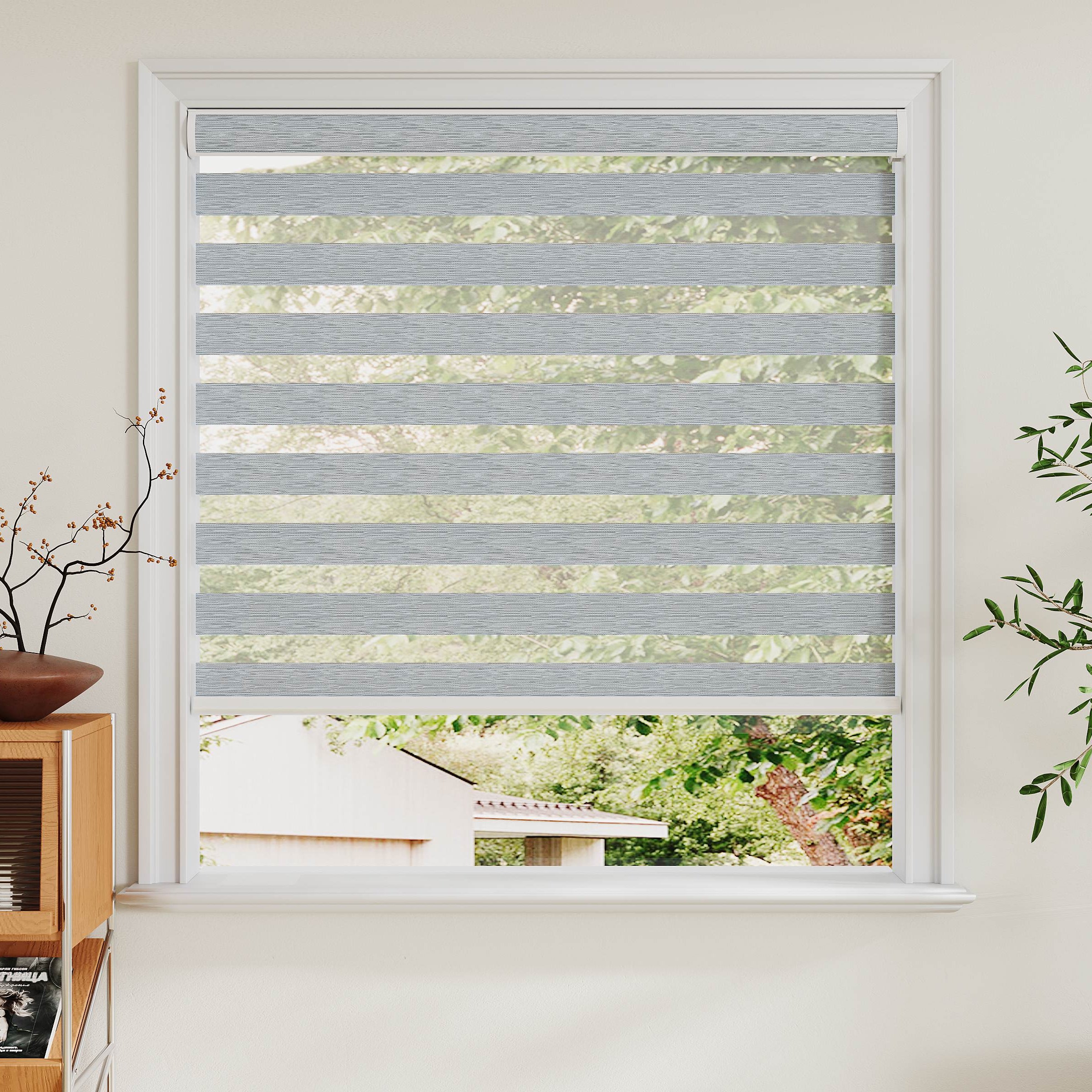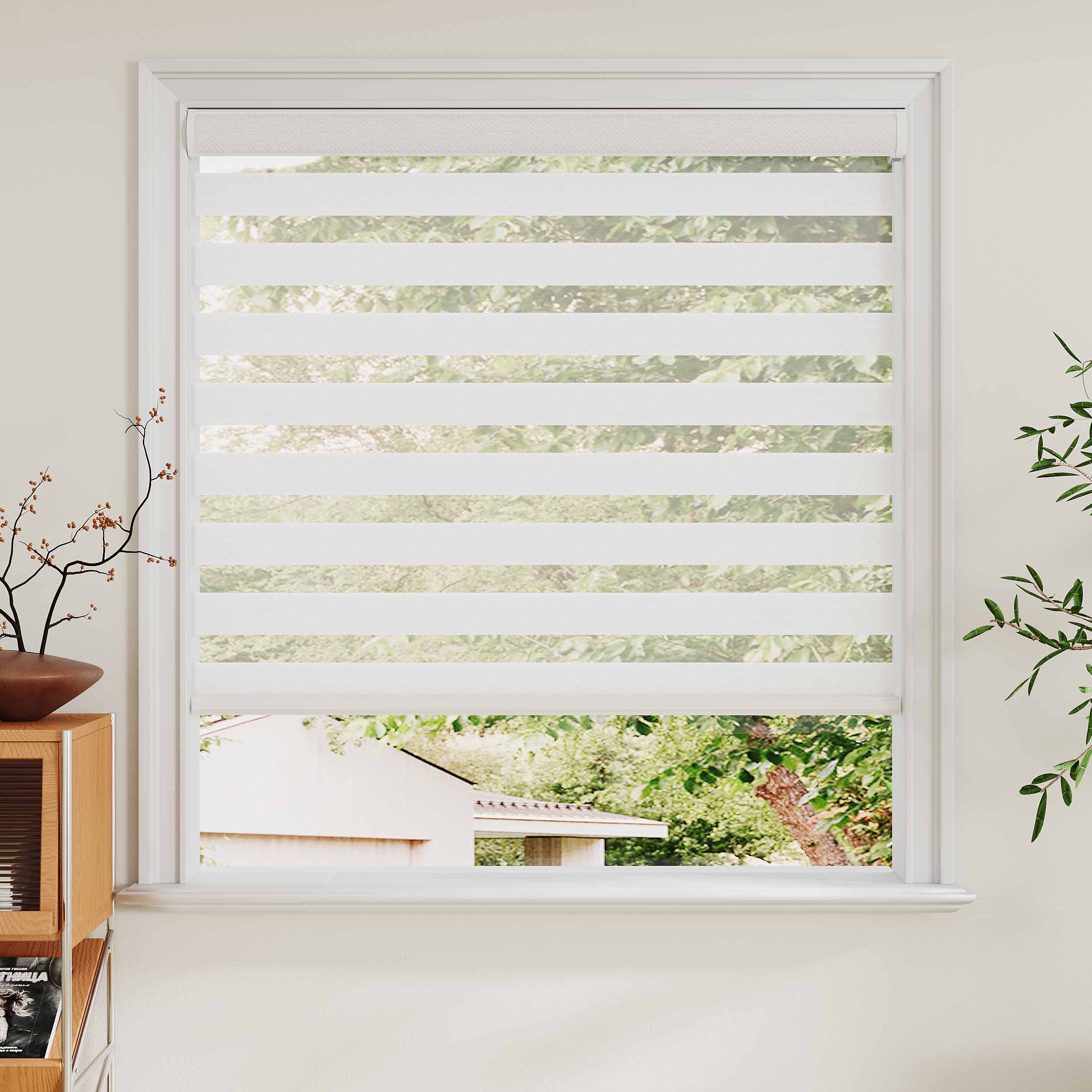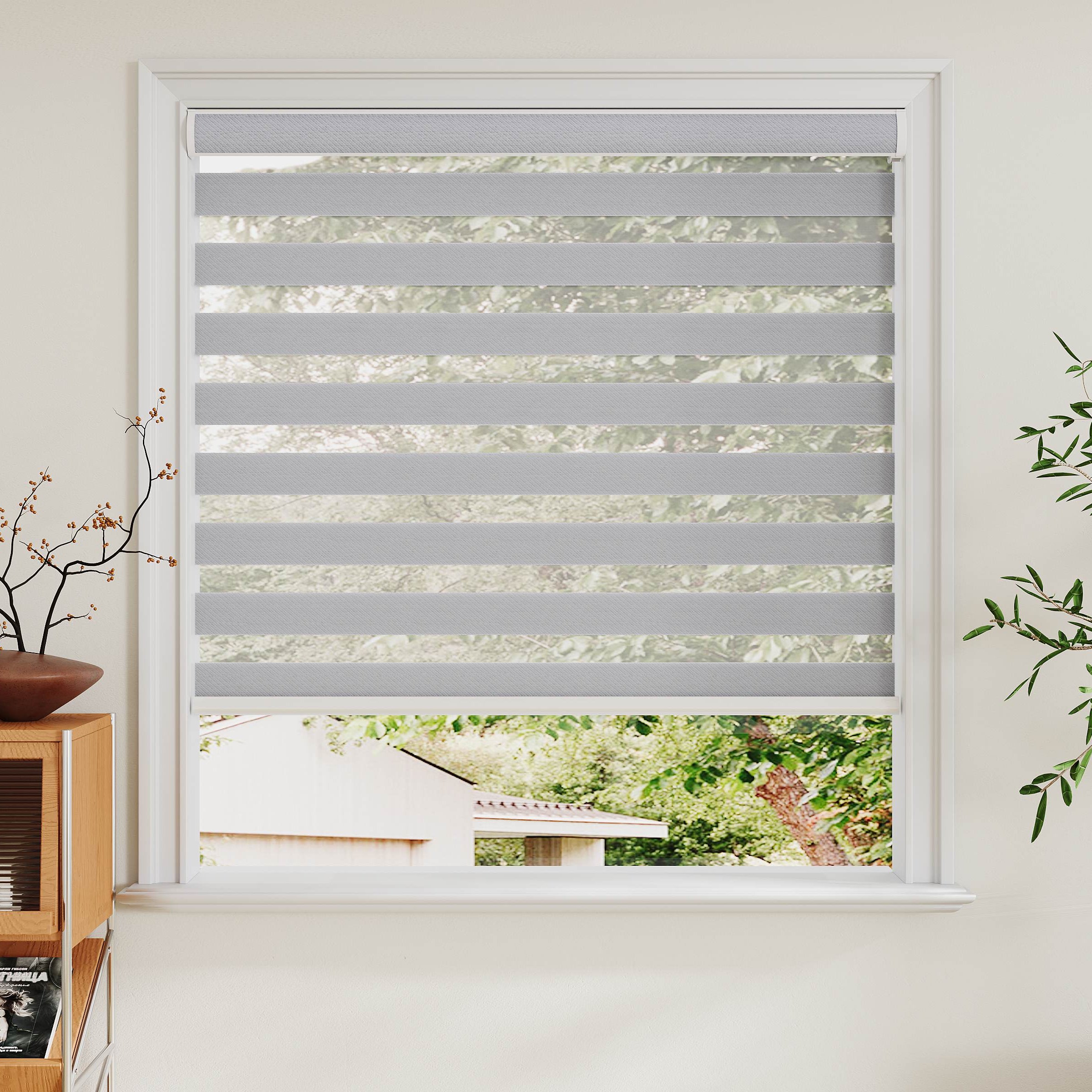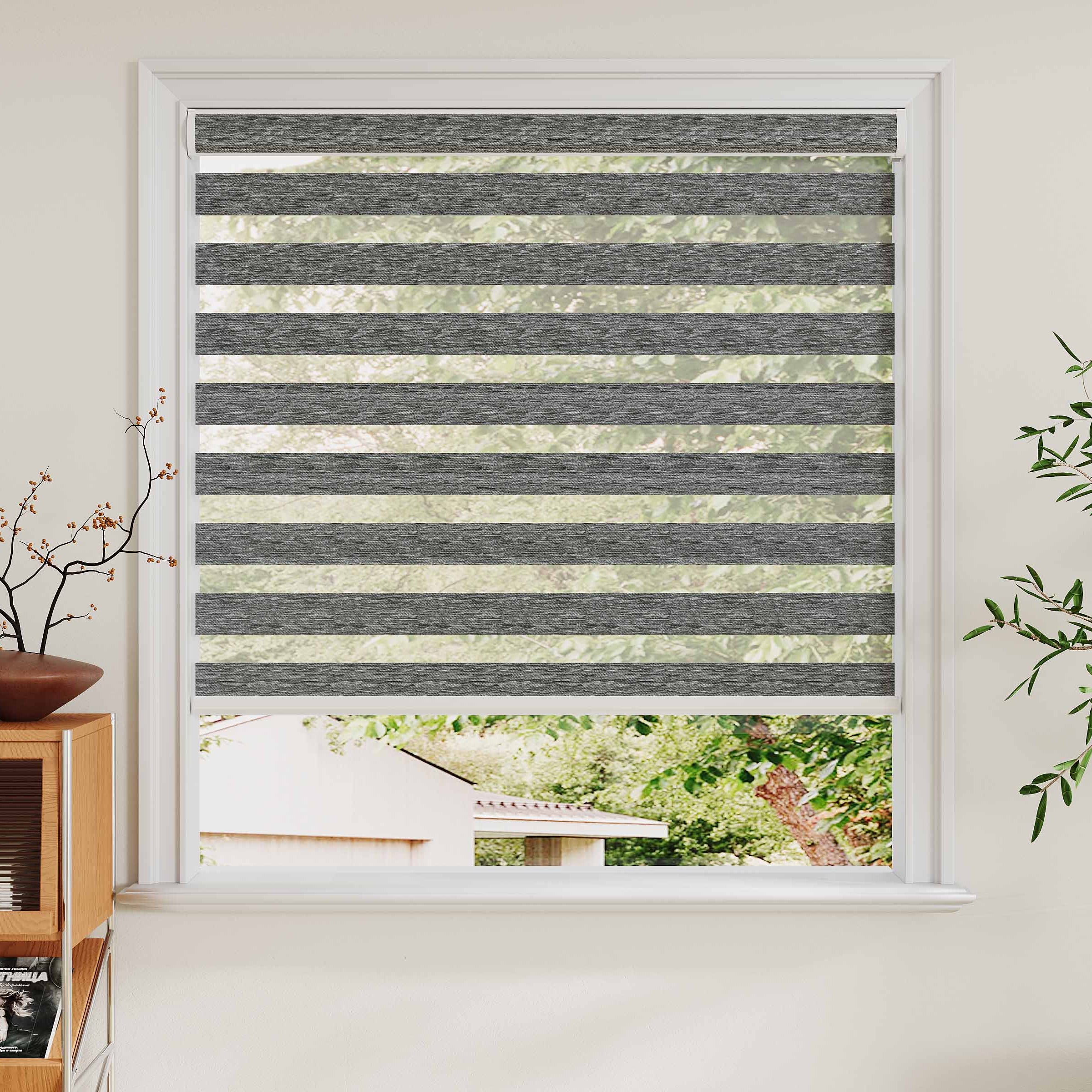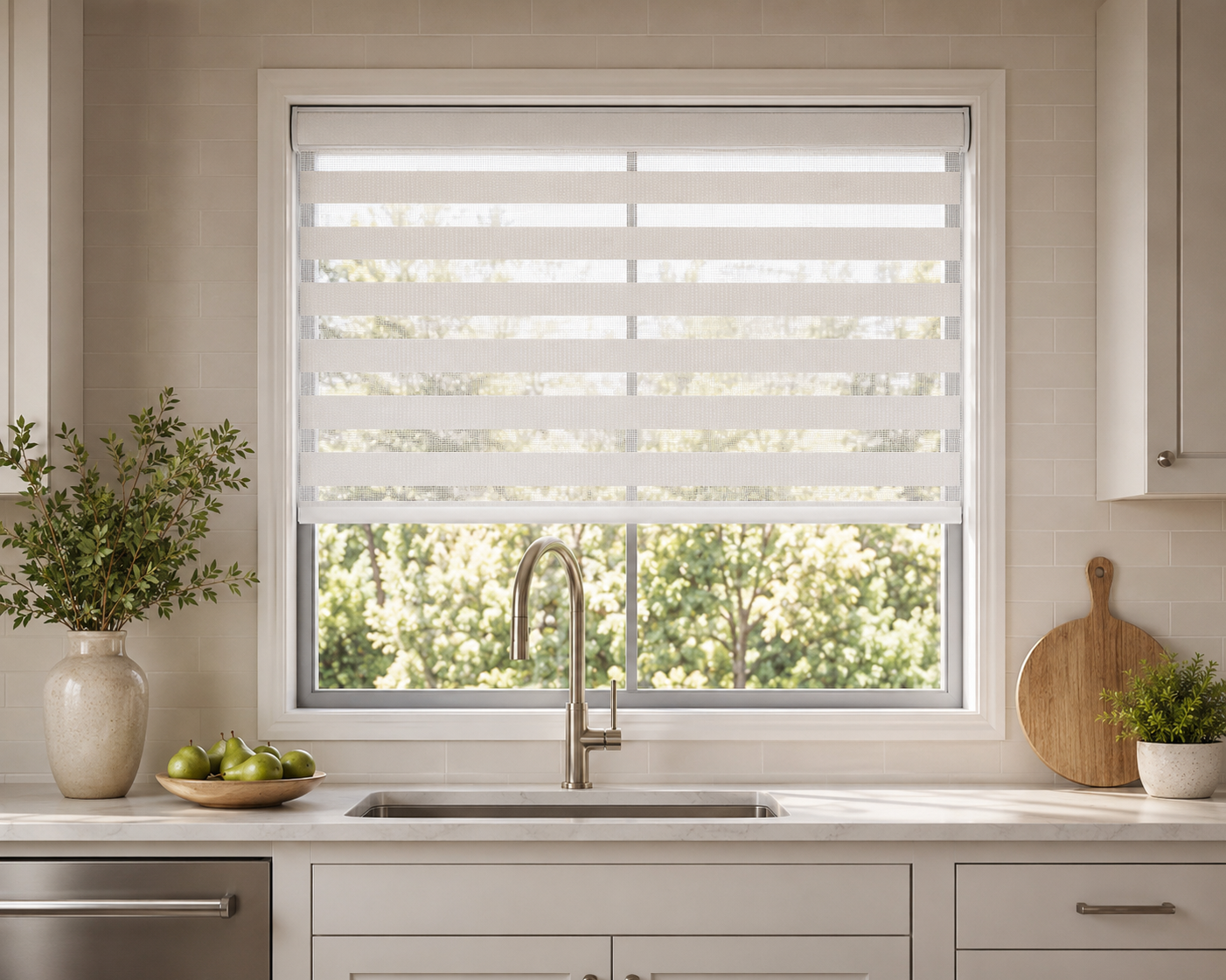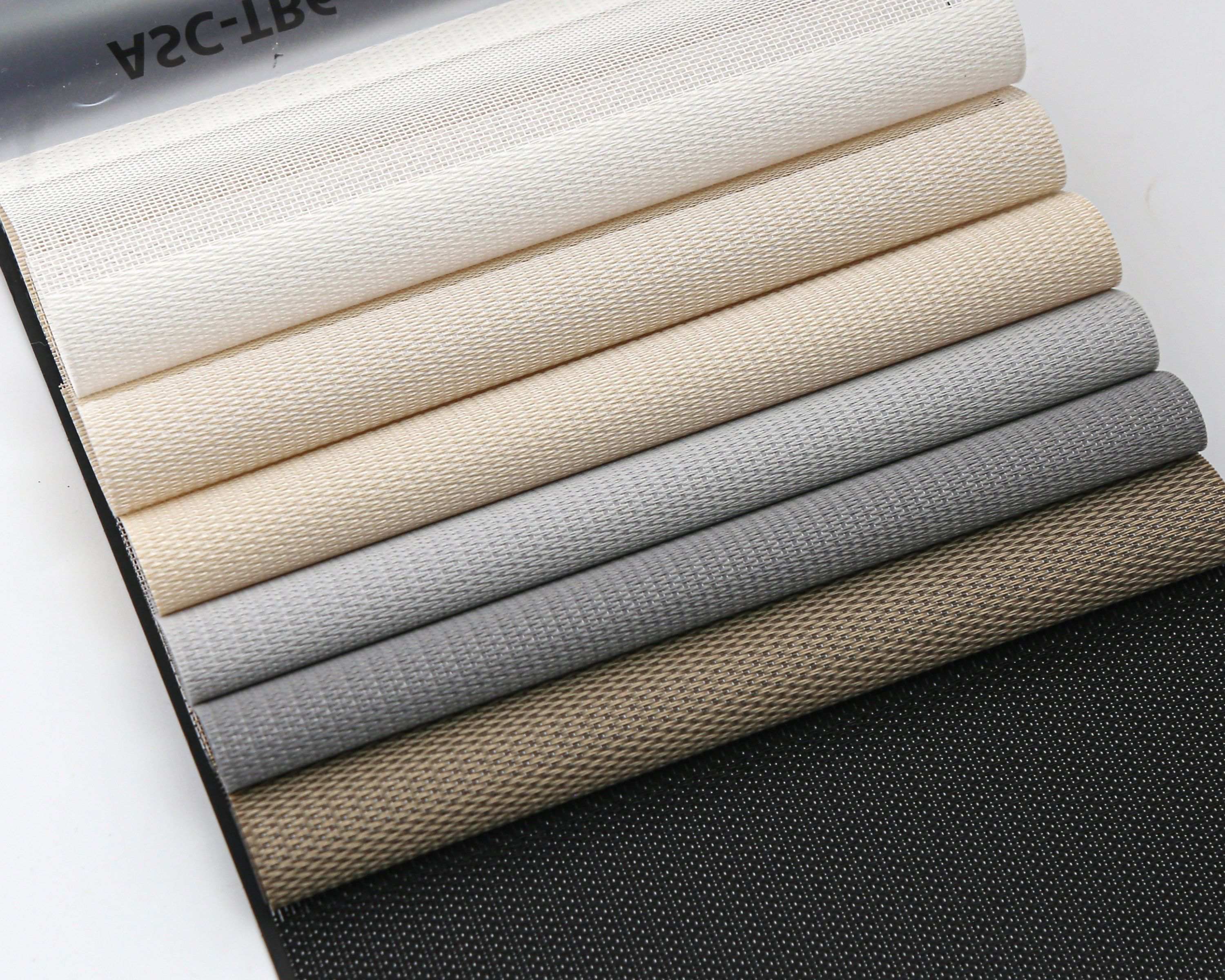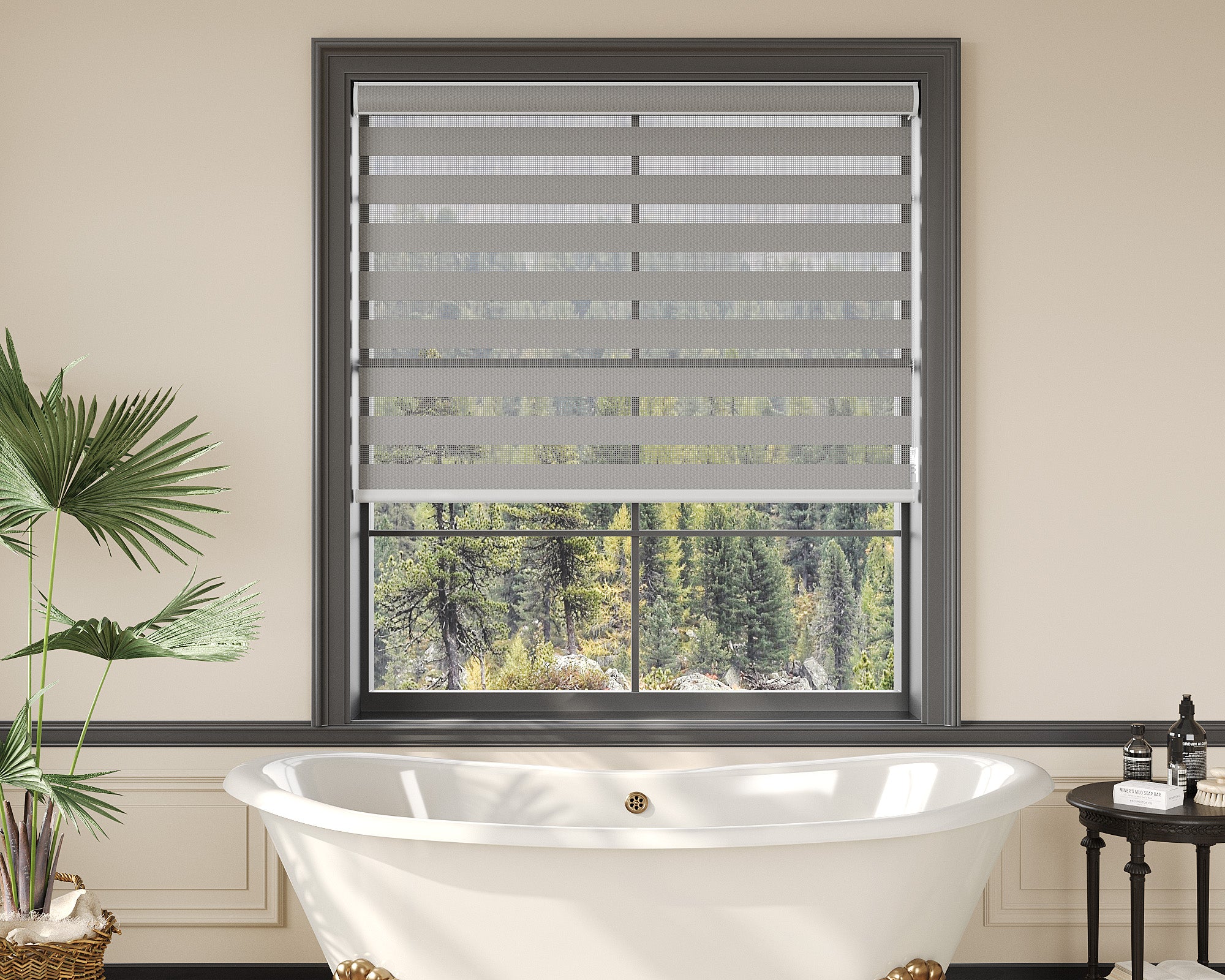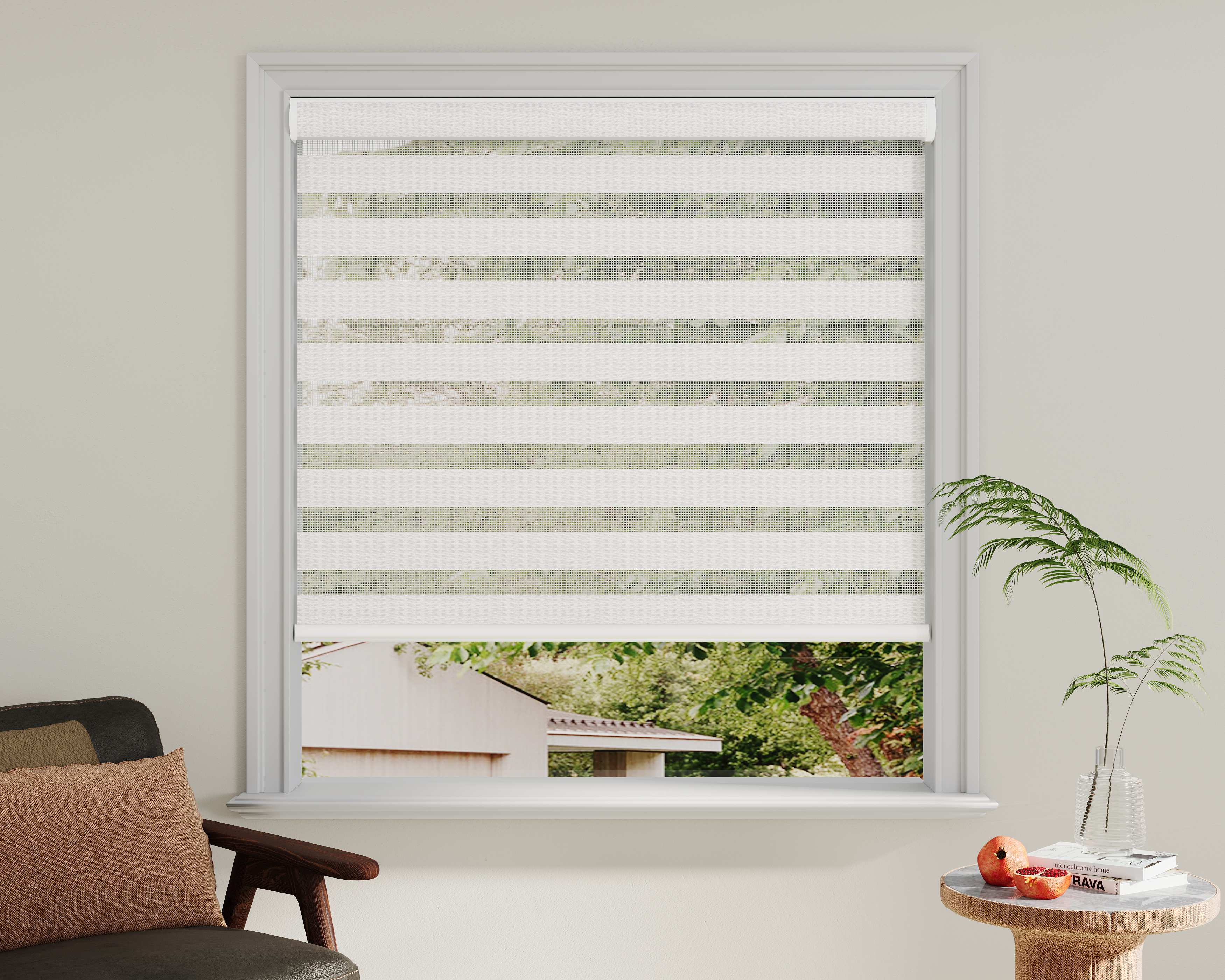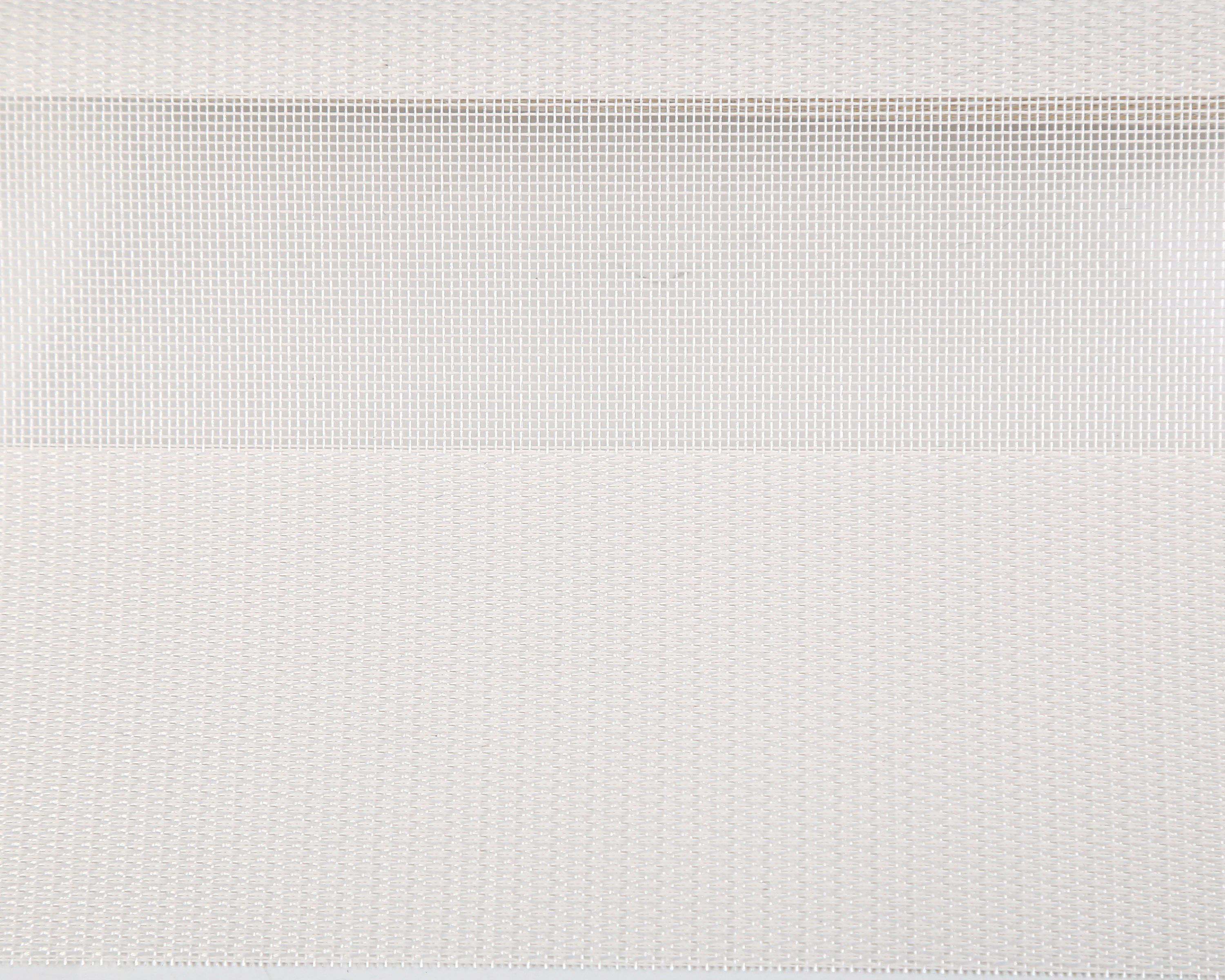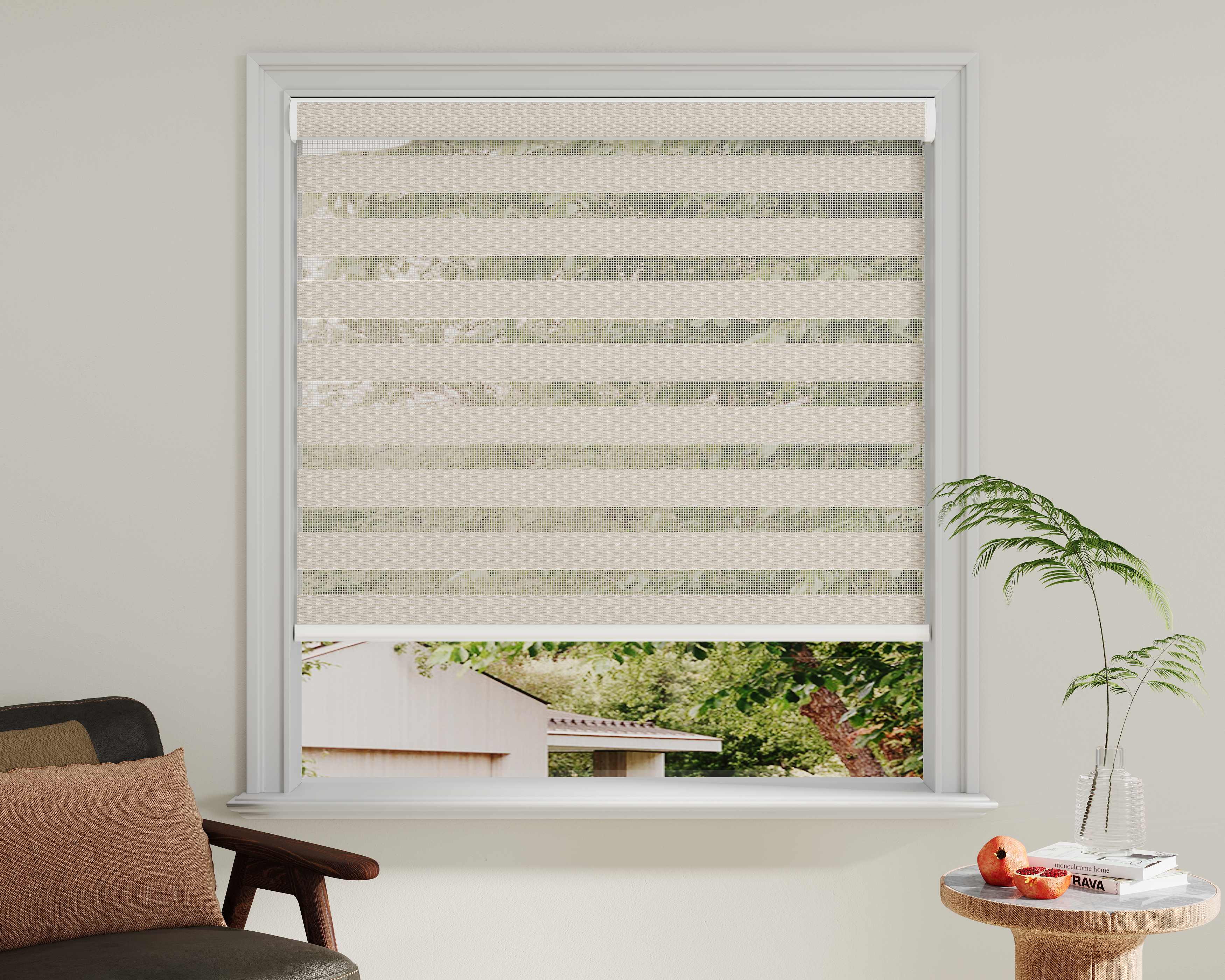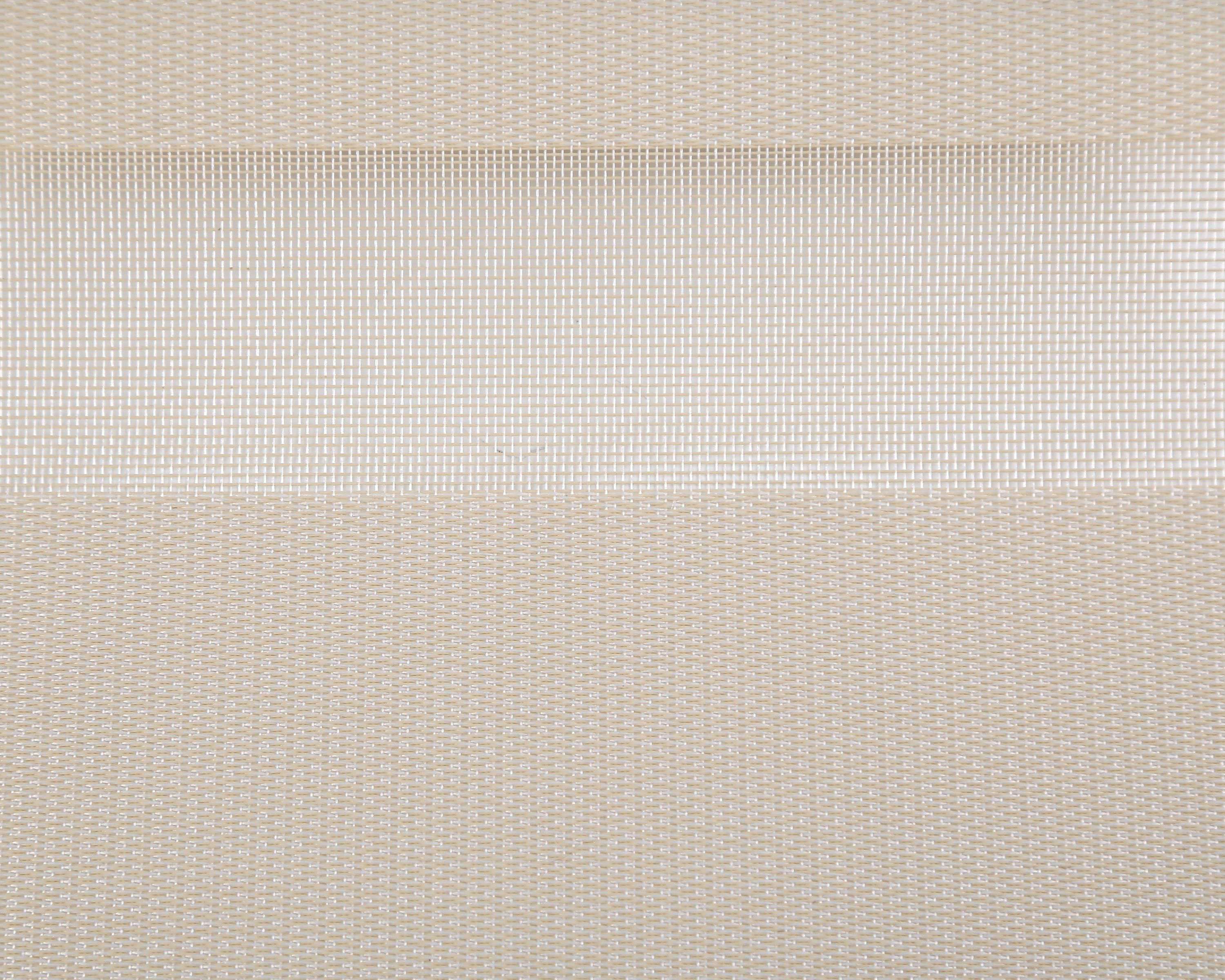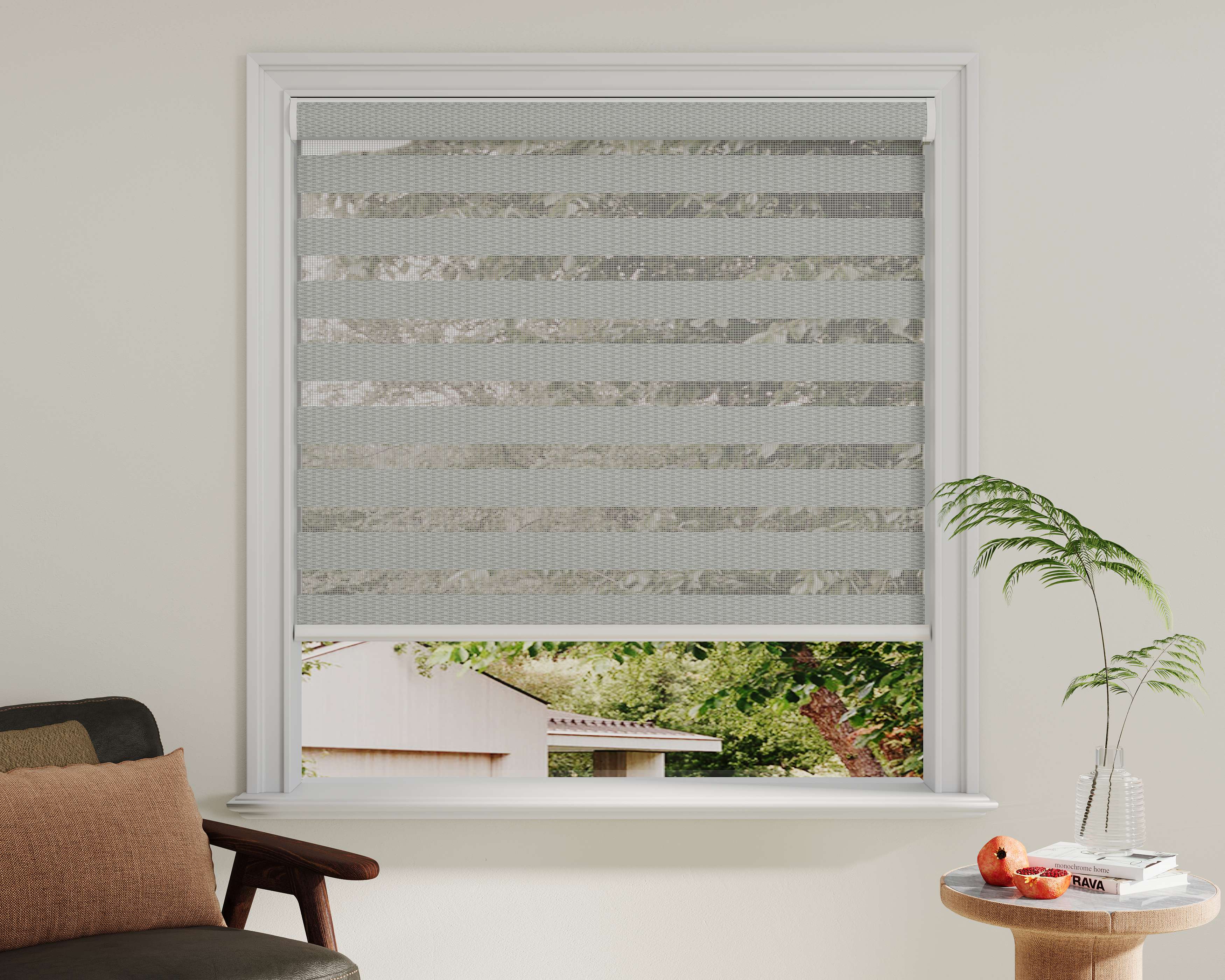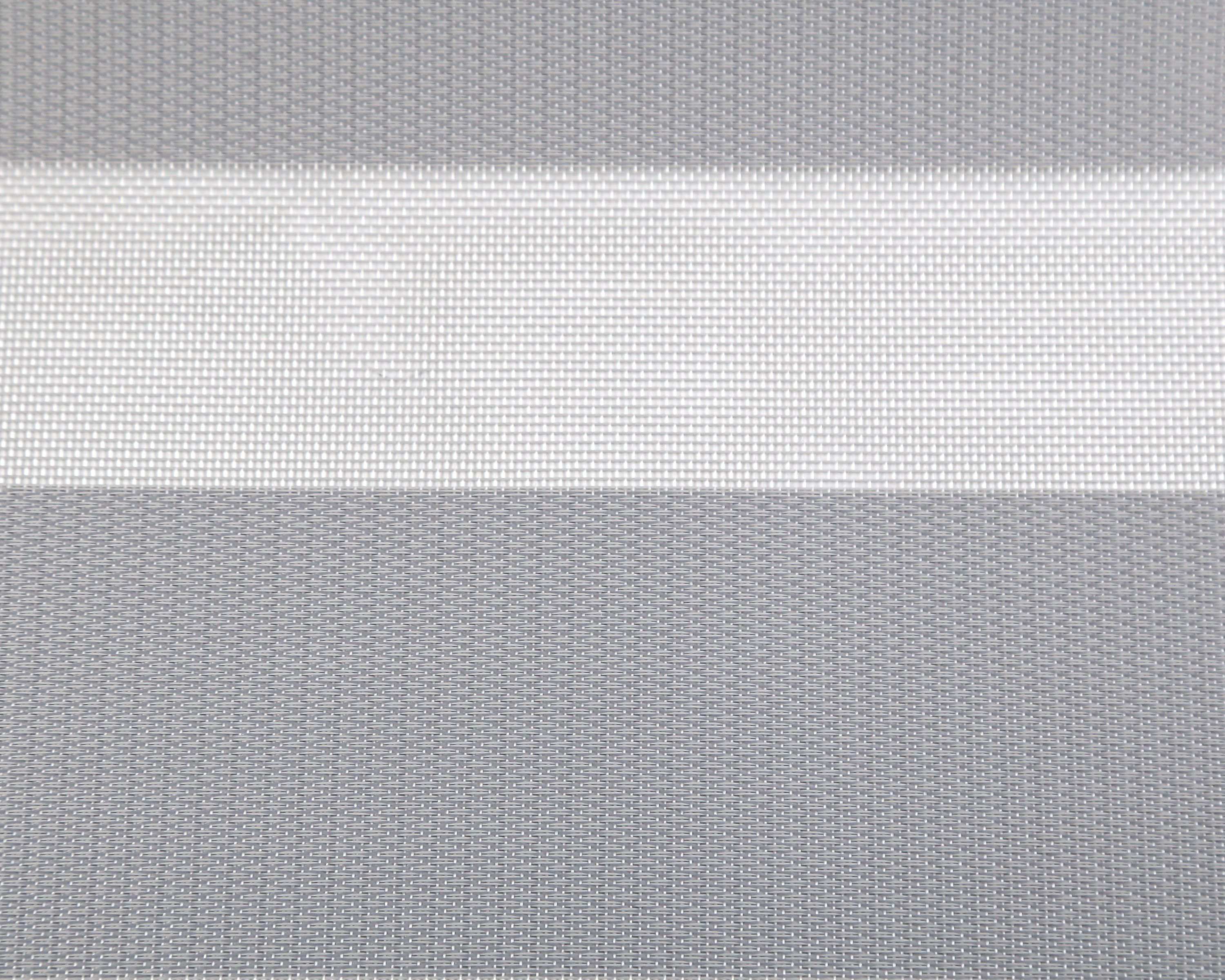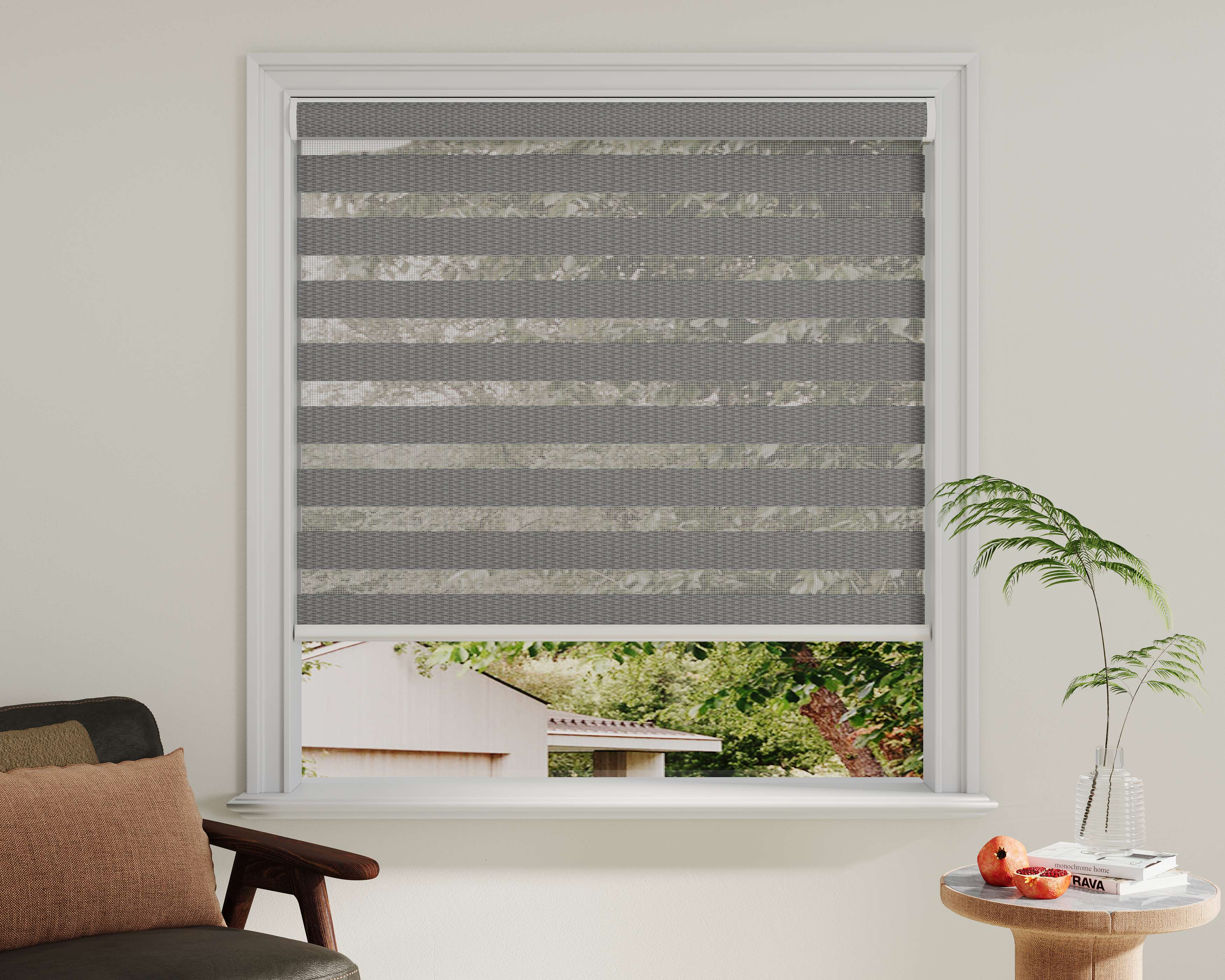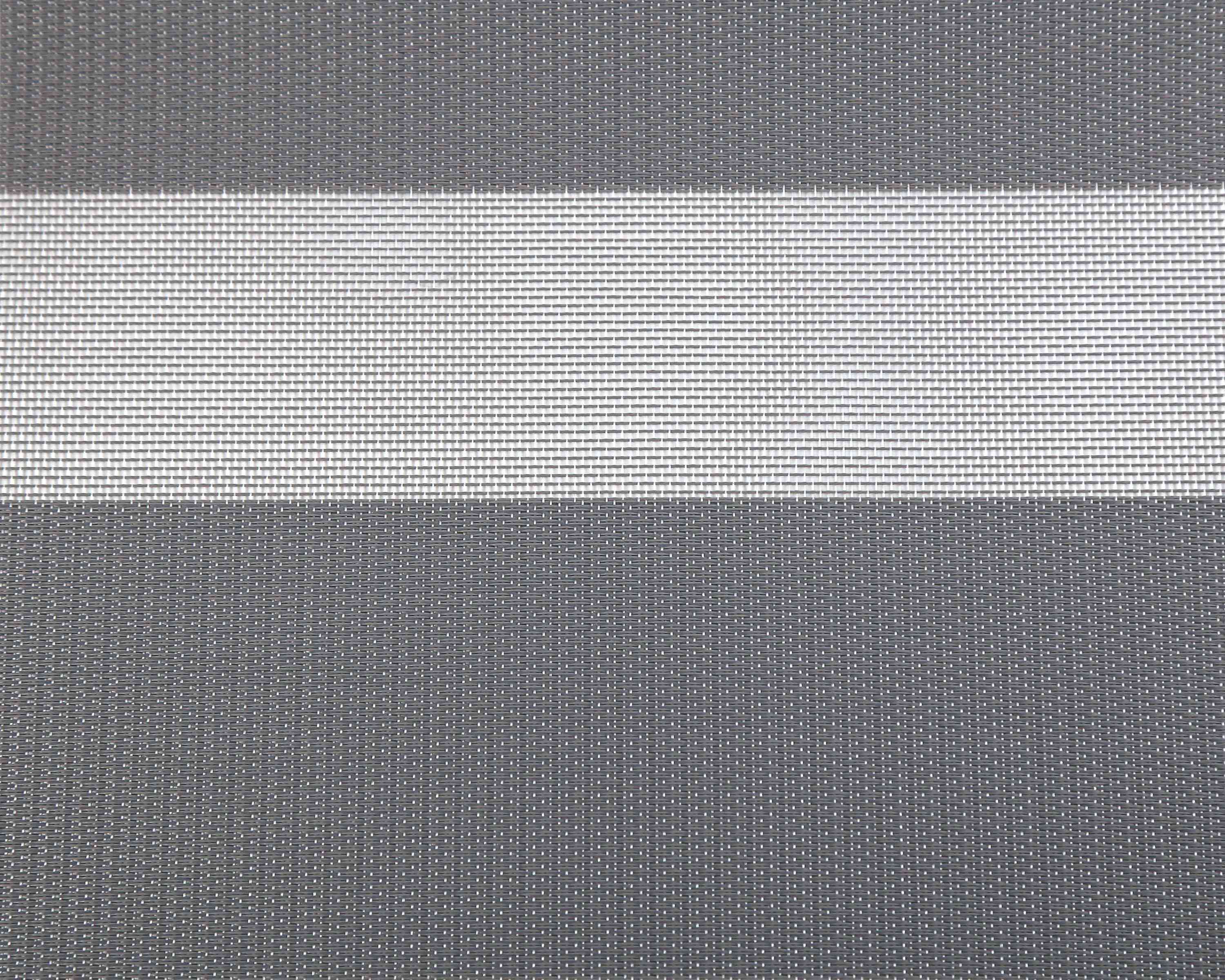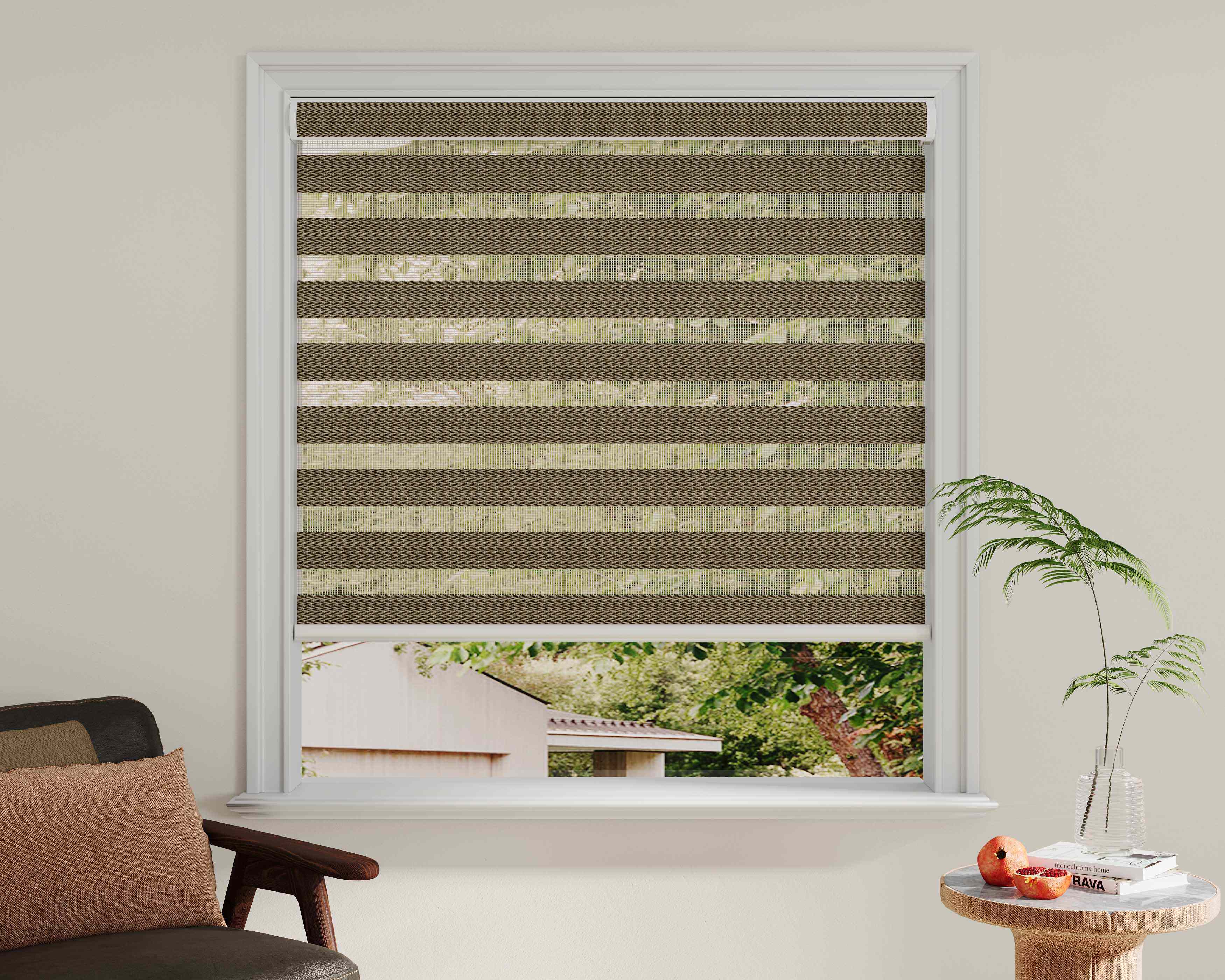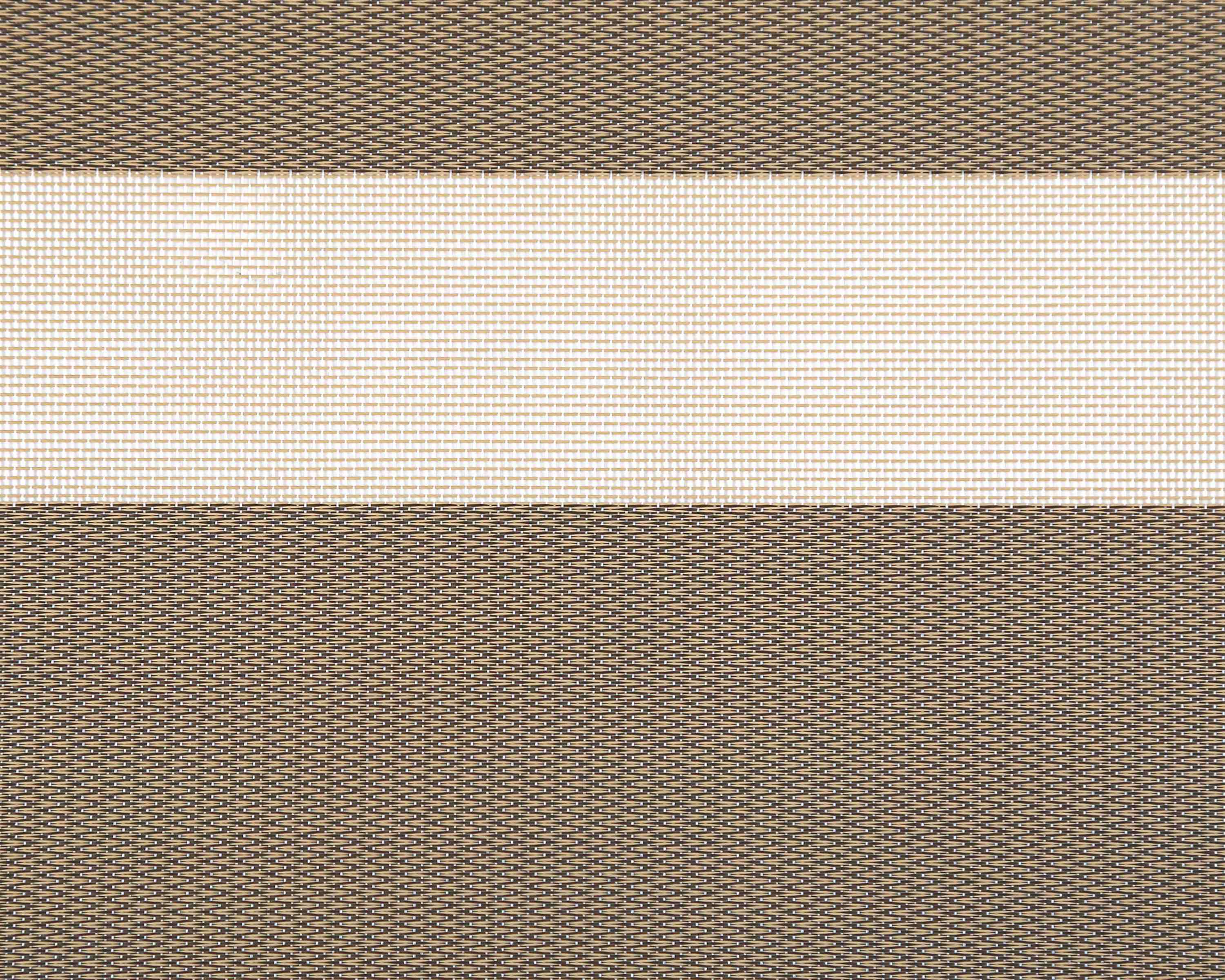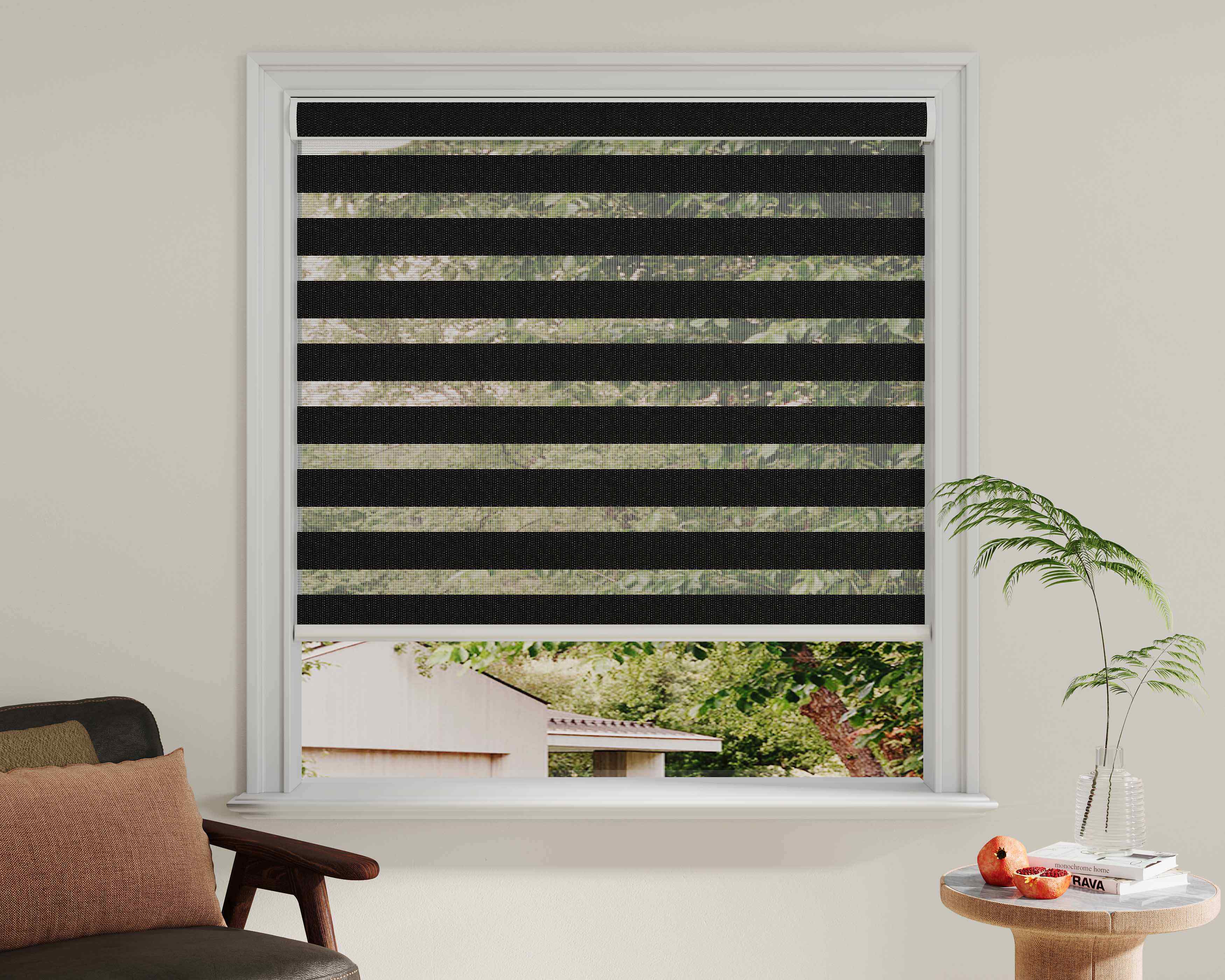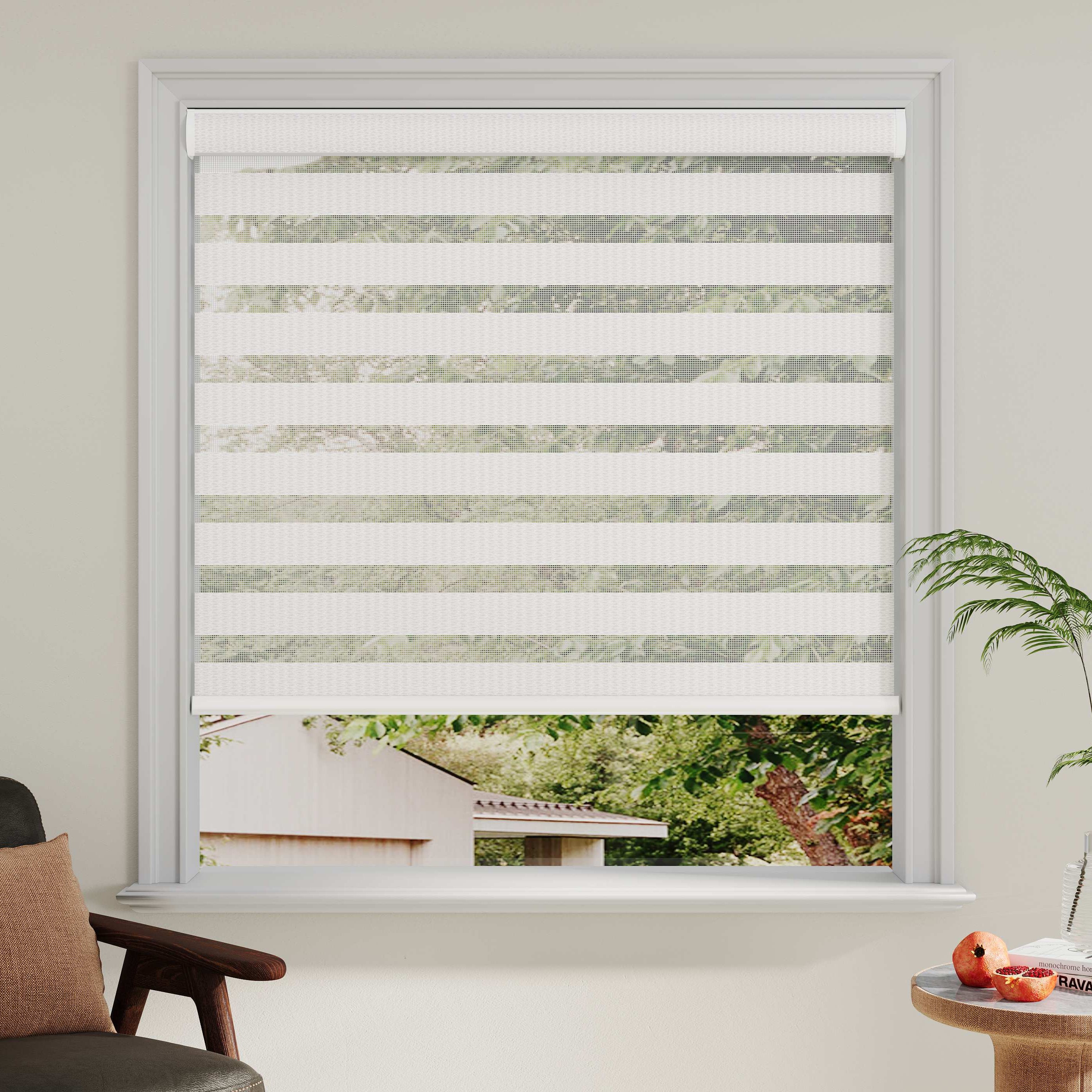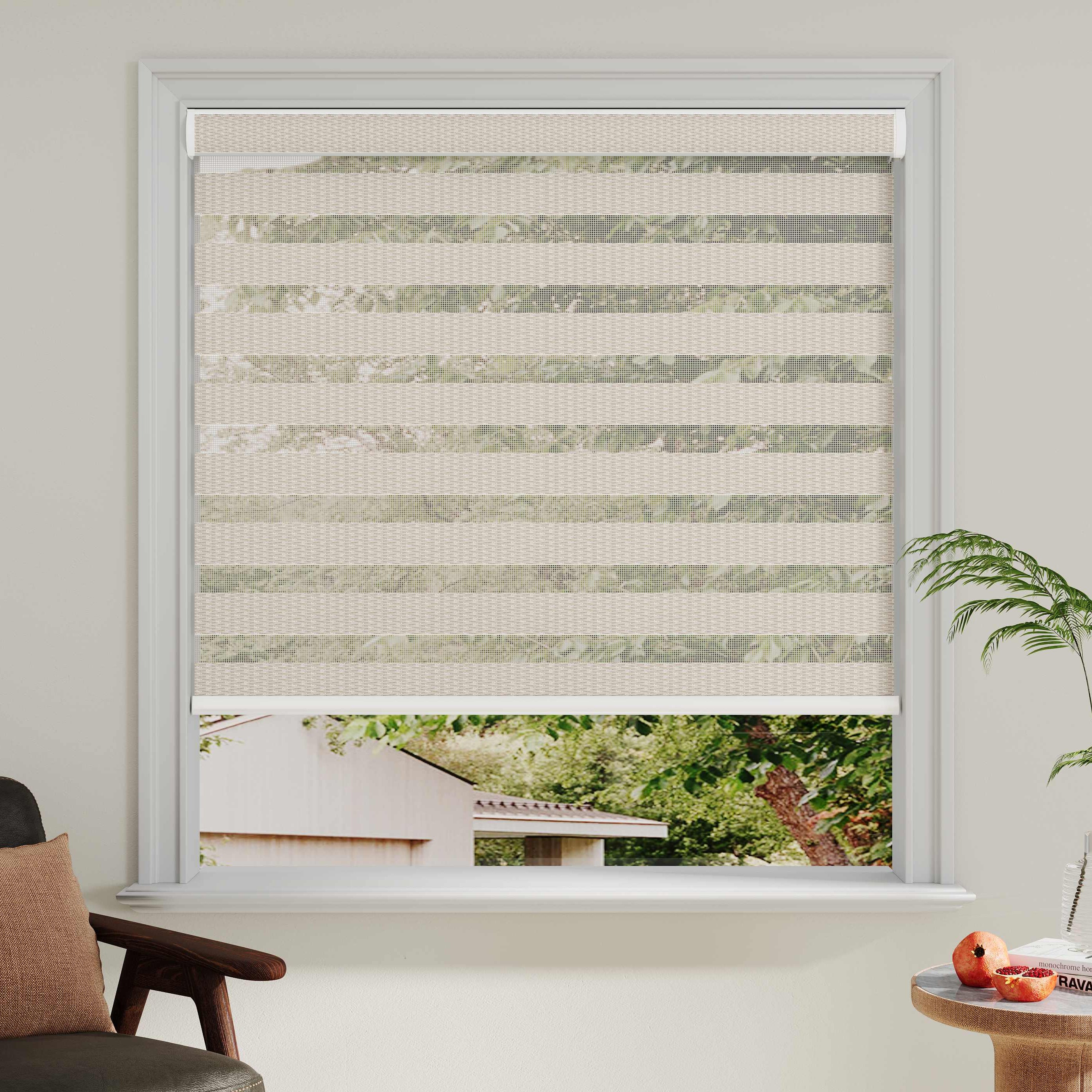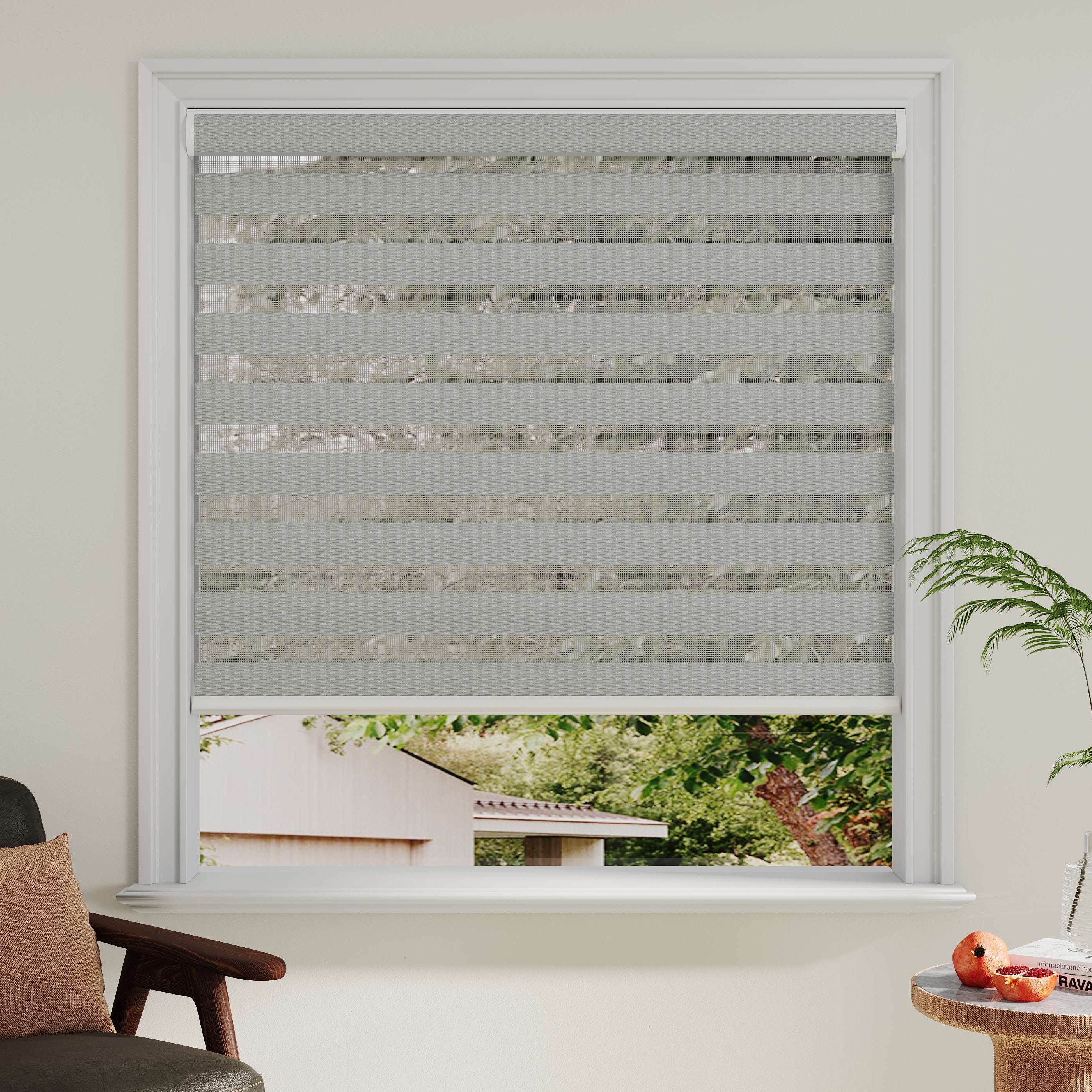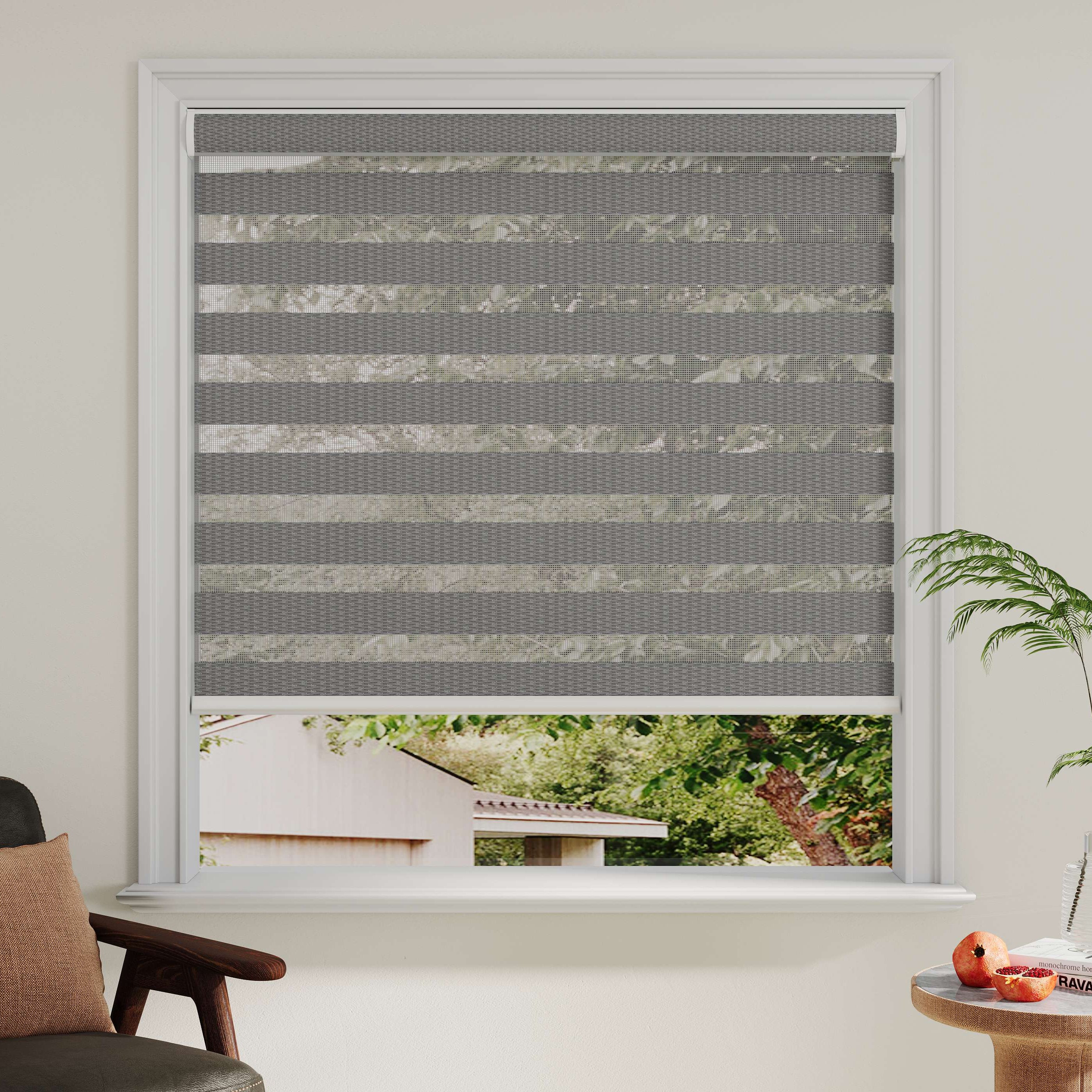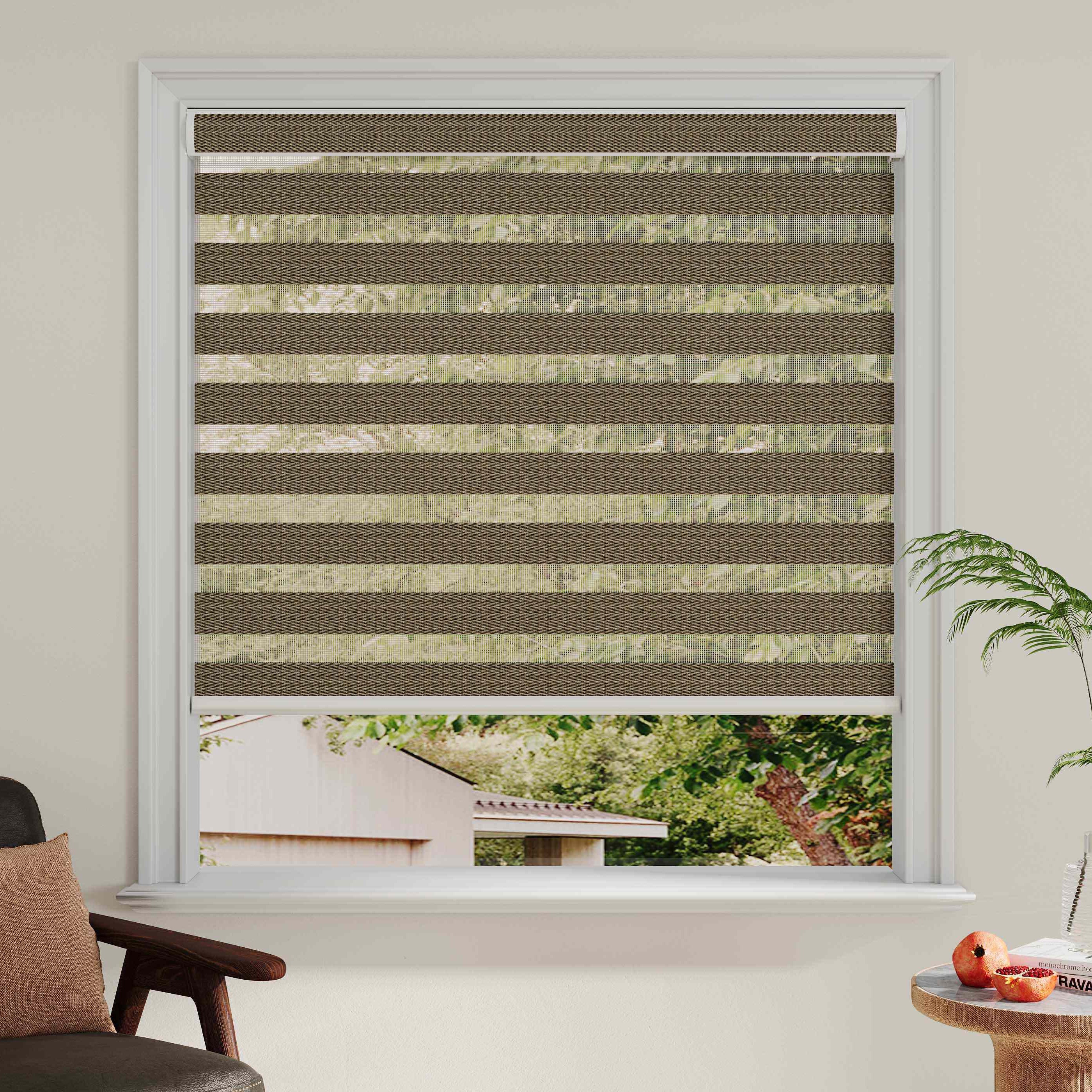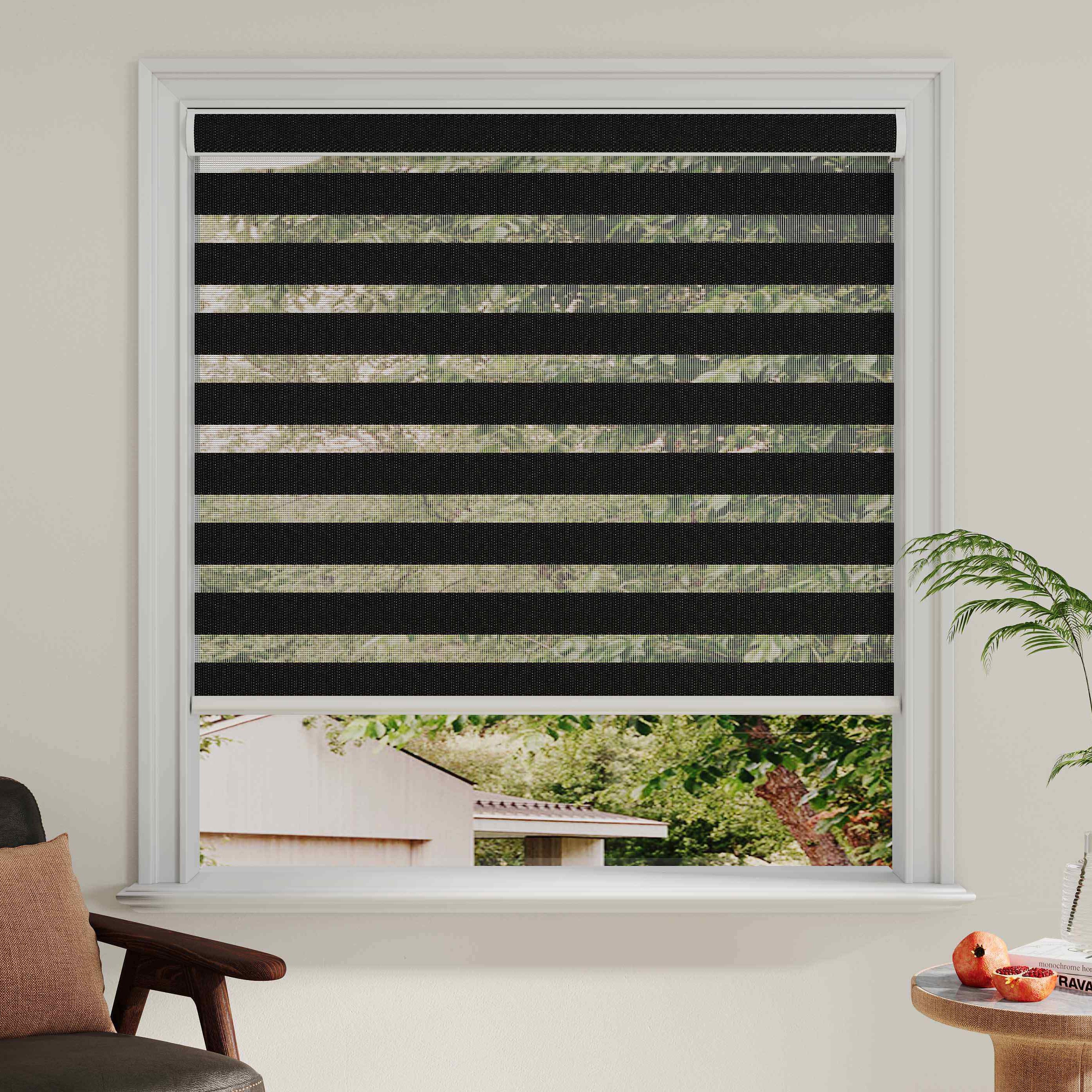
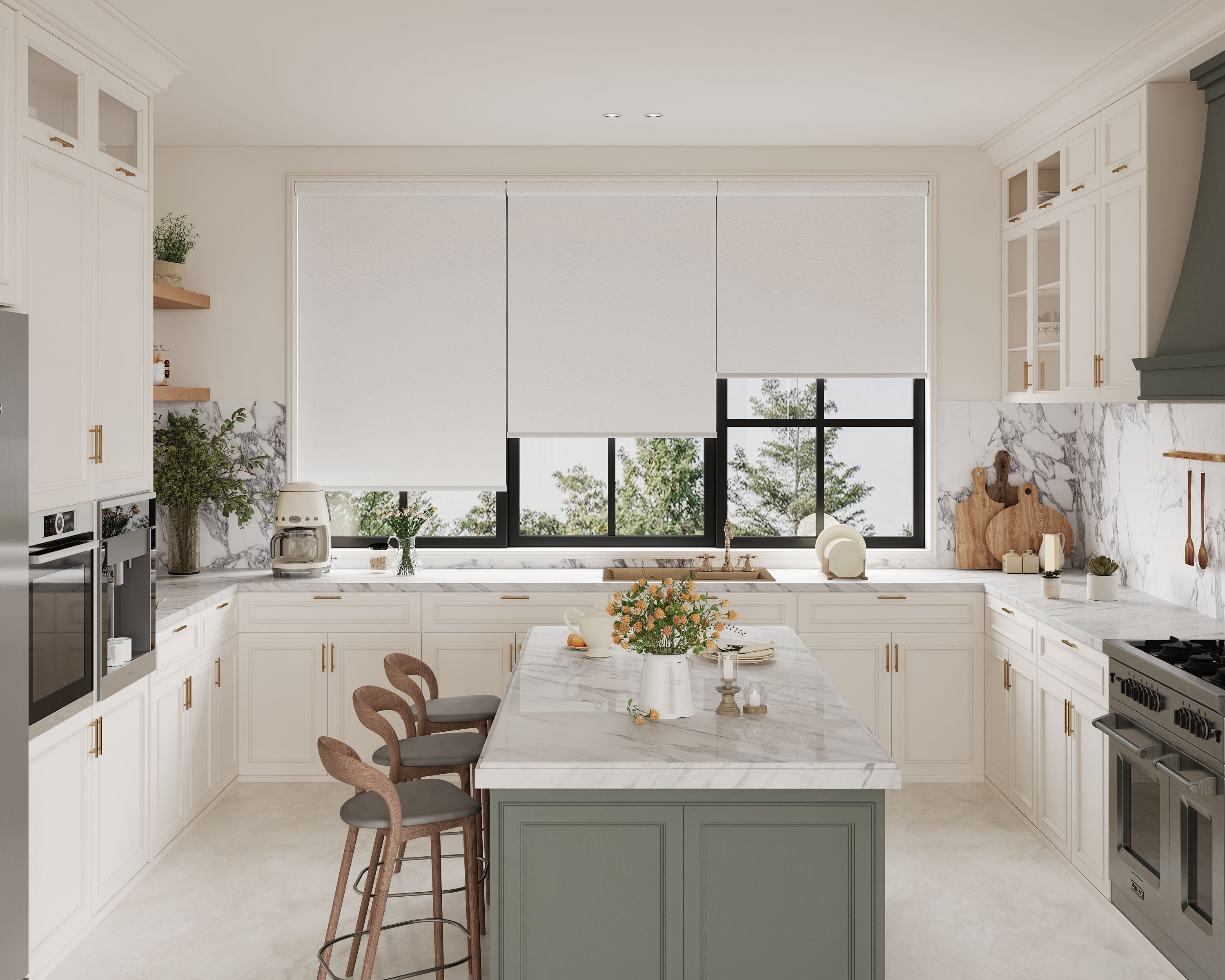
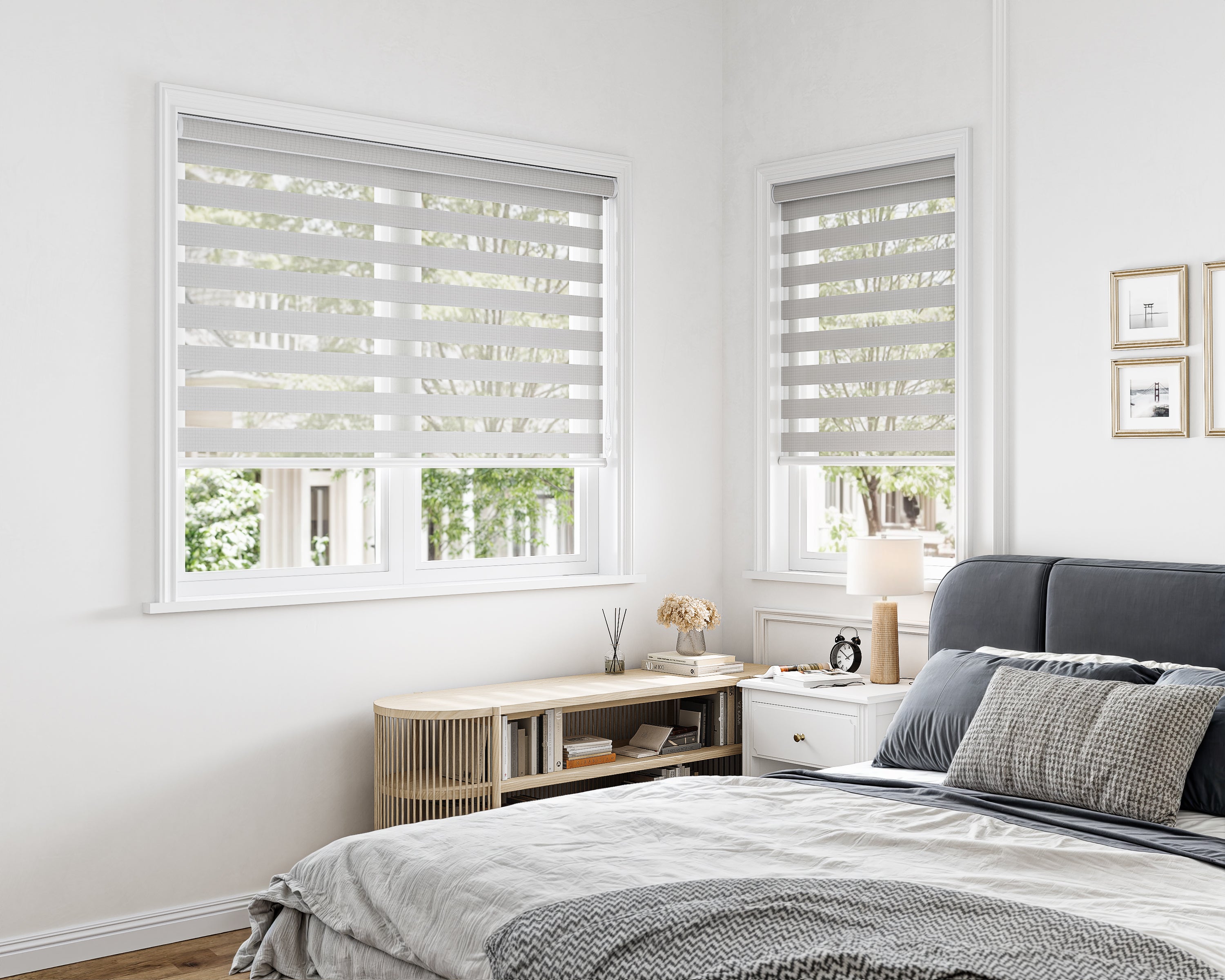
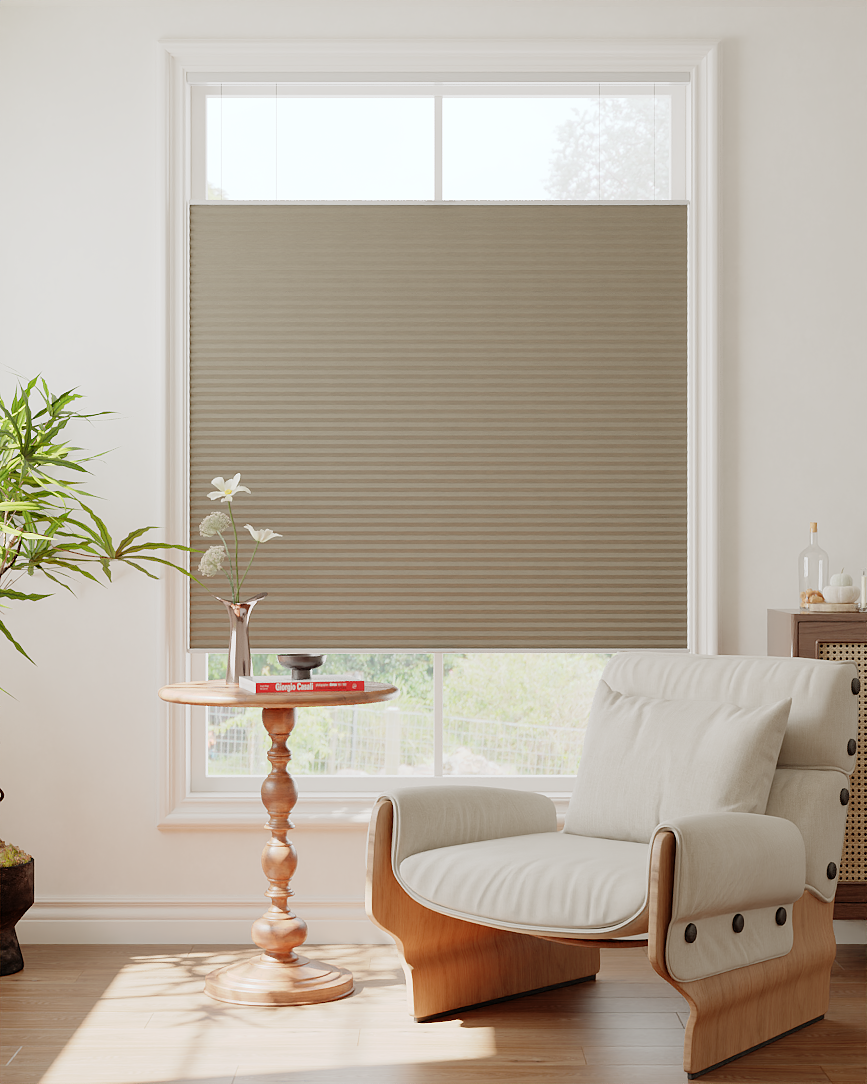
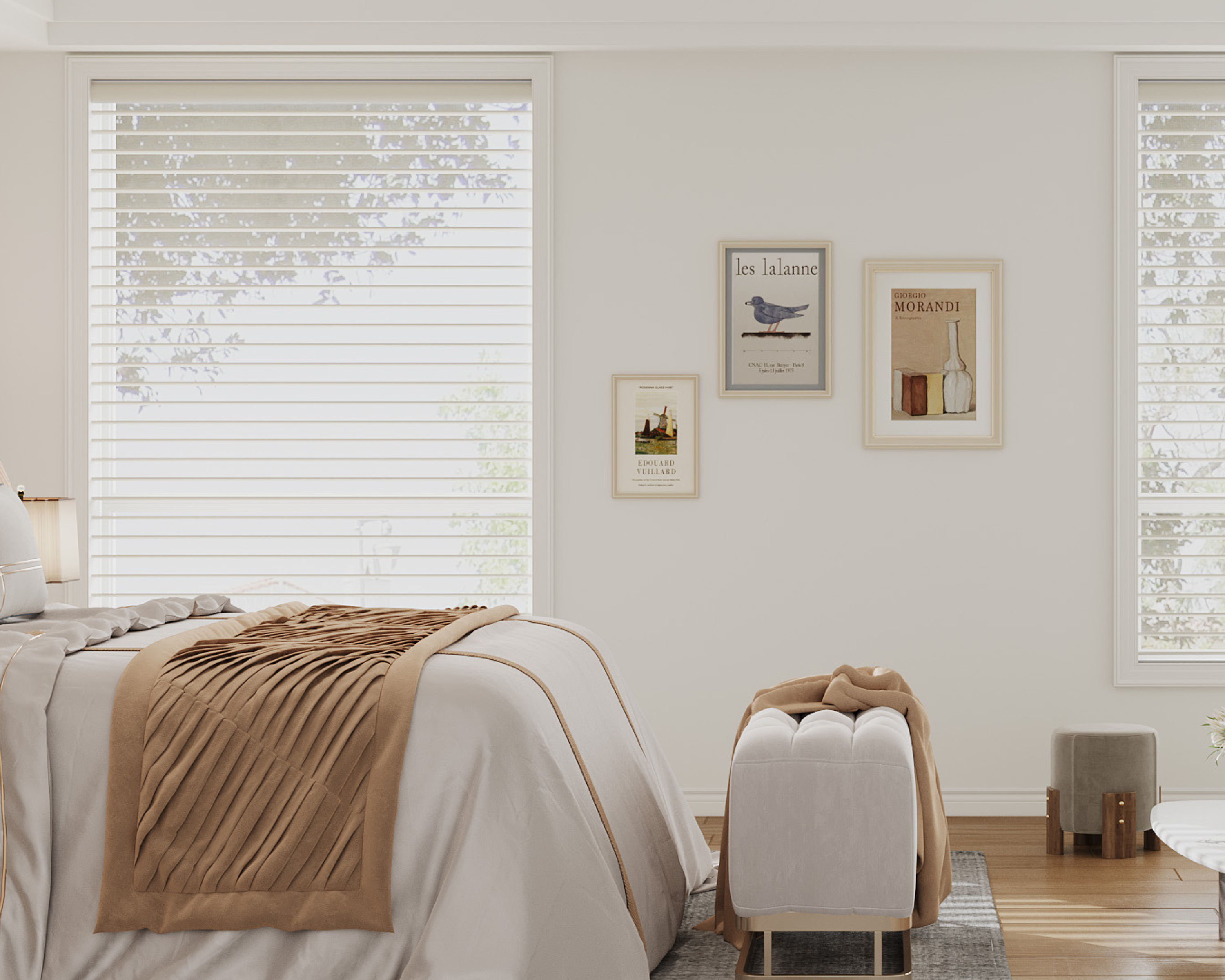
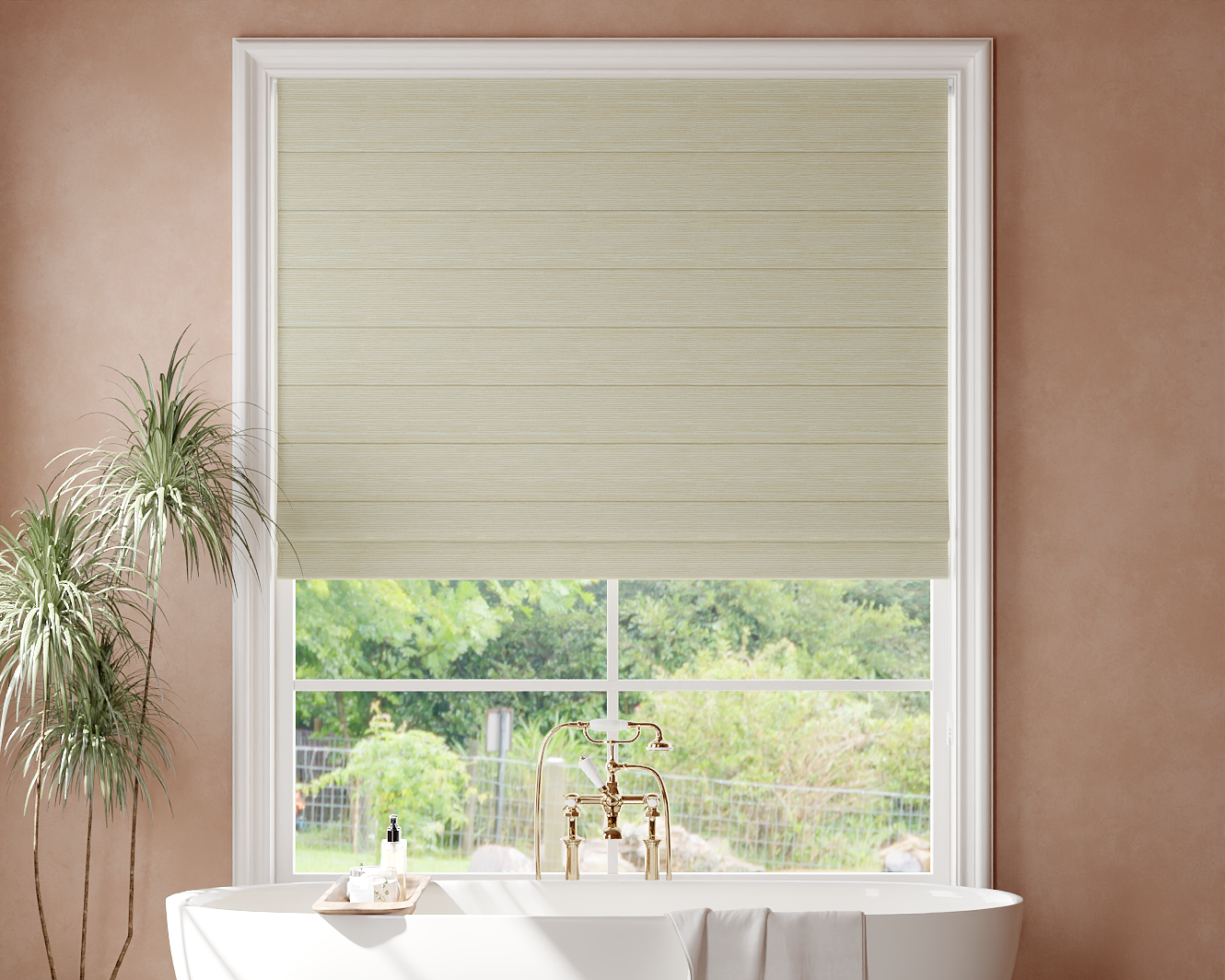
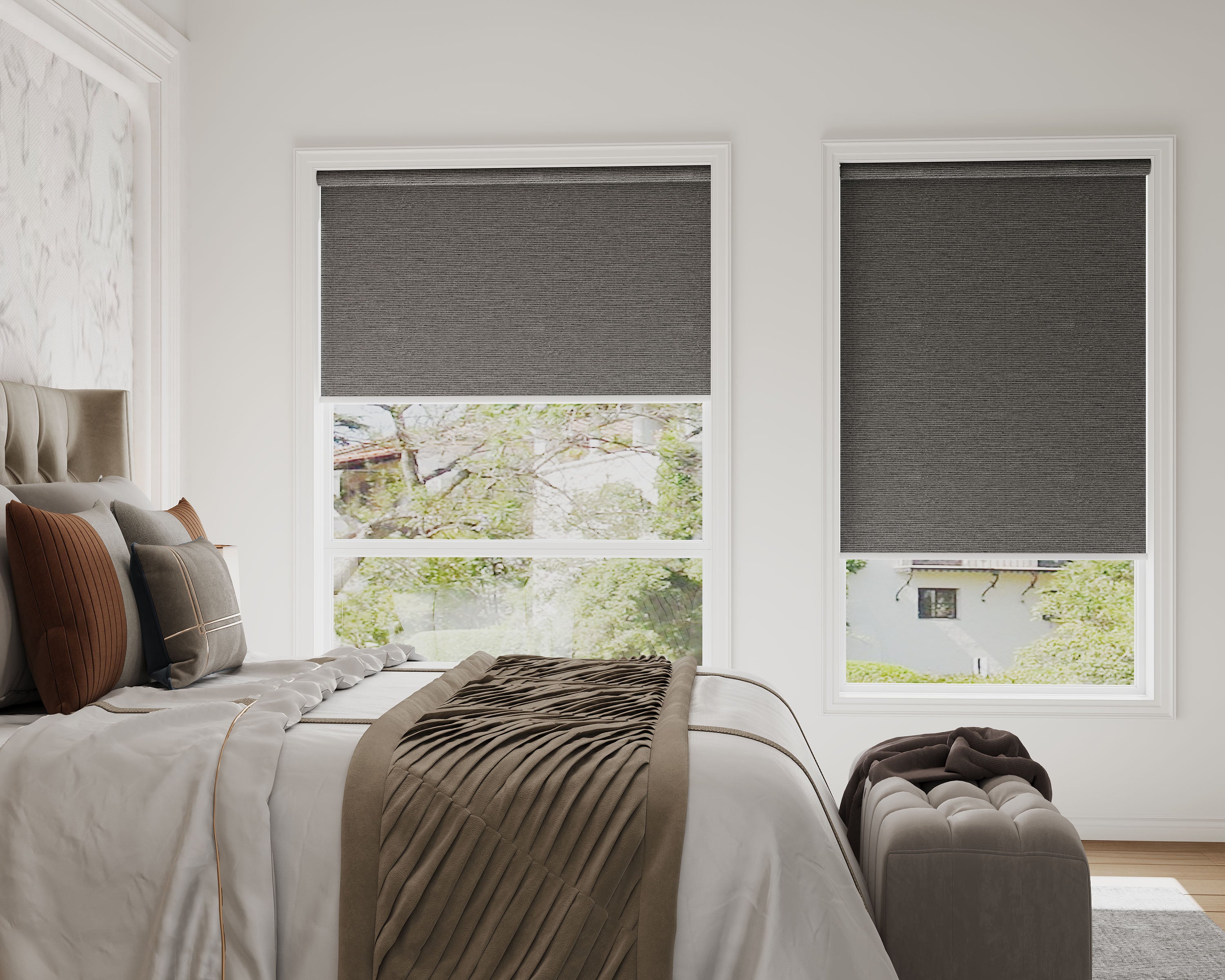
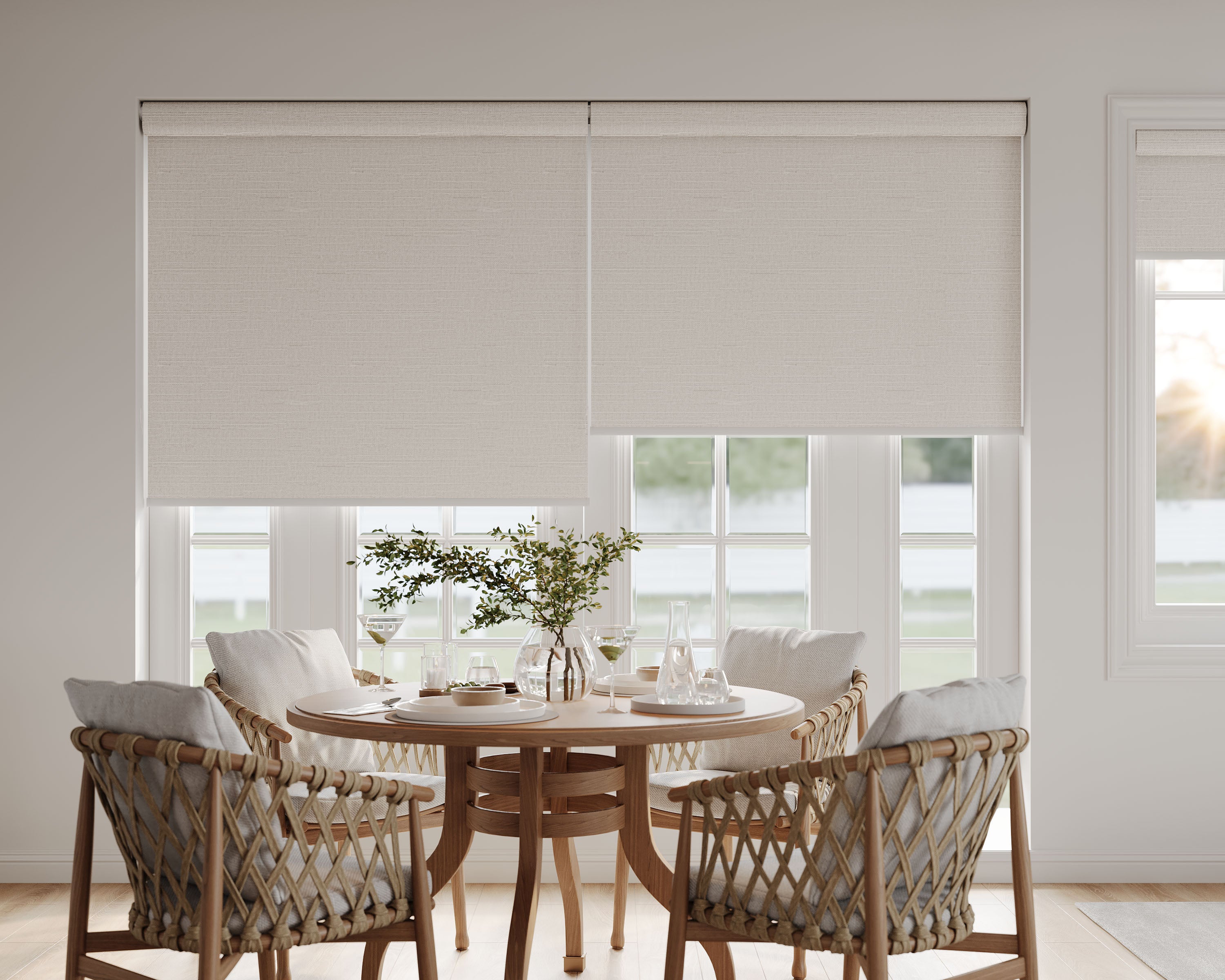
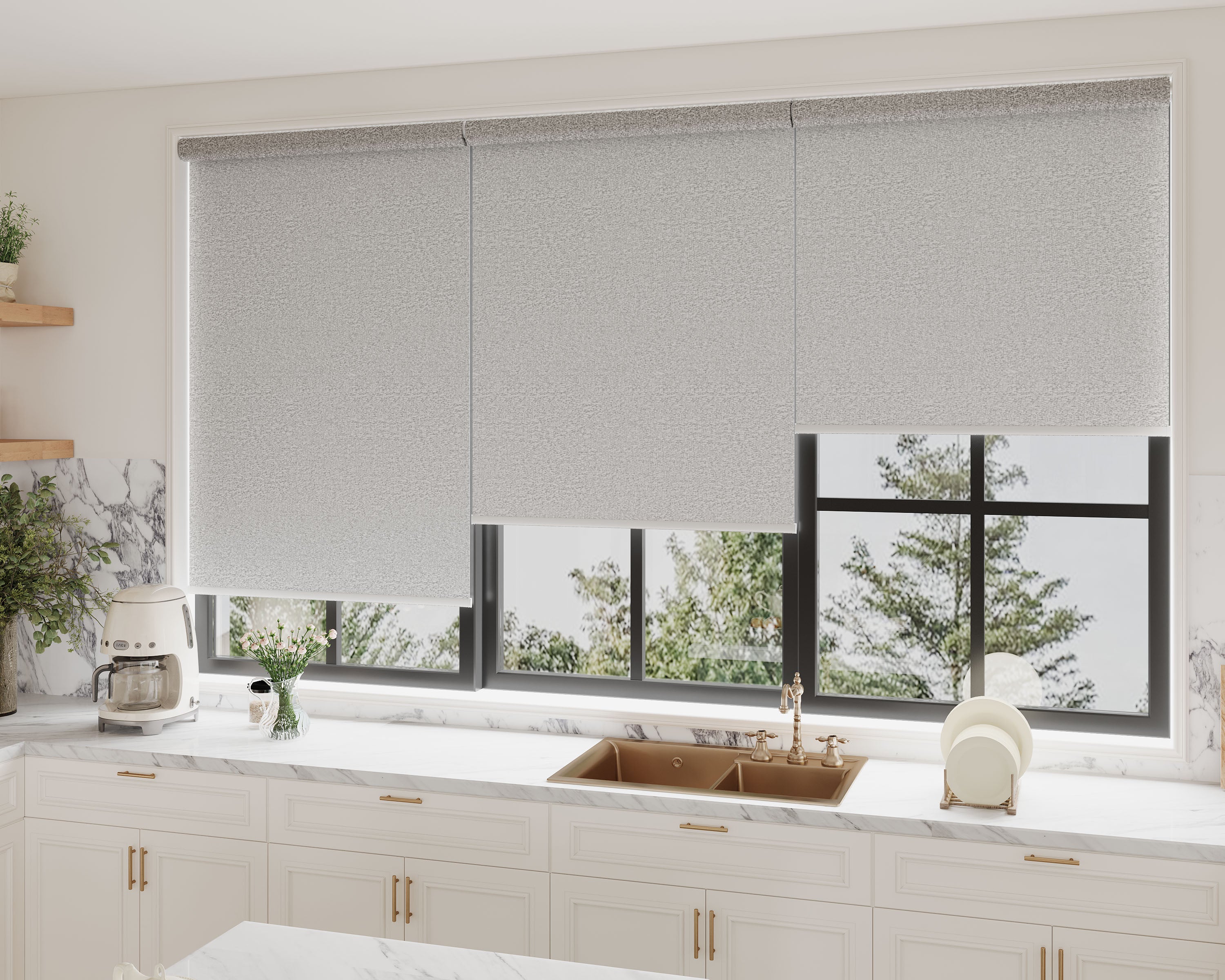
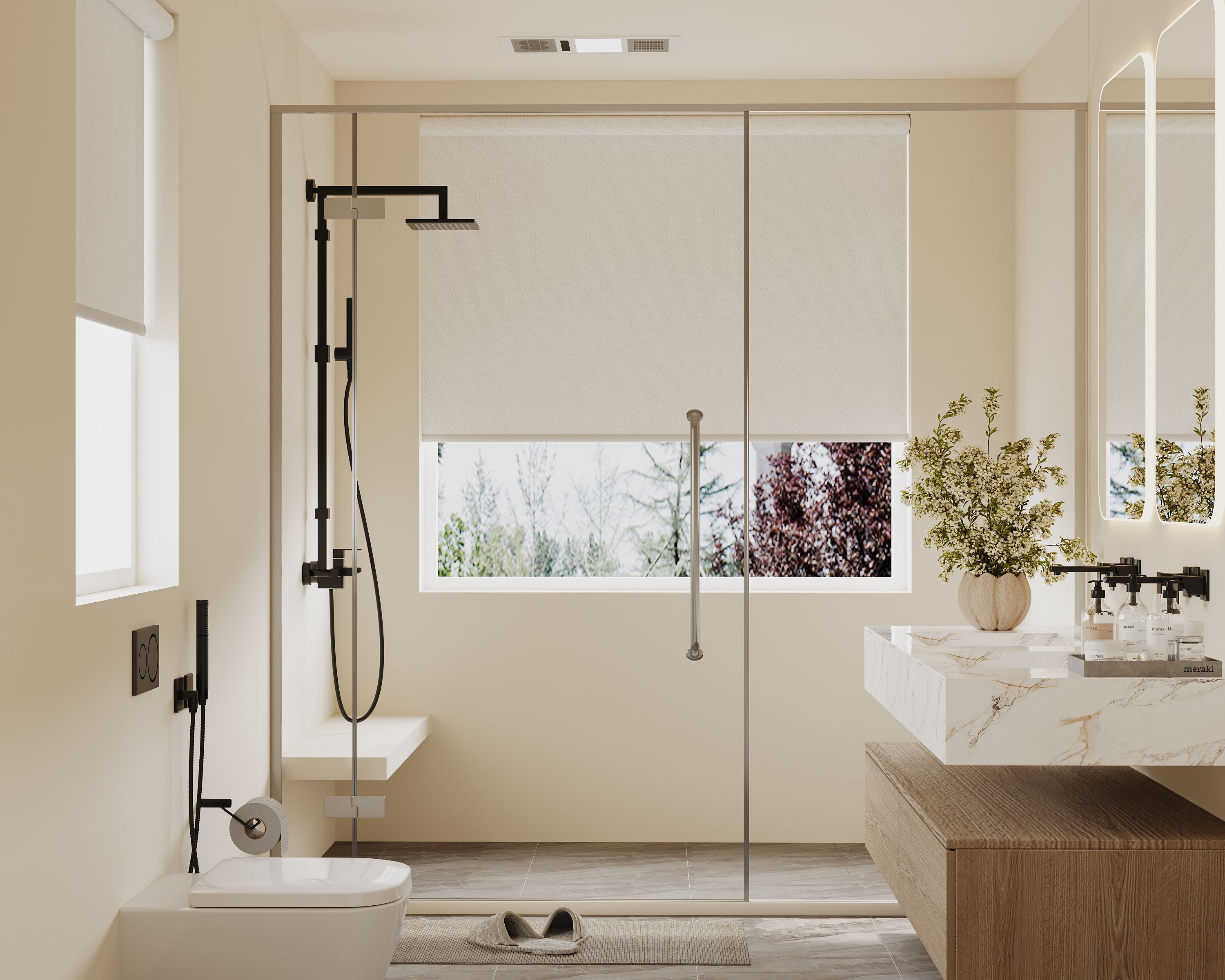
Complete Bedroom Zebra Collection
Four Opacity Levels for Bedrooms
Choose the light level that matches your sleep habits and lifestyle:
-
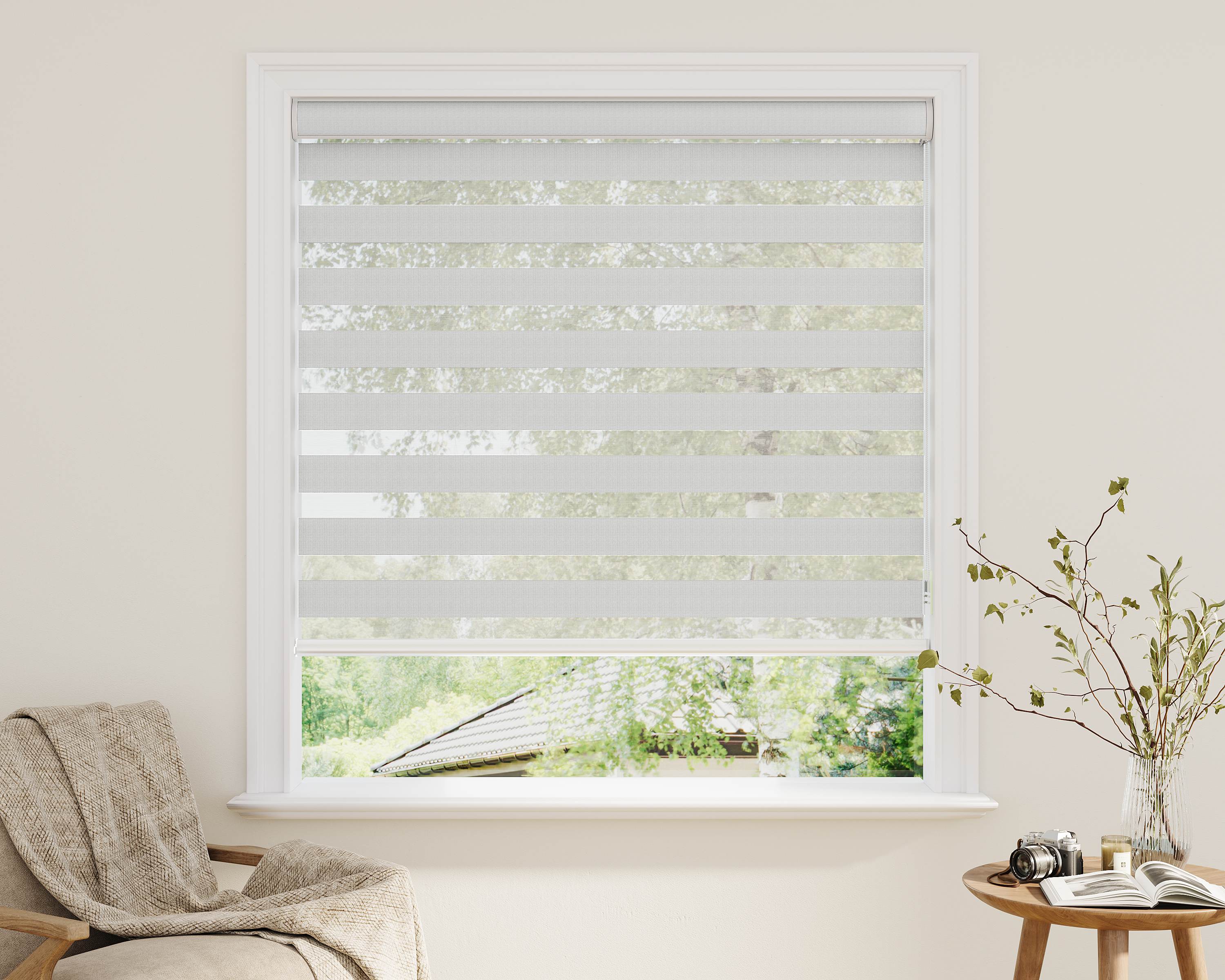
Light‑Filtering (5% openness) — Soft, diffused daylight. Ideal for morning risers and daytime relaxation.
-
Room‑Darkening (80% light block) — Reduced glare and enhanced privacy. Perfect for afternoon naps and evening wind‑down.
-
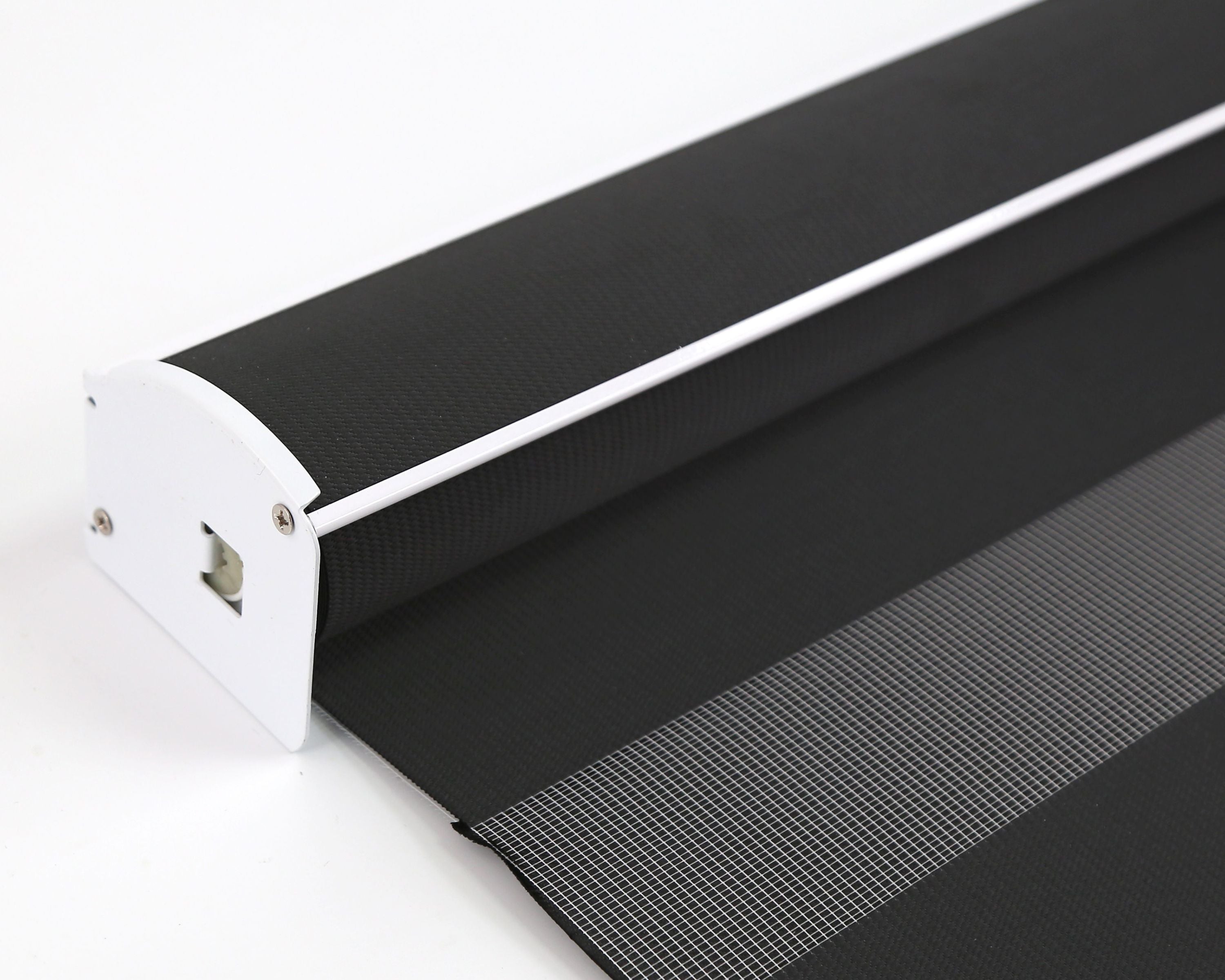
Blackout (100% light block) — Total darkness for shift workers, light‑sensitive sleepers, and nurseries.
-
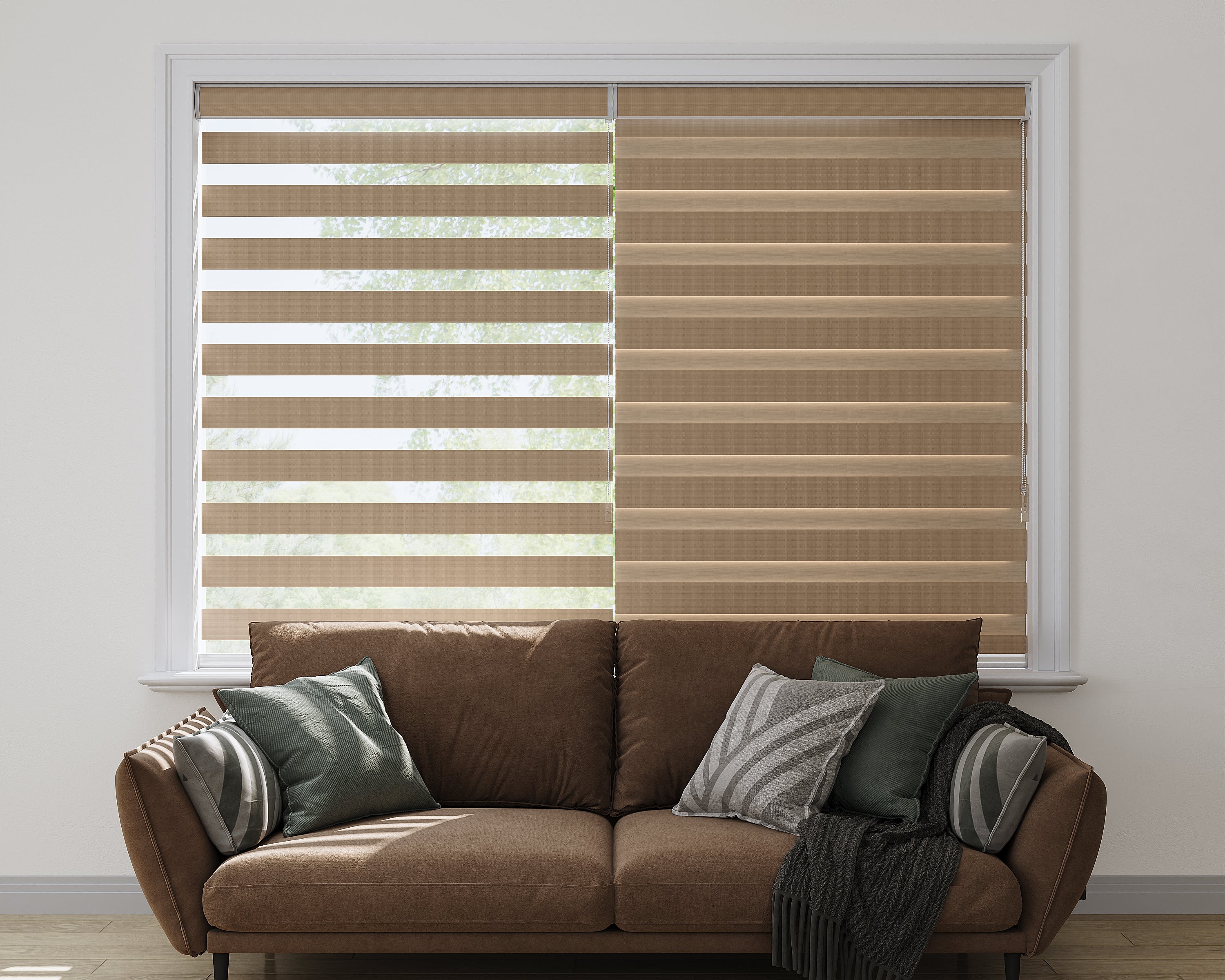
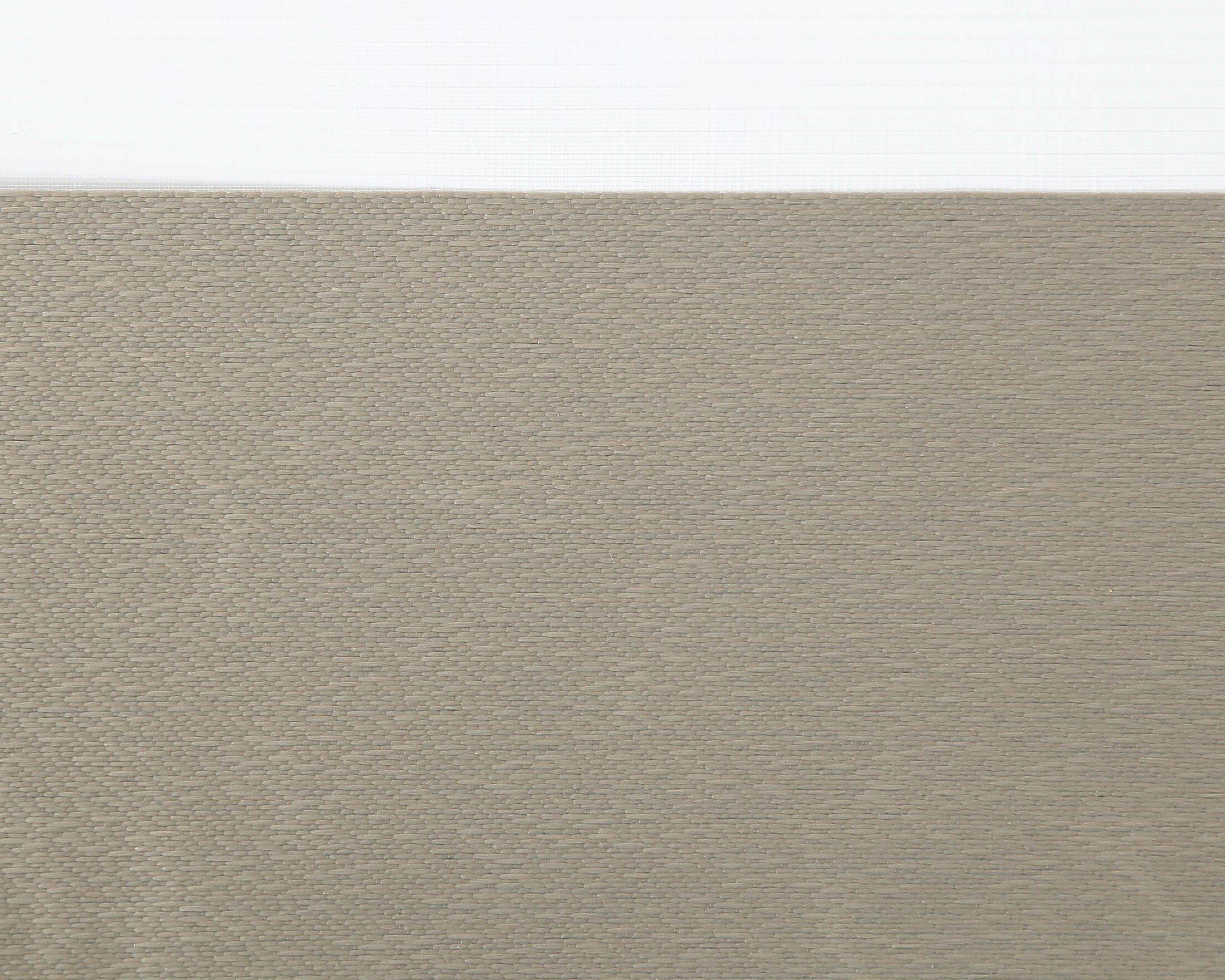
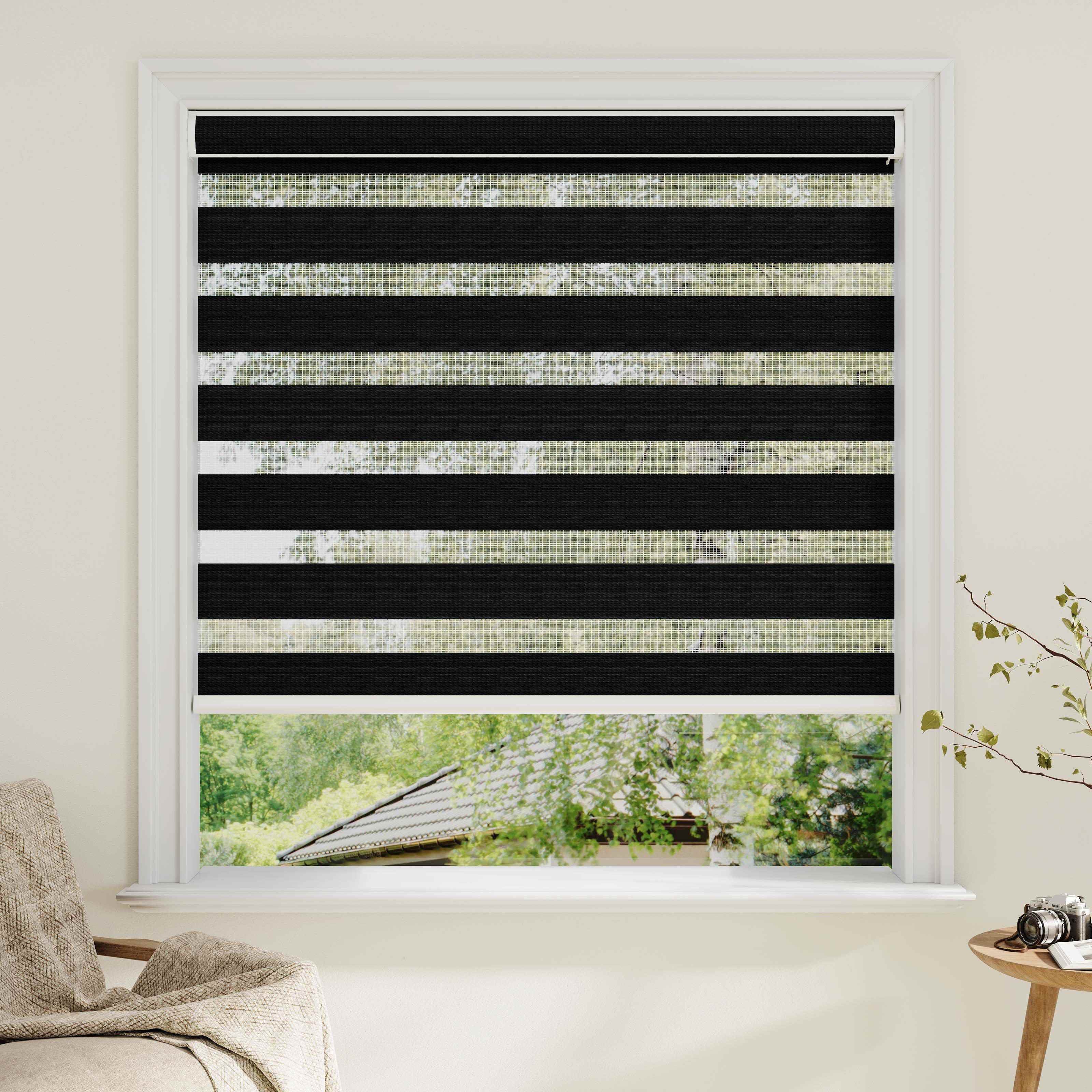
Dual‑Shade DayNight — Two independent shades (sheer + blackout) on one headrail for maximum flexibility.
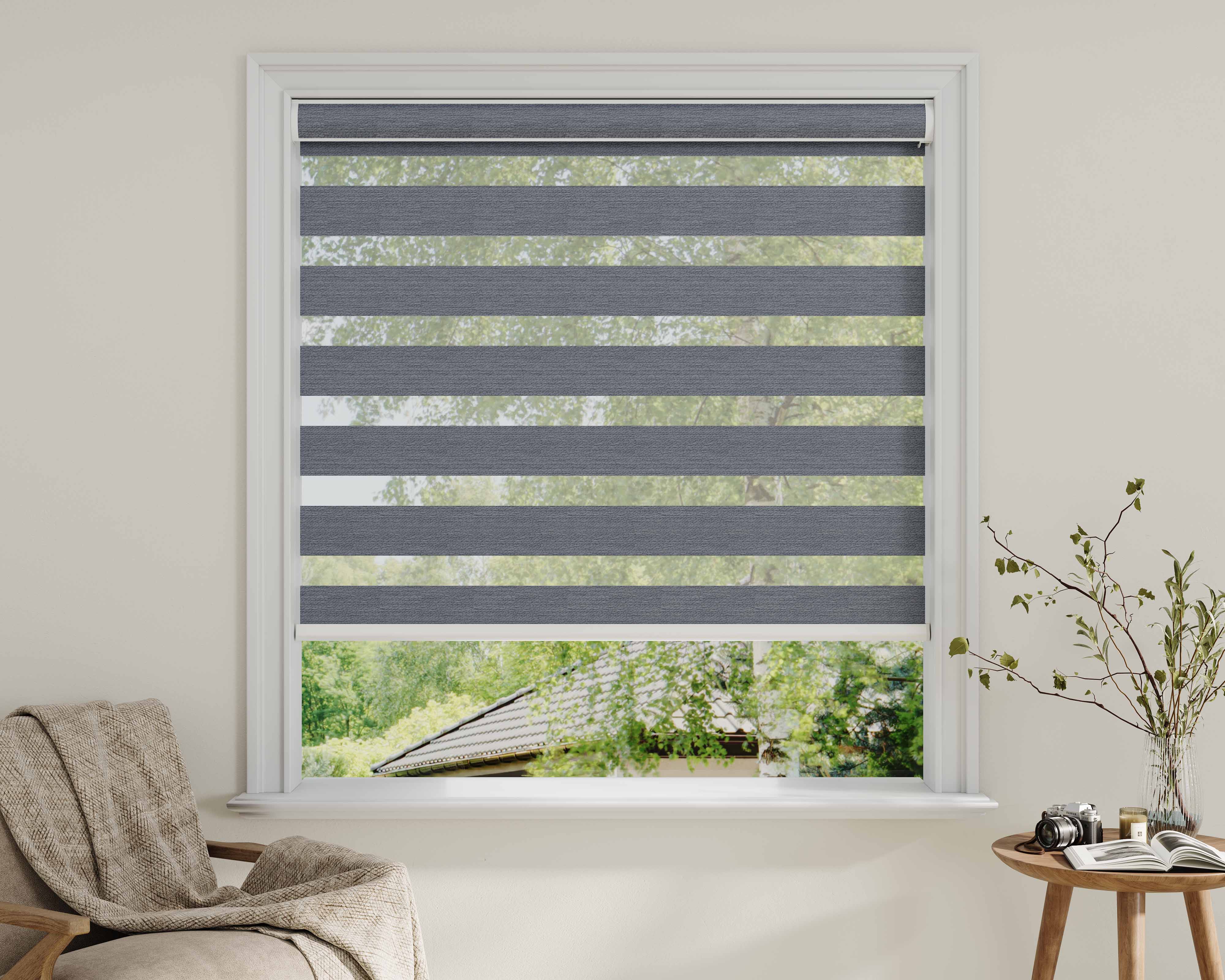
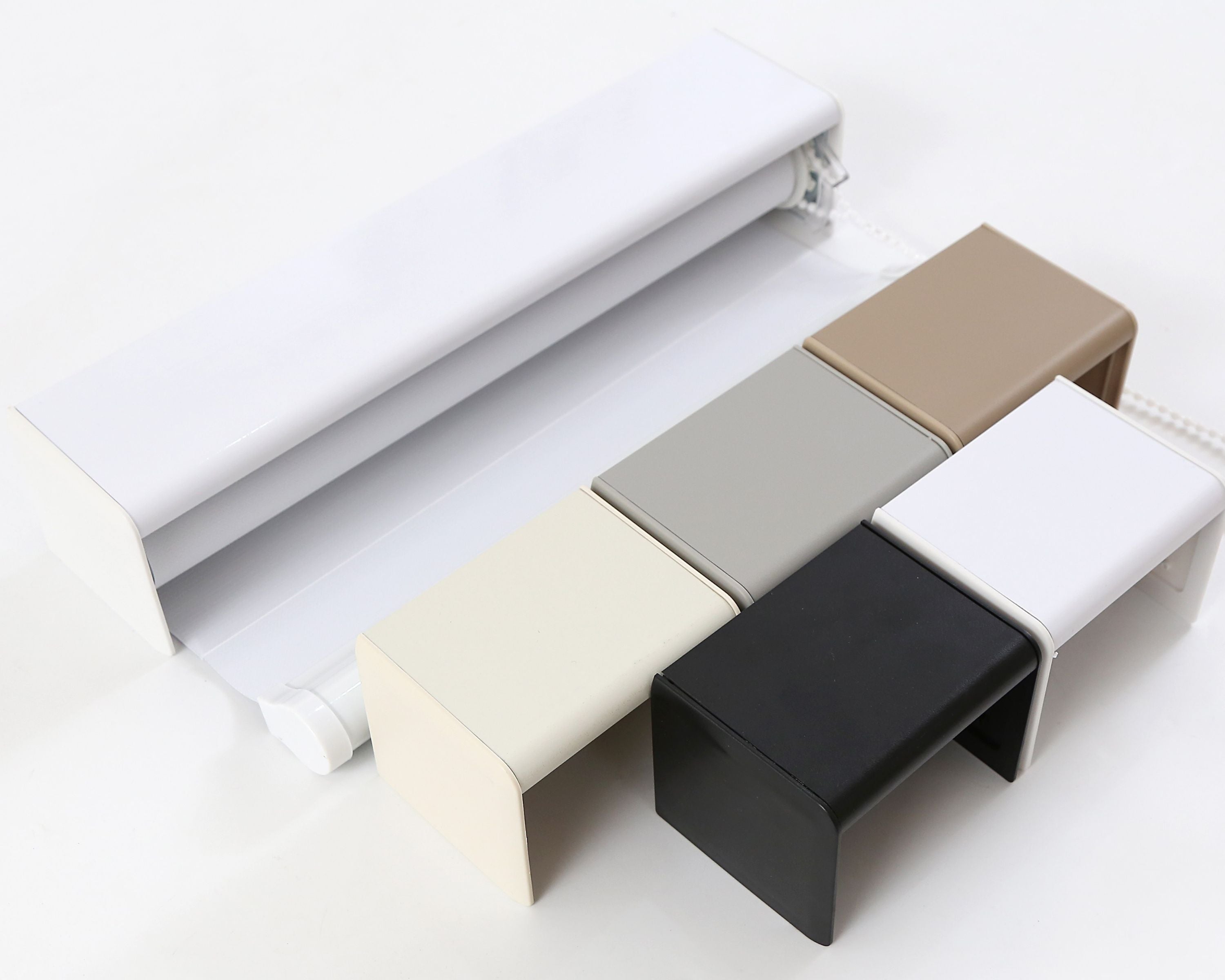
All opacities are available in coordinated colors so you can mix and match seamlessly throughout the home.
Partner‑Friendly Zoning
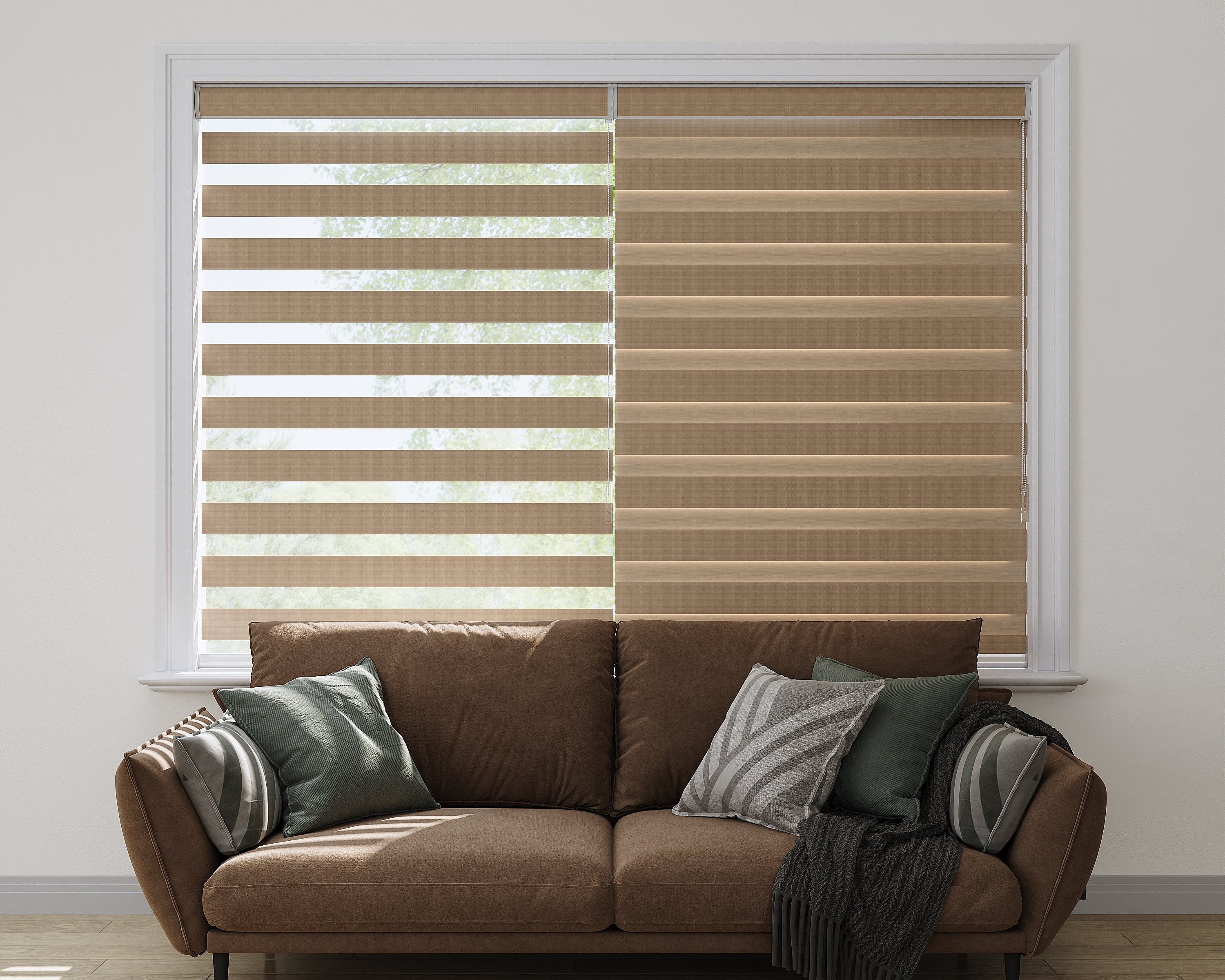
Couples often have different light preferences. Our DayNight dual‑shade system solves this elegantly:
-
Install a blackout panel on the early riser’s side
-
Install a light‑filtering panel on the partner’s side
-
Both operate independently from a single headrail
Alternatively, a single zebra shade allows each partner to fine‑tune light levels using the adjustable bands.
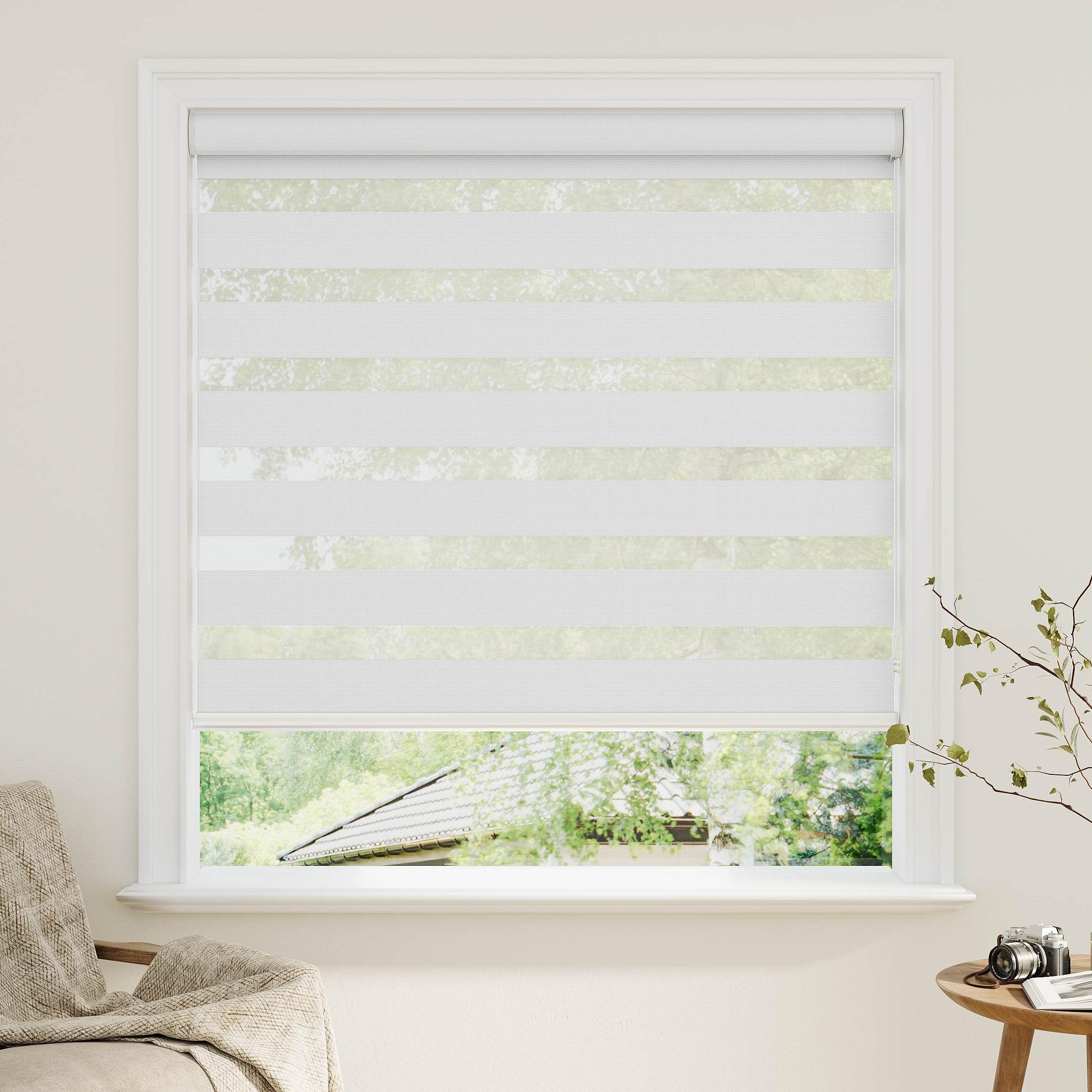
Top‑Down/Bottom‑Up for Privacy + Light
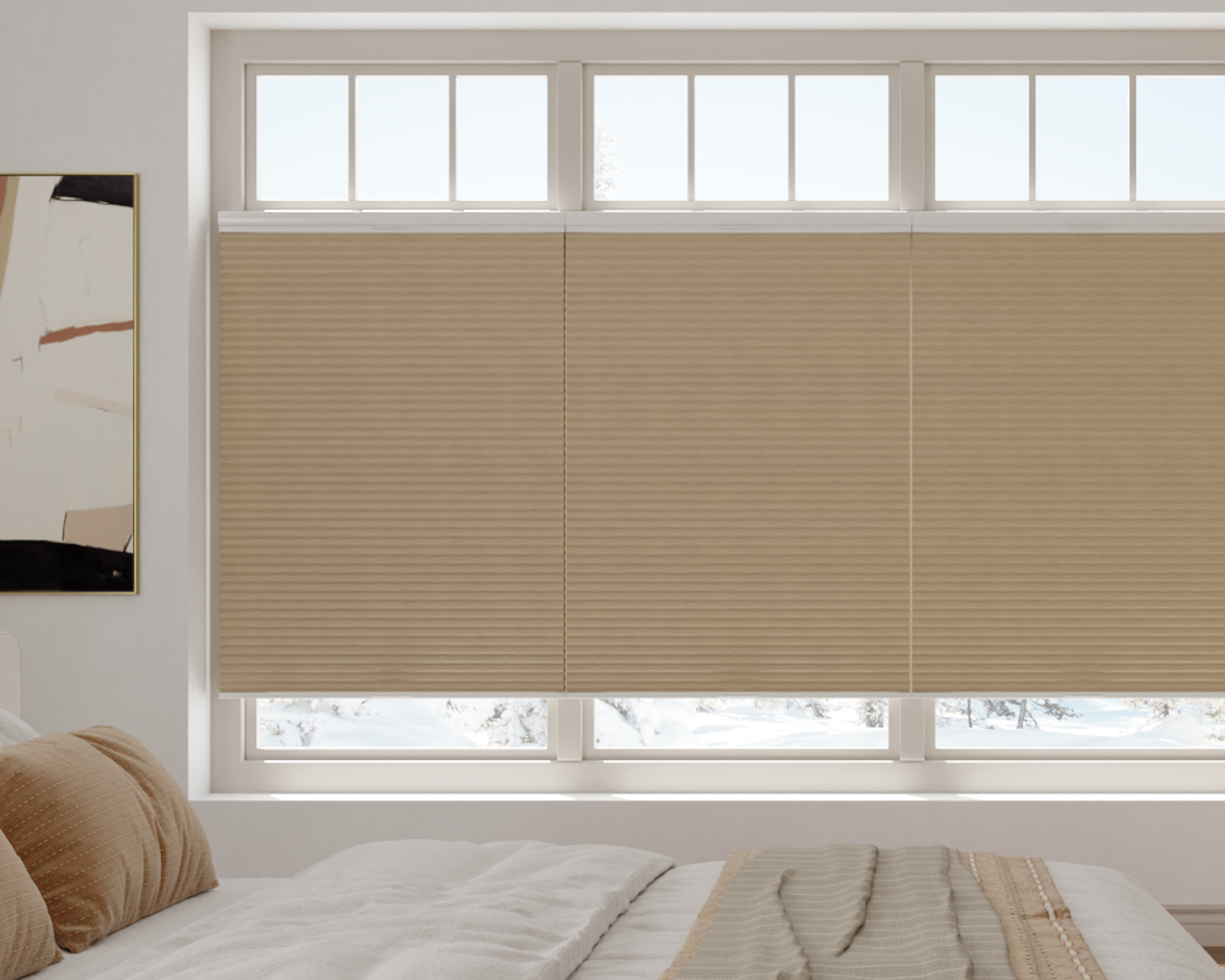
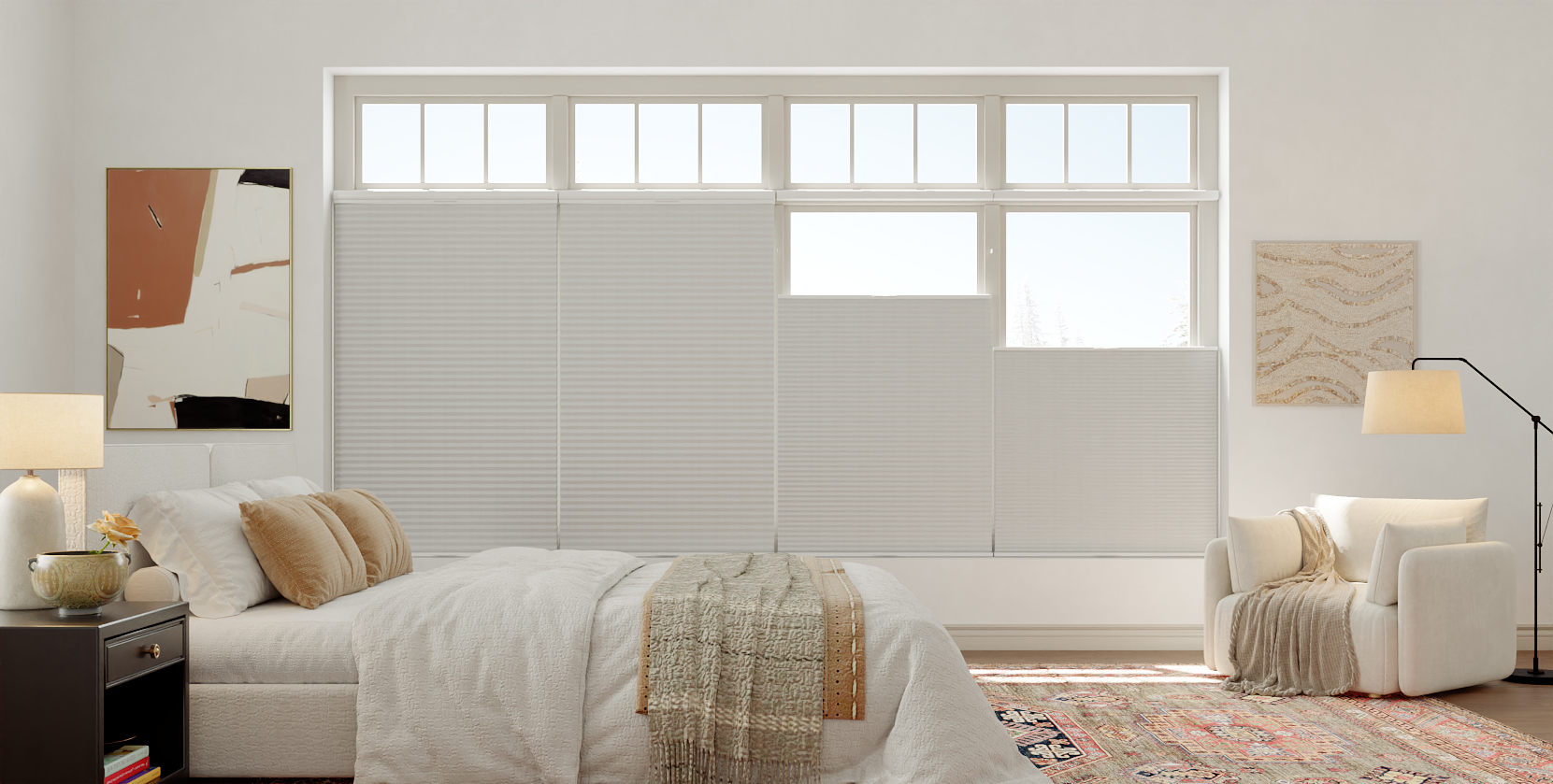
Bedrooms facing neighbors or busy streets benefit from TDBU operation. Lower the top of the shade to admit soft, ambient light while keeping the bottom fully lowered for privacy. This is especially useful in second‑story bedrooms where the view is treetops rather than street level.
Child‑Safe Cordless Operation
All bedroom zebra shades are available with cordless wand tilt—no dangling cords, no loops, and a cleaner, more peaceful appearance. This system meets the highest child‑safety standards. For ultimate convenience, motorized operation is also available.
Calming Color Palette
Our bedroom palette includes 30+ colors, from serene neutrals to soft blues and greens—tones often associated with reduced stress and improved sleep quality. All fabrics are solution‑dyed for long‑term fade resistance.
Energy Savings While You Sleep
Room‑darkening and blackout zebra shades provide meaningful thermal insulation, reducing heat transfer through windows by up to 35%. This keeps your bedroom more comfortable year‑round and lowers energy costs while you rest.